Animals - Homeostasis
 Call Kai
 Learn
Learn Practice Test
 Spaced Repetition
 Match
Match Flashcards
 Knowt Play
1/26

There's no tags or description
Looks like no tags are added yet.
Name | Mastery | Learn | Test | Matching | Spaced | Call with Kai |
|---|
No analytics yet
Send a link to your students to track their progress
27 Terms
Homeostasis
maintenance of internal steady state by means of self regulation, set point/equilibrium
Osmoregulation
maintenance of proper interal salt and water concentrations in a cell or in the body of a living organism
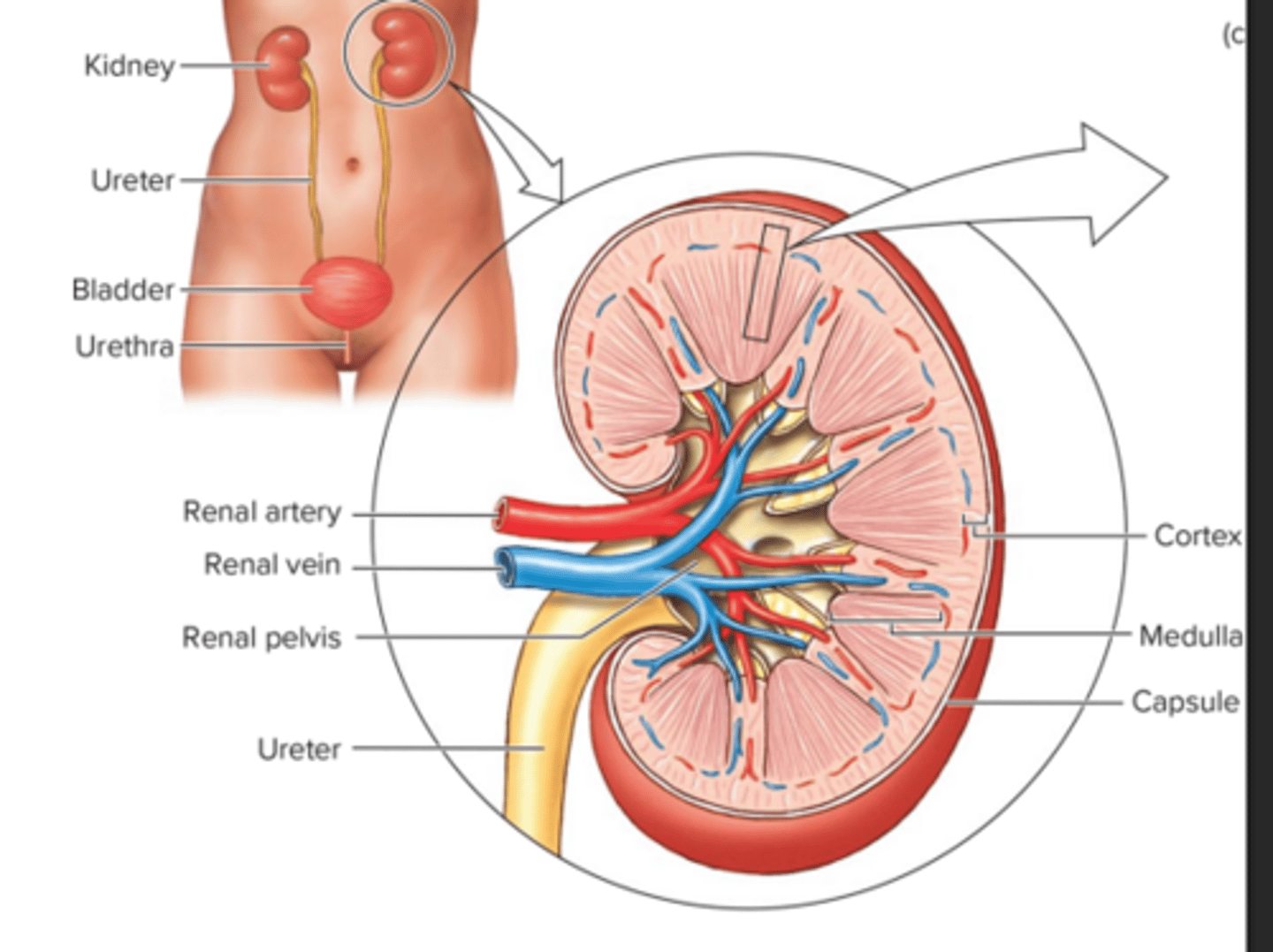
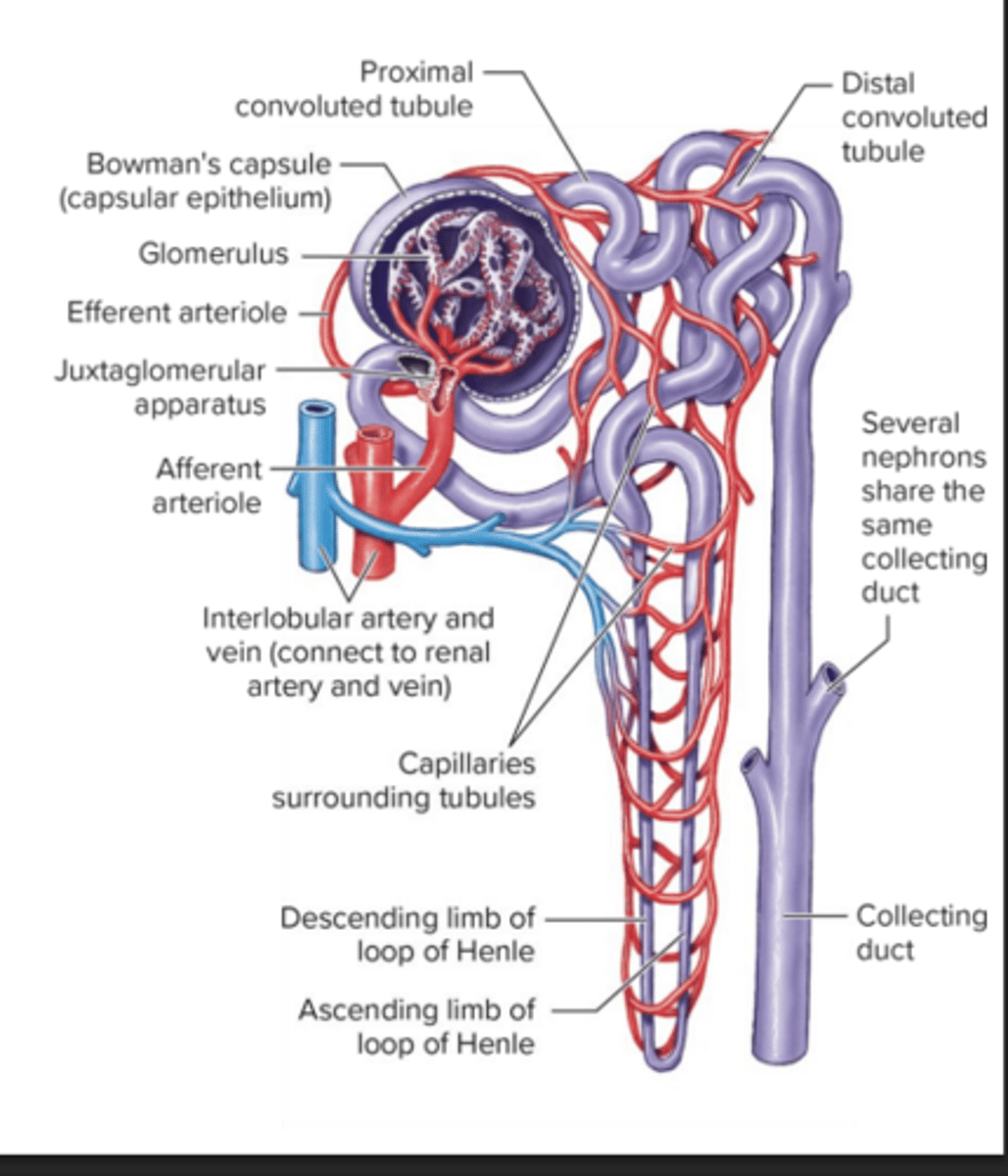
What is the function of the vertebrate kidney?
filters out waste and forms urine, tied to circulatory system
What is the basic unit of the vertebrate kidney?
nephron
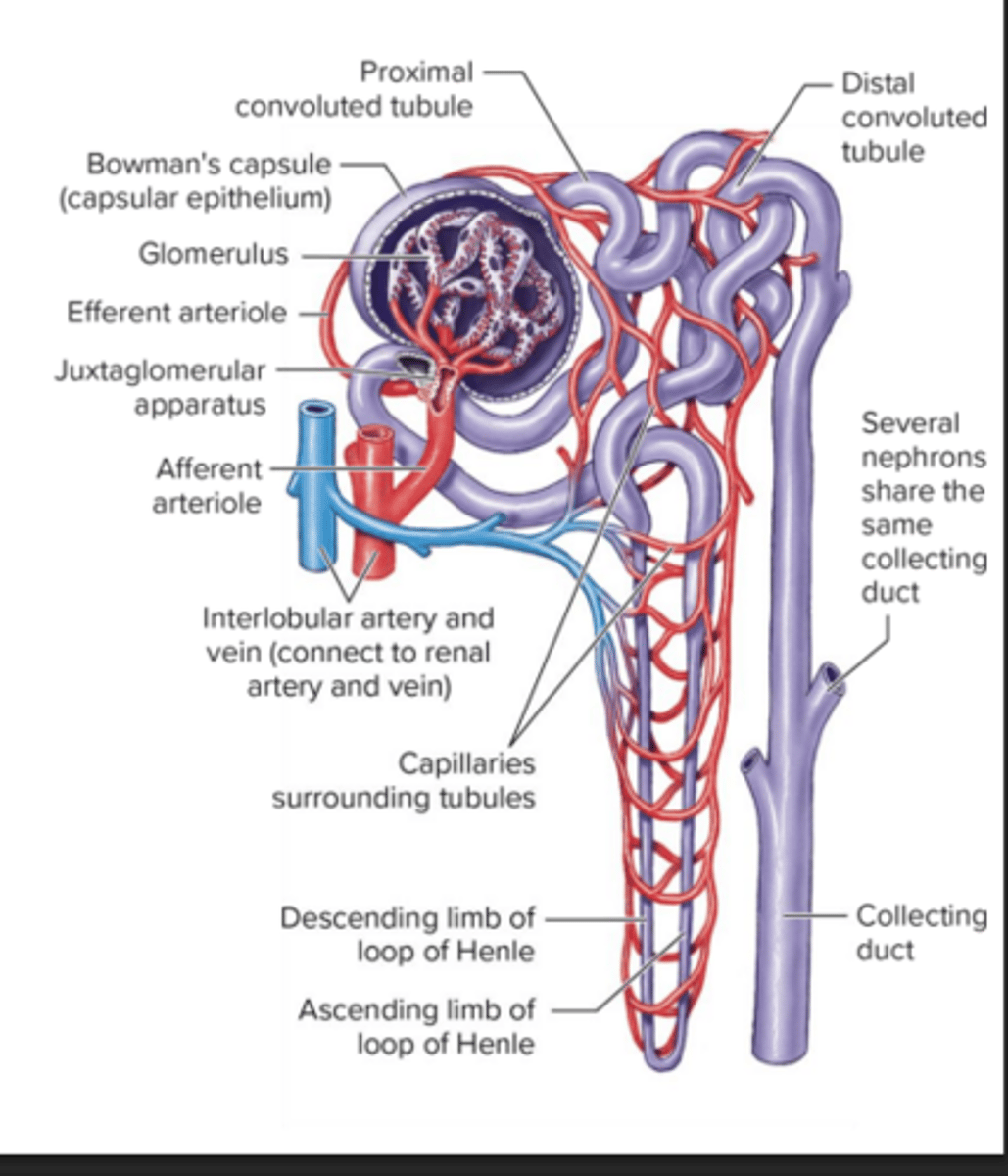
What are the two parts of the nephron, what are their functions?
glomerulus (filtration), tubules (reabsorption and secretion)
What are the 4 types of temperature regulation?
ectotherm, endotherm, poikilothermic, homeothermic
Ectotherm
rely on external heat sources to regulate their body temperature
Endotherm
generate their own body heat through internal metabolic processes
Poikilothermic
body temperature fluctuates with environmental temperature
Homeothermic
constant body temperature, regulated independent of environmental temperature
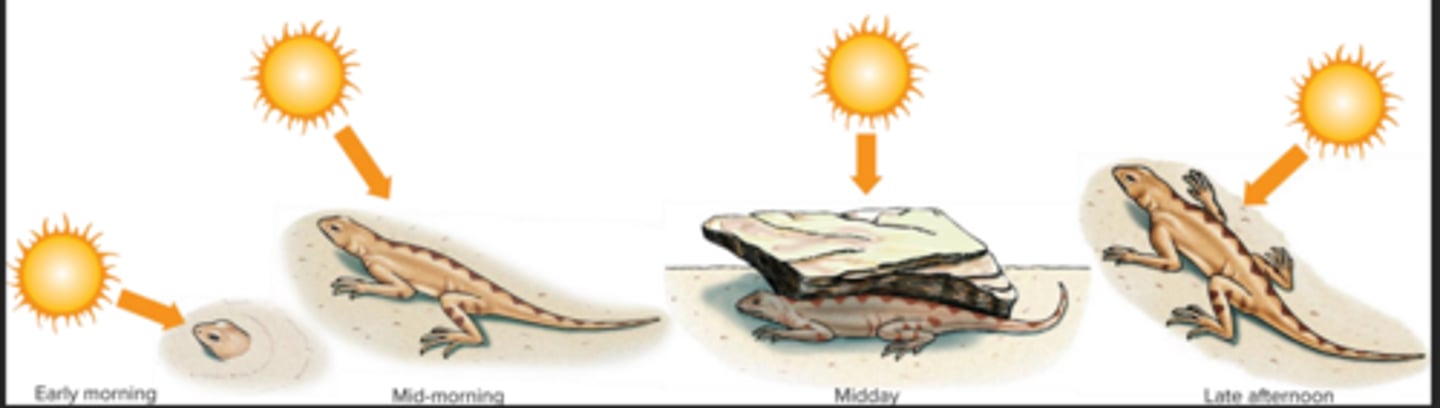
Describe the behavioral regulation of ectotherms.
seek areas in environment where temperature is favorable for their activites, behavioral adjustments
Describe how endotherms regulate temperature.
high metabolic rates that convert food into energy produces heat as byproduct, requires much more food than ectotherms, internal setpoint (96.8-100.4, birds are 104-107.6), citric acid cycle
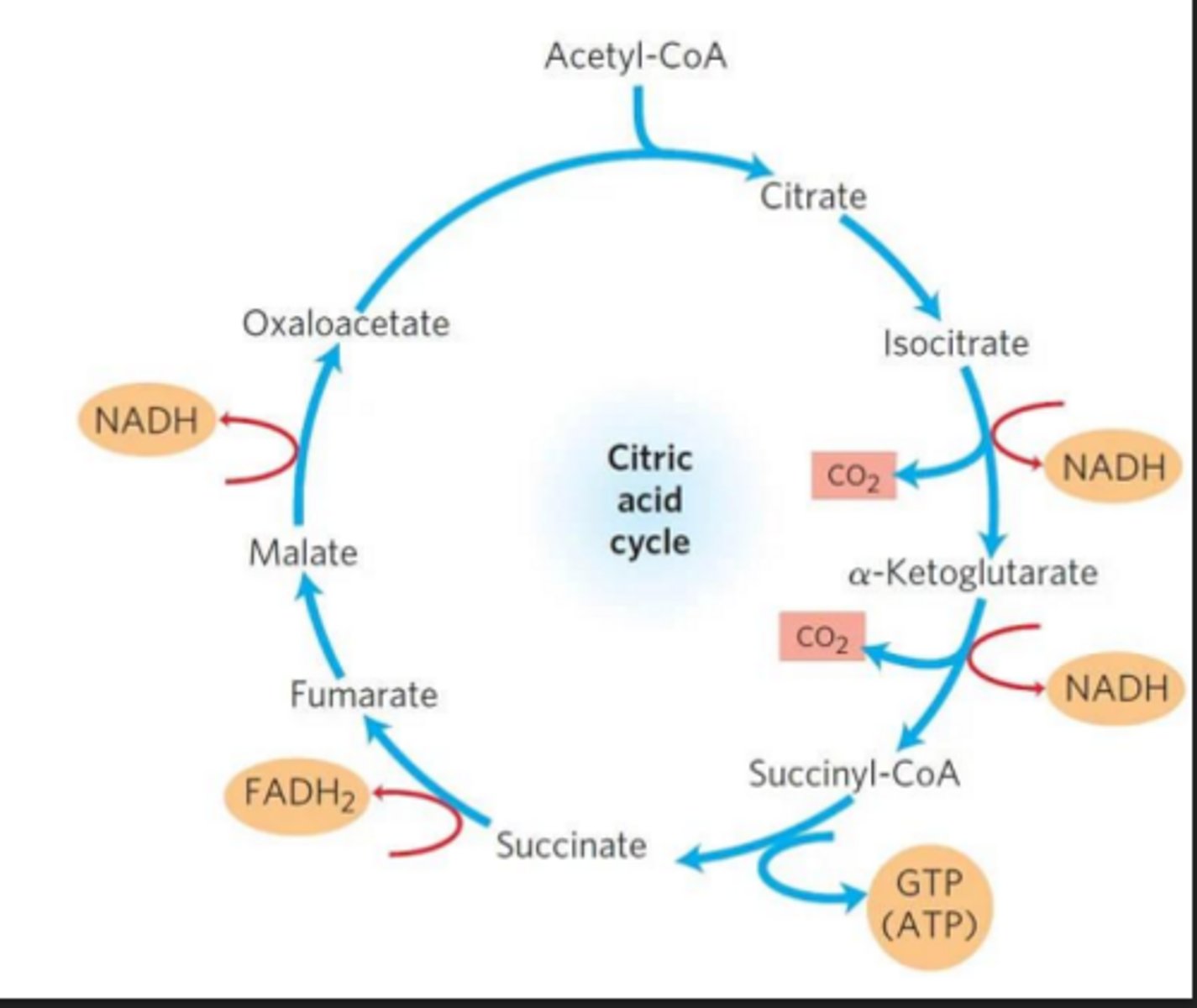
Describe how the citric acid cycle (krebs cycle) helps regulate temperature in endotherms.
produces heat as byproduct, takes place in mitochondrial matrix where endotherms have a larger # of mitochondria than ectotherms
List 5 adaptations endotherms have for hot environments.
evaporative cooling (sweating/panting), radiating heat, conserve water by highly concentrating urine and producing almost dry feces, short fur held close to body, coloration reflects sunlight
List 6 adaptations that endotherms have for cold environments.
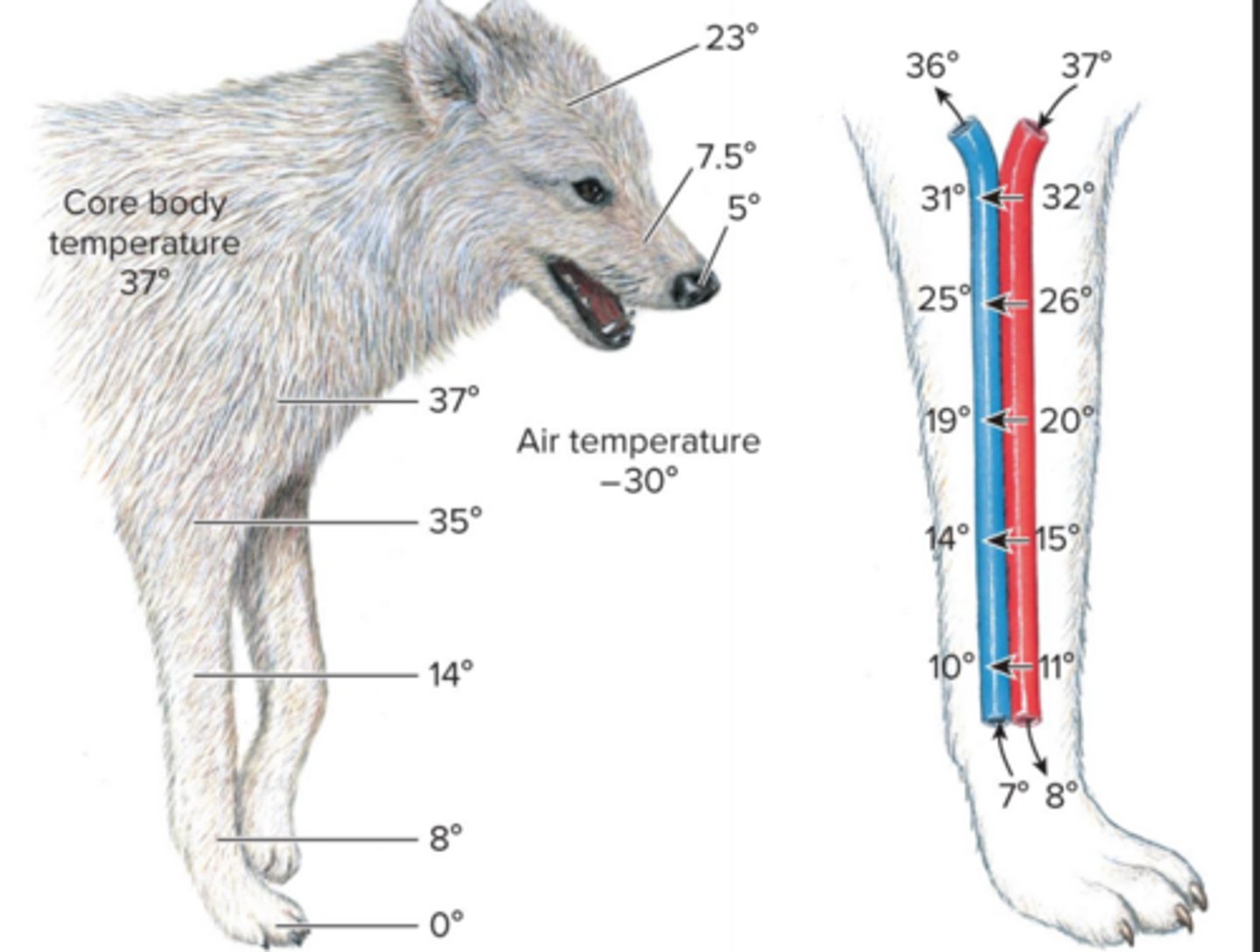
insulation (underhair fur, fat, down feathers), thinly insulated extremeties (legs, tails, nose), shivering, subnivean environments, countercurrent heat exchange, controlled hypothermia
Describe countercurrent heat exchange.
How do endotherms exhibit controlled hypothermia?
hibernation: passing winter in torpoid state where body temps drop nearly to freezing and metabolism drops close to zero
What is a torpoid state? (torpor)
state of lowered bodily activity, metabolic rate, body temperature, and heart rate
What fluids are in the body?
intracellular (cytoplasm/within cell), extracellular fluid (blood plasma, interstitial fluid)
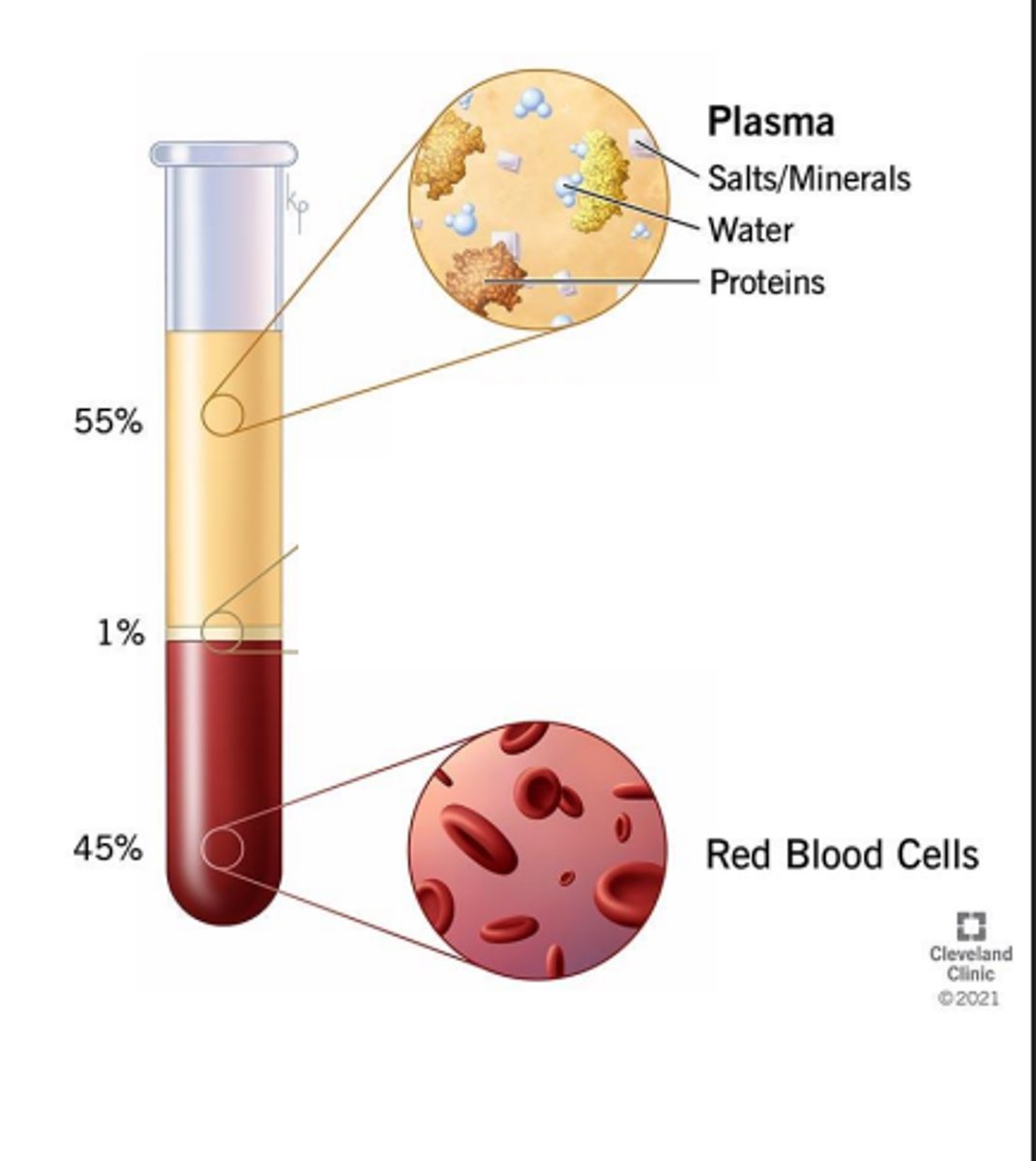
Blood Plasma
liquid, non cellular fraction of blood, including dissolved substances
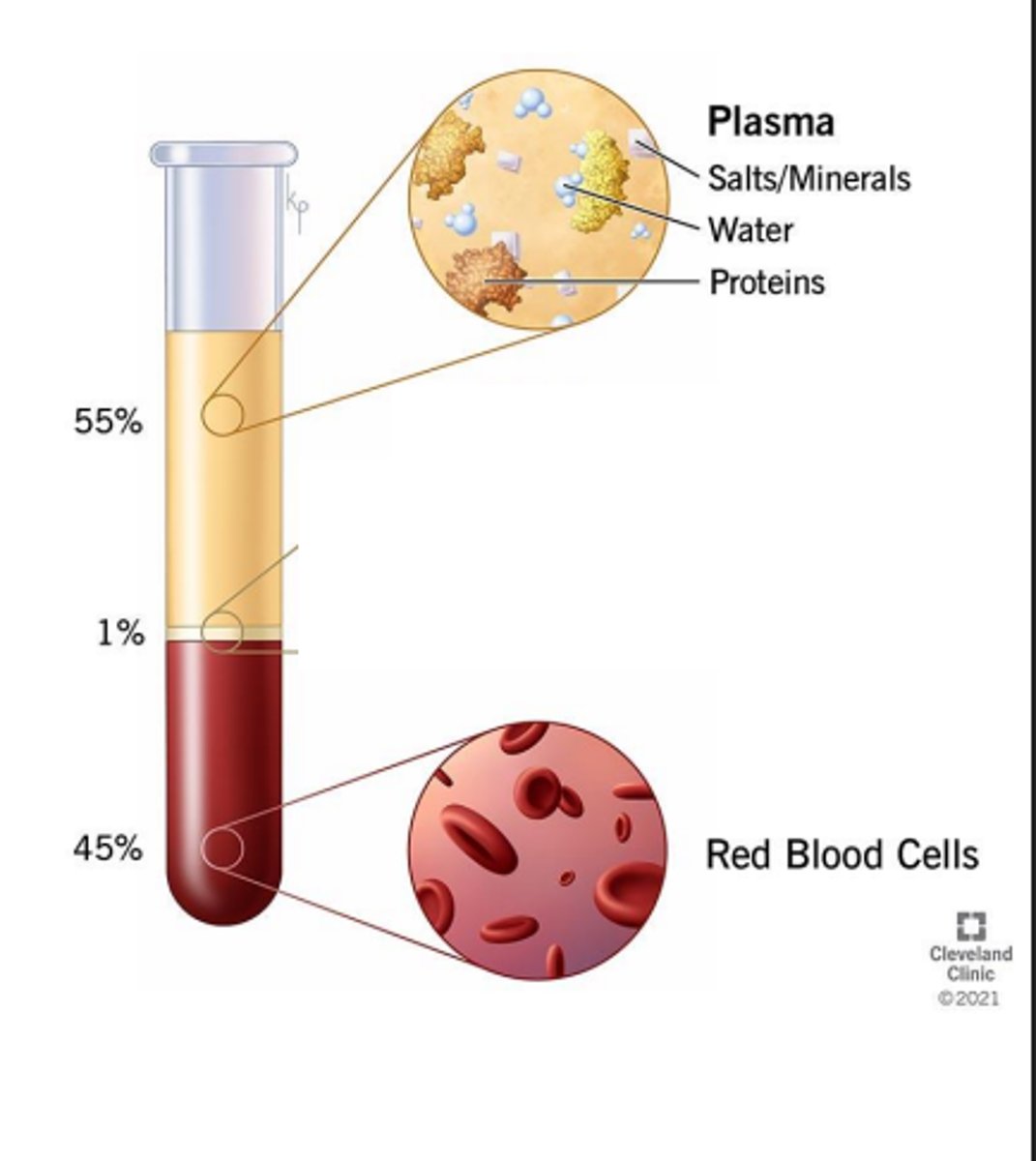
What is blood a form of? What are the componenets?
connective tissue, plasma 55% (water, dissolved solids/gases), cellular components 45% (red bc/erythrocytes, white bc/leukocytes, and cell fragments/platelets)
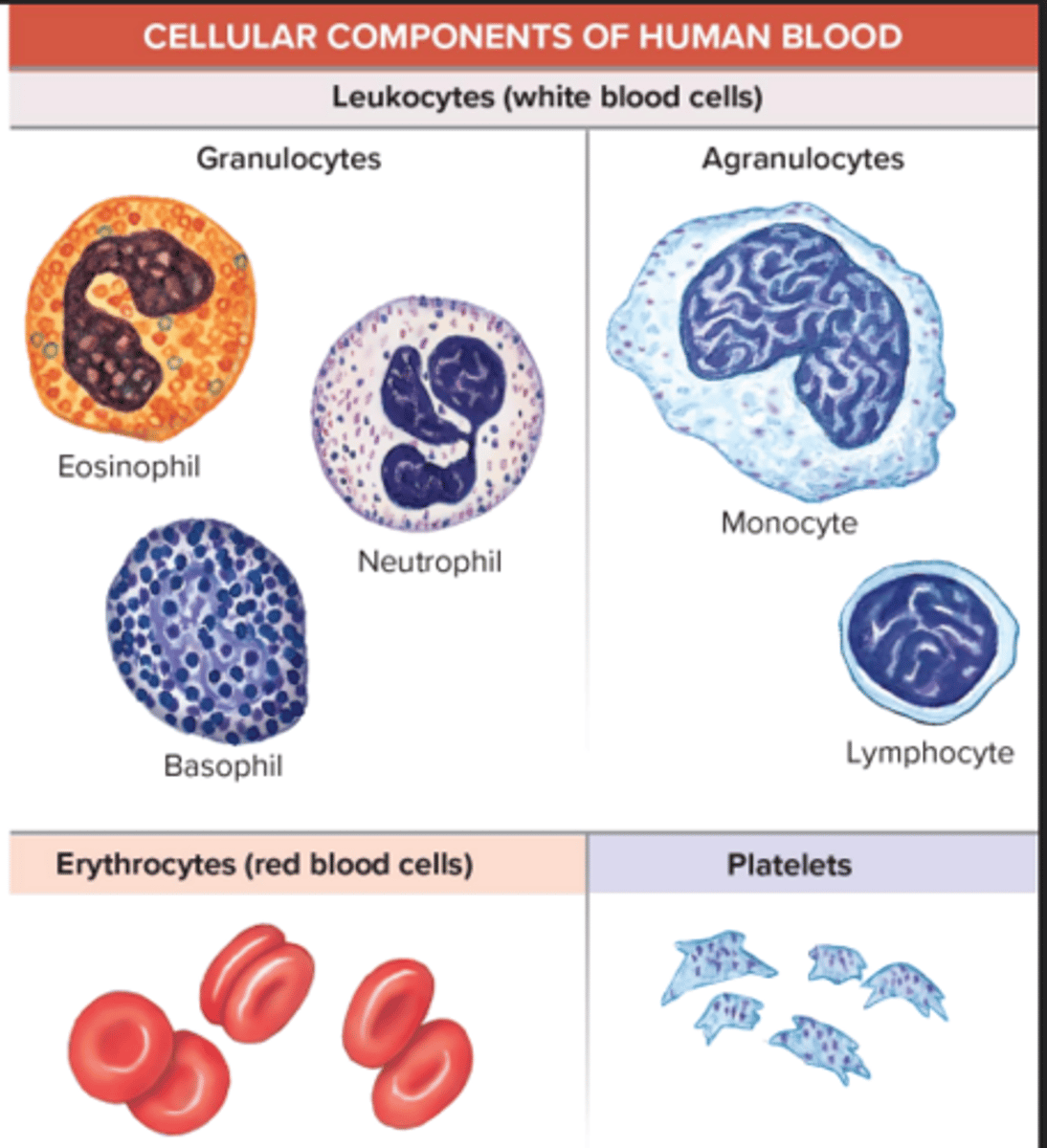
Describe some characteristics of blood.
nucleus shrinks during development, majority of cellular organelles are lost, biconcave shape allows larger surface area for gas diffusion
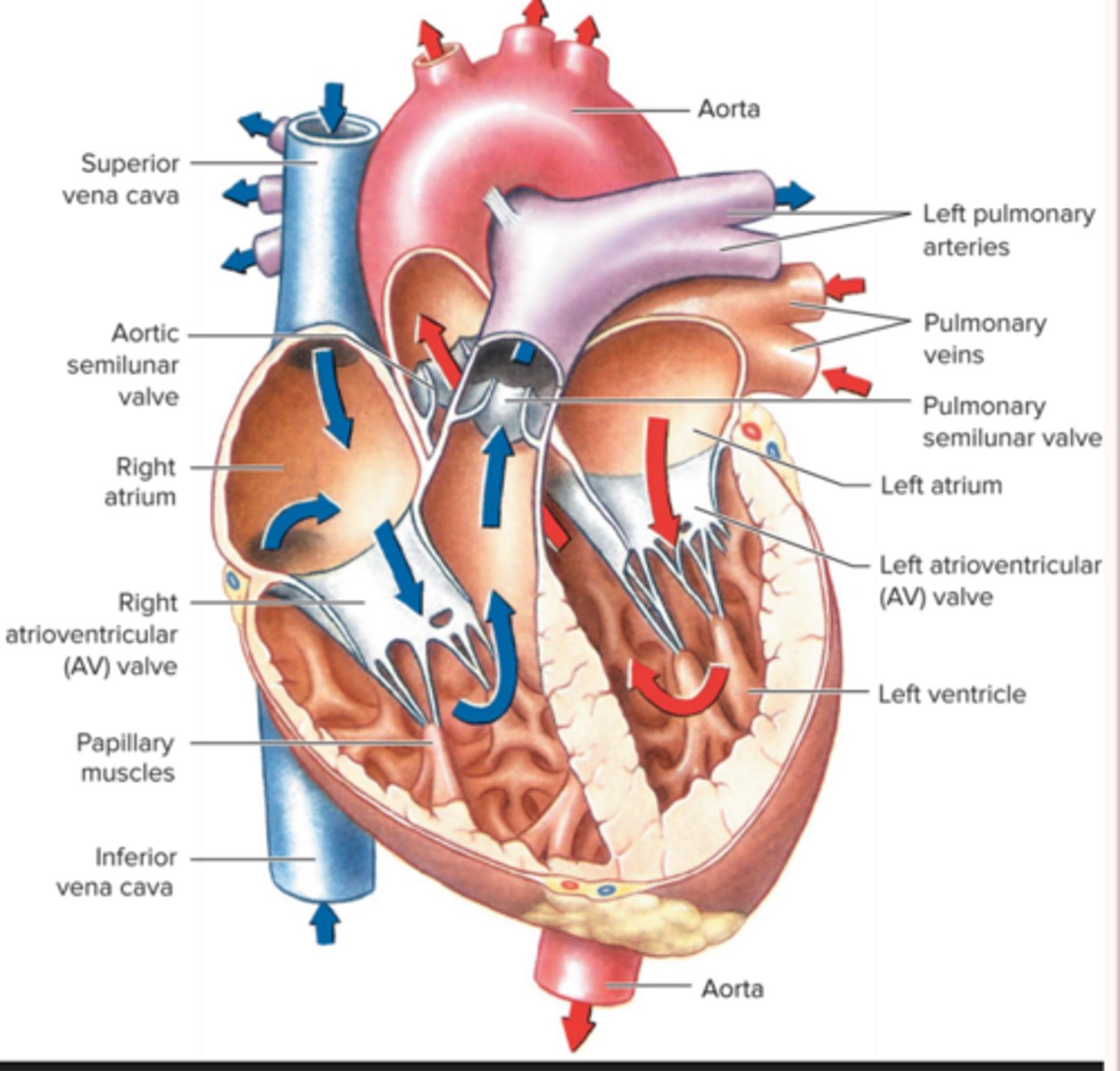
What are the two circuits in double circulation?
systemic circuit and pulmonary circuit
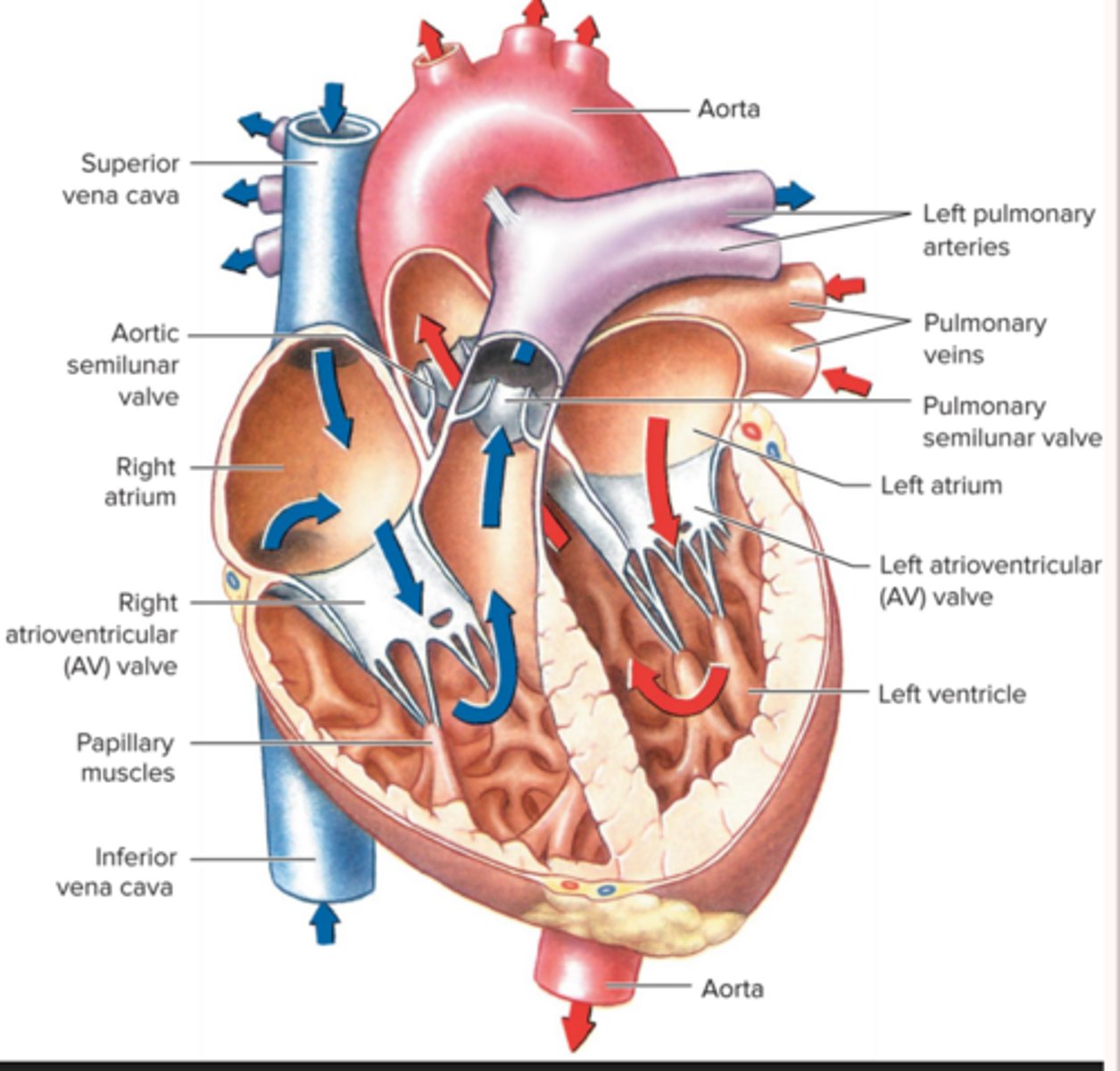
Systemic Circuit
oxygenated blood to tissues, oxygen is released, deoxygenated back to heart
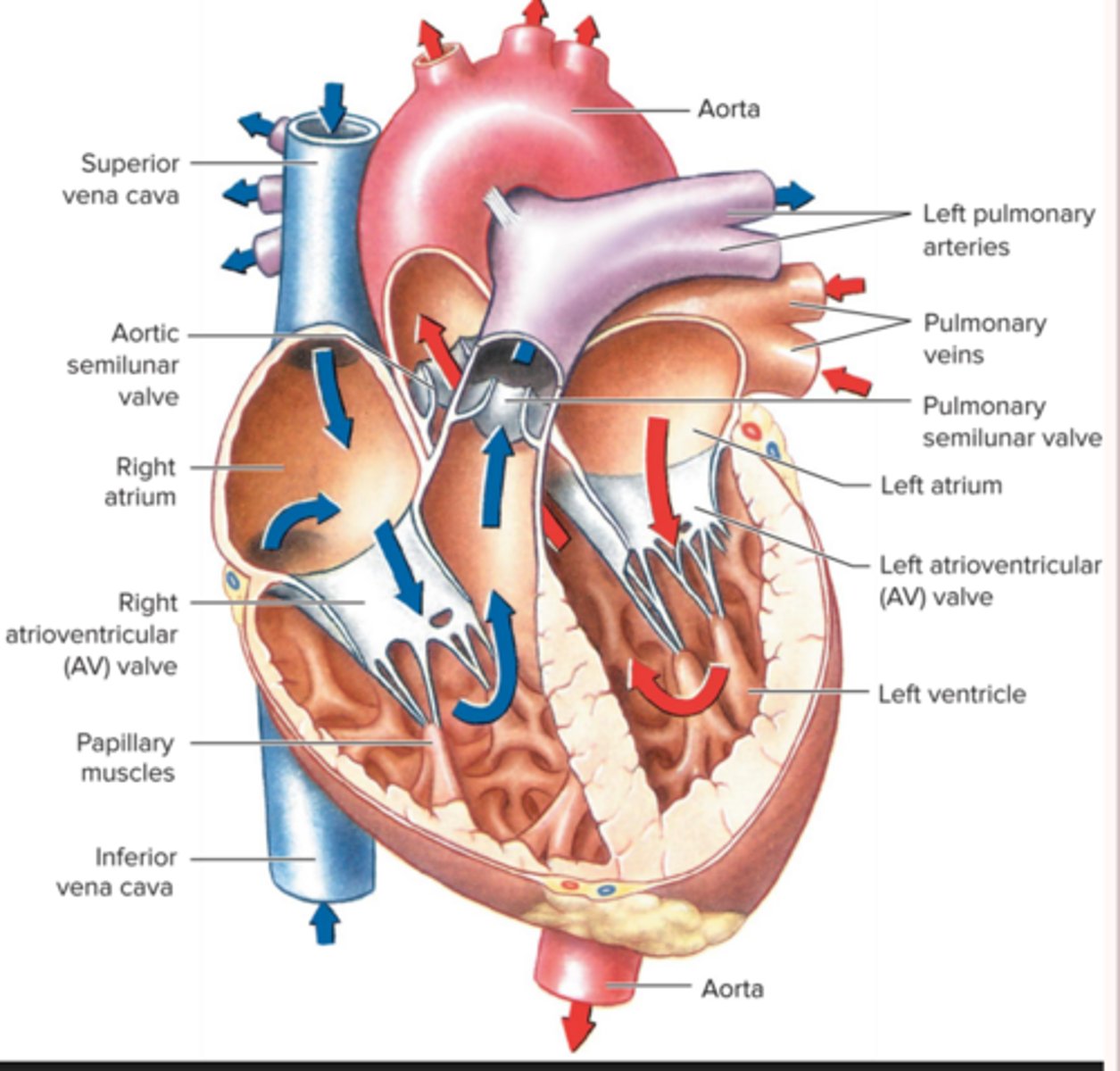
Pulmonary Circuit
deoxygenated blood from the heart sent to the lungs for oxygenation and back to the heart as oxygenated blood
T/F: Repsiration and ciruclatory systems are closely linked.
true
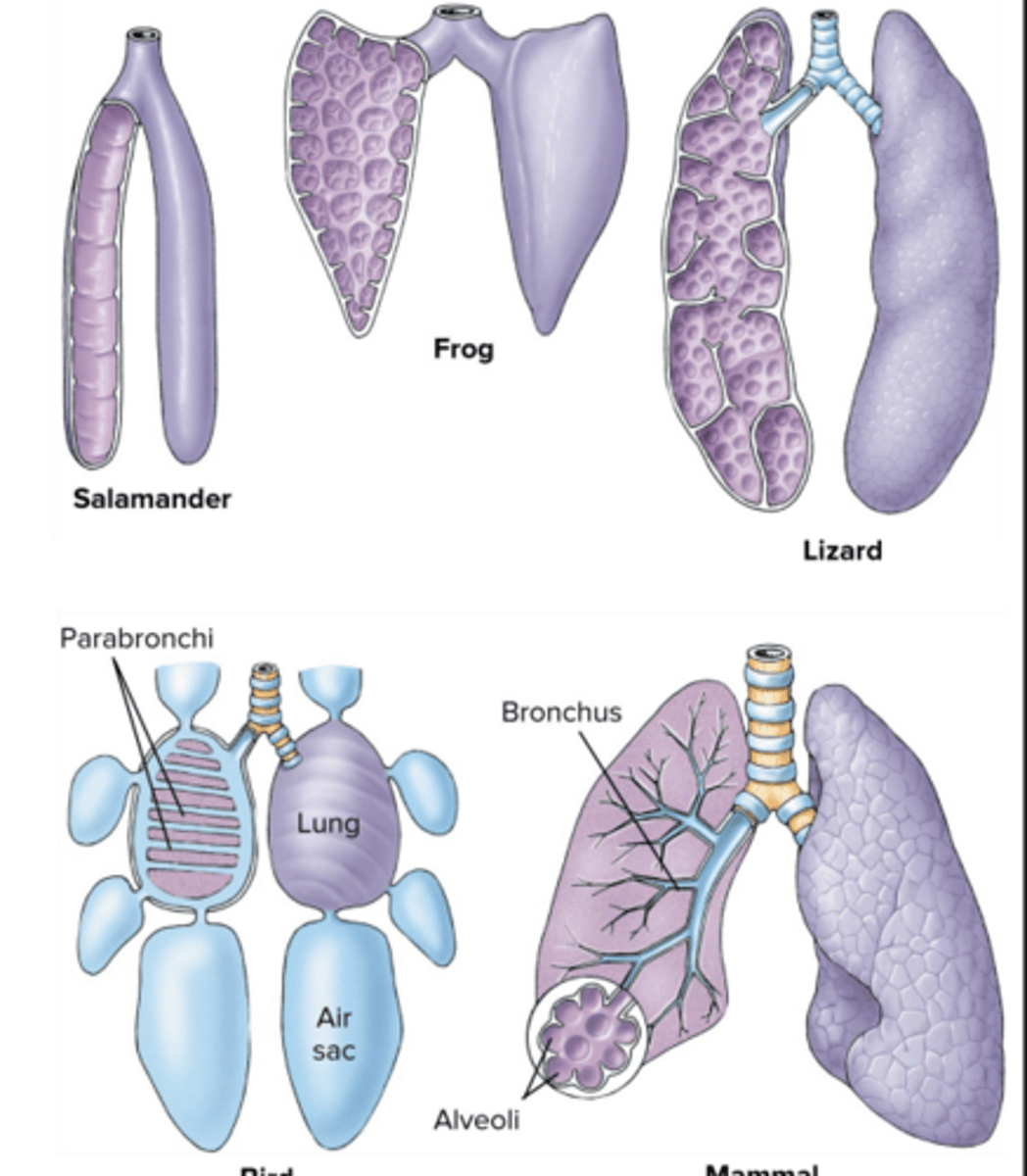
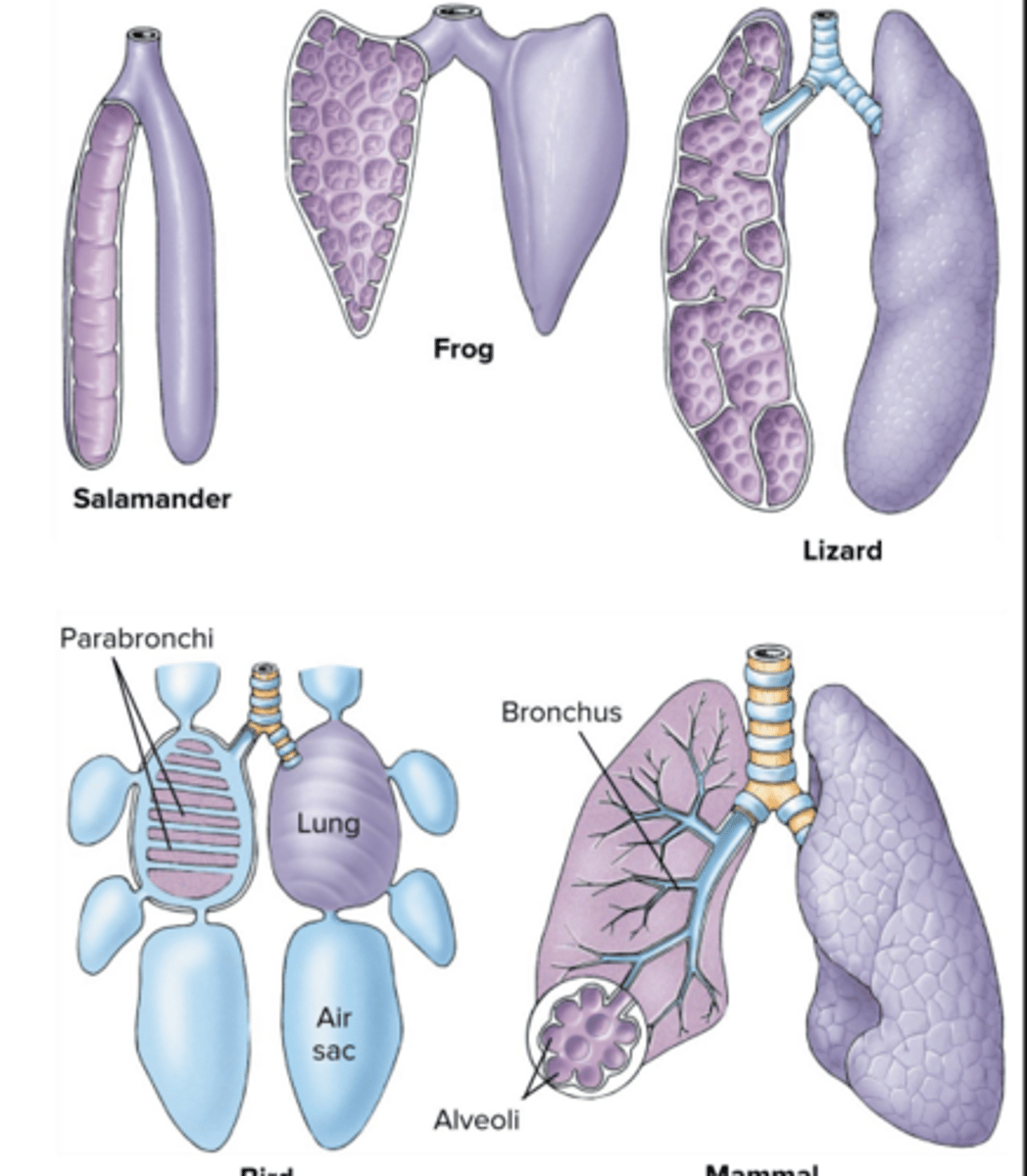
Alveoli
tiny air sacs of lungs which allow for rapid gaseous exchange