6: Body Structures & Organ Systems Practice Quiz
 Call Kai
 Learn
Learn Practice Test
 Spaced Repetition
 Match
Match Flashcards
 Knowt Play
1/14

There's no tags or description
Looks like no tags are added yet.
Name | Mastery | Learn | Test | Matching | Spaced | Call with Kai |
|---|
No analytics yet
Send a link to your students to track their progress
15 Terms
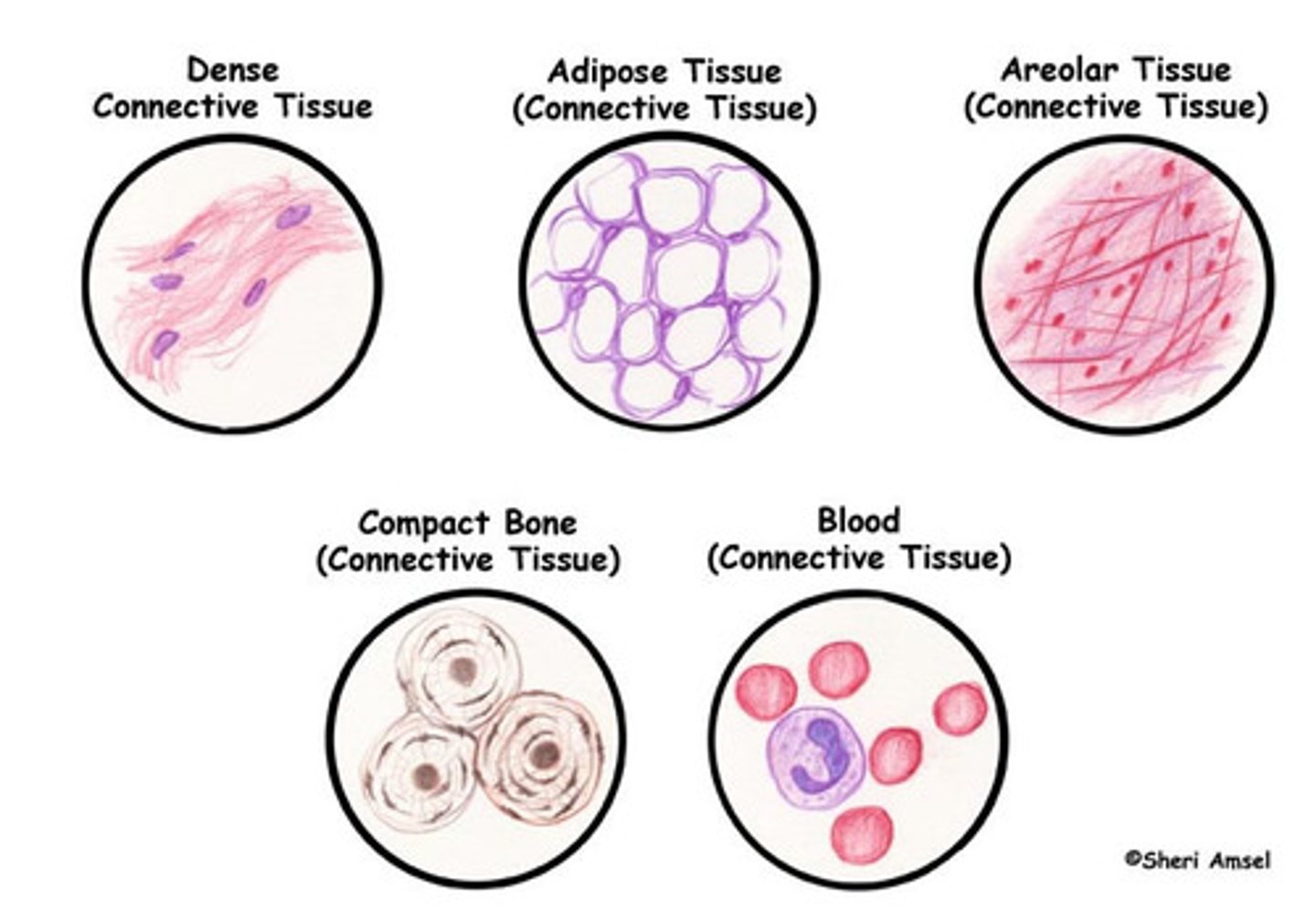
Which of the following is an example of connective tissue?
A. Pancreas
B. Blood
C. Spinal cord
D. Skin
B. CORRECT. Blood is a type of connective tissue. It transports substances throughout the body. Connective tissue is the most frequently occurring type of tissue in the body.
A. The pancreas is an example of epithelial tissue and is part of the endocrine system.
C. The spinal cord is an example of nervous tissue and is part of the nervous system.
D. The skin is a type of epithelial tissue and is part of the integumentary system.
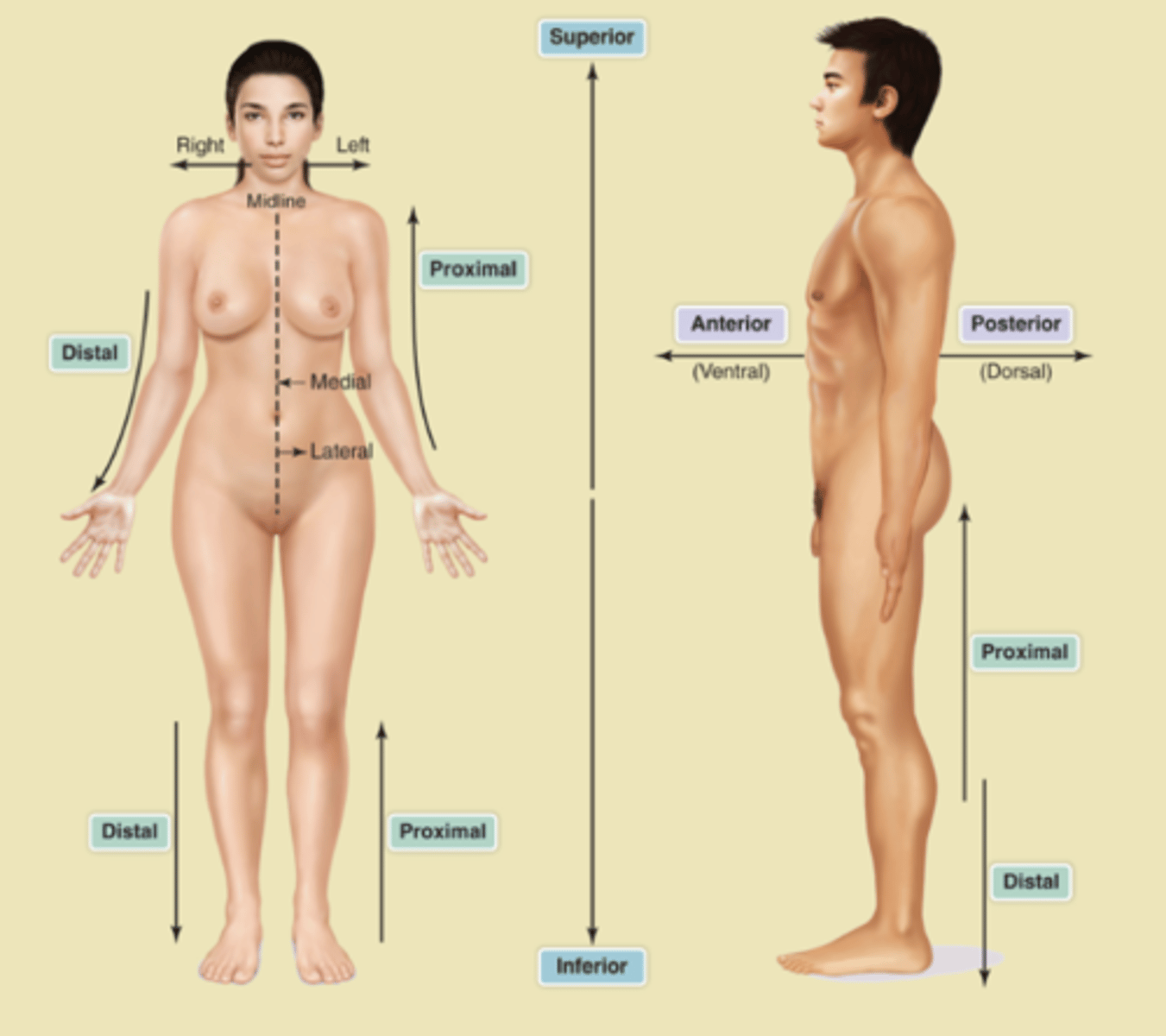
A medical assistant is collecting data from a patient who reports back pain. Which of the following terms should the medical assistant use to describe the patient's pain in the intake notes?
A. Caudal
B. Cephalic
C. Medial
D. Dorsal
D. CORRECT. Dorsal describes locations that are toward the back of, or posterior to, the body.
A. Caudal describes locations toward the tail of the body.
B. Cephalic describes locations pertaining to the head.
C. Medial describes locations that are toward the middle of the body.
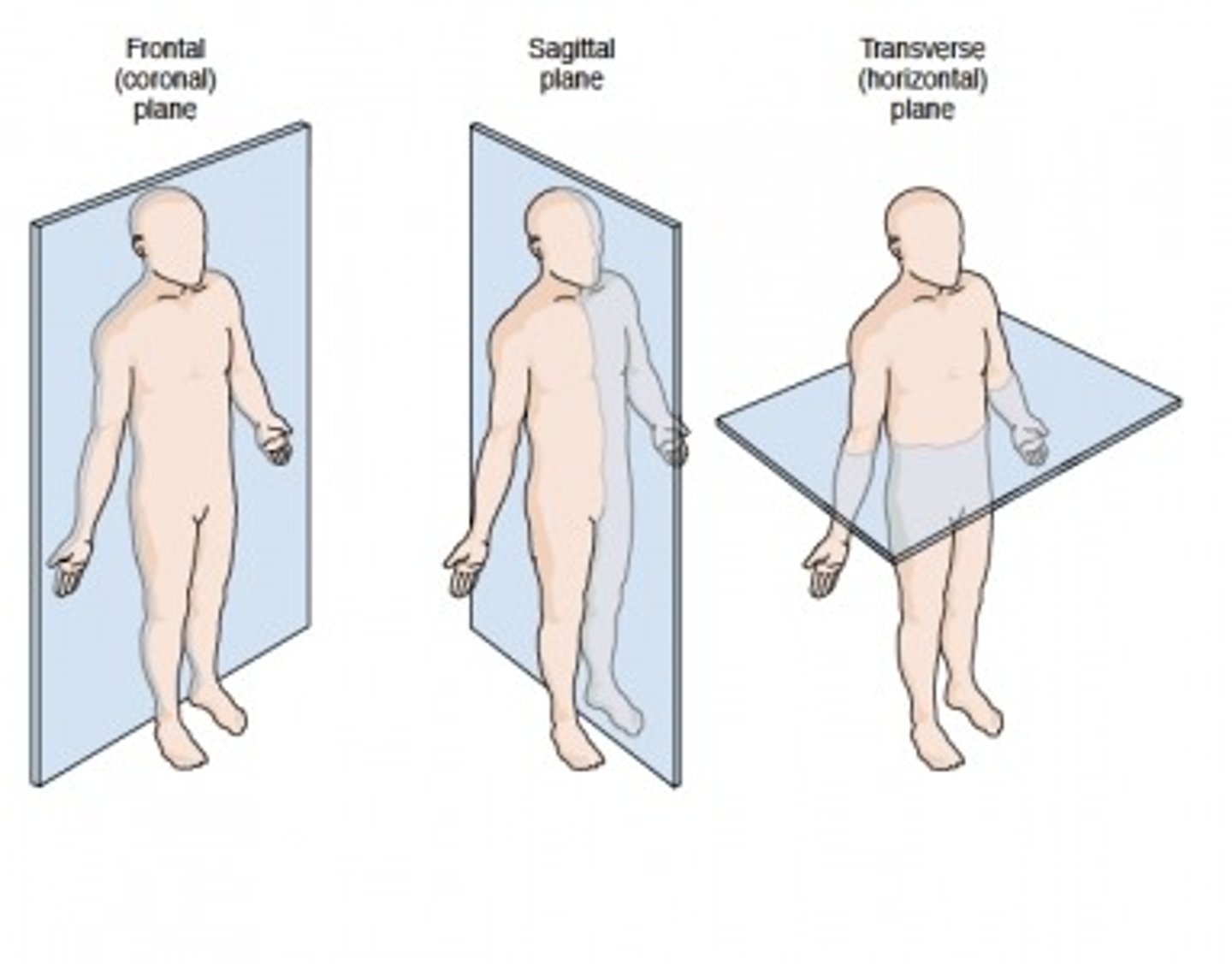
Which of the following planes divides the body into upper and lower portions?
A. Transverse
B. Coronal
C. Sagittal
D. Midsagittal
A. CORRECT. The transverse plane divides the body into upper and lower portions.
B. The coronal plane divides the body into equal front and back portions.
C. The sagittal plane divides the body into asymmetrical left and right sides.
D. The midsagittal plane divides the body into bilaterally symmetrical left and right sides.
When considering the anatomy of the body, which of the following statements is correct?
A. The heart is superficial to the ribs.
B. The patella is distal to the tibia.
C. The stomach is superior to the diaphragm.
D. The thumb is lateral to the index finger.
D. CORRECT. Lateral means toward, near, or from the midline. The thumb is lateral to the index finger.
A. Superficial means on or near the surface. The heart is located in the thoracic cavity and away from the surface, which means it is deep to the ribs, not superficial to it.
B. Distal means farther away from the point of attachment. The patella is proximal to the tibia, which means it is closer to the tibia, not distal to it.
C. Superior means above another part. The stomach is inferior to the diaphragm, which means the stomach is below the diaphragm, not superior to it.
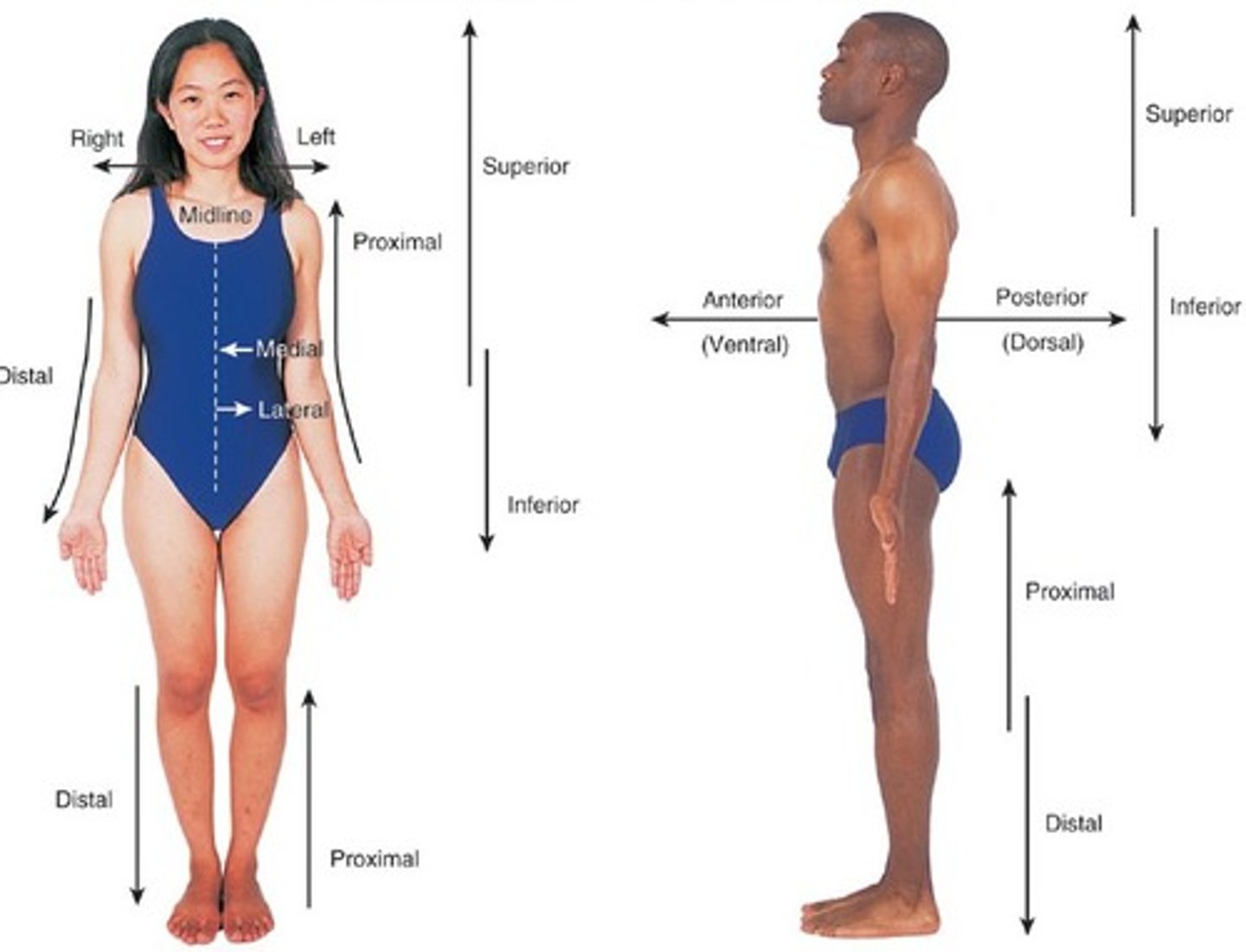
Which of the following body structures is part of both the digestive and endocrine systems?
A. Appendix
B. Pancreas
C. Liver
D. Gallbladder
B. CORRECT. The pancreas is part of both the digestive
system by producing insulin and glucagon, which maintain blood glucose levels and store glucose by contributing to the breakdown of enzymes.
A. The appendix is part of the digestive system, but is not part of the endocrine system.
C. The liver is part of the digestive system, but it is not part of the endocrine system.
D. The gallbladder is part of the digestive system, but it is not part of the endocrine system.
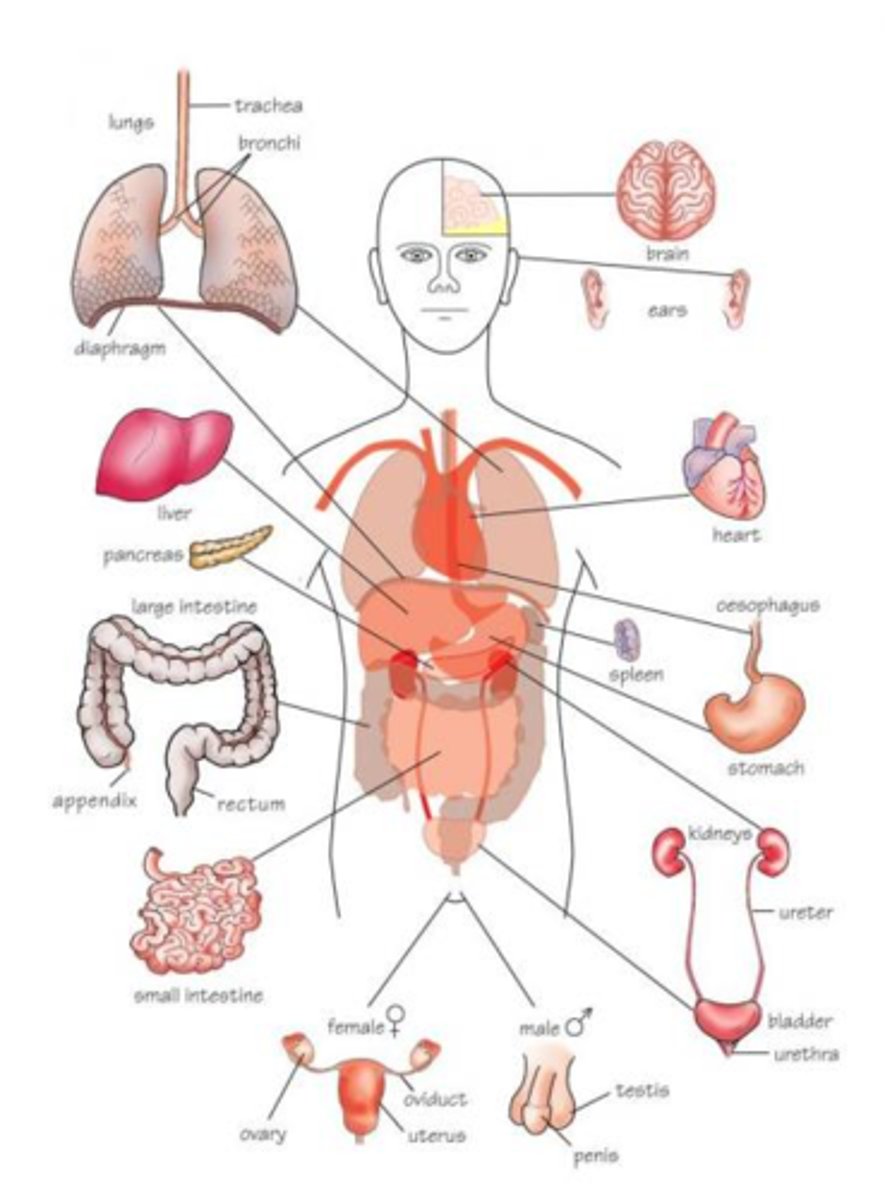
Which of the following glands in the endocrine system is located just below the larynx and consists of two lobes,
one on each side of the trachea?
A. Thyroid
B. Hypothalamus
C. Pituitary
D. Adrenal
A. CORRECT. The thyroid gland is located in the neck just below the larynx and consists of two lobes, one on each side of the trachea.
B. The hypothalamus gland is located in the inferior midportion of the brain.
C. The pituitary gland is located below the hypothalamus in the brain.
D. The adrenal glands are located in the upper portions of each kidney.
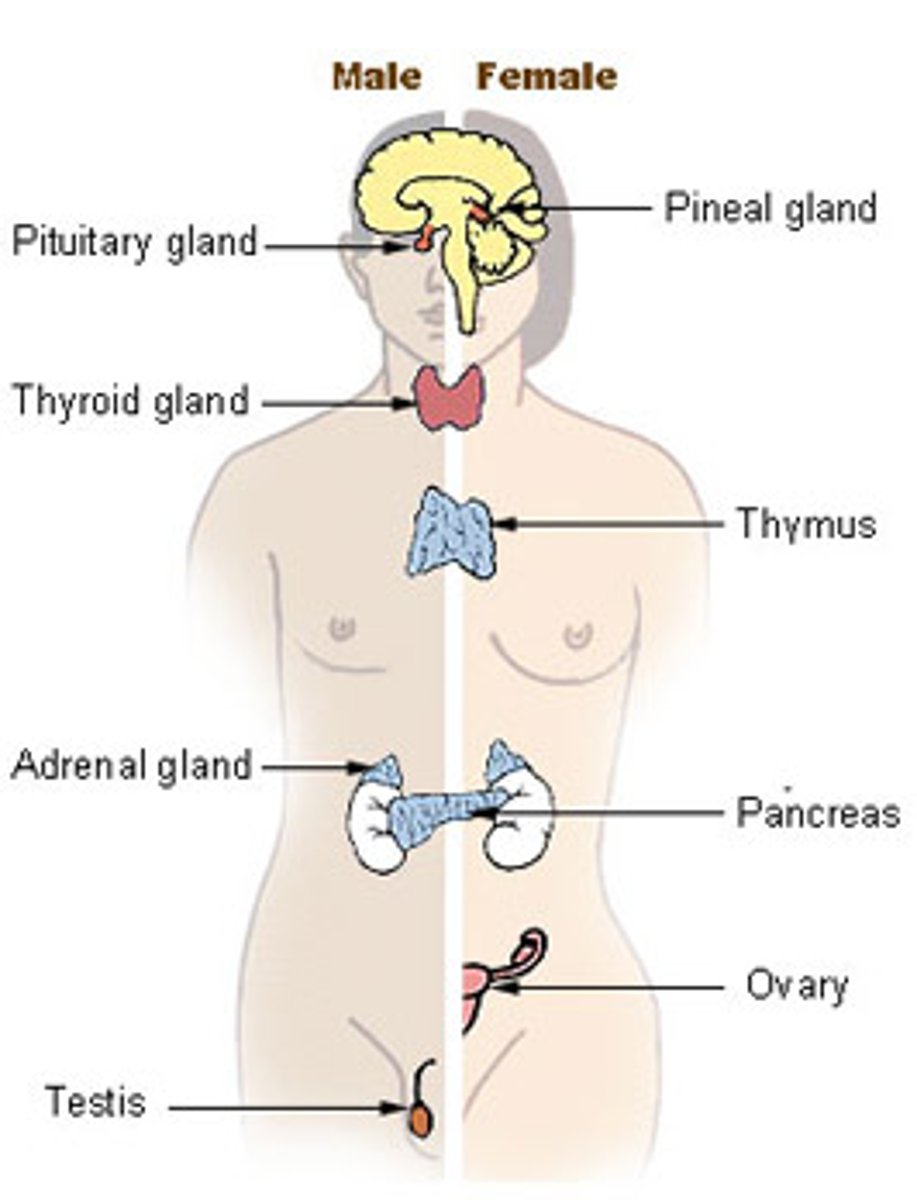
Which of the following organs produces vitamin D, provides protection, and helps regulate body temperature?
A. Liver
B. Lung
C. Skin
D. Brain
C. CORRECT. The skin is a major organ of the integumentary system. It produces vitamin D, provides protection, and helps regulate body temperature.
A. The liver is a major organ of the digestive system. It performs filtering, metabolism, storage, and synthesis.
B. The lungs are major organs of the respiratory system. They aid in the process of respiration.
D. The brain is a major organ of the nervous system that is the center of all mental activity. It monitors and interprets stimuli and responds accordingly.
Which of the following systems provides the framework to protect the body from pathogenic organisms and maintain fluid balance?
A. Musculoskeletal
B. Gastrointestinal
C. Integumentary
D. Lymphatic
D. CORRECT. The primary function of the lymphatic system is to defend the body against foreign cells and diseases, provide immunity, and maintain fluid balance.
A. The primary function of the musculoskeletal system is to provide support, posture, and heat production.
B. The primary function of the gastrointestinal system is to break down food into small molecules that can be absorbed by the cells of the body.
C. The primary functions of the integumentary system are to help regulate body temperature, aid in the synthesis of vitamin D, and provide sensory input.
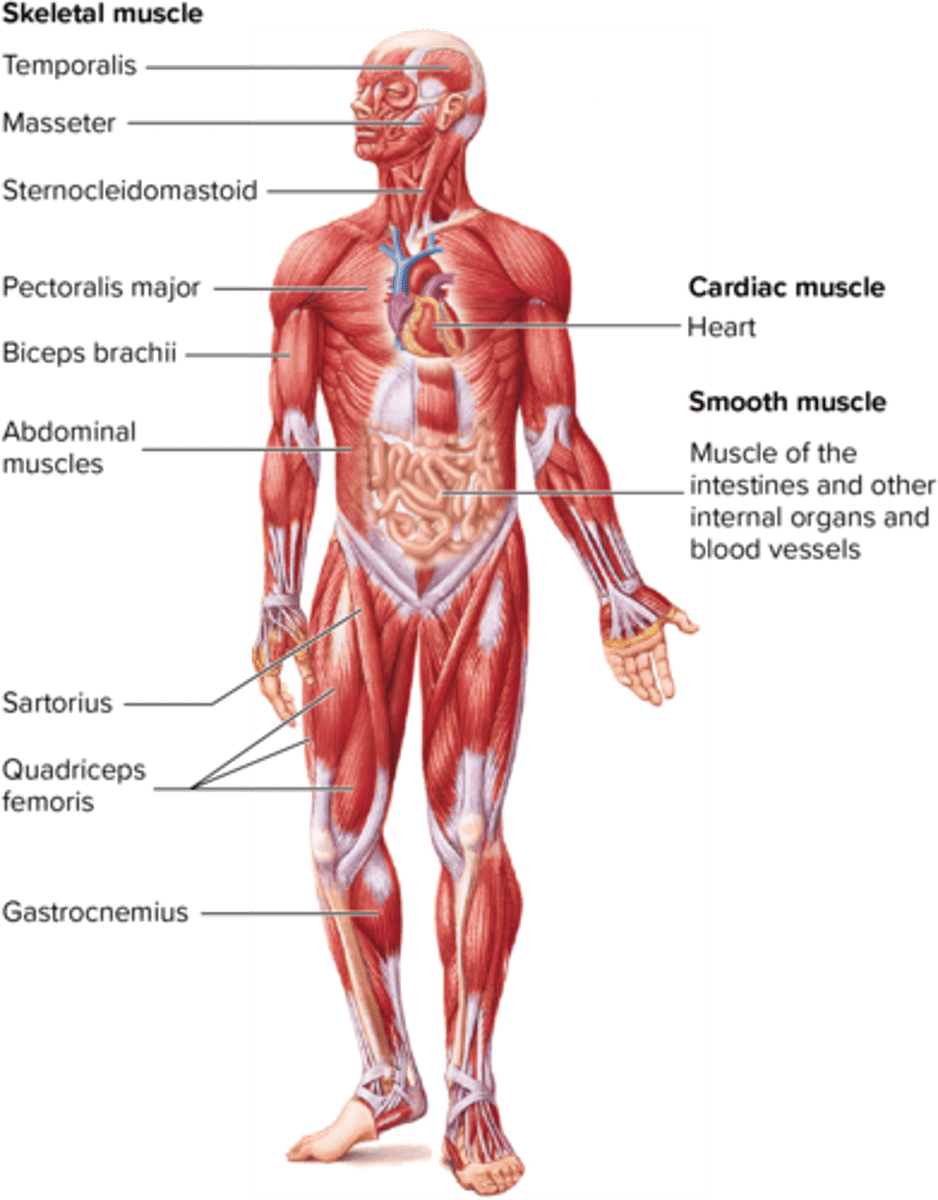
Which of the following body systems contains cardiac, skeletal, and smooth tissues?
A. Lymphatic
B. Integumentary
C. Muscular
D. Endocrine
C. CORRECT. Cardiac tissue, skeletal tissue, and smooth tissue are all parts of the muscular system.
A. The lymphatic system is a series of vessels. It does not contain cardiac, skeletal, or smooth tissues.
B. The integumentary system is comprised of skin and accessory structures. It does not contain cardiac, skeletal, or smooth tissues.
D. The endocrine system is comprised of glands that secrete hormones. It does not
contain cardiac, skeletal, or smooth tissues.
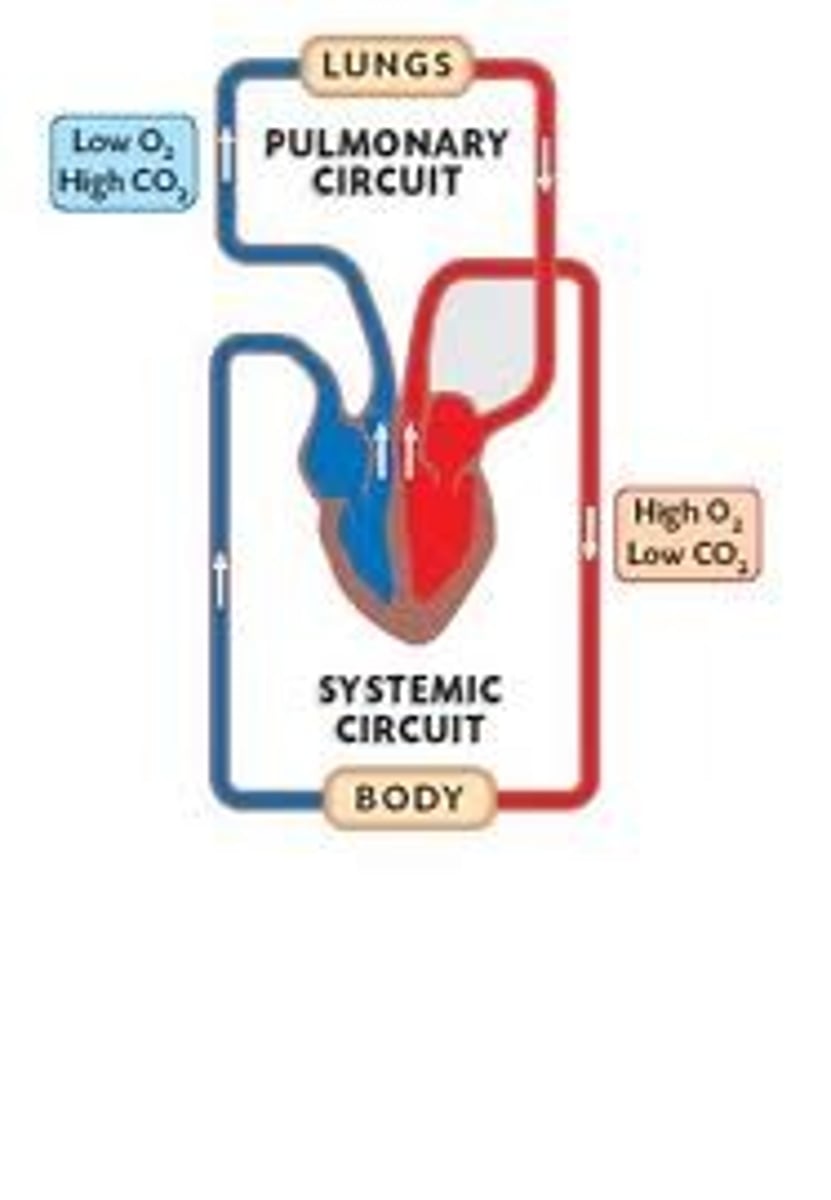
Which of the following body systems works with the respiratory system to transport waste products from the body's cells?
A. Peripheral nervous
B. Endocrine
C. Cardiovascular
D. Reproductive
C. CORRECT. The cardiovascular system works with the respiratory system to remove waste from the body's cells.
A. The peripheral nervous system consists of spinal nerves that transmit information to and from the brain, but it does not aid in cellular elimination.
B. The endocrine system regulates metabolic activity, but it does not aid in cellular elimination.
D. The reproductive system produces hormones and facilitates reproduction, but it does not aid in cellular elimination.
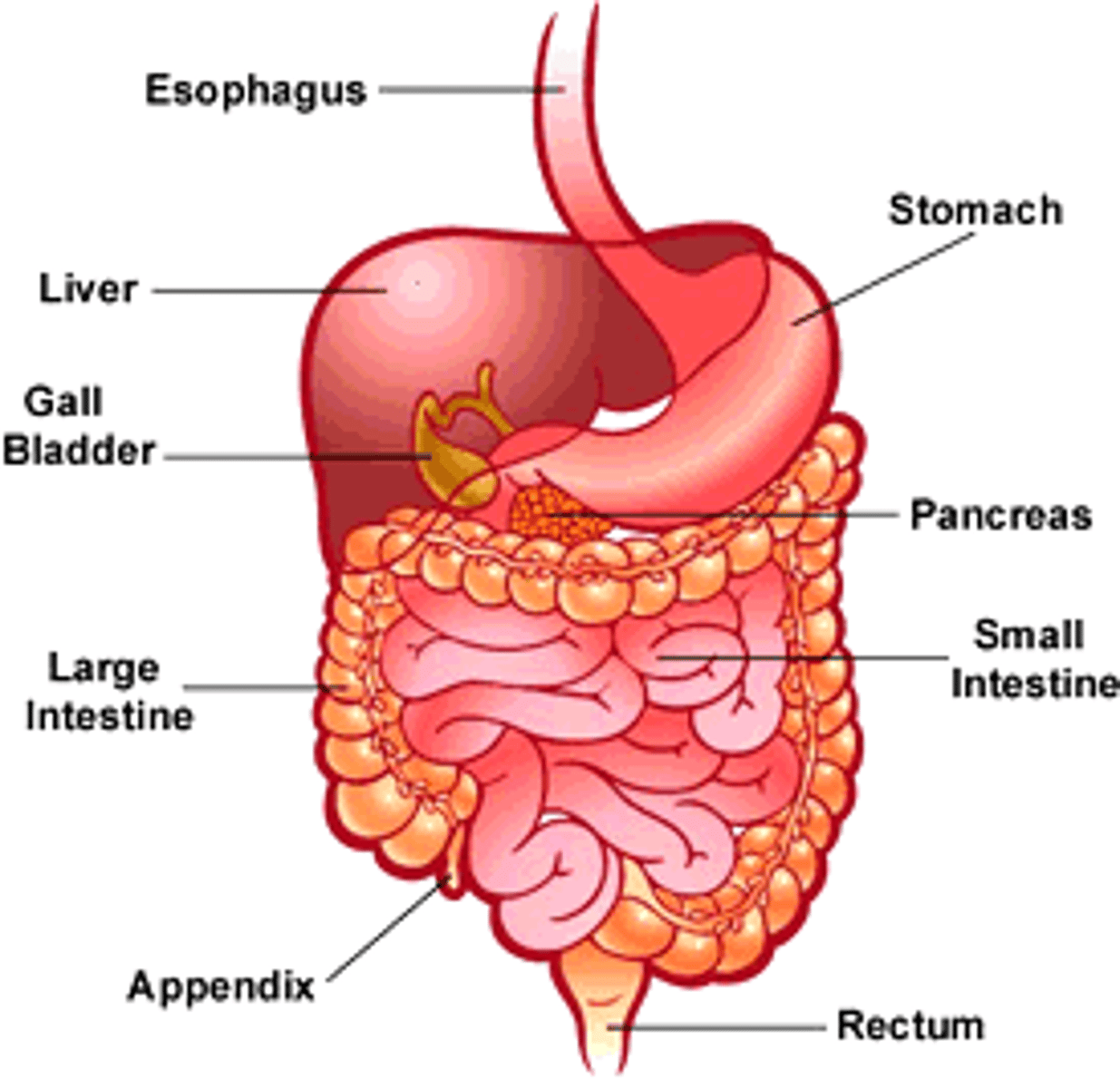
Which of the following organ structures within the digestive system is primarily responsible for the absorption of nutrients?
A. Stomach
B. Small intestine
C. Bile duct
D. Esophagus
B. CORRECT. The small intestine is primarily responsible for the absorption of nutrients, which is the final process of digestion.
A. The stomach functions to produce secretions and digest proteins. It is not active in the absorption of nutrients.
C. The primary function of the bile duct is to deliver bile from the gallbladder to the duodenum. It is not active in the absorption of nutrients.
D. The esophagus is primarily a passageway for food with a mucus lining that eases the passage of food. It is not active in the absorption of nutrients.
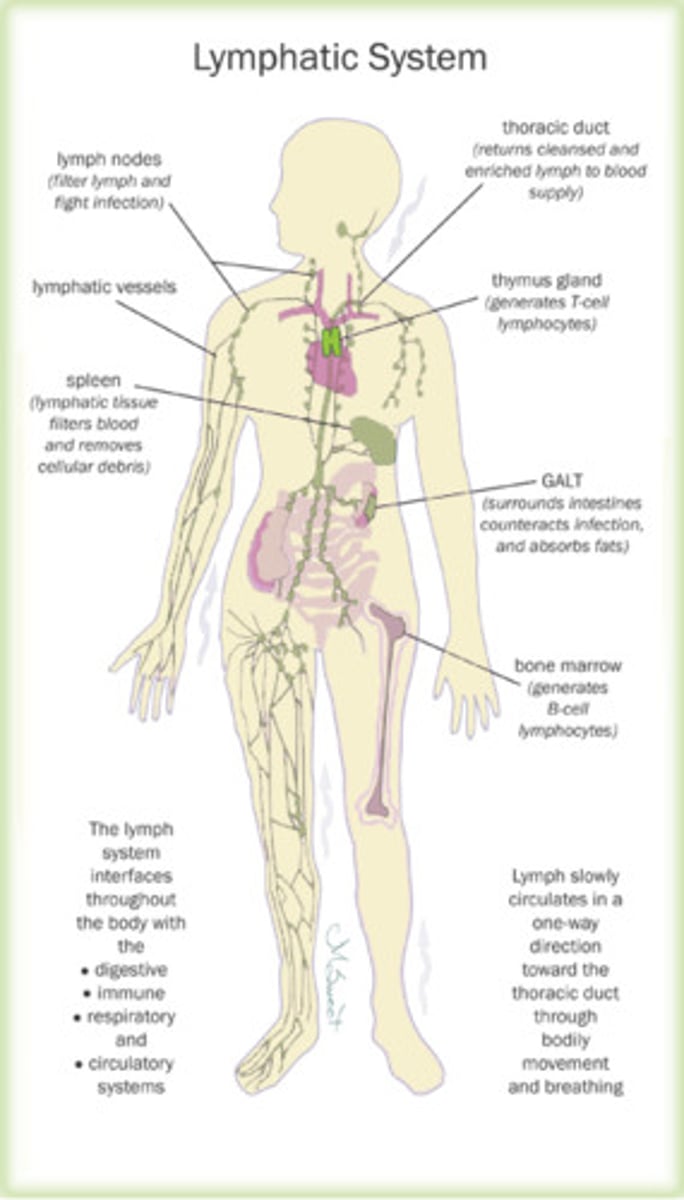
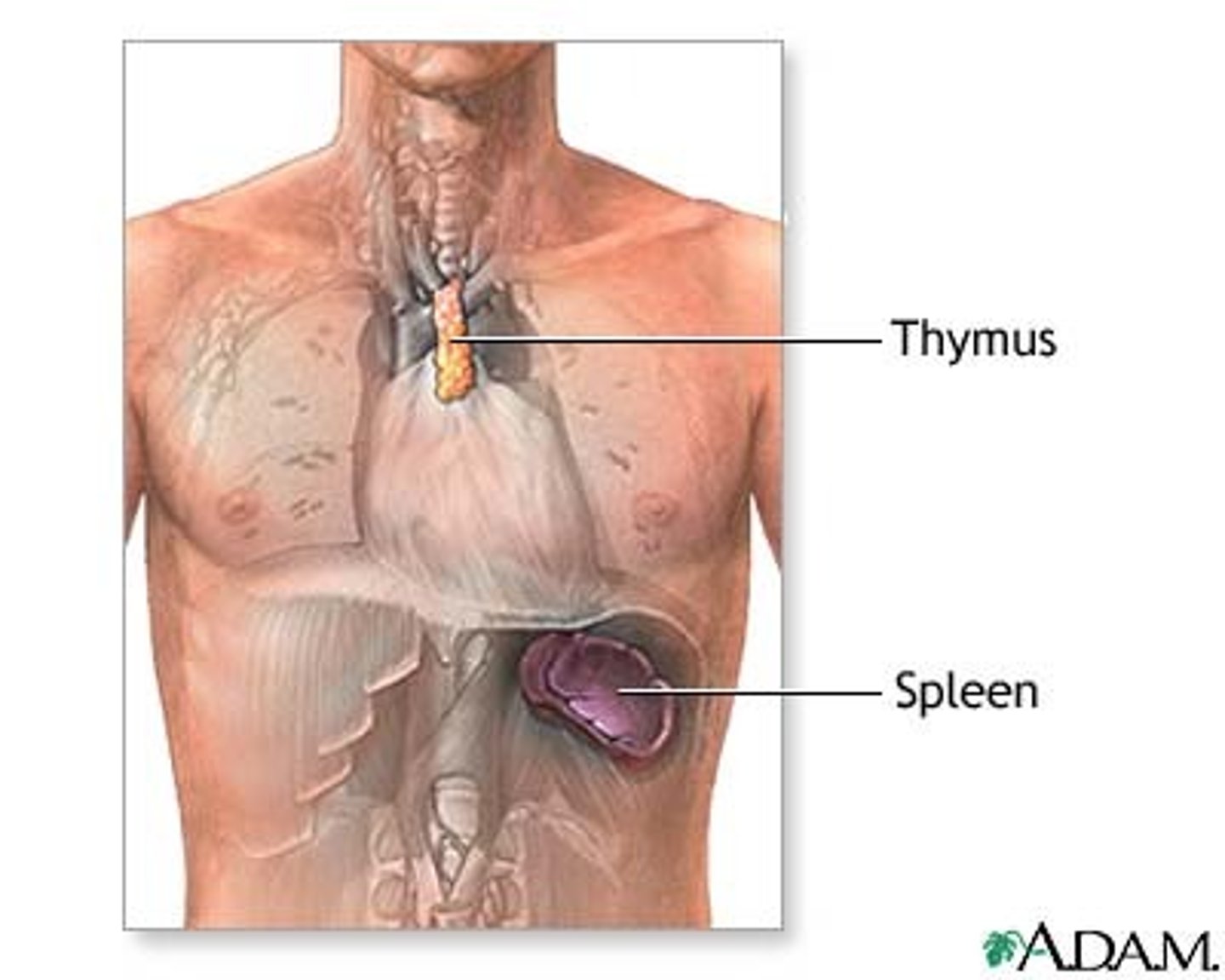
Which of the following glands is part of both the immune and endocrine systems?
A. Thyroid
B. Pineal
C. Thymus
D. Pituitary
C. CORRECT. The thymus is part of both the endocrine system and the immune system.
A. The thyroid is part of the endocrine system,
but it is not part of the immune system.
B. The pineal gland is part of the endocrine system. It is involved with circadian cycles in the body and influences the onset of puberty, but it is not part of the immune system.
D. The pituitary gland is part of the endocrine system and helps control growth, blood pressure, and metabolism, but it is not part of the immune system.
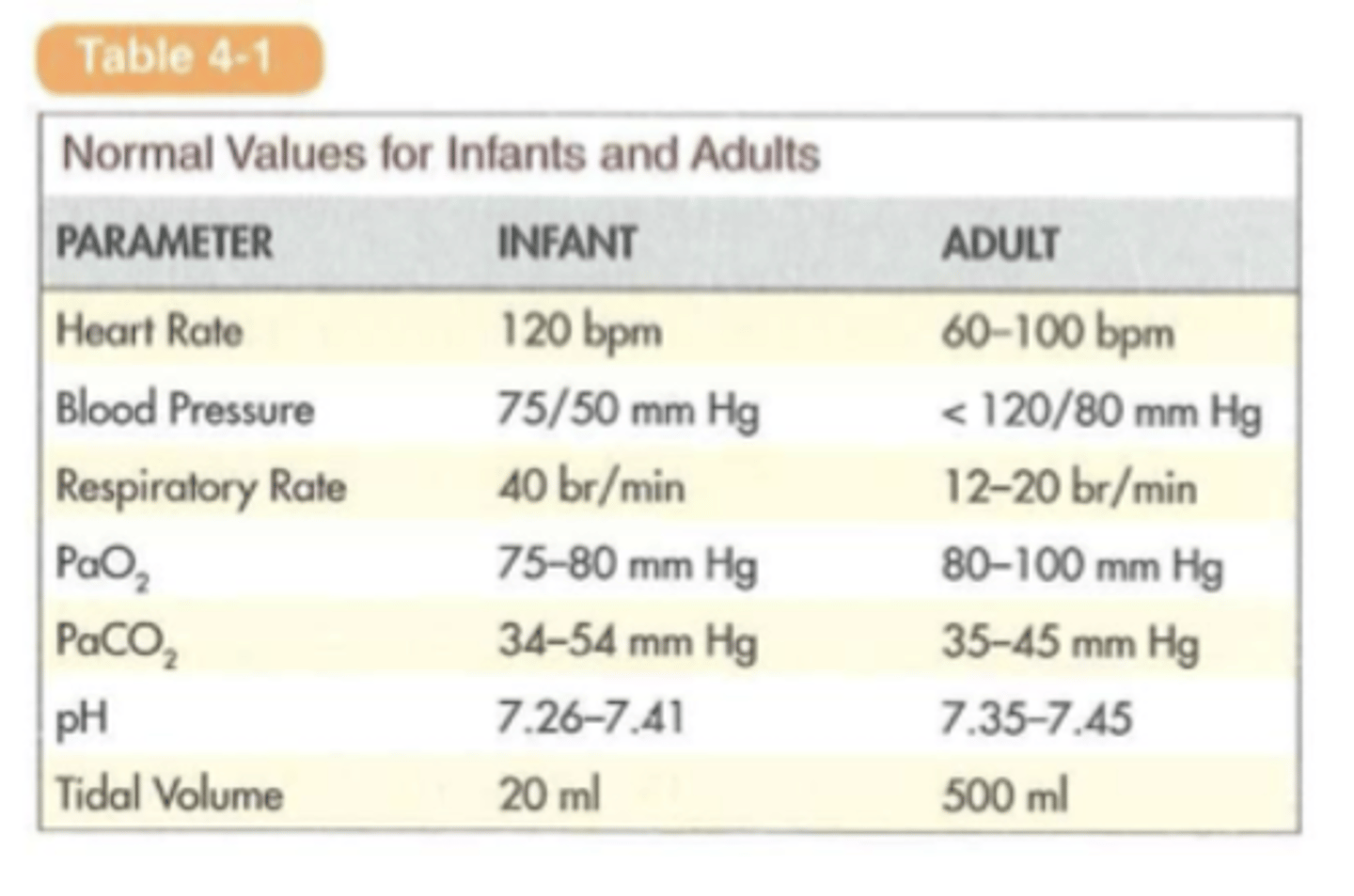
Which of the following is used to indicate homeostasis in the body?
A. Height
B. Weight
C. Pulse oximetry
D. Vital signs
D. CORRECT. Vital signs are indicators of the body's ability to maintain homeostasis. Vital signs include temperature, heart rate, respirations, and blood pressure.
A. The patient's height is measured in meters, inches, or feet and is not a factor to consider when maintaining homeostasis.
B. The patient's weight determines the patient's mass in kilograms or pounds and is not a factor to consider when maintaining homeostasis.
C. The patient's oxygenation status is assessed by performing a pulse oximetry and is not a factor to consider when maintaining homeostasis.
When pain signals are received by the brain, which of the following body systems is alerted to initiate a movement response?
A. Muscular
B. Cardiovascular
C. Digestive
D. Integumentary
A. CORRECT. The muscular system receives signals from the nervous system in response to pain, which causes the muscles to contract or move.
B. The cardiovascular system does not control movement responses and would not be alerted.
C. The digestive system does not control movement responses and would not be alerted.
D. The integumentary system does not control movement responses and would not be alerted.
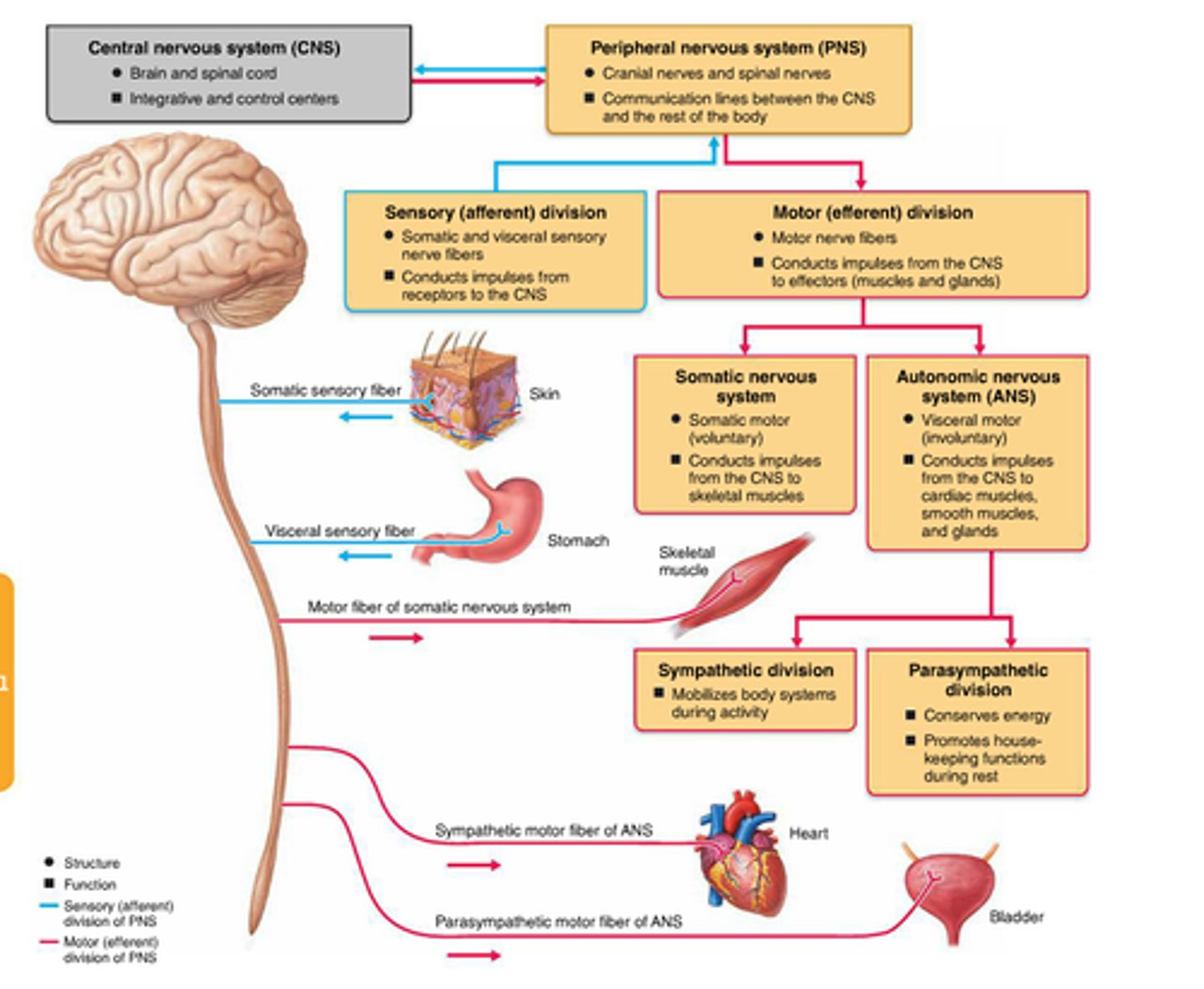
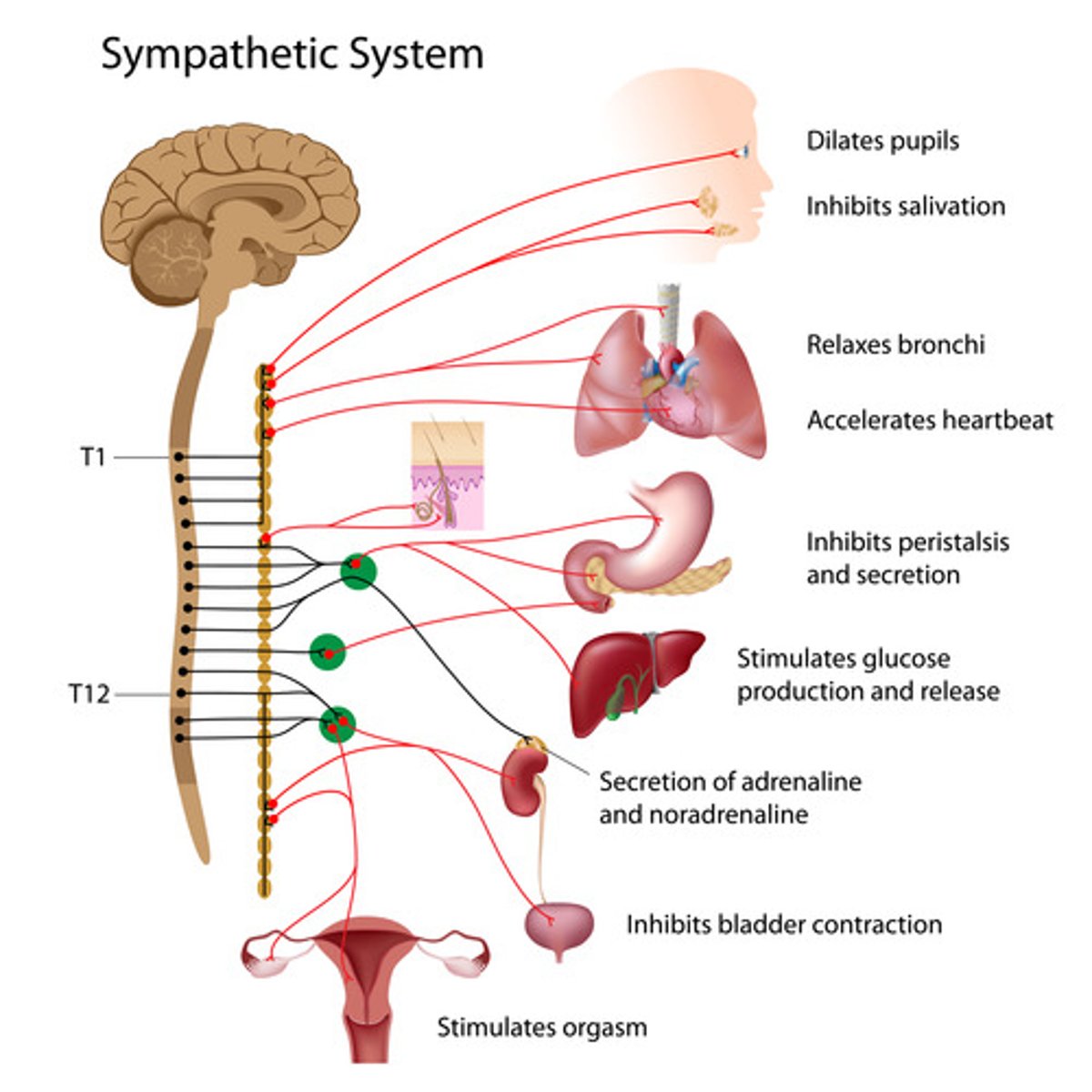
Which of the following body systems experiences a decrease in activity caused by the sympathetic branch of the nervous system during "fight-or-flight" response?
A. Cardiovascular
B. Respiratory
C. Muscular
D. Digestive
D. CORRECT. The digestive system experiences a decrease in peristalsis during a fight-or-flight response. The movement of food is slowed down as it passes through the digestive system, preventing vomiting or defecation as a response to fear or trauma. The system will remain in this state until the individual feels safe.
A. The cardiovascular system experiences an increase in heart rate during a fight-or-flight response.
B. The respiratory system experiences a widening of the bronchioles to increase the flow of oxygen during a fight-or-flight response.
C. The muscular system experiences an increase in blood flow to the skeletal muscles during a fight-or-flight response.