CIrculatory System
 Call Kai
 Learn
Learn Practice Test
 Spaced Repetition
 Match
Match Flashcards
 Knowt Play
1/26

There's no tags or description
Looks like no tags are added yet.
Name | Mastery | Learn | Test | Matching | Spaced | Call with Kai |
|---|
No analytics yet
Send a link to your students to track their progress
27 Terms
arteries (blood vessels)
carry blood away from the heart
branch into smaller arterioles
thicker walled
narrower diameter
elastic recoil helps maintain blood pressure even when heart relaxes
capillaries (blood vessels)
where nutrients and waste exchange occurs with surrounding cells
very thin walls
come together to form venules, which come together to form veins
veins (blood vessels)
return blood to the heart (atrium)
thinner walled
wider diameter (blood travels back to heart at a lower velocity anad a lower pressure than found in the arteries)
atrium (chambered heart)
receives blood
ventricles
pump blood out of the heart
Blood flows from the heart in the following order (blood vessels):
ventricles —> arteries —> arterioles —> capillaries —> venules —> veins —> atrium—> ventricles
interstitial fluid
any fluid between blood vessels and cells
pre-capillary sphincters
ring-like muscles that open and close capillaries
control blood flow in capillaries
Exchange Across Capillary Walls
fluid and solutes flow out of capillaries to the tissues due to blood pressure that’s higher than the osmotic pressure
interstitial fluid flows back into capillaries when the osmotic pressure is greater than the blood pressure
plasma proteins are responsible for the high osmotic pressure in the capillaries
lymphatic vessels
collect interstitial fluid and return it to the circulatory system
maintains volume and protein concentration of blood
drains into circulatory system near junction of vena cava and right atrium
lymph
fluid within the lymphatic system
lymph nodes
identify and fight infections
contain immune system cells (white blood cells including lymphocytes)
Evolution of Vertebrate Circulatory System
fish - 2 chamber heart
amphibian - 3 chamber hear
reptiles - 3 chamber heart
birds & mammals - 4 chamber heart
pulmonary circuit
carries oxygen-depleted bloods from the heart to the lungs and oxygen-rich bloods back to the heart
systemic circuit
carries oxygen-rich blood from the heart to the rest of the body and deoxygenated bloods back to the heart
lymphatic vessels
collect interstitial fluid and return it to the circulatory system
maintain volume and protein concentration of blood
drain lymph into circulatory system near junction of vena cava and right atrium
lymph nodes
identify and fight infections
contain immune system cells (white blood cells including lymphocytes)
atrioventricular (AV) valves
between atrium and ventricle
ex.tricuspid and biscuspid valves
keeps blood from flowing back into atria when ventricles contract
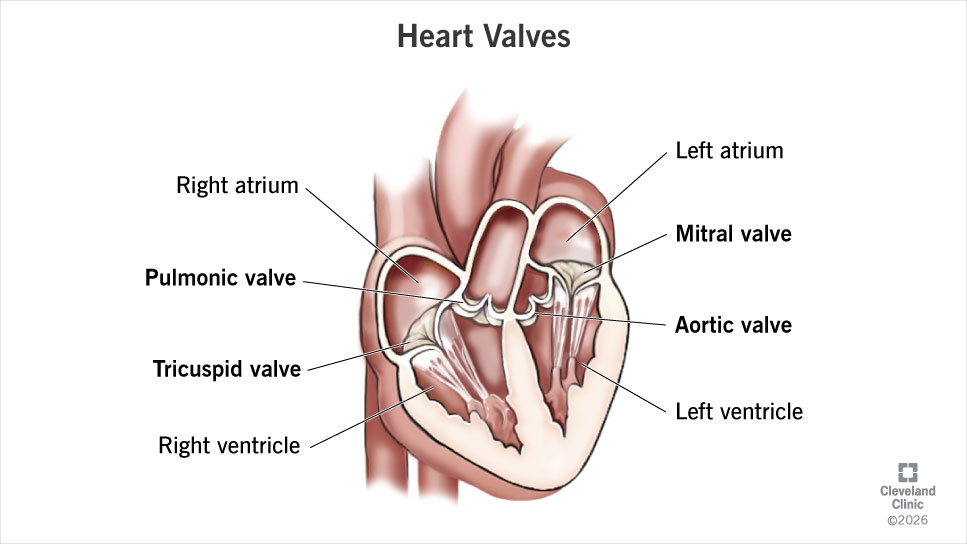
semilunar valves
between ventricle and arteries
ex. pulmonary valve and aortic valve
prevent backflow from arteries into ventricles while they are relaxing
coronary artery
carries oxygen and nutrients to cardiac cells
if your heart cells don’t receive enough oxygen, they will die triggering a heart attack
systole blood pressure
ventricles pump blood out
heart contracts and pushes blood out into the arteries
heart squeezes, pressure goes up
diastole blood pressure
atria refill with blood
heart relaxes and fills with blood between beats
heart relaxes, pressure goes down
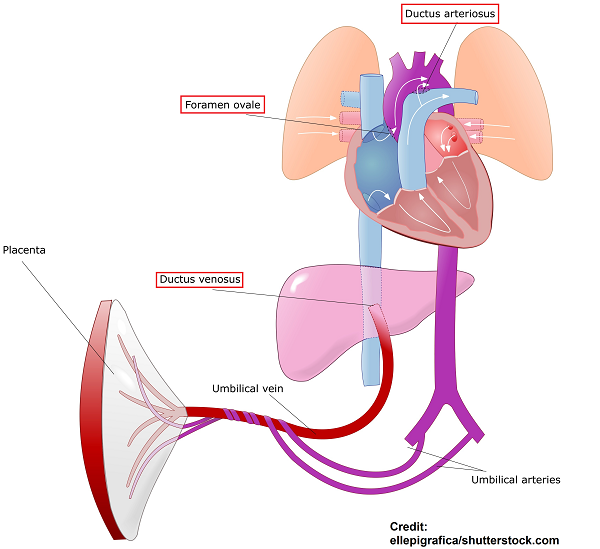
ductus venosus
carries oxygenated blood from the umbilical vein to the inferior/posterior vena cava
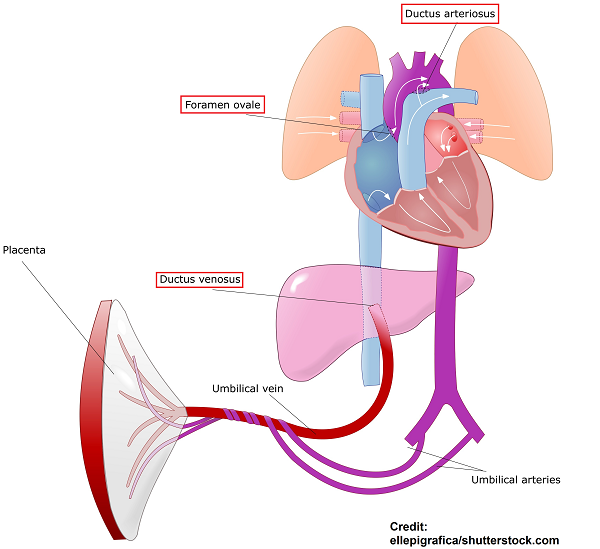
foramen ovale
hole between the atria which allows blood to flow from the right to left atrium
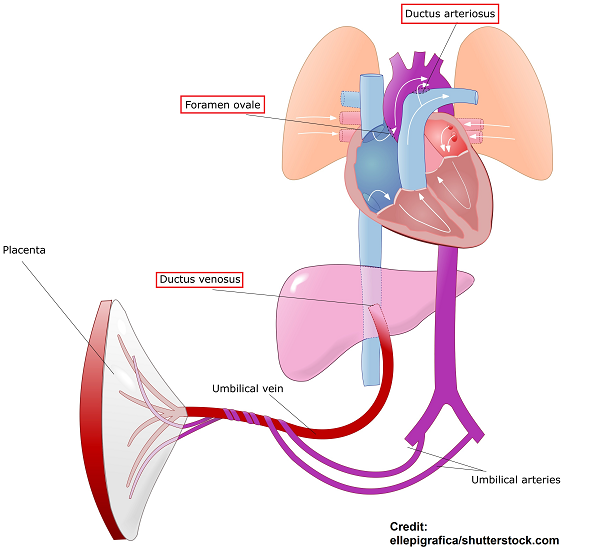
ductus arteriosus
carries oxygenated blood from the pulmonary artery to the aorta
erythrocytes
red blood cells
contain hemoglobin which transport oxygen
leukocytes
white blood
fight pathogens