L1- Intro to Vertebrates
 View linked note
 Call Kai
 Learn
Learn Practice Test
 Spaced Repetition
 Match
Match Flashcards
 Knowt Play
1/26

There's no tags or description
Looks like no tags are added yet.
Name | Mastery | Learn | Test | Matching | Spaced | Call with Kai |
|---|
No analytics yet
Send a link to your students to track their progress
27 Terms
what percentage of animals do vertebrates make up?
4%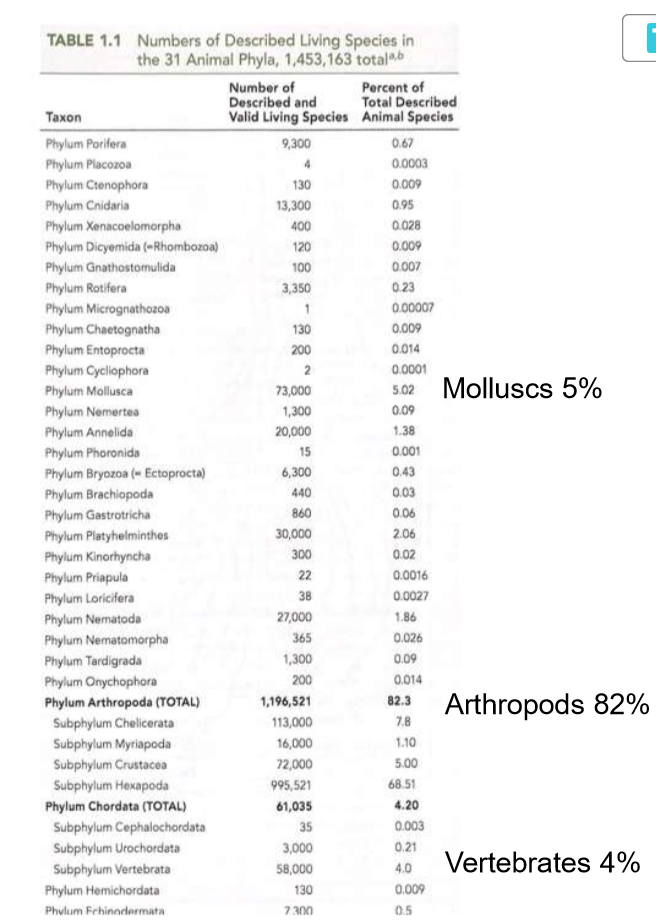
the extant vertebrate groups:
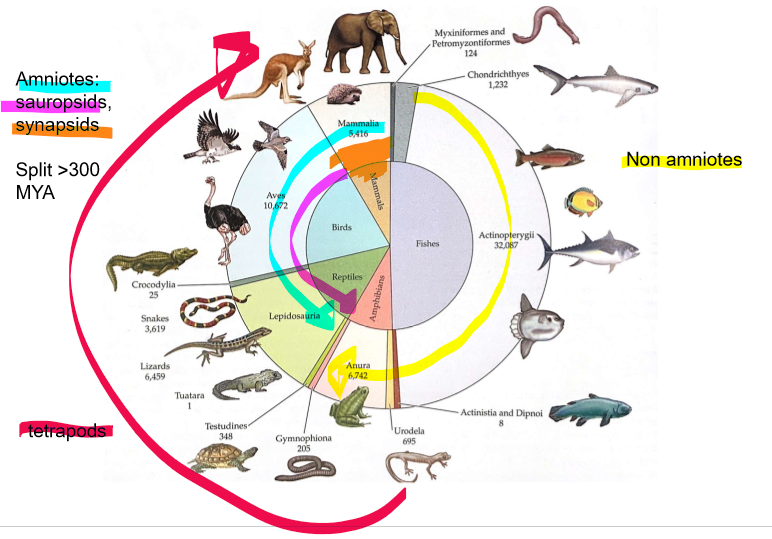
Non-amniotes:
embryo is surrounded by a membrane from the reproductive tract of the female
usually aquatic
Amniotes:
embryo is surrounded by a membrane from the embryo itself (extraembryonic membrane)
usually terrestrial
split into two groups:
sauropsids
synapsids
Sauropsids vs Synapsids:
Sauropsids→ reptiles and birds
Synapsids→ mammals
the groups split >300 million years ago
they share similarities that have evolved convergently
Tetrapods
have 4 limbs
Vertebrates phylogeny:
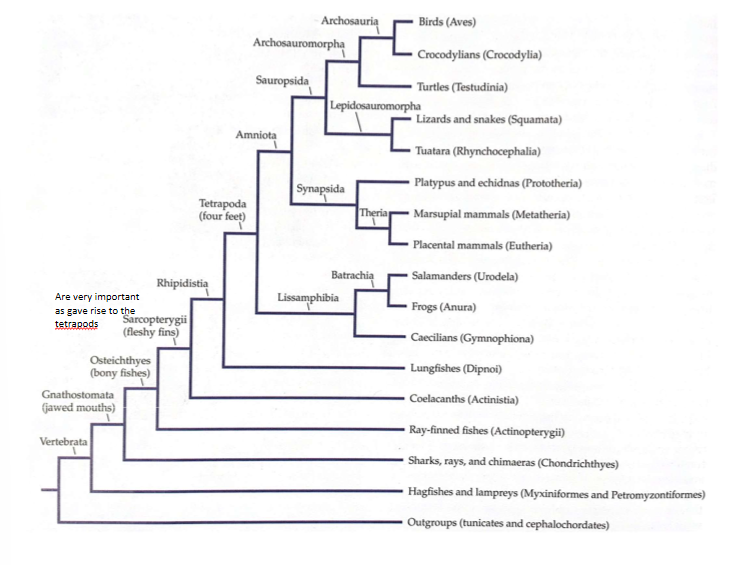 → cartilaginous fish and bony fish have evolved independently, not from one another
Types of classification:
phylogenetic classification
traditional phenetic methods
Phylogenetic Classification:
based on evolutionary history
uses DNA sequences and molecular techniques
Traditional Phenetic Methods:
based on similarities
cannot distinguish between homology and analogy
vertebrates classification e.g.:
e.g. reptiles are not monophletic
e.g. birds are seen as a group of dinosaurs
Homology:
shared ancestry
Analogy:
convergent evolution
Convergent Evolution + examples:
same selection
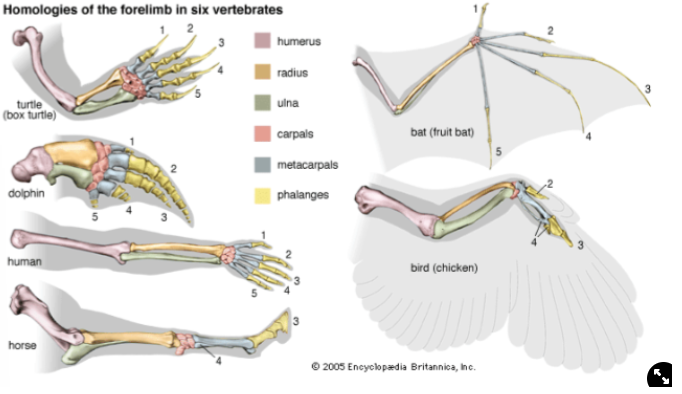
forelimbs
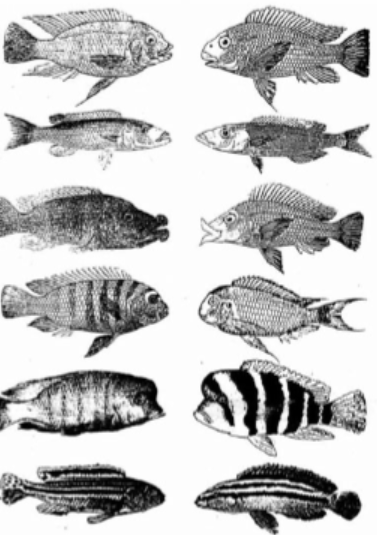
cichlid fish
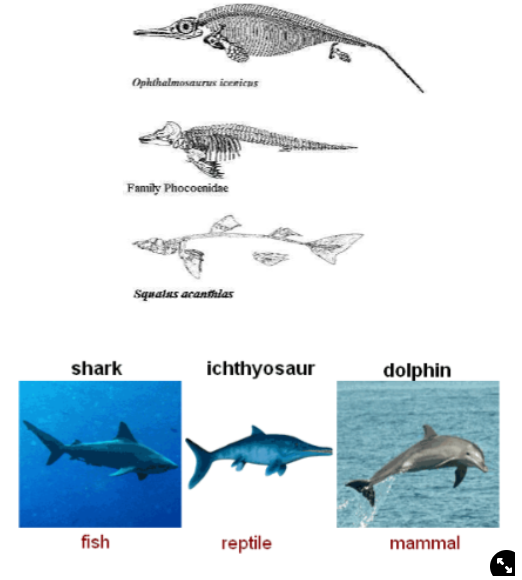
body shape
CE→ forelimbs:
early tetrapods had many digits (polydactyl)
some have lost digits throughout evolution e.g. horses have 2 digits
pentadactyl plan→ has 5 digits
both bats and birds have wings but they are structured differently
CE→ cichlid fish in african great lakes:
evolved independently in Lake Malawi and Lake Tanganyika
look similar when pairing up
fill the same niches in different lakes separately from each other
CE→ body shape in ichthyosaur, porpoise and shark:
same shape to adapt to water movement
all are fusiform→ move rapidly through water
have different skeletons but similar shapes
Vertebrates differ in…
number of orders
size
habitat
reproductive behaviours
Differences→ number of orders:
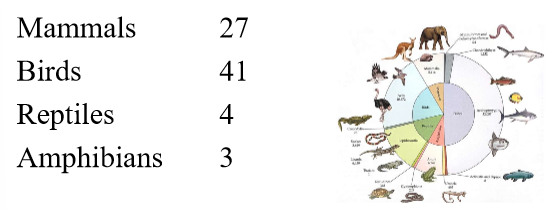 could be due to earth’s fragmentation
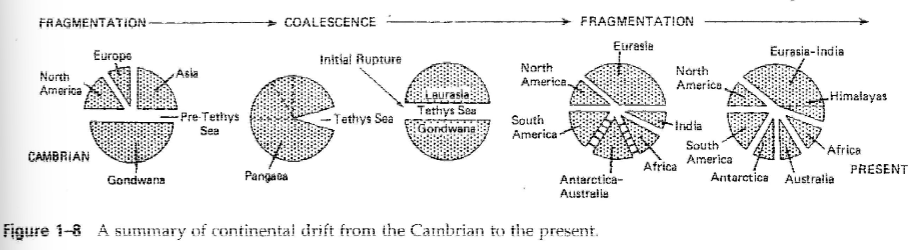 → during the second fragmentation, birds and mammals diversified, pangaea is the main birthplace of terrestrial vertebrates (300 million years ago)
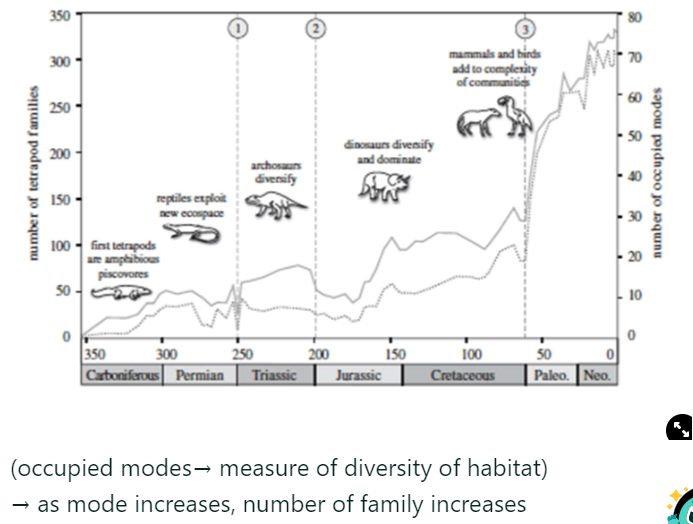
could be due to the extinction of dinosaurs
could be due to birds and mammals both being endothermic
→ are not dependent on environmental temperatures
Differences→ size:
e.g. Male Angler Fish→ 6mm
e.g. Paedocypris fish→ 7.9mm
e.g. Blue Whale→ 33m
Differences→ habitat:
deep sea
himalayas
e.g. Snail fish→ found in the deep sea (8000m)
Differences→> reproductive behaviours:
eggs
live birth
care for young
no care
e.g. Killifish→ have the fastest growth rate (reproduce at 17 days old)
Vertebrates are usually:
large
at the top of food chains
to be a vertebrate is energetically…
expensive
most are jawed and have different feeding modes
lamprey are jawless
new vertebrates are..
being discovered all the time
could be species previously thought to be another species
there are hotspots
extinct vertebrates:
reach maximum 12-14 million years ago
e.g. Thylacine (Tasmanian Tiger)
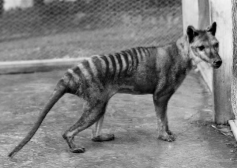
e.g. Golden Toad and Southern Gastric Brooding Frog
decline due to climate change or human-spread Chytrid fungus
endangered vertebrates:
20% of vertebrates are endangered
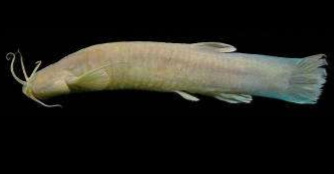
e.g. Cave Catfish
is only found in one cave in Nambia
is vulnerable to water extraction