Principles of Exercise Training
 Call Kai
 Learn
Learn Practice Test
 Spaced Repetition
 Match
Match Flashcards
 Knowt Play
1/14

Earn XP
Description and Tags
Semester 1, week 11
Name | Mastery | Learn | Test | Matching | Spaced | Call with Kai |
|---|
No analytics yet
Send a link to your students to track their progress
15 Terms
What are the principles of exercise training?
Individuality
Specificity
Reversibility
Progressive overload
Variation
What is the principle of individuality?
Not all people/athletes are created equal
Genetics affects performance
Variations in cell growth rates, metabolism, and cardiorespiratory and neuroendocrine regulation
→ high vs low responders
What is the principle of specificity?
Exercise adaptations specific to mode and intensity of training
Training programme must stress most relevant physiological systems for given sport
Training adaptations highly specific to type of activity, training volume, and intensity
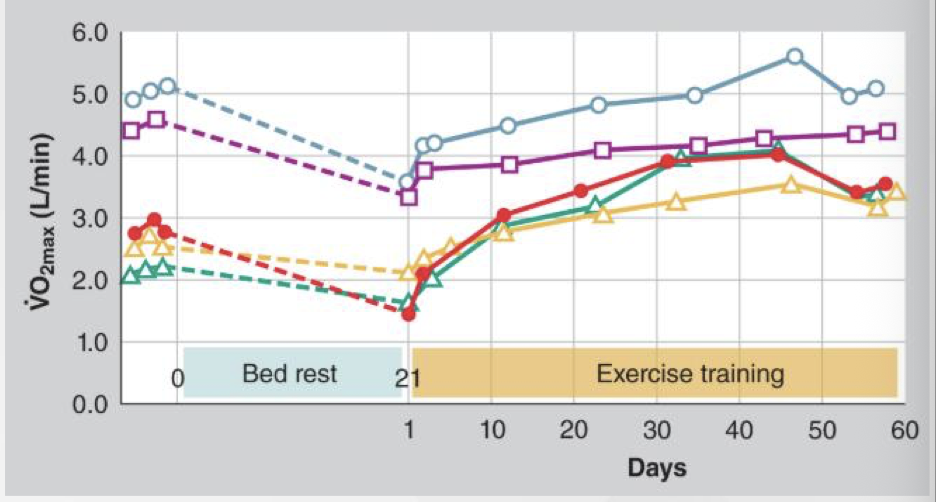
What is the principle of reversibility?
Use it or lose it
Detraining reverses gains
What is the principle of progressive overload?
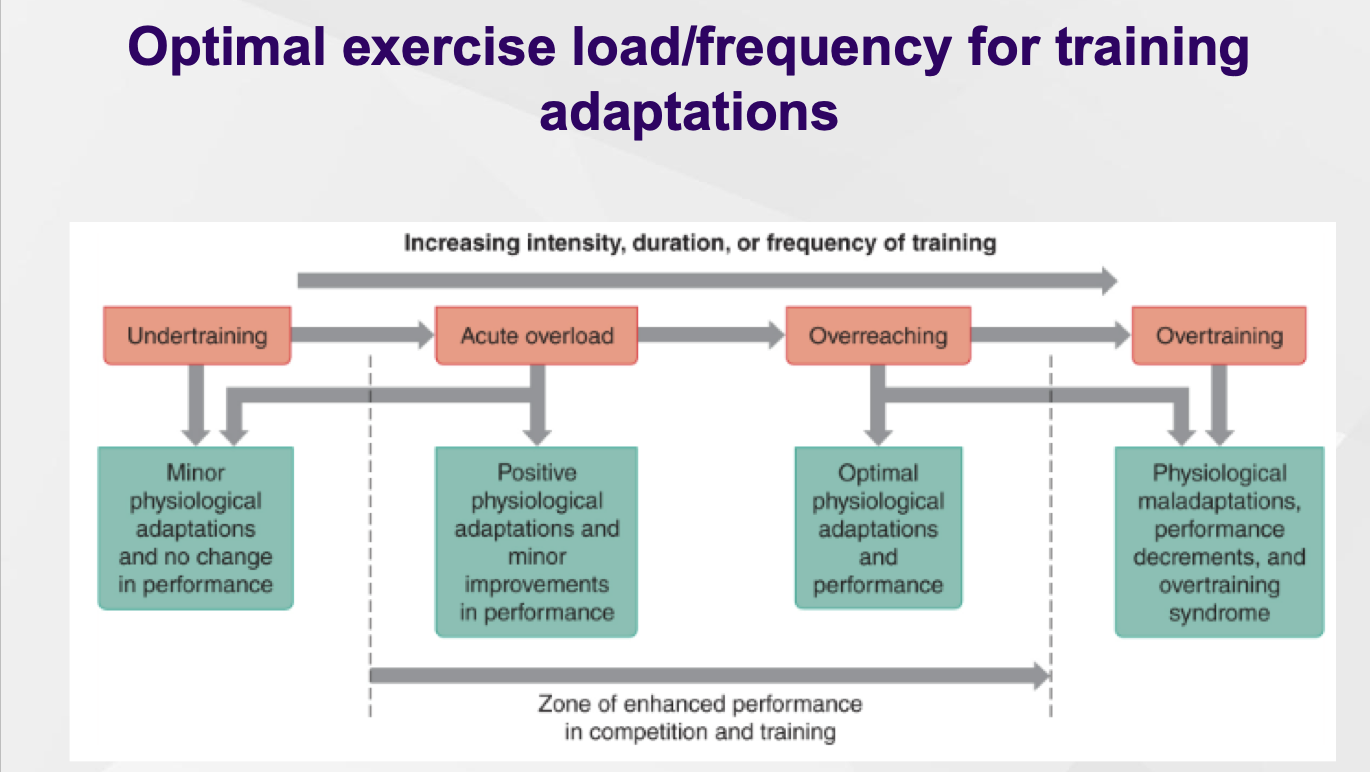
Need to increase demands on body to make further improvements
Muscle overload: muscles must be loaded beyond "normal" loading for improvement (=overreaching: decrement, then benefit)
Progressive training: as performance increases, resistance/repetitions/load must increase to further increase performance
What are the symptoms of overtraining syndrome?
General fatigue, loss of strength, coordination, exercise capacity
Loss of appetite
Weight loss sleep and emotional disturbances
Hormonal disturbances (eg. Cortisol ↑, testosterone ↓)
Resting heart rate ↑
Sympathetic nervous response ↑
Basal metabolic rate ↑
VO2max ↓
Anaerobic metabolism ↓
And more
What is the principle of variation?
Also called principle of periodisation
Systematical changes to one or more variables to keep training challenging
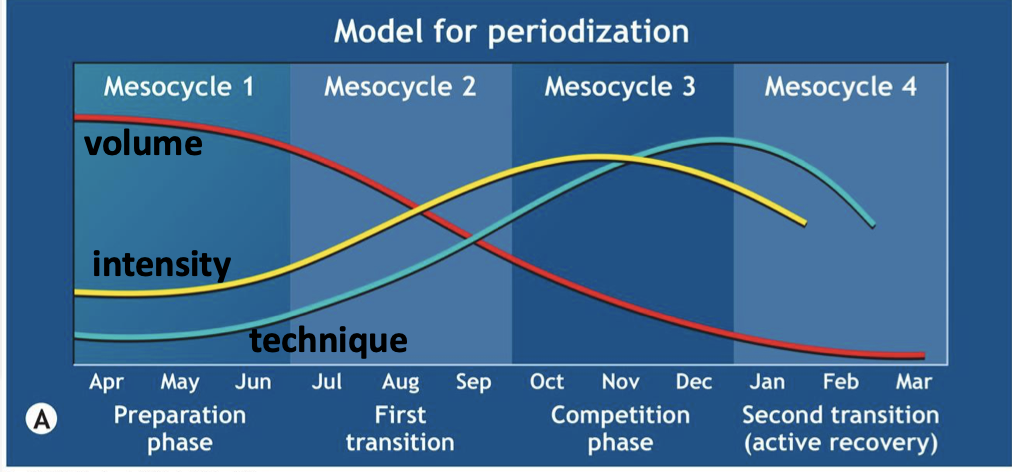
Intensity, volume, technique, tactics, changing exercise modes
Macrocycles, mesocycles, microcycles
What are macrocycles, mesocycles, and microcycles?
Goals:
Achieve acute overload
Promote over-reaching
Avoid over-training
Allow for taper
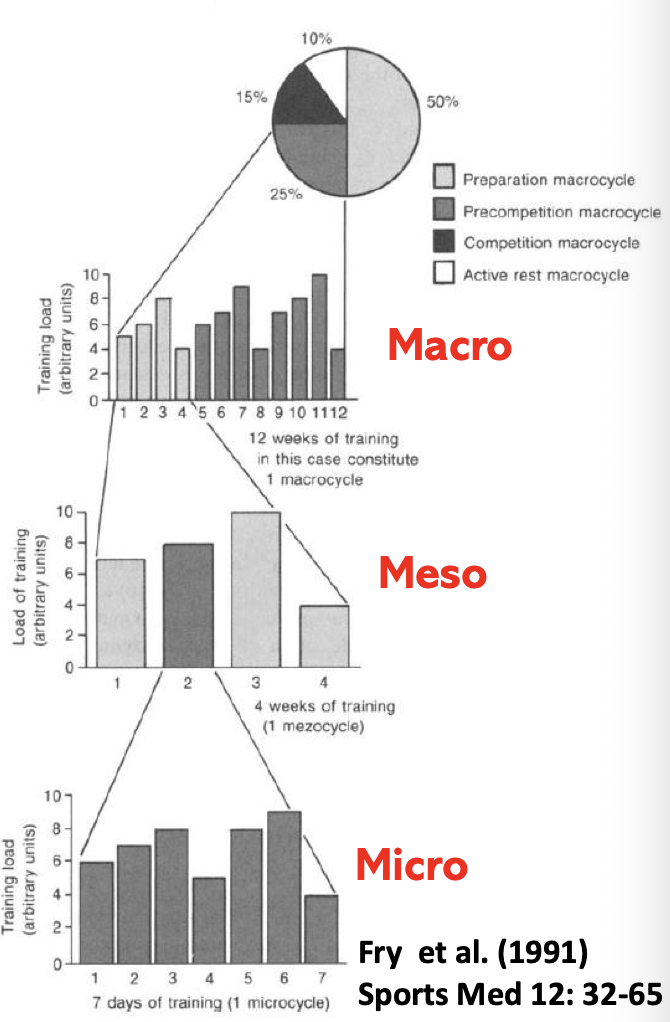
How do you manage training load?
Periodisation:
Preparation phase: focus on volume
Pre-competition and competition phase: focus on intensity/technique
How are frequency, duration, and intensity linked?
Frequency x duration = volume
Intensity and volume are inversely related
If volume ↑, intensity should ↓
If intensity ↑, volume should ↓
Intensity ↑ + volume ↑ → potential negative effects
Applies across modalities (eg. Resistance, anaerobic, and aerobic training)
What are the training zones?
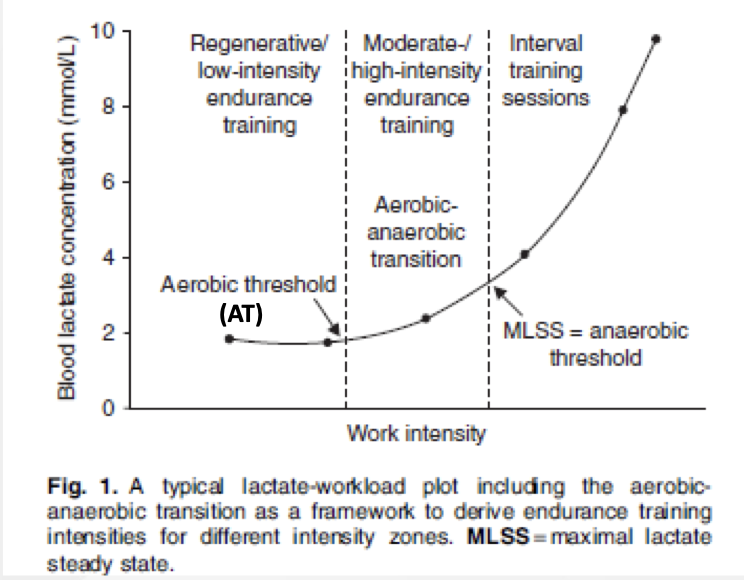
What are the general principles for resistance training?
Eccentric training: higher forces, important for hypertrophy
Specificity = what type of muscle work is required by sport
Order:
Multi-joint before single-joint
Large muscle groups before small muscle groups (eg. Importance of small muscle groups in stabilisation = safety, performance considerations)
High intensity before low intensity
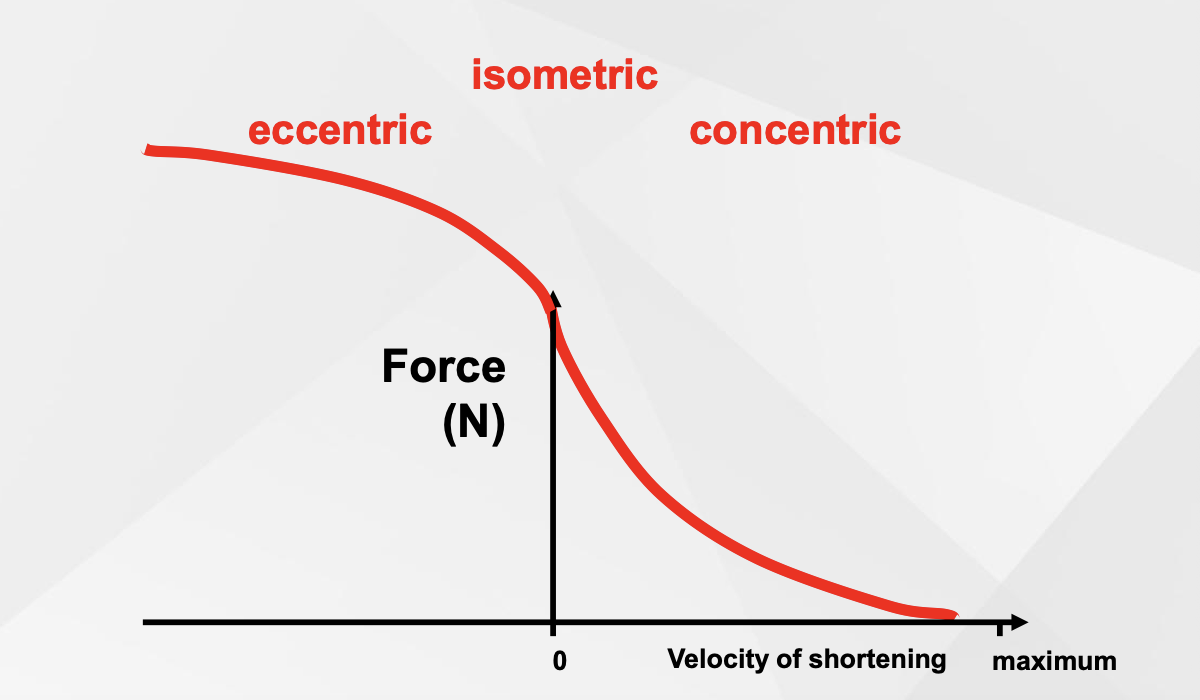
What are the different focuses of resistance training?
Muscle hypertrophy (~8-12 repetitions, high loading, slow-moderate speed, or eccentric)
Muscle power (~3-6 repetitions, moderate-fast speed)
Muscular endurance (~10-25 repetitions, light loading, variable speed)
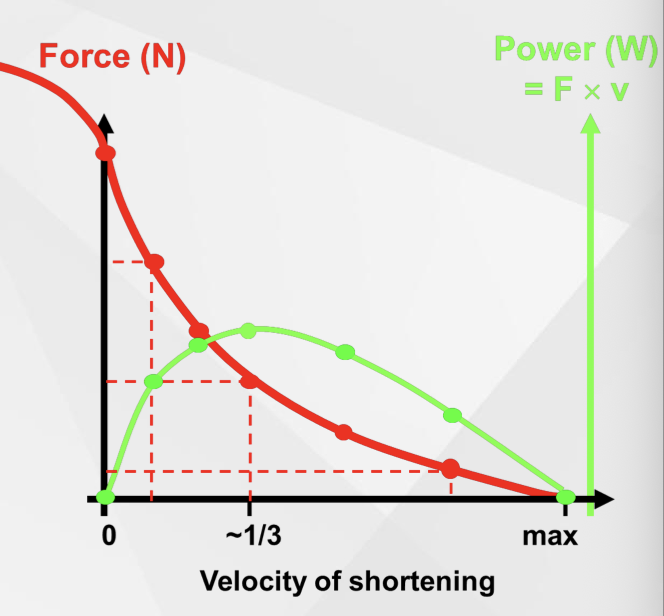
What is tapering?
Detraining reverse gains but a few days of rest can enhance performance
Tapering = reduction in training volume/intensity
Prior to competition (recovery, healing)
4 to 28 days (4-14 days for sprinters/cyclists; longer tapers reported for swimmers)
Most appropriate for infrequent competition
Mechanisms of action (muscle repair, replenishing of glycogen reserves)
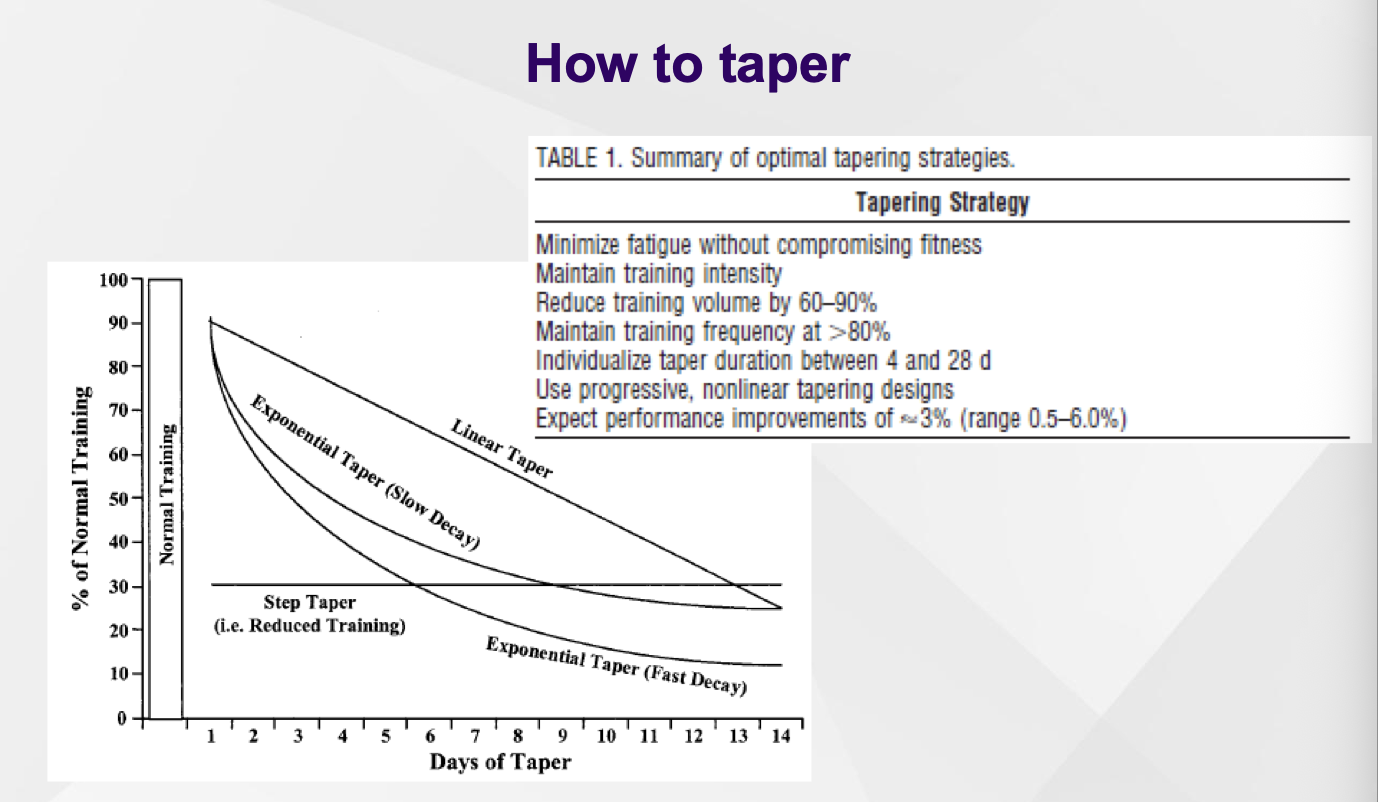
What is a summary of principles of exericise training?
Effective training must be specific (mode of exercise, intensity of exercise)
Overreaching: acute depression of performance, followed by improvements
Overtraining: can lead to chronic drops in performance
Periodisation promotes overreaching, avoids overtraining, and allows for tapering before competitions