Finance + Accounting
 Call Kai
 Learn
Learn Practice Test
 Spaced Repetition
 Match
Match Flashcards
 Knowt Play
1/51

There's no tags or description
Looks like no tags are added yet.
Name | Mastery | Learn | Test | Matching | Spaced | Call with Kai |
|---|
No analytics yet
Send a link to your students to track their progress
52 Terms
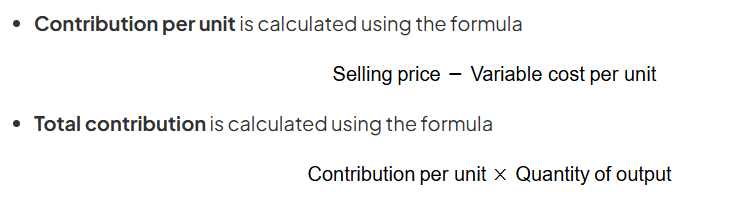
contribution
PBP
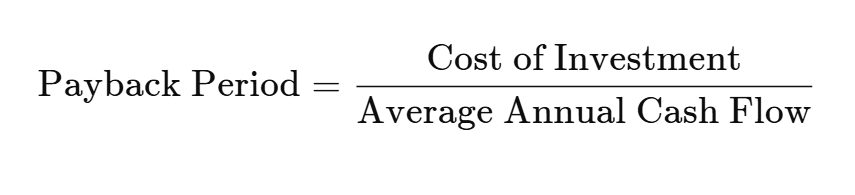
ARR

capital employed
total assets - current liabilities OR owner’s equity + noncurrent liabilities OR non-current liabilities + share capital + retained earnings
(total amount of capital a company uses to operate)
equity
total assets - total liabilities
gross profit
revenue - COGS
variance
difference between figure budgeted and actual figure
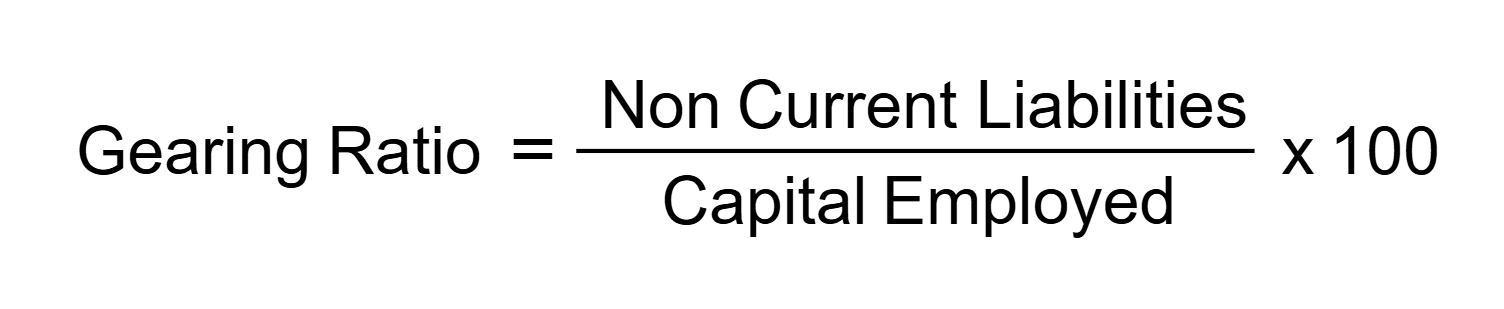
gearing ratio
how business funding is balanced between loans and equity — long-term financial structure;
if it is below 50% it is largely funded by shareholder capital, if above largely by loan capital
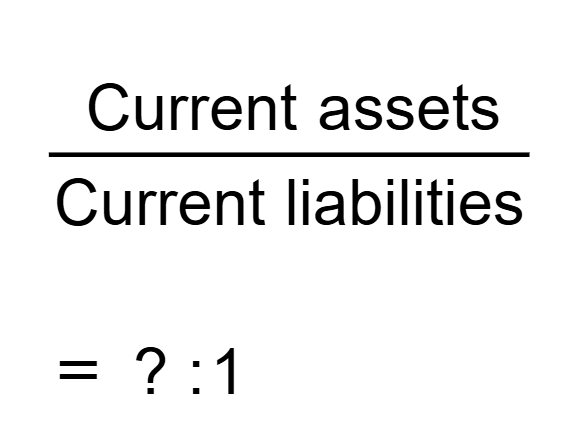
current ratio
liquidity measure for businesses that hold little stock
gross profit margin
the proportion of revenue that is turned into gross profit
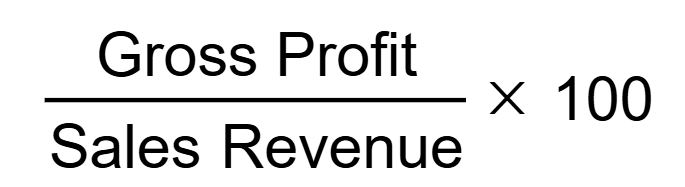
return on capital employed (primary ratio)
how efficiently a business uses its capital to generate aprofit

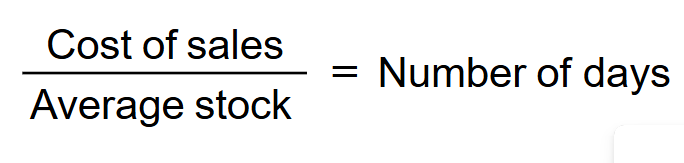
stock turnover ratio
how efficiently a business turns stocks into sales
average stock = (opening stock + closing stock)/2
net book value
cost - accumulated depreciation
straight-line depreciation method

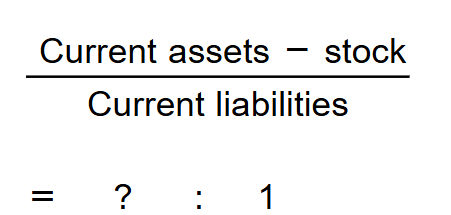
acid-test ratio
assess whether the firm has sufficient short-term assets to cover its immediate liabilities
variance
actual figure - budgeted figure
either favourable or adverse
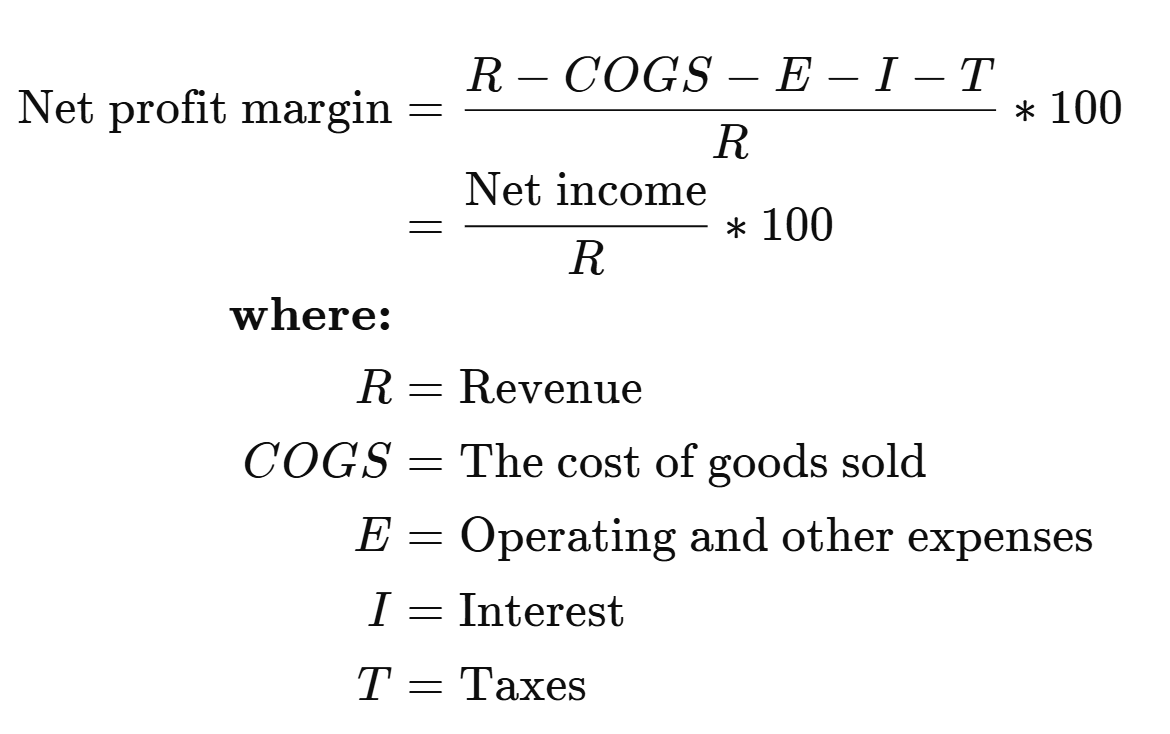
net profit margin
how much net profit a business earns as a percentage of its revenue
BEP
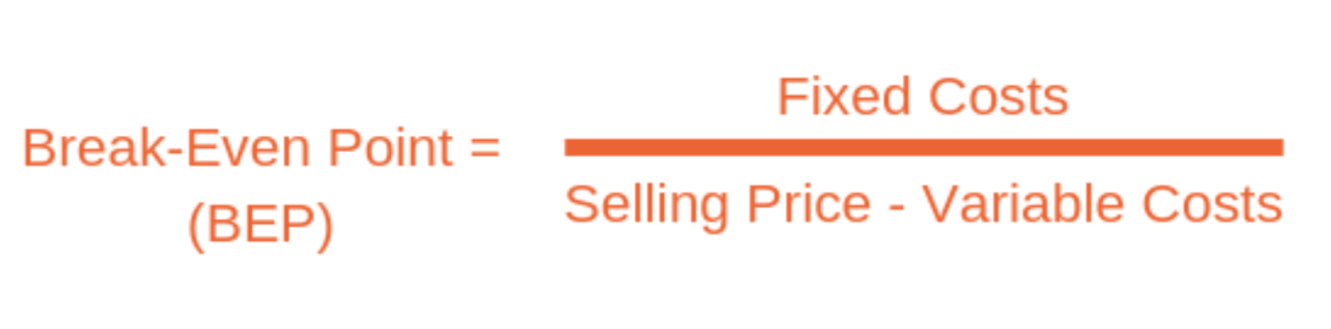
capital expenditure
(also called capex) is business spending on non-current assets that will be used multiple times over more than one year
revenue expenditure
spending on goods and services that a business uses in the short-term, as part of its normal trading activities (examples: raw materials, wages, rent, utility bills, insurance)
working capital
capital needed to manage day to day operations of a business, covering expenses such as inventory, supplier payments and overhead costs. including components such as inventory, cash, trade receivables, trade payables and trade deposits
liquid assets
assets that are cash or can be quickly converted into cash without significant loss of value. cash is the most liquid form of current asset
one advantage and one disadvantage of using retained profits
advantage: avoids incurring dept (no interest payments, preserving financial stability for future operations, no repayment schedules so steady cash flow)
disadvantage: reduces flexibility (retained profits used for one investment, cannot be allocated to other opportunties, potentially limiting ability to respond to unforseen expenses)
risks of a badly financed investment/expansion
cash flow shortages — struggle to cover daily operational costs like wages and utilities
project delays / delayed completion — struggle to meet customer demand, harmed image, harming market share, reducing customer trust
leasing advantages
reduced upfront costs (access to high-quality equipment without high upfront costs, preserving cash flow for other operatinal expenses)
flexibility — can upgrade to newer model frequently, giving competitive advantage
maintenance services — equipment reliability and reducing additional costs
often tax-deductible — finance operations effectively
retained profts
profit from previous years that has been kept within the business rather than paid out to shareholders
business angel
individual that invests their own money in a business in return for a share in the business often providing guidance and expertise
leasing
contractile arrangement where a business pays to rent an asset wihtout taking ownership of it
charactersitcs of overdraft
flexible borrowing up to agreed limit
interest is only paid on the amount overdrawn
can be withdrawn at a shrot notice
immediate access to funds
higher interest than a loan
variable interest rates
advantages of leasing
avoid large capital expenditure of purchasing
avoids tying up funds in fixed assets — capital can be used for expansion
operational flexibiliyt — e.g. scale up or down depending on seasonal demand
reduces the risk of ownership
advantages of a bank loan
immediate access to the (large) sum
spreading investment over several years can help maintain cash flow for day-to-day operations while using the loan for expansion
does not dilute ownership (especially important if the firm has a specific outlook mission whtvr like a socially responsible approach at the centre of activity)
disadvantages of loan
especially bad if the firm already has significant liabilites - increased debt can strain finances especially if interest rates rise
may require providing assets as collateral - increased risk in case the firm cannot repay the loan (especially in the face of unexpected challenges such as supply chain disruptions or slower than expected revenue growth)
highly competitive and time consuming to secure
overheads
indirect expenses that support overall business operations rather than specific products
revenue streams
dividents
donations (for not for profit orgs)
interest (from bank deposits)
subscription fees
merchendise
advertising revenue (for online media businesses)
sponsorship
paying another party to associate a brand or organization with the party, to provide a regular guaranteed source of income for a set period
current assets
items owned by a business that are expected to be converted into cash within one year
when is straight-line depreciation appropritate
when assets have predictable lifespans
when value decllines evenly over time
for small businesses with limitted accounting experitse
when assets have consistent usage patterns
when assets are maintained regularly
when a simple asset valuation is needed
how can u use a profit and loss account
analyse revenue trends to identify success in emerging markets and allocate resources to improve profitability in those regions
identify opportunities to reduce costs
monitor changes in operating expenses over time
advantages of using a profit and loss account to evaluate financial performance
identifying cost inefficiencies — shows higher operating expenses
tracking revenue trends — monitoring sales revenue (what works what doesn’t, e.g. markets, contracts)
transparency for managers
disadvantages of using a profit and loss account to assess financial performance
limited scope — no detailed insight into nonfinancial performance (e.g. staff productivity, customer satisfaction)
focuses on past performance and doesn’t forecast future profits that may resutl from further automation
advantages of selling off old inventory
improved cash flow - increas ability to meet short term liabilites and stabilise liquidity
free up warehouse space - reduce costs assoicated with inventory management
disadvantages of sellinf off old inventory
reduced profitability - may need to be sold at discount which may lower overall profit margins
offering discounts may harm a premium brand image potentially reducing customer trust in product quality
ways to make decisions using a statement of financial postion
assess solvency - review total liabilites and net assets to decide whether additional borrowing is feasible
analysing assets - assess value of non-current assets to see whether further investment in equipment is necessary
monitor current ratio - ensure business has enough liqudity to cover operational needs
adavntages of cheaper suppliers
improved gross profit margins - lower material costs reduce cost of sales, increasing percentage of revenue retained as profit
offer more competitive rpices thanks to reduced costs, attracting new customers which will increase revenue
disadvantages of cheaper suppliers
potential quality issues - image
possible late ddeliveries - project delays (may lead to increased expenses)
how workers can assess job security via a statement of profit and loss
evaluate profitability - evaluate net profit to determine whether the company generates enoguh earnings to sustain operations and payroll
assess solvency - review liabilities (if comapny more financially stabel, less likely to face cash flow problems that could cause business failure)
BUT: lack non-financial insight (ex: market challneges) and backward looking (do not predict future risks)
how to improve liquidity
reduce the credit period for customers (icreases cash inflows and amount of current assets)
sell excess inventory
negotiate extended supplier payment terms
arrange an overdraft facility
control business spending
reduce inventory levels
factors that can cause liquidity problems
high levels of inventory
slow customer payments
poor debt collection
overtrading
seasonal fluctuations
poor cash flow management
how to evaluate the success of investment in a warehouse or storage unit
analyse cost savings - does it reduce storage and transportation expenses
measure inventory turnover - faster trunover means improved stock management means reduced holding costs
does it lead to faster delivery times - enhanced customer experience
does the additional revenue generated by improved operations exceed the cost of investment
factors to cosider when renegotiating trade credit terms
supplier relationships - negotiations should not strain long-term relationships with key supplpiers as this could affect availability
ensure extended payment terms would free up sufficient cash flow to cover short-term obligations
suppliers may require strong payment track record before agrreing
assessing whether competitors have more favorable credit terms they themselves can replicate
advantages to becoming only online
reduce operating expenses
aligns wiht sustainable practices
disadvantages of going onlline only
reduced cusotmer reach
exclusion of those who lack digital reach