Formulas
 Call Kai
 Learn
Learn Practice Test
 Spaced Repetition
 Match
Match Flashcards
 Knowt Play
1/84

There's no tags or description
Looks like no tags are added yet.
Name | Mastery | Learn | Test | Matching | Spaced | Call with Kai |
|---|
No analytics yet
Send a link to your students to track their progress
85 Terms
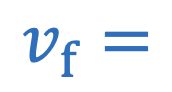
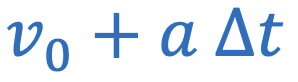
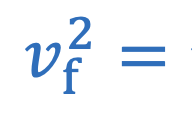
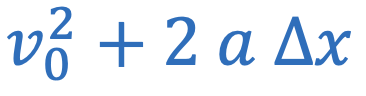
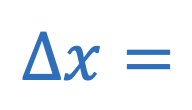
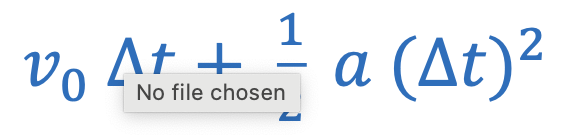
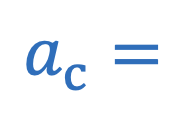
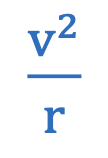
Centripetal acceleration
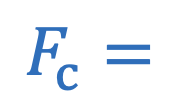
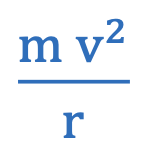
Centripetal force
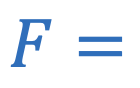

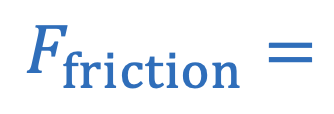
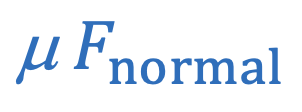
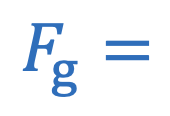
Universal law of gravitation
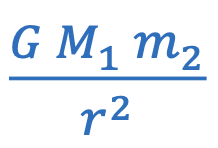
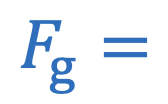
Force of gravity
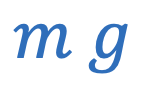
Torque
r = Distance from pivot point to force of application
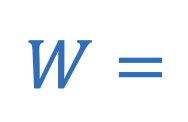
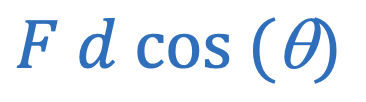
Work (kinematics)
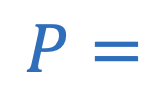
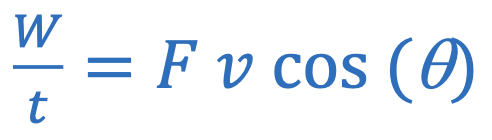
Power

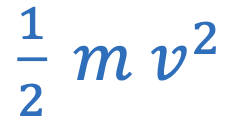
Kinetc energy
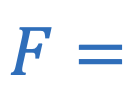
Hook’s law
Force required to compress a string
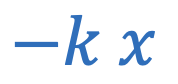
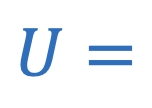
Elastic potential energy
k = Spring constant
x = Displacement
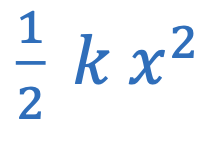
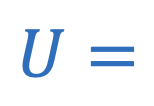
Gravitational potential energy
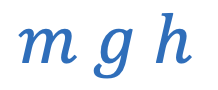
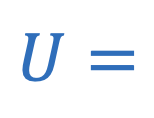
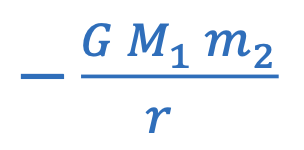
Gravitational potential energy between two objects
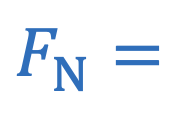
Normal force on inclined plane

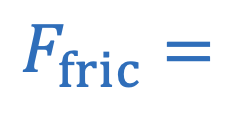
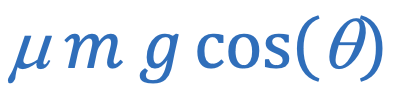
Force of friction on inclined plane
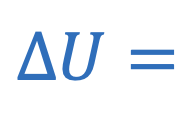
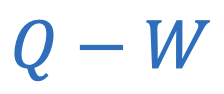
Change in internal energy
Q = Heat
W = Work
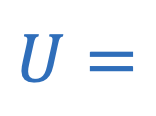
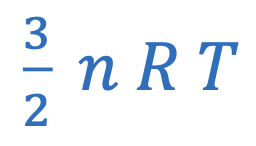
Internal energy of gas
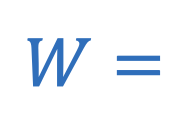
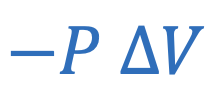
Work (thermodynamics)
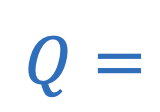
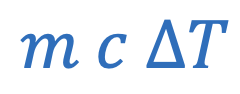
Heat
c = Specific heat constant
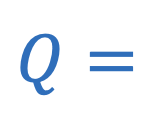
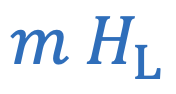
Heat energy required or released during phase change
HL = Latent heat coefficient
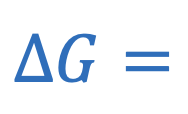
Gibb’s free energy

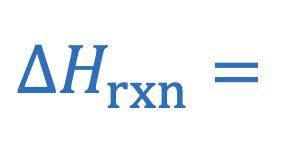
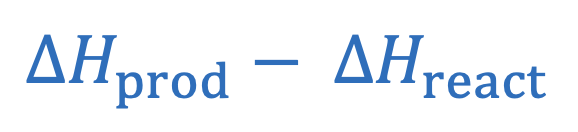
Ideal gas law

Boyle’s law
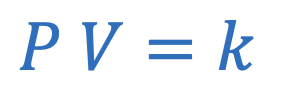
Gay-Lussac’s law
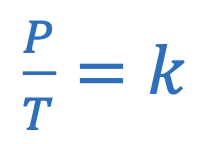
Charle’s law
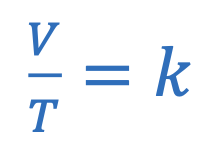
Avogadro’s law
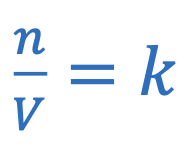
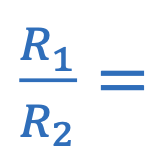
M = Molar mass
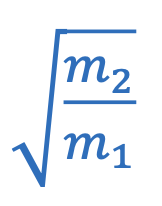
Concentration of dissolved gas
C = (Kh)(Pgas)
Kh = Solubility coefficient
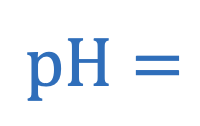
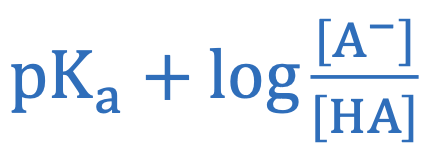
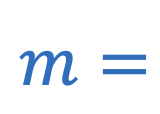
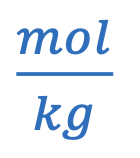
Molality
mol of solute / kg of solvent
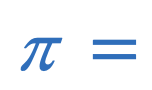
Osmotic pressure
i = Number of particles
M = Molarity
R = Ideal gas constant 0.08
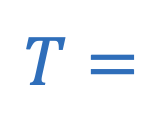
T = Temperature (K)

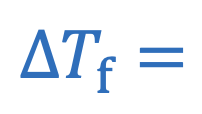
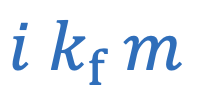
Freezing point depression
i = Number of particles
m = Molality
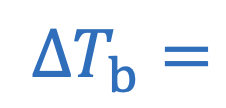
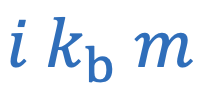
Boiling point elevation
i = Number of particles
m = Molality
Period

Snell’s law

Index of refraction

Energy of photon
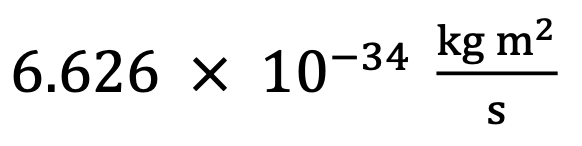
h = Plank’s constant = 6.626×10⁻³⁴
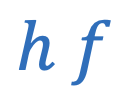
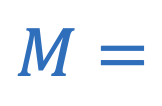
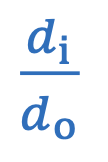
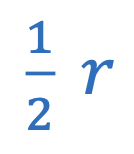
Magnification
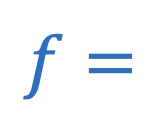
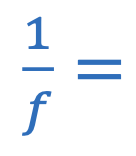
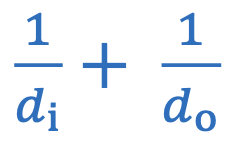
Focal length
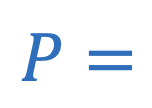
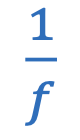
Power of lens
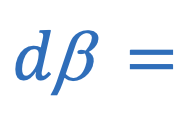
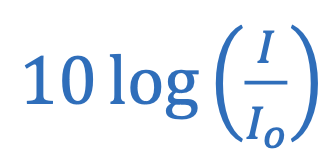
Decibels
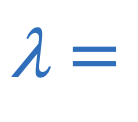
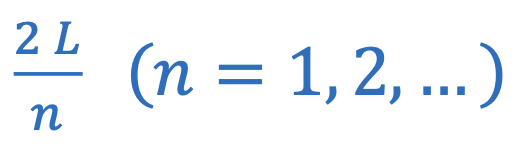
Wavelength of fixed string or open pipe
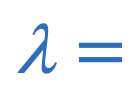
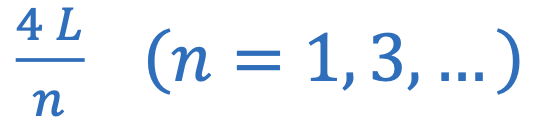
Wavelegnth of closed pipe
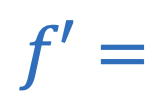
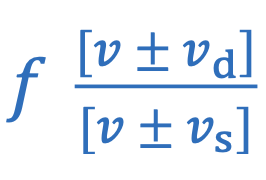
Doppler effect
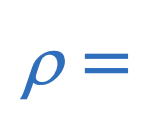
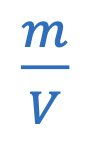
Density
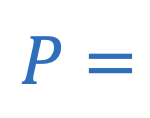
Pressure

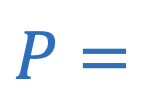
Absolute pressure
pgh = Hydrostatic pressure

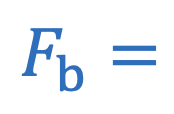
Buoyant force

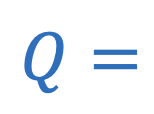
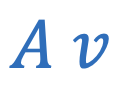
Flow rate
Bernoulli’s equation

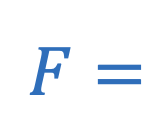
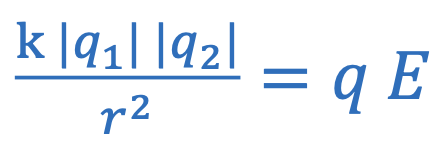
Coulomb’s law
Electrostatic force
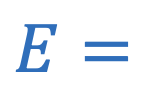
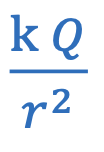
Electric field strength
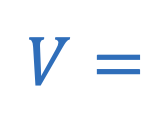
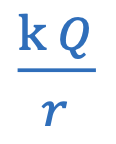
Electric potential
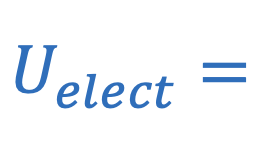
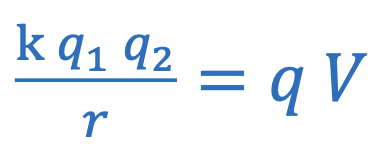
Electric potential energy
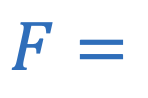
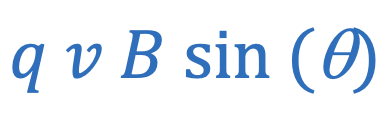
Magnetic force (charge)
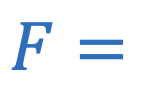
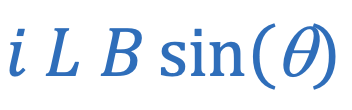
Magnetic force (current)
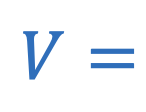
Ohm’s law

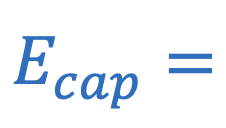
Electric field strength of parallel plate capacitor
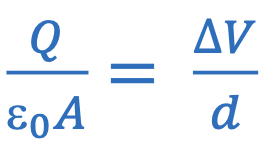
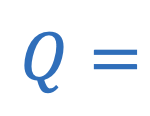
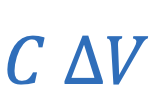
Charge
C = Capacitance
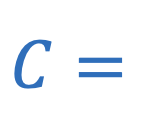
Capacitance
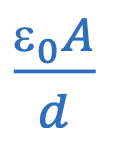
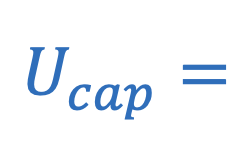
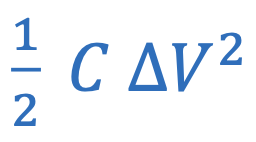
Electric potential energy in capacitor
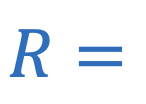
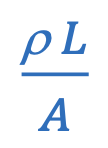
Resistance
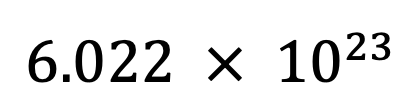
Avogadro’s number
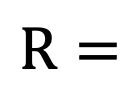
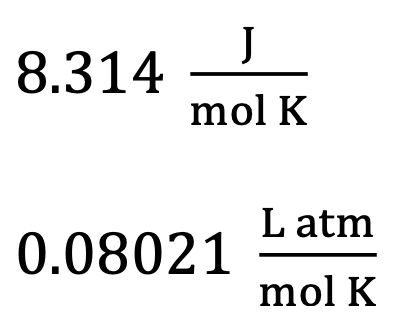
Gas constant
Planck’s constant
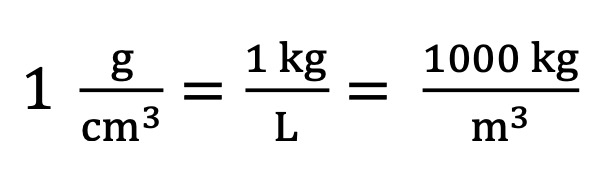
Density of water
Speed of light
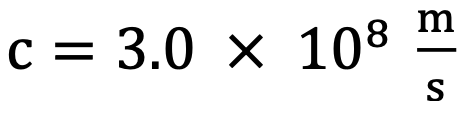
Faraday’s constant

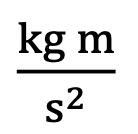
Units of Newton
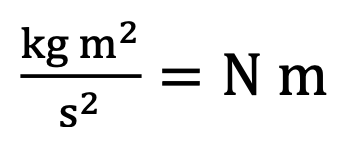
Units of Joule
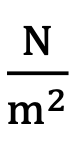
Units of Pascal
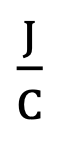
Units of Volt
Units of Amp
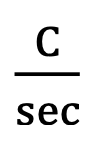
Units of Watt
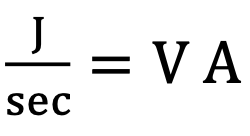
Units of Ohm
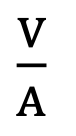
Units of Farad
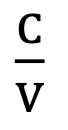

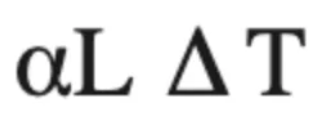
Thermal expansion
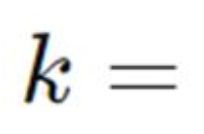
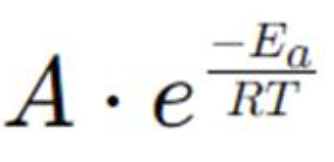
Arrhenius equation
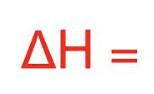
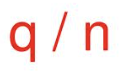
q = Heat of reaction'
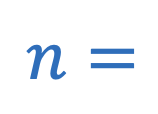
n = Moles