Muscular Test
0.0(0)
Studied by 2 people Call Kai
 Learn
Learn Practice Test
 Spaced Repetition
 Match
Match Flashcards
 Knowt Play
Card Sorting
1/25

Earn XP
Description and Tags
Last updated 6:04 PM on 10/31/22
Name | Mastery | Learn | Test | Matching | Spaced | Call with Kai |
|---|
No analytics yet
Send a link to your students to track their progress
26 Terms
1
New cards
Deltoids
shoulders
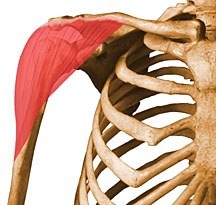
2
New cards
Pectorals
chest
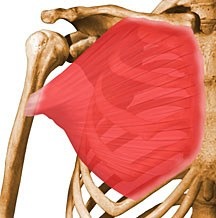
3
New cards
Biceps
Front of upper arm
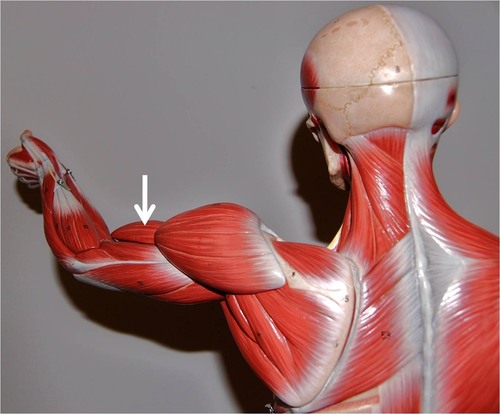
4
New cards
Abdominus
abdomen
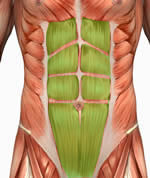
5
New cards
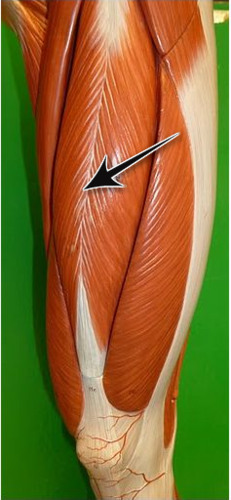
Quadriceps
Front of thigh
6
New cards
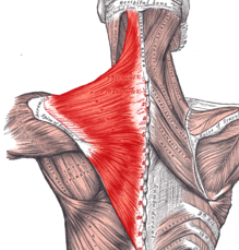
Trapezius
upper back
7
New cards
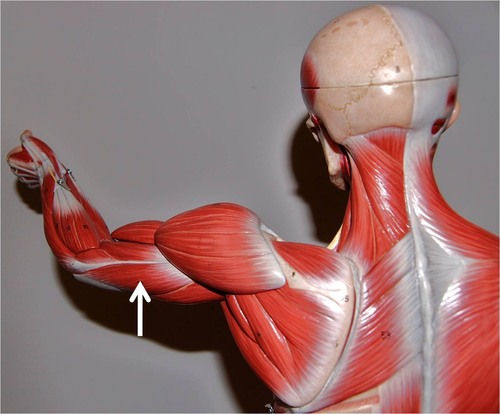
Triceps
Back of upper arm
8
New cards
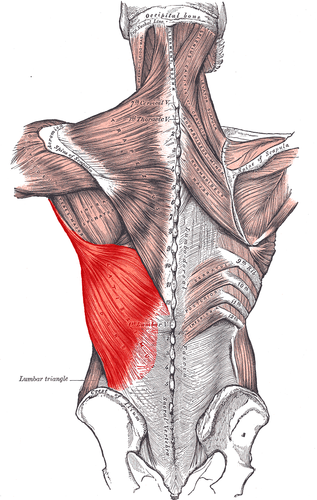
Latissimus dorsi
side of back
9
New cards
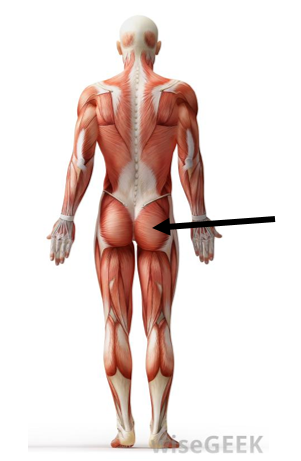
Gluteals
buttocks
10
New cards
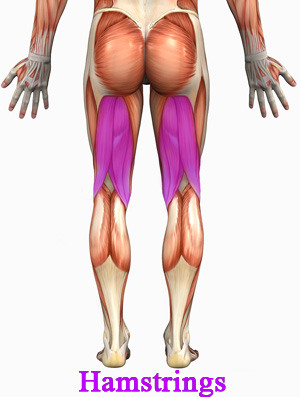
Hamstrings
back of thigh
11
New cards
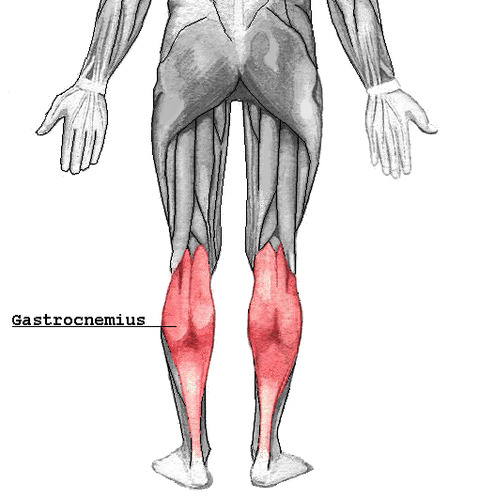
Gastrocnemus
calf
12
New cards
Function of the deltoids
abduction of the arm at the shoulder
13
New cards
Function of the pectorals
adduction + flexion of the arm at the shoulder
14
New cards
Function of the biceps
flexion of the arm at the elbow
15
New cards
Function of the abdominals
flexion of the body/trunk at the hips
16
New cards
Function of the quadriceps
extension of the leg at the knee
17
New cards
Function of the trapezius
extension of the neck
18
New cards
Function of the triceps
extension of the arm at the elbow
19
New cards
Function of the latissimus dorsi
adduction at the shoulder joint
20
New cards
Function of the gluteals
extension + adduction of leg at the hip
21
New cards
Function of the hamstrings
flexion of the leg at the knee
22
New cards
Function of the gastrocnemus
plantar flexion of the foot at the ankle
23
New cards
Definition of agonist
the muscles responsible for stabilizing the muscle's origin, e.g flexion of the arm at the elbow, agonist = Biceps
24
New cards
Definition of antagonist
the opposing actions of two muscles that cause opposite movements, e.g flexion of the arm at the elbow, antagonist = triceps
25
New cards
Definition of fixator
the muscle responsible for the opposite movement to the agonist, this muscle relaxes when the agonist contracts, e.g flexion of the arm at the elbow, fixator = deltoids
26
New cards
Definition of antagonistic muscle action
also known as the prime mover, the muscle contracting to cause/control the movement, as the biceps bends or flexes the elbow joint by contracting, the triceps relaxes