Chapter 23 Age of Progress 1871 - 1894
 Call Kai
 Learn
Learn Practice Test
 Spaced Repetition
 Match
Match Flashcards
 Knowt Play
1/29

There's no tags or description
Looks like no tags are added yet.
Name | Mastery | Learn | Test | Matching | Spaced | Call with Kai |
|---|
No analytics yet
Send a link to your students to track their progress
30 Terms
The First Industrial Revolution
Produced textiles, railroads, iron and coal.
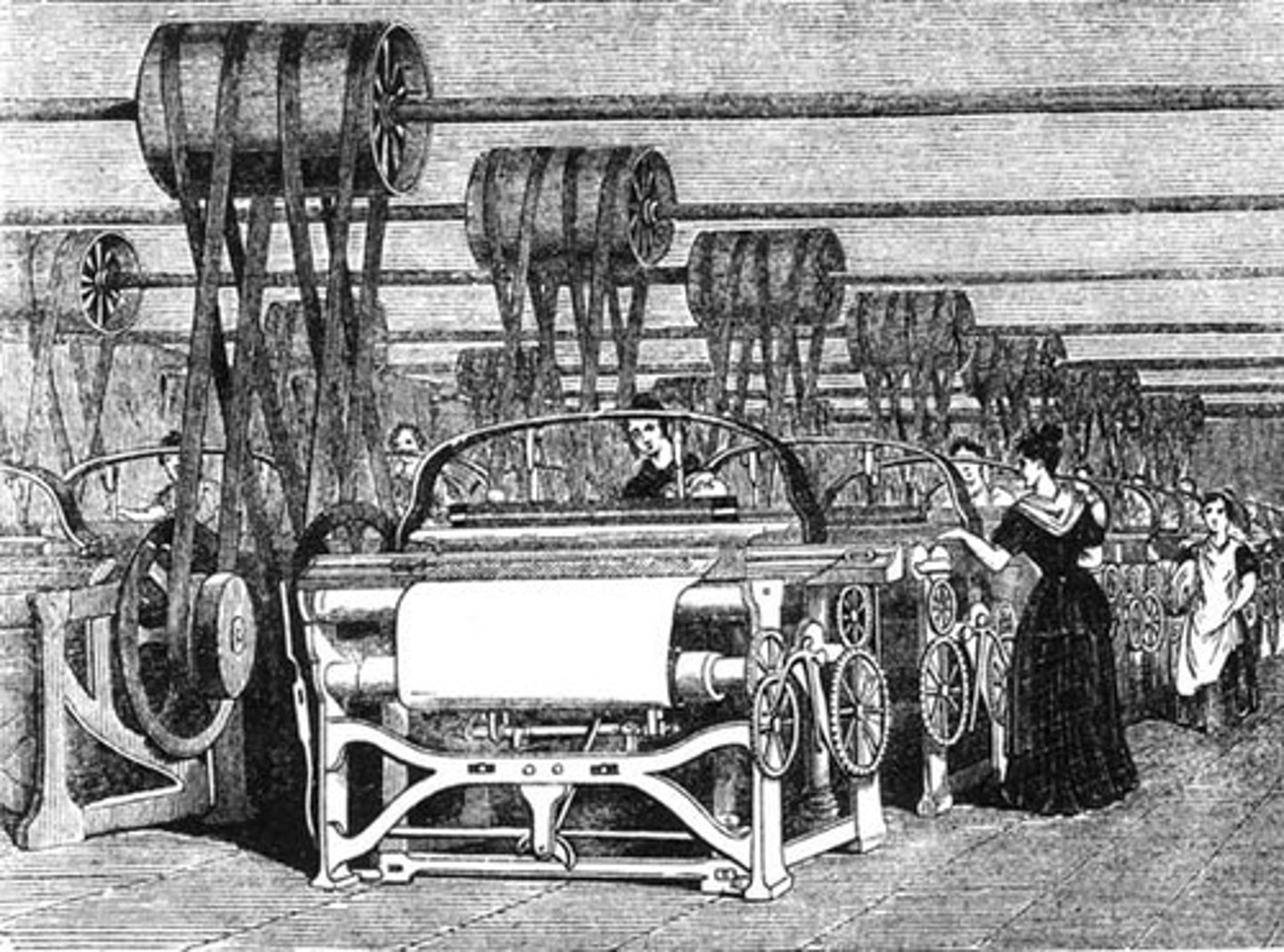
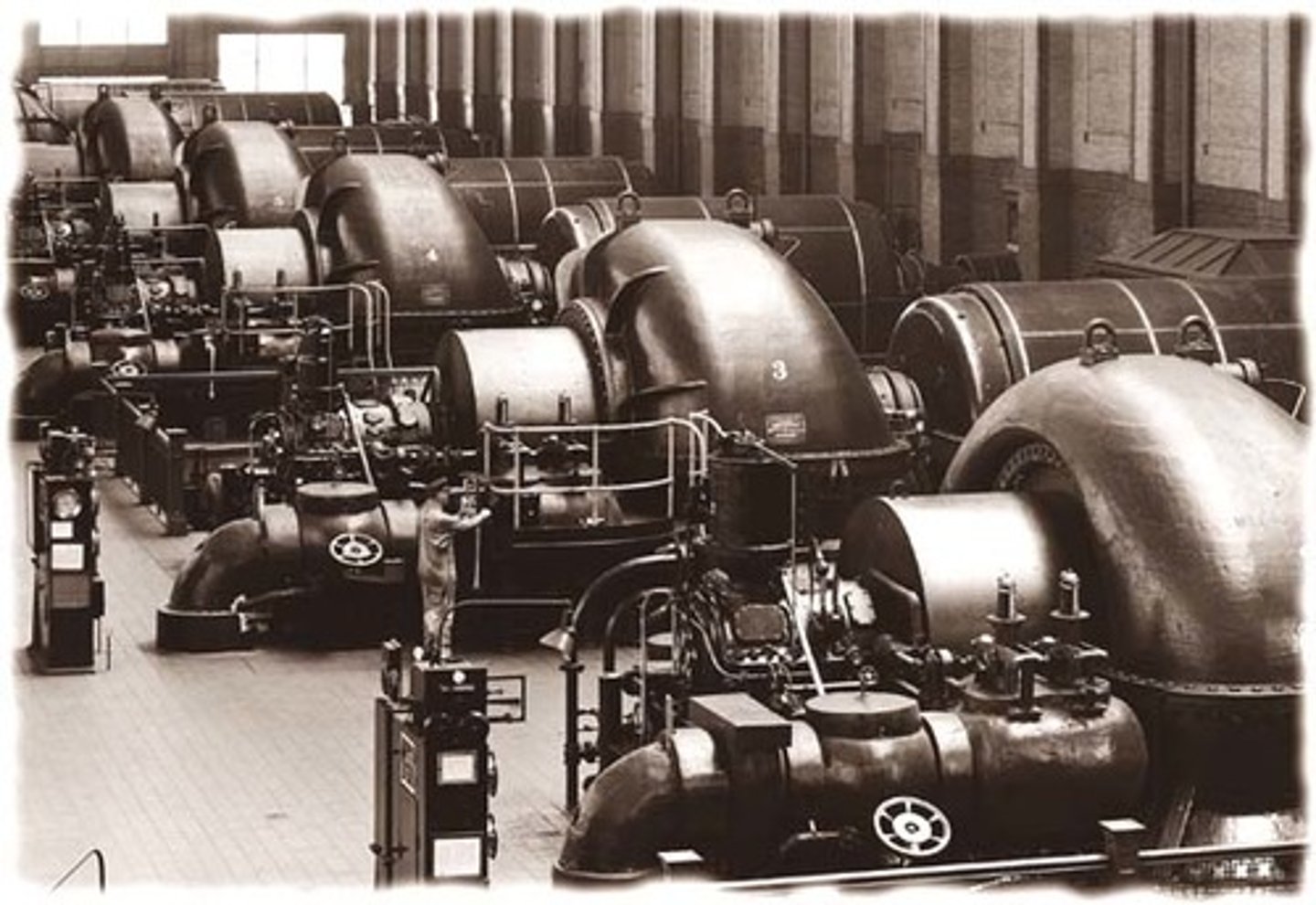
The Second Industrial Revolution
Produced steel, chemicals, electricity and petroleum
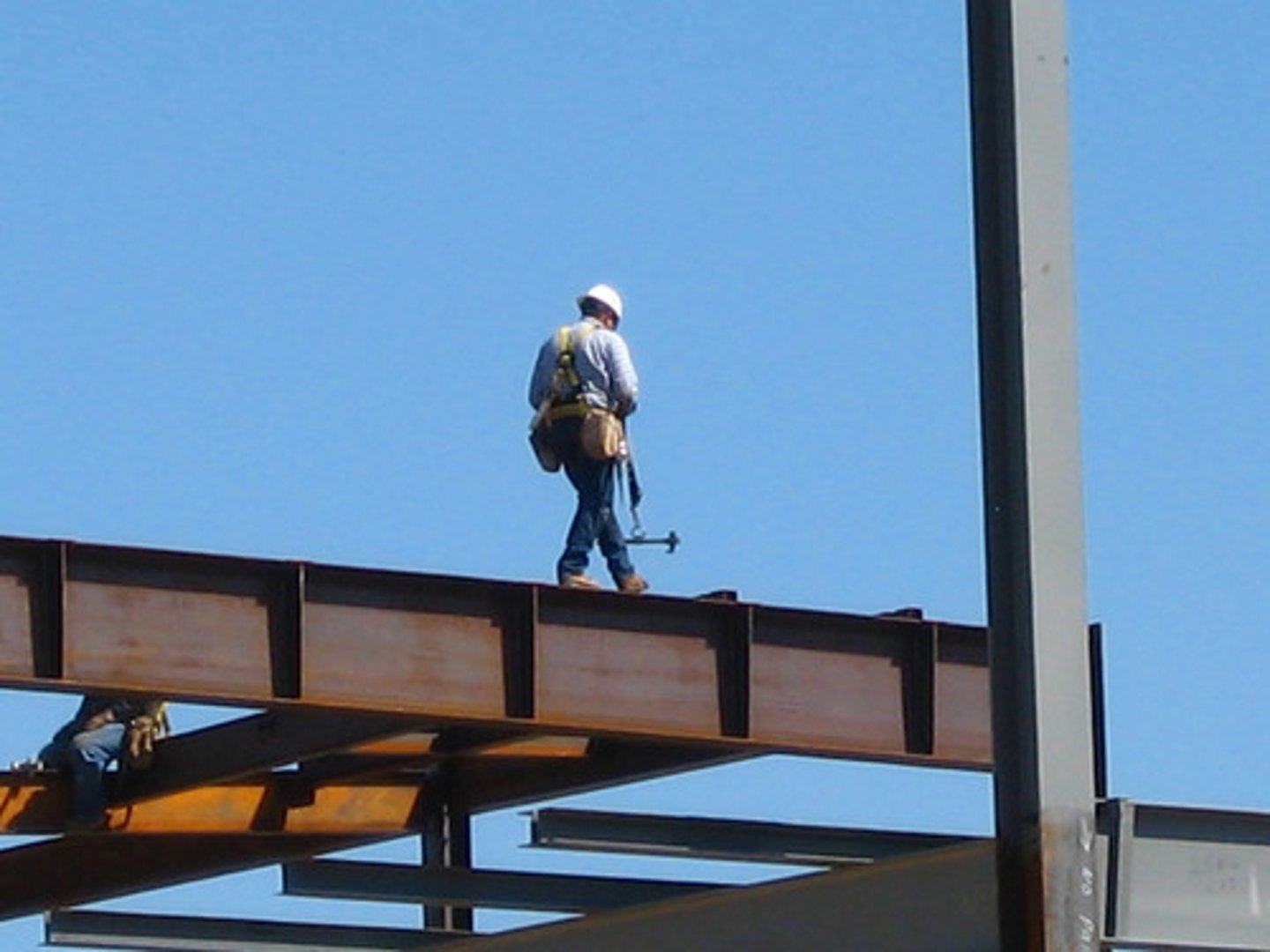
Steel
After 1870 replaced iron in many applications. New methods of rolling and shaping made it useful in the construction of lighter, smaller, and faster machines and engines as well as railways, ships and armaments.
Germany post 1900
Cornered 90 percent of the market for dye-stuffs and also led in the development of photographic plates and film. They took the lead in Chemical Engineering.
Electricity
A new form of energy produced practically for the first time in the 1870's that could be converted easily into other forms of energy, such as heat, light and motion.
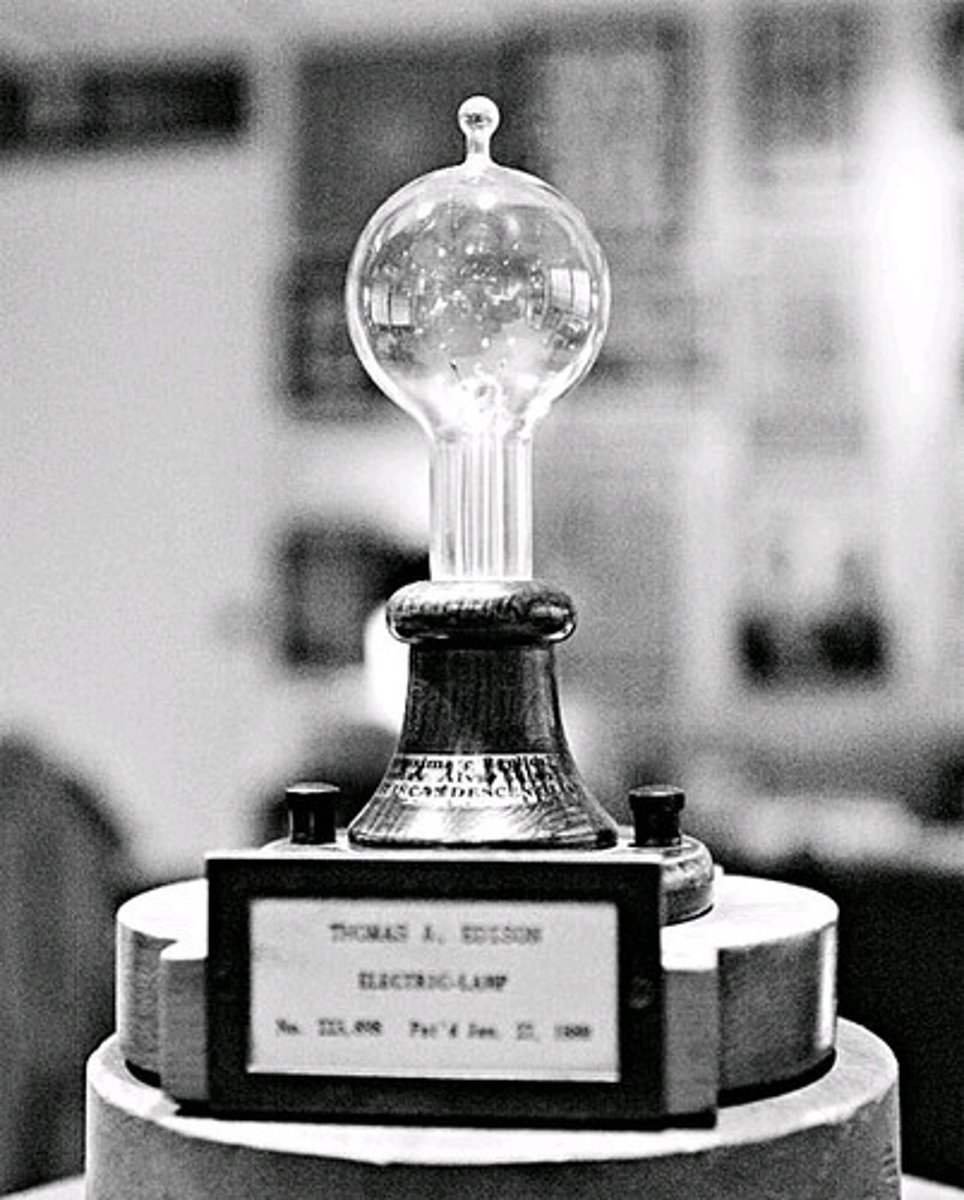
Thomas Edison and Joseph Swan
The men given credit for developing the light bulb independently of each other.
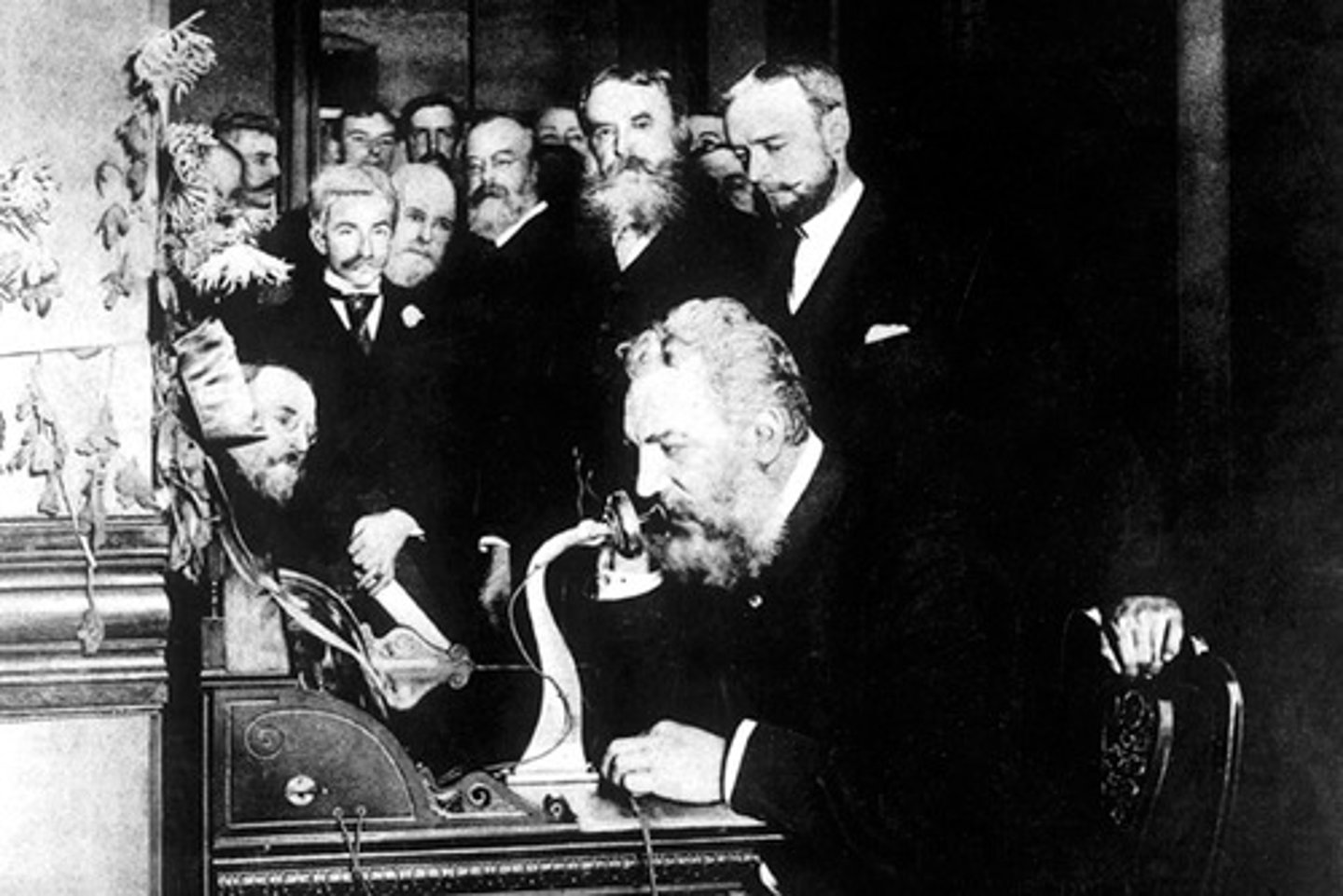
Alexander Graham Bell
Invented the telephone in 1876.
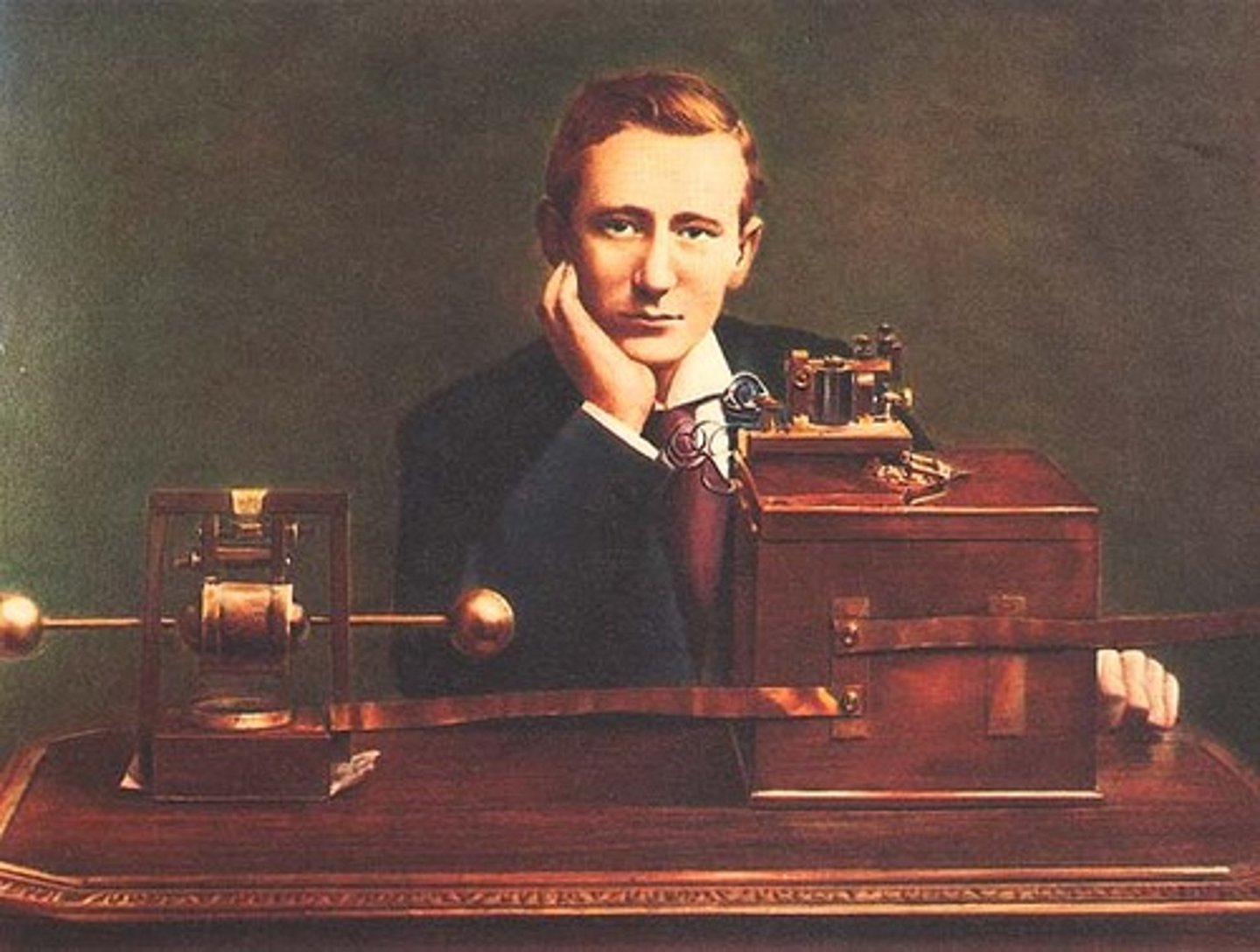
Guglielmo Marconi
Sent the first radio waves across the Atlantic in 1901.
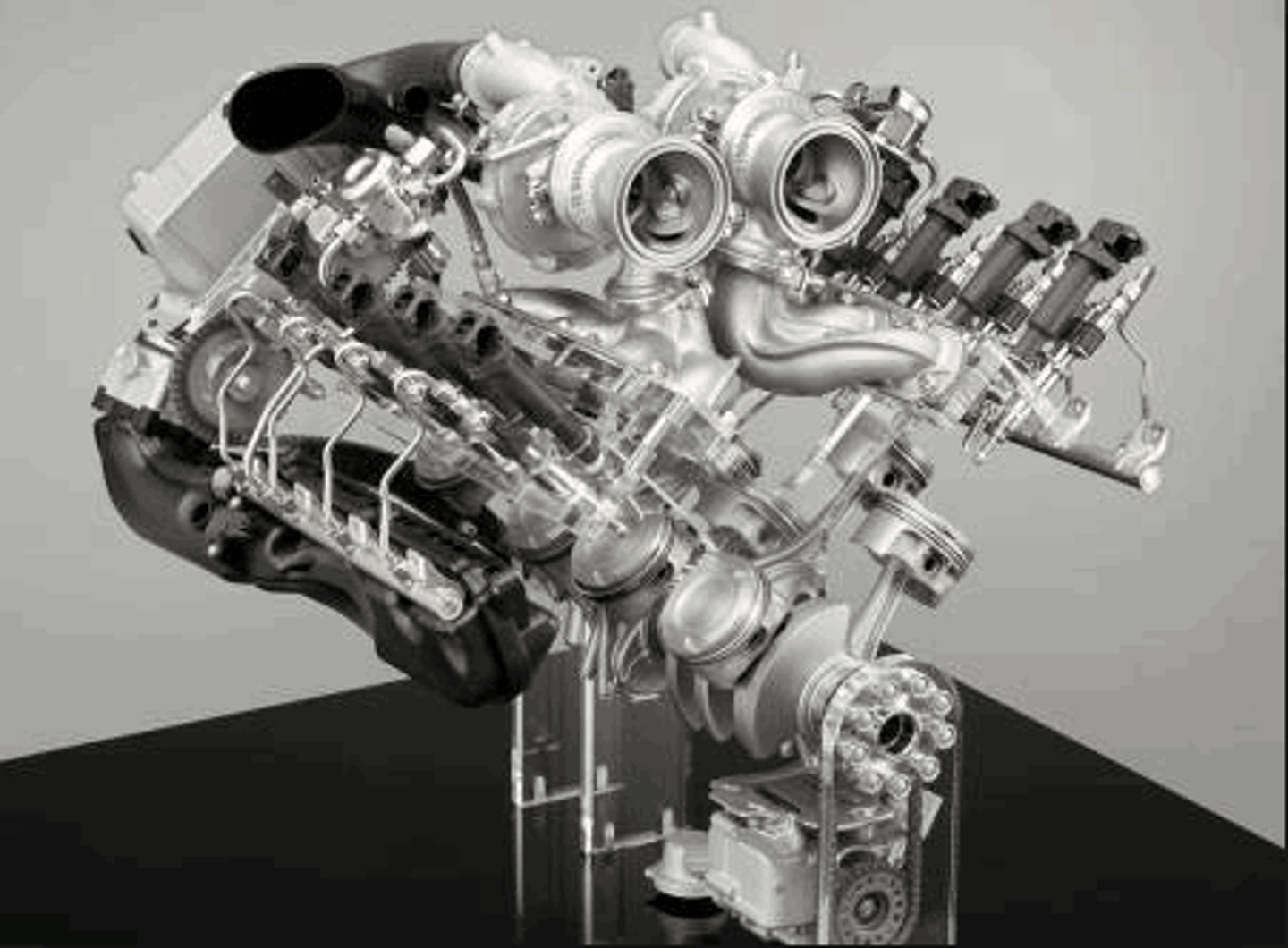
Internal Combustion Engine
A device powered by the firing of gas and air produced in 1878 that led to the development of automobiles, aircraft and powered 'modern' naval fleets and transports.
Henry Ford
Revolutionized the Auto Industry by developing mass production and assembly line methods while making his famous Model T car.
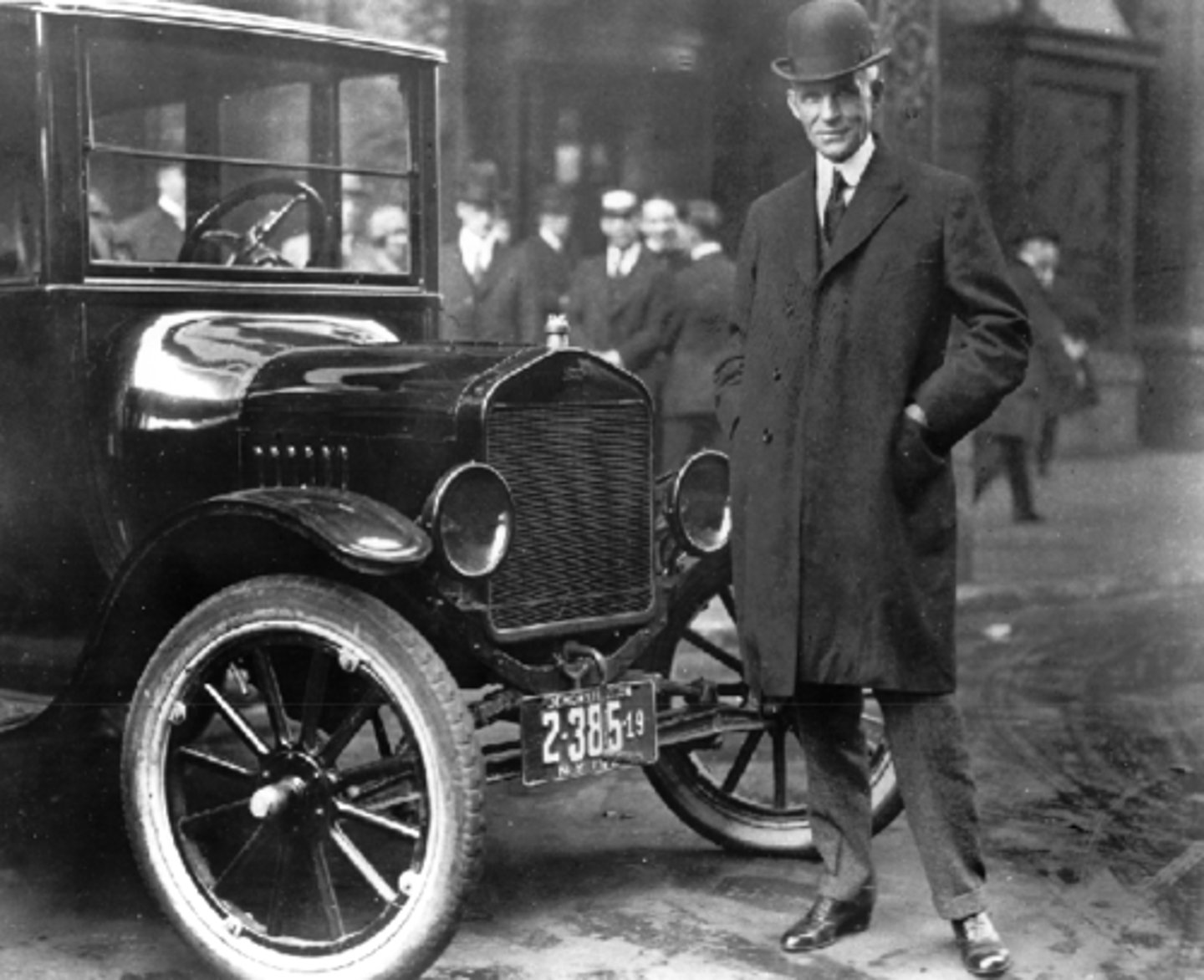
Protective Tariffs
Used to guarantee domestic markets for the products of their own industries by making foreign goods too expensive for the average consumer.
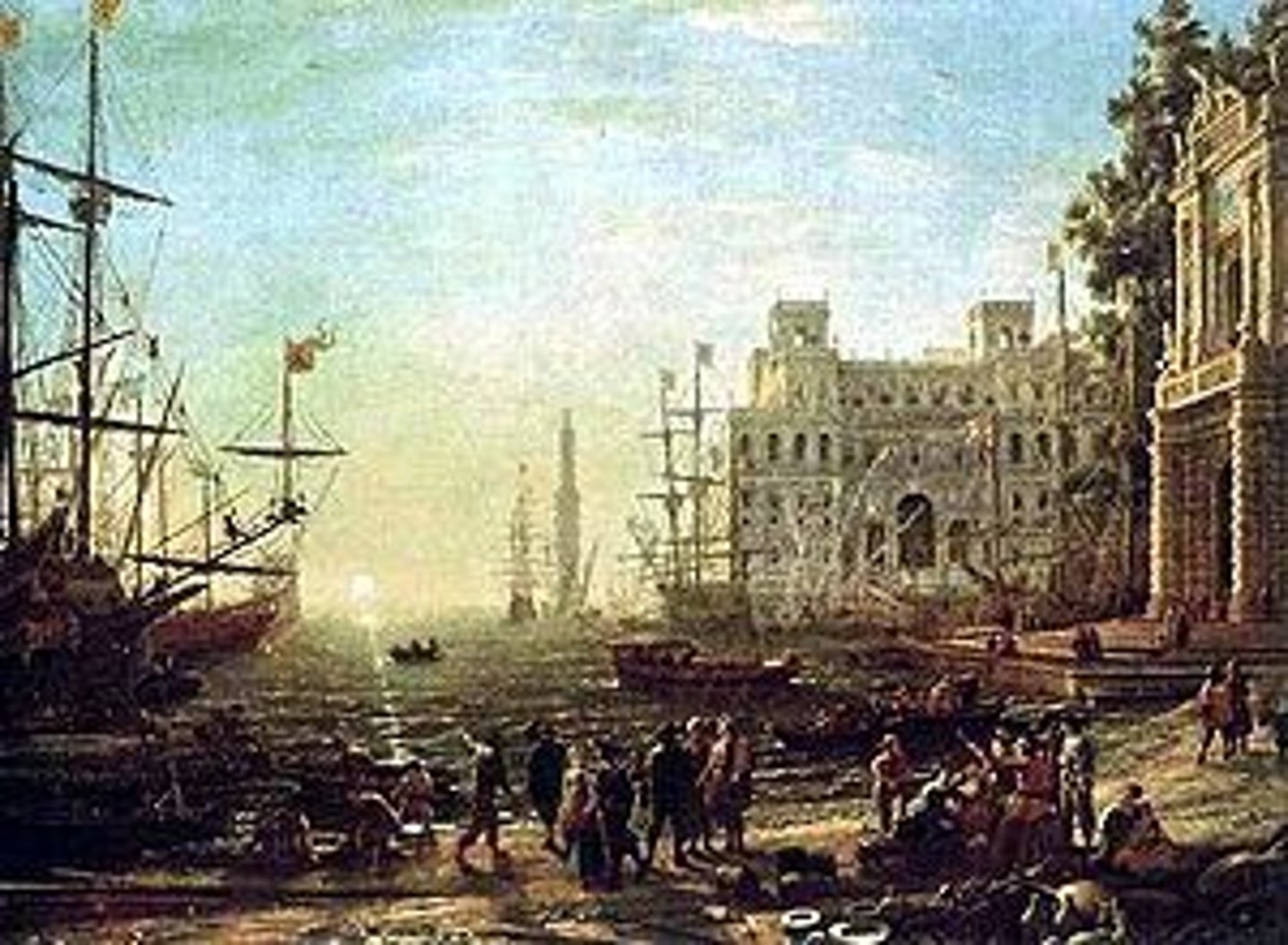
Cartels
A group of independent enterprises working together to control prices and fix production quotas. This retrains competition that often leads to reduced pricing for the average consumer.
European Economic Zones
Europe was divided into two parts. The first consisted of England, Germany, France, Belgium, the Netherlands, and Western Austria. This group all had advancements in technology and industrialization. The second group consisted mostly of the rest of Austria-Hungry, Italy and most of Eastern Europe and Russia. Here, agriculture was the main source of income and technical advancements were lagging behind.
Sweatshops
Places that employed poor, mostly unskilled workers to work as pieceworkers in the tailoring trades. They often worked long hours in poor conditions.
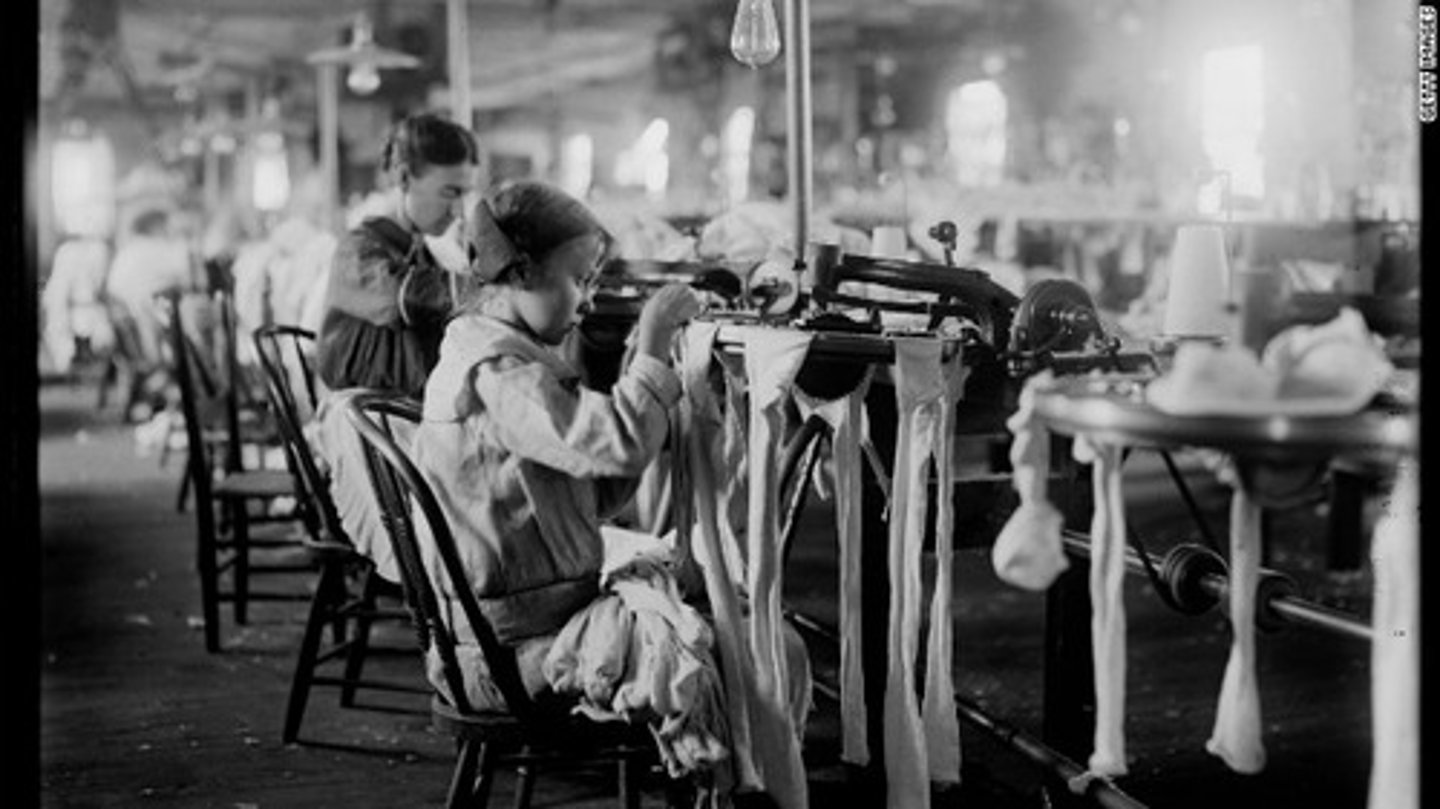
White Collar Job
Office type jobs in the growing companies of the time period. Examples would be; secretary, switchboard operator, clerk. Often open to women providing for a chance to provide for themselves and break away from traditional roles.

Blue Collar Job
Traditional, manual labor jobs of much of the working class men of this time period. Examples would include; mechanic, mining, metallurgy and engineering.
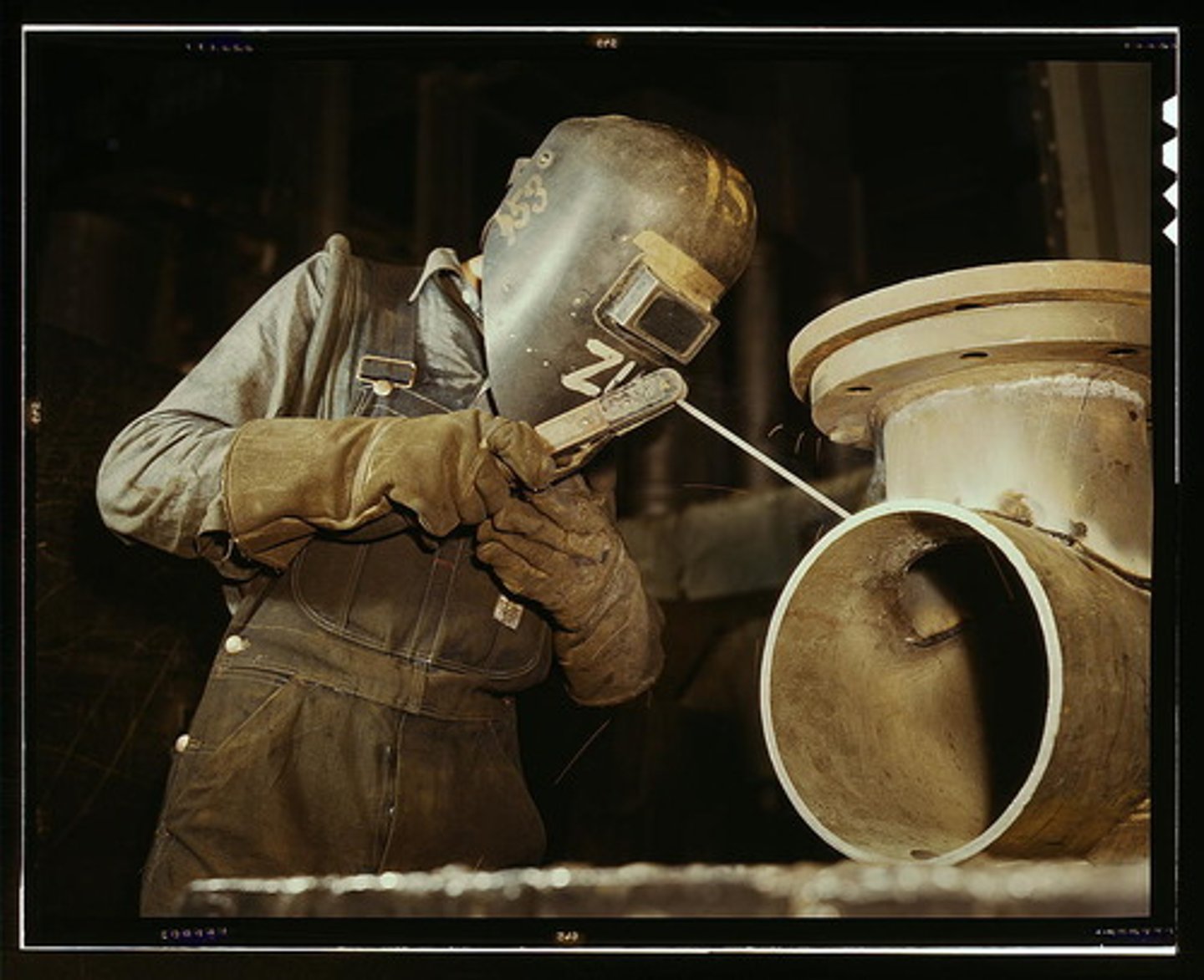
Evolutionary Socialism / Revisionism
The gradual approach of some of the socialists that saw working within the democratic system, using voting and political parties to advance the goals of the people not the violent revolutionary model as taught by many Marxists.
Nationalism
A sense of pride in ones own country. This growing force often overshadowed socialism as a motivation for many of the working classes. National pride for your country and competition was often seen as more important than joining forces with someone from another nation just because they might have the same type of job.
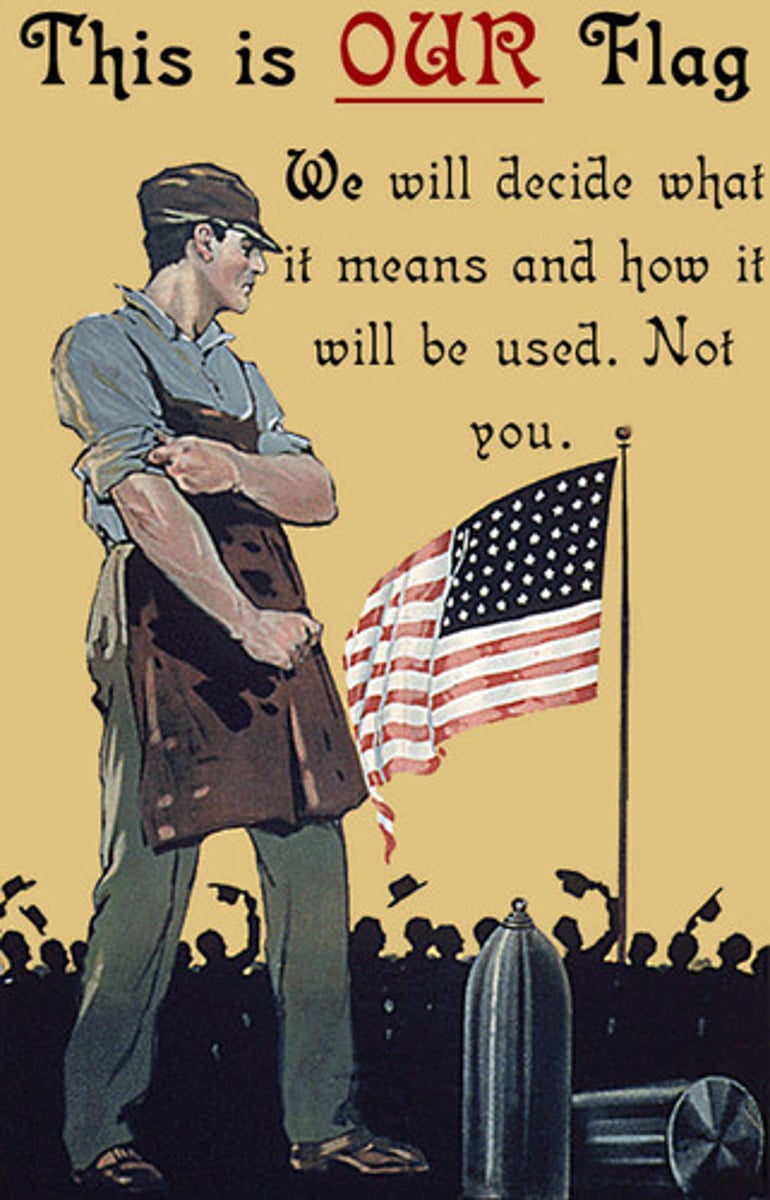
Trade Unions
Organization formed by workers whose goals included working for better conditions, higher pay and to give a voice to the working class.
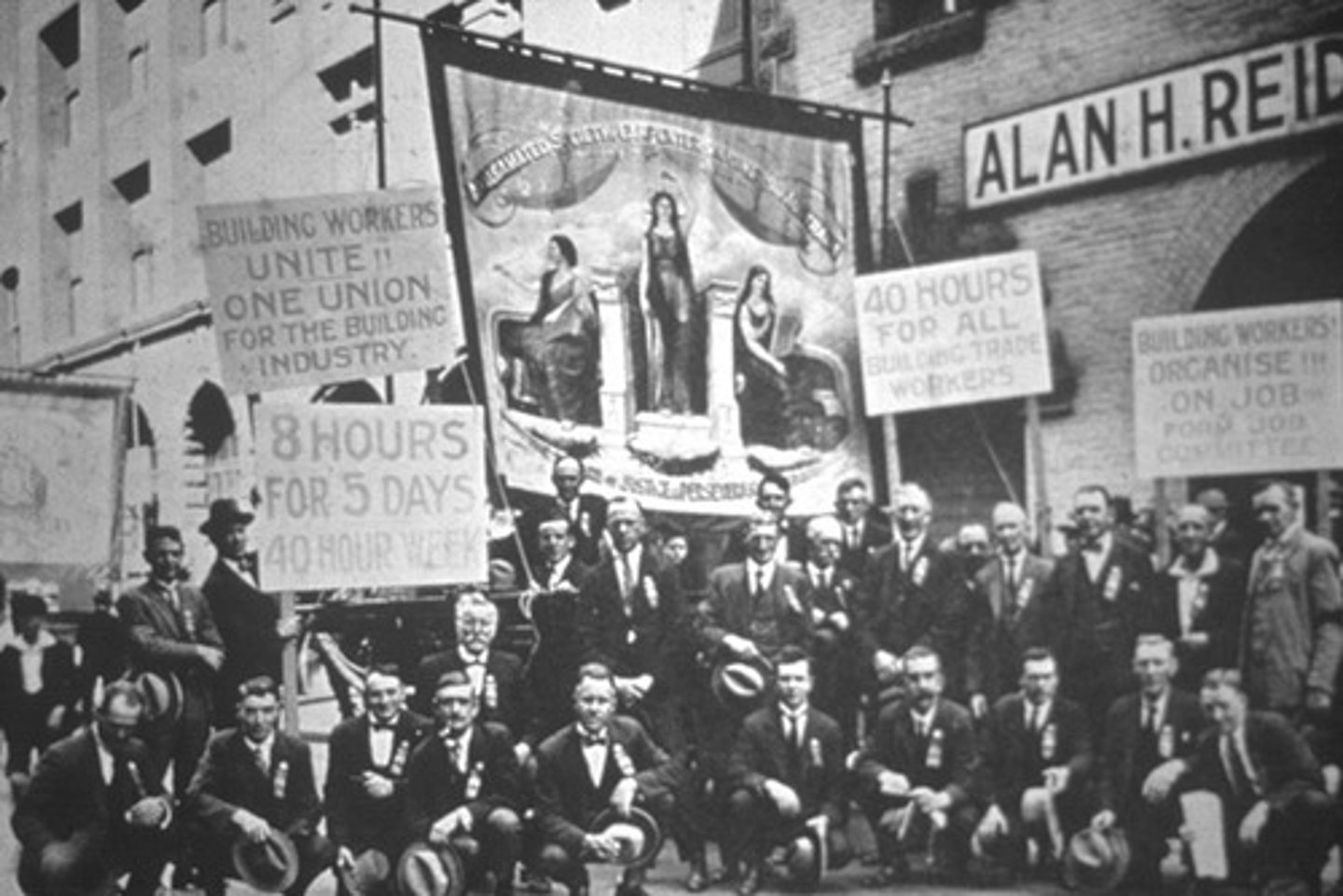
Strikes
An action used by trade unions where the workers refused to show up and work until their demands were met by the management of the company.
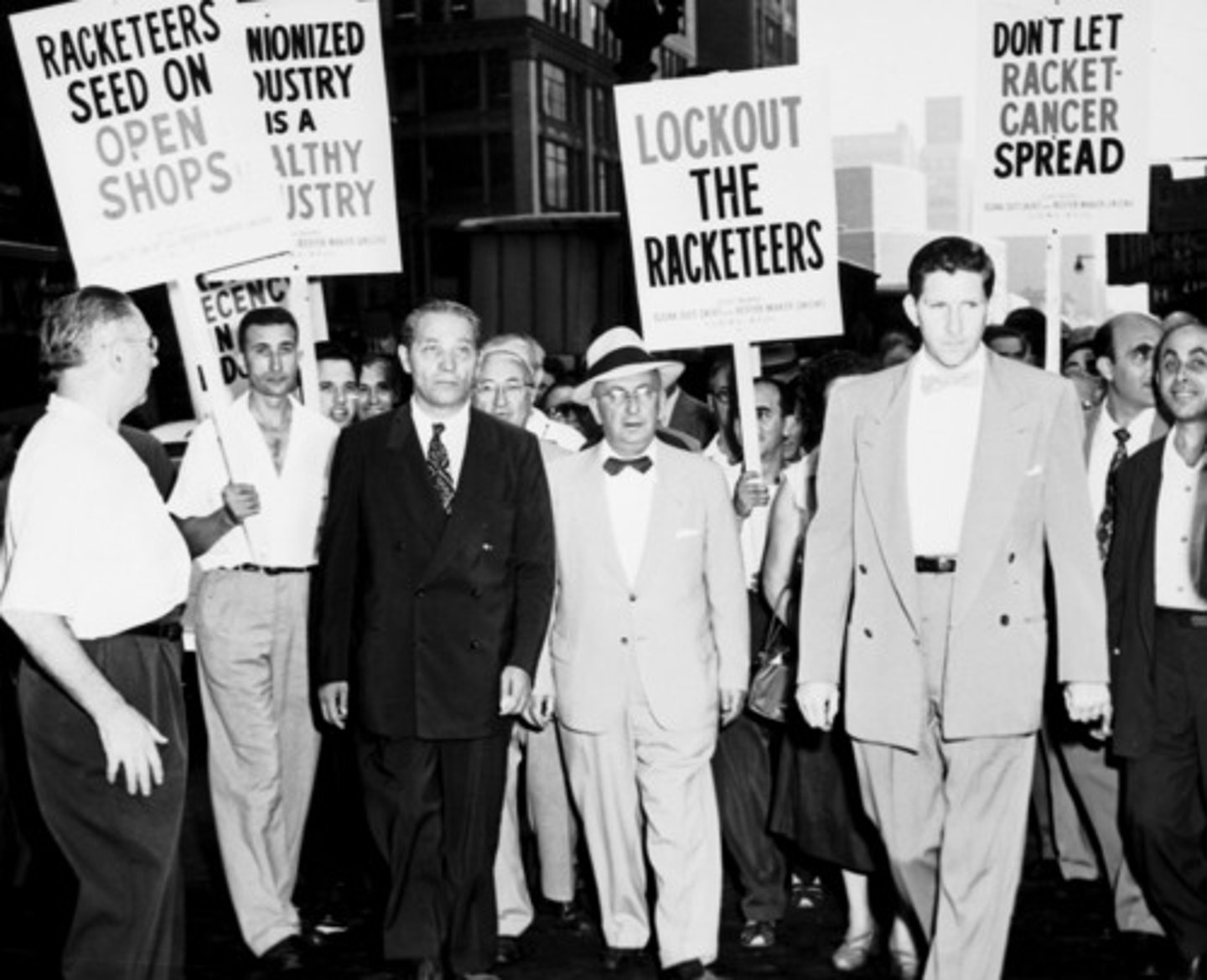
Emigration
Many Europeans left Europe for better opportunities in America. They were trying to get away from overcrowding and lack of jobs.
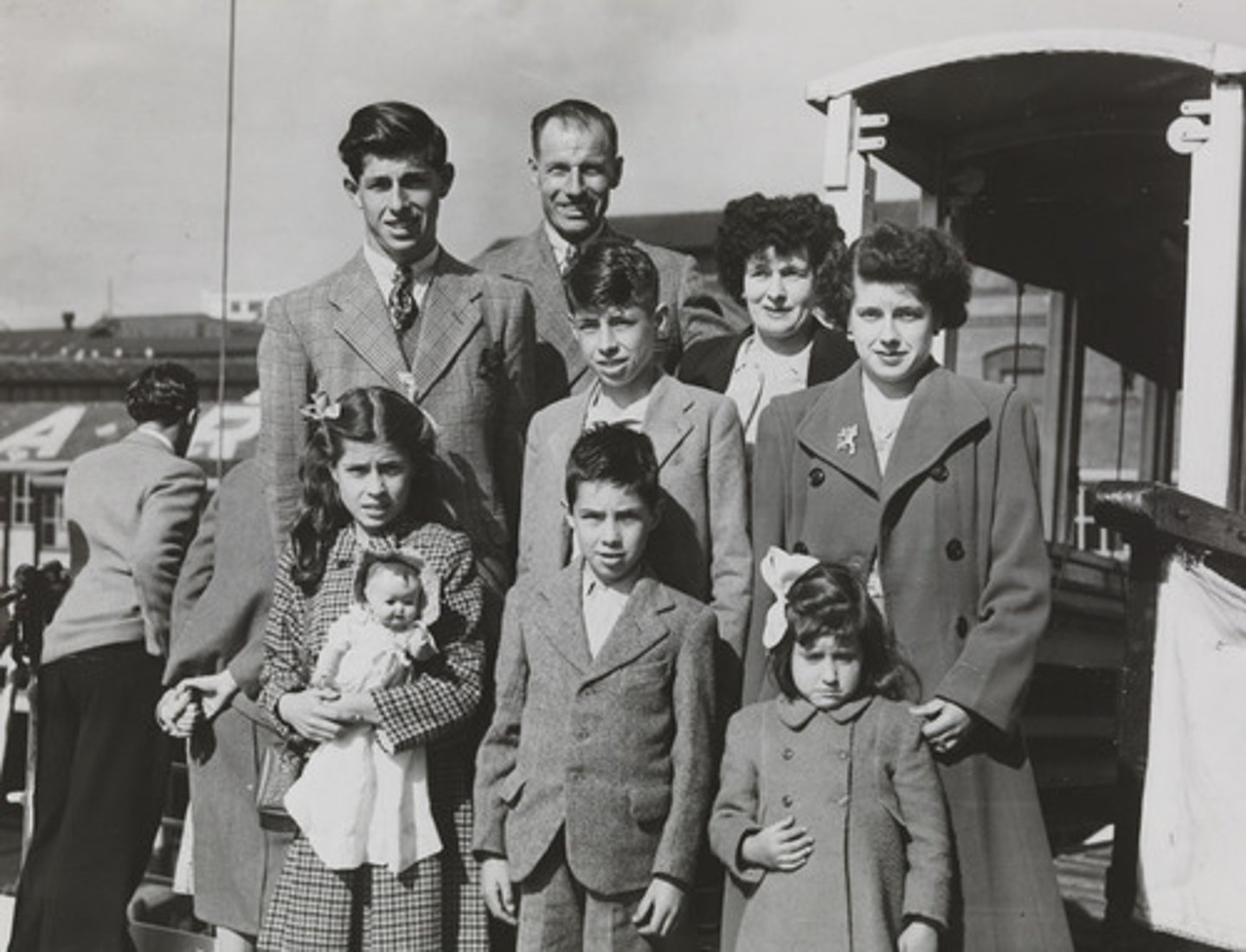
American Immigration 1820 to 1900
The United States saw a giant influx of immigrants from mostly poor, agricultural based nations across Europe.
The Public Health Act of 1875 (Britain)
For the first time in Western history a government forbade the manufacturing of homes without running water and an internal drainage system. This led to far greater levels of sanitation in the major cities of Europe.
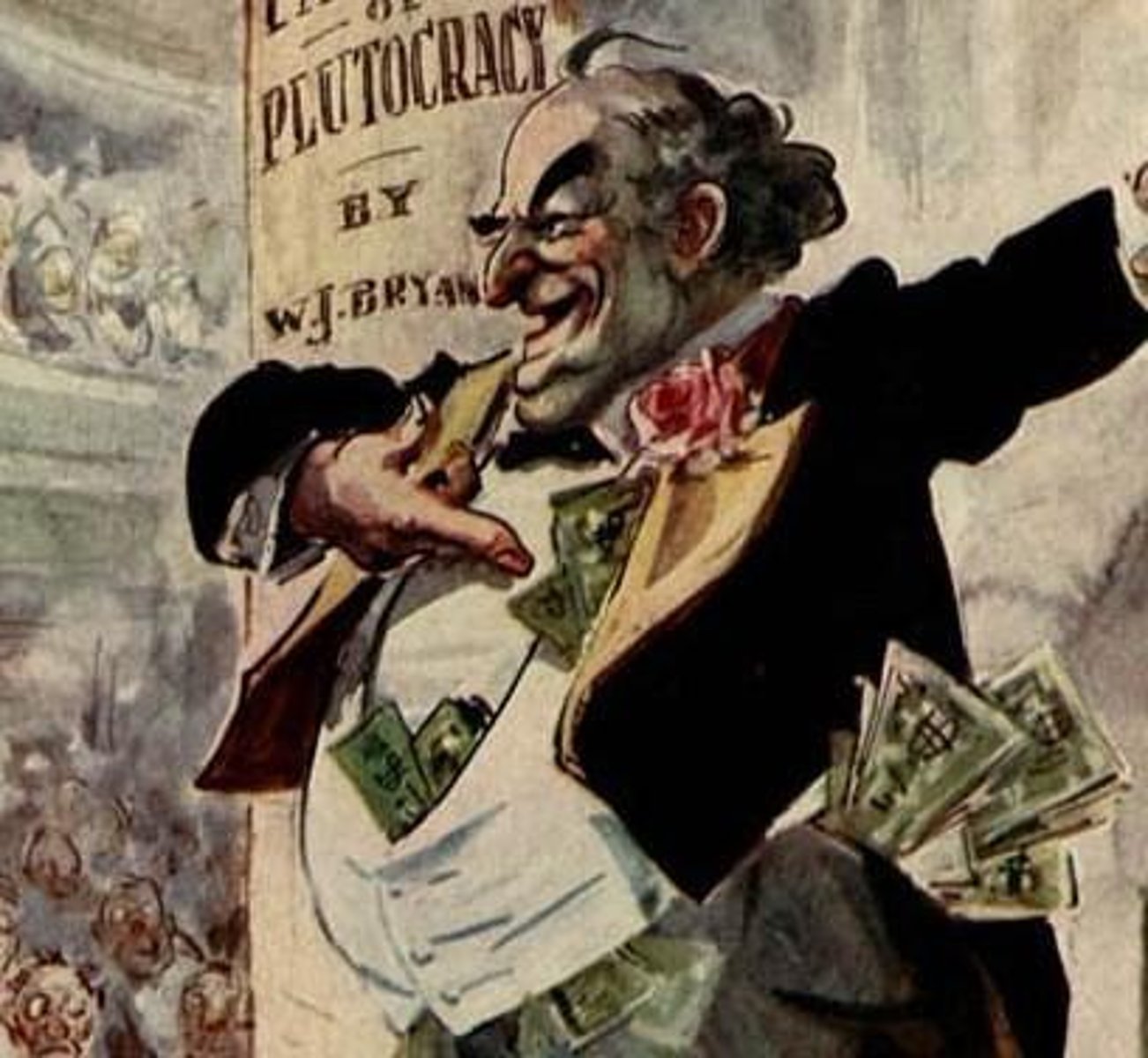
Plutocrats
Wealthy, non-royal people who owned and ran many of the big business industries in Europe.
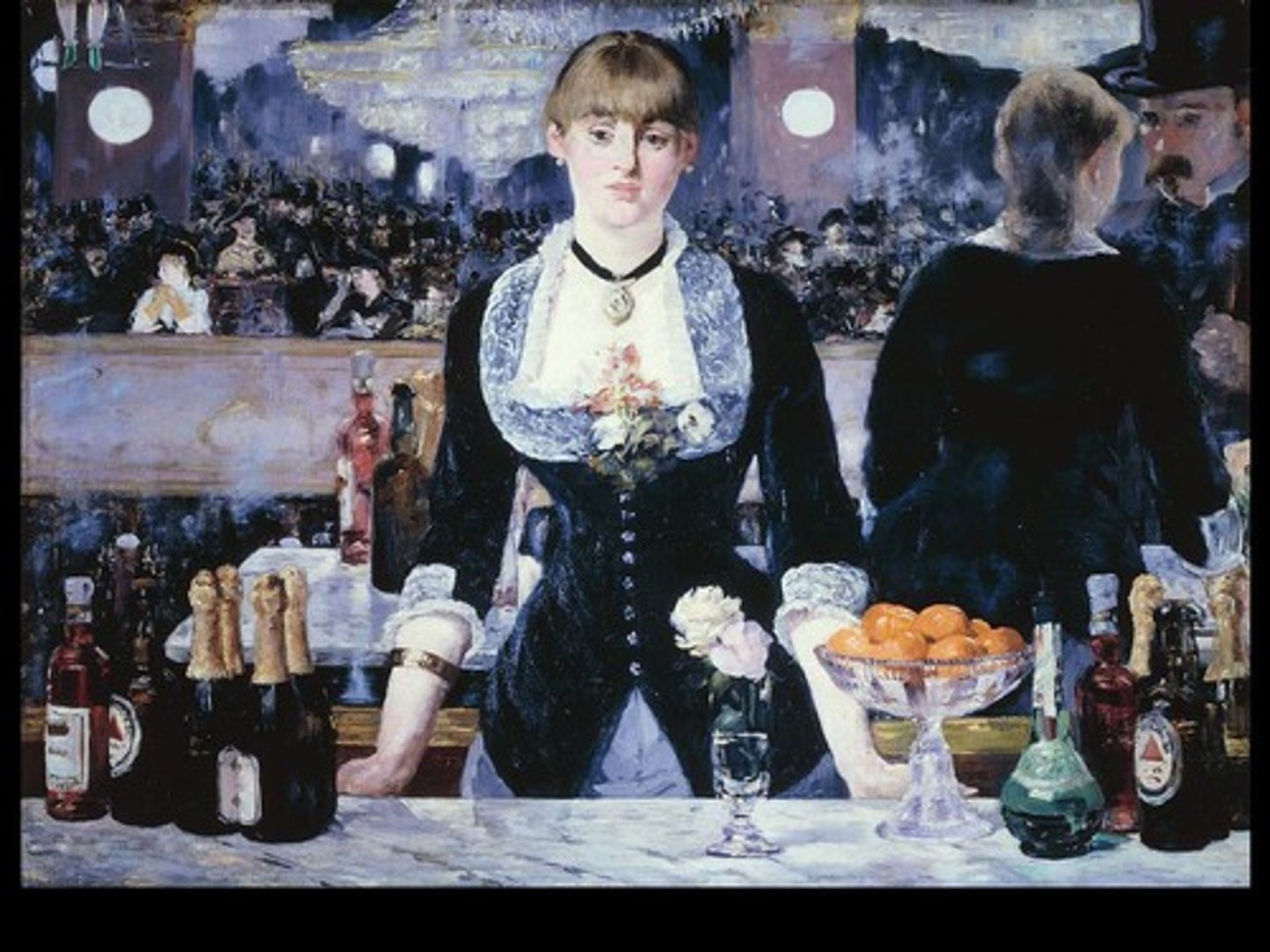
"The Woman Question"
A popular catchphrase used in the nineteenth century referring to the debate about the role of women in society.
Mass Education
After 1870 there was a movement across most of Europe to regularize school and teaching to provide all children from six to twelve public and free education. This was believed to help produce better skilled workers needed in high tech industries.
Mass Leisure
New technologies and advances led to new and better ways for the working classes to relax and socialize after long hours of work. They were no longer tied to drinking and pubs, but could now instead go to amusement parks, city promenades or even take a train and travel to beaches on weekends.
Mass Politics
The political system in Western Europe that saw extensive voting rights for men and the creation of mass political parties.
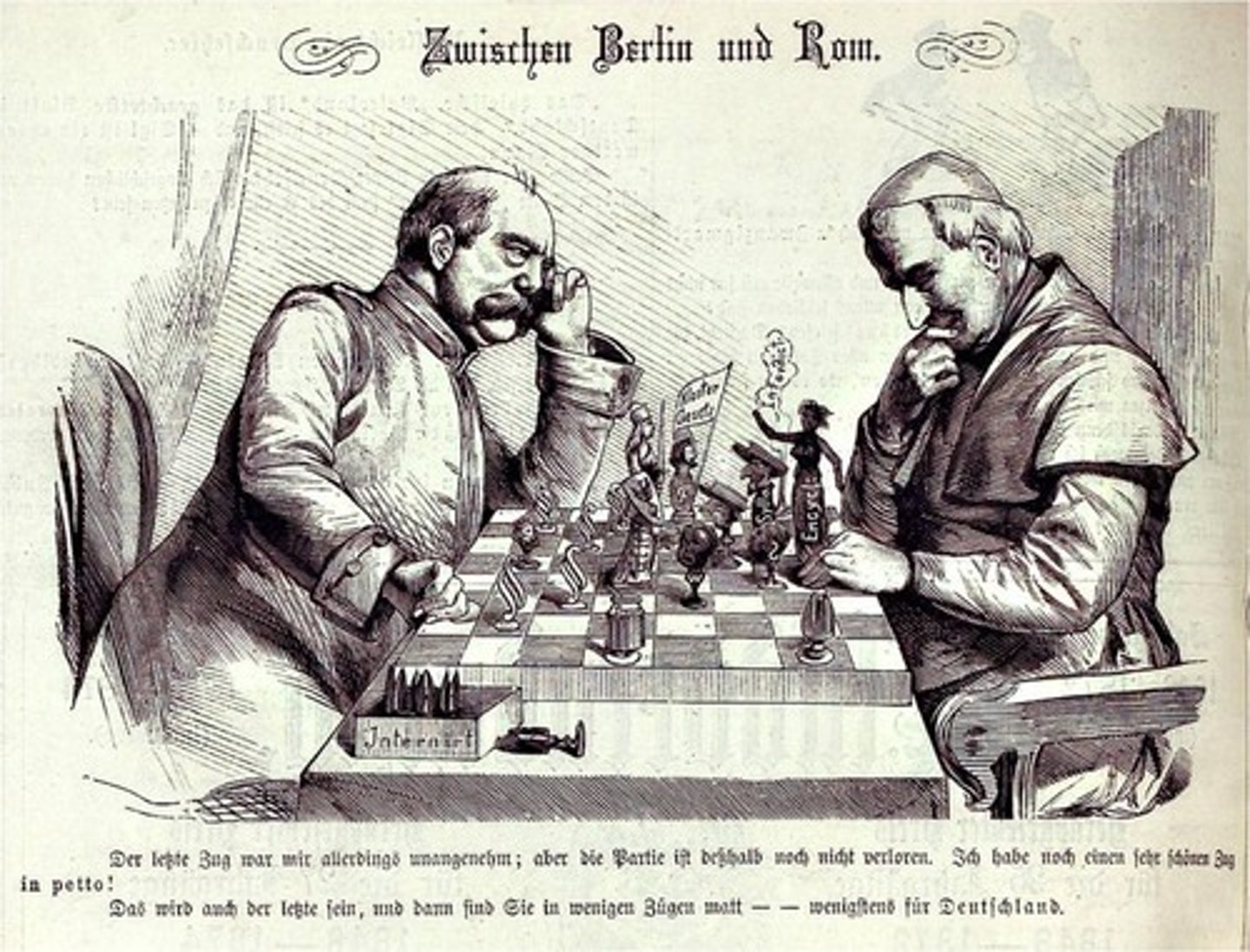
Kulturkampf
"Struggle for Civilization" This was Otto Von Bismarck's attack on the Catholic Church because he did not trust their loyalty to the new German nation.
Home Rule (Ireland)
This was the desire and plan for many in Ireland that wanted their own Parliament but not total separate rule from England. It failed to pass in multiple votes in the late 1800's.