7th Grade World History: Imperialism, Ottoman Reforms, and the Scramble for Africa
 Call Kai
 Learn
Learn Practice Test
 Spaced Repetition
 Match
Match Flashcards
 Knowt Play
1/25

There's no tags or description
Looks like no tags are added yet.
Name | Mastery | Learn | Test | Matching | Spaced | Call with Kai |
|---|
No analytics yet
Send a link to your students to track their progress
26 Terms
What is imperialism?
The policy of expanding power and influence by force or diplomacy; acquiring land and territory for the purpose of the home country.
Define racism.
Hatred for people based upon their skin color or ethnic group, often appearing as the belief that one's own group is superior.
What is Social Darwinism?
The discredited belief that Darwin's ideas of natural selection can be applied to people and racial/ethnic groups.
What does realpolitik refer to?
Political realism; doing whatever is believed to be in a country's best interest.
Define nationalism.
1. The promotion of what is in the nation's best interests. 2. Identification with a particular group of people within a country or state.
What were the two key developments that allowed Europeans to move inland in Africa?
Steam-powered ships and the discovery of quinine.
How did quinine impact European exploration in Africa?
Quinine was used to treat malaria, allowing Europeans to explore and colonize inland areas.
What was the Scramble for Africa?
The period starting in 1881 when European countries began to take territory in Africa for strategic resources.
What was the significance of the Berlin Conference (1885-1886)?
A gathering of diplomats from 14 countries to decide how Africa would be divided without consideration for ethnic and language groups.
Who was Leopold II?
The King of Belgium who was given control of the Congo during the Berlin Conference.
What is secularization?
The process of a country separating religion from the government.
Define ethnonationalism.
The belief that a nation is defined solely by ethnicity, often leading to the belief that one's own ethnicity is superior.
What was the Auspicious Incident?
In 1826, Sultan Mahmud II created a new army, leading to a mutiny by the Janissaries, resulting in their disbandment.
What were the Tanzimat Reforms?
A series of reforms in the Ottoman Empire aimed at modernization, including military modernization and secularization of the government.
What was the Edict of Gulhane?
The 1839 decree that outlined the beginning of the Tanzimat Reforms in the Ottoman Empire.
Who were the Young Turks?
A group that formed in opposition to Sultan Abdul Hamid II, advocating for a modernized and multi-cultural Ottoman Empire.
What was the outcome of the Young Turk Revolution in 1908?
Sultan Abdul Hamid II surrendered, leading to a new Young Turk government taking over.
What was the impact of the First Balkan War on the Young Turks?
As the Ottoman Empire lost the war, the Young Turks turned into ethnonationalists, seeking to make Turks the only ethnicity in the empire.
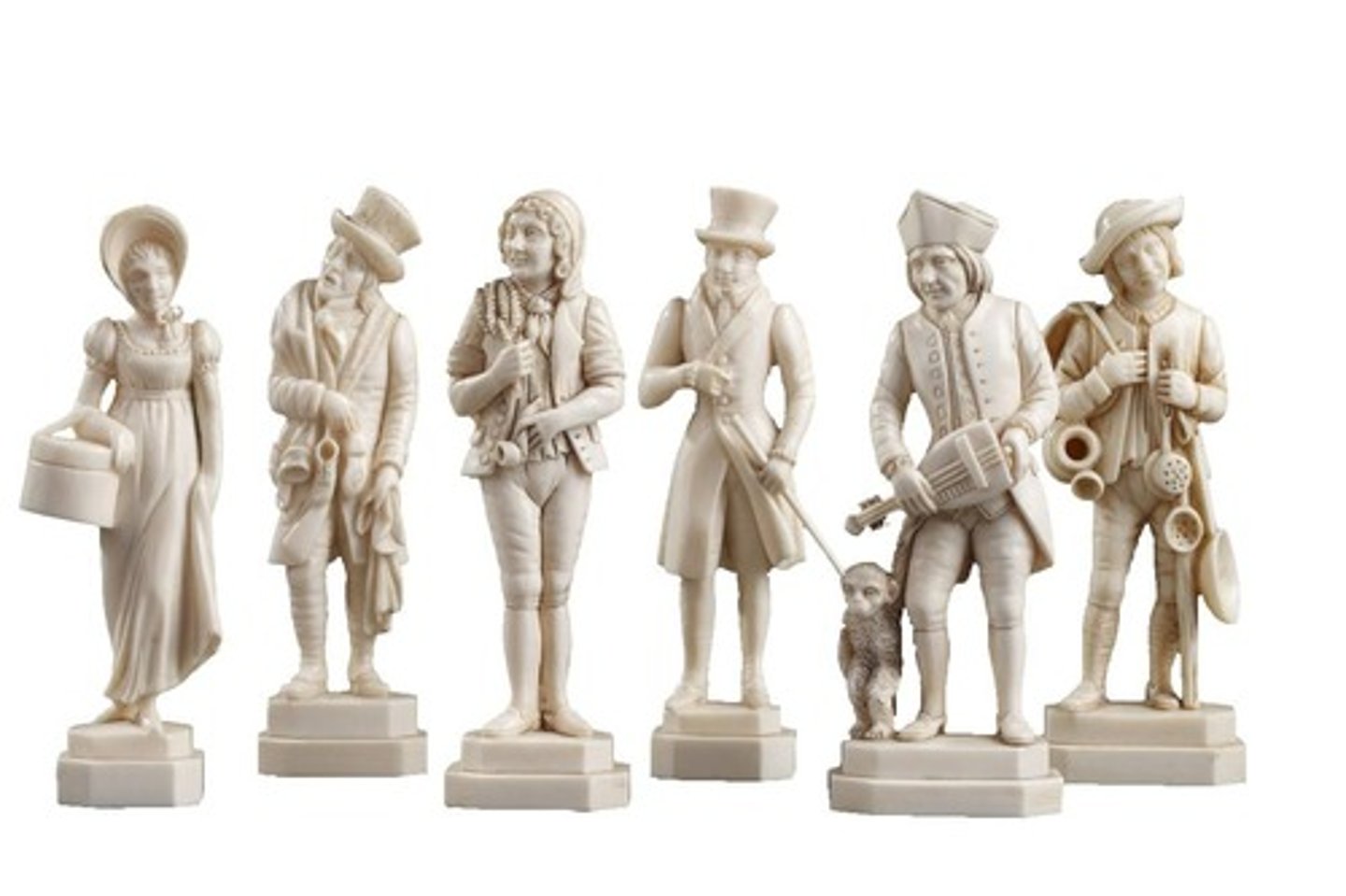
What luxury items did Europeans desire from Africa?
Ivory, diamonds, and materials like tin, rubber, and palm oil.
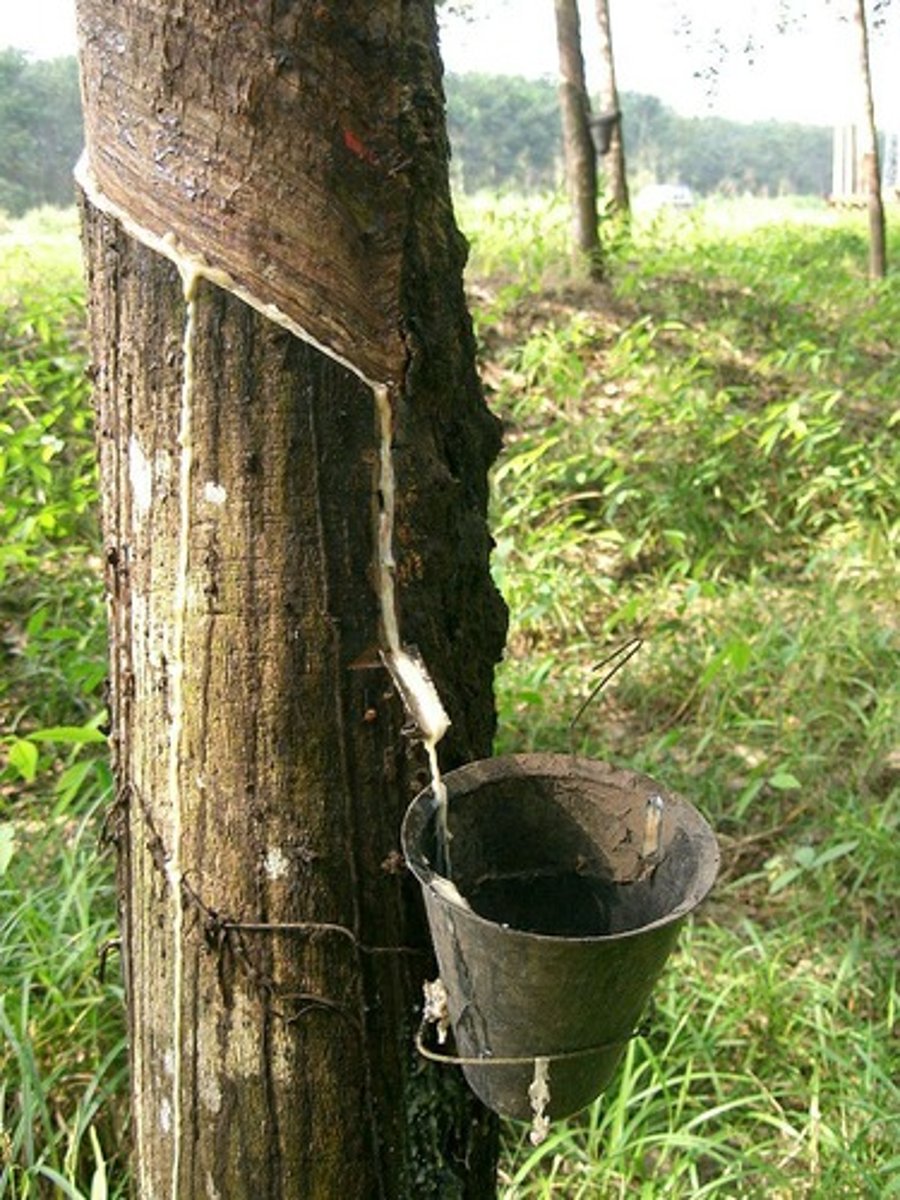
How was rubber produced?
Rubber is made from the sap of the rubber tree, which is collected and vulcanized to harden it for use.
What does the term 'balance of power' refer to?
A situation where countries have roughly equal power to each other.
What was the role of the Janissaries in the Ottoman Empire?
They were the military nobility who had grown too powerful and resisted reforms, often not acting as soldiers.
What was the significance of the Suez Canal for Britain?
It allowed Britain to control trade and shorten the trip between Britain and India.
What was the ethnic diversity like in Africa before European imperialism?
Africa was divided into hundreds of ethnic groups and had more than 1,000 different languages.
What was the primary reason for European interest in Africa during the Industrial Revolution?
The search for resources to fuel industrial production and the desire to create markets for European products.
What was the impact of racism on European views of Africa?
Europeans believed they were superior and justified their imperialism by viewing Africans as weaker and underdeveloped.