Ch 14 Mendelian Genetics
 Call Kai
 Learn
Learn Practice Test
 Spaced Repetition
 Match
Match Flashcards
 Knowt Play
1/29

There's no tags or description
Looks like no tags are added yet.
Name | Mastery | Learn | Test | Matching | Spaced | Call with Kai |
|---|
No analytics yet
Send a link to your students to track their progress
30 Terms
blending theory of genetics
antiquated belief that inheritance is a mix of the mothers and fathers traits → offspring end up with an intermediate characteristic
before Mendel
Gregor Mendel
father of genetics
discovered the fundamental rules that govern inheritance in 1860s
tested genetics experimentally and quantitatively - trained in botany and statistics
worked with garden peas (many varieties, easy to control reproduction, lots of offspring) using artificial crossing
findings and theories not widely accepted until the 1900s, eventually proven by the discovery and studying of meiosis and gamete formation, Mendel theorized this long before
artifical cross
manually transferring the male, sperm parts to the female egg parts to facilitate reproduction
Mendel’s peas
character
Inheritable feature of an organism
ex: eye color, flower color
trait
variant of an inheritable character
ex: blue eyes, purple flower
true breeding
strain that always produces offspring identical to parents
monohybrid cross
examining the patterns of inheritance in different variants of the same trait
Mendel’s crossing of the purple and white-flowered plants (P generation) produced offspring of all purple flowers (F1 generation)
PP x pp
homozygous dominant crossed with a homozygous recessive
yields 100% dominant offspring
Pp x Pp
heterozygous cross
yields 3:1 ratio of dominant phenotype to recessive
Pp x pp
heterozygous crossed with homozygous recessive
yields 1:1, dominant phenotype to recessive
dominant trait
trait, coded for by genotype, always shows in the phenotype
ex: brown eyes, purple flower color
recessive trait
trait coded for in genotype that only shows in phenotype if two alleles are present, can be masked by the dominant allele if it’s present
ex: blue eyes, white flower color
alleles
alternative forms of the same gene, one from each parent on each gene that codes for a trait on each side of a homologous chromosome, directly connected to locus on a chromosome where certain nucleotides determine gene expression
recessive or dominant
Law of segregation
Mendel’s conclusion that 2 copies of each hereditary factor segregate during gamete formation so that offspring acquire one factor from each parent
→ paired condition restored at fertilization, half the gametes carry one allele, half carry the other
punnet square
uses statistics to show all possible combinations of allele/phenotypes in offspring based on parent’s genotype
each square is an equally as probable product of fertilization
homozygous
2 of the same allele for a trait, true breeding
pp or PP
heterozygous
having 2 different alleles for a trait
Pp
phenotype
expressed trait
purple or white
genotype
genetic makeup of an organism
dihybrid cross
mate parents with 2 different characters, 4×4 punnent square
heterozygous parent → 4 gametes, YR, Yr, yR, yr
double heterozygous parent x double heterozygous parent → 9:3:3:1 ratio of phenotypes
law of independent assortment
each allele pair segregates independently during gamete formation
determined by arrangement of chromosomes during metaphase, random
chromosomal theory of inheritance
genes are located on chromosomes and it is chromosomes that segregate and assort independently during gamete formation
chromosomes occur in pairs, as do alleles of each gene
chromosomes of each pair are separated and delivered singly to gametes, as are alleles of a gene
fertilization: one member of each chromosome (one from mom, one from dad) → 2 alleles of each gene
discovered as a result of X-linked genes by T.H. Morgan
sex-linked genes
genes carried on sex chromosomes, specifically X-chromosomes
→ males only have one allele to contribute from x gene, higher likelihood of receiving and expressing x-linked recessive gene
→ gender based differences in inheritance bc males are XY and females are XX
discovered because certain traits show up more in males than females, vv
linked
genes are located on the same chromosomes and tend to be inherited together
do not assort independently - move together in meiosis and fertilization
linkage disequilibrium - determines phenotype linkage as well
only separate when crossing over or genetic recombination occurs
linkage disequilibrium
when genes are located on the same chromosome and determines whether phenotypes are linked in inheritance patterns
genetic recombination
linkages broken between genes on same chromosome → produces offspring with more combinations of traits
→ along with crossing over, only way linked genes separate
locus
location of gene on a chromosomes
aka the particular DNA sequence that typically encodes a protein responsible for a phenotype → an allele’s expression here is determined by the DNA sequence
different allese consist of differences in DNA sequence of a gene which may result in functional differences in the protein encoded by the gene
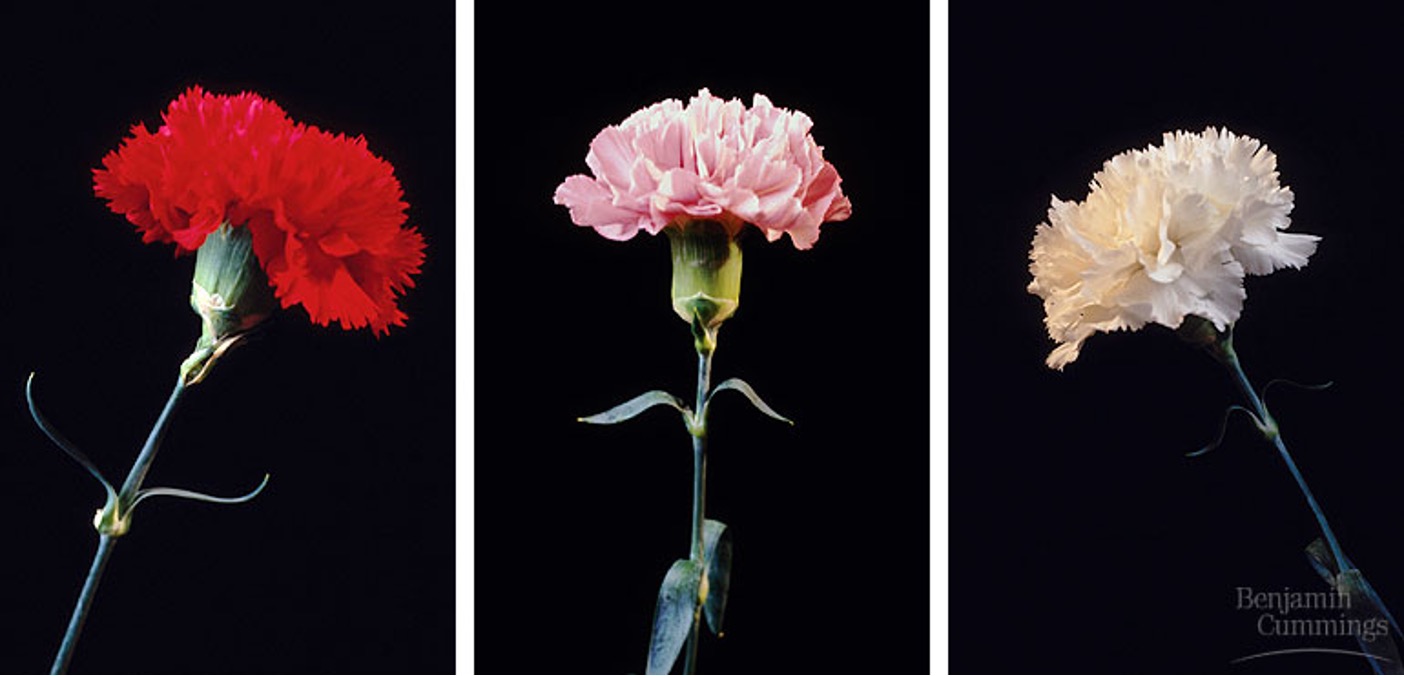
incomplete dominance
heterozygote has an intermediate phenotype
genotypic and phenotypic ratios are the same, not blending
arex: flower color in carnations
codominance
both alleles are fully expressed in the heterozygote
ex: MN blood type
multiple alleles