Econ ch10

0.0(0)
Studied by 0 people
call kaiCall Kai
learnLearn
examPractice Test
spaced repetitionSpaced Repetition
heart puzzleMatch
flashcardsFlashcards
GameKnowt Play
Card Sorting

1/42

encourage image

There's no tags or description

Looks like no tags are added yet.

Last updated 5:23 PM on 6/3/26
Name
Mastery
Learn
Test
Matching
Spaced
Call with Kai

No analytics yet

Send a link to your students to track their progress

43 Terms

1
New cards

mismatch between labor demand and supply: falling demand for labor
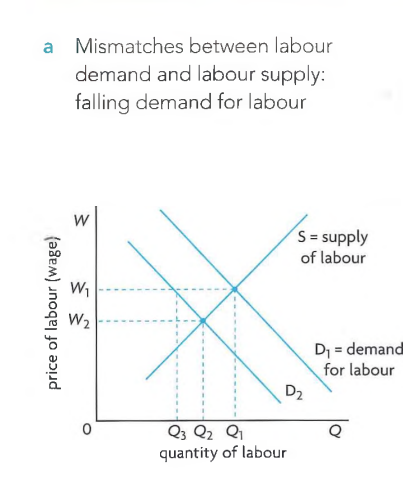
knowt flashcard image
2
New cards

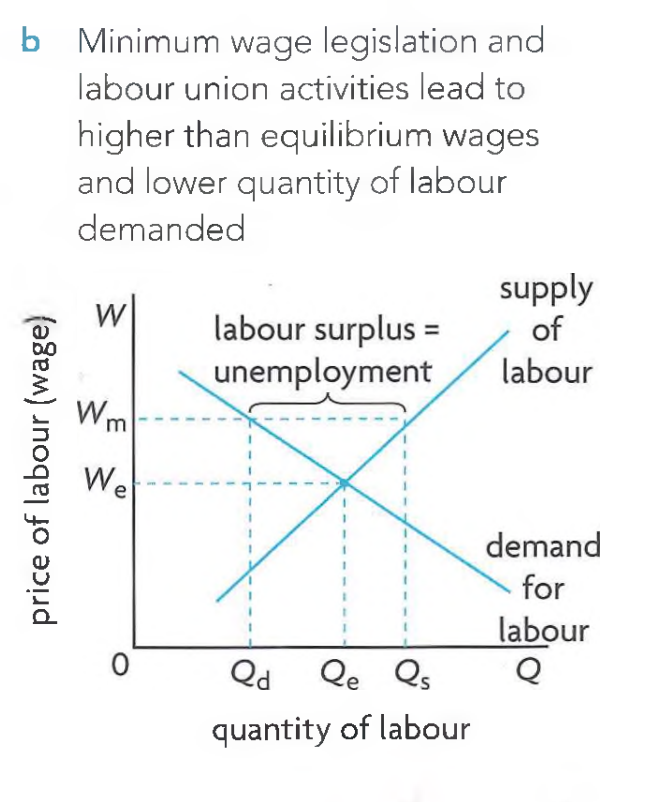
Minimum wage legislation and labour union activities lead to higher than equilibrium wages and lower quantity of labour demanded
knowt flashcard image
3
New cards

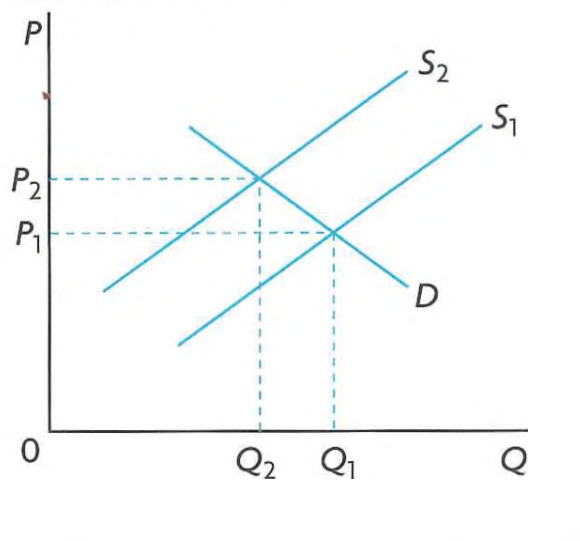
Labour market rigidities lead to an increase in costs of production (supply shifts to the left), causing a fall in Q produced; employers hire fewer workers
knowt flashcard image
4
New cards

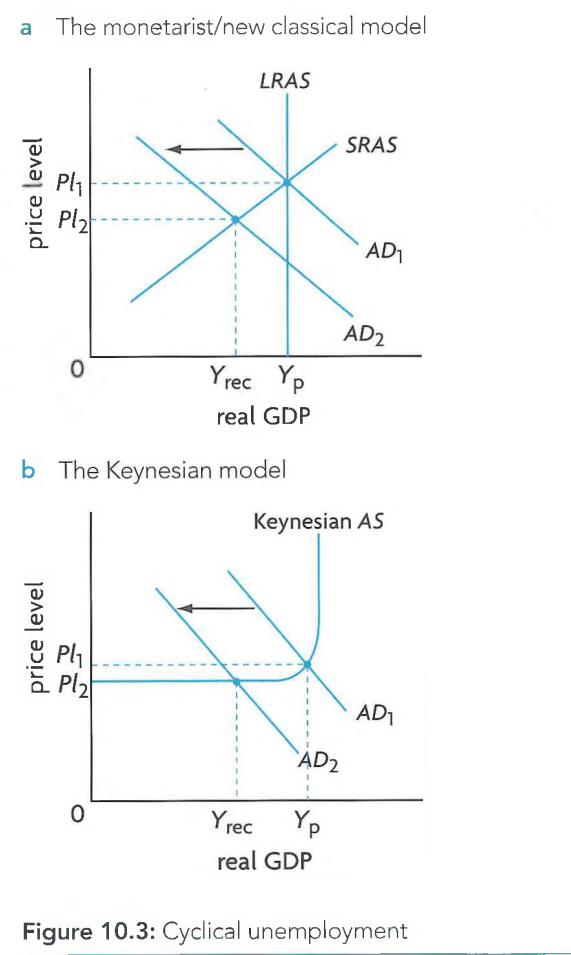
Cyclical unemployment

knowt flashcard image
5
New cards

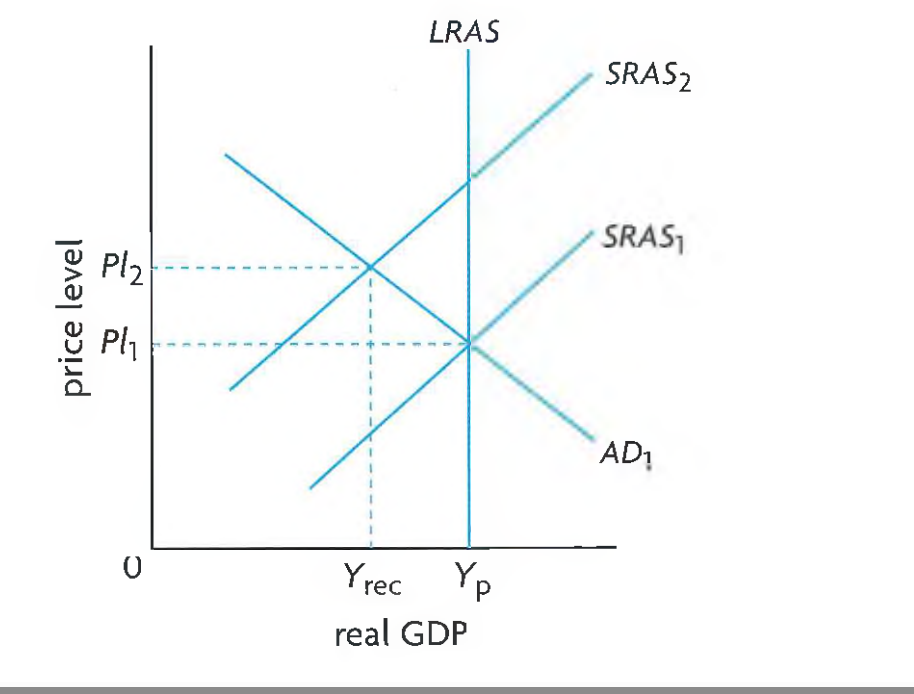
Cost-push inflation

knowt flashcard image
6
New cards

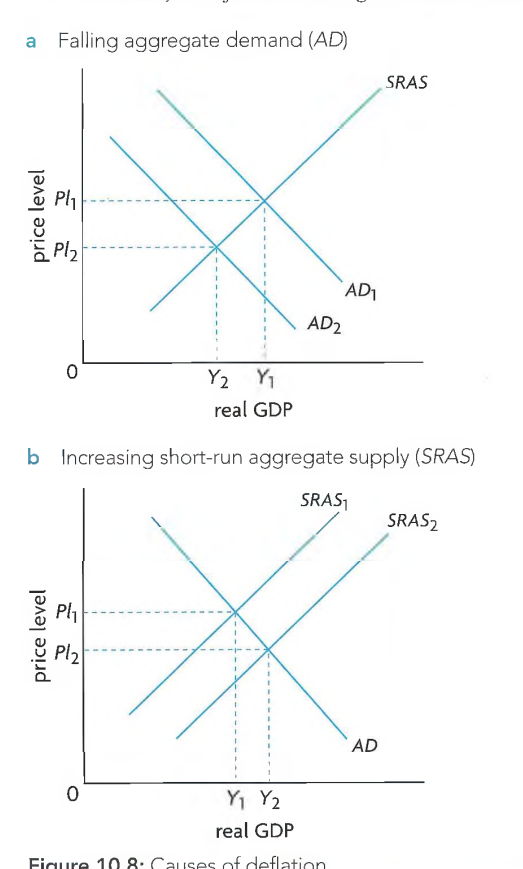
Deflation shown

D

<p>D</p>
7
New cards

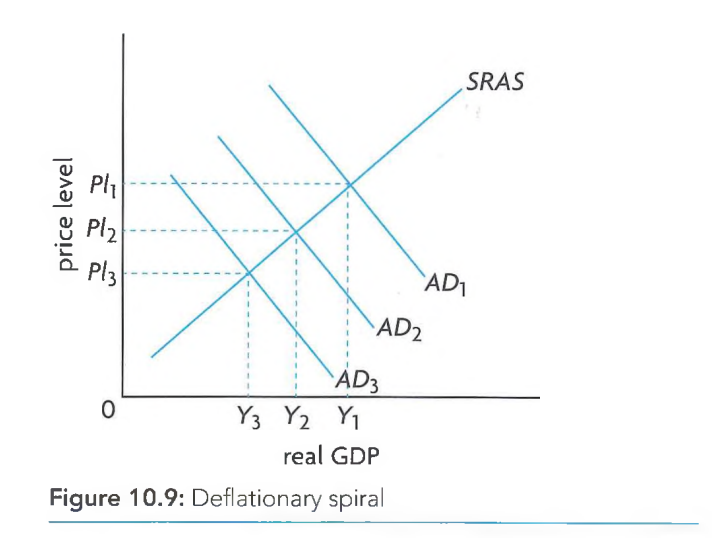
Deflationary spiral

knowt flashcard image
8
New cards

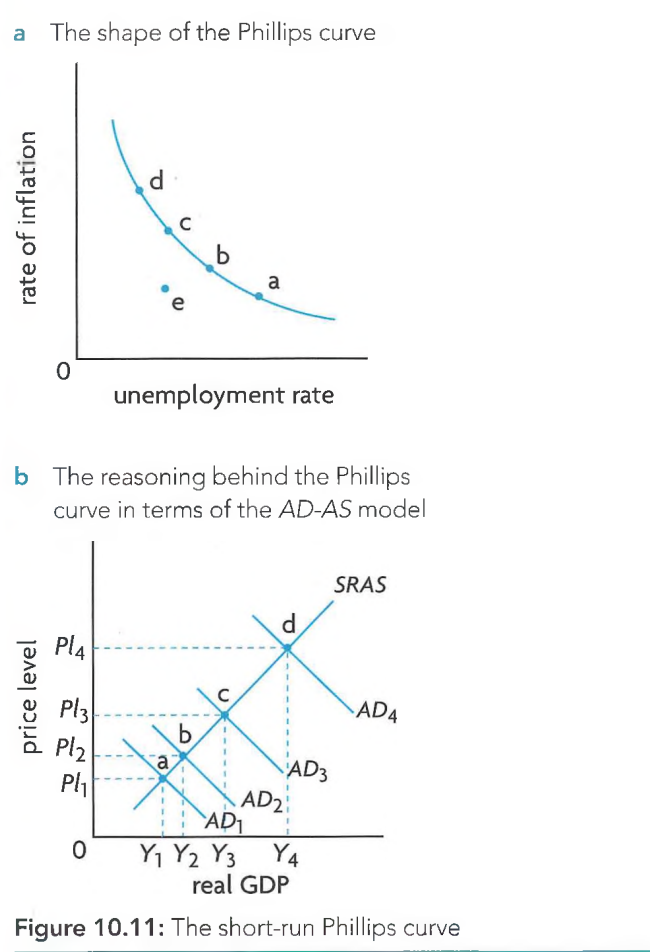
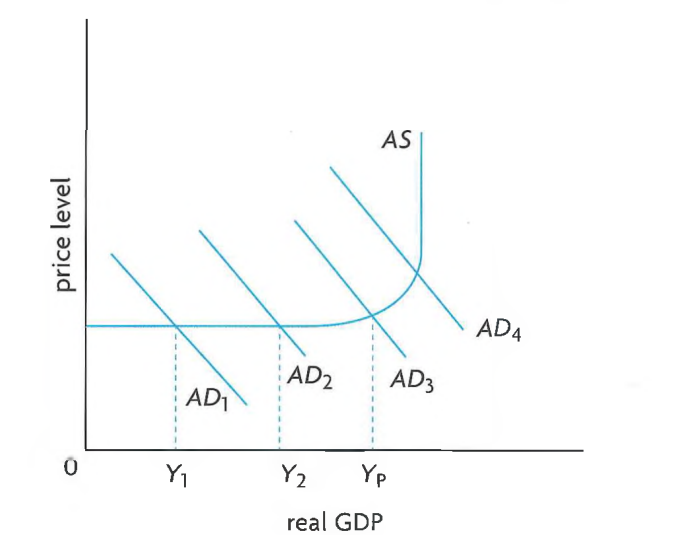
Increasing price level with decreasing unemployment
knowt flashcard image
9
New cards

Phillips curve

knowt flashcard image
10
New cards

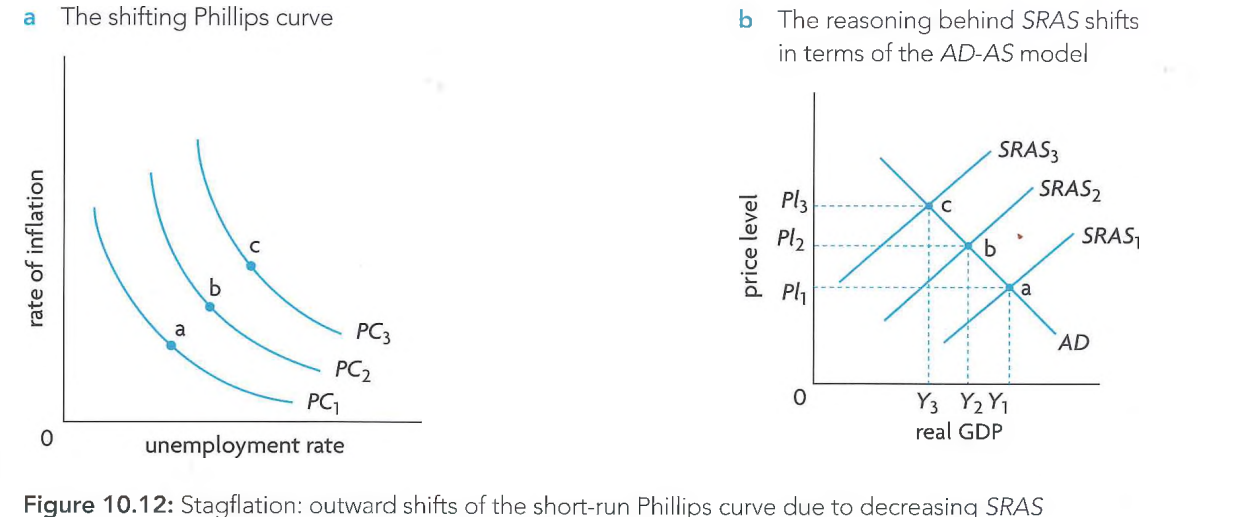
Stagflation on phillips curve

knowt flashcard image
11
New cards

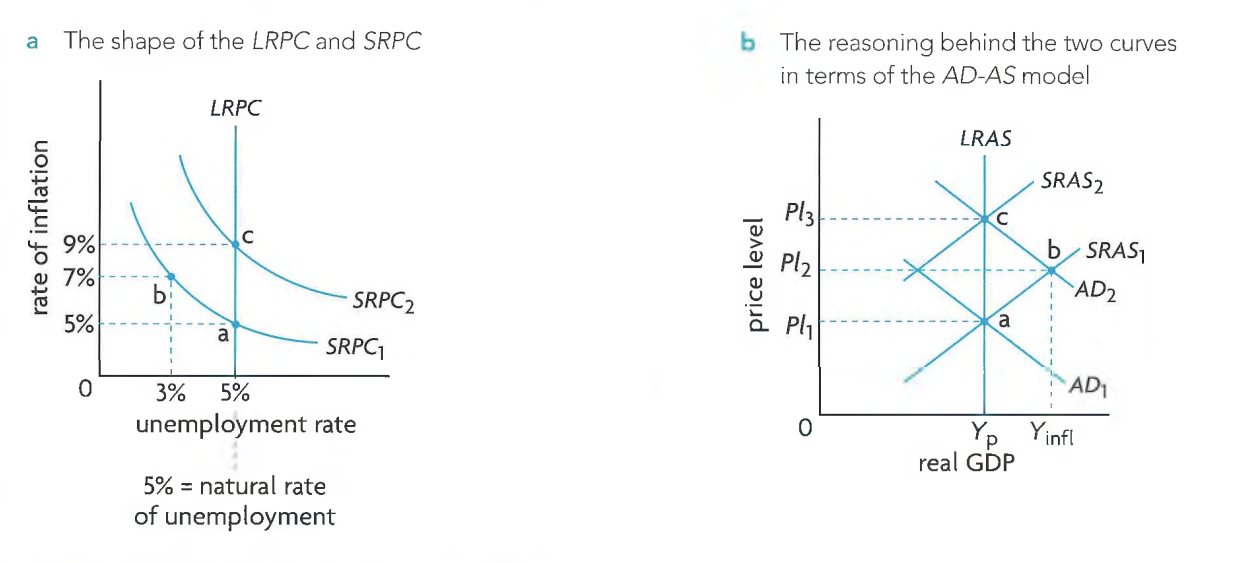
Short and long run on phillips

knowt flashcard image
12
New cards
Unemployment
people of working age who are actively looking for a job but are not employed
13
New cards
Underemployment
people of working age with part-time jobs who would rather work full time jobs that make use of their skills or education
14
New cards
Labor force
number of people who are employed plus number of people who are unemployed
15
New cards
Unemployment rate formula
number of unemployed/labor force x100
16
New cards

Official unemployment statistics underestimate true unemployment because…

excludes workers who gave up on looking for a job,

don’t make distinction between full time and part time,

no distinction on type of work,

early retirees,

do not count illegal workers

17
New cards

Economic costs of unemployment

loss of real GDP,

loss of income for unemployed workers,

loss of tax revenue for gov.,

cost to gov. For unemployment benefits,

larger budget deficit,

unequal distribution of income,

unemployed people may have difficulty finding work in the future

18
New cards
Personal and social costs of unemployment
loss of self-esteem, great social problems
19
New cards
Structural unemployment
change in demand for particular types of labor skills, change in geographical location of industries, labor market rigidities
20
New cards
Frictional unemployment
when workers are between jobs. Workers may leave their job because they have been fired, or because they are in search of a better job, or may be waiting to start a new job
21
New cards
Seasonal unemployment
demand for labor in a certain industry changes on a seasonal basis because of variations in needs
22
New cards
Cyclical unemployment
occurs during the downturns of the business cycle, when the economy is in a deflationary gap
23
New cards
Inflation
sustained increase in the general price level
24
New cards
Deflation
sustained decrease in the general price level
25
New cards
The consumer price index (CPI)
measure of the cost of living, or the cost of goods and services purchased by the typical household in an economy, by comparing the price of a basket of goods and services
26
New cards
Price index for specific year formula
value of basket in specific year/value of same basket in base year x100
27
New cards

Problems with CPI

different rates of inflation for different income earners,

different rates of inflation depending on regional or cultural differences,

changes in consumption patterns,

due to consumer substitutions when relative prices changes,

changes in product quality,

changes in consumption patterns from new products,

change in consumption due to new/discounted products

28
New cards
Cost-push inflation
caused by increases in cost of production on supply-side
29
New cards

Costs of inflation

redistribution effects,

savers are worse off,

people who receive incomes or wages that increase less rapidly,

lenders are worse off,

borrowers benefit

30
New cards
Redistribution effects
inflation causing redistribution of income away from certain groups and towards other groups in the economy
31
New cards
Uncertainty
inability to accurately predict what inflation will be in the future means that people cannot predict future changes in purchasing power
32
New cards
Inflation effects on savers
lowers the incentive to save as if the rate of interest does not compete with inflation
33
New cards
International competitiveness
price level of a country increases more rapidly than price levels in other countries it trades with
34
New cards
Inflation effects on economic growth
causes uncertainty in firms which causes investments to fall, in addition a lowering in savings
35
New cards
Inflation effects on resource allocation
When prices rise rapidly, signalling and incentive functions do not work effectively as prices do not increase in same proportion for all products
36
New cards
Hyperinflation
very high rate of inflation defined by price levels increasing by more than 50% per month. Results from significant increase in money supply
37
New cards
Appropriate rate of inflation
around 2-3% per year
38
New cards

Why deflation rarely occurs

wages of workers rarely fall,

large oligopolist firms fear price wars

39
New cards

Costs of deflation

redistribution effects,

increase in real value of debt,

uncertainty, deferred consumption,

high and increasing cyclical unemployment,

risk of deflationary spiral,

risk of bankruptcy,

inefficient resource allocation,

policy ineffectiveness

40
New cards
Deferred consumption
consumers postpone spending
41
New cards
Phillips curve
shows an inverse relationship between unemployment and inflation, lower unemployment generally causes higher inflation and vice versa.
42
New cards
Short-run phillips curve
shows a negative relationship between rate of inflation and the unemployment rate, suggesting short-run policy makers can choose between competing alternatives of low inflation or low unemployment
43
New cards
Long-run phillips curve
vertical at NRU, indicating unemployment is independent of the rate of inflation and policy makers do not have a choice