Whats in a medicine- Chemsitry
 Call Kai
 Learn
Learn Practice Test
 Spaced Repetition
 Match
Match Flashcards
 Knowt Play
1/56

There's no tags or description
Looks like no tags are added yet.
Name | Mastery | Learn | Test | Matching | Spaced | Call with Kai |
|---|
No analytics yet
Send a link to your students to track their progress
57 Terms
When naming alcohols what is the endig
-ol
How to name alcohols
Find the longest carbon chain
Use the alkane name for the chain length e.g. meth,eth,prop,but,pent and change the ending to -ol
Number the carbon chain so the -OH group has the lowest number.
If the -OH group isn’t on the first carbon add the number before the -ol e.g. propan-2-ol
Identify any alkyl groups e.g. methyl,ethyl using di or tri if mutiple
Write alphabetically
How to write a molecular formula
You can only write each atom once so not showing functional groups
E.g. C4H10O instead of C4H9OH
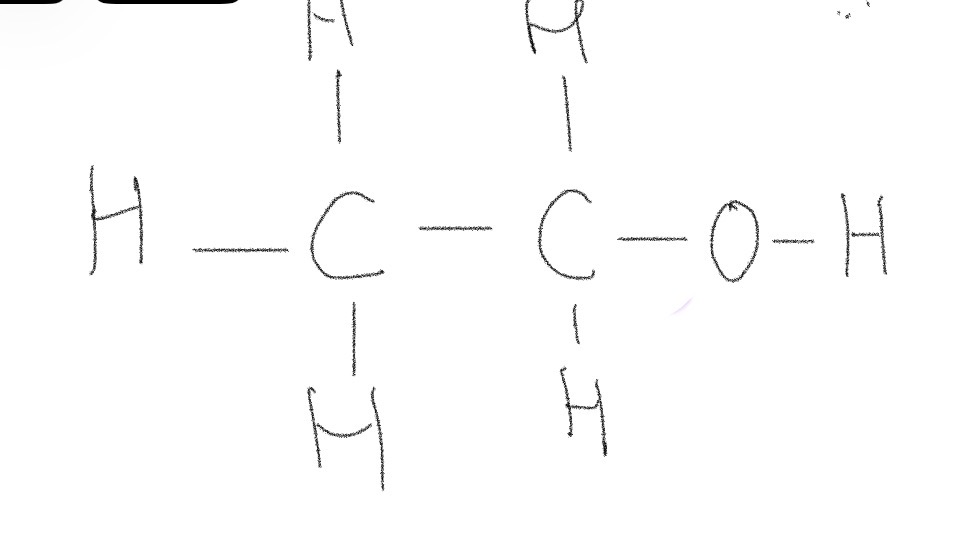
Full structural formula of ethanol
Include every bond including the O-H
What is a phenol
An -OH group bonded directly to a benzene ring
Physical properties of alcohols
The hydrocarbon chain is non-polar and the -Oh group is polar as oxygen is a lot more electronegative than hydrogen.
This increases the boiling point of alcohols compared to alkanes with similar Mr as to boil an organic liquid you need to overcome intermolecular bonds (between molecules) which are usually weak.
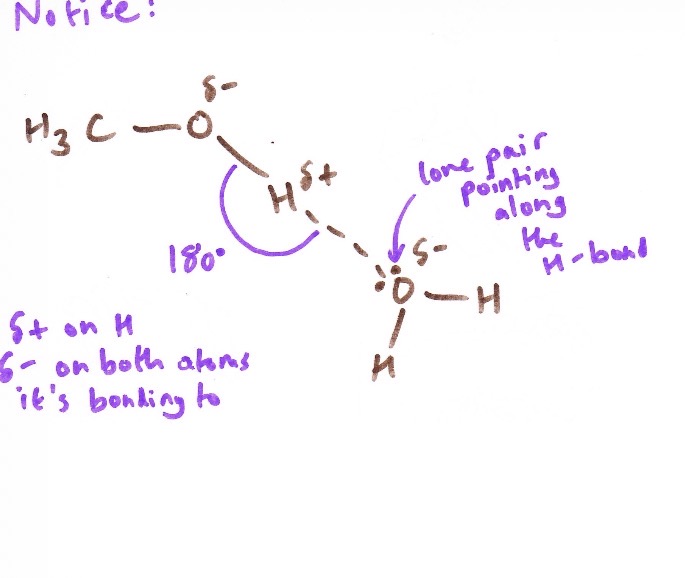
Due to the polar _OH group there are strong attractions between molecules because of hydrogen binding which require more energy to be overcome.
How well do alcohols mix with water
Alcohol with small molecules mix well with water as hydrogen bonds form between the two but as the non polar hydrocarbon chain gets longer the influence of the polar -OH on properties decreases.
So longer chain alcohols mix less well with water
What are ethers
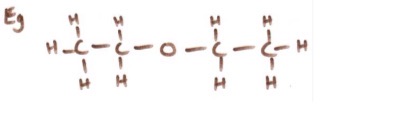
Structural isomers of alcohols.
The oxygen in ethers is bonded to two carbons so is in the middle of the carbon chain
Physical properties of ethers
1.As they have no -OH group there is no hydrogen bonding between molecules so they have inch lower boiling points than alcohols of the same Mr
They dont mix with water ( no hydrogen bonding between molecules
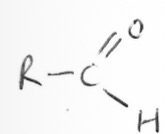
What is an aldehyde
It has the functional group c=o and a hydrogen on the C
It is often written as R-CHO
It ends in -al
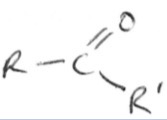
What is a ketone
Ketone has the functional groups C=O with the C attached to 2 R groups
It is often written as RCOR
It ends in -one
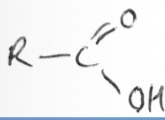
What is a carboxylic acid
It has the functional group C=O with the C also attached to an -OH
It is often written as RCOOH
It ends in -oic acid
Out of ketone, aldehyde and carboxylic acid which molecules have hydrogen bonding and why
Only carboxylic acids because they have an -OH group
How to classify alcohols
The number of carbons the carbon bonded to an -OH group is bonded to.
How to classify a primary alcohol
The carbon with the -OH group is bonded to one other carbon
Oxidation of alcohols
Alcohols are heated with acidified potassium dichromate (VI)solution/ K2Cr2O7/H+
This is orange ad when oxidising something it itself is reduced to green Cr3+
Oxidation of primary alcohols too aldehydes
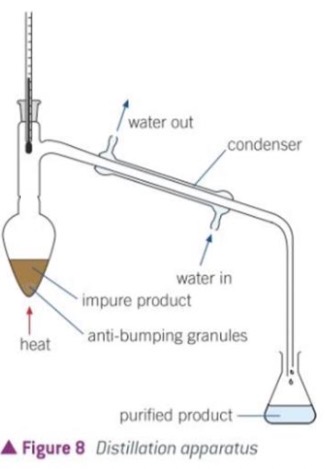
You need to limit oxidation by using the minimum amount of oxidising agent and distilled water products out of the mixture as they form.
Aldehyde will distill over rather than any remaining alcohol reactant, or any carboxylic acid which moleculesd made by further oxidation as it has thee lowest boiling point
We know this because alcohols and carboxylic acids have an -OH group so can form hydrogen bonds between molecules but aldehydes cannot make hydrogen bonds so less energy is required to overcome intermolecular bonds.
Balanced equations for the oxidation of a primary alcohols too to an aldehyde

Diagram of distillation
Oxidation on primary alcohols too carboxylic acids
Need oxidation to go as far as possible so use excess oxidising agent and heat the mixture under reflux to give plenty of time for maximum oxidation
Balanced equation of oxidation of primary alcohols too to carboxylic acid

What is reflux and draw a diagram
Reflux is boiling a liquid reaction mixture under a vertical condenser so vapour continually condenses and drips back in rather then being lost
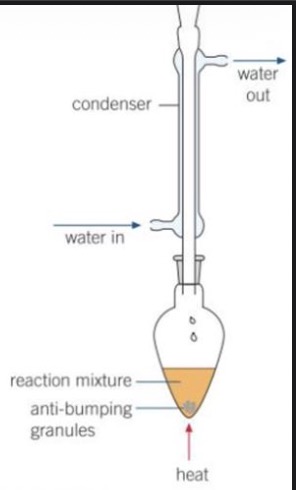
Oxidation of secondary alcohols with an equation
Oxidised in 1 stage giving a ketone and cannot be oxidised further s the c-c bond would have to break so alcohol and oxidising agent are heated under reflux

Oxidation of tertiary alcohols
Cannot be oxidised as would need to be c-c bond to break so if heated with acidified potassium dichromate it remains orange
Dehydration of alcohols
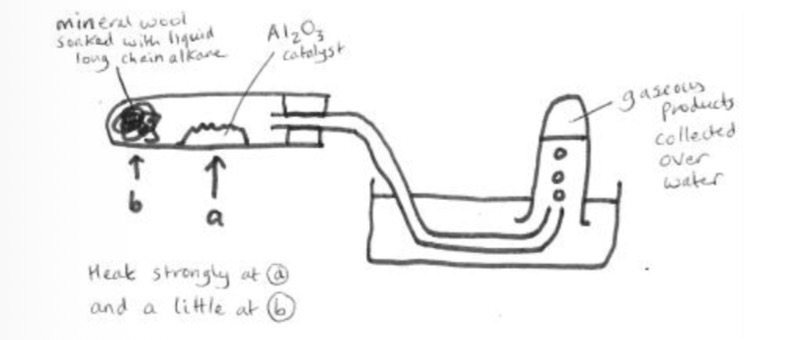
Need to pass vapour of the alcohol over a heated catalyst of aluminium oxide
OR
Heat under reflux with concentrated sulfuric acid (dehydrating agent)
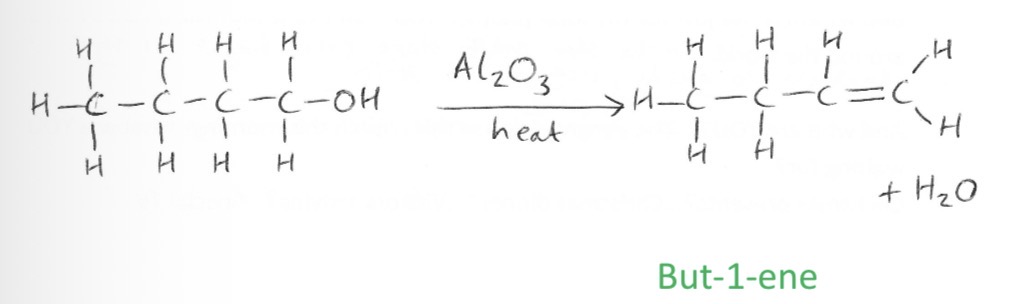
Loss of a water molecule so -OH in alcohol leaves with H from molecule next door producing an Alkene.
Draw the apparatus for a heated catalyst of aluminium oxide
Draw the equation when Bután-1-ol vapour is passed over heated aluminium oxide catalyst
What type of reaction is a dehydration reaction
An elimination- where a small molecule is removed from a larger molecule giving an unsaturated molecule
Nucleophilic substitution of alcohols too make haloalkanes
Alcohols react with halide ions in the presence of a strong acid

Purification of liquid haloalkane
Mixture is separated into a separating funnel where 2 liquid layers separate
There s a less dense upper layer and a more dense lower layer.
The lower layer is run off and if it I the aqueous layer it is discarded.
With the organic layer back in the separating funnel, sodium hydrogen carbonate solution is added and mixture is shaken removing any acid
This is repeated until no more co2 forms
Organic layer is shaken with water to remove remaining NaHCO3
Organic product is run into a clean flask and a drying agent is added with swirling e.g. Anhydrous sodium sulfate
Then distilled and collect only the liquid that distills at the right temperature
What is an ester
Structure with a C=O with the carbon bonded to an oxygen
Many smell like flowers and fruits used in perfumes
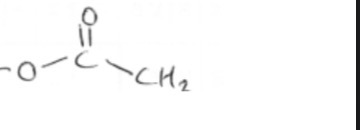
How do you make esters
From an alcohol and a carboxylic acid in a reversible reaction making ester and water
Conditions are heat under reflux with an acid catalyst ( conc H2SO4 or conc HCl
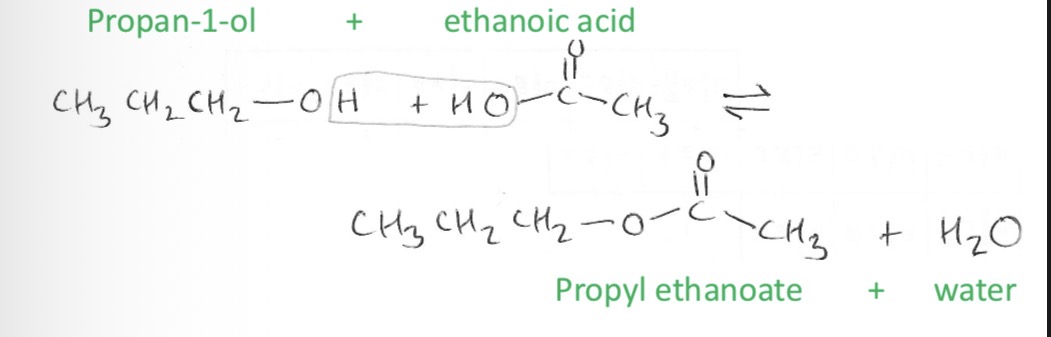
Draw the formation of propyl ethanoate
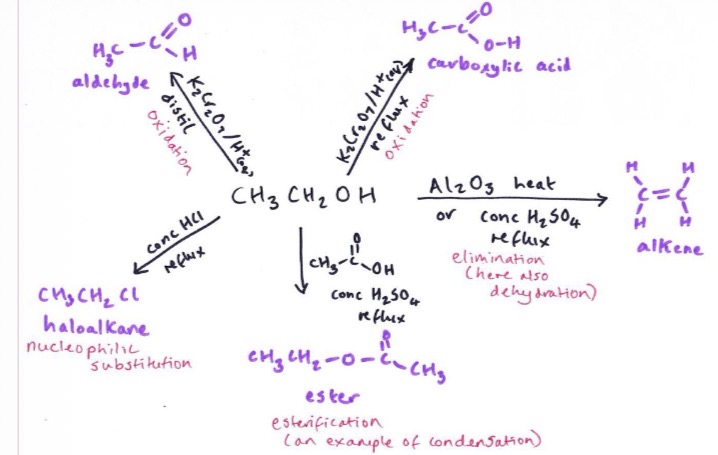
Draw a spider diagram of the reaction of alcohols
Which three molecules have an -OH group
Alcohols
Phenols
Carboxylic acids
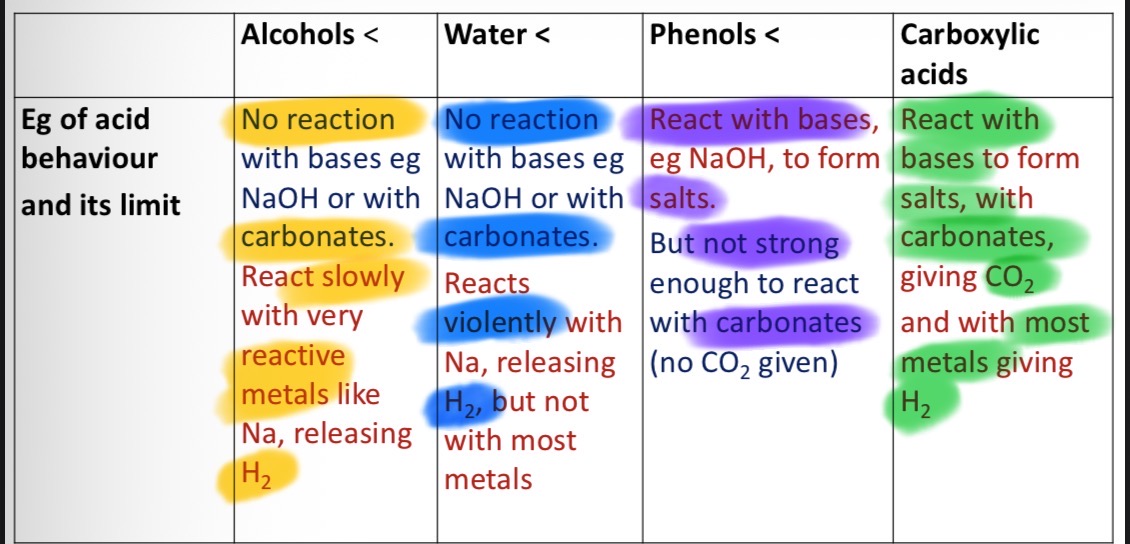
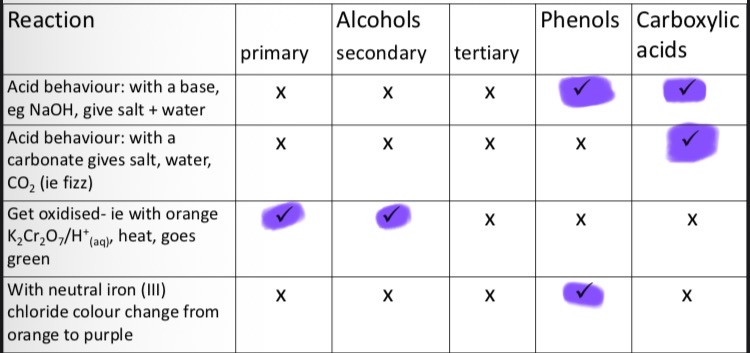
Table of acid behaviour for alcohols, water, phenols, and carboxylic acids
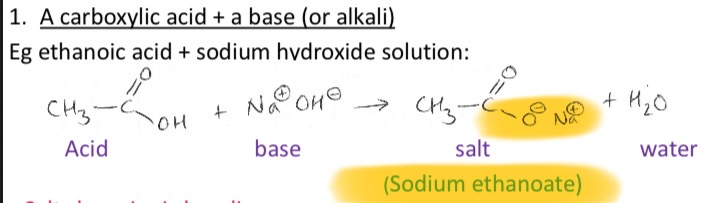
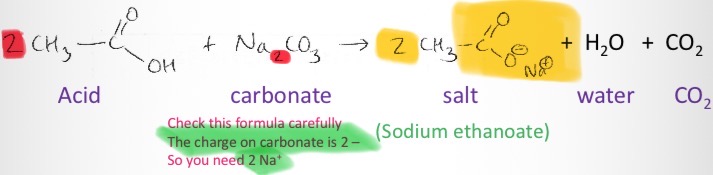
Draw reaction of a carboxylic acid and a base
When an acid reacts the H+ gets replaced by a metal ion giving a salt. Salts have ionic bonding and Na+ is attracted to the O- by electrostatic attraction
Draw reaction between phenol and a base
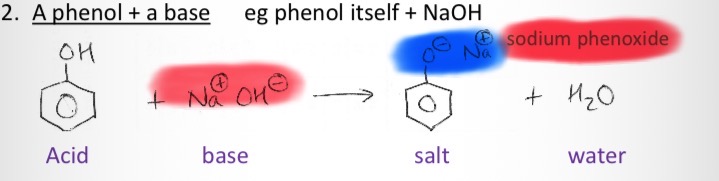
How does the reaction of a phenol and base affect the solubility of a phenol
Phenol is solid so not very soluble as hydrophobic ring prevents hydrogen bonding
Do dissolve in alkali as it becomes the salt which is ionic so more soluble as forms ion dipole bonds with water
Draw reaction of carboxylic acid and carbonate
Forms salt after and CO2 and as gas given it will fizz-test for carboxylic acid
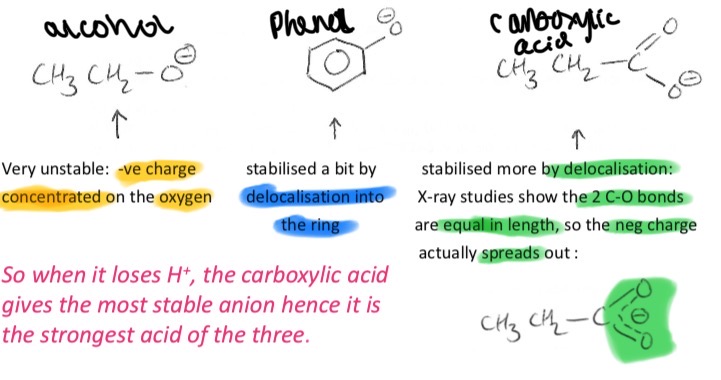
Why is there a difference in acid strength of alcohols, phenols, and carboxylic acids
Acid strength depends on the position of equilibrium.
If it lies further to right the acid is better at donating H+so is a stronger acid
How far right it lies depends on how stable the anion is. If negative charge is delocalised it makes thee anion more stable
Test for a phenol
Iron (III) chloride test
It is orange but if added to a phenol group the solution turns deep purple
Summary table of -OH reactions
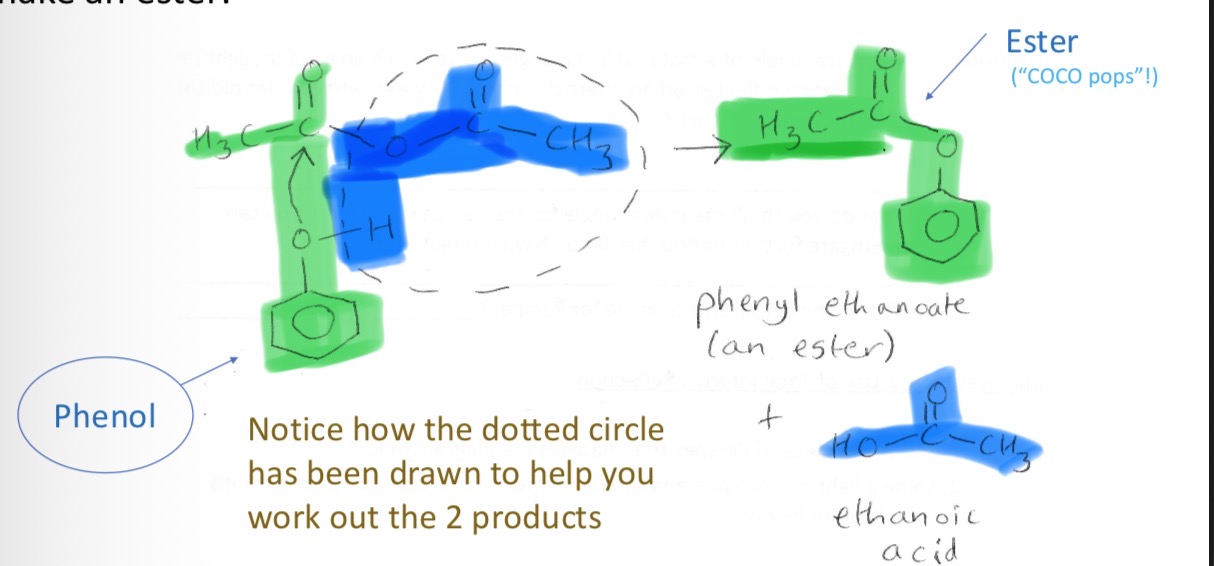
How can esters be made from phenols
Phenols are less reactive than alcohols so are reacted with something more reactive then a carboxylic acid so:
acyl chloride
OR
Acid anhydride
Draw reaction of phenol and acid anhydride ( ethanoic anhydride)
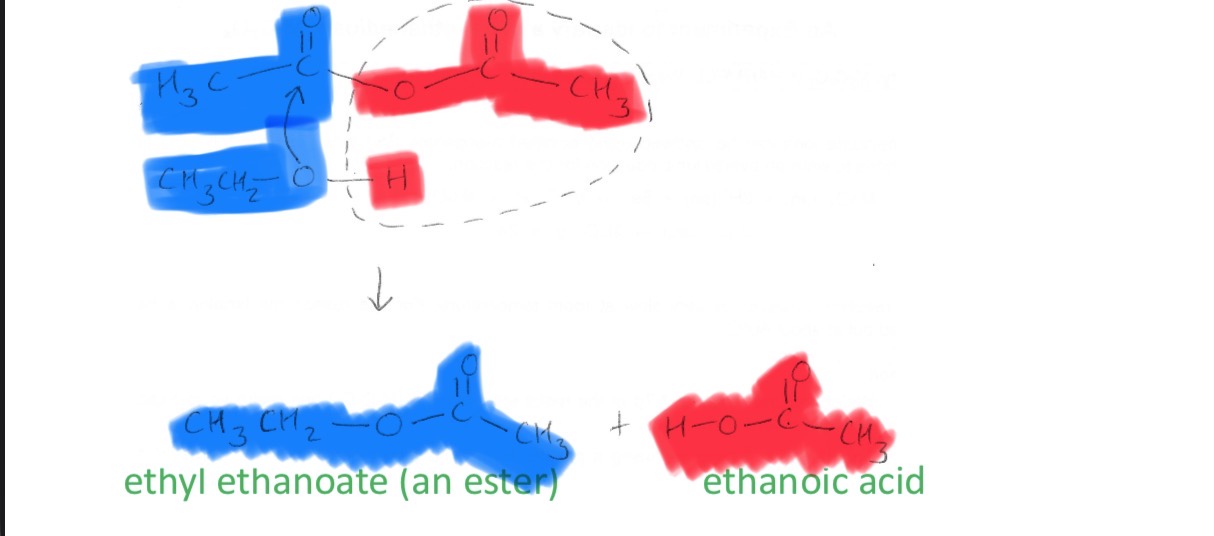
How else can acid anhydride make an ester
When reacted with alcohol
How to purify an organic solid
Solvent is chosen carefully as needs to be one that the desired product dissolves well in hot by not well when cold so products crystalline when cooling
Impure solid is dissolved in the minimum amount of hot solvent making a saturated solution and any soluble impurities will dissolve
Insoluble impurities are removed by filtering while it is still hot
4. Leave the filtrate to cool and as it owes the solid becomes less soluble in the solvent so starts to crystallise out. Small amount of solid will stay in solution as well as any soluble impurities.
Collect crystals by vacuum filtration which will remove soluble impurities as they will be in te filtrate whereas product crystals will be on filter paper
Wash crystals with small amount of cold solvent
Dry crystals in open air or in oven with temps below melting point
The purity of the solid can be checked by doing a melting point determination
How to do a melting point determination
One end of a capillary tube is sealed by melting the glass I a hot Bunsen flame
Small amount of solid is put into the bottom and the tube is put into melting point apparatus
Temperature slowly increases
Temp recorded at the Start and finishing melting points
Pure solids melt sharply within 0.5 degrees of the expected but impurities lower the melting point increasing the range of temperatures
What is chromatography used for
To separate and identify compounds in a mixture or to purify an organic compound
In chromatography what is the mobile and stationary phase
Mobile-the solvent moving up the plate
Stationary-filter paper in page chromatography but usually the thin layer of silica spread on a plastic sheet
How is a TLC done
Daw a pencil line 1cm from the bottom of the TLC plate/paper
Dissolve test mixture in a small amount of solvent and spot them in different marked places on your pencil line
Stand the plate in a beaker containing small amount of chromatography solvent ensuring solvent level is below line with spots
Cover the beaker with a lid and allow solvent to travel up the plate
Once near the top remove plate and mark the solvent front
Allow to dry
If spots are colourless locate them by: viewing under UV lamp, use iodine crystals, spray with locating agent
Pure substances only have 1 spot
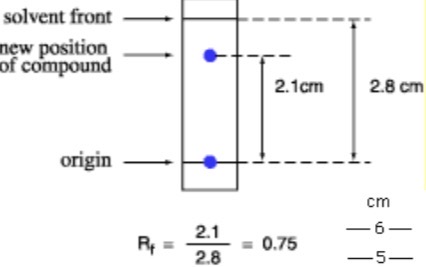
Use Rf value which is distance travelled by pot divided by distance solvent from travelled
How does infra red spectroscopy work
Each compound has its own unique infra red spectrum. Infrared of gradually changing frequency is shone at the sample. When a frequency is reached which corresponds to vibrational energy change for one of the bonds, the molecule absorbs that frequency of infra red and a peak appears on the spectrum
On an infra red spectrum what is frequency measured in
Wave number cm-1
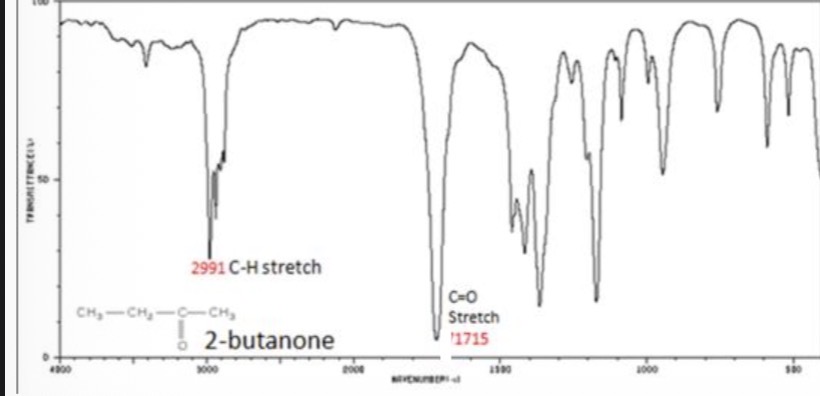
C=O in infra red spectroscopy
Strong peak at 1700cm-1 and almost always the strongest peak
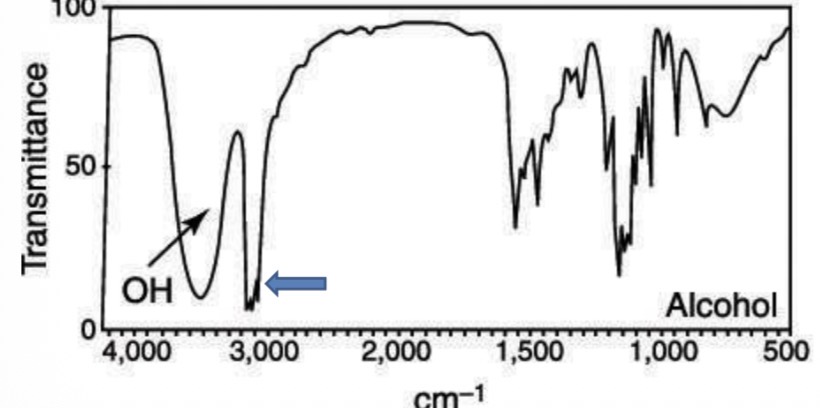
O-H in infra red spectroscopy
Broad peak very far left of the spectrum
Not to be mixed with C-H which is a sharp peak or a group of sharp peaks
In carboxylic acids the OH group isn’t as far left as in alcohols and phenols so can crash into C-H peak
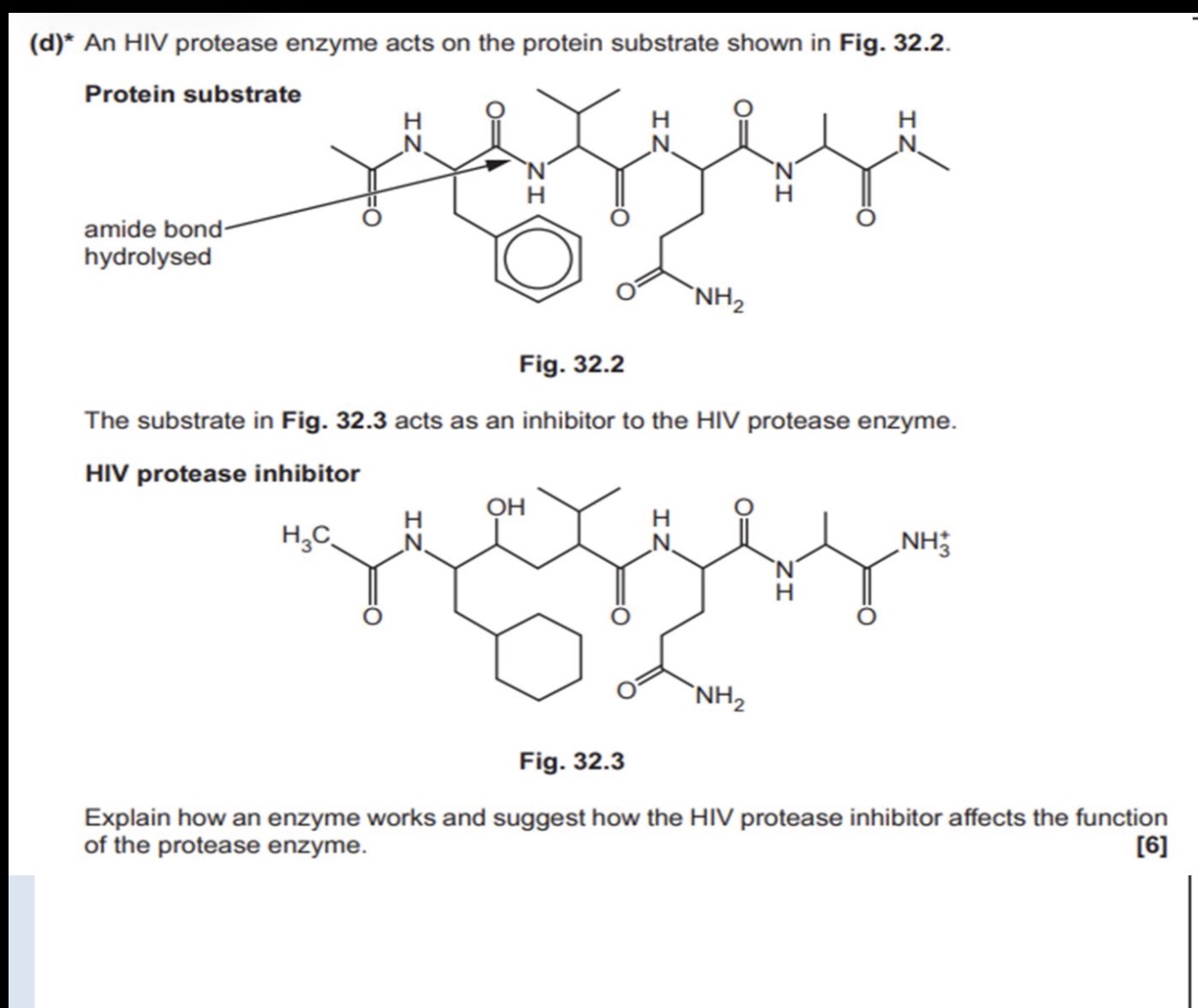
Polymers of life pharmacaphore 6 marker
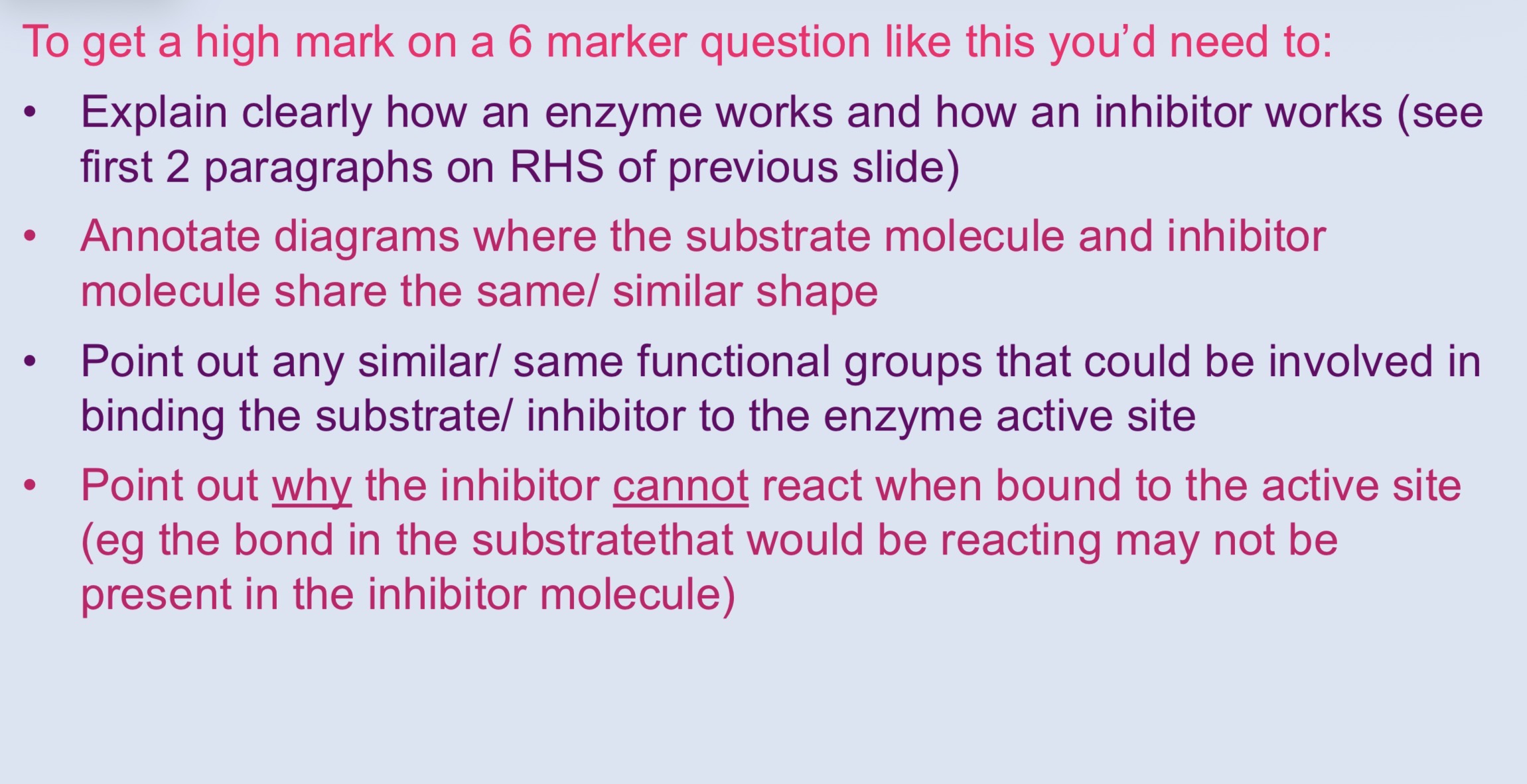
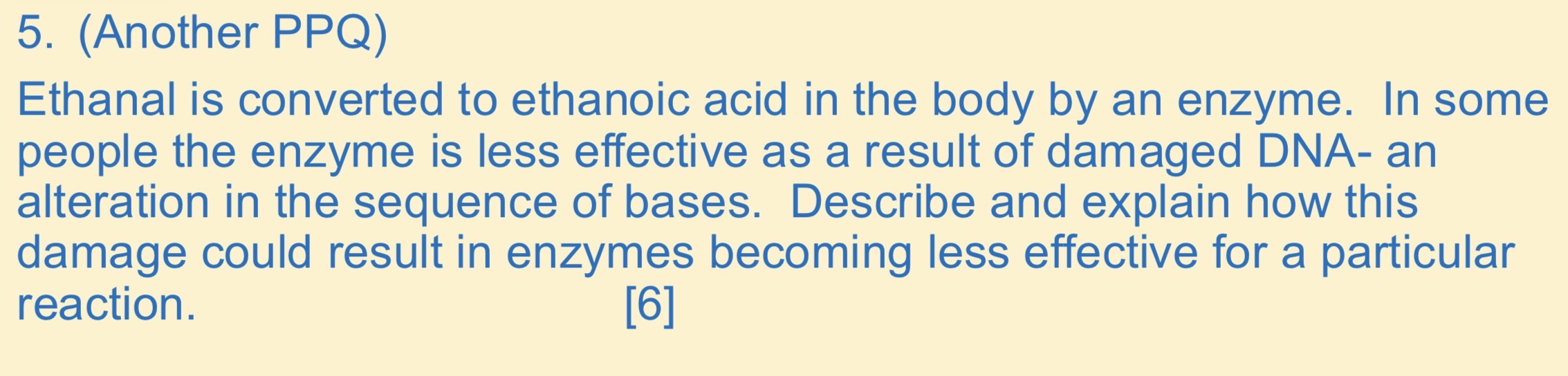
Polymers of life protein 6 marker