Zoology Exam 3
 Call Kai
 Learn
Learn Practice Test
 Spaced Repetition
 Match
Match Flashcards
 Knowt Play
1/81

There's no tags or description
Looks like no tags are added yet.
Name | Mastery | Learn | Test | Matching | Spaced | Call with Kai | Chat |
|---|
No analytics yet
Send a link to your students to track their progress
82 Terms
Metamerism
repetition along anterior-posterior axis of similar body segments
-annelids, arthropods, chordates
Peritoneum
forms dorsal and ventral mesenteries
Annelida circulatory system
closed circulatory system
Phylum Annelida Respiration
through skin, gills, or parapodia
Phylum Annelida
Class Errantia
Wandering worm
Phylum Annelida
Class Sedentaria
tube worms
reduced parapodia
reduced setae
Phylum Sipuncula
Sister to Phylum Annelida
Polychaetes Locomotion
Parapodia
Polychaetes
mostly marine
sedentary
errant
Polychaetes:
Fanworms
use tentacle crown to feed
food moved from radioles to mouth
Polychaetes Reproduction
Sexes are separate
Gametes are shed into coelom
Gonads are temporary
Polychaetes
Palolo worms
“caviar are south pacific”
gametes filled epitokes that burst at dawn releasing eggs
Echiuridea
“Spoon worms”
spoon shaped proboscis
weird sex determination
Phylum Annelida
Order Clitellata
“Oligochaetes” and Hirudinea
Clitellum with cross-fertilization
monoecious
Phylum Annelida
Order Clitellata
Family Hirundinidae
ectoparasite, rarely predatory
oral and posterior suckers
clitellum only during breeding season
Phylum Sipuncula
Peanut worms
non segmented worms
large coelom u-shaped gut
trochophore larvae
Cuticle
non-living, noncellular, outer layer secreted by epidermis
restricts growth
Ecdysone
regulation of molting under hormone control
Ecdysozoa
have an exoskeleton - nonliving part of body
no shared body plan
Phylum Nematoda
“Roundworms”
parasites for nearly all animals/plants
cuticle shed between each juvenile stage
hydrostatic skeleton
Collagen
Primary protein in cuticle
Hydrostatic Skeleton
Longitudinal muscles constrict compressing the cuticle forcing opposite side to expand
Phylum Nematoda Reproduction
Dioecious with males smaller than females
males have copulatory spicules
sperm lack flagella **
Ascaris lumbricoides
Parasitic Roundworms
lay up to 200,000 eggs a day
juveniles burrow through intenstine wall
Enterobius vermicularis
Pinworms
most common worm parasite
females migrate to the anus at night to lay eggs on skin
Filarial Worms
vector: mosquitos
female mosquitoes release live young microfilariae into blood/lymph
Phylum Nematomorpha
“Horsehair worms”
endoparasite that attack invertabrates
juveniles are parasites of arthropods
Paratenic host **
Paratenic Host/ Transport Host
Not necessary for development
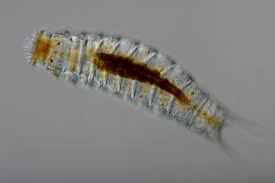
Phylum Kinorhyncha
body is divided into the introvert head, neck, and trunk, with external segments
scalids
live in marine/mud
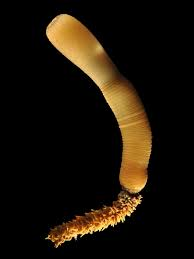
Phylum Priapulida
Carnivorous marine worms
occur in cold water both hemispheres
burrow head up
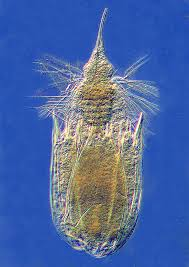
Phylum Loricifera
Most recent discovered groups of Metazoas
body can retract into circular lorica
scalids
Scalids
recurved spines function in locomotion
Panarthropoda
coelom reduces
open circulatory system and triploblastic
Phylum Onychophora
“velvet worms”
14 to 43 pairs of legs/lobopods
oral papilla produces slime glands for prey capture
not hard cuticle
Phylum Onychophora Reproduction
Dioecious
viviparous birth in some
bizarre mating behavior
Tagamata
fusion of metameric segments into specialized functional groups
Trachea and Spiracles
found in insects, millipedes, centipedes and rarely some spiders
Phylum Tardigrada
“water bears”
live in film of water around mosses and lichens
stylet mouthparts for piercing
Tun
Cryptobiosis
Tun
dormant life stage
Cryptobiosis
survive extreme dehydration from 85% to only 3%
resistant to harsh conditions
Phylum Arthropoda
Jointed appendages - allows them to move in directed motion
segmented bodies
chitin in cuticle
open circulatory system
Phylum Arthropoda Success
highly developed sensory organs
complex behavior patterns
segmentation and appendages
Phylum Arthropoda
Subphylum Chelicerata
no mandibles or antennae
two tagmata
six pairs appendages
respiration with book gills or book lungs **
Phylum Arthropoda
Subphylum Chelicerata
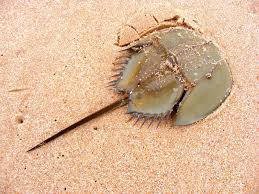
Class Merostomata
“Horseshoe Crab”
cephalothorax completely covered w/ large carapace
book gills
blue blood
Phylum Arthropoda
Subphylum Chelicerata
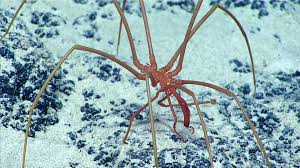
Class Pycnogonida
“Sea Spiders”
four pairs of walking legs
some males have legs to carry legs (ovigers)
Abdomen reduced
Phylum Arthropoda
Subphylum Chelicerata
Class Arachnida
external segmentation reduced
cephalothorax and abdomen
Phylum Arthropoda
Subphylum Chelicerata
Class Arachnida
Order Araneae
“Spiders”
chelicerae function as fangs
6 or 8 simple eyes
silk glands and spinnerets
book lungs and trachae
Phylum Arthropoda
Subphylum Chelicerata
Class Arachnida
Order Scorpionida
“Scorpions”
pedipalps capture, chelicerae shred prey
cephalothorax and abdomen
well developed young
Phylum Arthropoda
Subphylum Chelicerata
Class Arachnida
Order Opilicones
“Harvestmen”
single pair of eyes
legs easily shred
no venom
Phylum Arthropoda
Subphylum Chelicerata
Class Arachnida
Order Acari
“Ticks and Mites”
cephalothorax and abdomen completely fused
mouth parts on capitulum
transmit diseases
Maratus
Genus of jumping spider - “Peacock spider”
Phylum Arthropoda
Subphylum Myriapoda
Two tagmata - head and trunk
one pair of antennae
between 10-750 uniramous legs
Phylum Arthropoda
Subphylum Myriapoda
Class Chilopoda
“Centipedes”
venomous
one pair legs per segment
eyes consists of groups of ocelli
Scutigera coleoptrata
House centipede
harmless to humans
Phylum Arthropoda
Subphylum Myriapoda
Class Diplopoda
“Millipedes”
Detritivores/Herbivores
body cylindrical
glands secrete various hallucinogenic compounds
Phylum Arthropoda
Subphylum Crustacea
Three tagmata (Head, thorax, abdomen)
biraous appendages
two pairs antennae
Crustacea Sensory Organs
Stalked compound eyes
Panoramic mosaic view
Crustacea Reproduction
Separate sexes with sexual dimorphism
Crustacea Life Cycles
Larval stages: Nauplius then Zoea
Molt through intermediate larval stages
Phylum Arthropoda
Subphylum Crustacea
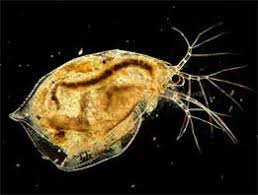
Class Brachiopoda
“Brine shrimp, tadpole shrimp”
flattened leaf-like legs
freshwater zooplankton
Phylum Arthropoda
Subphylum Crustacea
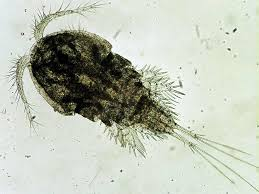
Class Maxillopoda
“Barnacles, ostracods, copepods”
reduced abdomen
lack appendages
Phylum Arthropoda
Subphylum Crustacea
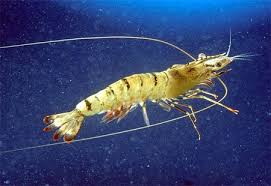
Class Malacostraca
“Isopods, amphipods, krill, decapods”
largest class
gills on thoracic appendages
Phylum Arthropoda
Subphylum Hexapoda
six walking legs
body with three tagmata
respiration via trachea and spiracles
one pair of antennae, madibles, maxille
Phylum Arthropoda
Subphylum Hexapoda
Class Entognatha
primitively wingless
no metamorphosis
mouthparts retracted in head
Phylum Arthropoda
Subphylum Hexapoda
Class Insecta
like ectognata but with external mouths
28 extant species
only flying invertebrates
metamorphic development
Phylum Arthropoda
Subphylum Hexapoda
Class Insecta
Order Thysanura
Silverfish
wingless
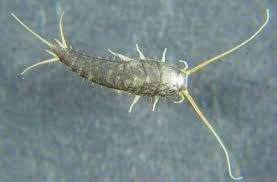
Phylum Arthropoda
Subphylum Hexapoda
Class Insecta
Order Odonata
Dragonflies and Damselflies
aquatic larvae
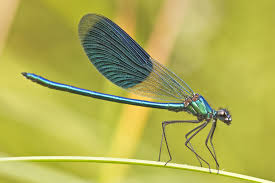
Phylum Arthropoda
Subphylum Hexapoda
Class Insecta
Order Ephemeroptera
Mayfly
aquatic larvae
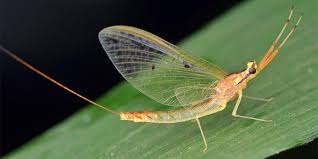
Phylum Arthropoda
Subphylum Hexapoda
Class Insecta
Order Orthoptera
Grasshoppers, crickets, locusts, katydids
thickened forwings
jumping legs
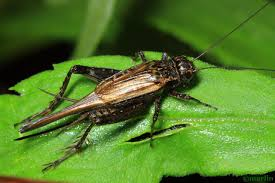
Phylum Arthropoda
Subphylum Hexapoda
Class Insecta
Order Blattodea
Cockroaches and Termites
social behavior
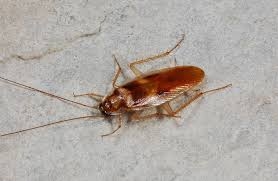
Phylum Arthropoda
Subphylum Hexapoda
Class Insecta
Order Mantodea
Mantids
predators
raptorial forelimbs
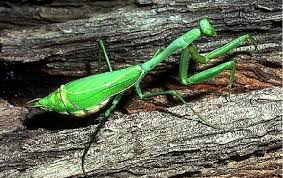
Phylum Arthropoda
Subphylum Hexapoda
Class Insecta
Order Phasmatadoa
Walking sticks
elongated bodies, herbivores
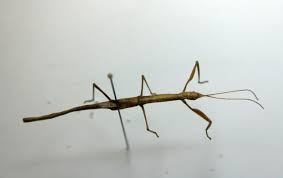
Phylum Arthropoda
Subphylum Hexapoda
Class Insecta
Order Dermaptera
Earwings
hind wings folded under short forewings
forceps like cerci
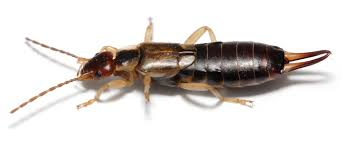
Phylum Arthropoda
Subphylum Hexapoda
Class Insecta
Order Hemiptera
True bugs, hoppers, aphids
sucking, tubelike mouthparts
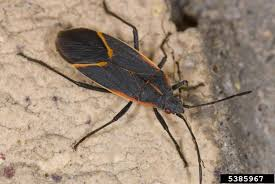
Phylum Arthropoda
Subphylum Hexapoda
Class Insecta
Order Neuroptera
Lacewings, antlions
predators
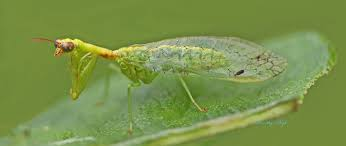
Phylum Arthropoda
Subphylum Hexapoda
Class Insecta
Order Hemiptera
Suborder Heteroptera
Brown stink bugs
Phylum Arthropoda
Subphylum Hexapoda
Class Insecta
Order Hemiptera
Suborder Homoptera
Spotted Lantern Fly
Phylum Arthropoda
Subphylum Hexapoda
Class Insecta
Order Coleoptera
Beetles and Weevils
largest order of animals
diverse environments
Phylum Arthropoda
Subphylum Hexapoda
Class Insecta
Order Hymenoptera
Bees, wasps, ants
pollinators
biocontrol of pests
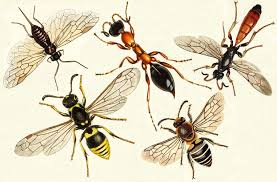
Phylum Arthropoda
Subphylum Hexapoda
Class Insecta
Order Diptera
Flies, mosquitos, maggots
two wings with hind legs
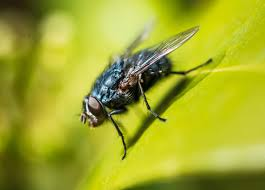
Phylum Arthropoda
Subphylum Hexapoda
Class Insecta
Order Siphonaptera
Fleas
Ectoparasites
body laterally compressed
Phylum Arthropoda
Subphylum Hexapoda
Class Insecta
Order Lepidopetera
Butterflies and Moths
Large showy wings
fluid feeders