AHI 001C- Final
 Call Kai
 Learn
Learn Practice Test
 Spaced Repetition
 Match
Match Flashcards
 Knowt Play
1/47

There's no tags or description
Looks like no tags are added yet.
Name | Mastery | Learn | Test | Matching | Spaced | Call with Kai |
|---|
No analytics yet
Send a link to your students to track their progress
48 Terms
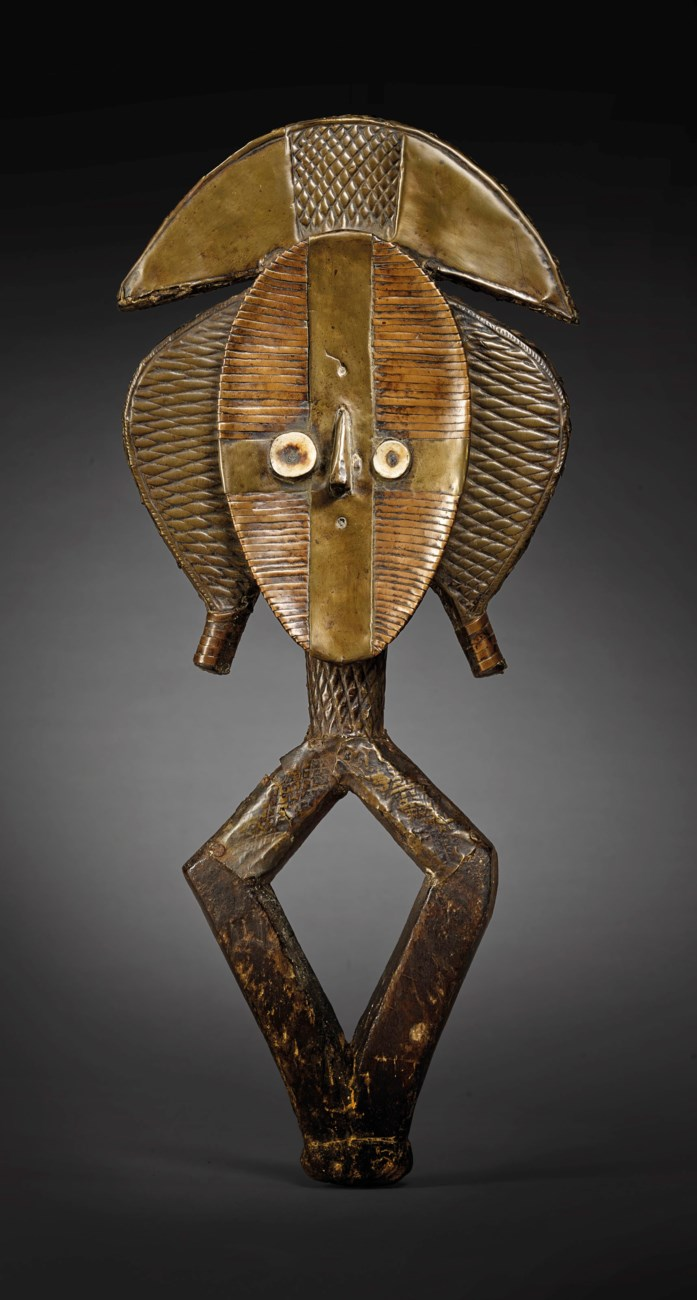
Reliquary guardian figure
Kota Peoples, Gabon, late 19C/early 20C
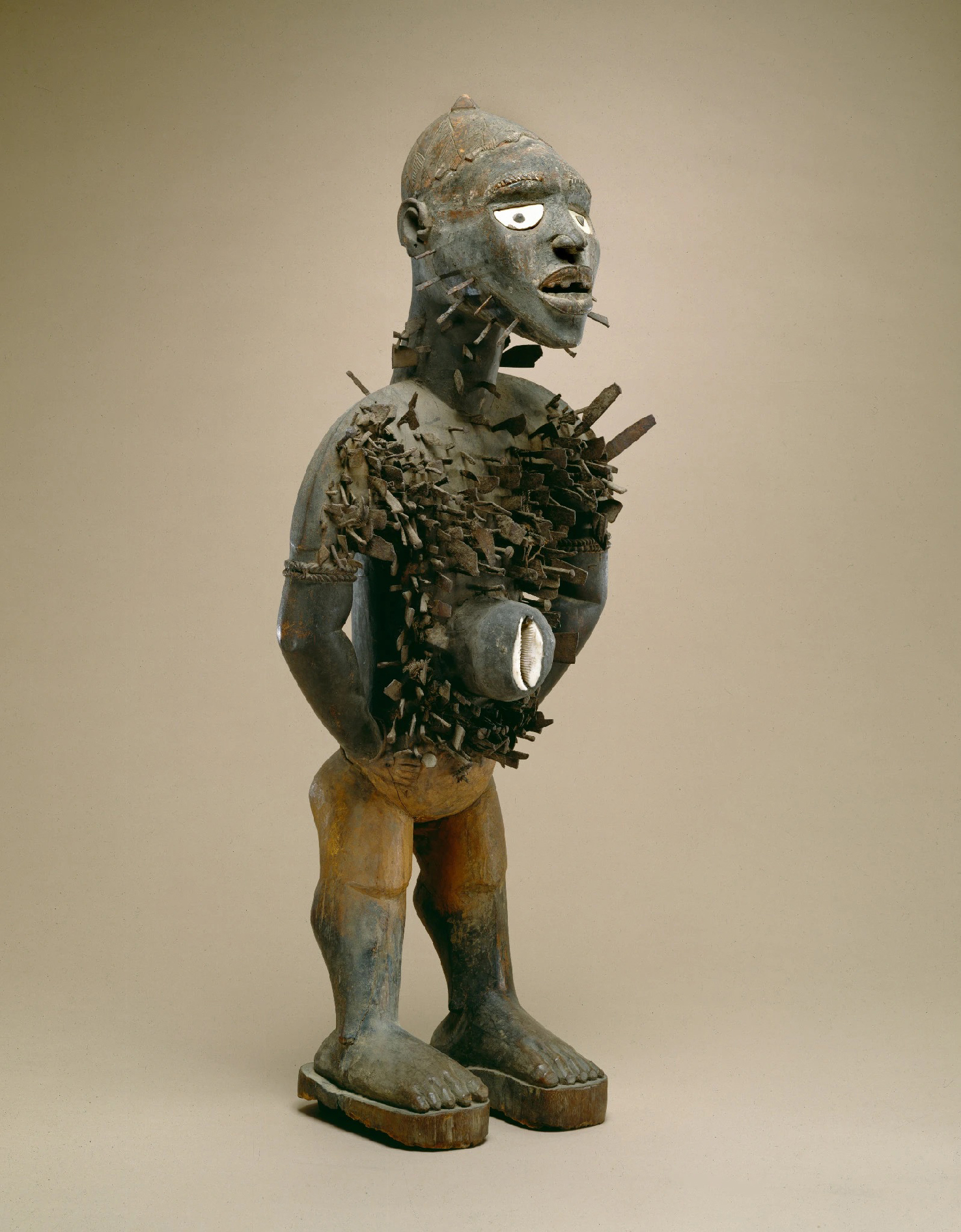
Nkisi n’kondi
Shiloango River Area, Democratic Republic of Congo, c. 1875-1900
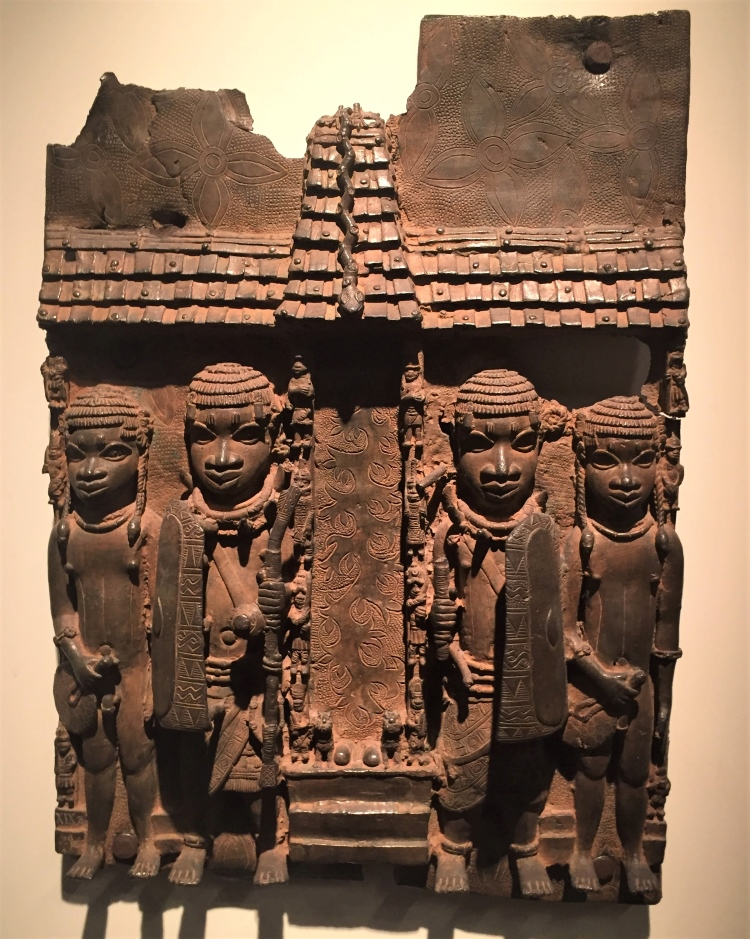
Four Pages before a Palace Compound (one of the Benin Bronzes)
Benin City, Nigeria, 16C/17C
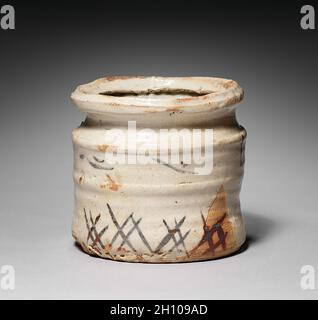
Kogan
Japan, late 16th century
Plum Estate, Kameido
Ando Hiroshige, 1857 Japan
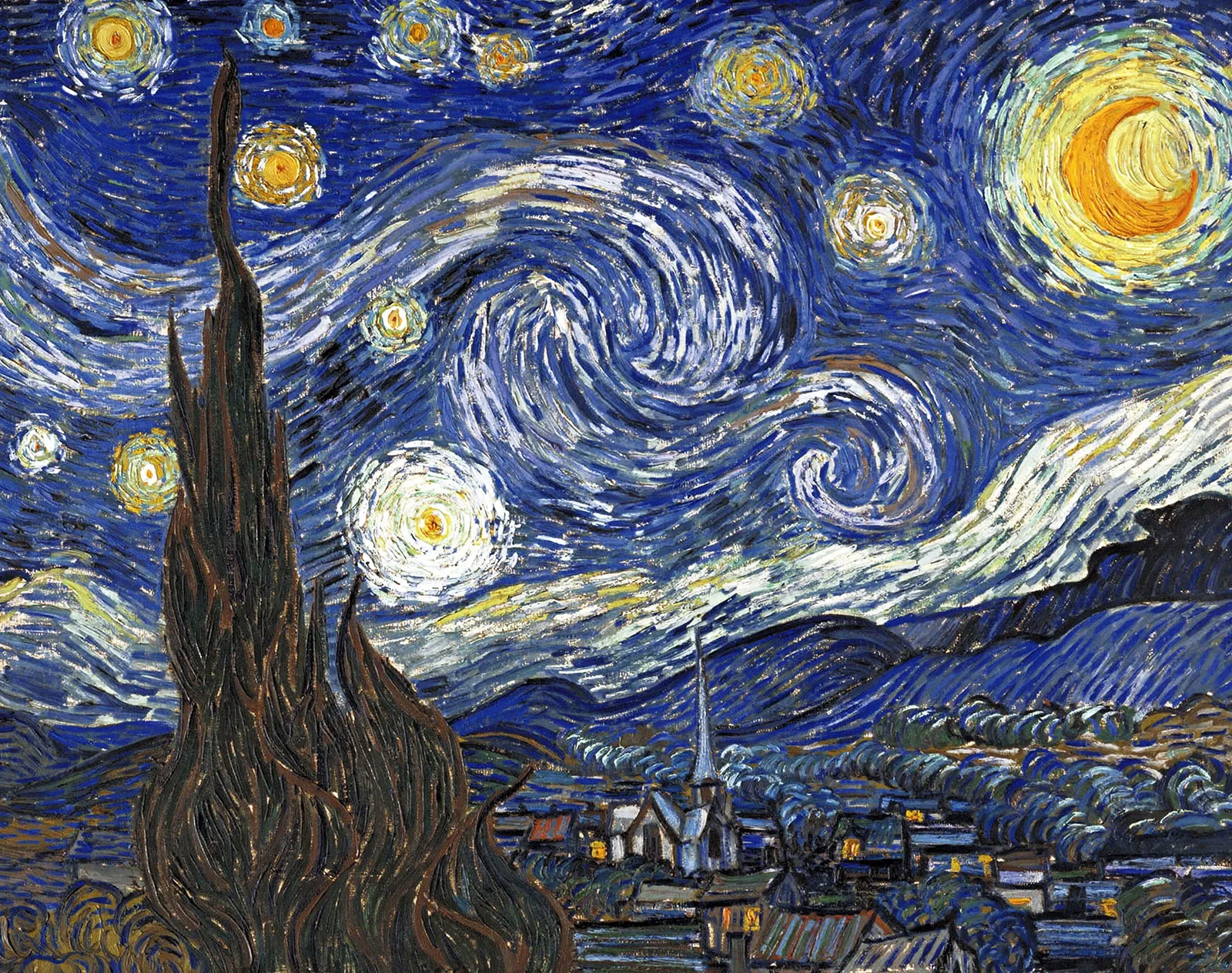
Starry Night
Vincent van Gogh, 1889 Dutch
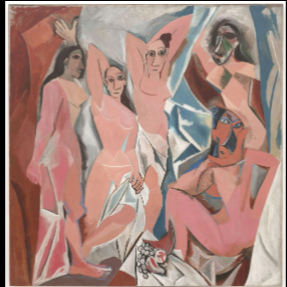
Les Demoiselles d’Avignon
Pablo Picasso, 1907 Spanish
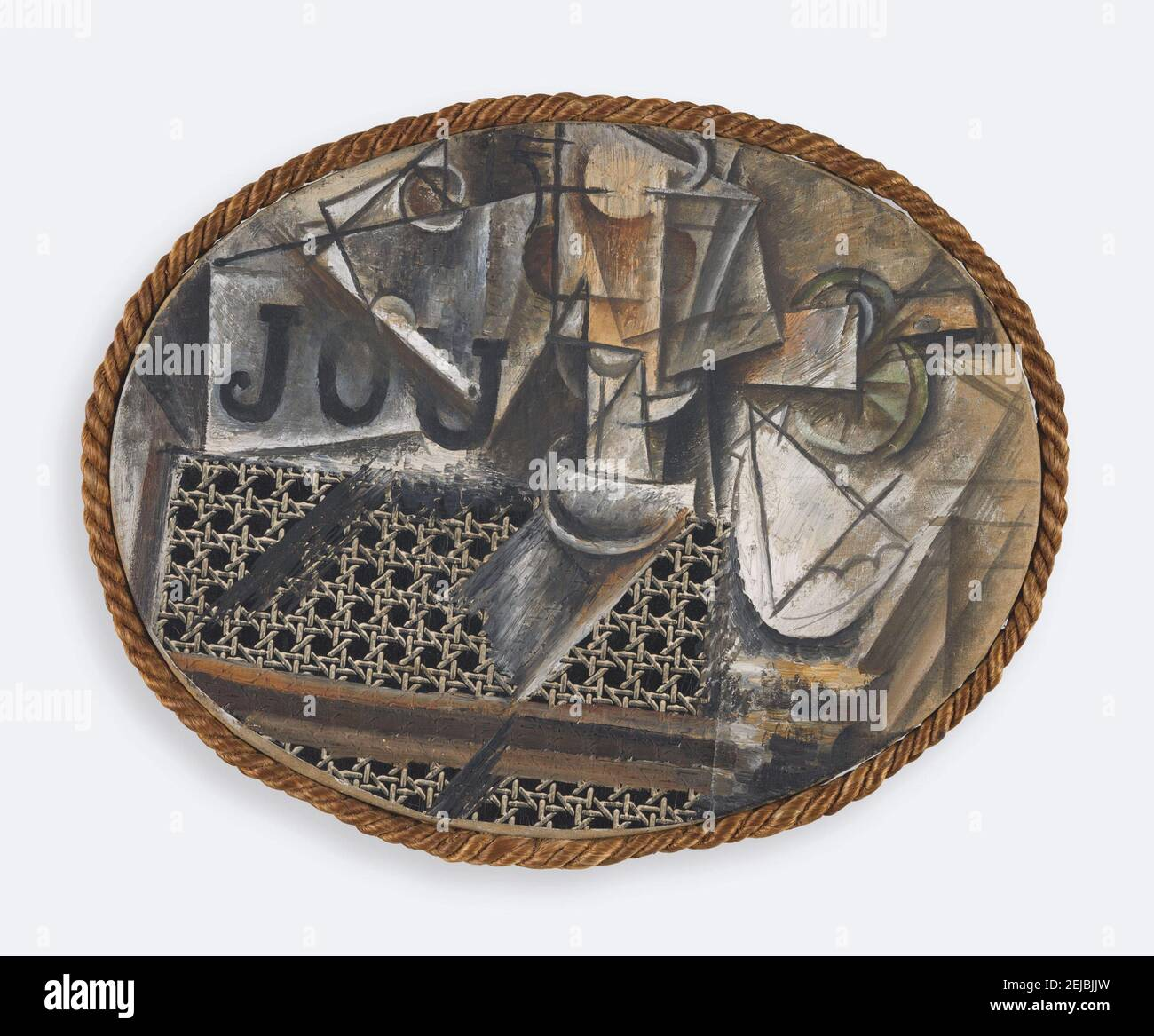
Still Life with Chair Caning
Pablo Picasso, 1912 Spanish
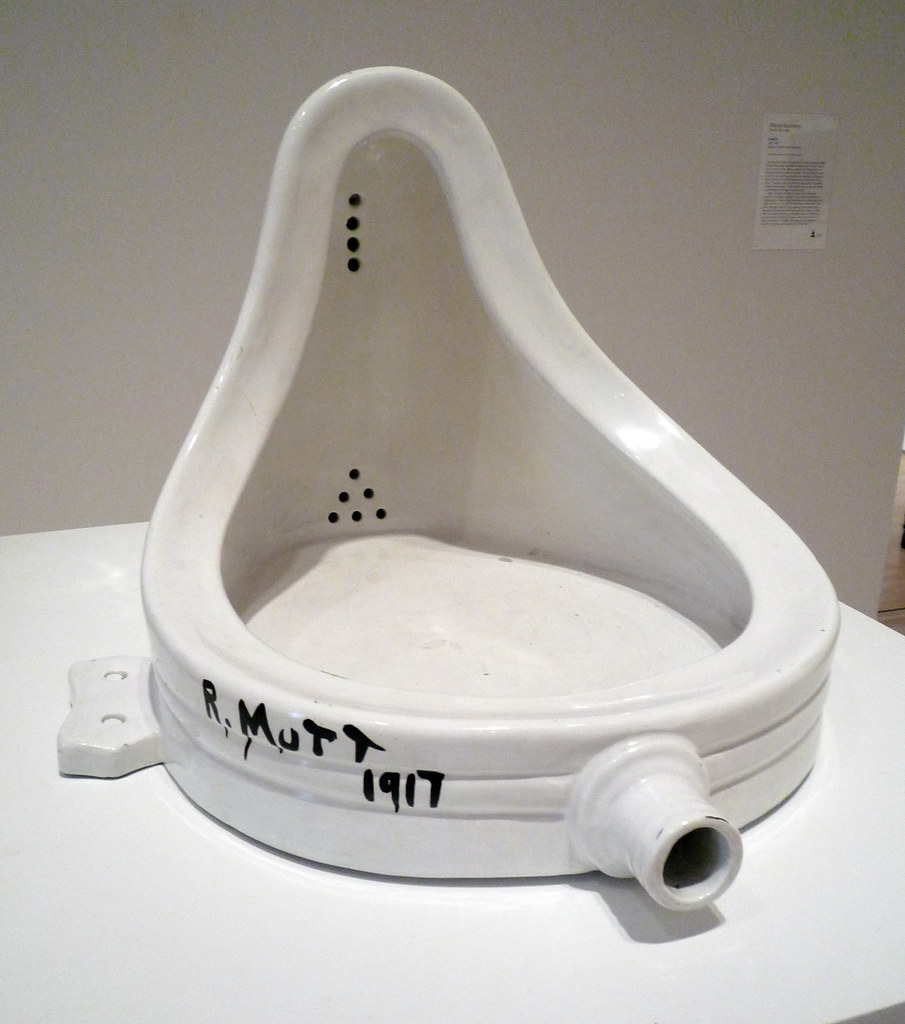
Fountain
Marcel Duchamp, 1917 American
The Human Condition
Rene Magritte, 1933 Belgian
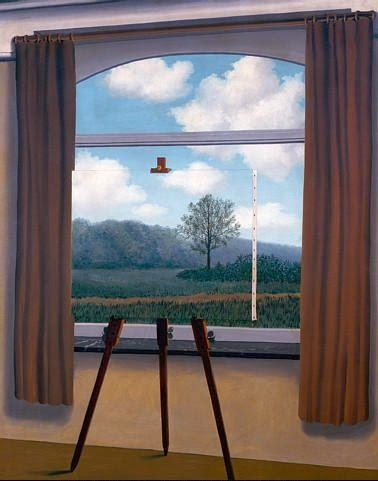
From the Faraway, Nearby
Georgia O’Keeffe, 1937 American
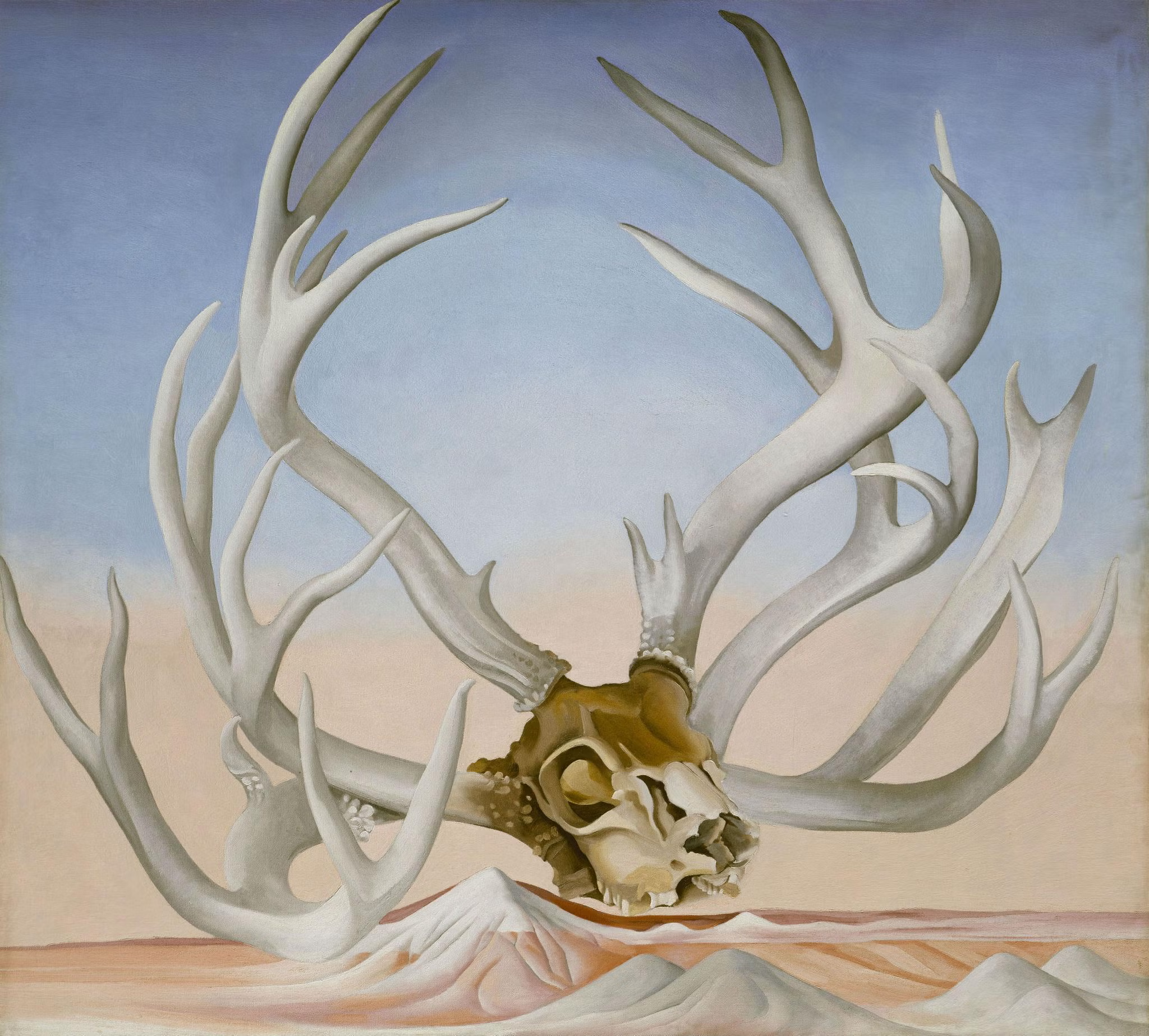
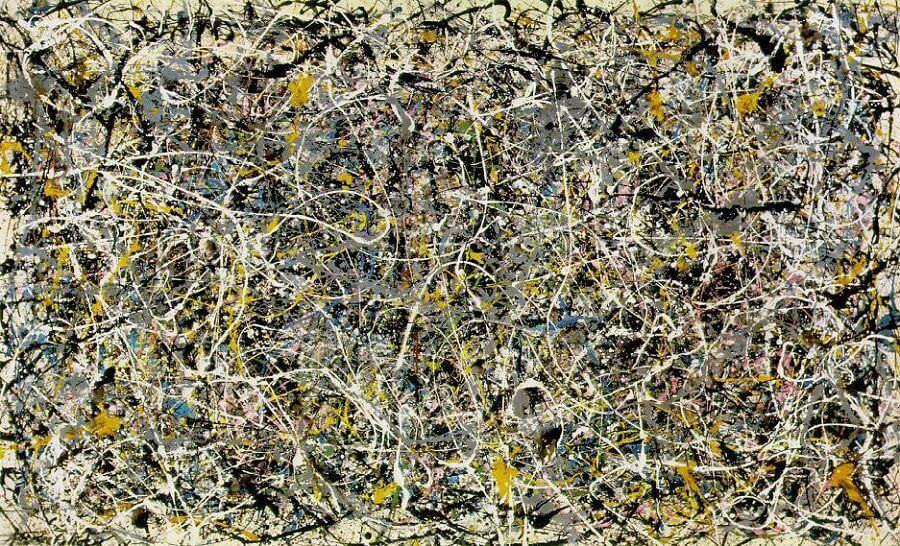
Number I 1950 (Lavender Mist)
Jackson Pollock, 1950 American
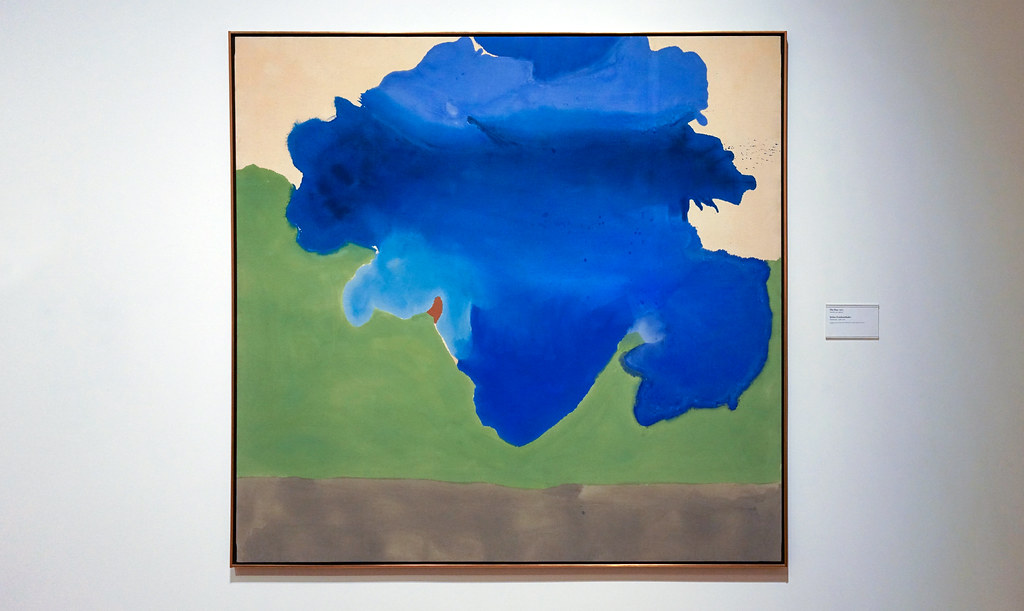
The Bay
Helen Frankenthaler, 1953 American
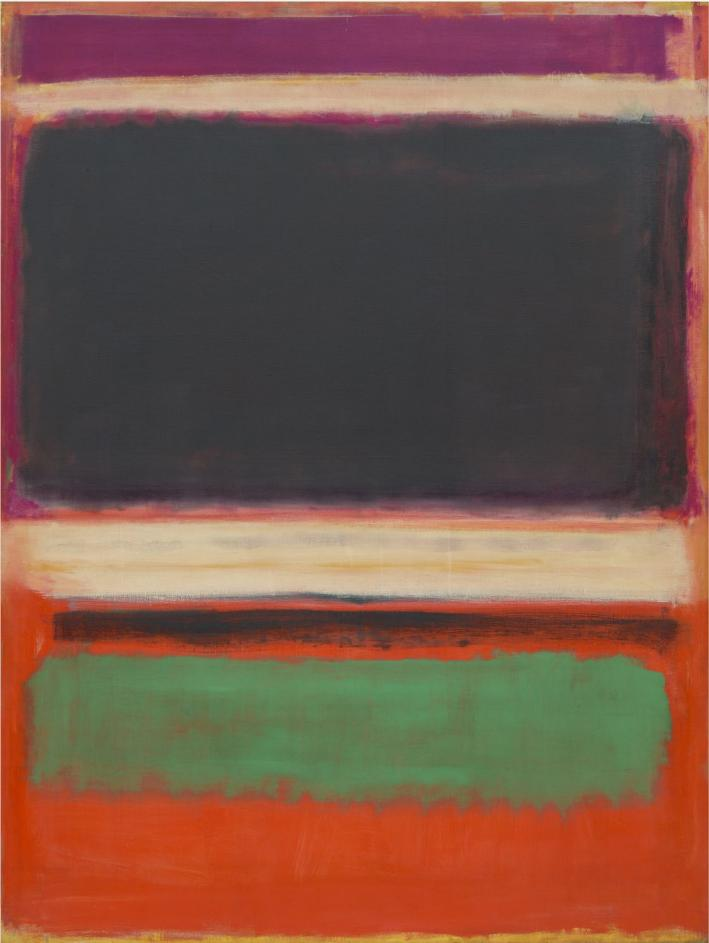
No. 3/No. 13
Mark Rothko, 1949 American
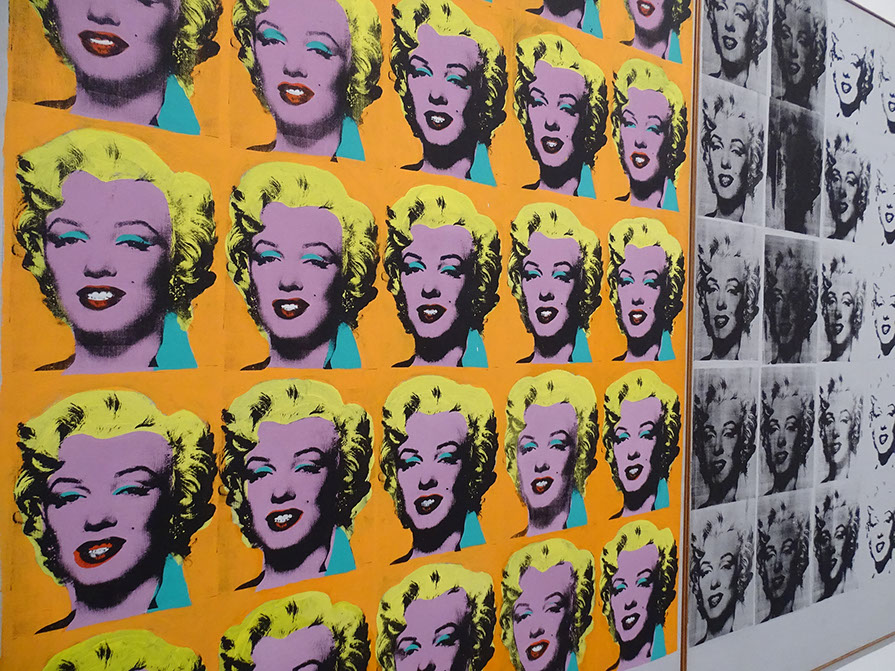
Marilyn Diptych
Andy Warhol, 1962 American
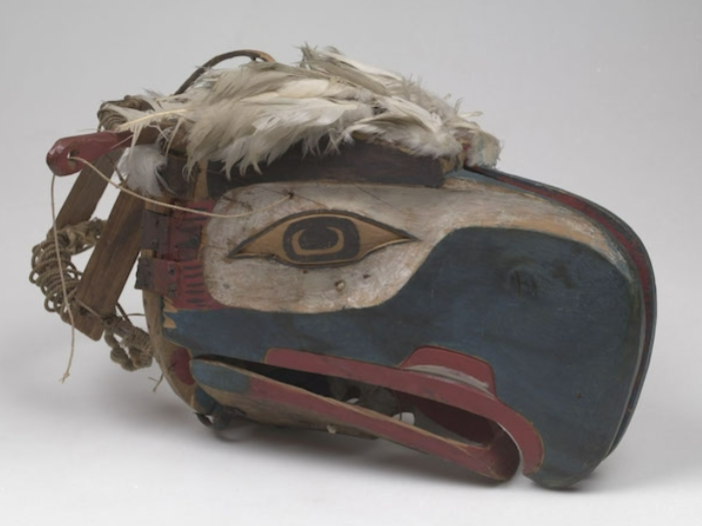
Transformation Mask
Kwakwaka’wakw Culture (Pacific Northwest), late 19C
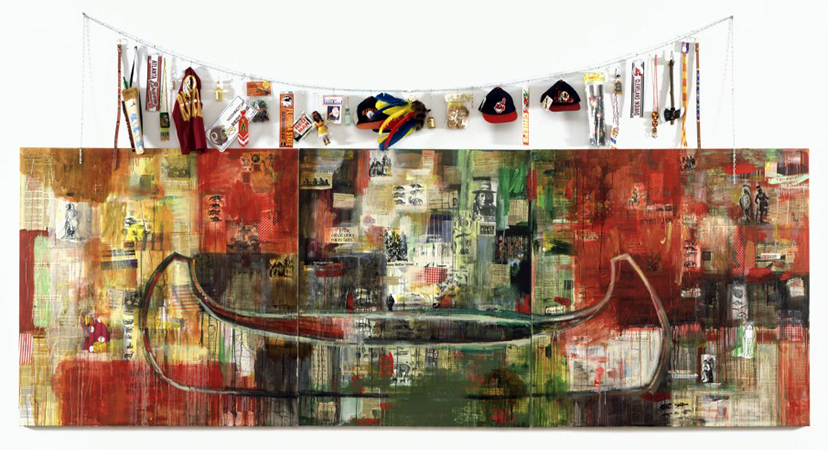
Trade (Gifts for Trading Land with White People)
Juane Quick-to-See Smith, 1992 Salish/Kootenai Native American
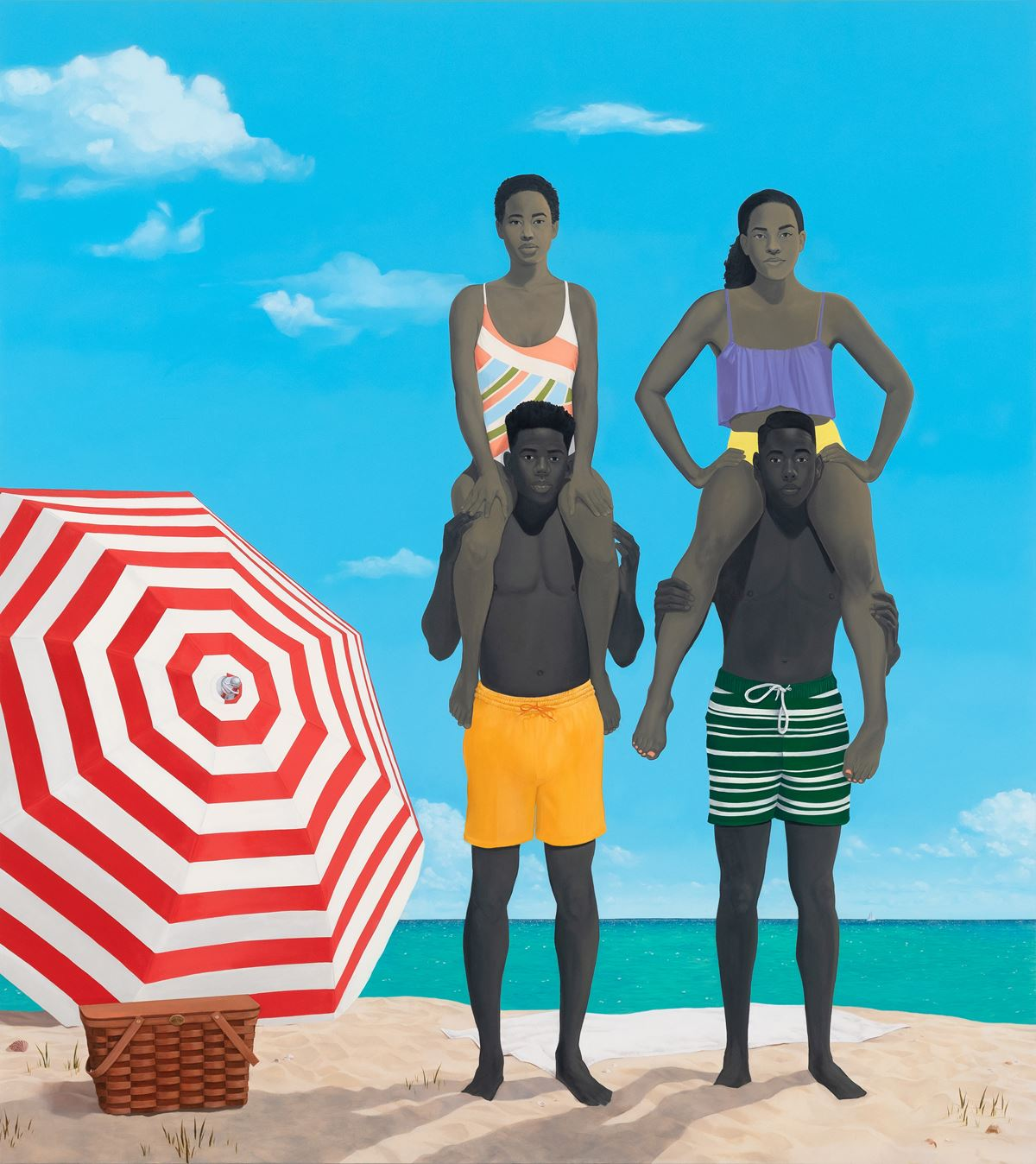
Precious Jewels by the Sea
Amy Sherald, 2019 American
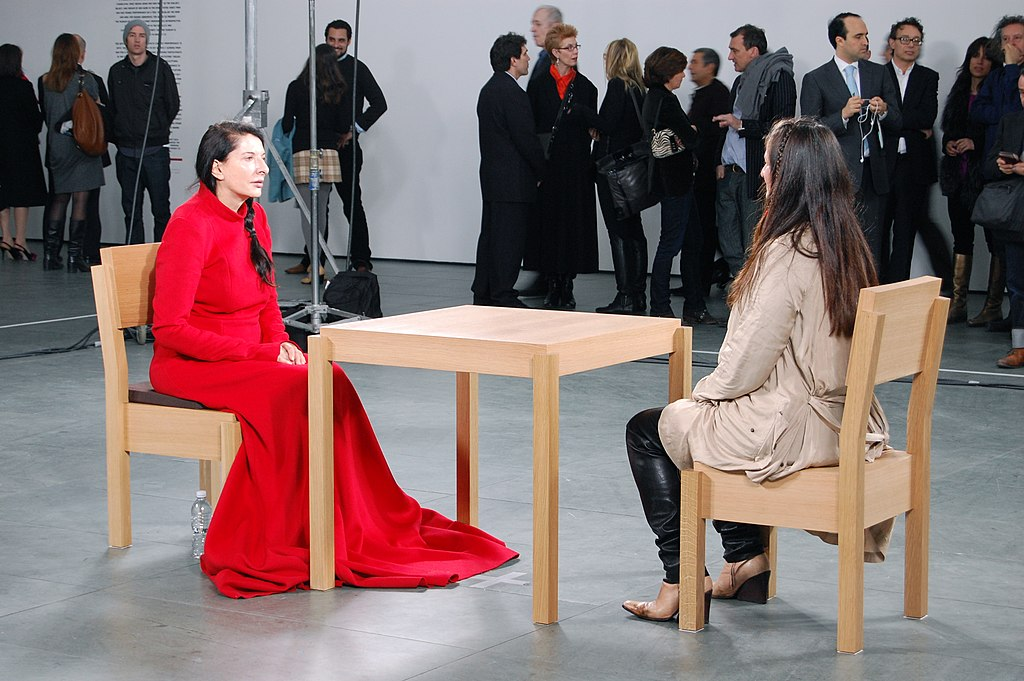
The Artist is Present
Marina Abramovic, 2010 Serbian
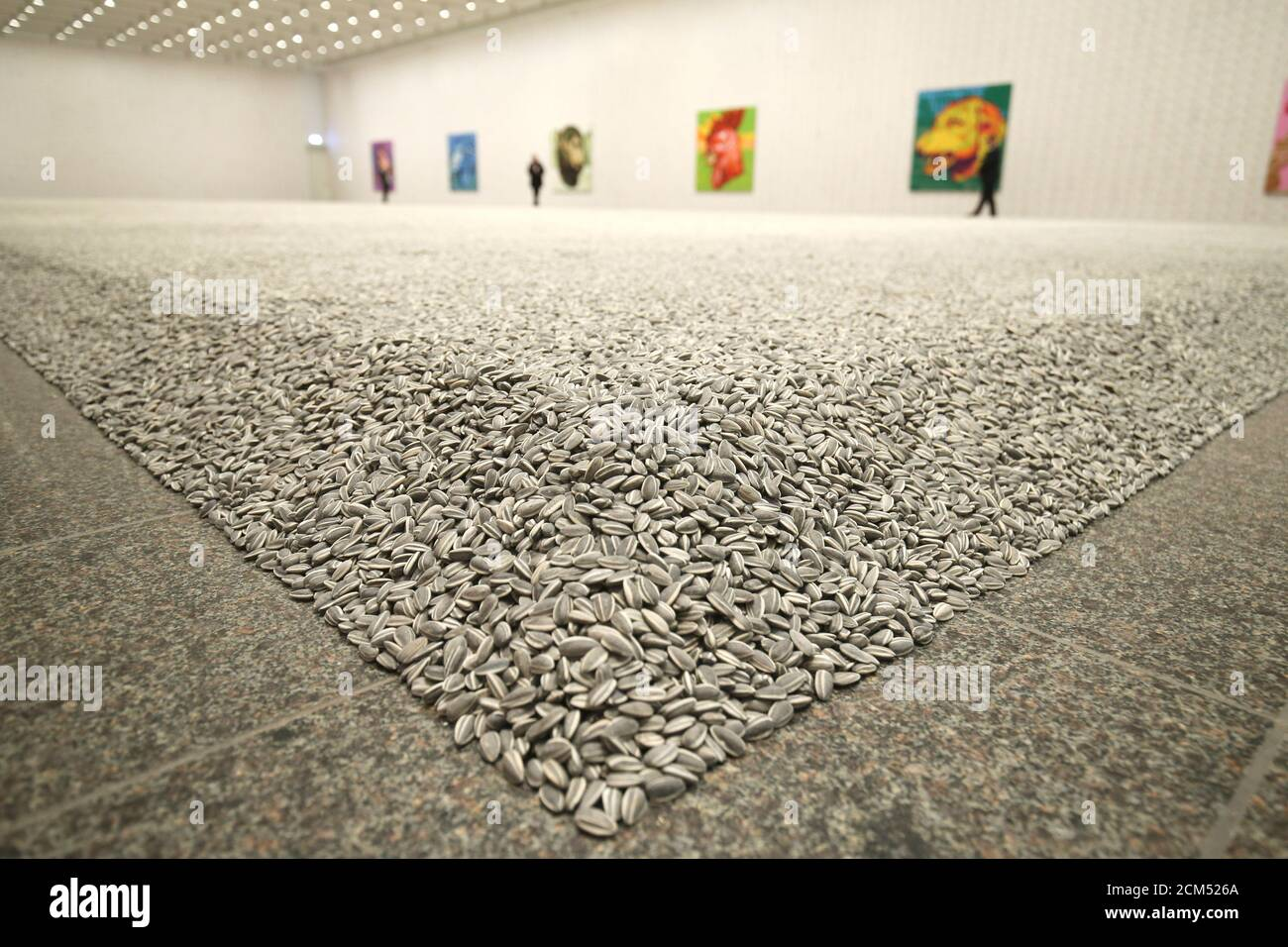
Kui Hua Zhi / Sunflower Seeds
Ai Wei Wei, 2010 China
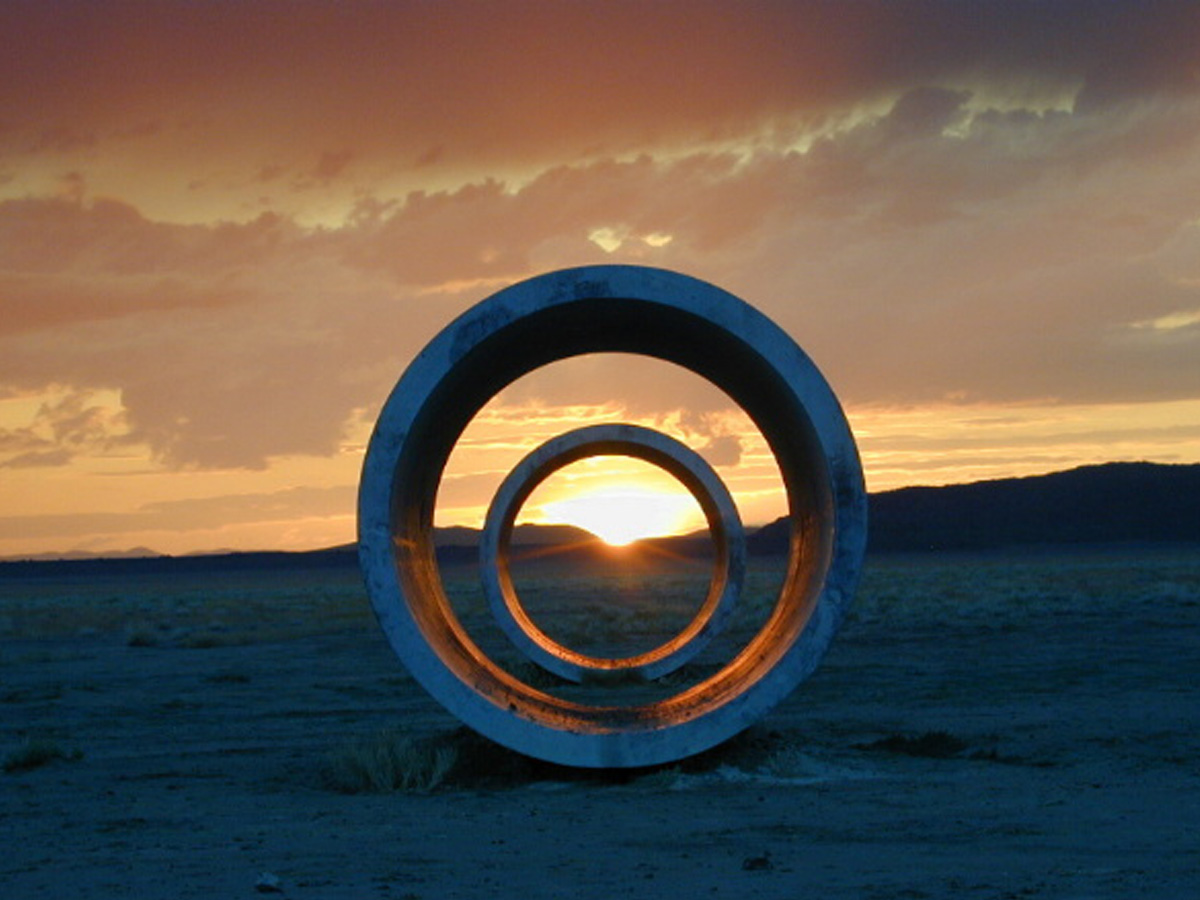
Sun Tunnels
Nancy Holt, 1973-1976 American
Nkisi n’kondi
a powerful figure as a magical charm carved in the likeness of humans that can act as an oath taking image to resolve verbal disputes or lawsuits as well as an avenger or guardian for evil committed
primitivism
a mode of aesthetic idealization that means to recreate the experience of the primitive time, place, and person either by emulation or by re-creation. Proposes people of a primitive society possess a morality and ethics superior to urban values
cultural exchange
an exchange of students, artists, athletes, etc., between two countries to promote mutual understanding
restitution
the restoration of something to its original state or restoration of something lost or stolen to its proper owner
repatriation
the return of someone to their own country
provenance
the place of origin or earliest known history of something
chanoyu
a Japanese ceremony for serving and taking tea in accordance with an elaborate ritual
Wabi sabi
appreciation of beauty that is imperfect, impermanent and incomplete
kintsugi
a technique for repairing broken ceramics with adhesive material mixed with gold dust, silver, or other precious material. Joins in a way that shows a new beauty and highlights the cracks in the object
Ukiyo-e
a school of Japanese art depicting subjects from everyday life, dominant in the 17th-19th centuries
Japonisme
A French term to refer to the popularity and influence of Japanese art and design among Western European artists in the 19th century after the forced reopening of foreign trade with Japan in 1858
Fauvism
a style of painting with vivid expressionistic and nonnaturalistic use of color, sometimes applying pure colors of paint directly, that flourished in Paris from 1905 and, although short-lived, had an important influence on subsequent artists, especially the German expressionists. Matisse was regarded as the movement’s leading figure
Cubism (Analytic and Synthetic)
Analytic Cubism began in 1910 that included figures and objects in shallow spaces using flat, overlapping planes parallel to the surface of the picture. Use multiple perspectives and neutral palettes of browns, blacks and grays
Synthetic Cubism began in 1912 with Picasso and Braque experimenting with cardboard sculptures and collages. Artists used found objects like newspapers and shifted to brighter and more varied palettes with clearer shapes
collage
a piece of art made by sticking various different materials such as photographs and pieces of paper or fabric on to a backing
abstraction
An artistic process of reducing subjects to their fundamental forms and colors, often moving away from realistic representation. The approach emphasizes shapes, colors, and lines rather than accurate depictions of objects or scenes
expressionism
a style of painting, music, or drama in which the artist or writer seeks to express emotional experience rather than impressions of the external world
Dada (Dadaism)
An art movement that began in 1916 Zurich, Switzerland and lasted until mid 1920s within avant-garde. Rejected artistic norms at the time and favored reason, logic, and rationality and was political, representing extreme leftist views such as anarchism
Readymade (Found Object)
Term coined by Duchamp to describe a work of art created from everyday objects that are not traditionally considered art
Surrealism
a 20th century avant-garde movement in art and literature which sought to release the creative potential of the unconscious mind, for example by the irrational juxtaposition of images
Abstract Expressionism
A development of abstract act originating in New York in 1940s-1950s aimed at subjective emotional expression with particular emphasis on the creative spontaneous act
Drip Painting
A technique where the artist pours, drips, or splatters paint onto a flat surface rather than applying with a brush in a traditional manner
Color-field painting
Large scale canvases dominated by flat expanses of color and having minimum of surface detail. Unified single-image field part of action painting
curation
the action or process of selecting, organizing, and looking after the items in a collection or exhibition
installation art
Focuses on how the viewer physically moves through and perceives the space that can be temporary or permanent construction
video art
an art form that relies on using video technology as a visual and audio medium
performance art
a time-based art that typically features a live presentation to an audience or to onlookers (on the street) and draws on such arts as acting, poetry, music, dance, and painting
Earth Art / Environmental Art
an American movement that uses the natural landscape to create site-specific structures, art forms, and sculptures