NES Subtest 1: Reading/ELA & Social Studies
 Call Kai
 Learn
Learn Practice Test
 Spaced Repetition
 Match
Match Flashcards
 Knowt Play
1/112

There's no tags or description
Looks like no tags are added yet.
Name | Mastery | Learn | Test | Matching | Spaced | Call with Kai |
|---|
No analytics yet
Send a link to your students to track their progress
113 Terms
Interpretive Language
Ability to understand language and spoken words
receiving information
Expressive Language
spoken and signed language
forming sentences, correct grammar, building vocabulary
producing information
Reader’s Theater
read and practice lines from a script
promotes fluency and oral language development
Language Experience Approach
hands-on experiences
orally share about the experience and discuss new vocab
recount the experience in writing and share with class
Storytelling
write and tell stories
brings together oral language, written language, creativity, and new vocab
speeches
students research a topic of their choice and present to class
uses reading and writing to develop ideas
Pre-Production Strategies
visuals
speaking slowly
model survival language
Early Production Strategies
yes/no questions
pointing to pictures and saying new word
modeling
pair up students
avoid over correcting
build on prior knowledge
Speech Emergent Strategies
fill in the blank writing assignments
model
opportunities to practice in small groups
think pair share
beginning fluency strategies
opportunities to use oral language
visuals
preview lessons
choral reading of vocab
model
use word families
intermediate fluency strategies
use of symbols
introduce idioms
provide feedback
advanced fluency strategies
writing support
challenging activities
identify antonyms, synonyms, and the use of the dictionary
BICS
Basic Interpersonal Communication Skills
CALP
Cognitive Academic Language Proficiency
BICS to CALP
1) greetings and survival phrases
2) basic everyday language
3)fluency when speaking but not in reading comprehension or academic vocab
4)developing academic vocab
5)able to make inferences when reading and wide variety of social/academic vocab
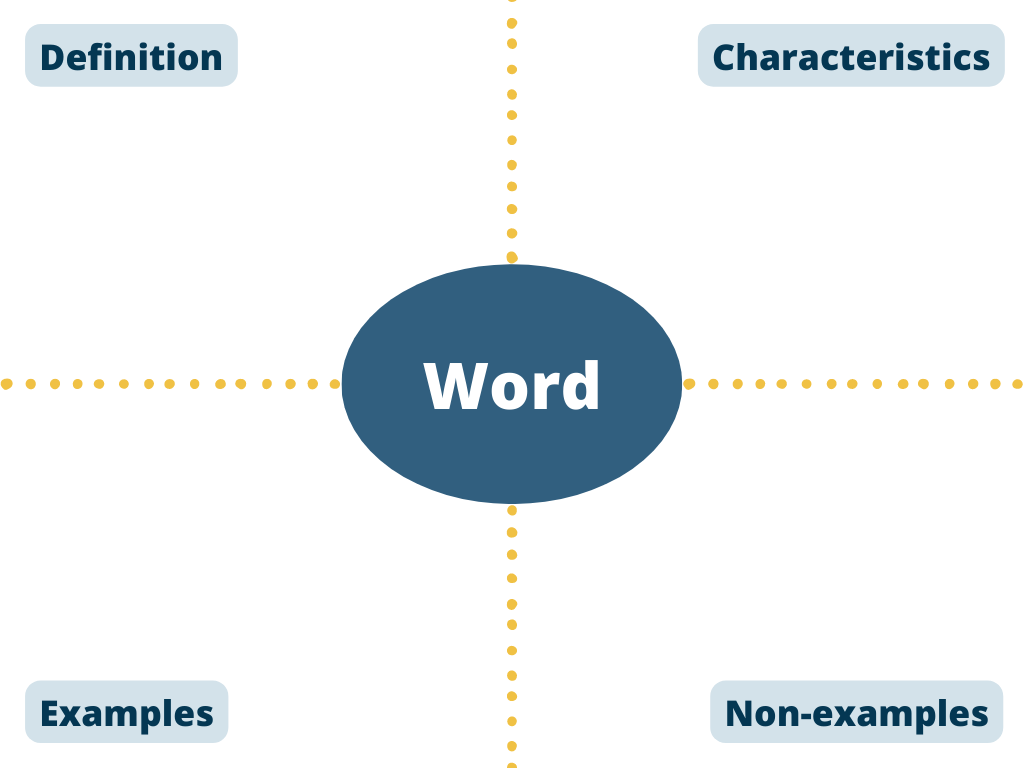
Freyer Model
order of second language acquisition
1) pre-production
2) early production
3) speech emergent
4) beginning fluency
5) Intermediate fluency
6) advanced fluency
Pre reading/emergent reading
child showing interest in books
child will
- understand print has meaning
-know how to handle books
-comment on pictures
-begin to recognize letter names and sounds
-grasp oral language
-relate story to self
-pretend to read
-begin to rhyme
phoneme
smallest unit of sound in a spoken language
Reading/Early Readers
children become more involved in the reading process
children will
- begin to memorize the story and sight words
- make connections between sound and print
- use the pictures to tell a story
- read for meaning
- predict unknown words using visuals
- use rhyming to add/change/delete phonemes or sounds to make new words
- combine strategies to read new text
Responding/Progressive Readers
Children become more fluent and use various strategies along with self correction
children will
- understand text has meaning
- self monitor with illustrations
- understand how to tell a story
- independently use comprehension and prediction strategies
- increase their reading fluency by using multiple strategies
- make educated guesses
Exploration/Transitional Reader
developed phonetic knowledge and vocab aids in reading comprehension
children will
- recognize increasing number of words
- use multiple strategies to increase comprehension
- read with improved fluency and speed
- use illustrations/text to self monitor and correct
- read unknown words using knowledge of phonemes/spelling patterns
- understand how to read with expression using punctuation
- choose books based on interest
- read series
Applying/Independent Readers
consistent independent reading
longer complex texts
books chosen for a purpose
children are
- confident
- self monitoring
- reading for different purposes
- reading longer text
- aware that reading shapes opinion
- reading text from different POV
- analyzing
- expanding comprehension and vocab
concepts of print
understanding that print carries meaning
books
sentences
letters
words
Phonological Awareness
the ability to hear and manipulate the sounds in words
alliteration
series of words in close proximity repeating the same sound
ex. Peter Piper picked a peck of pickled peppers
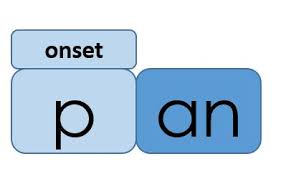
onset
initial consonant/consonant blend before the vowel in a word
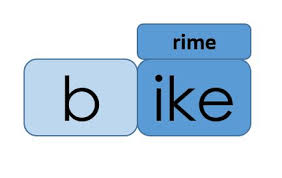
rime
the vowel and any consonants that follow in a word
phonemic awareness
understanding that words can be broken down into individual phonemes/sounds
isolation
identifying the beginning, middle, or end of a phoneme
blending
putting phonemes together to say a word
segmenting
breaking a word into the individual phonemes
manipulation
adding, subtracting, or changing a phoneme in a word
long vowel
makes the sound of the letter
phonological awareness instructional strategies
elkonin boxes
counters
finger tapping
clapping
hand motions
visuals
alphabetic principle
idea that letters and groups of letters match individual sounds in words
grapheme
written representation of sound
visual component of phoneme
framework for alphabetic principle
1) each letter has a name
2)each letter has a shape
3) each letter has a sound
alphabetic principle plan of instruction
1) teach letter-sound relationships explicitly, relationships should be high use (ex. m,a,t,s,p,h)
2)implement opportunity to practice
3) cumulatively review and practice
4)plan opportunities early and often to practice
5)expose children to various fonts
alphabetic principle reading progession
1) sounding out letters
2) saying the whole word
3) sight reading word
4) automatic word recognition
phonics
relationship between a specific letter and its sound as it relates to written word
Consonant blends
2 consonants blending with 2 sounds
ex BL in blend
consonant diagraphs
2 consonants with one sound
ex WH in when
Vowel Diagraphs
2 vowels with one sound
ex AI in wait
Diphthongs
2 vowels making their own sound with the first one being more prominent
ex. OI in oil
Decoding
process of translating printed words into speech or reading
encoding
hearing a sound and being able to write a symbol to represent the sound (spelling/writing)
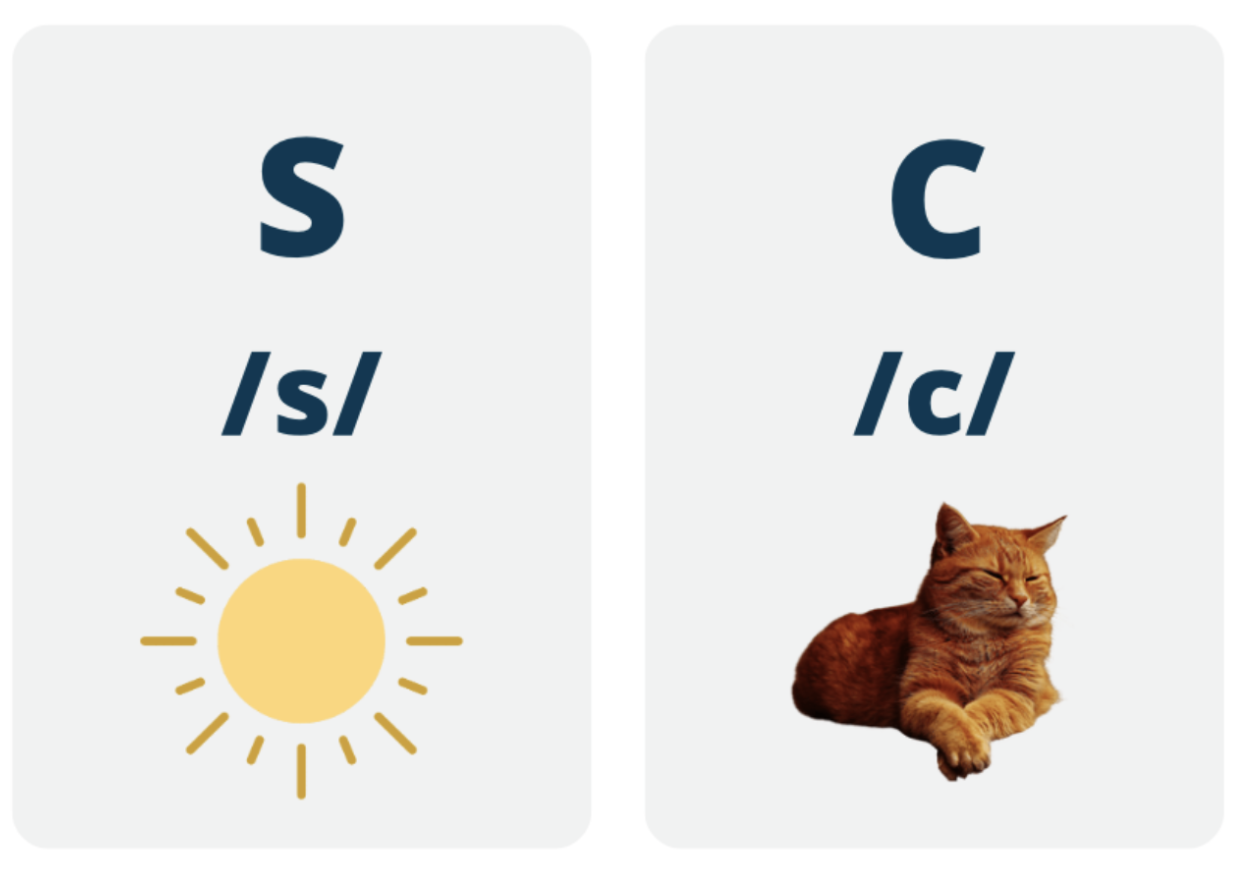
3 parts of teaching alphabetic principle
1)letter name
2) letter sound
3) picture of an object
Blending
student say the sound of each letter/combination and put it together to say word
blending board
blending mat
segmenting
saying each sound in a word to hear each sound and match the letter/combination
without and with letters
beads on a pipe cleaner
word families
words that have common patterns of features (same letter combos and make same sounds)
word family spin
if you know
onset-rime
same strategies as word families can be used but focusing on onset-rime
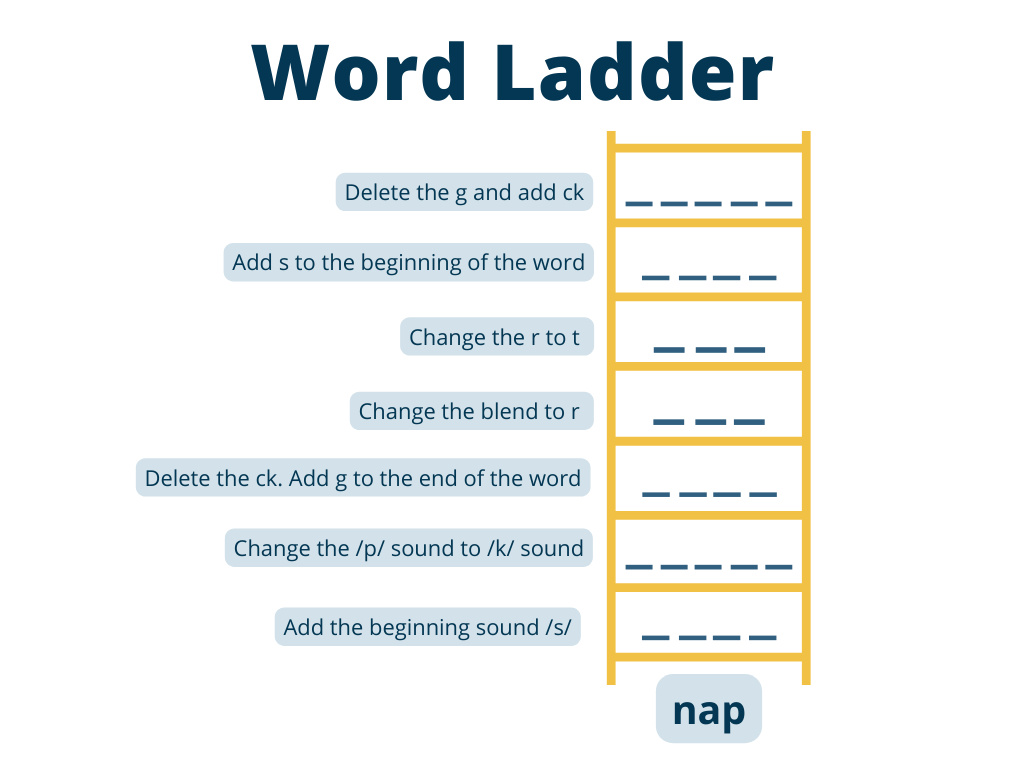
word ladders
puzzle where a words is given and by following clues about how to change the word you create new ones
word chain
similar to word ladders but using magnet tiles and clues are given verbally by teacher
multisensory strategies
sorts
magnetic letters
sand
shaving cream
air writing
elkonin boxes
instructional techniques for teaching phonics
1) blending
2) segmenting
3) word families
4) onset-rime
5)word ladders
6) word chains
7) multisensory activities
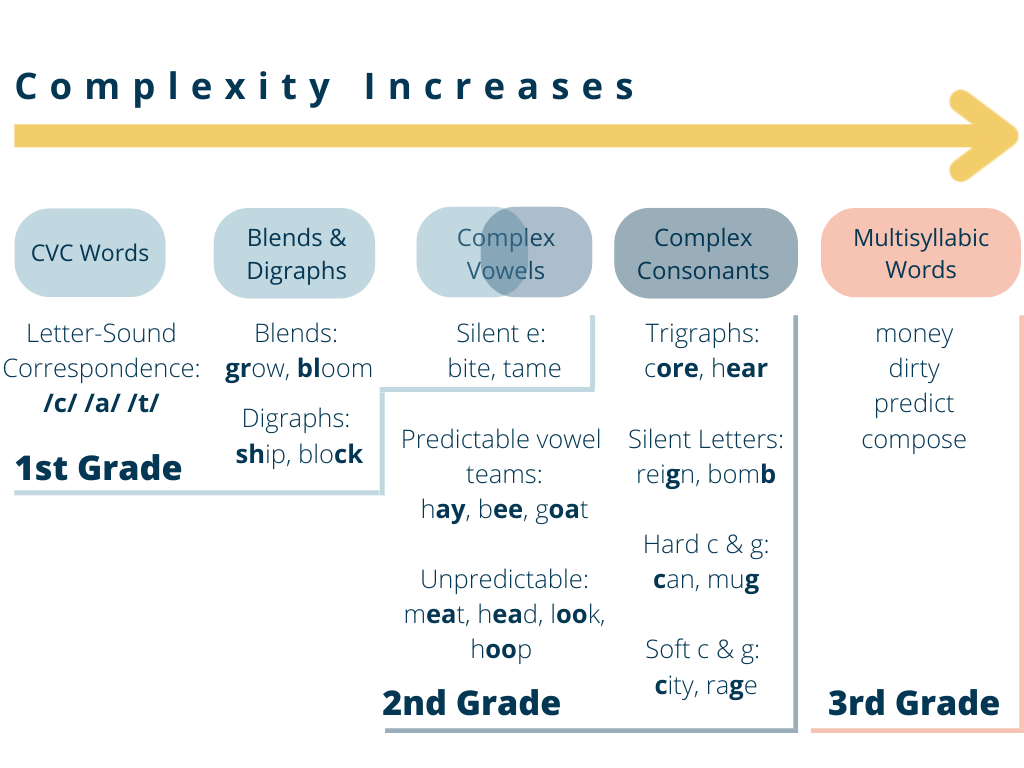
progression of teaching phonics
1) CVC words
2) Blends and diagraphs
3) complex vowels
4) complex consonants
5) multisyllabic words
diagraph
pair of letters working together to create a single sound/phoneme
decoding consists of
1) identifying letter
2) links letter sound to letter symbol
3) understanding how sound and symbol work together
4) blending letter sounds to create words
decoding strategies
vowel combos
morphological elements
syllable types
syllable division strategies
syntax and semantics
vowel teams
2 or more vowels that work together to make one sound
ex EA in read
blends
2 letters that together still produce their individual sounds
ex FR in frog
phonics skills in reading
decodable text: texts align to specific phonics skill
share reading
interactive read aloud
authentic/independent reading
phonics skills in writing
dictation: writing high frequency patterns/words
shared writing
authentic writing
regular/decodable words
words that follow typical decoding patterns
irregular words
atypical spelling patterns that don’t connect to typical sounds
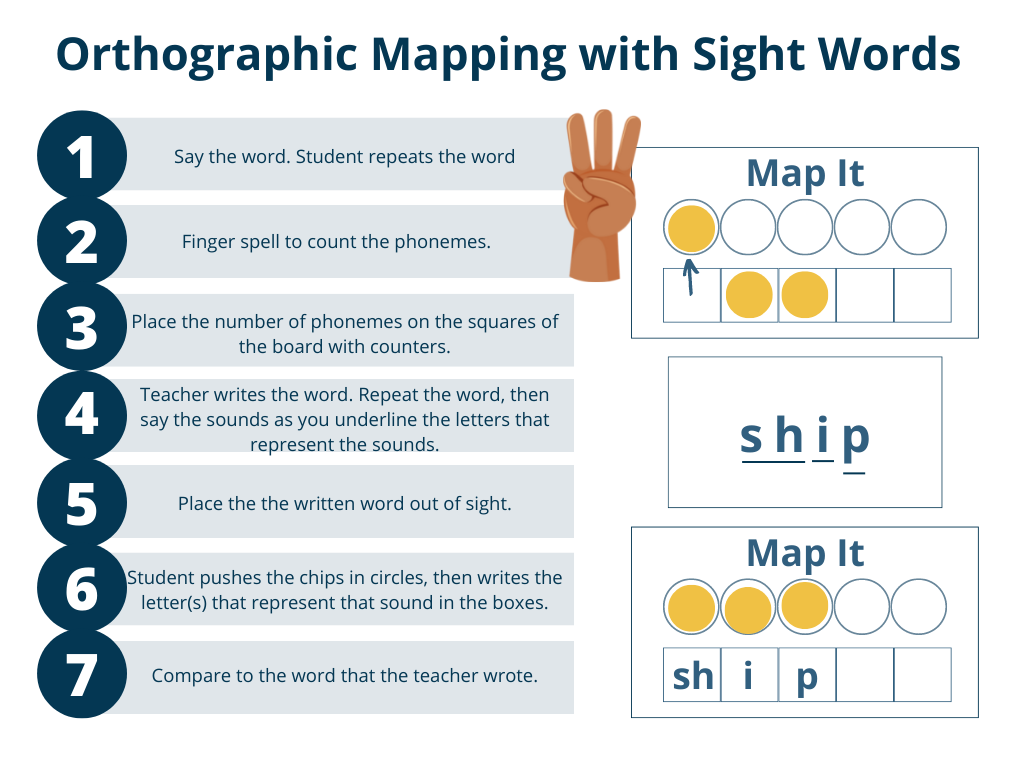
orthographic mapping
connects letters and sounds in spelling and pronouncing words
reading by sight, spell by memory, learn vocab
structural analysis
recognizing and understanding word parts to determine new words
syllable types
1)closed
2)open
3)vowel teams
4)silent e
5)r-controlled
6)consonant + le
closed (vc)
vowel closed by a consonant
consonant comes after the vowel
short vowel sound
open (v)
vowel is left open
no consonant after the vowel
long vowel sound
vowel teams (vv)
2 or more vowels work together to make 1 vowel sound
can be long or short
digraphs and diphthongs
silent e (v c e)
words end with a silent e and have long vowel sound
consonant between vowel and e
r-controlled (v r)
vowel is followed by consonant r
vowel changed by the r
consonant + le (cle)
the word ends in a consonant + le
vowel sound e is silent
syllable division strategies
vc/cv
v/cv, vc/v
vcccv
C+LE
compound word
v/cv, vc/v
divide word either before or after consonant depending on if its open or closed syllable
ex Open= bro/ken
ex closed= lem/on
4 aspects of morphology
1) prefixes
2) suffixes
3) base words
4) root words
free morpheme
base word that can stand alone
heat, eat
bound morpheme
a word that cannot stand alone and does not have meaning w/o base word
re-, -ness
inflectional morpheme
a morpheme that changes the word but does not create a new word
run to running
7 types of inflectional morphemes
1) -s or -es: plural
2)-’s: possessive noun
3)-d or -ed: past tense verb
4) -s: 3rd person singular verb
5)-ing: verbs present tense
6) -en or -ed: can make verbs past participate
7) -er: comparative adjectives
derivational morpheme
morpheme that creates a new word
obey to disobey
compound word
words created by joining two morphemes together
ex rain+bow=rainbow
inflectional affix
create new forms of the same word to fit in different grammatical contexts
prefix
single/group of letters before a word
suffix
affix at the end of a word
shifting
when a word is used in one way and then switched to a new way
email began as a noun and is now a verb
morphology teaching strategies
parts to whole
whole to part
marking words
word maps
word building
manipulatives
automaticity
effortless word identification
fluency
ability to read easily with expression
prosody
feature of expressive reading
timing, phrasing, emphasis, and intonation
fluency activities
modeling
whisper reading
choral reading
repeated reading
reader’s theater
omission
skip word completely
substitution
replaces the correct word with a different word
insertion
inserts word that is not in the passage
repetition
repeats same word multiple times
phonemic awareness skills: complexity
1)isolation
2)blending
3) segmenting
4)manipulation
tier 1 vocab
conversational words
tier 2 vocab
academic vocab