EVALUATING AND INTEGRATING DATA
 Call Kai
 Learn
Learn Practice Test
 Spaced Repetition
 Match
Match Flashcards
 Knowt Play
1/27

There's no tags or description
Looks like no tags are added yet.
Name | Mastery | Learn | Test | Matching | Spaced | Call with Kai |
|---|
No analytics yet
Send a link to your students to track their progress
28 Terms
Elements that stand out from a text.
text features
what does title of a nonfiction text introduce
the topic
why are titles considered guiding features of organizations
they give clues about what is and is not covered
what does title on a fictional work do
does not always state the topic explicitly. (theme/set up tone)
provide subtopic information about supporting points and let readers scan to see how information is organized
headings and subheadings
generally more specific / smaller font than heading
subheadings
long work lists chapter titles and other largescale information so readers can predict the content. helps readers to determine whether or not a text will be useful to them and to find sections relevant to their research.
table of contents
is an alphabetical list of topics covered, complete with page numbers where the topics are discussed. Readers looking for information on one small subtopic
index
list sources, they allow the reader to find and evaluate the information an author is citing.
footnotes and endnotes
where are footnotes located
bottom page
where are endnotes located
end of section/chapter/text (list sources)
part of Emphasizing Concepts
formatting features and bulleting / numbering
Authors may use formatting features such as italics, boldfacing or underlining to emphasize a word, phrase, or other important information in a text.
formatting features
formatting features italics
long work like books, novellas, newspapers, titles, movies, music albums
formatting features “quotation marks'“
shorter works: short stories, poems, song title
and numbered lists set off information and allow readers to scan for bits of information they do not know. It also helps to break down a list of steps.
• present info / illustrate ideas
bulleting and numbering
part of Presenting Information and Illustrating Ideas
graphic elements and bulleting / numbering
Charts, graphs, diagrams, and other graphic elements present data succinctly, illustrate complex ideas, or otherwise convey information that would be difficult to glean from text alone.
graphic elements
parts of Providing Peripheral Information
sidebars and footnotes / endnotes
are text boxes that contain information related to the topic but not essential to the overall point.
sidebars
contain information that is not essential to the development of the main point but may nevertheless interest readers and researchers.1
• 1Anthony Grafton’s book The Footnote: A Curious History is an in-depth history of the origins and development of the footnote. (Also, this is an example of a footnote.)
footnotes / endnotes
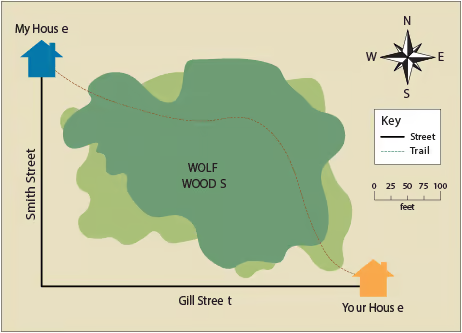
are stylized pictures of place. may have a box labeled “Key” or “Legend” that provides information about the meanings of colors, lines, or symbols
may also be a line labeled “scale” that helps you figure out how far you need to travel to get from one point on the map to another
maps
labels are charts many people see daily, but not everyone knows how to read them.
nutrition facts
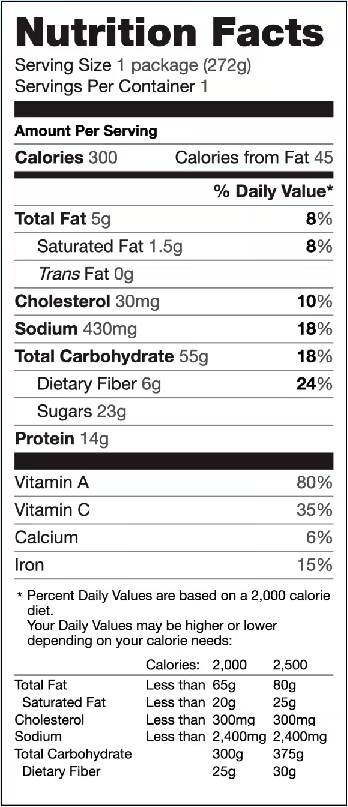
top third row of nutrition label
lists calorie counts, serving sizes, and amount of servings in a package.
what does it mean if a package contains more than one serving?
a person who eats the entire contents of the package may be consuming many times the number of calories listed per serving
on the nutrition label what do percentages not add up to ?
100
what intake do people need to be limited on
fat, cholesterol, and sodium.
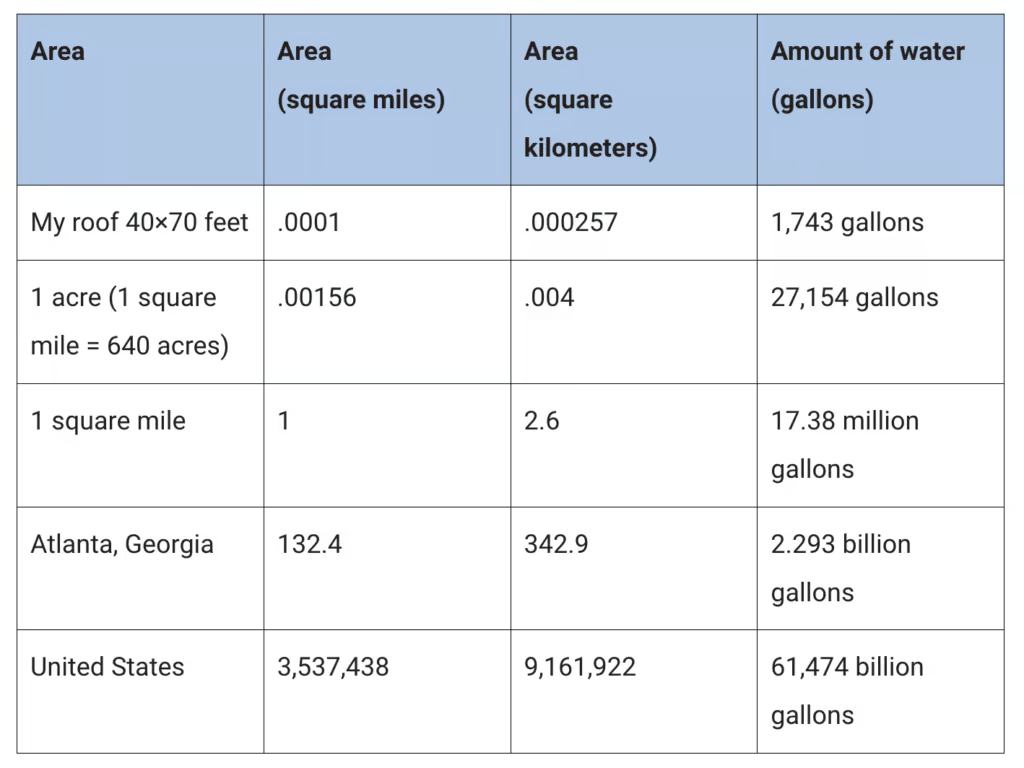
organize information into vertical columns and horizontal rows.
tables