3. Separation of Matter
 Call Kai
 Learn
Learn Practice Test
 Spaced Repetition
 Match
Match Flashcards
 Knowt Play
1/10

There's no tags or description
Looks like no tags are added yet.
Name | Mastery | Learn | Test | Matching | Spaced | Call with Kai |
|---|
No analytics yet
Send a link to your students to track their progress
11 Terms
Matter
Any substance that has mass and occupies space
Pure substances
Elements like N2 or Cu
Compounds like CO2 and C6H12O11
3 Types of Mixtures + Classifications
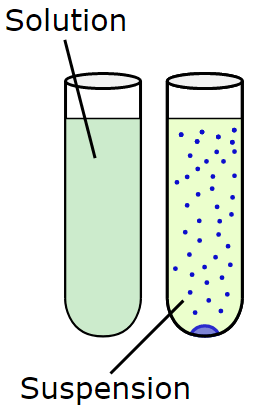
Solutions:
HOMOgenous(dissolved, invisible particles)
Gatorade, Pure Air
Suspensions:
HETEROgenous(large, temporary particles that settle out over gravity)
Smoothie, Coffee, Dirty Air
Mechanical Mixtures:
Clearly visible, physically separated components
Dirt
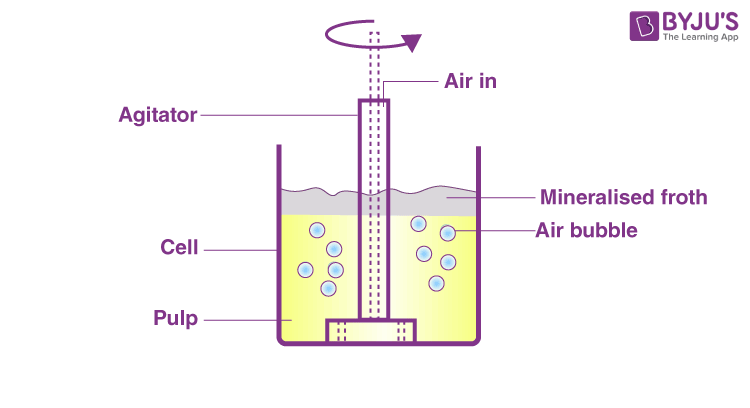
Floatation
Air or chemical added to a liquid to separate denser component
Product scrapped out the top
ex: Tar sands mixed with hot water and oil floats to the top
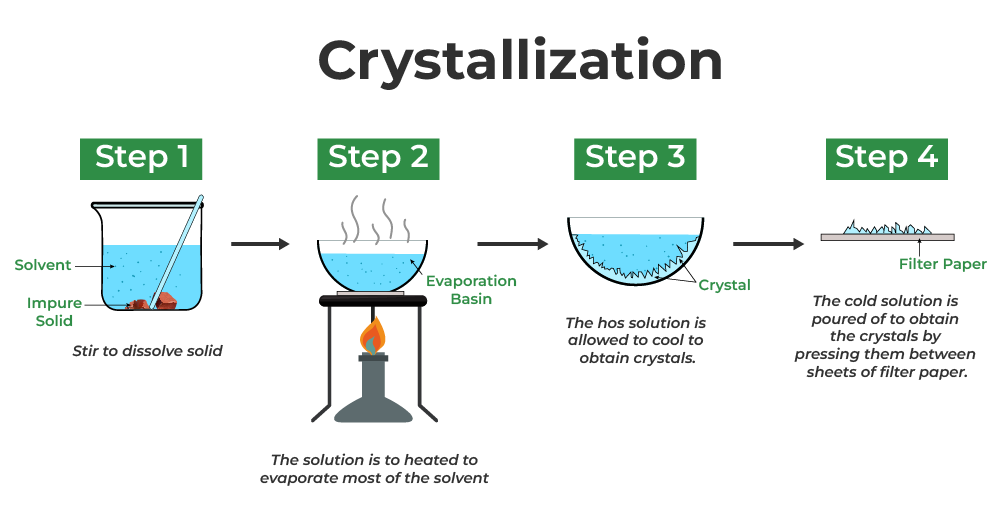
Crystalization
A solution is evaporated in order to recover a product.
A dissolved solid is separated by cooling or concentrating the solution to crystalize the solid.
*Unwanted material is lost
ex: Salt production
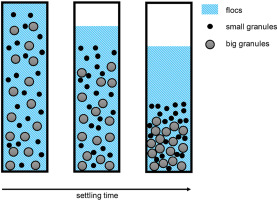
Settling
The liquid is allowed to sit and let heavier compounds sink to the bottom.
A centrifuge can be used to speed up the process.
ex: DNA extraction, sewage treatment plant.
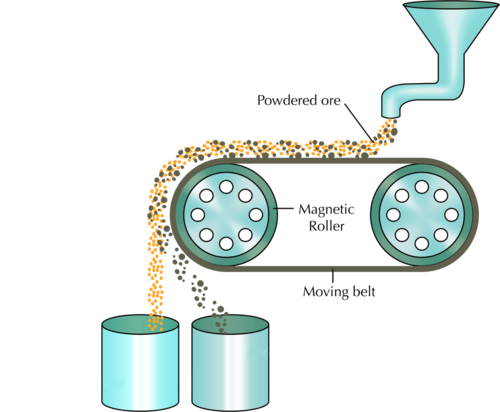
Mechanical Separation
The desired compounds are picked out of the mixture.
May use magnets to separate metals.
ex: Junkyard, recycling yard, diamond mining.
Extraction
The mixture is mixed with a solvent and separated from the other material.
Ex: Separating table salt and sand by adding water(solvent) to extract salt.
Fractional Distillation
A liquid mixture is separated by boiling and condensing at a specific temperature
ex: Oil refinary, hard liquor production.
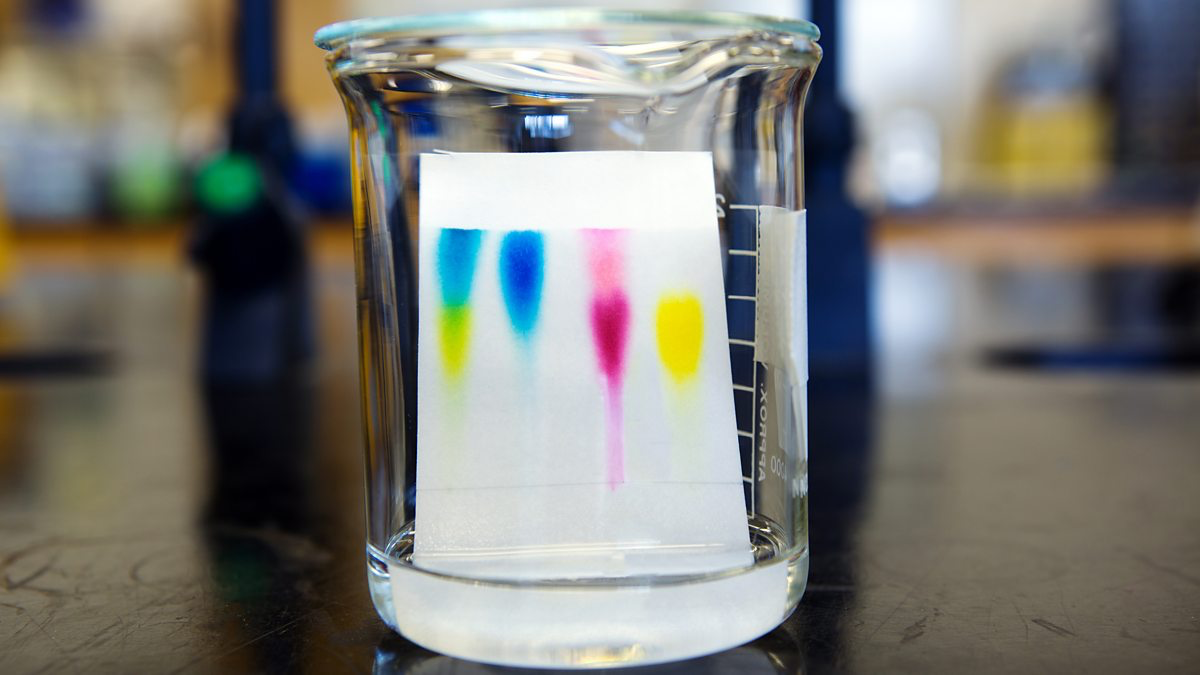
Chromatography
A mixture is separated into its parts by “running” the material through a gel or paper medium.
Small molecules travel the farthest and large molecules move slightly.
ex: Paper chromatography, DNA analysis.
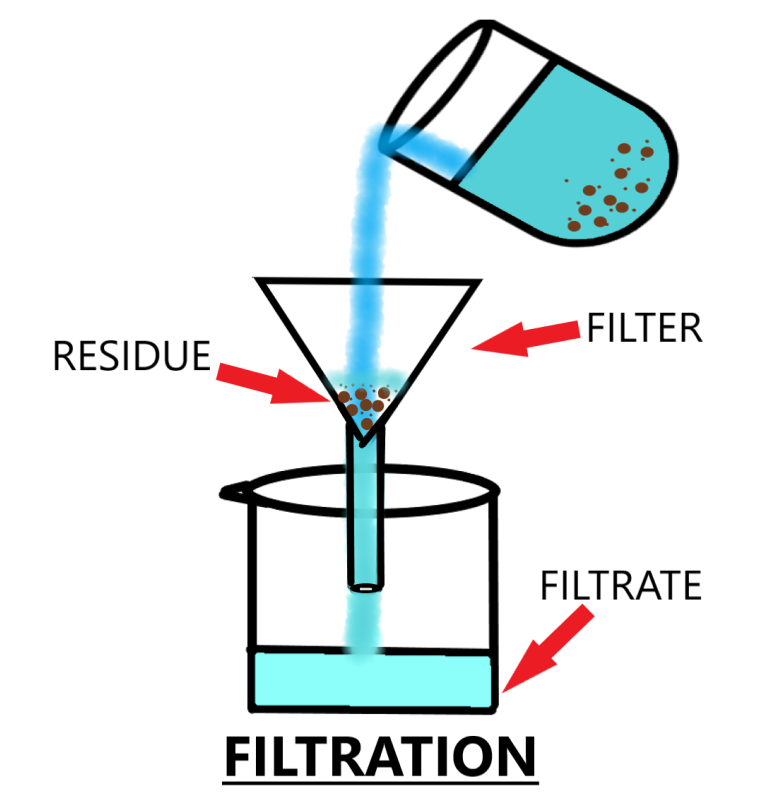
Filtration
A material is passed through a screen(paper or wire) and large particles are removed.
Ex: Car air filters, oil filter.