AP HUG ALL VOCAB
 Call Kai
 Learn
Learn Practice Test
 Spaced Repetition
 Match
Match Flashcards
 Knowt Play
1/299

There's no tags or description
Looks like no tags are added yet.
Name | Mastery | Learn | Test | Matching | Spaced | Call with Kai |
|---|
No analytics yet
Send a link to your students to track their progress
300 Terms
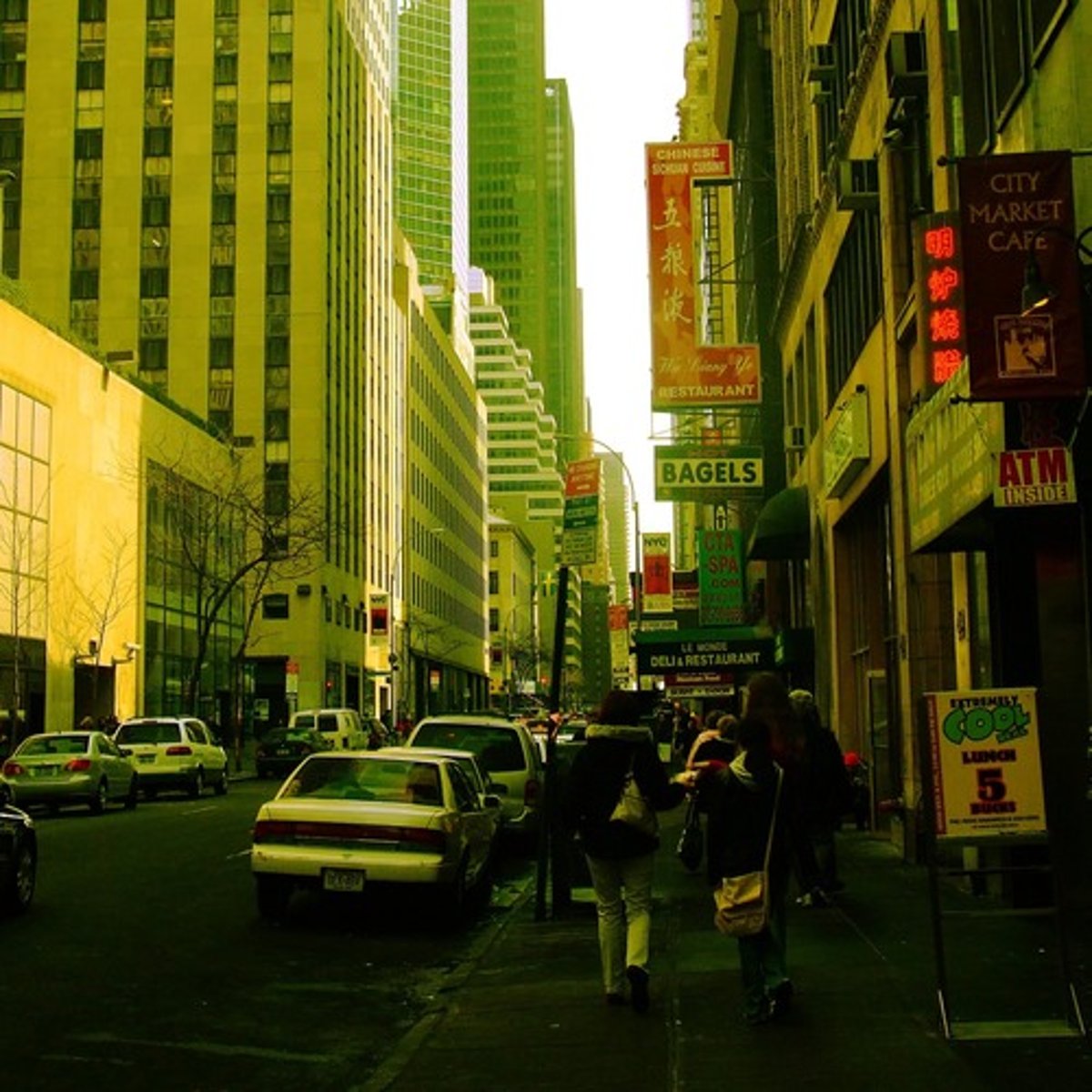
urban
city/suburban areas that are not agricultural or wilderness
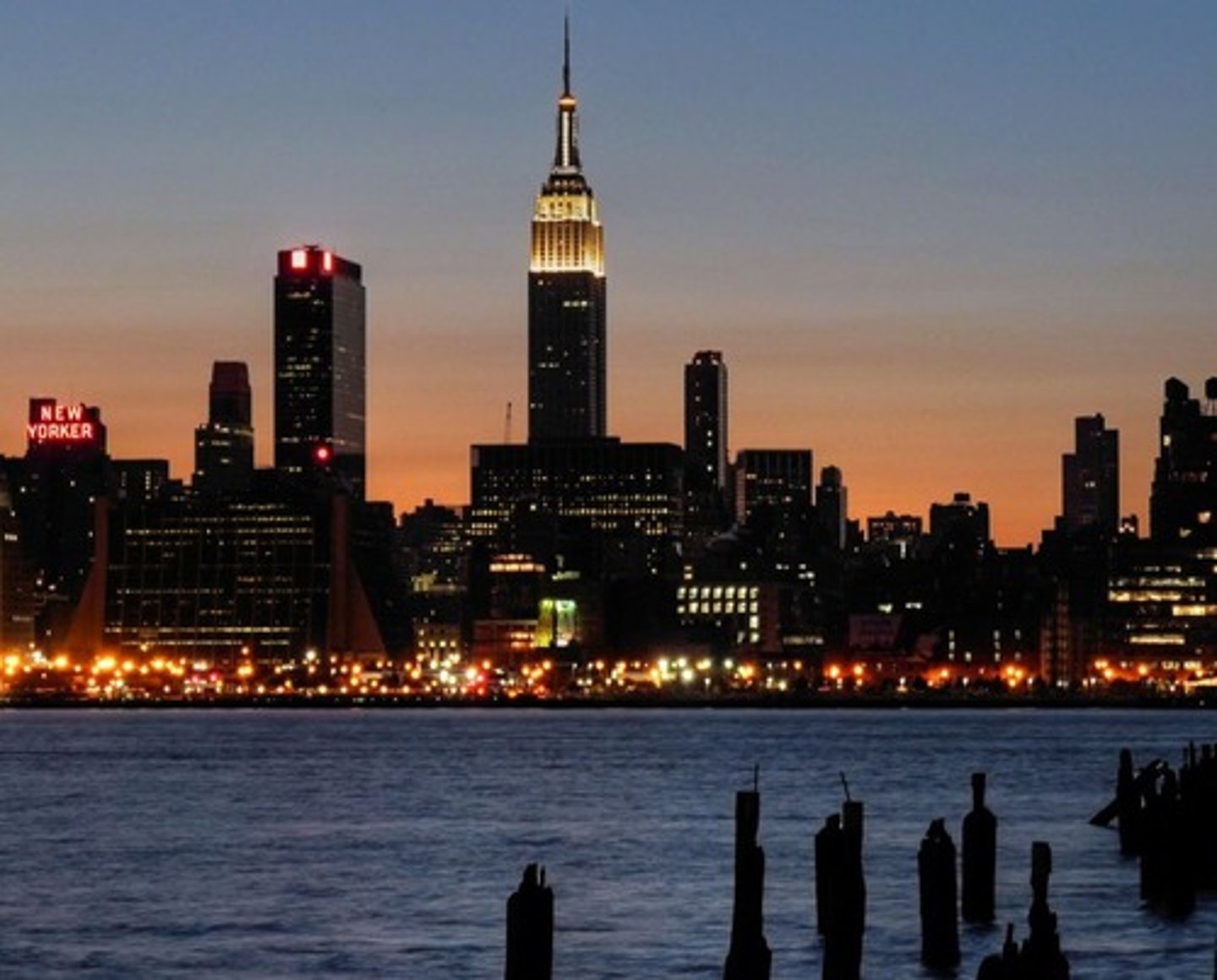
urbanization
growth of population in urban areas
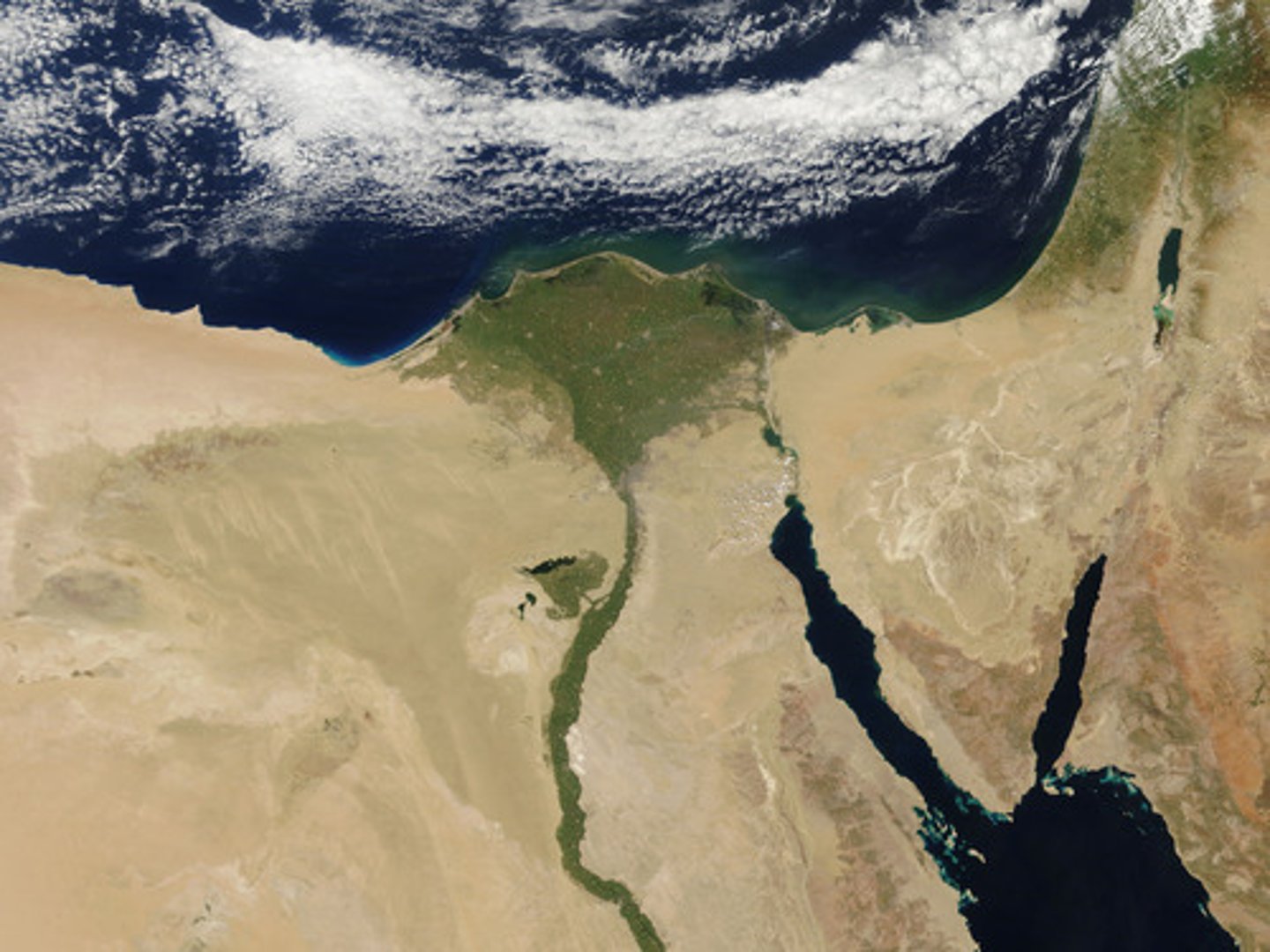
early hearths of urbanization
first ag revolution: mesopotamia, egypt, indus river
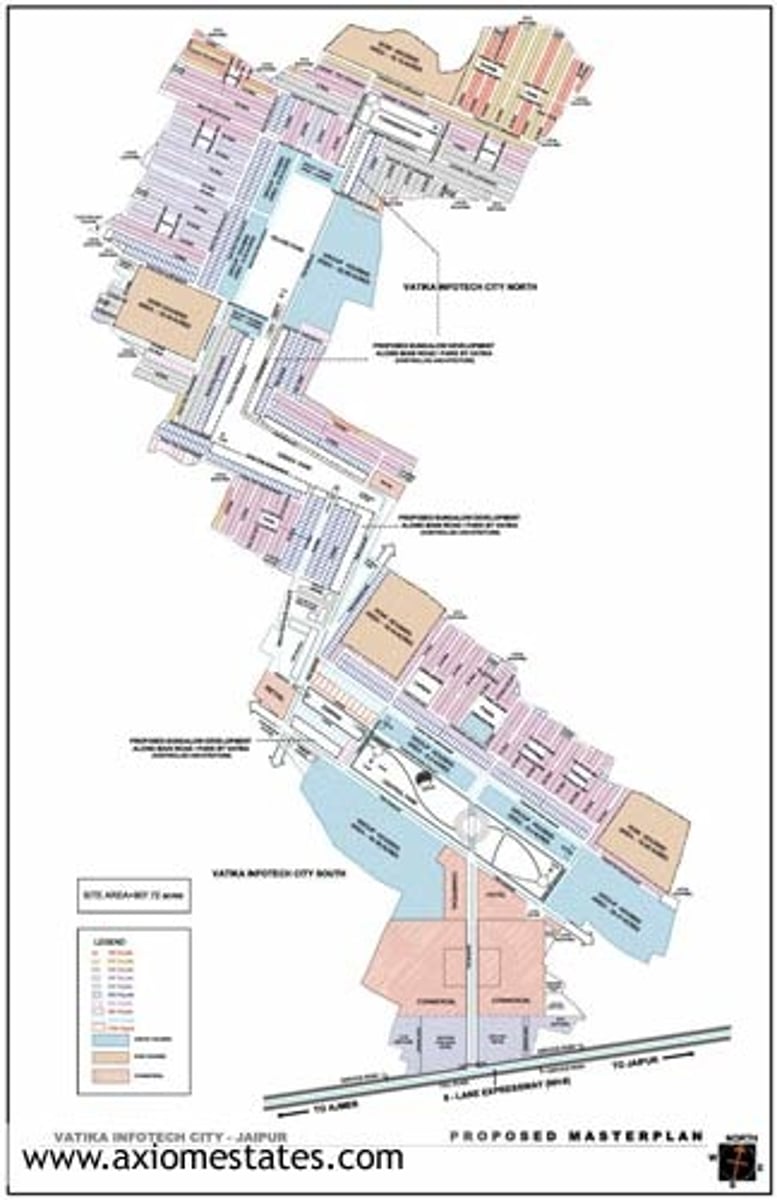
urban morphology
spatial layout or shape of a city
site
attributes of a location that make it suitable for settlement (baltimore harbor)
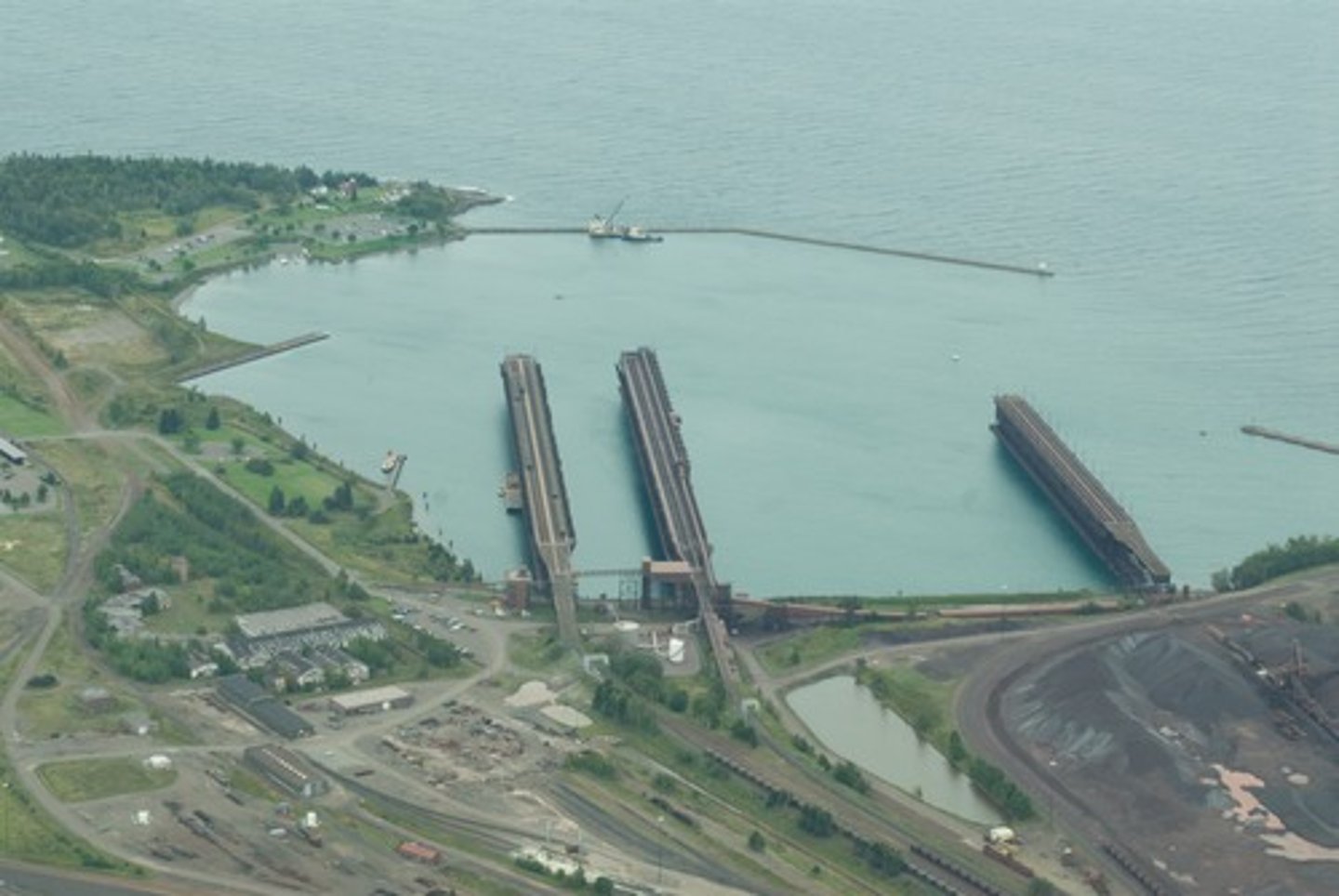
situation
advantages to a location when you consider its position relative to other places
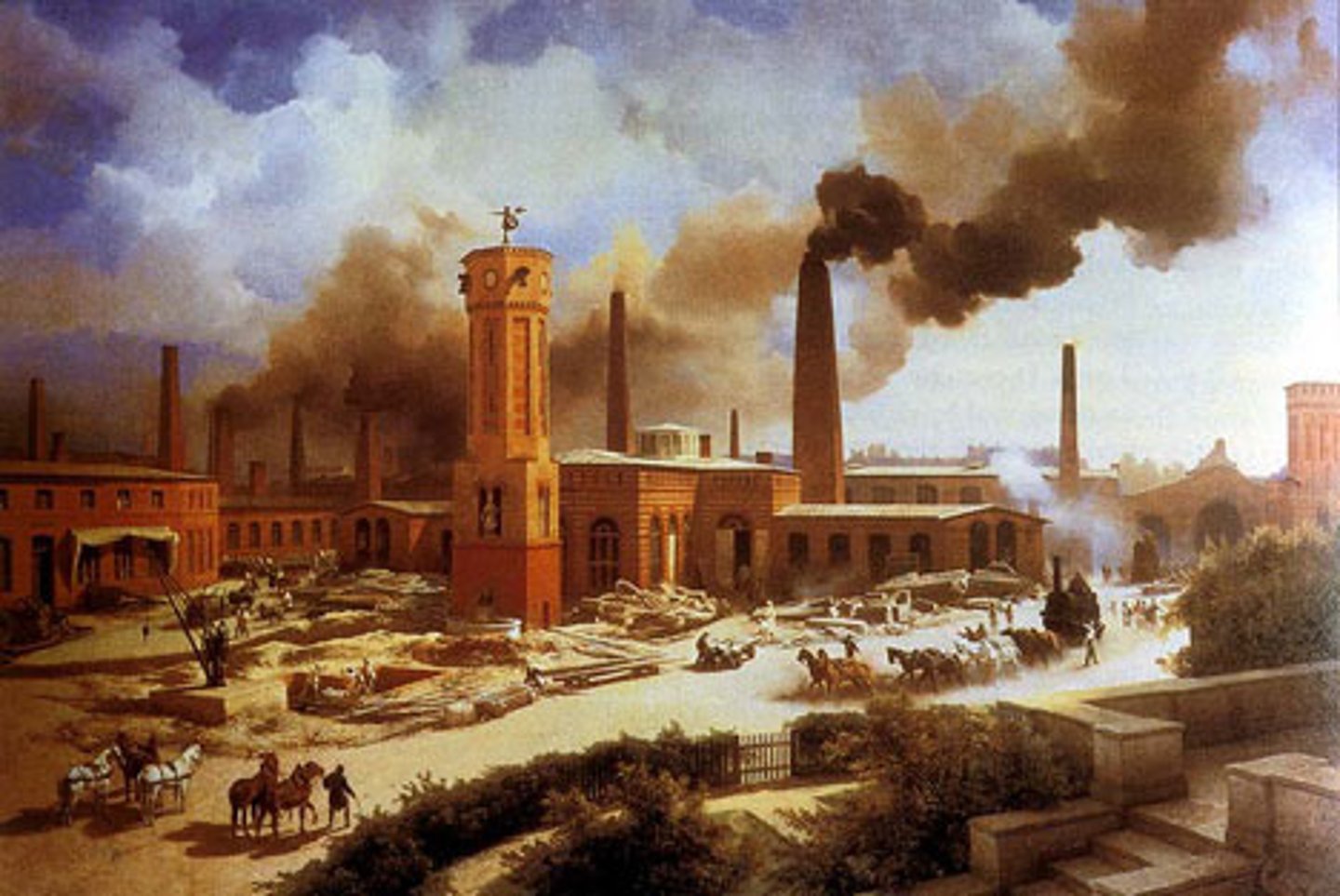
second urban revolution
urbanization trend in the late 1700s (great britain, europe, US) as factories attract ag workers from countryside
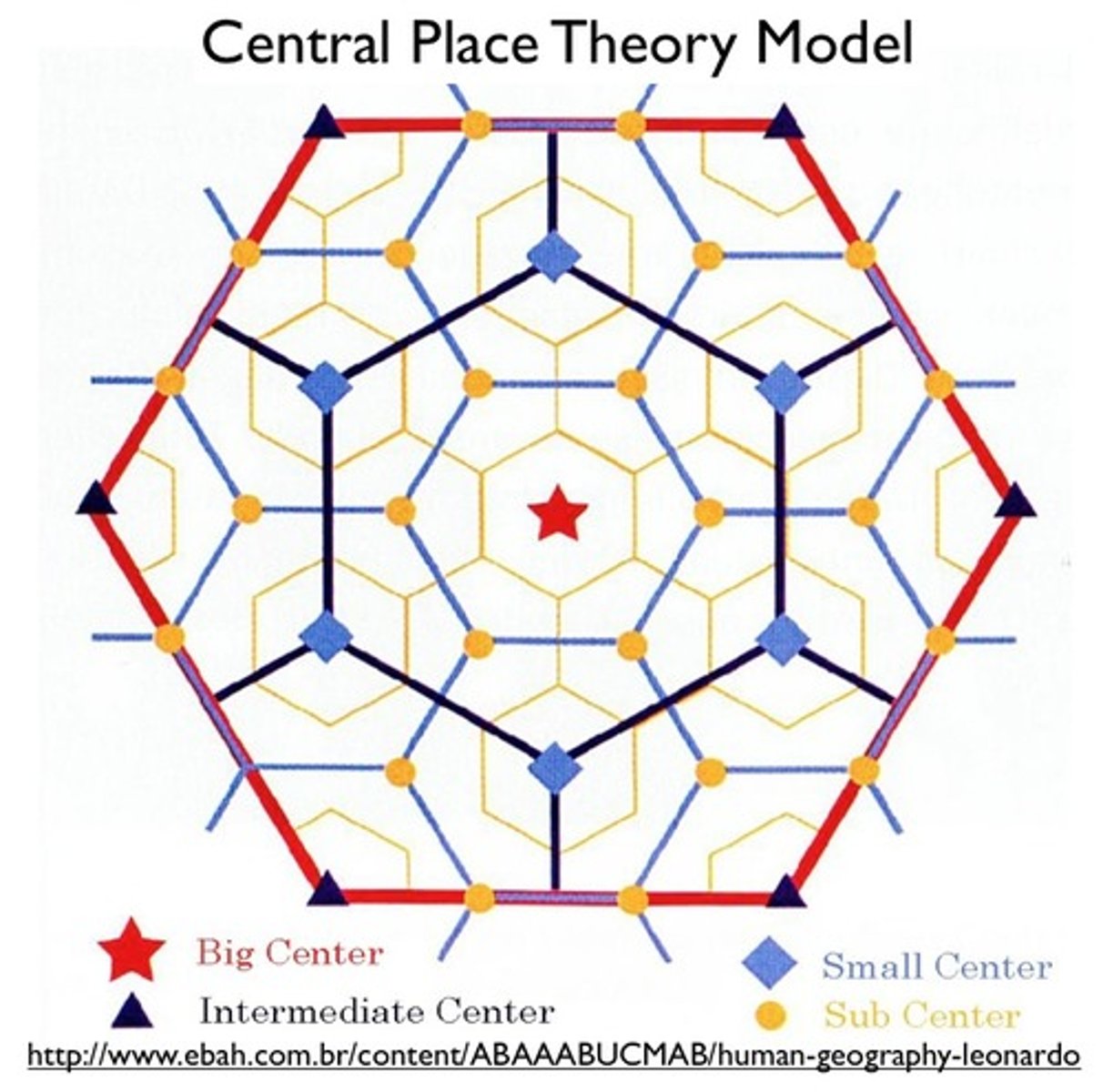
central place theory
a model to predict how where urban settlements would be distributed
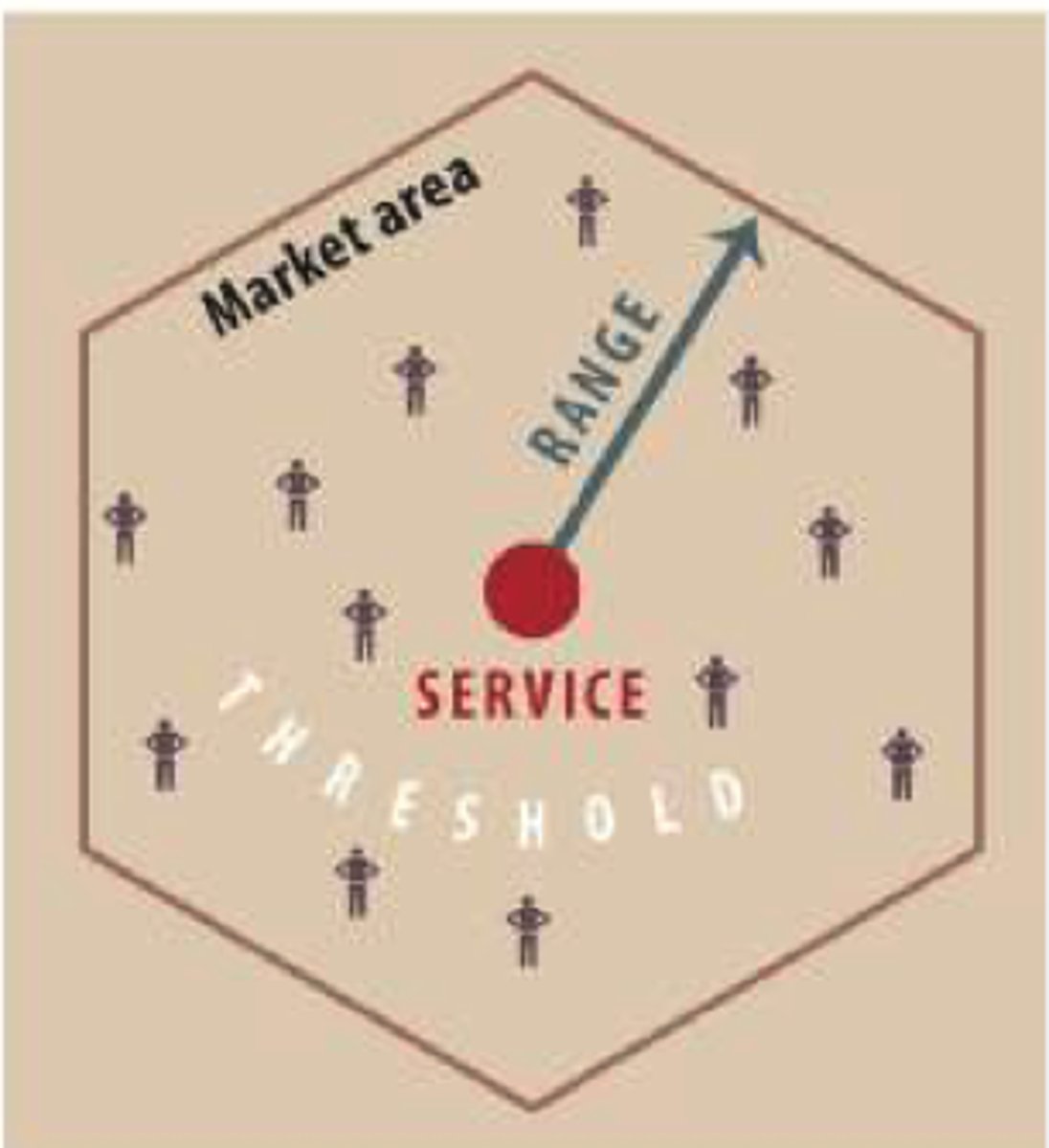
range of service
the maximum distace a person will travel to reach a certain business or service
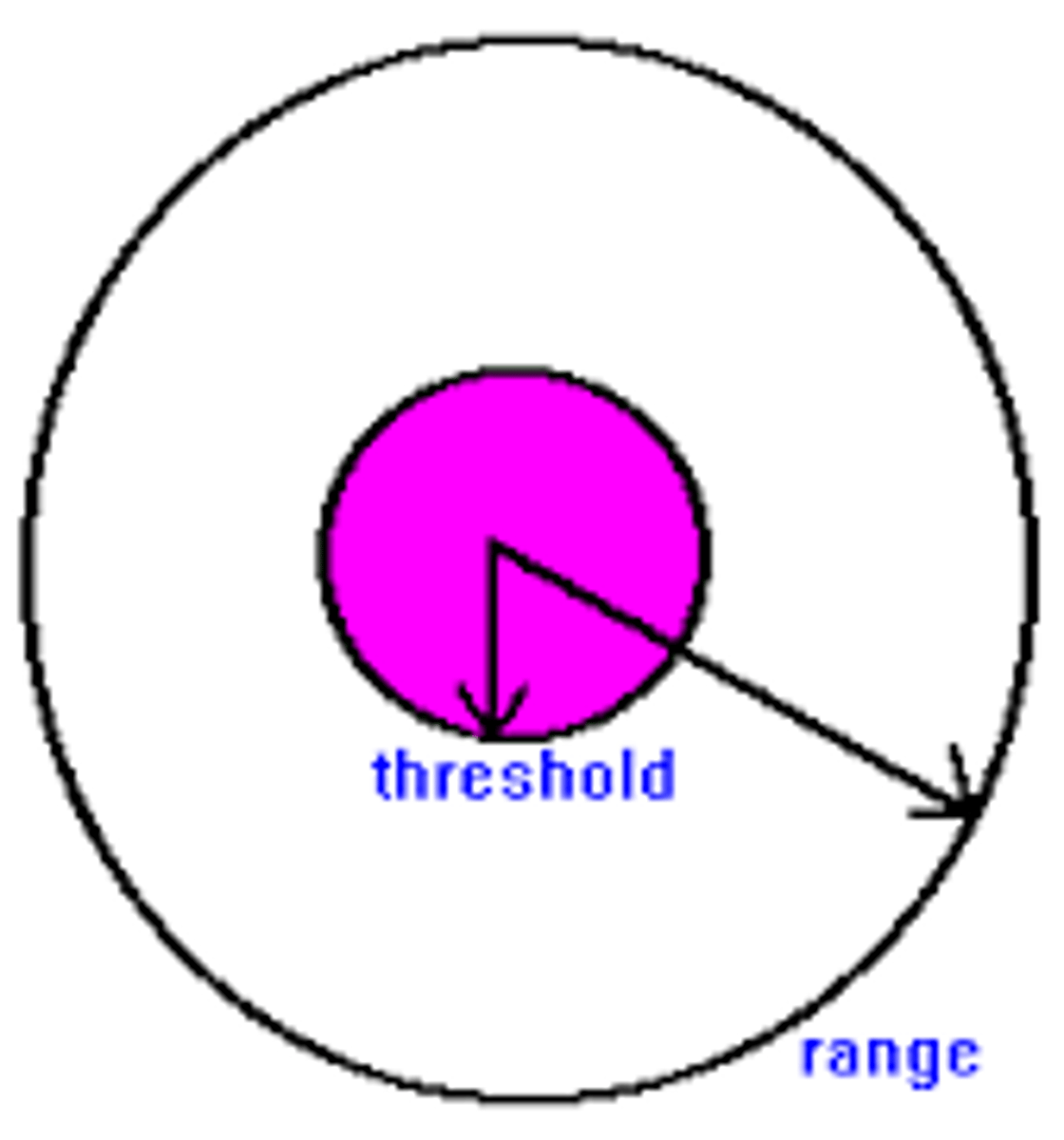
threshold of service
the minimum number of people required to support a business or service
?????
???????
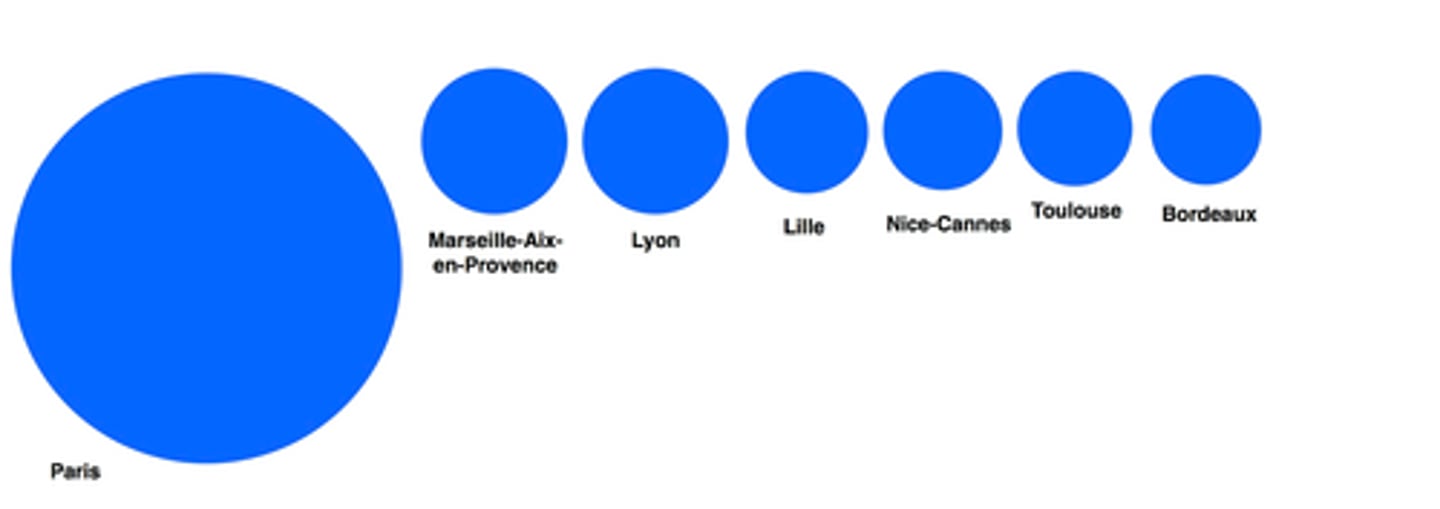
primate city
a dominant city that has more than twice the population of the second-largest
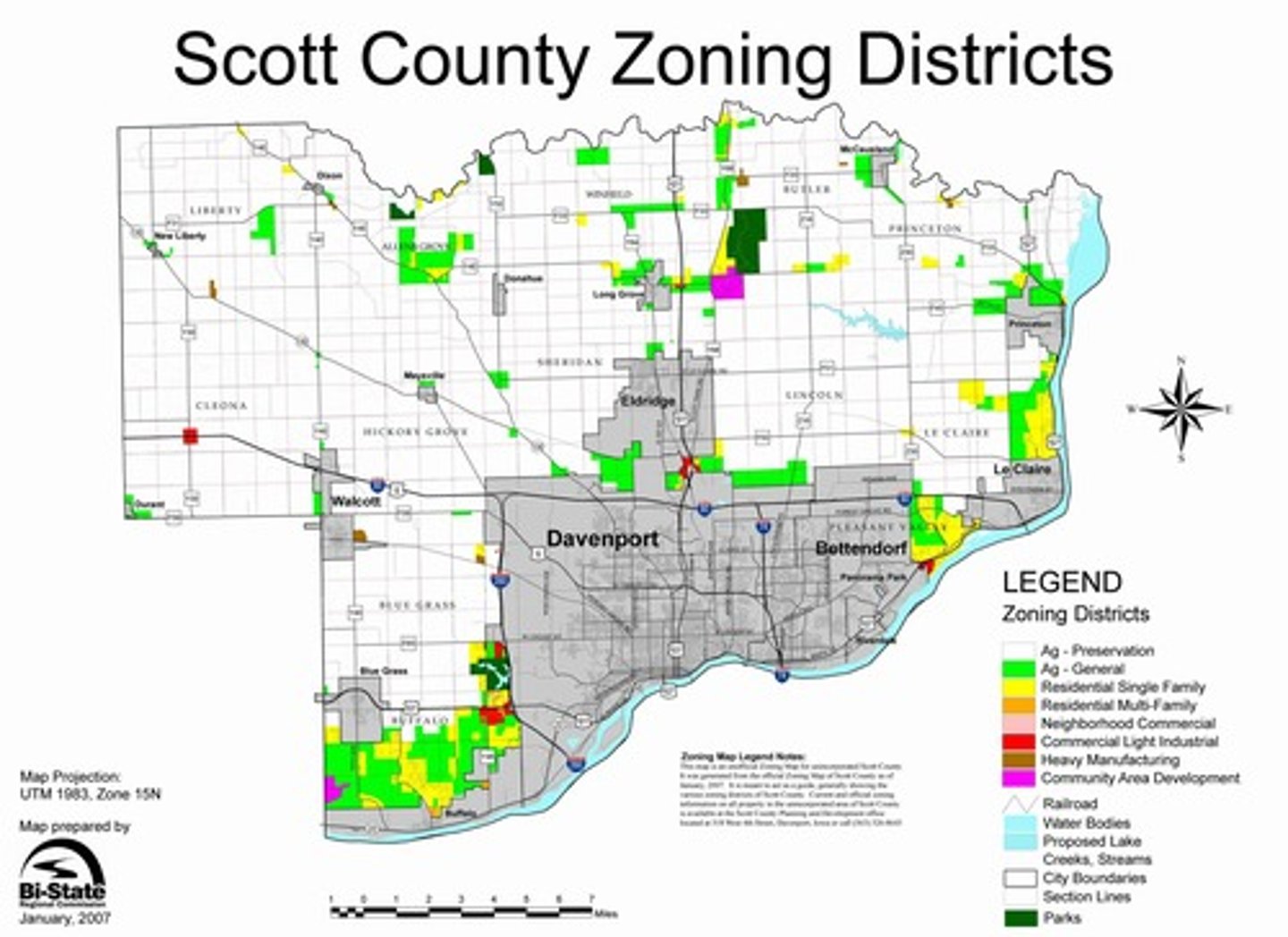
zoning
the division of a municipality into certain regions for certain purposes
mixed-use zoning or development
a type of urban development strategy that blends
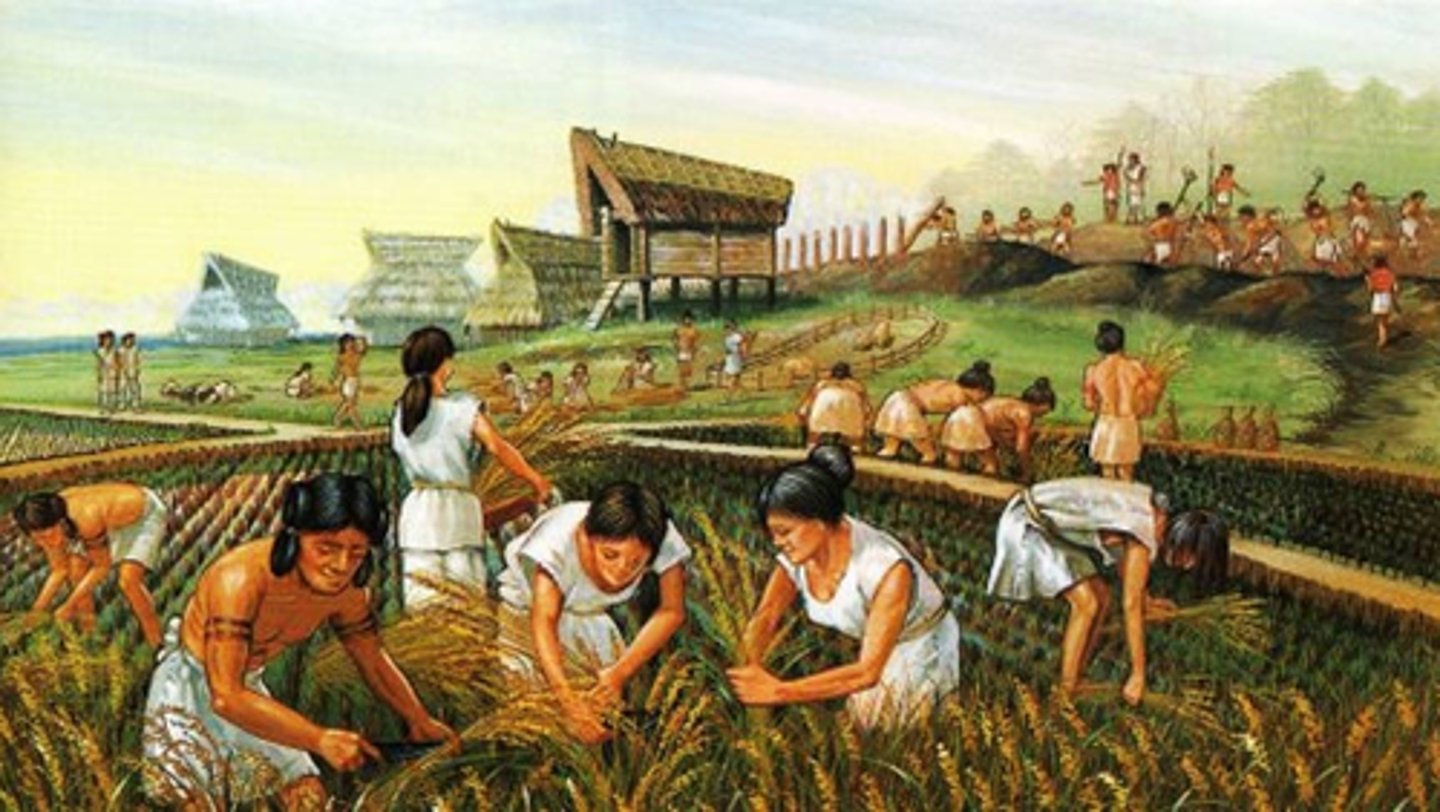
First Agricultural Revolution
hunting and gathering --> agriculture and settlement
eg: animal & plant domestication
Fertile Crescent, Indus River Valley, Southeast Asia, Mesoamerica
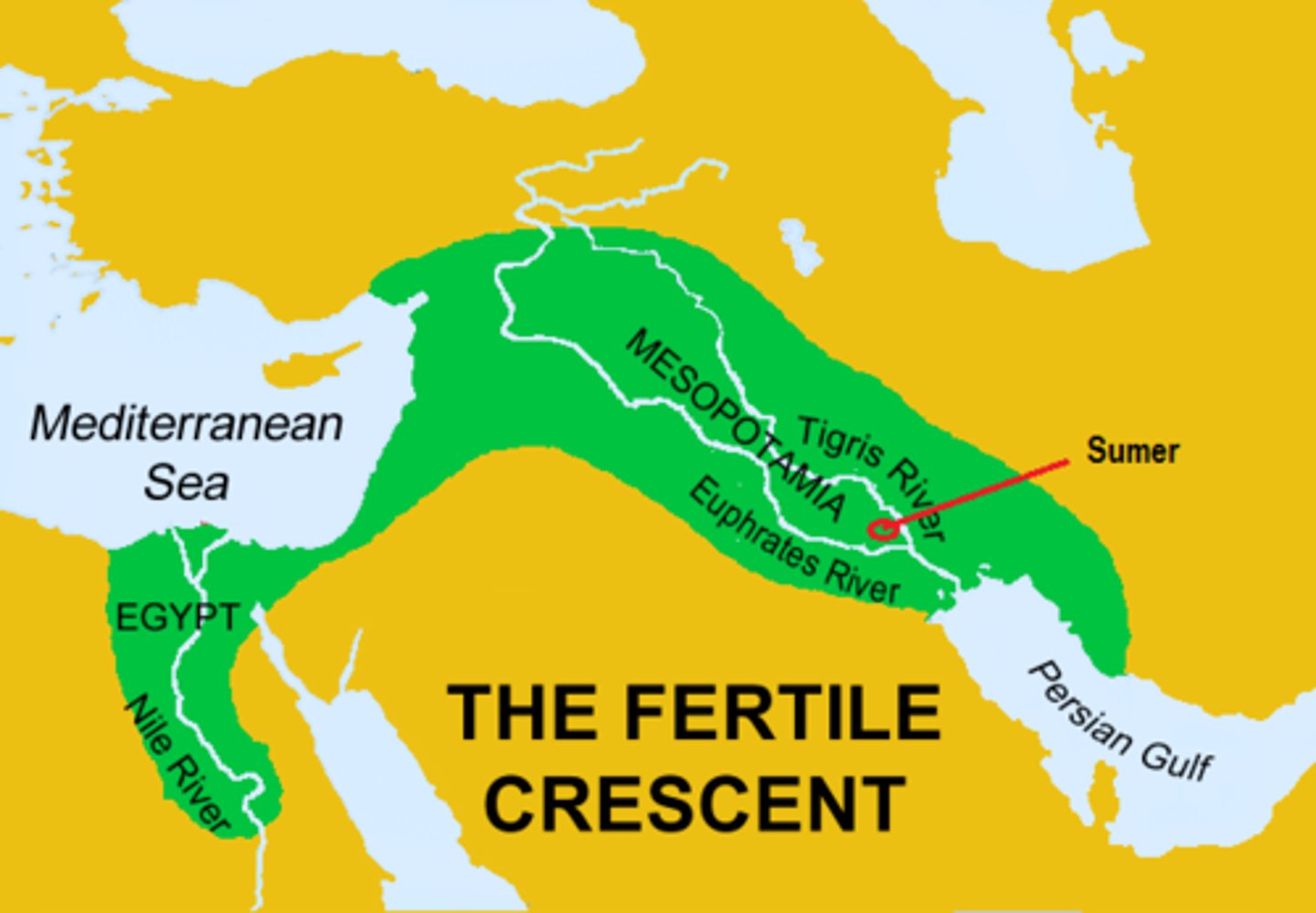
Fertile Crescent
Region in the Middle East from modern day Iraq to Egypt where farming first began 10,000 years ago
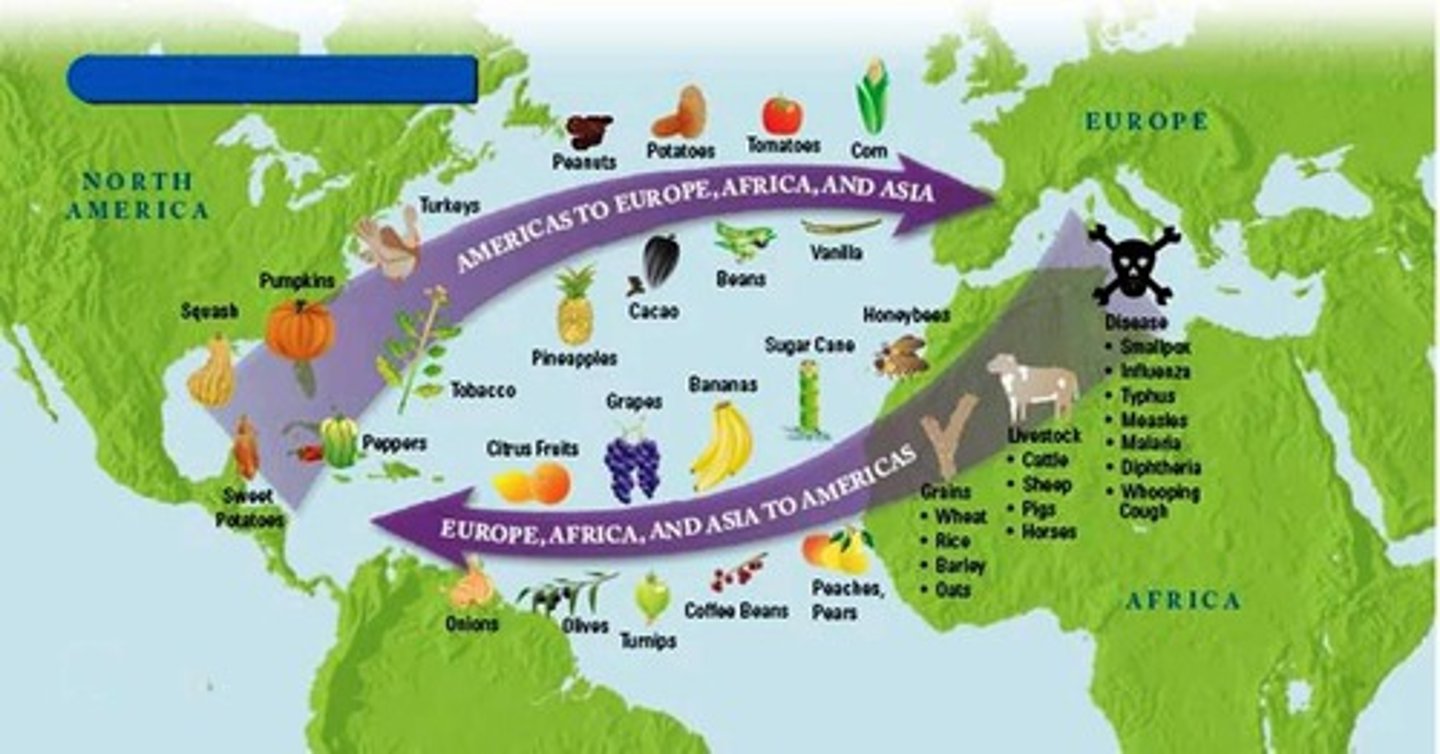
Columbian Exchange
The exchange of plants, animals, diseases, and technologies between the Americas and the rest of the world following Columbus's voyages.
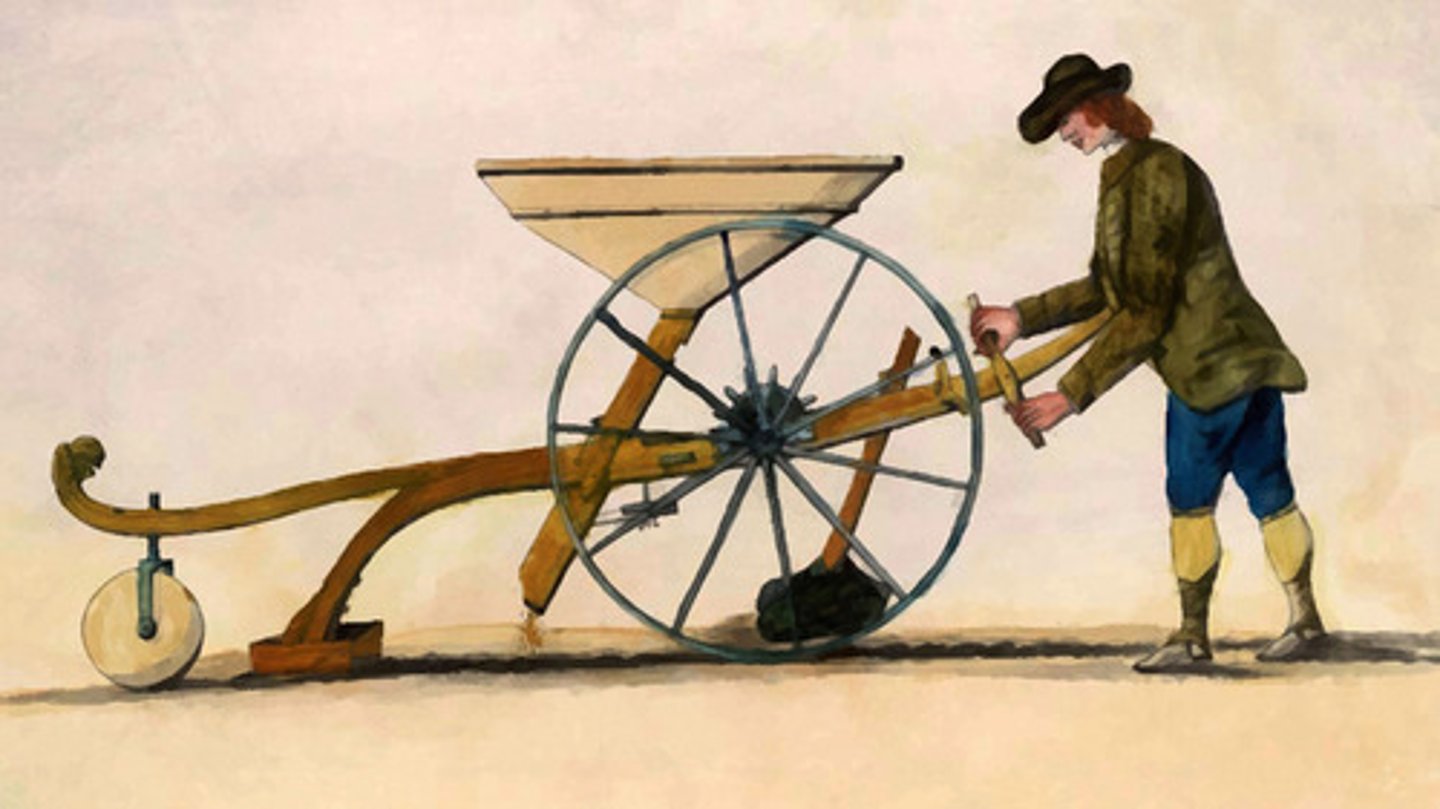
Second Agricultural Revolution
-Preceding the Industrial Revolution in GB (1700s)
-Crop rotation, animal breeding, farming machinery, larger farms
(helped feed population working in cities)
Green Revolution (3rd)
-1940s-1980s
-Ag research that created high-yield varieties of crops through crossbreeding
-use of chemical fertilizers, pesticides, irrigation, mechanization
(Norman Borlau)
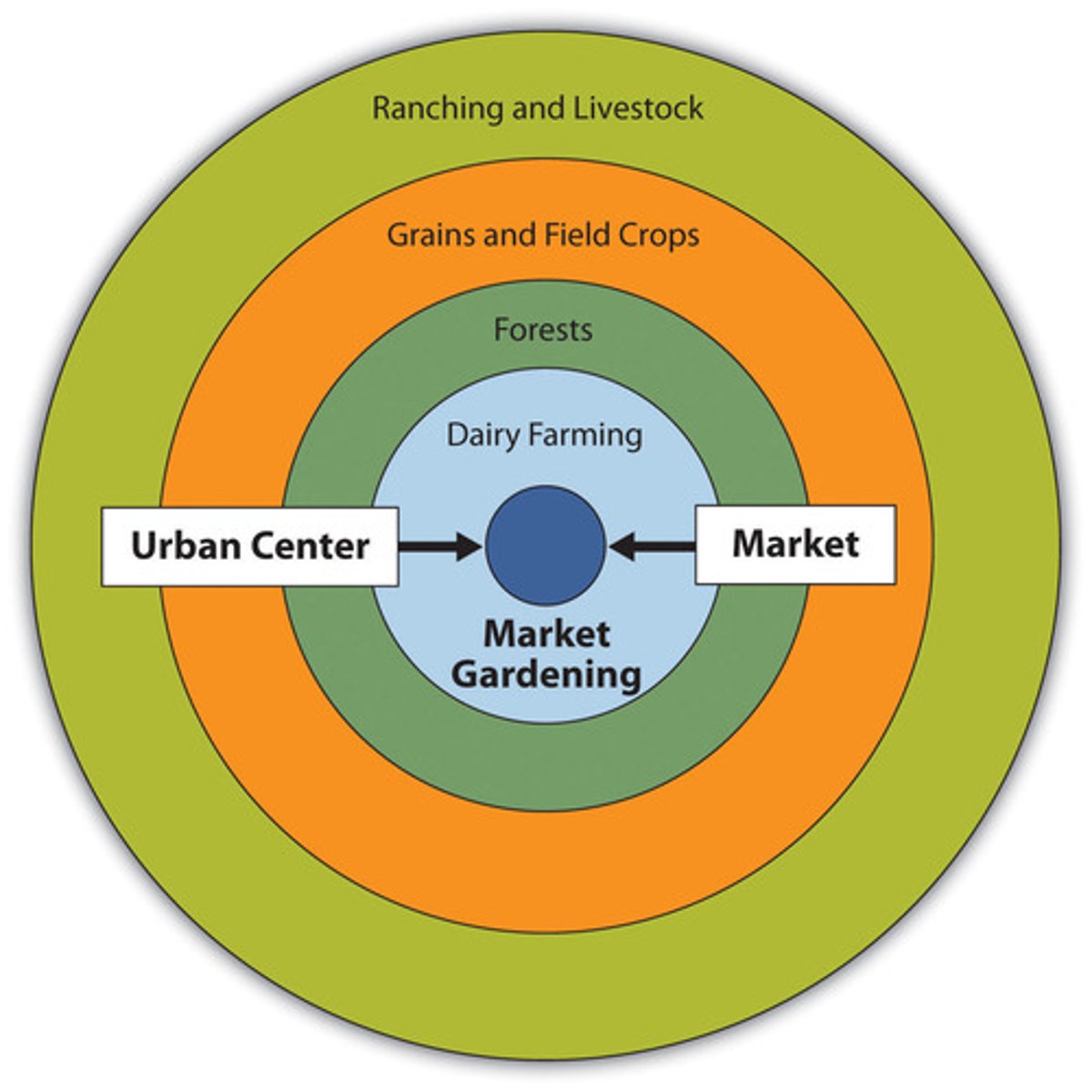
Von Thunen Model
Proximity of ag land uses ----> market center
rings from city center:
market gardening and dairy, forests for timber, grains and field crops, ranching and livestock
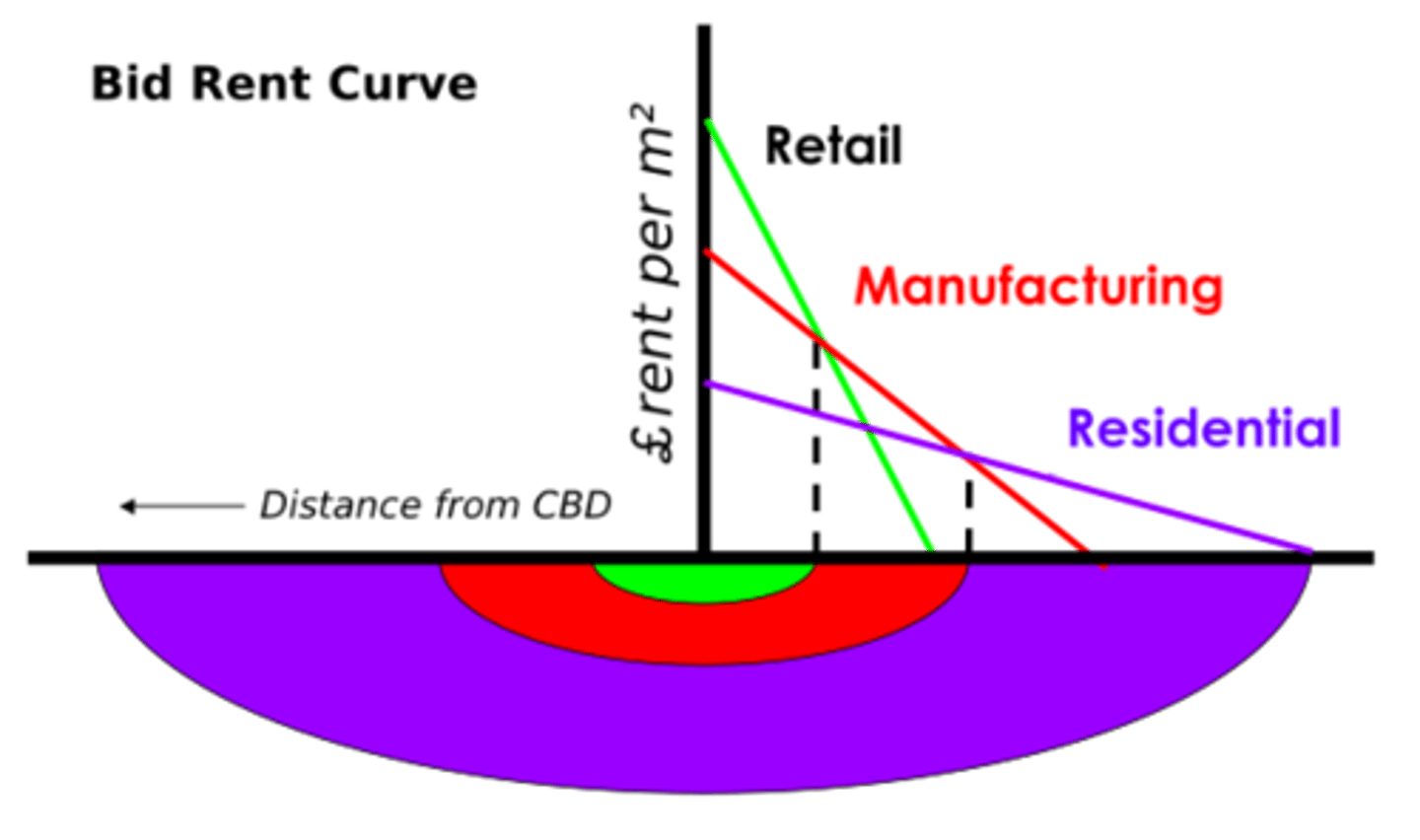
Bid-Rent Theory
land is more expensive closer to city centers (retailers want to be closer to customers)
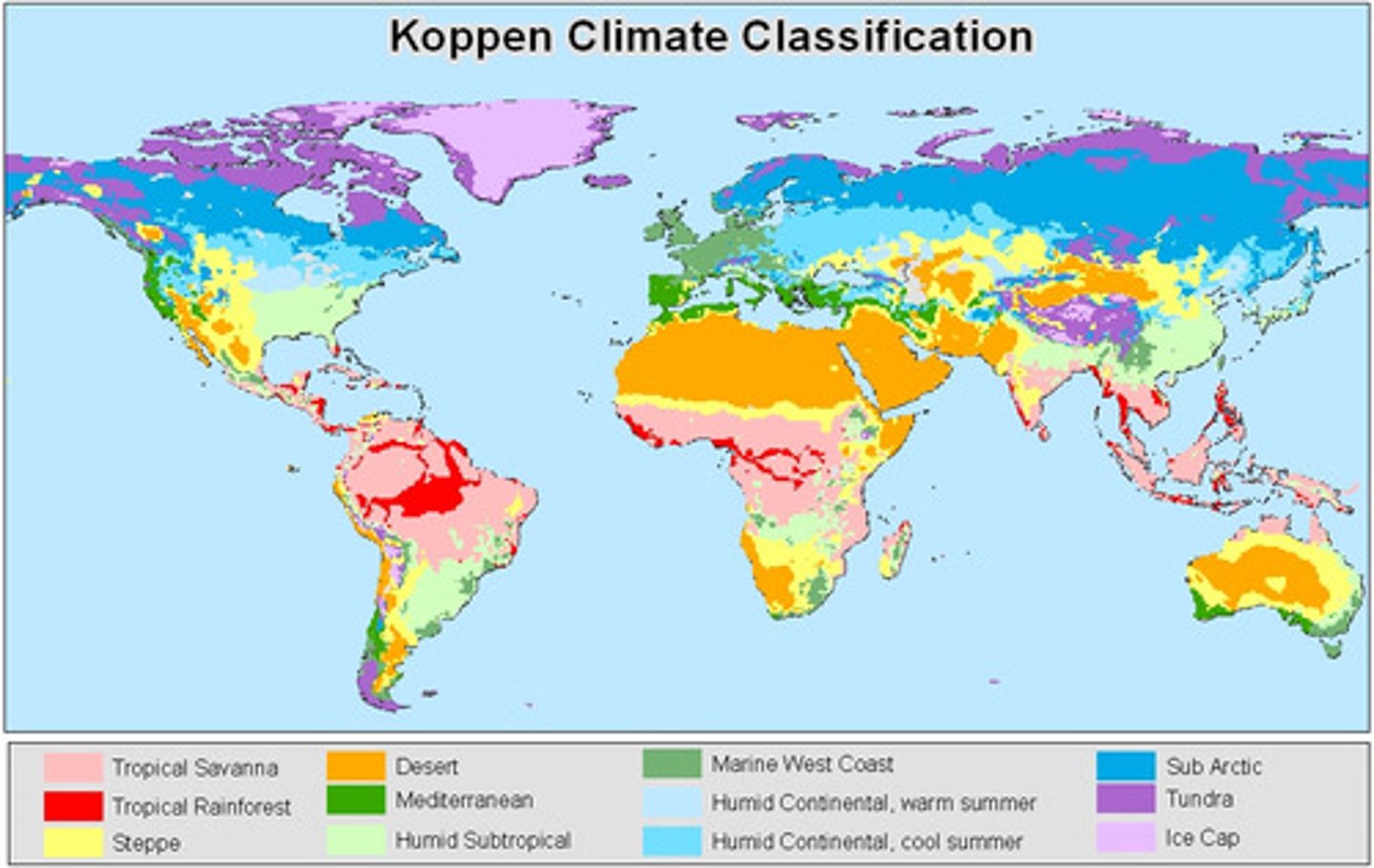
Koppen Climate System
classification of climate regions based on temperature and precipitation patterns: tropical, dry, temperate, continental, polar, and highlands
CLIMATE INFLUENCES AGRICULTURE
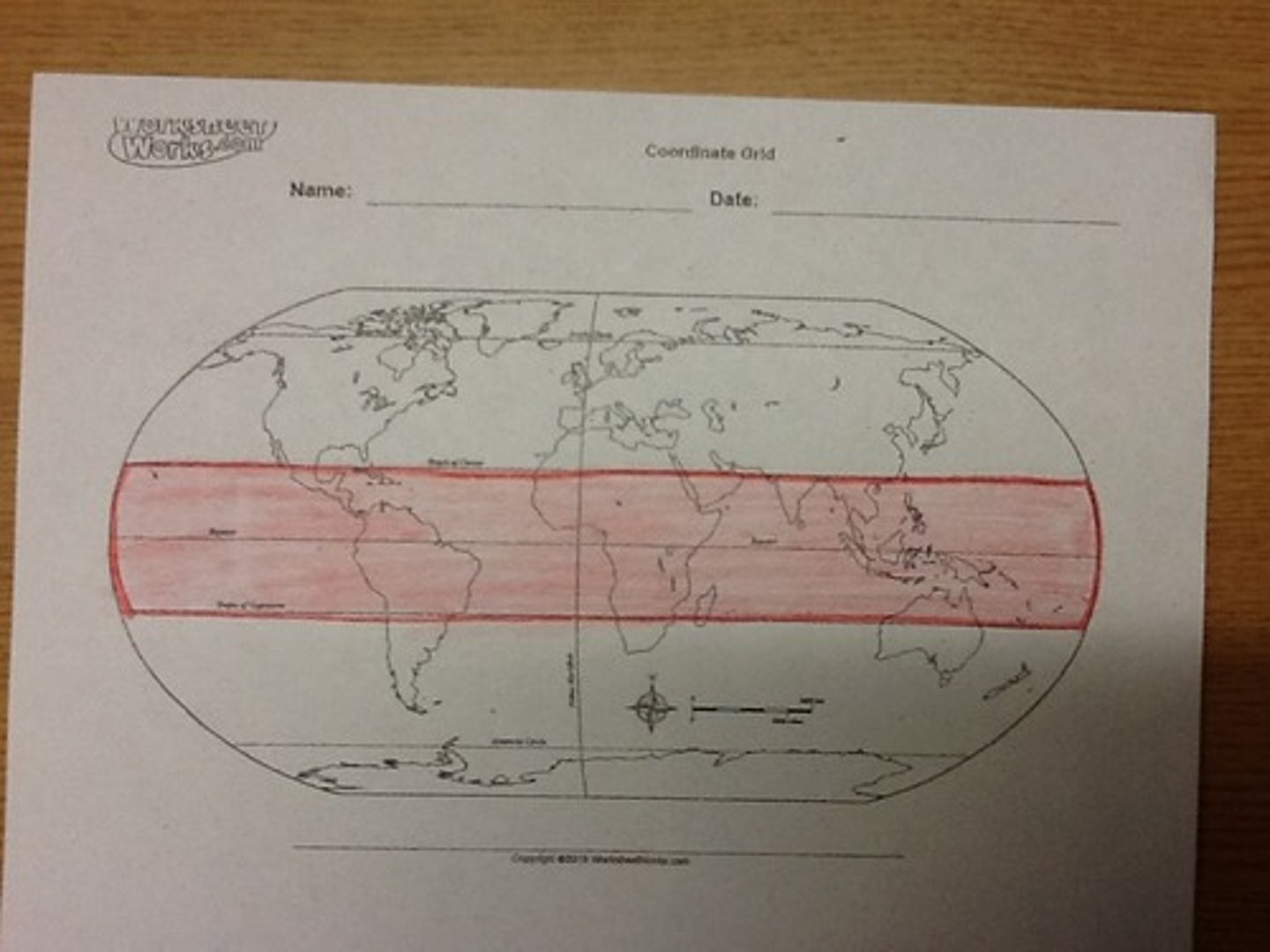
Tropical Climate
-hot temps all year
-abundant rainfall
-intense sunlight
-lack of seasonal variation
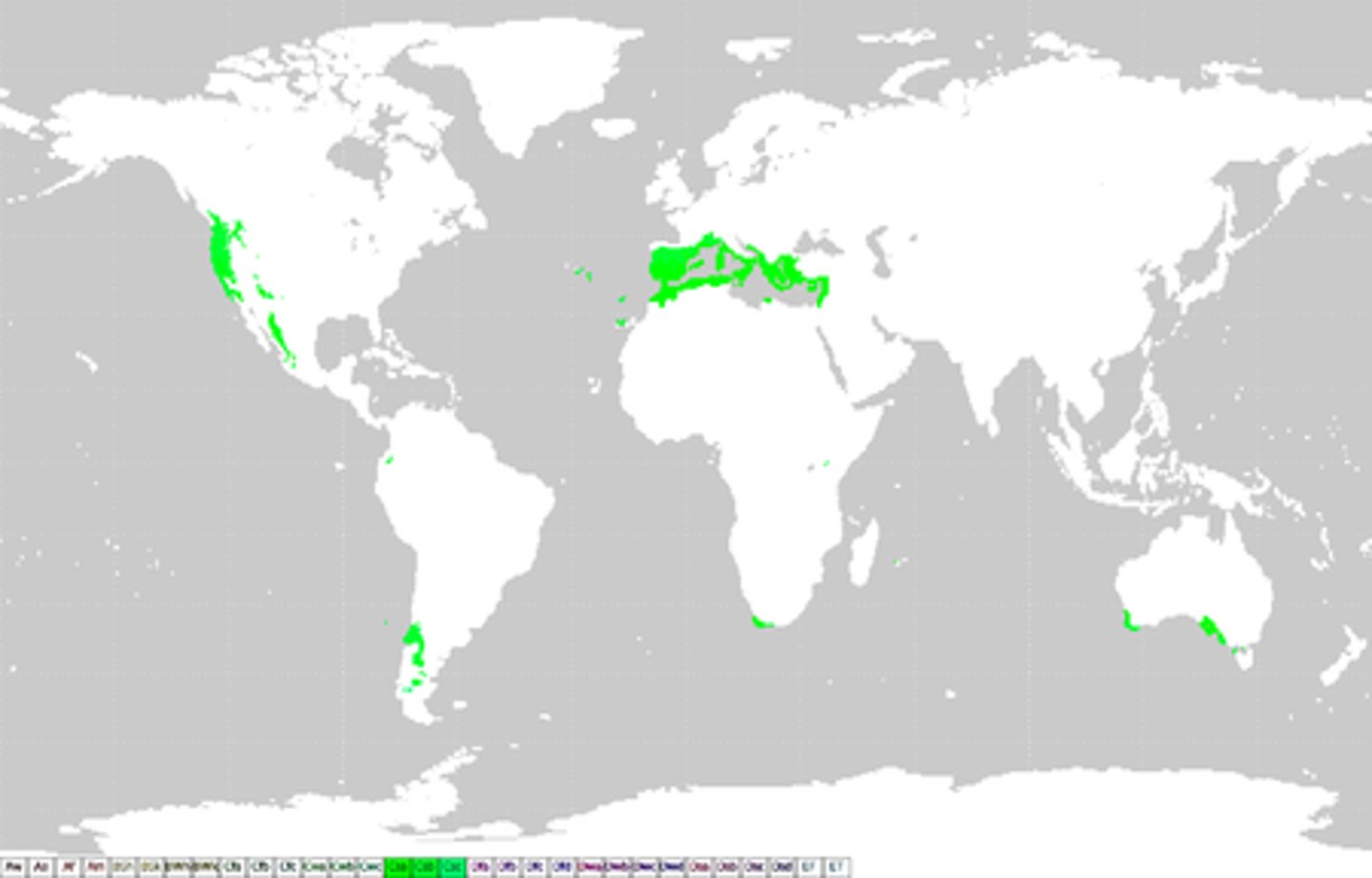
Mediterranean Climate
-warm temps all year
-dry summers
-wet winters
-grapes, fig, and olives
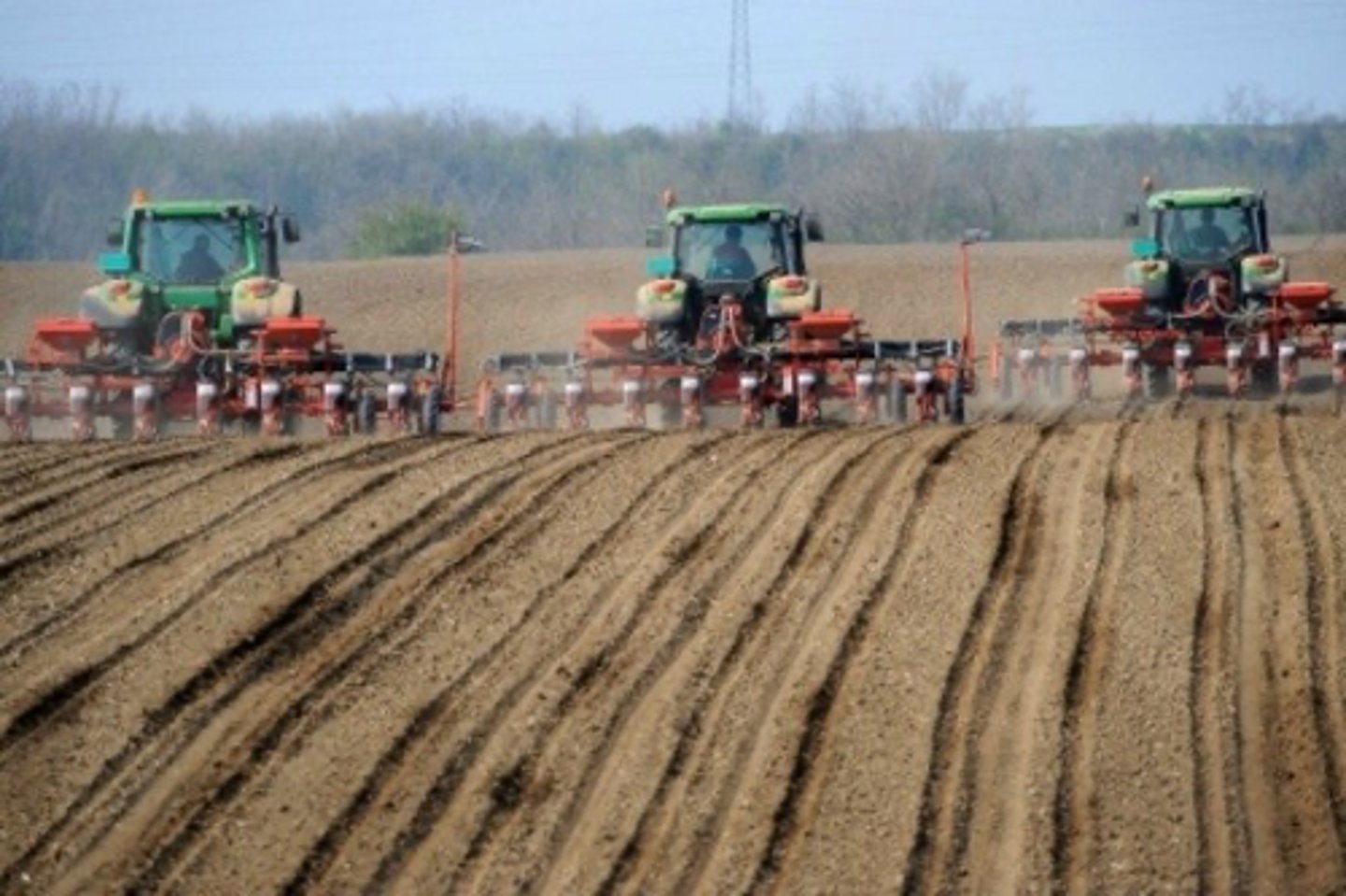
intensive farming
labor that uses large amounts of labor and money 🤑🤑 relative to land area
they put a lot IN to the crops for production
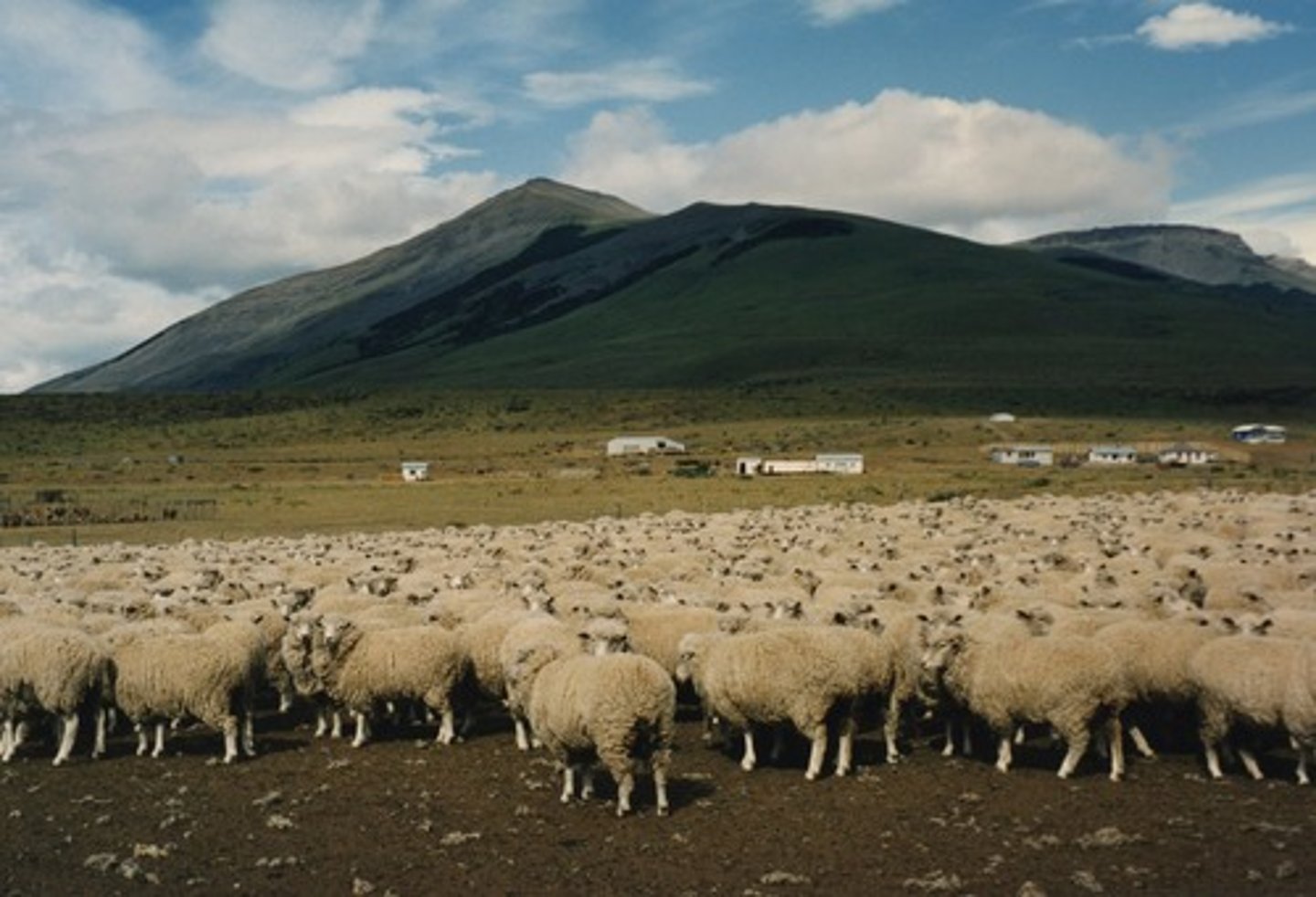
extensive farming
small amounts of labor and little money in relation to land area
-relies on natural fertility and rain water
-practiced where land is inexpensive, far from urban areas
dairying
ag that produces milk products
fruit, truck, and market gardening
produces fruit and veggies, CLOSER TO MARKET
truck farming === larger scale
mixed livestock and crop farming
when crops and livestock are interspersed
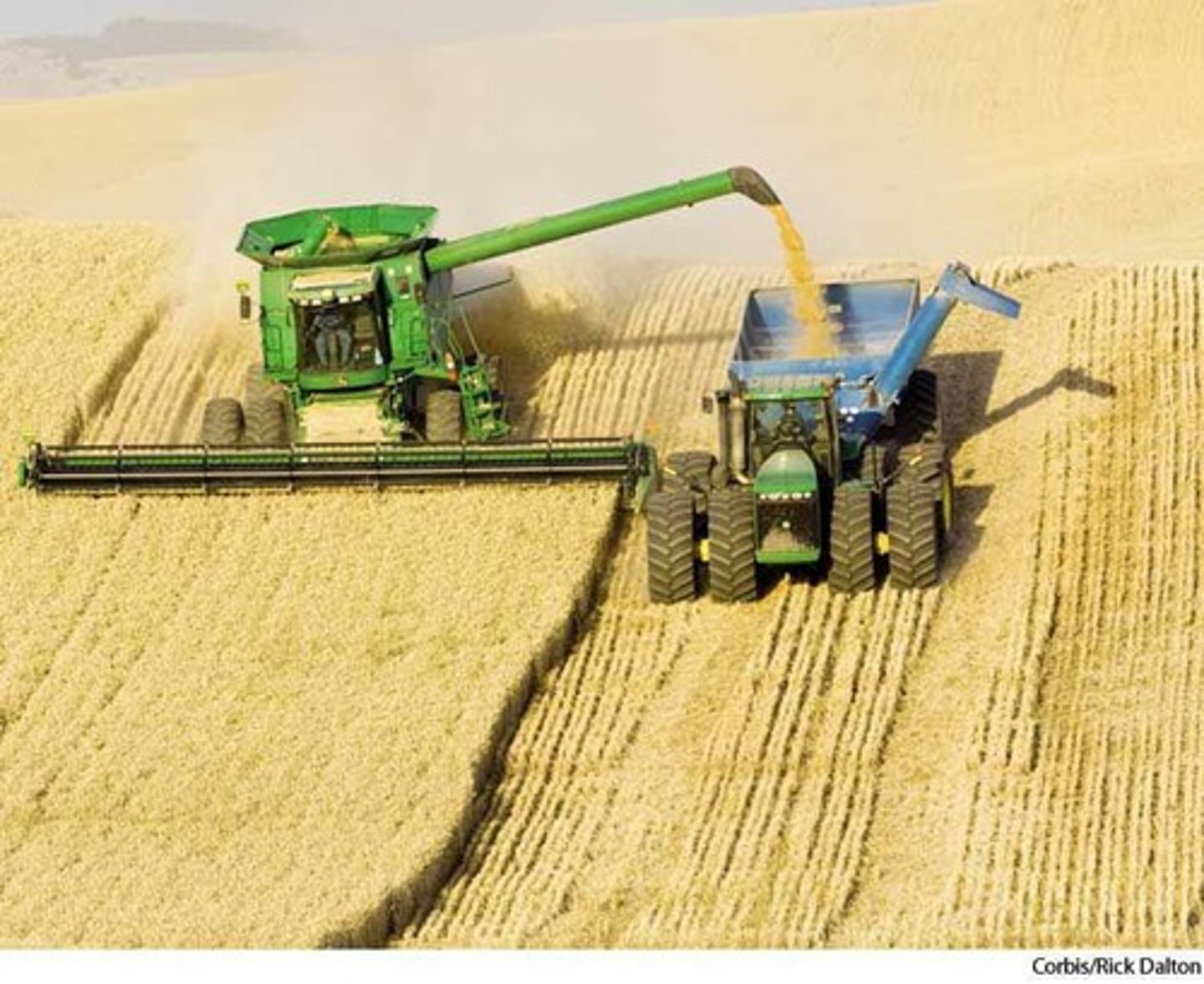
commercial grain farming
INTENSIVE farming of grains using machinery
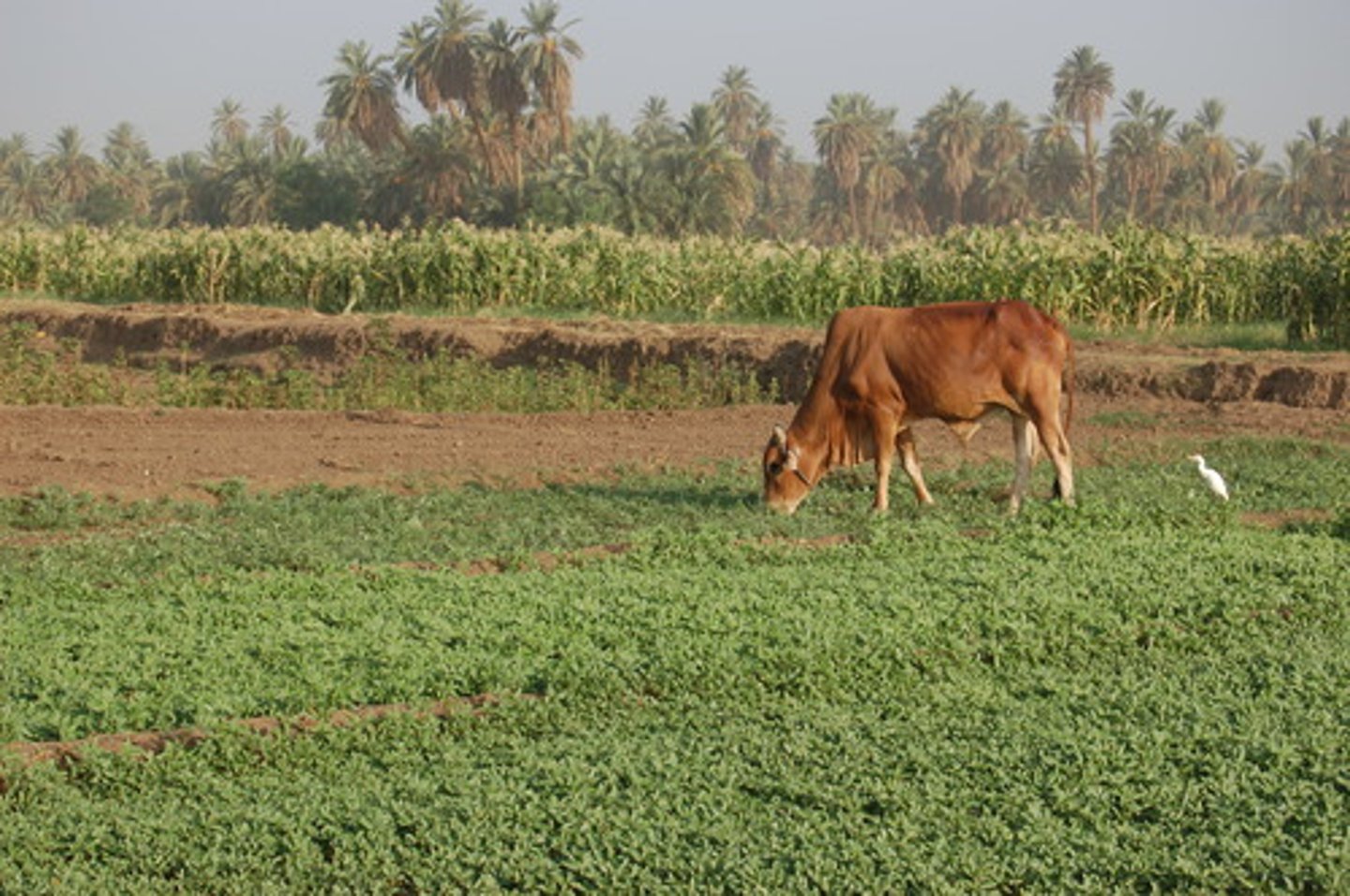
livestock ranching
ranching in DRIER areas where the land is CHEAPER, extensive, but may be intensive in the developed world
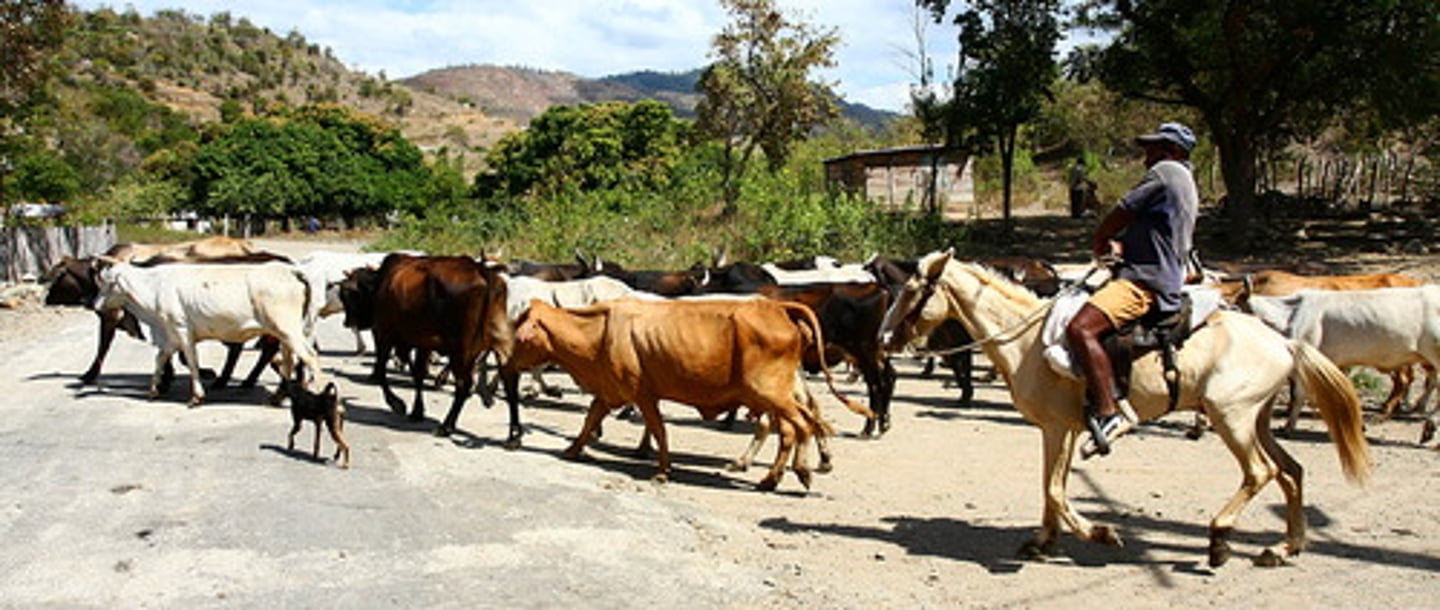
cash crop plantation
coffee, cocoa, bananas, cotton
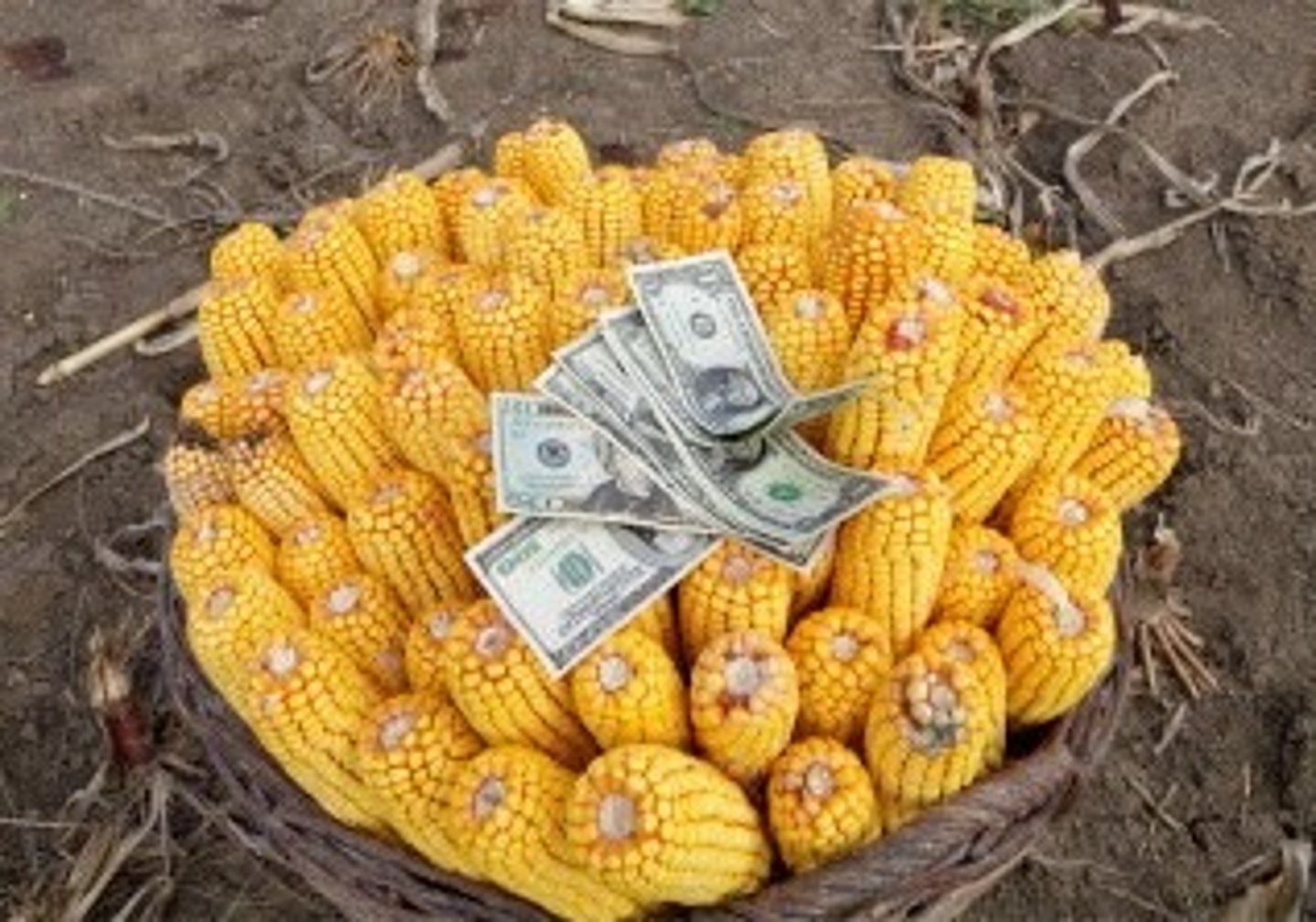
monoculture
growing one crop at a large farm, common with commercial grain farming and plantation ag
-cash crops for export
mono=ONE
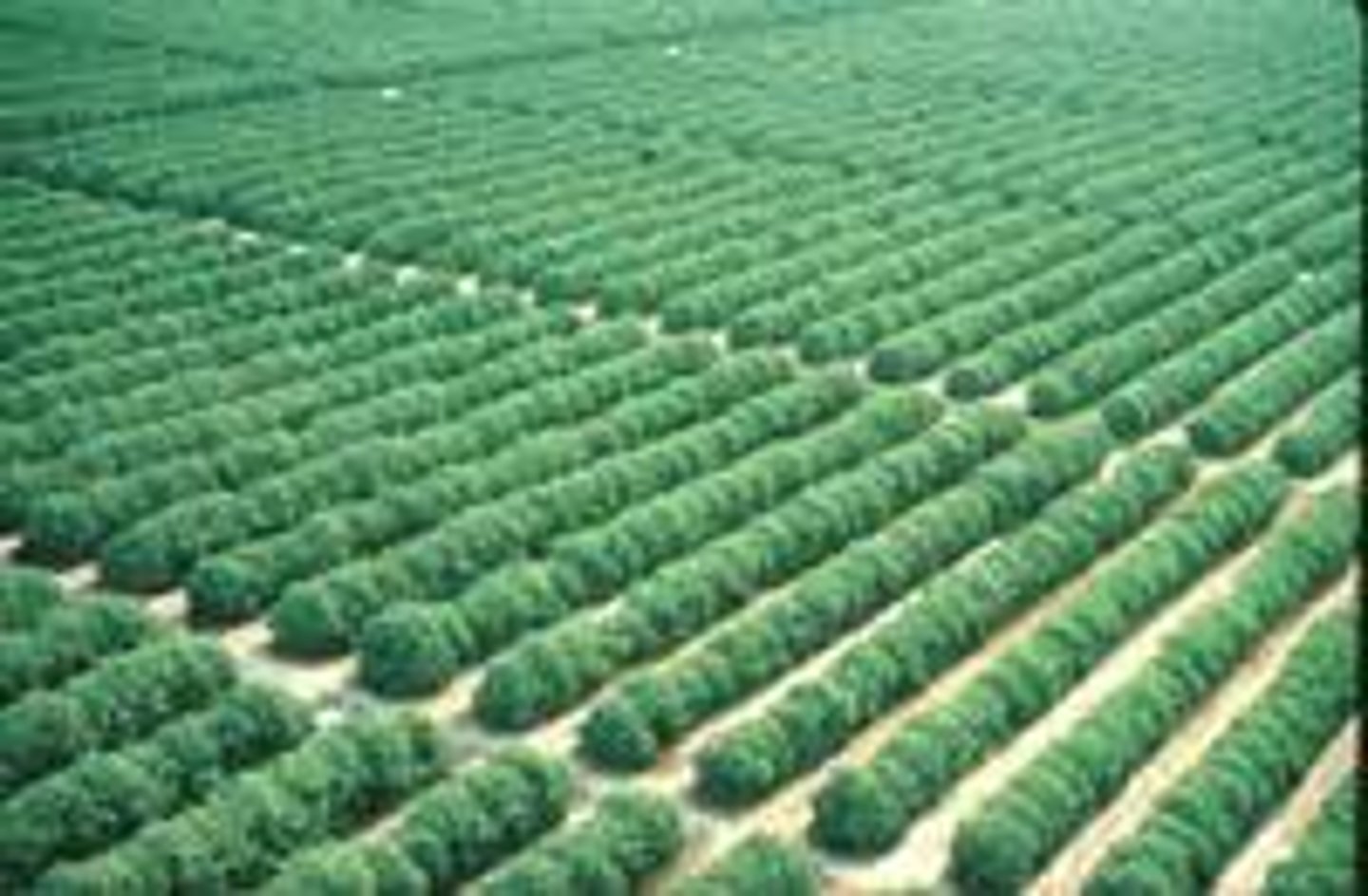
CAFO (concentrated animal feeding operation)
INTENSIVE
lots of animals contained in pens and fed grain with antibiotics
prior to slaughter ☹️☹️
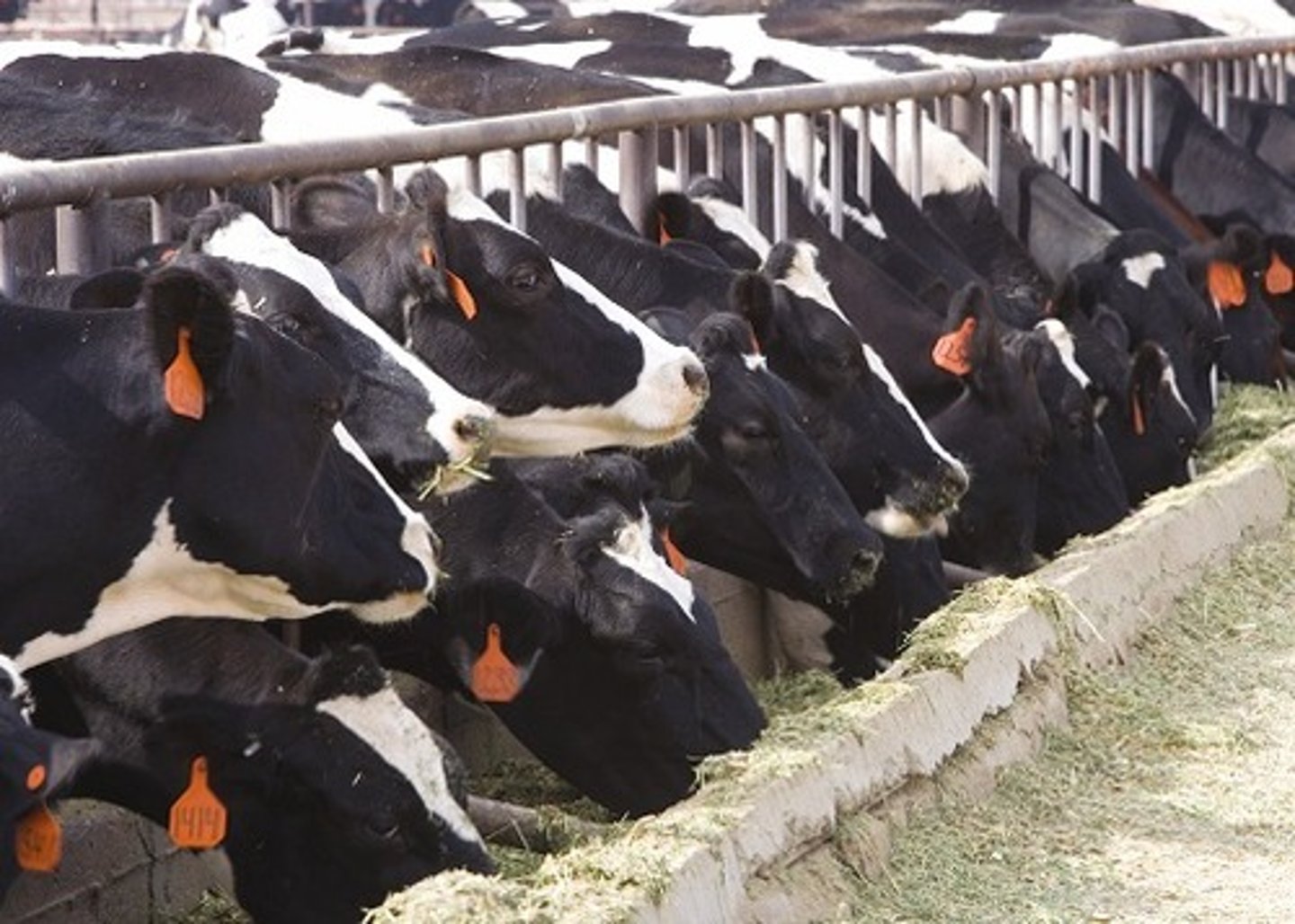
subsistence agriculture
low-scale, low-tech, emphasizes food production for personal consumption and not for trade
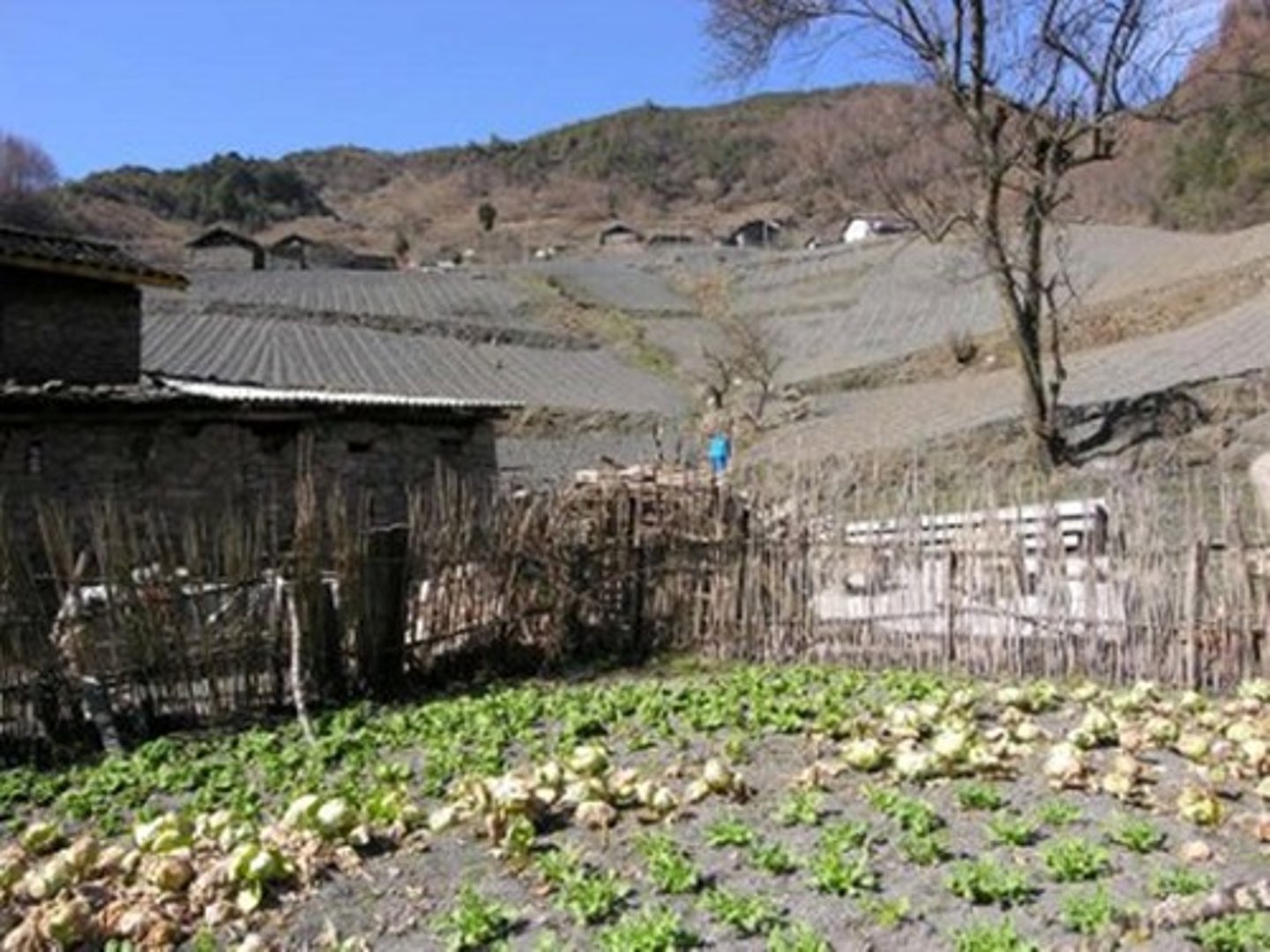
shifting cultivation
farmers clear vegetation, typically through slash and burn, plant crops, then move to a new area once nutrients are washed out of soil
TROPICAL RAINFOREST AREAS
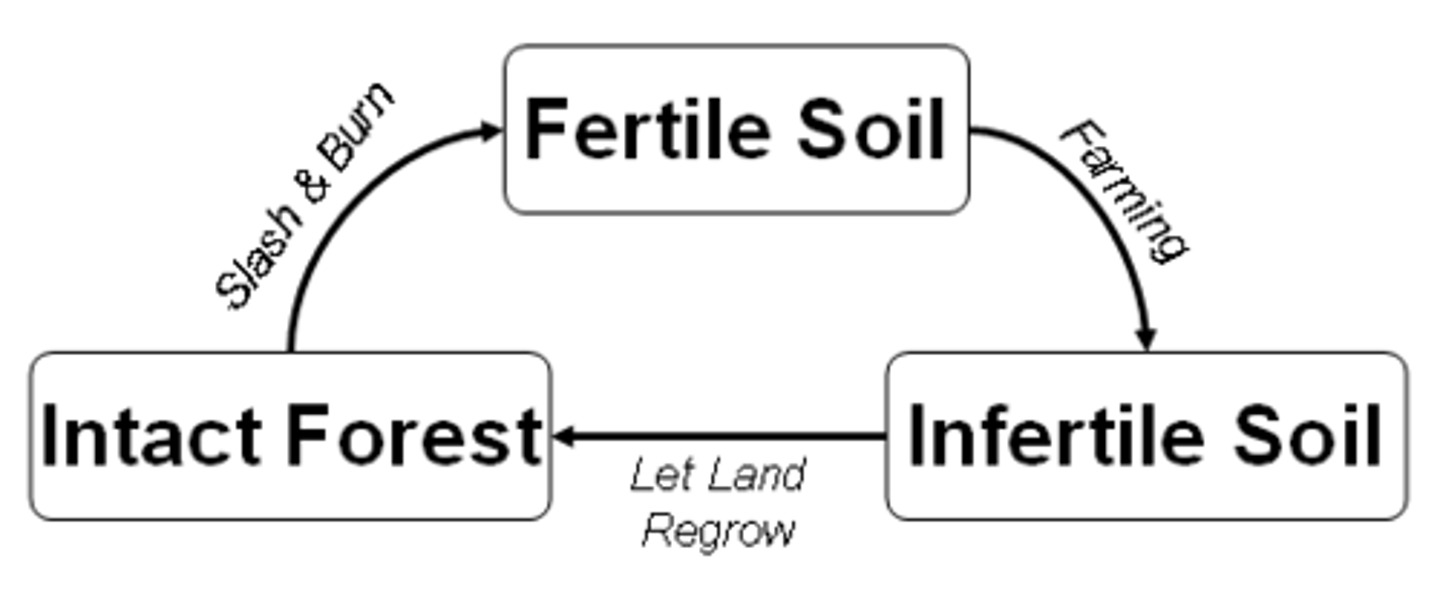
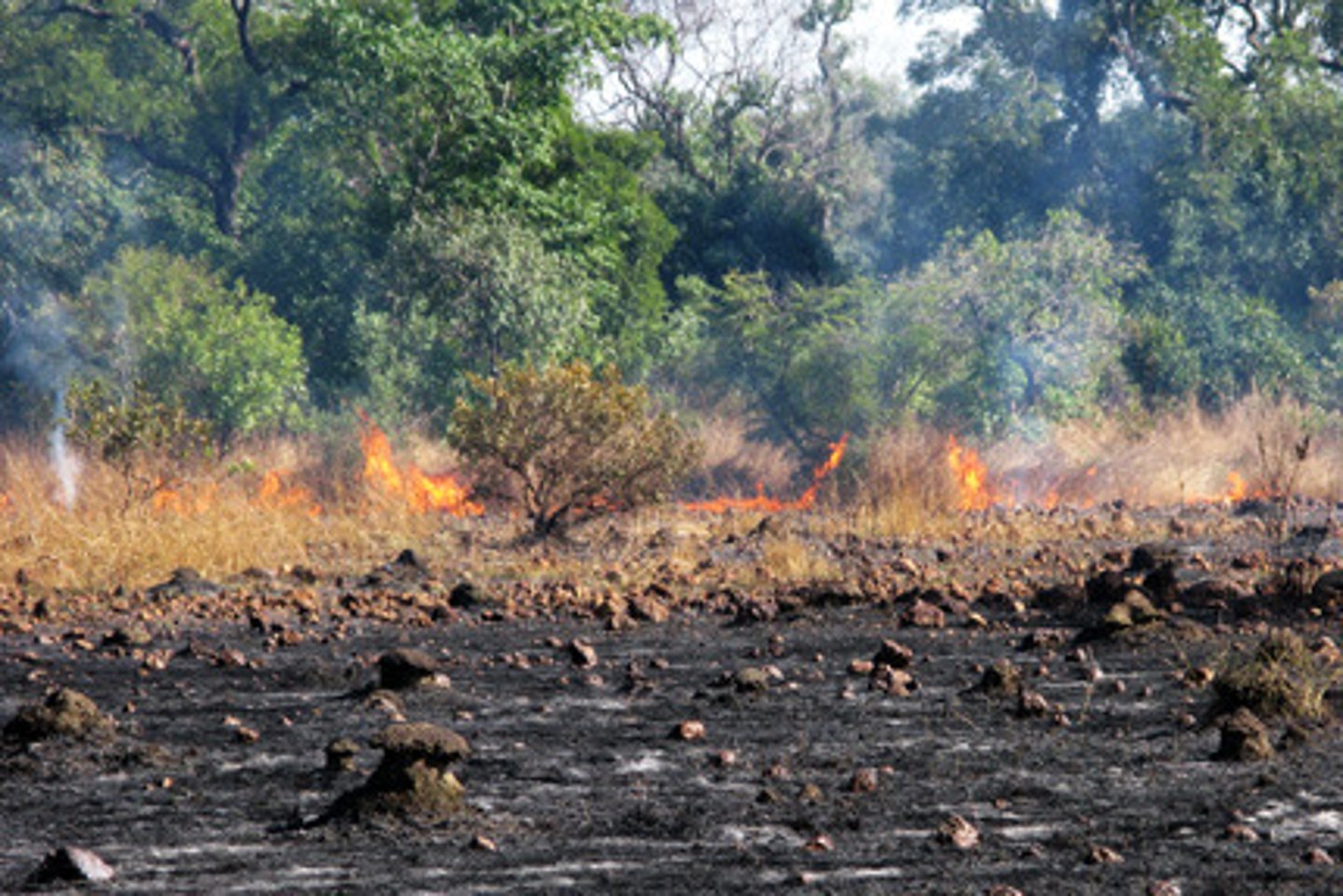
slash and burn
cutting and burning of plants to create a field, ash makes soil fertile,
-lasts for 3-5 years b4 farmers move again
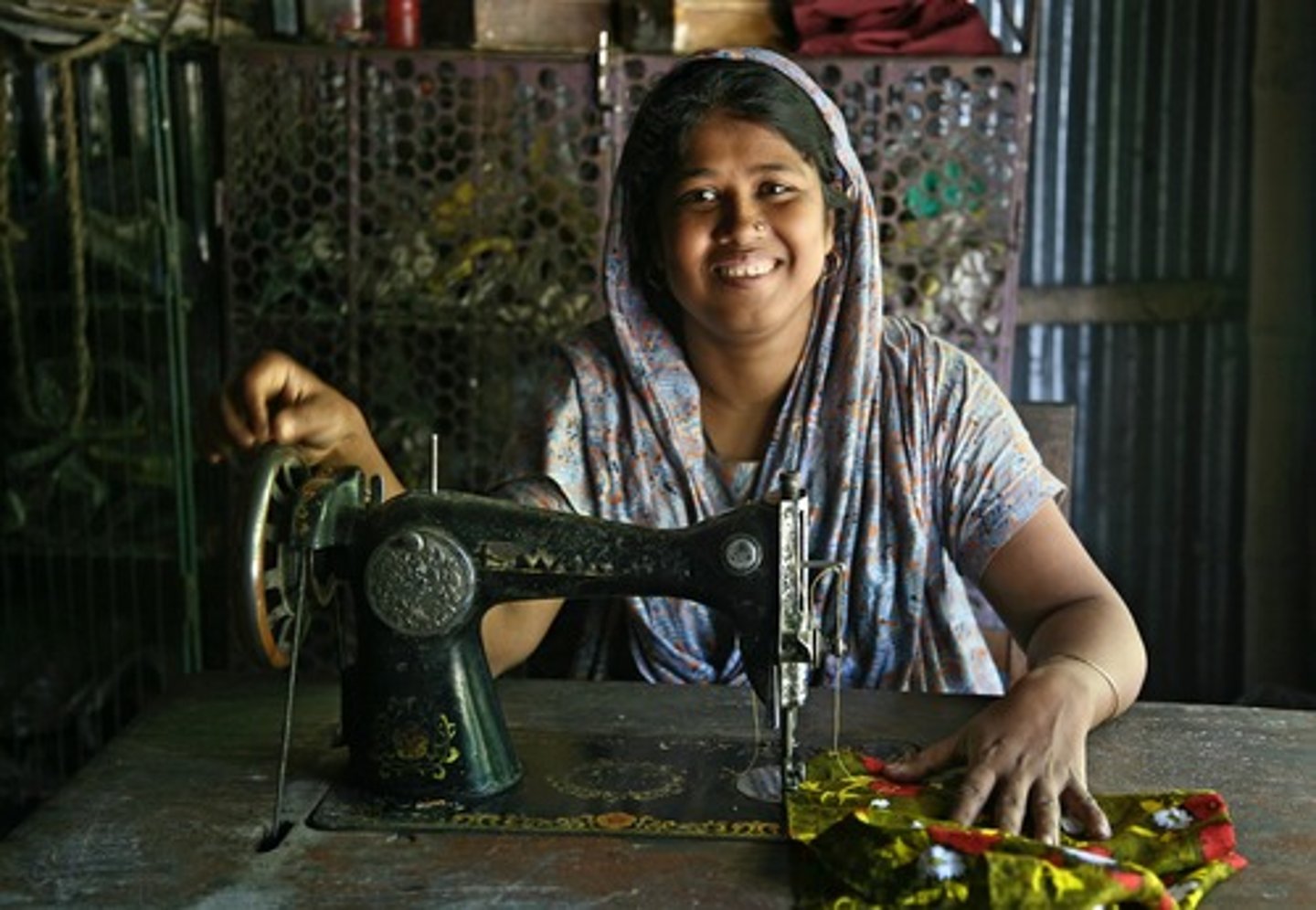
microfinance/microcredit
small loans --> poor people
encourages the development of small businesses
economics of scale
cost advantages produced by larger operations

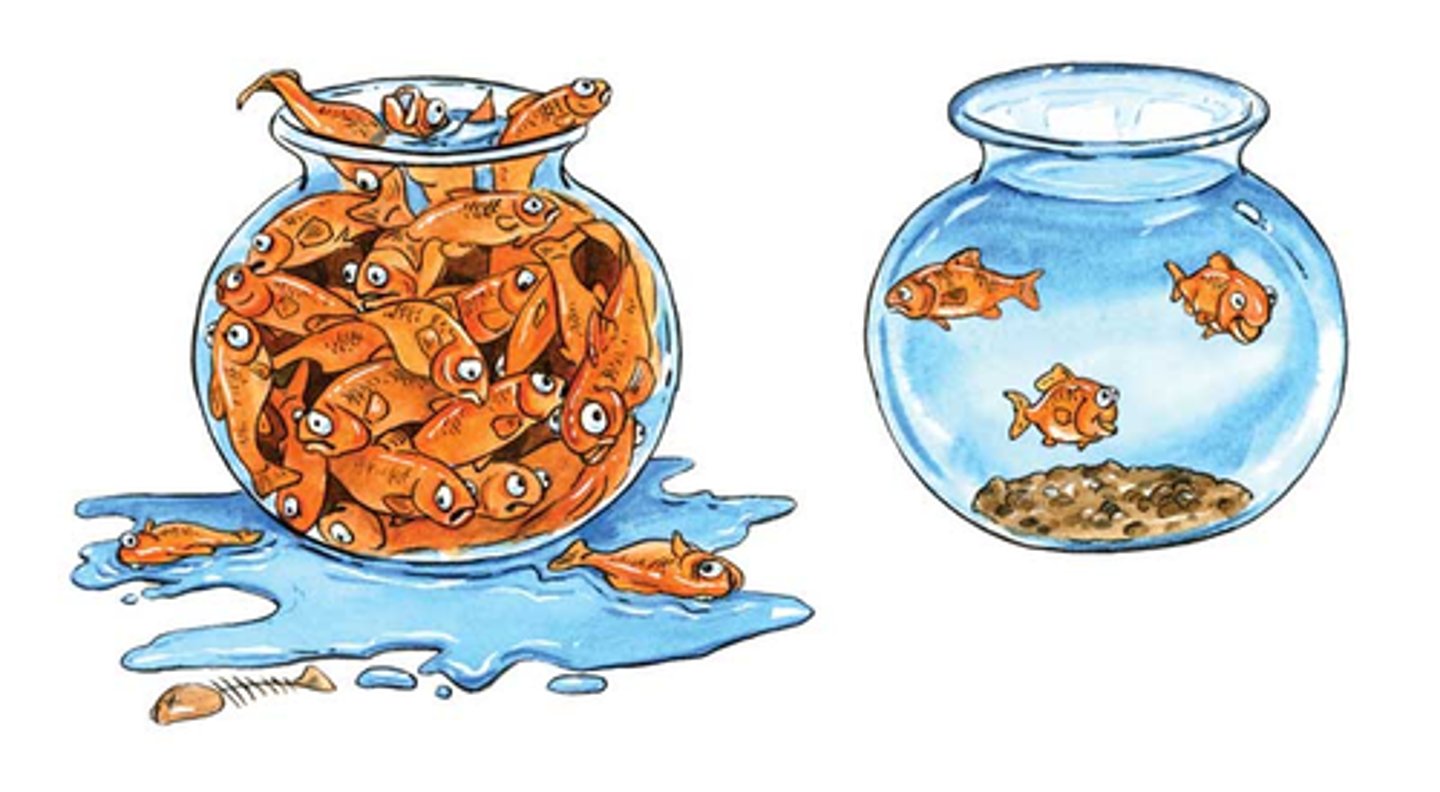
carrying capacity
the maximum number of people that can be realistically supported by the geography of an area
CAN FLUCTUATE
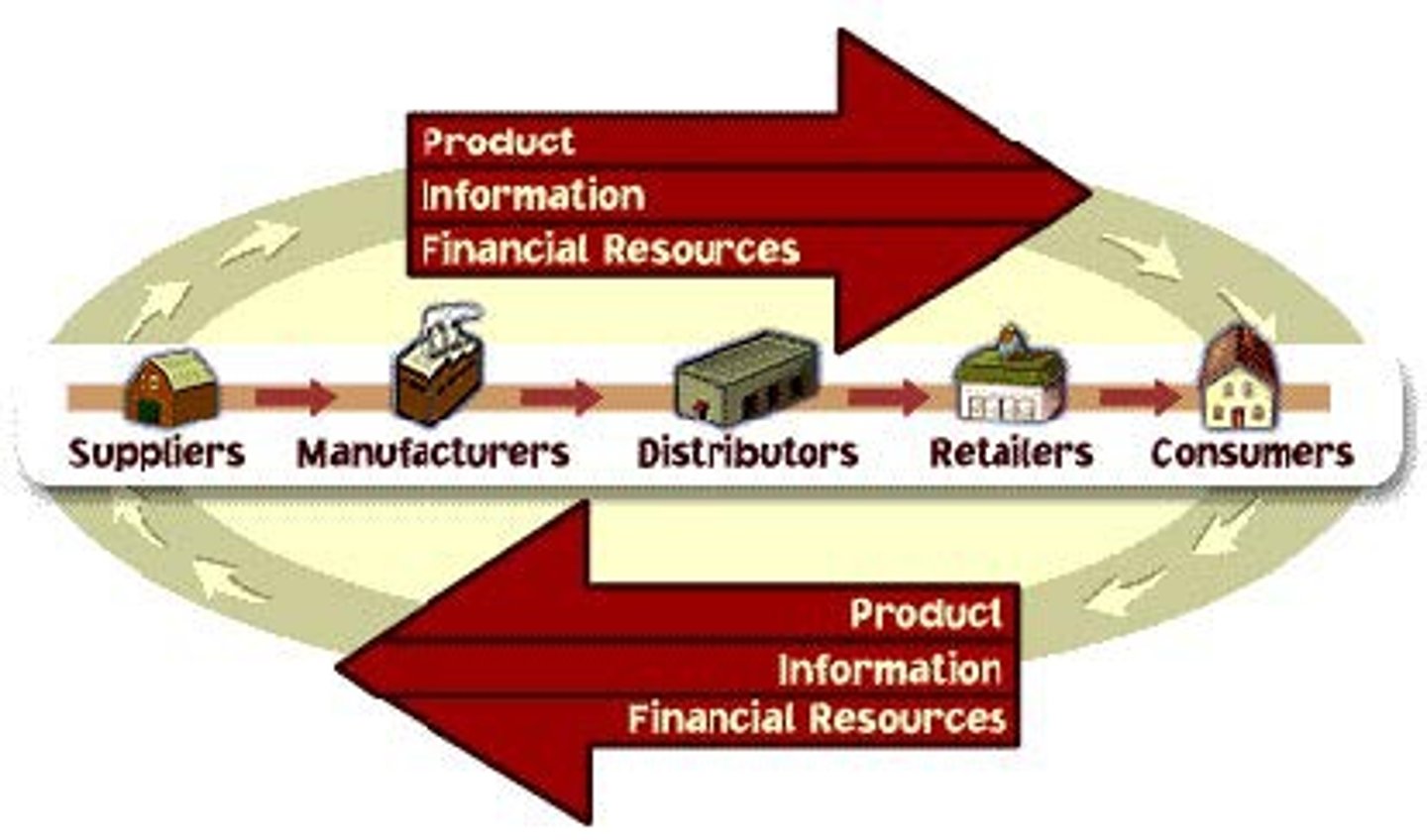
commodity chain
the connected path from which a good travels from producers to consumers
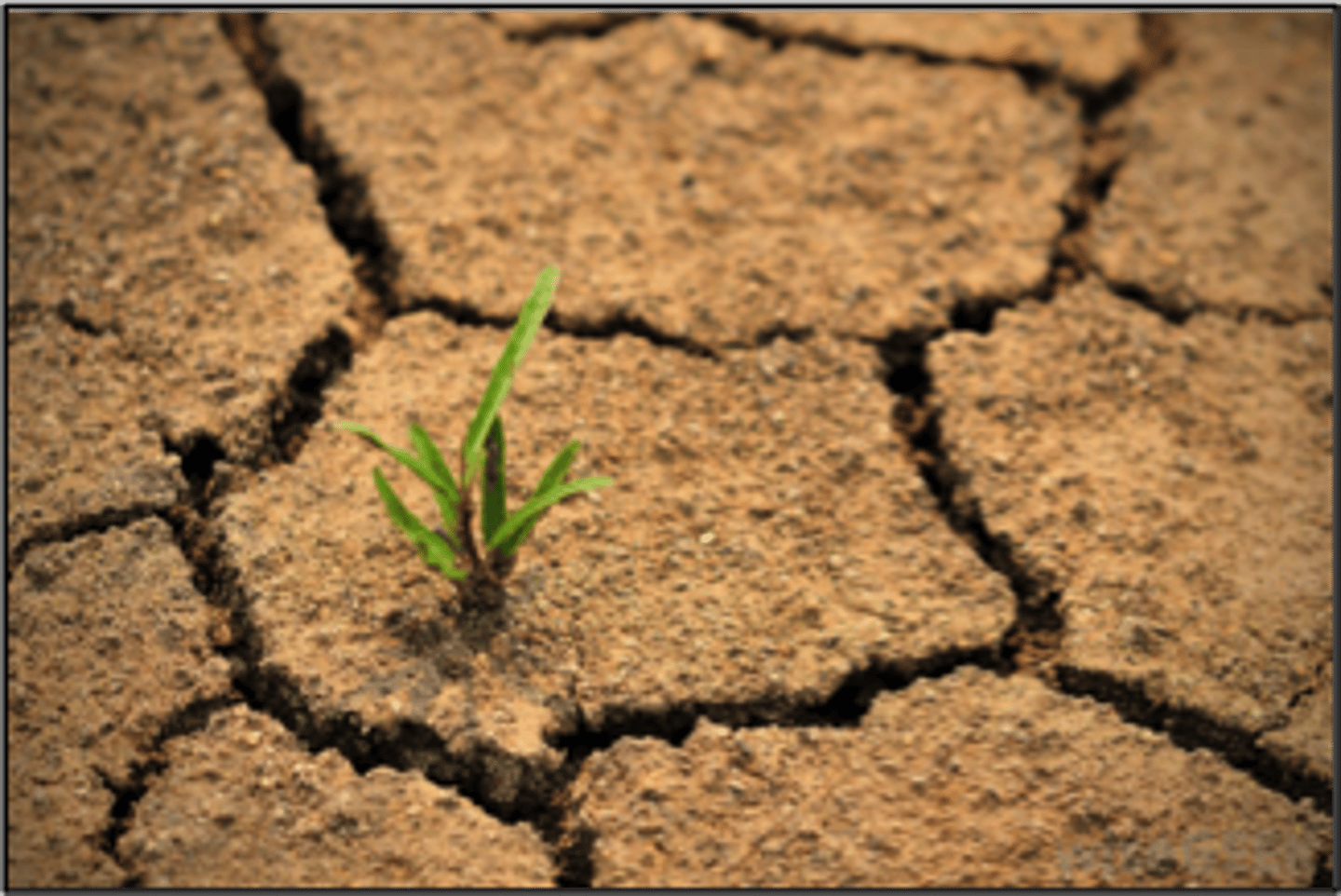
desertification
severe soil degradation causing the spread of desert into formally arable lands; caused by global warming
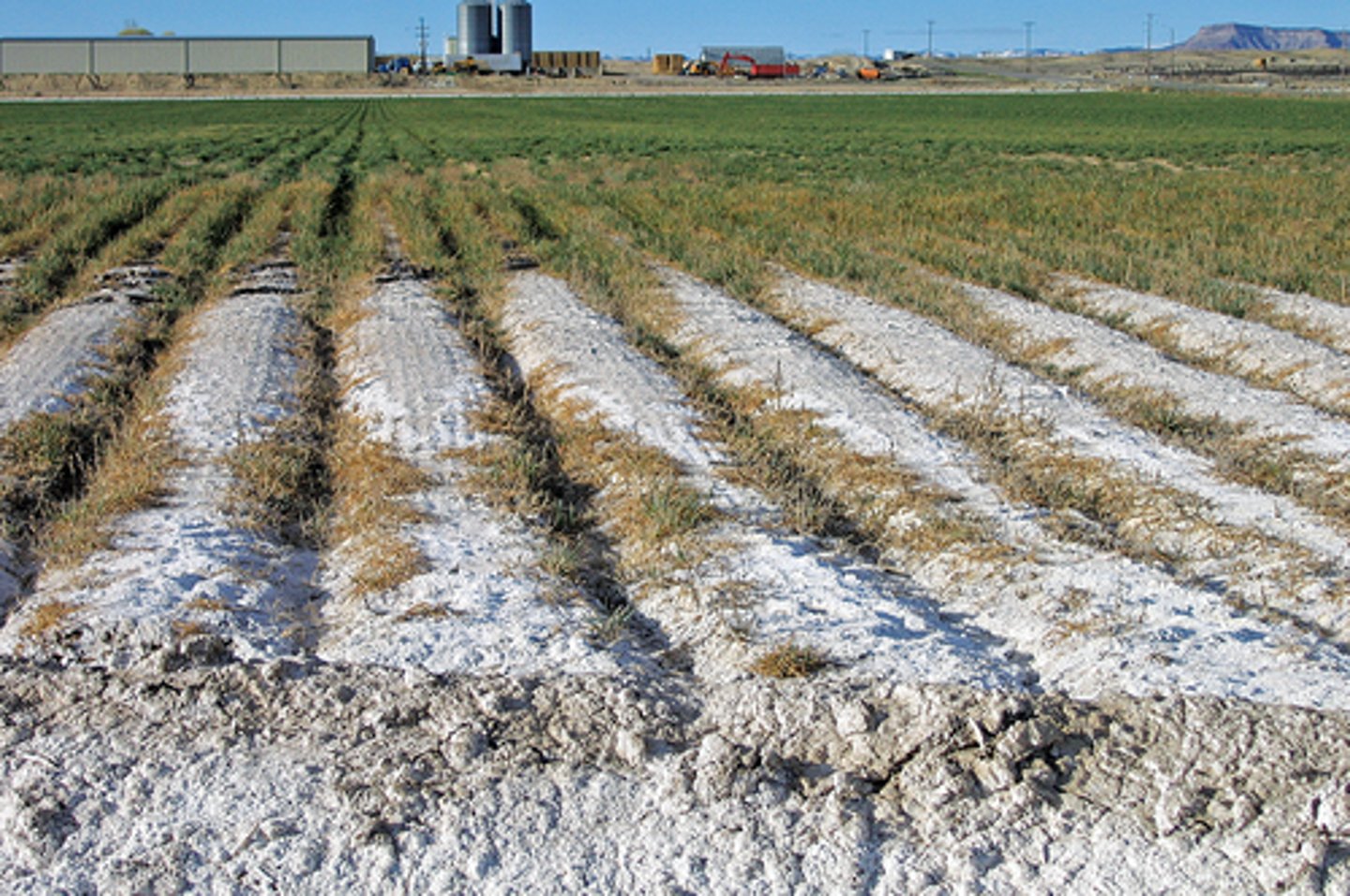
soil salinization
the process by which salt accumulates in the soil
CSA (community supported agriculture)
subscription to receive produce each month from local farms
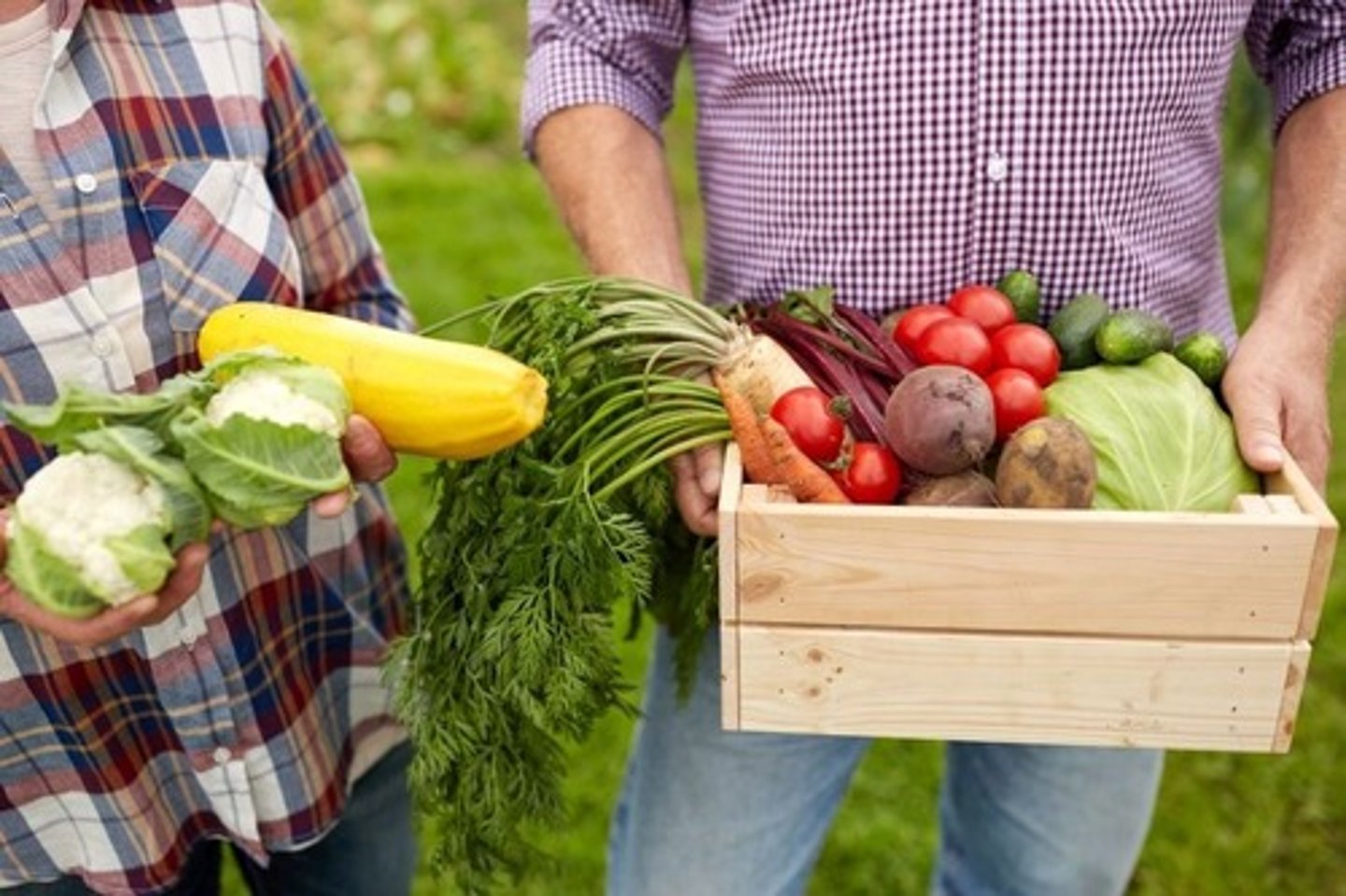
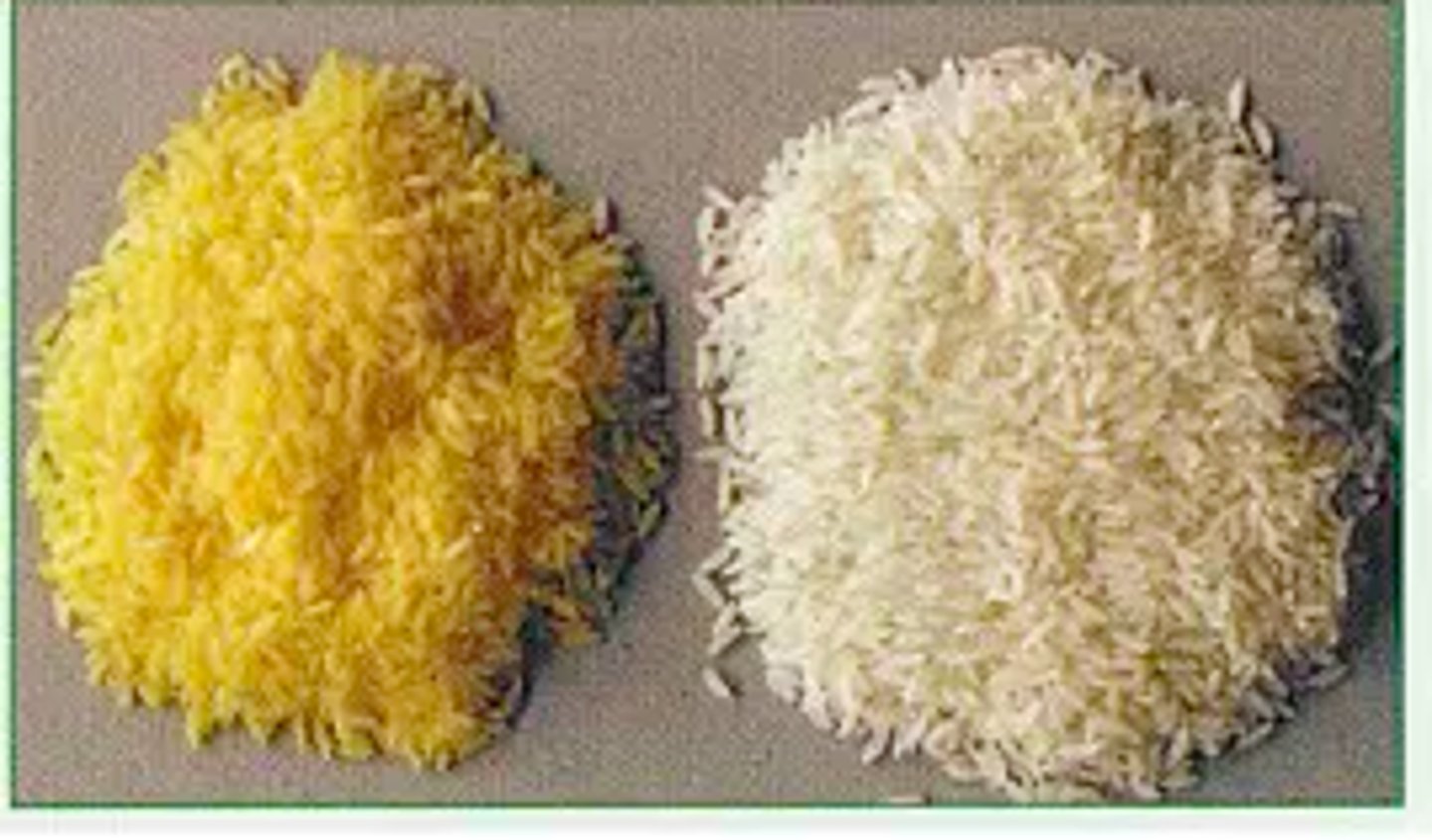
value-added agriculture
increading value through production process (eg GMOS etc)
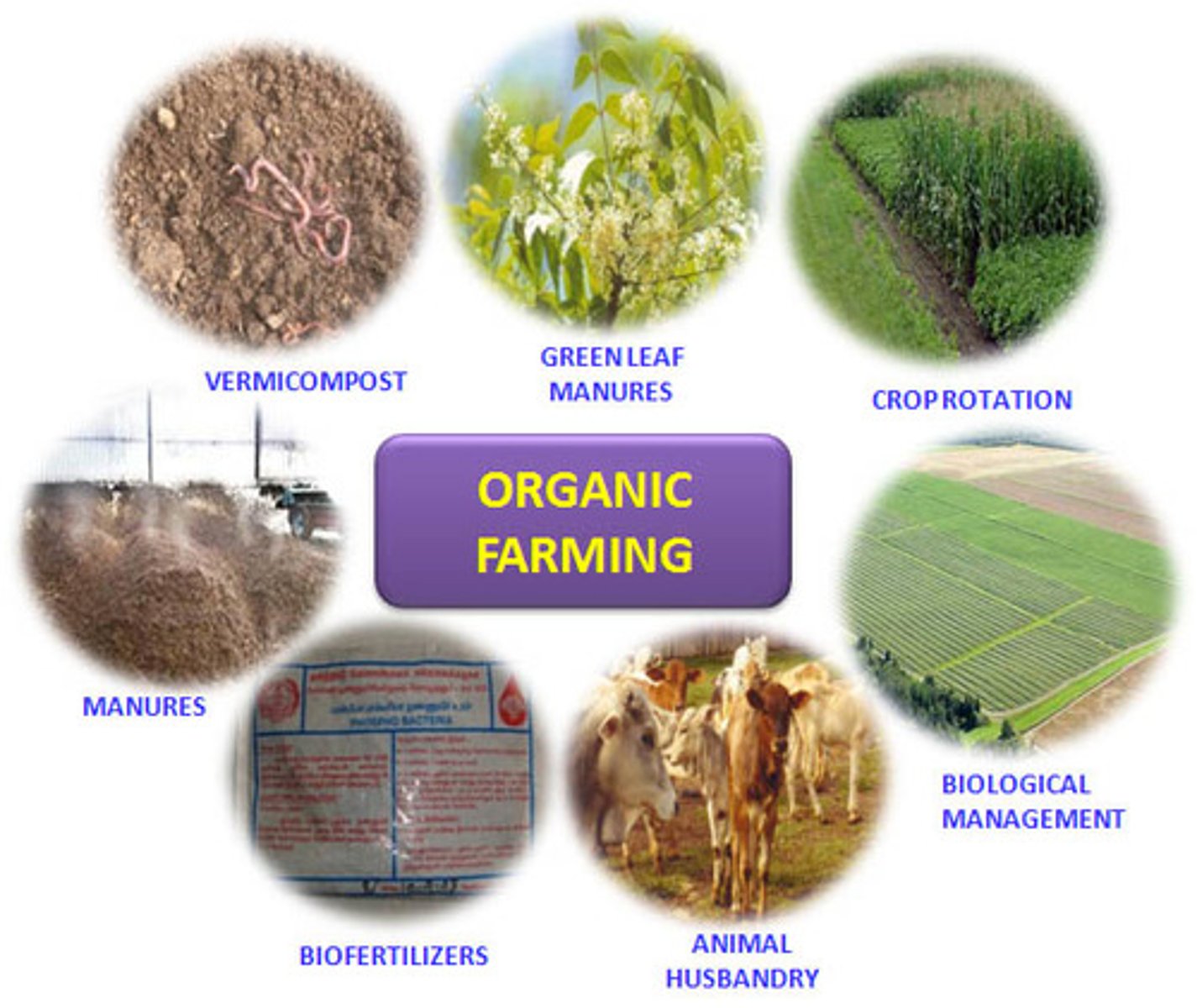
organic farming
ecologically based pest controls and biological fertilizers
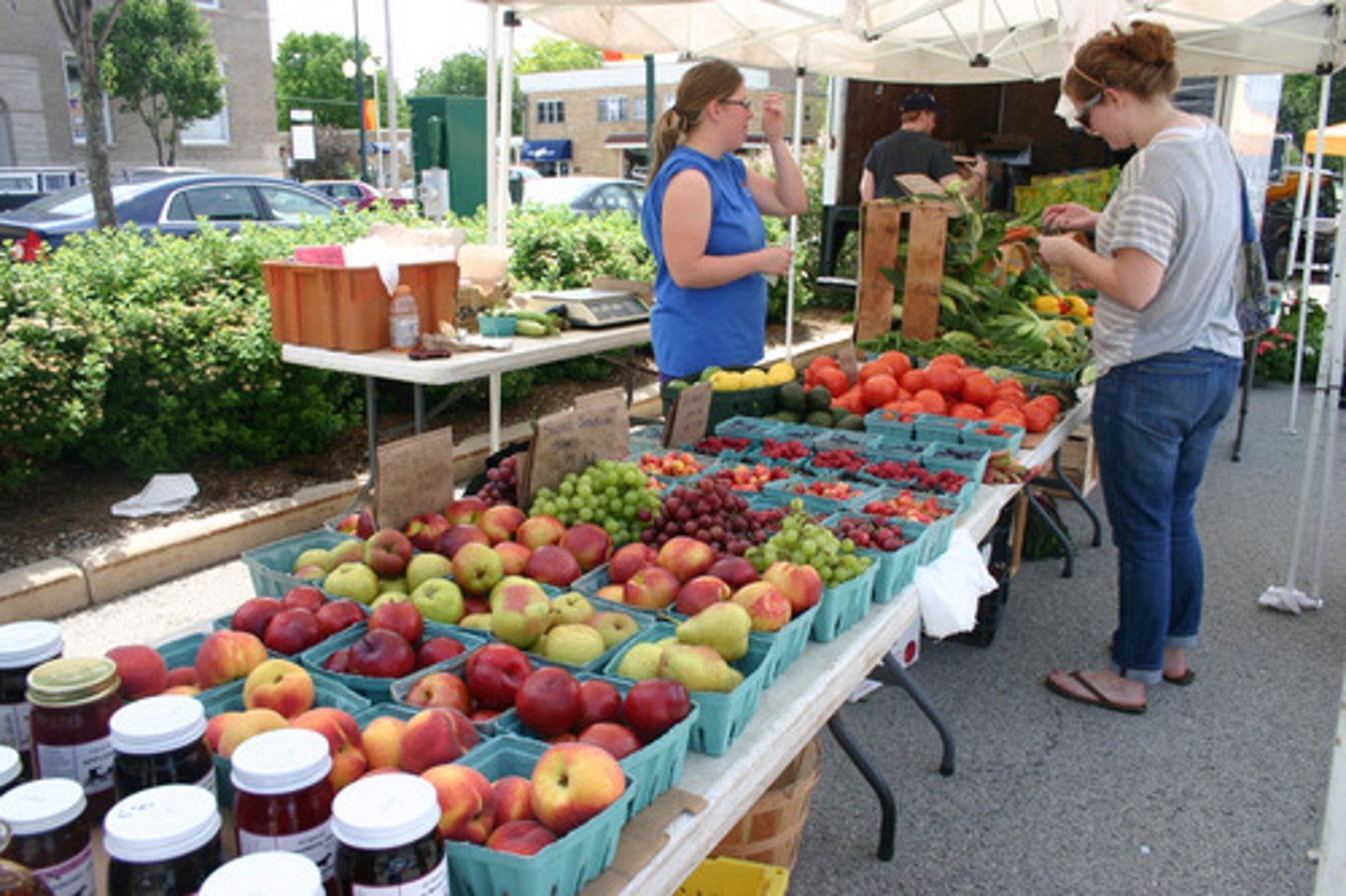
fair trade
trade in which fair prices are paid to producers in developing countries.

local food movement
distance from producer to consumer is small (reduces fossil fuels, improves local economies)
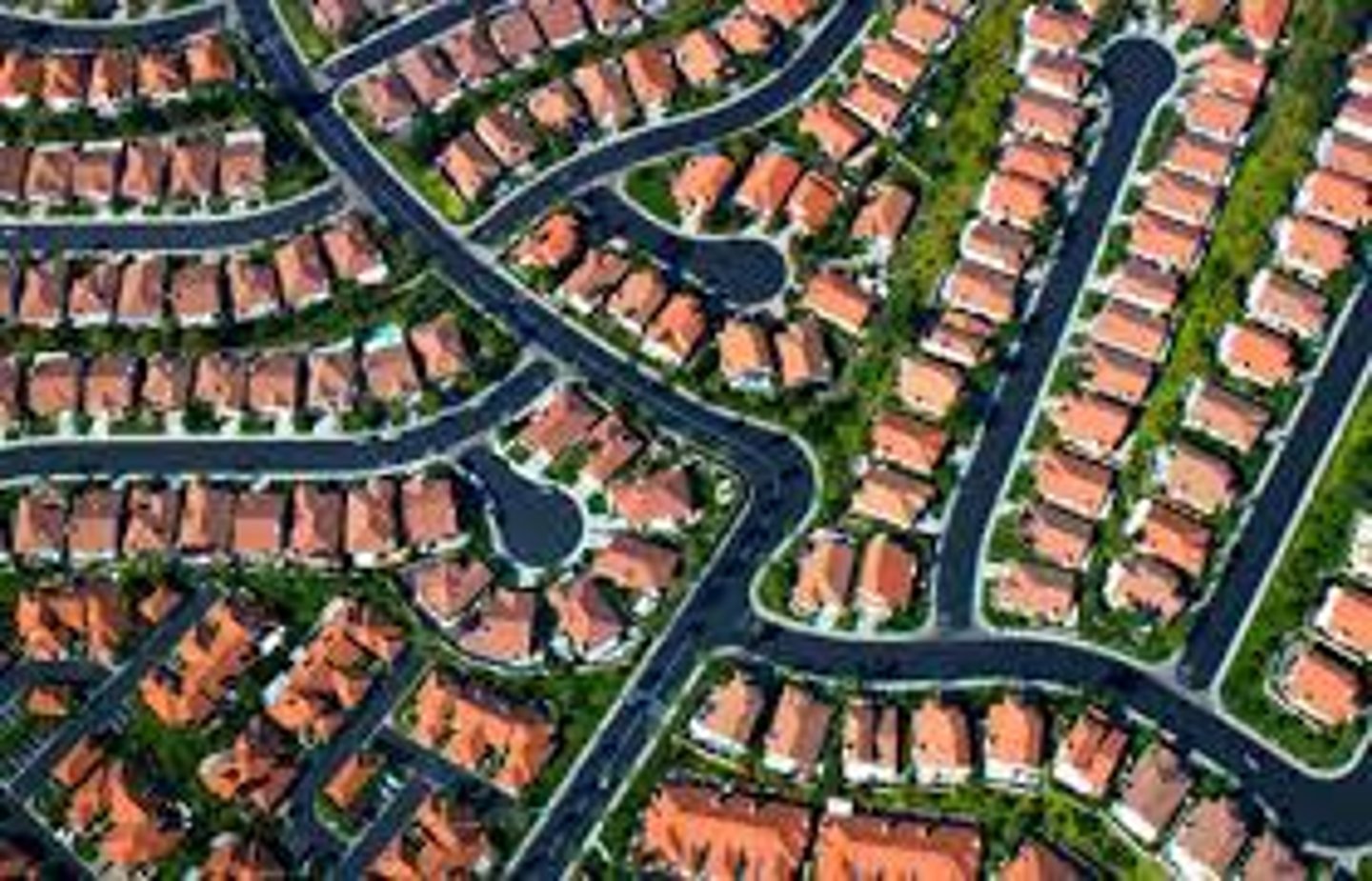
suburbanization
urban areas ---> surrounding areas (cookie cutter houses)
results in the depletion of farmland or wilderness (urban decay)
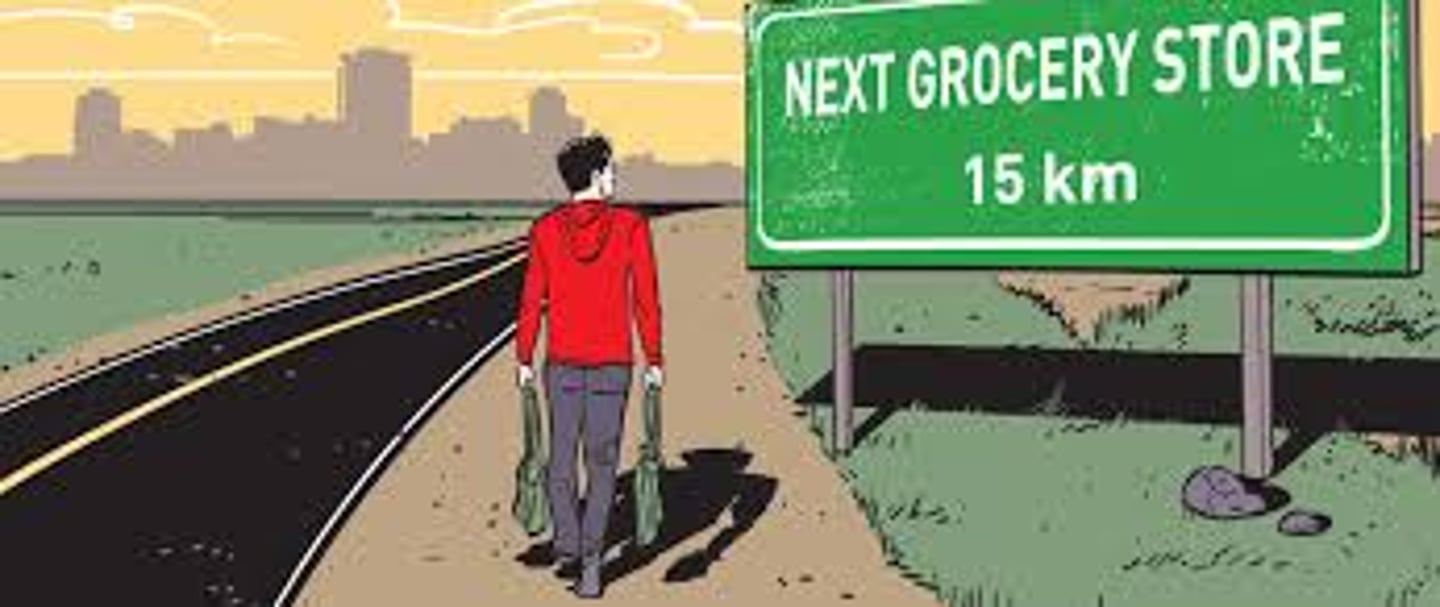
food desert
limited access to affordable and nutrituous food
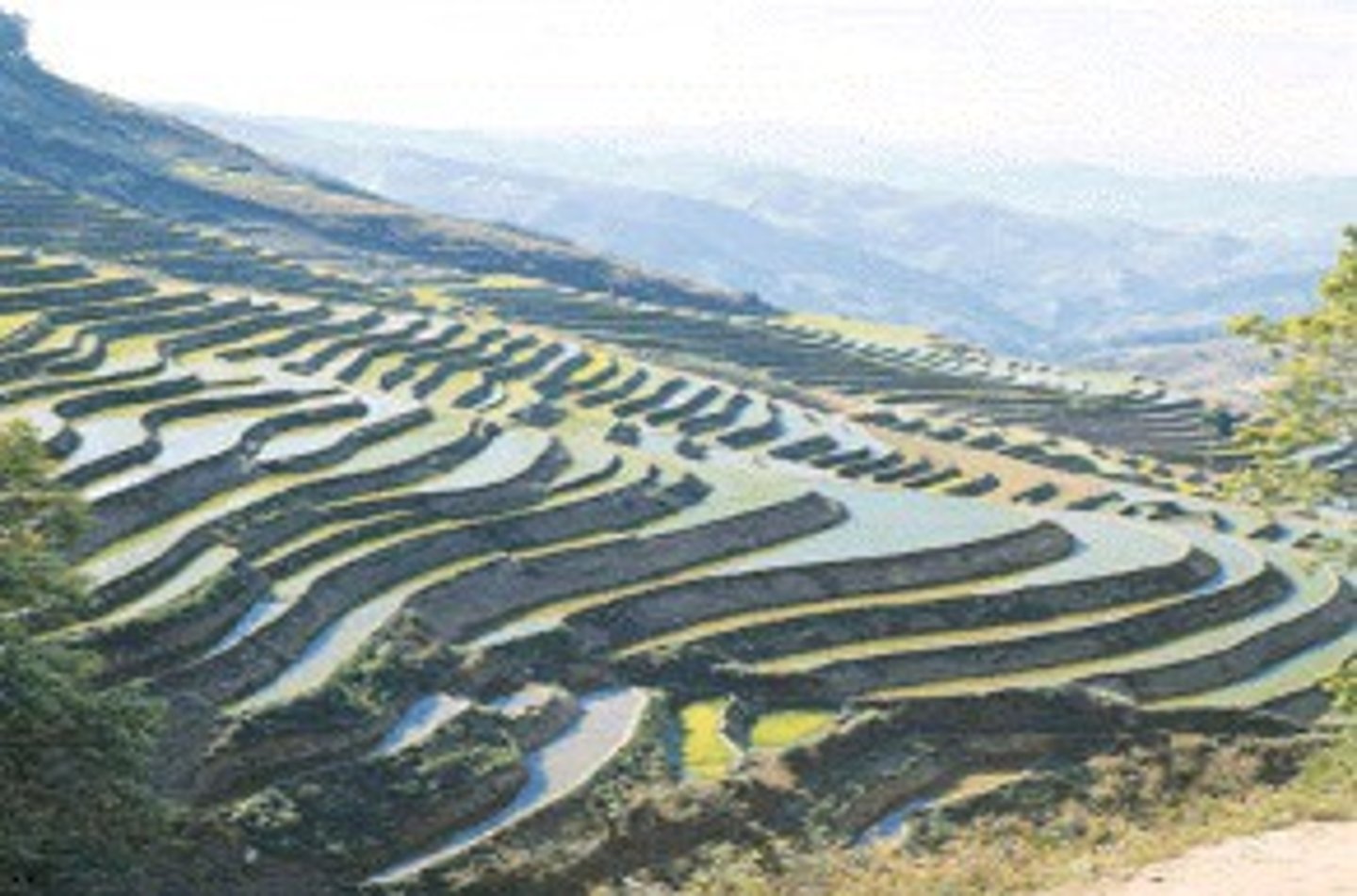
terrace farming
when hilly or mountain terrain is cut into a series of flat surfaces resembling steps
decreases erosion and surface runoff
GMOS
organism whose genetic material has been altered using genetic engineering techniques

irrigation
diversion of water from rivers/reservoirs to use on crops
-damming of rivers, salinization of soils
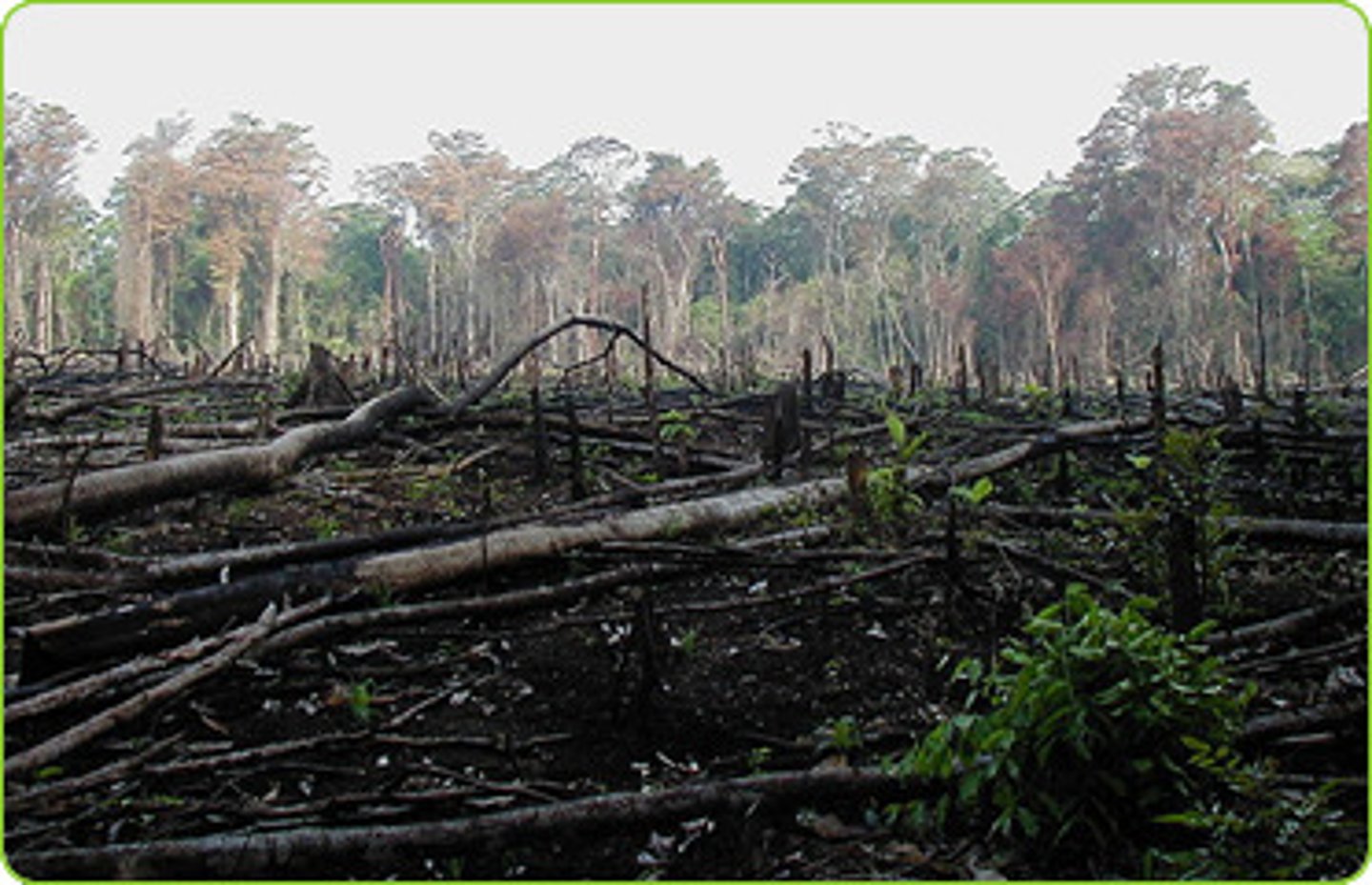
deforestation
the removal of forestland for the conversion of the land for farming
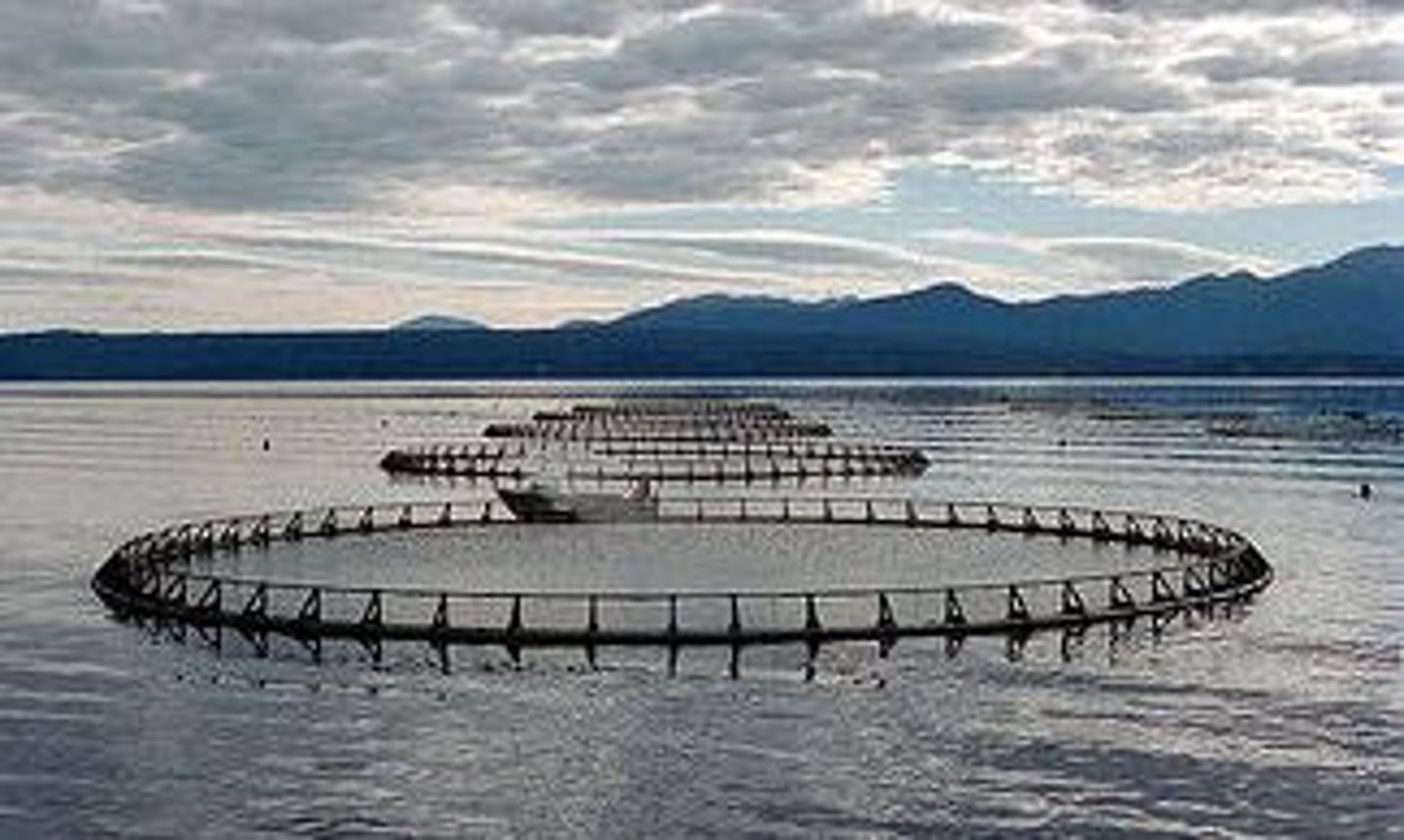
aquaculture
controlled cultivation of fishies
problems:
-depletion of wild fish populations for food
-aquatic pollution
-disease transfers to wild fish
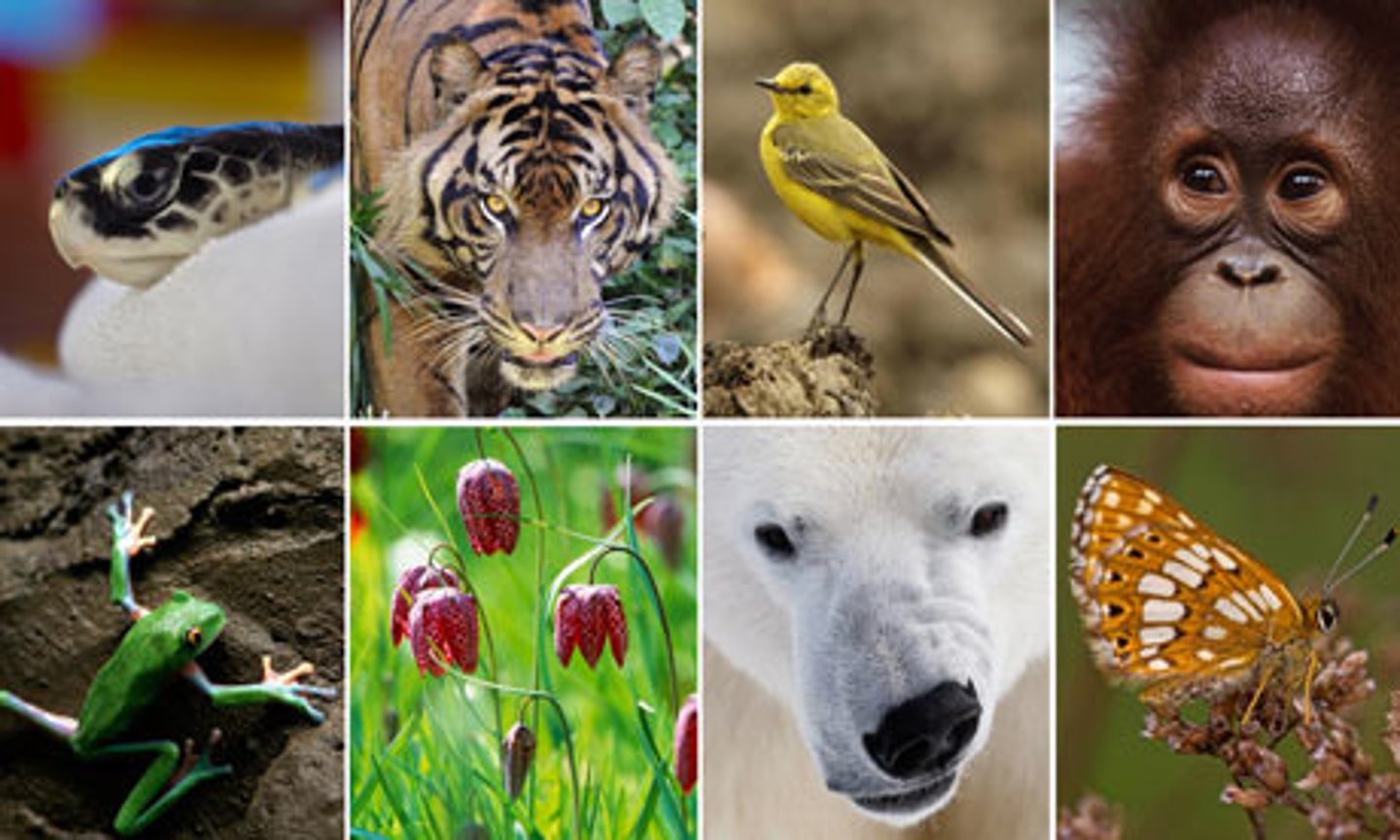
biodiversity
variability of life on earth or in a specific place
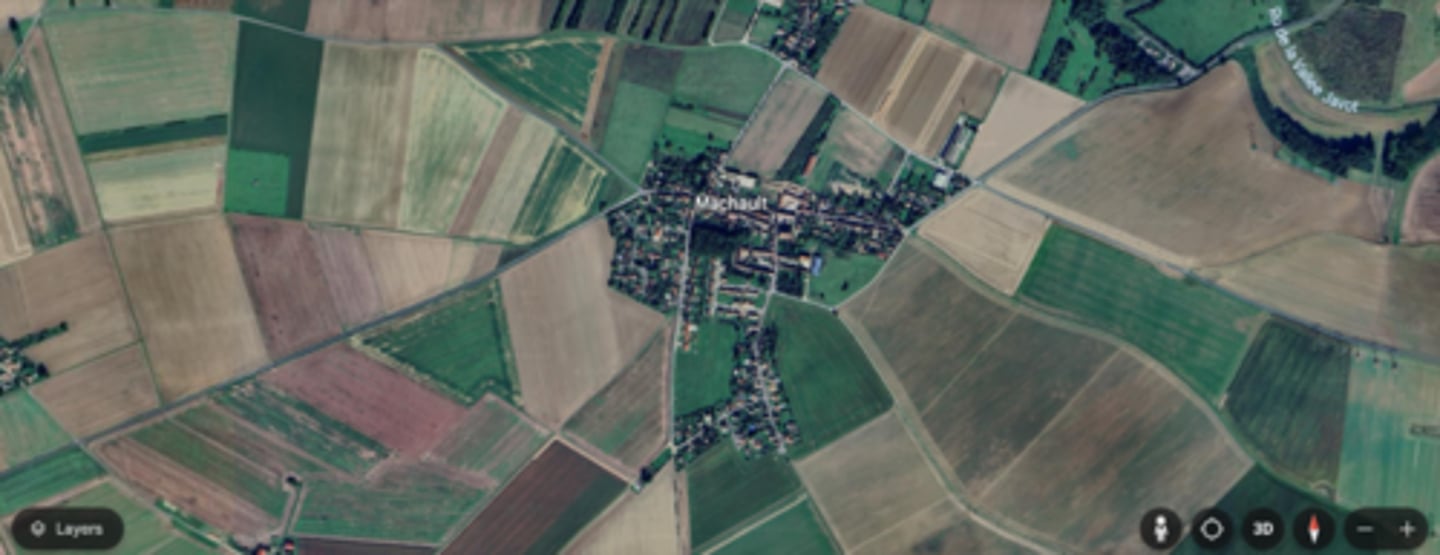
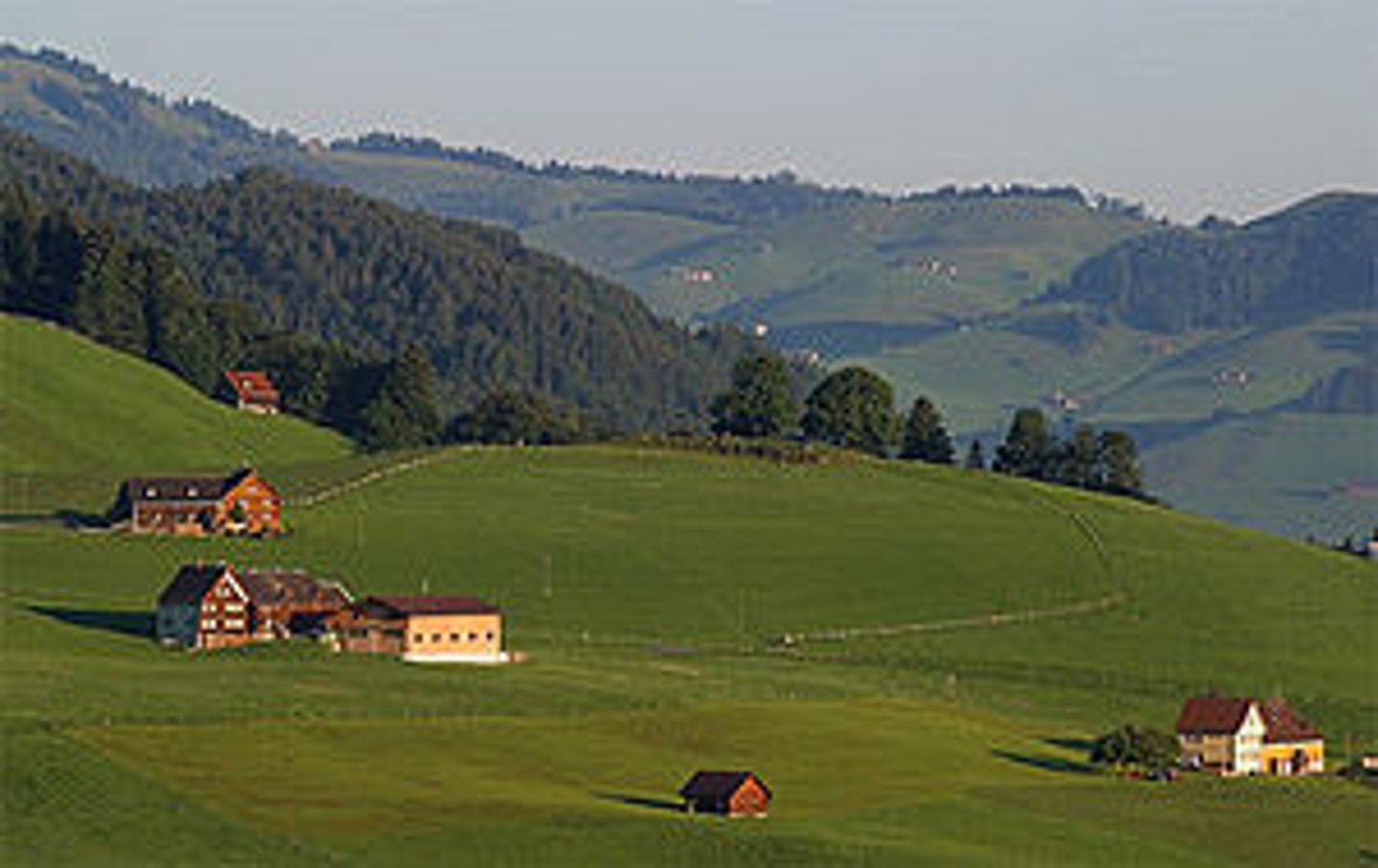
clustered settlement pattern
houses are grouped together in tiny clusters
dispersed settlement pattern
individual farmhouses exist in isolated distribution (where land is cultivated by machine rather than by hand)
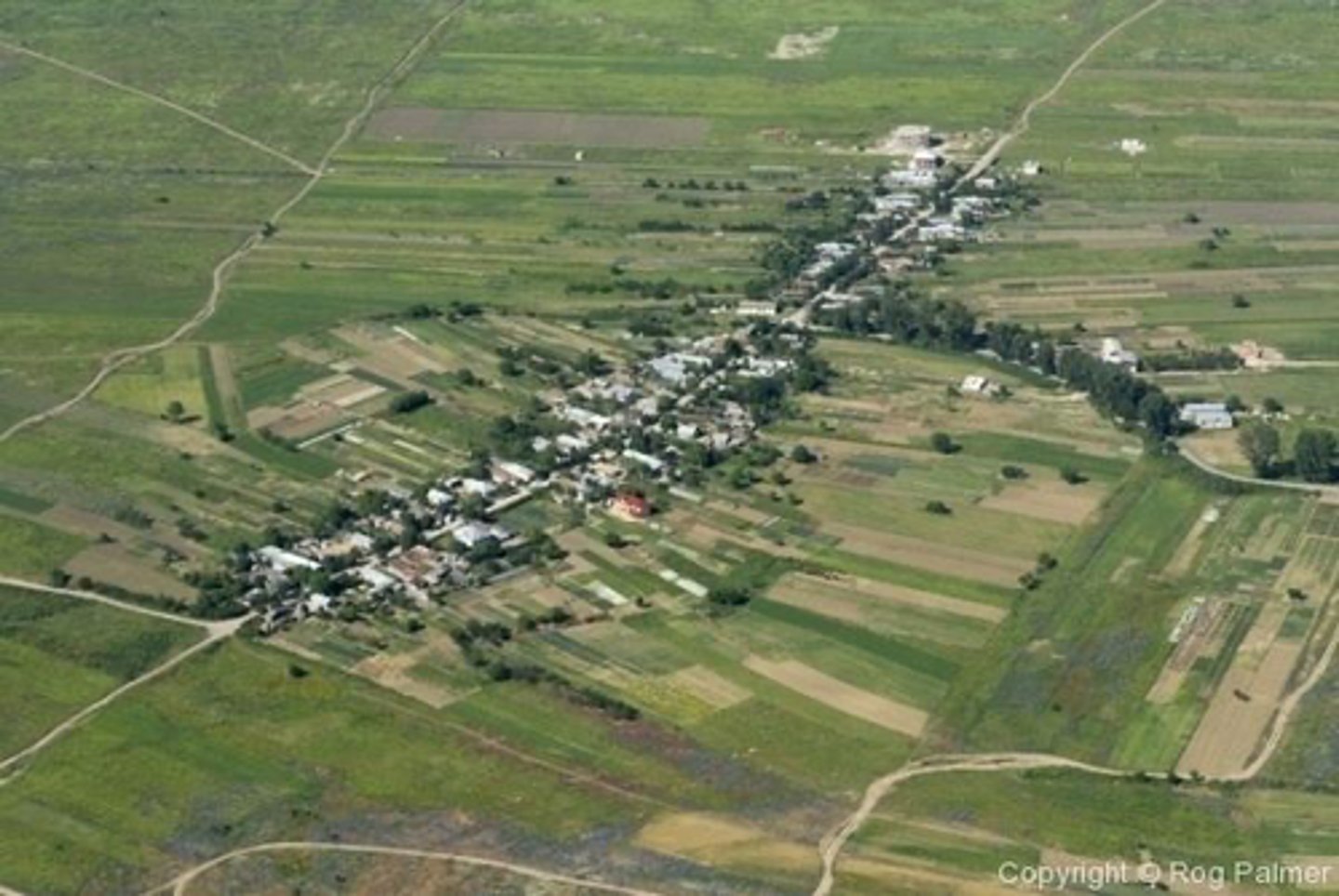
linear settlement pattern
when houses are positioned in a linear fashion along roads. canals, or rivers
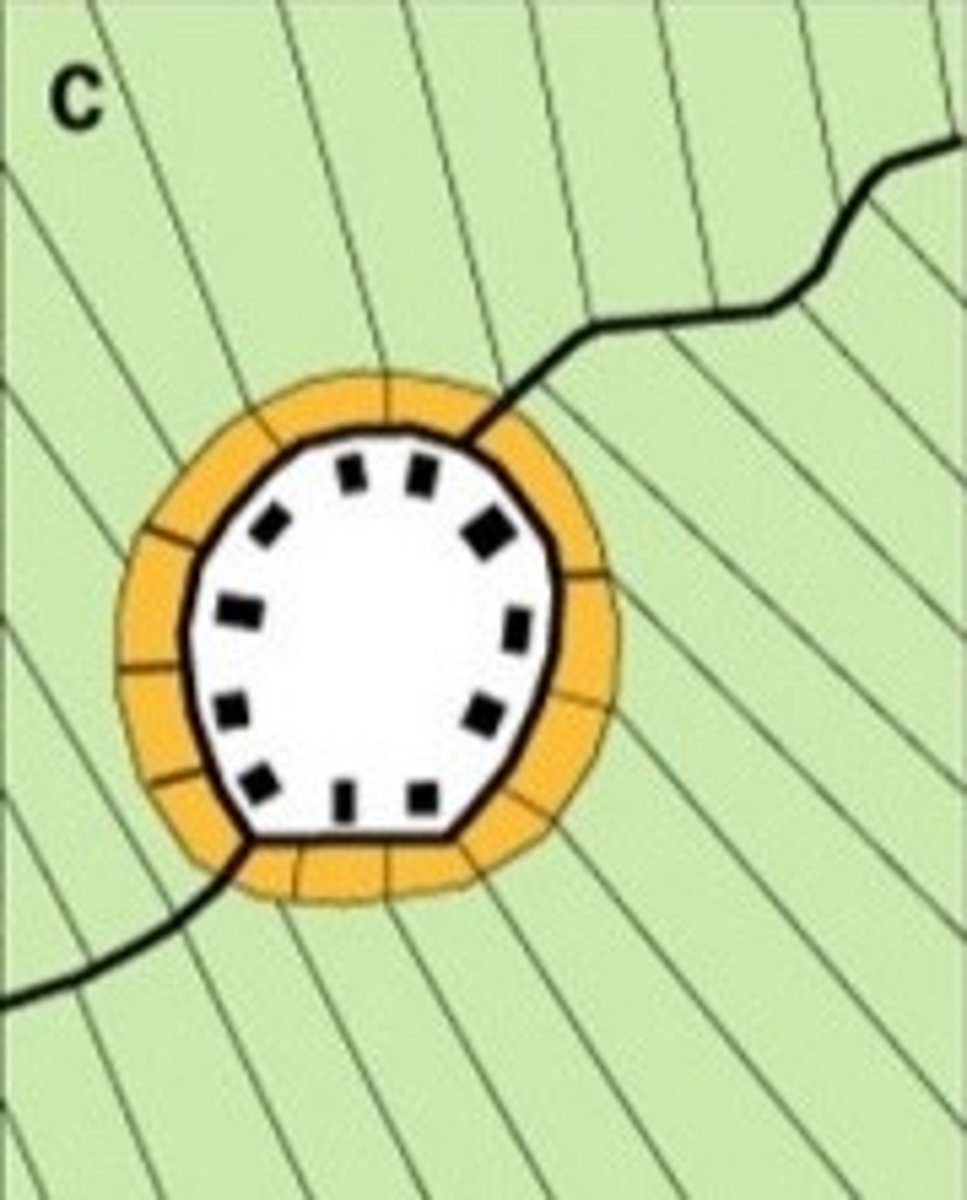
round settlement pattern
when houses are positioned in a circle
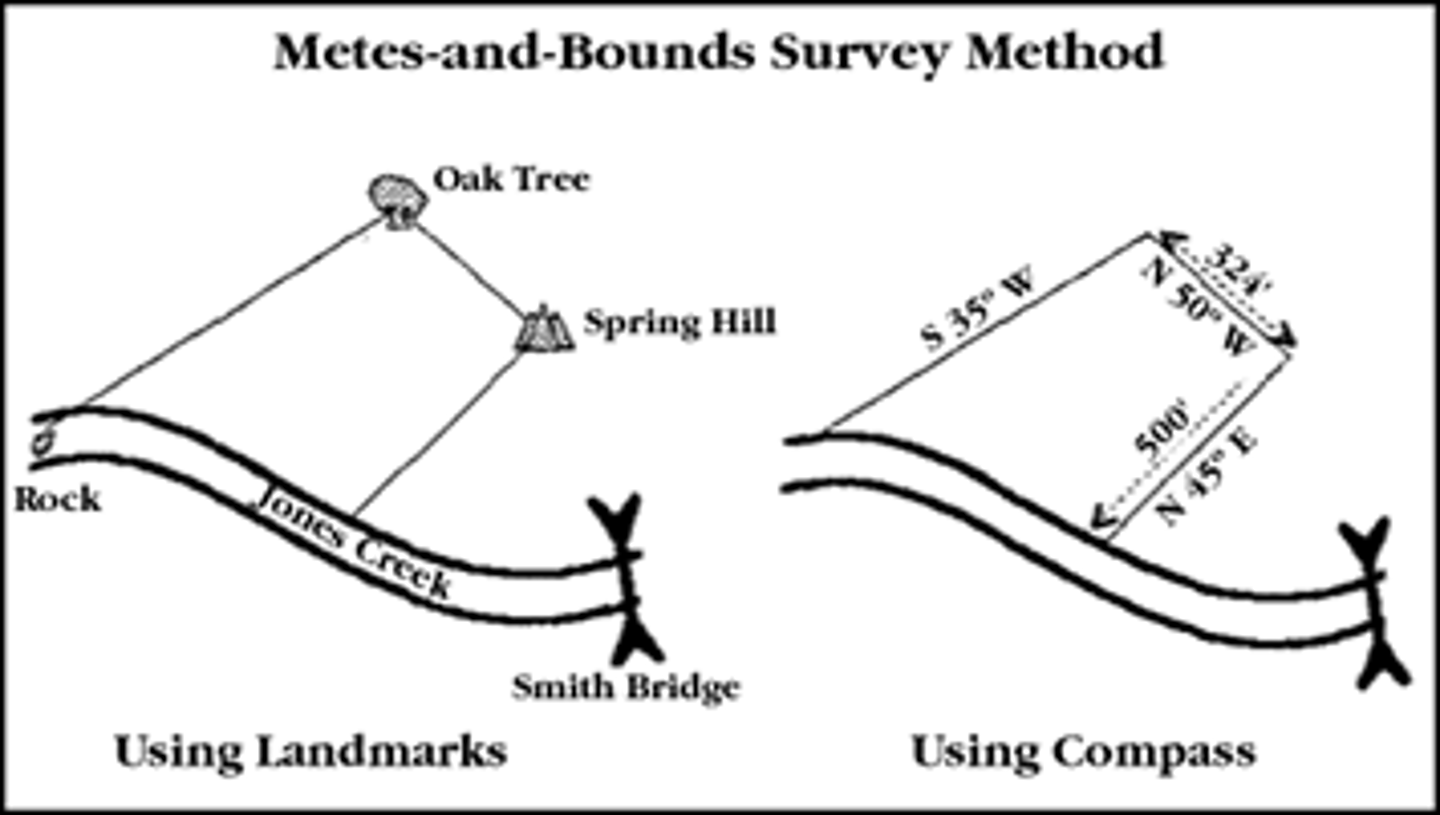
metes and bounds
a survey system originating in GB
-a property is described using straight runs (metes) and features of the natural landscape like stone walls or rivers (bounds)
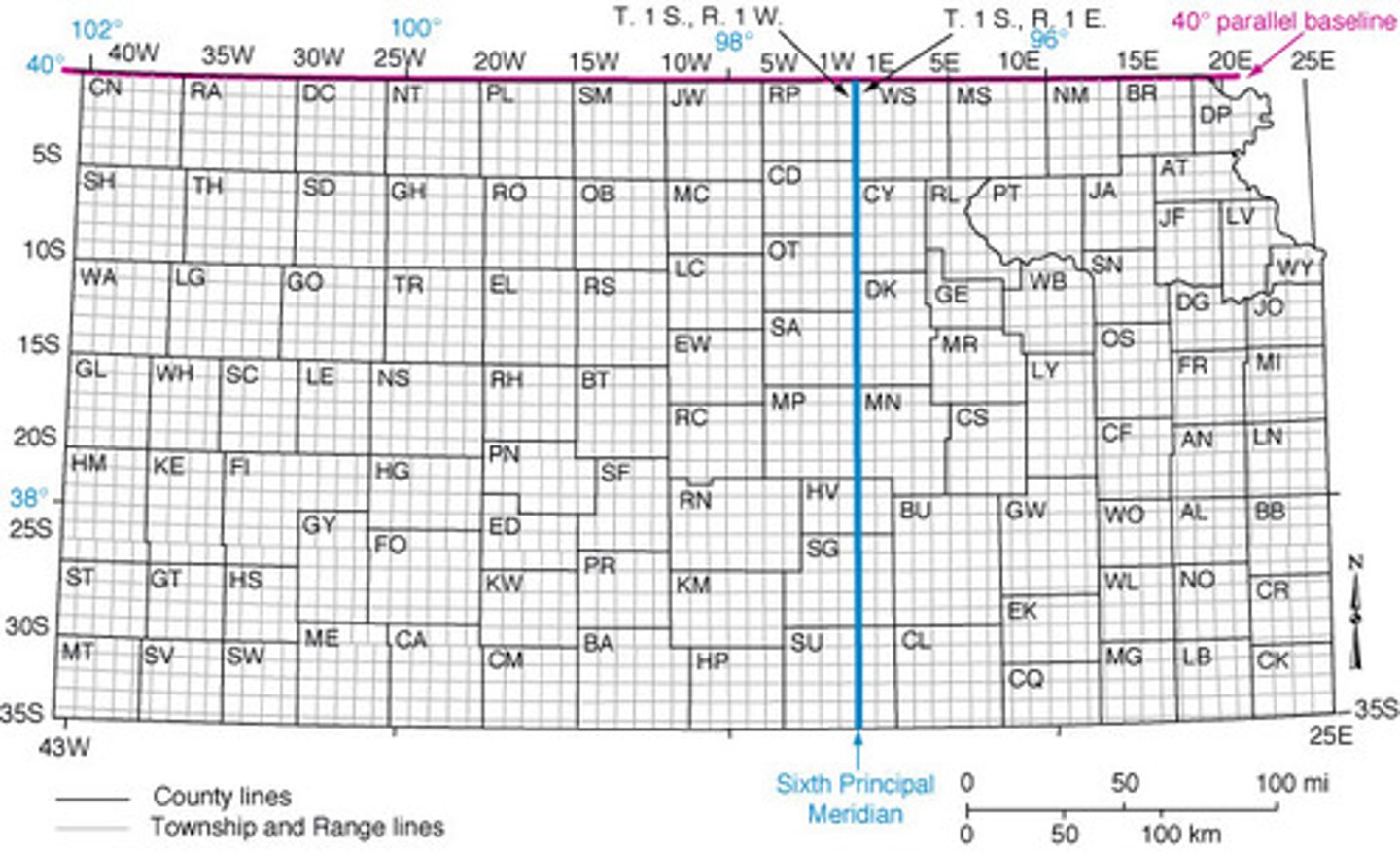
township and range
a survey system which imposed a grid-like pattern on the US
-designed to facilitate the movement of white farmers evenly across the farmlands of the US
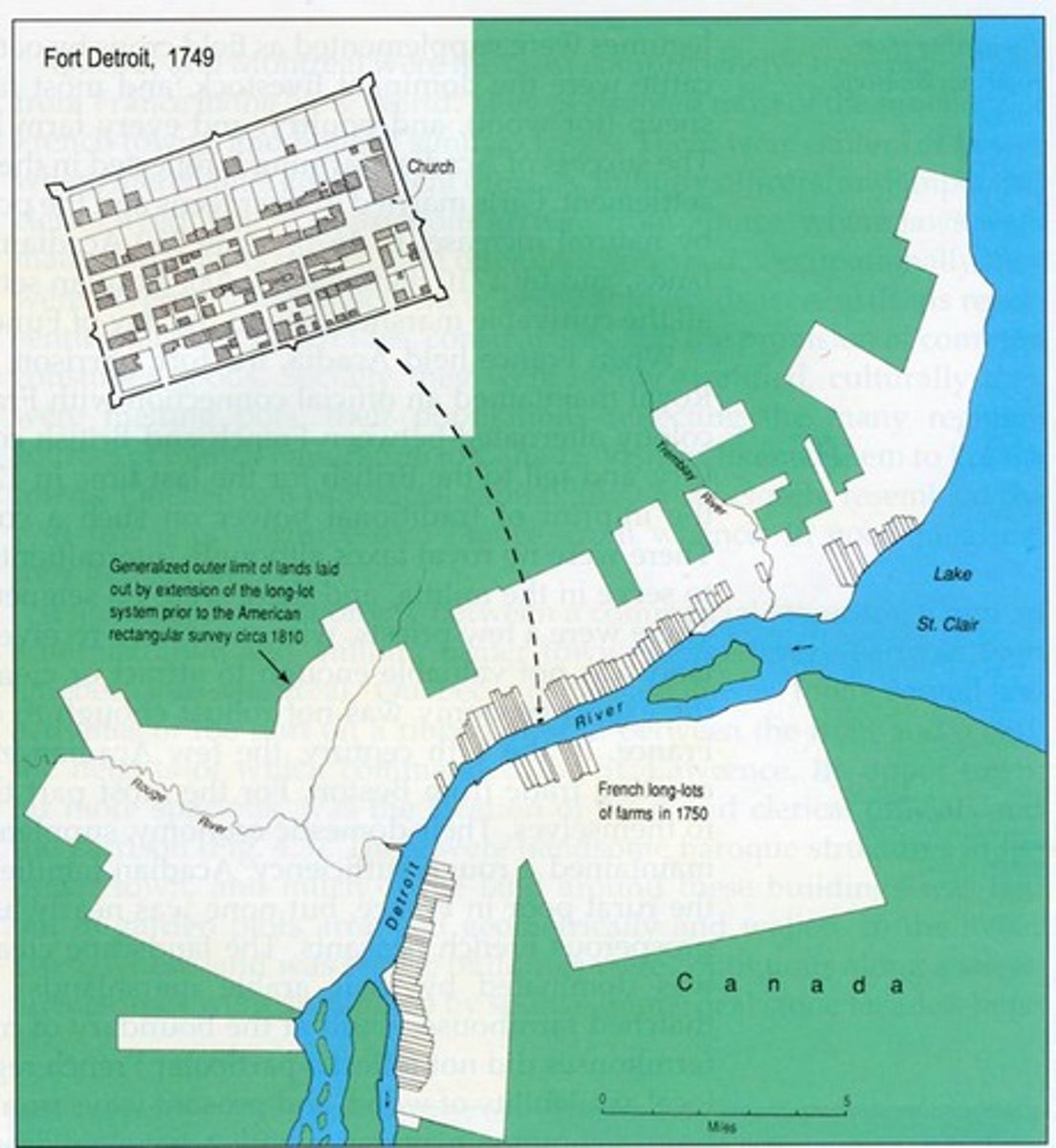
long lot system
a survey system which produces long, narrow strops of land that emanate from a river
political geography
the study of political organization of the world
state
A COUNTRY (permanent population, defined territory, government, and recognized by other states)
territoriality
asserting control over an area
sovereignty
the ability to self govern
state morphology
how the shape of a country affects its well-being and culture, politics, etc
compact state
most compact is circular
elongated state
long and thin
prorupted state
long freaky arm
perforated state
a state that completely surrounds another one
fragmented state
discontinuous pieces of territory
city-state
a sovereign state that encompasses a city
microstate
very small land area
enclave
entirely surrounded by the territory of another state
exclave
a portion of a state or country that is geographically separated from the main territory by the land of one or more foreign states
landlocked state
locked by land
nation
a group of people who have shared culture and history and who seek some degree of political territorial autonomy
nation-state
a state whose territory corresponds to an ethnicity
multinational state
multiple groups (ethnic/cultural) in the same state
balkanization
a state breaks down through conflicts among its ethnicities
multistate nation
a nation that stretches across borders
irridentism
any political movement that seeks to claim/reclaim and occupy a land that the movement's members consider to be "lost"
stateless nation
a nation without a state
centripetal forces
UNIFY a nation
centrifugal forces
DIVIDE a nation
unitary state
capital serving as focus of power
federal state
state territory organized into sub states (like the US)
forward thrust capital
a symbolically relocated capital city
devolution
regions gain political authority at the expense of the federal government
autonomous region
a subdivision of a country that has a degree of self-governance
reapportionment
redistrubition of representation in a legislative body
redistricting
the process of redrawing congressional districts to reflect demographic changes following census
gerrymandering
redrawing legislative boundaries for partisan advantage
geometric boundary
a boundary that is a straight line
physical-political boundary
irregular boundary line following a feature of the landscape like a river or mountain range
steps in boundary creation
defined, delimited, demarcated, administered
types of boundary disputes
definitional, locational, operational, allocational
relic boundary
a man-made boundary which is no longer in service (berlin wall)