SLP Praxis: Genetic Syndromes
 Call Kai
 Learn
Learn Practice Test
 Spaced Repetition
 Match
Match Flashcards
 Knowt Play
1/17

There's no tags or description
Looks like no tags are added yet.
Name | Mastery | Learn | Test | Matching | Spaced | Call with Kai |
|---|
No analytics yet
Send a link to your students to track their progress
18 Terms
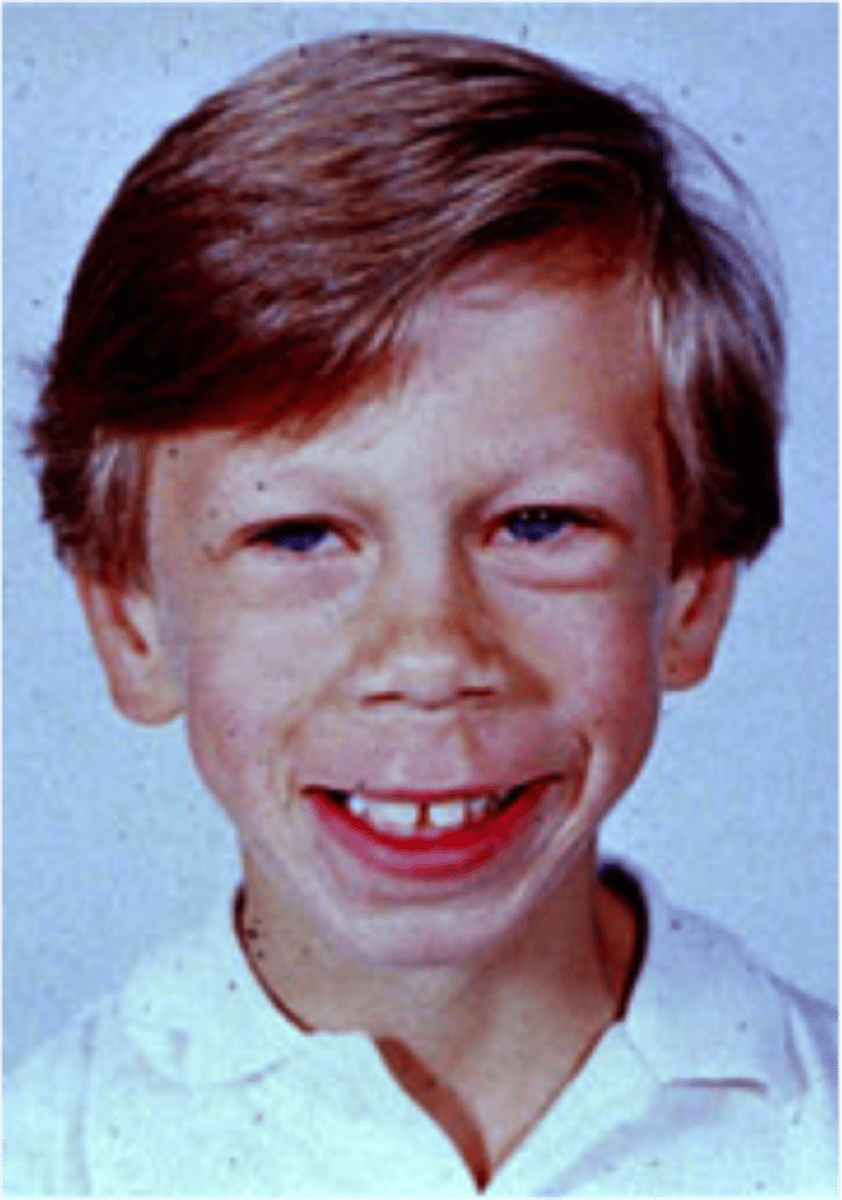
Angelman Syndrome
Chromosome 15
seizures, stiff and jerky gait, laughter and happy demeanor, excitable, short attention span,
No or few words; nonverbals and verbal receptive skills much higher than expressive skills
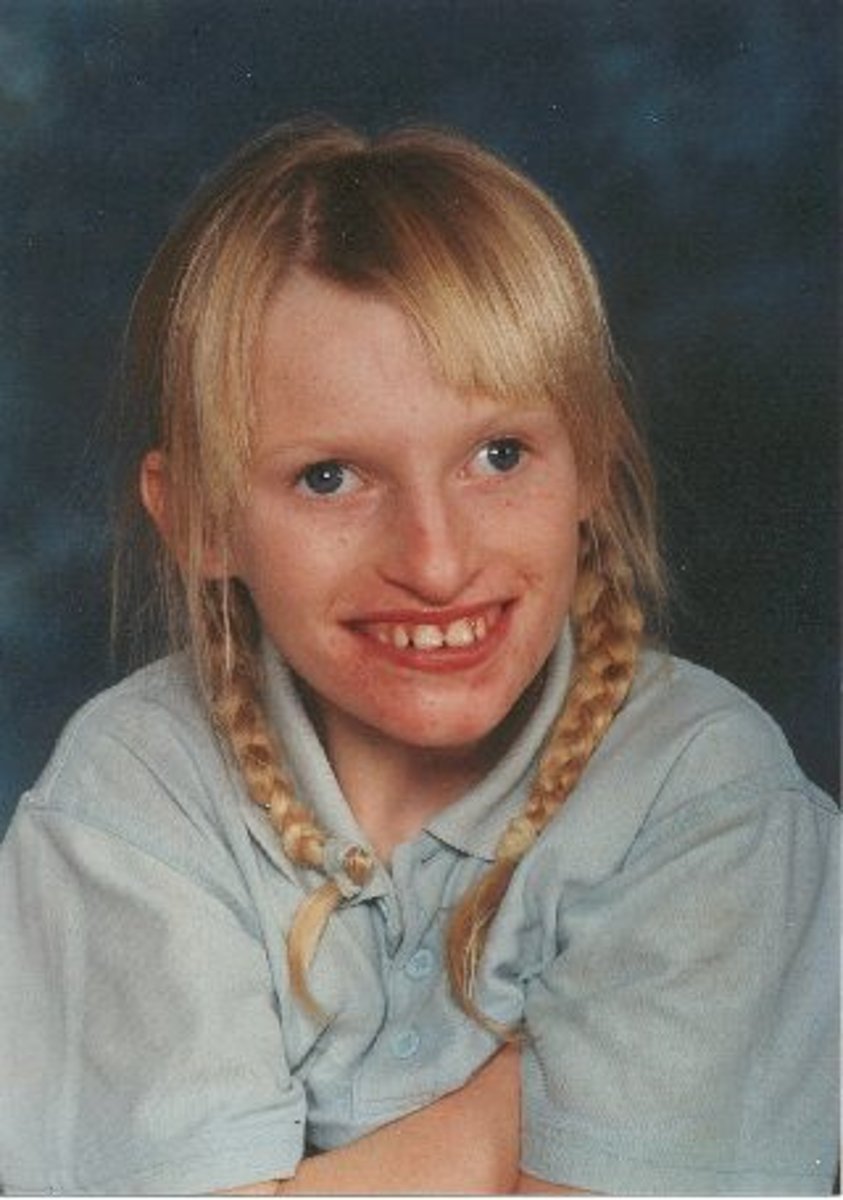
Apert Syndrome
syndactyly, craniosynostosis, midfacial hypoplasia, cleft 25-30% of time
conductive hearing loss sometimes, hyponasality, artic (s,z,f,v)
normal intelligence sometimes, sometimes mild to moderate intellectual disability
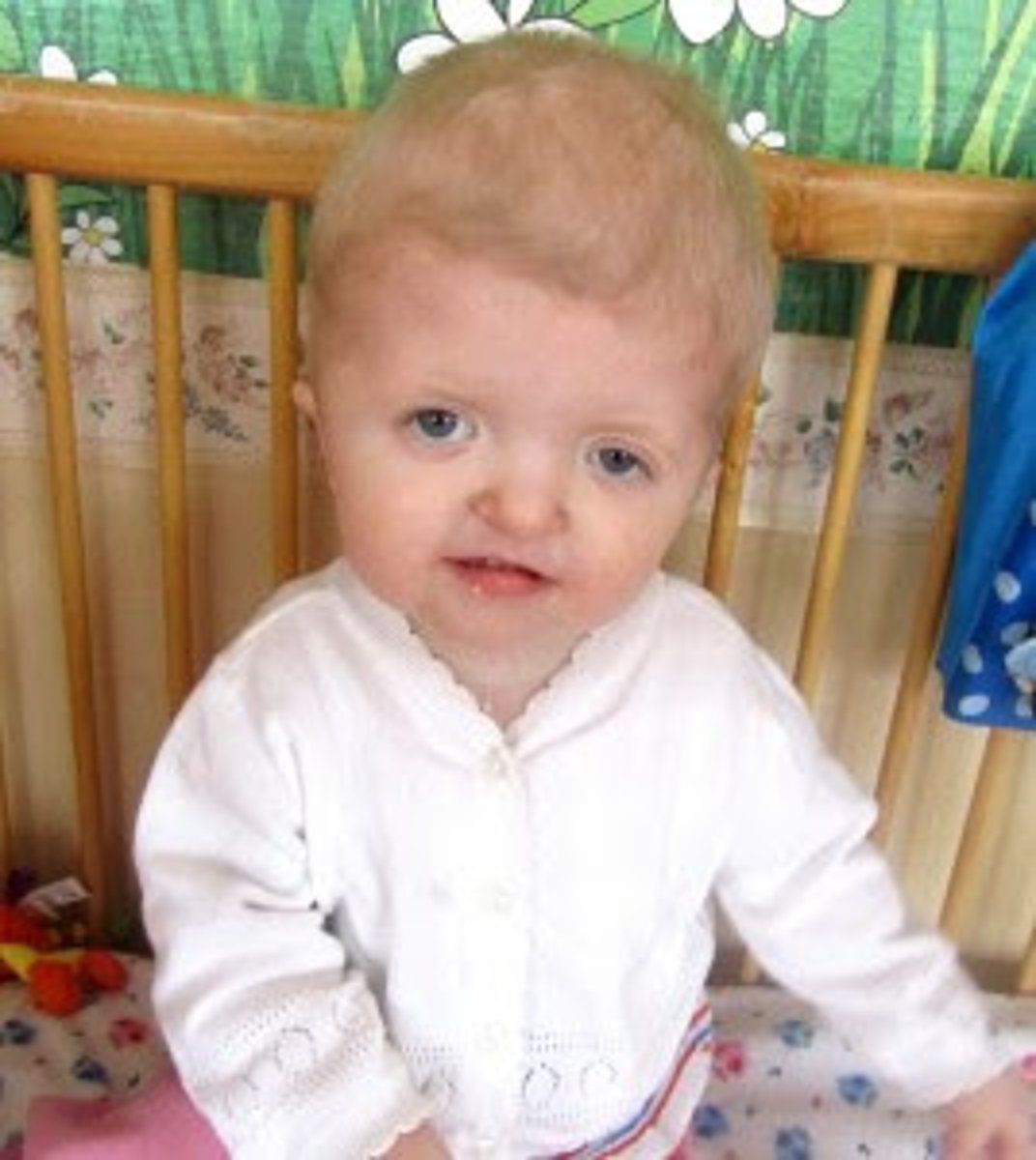
Cri du Chat Syndrome
Absence of short arm of 5th chromosome
high-pitched cry in infants
low-set ears, narrow oral cavity, laryngeal hypoplasia, microcephaly, hypertelorism, micrognathia, oral clefts.
Artic and language disorders associated with intellectual disability
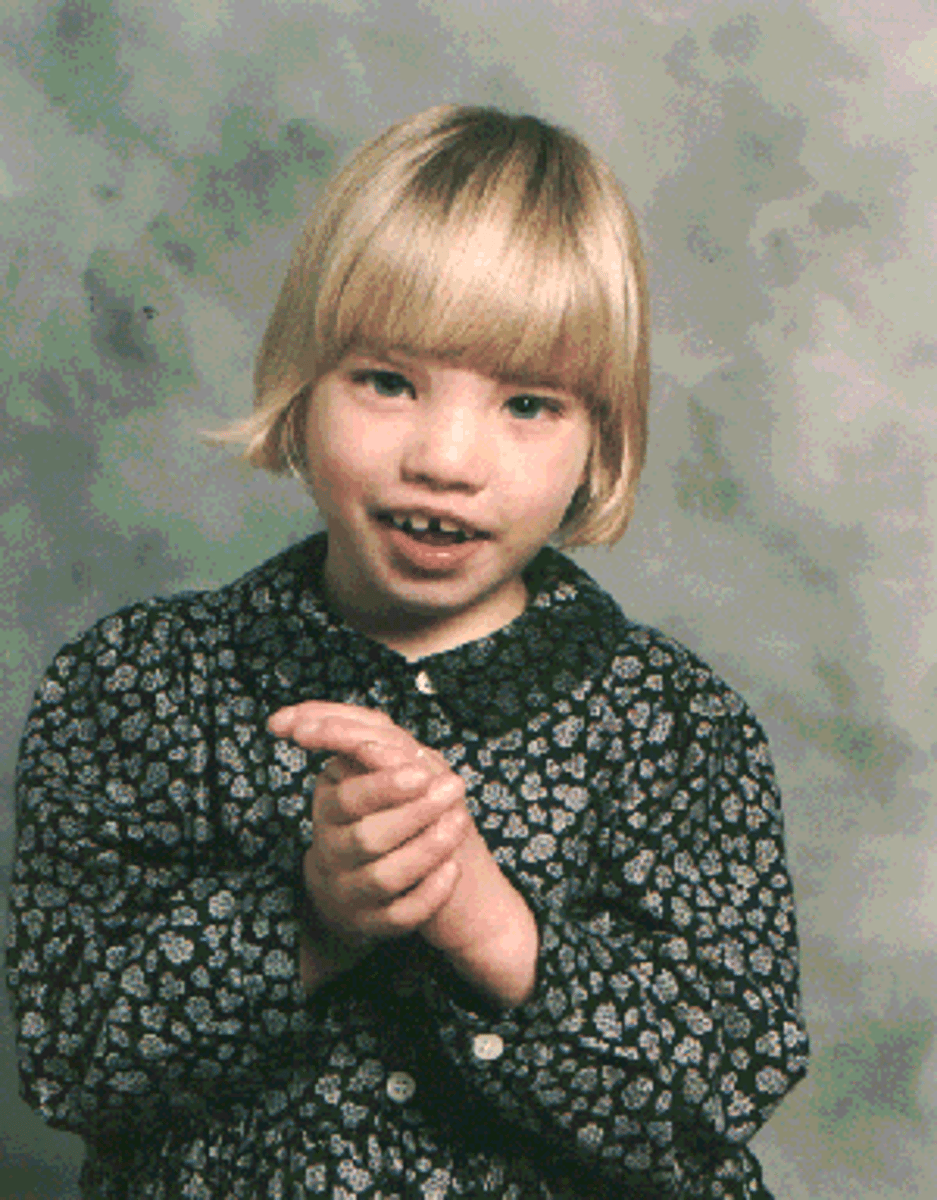
Crouzon Syndrome
Autosomal dominant
craniosynostosis (especially coronal), hypoplasia of midface, maxilla, or both, hypertelorism, facial assymetry, high arched palate, shllow oropharynx, long and thick soft palate, brachycephaly
conductive HL sometimes, artic disorders, hyponasality, and language disorders
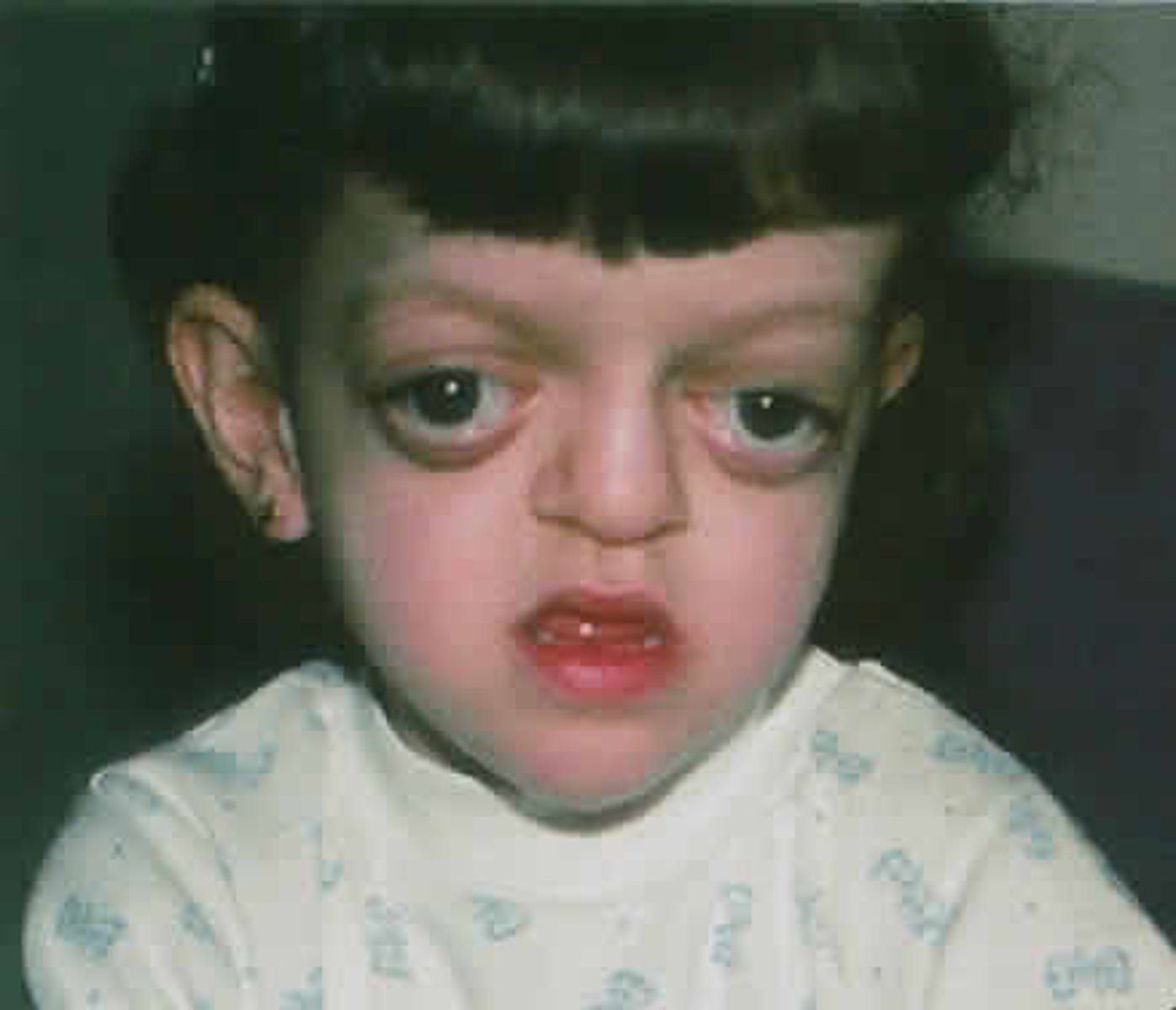
Down Syndrome
extra chromosome 21
hypotonia, small ears, nose, and chin, midface dysplasia, narrow high arched palate, macroglossia,
conductive loss often, sometimes sensorineural, language delays, especially deficient syntax and morphological features, relatively better vocab
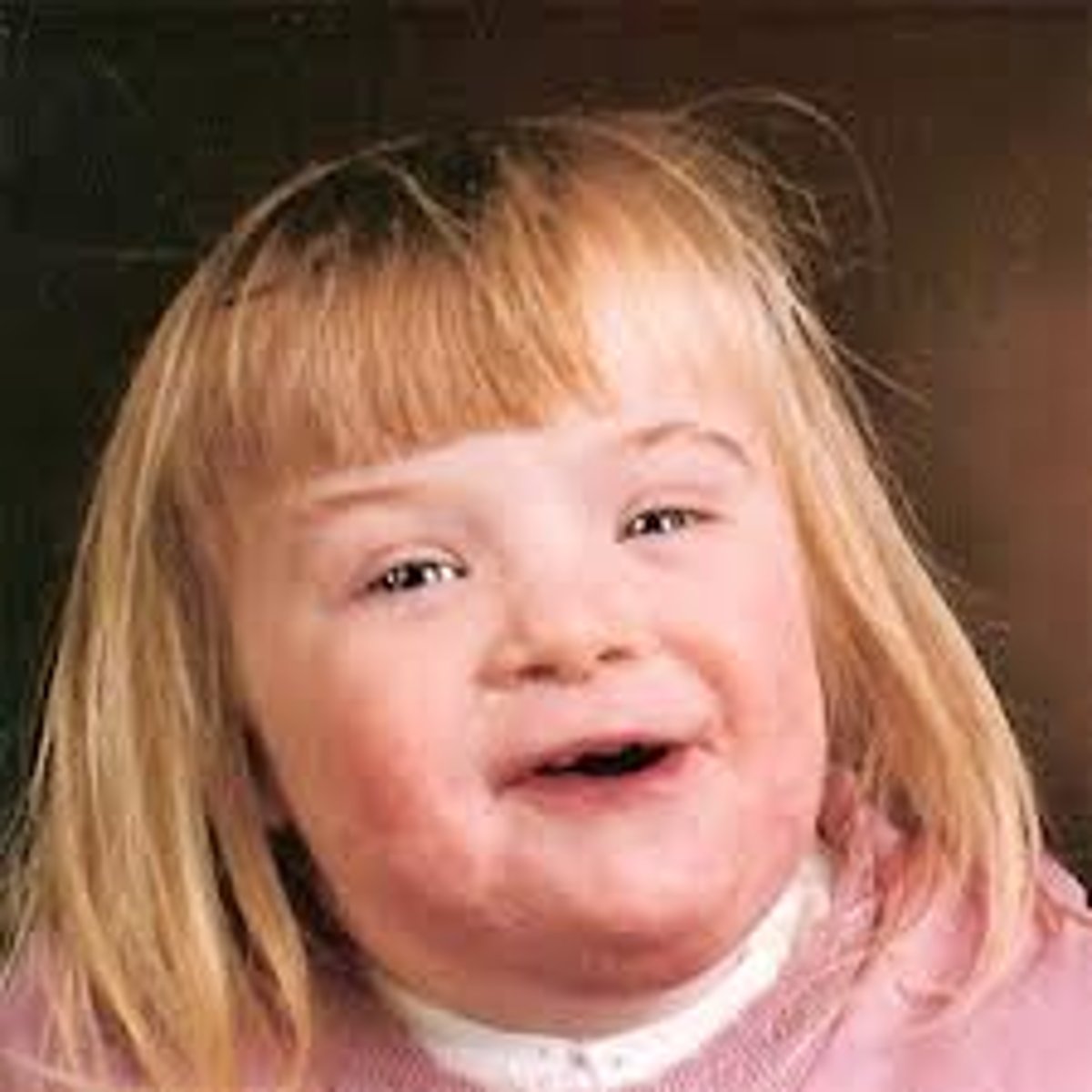
Fragile X Syndrome
FMR1 gene has lots of repetitions of CGG
large, long pinna, big jaw, enlarged testes, high forehead.
ID (leading inherited cause of ID in males) mild-mod in children, more severe in adulthood
Jargon, perseveration, echolalia, inappropriate language, lack of gestures and other nonverbals, voice and artic disorders.
Autistic-like social deficiencies
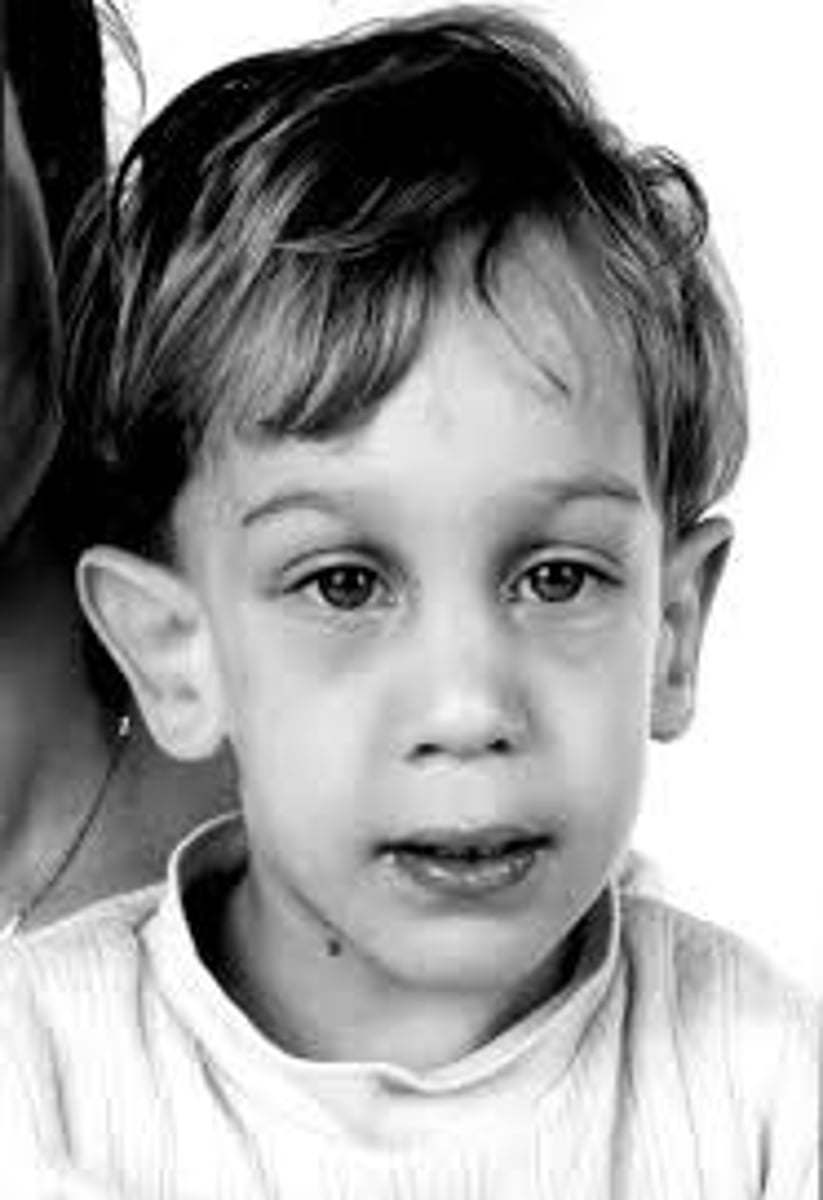
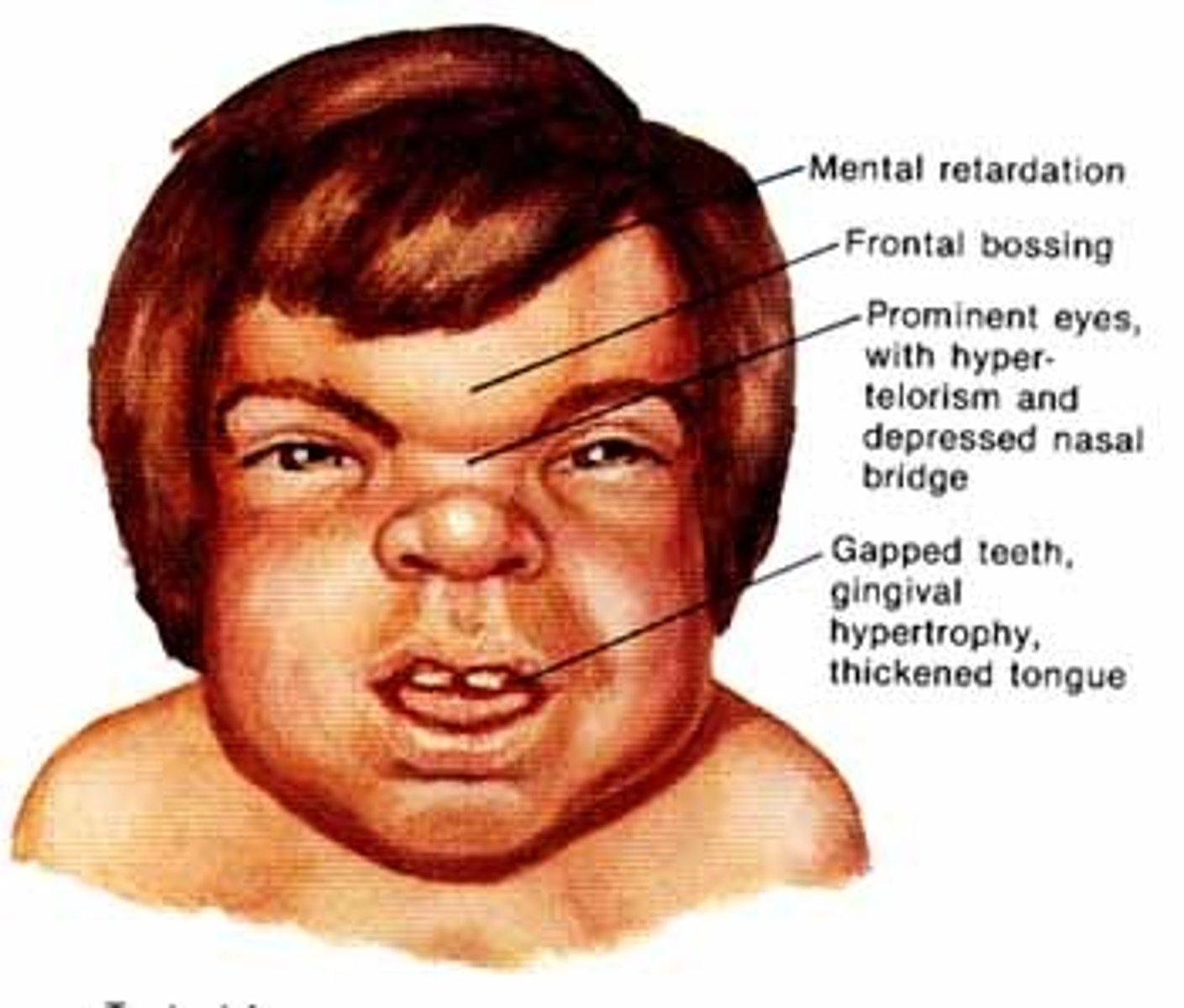
Hurler's Syndrome
Autosomal recessive deficiency. Most die by age 10.
Called "gargoylism" in 1800's
Dwarfism, hunchback, ID, short and thick bones, low nasal bridge, sensorineural deafness, noisy respiration
Thick lips, large tongue, small, malformed teeth
Artic problems, vocal fatigue and hoarseness
Landau-Kleffner Syndrome
Unknown cause of aphasia
Formerly healthy 3-7 yr-old kids lose their ability to comprehend language and then speak it
Some have severe, permanent language disorders. Many regain it over months or years.
80% develop epilepsy.
Some have hyperactivity, agressiveness, and depression
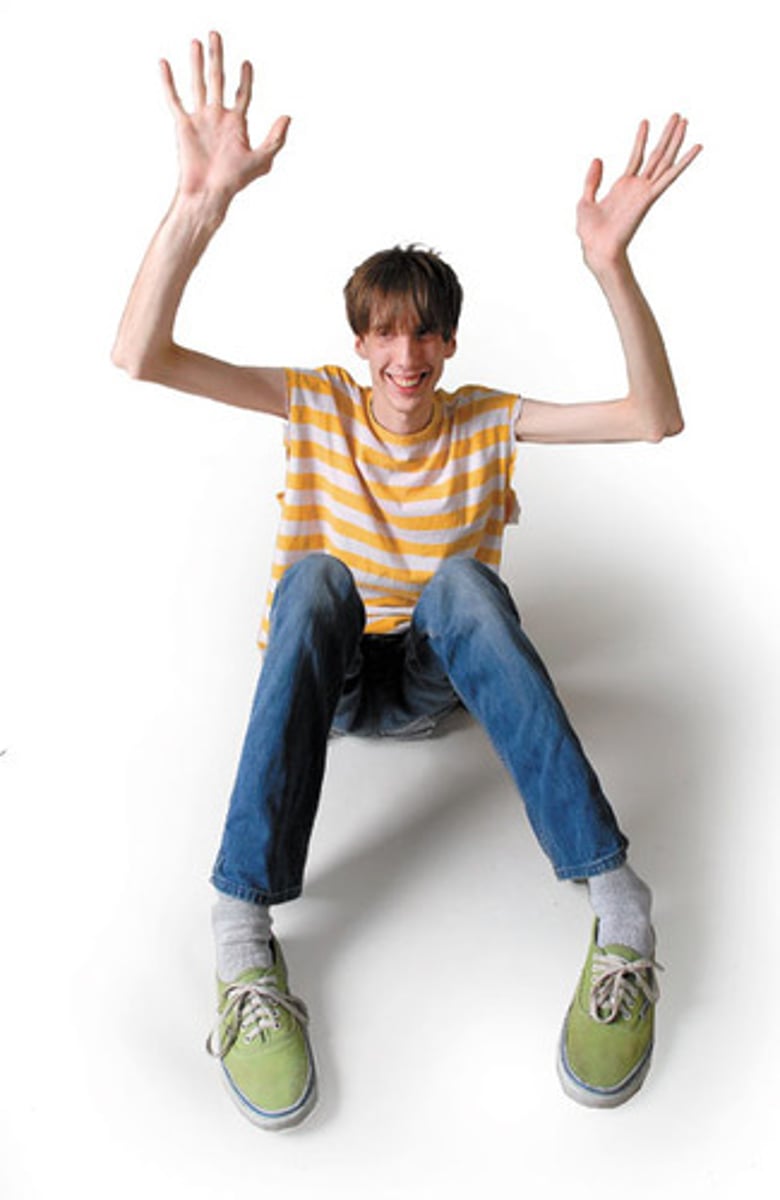
Marfan Syndrome
Autosomal Dominant caused by mutations in FBN1
Bone overgrowth and loose joints. overgrowth of ribs can cause sternum to bend inward or push outward.
Intelligence not affected.
70% have restrictive lung disease, so the chest can't fully expand. -> shortness of breath during speech
Moebius Syndrome
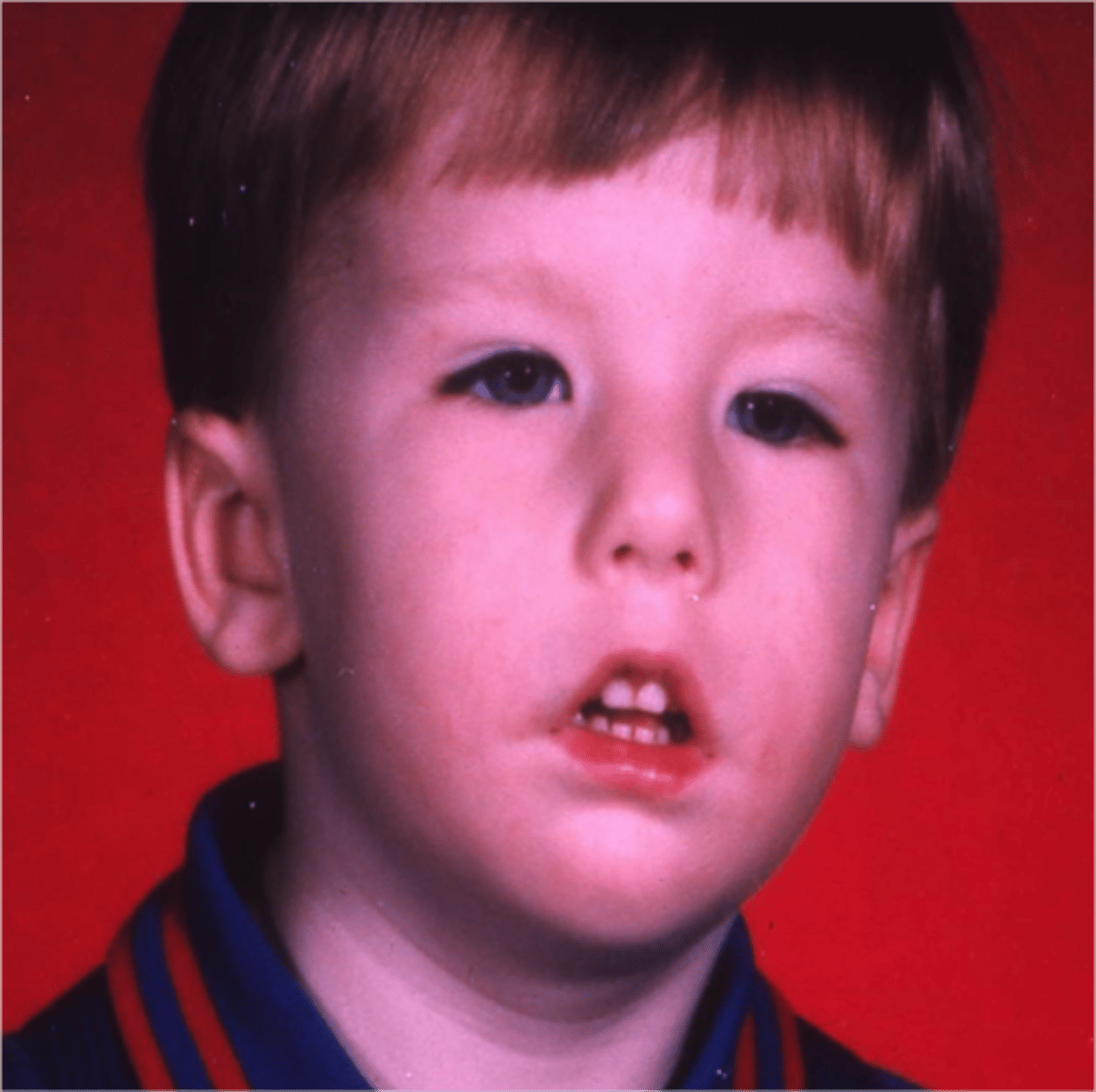
sometimes autosomal dominant, agenesis or aplasia of motor nuclei of cranial nerves
Facial and hypoglossal and sometimes trigeminal nerve involvement.
Decreased articulatory speed, range and strength
Mild to severe artic disorders, with bilabial, linguadental, and lingua-alveolar sounds most affected.
sometimes conductive HL and delayed language
Pierre-Robin Syndrome
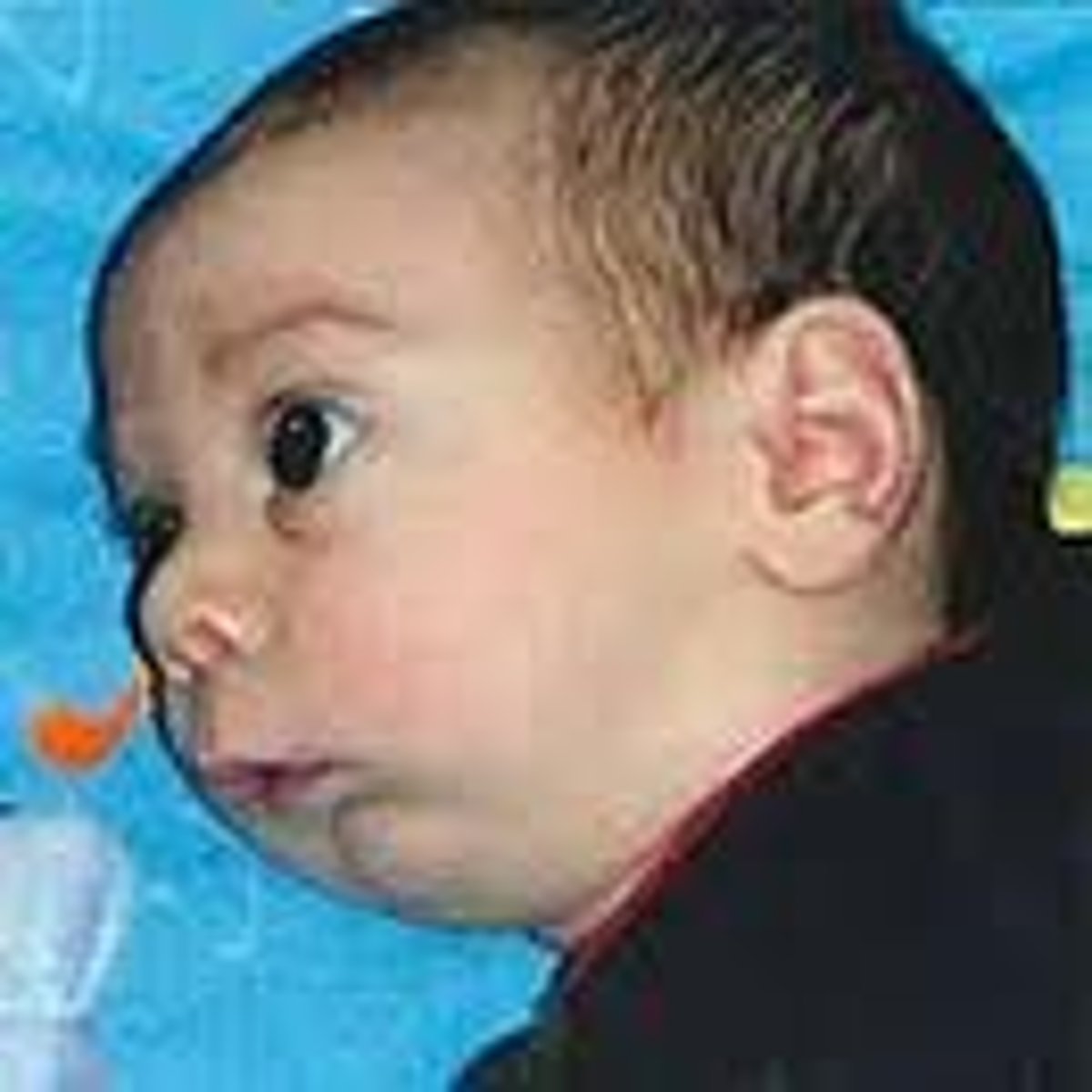
Most cases autosomal recessive inheritance, sometimes Stickler syndrome (autosomal dominant inheritance)
Mandibular hypoplasia, soft palate cleft, VPI, deformed pinna, low-set ears, ossicular chain deformities, posteriorly-positioned tongue, blocking airway and pharynx
Feeding problems (many infants need N-G tube or G-tube)
unilateral or bilateral conductive hearing loss associated with otitis media and cleft palate, delayed language, and language disorders, hypernasality and nasal emission, artic disorders, and hypercompensatory articulation
Prader-Willi Syndrome
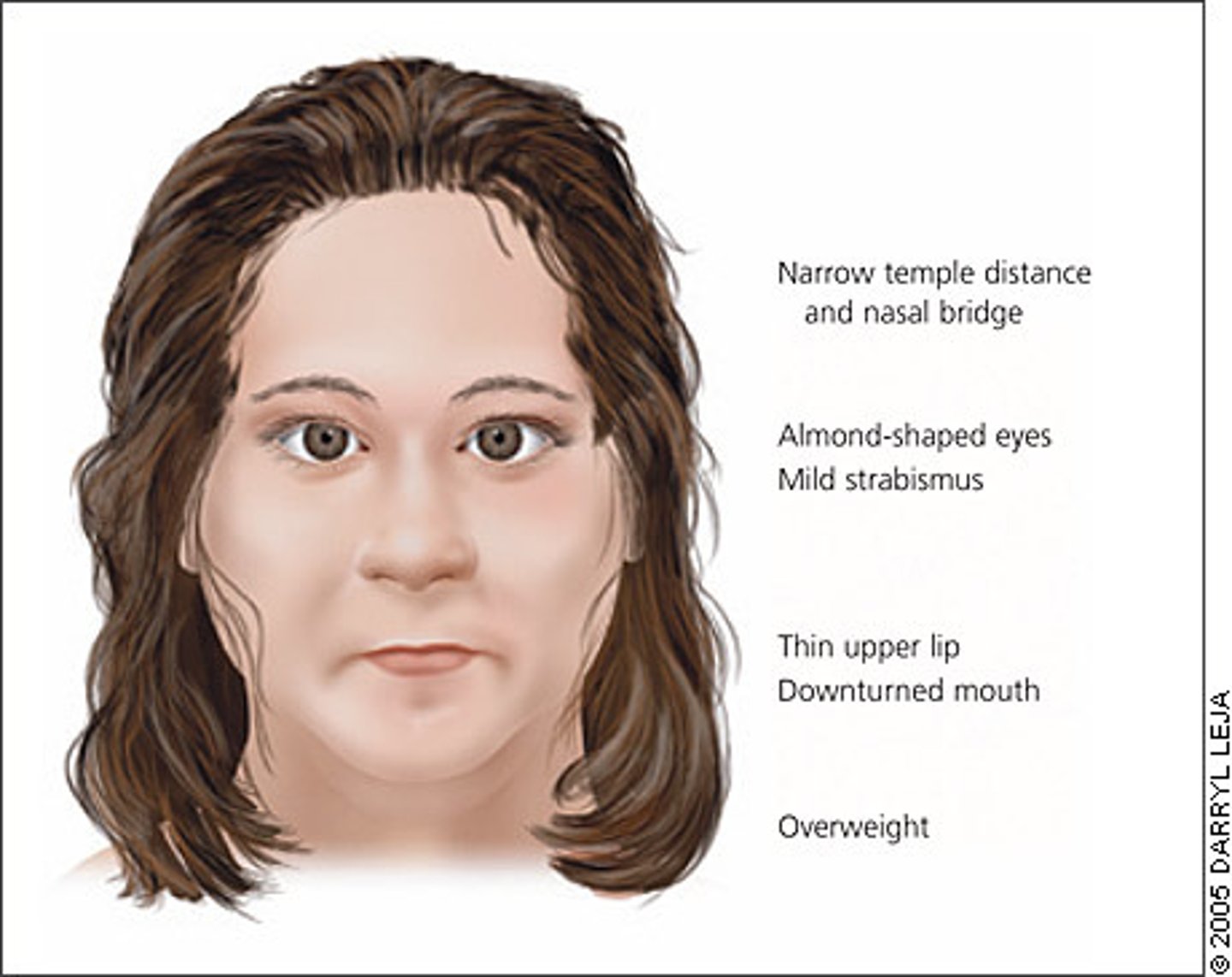
Autosomal dominant inheritance (chromosome 15)
Hypotonia, altered growth of larynx, narrow overjet, micrognathia, narrow palatal arch, tooth decay, cognitive sequencing problems, behavioral disturbances
ID, impared expressive and receptive language skills, especially expressive delays
Imprecise artic, oral-motor difficulties, hypernasality, sometimes flat intonation, slow speaking rate, harsh or hoarse vocal quality, abnormal vocal pitch.
Russell-Silver Syndrome
Unknown etiology
Low birth weight, dwarfism, asymmetry of arms or legs, large head, craniofacial disproportion, mandibular hypoplasia, high, narrow palate, microdontia
Hypernasality, infant feeding problems, artic disorders, expressive and receptive language disorders, abnormally high-pitched voice
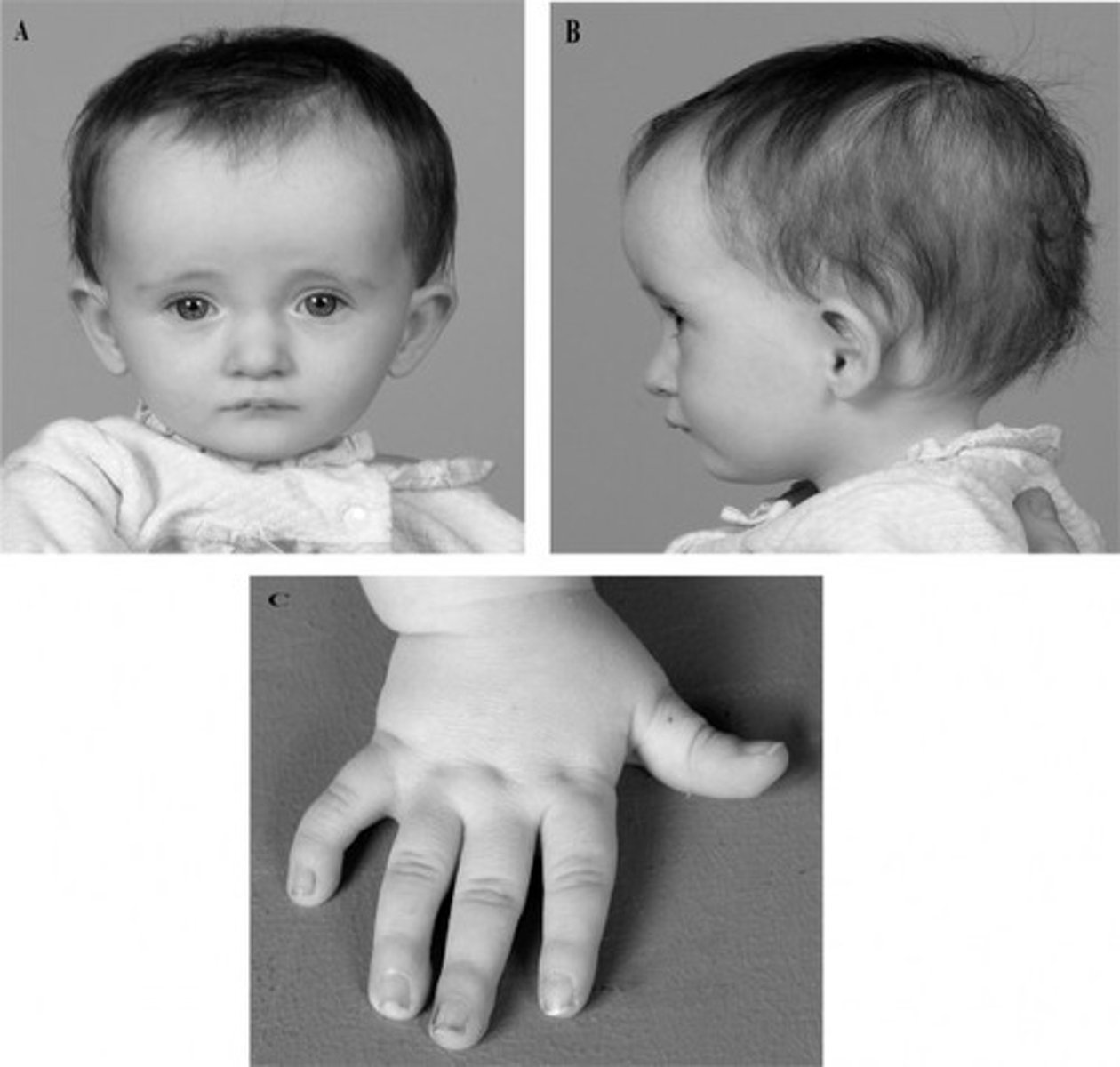
Treacher Collins Syndrome
Autosomal dominant, sometimes spontaneous mutation
underdeveloped facial bones, mandibular hypoplasia, cheek hypoplasia, dental malocclusion, hypoplasia, high hard palate, cleft palate in about 30% of cases
congenital, bilateral, conductive HL, sometimes sensorineural loss, hypernasality and nasal emission, artic disorders
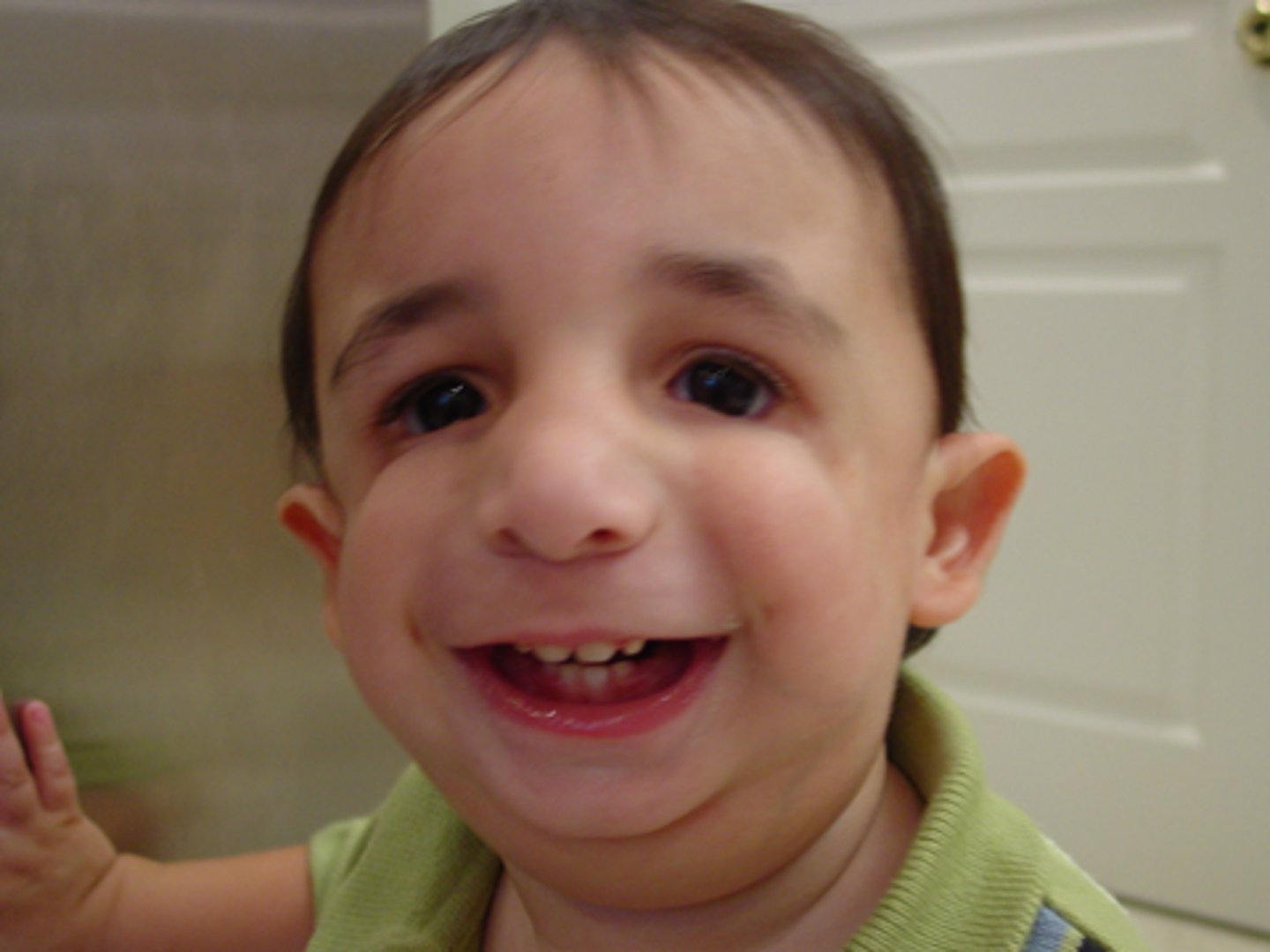
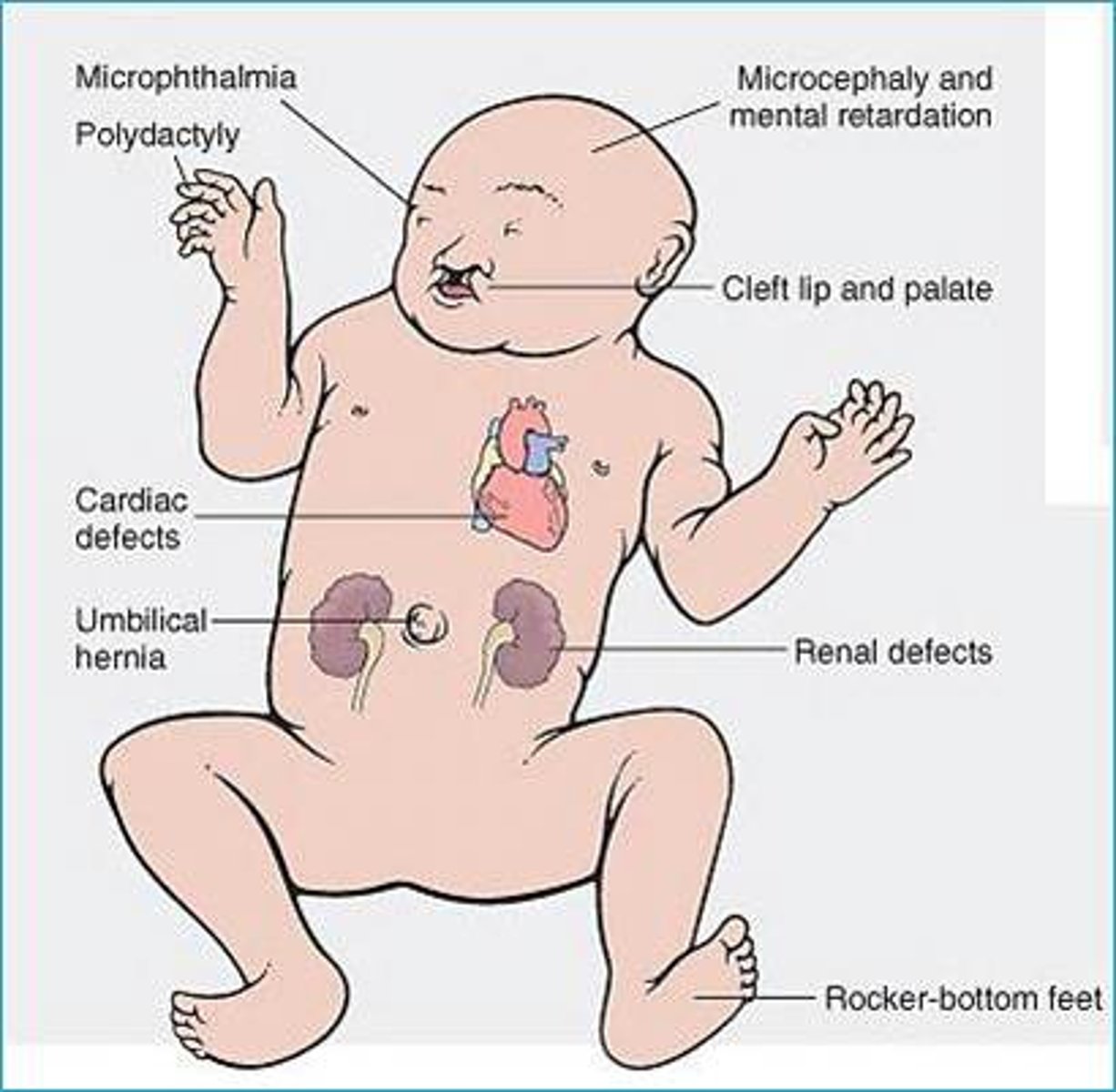
Trisomy 13
extra copy of chromosome 13
birth defecits. congenital heart defects, brain anomalies, spina bifida, severe eye defects, cleft lip and palate, polydactyly. many have midline facial deformities and cleft lip -> indicates holoprosencephaly (failure of brain to divide into 2 hemispheres.
Many die in first year. Others have profound ID and feeding difficulties which require nasogastric feeding
Turner Syndrome
Females with a missing or deformed X chromosome
No menstruation or fertility, cardiac deficits, narrow maxilla and palate, micrognathia, low-set, elongated, cup-shaped ears, thick earlobes, high arched palate, sometimes cleft palate, R hemisphere dysfunction
Sensorineural HL in many cases (usually after 10th year), middle ear infections, conductive loss sometimes, language and artic disorders with HL, visual, spatial, and attentional problems
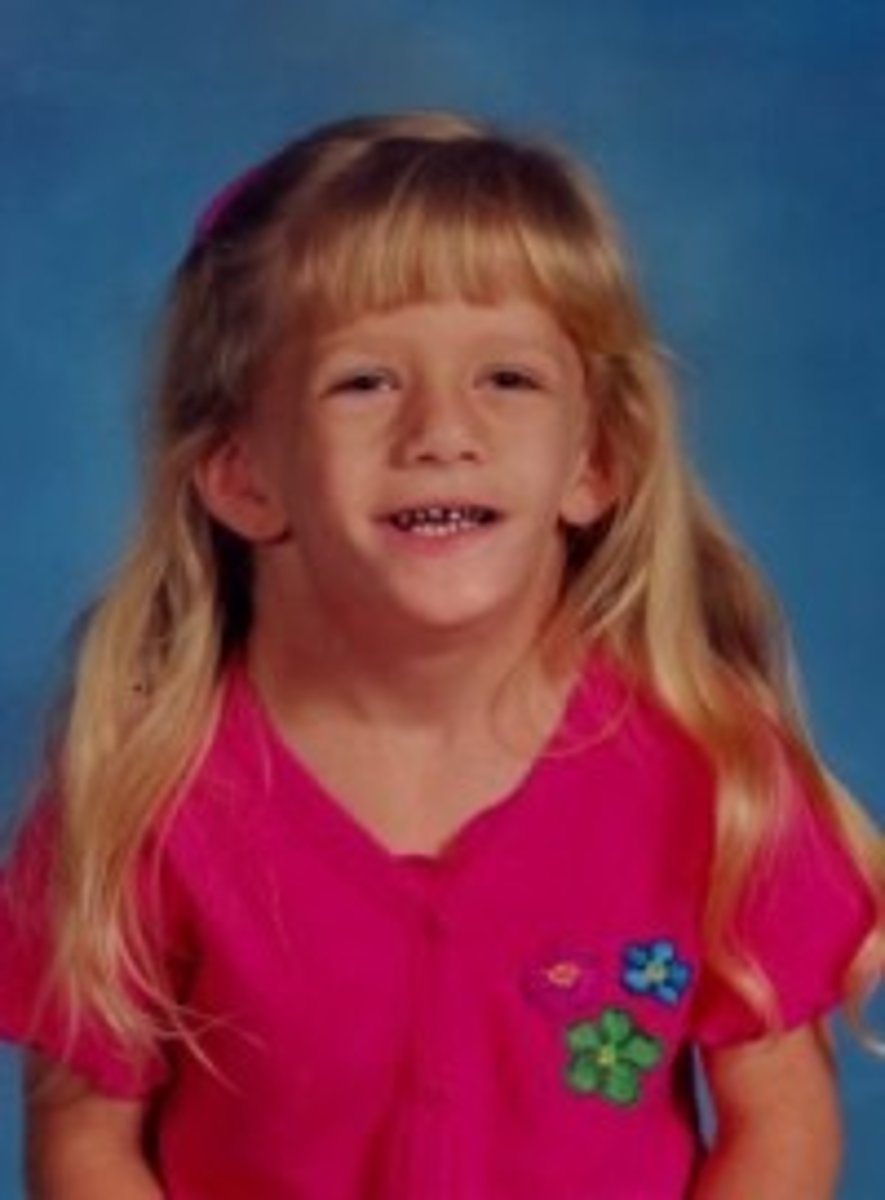
Velocardiofacial Syndrome
(Shprintzen syndrome) (DiGeorge sequence)
Most commonly associated with cleft palate
Autosomal dominant
Often middle ear infections, learning problems, speech and feeding problems, and unique facial characteristics.
Usually cleft palate and/or velopharyngeal insufficiencies
Intelligence usually low-normal range
Feeding problems and failure to thrive (pharyngeal hypotonia, oral apraxia, laryngeal and vasucalr anomalies, and nasal regurgitation and nasalvomiting)
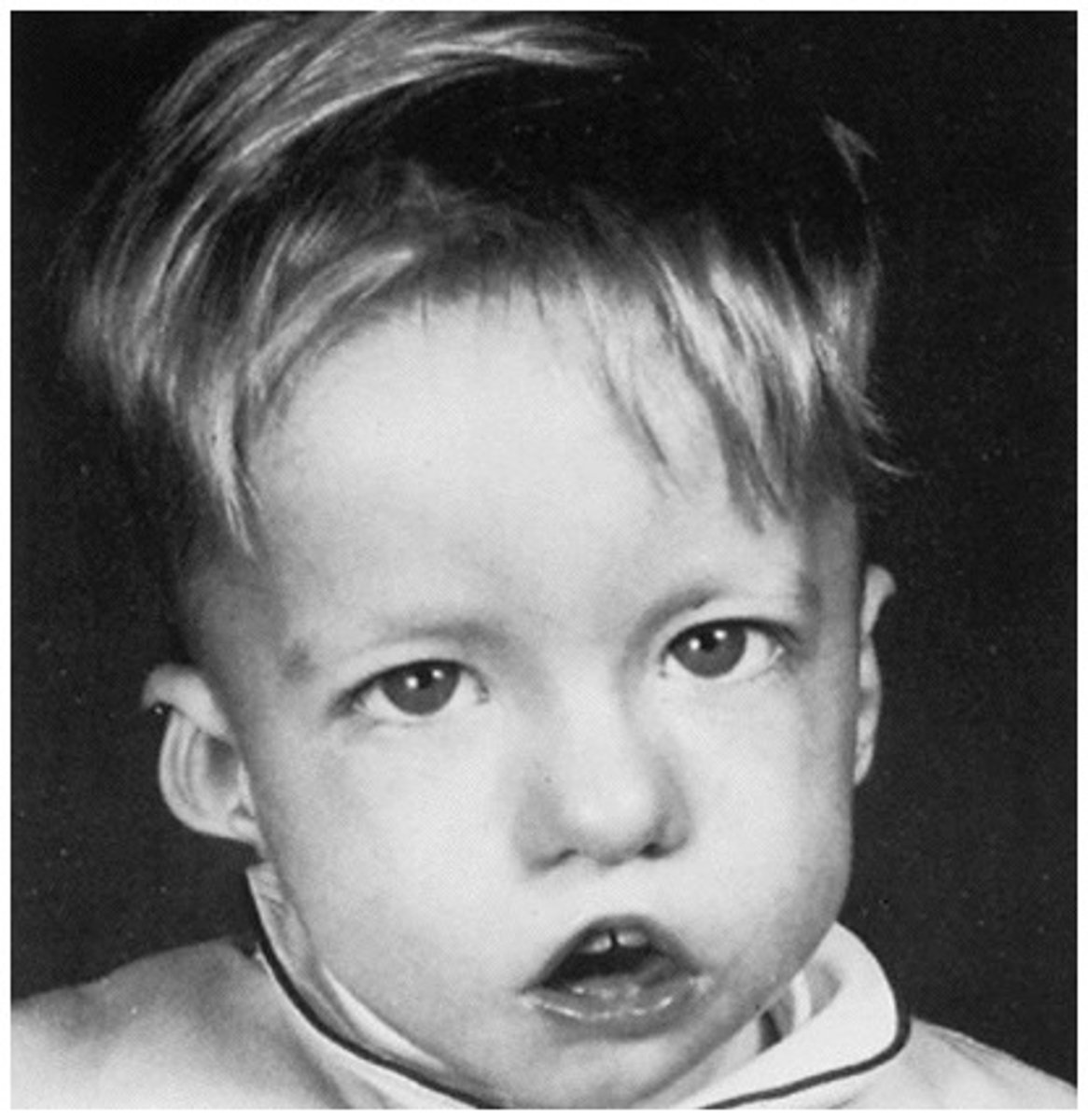
Williams Syndrome
Chromosome 7 (elastin protein)
(elfin-face syndrome) small boned and short, with long upper lip, wide mouth, full lips, small chin, upturned nose, puffiness around eyes.
IQ between 50 and 70
Narrowed pulmonary arteries and narrowed aorta
Dental occlusion, small, widely spaced teeth