Research Process & Design I
 Call Kai
 Learn
Learn Practice Test
 Spaced Repetition
 Match
Match Flashcards
 Knowt Play
1/56

There's no tags or description
Looks like no tags are added yet.
Name | Mastery | Learn | Test | Matching | Spaced | Call with Kai |
|---|
No analytics yet
Send a link to your students to track their progress
57 Terms
Why do Research?

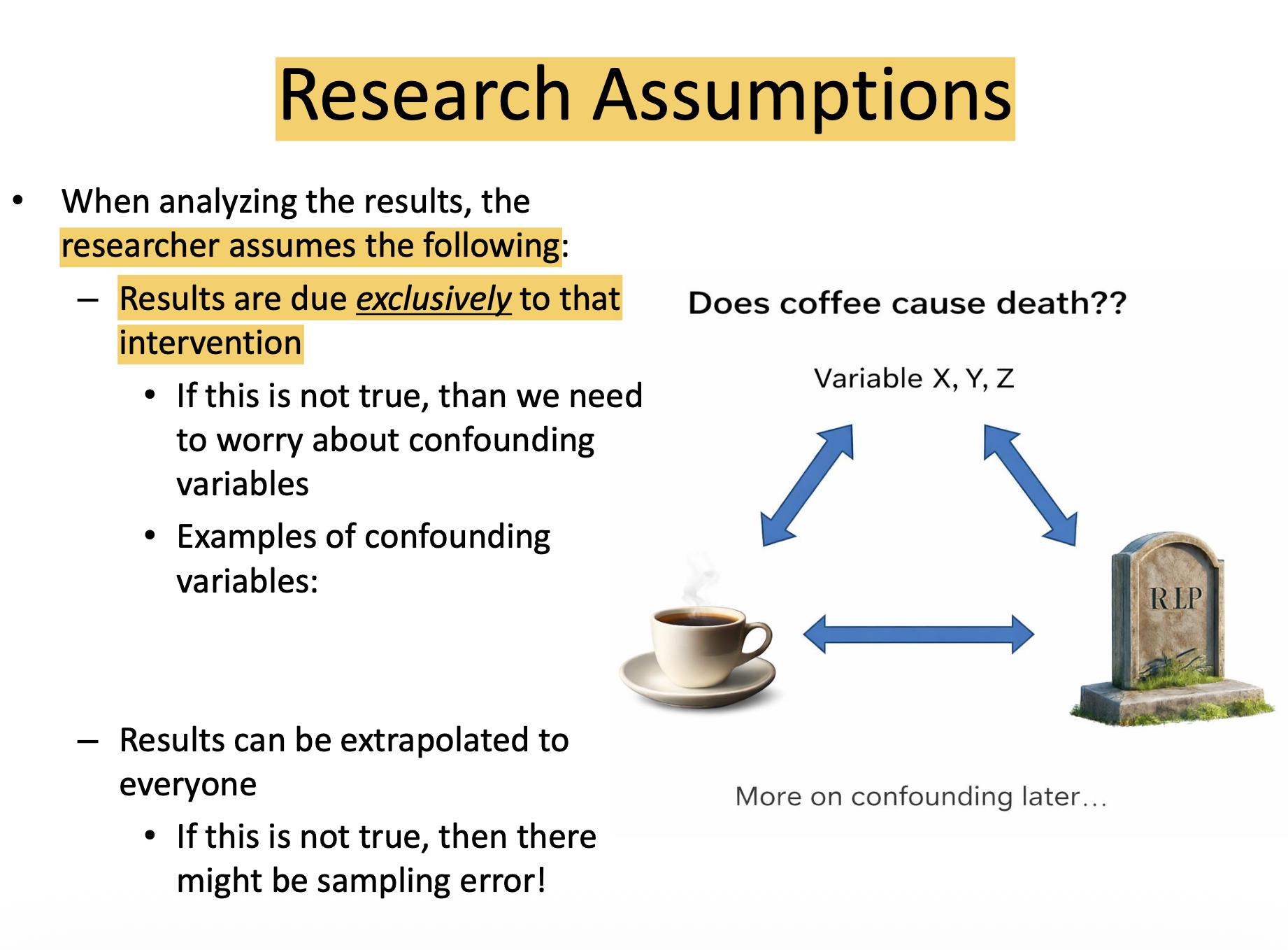
Research Assumptions
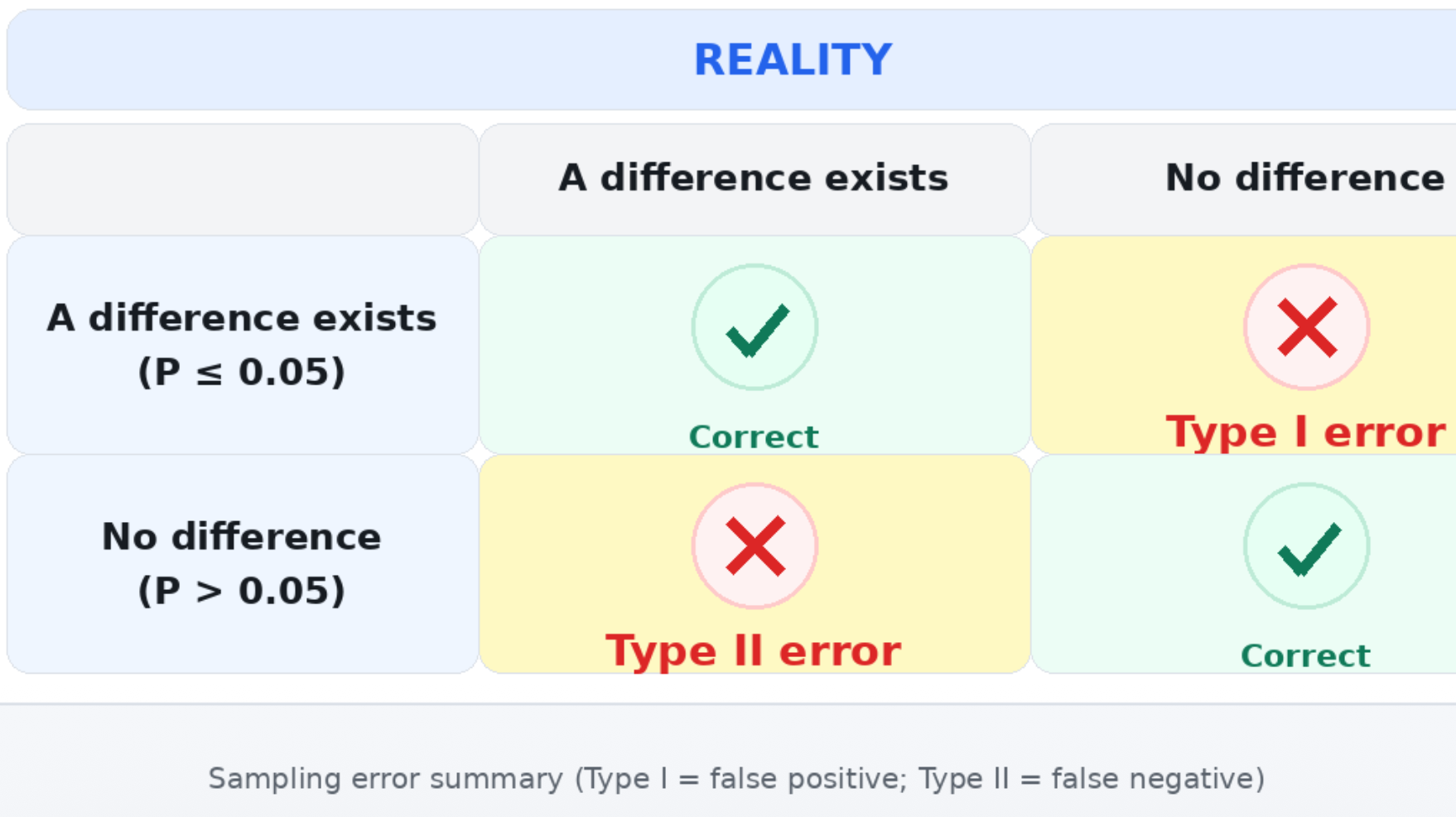
Inferential Testing → Types of Sampling Error
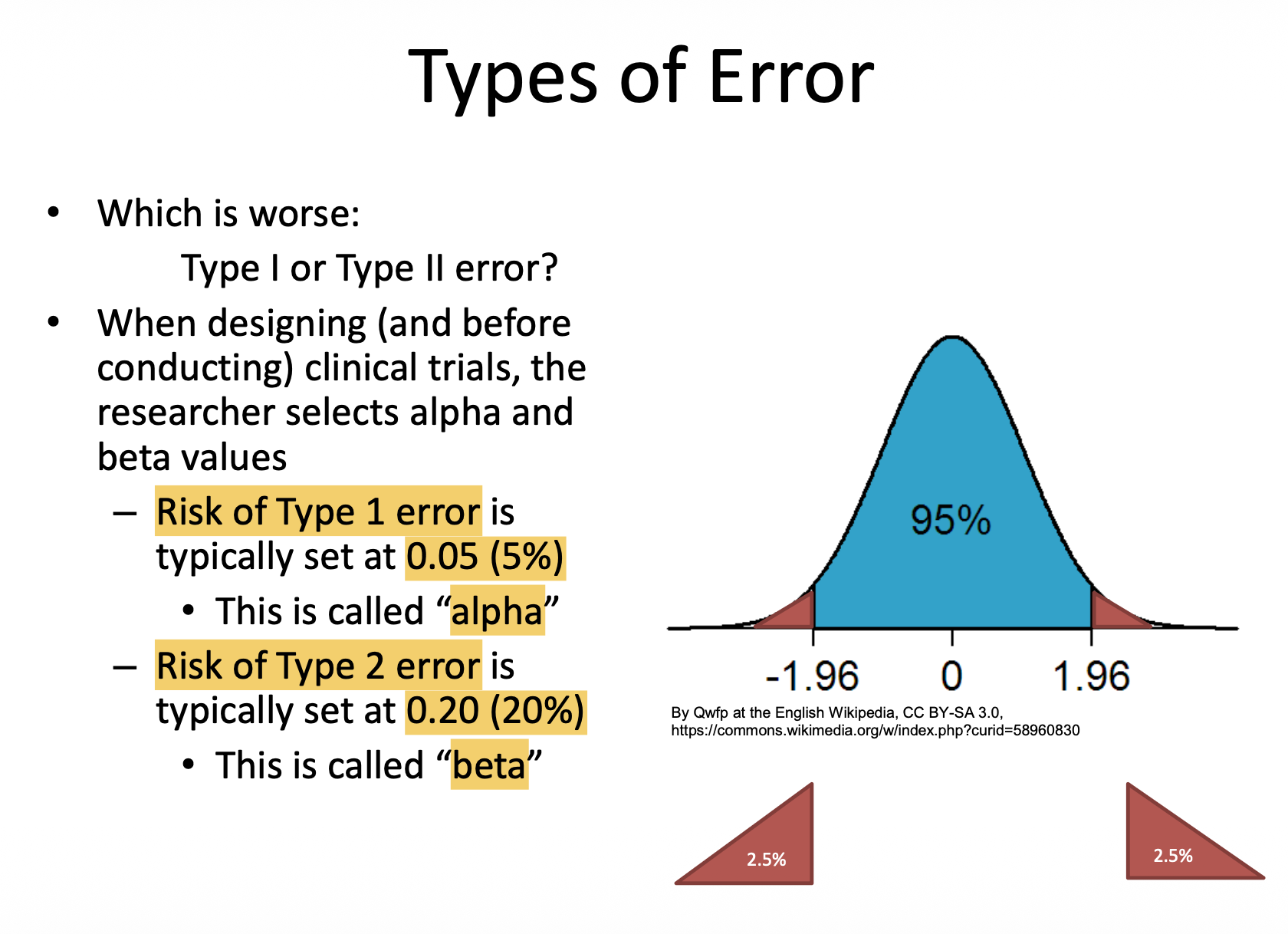
Types of Error
Internal validity
Deals with how well a study is designed and conducted
External validity
Deals with how easily the results of a study can be extrapolated in a real-world setting
We try to balance…
internal & external validity
Steps of Clinical Research
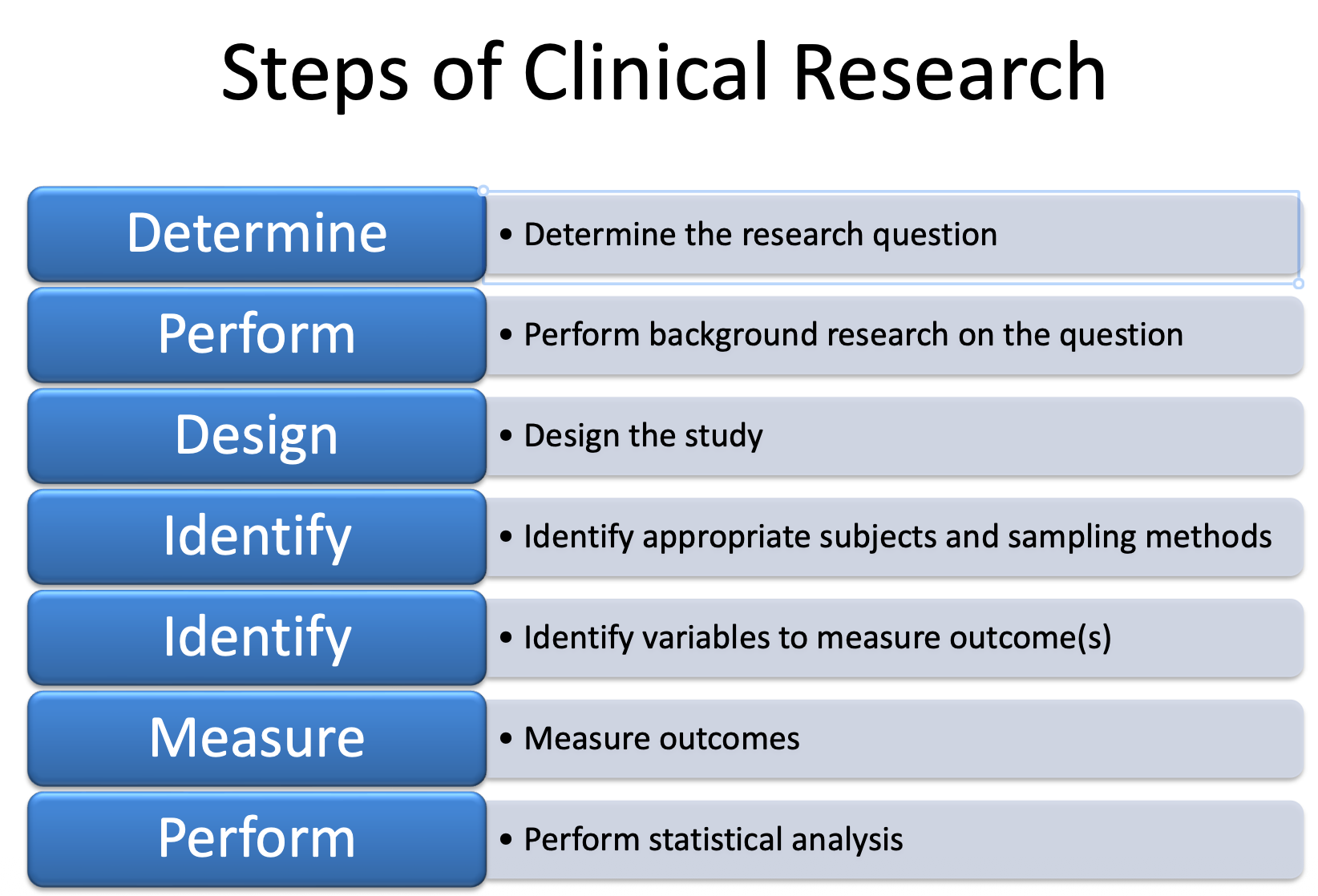
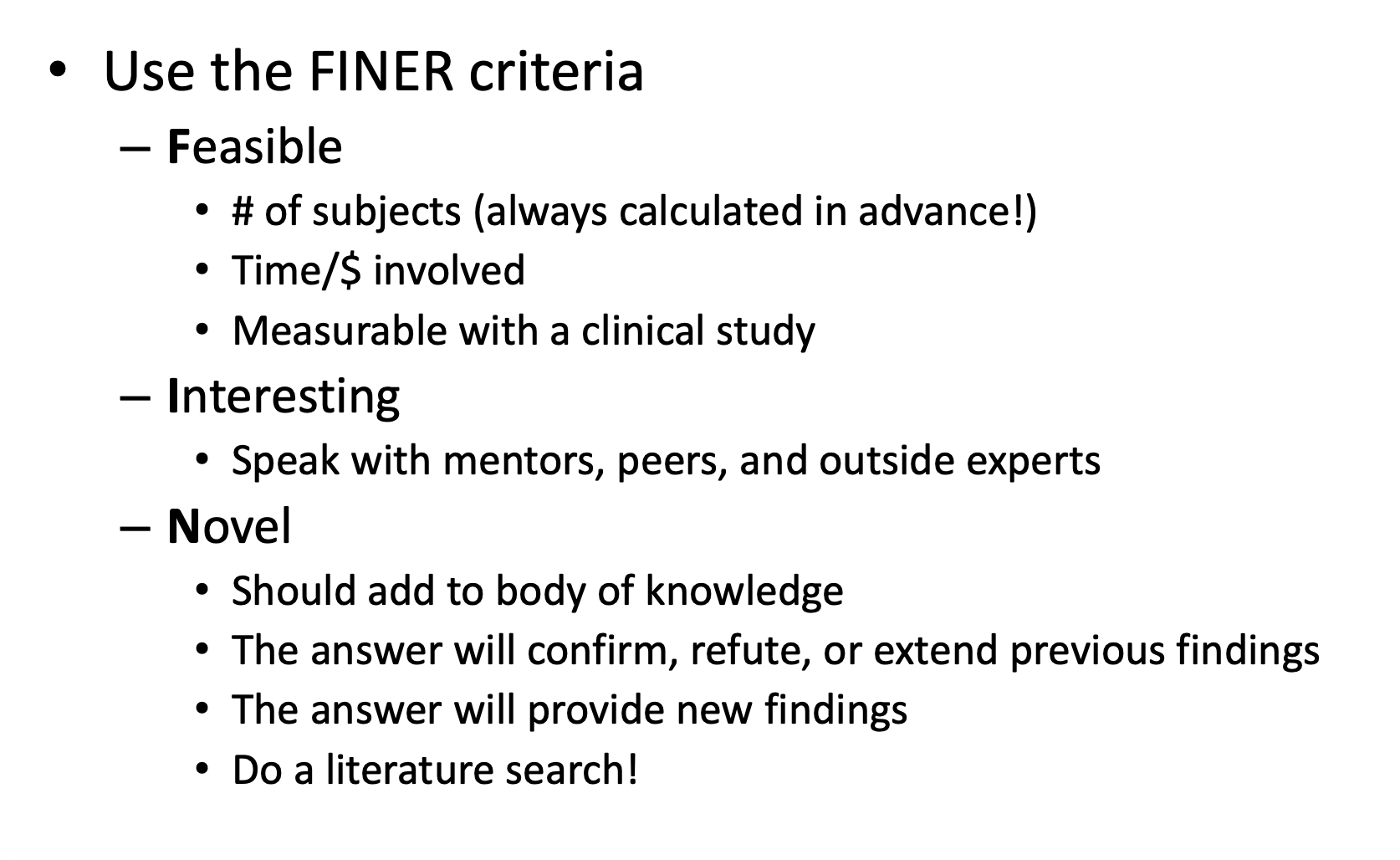
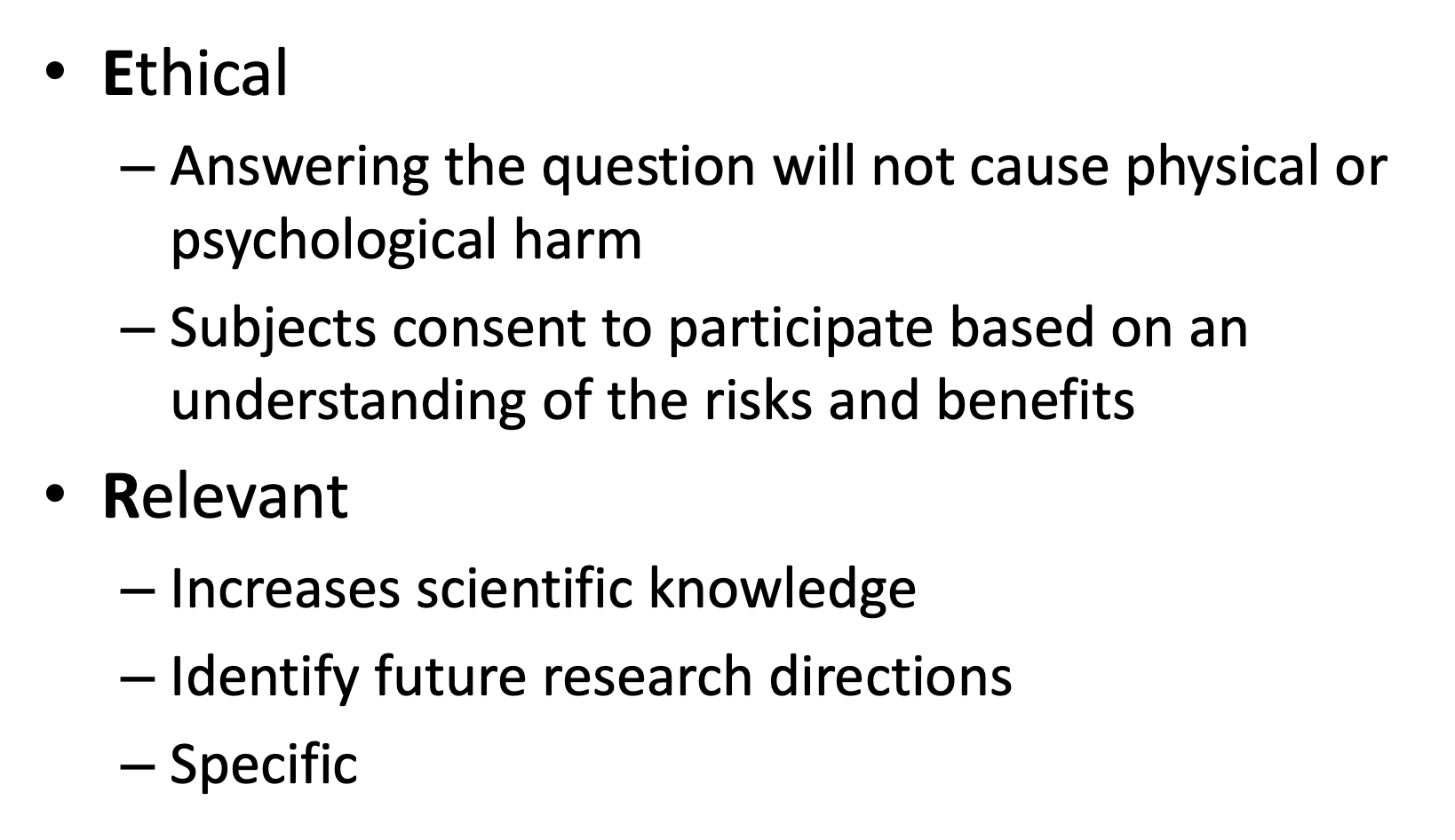
Determine the research question → FINER CRITERIA
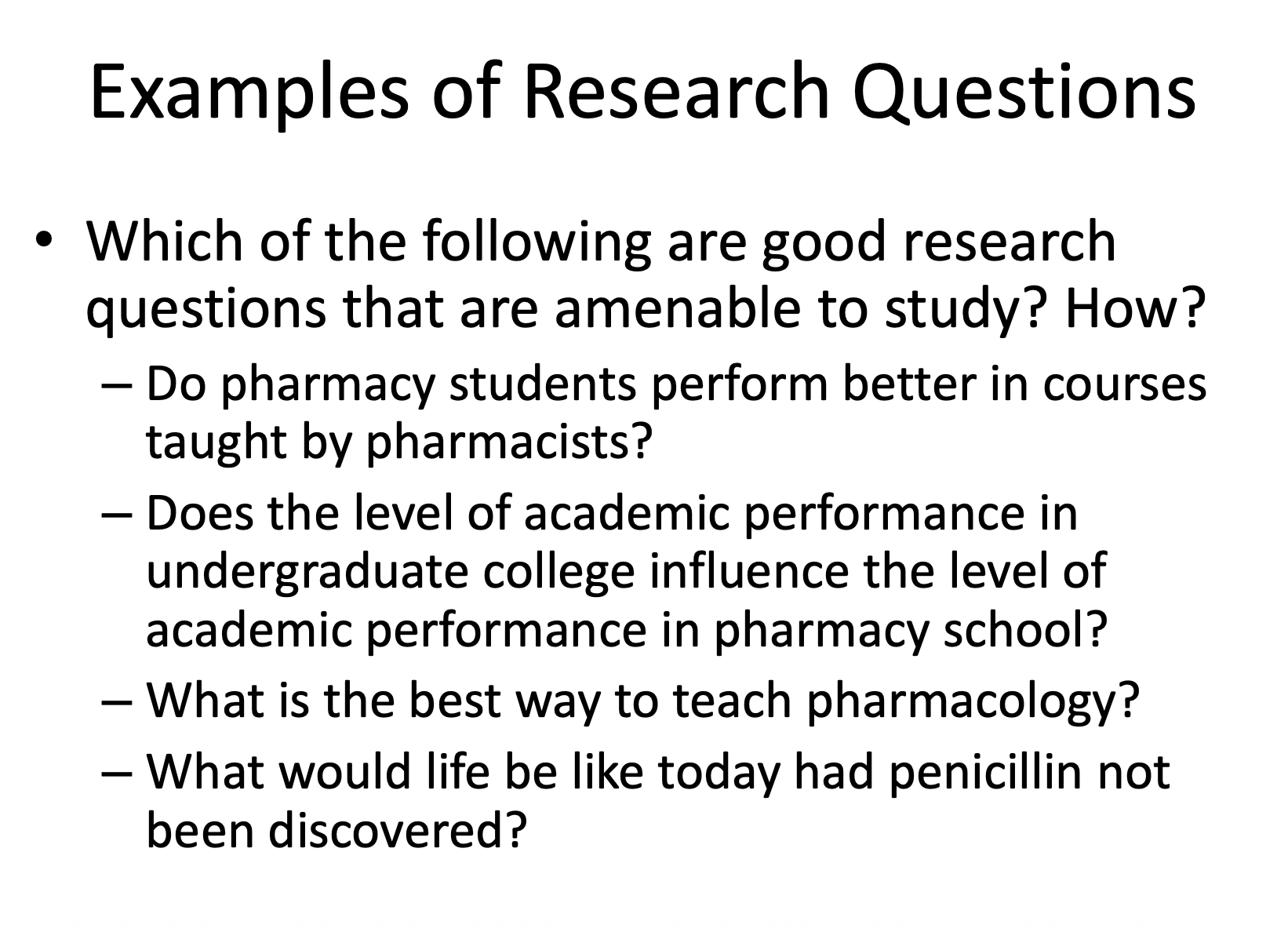
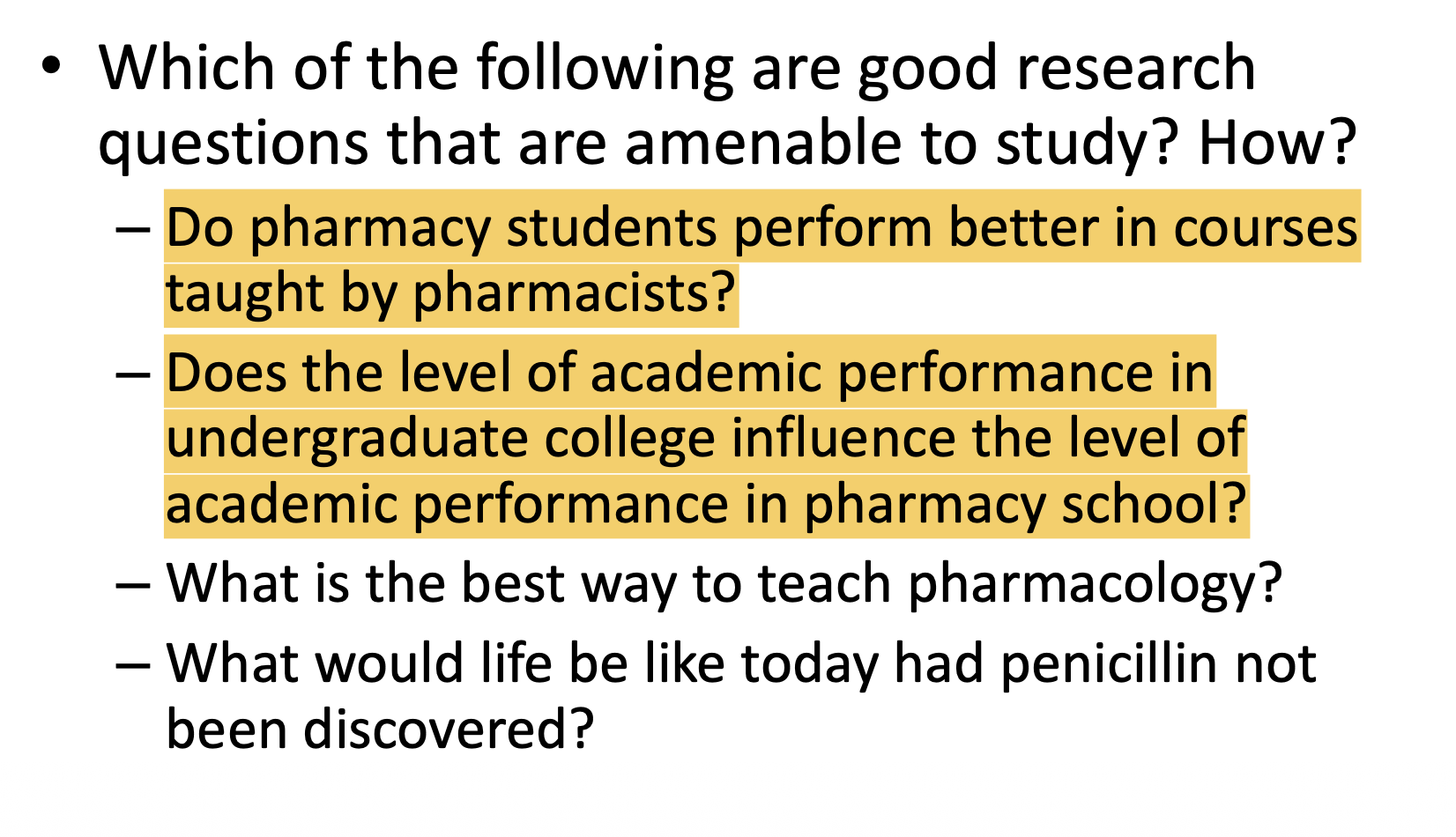
Examples of Research Questions → highlighted questions are good questions
good bc they can be tested on
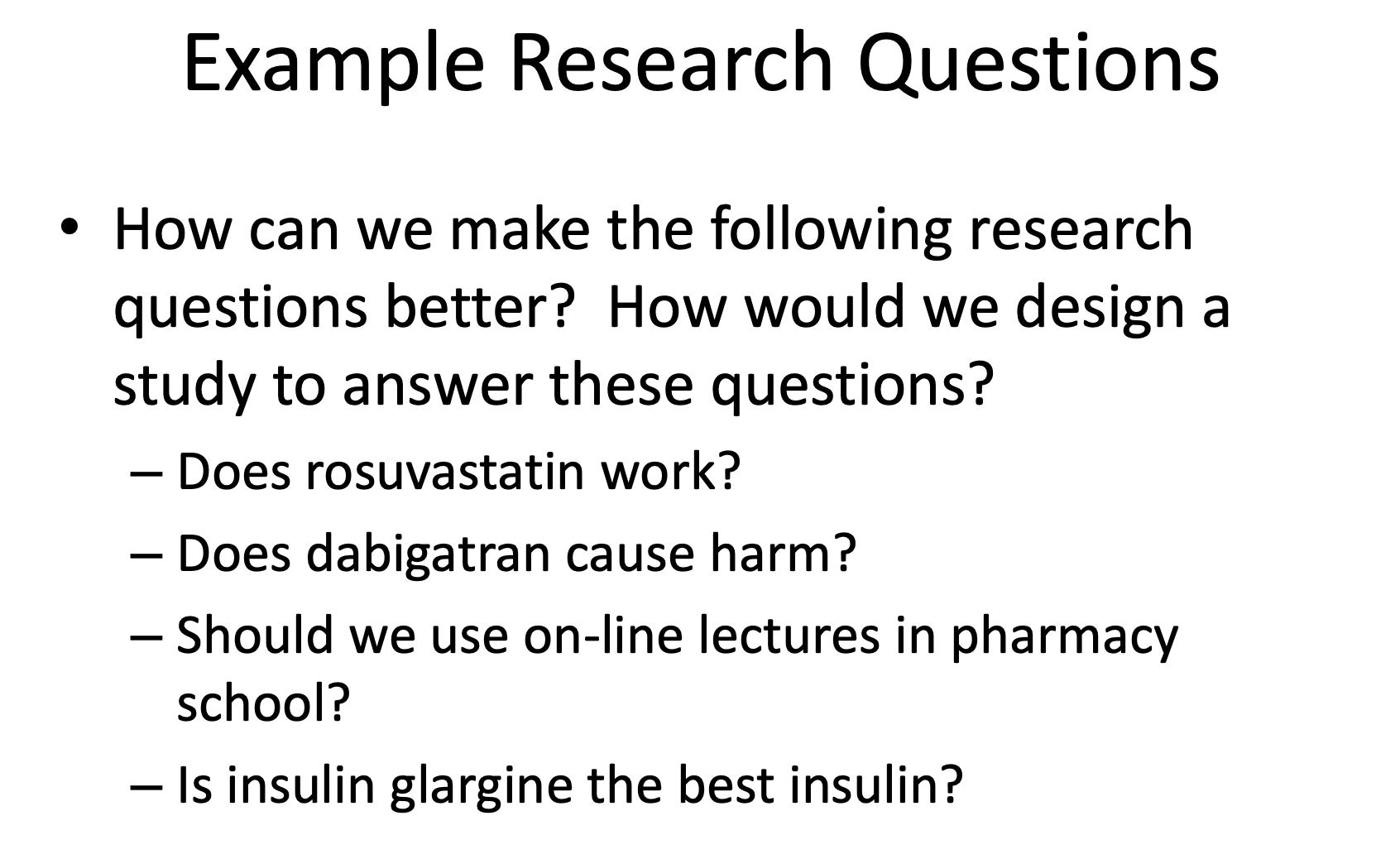
How can we make the following research questions better? How would we design a study to answer these questions?
Just make them testable
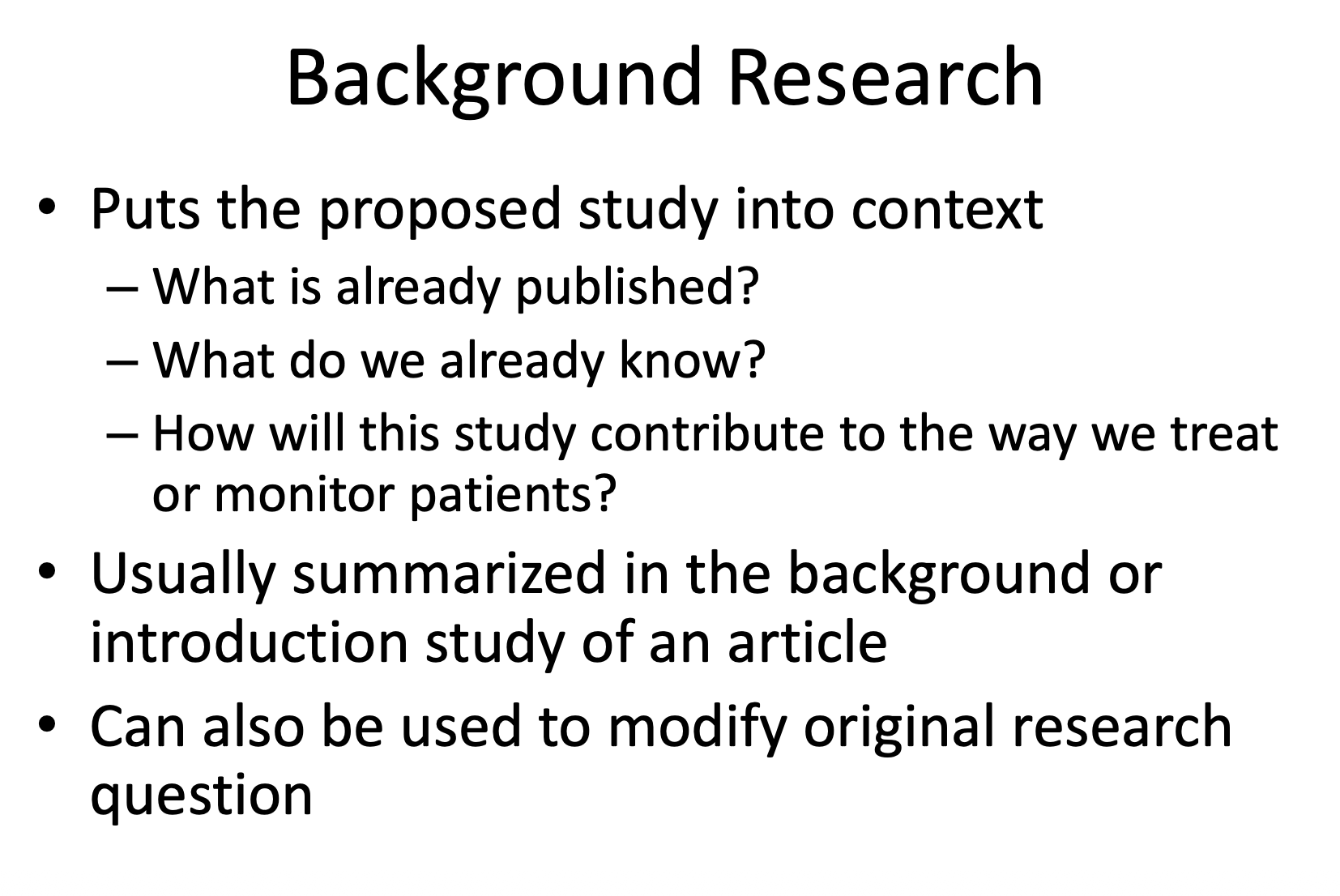
Perform background research on the question
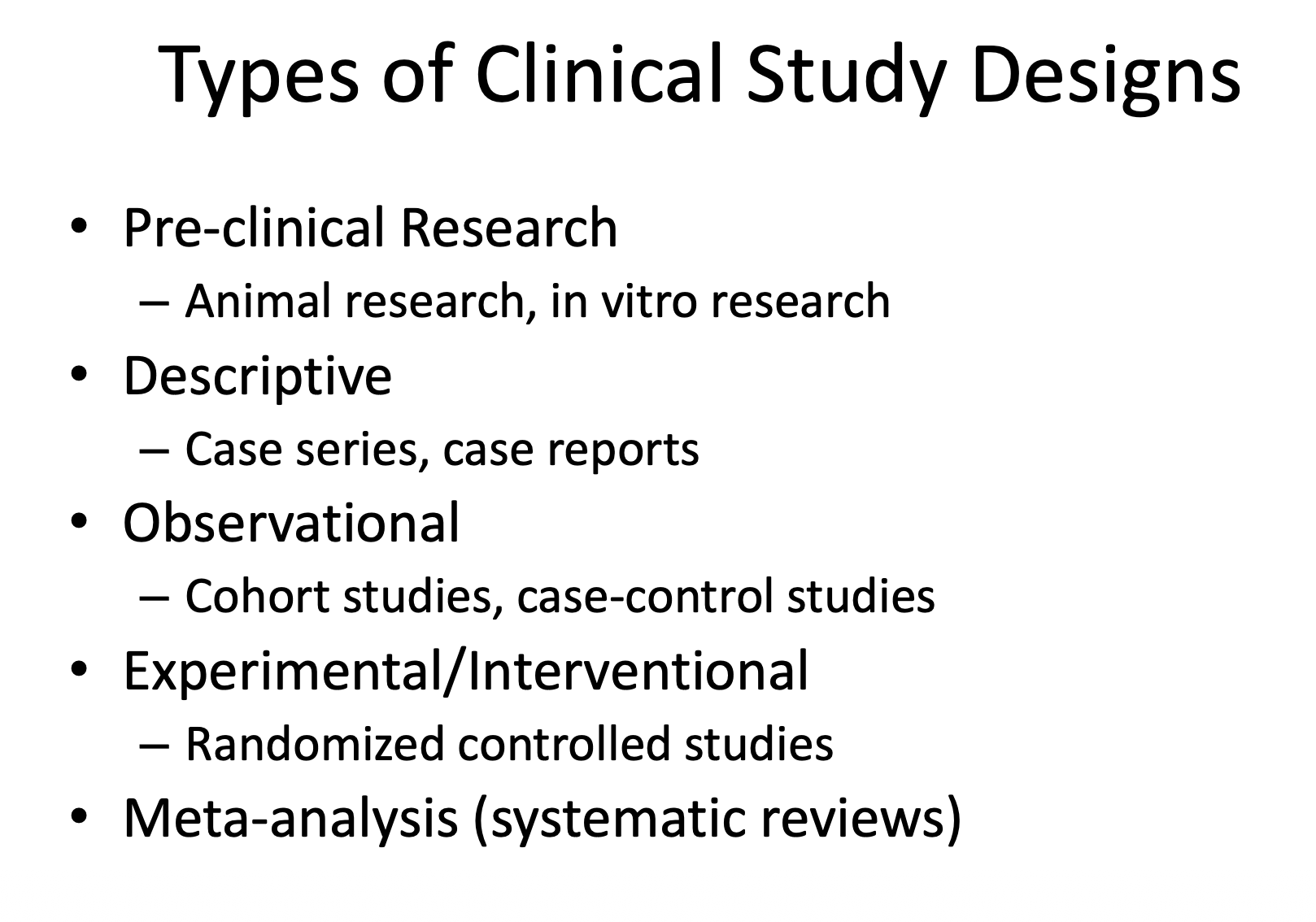
Types of Clinical Study Designs
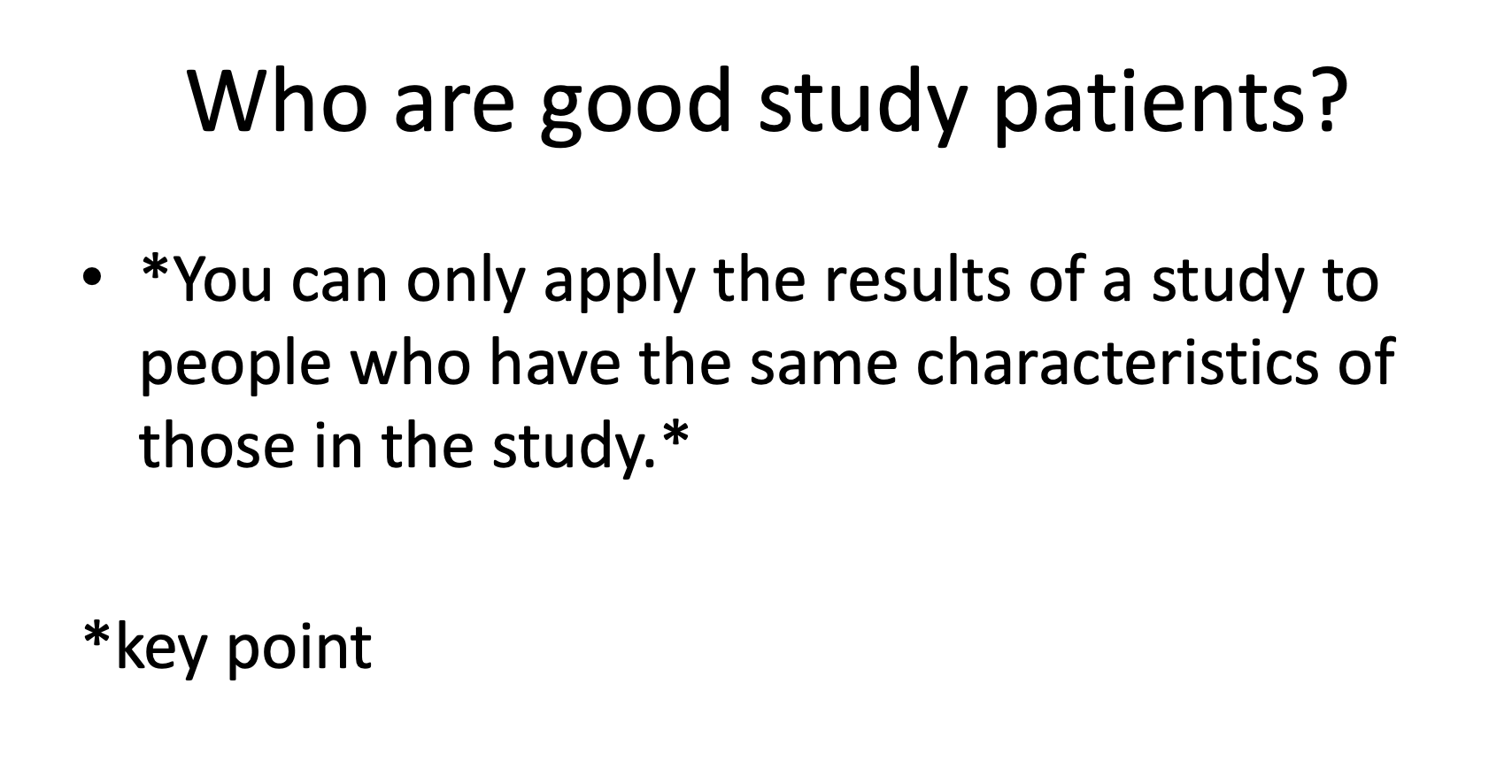
Who are good study patients?
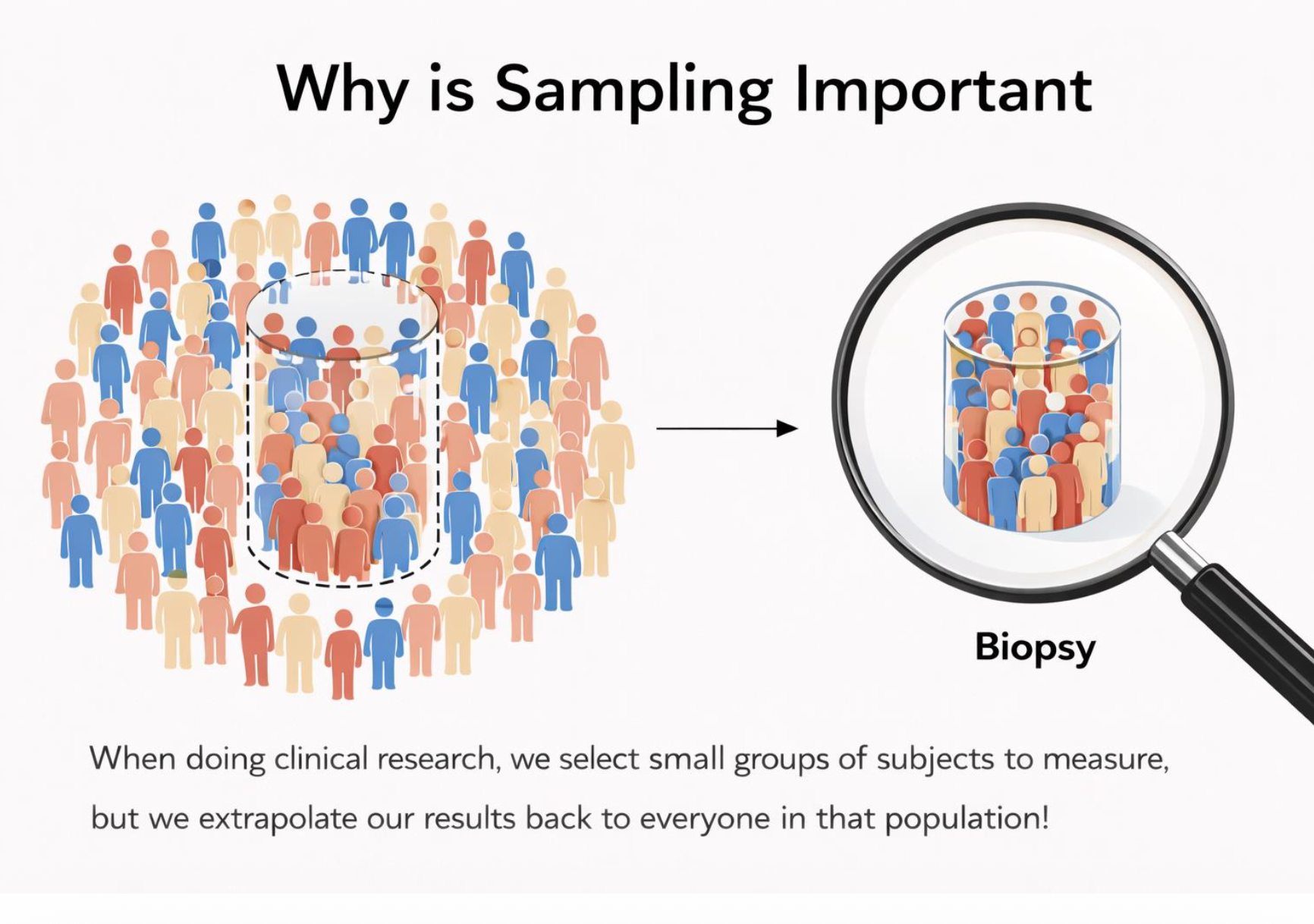
Why is Sampling Important
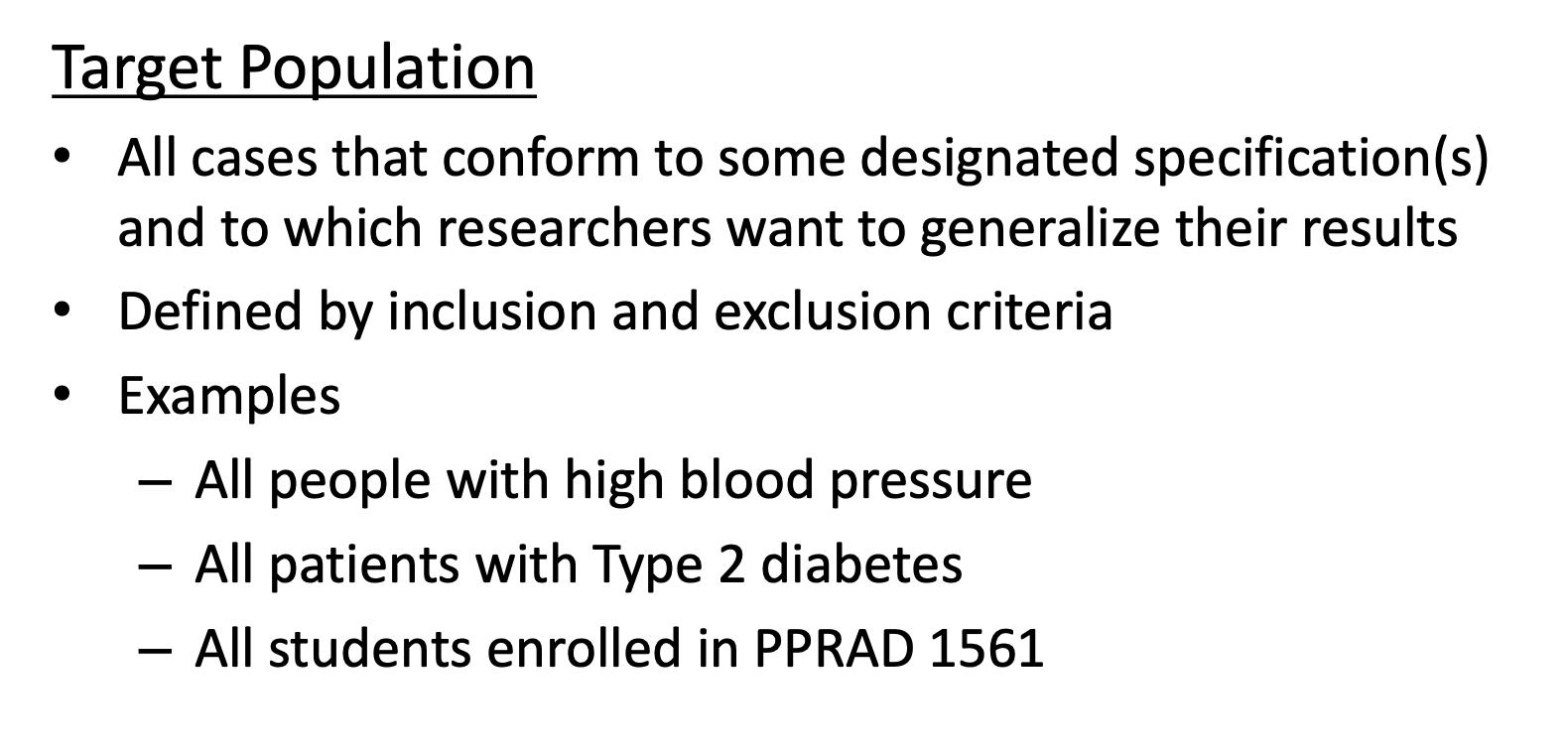
Target Population
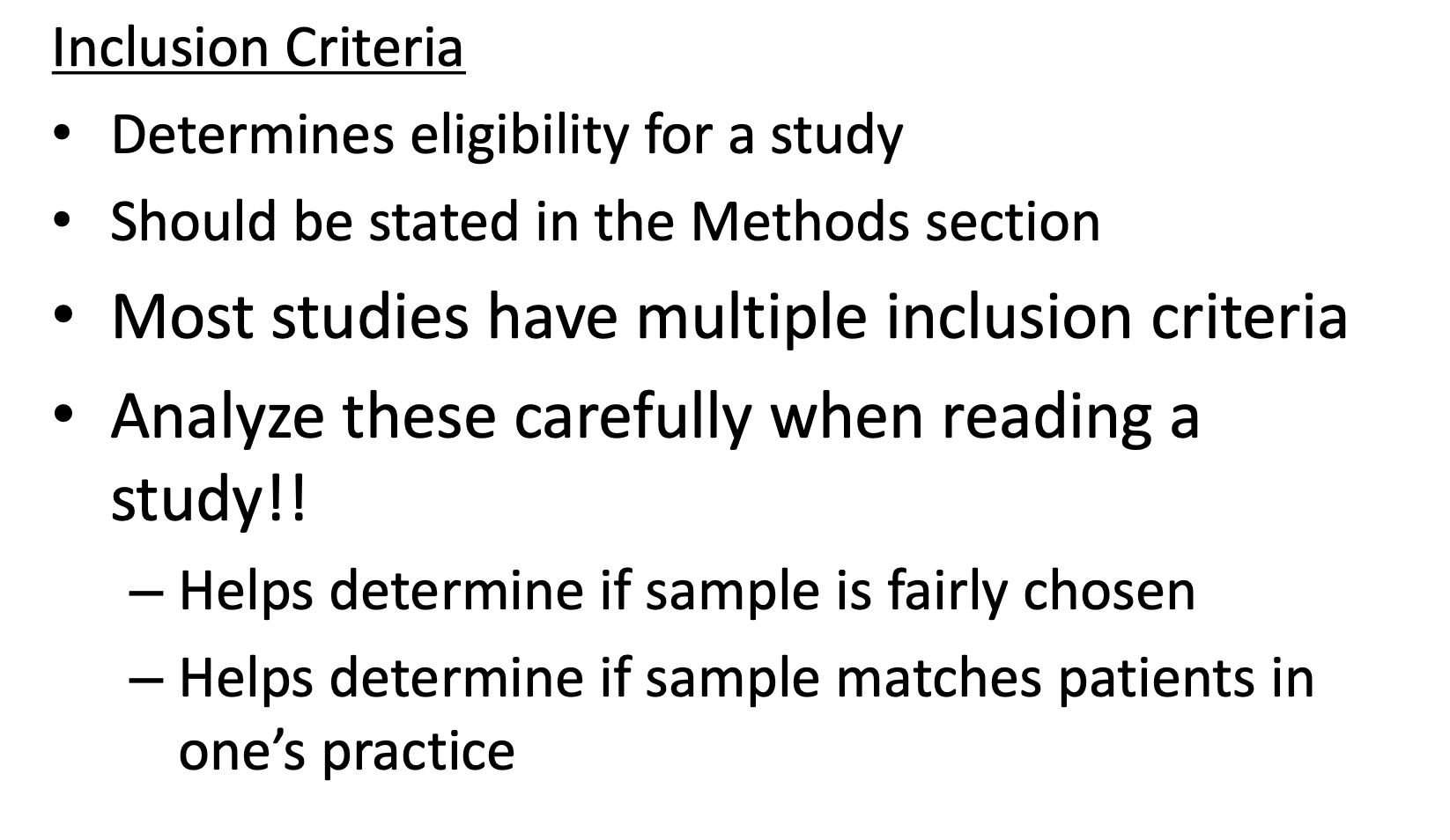
Inclusion Criteria
Exclusion Criteria
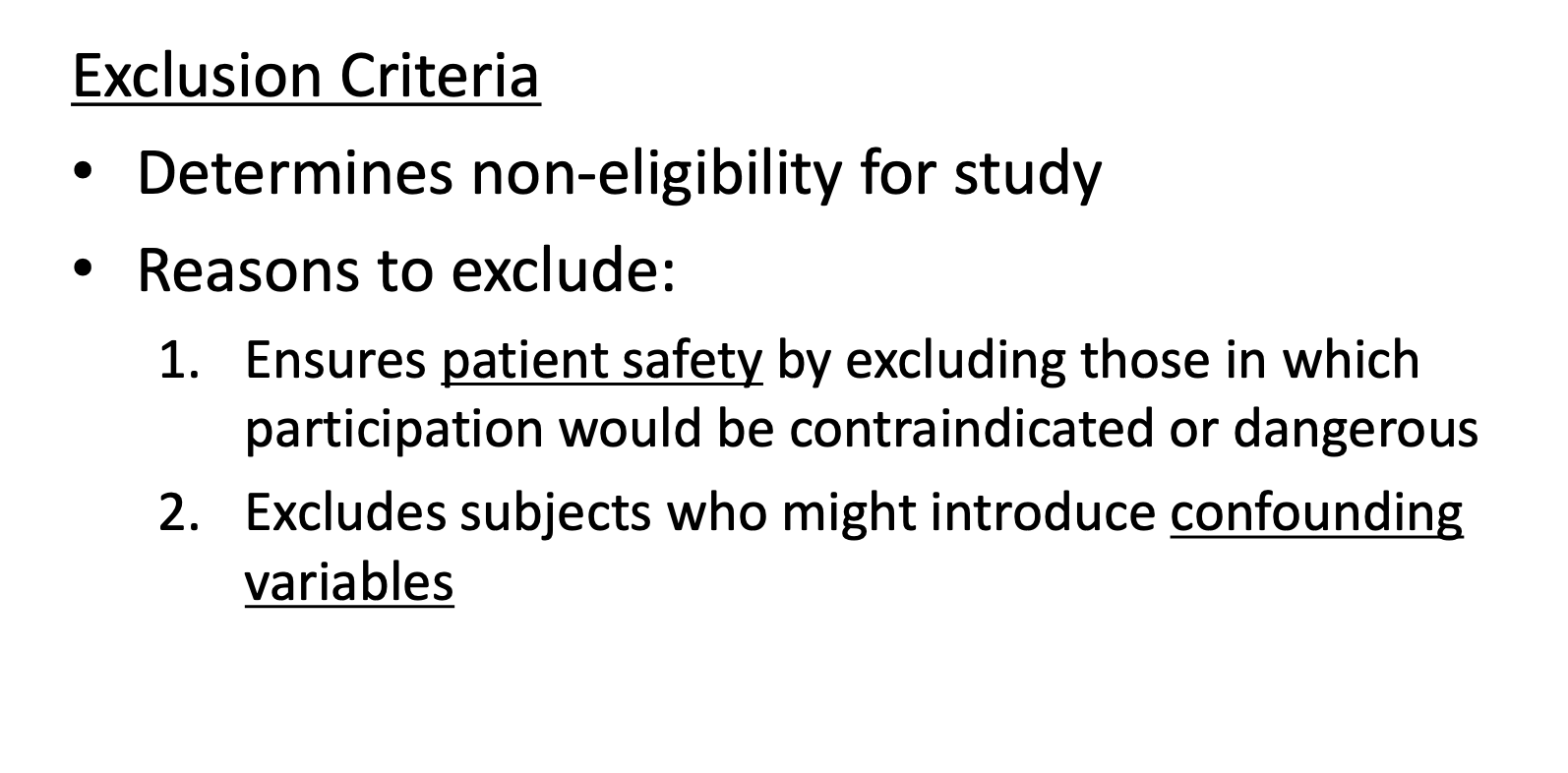
Probability (Random) Samples vs Non-probability Samples
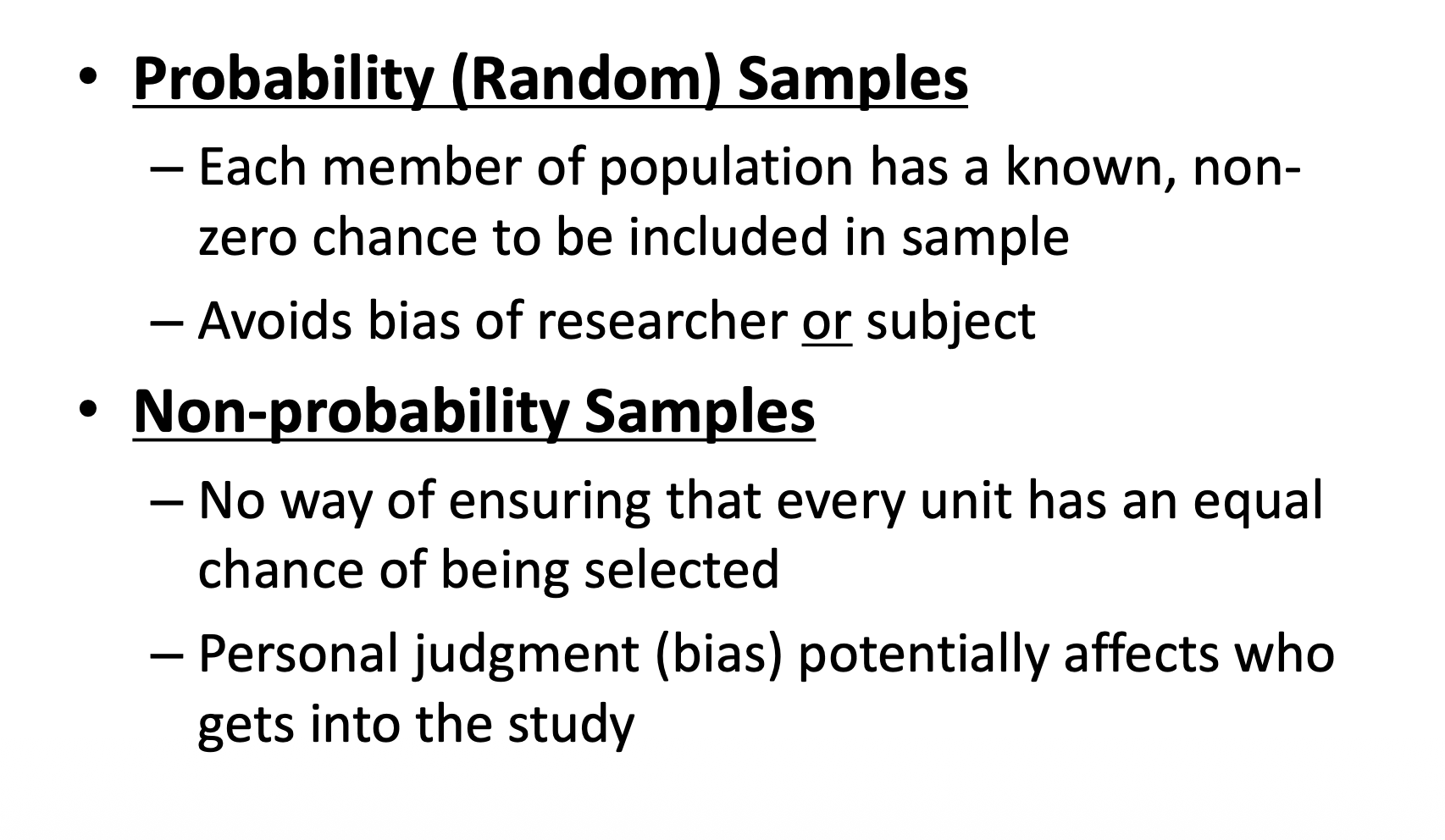
Simple Random Sample (SRS)
– Sampling units selected at random
– Use a randomly generated number table
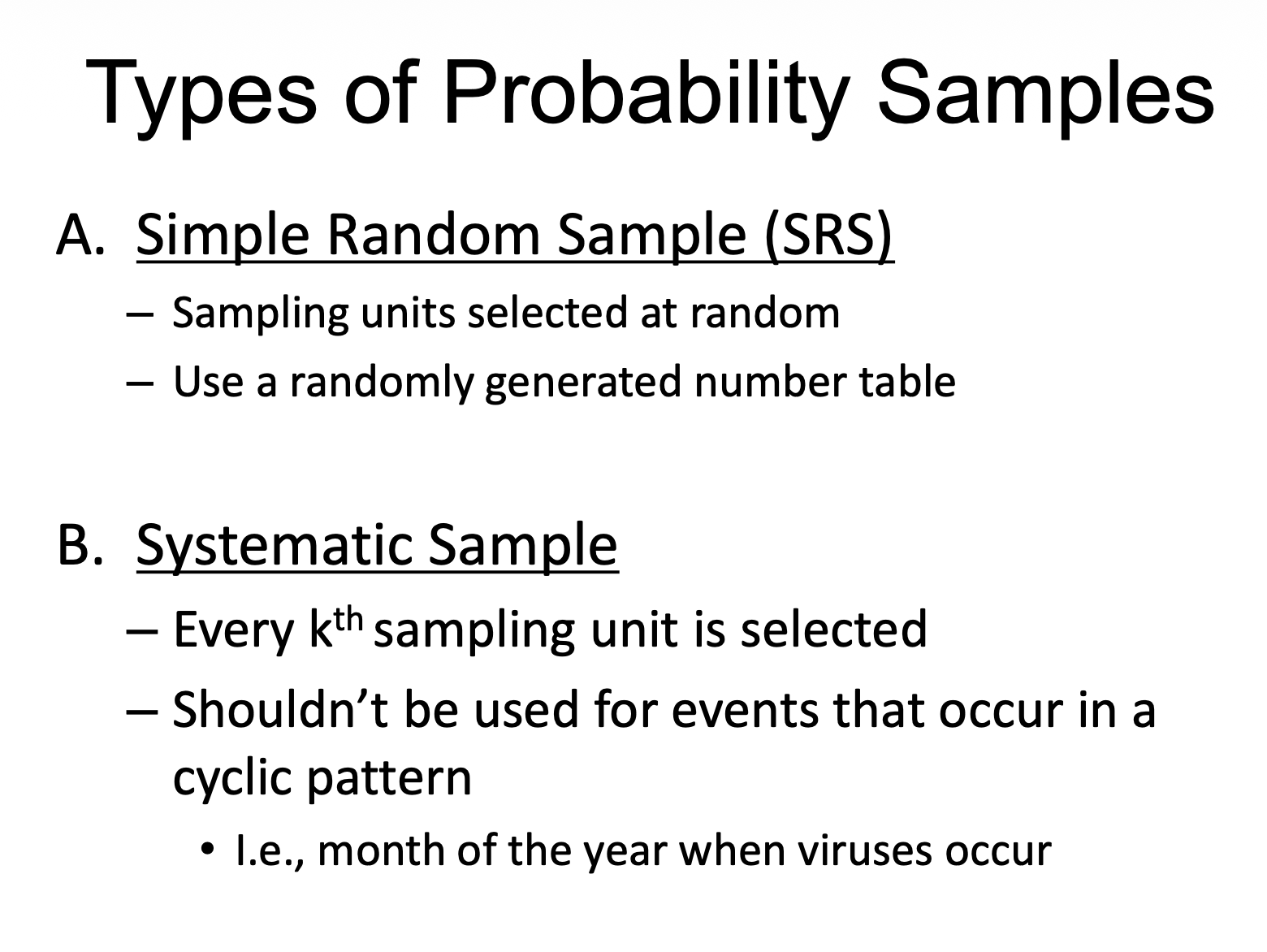
Systematic Sample
– Every kth sampling unit is selected
– Shouldn’t be used for events that occur in a cyclic pattern
• I.e., month of the year when viruses occur
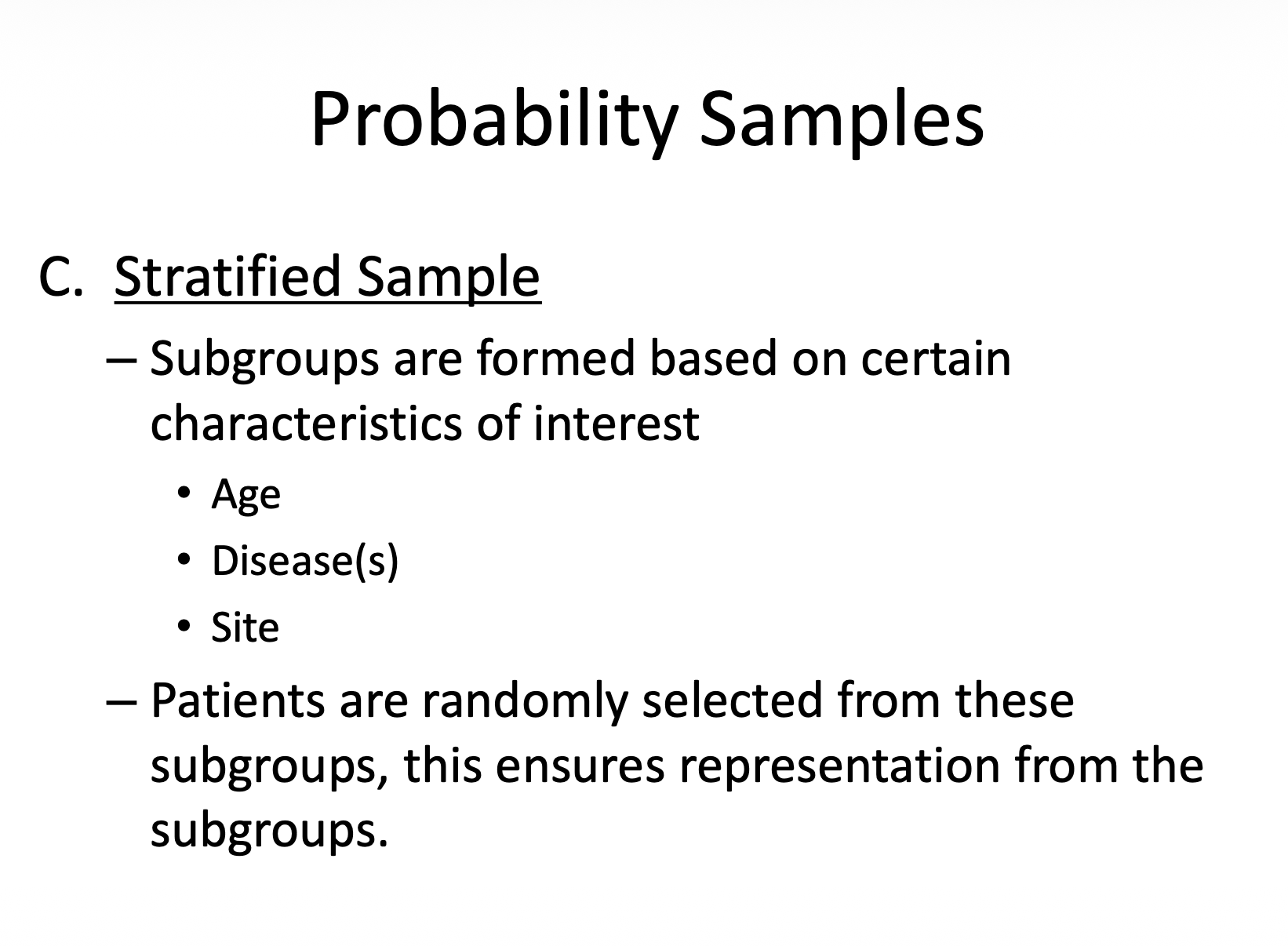
Stratified Sample
– Subgroups are formed based on certain characteristics of interest
• Age
• Disease(s)
• Site
– Patients are randomly selected from these subgroups, this ensures representation from the subgroups.
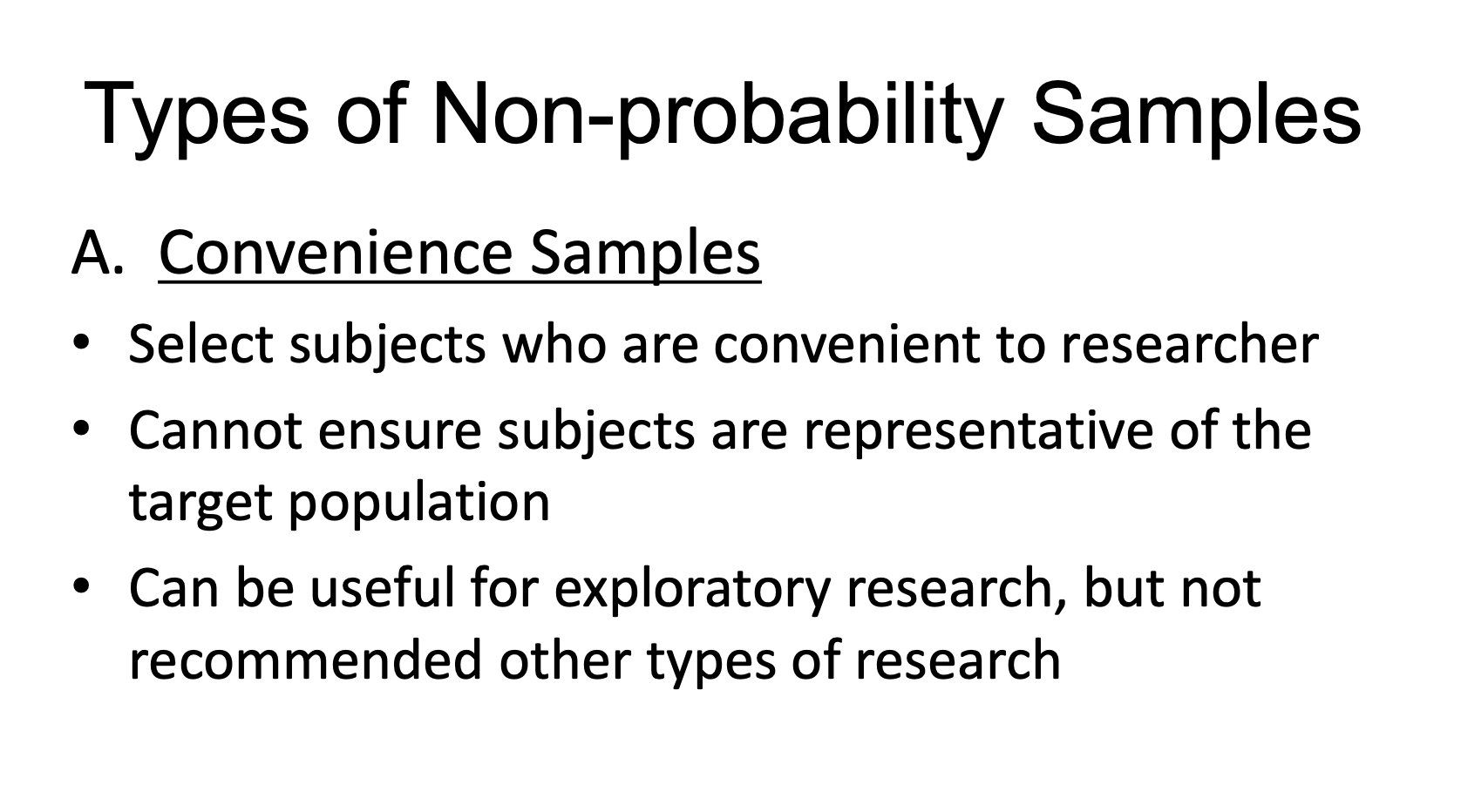
Convenience Samples
• Select subjects who are convenient to researcher
• Cannot ensure subjects are representative of the target population
• Can be useful for exploratory research, but not recommended other types of research
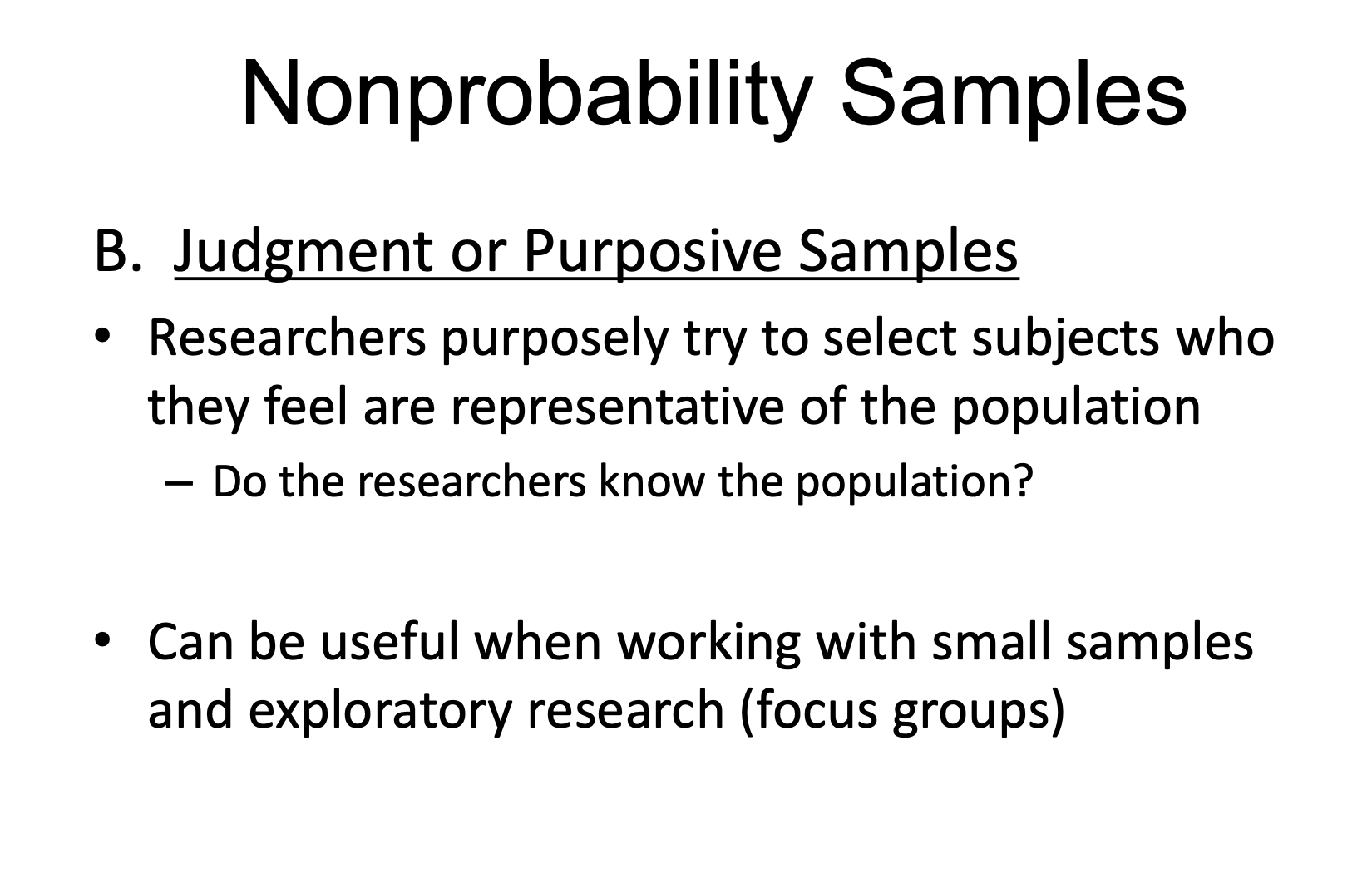
Judgment or Purposive Samples
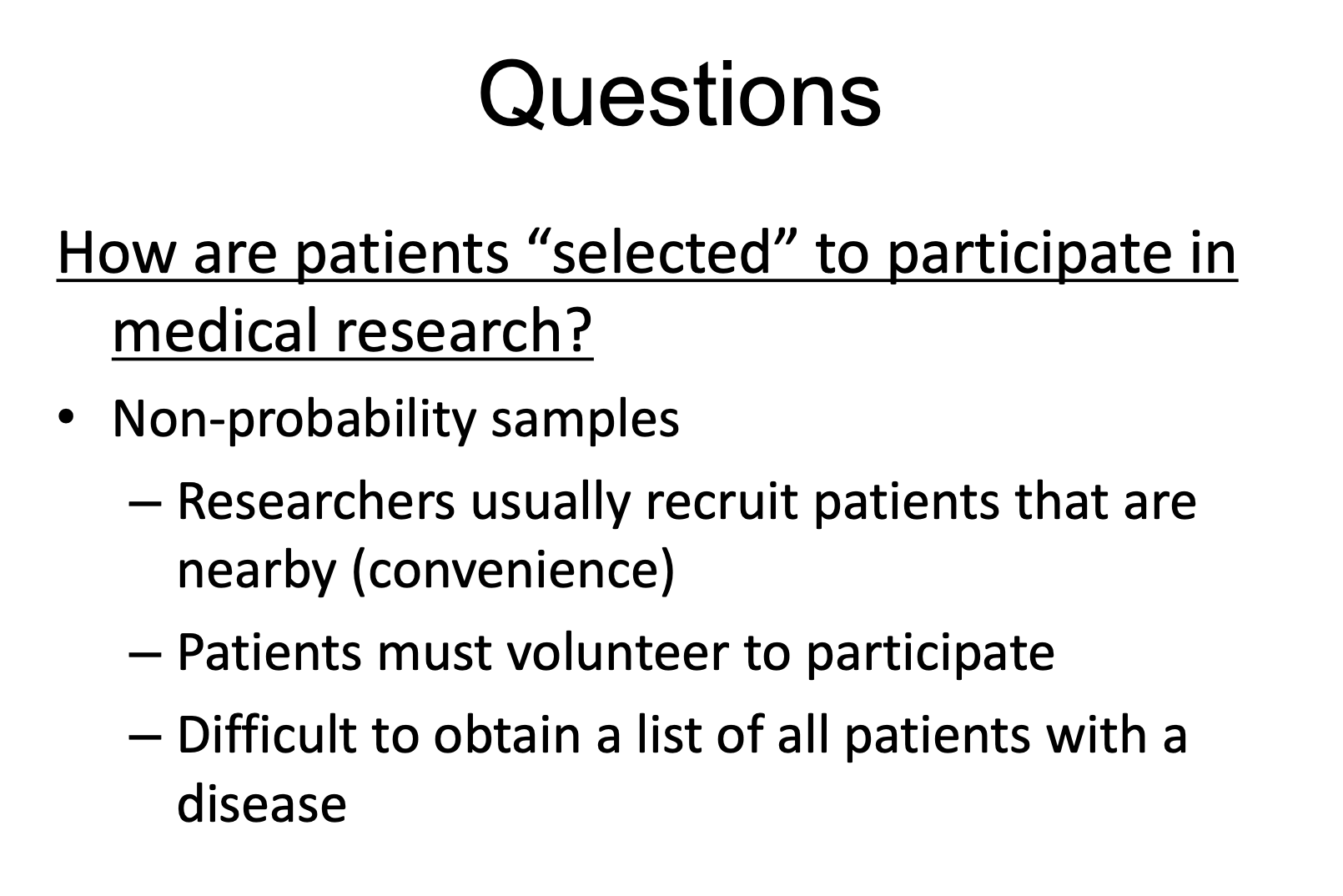
How are patients “selected” to participate in medical research?
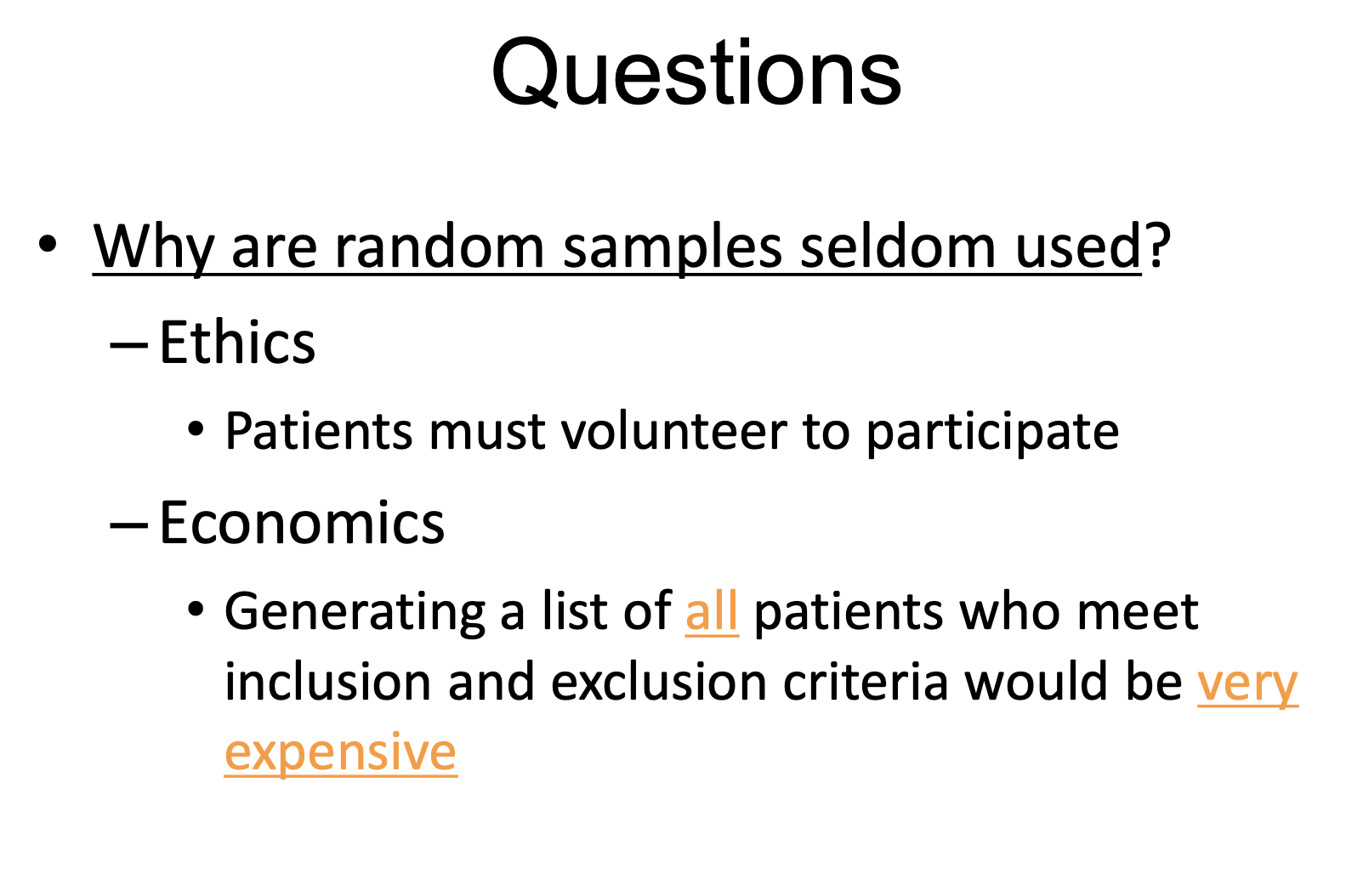
Why are random samples seldom used?
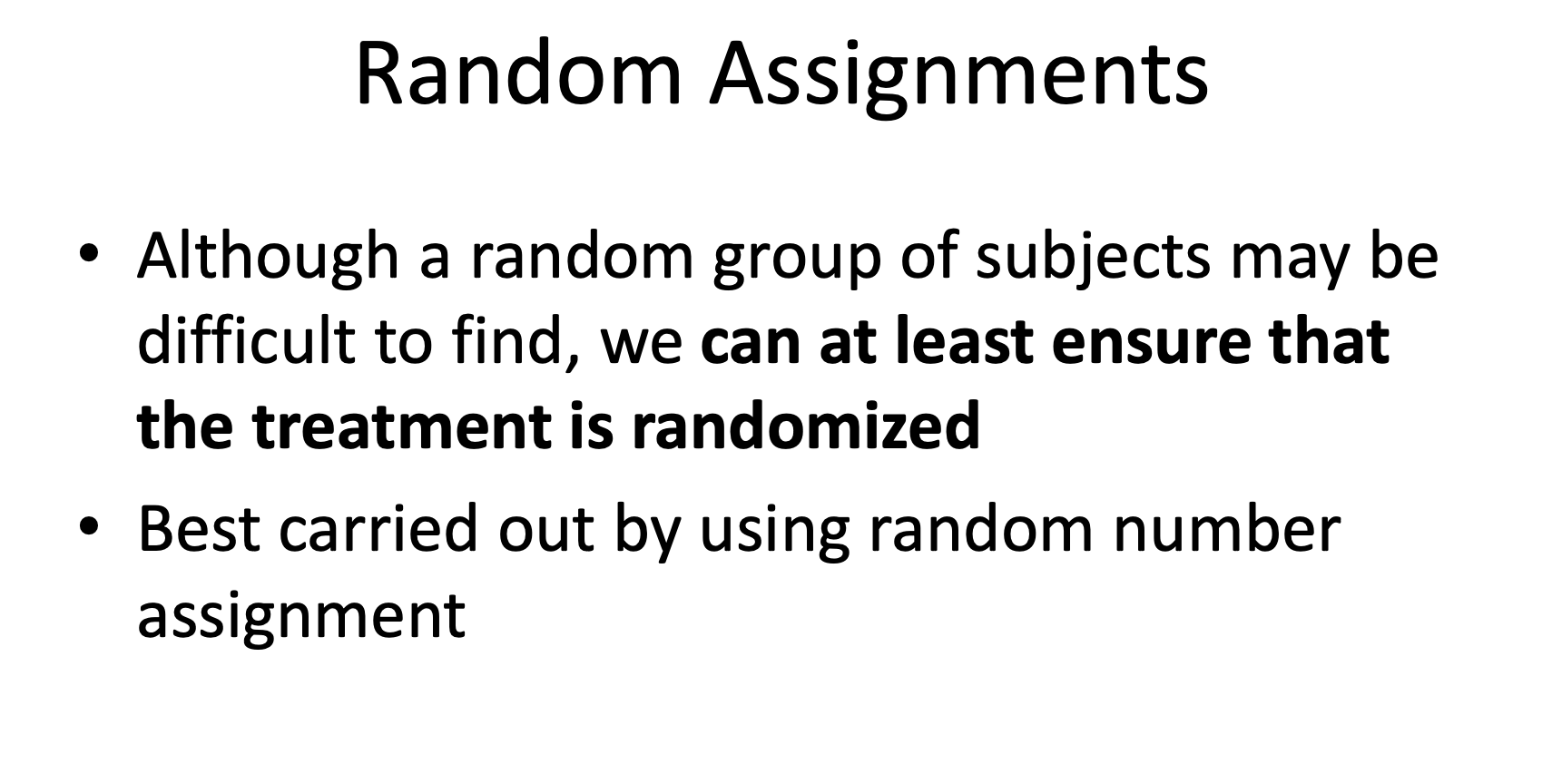
Random Assignments
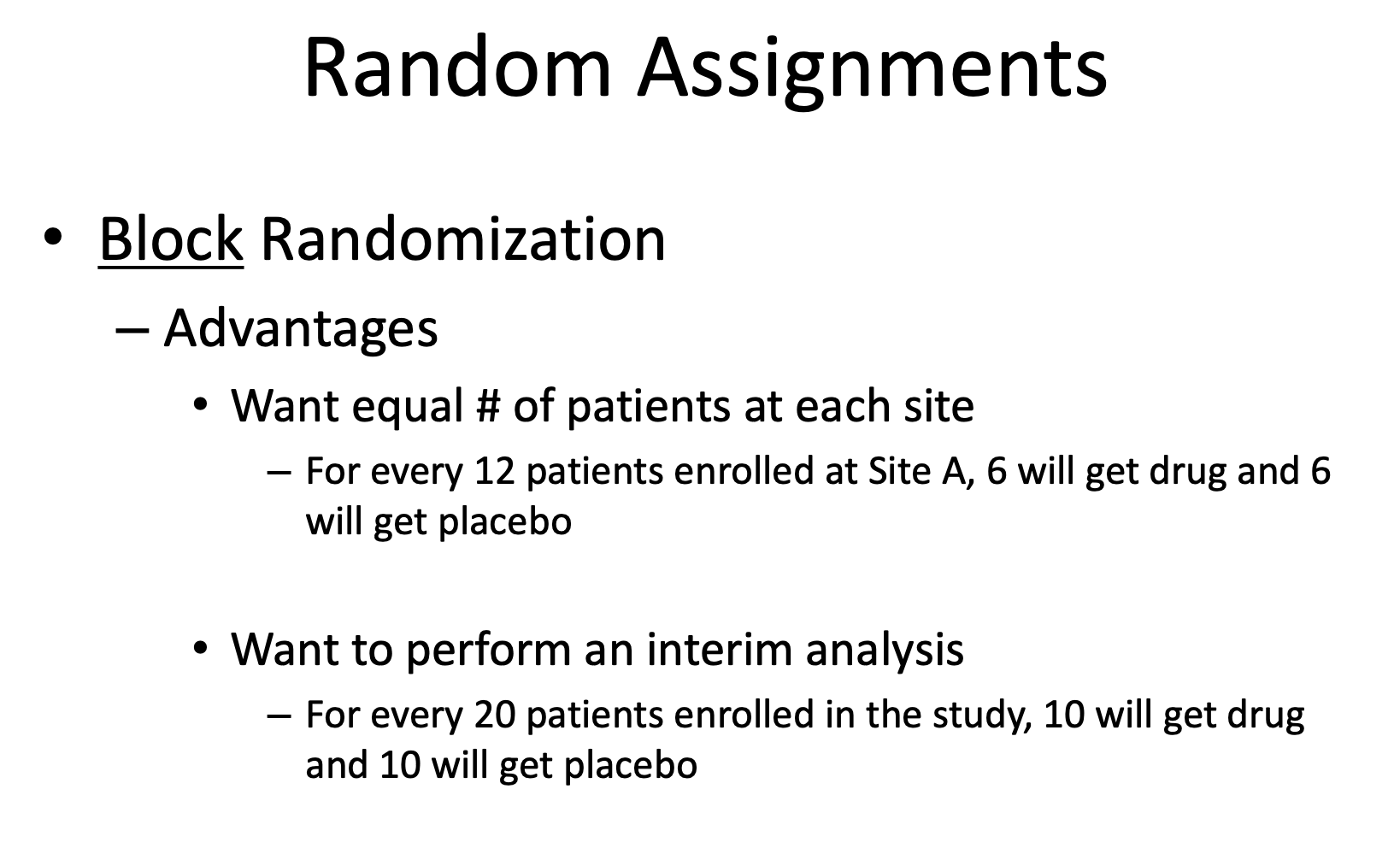
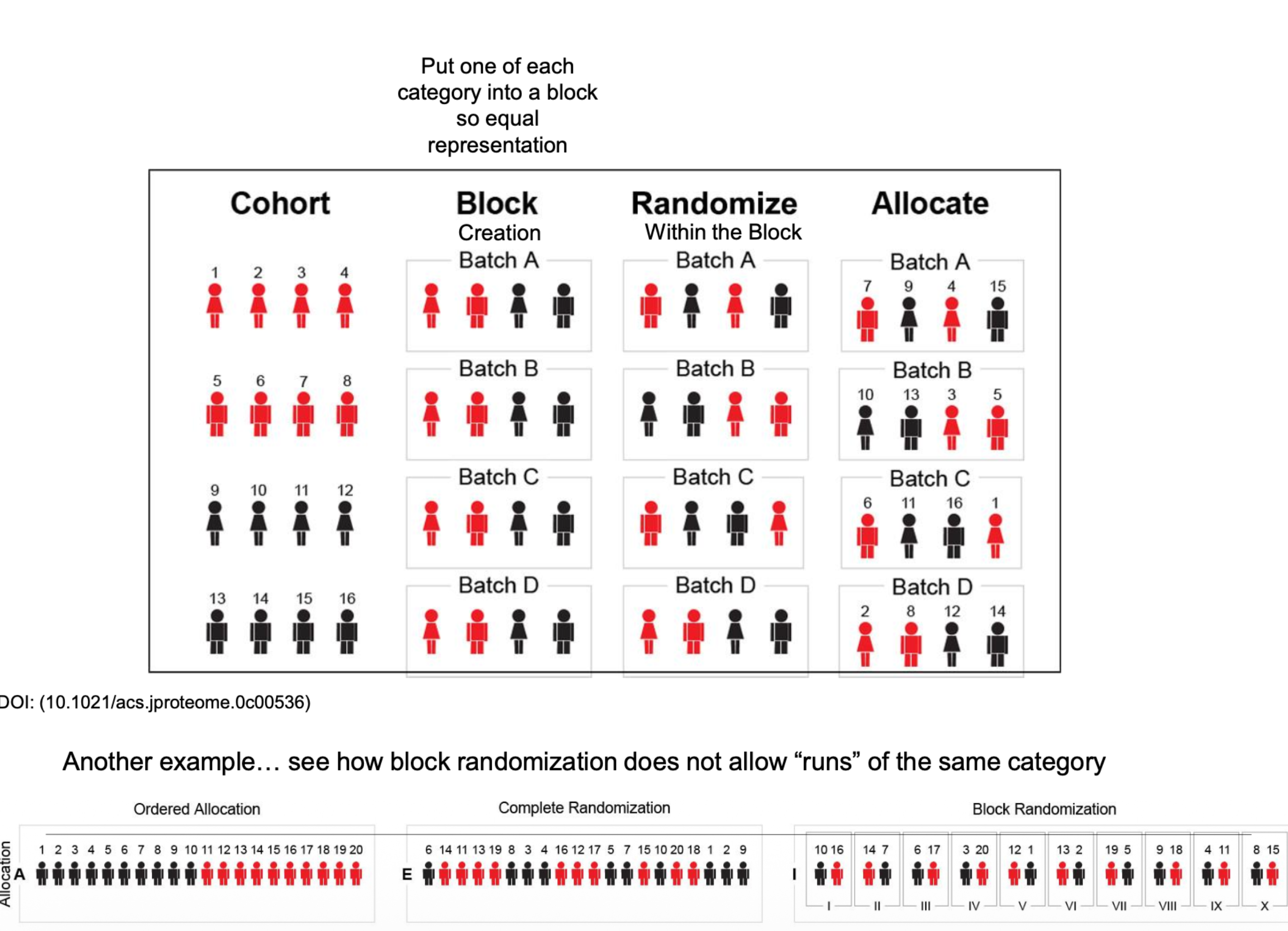
Block Randomization
Different types of randomization
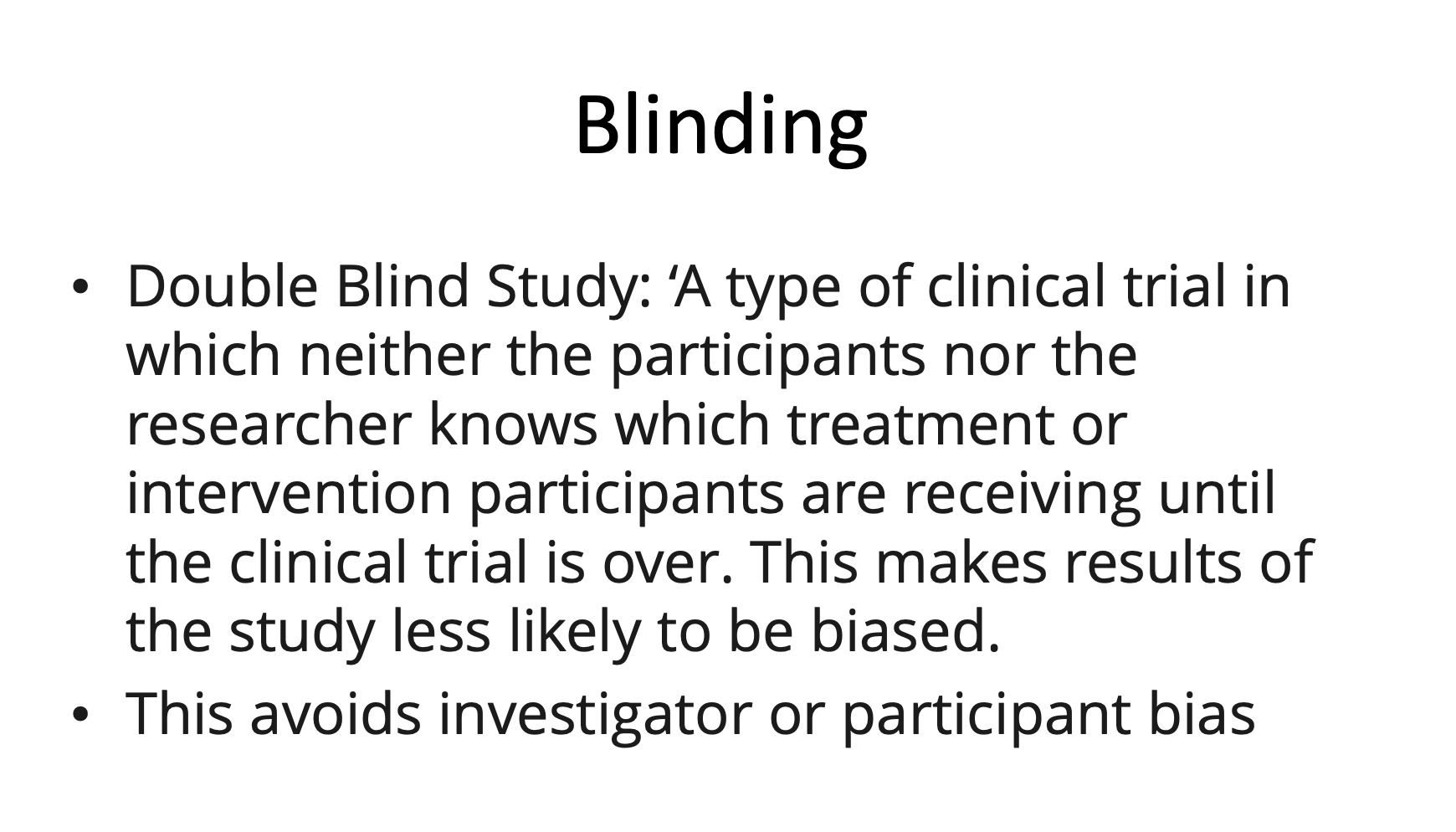
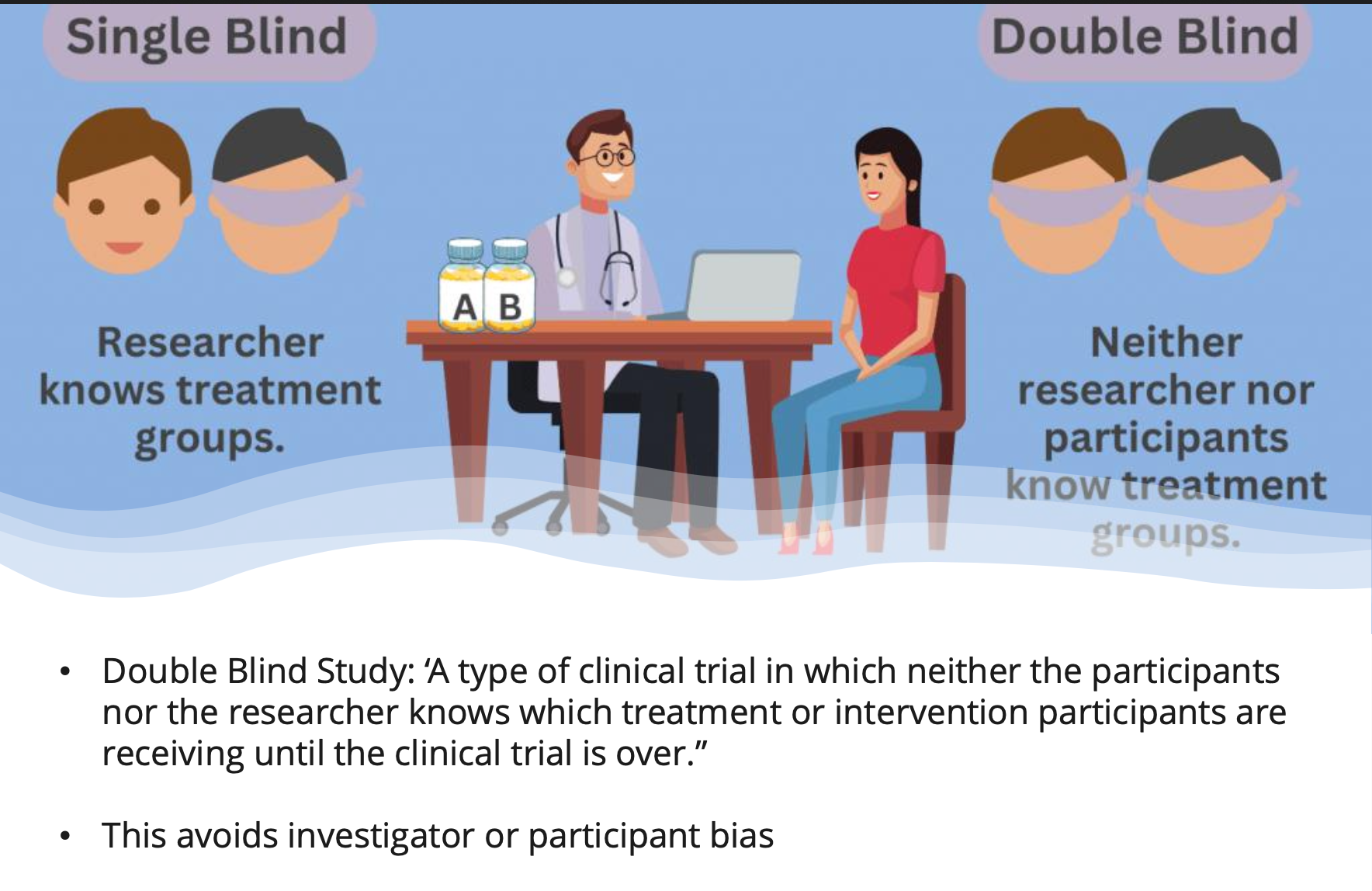
Double Blind Study
Therapeutic misconception
Most of us believe there is always something better
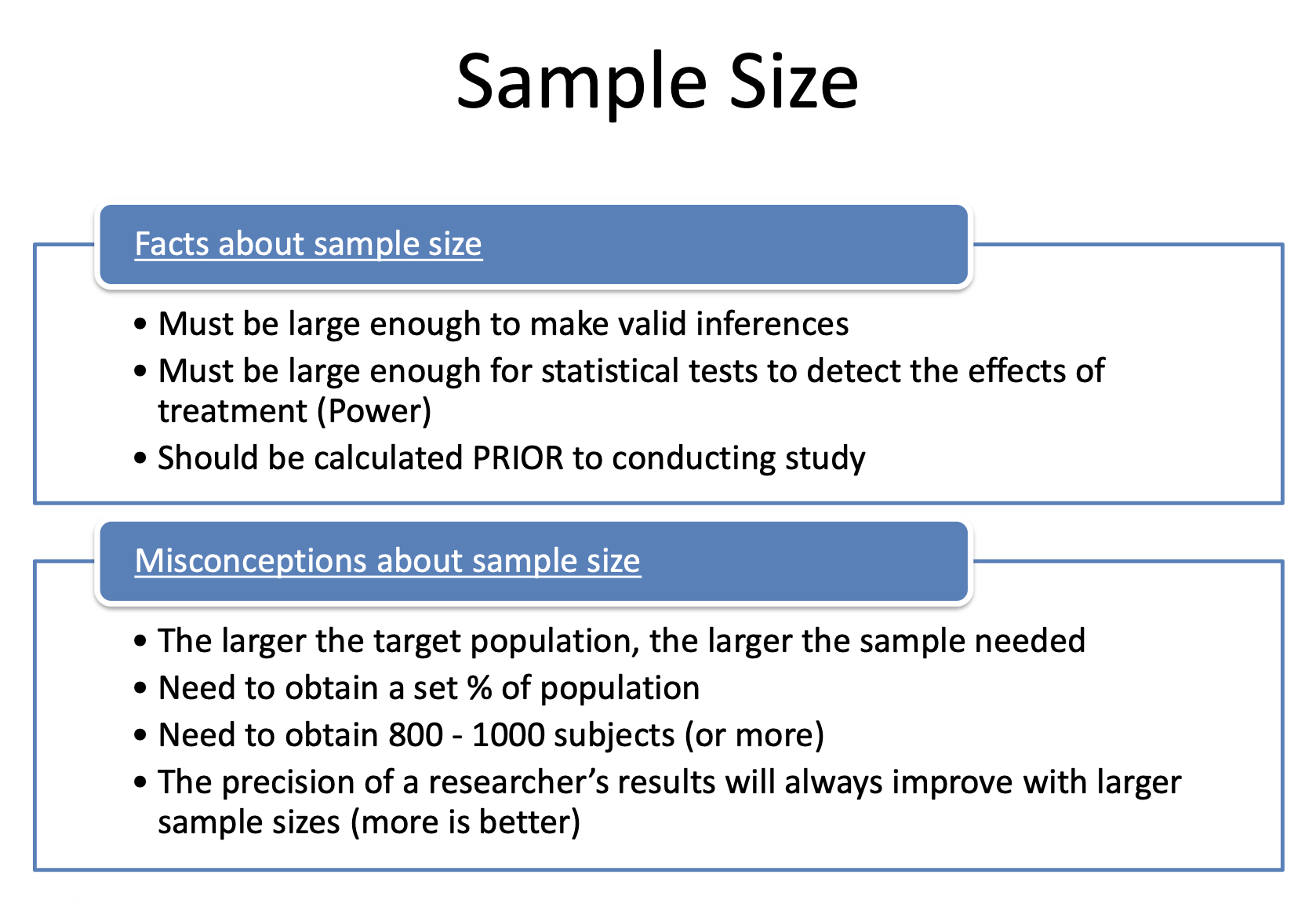
Sample Size
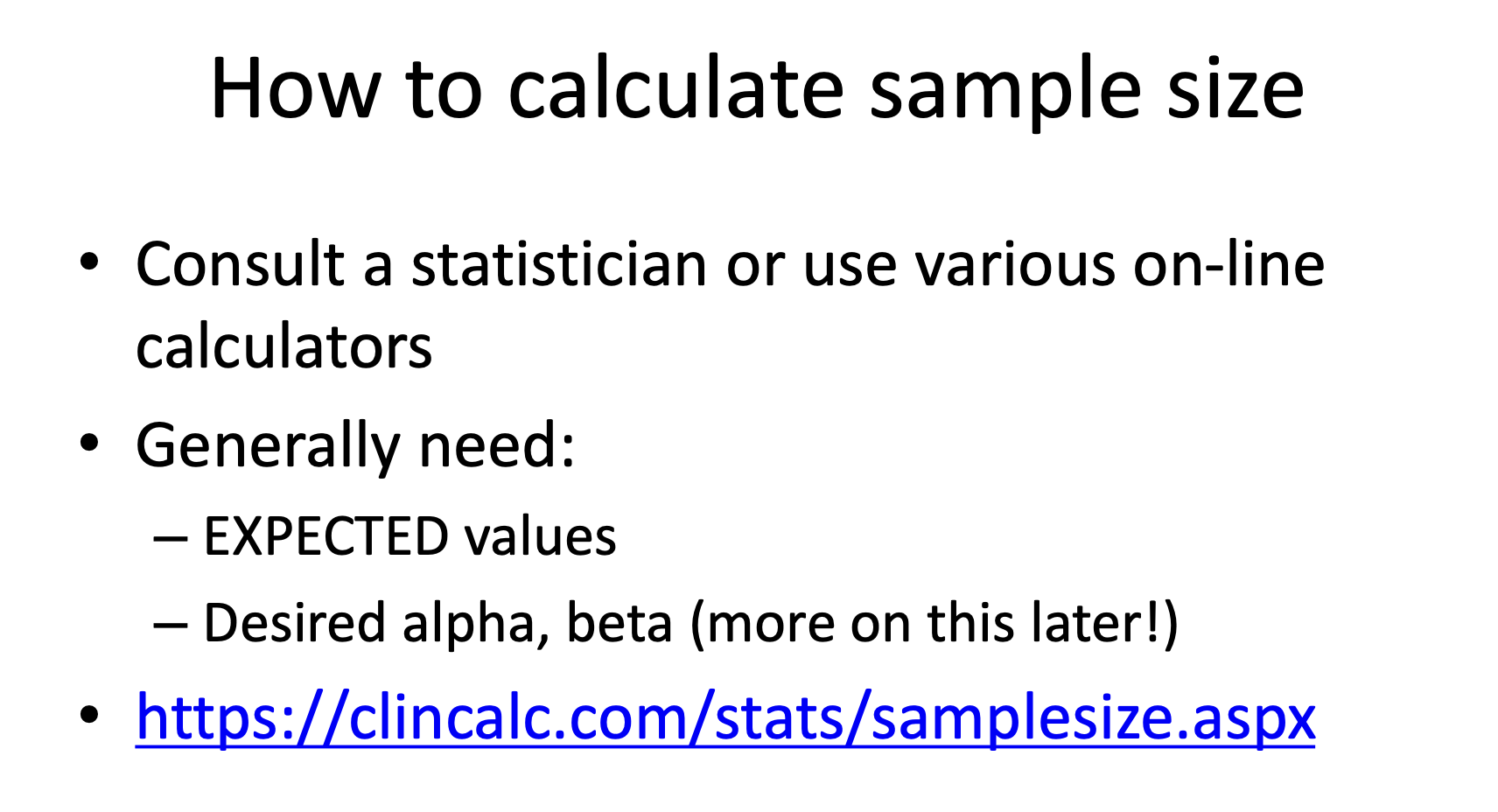
How to calculate sample size
Non-response error
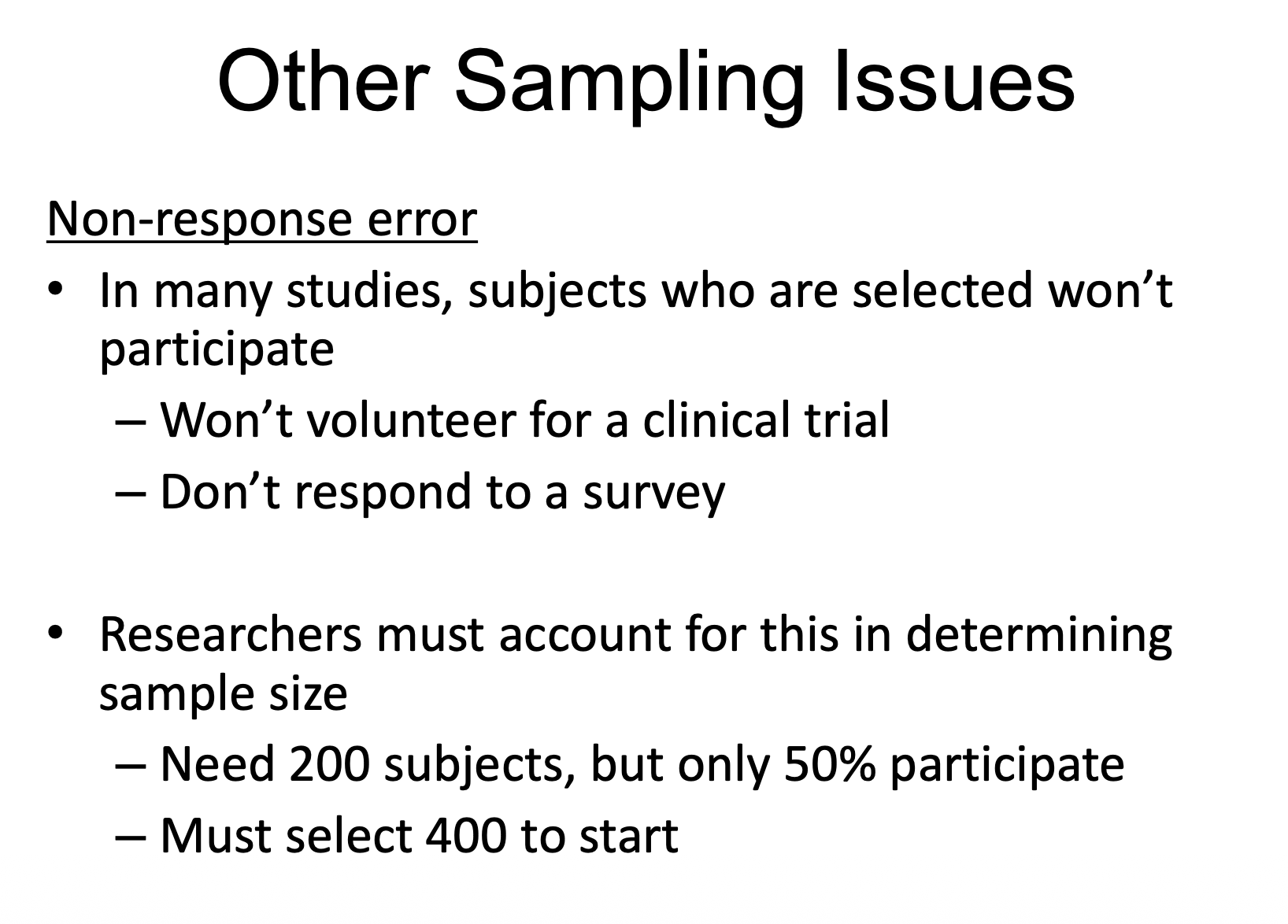
Variables
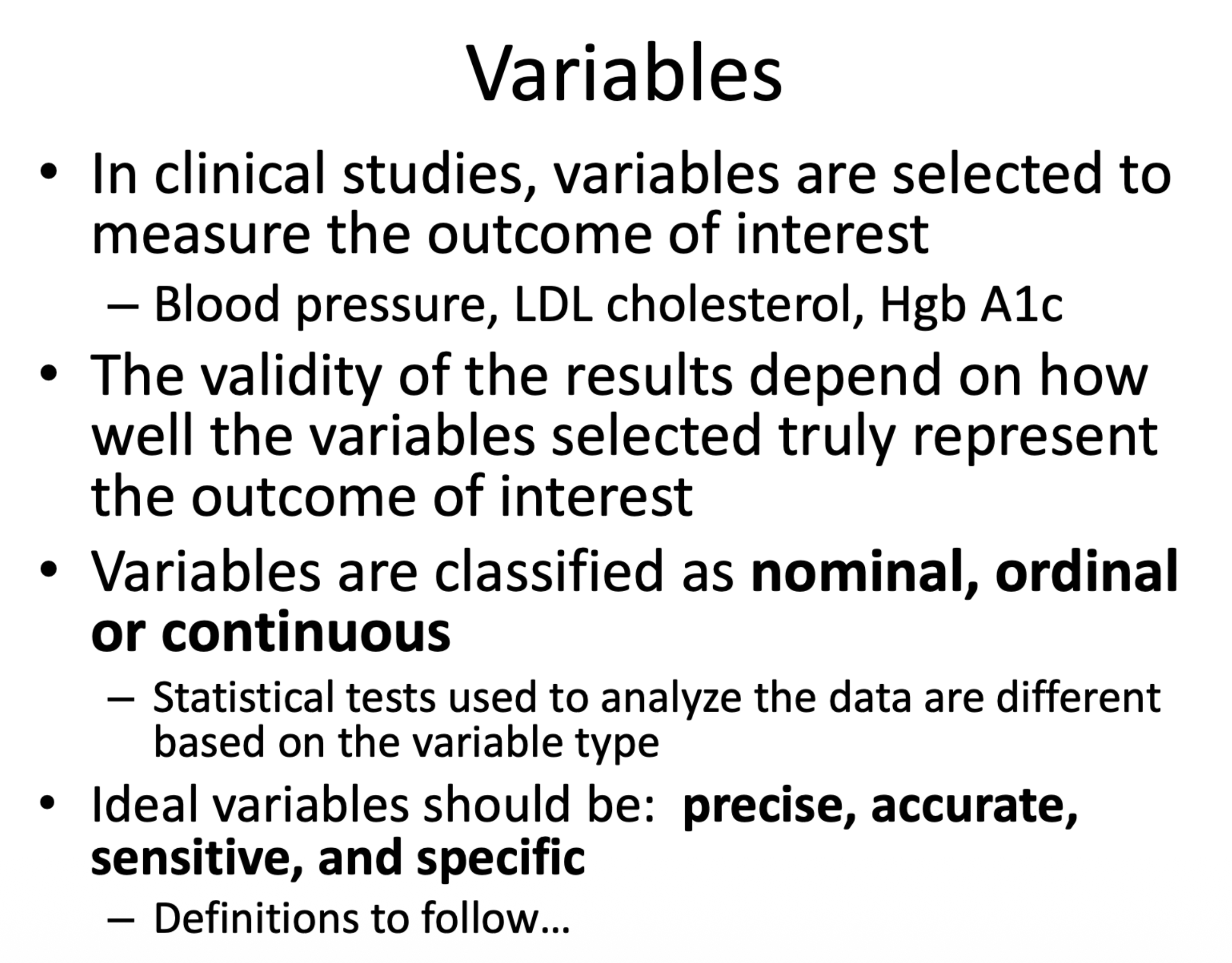
Nominal /Categorical Variables
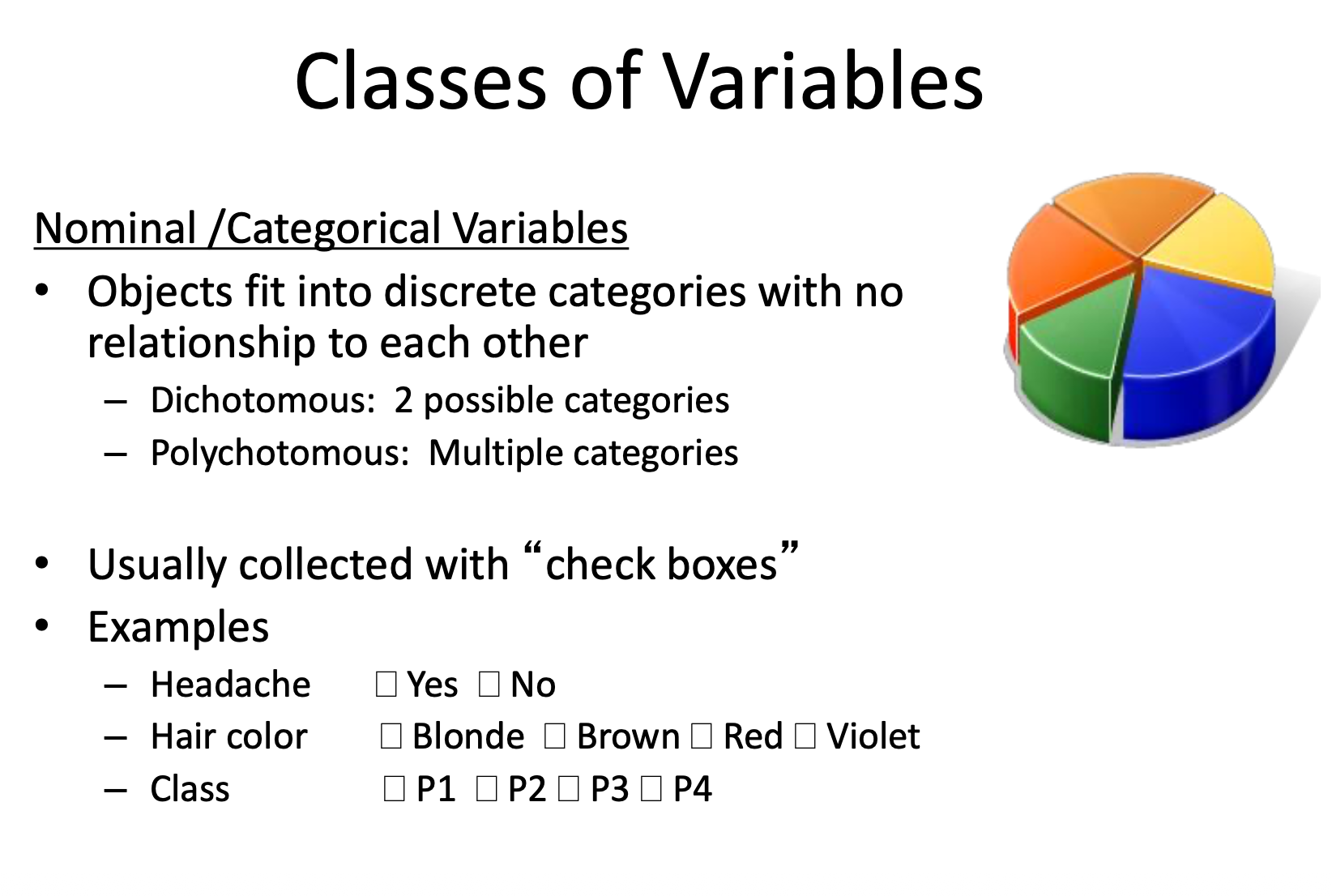
Ordinal Data
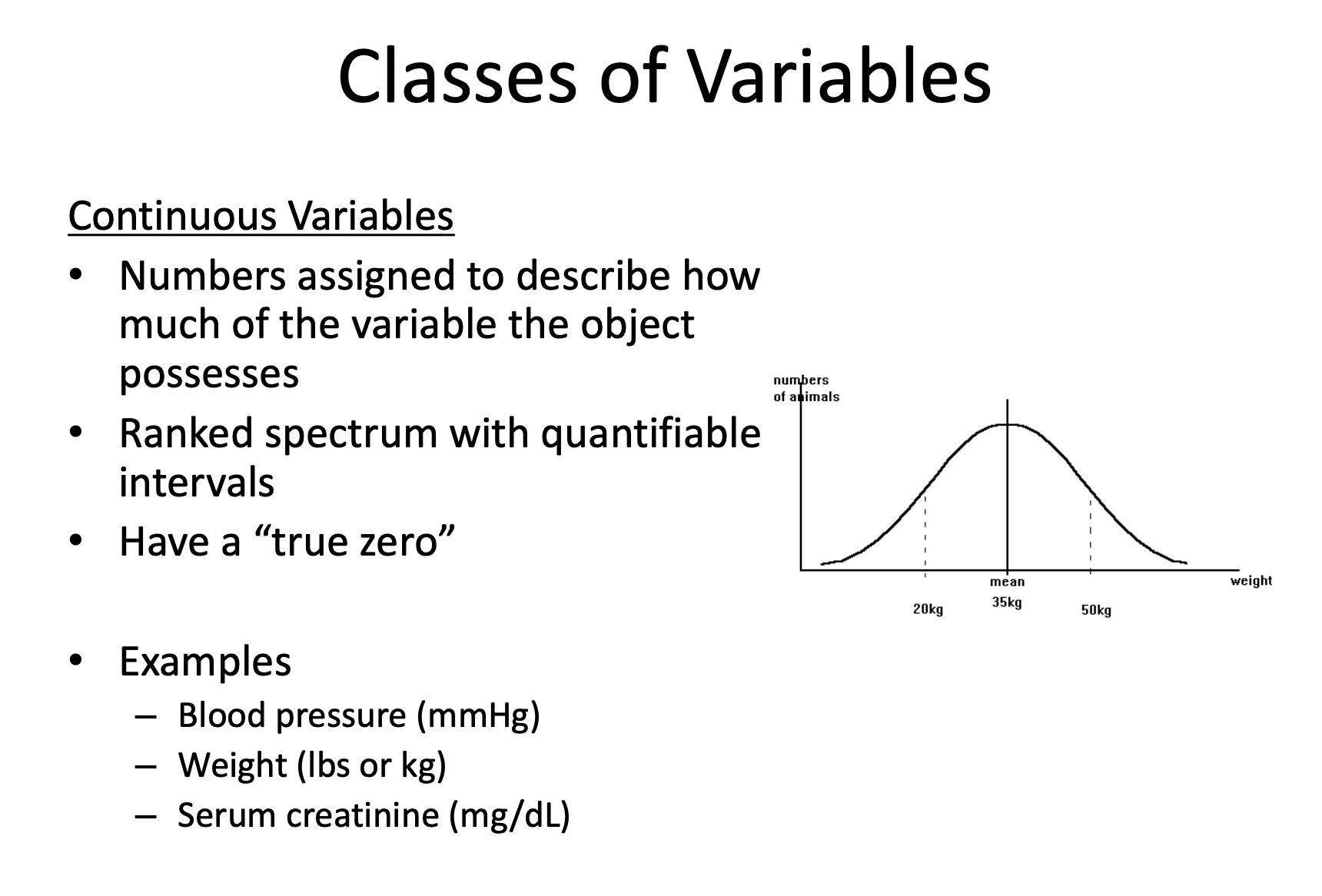
Continuous Variables
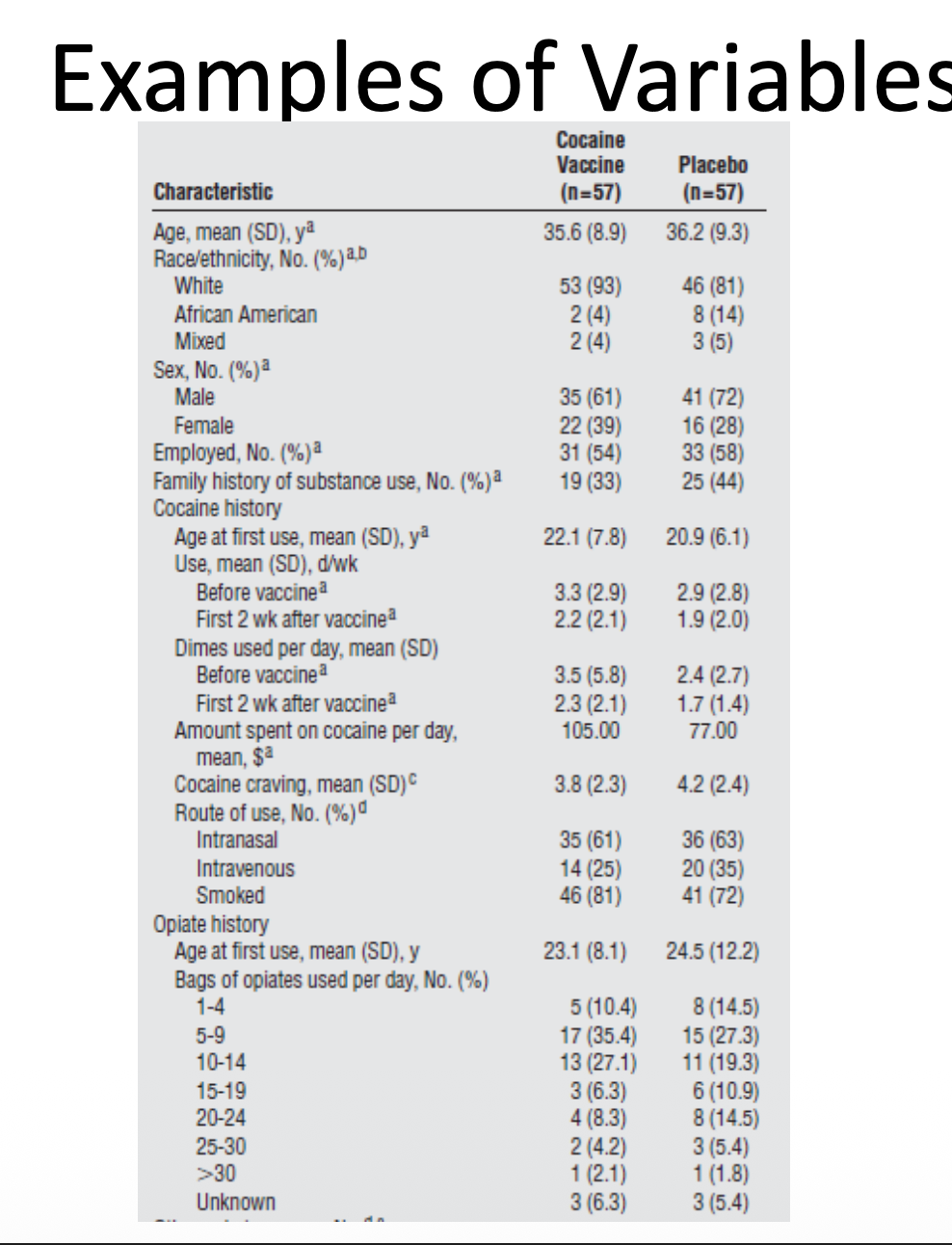
Examples of Variables
Age → continuous
Race/ethnicity → categorical
Race → categorical
Cocaine history → categorical
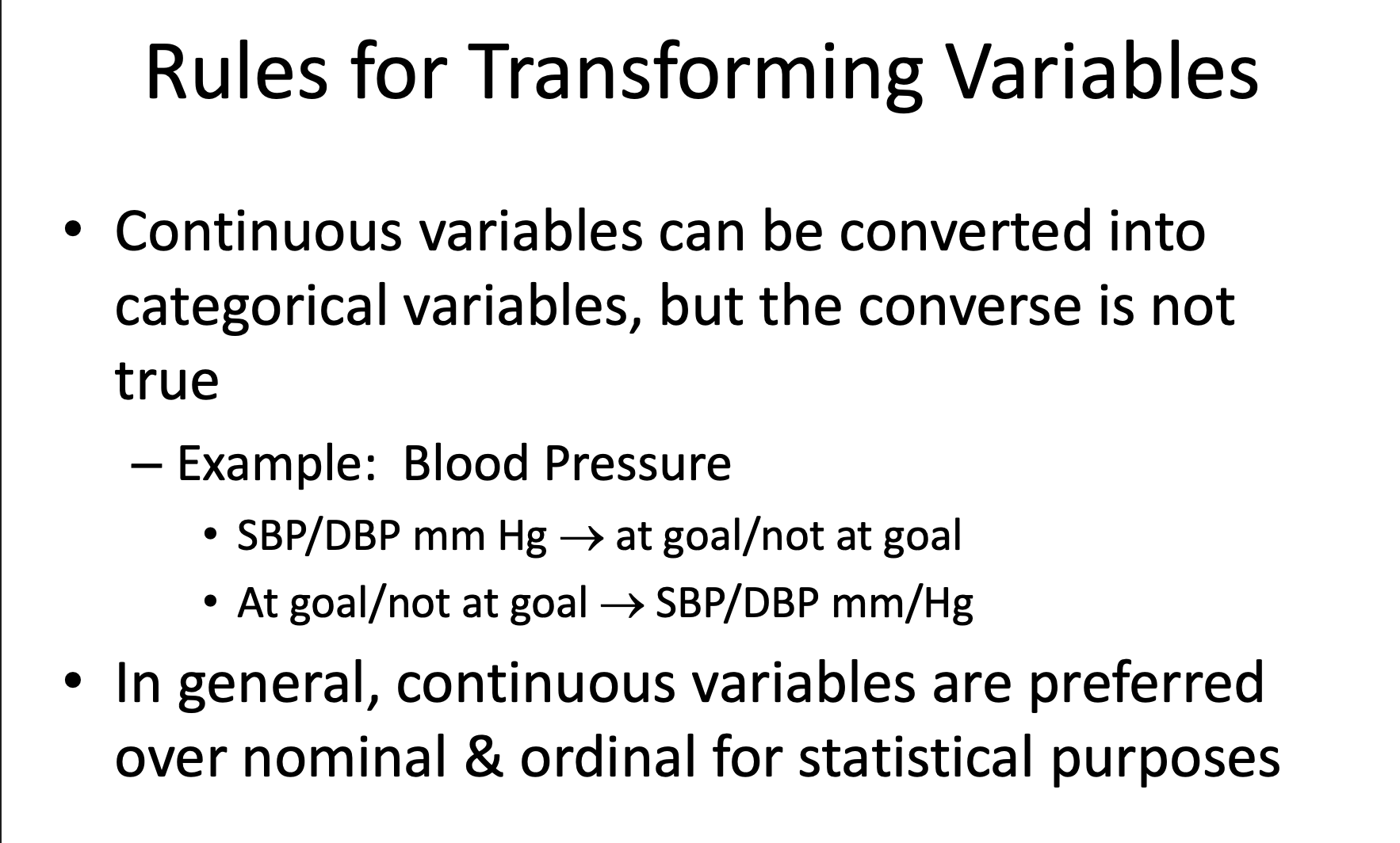
Rules for Transforming Variables
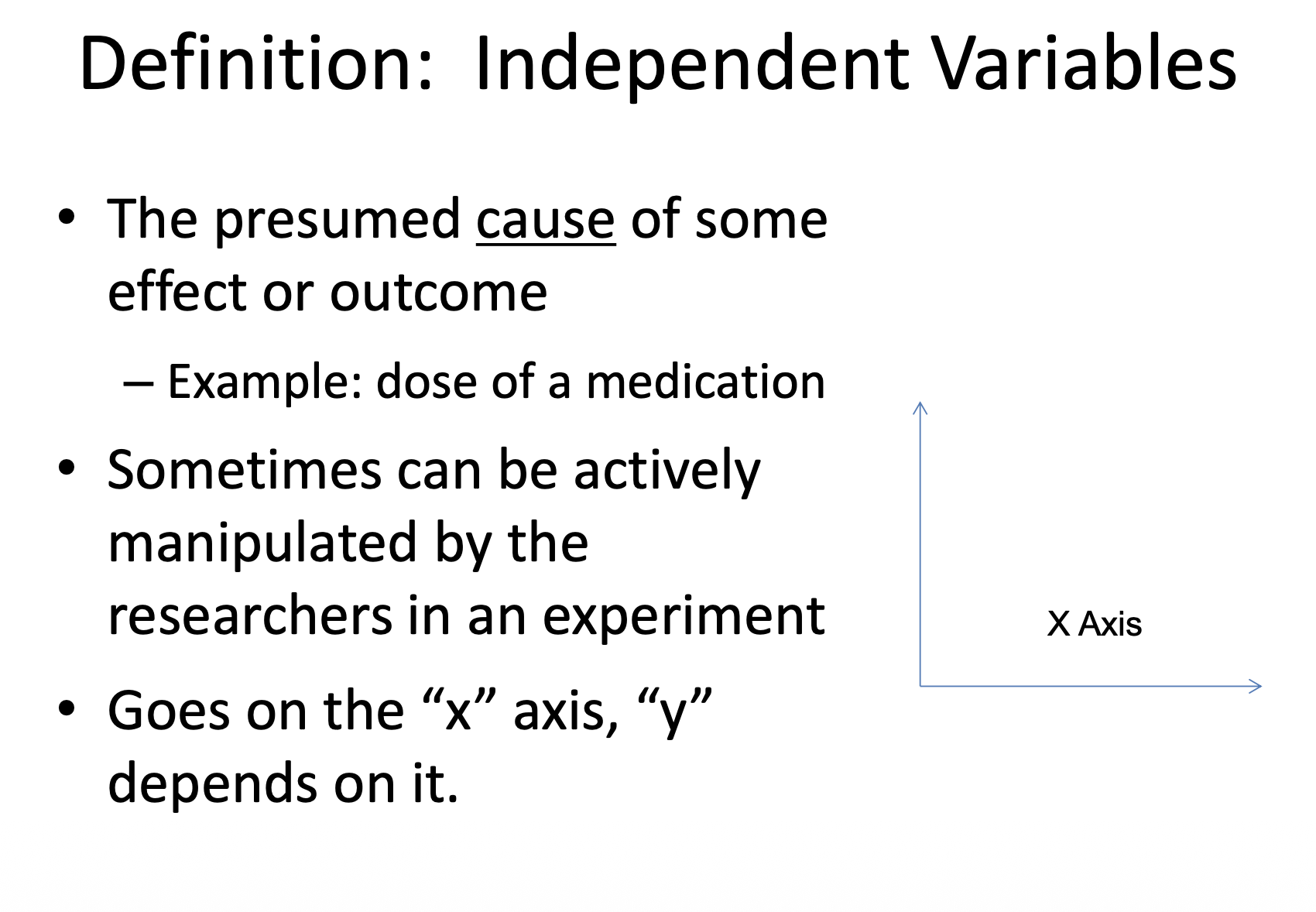
Independent Variables
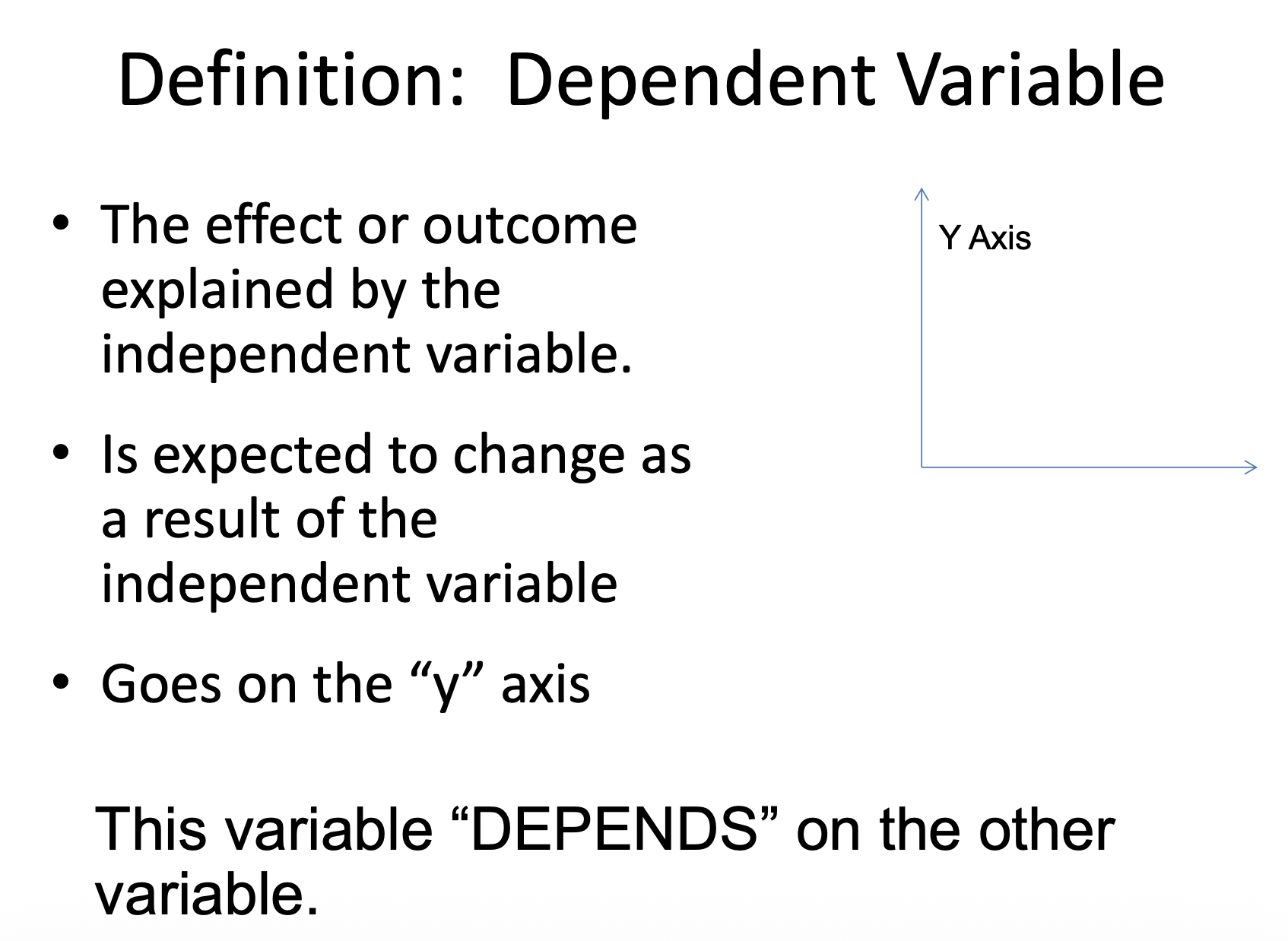
Dependent Variable
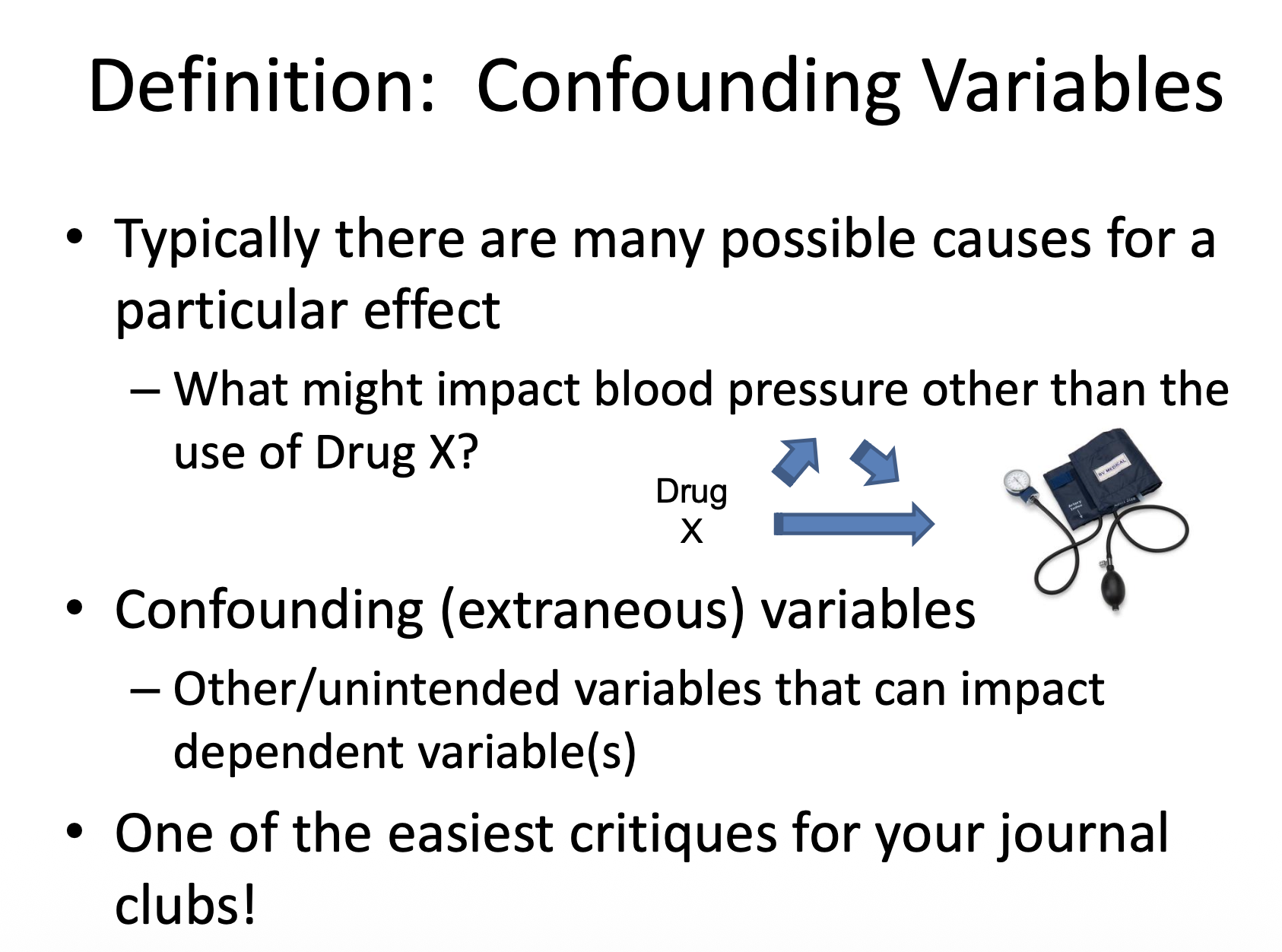
Definition: Confounding Variables
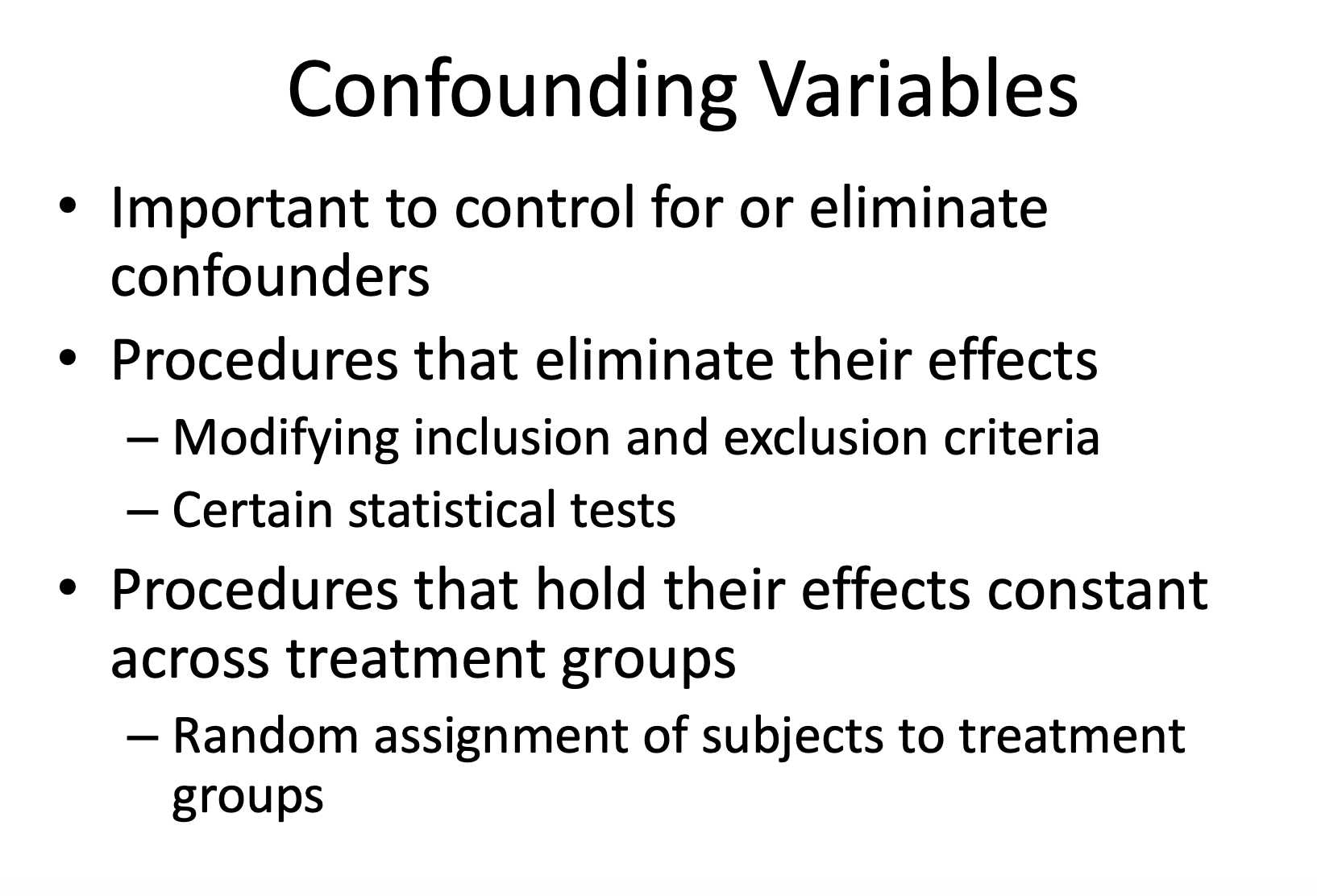
Confounding Variables
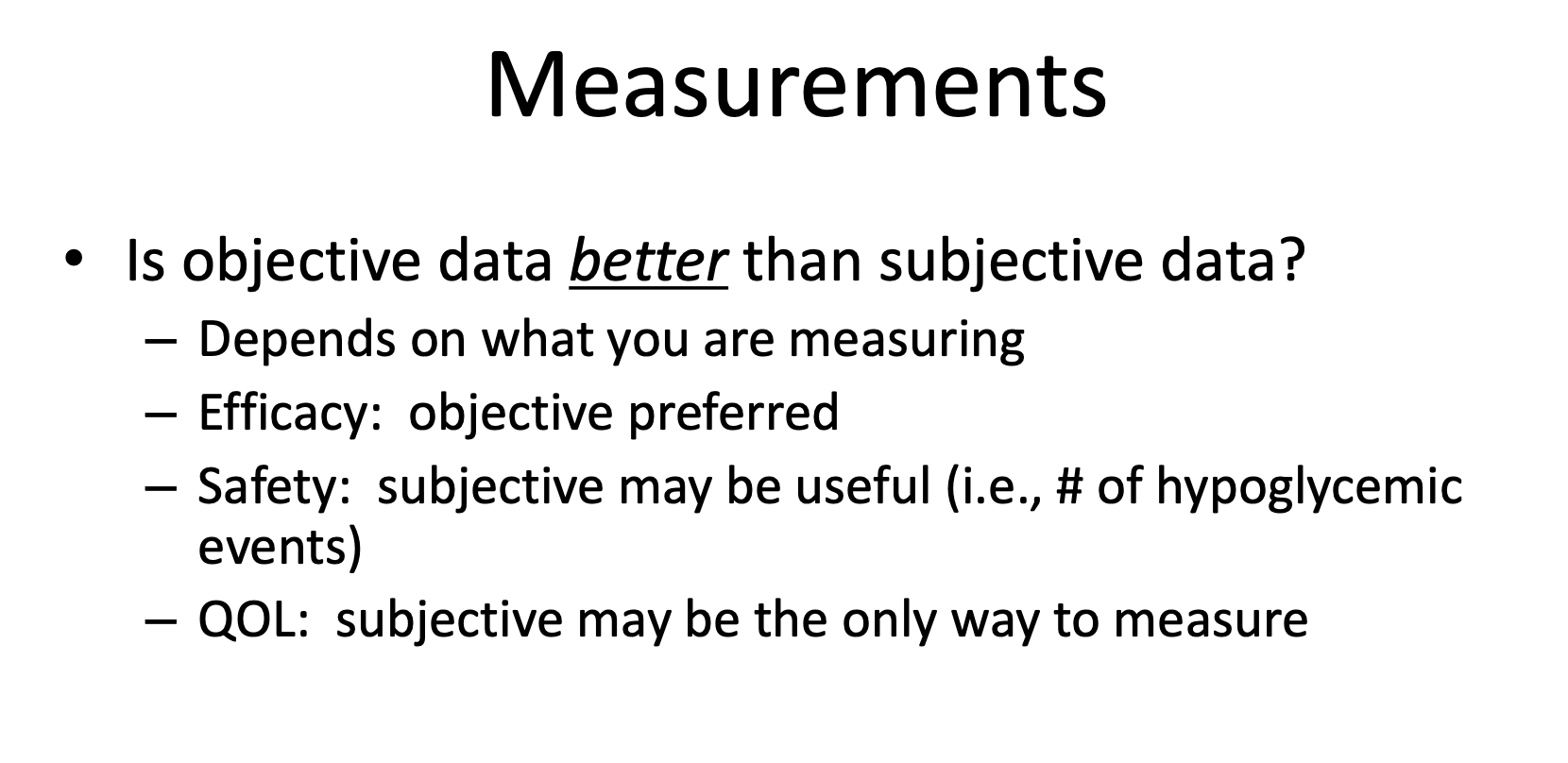
Objective vs. Subjective measurements
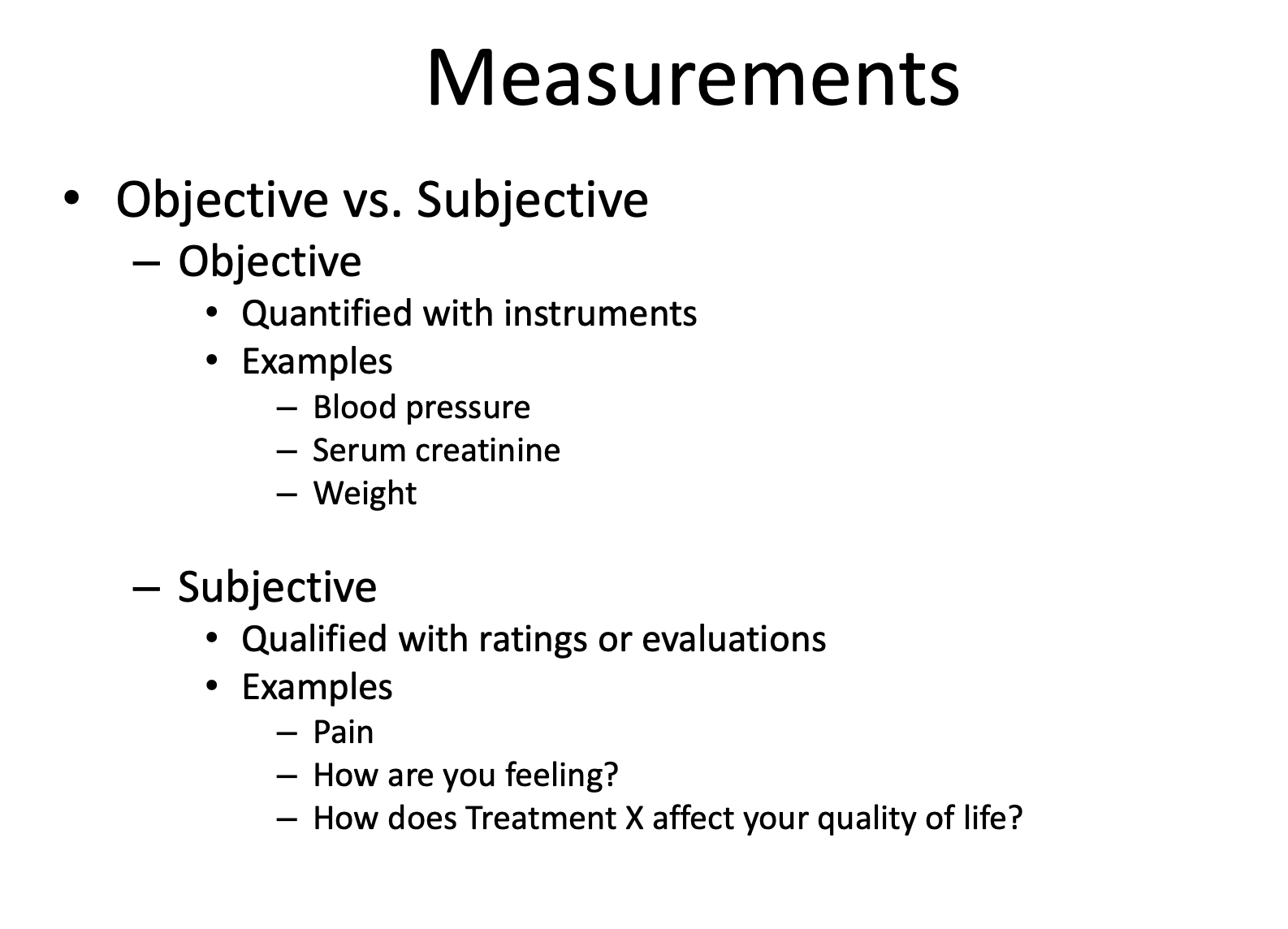
Is objective data better than subjective data?
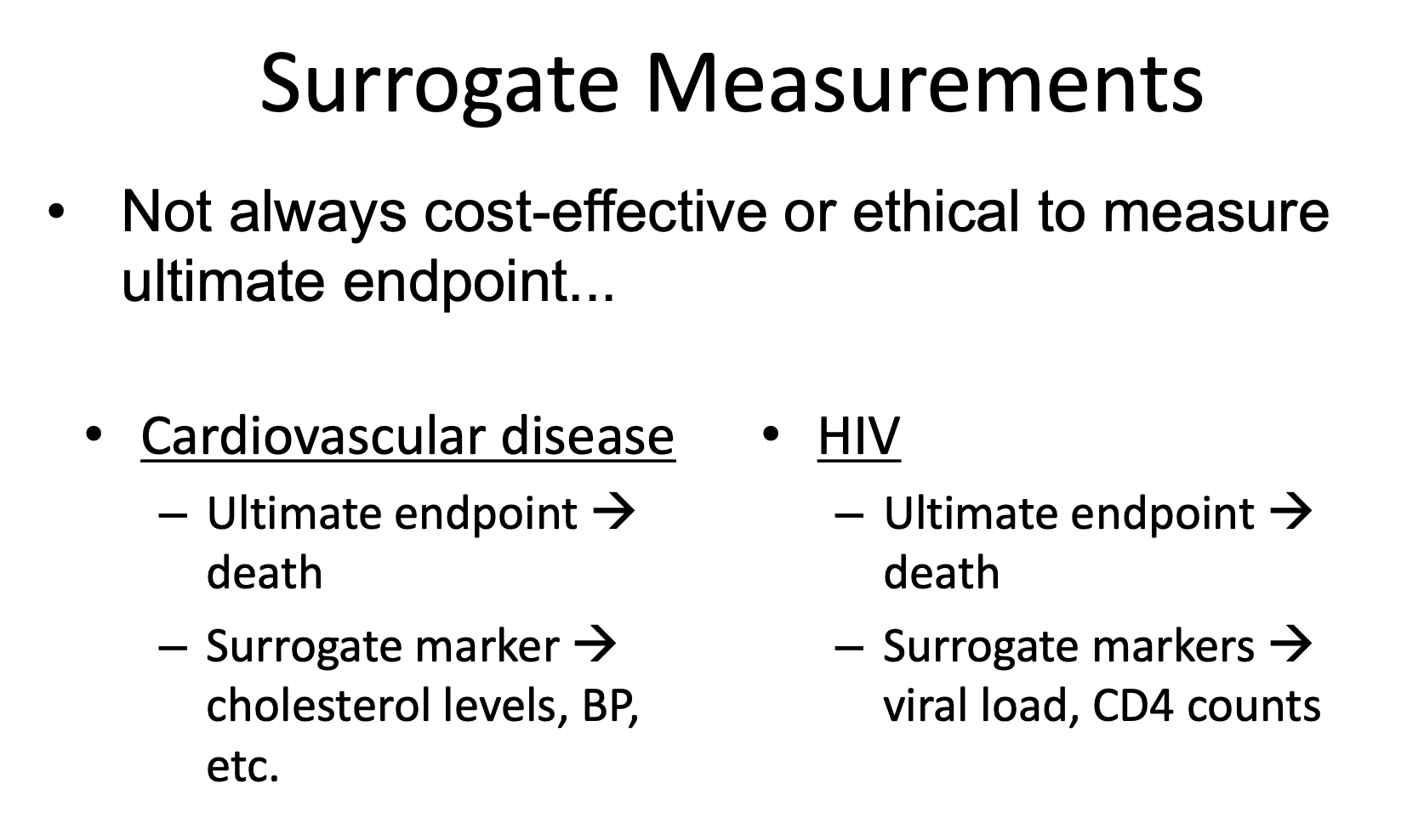
Surrogate Measurements
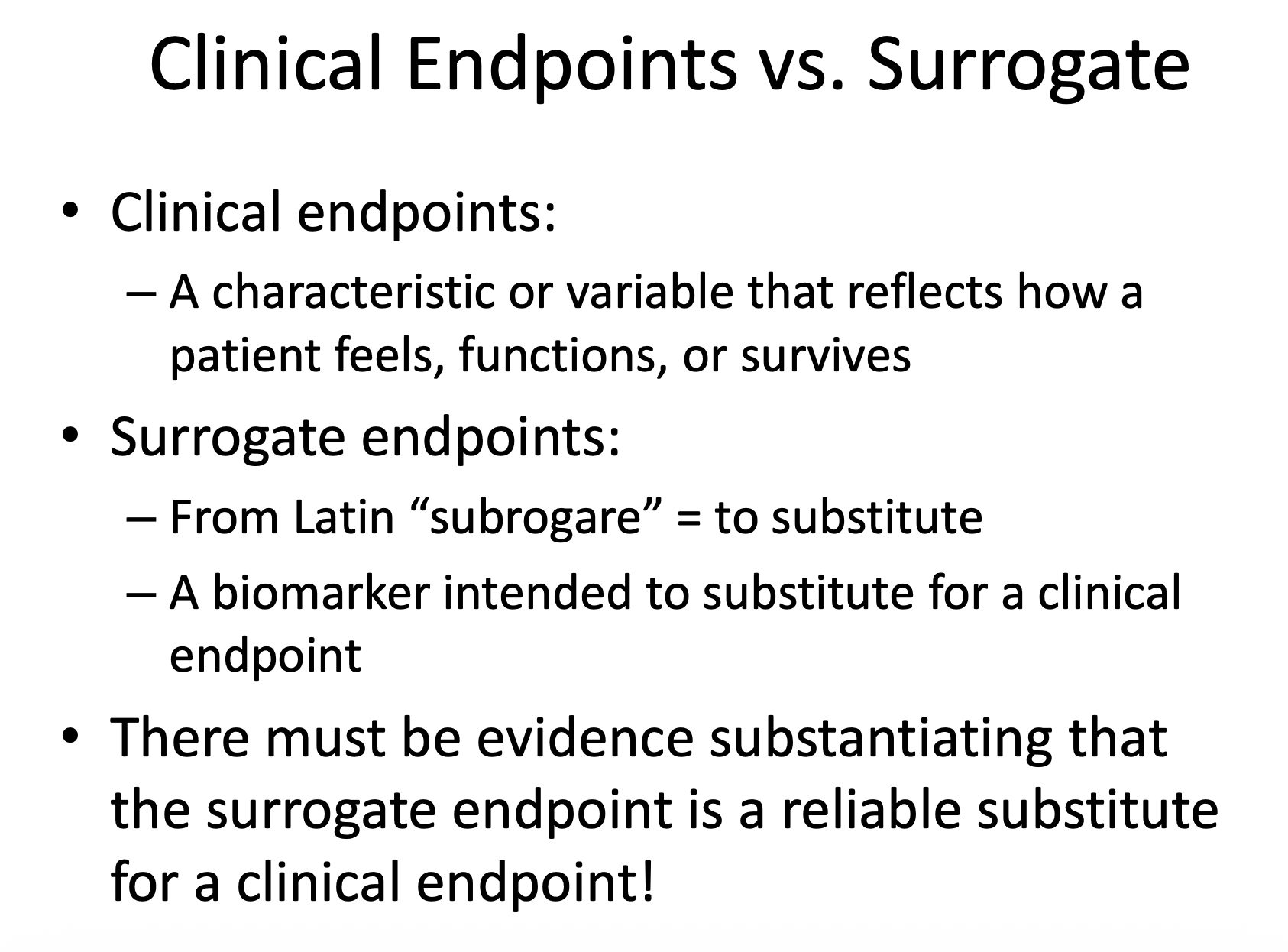
Clinical Endpoints vs. Surrogate
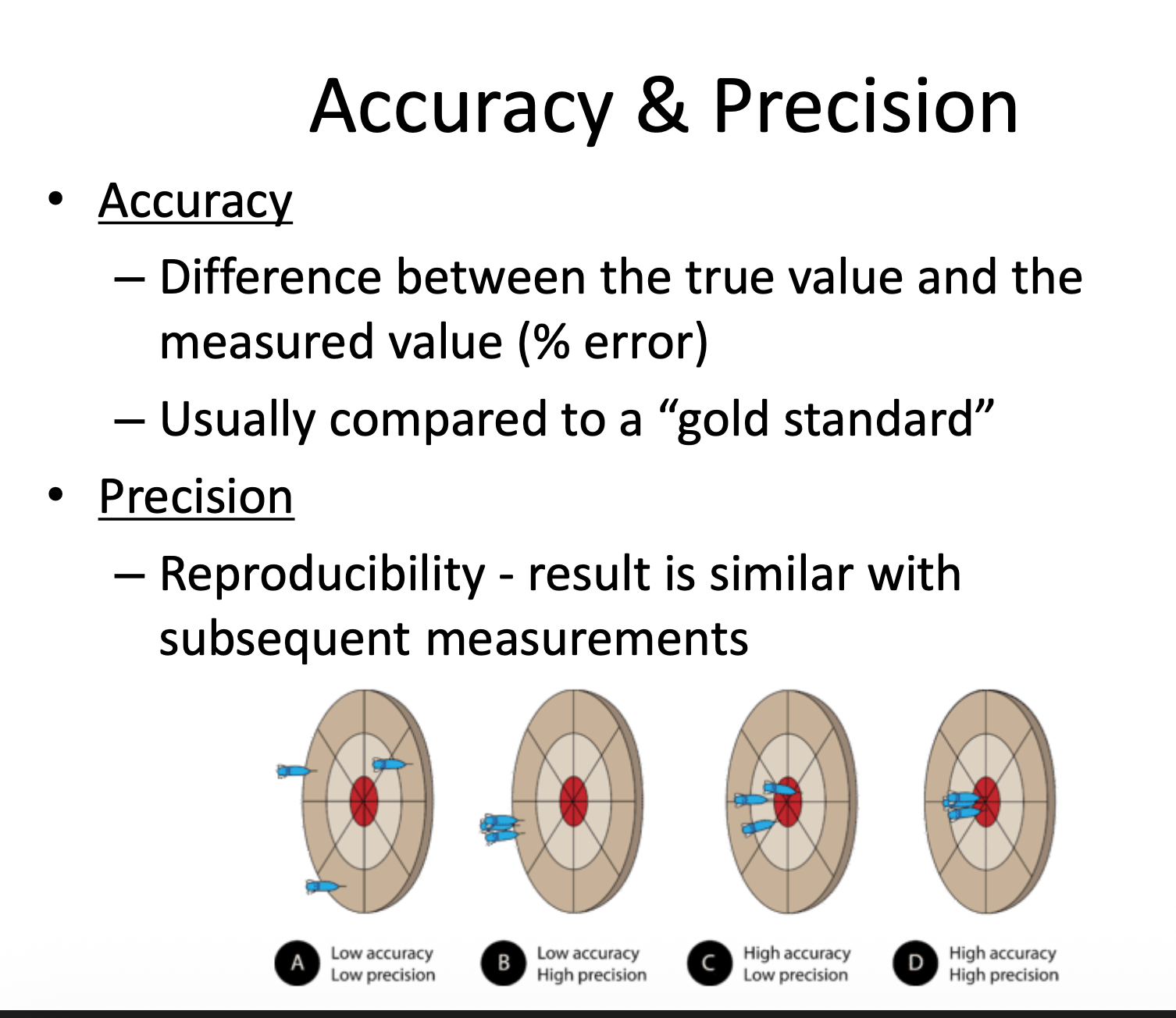
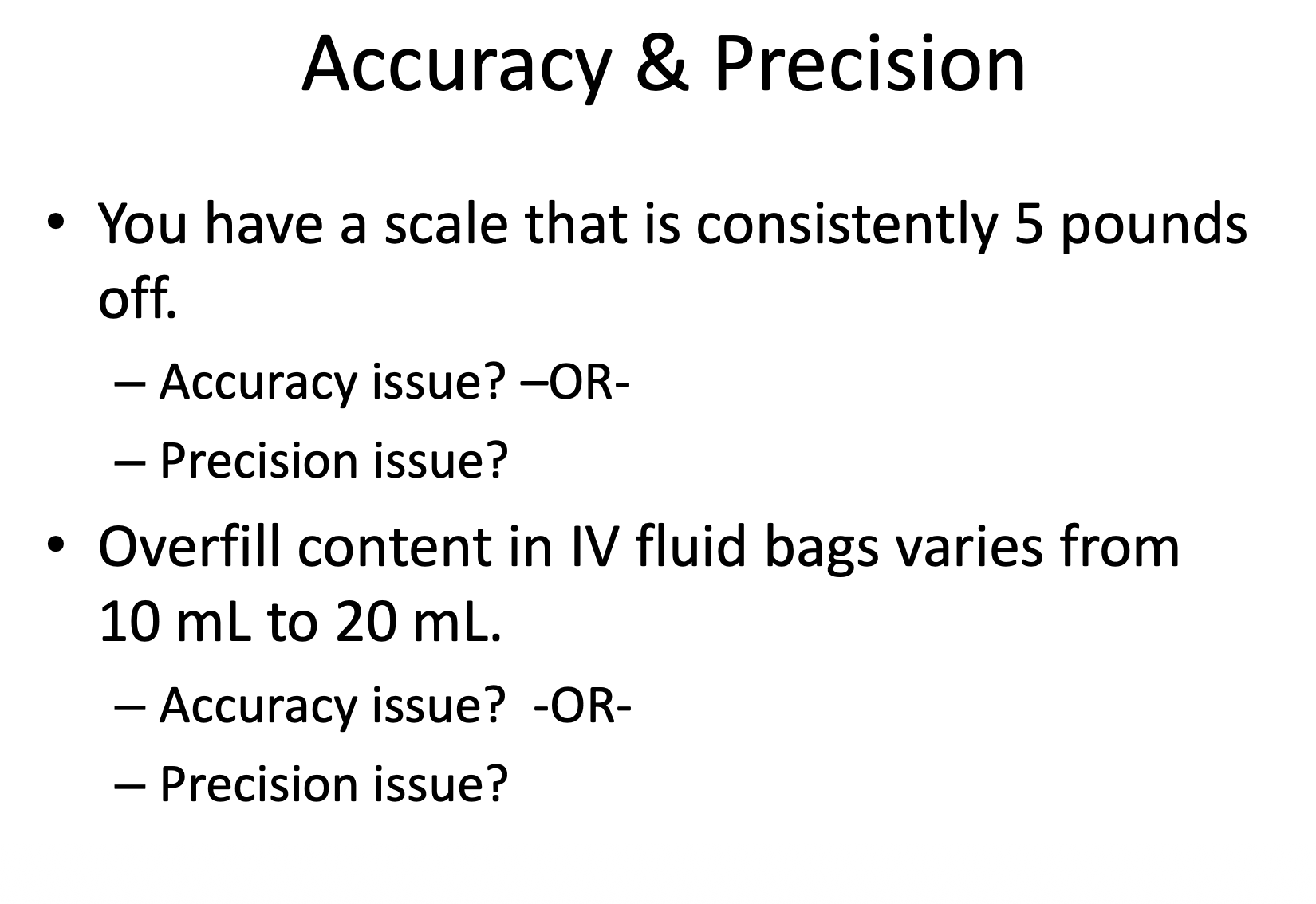
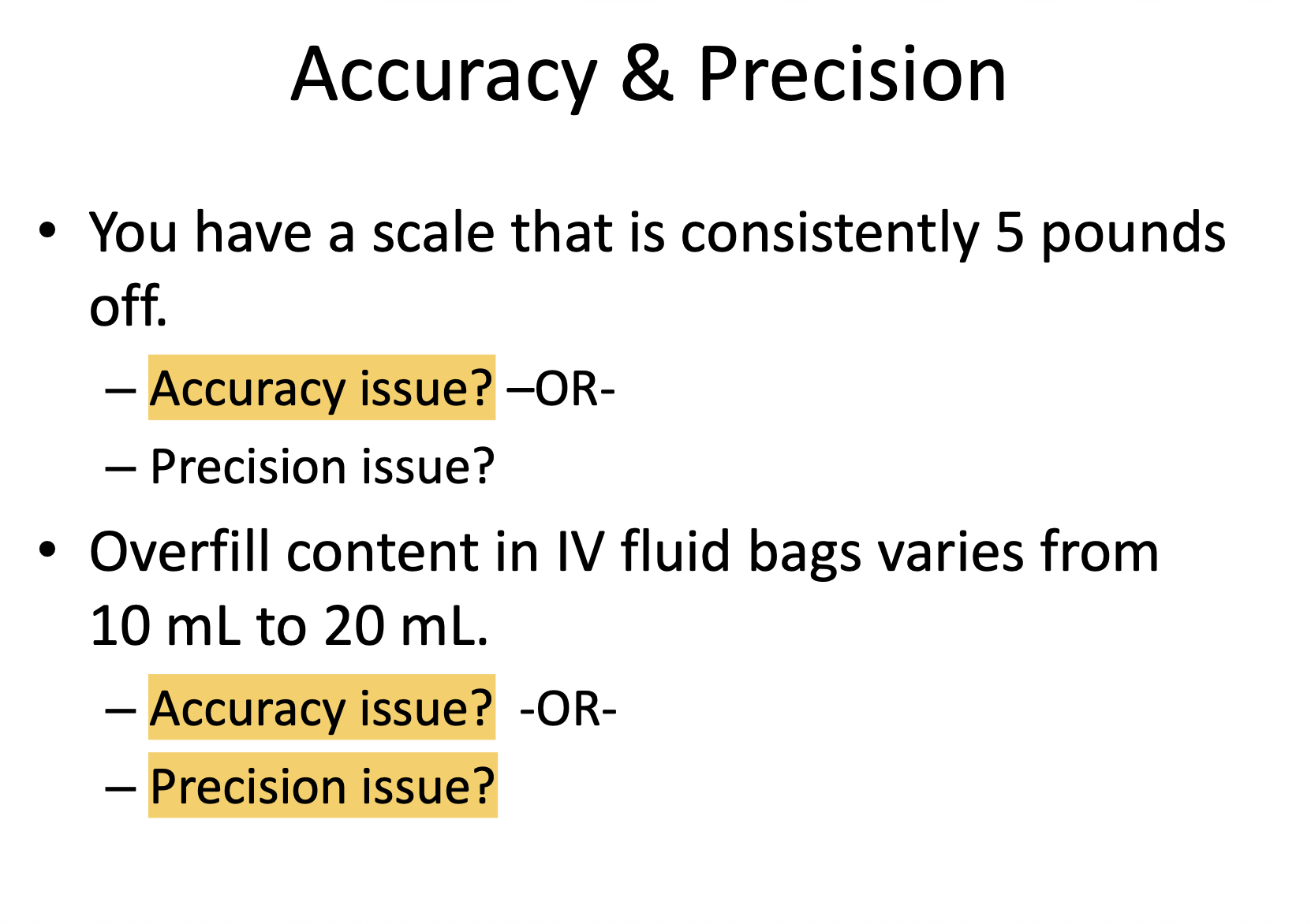
Accuracy & Precision
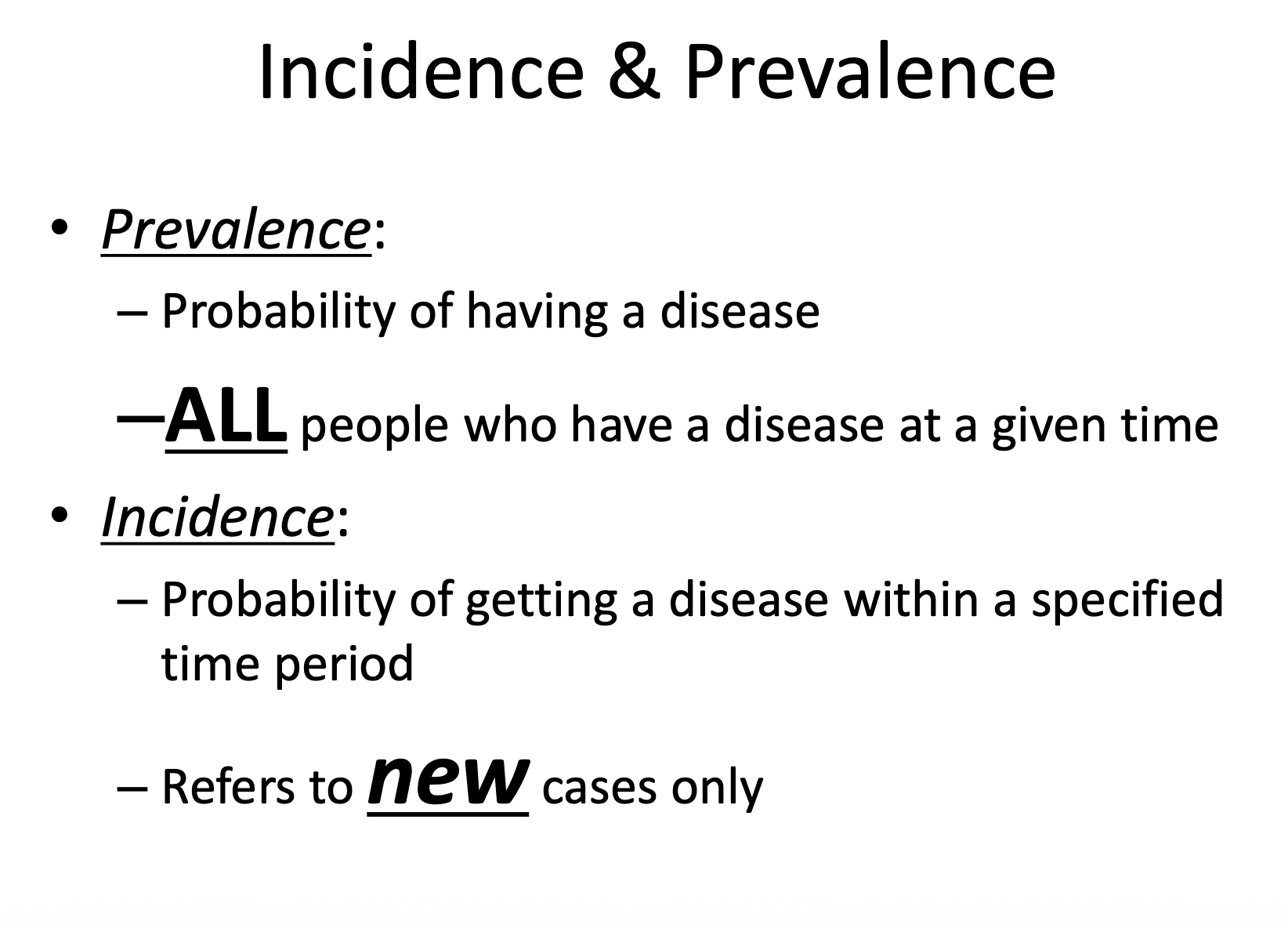
Incidence & Prevalence
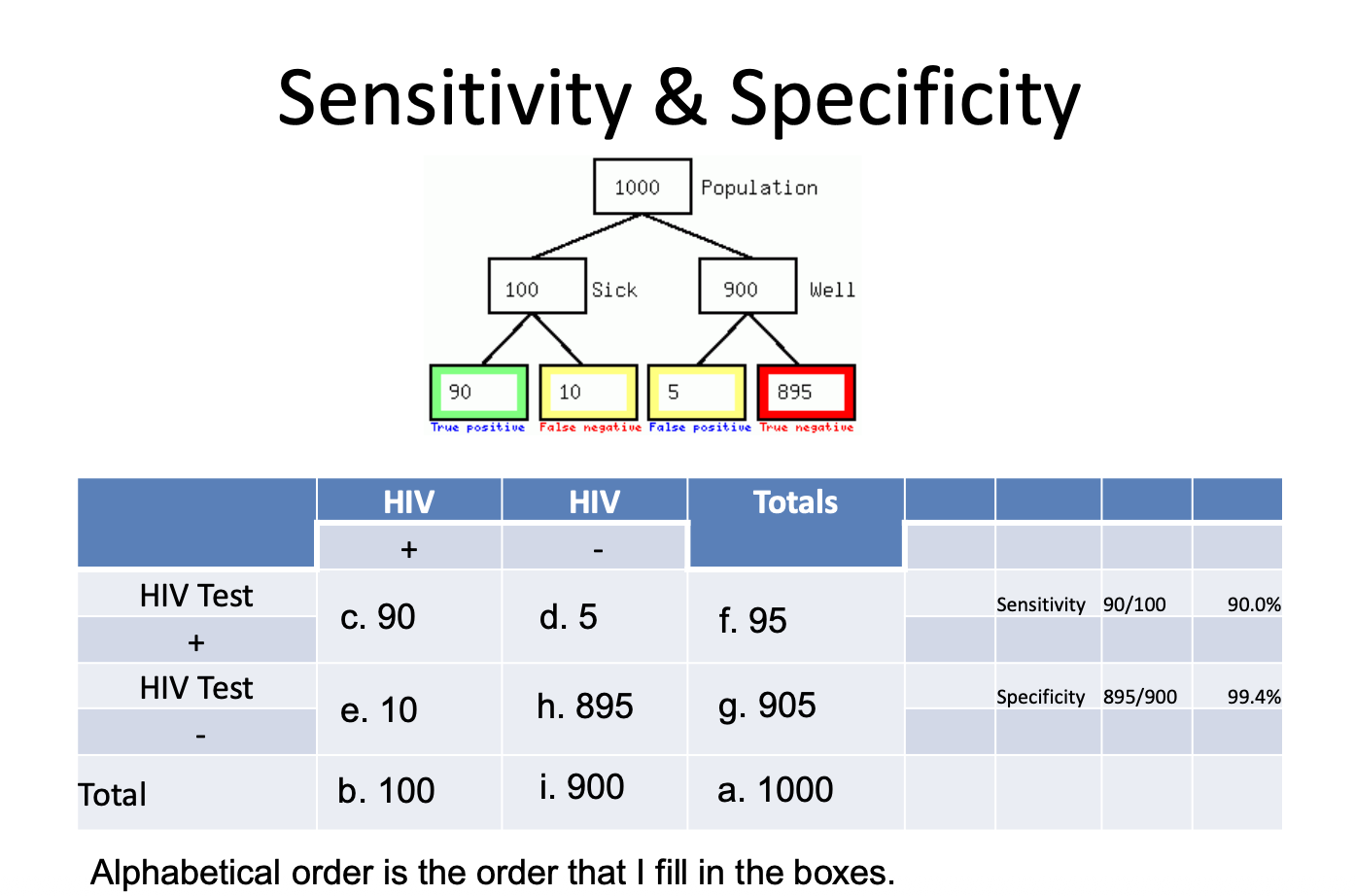
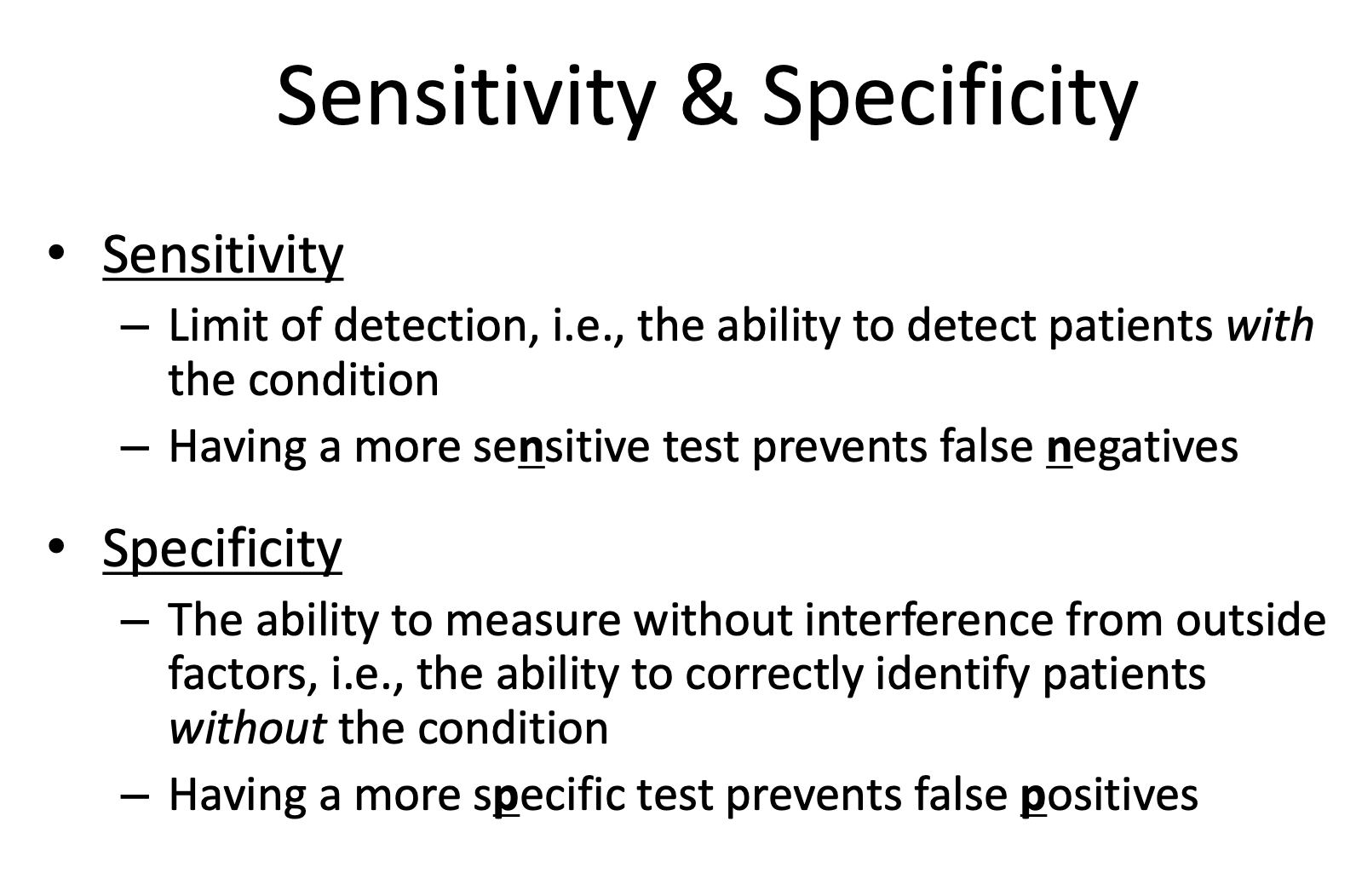
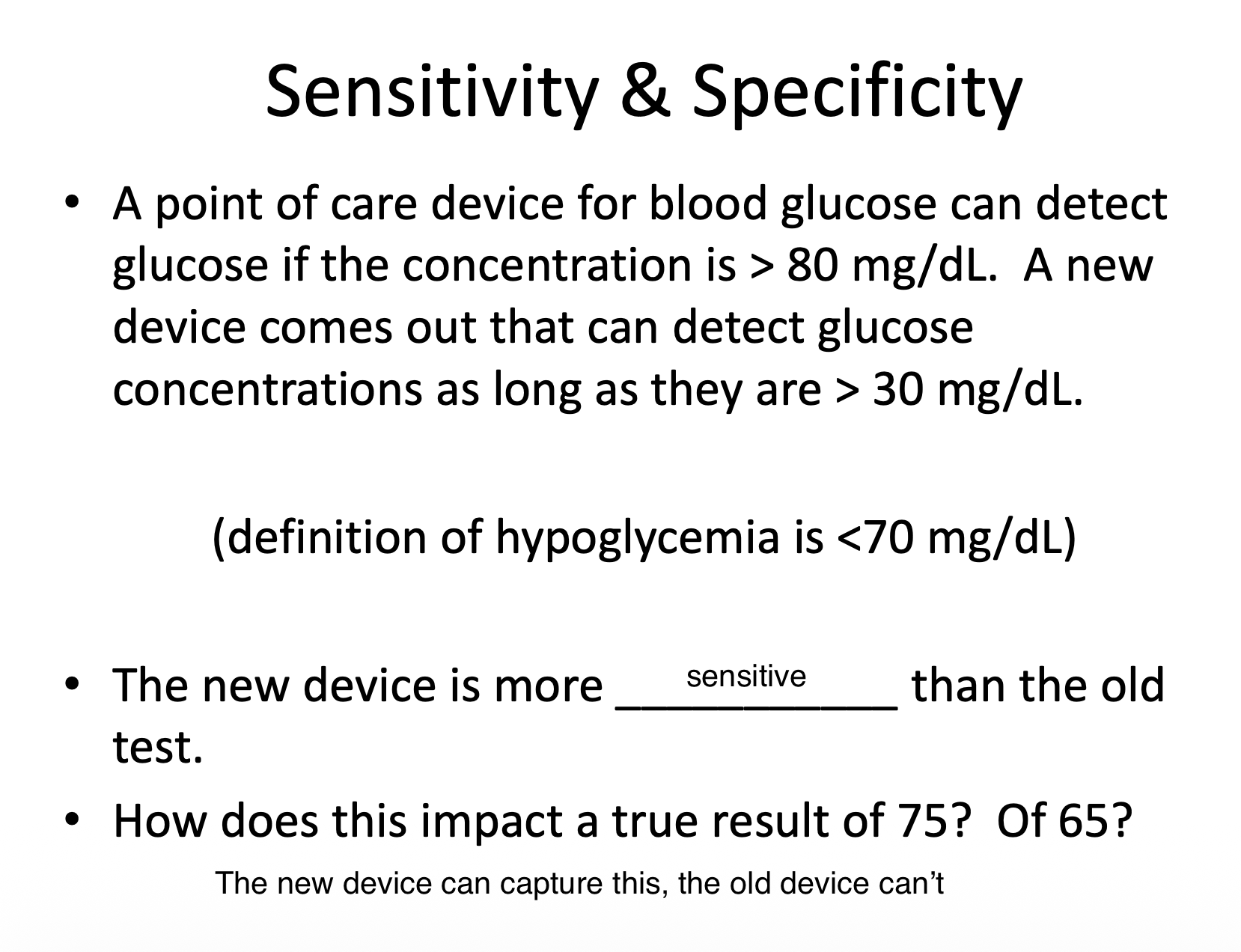
Sensitivity & Specificity
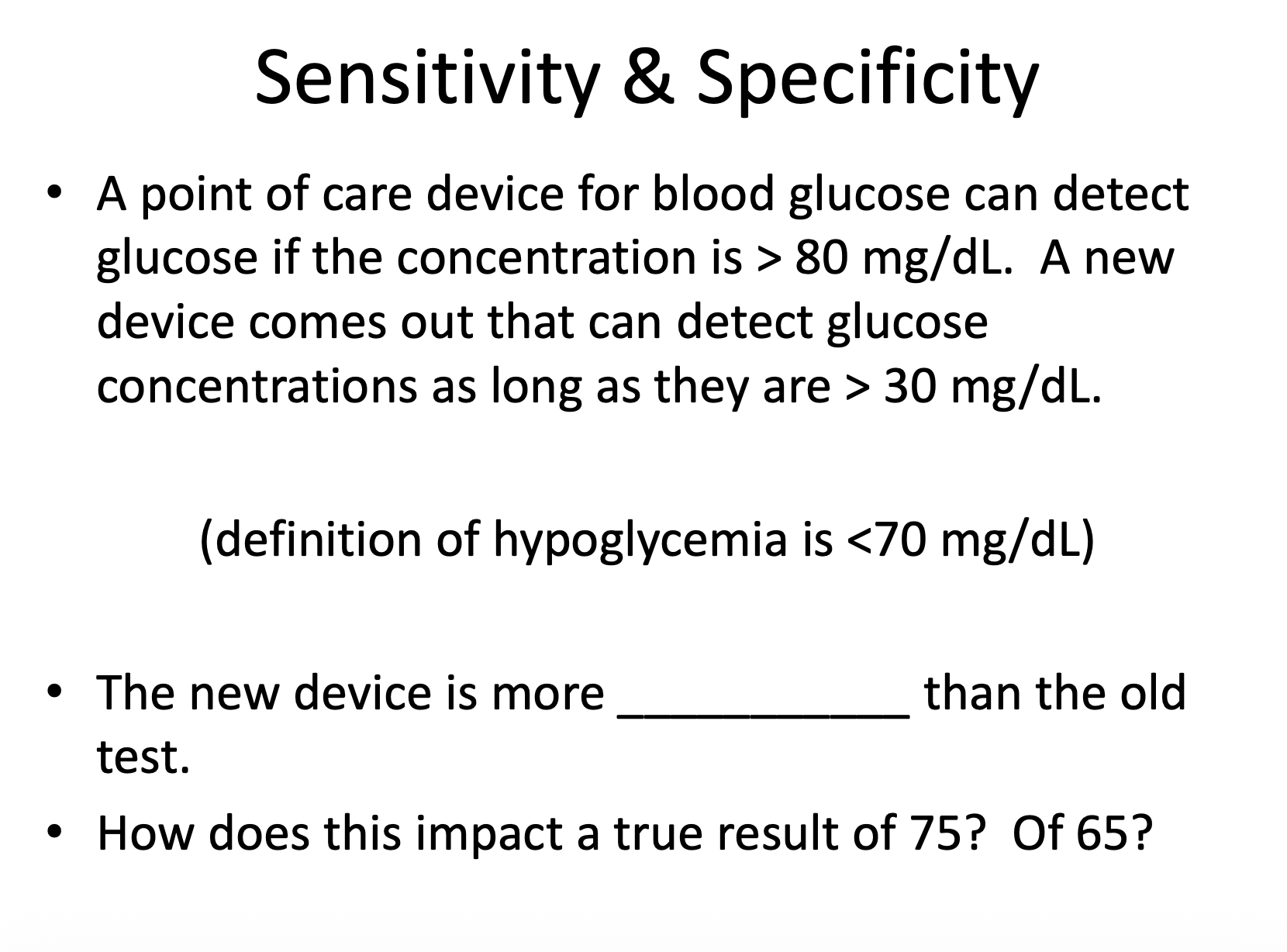
practice Q
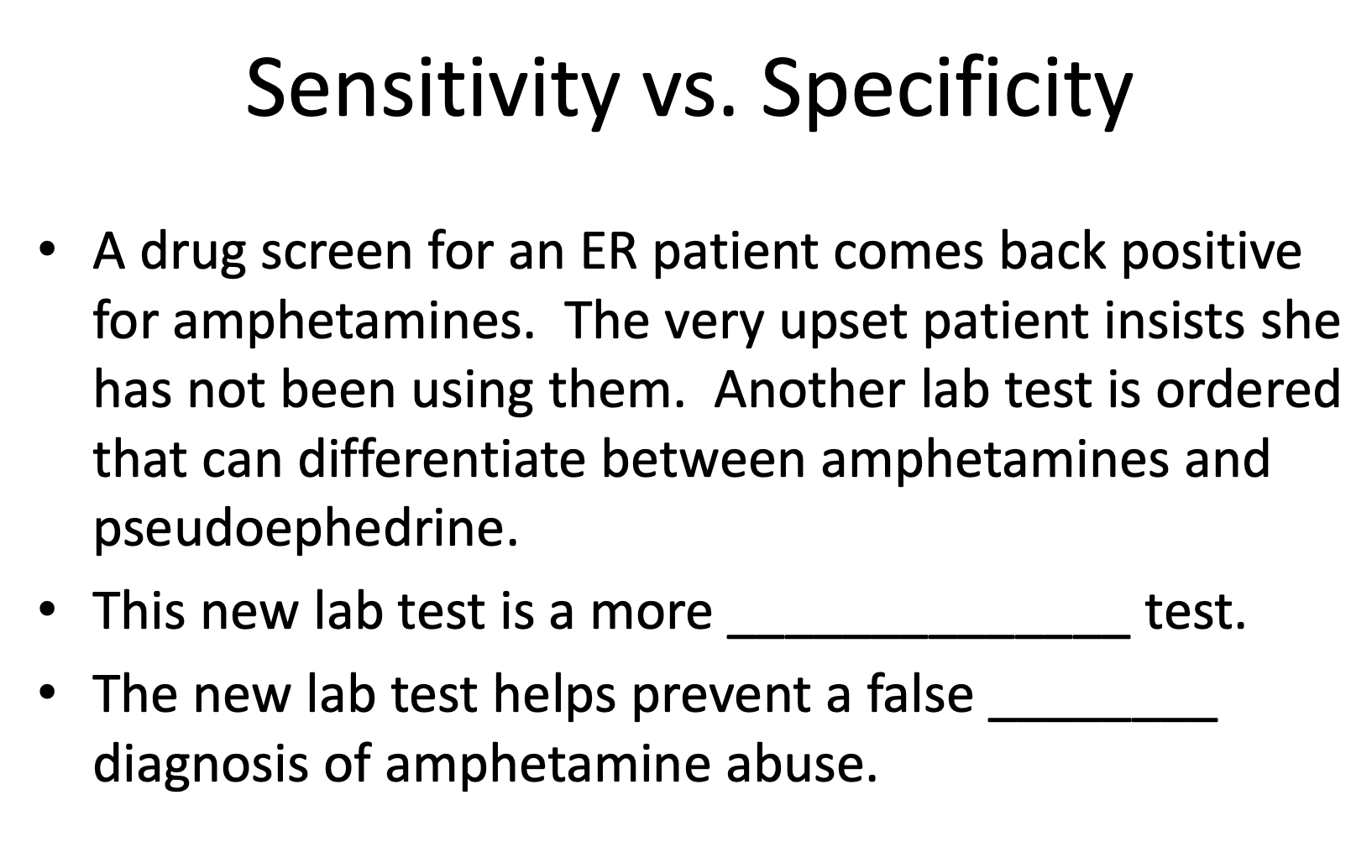
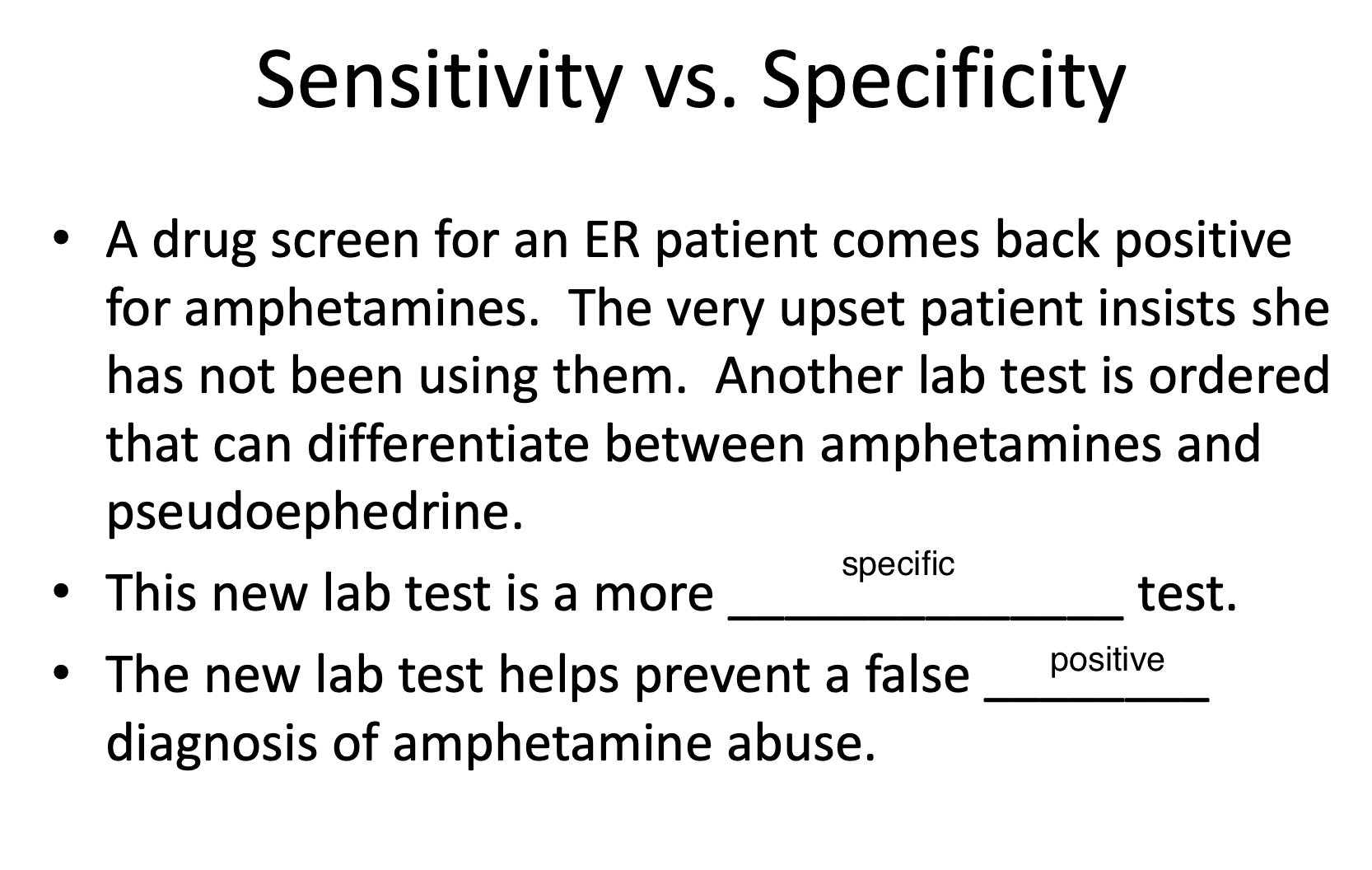
practice Q
Calculating Sensitivity & Specificity
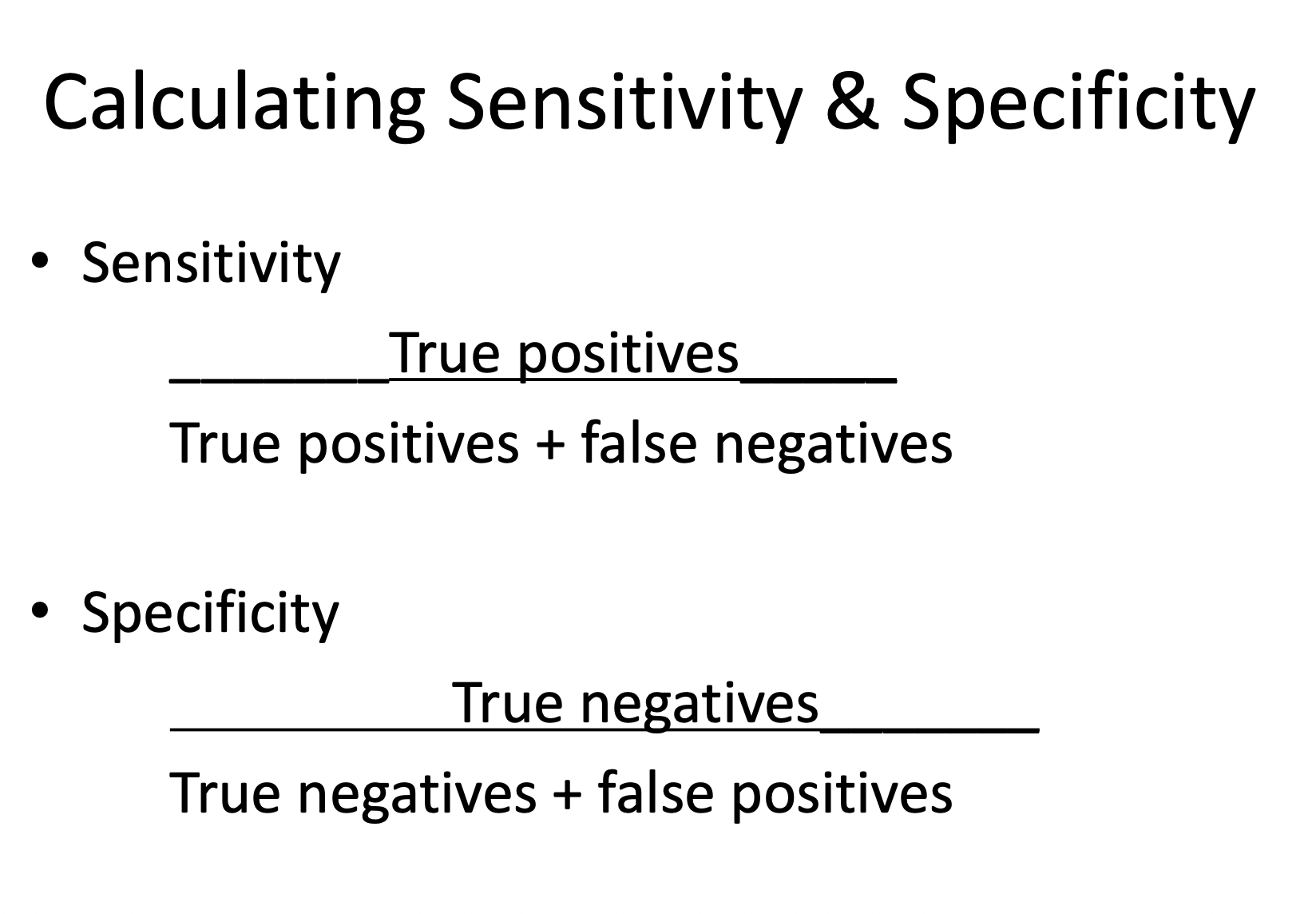
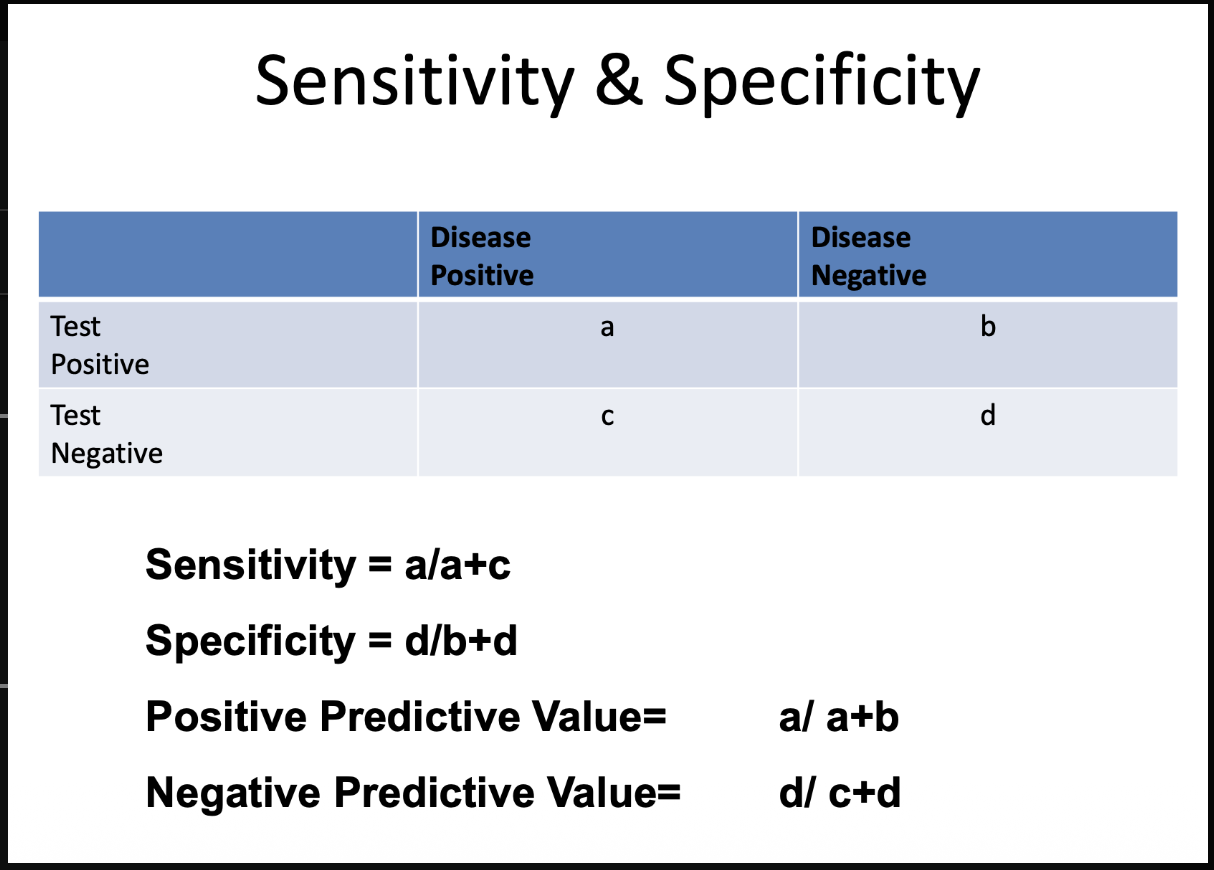
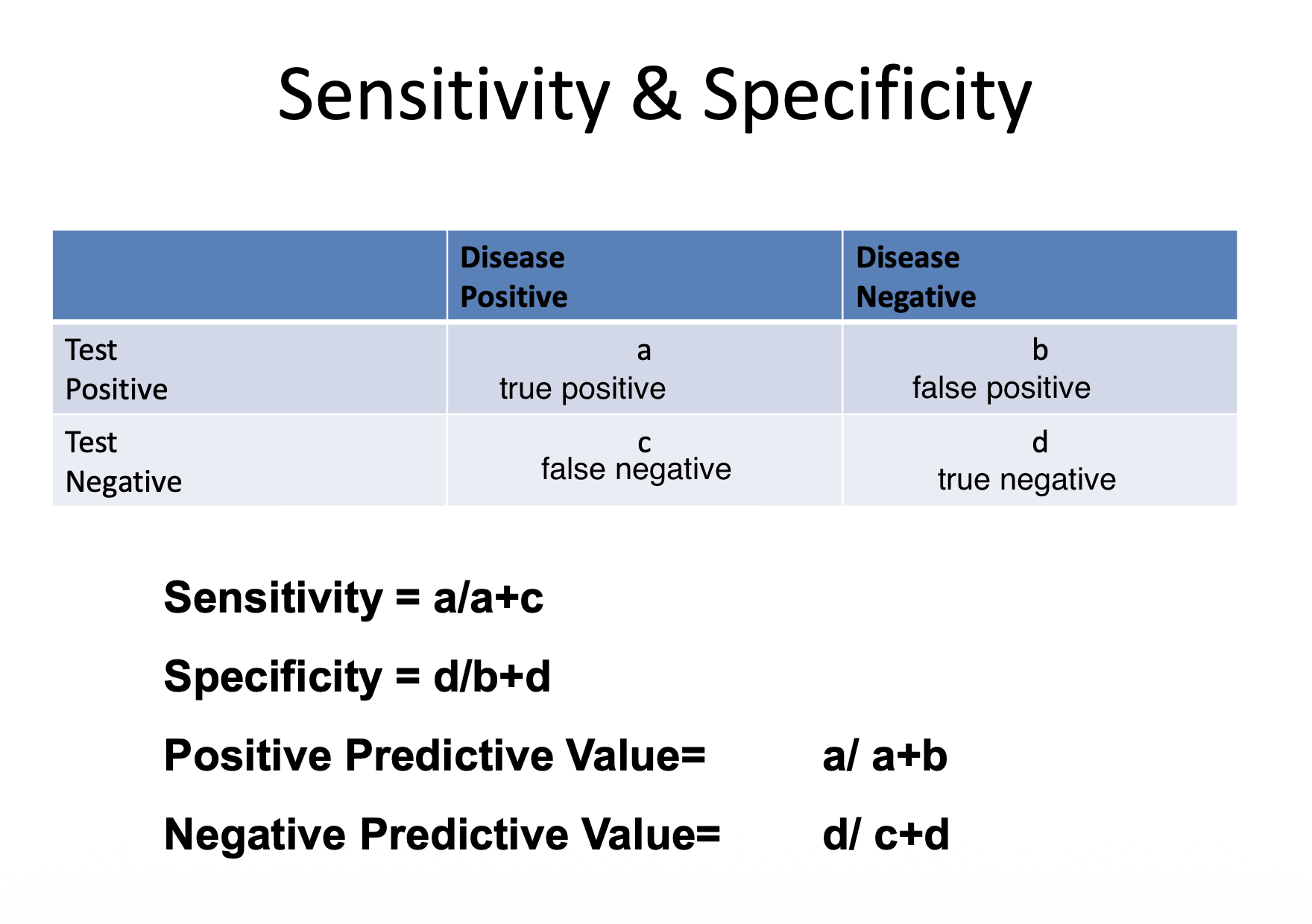
fill in a b c d
dont have to know how to calculate
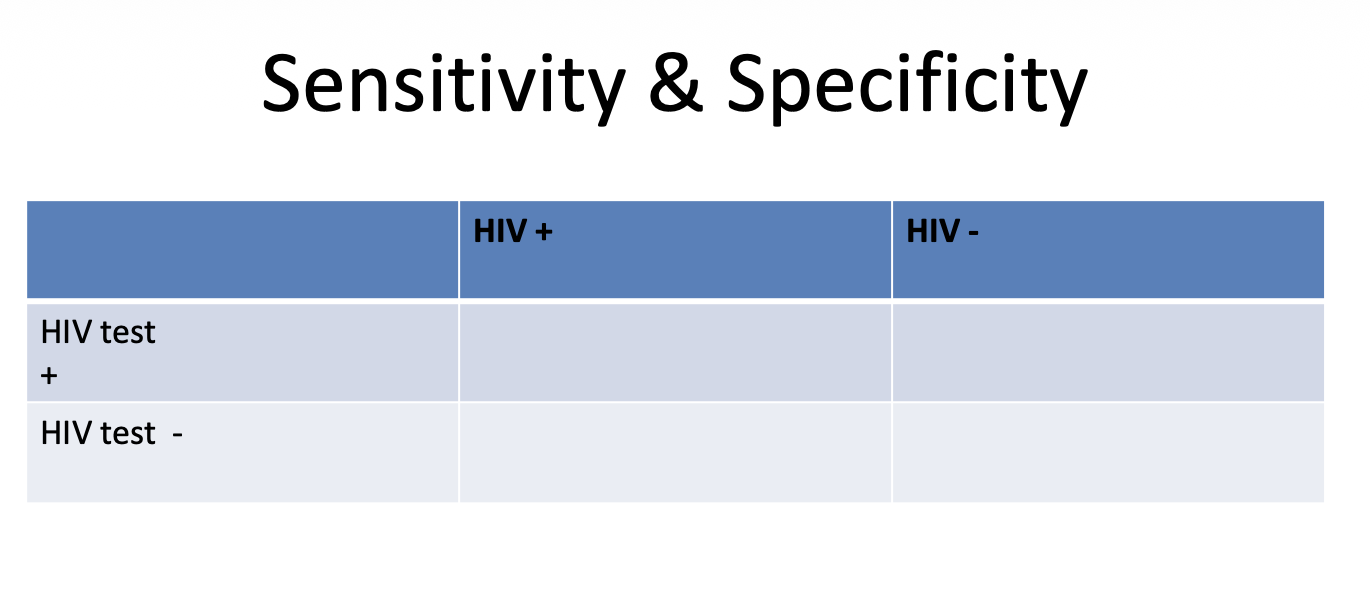
In a given population of 1,000 people, 100 patients are HIV positive. A rapid HIV test detects HIV in 90 patients with HIV and in 5 patients without HIV.