human bio | circulatory & digestive systems
 Call Kai
 Learn
Learn Practice Test
 Spaced Repetition
 Match
Match Flashcards
 Knowt Play
1/11

There's no tags or description
Looks like no tags are added yet.
Name | Mastery | Learn | Test | Matching | Spaced | Call with Kai |
|---|
No analytics yet
Send a link to your students to track their progress
12 Terms
circulatory system
The network of organs and vessels that transport blood, nutrients, hormones and waste products throughout the body to maintain homeostasis and support cellular function.
components of the circulatory system
heart
blood vessels - arteries, veins and capillaries
blood
what do blood vessels do?
deliver oxygen and nutrients to cells
carry away waste products from cells
part of maintaining blood pressure
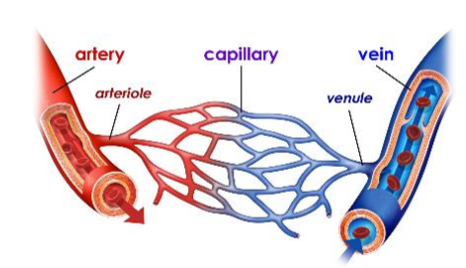
3 types of blood vessels
arteries, capillaries, veins
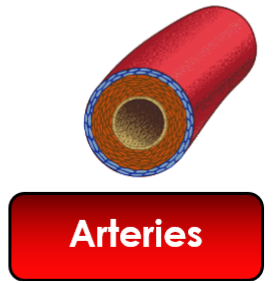
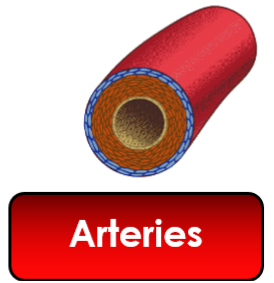
blood vessel: arteries
carries blood away from the heart
blood under high pressure (high in oxygen)
thick walls of muscle
narrow lumen
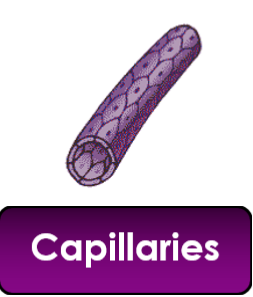
blood vessel: capillaries
connects arteries and veins
allows the exchange of materials
very thin walls of muscle
form branching capillary beds
lets materials move between blood and cells
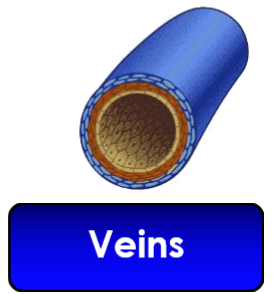
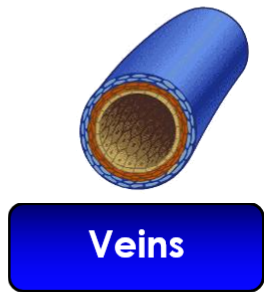
blood vessel: veins
carries blood towards the heart
blood under low pressure (low in oxygen)
thin walls
wide lumen with anti-backflow valves
properties of capillaries
the smallest blood vessels
deliver oxygen and nutrients to a nearby cell
removes carbon dioxide and water from nearby cells
extremely thin walls which are made of a single layer of endothelial cells
selectively permeable walls - allows some substances through but not others
erythrocytes (red blood cells)
a biconcave disc that is round - this helps to increase its surface area so more oxygen can be carried
no nucleus - increases flexibility and ability to move through blood vessels
contains hemoglobin, a molecule specially designed to hold oxygen and carry it to cells that need it
can change shape without breaking, as it squeezes single file through the capillaries
leucocytes
there are many different types (eg macrophage and lymphocyte)
all contain a nucleus
larger than rbc
macrophages engulf and digest micro-organisms (phagocytosis)
some lymphocytes fight disease by making antibodies to destroy invaders by dissolving them
other lymphocytes make antitoxins to break down poisons
thrombocytes
are bits of cell broken off larger cells
no nucleus
they produce tiny fibrinogen fibres to form a net - this net traps other blood cells to form a blood clot
plasma
mixture of water with dissolved substances such as sugar and salts
function: transport the components of blood (cells, nutrients, wastes, hormones, proteins, antibodies) throughout the body