Science FINAL EXAM
 Call Kai
 Learn
Learn Practice Test
 Spaced Repetition
 Match
Match Flashcards
 Knowt Play
1/767

There's no tags or description
Looks like no tags are added yet.
Name | Mastery | Learn | Test | Matching | Spaced | Call with Kai |
|---|
No analytics yet
Send a link to your students to track their progress
768 Terms
what is a plant?
multicellular and eukaryote
Evaporation of water out of a leaf’s stomata is also known as
transpiration.
what is the structure of the plant that supports the leaves and allows nutrient flow?
the stem
what is a plant is anchored to the ground by?
roots
what does The vascular cylinder of a root consists of?
phloem and xylem.
what do Oxygen (O2) and carbon dioxide (CO2) diffuse in and out of a leaf through?
the stomata
what is The tube in the stem that transports primarily water?
xylem
why is the stomata found only on the lower surface of the leaf?
water loss would be less on the shady lower surface than in direct sun.
What happens to the guard cells when a plant is losing water from transpiration faster than it is gaining water at its roots?
They deflate and close the stomata.
what is the tissue layer that covers and protects the root, stem, and leaf is called?
the epidermis
what is the type of plant tissue that divides and helps the plant grow
the meristem
Which type of tissue transports water, dissolved minerals, and sugars around the plant body?
vascular
what are Organisms, such as plants, that make their own food called
autotrophs
where does most of the photosynthetic activity in plants take place in?
the mesophyll
Where are the youngest plant cells found?
meristematic tissue
What is the evolutionary order of the 4 groups of plants (oldest to most recent)?
mosses, ferns, gymnosperms, angiosperms
Which group of plants is nonvascular?
mosses
Which plants produce pollen?
gymnosperms and angiosperms
Which plants have vascular tissue?
ferns, gymnosperms, angiosperms
Which plants produce seeds?
gymnosperms and angiosperms
What advantages (name 2) does the seed provide for the plant embryo?
Protection and nourishment
what reactants are needed for photosynthesis?
Carbon Dioxide, water, and sunlight
What structure functions like a "food factory" in a plant?
the leaf
What is the green pigment that helps plants absorb sunlight?
chlorophyll
what are the cells in the top part of the leaf that are packed with pigment and specialized to absorb light found in?
the palisade mesophyll
Why do most leaves have a large surface area?
To trap as much sunlight as possible
What is the purpose of the stomata?
To allow carbon dioxide to diffuse into the leaf
Where are stomata located on a leaf?
On the lower surface of the leaf
What is the purpose of the guard cells?
They open the stomata to let carbon dioxide in and close the stomata to keep water from escaping.
When carbon dioxide enters the leaf through the stomata, what will it travel through?
spongy mesophyll
why are leaves thin?
so that the carbon dioxide won't have too far to travel.
What does the xylem transport?
Water up from the roots
what do the The vascular bundles that spread out across the leaf form that transport water and sugar?
veins
What are the products made in photosynthesis?
Oxygen, and Glucose
What is the purpose of the epidermis?
It prevents unwanted bacteria from entering the leaf.
What is the purpose of the cuticle?
It seals the leaf so the only way in or out is through the stomata, therefore helping to prevent water loss.
where does the bulk (majority) of photosynthesis occurs in?
chlorophyll rich palisade mesophyll
what does the phloem transport?
sugar made during photosynthesis
what is a granum?
a stack of thylakoids
what does the stroma surround
the thylakoids
Where do the light-dependent reactions take place?
in the thylakoid membranes
What are the products of the light-dependent reactions?
oxygen gas, ATP, and NADPH
why is chlorophyll green
because it reflects green wavelengths of light
where does the calvin cycle take place in?
the stroma
what affects the rate of photosynthesis?
water, temp, and light intensity
what goes into Glycolysis
Glucose and NAD+
what comes out of Glycolysis
Pyruvate, NADH, and 2 ATP
where within the cell does Glycolysis occur?
the cytoplasm
what goes in to the Kreb cycle?
Pyruvate, NAD+, and FAD
what comes out of the Kreb cycle?
NADH, FADH, CO2, and 2 ATP
what goes into the Electron Transport Chain?
NADH, FADH2, and O2
What comes out of the Electron Transport Chain?
H2O, and 34 ATP
where within the cell does the Electron Transport Chain occur?
the inner membrane (Cristae)
what are some common features of land plants?
multicellular, eukaryotic, cell walls made of cellulose, and perform photosynthesis.
What were some challenges plants had to overcome during the transition from water to land?
they had to be able to retain moisture, transport resources, grow upright, and reproduce without free standing water
how do plants retain moisture and prevent dehydration?
a waxy cuticle which creates a waterproof barrier, and a stomata, pores which allow for airflow but can close to prevent excess water loss.
how do plants transport resources?
they have a vascular system. Xylem and Phloem accomplish this task.
how do plants support themselves against the force of gravity?
through lignin which hardens cell walls and provides support for the plant (tough rigid molecule)
How do mosses and ferns reproduce on land?
the need water for reproduction and produce spores. The sperm needs to swim and fertilize.
How do Gymnosperms and Angiosperms reproduce on land?
they have adaptations so they can reproduce without water
what advantages does pollen (over spores) give vascular seed plants?
Allows reproduction without water
what advantage does the seed give vascular seed plants?
contains embryos and they can go dormant
what distinguishes non vascular plants?
they are very small, absorb water from the ground, require water for reproduction and use spores.
what is the model group for nonvascular plants?
mosses
what distinguishes seedless vascular plants?
Xylem and Ploem (Vascular tissue) help them grow taller, still need water, and still use spores
what is the model group for seedless vascular plants?
ferns
what are the seed plants?
Gymnosperms (naked seeds) and angiosperms (enclosed seed)
what advantage does the seed provide?
nourishment and protection for embryo, dispersal because seeds travel by wind and animals, and dormancy because seeds will not germinate until conditions are right.
what distinguishes gymnosperms?
produce seeds, but are not enclosed in a fruit (male cones make pollen, female make eggs)
what is the model group of gymnosperms?
conifers
what distinguishes angiosperms?
flowers provide an advantage because they attract animal pollinators. After fertilization they produce fruits which protect the plant embryo, amd help seed dispersal (only angiosperms produce fruit).
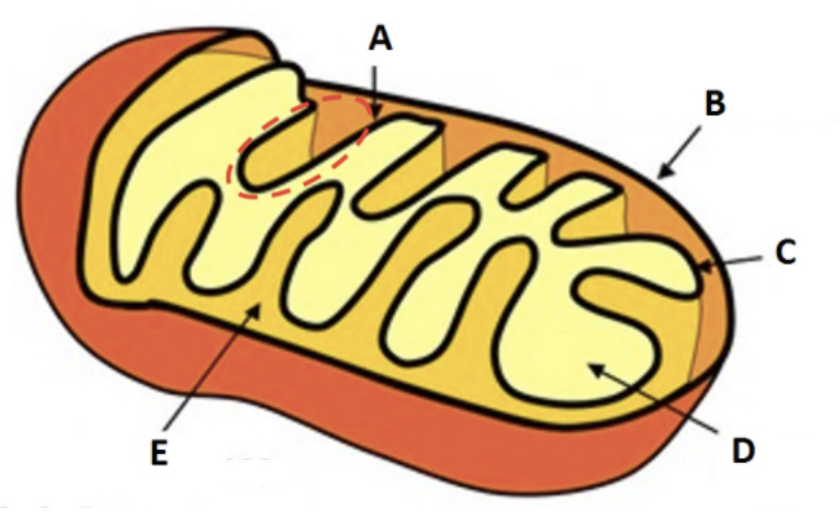
what is letter A?
the cristae
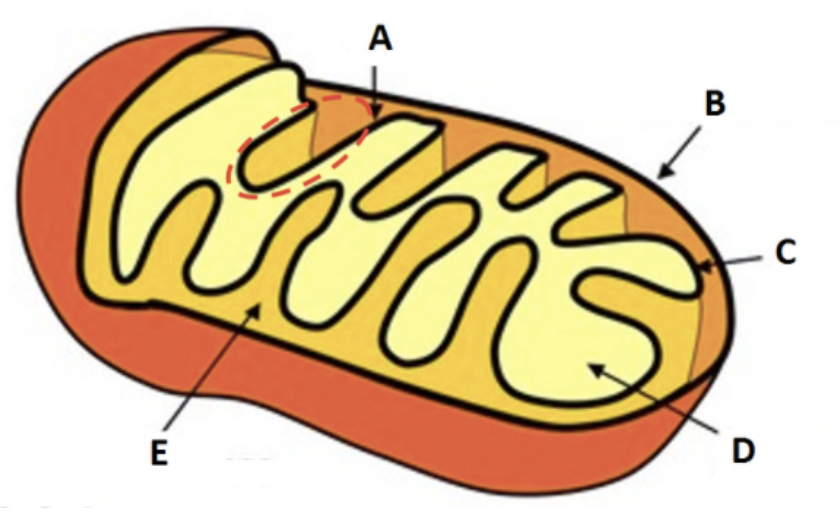
what is letter B
the outer membrane
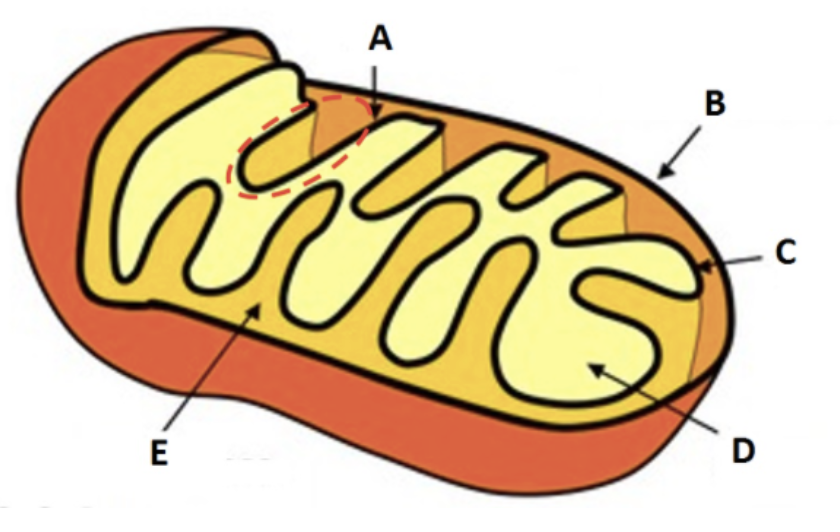
what is letter C
the inner membrane
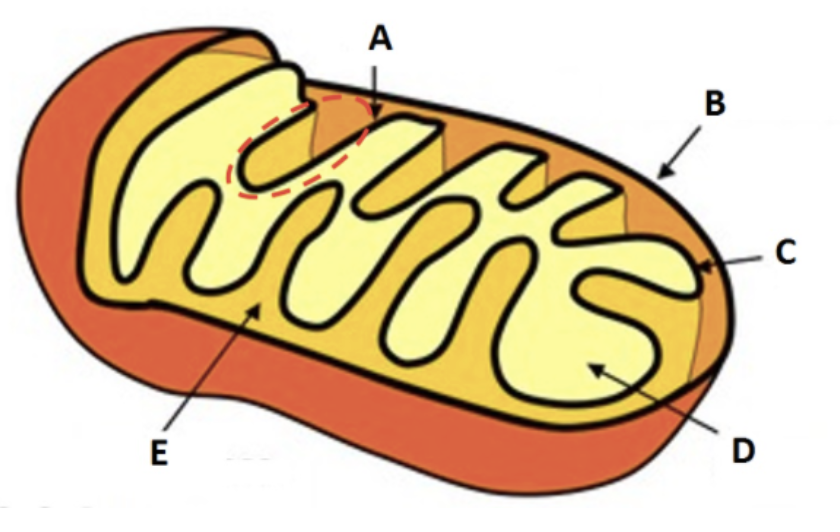
what is letter D
the matrix
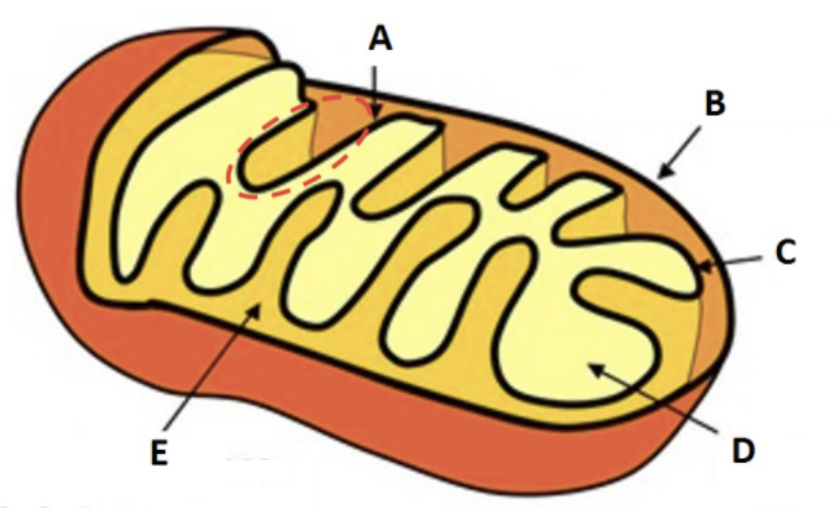
what is letter E
the inter membrane space
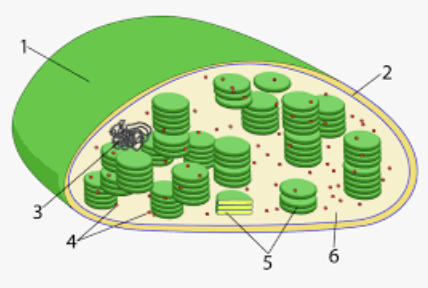
what is number 1
the outer membrane
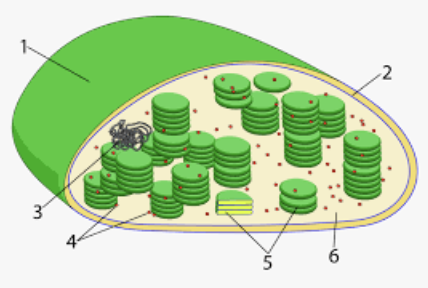
what is number 2
the inner membrane
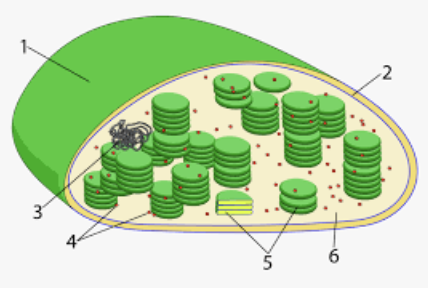
what is number 3
the DNA
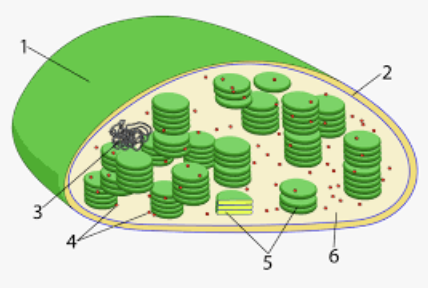
what is number 4
ribosomes
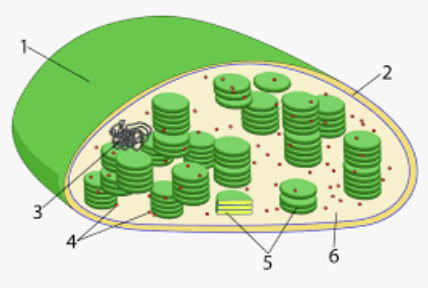
what is number 5
thylakoids
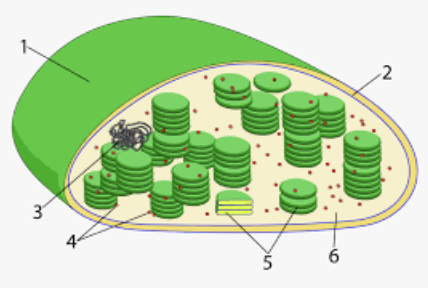
what is number 6
stroma
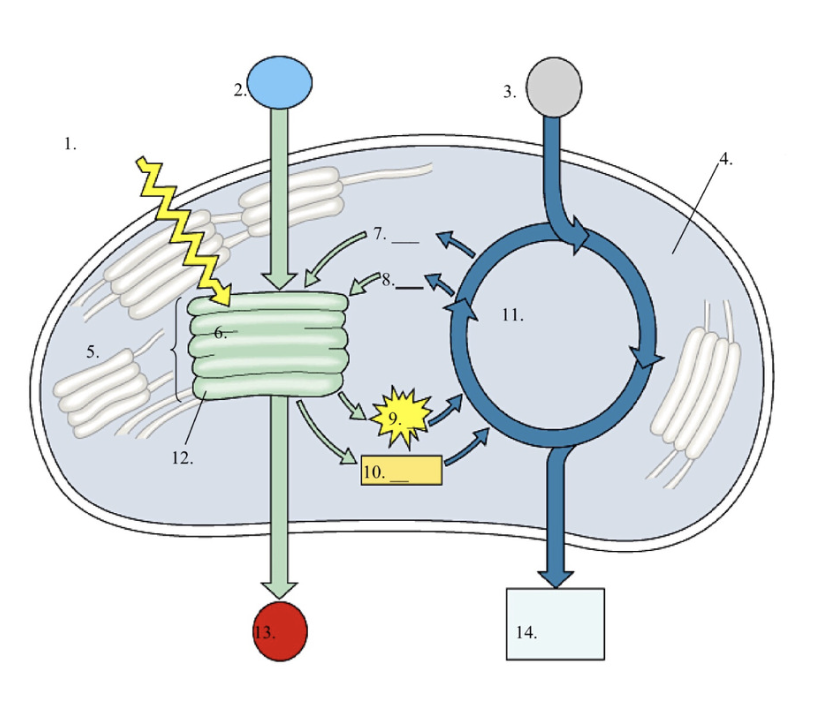
what is number 1
light
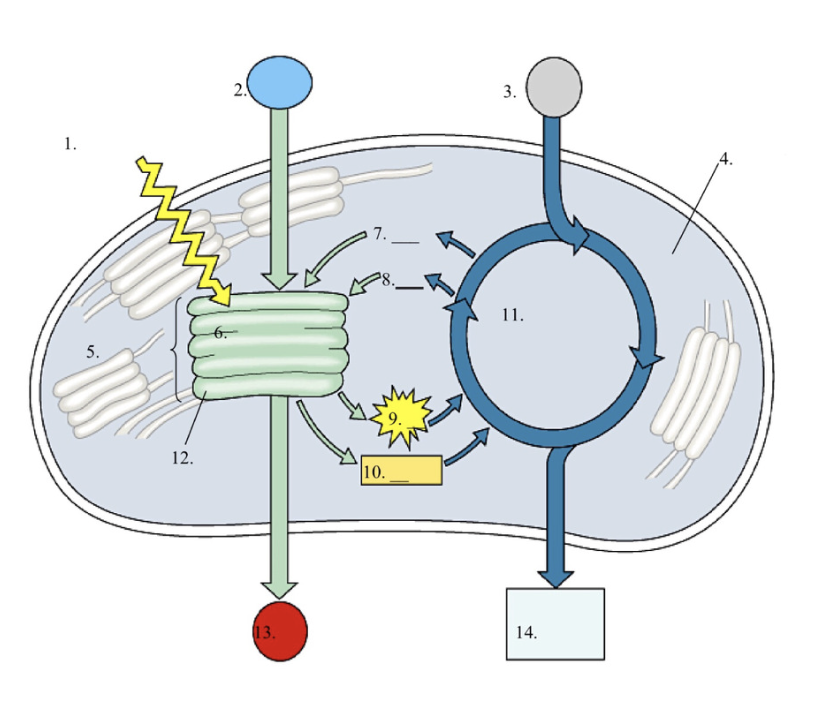
what is number 2
water
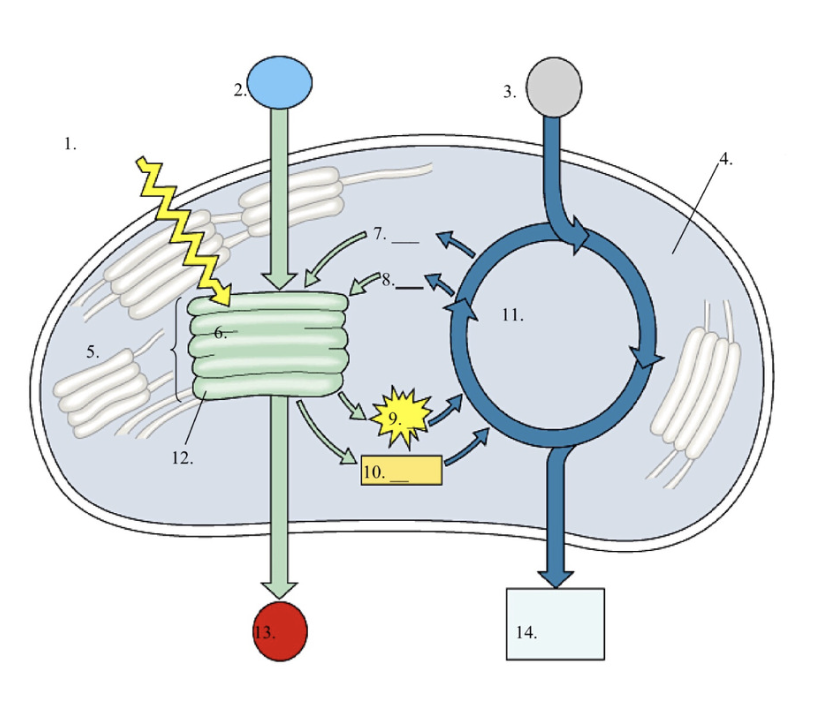
what is number 3
carbon dioxide
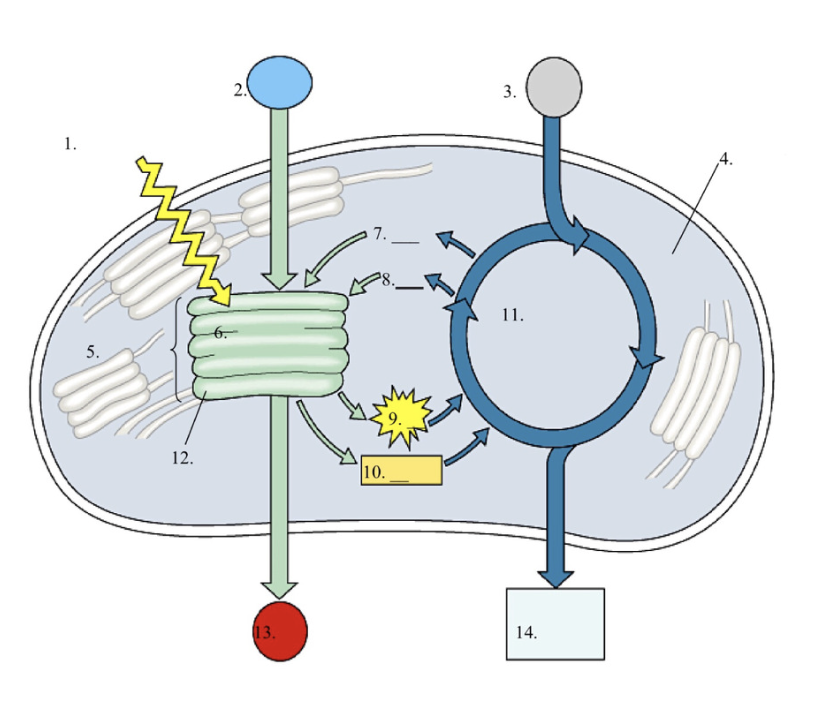
what is number 4
stroma
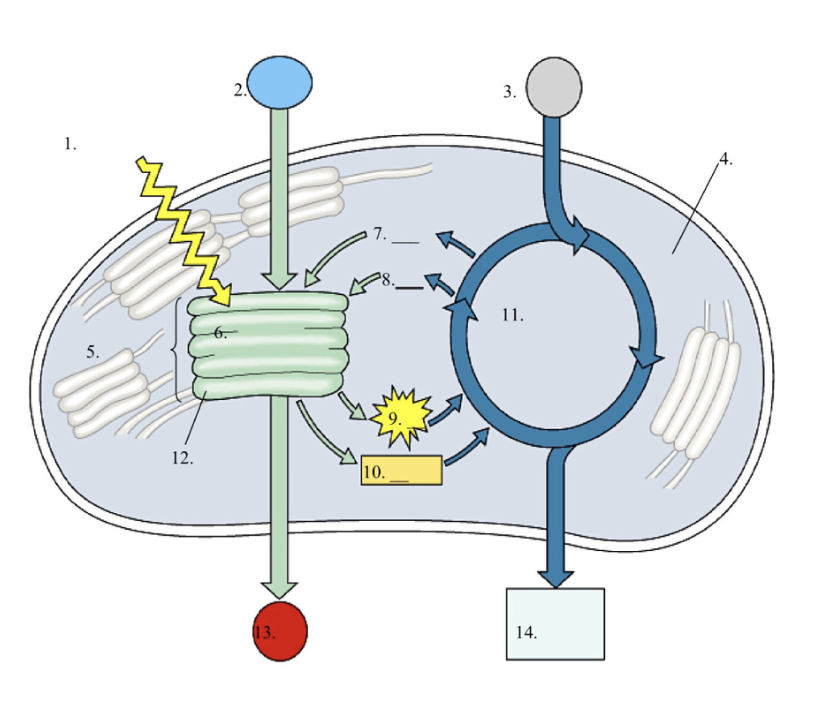
what is number 5
granum
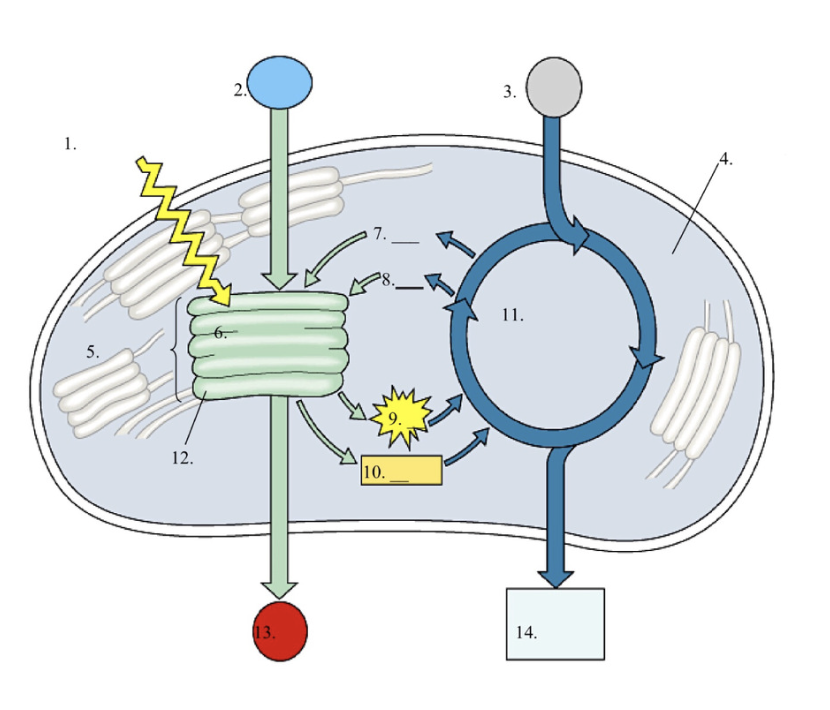
what is number 6
light reaction
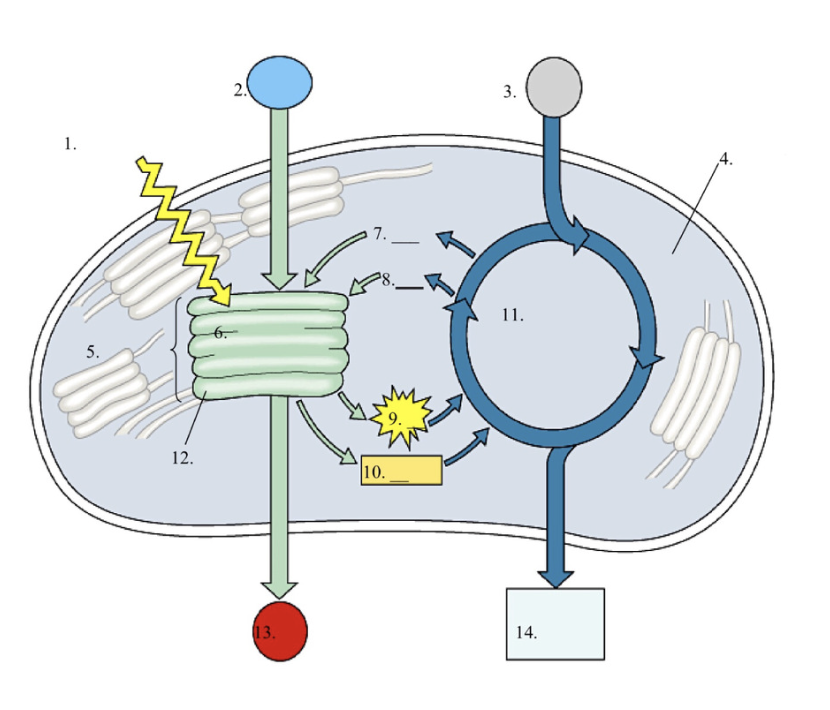
what is number 7
NADP+
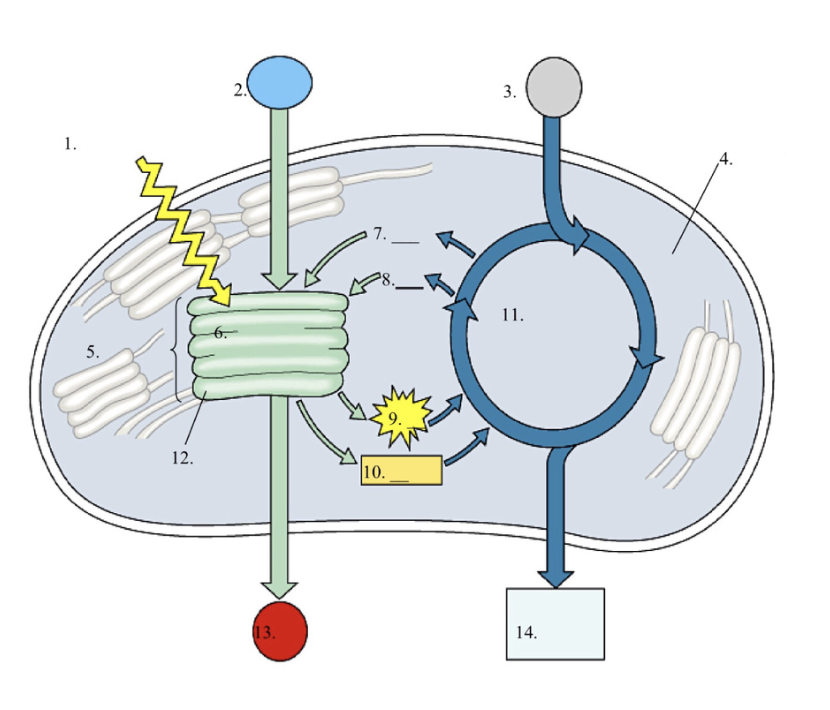
what is number 8
ADP+P
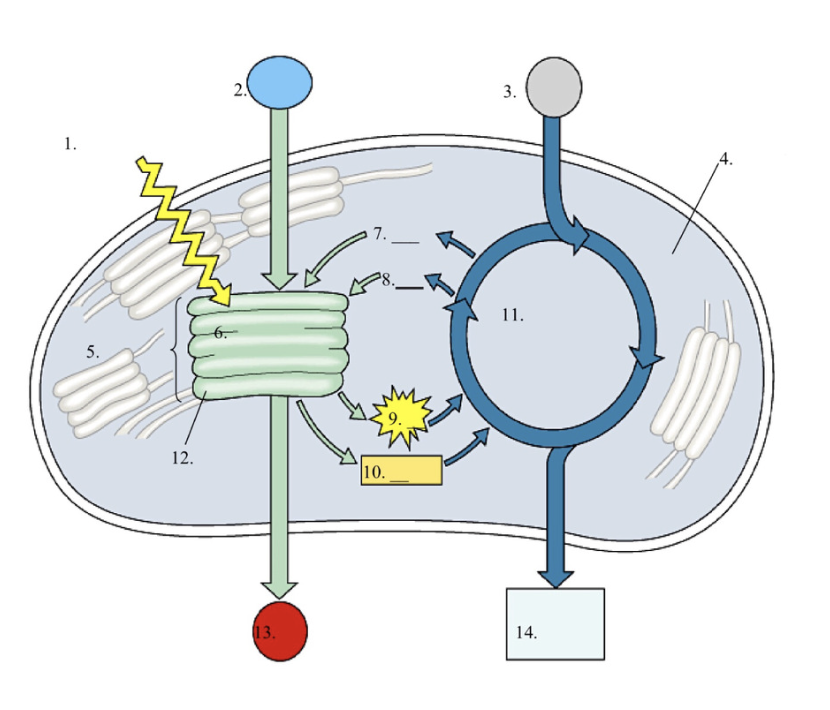
what is number 9
ATP
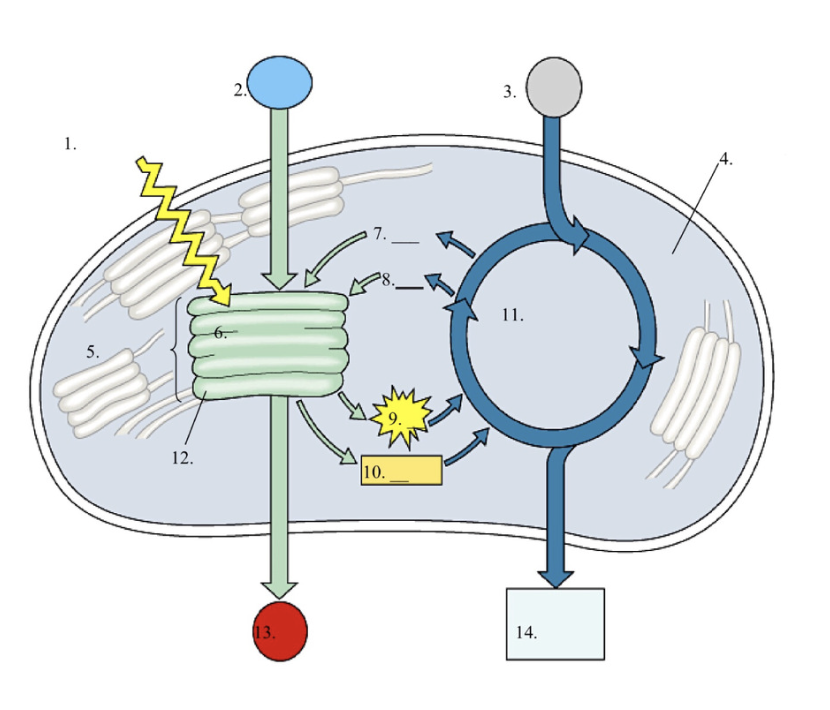
what is number 10
NADPH
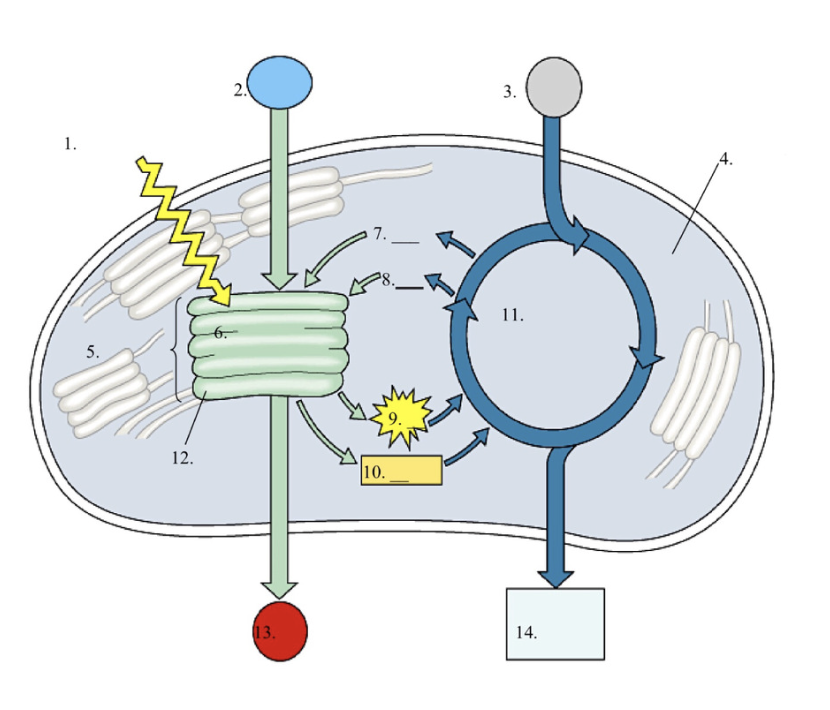
what is number 11
calvin cycle
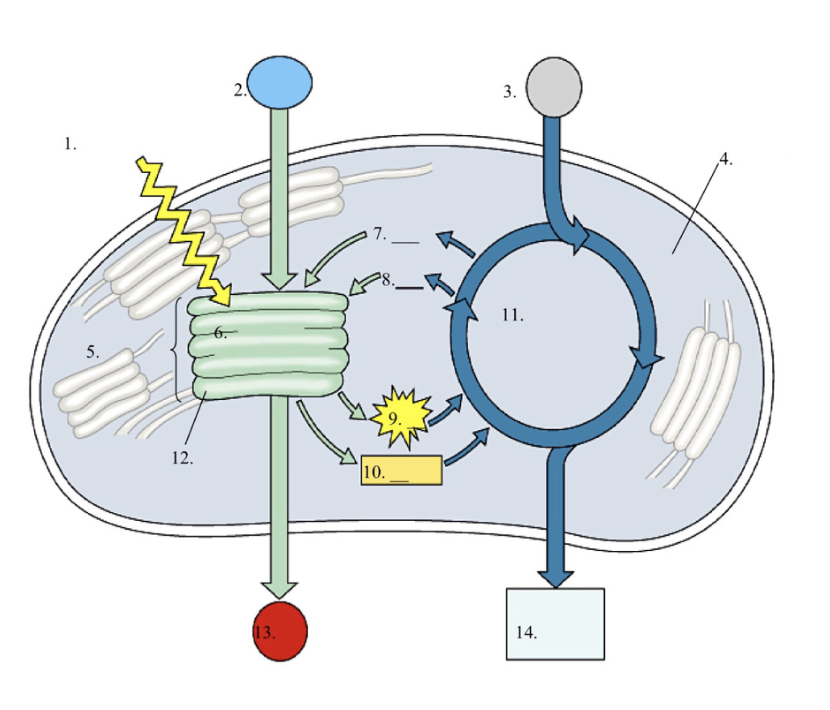
what is number 12
thylakoid
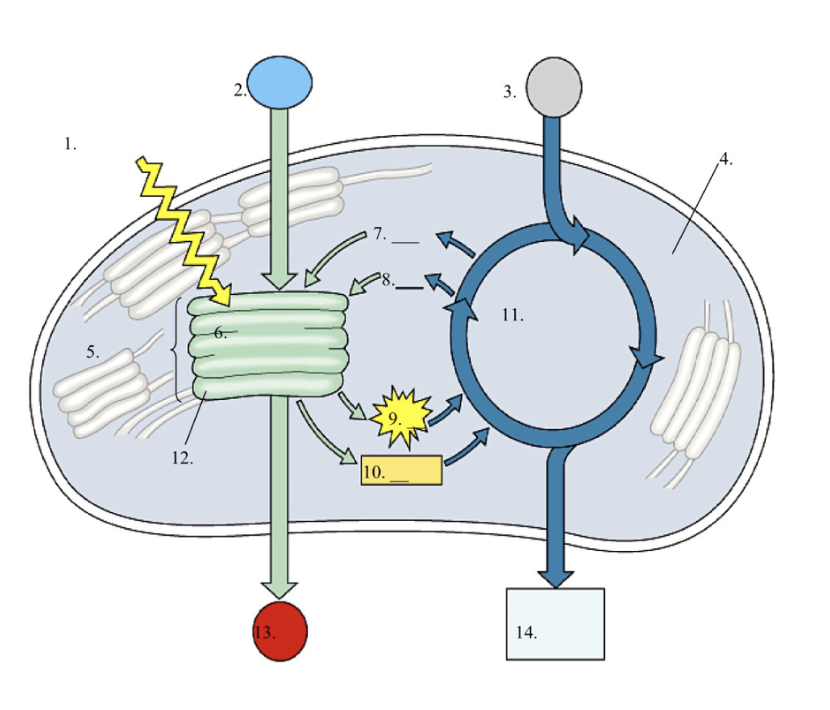
what is number 13
oxygen
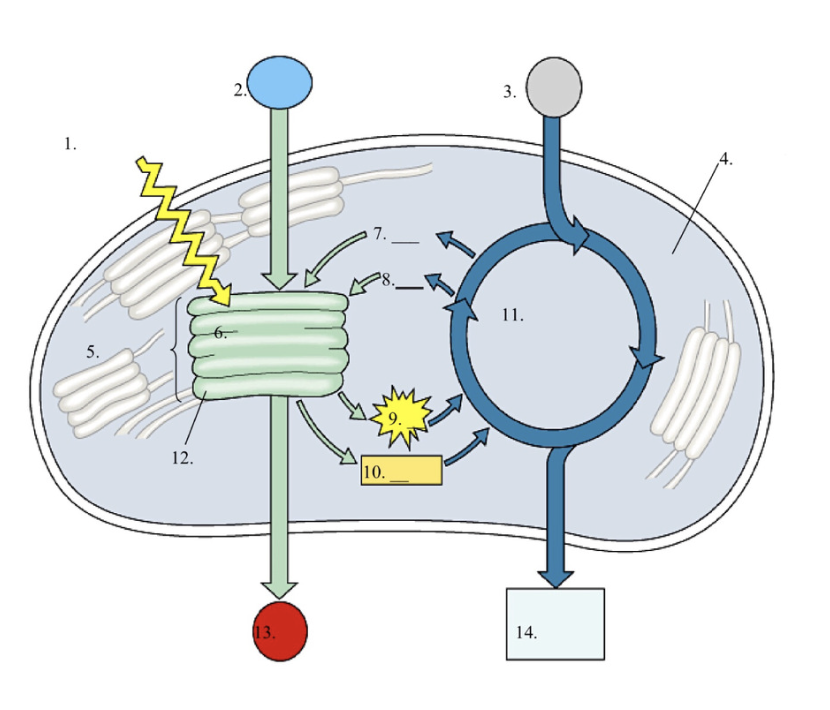
what is number 14
glucose
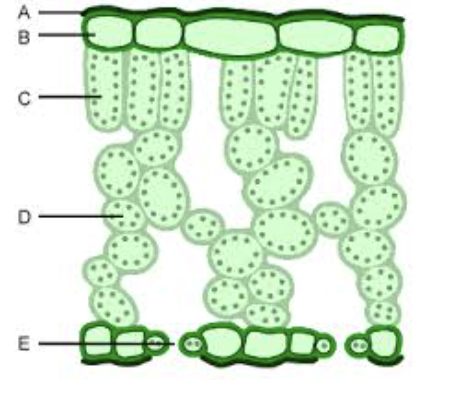
what is letter A
Cuticle
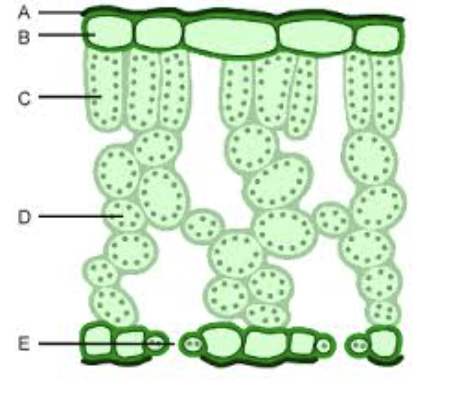
what is letter B
Upper epidermis
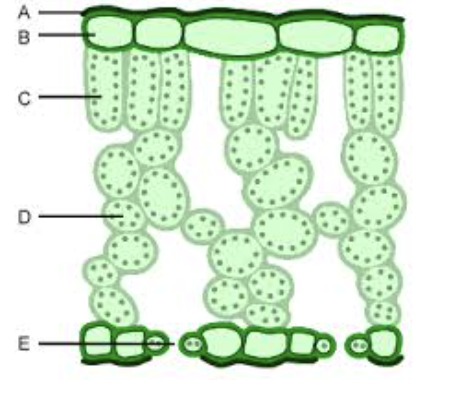
what is letter C
palisade mesophyll