ART_HISTORY
 Call Kai
 Learn
Learn Practice Test
 Spaced Repetition
 Match
Match Flashcards
 Knowt Play
1/32

There's no tags or description
Looks like no tags are added yet.
Name | Mastery | Learn | Test | Matching | Spaced | Call with Kai |
|---|
No analytics yet
Send a link to your students to track their progress
33 Terms
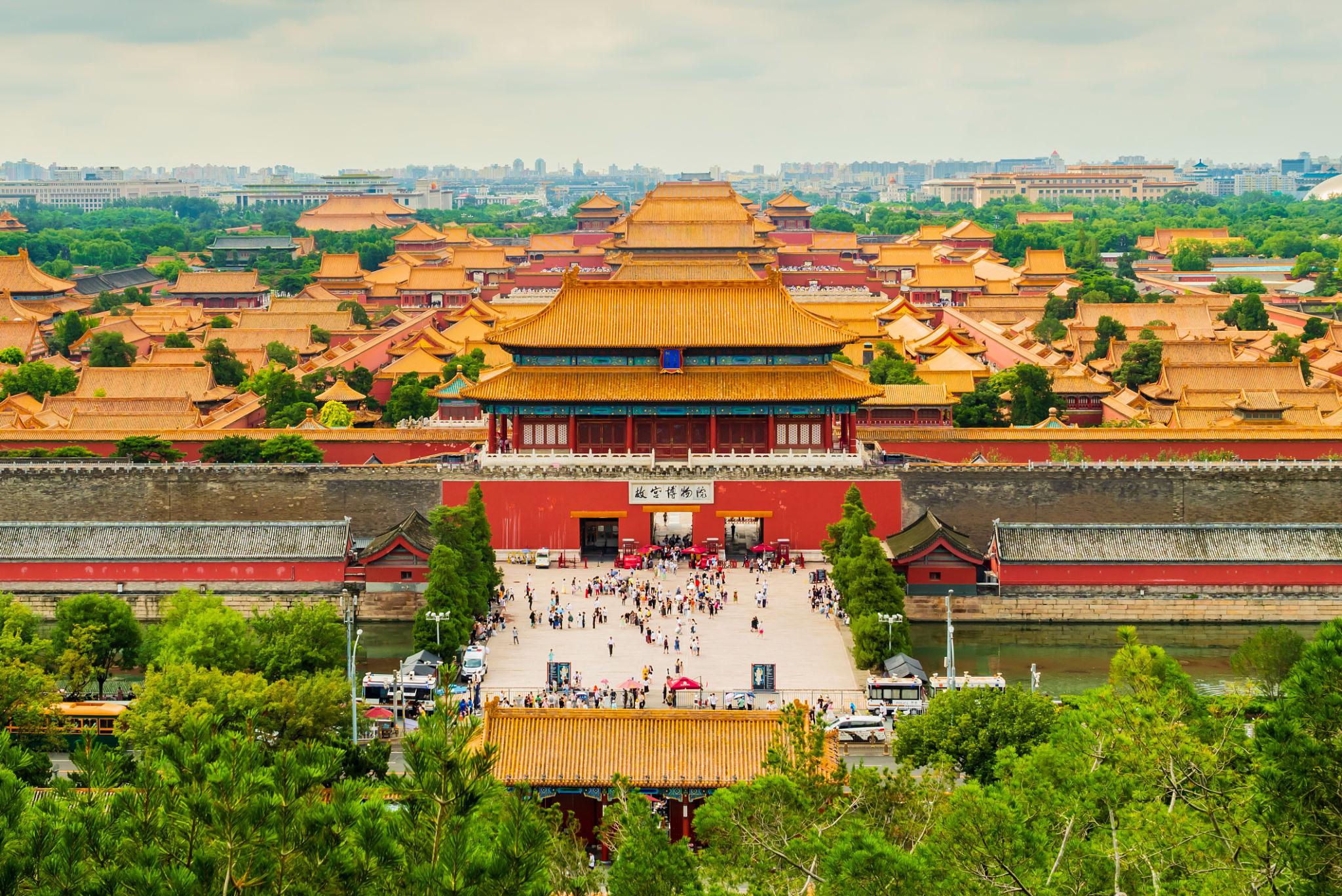
Name: Forbidden City
Year: 1407
Location: Beijing, China
Significance: Imperial palace complex representing Ming/Qing political power; red and gold tiles reserved for imperial authority and established vernacular courtyard architecture traditions.
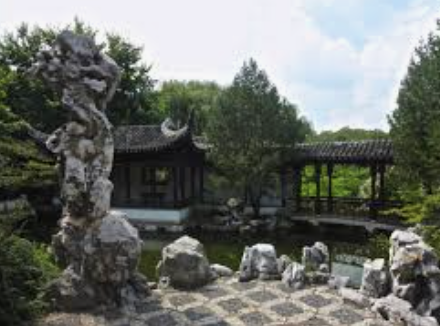
Name: Scholar’s Garden
Year: (Ming–Qing period)
Location: China
Significance: Integrated architecture with nature (water, mountains, pavilions); reflected scholarly philosophy and new visual spatial systems.
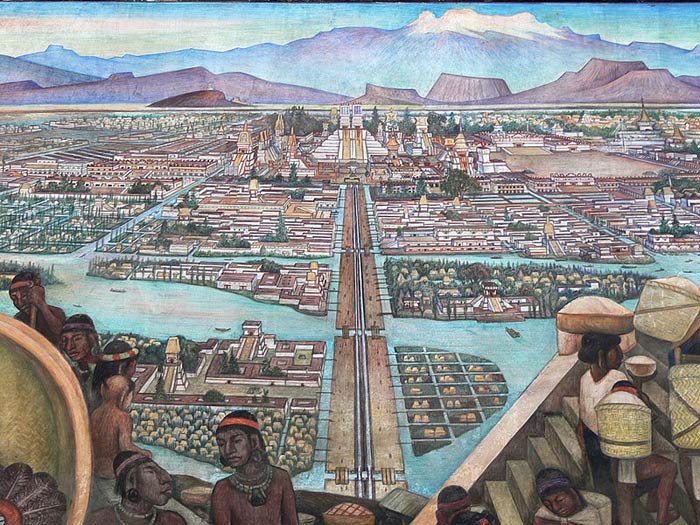
Name: Tenochtitlan
Year: 1325
Location: Present-day Mexico City, Mexico
Significance: Aztec capital organized around ceremonial temple complexes and causeways connecting residential wards.
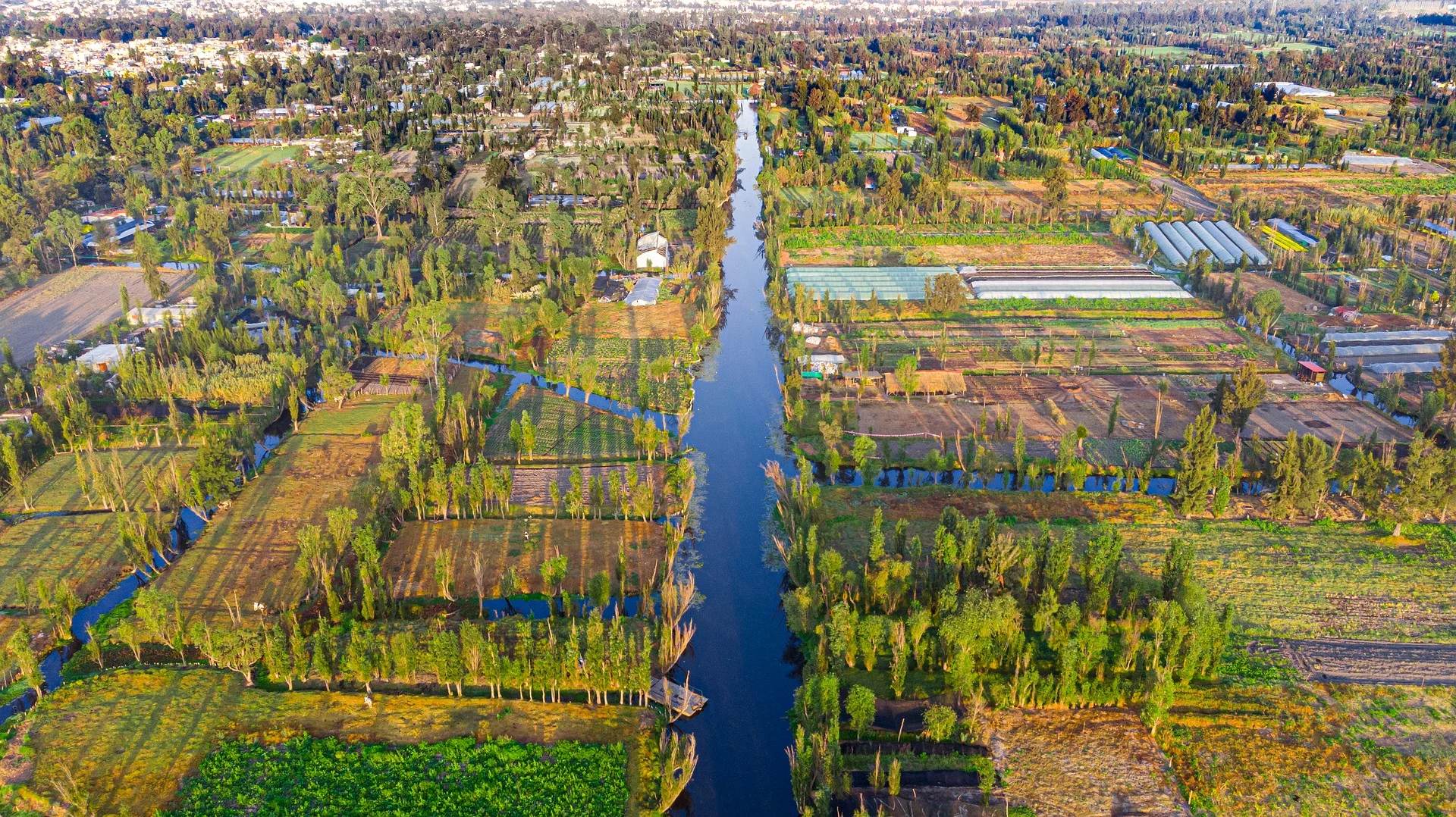
Name: Chinampas
Year: Aztec period
Location: Central Mexico
Significance: Floating agricultural gardens providing fresh food and demonstrating advanced water-based urban agriculture.
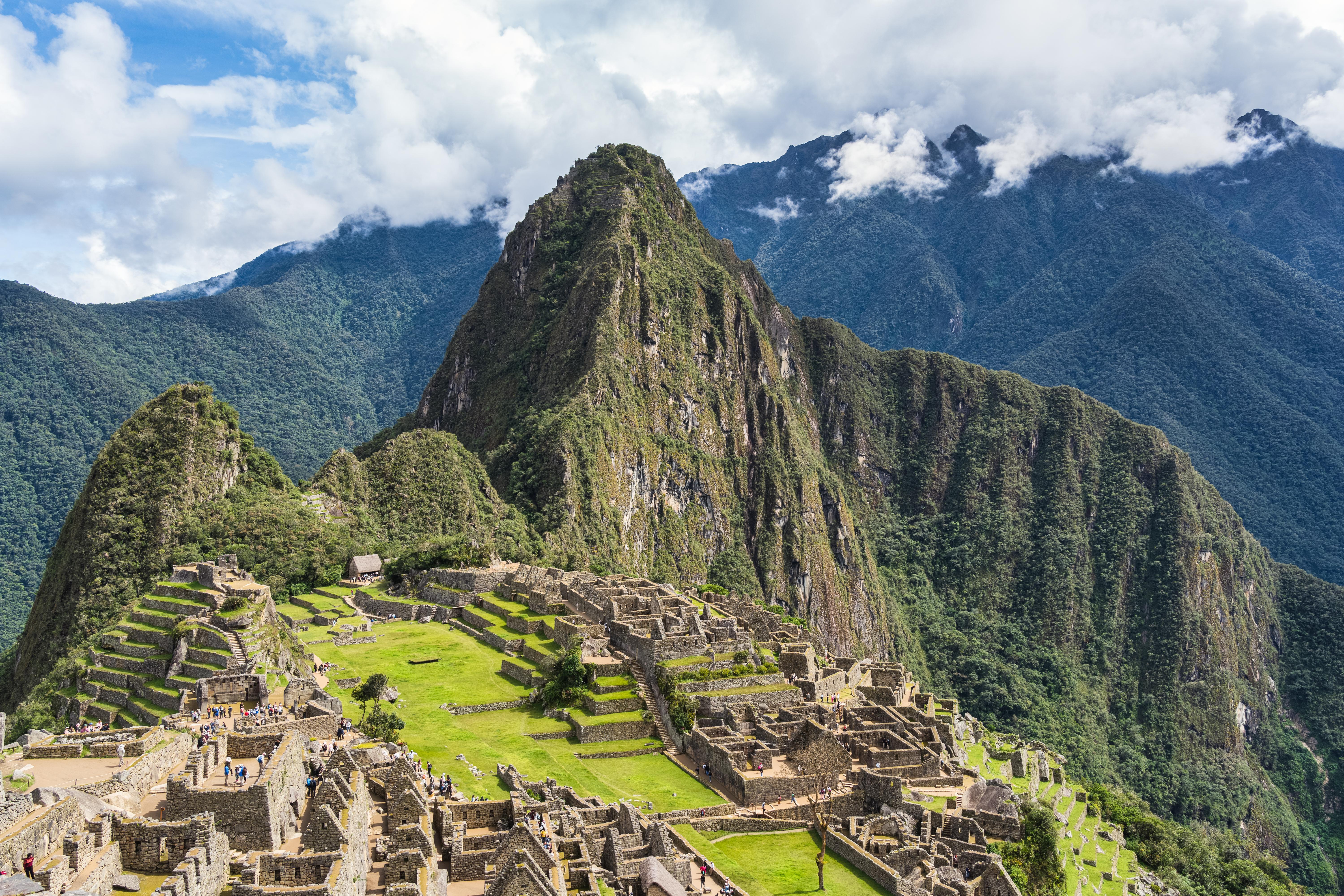
Name: Machu Picchu
Year: c. 1450
Location: Peru
Significance: Likely royal retreat; complex terracing and site planning created layered spatial organization.
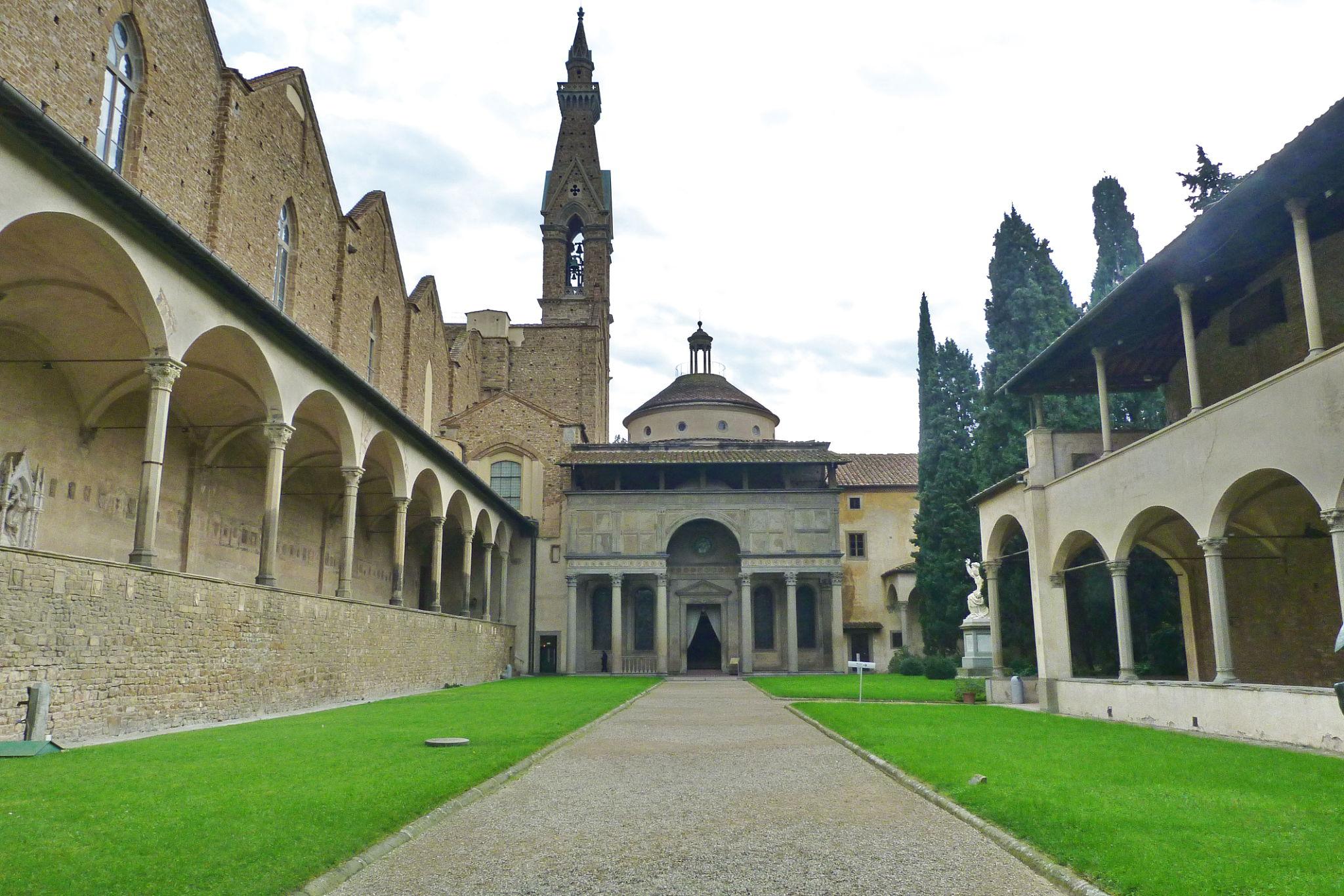
Name: Pazzi Chapel
Year: 1429
Location: Florence, Italy
Significance: Centralized sacred space emphasizing Renaissance geometry and rational harmony replacing Gothic symbolism.
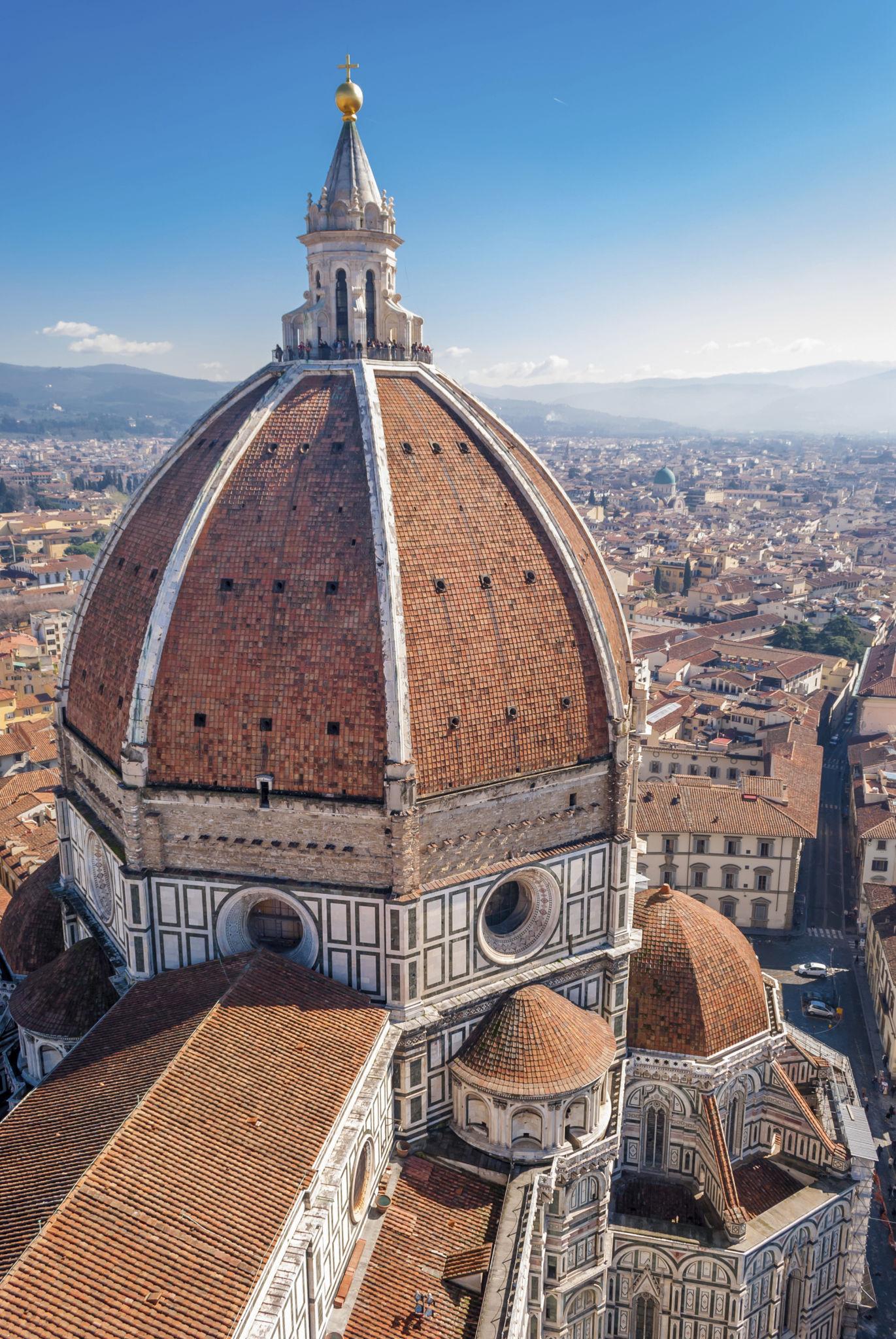
Name: Santa Maria del Fiore Dome
Year: 1471 completion
Location: Florence, Italy
Significance: Brunelleschi engineered the largest masonry dome of its time; hallmark of Renaissance engineering innovation
Name: St. Peter’s Basilica
Year: 1547 redesign phase
Location: Vatican City, Rome
Significance: Symbol of Catholic revival; Bramante and Michelangelo unified interior and exterior monumental space.
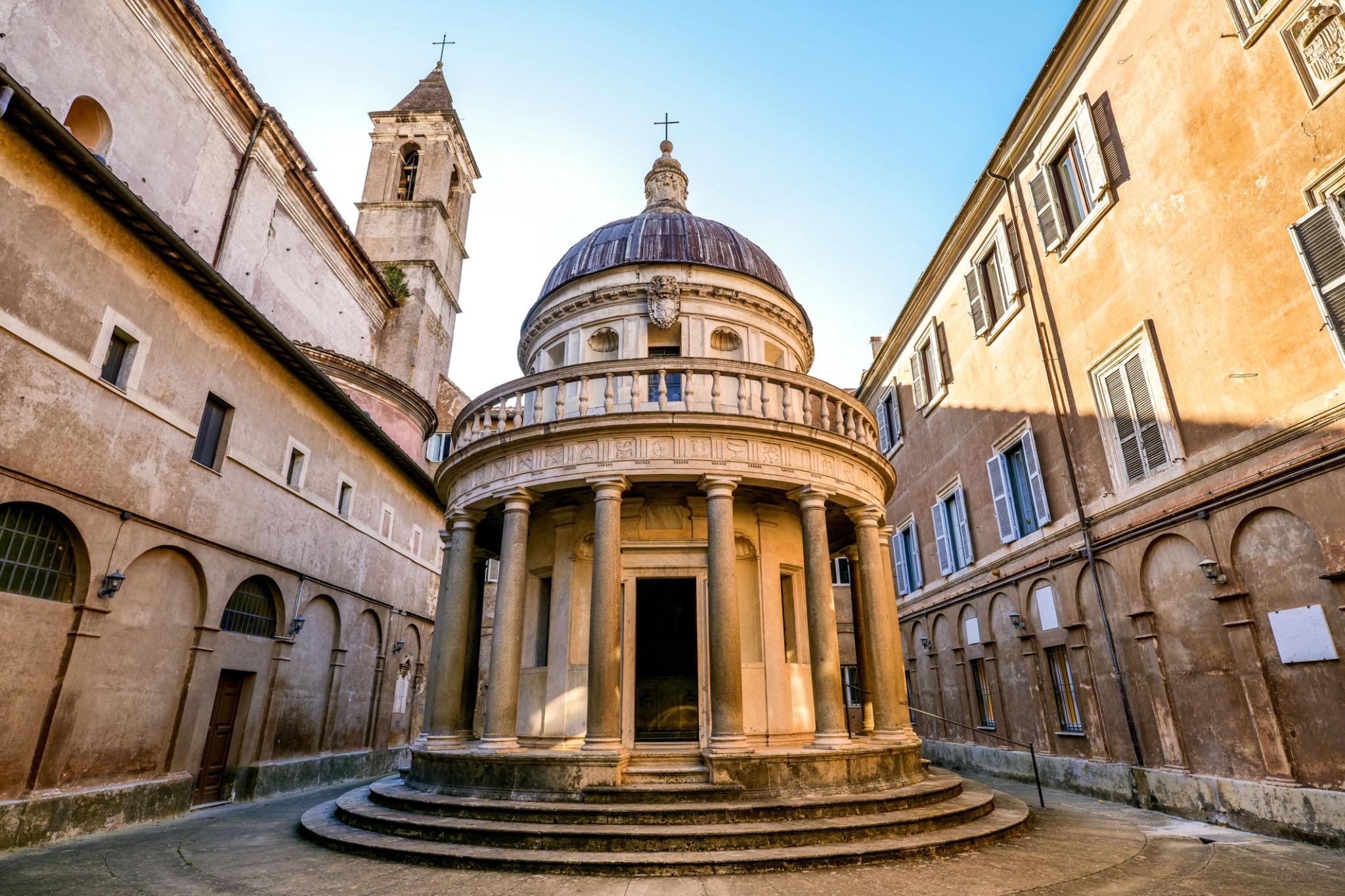
Name: Tempietto
Year: 1502
Location: Rome, Italy
Significance: First fully classical Renaissance building in Rome; used free-standing columns and revived Roman temple forms.
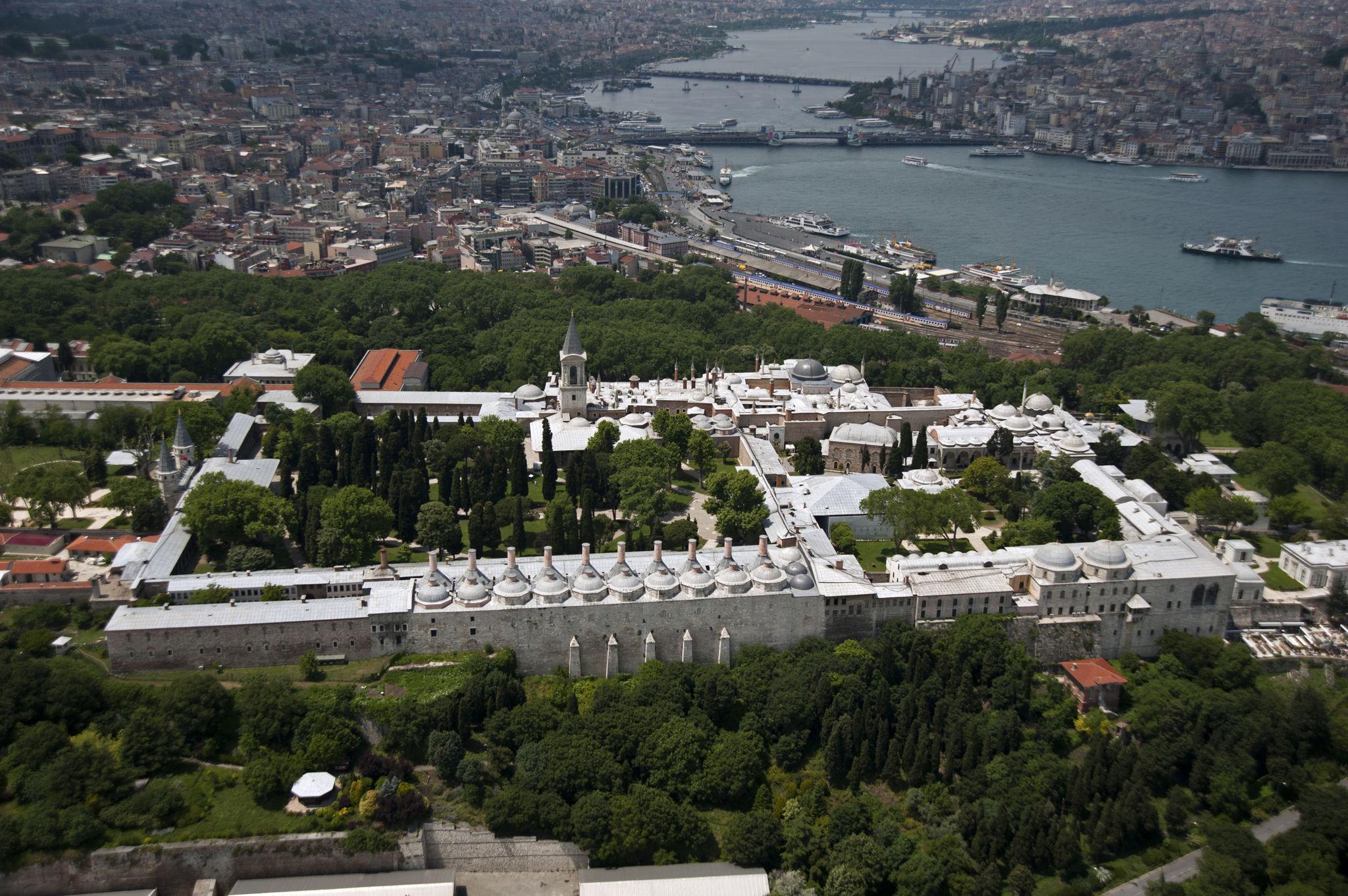
Name: Topkapi Saray
Year: 1478
Location: Istanbul, Turkey
Significance: Ottoman imperial palace arranged along ceremonial courtyards contrasting public and private imperial space.
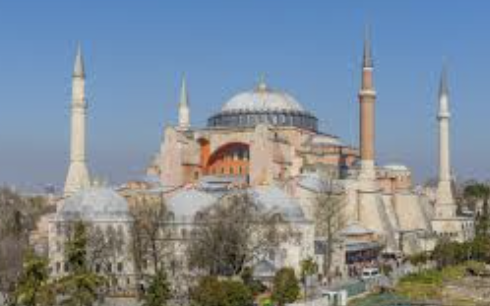
Name: Hagia Sophia
Year: Converted 1453 (Ottoman period)
Location: Istanbul, Turkey
Significance: Adaptation of Byzantine dome engineering influencing later mosque architecture.
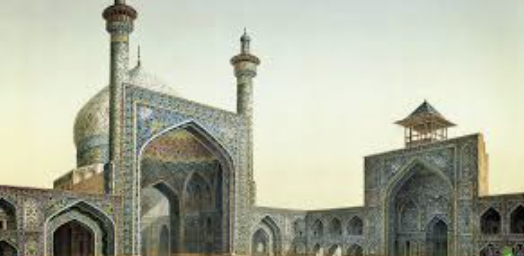
Name: Shah Mosque
Year: 1611
Location: Isfahan, Iran
Significance: Safavid mosque emphasizing public civic space; features iwans and baked brick architecture.
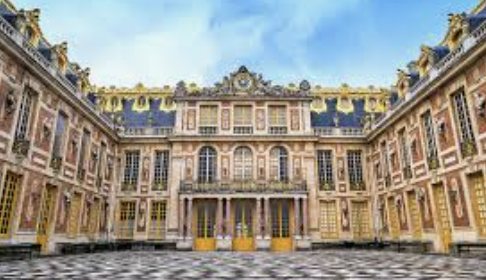
Name: Palace of Versailles
Year: 1668 (Hall of Mirrors 1678)
Location: Versailles, France
Significance: Symbol of absolutist monarchy; monumental gardens and mirrored hall reinforced royal power and spectacle.
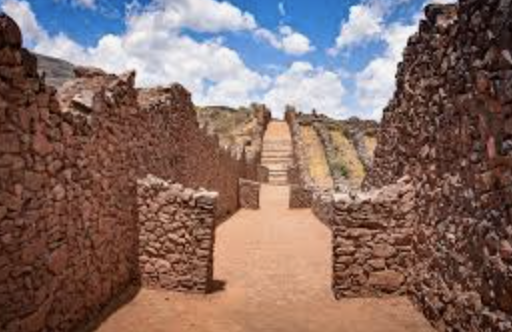
Name: Cuzco
Year: 1100–1500
Location: Peru
Significance: Inca capital known for precise rectilinear masonry and organized urban planning.
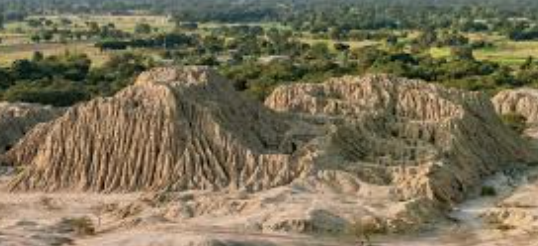
Name: Tucume Pyramids
Year: Pre-Columbian (Lambayeque culture)
Location: Peru
Significance: Pyramid complex organized around central plazas showing grid-based urban planning.
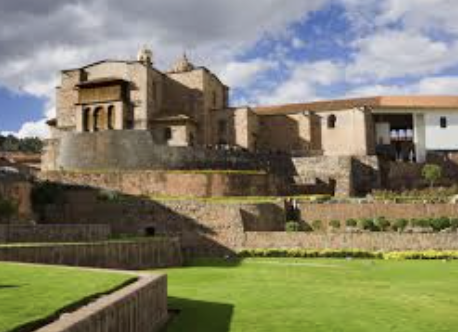
Name: Golden Temple (Coricancha)
Year: Inca period
Location: Cuzco, Peru
Significance: Religious center decorated with gold sheets and tribute offerings showing imperial wealth and sun worship.
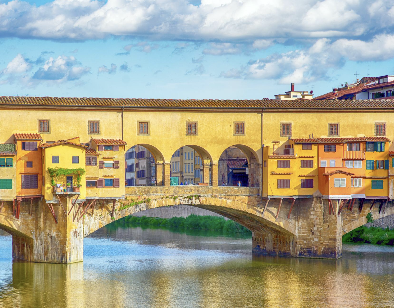
Name: Ponte Vecchio
Year: Medieval/Renaissance era
Location: Florence, Italy
Significance: Bridge combining commercial and urban functions; symbol of Florence economic power.
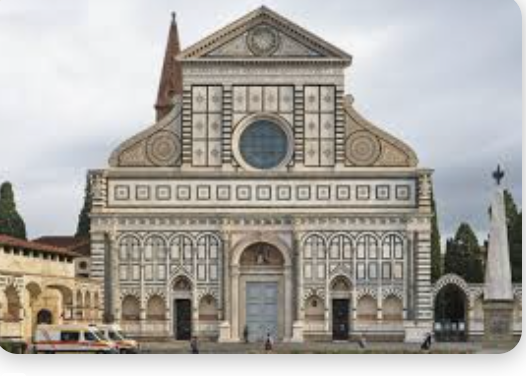
Name: Santa Maria Novella
Year: 1458
Location: Florence, Italy
Significance: Influential Renaissance church facade combining classical geometry and symmetry.
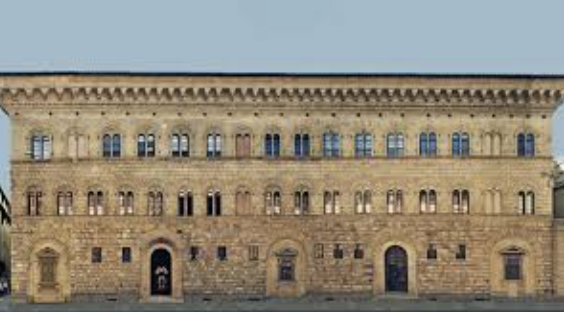
Name: Urban Palazzo (Medici Palace)
Year: 1445
Location: Florence, Italy
Significance: Residential palace expressing Medici political influence through architecture.
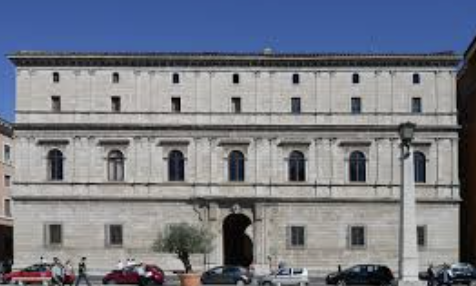
Name: Palazzo Farnese (likely your “Palazzo Castellesi” reference)
Year: 16th century Renaissance
Location: Rome, Italy
Significance: Example of grand Renaissance palace design emphasizing symmetry and elite authority.
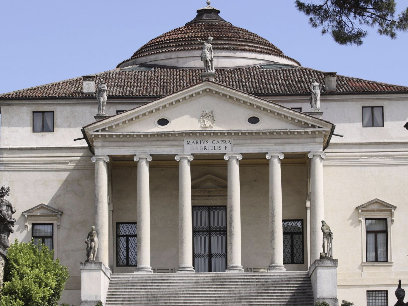
Name: Villa Rotonda
Year: 1566
Location: Vicenza, Italy
Significance: Perfectly symmetrical villa with domed center; inspired neoclassical architecture worldwide.
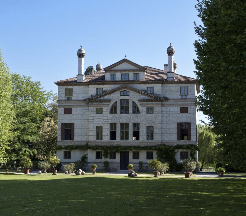
Name: Villa Foscari
Year: 1558
Location: Italy
Significance: Demonstrates Palladian harmony using classical temple forms adapted to villa design.
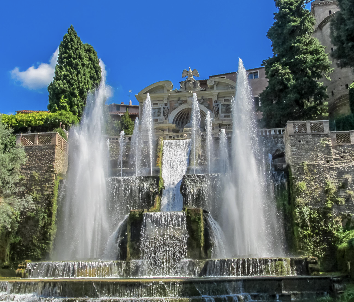
Name: Tivoli Gardens (Villa d’Este)
Year: 1550
Location: Tivoli, Italy
Significance: Renaissance garden engineering using water hydraulics, sculpture, and theatrical landscape design.
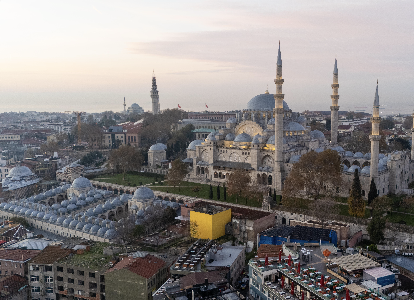
Name: Süleymaniye Mosque
Year: 1548
Location: Istanbul, Turkey
Significance: Ottoman mosque blending Byzantine dome engineering with Islamic spatial planning.
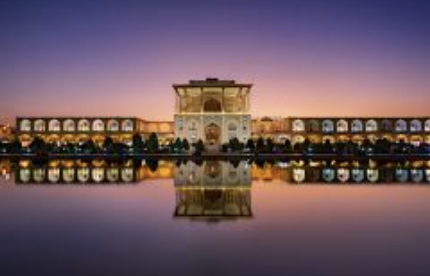
Name: Ali Qapu Palace
Year: 1597
Location: Isfahan, Iran
Significance: Safavid ceremonial palace connecting royal authority to public civic space.
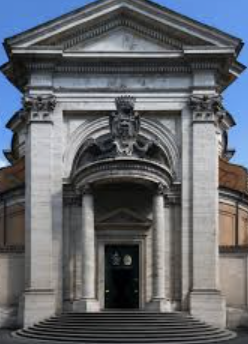
Name: San Andrea al Quirinale
Year: 1658
Location: Rome, Italy
Significance: Baroque church emphasizing theatrical space and emotional religious experience.
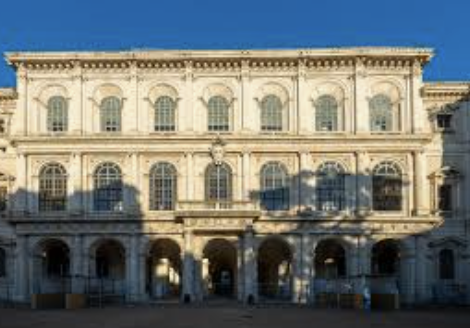
Name: Palazzo Barberini
Year: 1628
Location: Rome, Italy
Significance: Baroque palace showcasing dramatic spatial movement and aristocratic prestige.
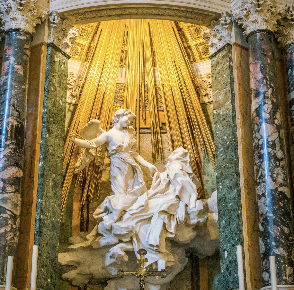
Name: Ecstasy of St. Teresa
Year: 1647
Location: Rome, Italy
Significance: Baroque masterpiece combining sculpture, architecture, and light to create spiritual drama.
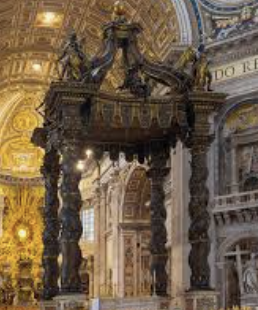
Name: Baldacchino
Year: 1623
Location: St. Peter’s Basilica, Vatican
Significance: Monumental bronze canopy marking St. Peter’s tomb; symbolizes papal authority.
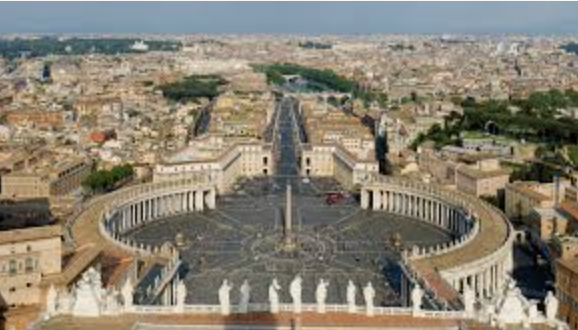
Name: Piazza San Pietro
Year: 1673
Location: Vatican City
Significance: Baroque urban design symbolizing Catholic Church embracing the faithful through grand colonnades.
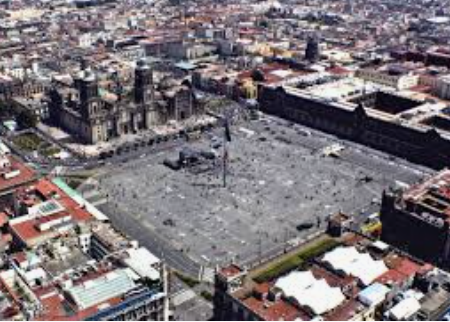
Name: Zócalo / Plaza Mayor
Year: 1521
Location: Mexico City, Mexico
Significance: Colonial civic center used for military, religious, and political functions.
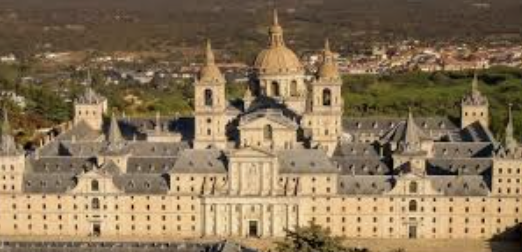
Name: El Escorial
Year: 1563
Location: Spain
Significance: Royal monastery combining palace, church, and school; reflects Spanish imperial authority and religious devotion.
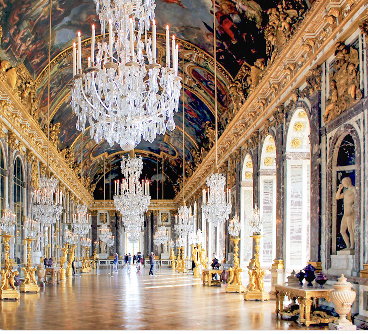
Name: Hall of Mirrors
Year: 1678
Location: Versailles, France
Significance: Demonstrates absolutist royal power using light, reflection, and ceremonial spectacle.