BPK 326: Positions, Planes, Axes, and Terms of Direction
 Call Kai
 Learn
Learn Practice Test
 Spaced Repetition
 Match
Match Flashcards
 Knowt Play
1/23

There's no tags or description
Looks like no tags are added yet.
Name | Mastery | Learn | Test | Matching | Spaced | Call with Kai |
|---|
No analytics yet
Send a link to your students to track their progress
24 Terms
What are the 5 common divisions in regional anatomy?
Head & Neck
Back & Thorax
Upper limb
Abdomen & Pelvis
Lower limb
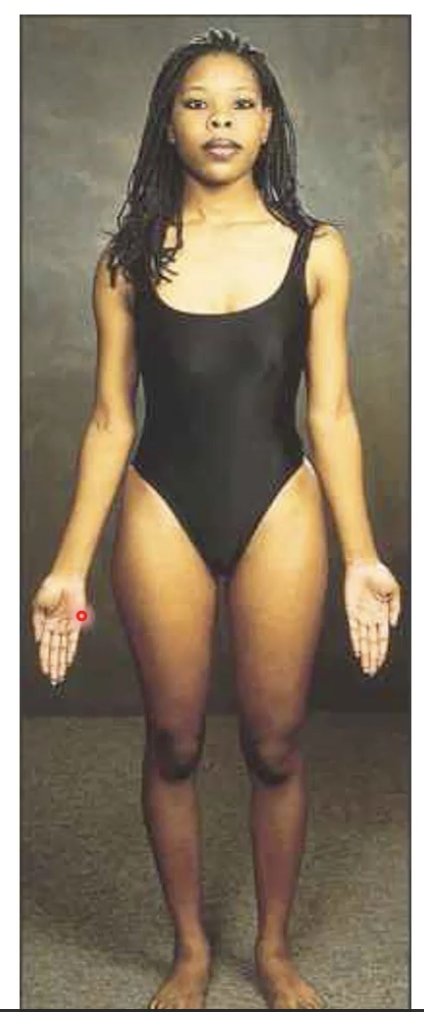
Describe the anatomical position
Erect posture
hands at side
palms and feet facing forward
gaze forward
When a subject is lying down, what two positions could they be in?
Supine position: lying on the back (face up)
Prone position: Lying on the front (face down)
these terms specify the position of the torso
Describe the primary anatomical planes
Frontal (coronal), sagittal, transverse (axial)
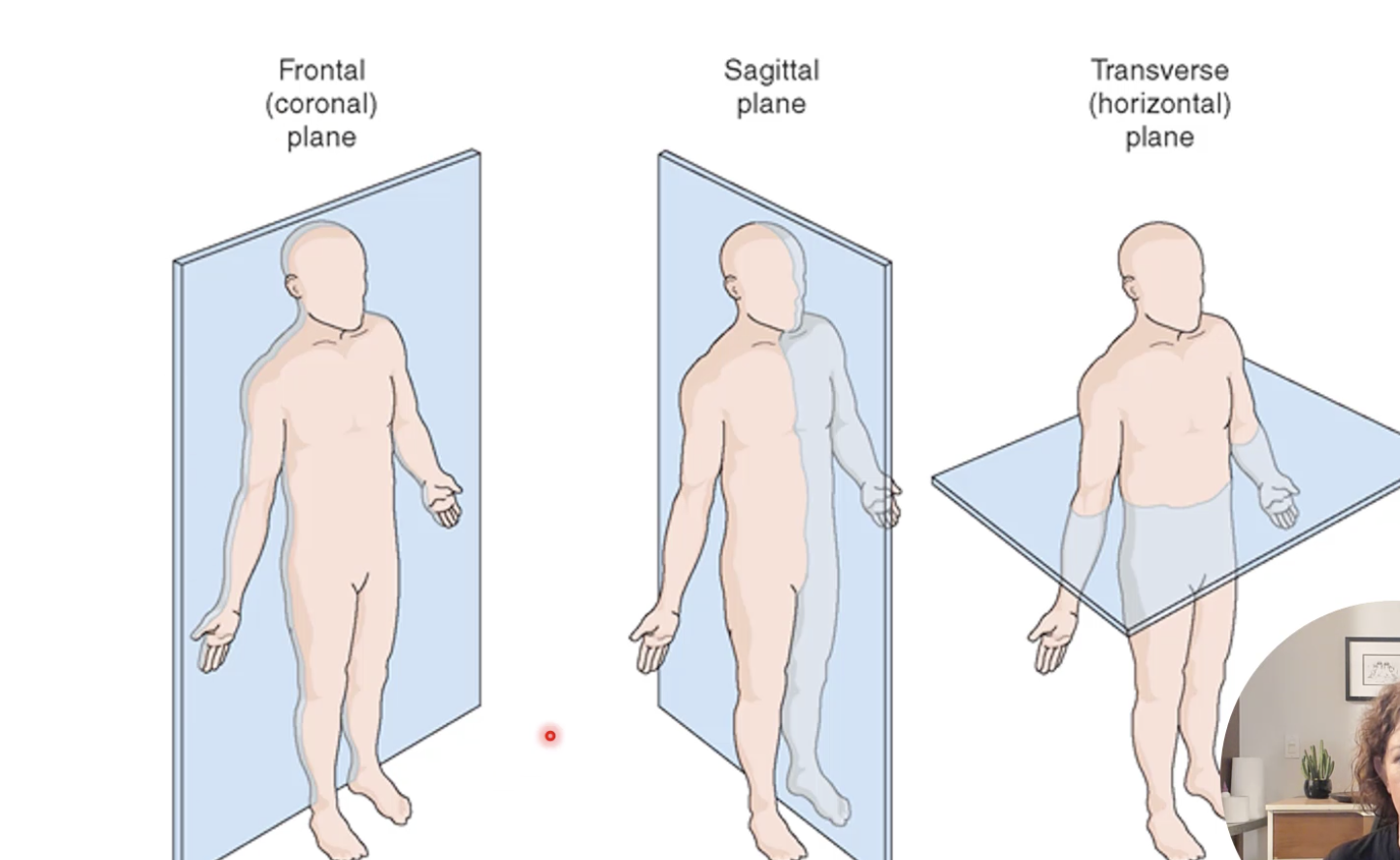
What is the difference between median, and parasagittal planes
Median divides the body into equal left and right halves, whereas parasagittal divides the body into unequal left and right halves
Name the anatomical axes with their coordinating planes
Sagittal: anterior, posterior
Frontal: medial, lateral
Transverse: superior, inferior
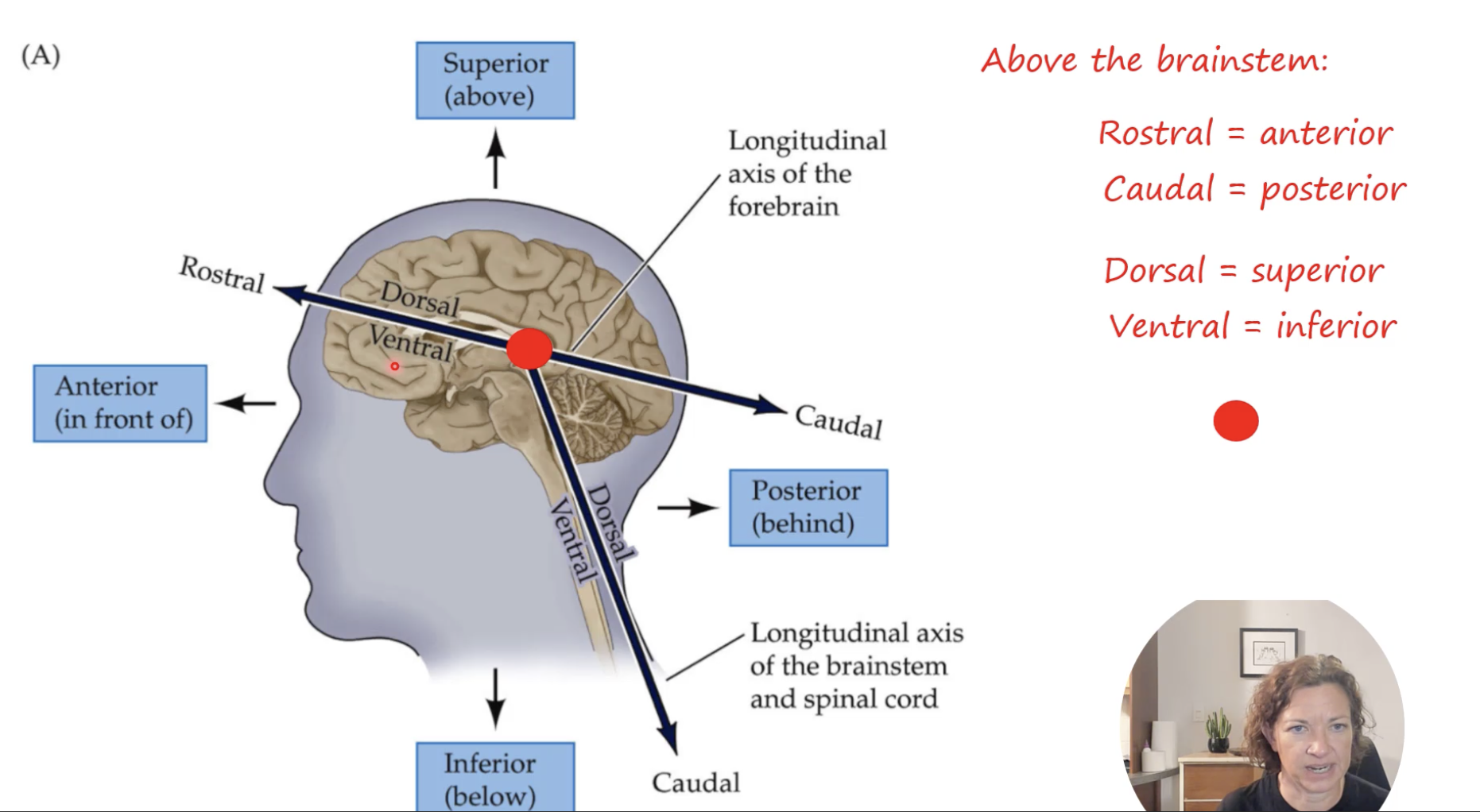
Describe the different axes above the brain stem
Rostral = Anterior
Caudal = Posterior
Dorsal = Superior
Ventral = Inferior
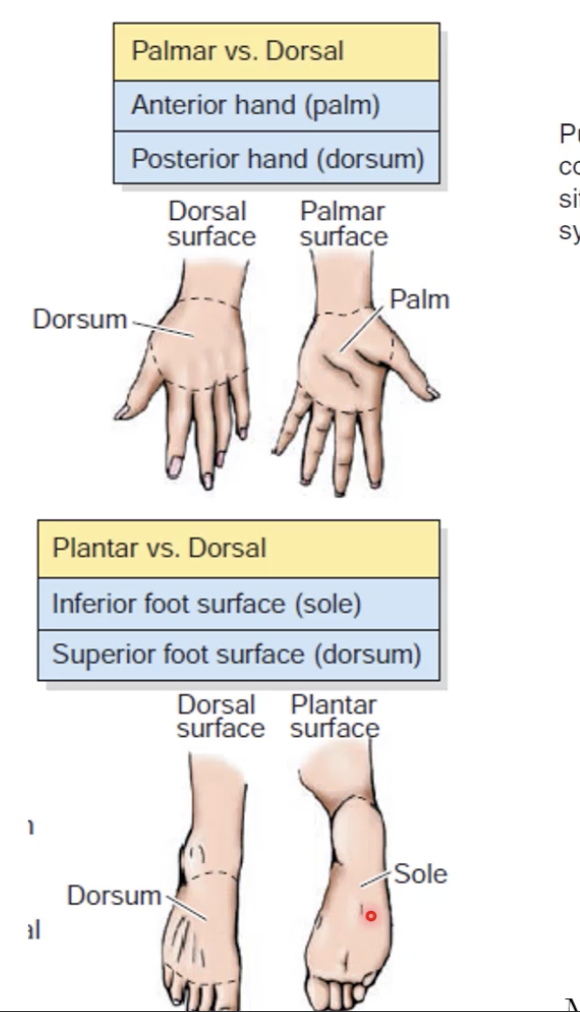
For feet and hands, dorsal is what?
the top of the hand or foot
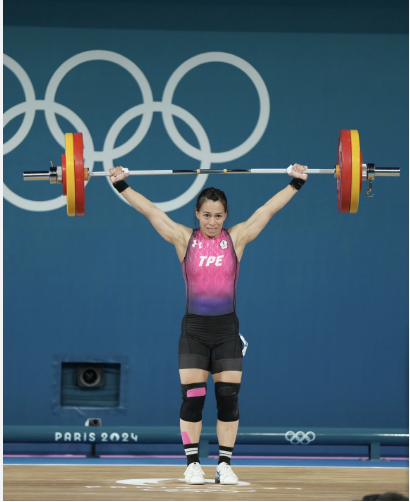
What plane and axis does an olympic weight lifter move in?
Sagittal plane, frontal axis
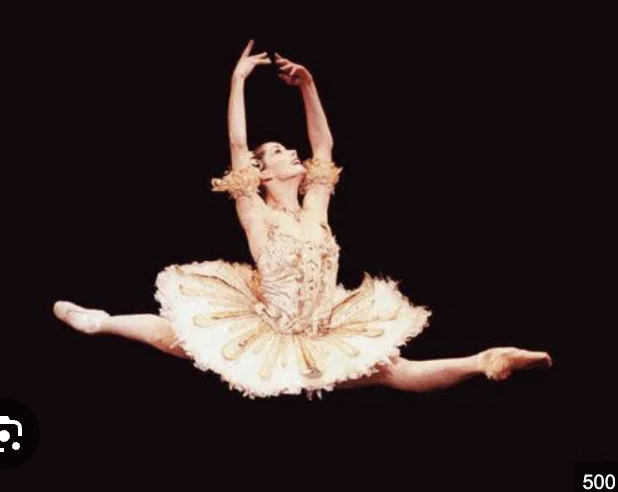
What plane and axis does this ballerina move in?
Sagittal plane, frontal axis

What plane and axis does this cartwheeler move in?
Frontal plane, sagittal axis

What plane and axis does this baseball player move in?
Transverse plane, longitudinal axis
Name the anatomical movements for the elbow, shoulder, and scapula for a full push up
Down:
elbow → flexion
shoulder → horizontal abduction
scapula → retraction
Up:
elbow → extension
shoulder → horizontal adduction
scapula → protraction
Name the anatomical movements for the ankle, knee, and hip for a full squat
Down:
ankle → dorsiflexion
knee → flexion
hip → flexion
Up:
ankle → plantarflexion
knee → extension
hip → extension

Heres someone winding a pitch, Break it down by:
Plane of motion
Axis
Joint movements at:
Shoulder
Elbow
Trunk
Hips
Scapula
Plane of motion → Transverse
Axis → Longitudinal
Joint movements:
Shoulder (glenuhumeral) → Cocking phase: Horizontal abduction + external rotation Acceleration phase: Horizontal adduction + internal rotation
Elbow → Cocking: Flexion Acceleration: Extension
Trunk → External rotation → Internal rotation (power source)
Hips → External rotation → Internal rotation (drives trunk rotation)
Scapula → Retraction during cocking Protraction during acceleration