Principles of Teaching and Learning in Health Education
 Call Kai
 Learn
Learn Practice Test
 Spaced Repetition
 Match
Match Flashcards
 Knowt Play
1/29

There's no tags or description
Looks like no tags are added yet.
Name | Mastery | Learn | Test | Matching | Spaced | Call with Kai |
|---|
No analytics yet
Send a link to your students to track their progress
30 Terms
Learning retention rates
Percentages of information retained by learners.
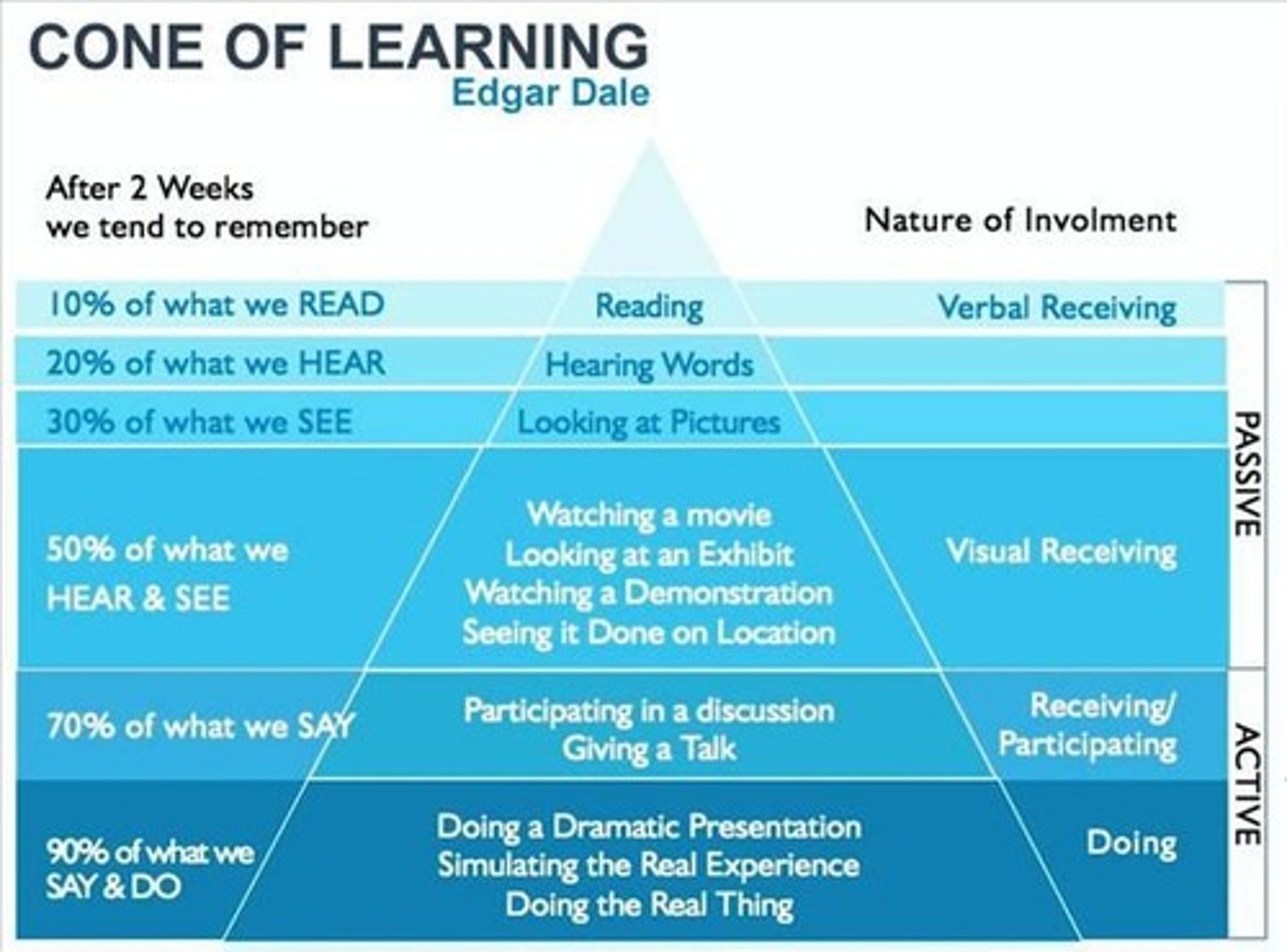
10% retention
Retention rate for information read.
20% retention
Retention rate for information heard.
30% retention
Retention rate for information seen.
50% retention
Retention rate for information seen and heard.
70% retention
Retention rate for information spoken.
90% retention
Retention rate for information spoken and done.
Pedagogy
Art and science of teaching children.
Andragogy
Art and science of teaching adults.
Bloom's Taxonomy
Framework for structuring learning objectives.
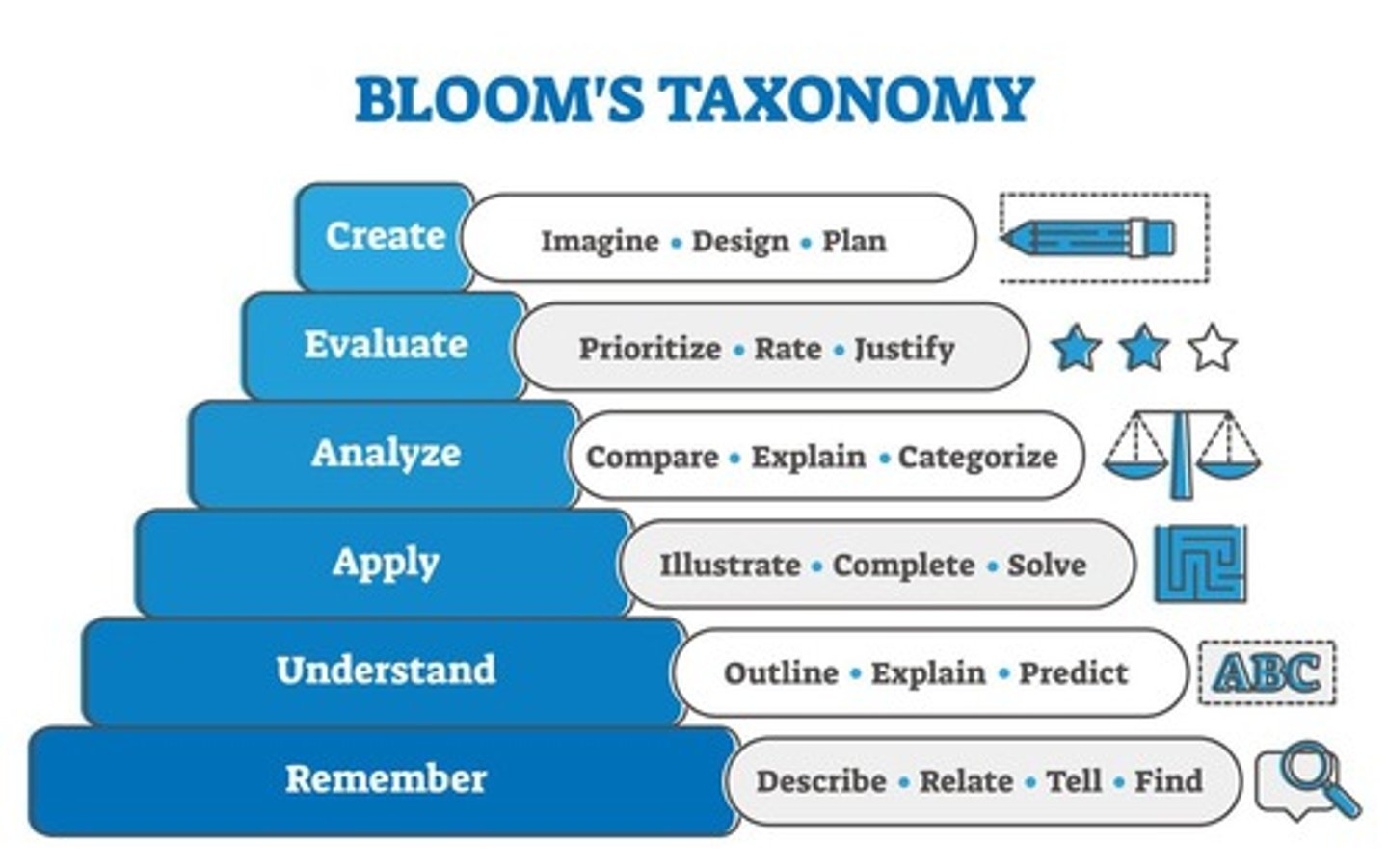
Creating
Combining information to propose new solutions.
Evaluating
Judging the value of ideas or materials.
Analysing
Breaking information into parts for understanding.
Applying
Using understanding to solve new problems.
Understanding
Explaining ideas and making sense of information.
Remembering
Recalling or recognizing facts and concepts.
Relevance in instruction
Instruction must connect to learners' lives.
Uniqueness in learning
Individual ways of perceiving and processing information.
Equity in education
Every individual has a right to learn.
Purposeful assessment
Assessment that drives instruction and affects learning.
Collaborative learning
Joint intellectual effort by learners and teachers.
Responsive environments
Learning spaces that engage and inspire creativity.
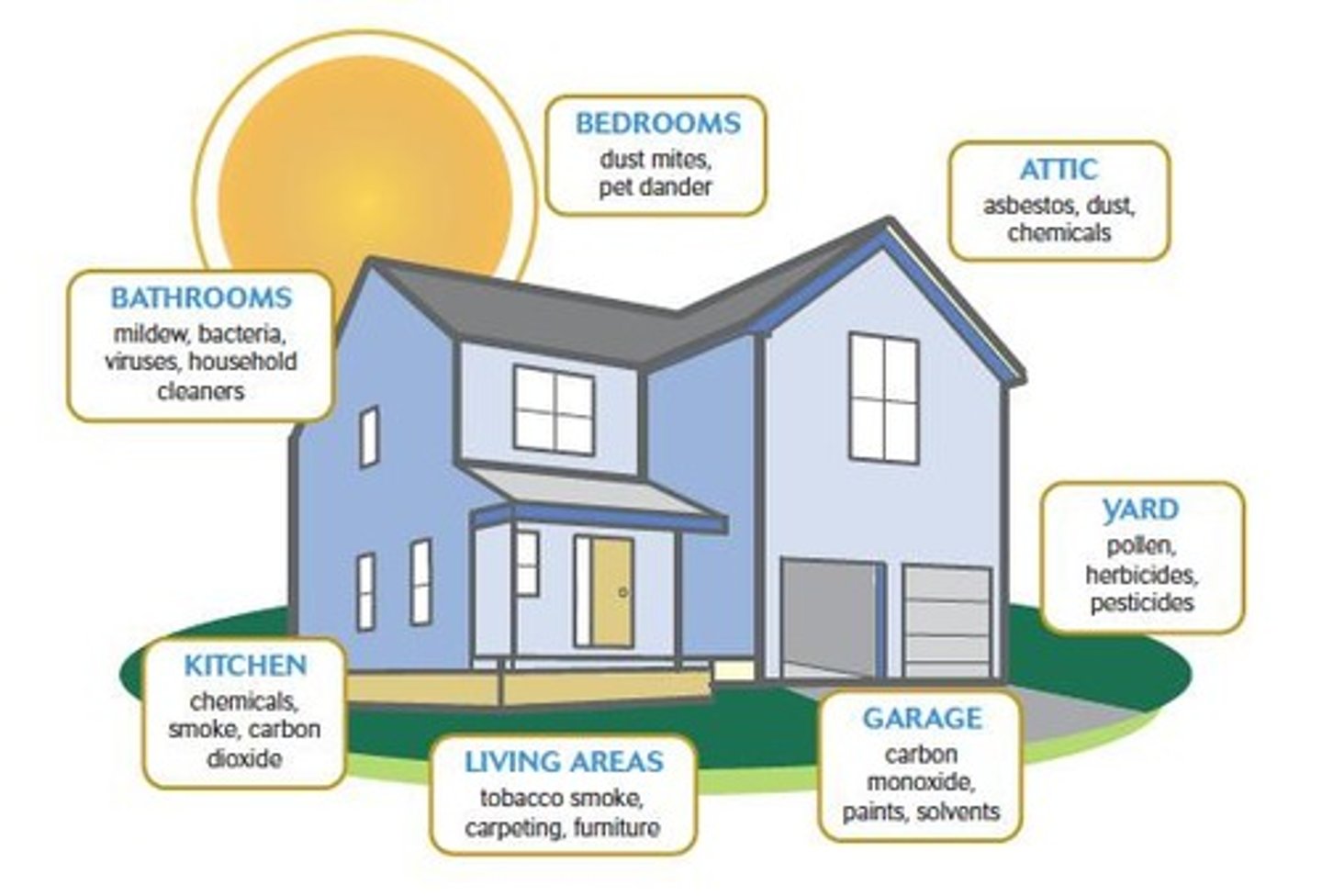
Major environmental risk factors
Environmental elements that pose health risks.
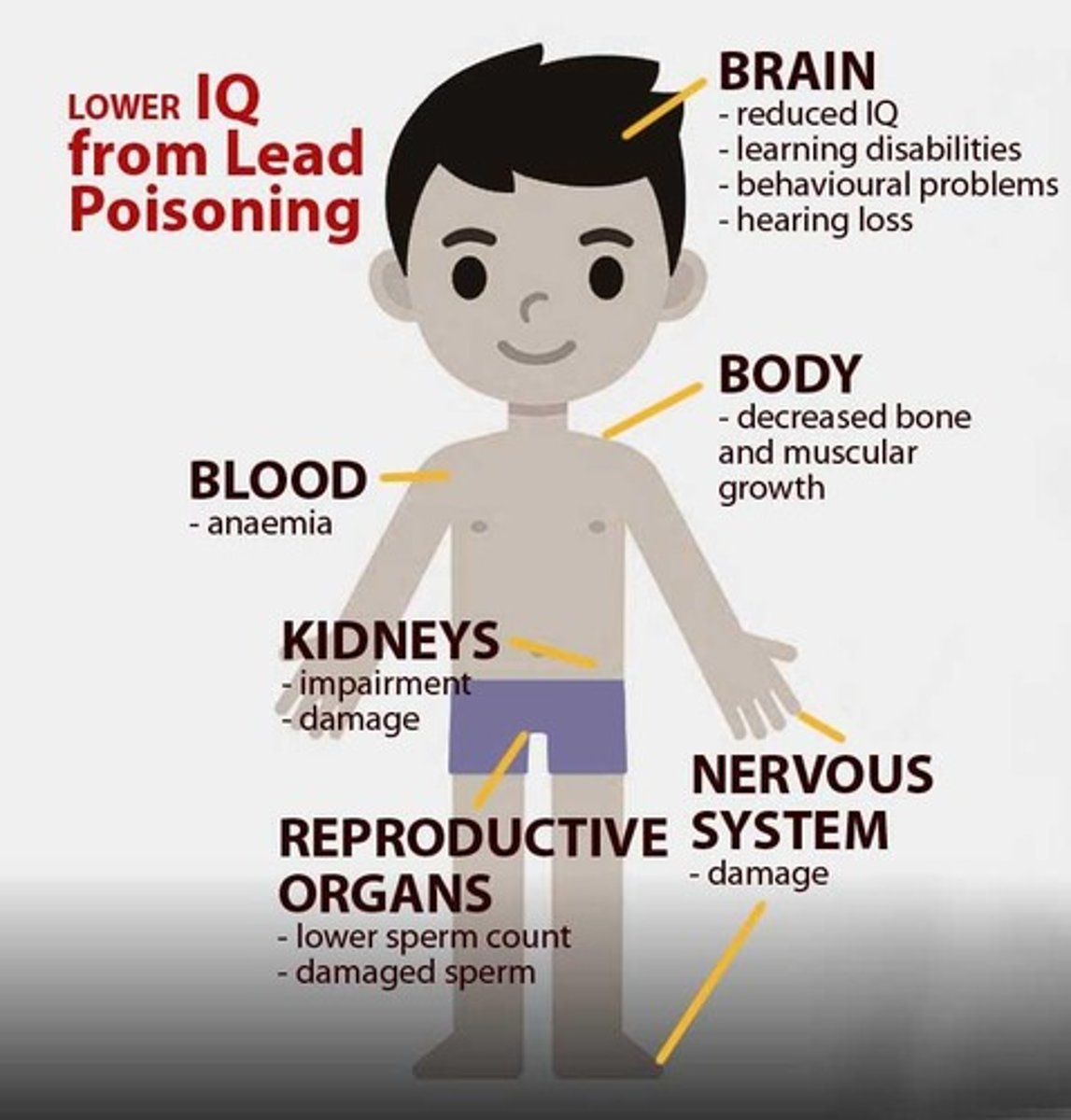
Diseases from environment
Health issues caused by environmental factors.
Assessment importance
Integral to understanding learners' progress.
Learning as individual matter
Each person's unique learning experience.
Instructional engagement
Deep involvement with content enhances learning.
Creativity in learning
Fostering innovative thinking in educational settings.
Inquiry-based learning
Learning through questioning and exploration.
Critical thinking
Analyzing and evaluating information for better understanding.