AP Psych - Positive Psychology, Psychological Disorders, and Therapy
 Call Kai
 Learn
Learn Practice Test
 Spaced Repetition
 Match
Match Flashcards
 Knowt Play
1/118

There's no tags or description
Looks like no tags are added yet.
Name | Mastery | Learn | Test | Matching | Spaced | Call with Kai |
|---|
No analytics yet
Send a link to your students to track their progress
119 Terms
positive psychology
promotes strengths and virtues that foster well-being, resilience, and positive emotions to help individuals and communities to thrive
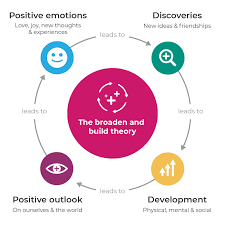
broaden and build theory
positive emotions prompt people to consider novel (creative) solutions to their problems
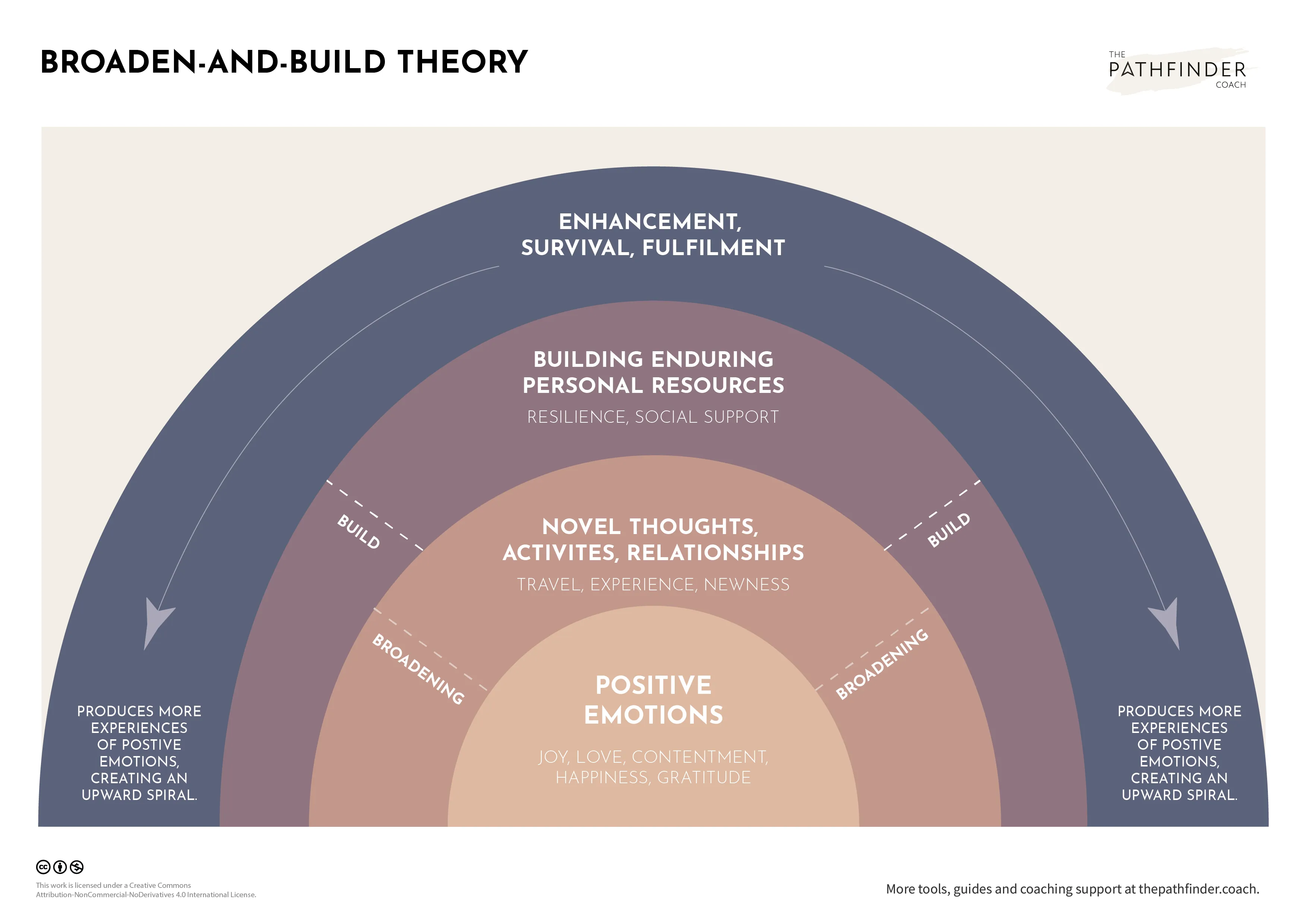
psychological disorder
a disturbance in people's thoughts, emotions, or behaviors that causes distress or suffering and impairs their daily lives
medical model (perspective)
mental disease can have PHYSICAL causes that can be diagnosed, treated, and in most cases cured through treatment in a hospital
biopsychosocial approach
the biological, psychological, and social-cultural can influence one's health
diathesis-stress model
the concept that genetics combined with environmental stressors influence psychological disorder (high stress environments can activate a gene that contributes to a disorder)
DSM-5-TR
a widely used system for classifying psychological disorders
classifying disorders helps to…
predict future behavior
disorders usually appear in
mid teens-early 20s
non suicidal self injury (NSSI)
maladaptive coping mechanisms used to regulate emotion (ex: cutting, burning). doesn't usually lead to suicide
anxiety disorders
a group of disorders characterized by distressing, persistent anxious symptoms and/or maladaptive behaviors that aim to reduce symptoms
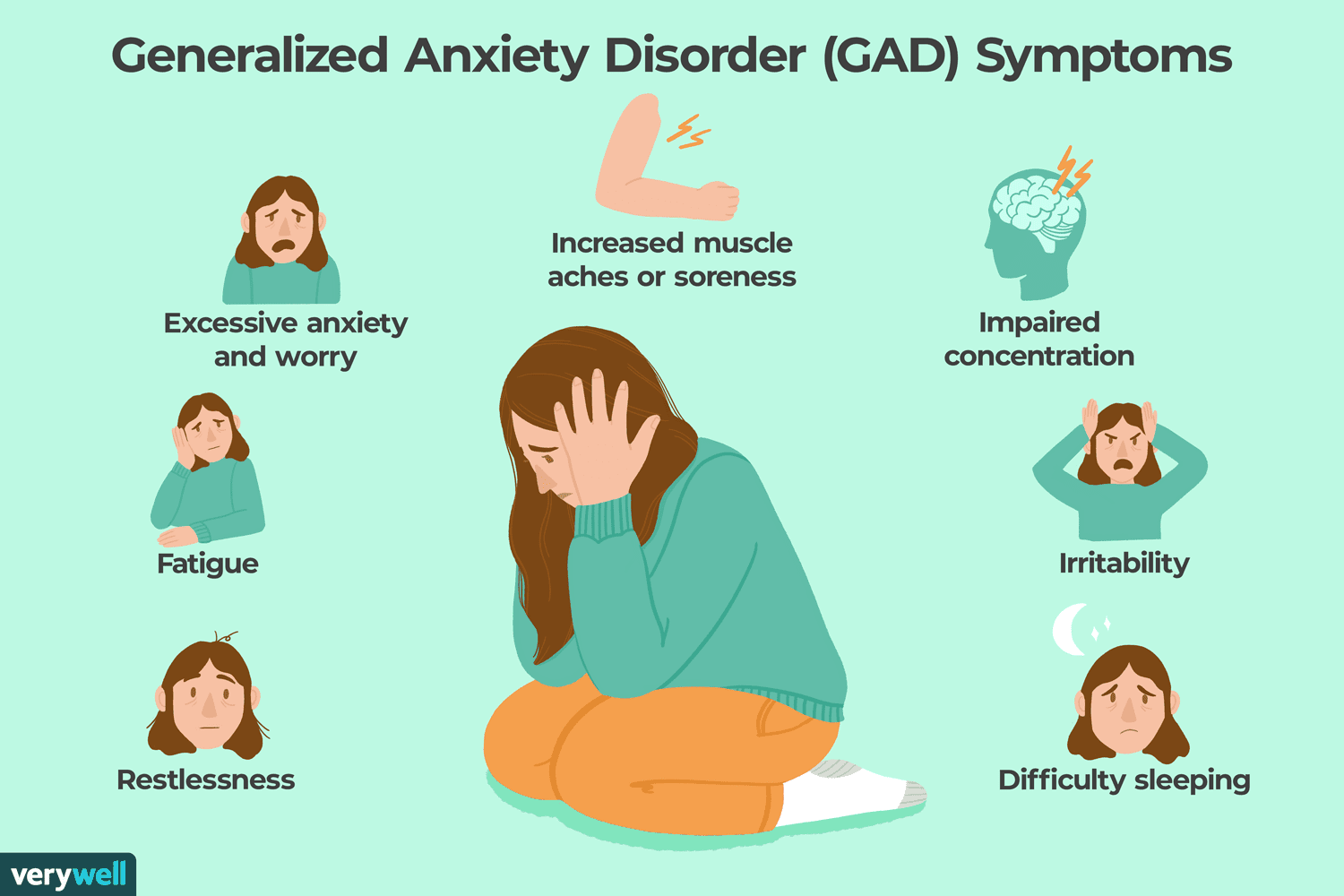
generalized anxiety disorder
anxiety disorder in which a person is CONTINUALLY tense, apprehensive, and in a state of ANS arousal. occurs for 6 months or more, anxiety is "free-floating"
social anxiety disorder
intense fear and avoidance of SOCIAL situations, fear of being harshly judged
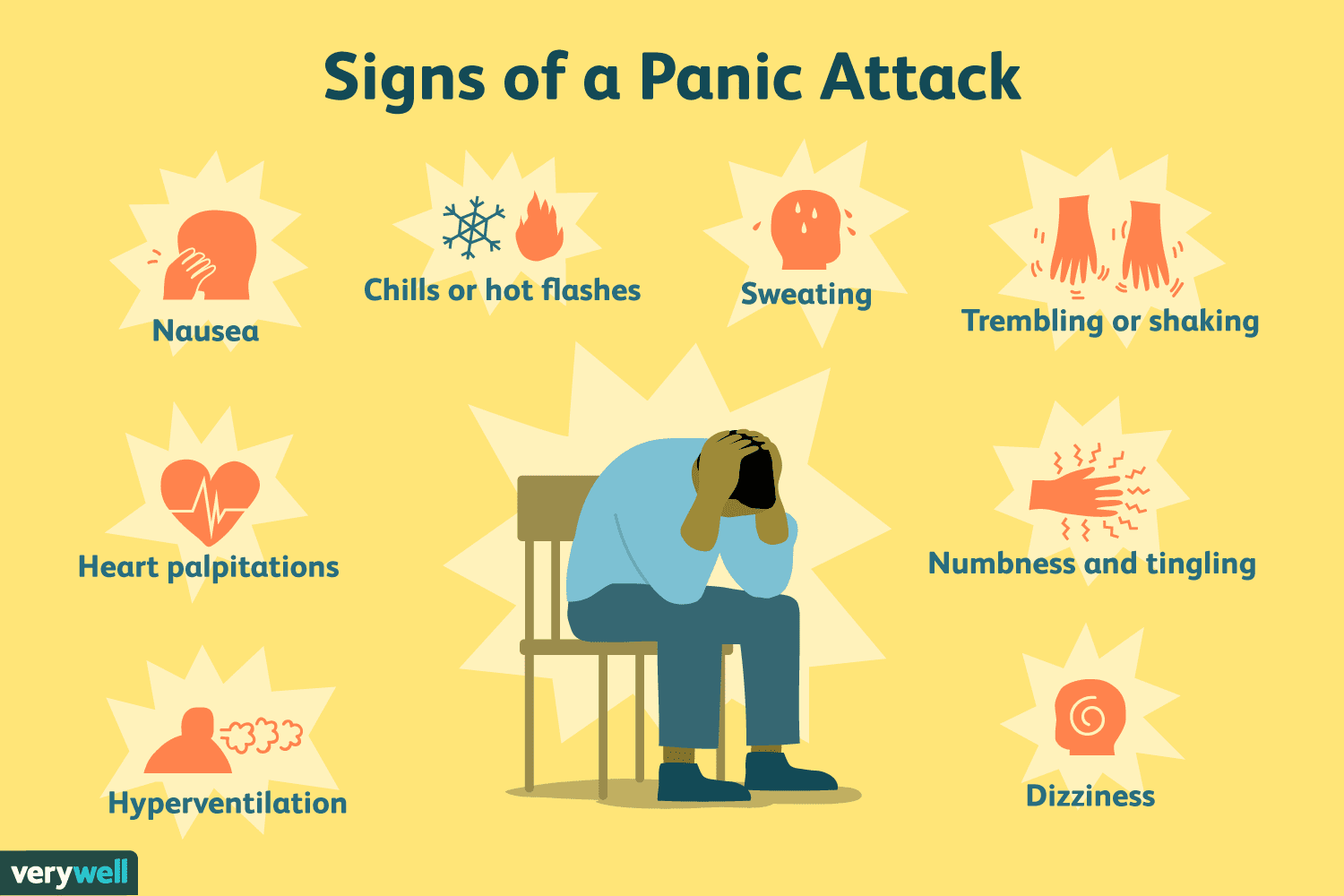
panic disorder
UNPREDICTABLE moments of long intense dread in which a person experiences terror and accompanying chest pain, choking and other frightening sensations
agoraphobia
a specific phobia involving a fear of public places or situations
specific phobia
persistent, irrational fear and avoidance of a specific object, activity or situation
evolutionary theory for phobias
certain fearful behaviors were favored for survival
obsessive-compulsive disorder (OCD)
unwanted thoughts (obsessions) produce unwanted compulsive behaviors that cause distress/interfere with everyday life
OCD related disorders
hoarding disorder, body dysmorphic disorder, and trichotillomania (hair pulling)
what part of the brain is extremely active during compulsive behaviors?
anterior cingulate cortex
we learn anxiety disorders/phobias through…
conditioning (associations, reinforcement) and observation
biological causes of anxiety
HIGH glutamate and LOW serotonin
post-traumatic stress disorder
a trauma and stressor disorder that includes reoccurring memories, nightmares, avoidance of trauma-related stimuli and more
why doesn't everyone have PTSD after a traumatic event?
differences in memory processing
major depressive disorder
TWO OR MORE weeks of significantly depressed moods, feelings of worthlessness, and diminished interest or pleasure in most activities
persistent depressive disorder
marked by a mildly depressed mood more often than not in a two year period
biological causes of depression
low serotonin, decreased brain activity
depression from social cognitive perspective
self defeating beliefs (like rumination) + negative explanatory style = greater amounts of depression
rumination
compulsive fretting; overthinking about our problems and their causes
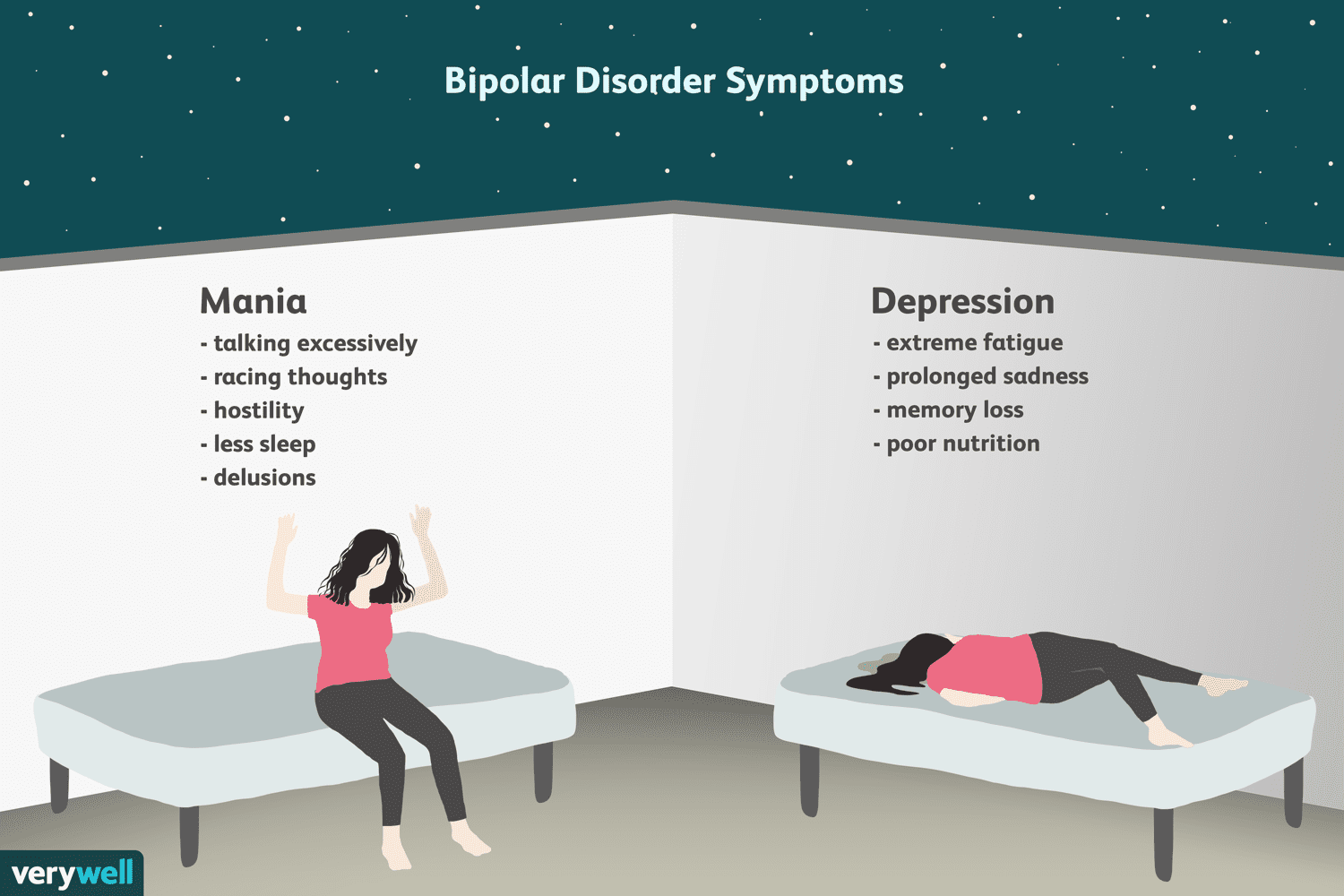
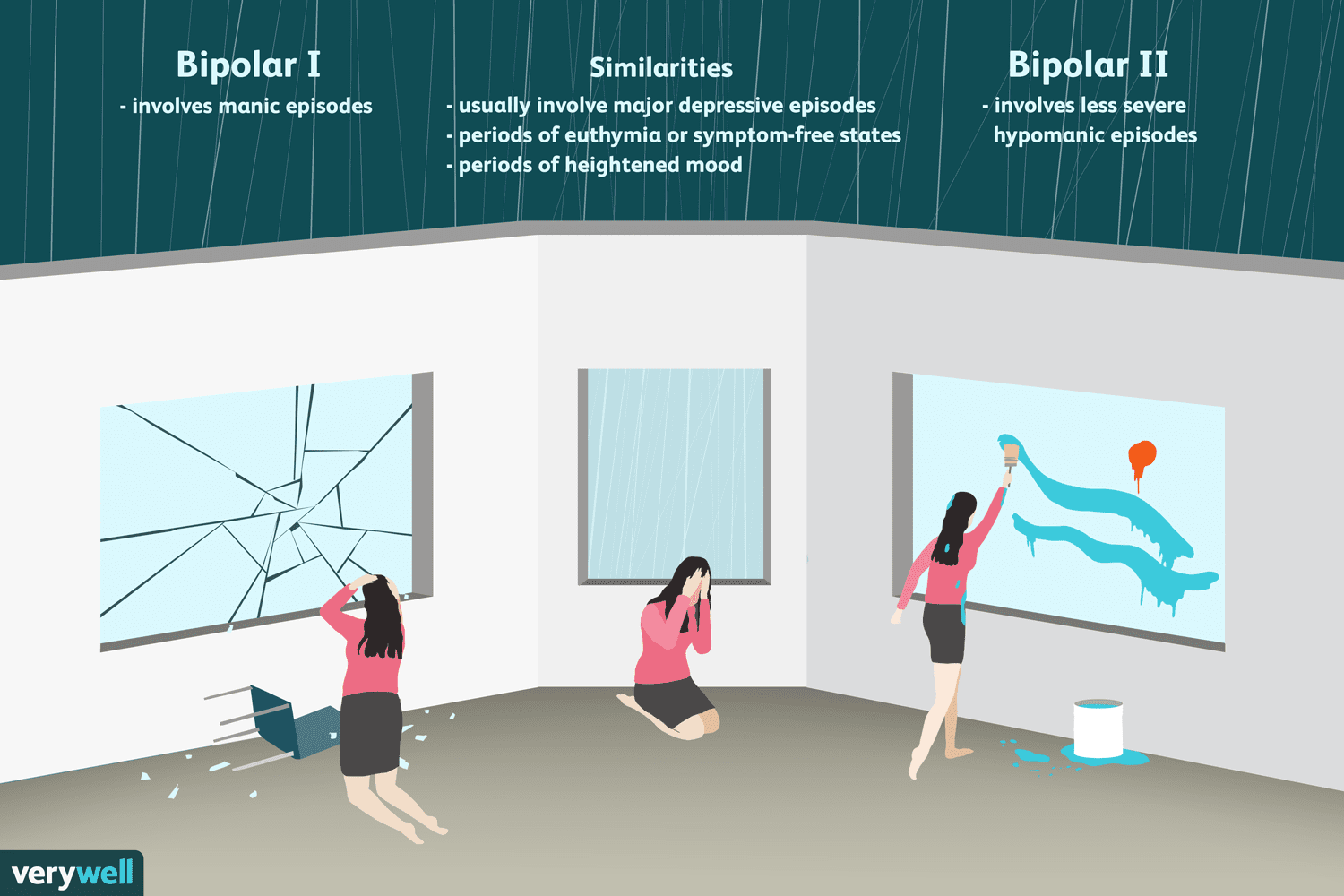
bipolar disorder
mood disorder where one switches between manic (hyperactive) and depressed episodes
bipolar I
most severe form of bipolar
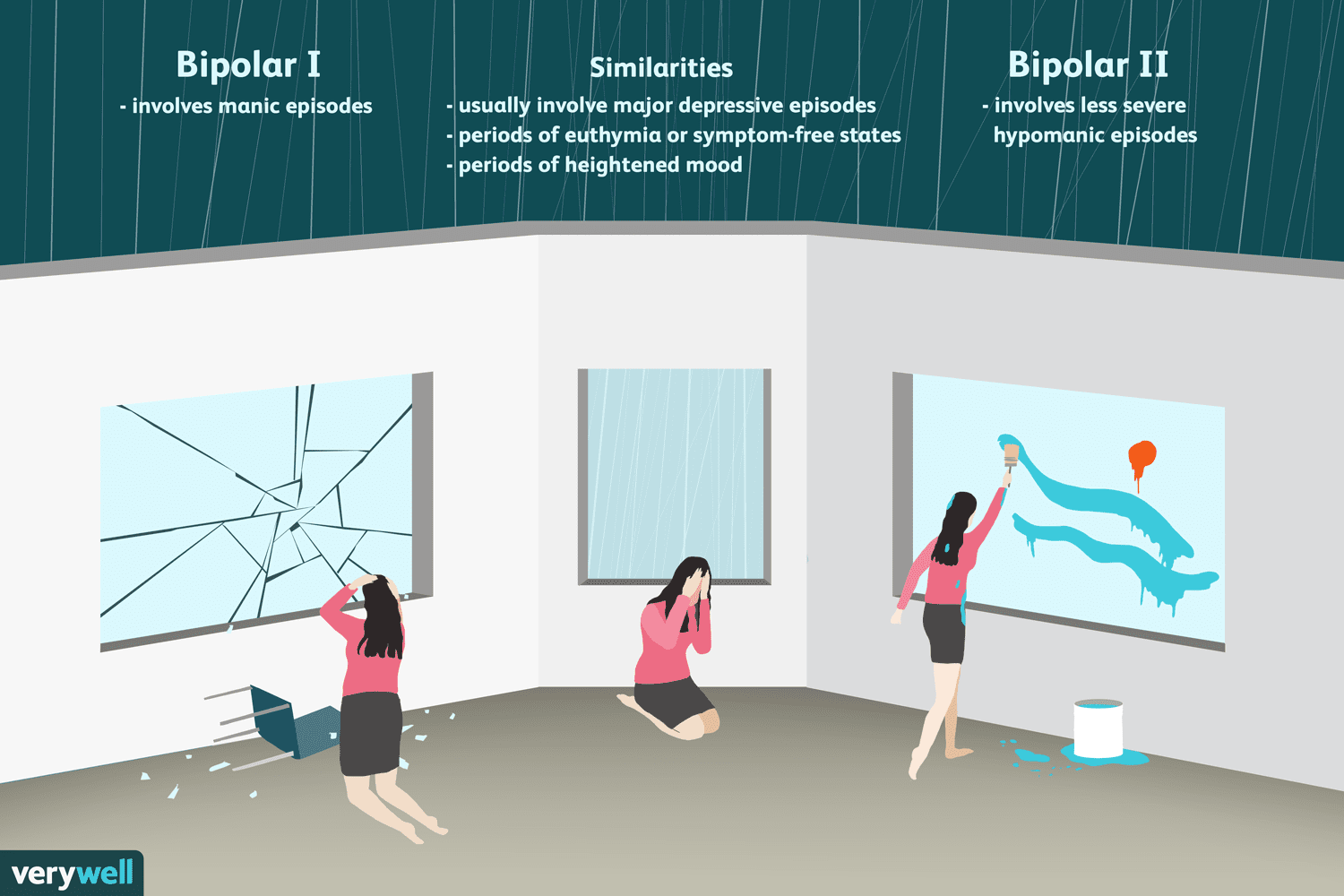
bipolar II
type of bipolar where mania is LESS severe
genes that predict bipolar are also predictive of
creativity

psychotic disorders
characterized by irrational beliefs, distorted perceptions and loss of contact with reality
schizophrenia spectrum disorder
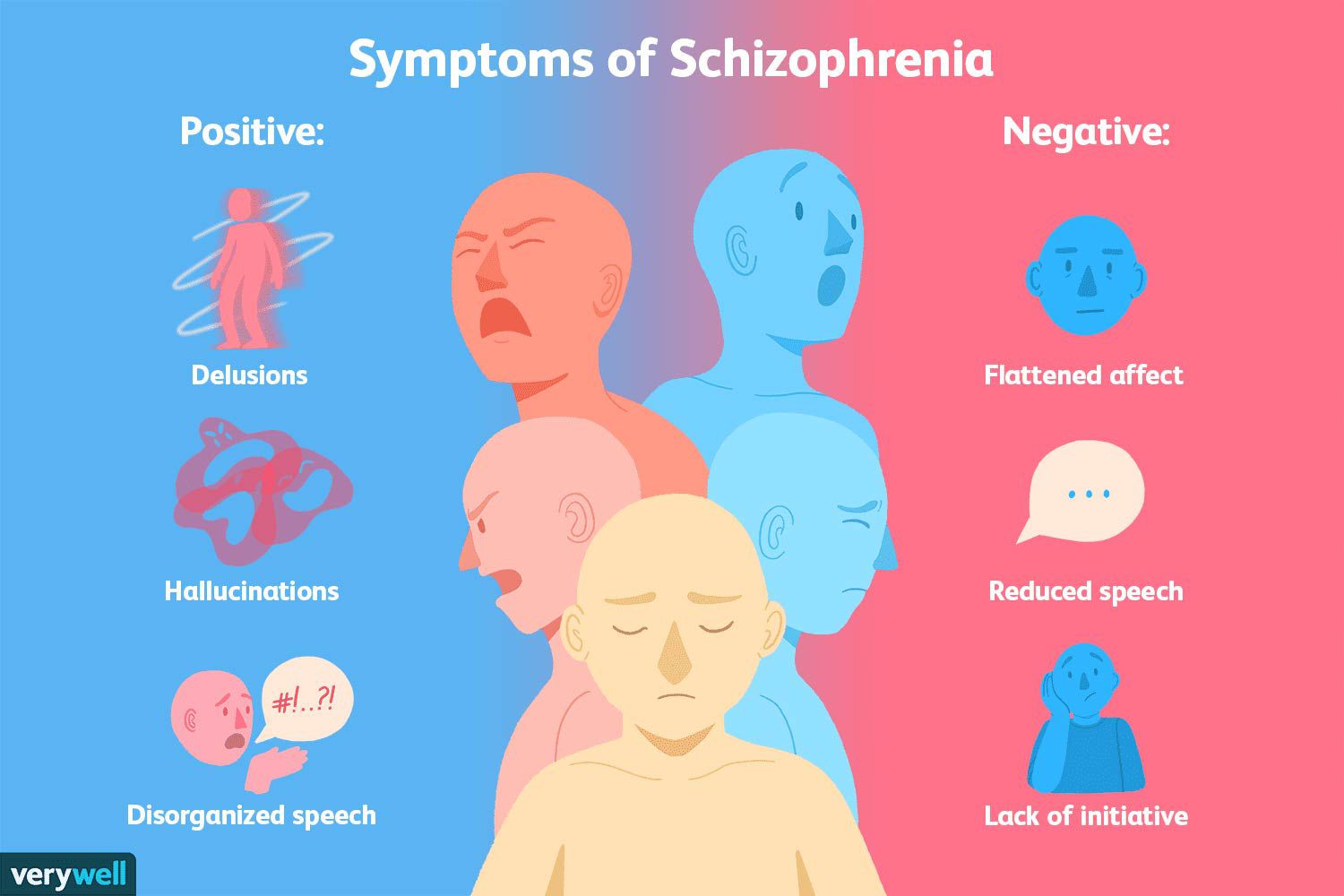
group of disorders where people suffer from delusions, hallucinations, disorganized speech (word salad), and diminshed/inappropriate emotions
acute schizophrenia
well adjusted individual experiences a stressor and QUICKLY develops positive symptoms of schizophrenia, easier recovery
chronic schizophrenia
when disease progresses SLOWLY and people develop both positive and negative symptoms, recovery is doubtful
positive vs negative symptoms
positive: symptoms that are gained/added
negative: abilities that are lost
biological causes of schizophrenia
Excessive dopamine levels. Overactivity in thethalamus and the amygdala. Enlarged ventricles. Smaller corpus callosum, hippocampus and cortex.
we know that environment has a large effect on schizophrenia because of..
twin studies; twins only have disorder if they've shared a placenta
prenatal influences on schizophrenia
famine, viruses, oxygen deprivation
schizophrenia can be triggered by
drug use
dissociative disorders
conscious awareness separates from painful memories and thoughts, identity, perception, body representation and motor control
dissociative fugue
sudden loss of memory accompanied by leaving home and assuming a new identity
dissociative identity disorder (DID)
characterized by exhibiting two or more distinct and alternating personalities
personality disorders
group of disorders with experiences or behavior patterns that differ from cultural norms and expectations, are inflexible
personality cluster a
eccentric and/or odd
personality cluster b
dramatic, emotional and erratic
personality cluster c
anxious or fearful
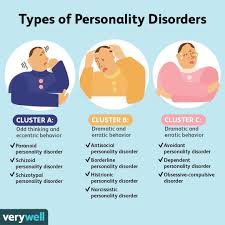
Paranoid Personality Disorder
suspiciousness; distrust of others
Schizoid Personality Disorder
social detachment; limited emotional expression
Schizotypal Personality Disorder
intense social discomfort; distorted cognitions or perceptions; behavioral eccentricity
Antisocial Personality Disorder (ASPD)
a LACK OF CONSCIENCE for wrongdoing, indifference to (and willingness to violate) others' rights, impulsive
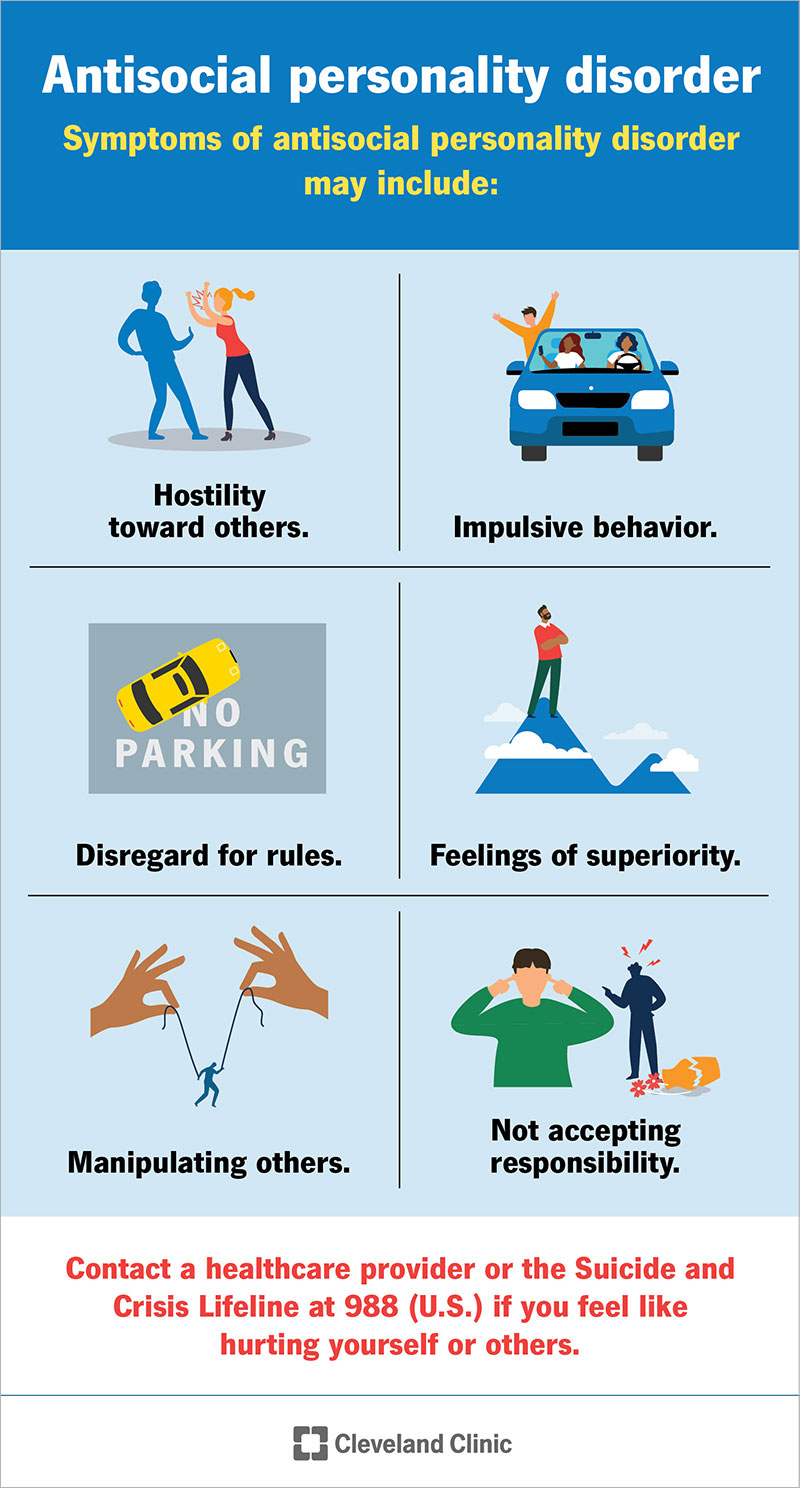
biological causes of antisocial personality disorder
low ANS arousal
Borderline Personality Disorder (BPD)
impulsivity; unstable relationships and self-image
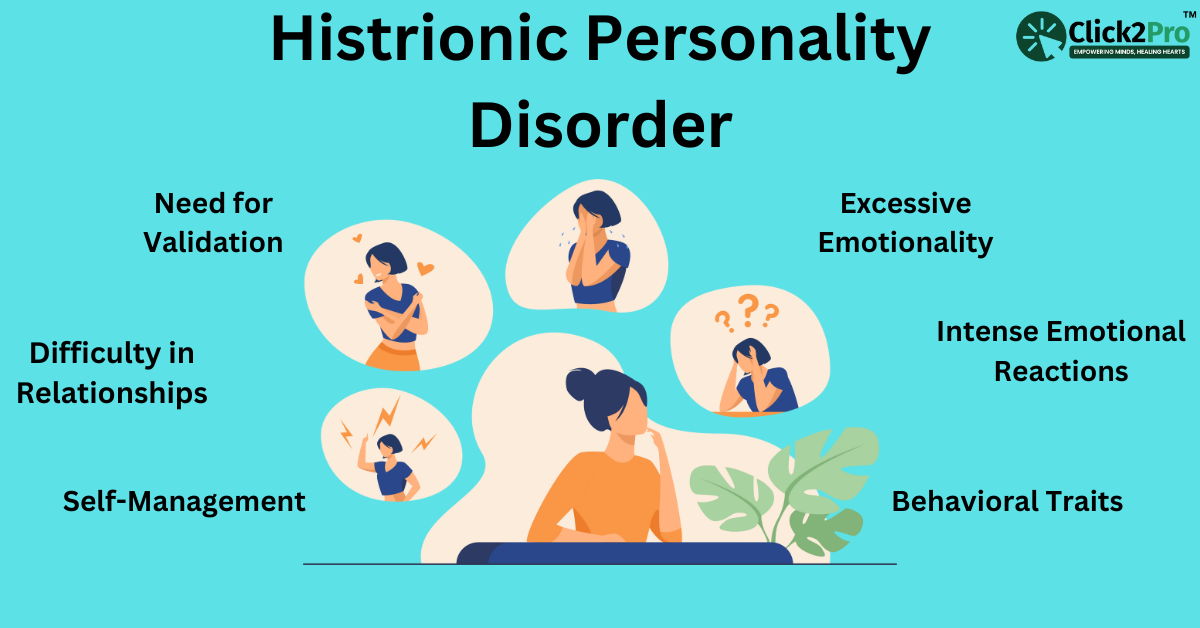
Histronic Personality Disorder
extreme emotional expression; a need for attention
Narcissistic Personality Disorder (NPD)
characterized by a BIG sense of self-importance, deficient empathy, and a need for constant ATTENTION or ADMIRATION
Avoidant Personality Disorder
extremely introverted, overly sensitive to criticism, feeling inadequate
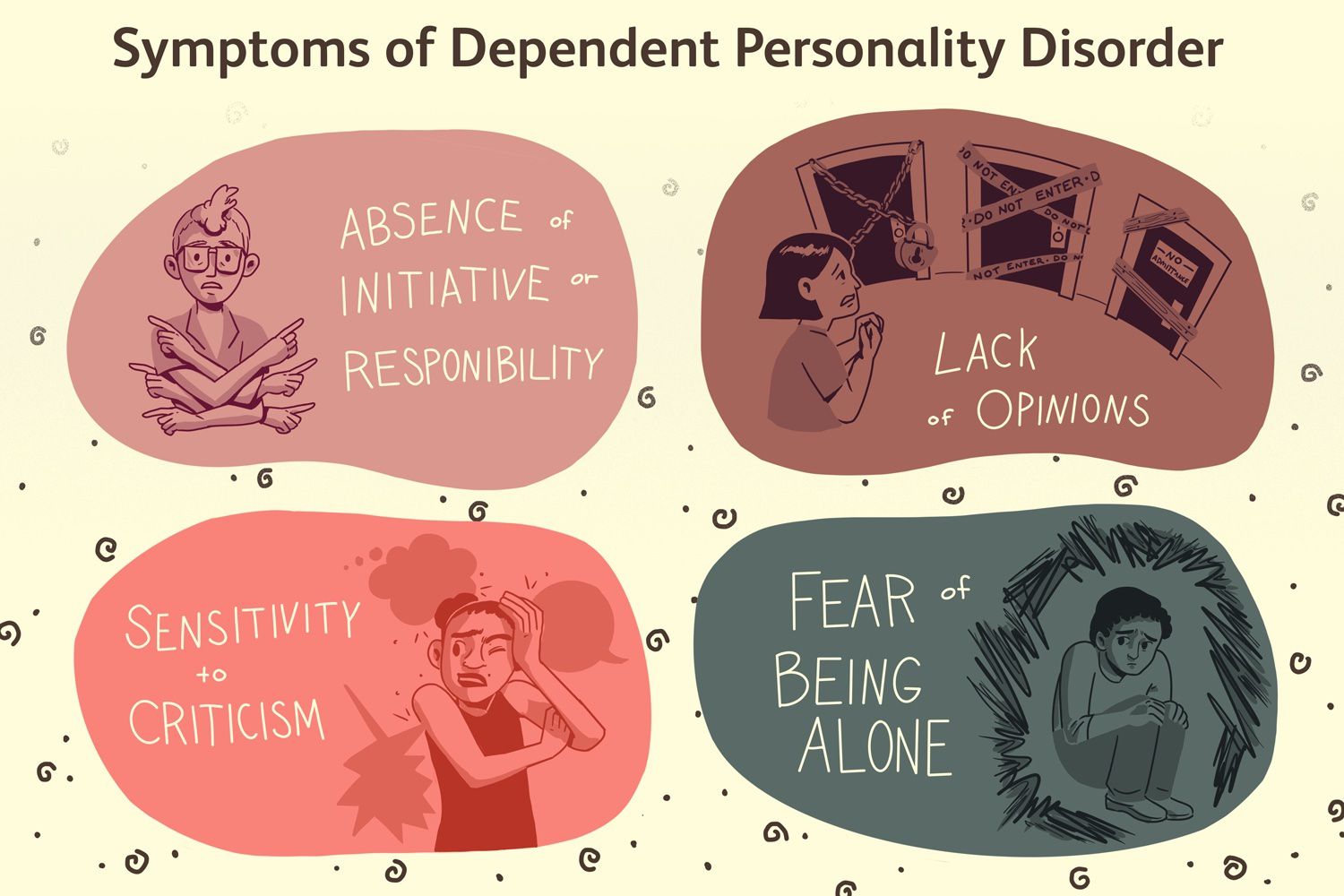
Dependent Personality Disorder (DPD)
excessive need to be taken care of; submissive and clinging behavior
Obsessive-Compulsive Personality Disorder (OCPD)
a personality disorder characterized by preoccupation with orderliness, perfection, and control
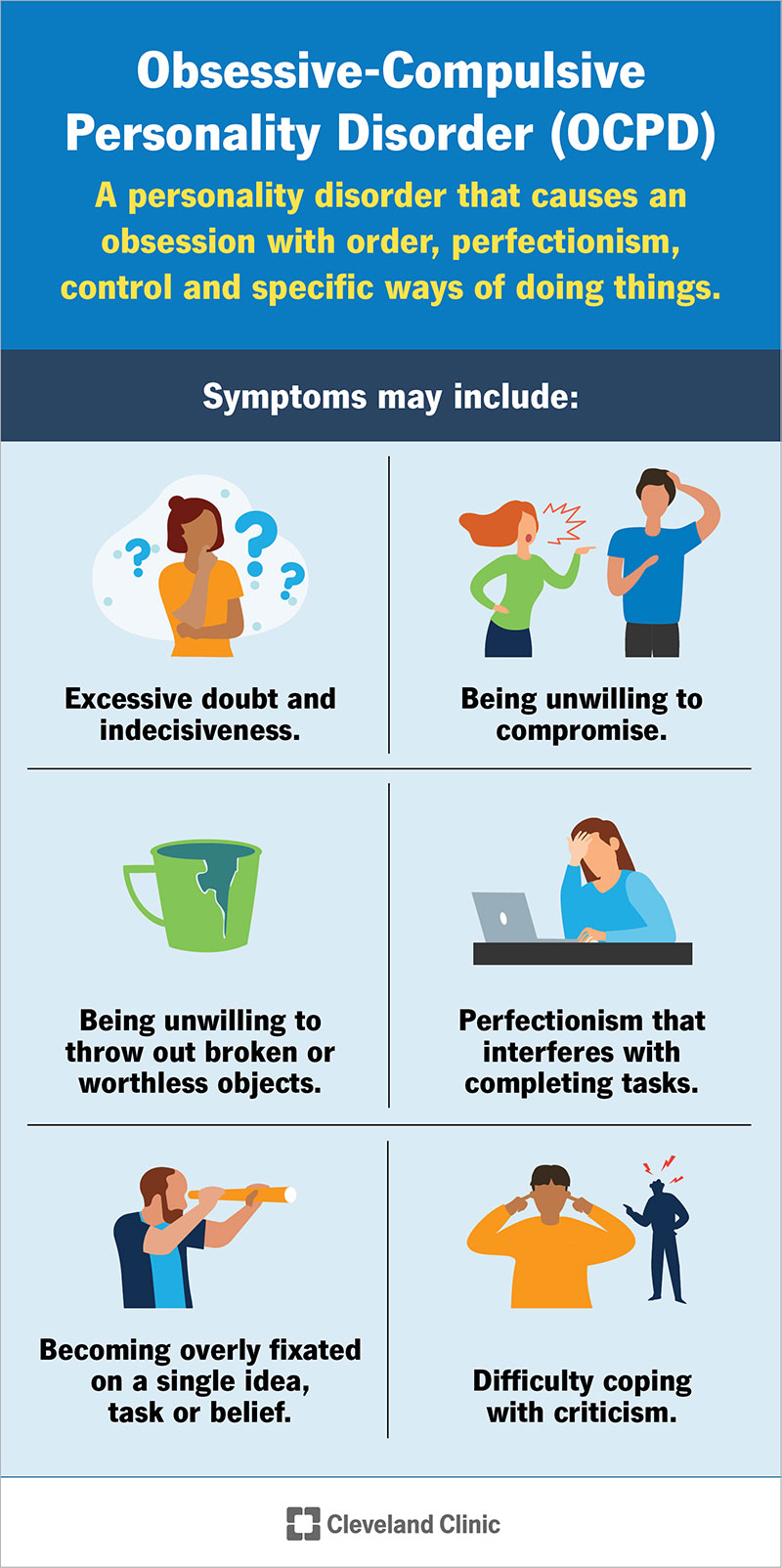
feeding/eating disorders
altered consumption or absorption of food that impairs health or psychological functioning
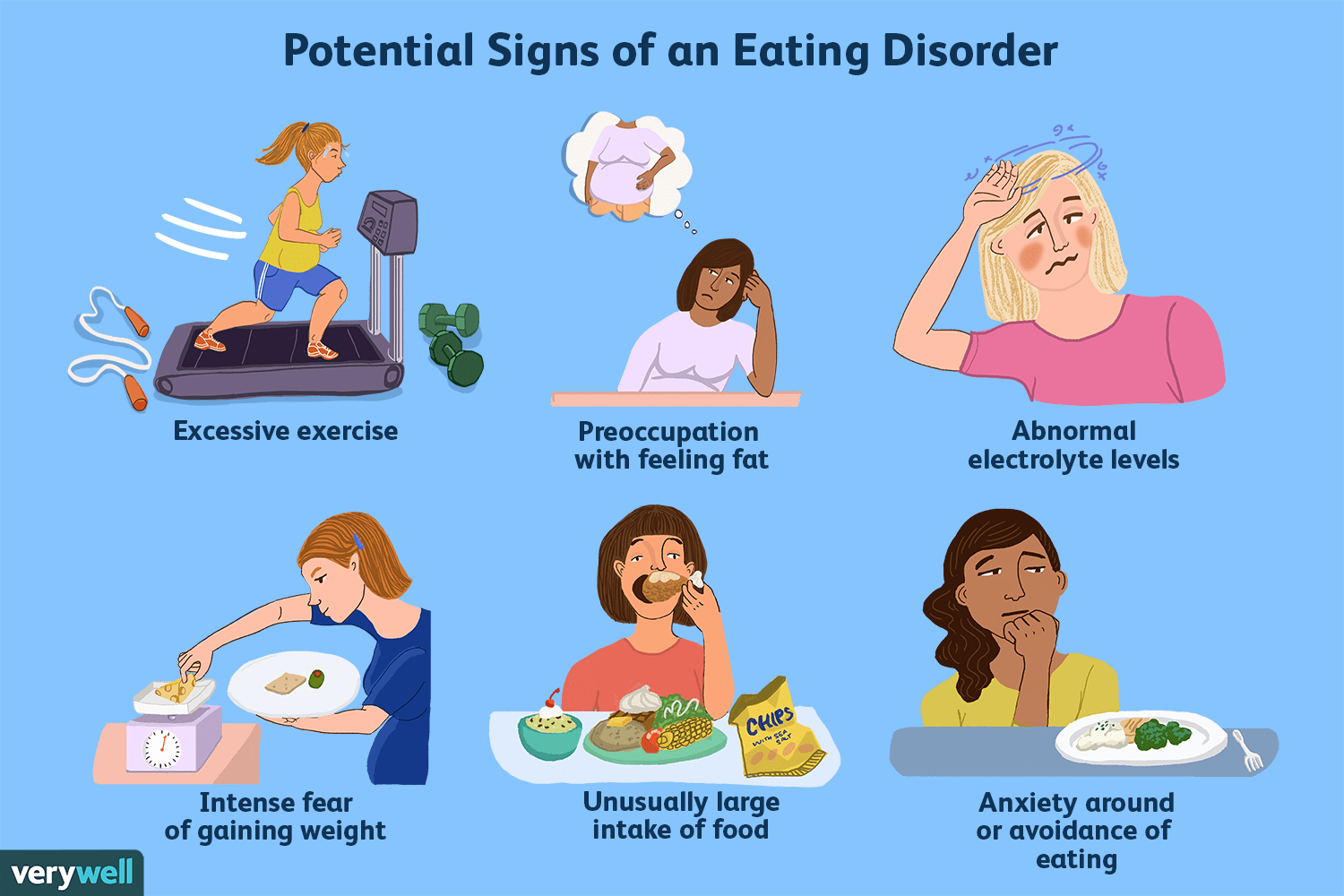
anorexia nervosa
maintaining a starvation diet despite being significantly underweight, inaccurate self perception sometimes accompanied by EXCESSIVE exercise.
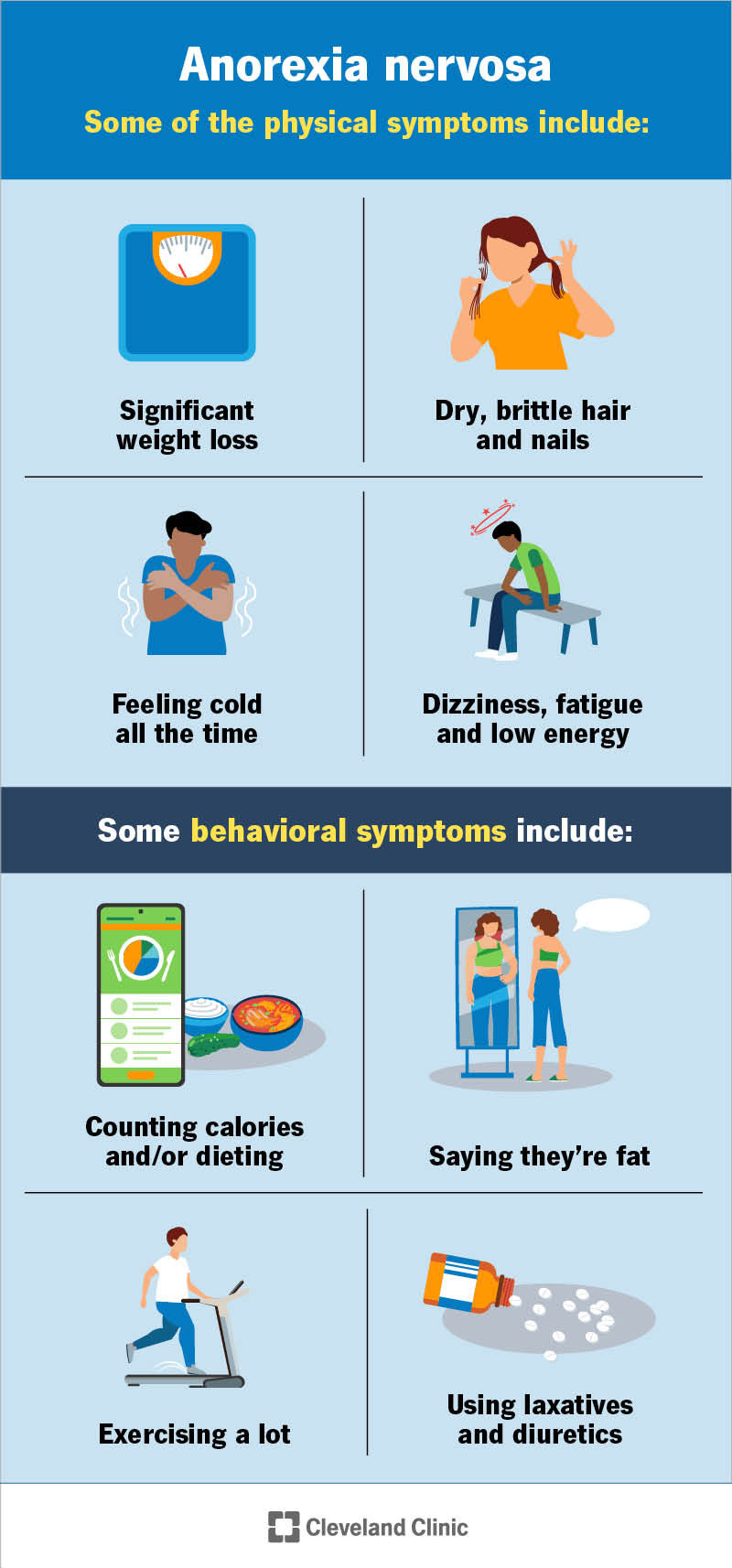
bulimia nervosa
a person's binge eating is followed by inappropriate weight loss (vomiting, laxative use, fasting or excessive exercise)
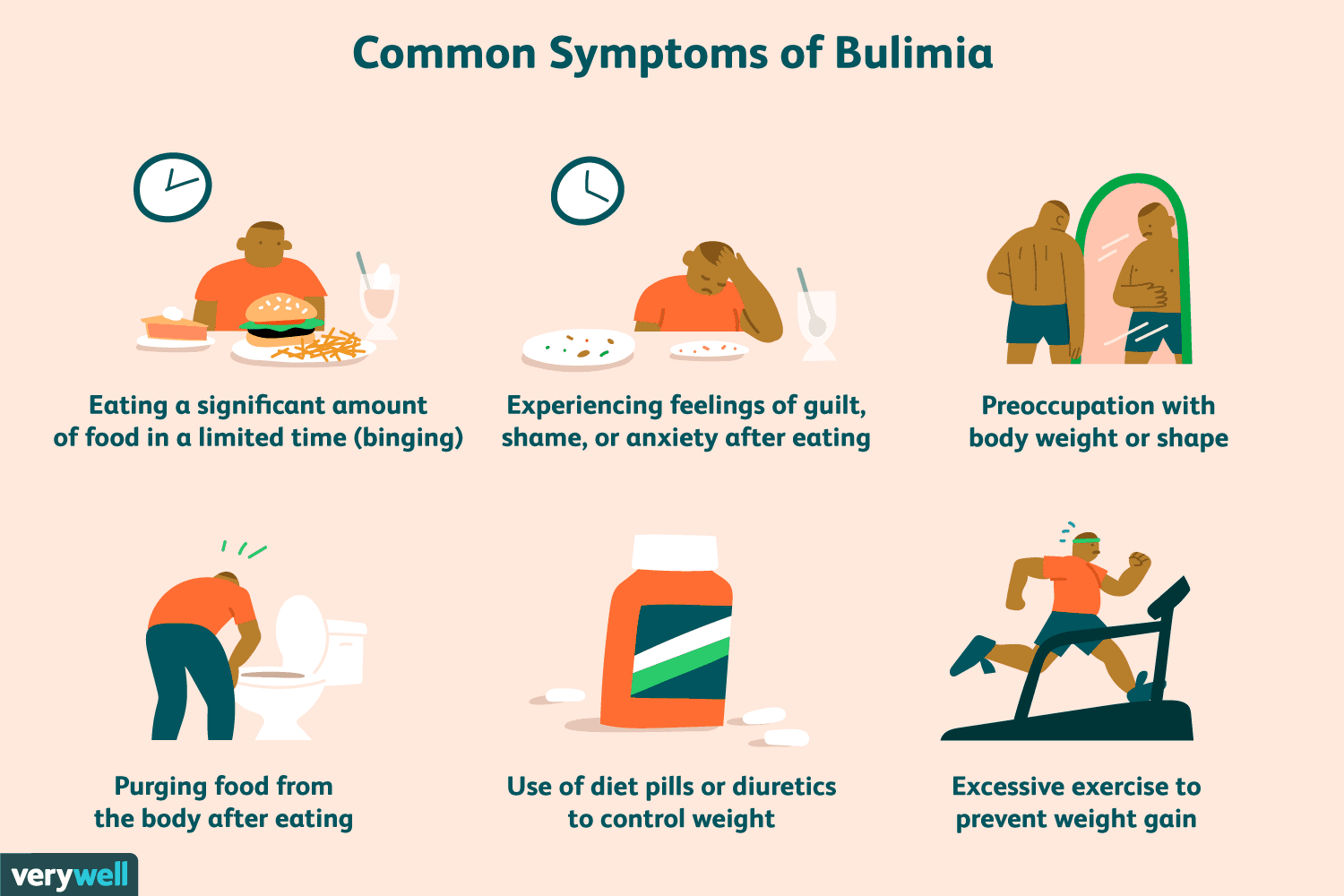
binge eating disorder
significant binge eating with remorse but no exercising or purging
lesser known eating disorders
pica, ARFID, diabulimia
family personality traits in families with eating disorders
competitive, high achieving, and protective
social-cultural influences on eating disorders
media and cultural perceptions of "ideal body shape" contribute to poor body image
neurodevelopmental disorders
central nervous system abnormalities that start in childhood and alter thinking and behavior (intellectual limitations or psychological disorder)
specific learning disorders
Chronic difficulties perceiving and processing information. Treatment is to make adjustments to the learning environment.
ex: dyslexia
motor disorders
extreme clumsiness and stereotyped movement that impair one's ability to communicate, interact with others, or perform necessary tasks (appears from age 5-18)
ex: Tourette's disorder
autism spectrum disorder (ASD)
cognitive and social emotional disorder marked by limitations in social interaction, rigidly fixated interests, and repetitive behaviors
biological factors of autism
genetics, prenatal development (viral infections/drug use), parental age, and underconnectivity in the brain
autism is NOT influenced by
vaccines--1998 study was fradulent
attention-deficit/hyperactivity disorder (ADHD)
extreme inattention, impulsivity and hyperactivity
majority of psychological disorders are
genetic, passed down through family
psychotherapy
the use of psychological techniques to create a relationship between a trained therapist that promotes healing from difficulties and promoting growth
greatest curative factor in therapy
therapeutic alliance
therapeutic alliance
a trusting relationship between a therapist and patient
psychologists/therapists should:
(1) use EVIDENCE BASED interventions to develop treatment plans
(2) develop cultural humility
(3) focus on establishing the therapeutic alliance
creation of psychotropic drugs led to
deinstitutionalization
deinstitutionalization
the discharge of large numbers of patients from long-term institutional care so that they might be treated in community programs
Ethical guidelines for therapists (APA)
Nonmaleficence (no harm)
Fidelity (loyal)
Integrity (honesty)
Respect for people's rights and dignity (confidentiality)
if violated, license can be revoked
Freud's psychoanalytic therapy
Bringing the patients awareness to the repressed feelings from the unconscious mind into the conscious mind. Helps release the energy built up from id-ego-superego conflicts.
free association
a method of exploring the unconscious in which a patient says whatever comes to mind
resistance
conflicts (forms of repression) that block the flow of free associations
interpretations
analyst's ideas about meanings, meant to provide you with insight
transference
unconscious redirection of feelings from one person to another
psychodynamic therapy
Focuses on effects of past relationships and experiences (childhood, parental relations) on mental health. Interpretations used so clients can gain insight into behavior/emotions
interpersonal therapy
variation of psychodynamic therapy that focuses on CURRENT relationships rather than past ones
Carl Rogers' humanistic therapy
attempts to assist clients in reaching their full POTENTIAL through genuineness, acceptance, and empathy
person centered therapy
focuses on taking responsibility for CONSCIOUS feelings and actions in the present and future, therapists listen without judgement or interpretation
active listening
echoing, restating, and seeking clarification and acknowledgement of expressed feelings
behavior therapy
applies learning principles to remove unwanted behavior
counterconditioning
behavior therapy procedure that uses classical conditioning to produce new responses to stimuli that are triggering unwanted behaviors; includes exposure therapies and aversive conditioning
systematic desensitization
therapist conditions relaxation with gradually increasing anxiety producing stimuli
aversive conditioning
therapist attempts to replace a positive response to something that a person should avoid with a negative (aversive) response
operant conditioning
punishments and rewards are used to eliminate unwanted behavior or increase appropriate behavior
token economy
patient gets tokens for desired behavior that can be exchanged for various rewards
cognitive therapy
Assumes that our thinking intervenes between events and our reactions. New and constructive ways of thinking are taught.
rational-emotive behavior therapy (REBT)
a form of psychotherapy that helps you:
(1) identify self-defeating thoughts and feelings
(2) challenge the nature of irrational and unproductive feelings
(3) replace them with healthier, more productive beliefs