H7 Domestic
 Call Kai
 Learn
Learn Practice Test
 Spaced Repetition
 Match
Match Flashcards
 Knowt Play
1/92

There's no tags or description
Looks like no tags are added yet.
Name | Mastery | Learn | Test | Matching | Spaced | Call with Kai |
|---|
No analytics yet
Send a link to your students to track their progress
93 Terms
Society in Tudor England before 1485
Social status dominated society- feudalism
Church very powerful- controlled people through preaching God’s will
Great Chain of Being accepted
Parliament drawn from the gentry- passed laws, raised taxations
Structure of the feudal system
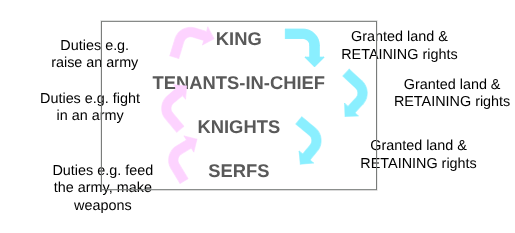
Society pre-Henners 7
V. small population kept low by disease/infant mortality
Largely agricultural
Feudal system- weakened by bastard feudalism
Catholic- lot of land belonged to Church, landscape dominated by religious buildings- wealth & power
France enemy, allied w. Scotland- Auld Alliance against England
STRENGTHS of Henry as a potential king
Faced change & unpredictability during childhood- separated from mother, fled to France
Experienced growing up in court in Brittany- knowledgeable in functions, observation of court politics
Leanred about caution, control & order
French support for 1485 invasion against R3
Small, trusted circle & good relationship with MB
(MB and Jasper)
MB married x3- marriage to Lord Stanley
Intelligent, tactical, pious- played part in conspiracies against R3, direct route to H7’s ear
Jasper Tudor- Earl of Pembroke- influential member of H6 court, stayed with Henry throughout Brittany- made Duke of Bedford- political role model
WEAKNESS of Henry as a potential king
weak claim to the throne- didn’t expect to be monarch
No assertive claim against contenders- paranoia
Less knowledge of kingship
Henry’s royal blood- claim evaluation
John of Gaunt- Edward III son (also all other Henries)
Claim made stronger because H5 and H6 died, strongest Lancastrian
NOT direct or unchallengeable
NOT clear and obvious descent
Other people had stronger claims
1483-84
83- set sail for England, wanted to take advantage of Buckingham rebellion & instability- poor weather returned to Brittany
84- Duke and R3 deal- exile to France
Bosworth- events
Bosworth —> London
Proclaimed king, declared reign started 21st August so R3’s men traitors
awarded 11 knighthoods immediately at Bosworth- decisive leadership
Act of Attainder- seizing land of ppl. who fought against him, imprison all those
Slow journey to London, appointing Privy Council- close family, friends, advisors & supporters
slow journey gained support from the public
Coronation
29/10- public procession into Westminster Hall, showing himself to the people
30th October 1485
Grand and prudent- public image but not wasting money, shopped for best
Careful following of traditon- not appearing extremely unorthodox
Papal Bull- right to throne in God’s eyes
Parliament
Before for approval and after coronation so people can’t claim parliamentary interfence
Declaration of the King’s title- confirming right to be king
Act of Resumption- reclaiming all H6 lands before WOTR
Repeal Titulus Regulus claiming R3 right to throne
Pardon some Yorkists but keep them close at court to keep an eye on them
Marriage to Elizabeth of York
Sought papal dispensation (distant cousins)
Uniting York and Lancaster- subdueing factionalism
Delayed until after coronation- attending to business before marrying
Eldest daughter of a kibg, well educated- beautiful on coronation increased support
Propaganda
Tudor Rose- uniting 2 houses, sign of unity and prosperty after years of chaos
Arthur and in WInchester- ancient, mythical respected- patriotism, other son named after H6 Lancastrian heritage, martyred king- reputability
Welsh dragon banner and associations with Cadwaladr, ancient heritage
What were Henry VII’s aims?
Defend throne from threats
Secure future of dynasty- male heirs & stable marriages
Exploit available income to crown to cover costs of government
Maintain acceptable public order
Provide justice through enforcing existing laws and creating new legislation
Gain/retain the support of the chruch
Lovell causes and events
CAUSES
Feb 1486- Henry led nobles to the North to show authority + deal with rebels
March- heard of old R3 supporters forming a condpiracy- Francis Lovell- attainted old confidante of R3- led rebellion with Sir Stafford, thought nothing to lose
Motivated by loyalty to Richard and fear of losing local power
EVENTS
Spring 1486- Lovell attempted to raise support in N, Staffords in West Midlands- thought 2 threats at once, aimed to seize York
Lack of support from Northern families, little local support- seen as too self interested, no foreign aid
RESPONSE- quick, marched towards York, joined by Northumberland and some Richard Yorkshire knights
Arrived in York 20/4, then went to Nottingham
Commissioners seized Safford brothers whoo sought sanctuary, dragged and H executed- all rebels fled or pardoned- little loyalty
Lovell rebellion- consequences
Showed possibility of unrest against Henry- inspiration due to rumours E of Warwick would join Lovell
Quick response coordinated against L- H dominant, demonstrating strength
What constitues a threatening rebellion?
Number of participants
Challenge posed to the throne
Level of force
Foreign support
Geographical focus/ safety of London
Aims of rebels
Good leadership/ unifying figurehead
Timing
Henry’s response
Simnel causes and events
CAUSES/SUPPORTERS
John de la Pole (Lincoln) (or Richard Symonds)- Yorkist leader, nephew of R3, successor
Edward Earl of Warwick leading Yorkist claimant, arrested by Henry and was in the Tower, hadn’t been seen +1y
Margaret of Burgundy- sister of Yorkist kings- personal + political motivations- outraged by brother usurped, trading rights removed
Burgundy + York good trading relations, H allied with France, B enemies
EVENTS
Margaret sheltered Lovell, acknowledged Simnel as her nephew Warwick, raised 2,000 mercenaries to set sail April 1487
Jan 1487 SImnel lands in Dublin- Lord Deputy Kildare acceoted him, crowned Edward VI
RESPONSE- not idle- Dec ‘86 summoned Great Council taking action against conspirators
Simnel in Lancashire- Henry went with troops
Simnel received little support in north Yorkshire, ev3n tho R3- speed march few troops raised
16 June- 8,000 vs 12,000 men- heavy defeat
Simnel consequences
dominated Henry’s government for months 1487
Lincoln killed, Lovell soon died
Simnel captured, later became falconer
Henry received loyalty oaths and fined offfenders
only 28 attainders, less land to reward supporters, contrasting R3
Had to retain Kildare- BUT lenience causes peace
Lovell vs. Simnel
SIMILARITIES
lacking local support, weakened
led by Yorkists aiming to depose monarcg
Fairly unrealistic goals
Undermining Henry
DIFFERENCES
Lovell- no foreign support
Simnel- unifying figurehead
Henry needed a longer response for Simnel BUT both quick
What problems did Henry face in 1485?
nobles- power & wealth threatening crown
uneven Crown control- stronger where densely populated, S&E
Lack of developed local administration
Poor crown finances (largely a result of continuous war)
Henry VII’s court and household
Heavily relied- centre of government- magbificent, generous
Influenced by continental examples, focys of a personal monarchy, could demonstrate power of the monarch- people could become rewarded and well connected
Quarters became closer and more trusted closer to the bedchamber e.g. Privy Chamber- intimate, Henry cut off many traditional contacts
What is a personal monarchy?
Political power of an indiviudal depended on personal relationship with monarch
Power = access to king, much harder for nobility when Henry so private
Henry’s Counsel/Council
Advise king, administer the realm, make legal judgements
working Council small- 6/7 (but 227 in reign)
Members of the nobility, churchmen e.g. John Morton (legal training, great administration), layman skilled administrators e.g. Reginald Bray
Permanent body
(Great Council = House of Lords, only met x5, usually war/rebellion)
John Morton and Reginald Bray
JM- skilled churchman and lawyer, worked against R3, Archbishop of Canterbury under H7
RB longtime faithful servant of H7, helped with funds b4 Bosworth, “king’s chief executive”- v. powerful
Parliament
pass laws and grant taxation- not central
Only called 7 parliaments, 5 were in first 10 years
Early parliaments largely national security + revenue, first 2 lots AoAttainder
Final parliament limited demand for extraordinary revenue, king couldn’t seek more
Operated effectively, limited interference from Henry
Counsel Learned in the Law
Developed in second hald of reign, initially under Bray
maintained revenue and exploited prerogative rights
entrapped subjects through bonds & recognizances
“Shady”- not recognised court of law- fear & anger
Empson- bureaucrat, ruthless approach- joined by Dudley
Extracrion of funds, creating enemies- unpopular financial control
Counsel for Outlying regions
set up councils e.g. for the North, Wales- Earl of Surrey Southern, causes discontent
To what extent did Henry change governance?
wasn’t innovative, developed existing institutions and relationships from EIV
Nobles local agents to transmit royal authority
Increasingly managed oiwn finanxes, crown lands, feudal dues
Emphasis on dignity of monarch
bypassed the elites- held governing classes at a distances, focused on accumulating income to avoid dependence
JPs
Role/ position of the nobility
prioritised taming overpowerful nobility (success- peaceful succession of H8)
15th century- provided troops, keeping law and order, solving problems
Military role- had the power to alter the system of power if wanted e.g H6 increased local influence, also increasing volatility of WotR
Could exploit power. shifting loyalties (needed for Bosworth)
Henry’s noble aims and attitudes
needed to maintain relationships but curb ambition
decisive victory at Bosworth, few nobles had actively participated so probs wanted new king
several Bosworth deaths = children as heads of fam, also Henry no close male relatives as opposition
JdlP- Lincoln killed
Edmund dlP- took a demotion to earl of Suffolk, 1501 fled to Burgundy
Warwick- remained in tower executed 1499
Surrey- imprisoned + attainted then 1489 order in the North- close watch
Carroting the nobles
Patronage- incentive for loyal serice, only came after e.g. Jasper Tudor Dule of Bedford, Edmund Dudley became right-hand man, forming close alliances, RB land +18 counties, over £1000 a year
Order of the Garter- closest servants- created 37 e.g. Robert Willoughby- gave prestige but no power- couldn’t damage H7
King’s Council- loyalty to trusted servants reaping rewards e.g. John Morton
Great Council- meetings of noblemen and gaining support- involving people in decisions so he can transfer blame- didn’t have to fully trust nobles
Sticking the nobles
Acts of Attainder- not a new policy- loss of rigjt to possess or inheriy land- reversible for good behaviour- incentive for loyalty bc people don’t feel they have nothing to lose- living in servitude e.g. Howard attainted 1486, Eal of Surrey 1489
Bonds and recognisances- BONDS= written agreements promising to pay a sum of money if people carry out promises, RECOGNISANCES= formal acknowledgement of a debt or obligation, pay money if not met- Thomas Grey- 36/62 noble families vs 1 in \yorkist
Feudal dues- asserting control over fedual system- profits from wardship and marriage- Duke of Buckingham fined £7,000 in 1498 for inheriting b4 21
Retaining- noble practice of recruiting gentry followers- limited by h- 1504 special liscences needed to retain- penalty of £5 a month per illegal retainer
Crown lands- x5 larger than h6
The Willoughby de Brokes
Robert fought with Henry- Augst 1485 seat in King’s COuncil, became JP for Devon, Cornwall, DOrset + WIlthsire, steward for Warwick + Salisbury lands- respecr for long term allies- immense power to a few infividuals- left chasms when they died
Distrust —> parzanoia e.g. 1495 Stanley treasin, paranoia- Robert II- focus of crown scrutiny- 1502 vorced to pay large fines, 1505 brought to CliL to prove claim to manors, lost- driven to near bankruptcy
merciless, finances used as piwer, seemed greedy to the public
Henry & solvency
Expenditure less than annual income
H7 inherited bankrupt throne- couldn’t afford coronation, marriage, defeating Lovell
Wanted power through a secure financial base to control nobility and protect succession
Funded ordinary + extraordinary income, centralised power, ensured disxipline
Assistants were hated e.g. Edward Belknap collected £7000 in 7 months
Anxiety + wisdom —> avarice- maintained majestic appearance but had spent youth as a penniless exile
Henry’s financial systems
Exchequer system-ran royal finances by employing its own officials- allowed finaces to run when Henry had a lack of financial experience at the start of his reign- shifted from 1493- slow + inefficient
Chamber system- financial management part of the royal househld, direct supervision, throrough investigation- increased revenue bc. workers took a bond, closest most trusted servants = most important roles
Henry and royal finances
increasingly avaricious bc paranoid- wise + prudent- small amounts leisure
maintaining royal image- intellogent- royalty, majesty, honour
Gave gifts to everyday people
Unpopular by end of reign, extracting however possible
Henry domestic success- royal finances
Chamber system- increasing financial competence
Finance as a tool for power- controlling the nobles, bonds and recognisances
Finance decreased popularity- Empson and Dudley, Council Learned in Law
Sources of income- ordinary e.g. crown lands, fedual dues + extraordinary e,g, grants
Henry domestic success- justice/maintaining order
Largely maintained- increased regional control- JPs, Council for Outlying regions
Threatened- rebellion SImnel + Lovell- swiftly put down- general support
Maintaining contrrol over nobles- power broken down, attainted- close network, X bastard feudalism
Henry domestic success- councils + courts
Councils- increased control- Great Council- implicated nobles
Privy Council, Couuncil Learned in Law BUT popularity waning
Churhc/local/king/county courts- enforcing judicial system
What are sumptuary laws?
(Unenforceable) laws attemting to regulate how individuals dressed based on their class to prevents commoners impersonating noblemen
What is peerage?
Duke/marquis/earl/viscount/baron- aristocracy, considerable power in localities, members of House of Lords
50-60 during H7- dominated landownsership
Not a closed caste- families often died out + replaced based on king’s favour
relied on peerage for maintaining order in the countryside
Henry reluctant to create new titles- deep distrust of nobility
Earl of Oxford + Baron Daubeney + Northumberland
Oxford- John de Vere- most trusted military commander- led troops at Bosworth + Stoke- political influence
Giles Daubeney- origianlly Yorkist, rebelled 1483- fled to Brittany with Henners- led Crown forces in Cornwall 1497- 1495 succeeded William Stanley as Lord Chamberlain
Earl of Northumberland- Henry didn’t trust despite his betrayal of R3 at Bosworth- controlled northeast England on behalf of the Crown
Bastard feudalism
(Retaining)- recuruiting knights + gentlemen to serve as administrators/ accountants- could unlawfully influence court cases/ be used against the Crown
BUT loyal retainers were needed for Crown security
1504 Act- only the king could grant lucsenses for retaining- only lasted the king’s liufetimes
Lord Bergavenny fined 100,000 in 1507 but paid 1,000 + then pardoned
The gentry
greater gentry= immeditaley below peerage- often sought knighthoods to confirm their social status e.g. reginald Bray
1490- 375 knights- no military obligations but administration of local authorities
Peers + knights- 15-20% of land
Esquires/’mere gentry’- esquires usually eldest sons of knights + younger sons of barons etc.
Gentry not a fixed caste but possessed considerable prestige, income, dominated local office
lesser gentry- in common with yeomanry- far more modest living- local social horizons
Churchmen
Church a huge landowner- varied social status of clergy
Bishops + abbots in House of Lords, often political roles
Henry governed Church- only appointed men with legal training as bishops e.g. John Morton- valued administration over spirituality- reluctant to appoint aristocrats
Richard Fox
sevred Henners since exile
1487- bishop of Exeter
Bishop of Bath & Wells, Durham, WInchester, managed Crown transition to H8
Commoners
Top = ‘middling sort"‘- small number of educated professionals e.g. lawyers, wealthy merchants
Shopkeepers + skilled tradesmen- artisans- still respected- dominated borough corporations
Countryside middling sort = yeomen farmers- farmed substantial properties for sophistucated market economy- emerging social group- drop in land values after Black Death- “peasant aristocracy”
Knight : landowner ratio
1 knight : 10 ‘gentlemen’ landowners
Regional divisions
75% of population below line of agricultural difference- S+E= mixed farming- more densely populated e/g/N+Sfolk and Kent
N + W- sparsely populated- pastoral farming- sheep, cattle, horses- some exceptions
People aware of reguonal differences- Londoners saw northerners as savage, North envious of southern wealth
Regional identities due to government structures- more county-level justice e/g. county towns with jails + major churches
Still a greater sense of single identity than b4
What are the two types of rebellion?
Political leaders attempting to seize the throne
Mass demonstrations- air grievances + force change
Who was Perkin Warbeck?
Young Flemish boy impersonating Richard Duke of York, son of E4
ABle to attract patronage from foreign rulers + Yorkists
Polydore Vergil- “many important men… considered the matter genuine”- even if not actually believed, gave PW support to try and usurp H7
Henry and Perkin: Cat and Mouse
1491- Tournai → Ireland- very handsome- Kildare refuses to give backing + Henry dispatches troops
1492- Ireland → France- C8 welcomes him- Treaty of Etaples- only about 100 supporters
1493- France → Burgundy- MoB tutors him in ways of Yorkist court- Trade Embargo
1493- Burgundy→ Maximilian court- names M as his heir
1494- Henry discovers conspirators in government
1495- William Stanley executed
1495- Warbeck tries to land at deal- flees to Ireland, supported by Earl of Desmond, driven out- Poynings
1495- Ireland → Scotland- welcomed by J4- pension + Catherine Gordon
1496- unsuccessful invasion- Ayton Truce, kicked out
1497- Scotland → Ireland- rejected
1497- Scotland → Cornwall- received little support, arrested
1498-9- Tower of London, executed
Categorise how Henry stopped Perks
Extending network of informers- able to stop William Stanley joining up with Perks
Declaring war- 1496- war against Scotland- diverted these troops to Cornwall in 1497 b4 PW joined
Strengthening Tudor control- new laws for government in Ireland, strengthening northern local militia
Effective diplomacy- treaties and embargo
Ways Perkin was a threat
Shapes large part of foreign policy- reactive, needed foreign military support- powerful support e.g. MoB
Lasted 8 years
Claimed he would lower taxes and end war with Scotland- appeal + believable story, legitimacy w. J4
Cost Henry over £13,000- (=6.4 mill)
Scotland provided 1500 troops, rode alongside Warbeck
Attracted Irish interest (largely confined to Cork)
Attracted loyal Henry support- Stanley + Fitzwalter- some foreign + domestic belief that Henry vulnerable
Cornwall- attracted 6000 supporters (not noble- miners/farmers)
Political/somewhat dynastic threat
Ways Perks was NOT a threat
Poorly organised- 4 failures- 1496 England 2 daqys, 1495 Deal trap
No widespread/ significant local English support
Henry quickly + tactically co-ordinated responses
No foreign ADEQUATE support- continually limited
Limited former Yorkist support- 1495 De Facto Act saying service to Yorkist kings not treasom
Overall judgement/ Richter scale of Perki Warbs
Henry had to actively work to assert his power in order to diminish threat- undermined authority
Troops raised, government needed to supress BUT military NO threat- political support didn’t manifest into physical
6.5/10
Perkin vs. Lambert: Who was more threatening?
LAMBERT:
Henry more vulnerable on throne, posed less of a threat
Greater domestic support- also facilitated by Irish support
Climate of political instability
Invasion + Battle of Stoke
PERKIN:
Both L + poorly organised troops
H7 couldn’t disprove Duke of York
undermined Henry’s authority on global stage- domino effect of greater discontent e.g. Scotland → Cornwall rebellion
Infilitrated Henry’s government- minimising loyalty to Hen
More of a long-term threat but in some ways benefited Henry
Yorkshire Rebellion: Causes + events
1489- economic rebellion
Yorkshire poor, recent bad harvests- not threatened security by the French
Earl of Northumberland sent to raise Subsidy Tax for war against France- murdered
Murder most likely due to resentment of taxation- retainers allowed it by deserting him- punishment for deserting R3
Initially protest against taxes led by local gentry, never more than gathering of large crowds
Henry sent large army North under EoSurrey- rebels quickly dispersed
Yorkshire Rebellion: Consequences + threat
Henry fear of another Yorkist plot rather than genuine anger at taxation- Egremont a Yorkist sympathiser
Minimal threat, less directly against Henry than Northumberland
Cornish Rebellion: Causes
1497- economic- poor county, fiercely independent own language + parliament
resentment at paying tax for war with Scotland
coinciding with Warbeck- greater threat
Cornish Rebellion: Events
Breaks out Penryn in May, joined by Audley in Taunton
Lord Audley, lawyer Thomas Flamank + Michael the Blacksmith- raised local support, marched to London via Guildford + WInchester- 15,000-40,000
Troops bigger than diverted royal army from Scotland
Complained against “evil counsellors” Morton & Bray- blamed for taxation
Henry played for time- rebels began collapsing, returned to Cornwall after lack of support in Kent
14 June- met at Blackheath- 25,000 men, rebels had lost 1,000- Michael, Thomas + Audley executed- other rebels treated with leniency
Cornish Rebellion: Consequences + threat
THREATENING
Gained support of nobility in south-western counties for lack of wide good treatment to nobility
Succeeded in aims of no taxes collected Yo/Corn
Limited support Devon, strength Somerset
Encapsulated all social classes- determination + skill
PW tried to exploit situation
Successful tactics- 10,000 reached Blackheath- more threatening bc. H preoccupied w. Perks
Henry limited control in far regions
NOT THREATENING/ SUCCESS
Confused aim- marching on London H7 could claim they were trying to overthrow
Resulted in Henry diplomacy with Scotland, cautious about future conflict
Neither directly agaionst Henry- against advisors- not undermining authority too highly
Henry’s domestic economy
more regionalised, agragrian- 9/10 lived from the land
Cloth indusry- 30,000 employed (1.3% of pop.) full-time
Part-time work- cottage industry
Cloth indutry isnignificant to national economy vs. agriculture- harvest fundamental
‘Normal’ decade 1 in 4 harvest deficient, 1 in 6 very bad- violent price fluctuations- volatile, instability
Population at star of 15th- 2.2 million- majority countryside, relying on some form of farming
Max. 20 towns 3000+ people- Norwich 10,000- urban areas wool + cloth
Henry no set economic policy
Agriculture/ the agrarian economy
move towards sheep farming insread of arable- demand for wool as trade developed and population grew
Increased efficiency and profitability meant peasants lost access to land as common rights- destitution- more widespread first hald 16th century
Lowland + Highland zone- 75% lowland- mixed farmung
Grain areas- open-field husbandry- manor estate, strips of lands w. common rights- threatened increasingly by enclosure
No significant change 1485-1509
The cloth trade
90% of value of English exports- flourished last quarter 15th
H7 reign- increase ≈ 60% volume cloth exports
Shift from Merchants of the Staple shipping raw wool to finished cloth- development of ways to supplement agrarian income- weaving/dyeing
Prosperous cloth towns e.g. Lewes vs. decay of historic towns e.g. Winchester when industry moving to newer, smaller manufacturing centres
Merchant Adventurers exporting finished cloth- London commercial dominance, commercial axis with Antwerp
Merchant Adventurers powerful- voice of the industry, negotiation on trade treaties BUT couldn’t overcome privileges of Hanseatic League- sacrificing English commerical imterests for overreactive foreign policy
Other industries
other industries couldn’t compete with Europe e.g. German metallurgy, Spanish shipbuilding
most industry small-scale for basic necessities of life e.g. weaving, brewing
Mining- more capital investment but small-scale- Kent 1496 blast furnace for Iron
Coal in Newcastle- growing demand for fuel
Economic developments
little evidence to estimate prosperity/depressuin
prices and wages fairly steadu
1490s- decline in export price of wool/animal products 1490s- decreased farming profitability/ rise in real wages for domestic consumers
building workers + agricultural labourers best off they would be as Tudors
1490-99 purchasing power of agricultural labourer 104 vs 71 1540-49
How did industry change?
POSITIVE
Merchant Adventurers increased commercial dominance
Comercial axis with Antwerp
Increase in 60% of volume of cloth export
Shift to finished cloth creates part-time work
Prosperity of cloth towns e.g. Lewes
NEGATIVE
Some historic towns suffering e.g. Winchester
Henry sacrificing commercial interest for foreign policy- Hanseatic League, trade embargo
other industries couldn’t compete with Europe
How did agriculture change?
POSITIVE
Increased profitability- sheep farming for wool
90% of population- employment
Open-field husbandry- common rights for peasants
NEGATIVE
Enclosures beginning to appear
decreased profitability in arable lands
violent price flcutuations- volatile harvests
overall no significant change
How did living standards change?
POSITIVE
prices and wages fairly steady, prosperity for agricultural/building labourers
rise in real income for domestic workers
NEGATIVE
1490s- decreased profitability in farming
What was the significance of the Church to English people?
central to lives- parish church centre of religious experience- festivals provided enjoyment
guilds + confraternities- promoted charity, people could contribute to their local community
social elites could maintain power- emphasis on obedience and the good of the community
some could politically advance themselves- Wolsey
What was the function of the Church and churchmen?
political role internationally + domestically- People held power e.g. Henry seeking papal dispensation for marriage
Erastian- State had authority over the church- papacy had no objection to Henry’s use of Church wealth to reward churchmen in high office
2 archbishops, 17 dioceses- some had considerable wealth
Senior clergy often political power e.g. John Morton, Richard Fox
Clergymen monopolised some offies of state- Henry highly valued legal and administrative competency
Religious community, belief and services
church provided structure to community life- shaped individual’s thoughts, behaviour and actions
7 sacraments (Catholic)- people submitting to Church authority at important moments
Only priests had access to the Bible- LATIN
Purgatory escaped through sacraments + faith in God
fear of eternal damnation
What was the social role of the Church?
largely lay peole who paid for objects in services
dying often left money- reduce purgatory, enhance beauty, rememrance for benefactor- left for foundation of chantries where Masses for dead souls- intercession
Confraternity- charity works, providing for funeral costs, socialise- some ran almshouses, maintained infrastructure
Charity combined with community- church-ale festivals
Pilgrimage
again could reduce time in purgatory
visiting saints’ tobs/ reported visitations
evidence Thomas Becket Canterbury losing popularity- increased criticism of pilgrimage but vast number of sites so pilgrimage exuberant
Rogationtide- whole community walked across community to ward off spirits- parish key focus of local community
increased importance of individual RE
Monastic orders
1500- 1% of adult men monks- 900 religious communities across country
Benedictines- many B houses large, some also operated as cathedrals of diocese- monks in larger houses often wealthier
(also Cisterians + Carthusians- more remote rural areas)- monks often recruited from localities
Nunneries- less prestige- mostly women deemed unsuitable for marriage
Anticlericalism: The Lollards/ Heresy
Lollardy- founded by John Wycliffe late 14th century
Emphasis on understanding Bible- wanted translation to English, sceptical of transubstantiation, considered CathChurch corrupt
Considered heretical, found in southern England- wanig popularity- geographically restricted
Anticlericalism- opposition to Curch’s role in non-religious matters- likely widespread but specific outbursts rare, most laity supported priests
Humanism
development of the Renaissance
concerned with reliable Latin and Greek translations to purify ideas of religious texts- intellectual
political, economic and religious- Xian humanism = when this approach applied to biblical texts
Erasmus + More + Colet
ERASMUS
grew up religious, intellectual academic ability
emphasis on personal relationship with God instead of restrictive orders
Influenced by European Renaissance ideas
scholar- intellectual movement
humanaspects of religion, Catholic Church too focused on order
MORE
childhood- spent some time in John Morton’s household (so was in H8’s time but shaped by H7 church)
acholar, close to Erasmus but devout Catholic- heavily opposed to Henry’s split with Rome
JOHN COLET
believed Bible only route to holiness, attacked abuses and idolatry in church- anticipated Reformation
Developments in education
elementary education for the very young- “song schools” and “reading schools”
53 new grammar schools 1460-1509- limited access, geographically dependent unless wealthy
Uni- Oxford and Cambridge- Cambrifge new colleges- Margaret Beufort Christ’s and St John’s
Developments in drama
most popular art form
plays sometimes with church-ale festivals, troupes toured country
mystery plays at feasts of Corpus Christi- festive occasions
moral and religious messages- connection of church and festivity
Developments in music
local → cathedral level enjoyment of music
‘renaissance’ of music- polyphonic choral music
2 important composers had close links with Henry’s politics- Thomas Browne in Earl of Oxford’s household, Robert Fayrfax benefited from h7 and MB’s patronage
Developments in art & architecture
high level of building/rebuilding parish churches#
Gothic perpendicular style- traditions of northwest Europe
printing- new industry- focused on medieval culture- Cacton’s printing press Chaucer
by 1509, Humanist influences reaching England
Evaluation: Henry’s character + experience
STRENGTHS
Experience- growing up in Brittany courts- training, wisdom
Hardworking, careful- direct control, ending bastard feudalism
Administrative skill
WEAKNESSES
Experience- not raised to be a king
Paranoia → miserliness
Hostility from the nobles
Evaluation: Henry’s consolidation
STRENGTHS
Creation of dynasty- 23.5 years and uncontested succession of son
Continuation of many policies creates stability
Propaganda/ tradition e.g. coronation
Putting down rebellions shows force
WEAKNESSES
Evaluation: Henry’s interpersonal skills
STRENGTHS
Can limit the power of the nobility- creates stability, banning retaining
Successful foreign policy- relative peace, avoids costly war- restraint, intelligence
WEAKNESSES
Harshness towards nobility→ isolation
Excessive fining- bonds and recognisances, Council Learned
Constant threat of pretenders- domestic or foreign support
Prioritising foreign policy can sacrifice domestic interests
Overly reliant on small group- untrusting, advisors v. unpopular
Evaluation: Henry’s finance
STRENGTHS
restraint- prudence, direct involvement, careful spending
Chamber System- efficient, signs each page of account book
WEAKNESSES
increasingly avaricious
money-grabbing Empson + Dudley- 2 taxation rebellions
Evaluation: Henry’s government
STRENGTHS
Focus on Royal Household- centralised power, Privy Chamber
Wise use of parliament- made to pledge alleigance
Strengthened lower gentry- made into JPs
Control of enemies, compromise- Earl of Surrey into N, had no lands there
Public image of court as extravagant- popular
WEAKNESSES
Increasing reliance on Empson and Dudley
Increasing demands for extraordinary revenue, had to be blocked by Parliament
Dependence on fining- Crown lands, feudal dues
Health declining increases erratic decisions, hostility
Evaluation: Henry’s change/ initiative
STRENGTHS
Initiative- responsive to threat of pretenders- travelling to York, foreign policy
Creates stability, continuing existing policies e.g. just increasing bonds and recognisances
focus on continuation rather than innovation to ensure strength of rule
initiative in royal finance
WEAKNESSES
Cost of weakening the peerage- unpopularity, decreased stability on throne
decreased control at a local level
changes secured technically but weakened socially
ll attempted changes successful e/g/ HRE
laying foundation for future change rather than implementing change himself
3 main strengths, 3 main weaknesses
STRENGTHS
Careful + direct control to stabilise throne
consistency
successfully reactive instead of too proactive
WEAKNESSES
Paranoia + distrust- increased throughout reign
Avarice
Too small trusted circle- created problems when betrayals e.g. WIlliam STanley 1495