Bio exam 3
 Call Kai
 Learn
Learn Practice Test
 Spaced Repetition
 Match
Match Flashcards
 Knowt Play
1/163

There's no tags or description
Looks like no tags are added yet.
Name | Mastery | Learn | Test | Matching | Spaced | Call with Kai |
|---|
No analytics yet
Send a link to your students to track their progress
164 Terms
Tissue
A group of similar cells
that performs a specialized
function.
Animal tissue types:
Epithelial
Connective
Muscle
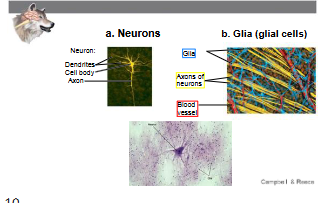
Nervous
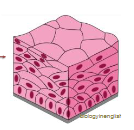
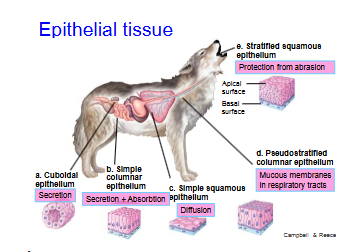
Epithelial tissue
Protects and interfaces with environment
Covers outside of body and lines organs and
cavities within body. Different cell types (cuboidal,
columnar, squamous) and cell arrangement
• Simple: Single layer
• Stratified: Multiple layers
• Pseudostratified: Single layer of varying length
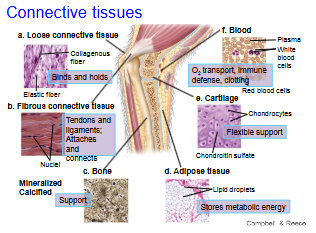
Connective tissue
Binds plus supports other tissues and has
many functions.
• Contains sparsely packed cells scattered
throughout an extracellular matrix.
• Matrix consists of fibers in a
liquid, jelly-like, or solid foundation.
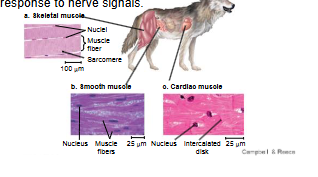
Muscle tissue
Responsible for movement.
Long cells (muscle fibers) that contract in
response to nerve signals.
Nervous tissue
Receives, processes, and transmits information.
What do most animals need to
keep their tissues healthy and to
perform their functions?
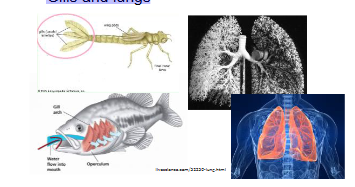
Oxygen
How do animals get oxygen?
Gills and lungs
Getting water?
Drinking
Food
Metabolic water
Getting nutrients?
Food has different size, structure, form, and
composition. Animals obtain it in diffferent
ways.
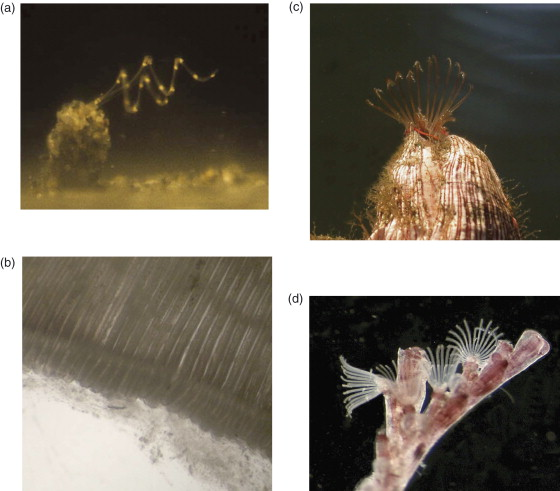
Suspension feeders?
Sift-filter small food particles from the water.
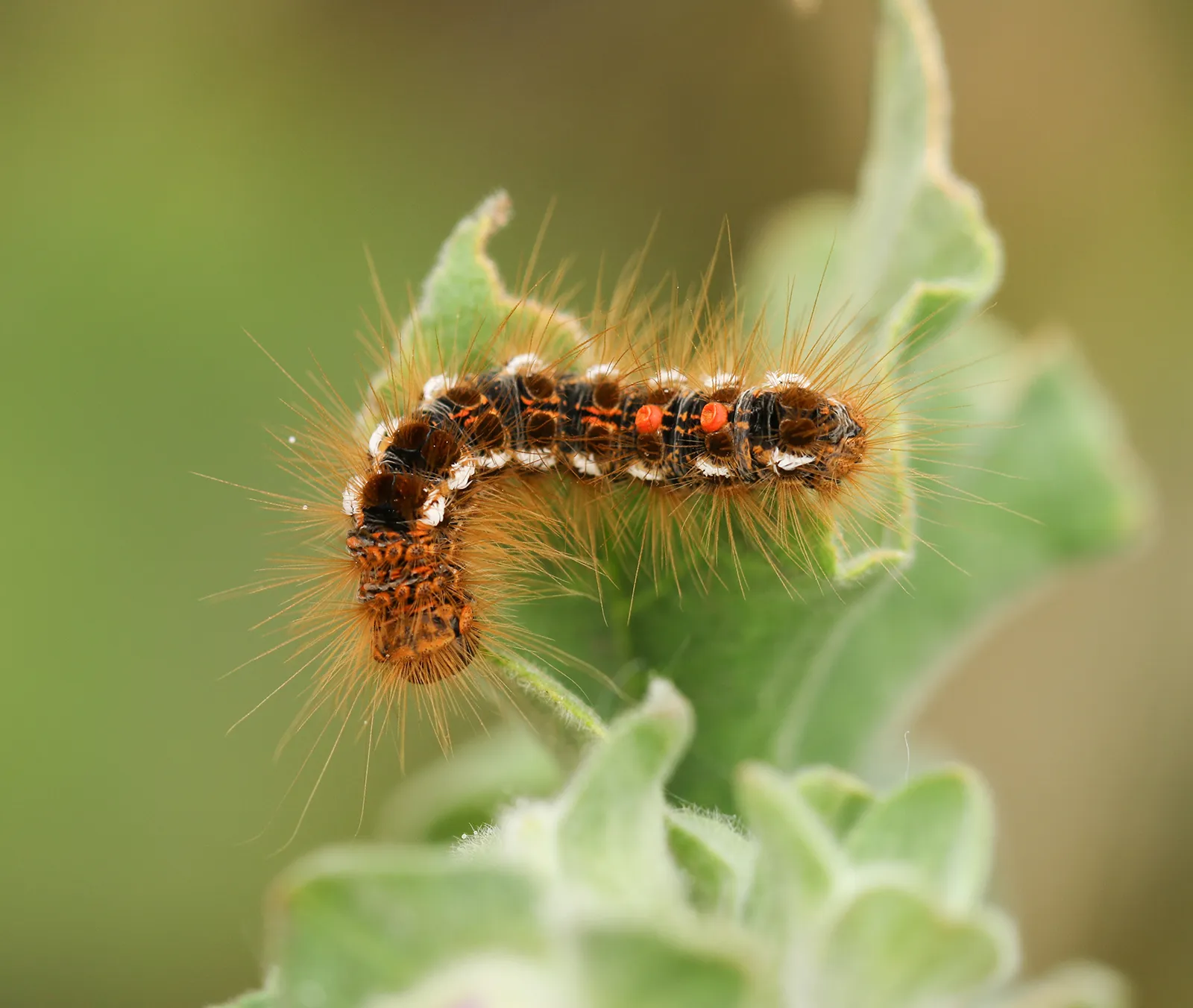
Substrate feeders?
Live in or on their food source.
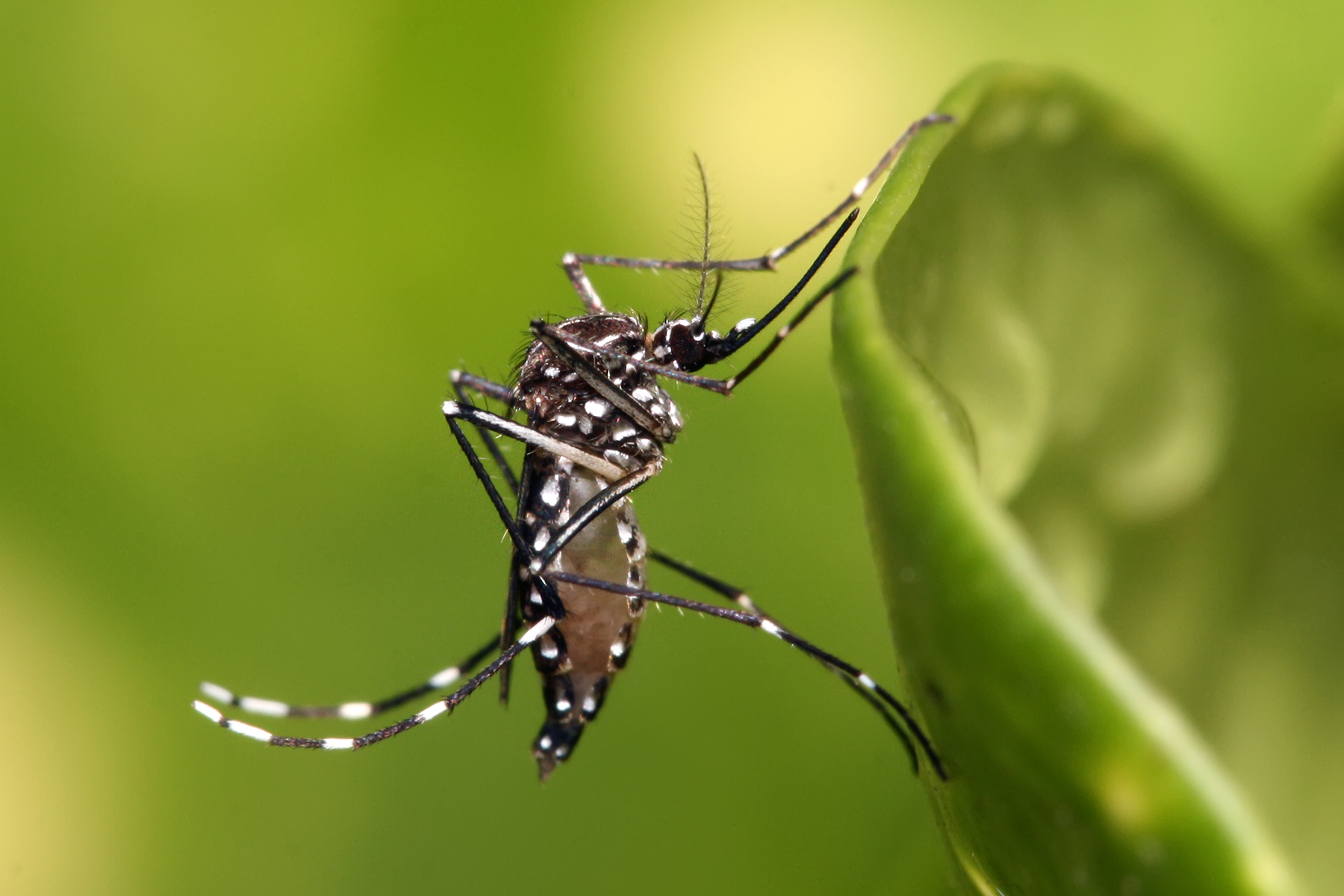
Fluid feeders?
Get nutrient-rich fluids from a
living host.
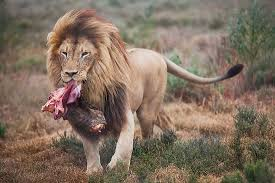
Bulk feeders?
Eat relatively large pieces of food
Teeth in mammals
Set into sockets within the jaw.
Vary in the size, shape and cutting
surfaces.
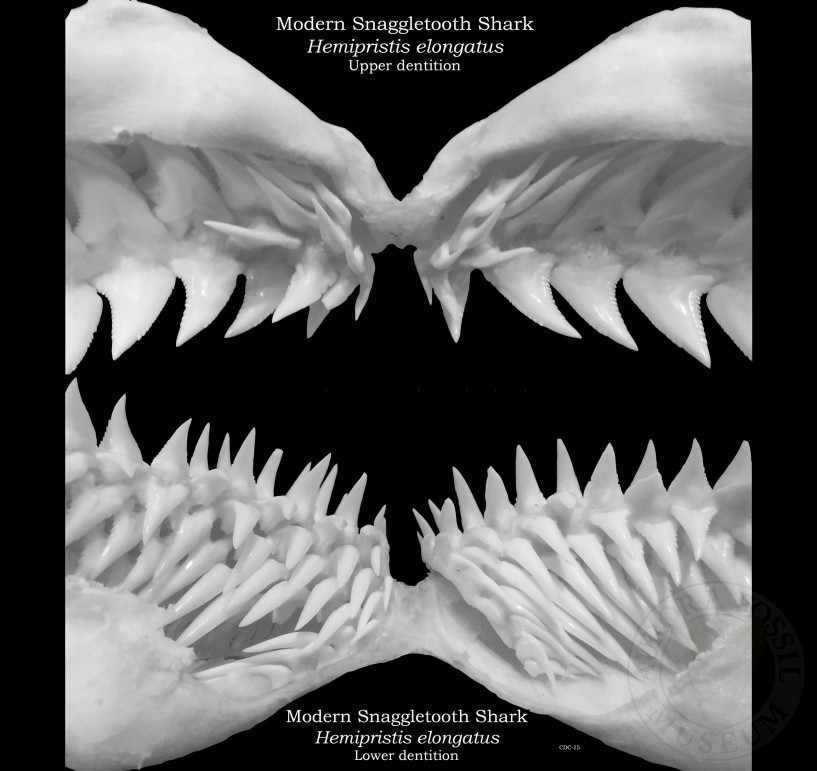
Homodont
Teeth are uniform
(most reptiles).
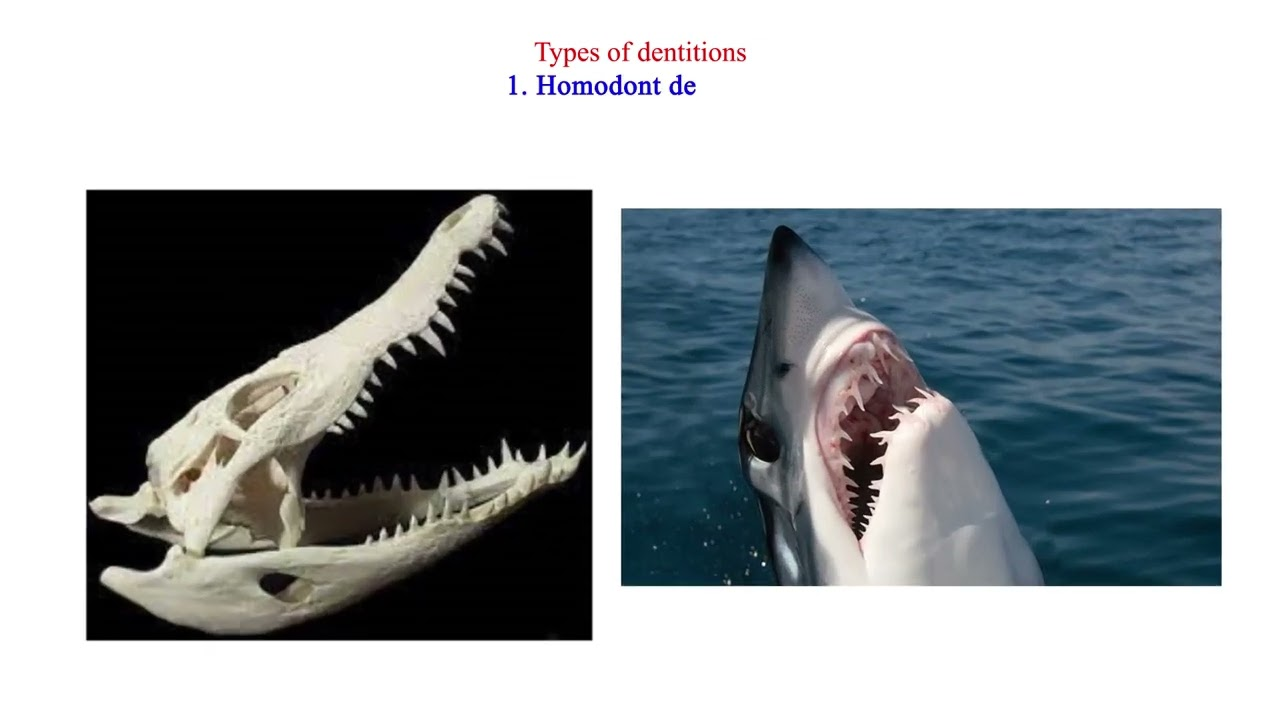
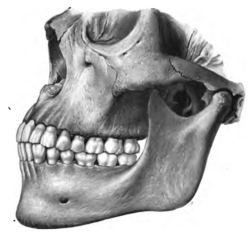
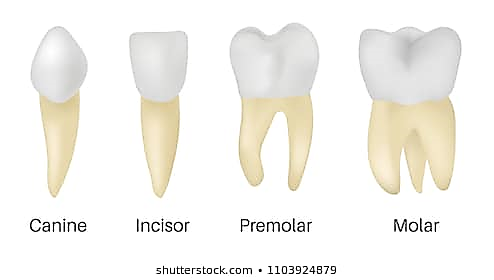
Heterodont
Teeth specialized.
Incisors, canines, premolars, molars
Digestion
Breaking food down into molecules small
enough to be absorbed.
Enzymatic hydrolysis splits bonds within
molecules
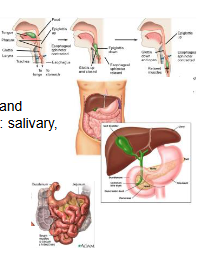
what organs make up our digestive system?
Alimentary canal and
accessory glands: salivary,
pancreas, liver,
gallbladder.
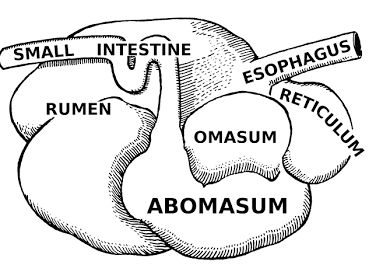
Ruminant herbivore digestion
Cellulases of anaerobic bacteria and ciliates
help them digest
organs in ruminant digestion
Rumen:the largest stomach compartment in beef cattle, acting as a massive fermentation vat
Reticulum: Honeycomb, sorts the food from the mess (nails, wire)
Omasum: “tripe”, regulates flow into true stomach
Abomasum: True chemical digestion, where the acid is
Destination of nutrients
Proteins (aminoacids)
Sugars
Mitochondria
Perform cellular respiration. A complex
oxidation-reduction reaction (involves
transfer of electrons).
Our cells generate and use billions of ATPs
per day.
Oxygen (O2) consumption by animals
Two main sources:
Aquatic animals extract oxygen from water
while land living animals take up oxygen from
air.
Usually oxygen consumption increases when
temperature increases
Aerobic cellular respiration
Overall chemical reaction: The cell uses O2
and glucose to generate ATP.
Releases chemical energy to fuel cellular
activity and all our functions.
Aerobic cellular respiration formula
Glucose + Oxygen Carbon dioxide + water + ATP

Important molecules in Cellular respiration
Molecules that can accept electrons from other molecules.:
NAD+, FAD
Molecules that have accepted electrons from other
molecules:
NADH , FADH2
Glycolysis
A six carbon glucose molecule
splits into two three-carbon pyruvate molecules.
Transition step
Produces Acetyl CoA
Krebs cycle
Releases CO
Electron transport chain
Transfers energy-rich electrons
from NADH and FADH2. Produces most of the ATP
molecules.
What does Glycolysis Need/Produce?
Doesn’t need O2.
Electrons from glucose are transferred
to electron carrier molecules (NADH)
Generates 2 ATPs. Occurs in the
cytoplasm.
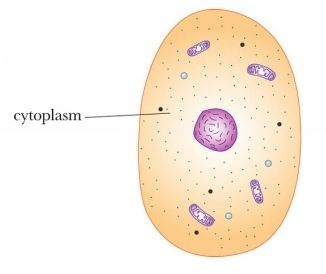
What does Krebs Need/Produce?
Requires O2.
Produces CO2 and 2 ATPs;
Occurs in the mitochondrial
matrix.
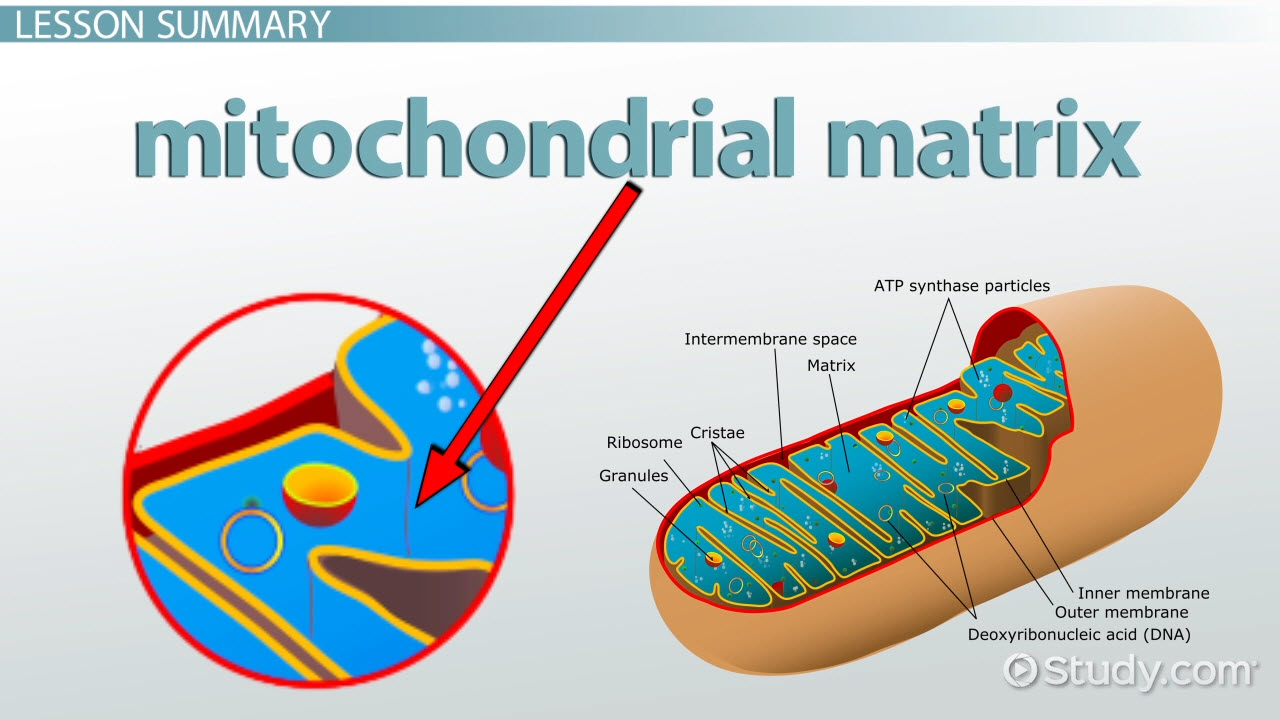
What does ETC Need/Produce?
Requires O2, produces water.
Primary source of ATP.
Occurs in the inner mitochondrial
membrane.
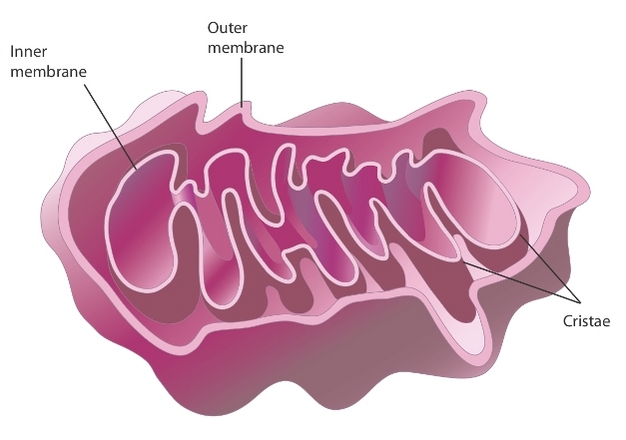
what is the net gain of Glycosis?
Produces 4 ATPs, 2 NADHs
and 2 pyruvates. Spends 2 ATPs.
Net gain: 2 ATPs, 2 NADHs
After glycolysis: Transition step
Each pyruvate molecule moves into the
mitochondrial matrix and it is oxidized to Acetyl CoA.
A molecule of CO2 is removed.
NAD+ is reduced to NADH.
The remaining two-Carbon molecule (acetyl group) is
transferred to a coenzyme to form Acetyl CoA:
Acetyl Coenzyme A enters the Krebs cycle
what does etc do ?
Passing of electrons along a series of
proteins embedded in the inner mitochondrial
membrane
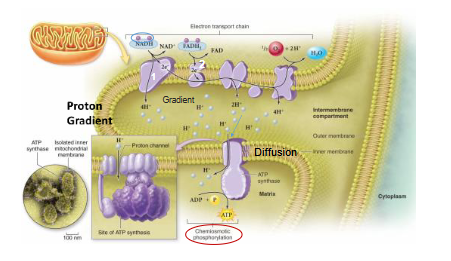
The Immune System
A network of cells, tissues, organs,
chemicals, and fluids.
- Recognizes its own cells.
- Defends against infectious agents, foreign
substances, abnormal cellular growths, etc
Immunity
A condition of being able to
resist or tolerate a particular pathogen
that causes disease especially through
preventing development of the pathogen
or its products.
In humans, immune function is usually more efficient
during the middle of life than during early or old ages.
Immune system in humans
Innate defenses
Adaptive (Acquired) immunity
Innate defenses
Nonspecific
Are nonspecific and act early, they are always
present. Act against a broad spectrum agents.
Adaptive (Acquired) immunity:
Specific to particular pathogens.
Recognizes and acts against individual
specific targets and keeps in the memory
previous encounters.
Lymphatic system
A bridge between the circulatory
and the immune system.
Lymphoid organs
Red bone
marrow, thymus, spleen.
Lymph node
Small organs located
along the lymph vessels. They have millions
of white blood cells and release B and T
cells to the lymph.
White blood cells (Innate)
Participate in the immune response.
EX:
•Monocytes
•Neutrophils
•Eosinophils
•Basophils
•Natural killer cells
•Lymphocytes
Physical barriers (innate)
Skin,
mucus, wax, tears.
Normal microbiota (innate)
Help
prevent colonization by
pathogens.
Macrophages (innate)
Engulf and
can destroy invaders.
Inflammation (innate)
Immediate localized reaction to an
injury or to pathogens. Basophils release
histamine that dilates blood vessels. White blood
cells engulf and destroy pathogens and damaged
cells.
Fever (innate)
Increased metabolic heat production.
In the hypothalamus cytokines can trigger
a rise in the body’s temperature.
Normal: 98.6 °F, 37°C.
Fever: 100 °F, 38°C or higher.
Antigen (adaptive)
Molecule that stimulates an
immune reaction by B and T cells. Most
antigens are carbohydrates and proteins.
Examples: Part of a bacterial cell, proteins on
the surface of a mold spore or pollen grain.
Two types of adaptive (acquired)
immune responses
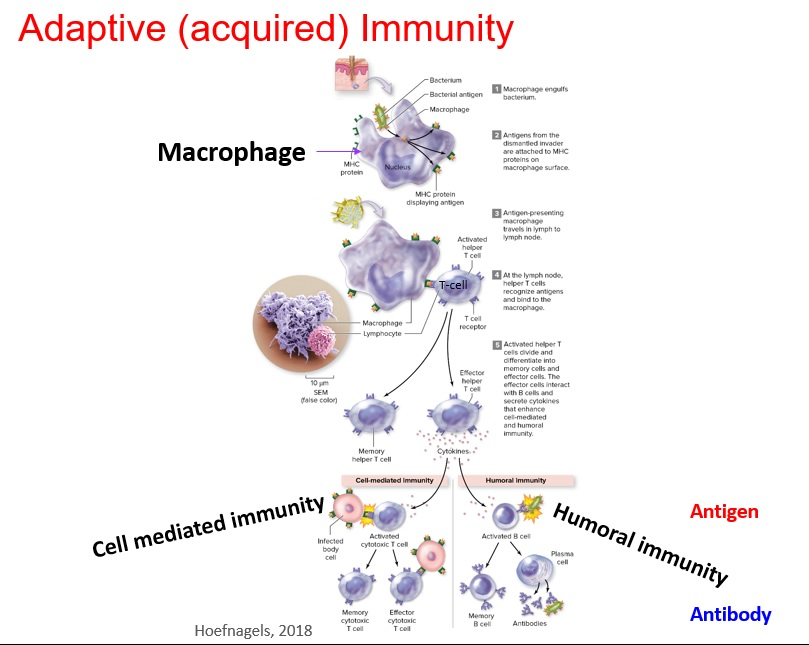
Macrophages in both Helper T cells secrete
cytokines that activate cytotoxic T cells or B cells.
Cell mediated immunity (adaptive)
Cytotoxic T cells
have receptors, bind and destroy body cells
that are defective or infected.
Humoral immunity
by B cells which relies
primarily on antibodies.
humoral immunity examples
Primary immune response:
Response of the
body to an antigen that occurs on the first occasion
it is encountered.
Secondary immune response:
Fast and
strong. Observed following subsequent encounter
with the same antigen, leads to the activation of
previously generated
memory cells.
General ways to acquire passive immunity
One individual acquires antibodies from
another individual (human or other species).
- Antibodies can be acquired from the mother via placenta or milk.
- By direct injection of antibodies (e.g. rabies vaccine after dog bite).
- Direct intravenous antivenom with antibodies (e.g. after snake bite).
General ways to acquire active immunity
Individual produces antibodies to an antigen.
- After having chickenpox the individual acquires natural future
immunity to that disease.
- Vaccines trigger production of memory cells specific to
certain antigens
Vaccine
A substance that stimulates immunity against
a pathogen without actually causing illness:
Memory cells linger after this initial exposure,
ensuring that a subsequent encounter triggers
a rapid secondary immune response.
Adaptice immunity close up (study steps)
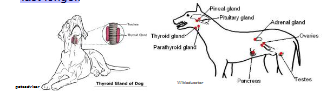
Endocrine system
Endocrine glands: Ductless organs that
produce and secrete hormones into the
bloodstream or into their surrounding fluid.
Do not act with the high speed of neural impulses,
but the chemical messages and responses can
last longer.
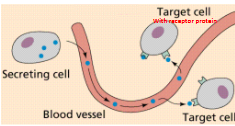
Hormone
A biochemical messenger released by one part of
the body (endocrine cells) that affects another
part of the body (target cells).
Circulate throughout the body in blood vessels or other ducts.
Major classes of hormones
Peptide and most amine hormones are water-soluble.
Steroid hormones are lipid-soluble.
Thyroid gland
Thyroid hormone
Calcitonin
Parathyroid glands
Parathyroid hormone
Adrenal glands
Adrenal medulla (organ)
Epinephrine
Norepinephrine
Adrenal cortex
Glucocorticoids (e.g. Cortisol)
Mineralocorticoids
Pineal gland
Melatonin
Hypothalamus
Many releasing
and inhibiting
hormones
targeting
anterior pituitary
Pituitary gland
Anterior pituitary
Adrenocorticotropin
Prolactin
Growth hormone
Follicle-stimulating
hormone
Luteinizing
hormone + others!
Posterior pituitary
Oxytocin
Vasopressin
Pancreas
Insulin
Glucagon
Ovaries
Estrogens
Progesterone
Testes
Androgens
placenta
a major source
of hormones
Important role of hormones
Can trigger the development of secondary sex characteristics, and metamorphasis
Regulation of sexual reproduction
Mainly done by estrogen and testoterone
Regulation of kidney function
Hypothalamus → Pituitary
gland Antidiuretic hormone
(ADH): balance of solutes:
Blood reabsorbs more or less
water.
Weight balance
Fat metabolism is under different controls: genes,
hormones, nervous system, digestion etc
Regulation of hunger and fat
Balancing:
•Hunger. Physiological need to eat food.
•Metabolism. Chemical reactions that
build and break down molecules.
An animal’s metabolic rate usually
determines its need for food
Obesity and hormones
Obesity in humans is common and it increases
frequency of diabetes, heart disease, back pain,
stroke, and other problems.
Combines action of genes, hormones, diet,
behavior, and environment.
Leptin ghrelin
Leptin Vs. ghrelin
ghrelin: start eating
Leptin: stop eating
Hormonal regulation of fat
One cell may have receptors for many hormones,
each of which initiates a unique response
Hormonal regulation of fat
Leptin
Protein with 167 amino acids → it’s a peptide
hormone.
Regulates adipose-tissue mass through
hypothalamic effects on satiety-fullness and
energy expenditure.
Leptin hormone and its properties
Secreted by adipose-fat tissue (fat
cells): Beneath skin, between muscles,
around heart, and joints.
- Increases metabolism
- Decreases hunger
- Binds to MC4 (melanocortin 4)
receptor (protein) in the hypothalamus,
region of the brain, then goes to pituatary, then thyroid
Mechanisms of leptin
Leptin levels increase with an increase of food
consumption or fat tissue.
Fat tissue releases leptin
into the bloodstream.
what does leptin interact with
Leptin interacts with
receptors MC4 and triggers
a signal cascade that inhibits
food intake and increases
metabolic activity
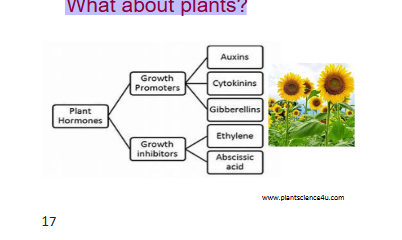
What about plants?
bullshit lmao
what are the kinds of Sexual reproduction
Isogamous (same size gametes)
Anisogamous (different size gametes)
what are the different kinds of Anisogamous animals?
Dioecious VS Hermaphroditic (monoecious)
kinds of Asexual reproduction
Fission, budding,
parthenogenesis
Sexual anisogamous involves
Recombination of genetic material from
gametes of different sizes to create a
third individual.
In humans:
Eggs fertilized by X-bearing sperm become
females (XX).
Eggs fertilized by Y-bearing sperm become
males (XY).
reproduction in mammals
Copulatory organ in males (penis)
Testis usually in scrotum (suspended
sack of skin and smooth muscle)
-Internal fertilization
-Most viviparous
-Amnion, chorion and allantoids
Chorion
Outermost embryonic membrane
allantoids
It primarily handles liquid waste and gas exchange, and in humans, it develops into the umbilical cord and the urinary bladder
Chordate
Member of Bilateria Deuterostomata defined by a set
of derived characters.
In many species, some of these characters are only
expressed during embryonic development
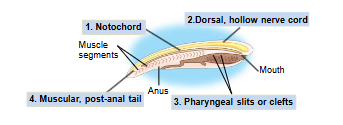
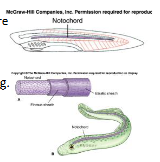
Notochord
• Anterior-posterior.
• Semirigid elongated structure
of fluid-filled cells enclosed
by a fibrous sheath.
•Supports.
•Allows for lateral bending.
•Muscle attachment.
Cord present in early development or throughout life.
May be partly replaced
by cartilaginous or bony vertebra
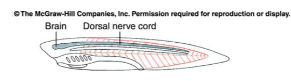
Dorsal hollow Nerve Cord
•Single, dorsal, parallel to the digestive
tract and notochord.
•The anterior end forms the brain in
vertebrates, connected to the spinal cord.
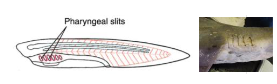
Pharyngeal pouches or slits
•Openings that lead from the pharyngeal
cavity to the outside.
Protochordates: Filter feeding apparatus.
Aquatic vertebrates: Give rise to gills.
Tetrapodes: Give rise to different structures
(middle ear, tonsils, glands)
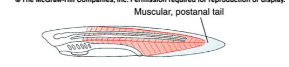
Postanal tail
•Probably evolved for propulsion
in water.
•Vestige in adult humans = coccyx
Subphylum Urochordata
Tunicates, sea squirts
Subphylum Urochordata exhibits more
Chordate characteristics in the larval stage
Subphylum Cephalochordata:
Lancelets