geography term 2 revision
 Call Kai
 Learn
Learn Practice Test
 Spaced Repetition
 Match
Match Flashcards
 Knowt Play
1/19

There's no tags or description
Looks like no tags are added yet.
Name | Mastery | Learn | Test | Matching | Spaced | Call with Kai | Chat |
|---|
No analytics yet
Send a link to your students to track their progress
20 Terms
climate change
long-term changes in weather patterns (temp, rainfall, extreme weather events)
driven by human activities → increases greenhouse gases
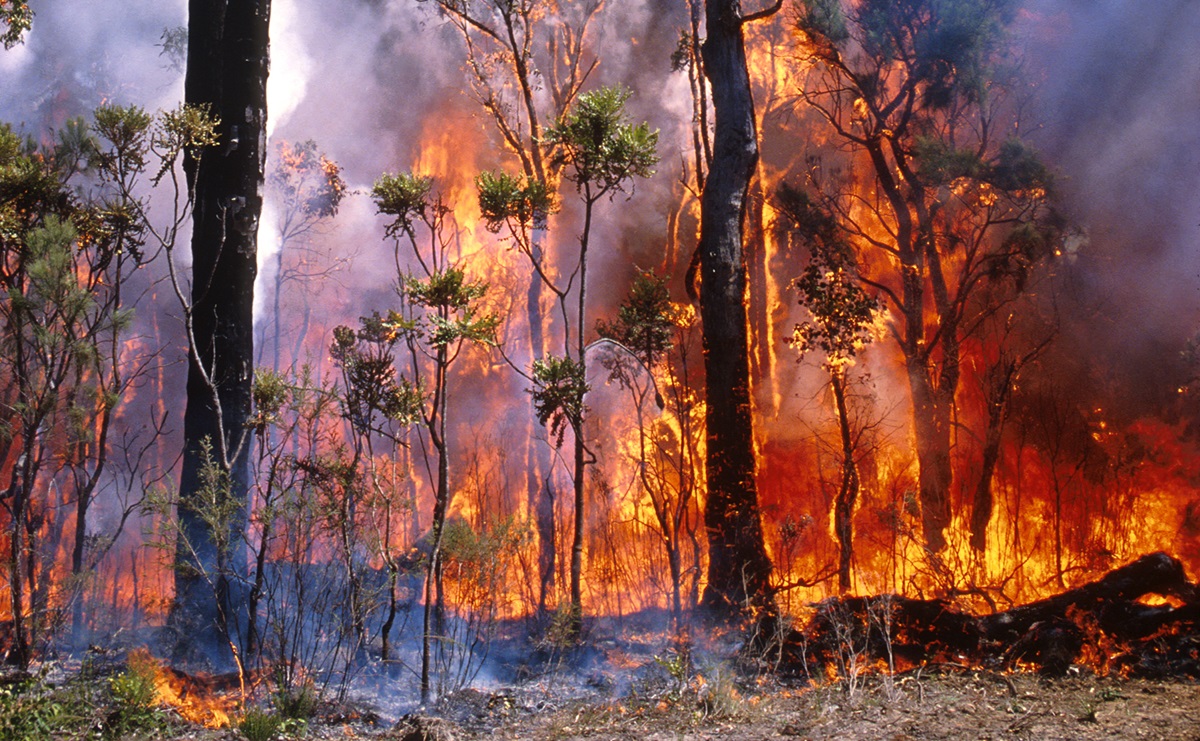
e.g. more heatwaves/bushfires in australia
greenhouse effect
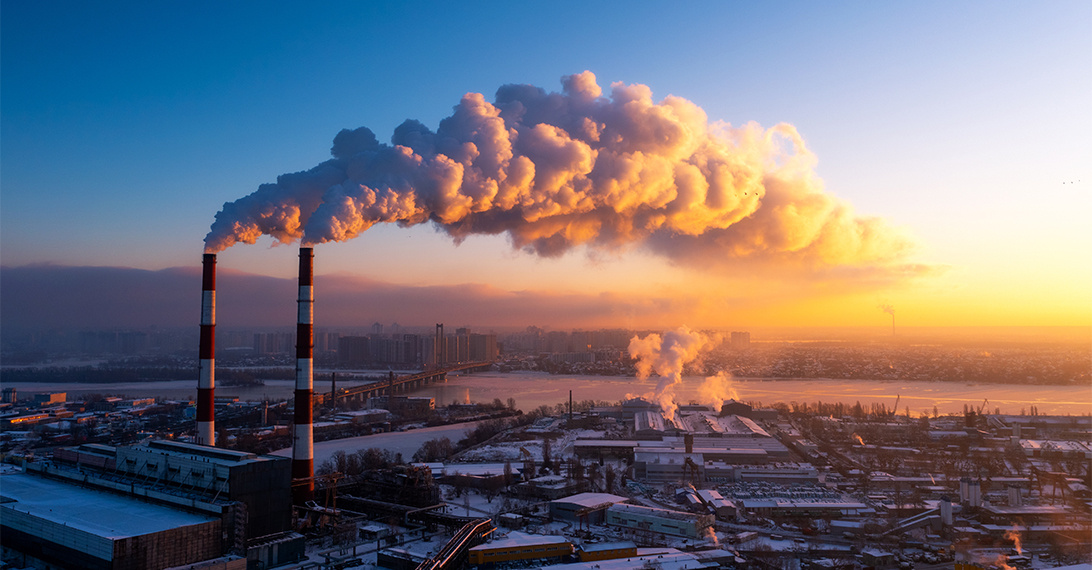
gases in the atmosphere trap heat from the sun
keeps earth warm, but human activities has intensified it
e.g. CO2 from coal increases heat trapping → increases global temp
global warming
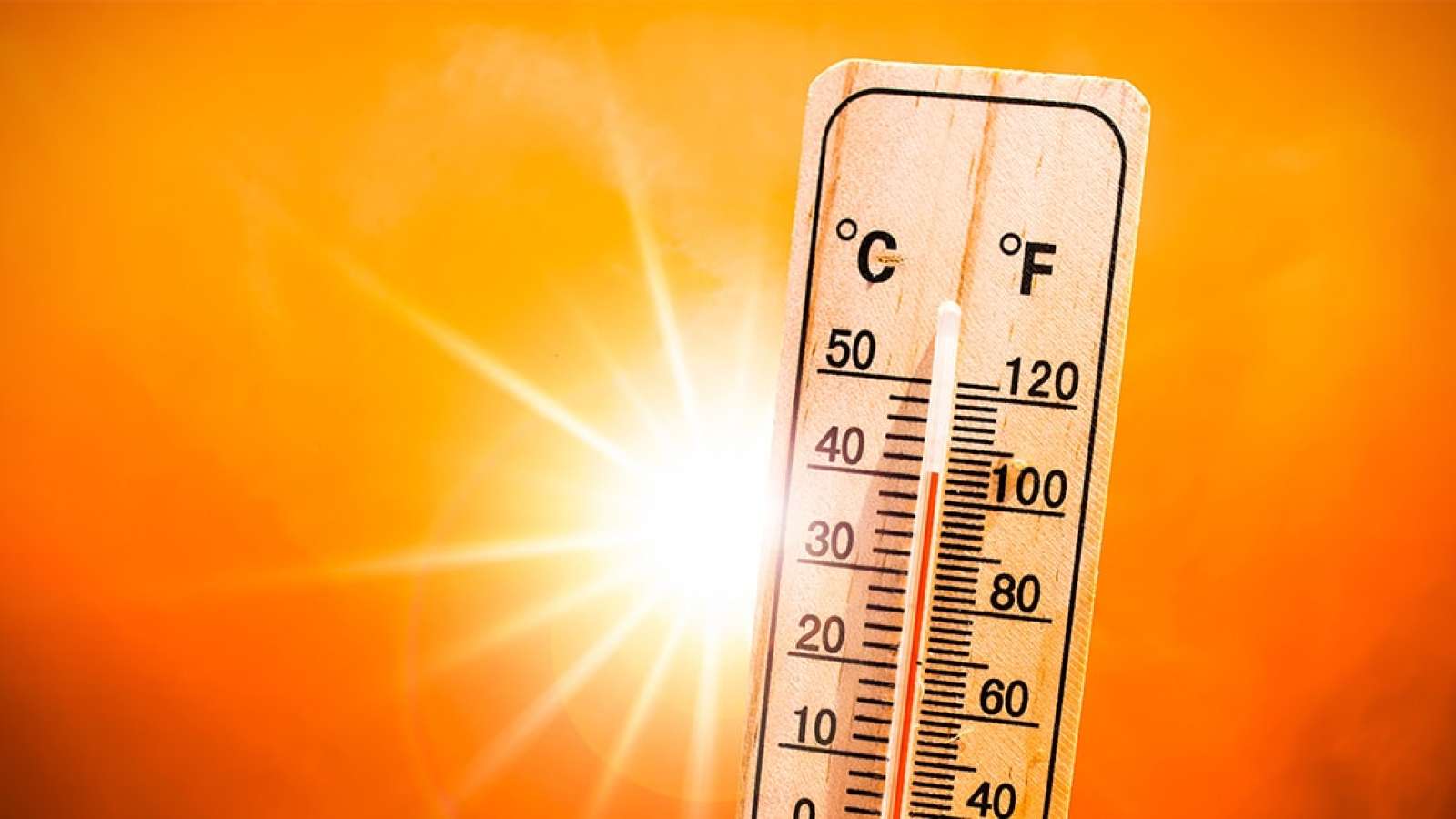
gradual increase in earth’s surface temp
caused by the intensified greenhouse effect (more greenhouse gases in atmosphere)
e.g. last 10 years have been the warmest (record high)
carbon emissions
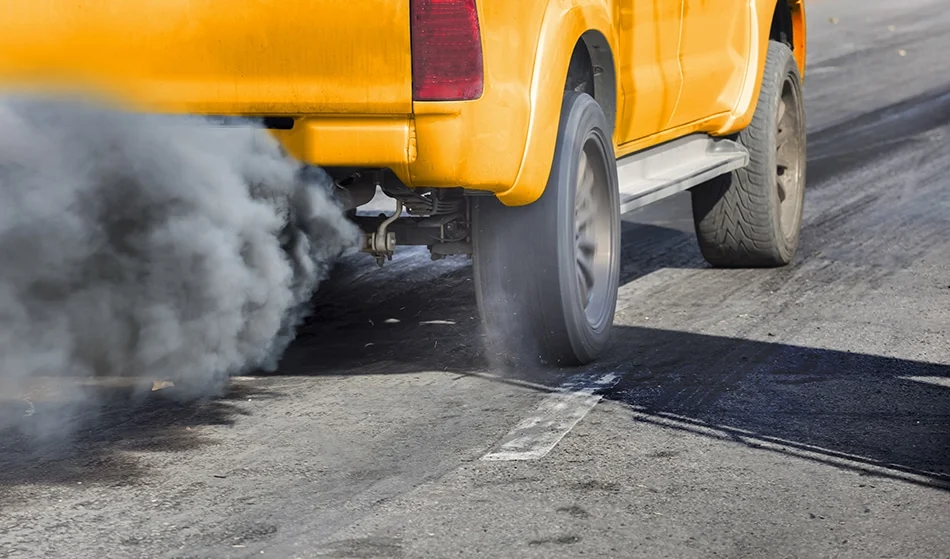
release of CO2 / carbon gases into the atmosphere
caused by human activities → increases greenhouse effect
e.g. emissions from vehicles are a major source in australia
mitigation
actions that reduce the causes of climate change
lowering greenhouse gas emissions → limits impact of climate change
e.g. switching to renewable energy sources (climate change mitigation)
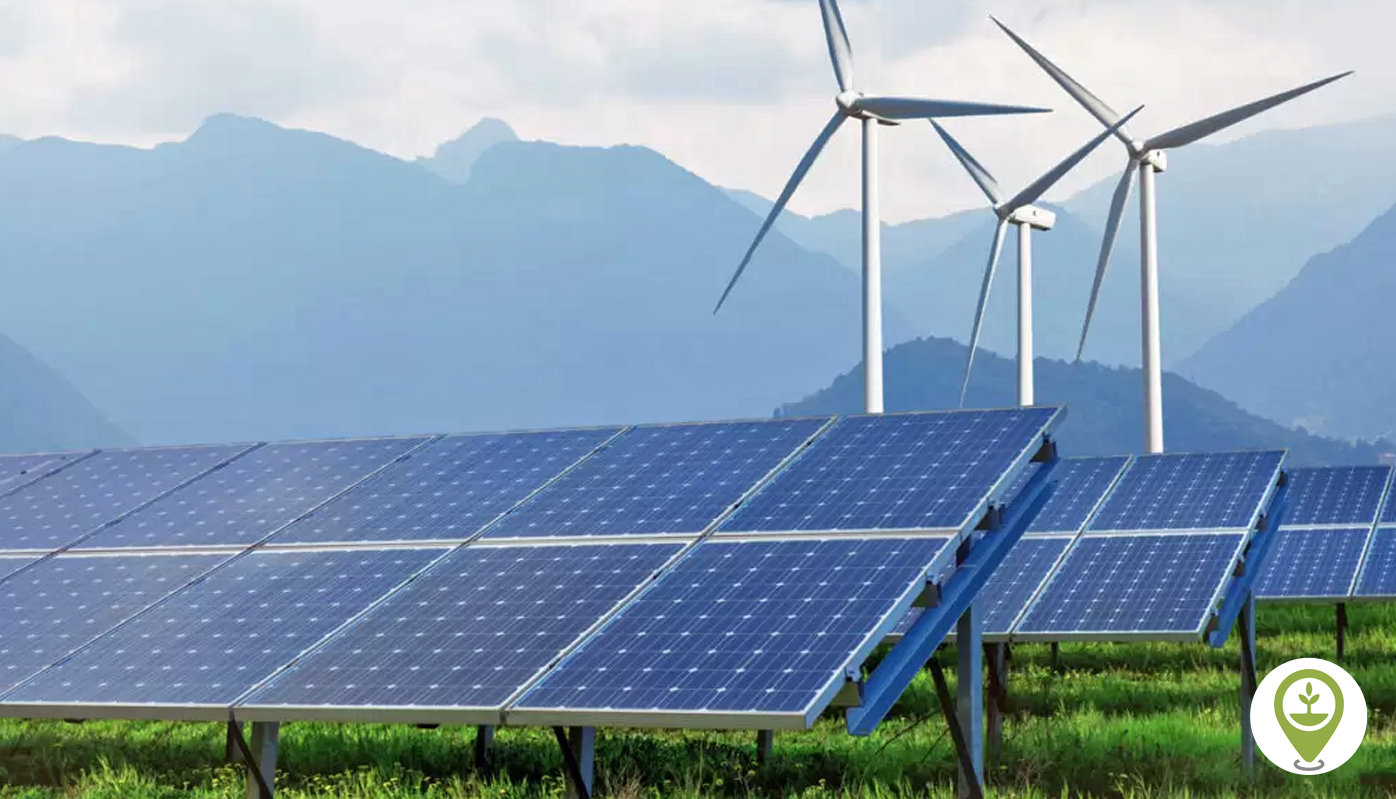
adaptation
controlling human activities → reduce the negative impacts of climate change
some climate change is unavoidable → manage its effects
e.g. flood barriers to protect coastal communities

sustainability
using resources to meet current needs without harming future generations
balancing protection of environment, economy, and social wellbeing
e.g. maintain soil health + continue food production (sustainable farming practices)
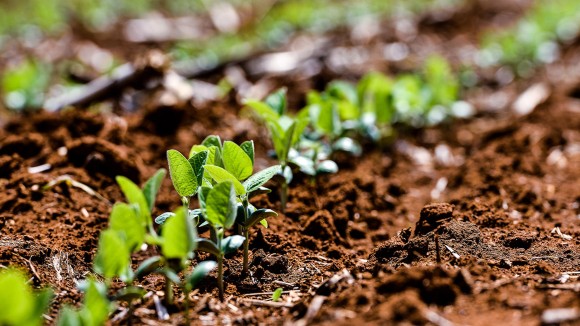
climate vulnerability
how easily affected a place is on the effects of climate change
judged by exposure to hazards, ability to adapt
e.g. low-lying islands are highly vulnerable to rising sea levels
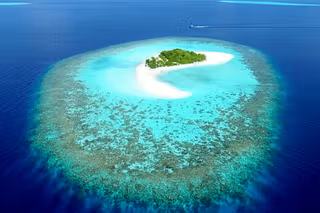
sea-level rise
gradual increase in the levels of oceans
caused by expansion of seawater when it warms → serious risks to coastal environments
e.g. threatens homes/buildings near the coast
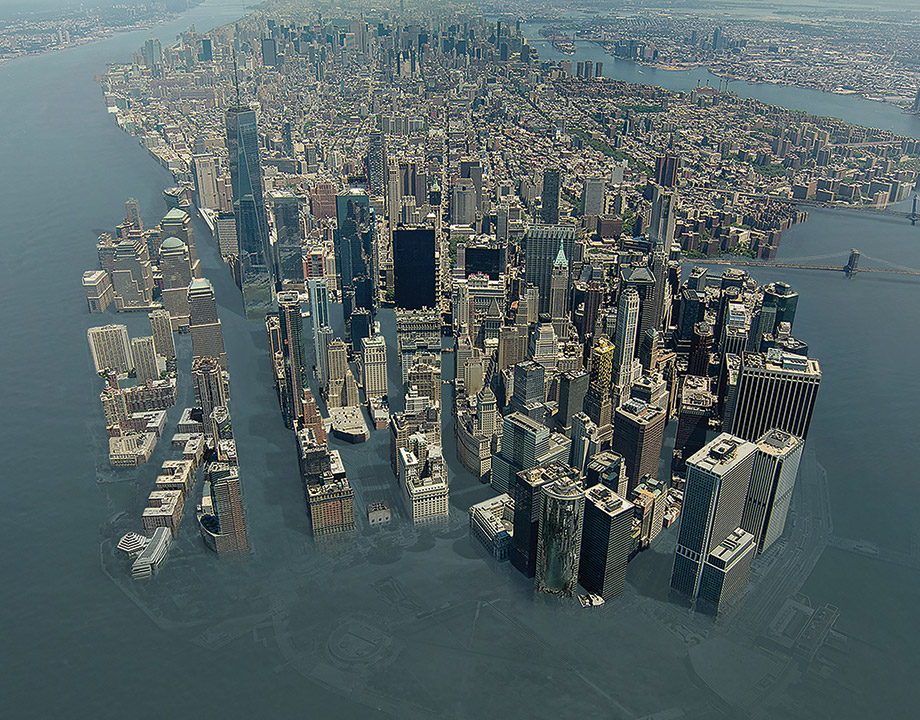
extreme weather events
weather conditions very different from weather patterns (heatwaves, floods)
climate change increases severity of these events
e.g. intense rainfall → increased flooding
kakadu case study: location + importance
Northern Territory, Australia
UNESCO World Heritage wetland
High biodiversity + cultural significance for Traditional Owners
kakadu case study: environmental issue
Saltwater intrusion into freshwater wetlands
Increases salinity in water and soil
Causes shift from freshwater to salt-tolerant ecosystems
kakadu case study: causes
Sea-level rise pushes seawater inland
Climate change drives warming and extreme weather
Storm surges force temporary inland flooding
Past buffalo damage weakened wetland barriers
kakadu case study: evidence + data
Sea level rising ~3–4 mm per year
Salinity levels increasing in floodplains
Decline in freshwater vegetation like paperbark trees
Up to 78% of freshwater wetlands could be lost < 75 years
kakadu case study: environmental effects
Freshwater plants die or decline due to salt stress
Loss of habitat for fish, birds, and insects
Reduced biodiversity and ecosystem stability
kakadu case study: social/cultural/economic effects
Reduced access to traditional foods (fish, plants)
Cultural connection to Country is affected
Tourism declines due to environmental degradation
kakadu case study: stakeholders
Traditional Owners: protect culture + manage Country
Parks Australia: conservation + tourism balance
Scientists: monitor and provide data
kakadu case study: management responses
Saltwater barriers slow intrusion
Vegetation restoration rebuilds habitats
Monitoring tracks salinity and ecosystem change
kakadu case study: mitigation strategies
Monitoring detects changes early
Restoration repairs damaged ecosystems
Adaptation planning prepares for long-term impacts
kakadu case study: evaluation
Some success in local restoration areas
Ongoing sea-level rise limits effectiveness
Long-term solution requires broader climate action