forensic anthro final
 Call Kai
 Learn
Learn Practice Test
 Spaced Repetition
 Match
Match Flashcards
 Knowt Play
1/38

There's no tags or description
Looks like no tags are added yet.
Name | Mastery | Learn | Test | Matching | Spaced | Call with Kai |
|---|
No analytics yet
Send a link to your students to track their progress
39 Terms
sexual dimorphism
Differences in physical characteristics between males and females of the same species. also only after puberty
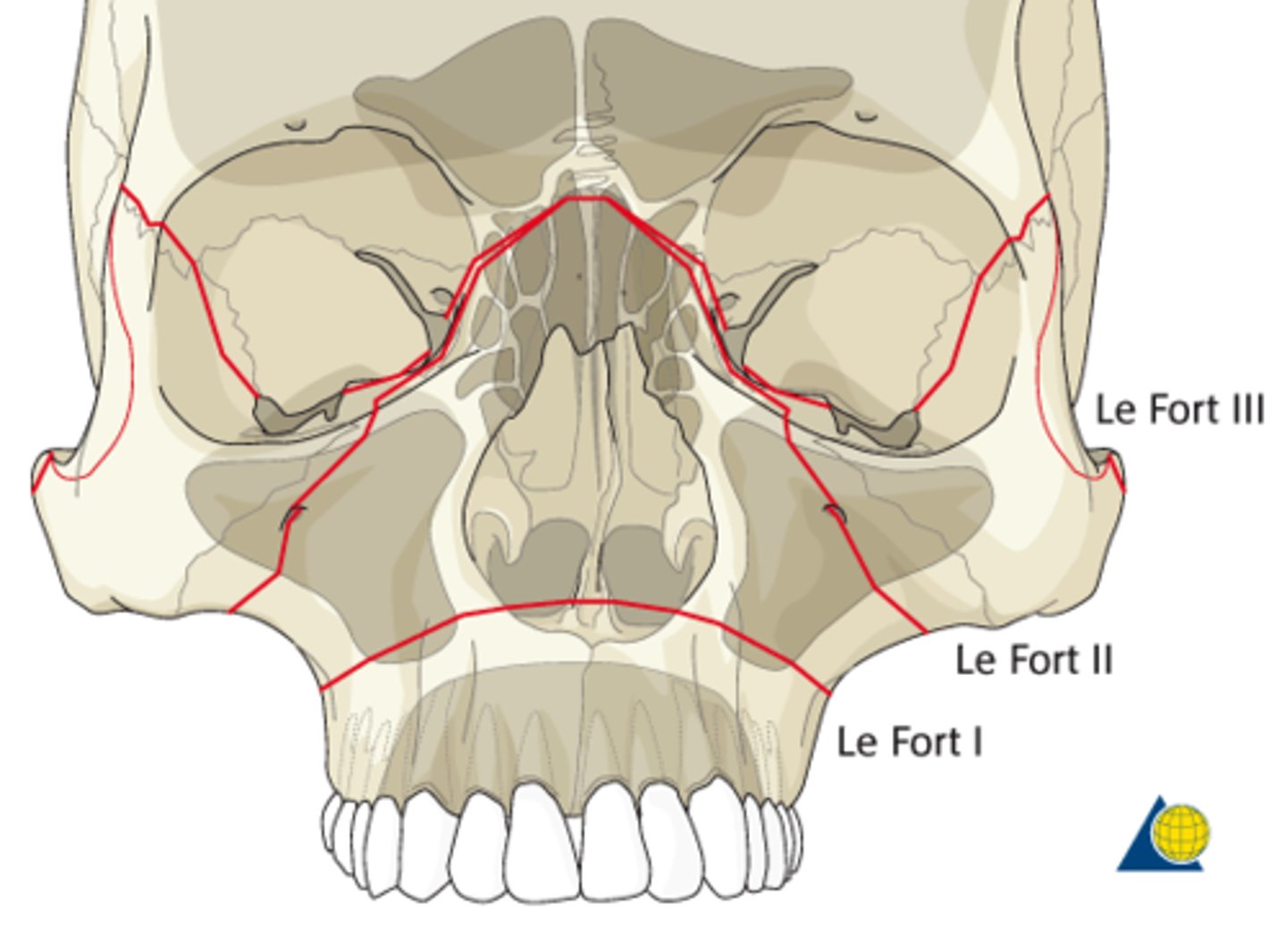
Le Fort Fracture patterns
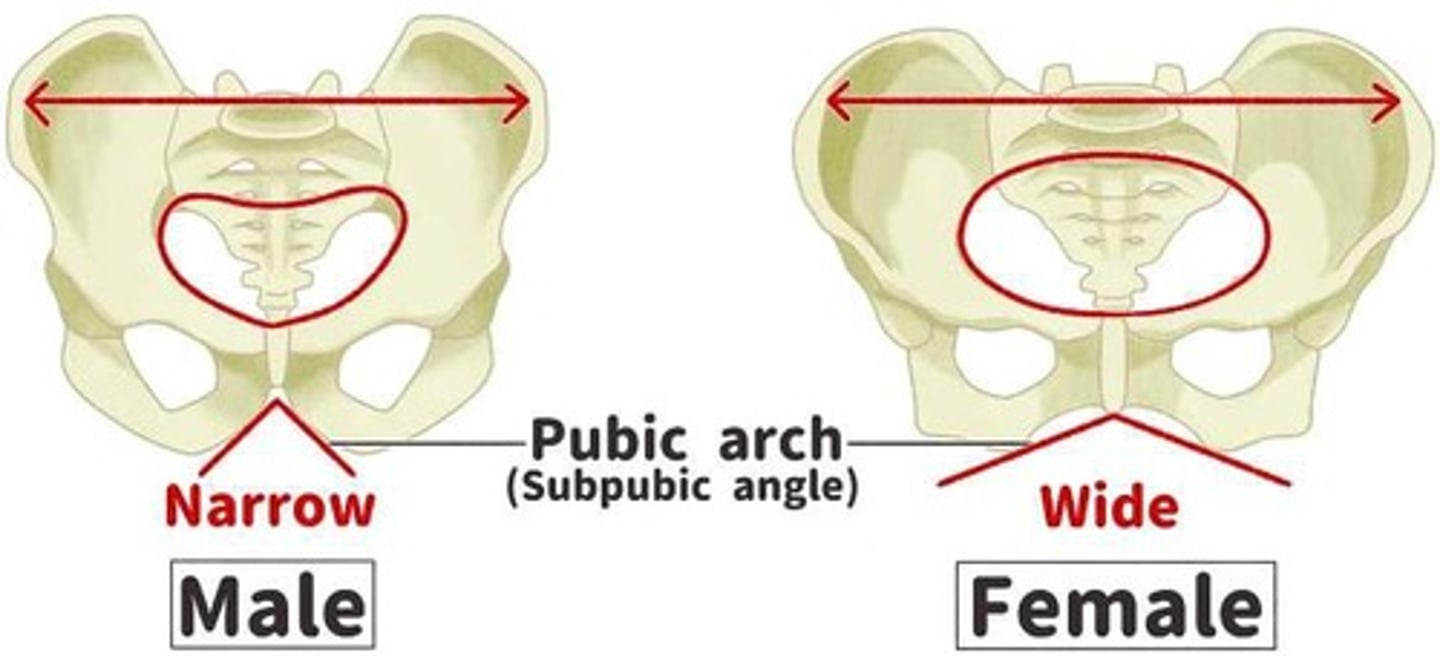
obstetric dilemma
Hypothesis pertaining to hominin mothers giving birth to a large-brained, large-bodied infant: Owing to the large brain, the birth process requires a wide pelvis, but efficient bipedalism requires a narrow pelvis
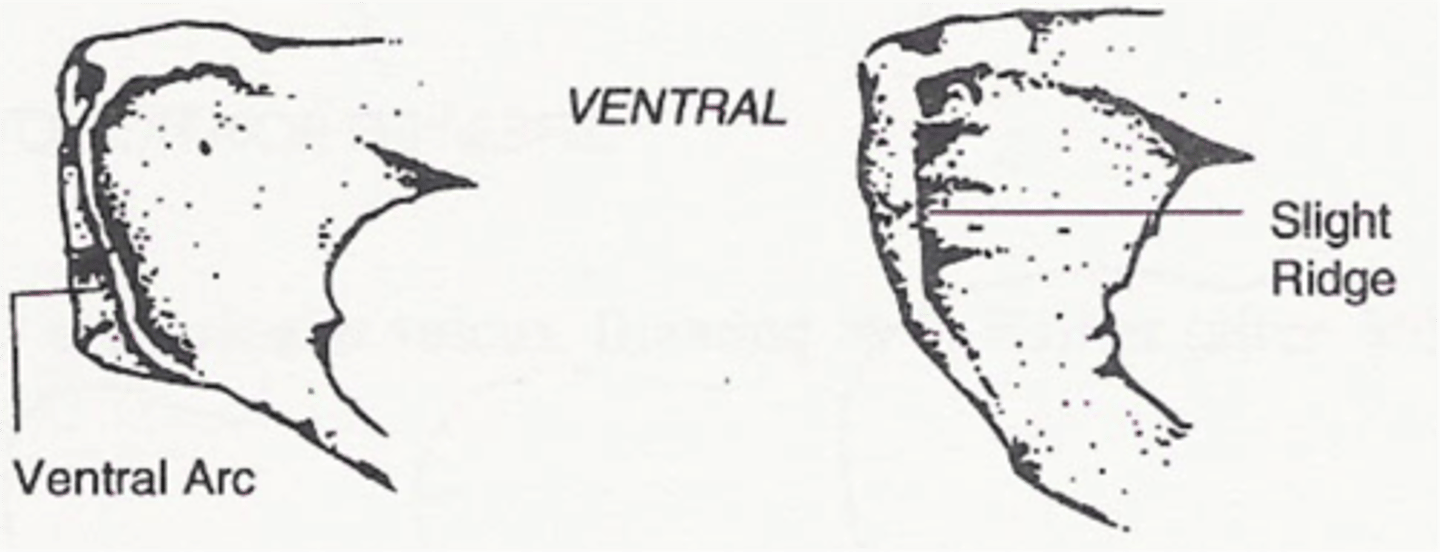
phenice technique
a technique used to determine the biological sex of someone, they look at the ventral arc, subpubic cavity, and medial face. visual way of sexing the pubis
an assemblage of bones is brought in for analysis. If both the skull and the pelvis, as well as the bones of the lower limbs are present, which should be used to determine sex, and why?
you have to begin with 50 percent accuracy, usually when the pelvis is available and you can tell if its male or female then you can use that as not every population has the same male and female bone types except for the pelvis.
cranium
the portion of the skull that encloses the brain, crania (neurocarium + splanchocranium)
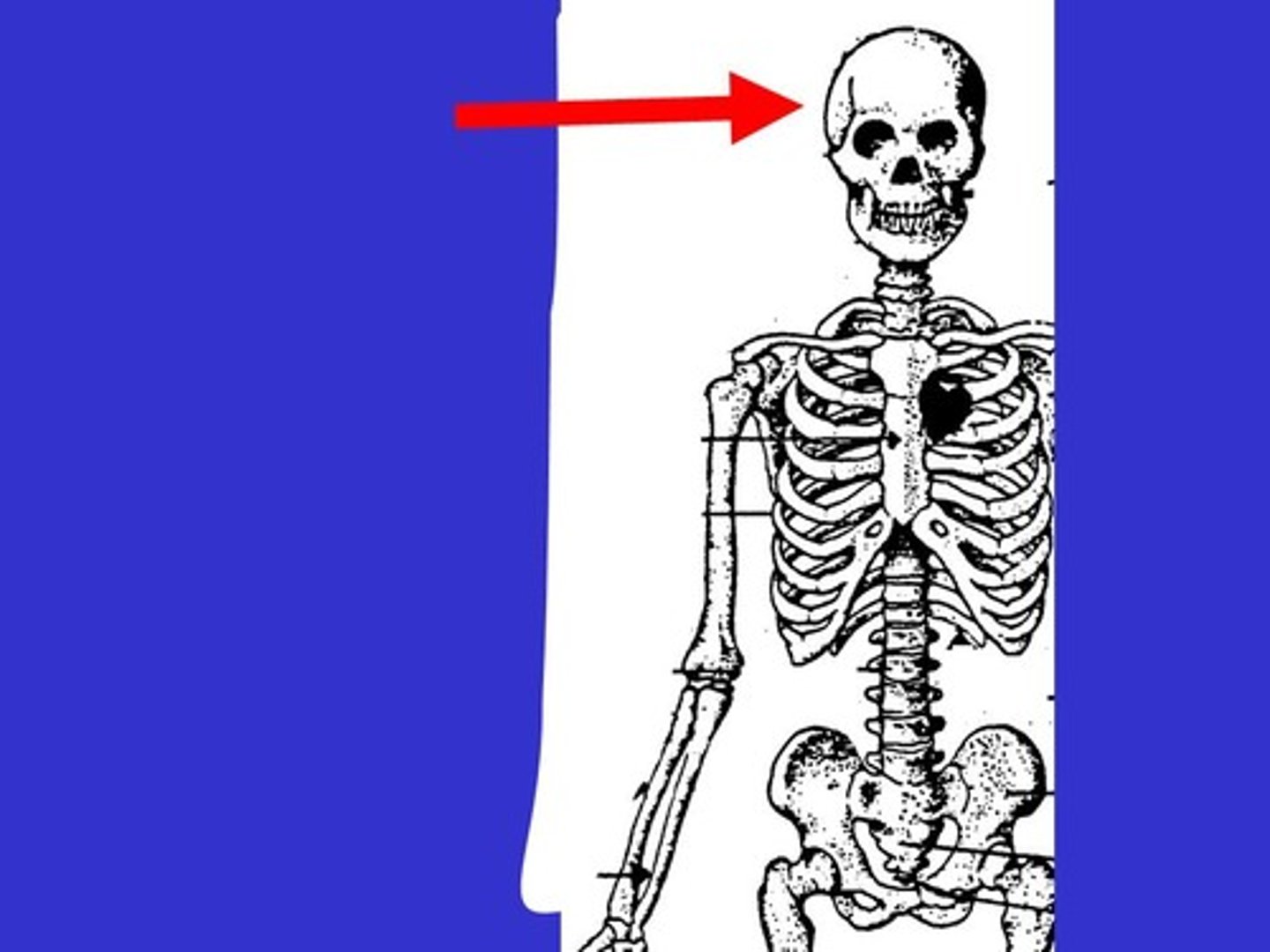
Neurocranium
top front part of the skull
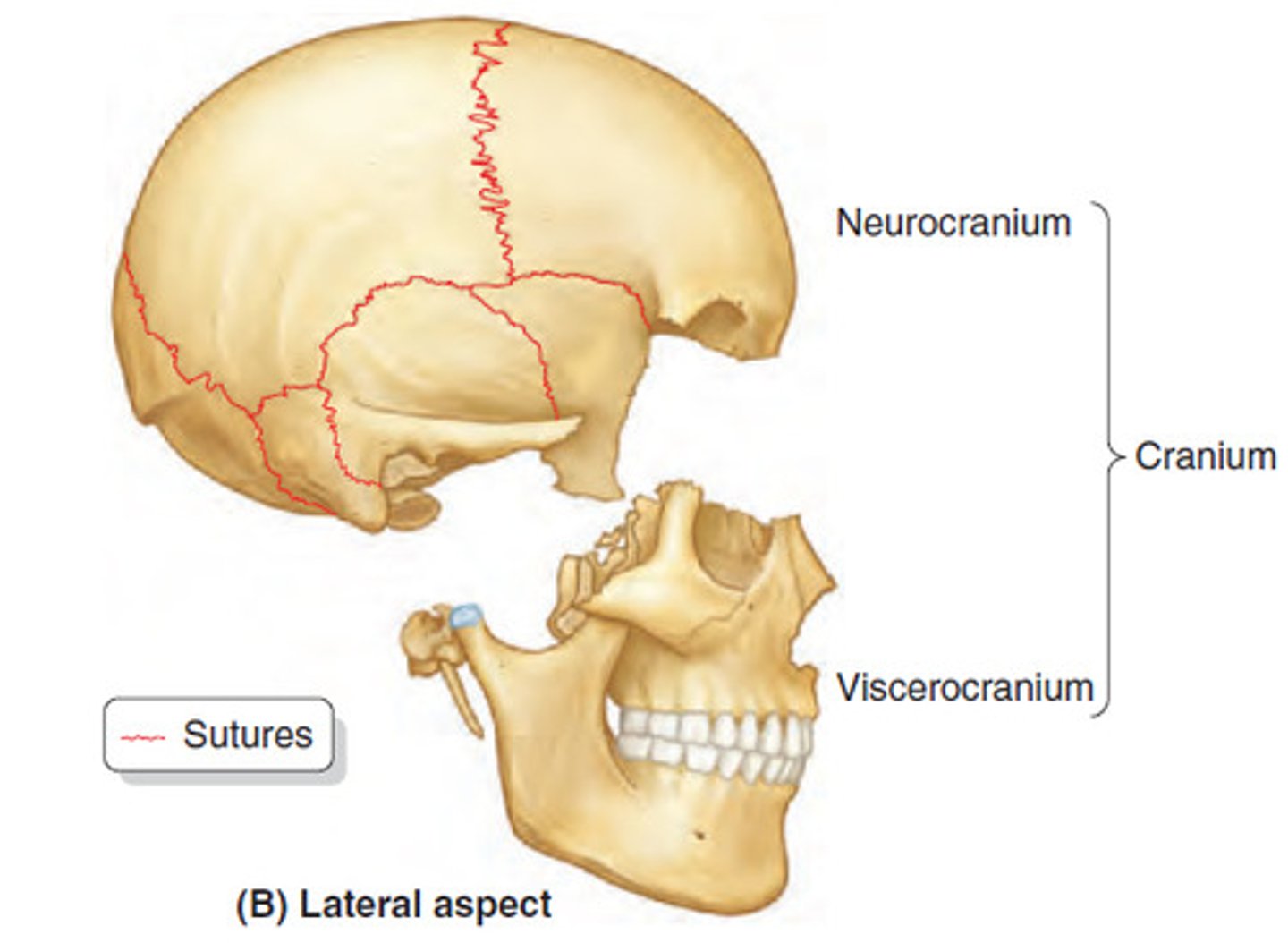
Splanchocranium
Virgil can not make my pet zebra laugh --> vomer, cronchae, nasal, maxilla, mandible, palatine, zygomatic, lacrimal
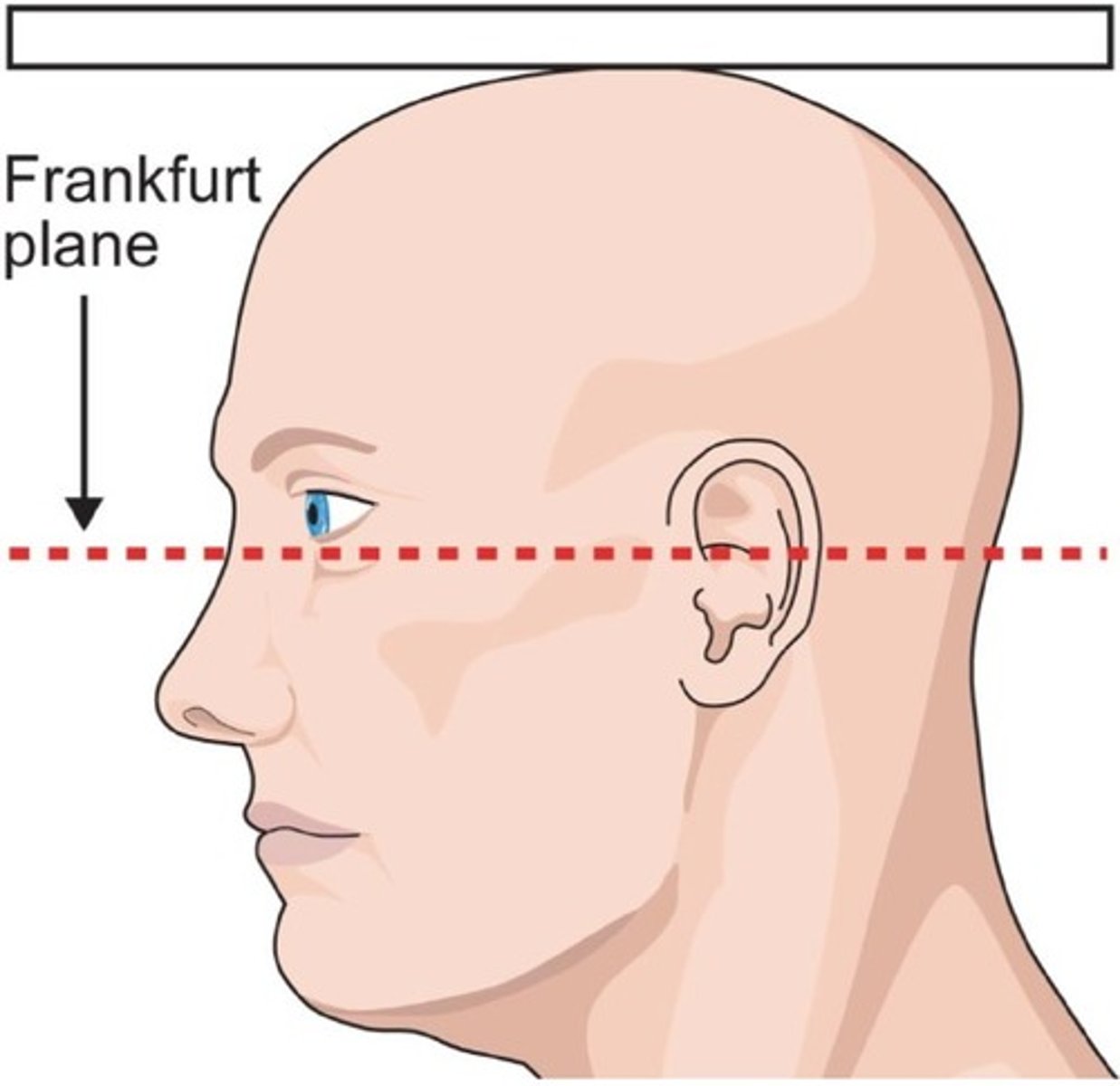
Frankfurt Horizontal Plane
the standard head position for taking anthropometric measurements
FORDISC
a computer program that uses statistical methods to estimate sex, ancestry, and stature from skeletal measurements
photographic superposition
points of match up between an actual face and the bone with some soft tissue.
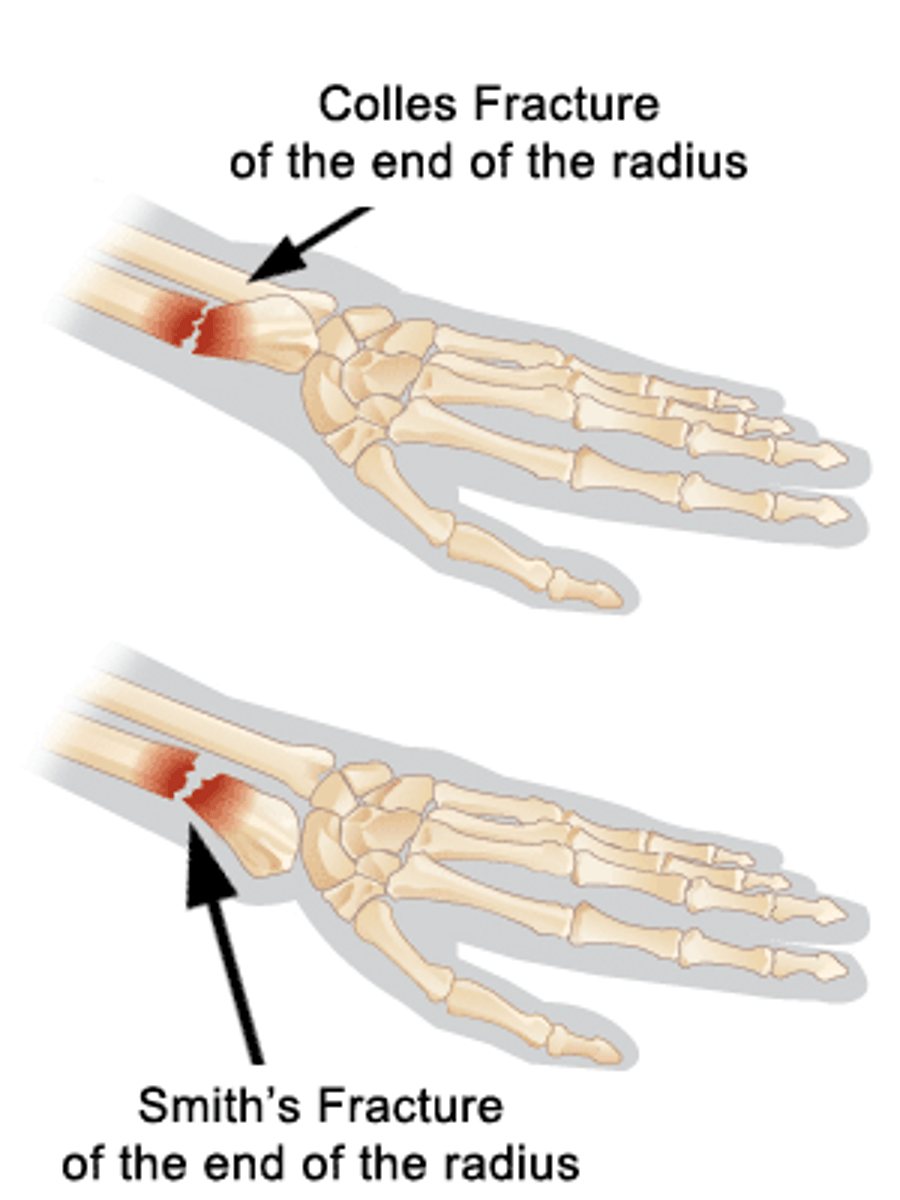
Colles fracture
fracture of the distal radius at the wrist, related to falling and can be distinguished from defense wounds
Antemortem Trauma
Injury to a body that occurs during life like fractures or injuries
Projectile Trauma
things that fly through the air and impacts with bones like firearm or arrows, spears or explosives, gas canisters
non metric traits
These characteristic(s) is/are discovered through observation, hereditary and can tell someone about the ancestry of someone. skeletal variants.
like frontal sinus shape
orbital opening shape
cheek bone shape
cranial variants
jaw variations
periostitis
inflammation of the periosteum or the covering that surrounds the bone. also known as shin splints
discuss an age of death method paper that is not yours
Gustafson Age determination on Teeth
- This method uses teeth, usually single rooted teeth to determine age, the
method deals with roots so it is used on adults
- To determine the age, they use a formula. This formula is PV= An + Pn +
Sn + Cn + Rn + Tn
- A: Attrition which is wear on the biting surface of the teeth
through use
- P: Periodontosis which is loss of tooth usually due to disease
- S: Secondary Dentin: is a layer of dentin that surrounds the pulp
cavity
- C: Cementum Apposition is continuous deposition of the
connective tissue on the tooth
- R: Root Reabsorption is dissolving of the root tip, making it blunt
- T: Transparency of Root is dehydrating the tooth with alcohol and
having a visible transparency of the root
summary of discuss an age of death method that is not yours
Tooth histology (the Gustafson Method)
○ This method is used to estimate the age of the person by observing the
chinese within the teeth physiologically. This is done by examining the
premolar and canine due to the root analysis aspect of it. The
observations include 6 attributes → paradentosis, attrition, cementum
formation, secondary dentin formation, root reabsorption and root
transparency. After the tooth is attributes, the sum of the points are added
up and plugged into the age estimation equation → 11.43 +4.56(total
score)
describe three problems related to recovery and attribution of juvenile remains
- not many juvenile remains are available to study and there is not much training
- recovery of all the skeletal material is difficult since they have multiple centers of oscillation
- smaller bones have a higher rate of decomp
- pelvis not developed, may look female
which Romanov family members were missing
their son Alexei (13 male) and daughter Anastasia (17-19 female)
what are the two aspects of taphonomy for these newly discovered skeletal remains
bodies were burned so that there would e no evidence, they could have also used sulfuric acid to dissolve the bodies
what is the indicvisuals sex?
male pelvis is more narrow and the sacrum are more down
what are the steps to recreating faces
prep a replica, add in fake eyes and muscles then add skin like features and then make sure the model is accurate
How do you distinguish between signs of antemortem trauma and perimortem trauma on a bone showing injury? How do these differ from signs of postmortem breakage
Antemortem shows signs of healing like rounded edges and bone callus's which the shows that the injury happened before the persons death but perimortem is fresh wounds that happen at the time of death which are due to angled breaks or
edges that match the color of surrounding bone
This is different from postmortem because that is bone damage after death where the bone breaks in half easily and disintegrating bones
describe the process of fracture repair in bones. Why is knowledge of this process useful to forensic anthropologists?
1) bone breaks
2) hematoma
3) periosteum produces callus
4) mineralized bone into the callus spot
5) bone shapes to model the og bone
How do you distinguish between the damage to a human skull caused by a handgun, a shotgun, and a rifle?
Handgun: small so not a lot of force, one small bullet hole
rifle: lots of force, shattering bone
shotgun: lots of tiny bullet holes
ow do you distinguish between an entry wound and an exit wound produced by a bullet? What does the shape of the entry wound indicate?
The entry wound is usually small while the exit wound is usually bigger.
● The type of shape and what it indicates
○ Round shape: head on bullet
○ Oval shape: bullet wound shot at an angle
○ Keyhole shape: shallow angle of the bullet that hit a bone before entering
○ Star shape: contact wound which means the firearm was pressed directly to their body
Why is it often difficult to determine the instrument used to produce blunt force trauma?
Different objects create the same generic wound or crashes due to patterns, so it would be hard to determine what object was used. you can determine the shape of the object but the size is impossible.
Define trauma and name three possible traumas
trauma is a injury caused by an external force on the persons body. the three types are, interpersonal trauma, occupation and environmental trauma
if race is a social construct then why are American forensic anthropologists using it to identify people and why is this problamatic?
there is physical, cultural and class variation. but it is important to know certain features that may define a certain race as it provides an outline for what they are looking for. this is also problematic because of immigration as people immigrate they move to different places, and some people have mixed features.
northern American human skull
a move uplifted condensed shape of the skull, raised cheekbones
west african skull
long back of the gead, wide skull, the face is less elongated than northand the nose is more open
native american
jaw is very big, the head is smaller than that of north American but way wider and mid line cheek bones
distinguishing features for sample skulls
- shape of nasal bones
- shape pf nasal aperture
- angle of mandible flare
- shape of zygomatic molars
- shape of parietals
- shape of eye orbitals
- presentence of meropid suture
- extra sutural bones in lambdoidal suture
how do the baubert styandards expand upon the requirments for expert testimony proposed by the frye test?
Describe the ethical responsibilites of forensic anthropolgits
what are human rights? what role do forensic anthropologists play in human rights
the Frye test is used to determine the generally accepted scientific evidence used in court.
respect boundaries
ethical and pressure for advocacy
it needs to follow this
- be testable
- has been through peer review
- has established standards
- have a known error rate
- widespread acceptance
what are human rights? and what role do forensic anthropologists play in human rights?
- identify the dead (humanitarian)
- provide an objective view on scientific reconstruction
- collect evidence used in court
- community/family based
- international courts and human rights groups
Still learning (13)
You've started learning these terms. Keep it up!