Italy: Notable Religious Figures, Theologians, Philosophers, and Historians
 Call Kai
 Learn
Learn Practice Test
 Spaced Repetition
 Match
Match Flashcards
 Knowt Play
1/18

There's no tags or description
Looks like no tags are added yet.
Name | Mastery | Learn | Test | Matching | Spaced | Call with Kai | Chat |
|---|
No analytics yet
Send a link to your students to track their progress
19 Terms
1033 - 1109 - St. Anselm of Canterbury (All Facts)
Italian Philosopher
He was one of the first Scholastic philosophers
He was the Archbishop of Canterbury
He proposed the Ontological Argument for God’s existence
This sought to establish the existence of God by reason, arguing that God must necessarily exist since He is perfect and it is more perfect to exist than not
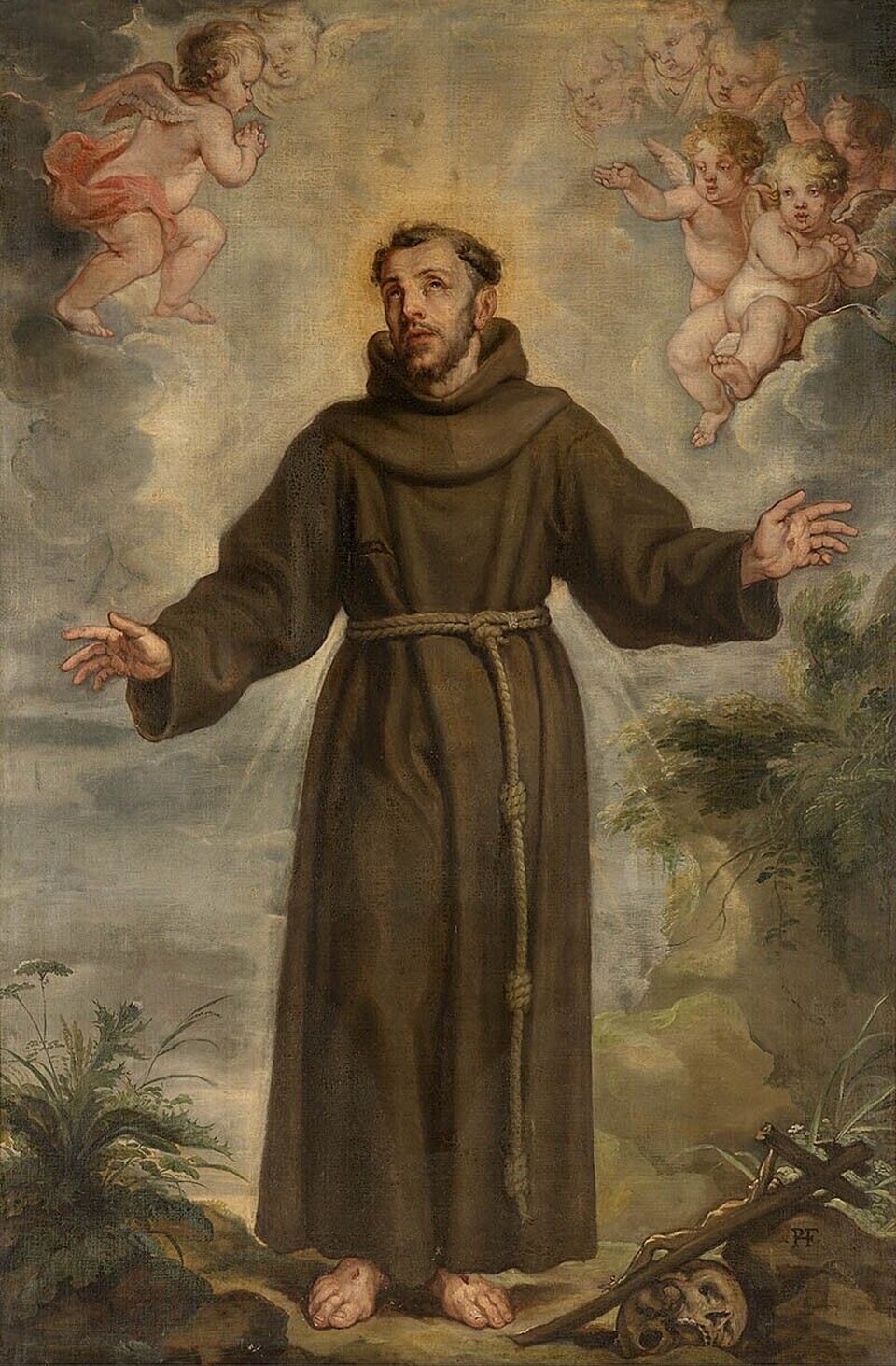
1181 - 1226 - St. Frances of Assisi (All Facts)
Founded his namesake religious order, also known as the Friars Minor
It was approved by Pope Innocent III
It was based on a simple life derived from the Gospel
Its members gave up all their possessions and went around ragged, barefoot, and dirty like vagabond beggars, mixing themselves in with the poor and helping them
In his own lifetime, he resigned from being the leader of the namesake order which he created
He was known for devoting himself to helping not just the poor and the sick, but animals
He was famous for preaching to animals such as birds, and they appeared to listen to him and talk back
He was born as the son of a wealthy cloth merchant
He became uneasy about the contrast between his riches and the poverty and sickness he saw in the streets
One day, he not only gave alms to lepers, but forced himself to kiss one on the lips
In doing so, he produced a sudden and profound conversion for himself to Christianity
Later on he had a second revelation when the crucifix of the church of St. Damien spoke to him and said “You, go and repair my house, which you see is in ruins”
He first interpreted this literally and went through the streets begging for stones to rebuild the church of St. Damien and sold some of his father’s cloth to buy more stones, but his father was furious with him and demanded his money back
So the namesake gave it to him publicly in front of the bishop’s palace and then, in dramatic fashion, he also took off his clothes and gave them back as well saying, “Naked I will go to the Lord”
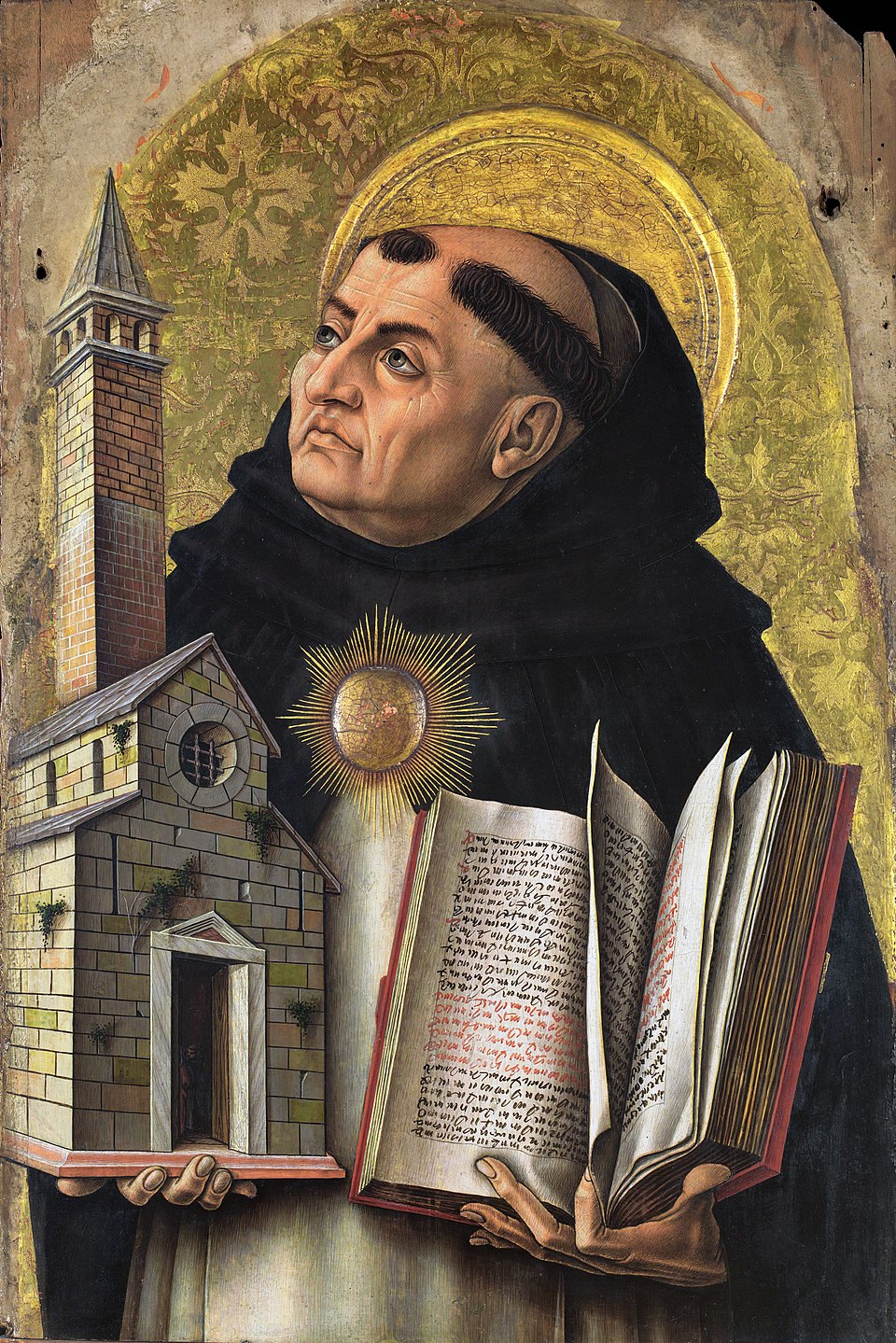
1225 - 1274 - St. Thomas Aquinas (All Facts)
Italian Scholastic Philosopher
Best known for his works “Summa contra Gentiles,” which explains Catholicism, and “Summa Theologica,” which summarized his entire work
He argued and showed that Aristotelian reason and the Christian faith were complementary and confirmed, rather than contradicted each other
His work marked a major watershed in western thought for his success in creating a synthesis of Christian theology and Aristotelianism
He thus forged a new bond between Christian Europe and one of the great philosophers of its pagan past
He
was born of a noble family at Aquino, near Naples
entered the order of and became a Dominican
traveled to Paris to study under Albertus Magnus, a fellow Dominican
studied Aristotle thoroughly when he was back in Italy at the papal court
died at the papal court at the age of 48
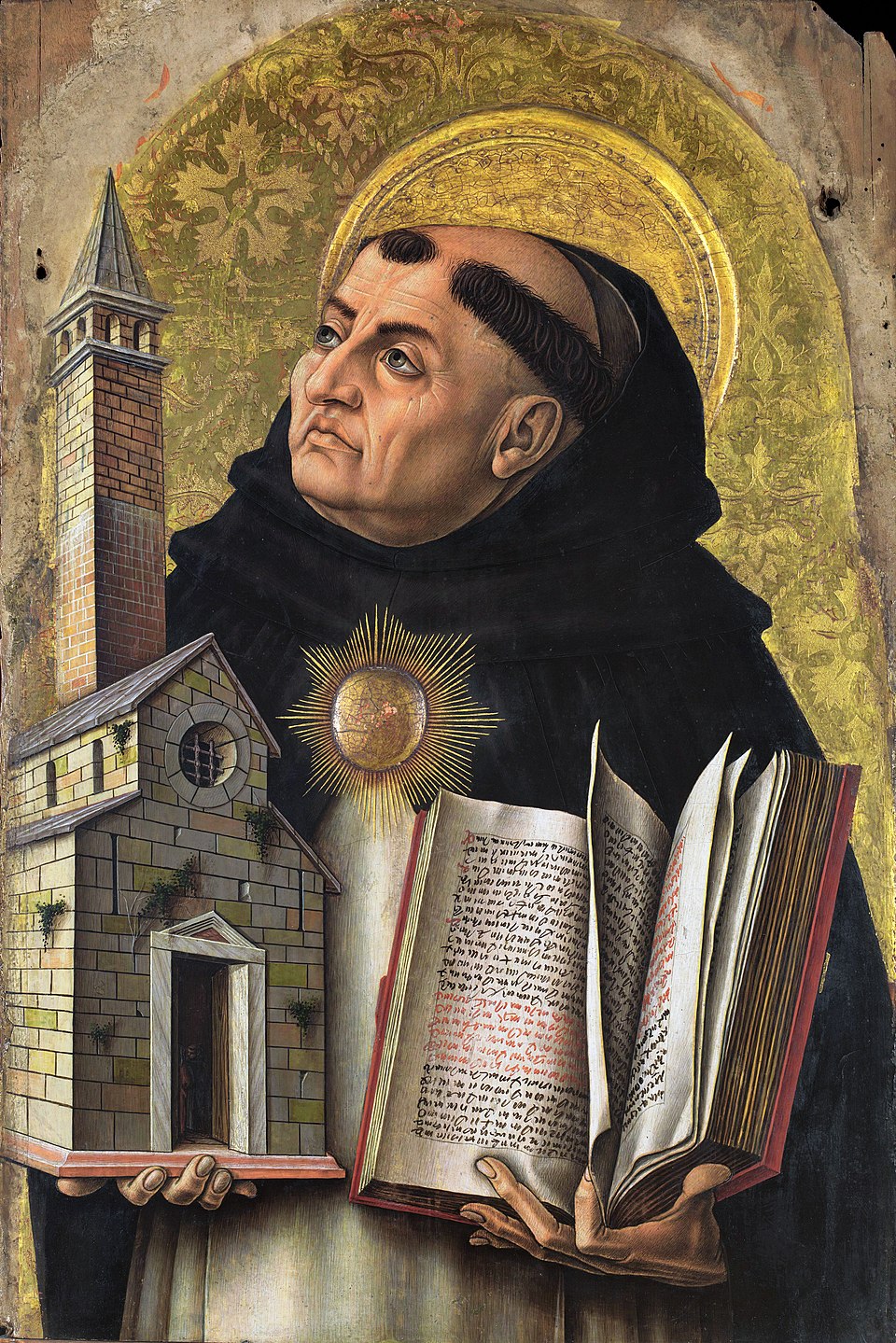
1265 - St. Thomas Aquinas: Summa Contra Gentiles (All Facts)
Work in which the namesake author stated his belief in the power of reason and presented arguments designed to convince the non-believer of the power and truth displayed in Christianity
Work which, along with the namesake author’s others, gave a strong Aristotelian basis to Catholic philosophy
1247 - 1328 - Giovanni Monte Corvino (All Facts)
Italian Franciscan Missionary
He established the earliest Latin Catholic missions in India and China
He famously baptized Khaistan Kuluk, the third great khan of the Yuan Dynasty in China
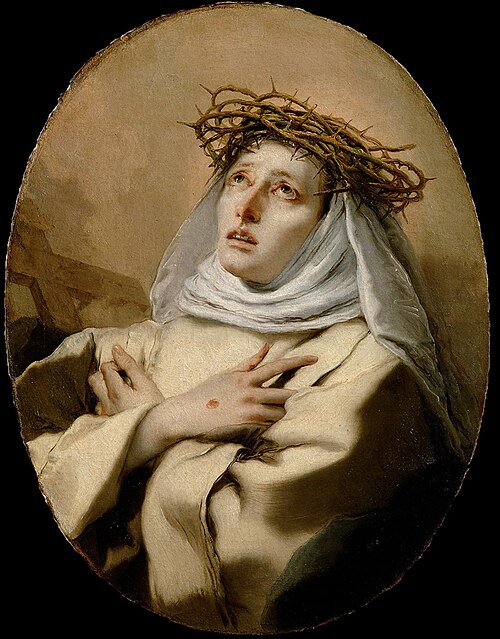
1347 - 1380 - St. Catherine of Siena (All Facts)
She was one of the greatest Christian mystics who had glorified the age of mystical fervor at the time
She was in constant tireless devotion to those in need and to the church, both in her native town and throughout Italy
She sought recognition of Pope Urban VI in the face of the breakaway papacy at Avignon and the election of anti-Pope Clement VII
She was paralyzed from the waist down by a stroke and then died eight days afterwards
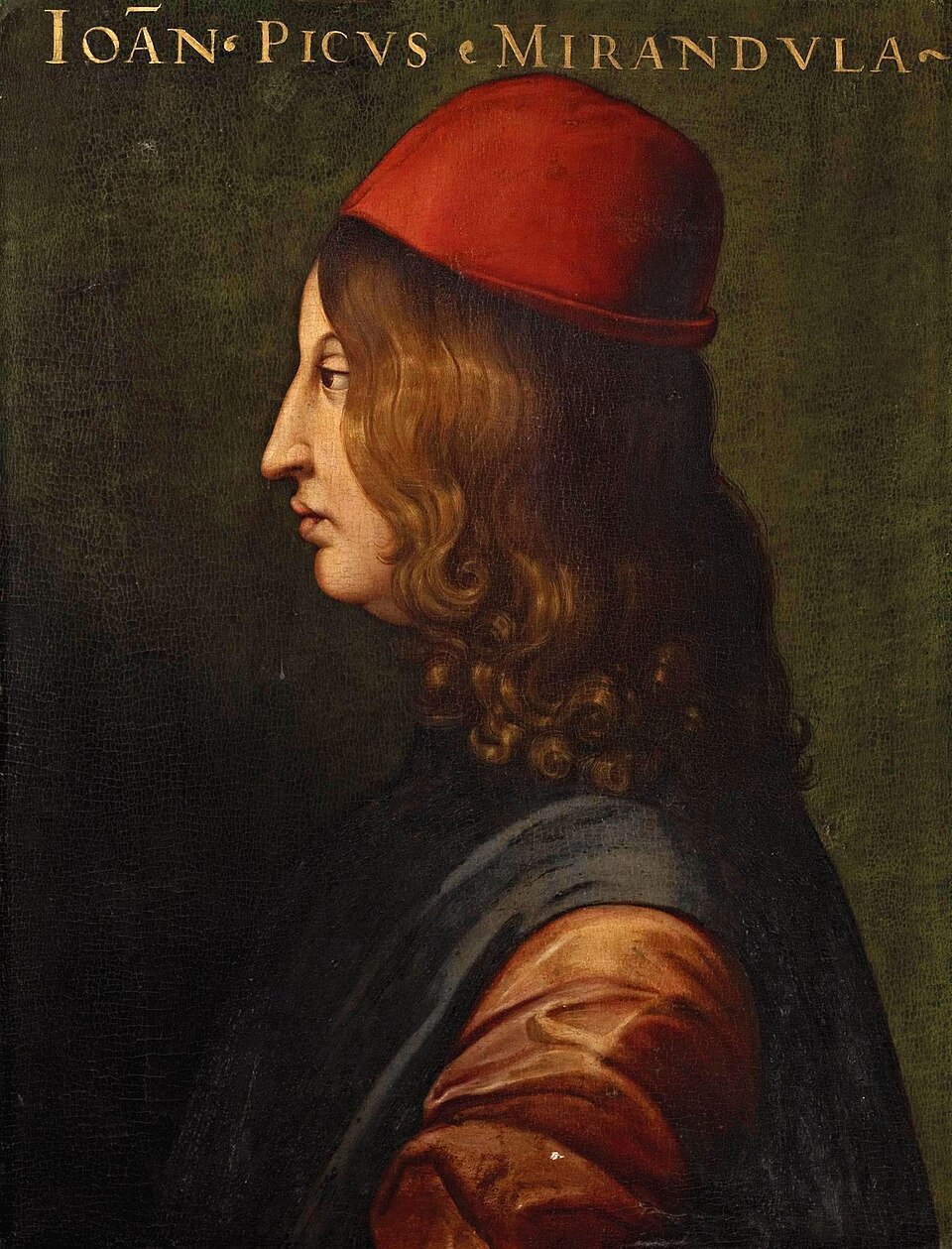
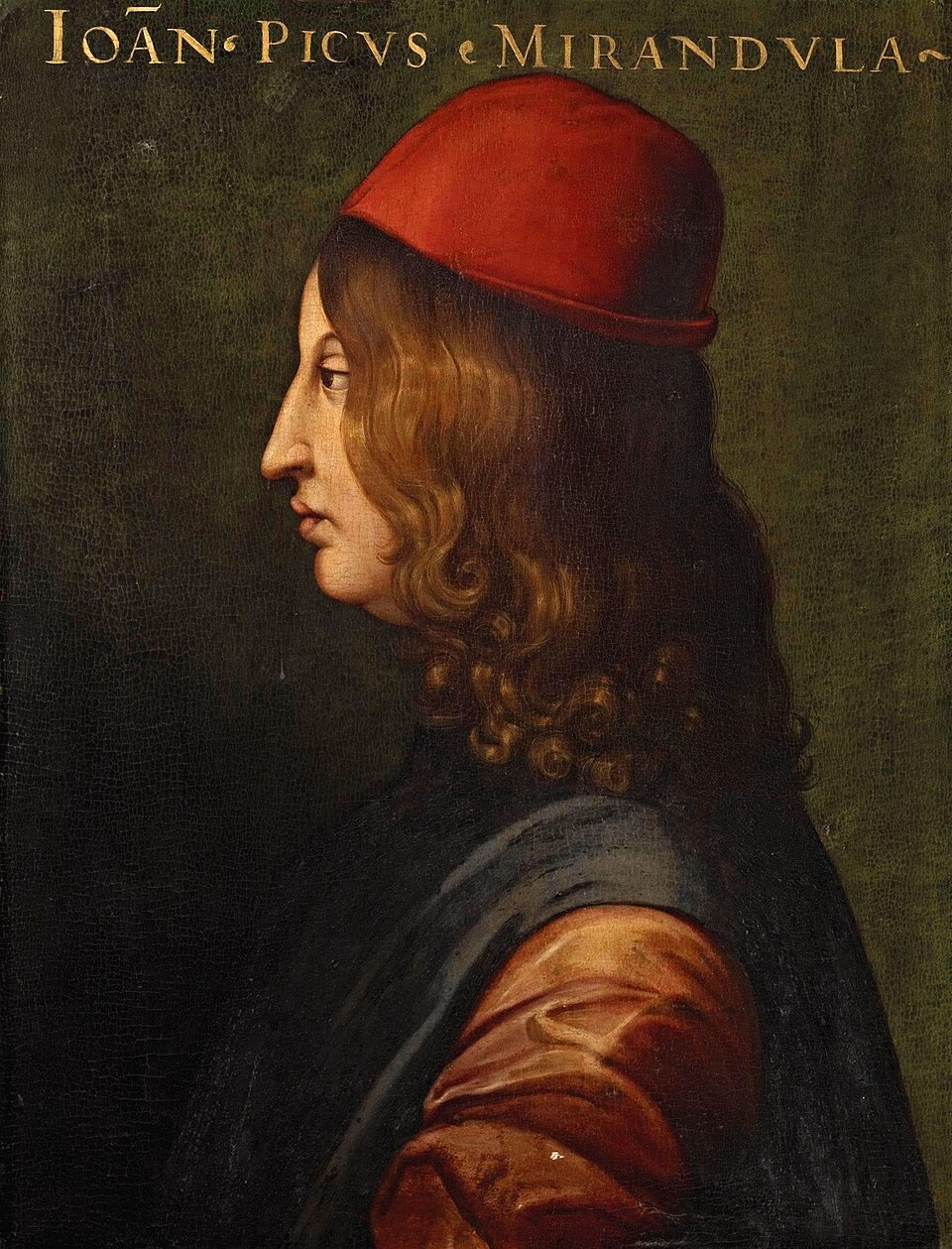
1463 - 1494 - Pico della Mirandola (All Facts)
Italian Renaissance Philosopher from Ferrara
He took on the view of Humanism, writing that “nothing in the world can be found that is more worthy of admiration than man”
He suggested that Christ did not really descend into the underworld
He argued that cabalistic magic is the best way of proving the divinity of Christ
He was the son of a noble family
He began to study canon law at the age of 10 in Bologna
He began to study philosophy at the age of 12 in Ferrara
He began to study Hebrew and Arabic in Perugia, where he was strongly influenced by Jewish scholars of the Kabbalah
He met many humanist philosophers while in Sorbonne in France
His views and work was condemned as heresy in a papal commission by Pope Innocent VIII
1486 - Pico della Mirandola: Conclusiones (All Facts)
Work which comprises 900 propositions about God and man
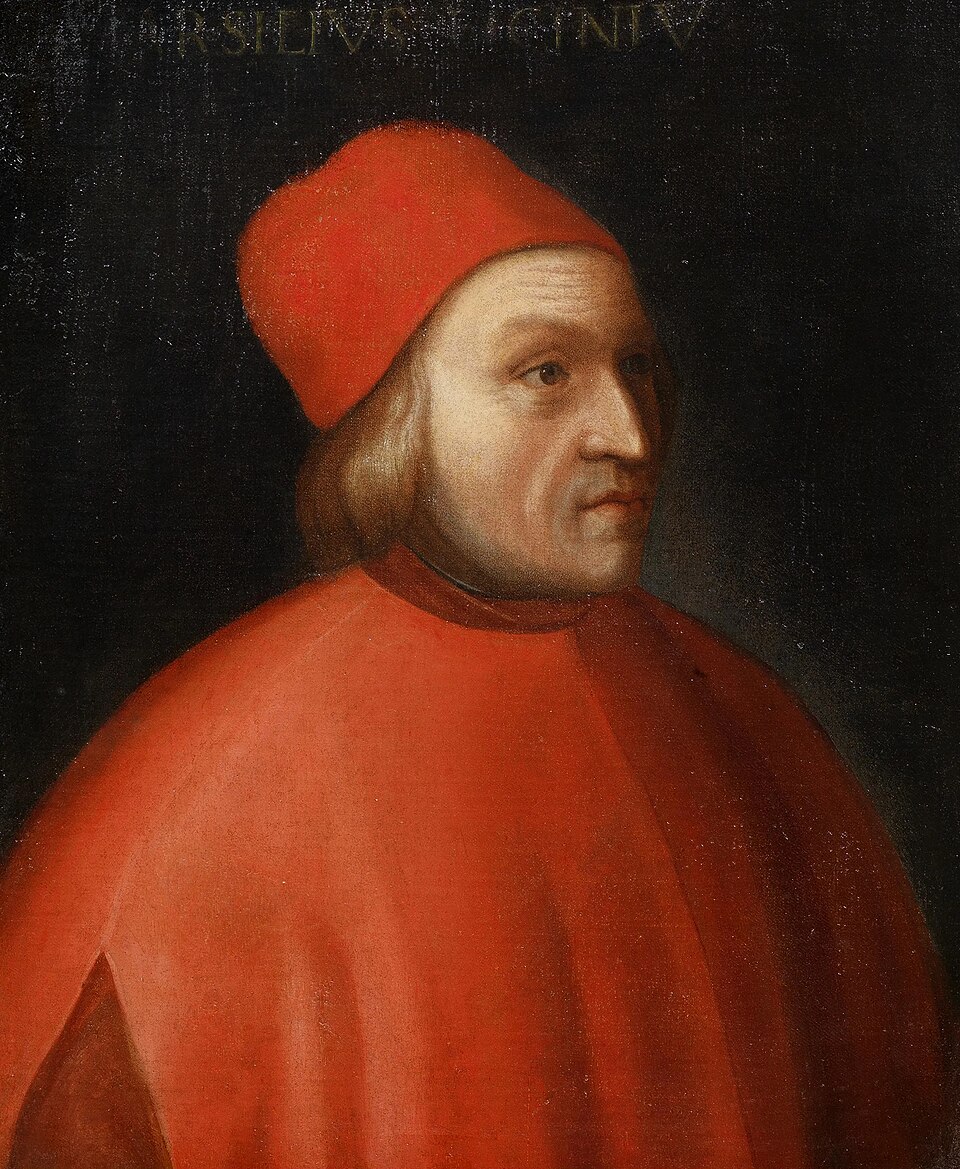
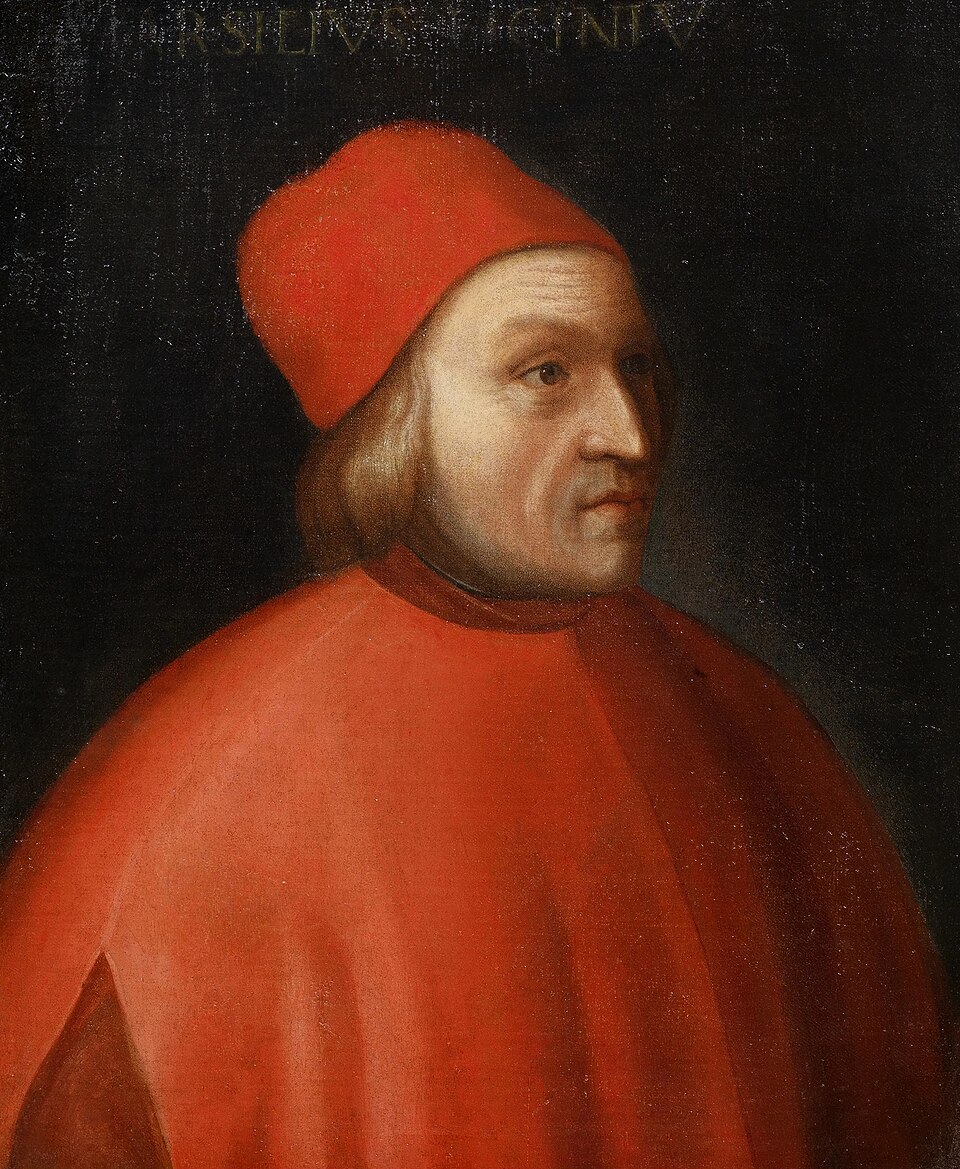
1433 - 1499 - Marsilio Ficino (All Facts)
Italian Philosopher
He was from Florence
He was a leading member of Florence’s “Platonic Academy”
1482 - Marsilio Ficino: The Platonic Theology “Concerning the Immortality of the Soul” (All Facts)
Philosophical work which argues for the freedom of the soul from the body
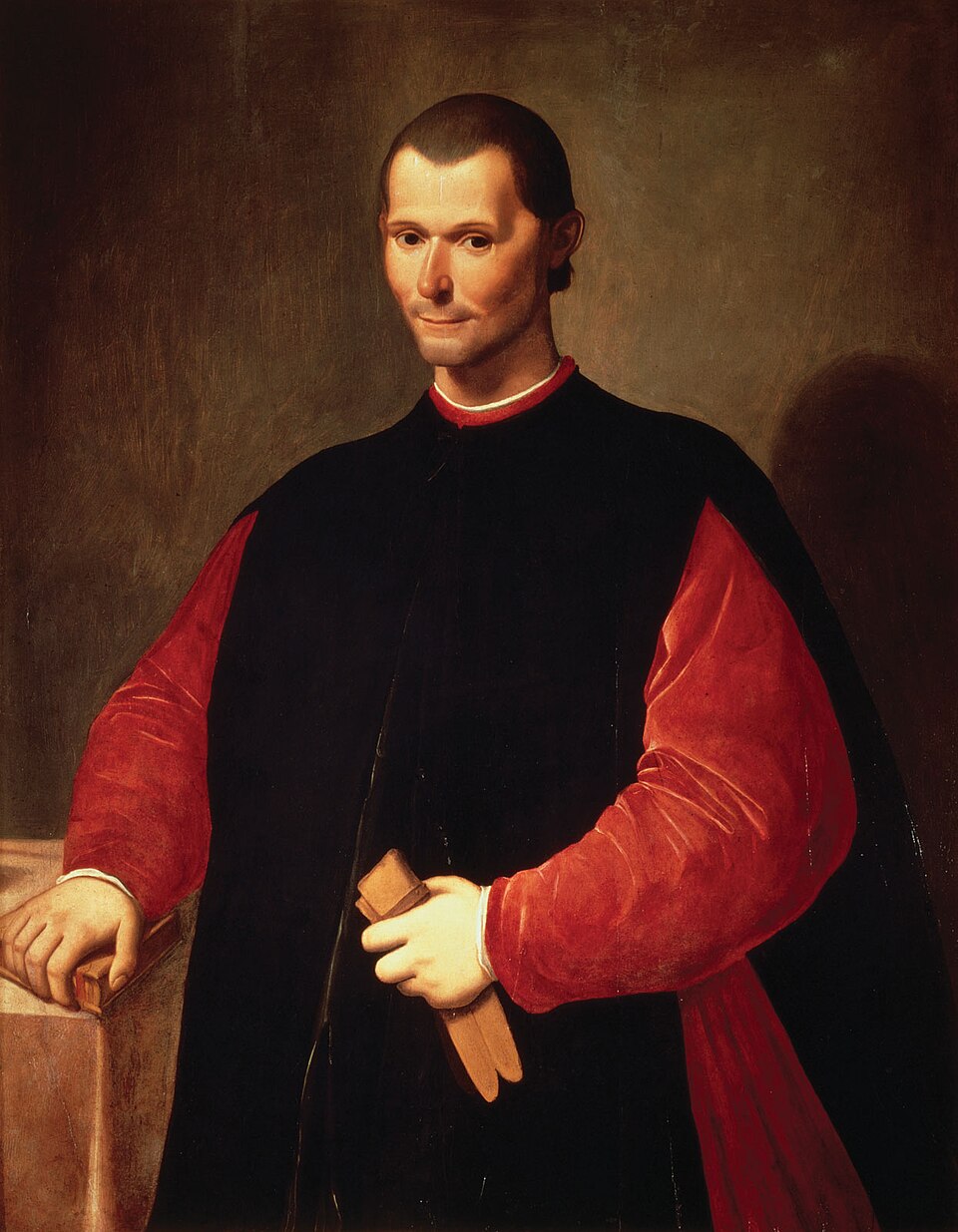
1469 - 1527 - Niccolo Machiavelli (All Facts)
Italian Renaissance Politician, Political Philosopher, Political Scientist, and Historian
He is considered the Father of Modern Political Philosophy and Political Science
He was appointed Secretary to the Council of Ten
This was the second most executive tier in the Republic of Florence
This Council handled
wars (at a time when war was an almost permanent feature among the Italian city-states, especially the “Italian Wars”)
internal security
His post as Secretary involved
frequent visits to Italian and foreign rulers, including the King of France, the pope, and his contemporary Cesare Borgia
However, when the Medici Family returned to Florence, he lost his job as Secretary and was exiled
He was urged by the Medici Family to devote himself to writing a history of the Republic of Florence
As secretary, he had walked the gilt-lined corridors of power, however, and still pined for high office
His work as a writer thus suggested that such works were designed to court favor with the Medici Family
He had some success in the fact that his most famous work pleased the Medici Family
1513 / 1532 - Niccolo Machiavelli: The Prince (All Facts)
Work which consists of a remarkable study of political power, including its uses and abuses
Work in which the namesake author does not assume that princely rule is any better than popular “democratic” government
Work which discusses at length the way in which princely power is gained
Work which analyzes how power is preserved in the volatile climate that was Italian politics at the time
Work whose main character is believed to have been based off of Cesare Borgia
Work which the namesake author wrote in an attempt to regain favor with his former employers
Work which was criticized for the namesake author’s approach being too direct and blunt, too obvious in its intent
Work which was published posthumously
1517 / 1531 - Niccolo Machiavelli: Discourses on Levy (All Facts)
Work which was designed to court favor with the Medici Family after the namesake author’s exile from his post as Secretary of the Council of Ten
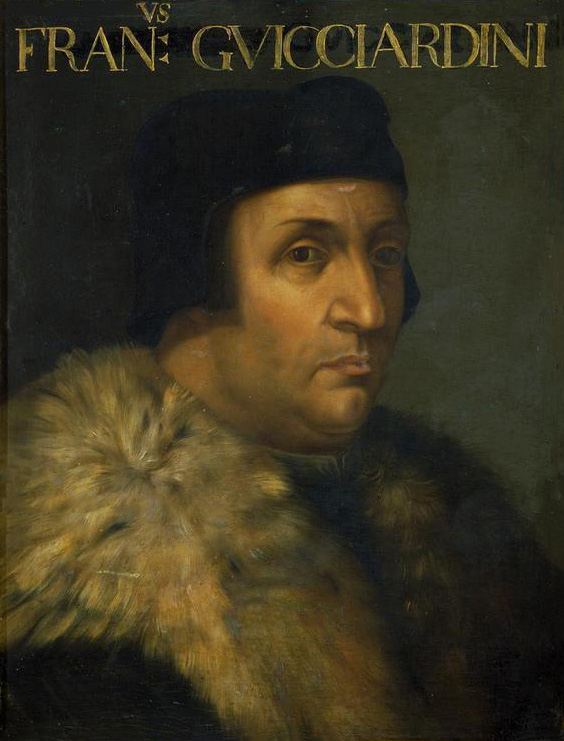
1483 - 1540 - Francesco Guicciardini (All Facts)
Italian Historian and Statesman
He was from Florence
He became governor of Bologna
He was a diplomat
He was a councilor to Pope Clement VII
He retired from public affairs seven years before his death, writing history thereafter
He was a pessimist, having saw man as a weakling, and having saw man’s life determined by chaotic and unforeseeable events
He believed man’s only hope lay in using man’s intelligence, even if such efforts are often frustrated
He despised princes, popes, and people equally, although he earned high honors working for the Papacy and the Medici Family
He is considered the first historian of Italy, since he considered Italy as a whole, rather than the sum of its provinces
The consciousness of Italy’s nationhood thus began with him
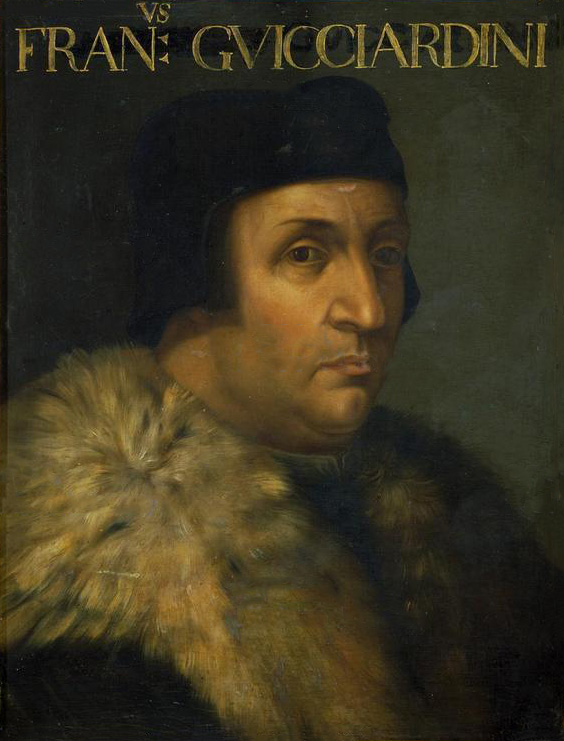
1536 - Francesco Guicciardini: The History of Italy (All Facts)
Work which covers events in Italy from the reign of Charles VIII to ten years before it was published
Work which is unique in that the namesake authors views Italy as a single nation, whereas other historians of the namesake author’s day and age restricted themselves to studying Italy’s various provinces
Work which influences people to consider the namesake author the first historian of Italy, since he considered Italy as a whole, rather than the sum of its provinces
Work in which the namesake author demonstrates that wars and diplomacy are not divisive, but rather simply link one state of Italy to another
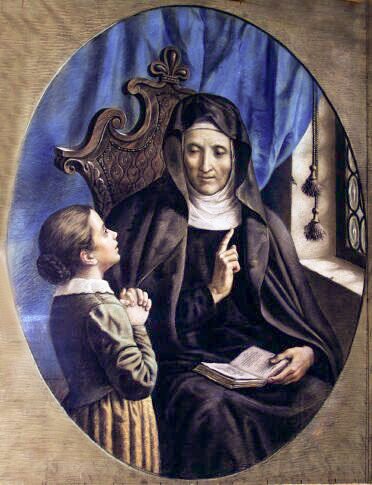
1474 - 1540 - St. Angela Merici (All Facts)
Italian Catholic Religious Educator
Founder of the Angelines / Company of St. Ursula Order, which worked to educate young girls
She died at Brescia
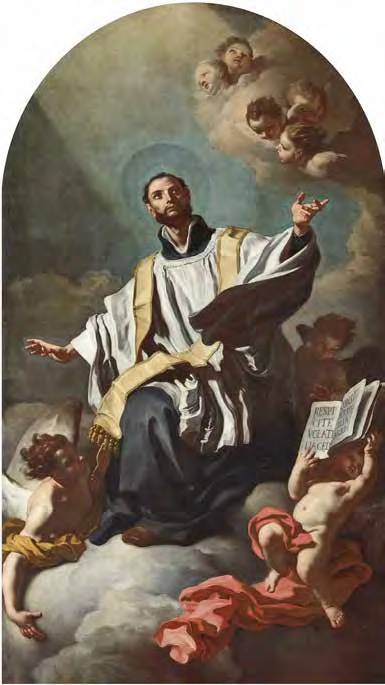
1480 - 1547 - St. Cajetan (All Facts)
Italian Catholic Priest and Religious Reformer
His real name was Gaetano di Thiene
He co-founded the Theatines or Congregation of Clerics Regular, along with Gian Pietro Carafa (the future Pope Paul IV)
Prior to this, he was initially the leader of the Oratory of Divine Love
He and his co-founder
were dedicated to the relief of human suffering
attempted to persuade the Catholic Church to improve the training of clerics (by their own examples)
argued that priests should live in their parishes
He and his co-founder founded the Theatines in order to have its members’ lives be made up of
poverty
celibacy
work in schools, hospitals, orphanages, and women’s hostels
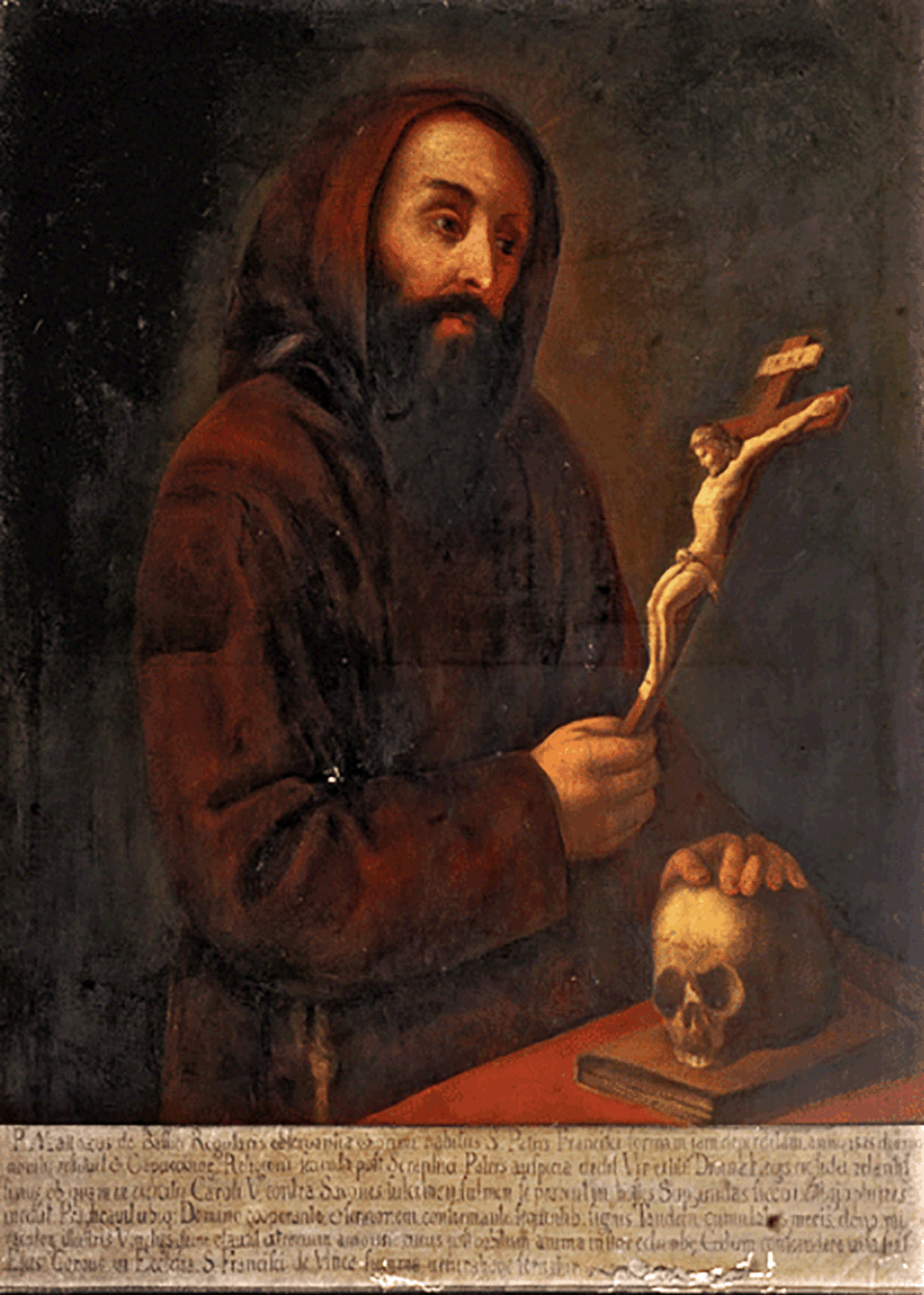
1495 - 1552 - Matteo da Bascio (All Facts)
He founded the Order of Friars Minor Capuchin, which aimed to revive the Franciscan ideal of saintly poverty, and which was approved of by Pope Clement VII