Introduction to Molecular and Cellular Biology: Plasma Membranes and Lipid Structures
 Call Kai
 Learn
Learn Practice Test
 Spaced Repetition
 Match
Match Flashcards
 Knowt Play
1/18

There's no tags or description
Looks like no tags are added yet.
Name | Mastery | Learn | Test | Matching | Spaced | Call with Kai |
|---|
No analytics yet
Send a link to your students to track their progress
19 Terms
What are the two main components of a virus?
A nucleic acid genome and a protein capsid.
What is the difference between lytic and integrative viral infections?
Lytic infections lead to the destruction of the host cell, while integrative infections involve the insertion of viral DNA into the host genome.
What determines the cell type a virus can infect?
The surface expression of a specific surface protein.
How do RNA vaccines function?
They trick the body's cells into producing a fragment of a virus (an antigen) from an RNA template.
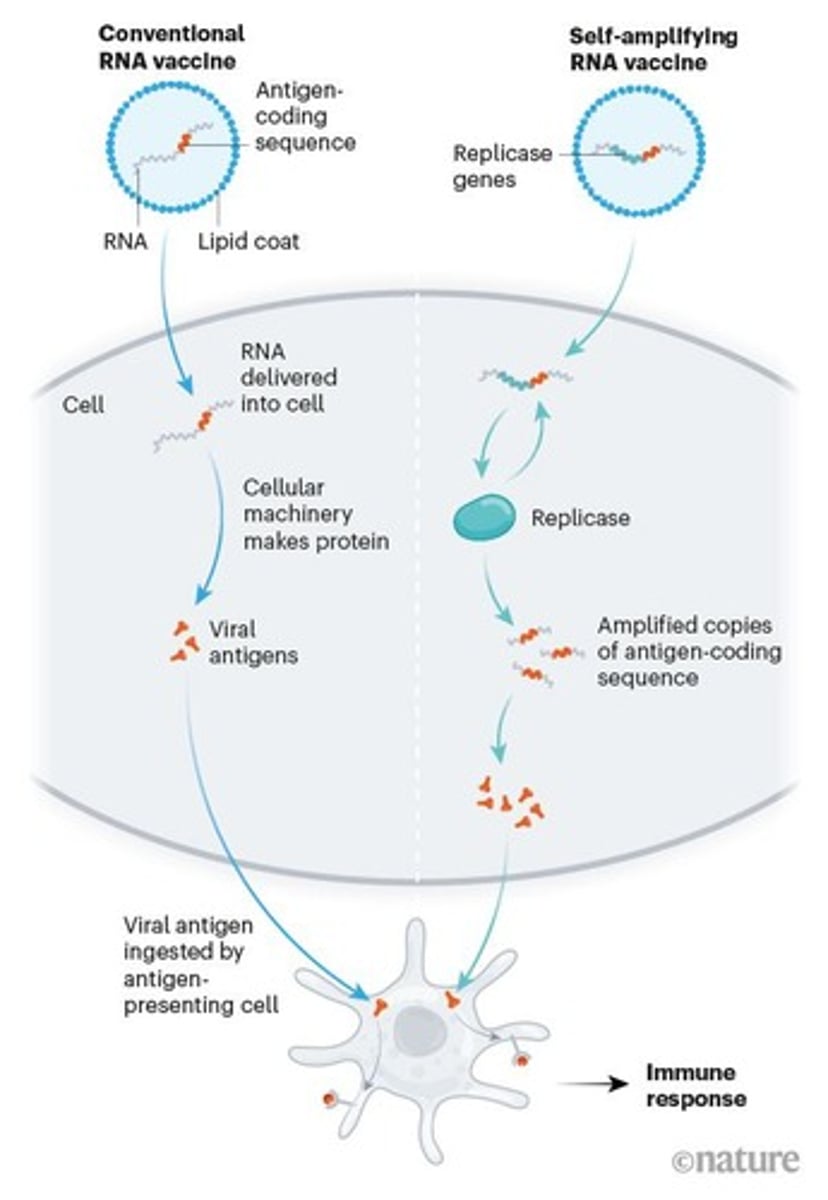
What is the role of dendritic cells in the immune response?
They help present antigens to T cells, initiating an immune response.
List one specific role of the plasma membrane.
Define cell boundary.
What is one function of the sarcoplasmic reticulum in muscle cells?
To store and regulate calcium ions (Ca²⁺) essential for muscle contraction.
Why are red blood cells useful for studying membrane structure?
They do not contain nuclei or internal membranes.
What is the thickness of the plasma membrane?
Approximately 6 nm.
What are the building blocks of proteins?
Amino acids.
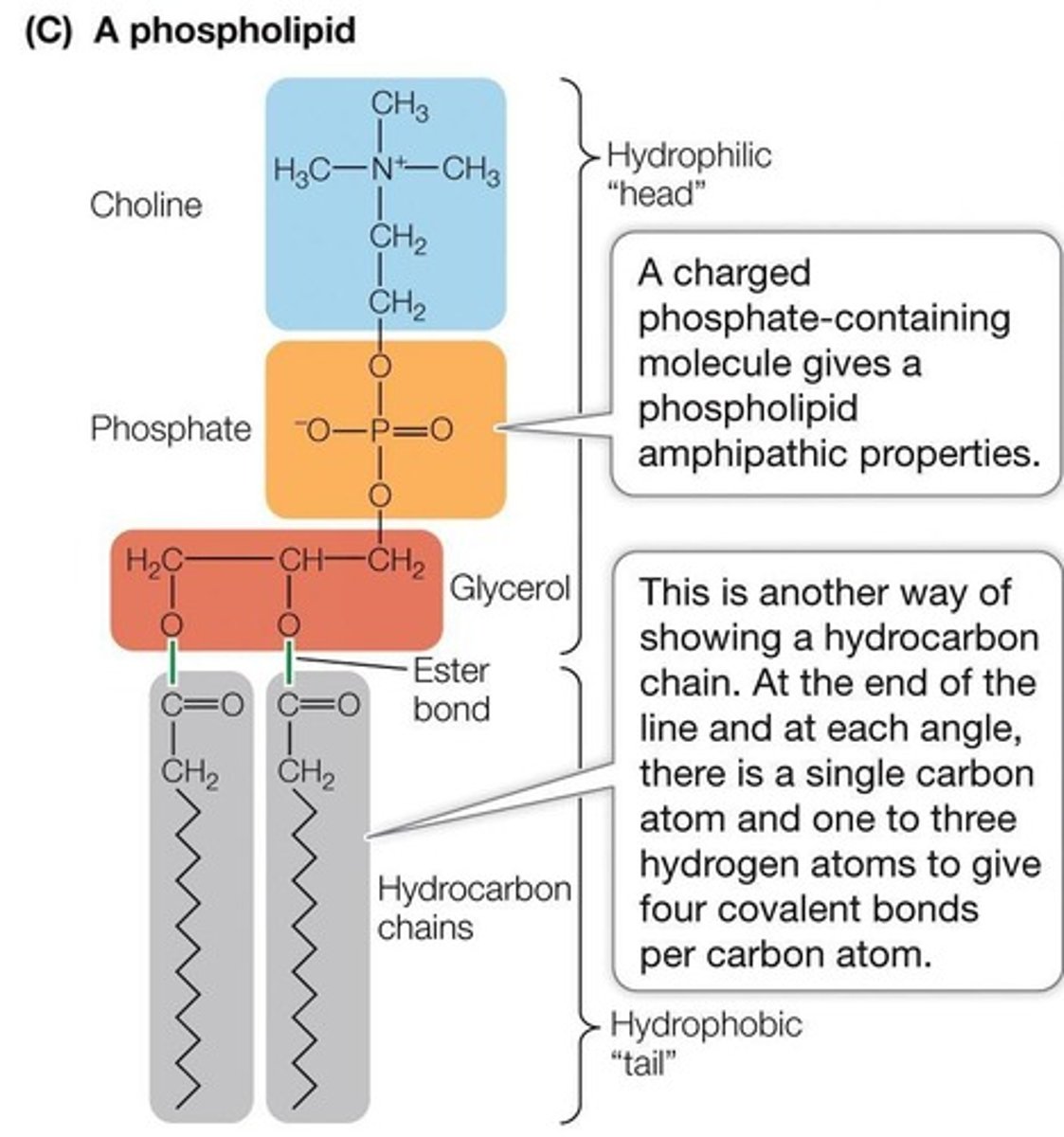
What is a phospholipid's structure?
Shaped like a 'clothes pin' with a hydrophilic head and hydrophobic tails.
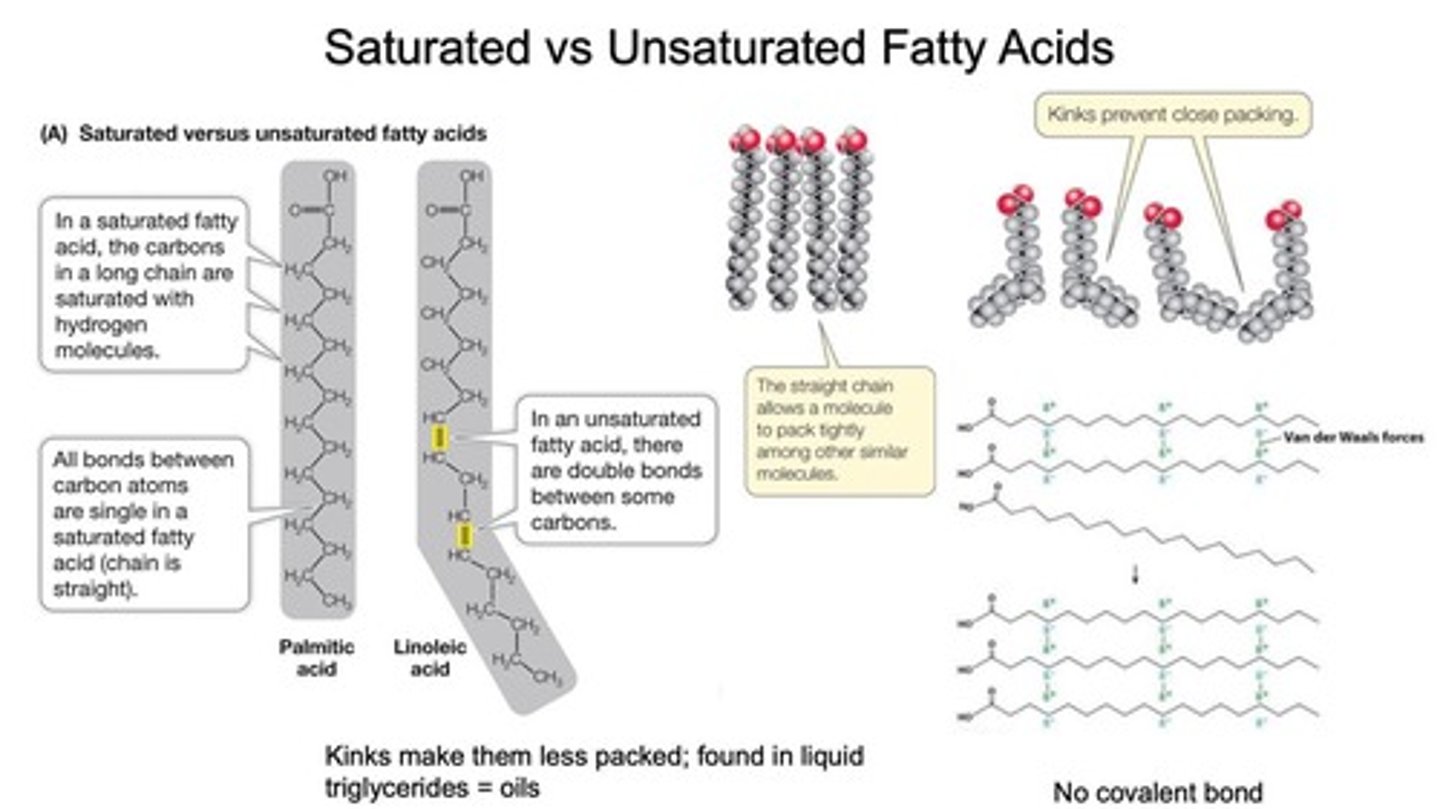
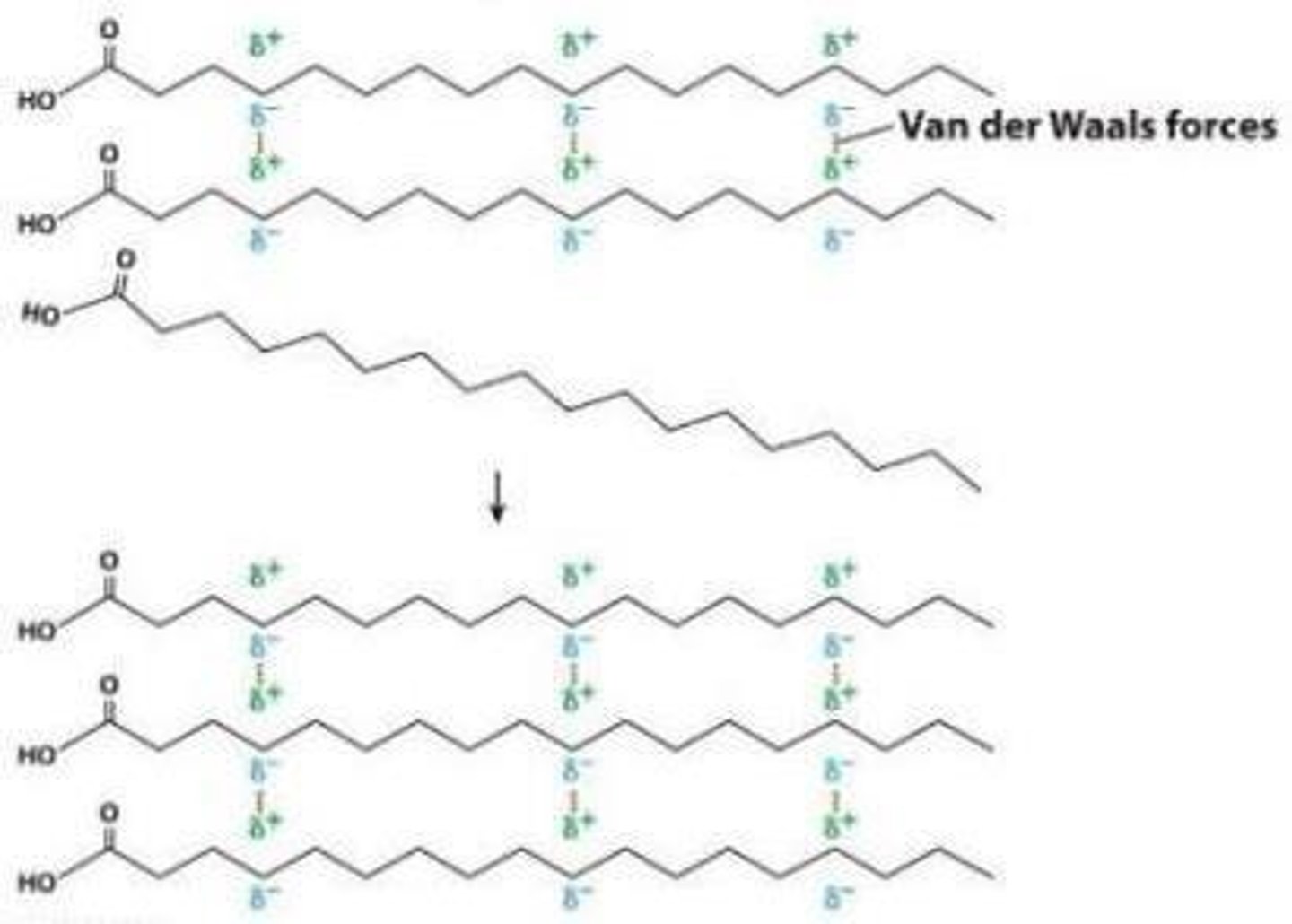
What is the difference between saturated and unsaturated fatty acids?
Saturated fatty acids have no double bonds between carbons, while unsaturated fatty acids have one or more double bonds.
What are the two types of unsaturated fatty acids?
Monounsaturated (one double bond) and polyunsaturated (more than one double bond).
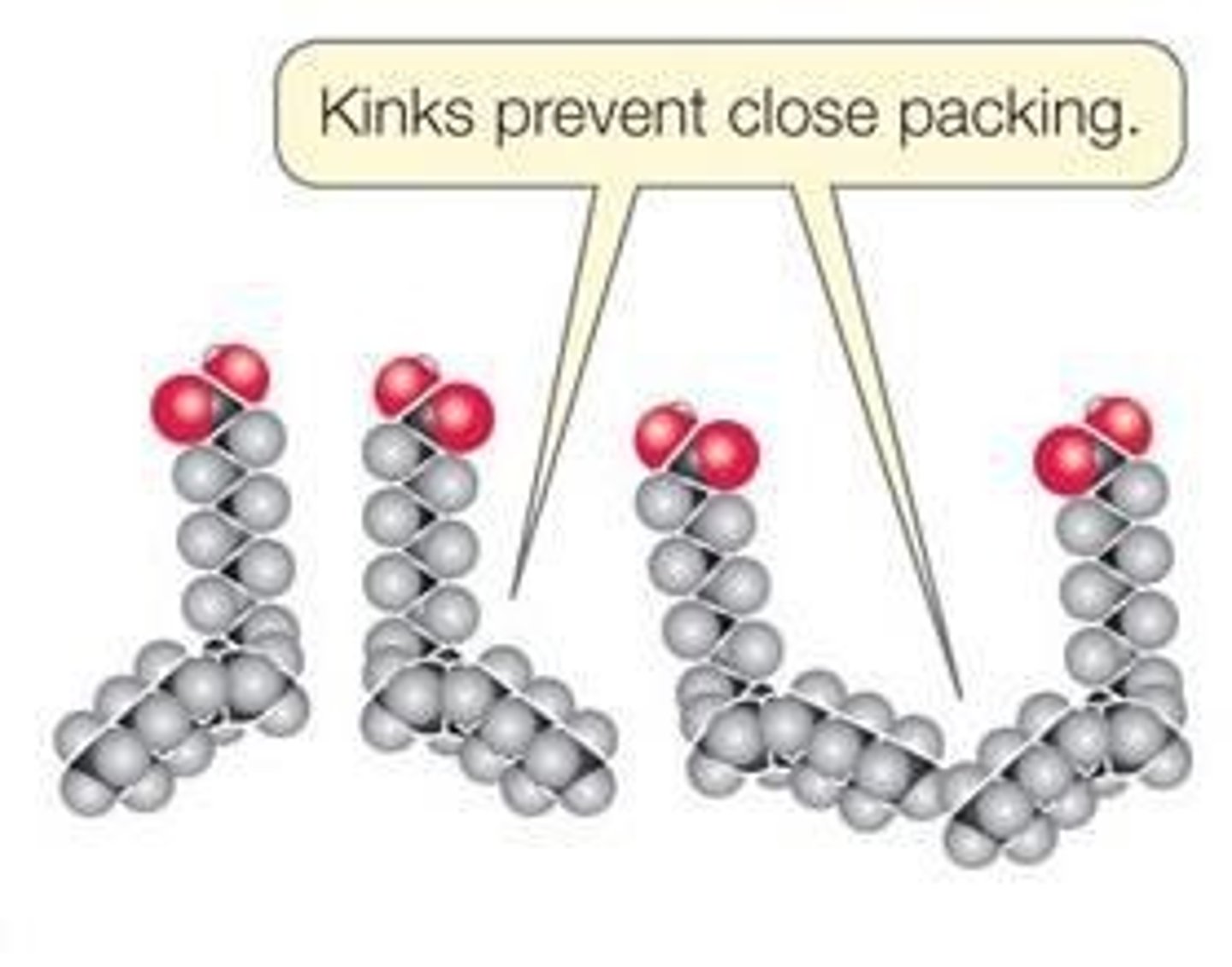
What is the significance of kinks in unsaturated fatty acids?
Kinks make them less packed, resulting in liquid triglycerides (oils).
What stabilizes the self-assembly of phospholipids?
Hydrophobic interactions.
What type of bond is formed between nucleotides in nucleic acids?
Phosphodiester bonds.
What is the primary function of biological membranes?
To control the movement of materials into and out of cells.
What is the role of the plasma membrane in response to external stimuli?
It allows cells to respond to external stimuli.
What is the function of the plasma membrane in enabling interactions between cells?
It facilitates communication and interaction between adjacent cells.