AP Psychology Unit 3 Development (revised CED 2024)
 Call Kai
 Learn
Learn Practice Test
 Spaced Repetition
 Match
Match Flashcards
 Knowt Play
1/67

There's no tags or description
Looks like no tags are added yet.
Name | Mastery | Learn | Test | Matching | Spaced | Call with Kai |
|---|
No analytics yet
Send a link to your students to track their progress
68 Terms
developmental psychology
a branch of psychology that studies physical, cognitive, and social change throughout the life span
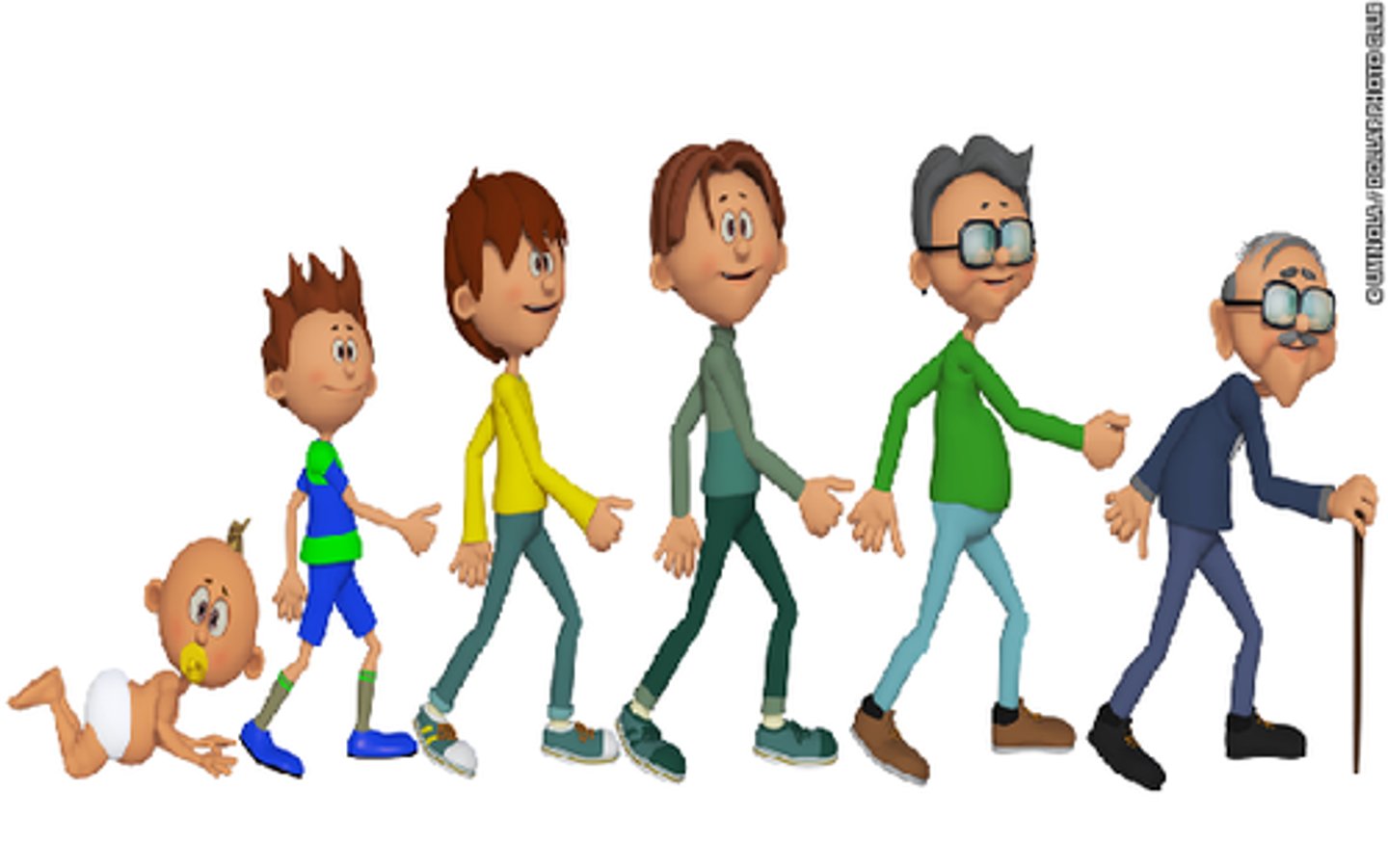
cross-sectional study
a study in which people of different ages are compared with one another
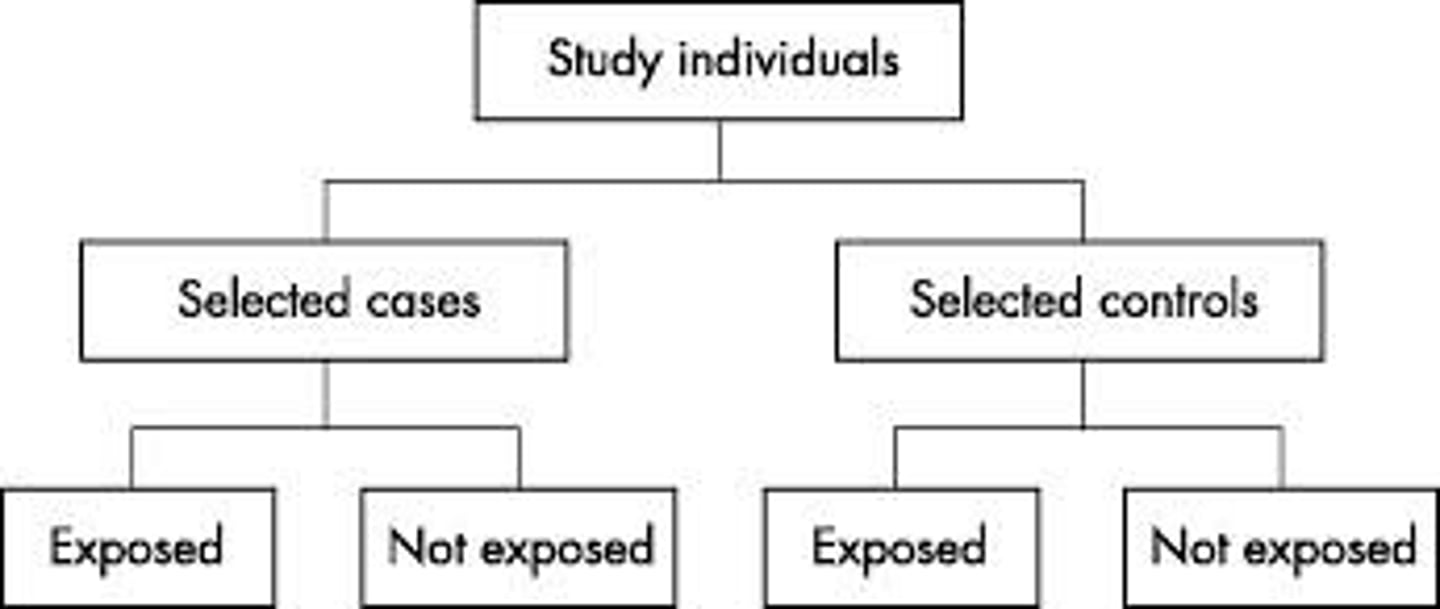
longitudinal study
research in which the same people are restudied and retested over a long period
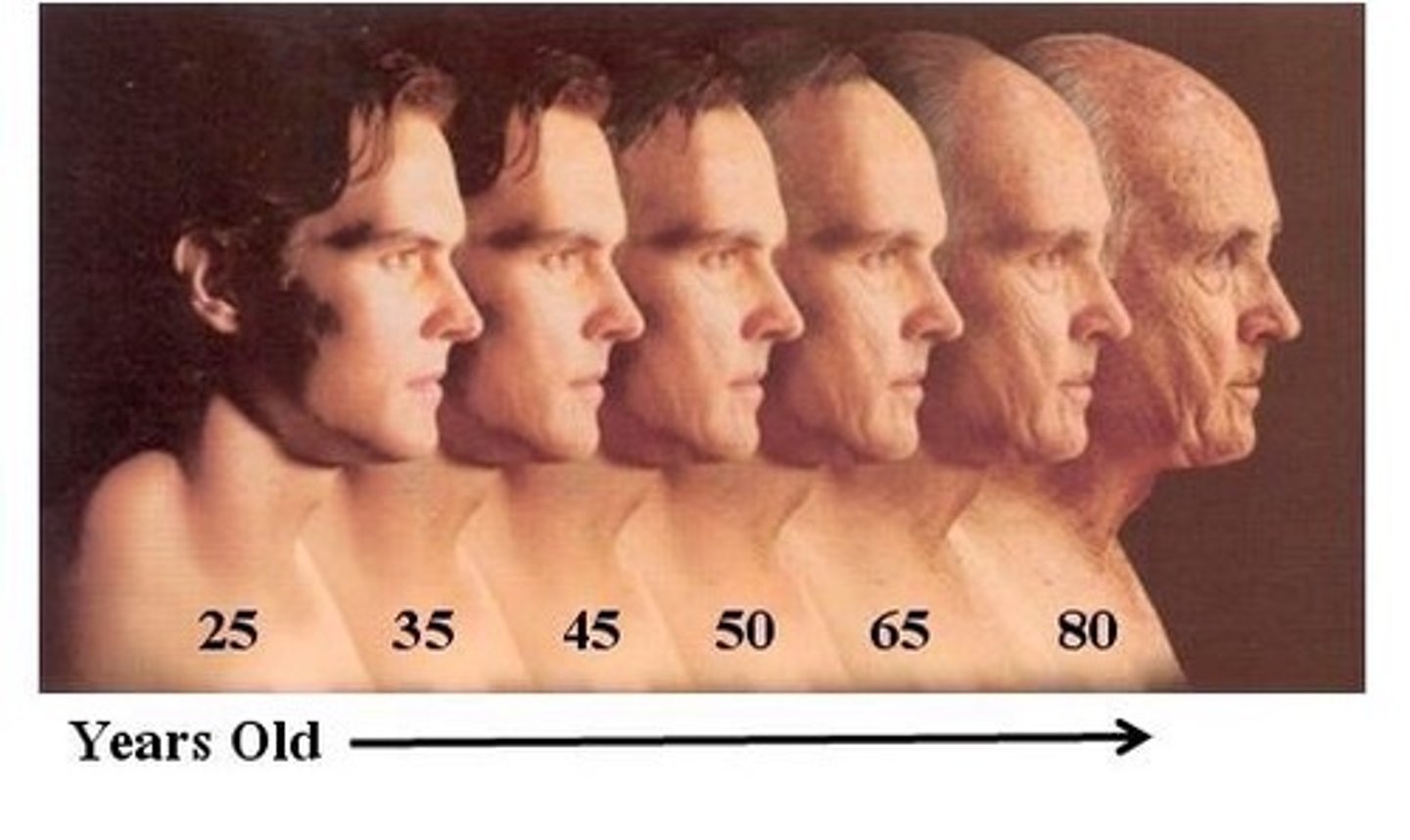
Critical period
a specific time in development when certain skills or abilities are most easily learned
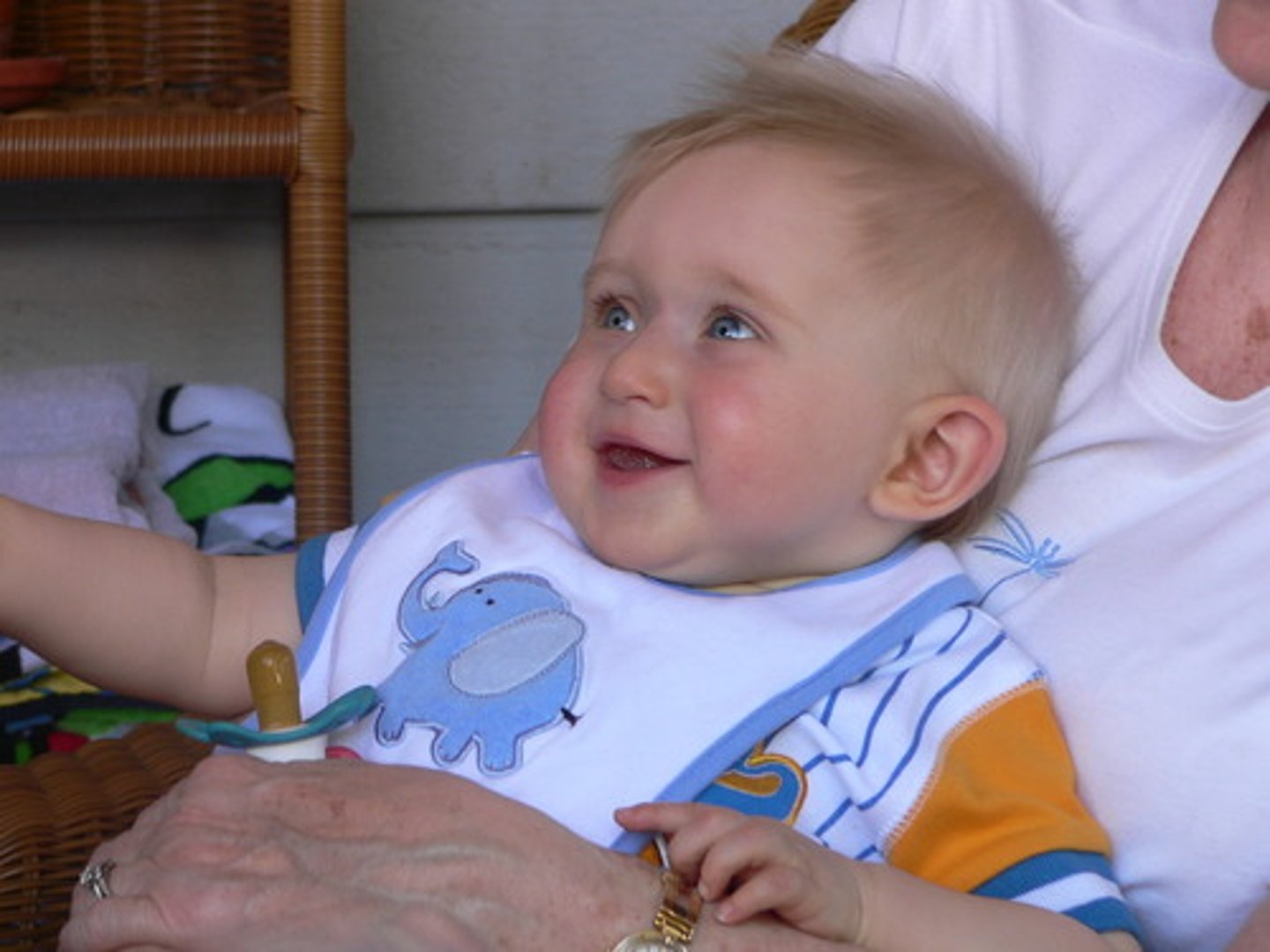
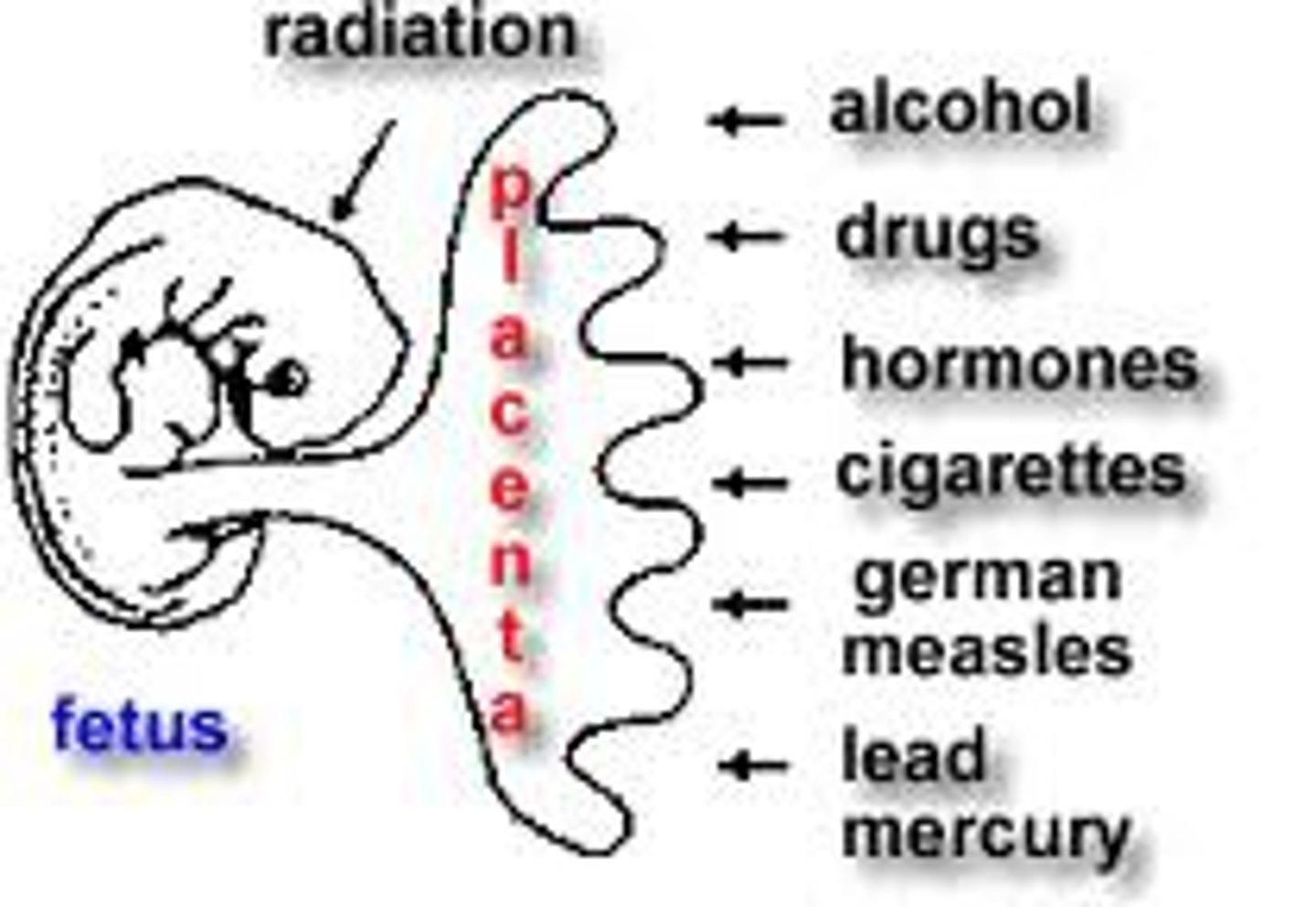
Teratogens
agents, such as chemicals and viruses, that can harm the embryo or fetus during prenatal development
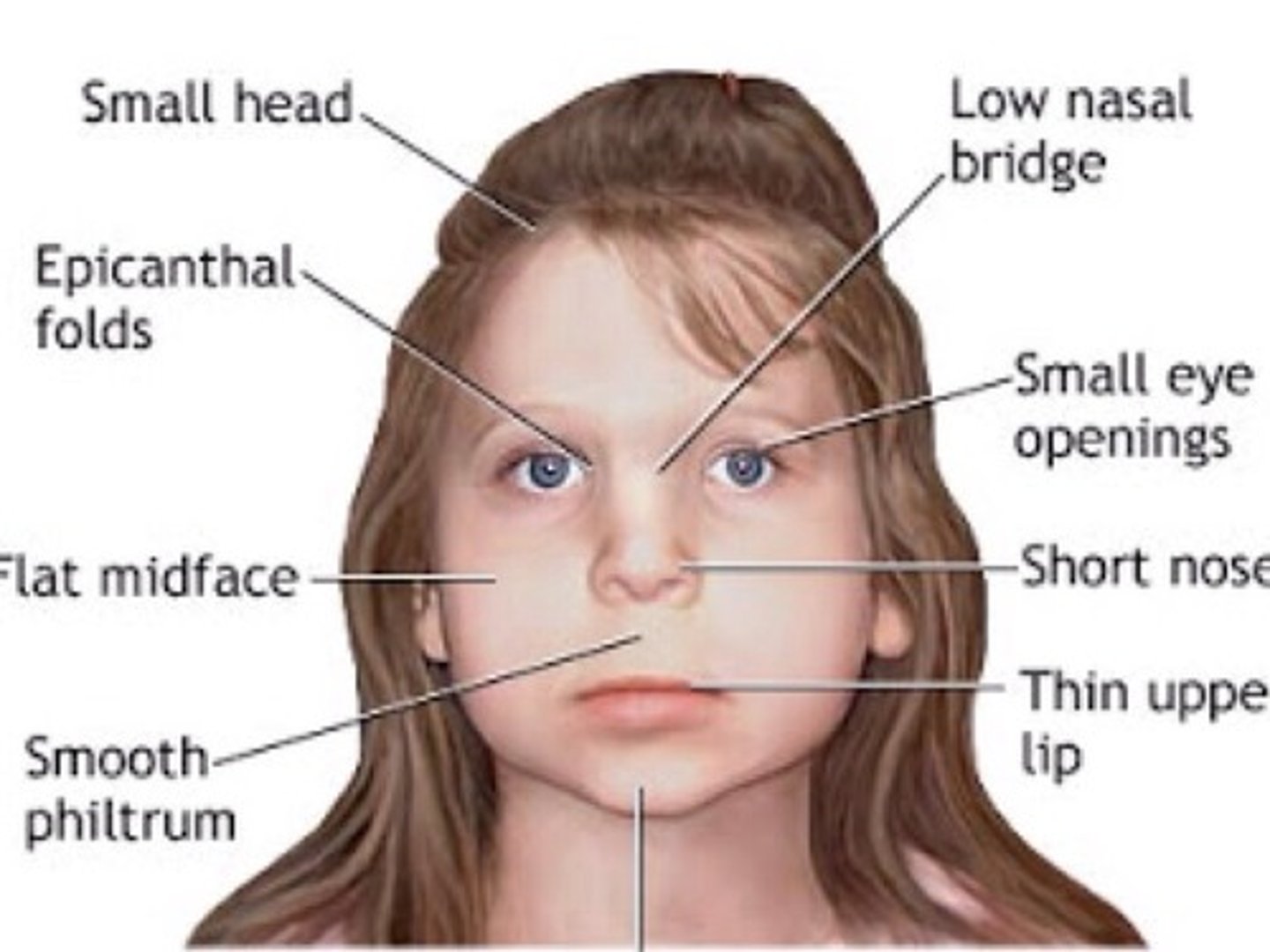
Fetal Alcholol syndrome
born underweight, deficient growth, and malformations of the skull and face
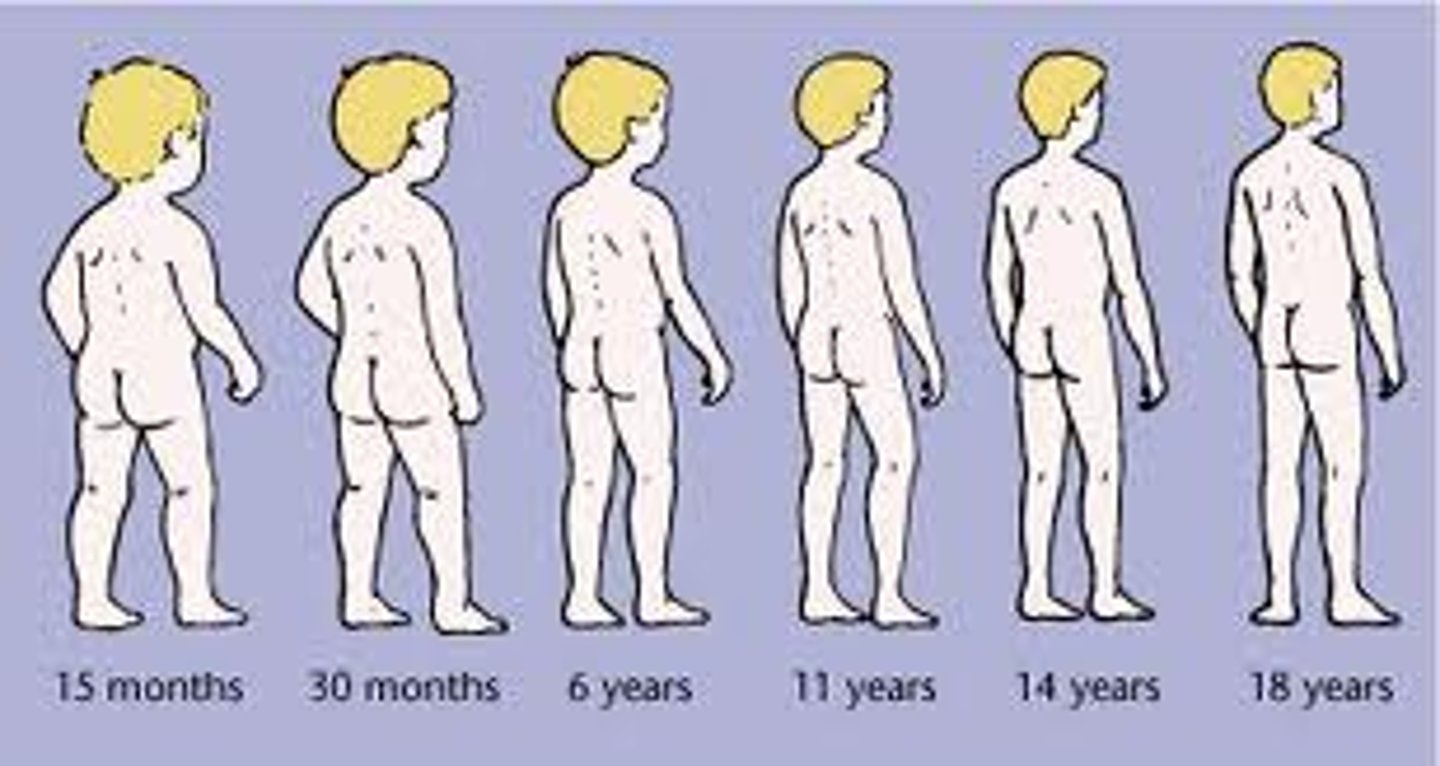
Maturation
biological growth processes that enable orderly changes in behavior, relatively uninfluenced by experience
Adolescence
the transition period from childhood to adulthood, extending from puberty to independence

puberty
Developmental stage at which a person becomes capable of reproduction.
Menopause
cessation(stopping) of menstruation

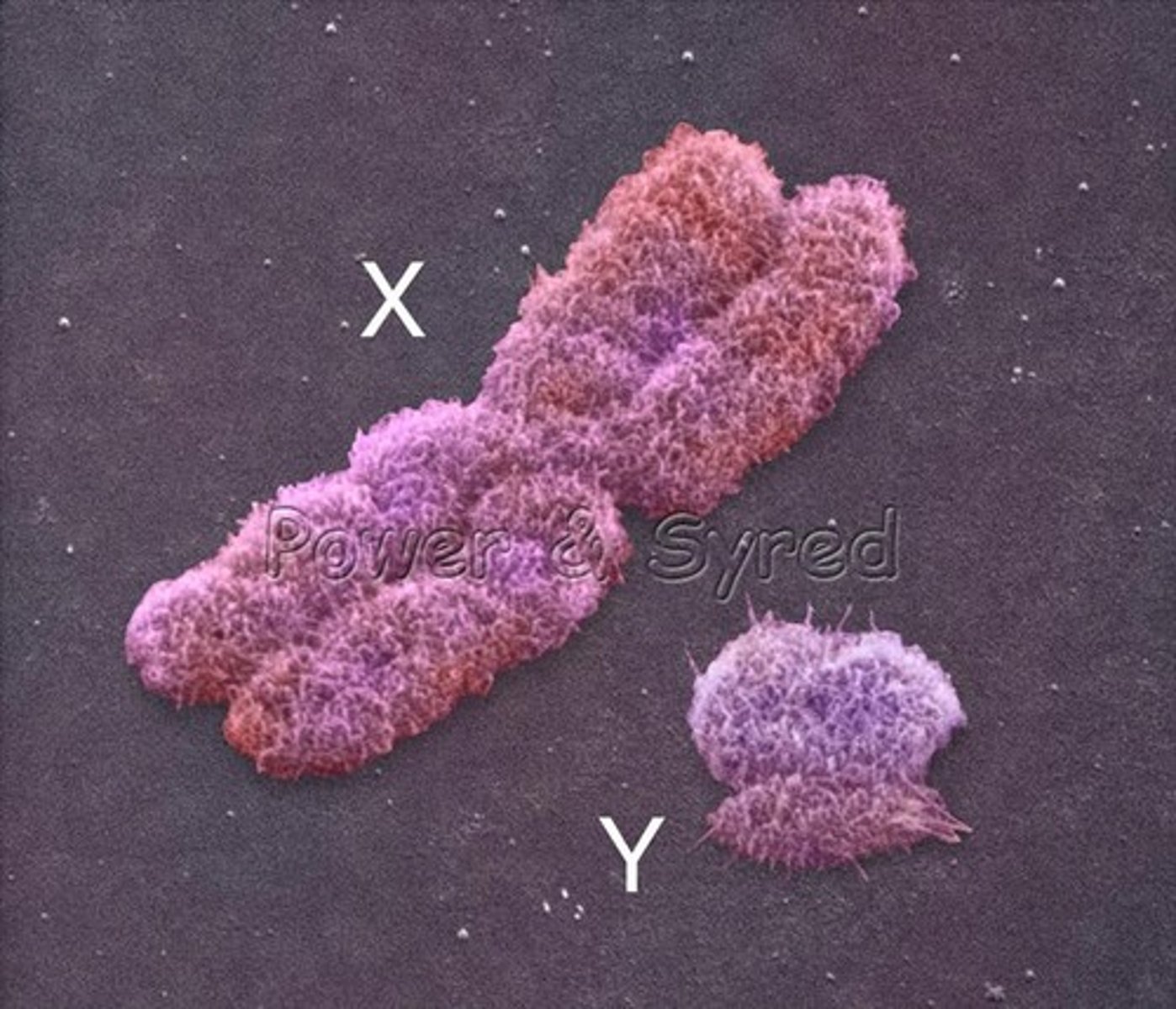
X chromosome
the sex chromosome found in both men and women

Y Chromosome
the sex chromosome found only in males
Testosterone
the most important of the male sex hormones. Both males and females have it, but the additional testosterone in males stimulates the growth of the male sex organs in the fetus and the development of the male sex characteristics during puberty
Estrogens
female sex hormones with levels that peak during ovulation
Schema (Piaget)
a concept or framework that organizes and interprets information
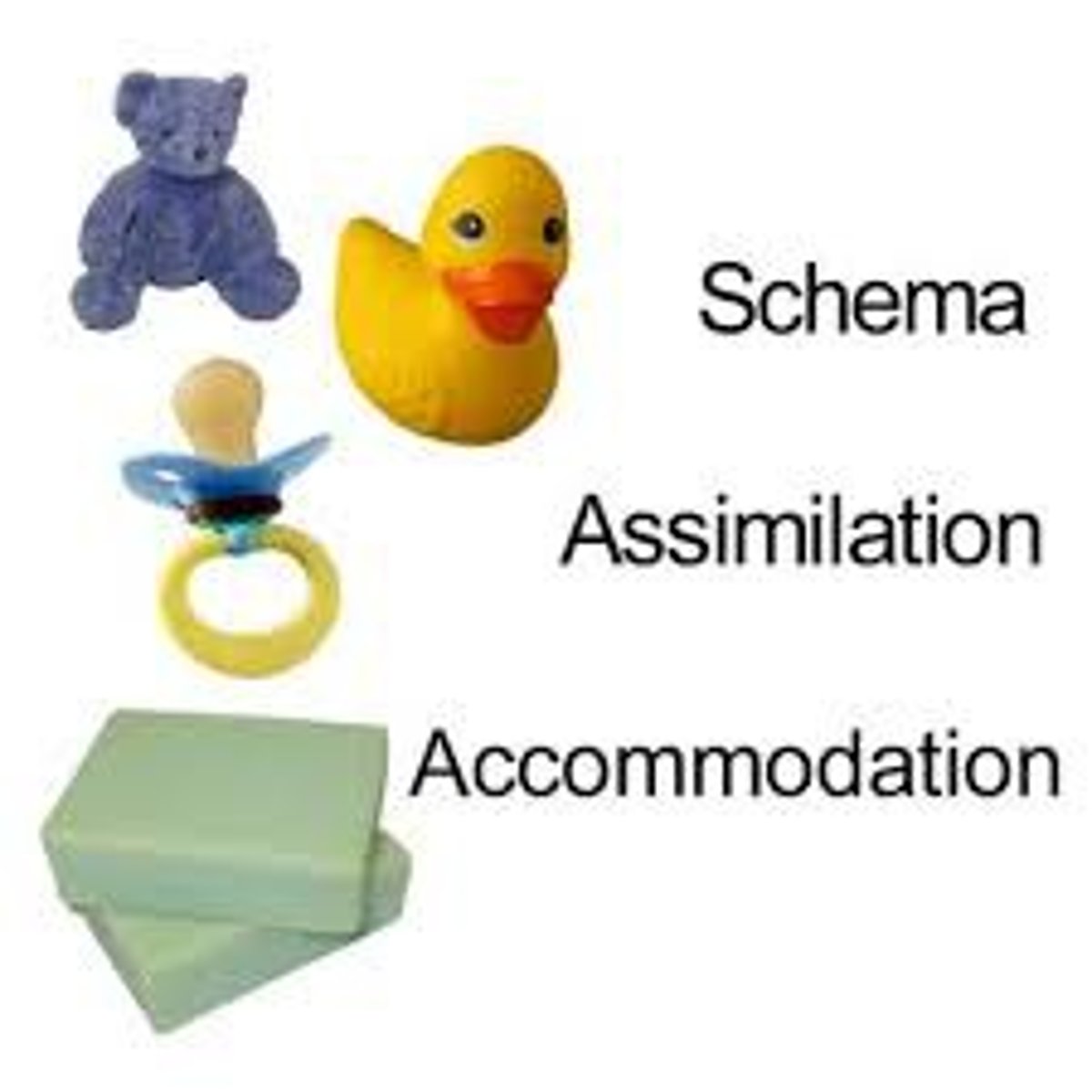
assimilation (Piaget)
interpreting our new experiences in terms of our existing schemas
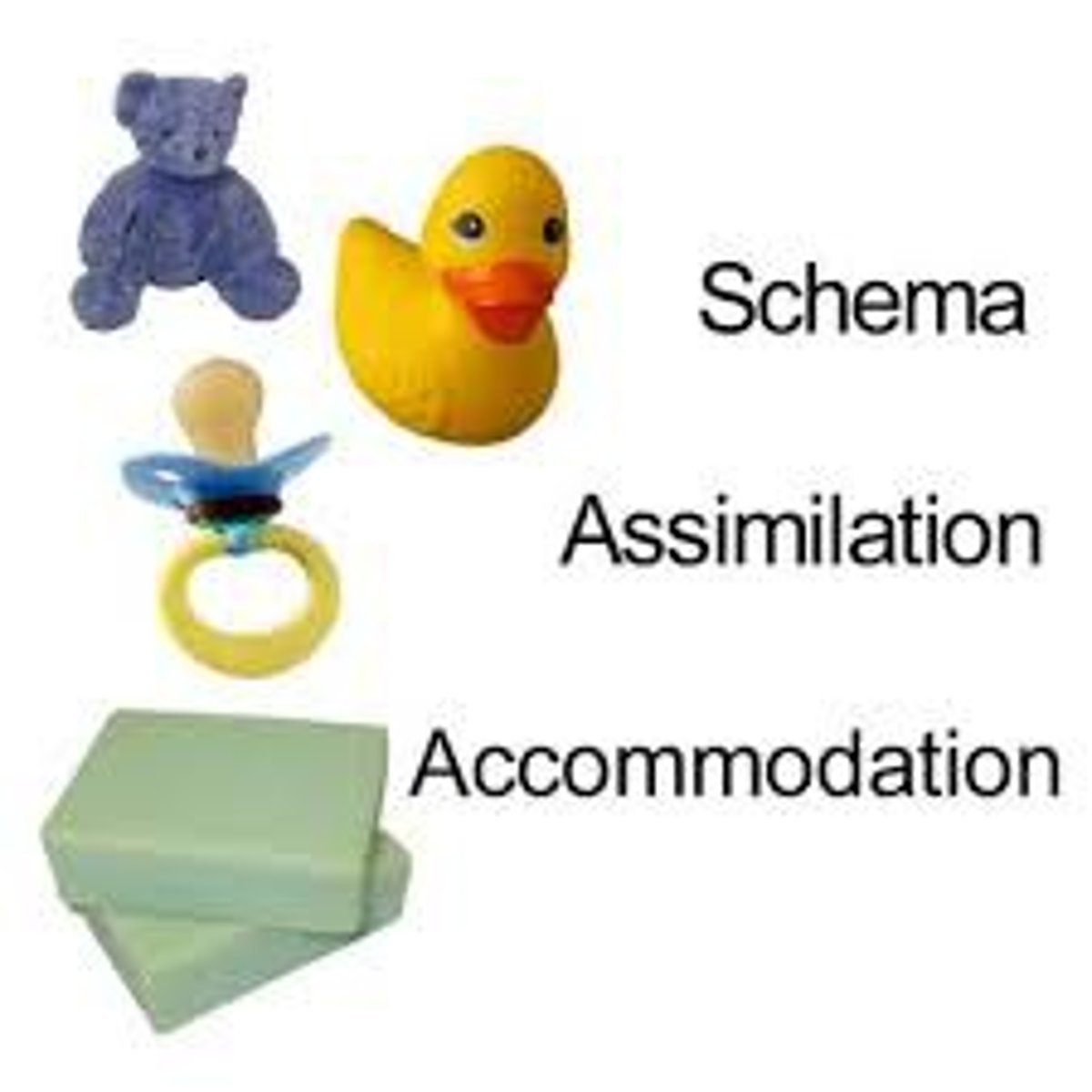
accommodation (Piaget)
adapting our current understandings (schemas) to incorporate new information

Sensorimotor State (Piaget)
in Piaget's theory, the stage during which infants explores the world mostly in terms of their sensory impressions and motor activities
object permanence (Piaget)
the knowledge that an object exists even when it is not in sight

Preoperational stage (Piaget)
the stage (from about 2 to 6 or 7 years of age) during which a child learns to use language but does not yet comprehend the mental operations of concrete logic

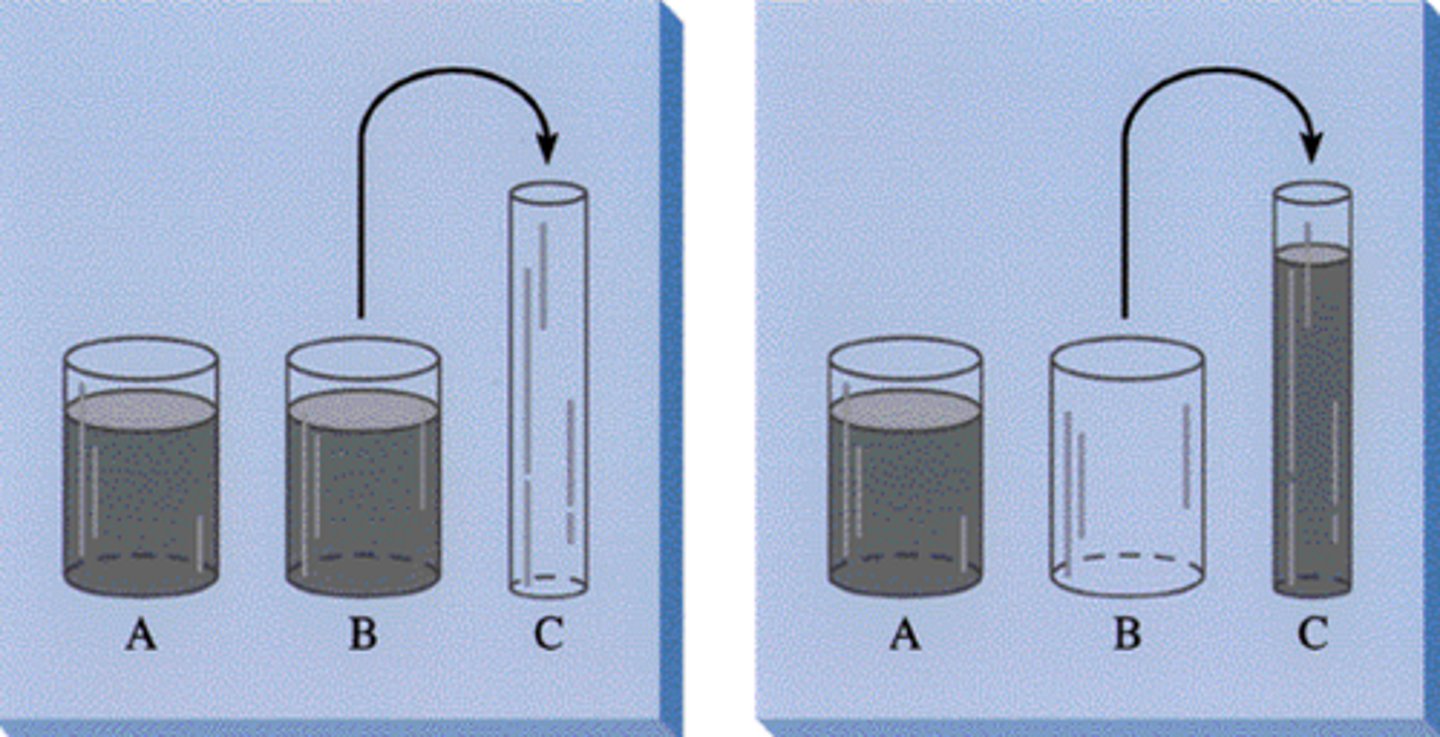
conservation (Piaget)
the principle that properties such as mass, volume, and number remain the same despite changes in the forms of objects
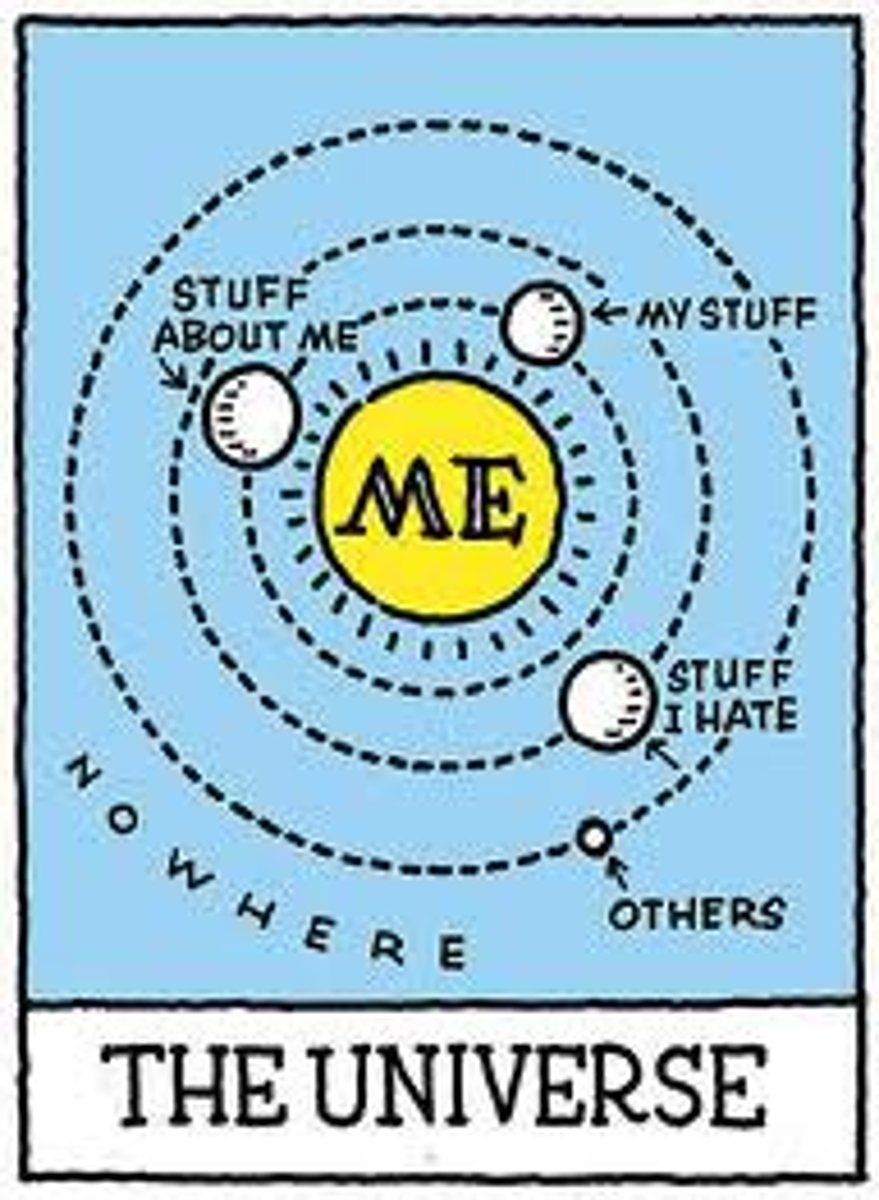
Egocentrism (Piaget)
the preoperational child's difficulty taking another's point of view
Concrete operational stage (Piaget)
the stage of cognitive development during which children gain the mental operations that enable them to think logically about math & concrete events

Formal operational Stage (Piaget)
12-adulthood. Children develop the ability to think logically in the abstract, deductive reasoning skills.

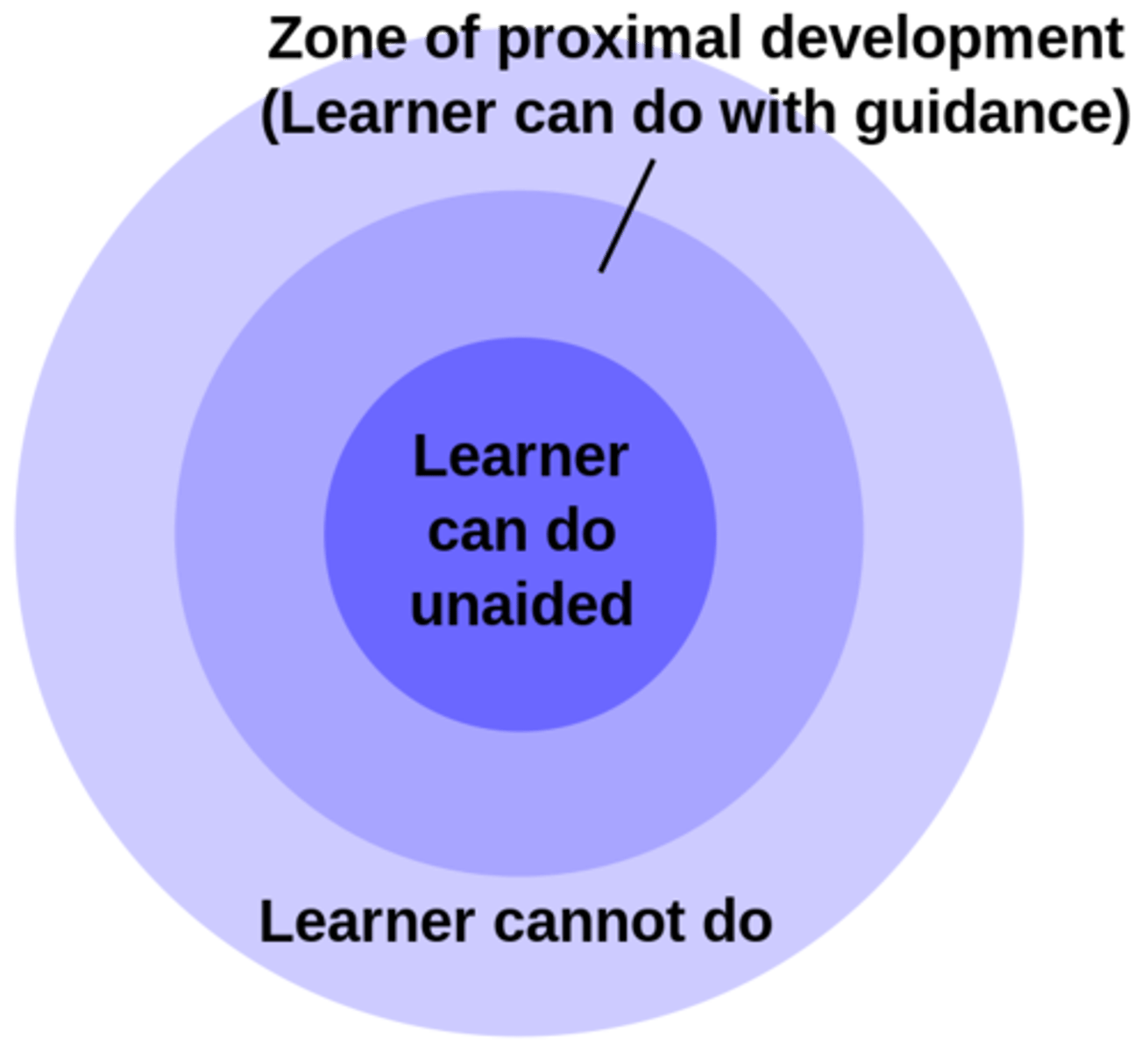
Scaffolding (Vygotsky)
support of learning allows students to complete tasks they are not able to complete independently.
Theory of Mind
ability to reason about what other people know or believe

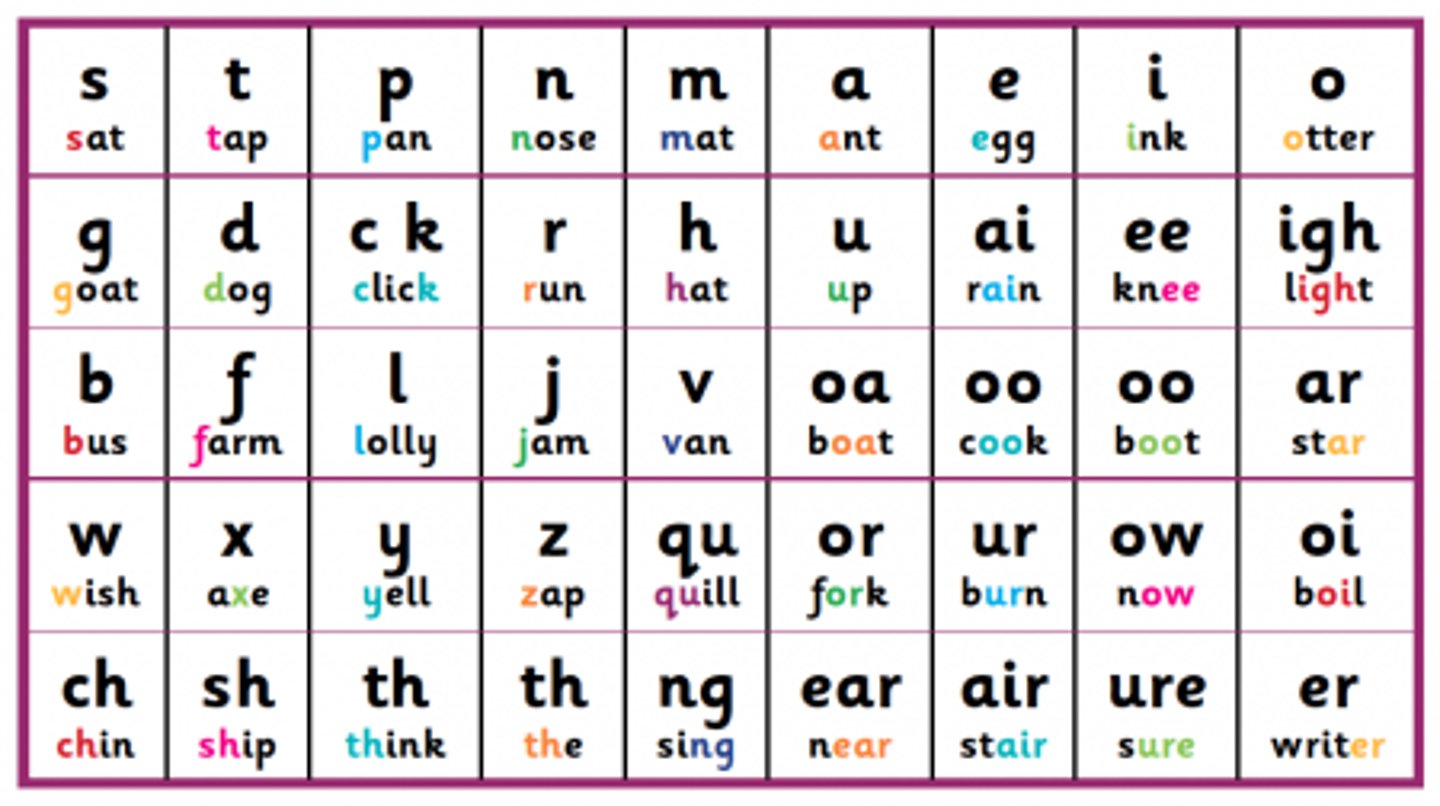
Phoneme
in language, the smallest distinctive sound unit
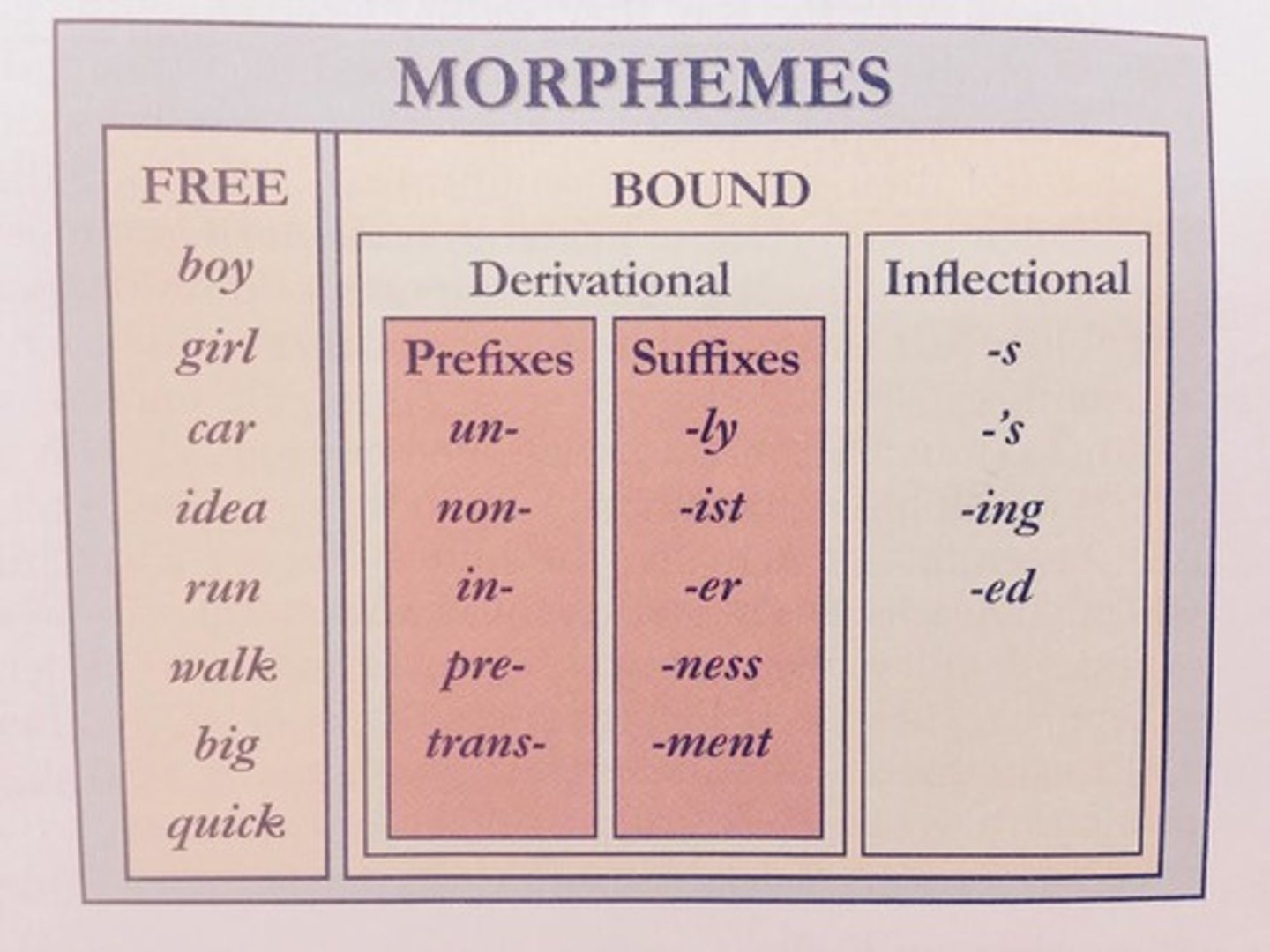
Morphemes
The smallest units of meaning in a language.
Grammar
in a language, a system of rules that enables us to communicate with and understand others

One-word stage
the stage in speech development, from about age 1 to 2, during which a child speaks mostly in single words

Semantics
the set of rules by which we derive meaning from morphemes, words.

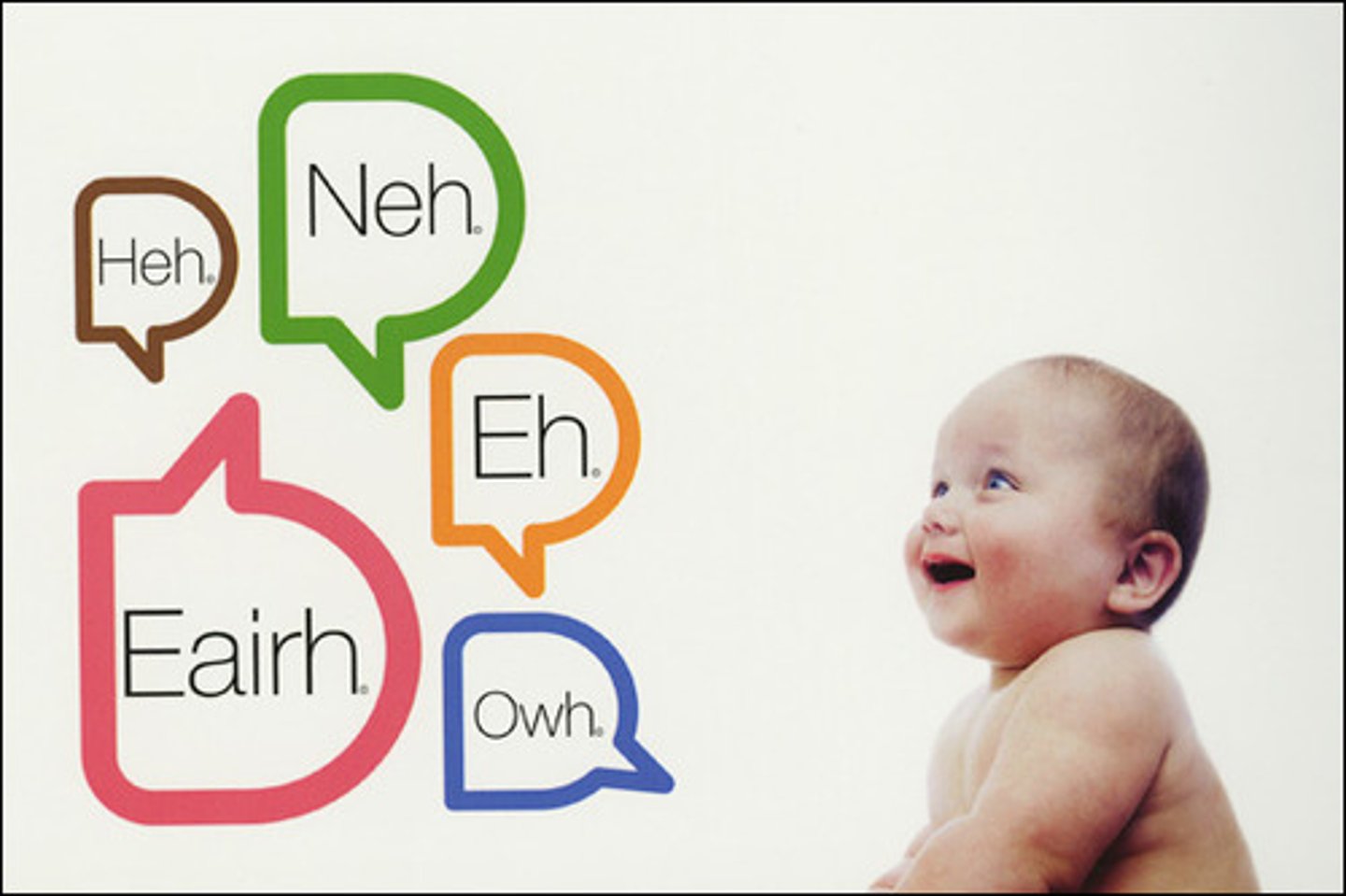
Babbling stage
~4 months, the stage of speech development in which the infant spontaneously utters various sounds.
Telegraphic speech/Two-word stage
~12-24 mths stage where babies combine words into simple commands

One-word stage
~6mths-12mths the stage in speech development, during which a child speaks mostly in single words

Universal grammar
N. Chomsky's theory that all the world's languages share a similar underlying structure

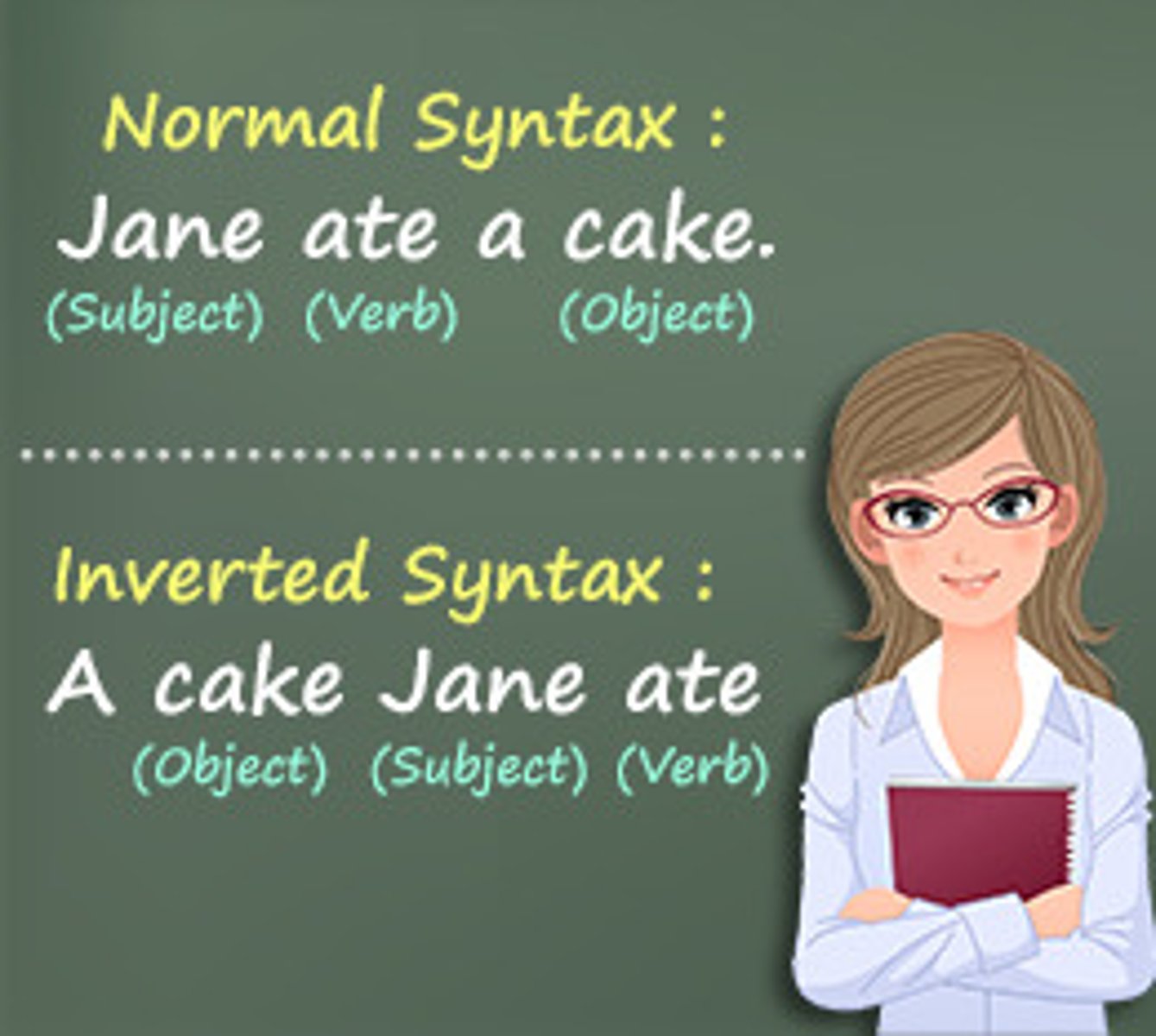
Syntax
Sentence structure
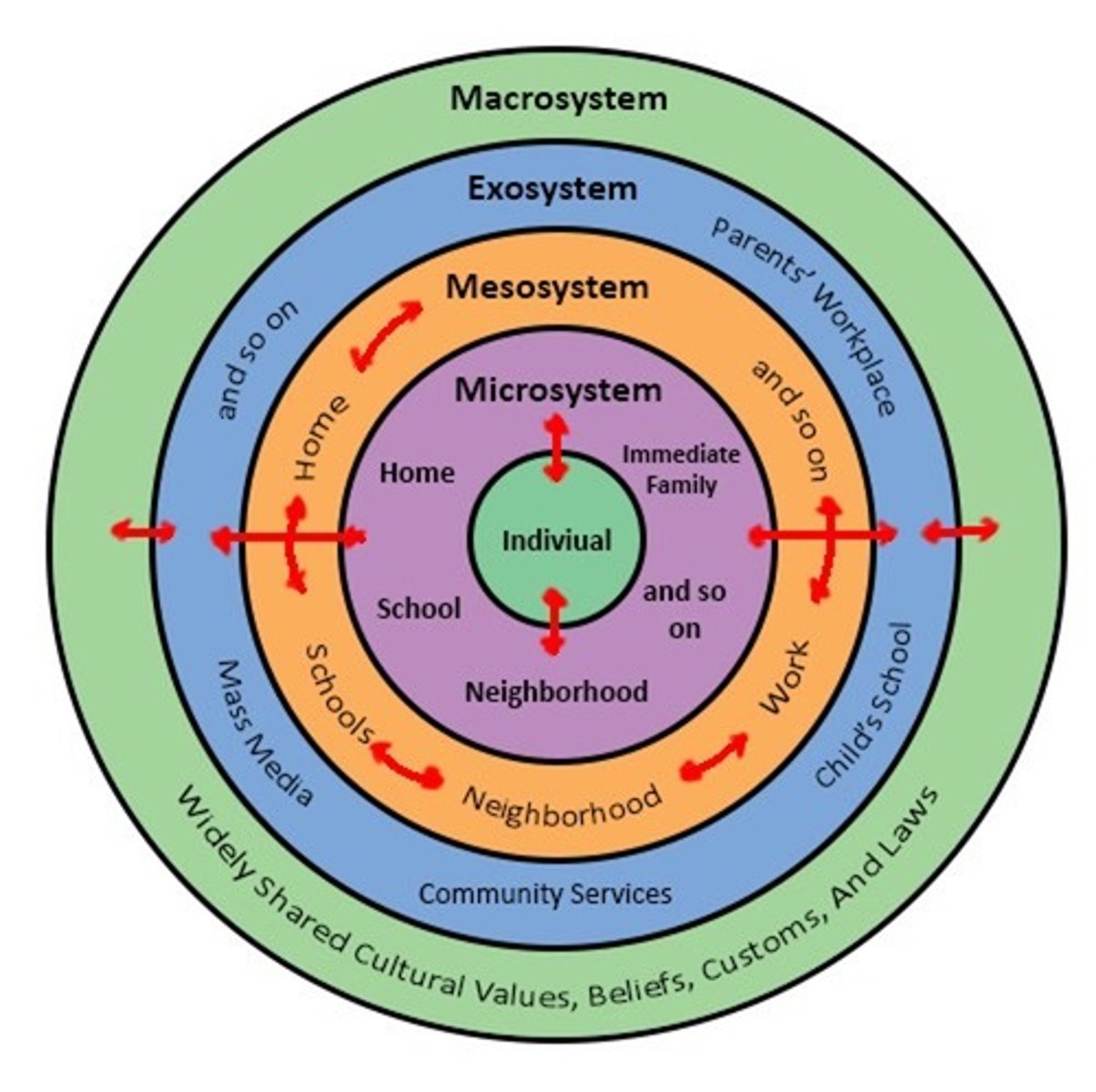
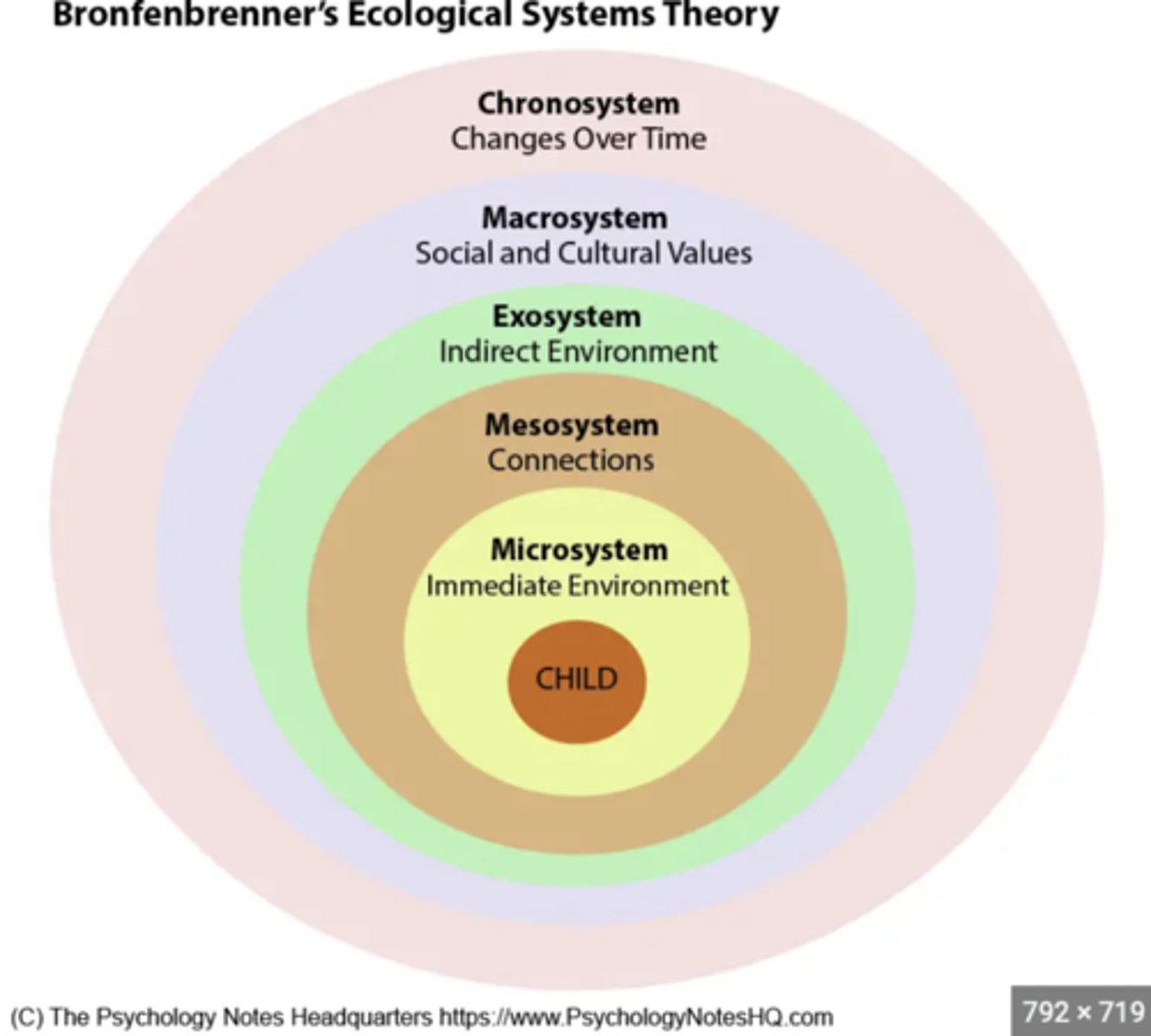
Ecological systems theory
views the person as developing within a complex system of relationships affected by multiple levels of the surrounding environment
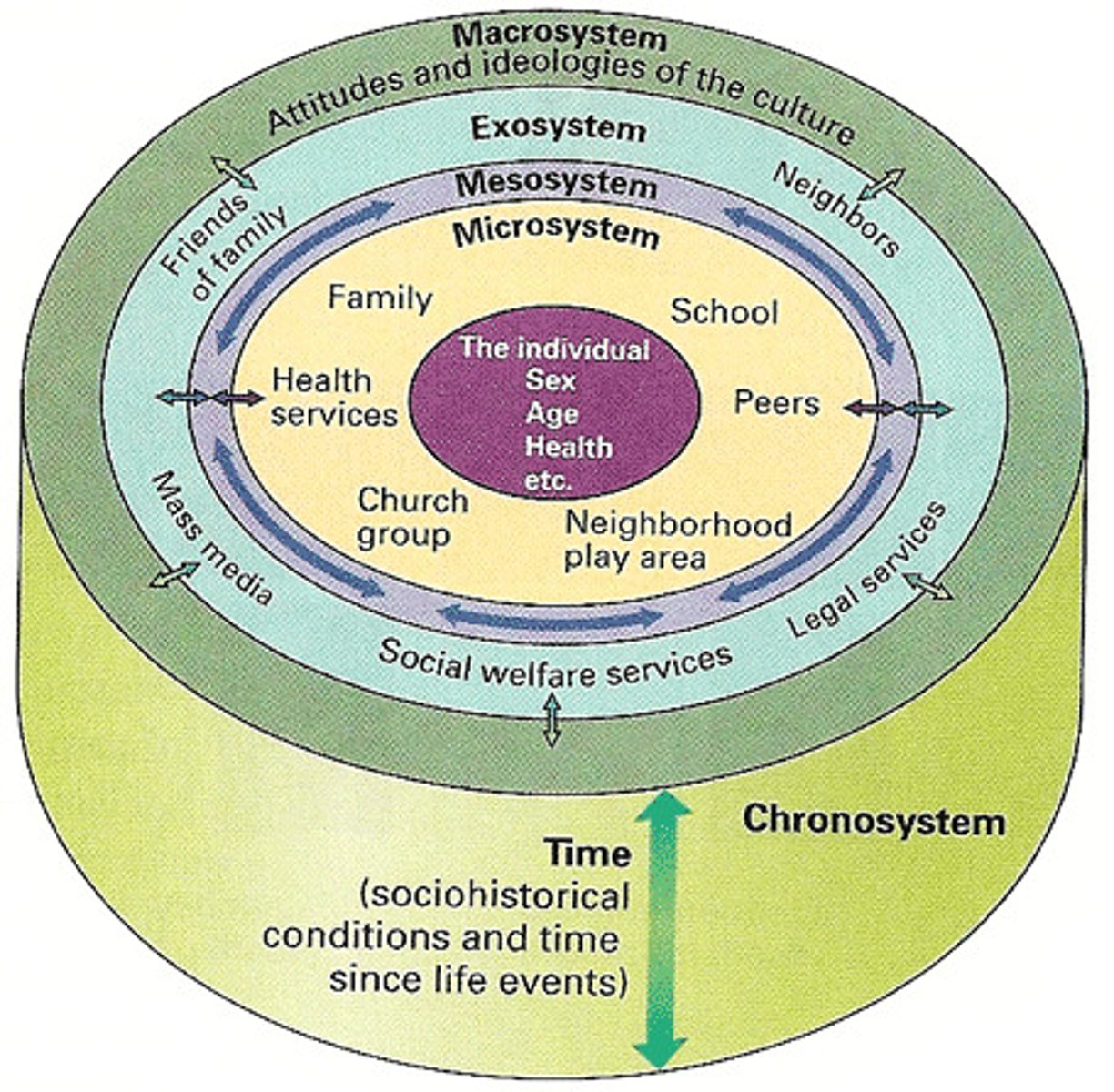
Microsystem (Ecological Systems Theory)
in the bioecological model, groups that have direct contact with an individual personally experiences.
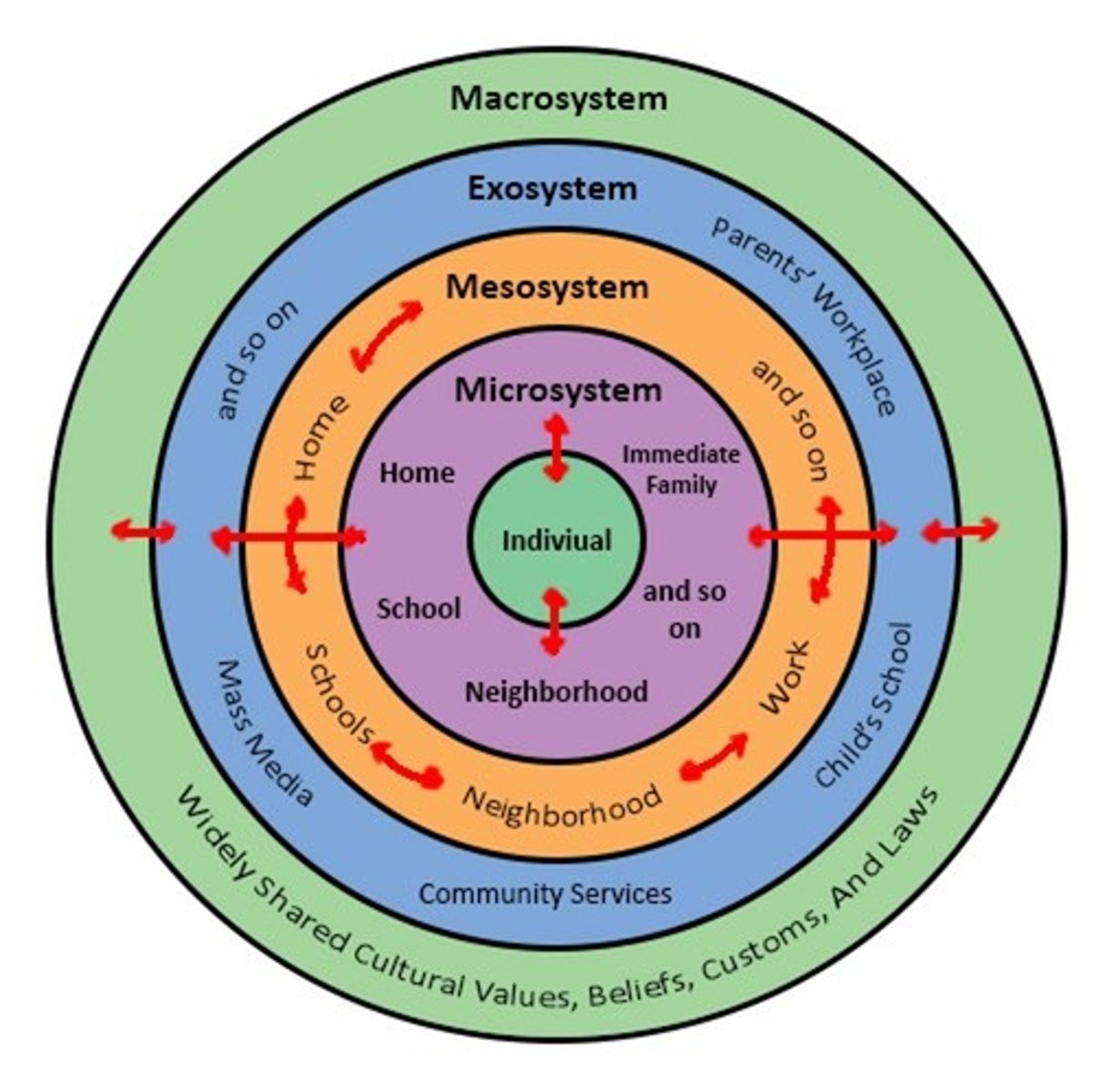
Mesosystem (Ecological Systems Theory)
in the bioecological model the relationships between groups in the microsystem.
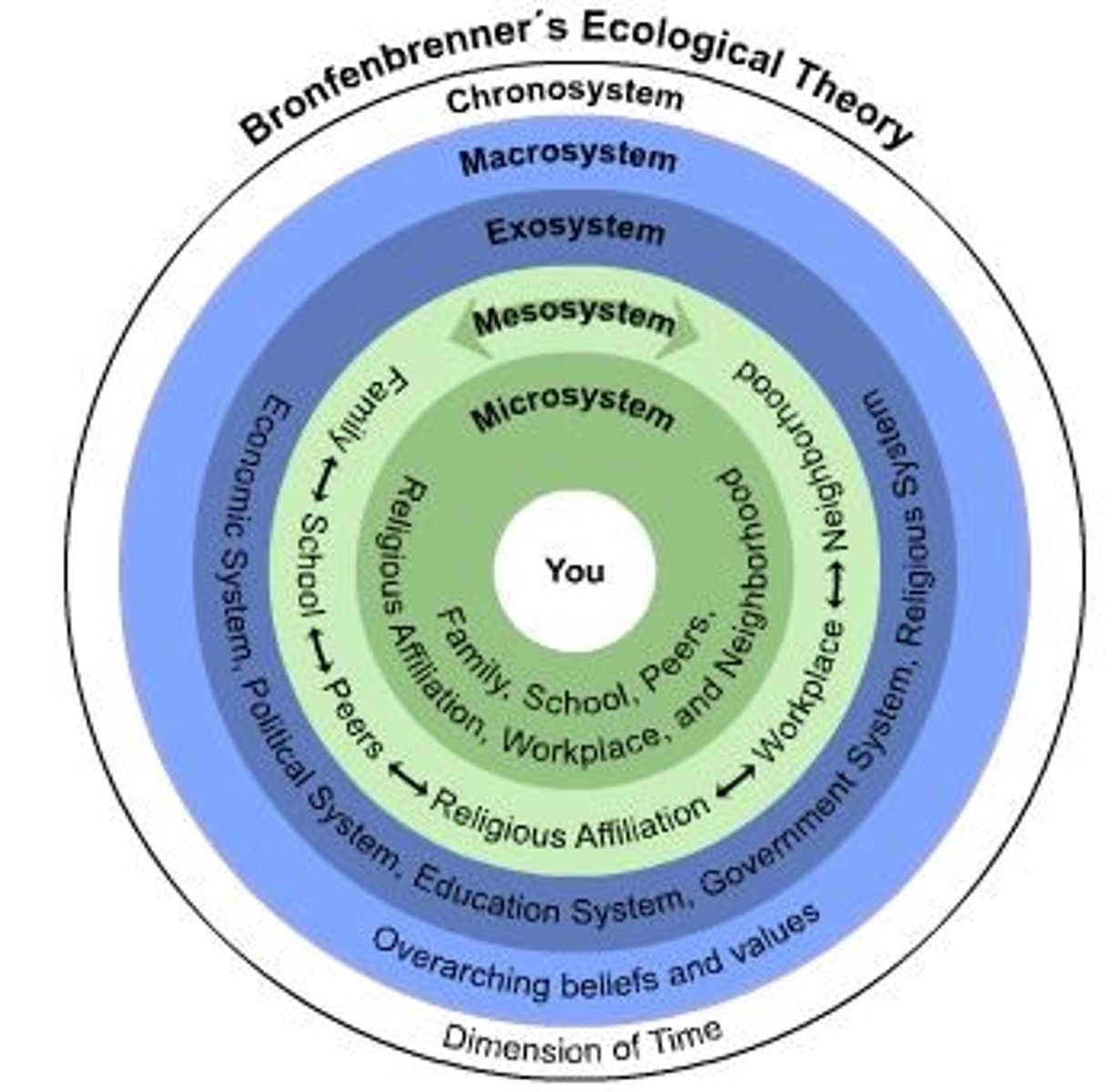
Exosystem (Ecological Systems Theory)
in the bioecological model, indirect factors in an individuals life.
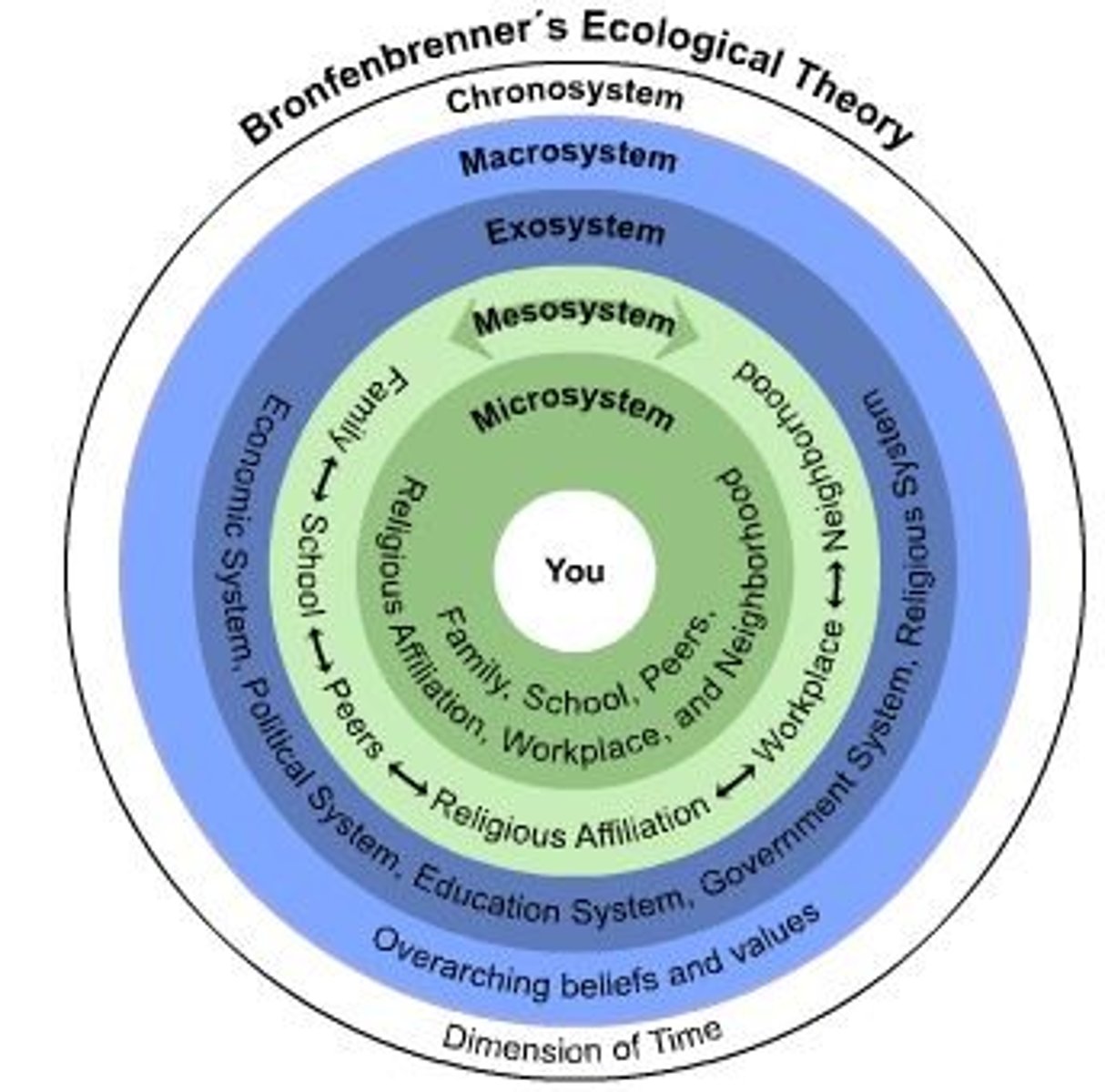
Macrosystem (Ecological Systems Theory)
in the bioecological model, the larger cultural and social context affect the individuals and others around them.
Chronosystem (Ecological Systems Theory)
in the bioecological model, the individuals current stage of life.
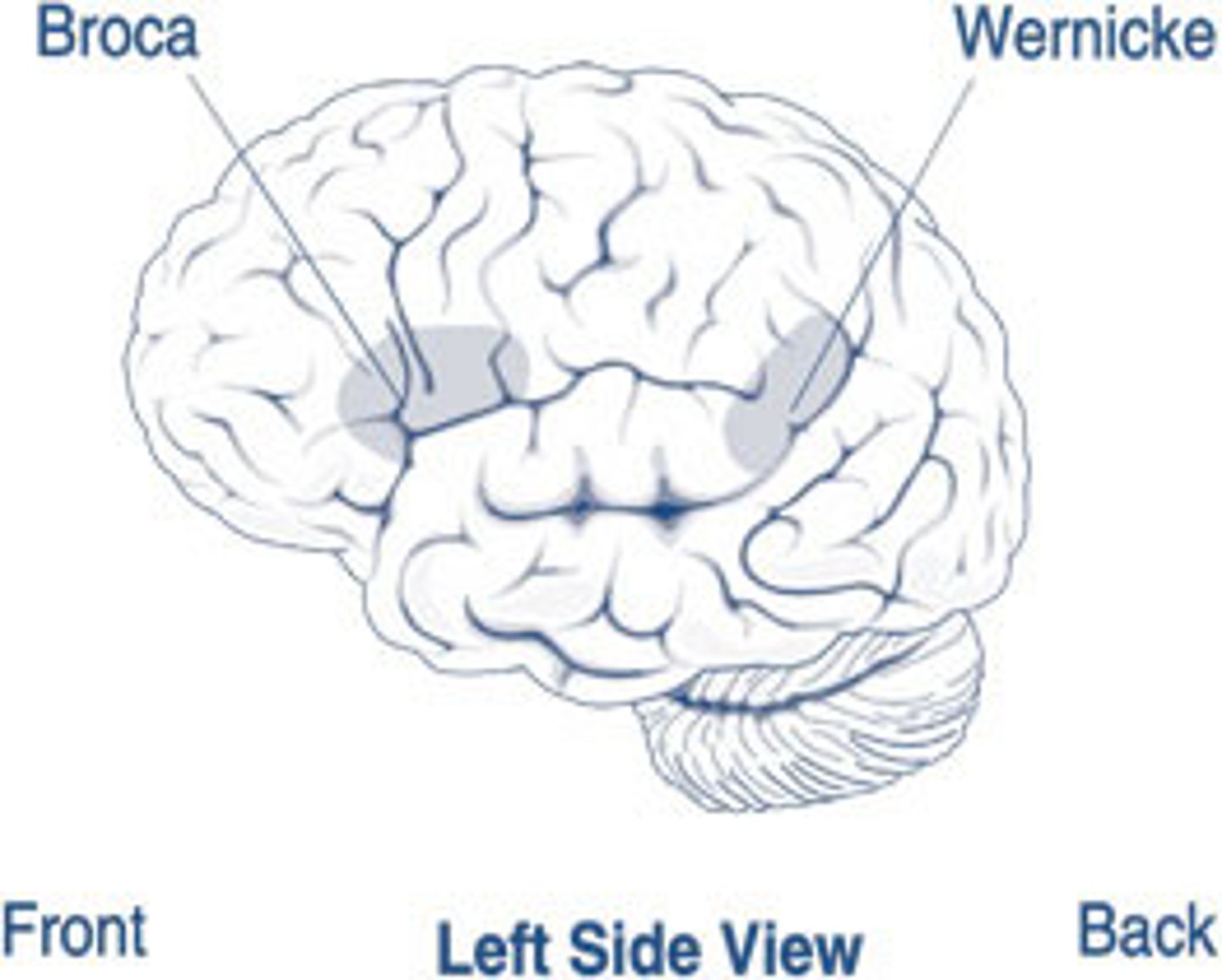
Aphasias
Language disorders, which are associated with Broca's and Wernicke's areas in the brain.
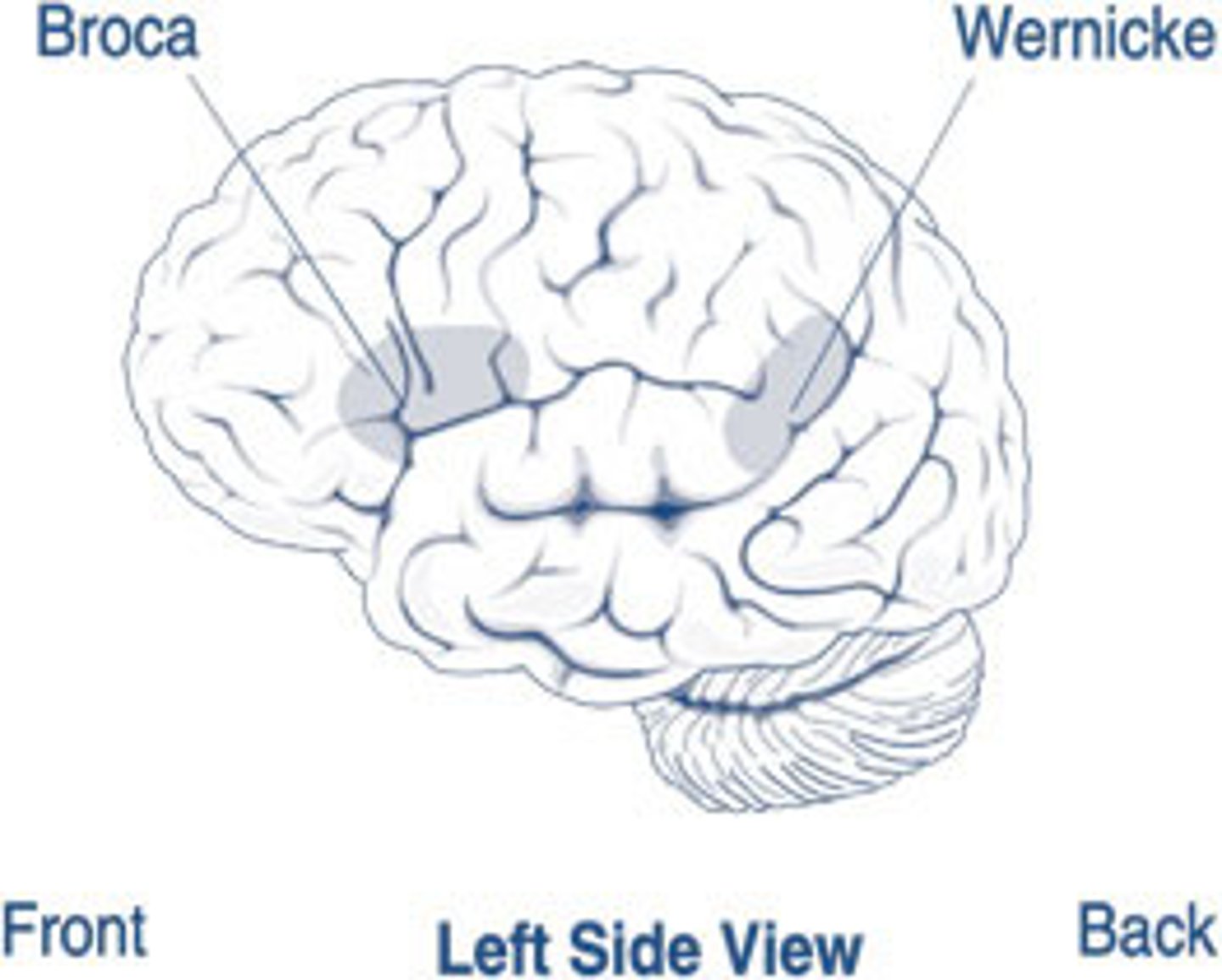
Broca's area
Controls language expression - an area of the frontal lobe, usually in the left hemisphere, that directs the muscle movements involved in speech.
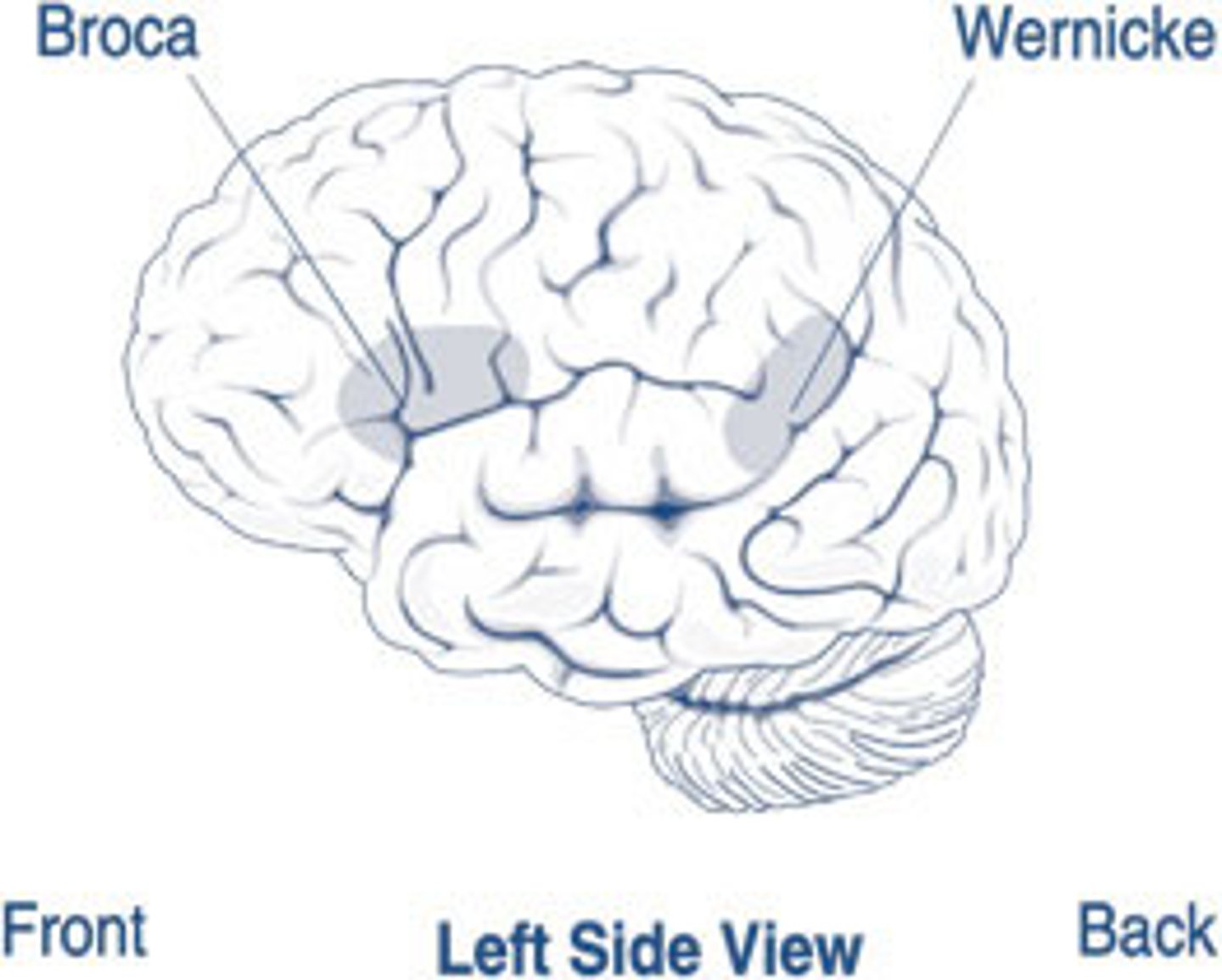
Wernicke's area
controls language reception - a brain area involved in language comprehension and expression; usually in the left temporal lobe
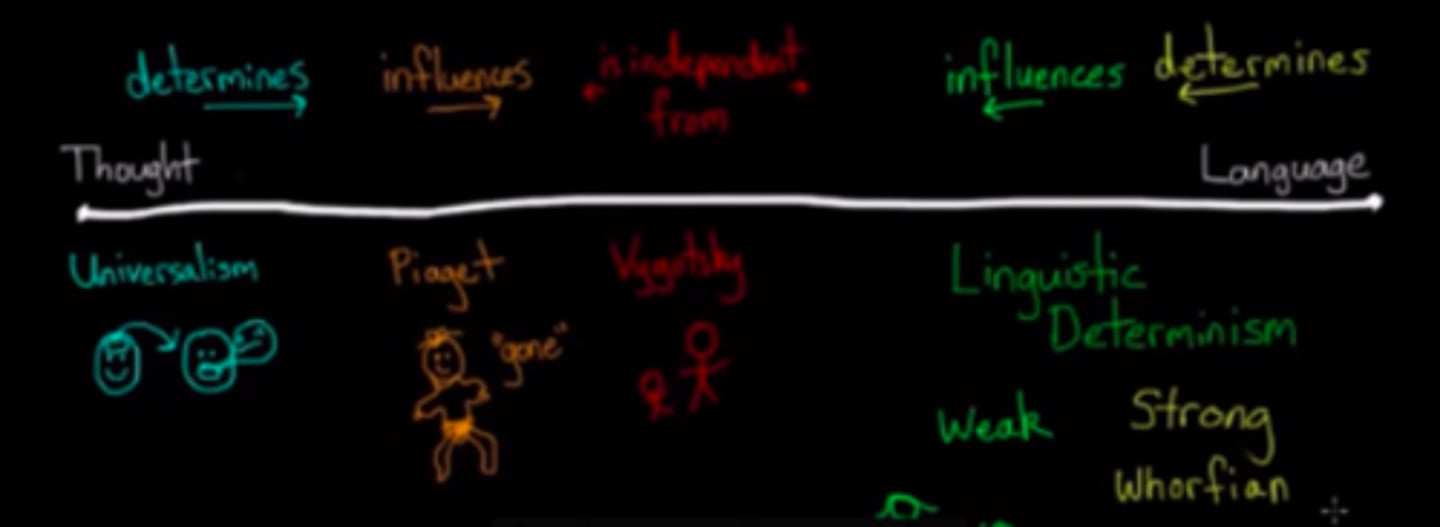
Linguistic relativism or Linguistic determinism
the proposal that the particular language one speaks influences the way one thinks about reality.
Stranger anxiety
the fear of strangers that infants commonly display, beginning by about 8 months of age
Attachment
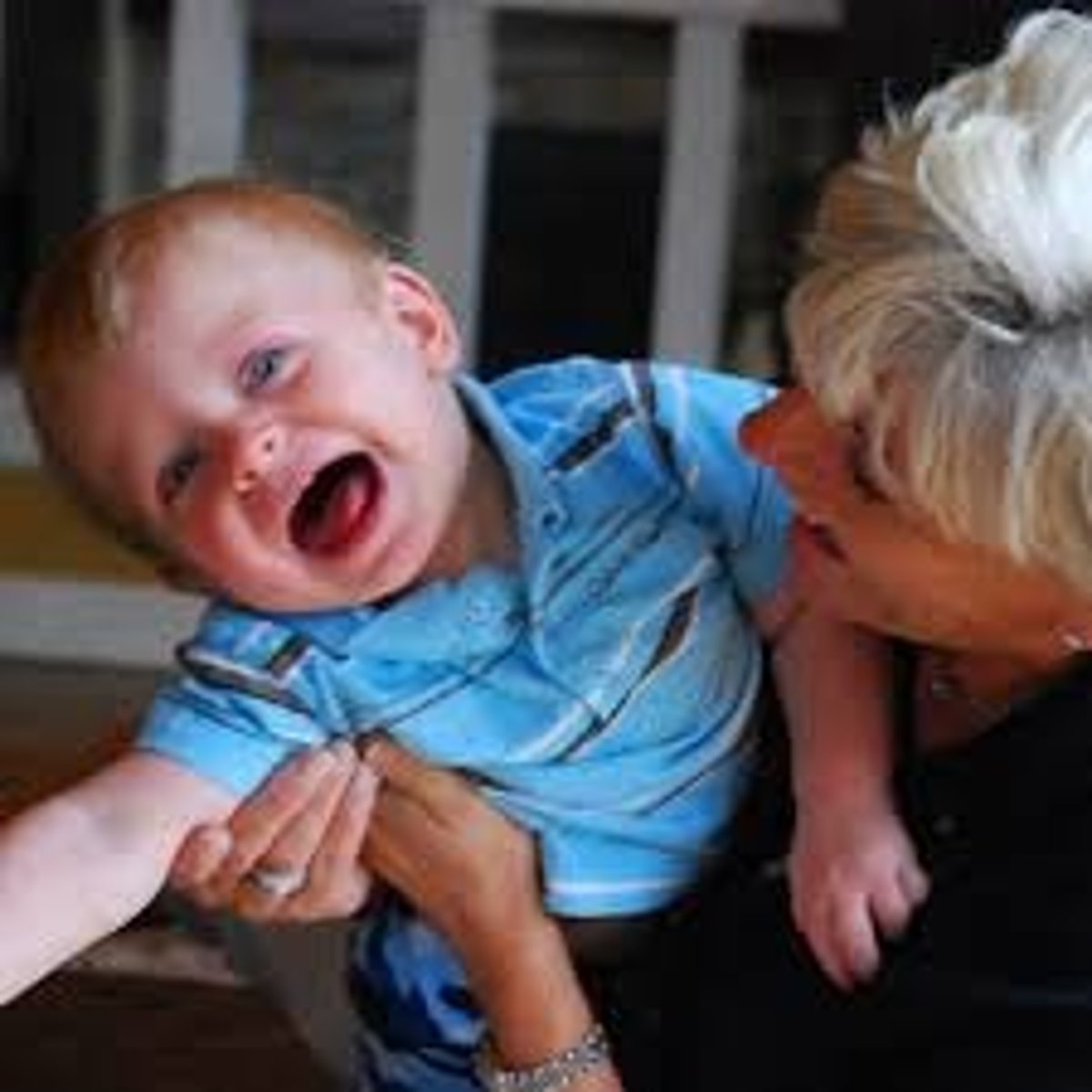
an emotional tie with another person; shown in young children by their seeking closeness to the caregiver and showing distress on separation
Secure attachment
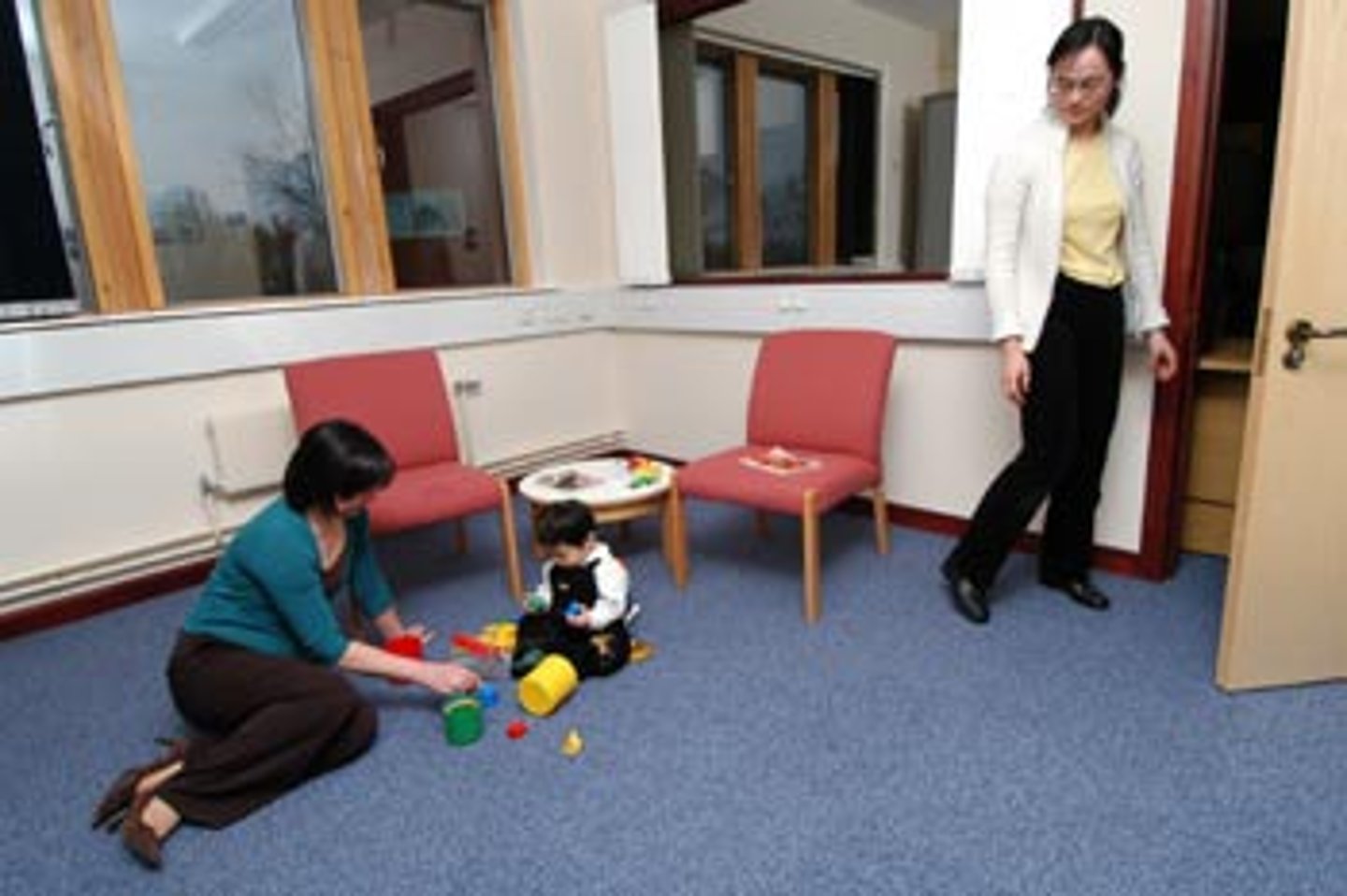
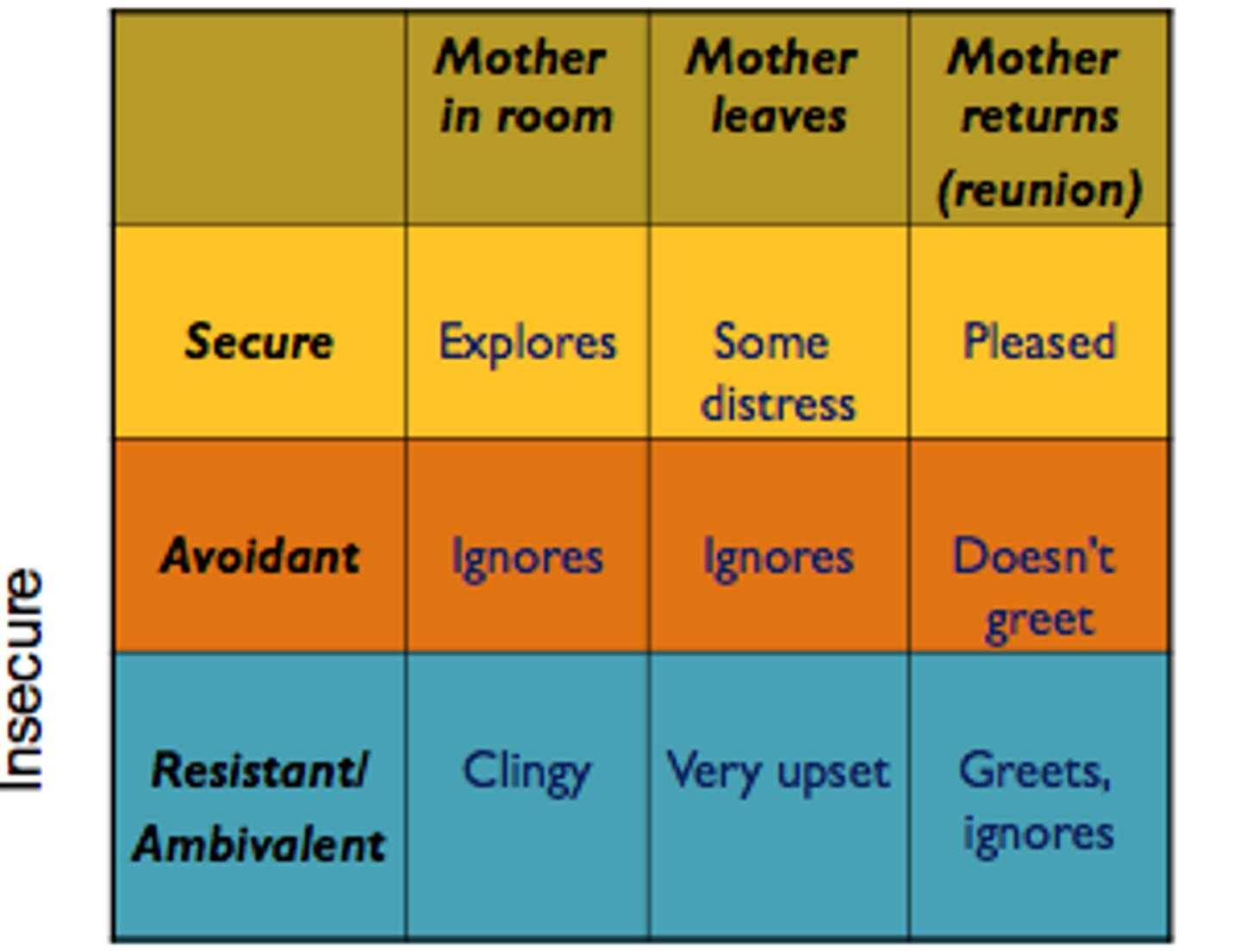
a relationship in which an infant obtains both comfort and confidence from the presence of his or her caregiver

Avoidant attachment
attachments marked by discomfort over, or resistance to, being close to others

Anxious attachment
demonstrated by babies who seem constantly afraid of potential separation from the caregiver; they cling to caregivers in strange settings and display intense distress upon separation
Resilience
the personal strength that helps most people cope with stress and recover from adversity and even trauma

Imprinting
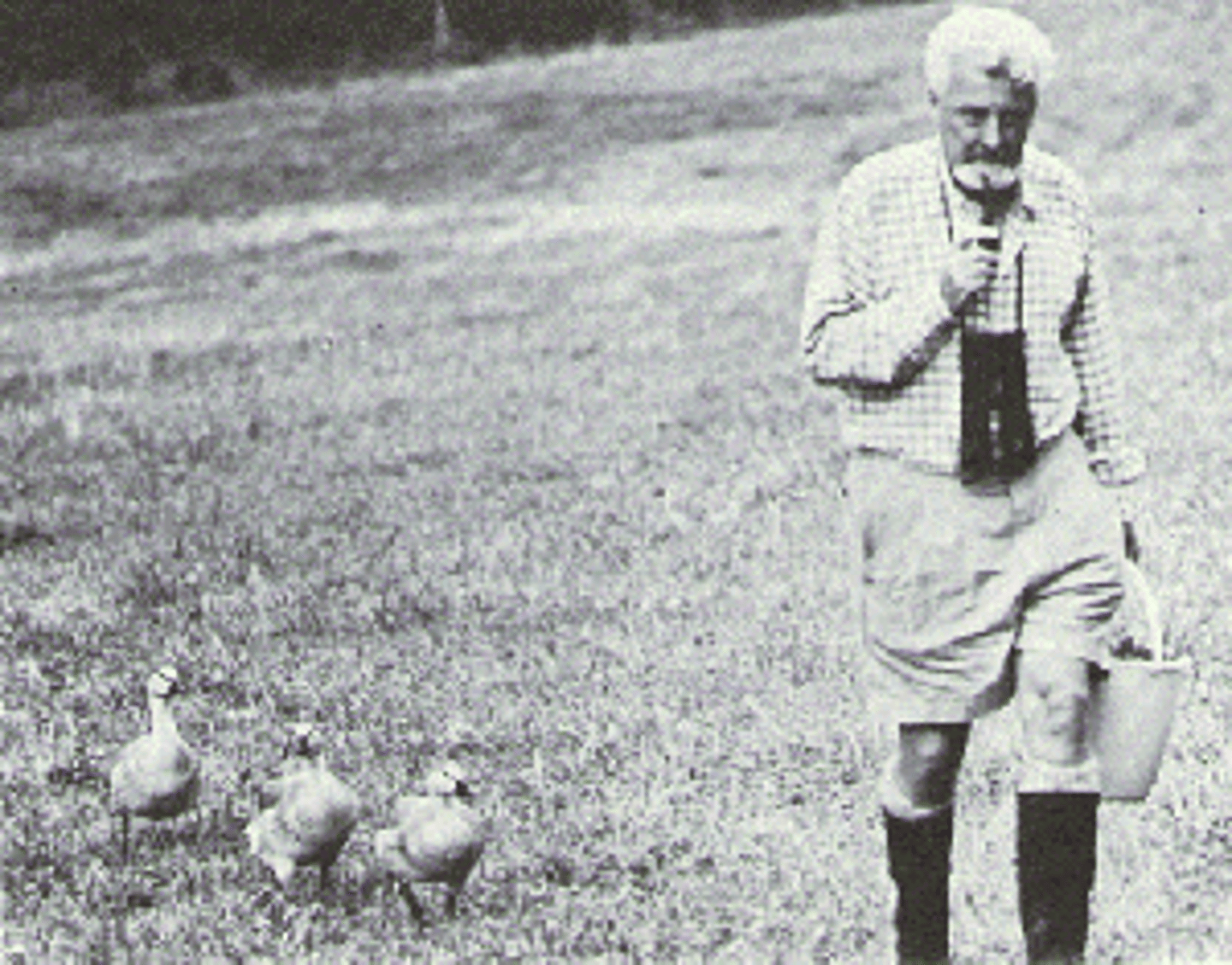
the process by which certain animals form attachments during a critical period very early in life
Self concept
our understanding and evaluation of who we are

Basic trust vs. mistrust (Erikson)
infants learn trust and develop a sense of safety through the consistency of the caregiver meeting their needs (birth to one year)

Social identity
the part of the self-concept including one's view of self as a member of a particular social category

Social Clock
the culturally preferred timing of social events such as marriage, parenthood, and retirement

Intimacy vs. Isolation (Erikson)
20-40 yrs, good: love, intimate relationships, commitment. bad: avoidance of commitment, alienation, distancing oneself

Relational aggression
an act of aggression (physical or verbal) intended to harm a person's relationship or social standing
Primary Sex Characteristics
the body structures that make sexual reproduction possible
Secondary Sex Characteristics
nonreproductive sexual traits, such as female breasts and hips, male voice quality, and body hair
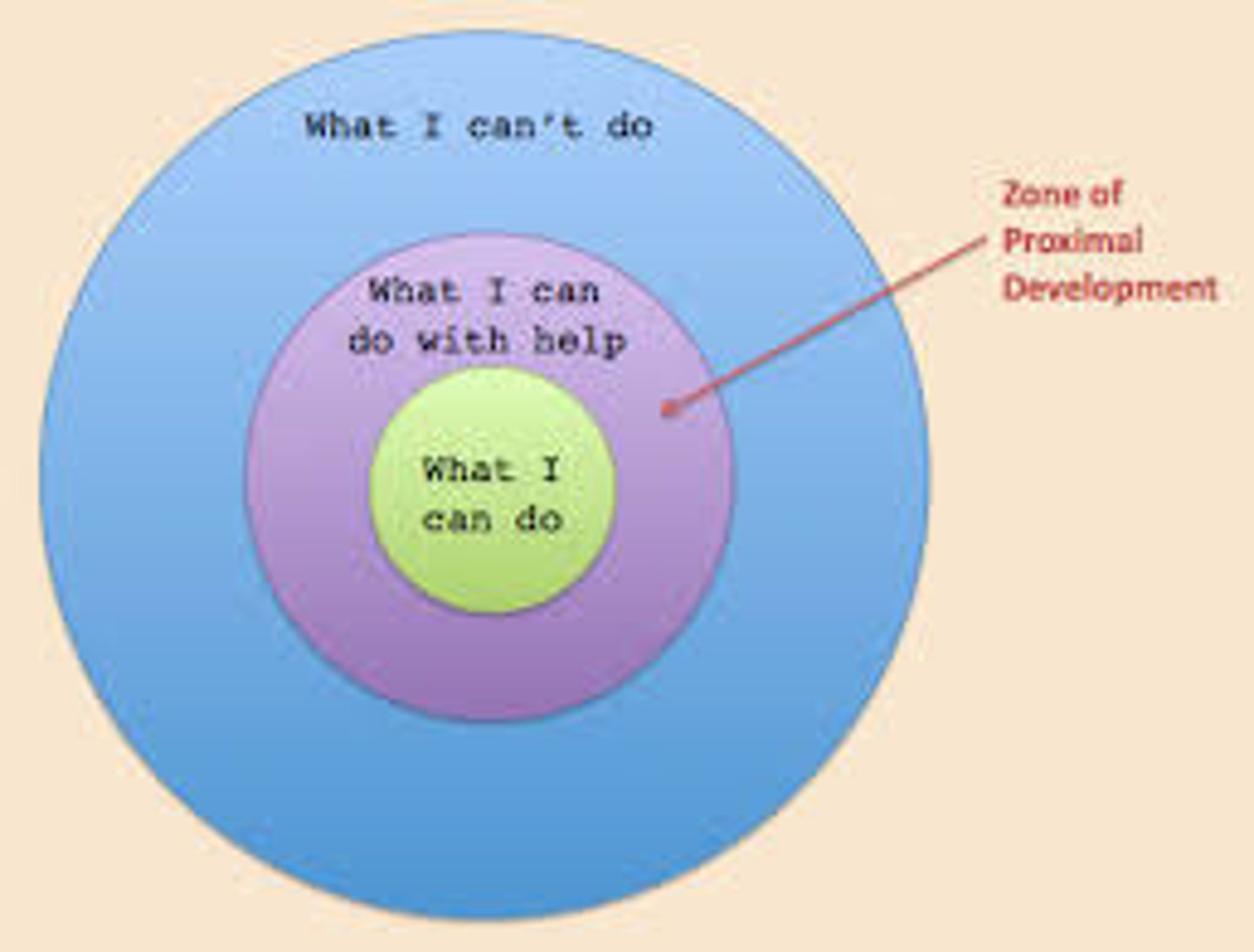
Zone of Proximal
the difference between what a learner can do without help and what they cannot do
Delay of Gratification
declining a pleasant activity now in order to get greater pleasure later

Grit
Perseverance in the pursuit of long-term goals

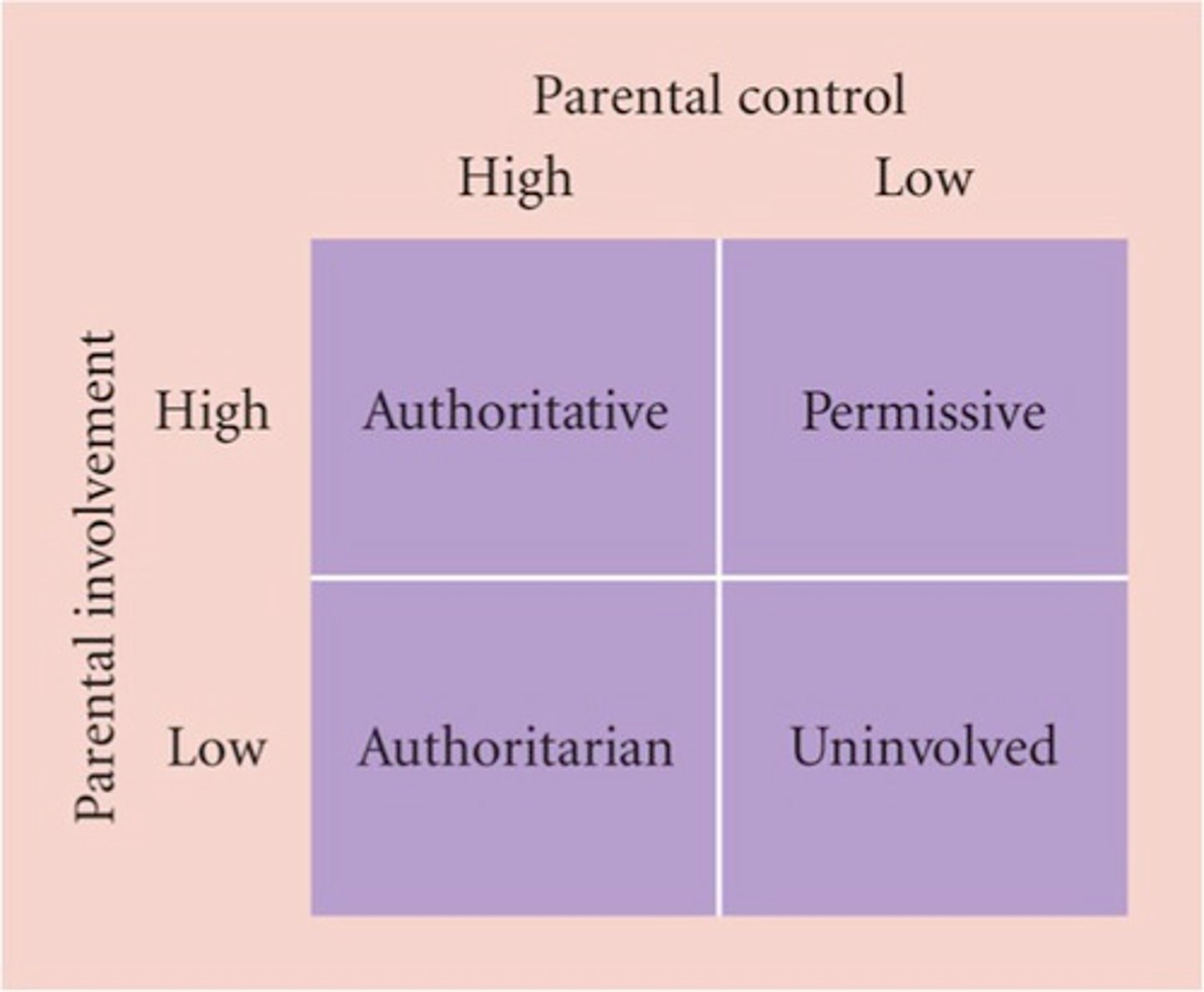
Baumrind: Authoritarian
Controlling/Dictoral; lower self-esteem, less social skills, brain overreacts to mistakes/unrealistic expectations, anxious/withdrawn/unhappy... driven/do well in school, please others, rebellion later in life

Baumrind: Authoritative
Neutral/Democratic; greater self esteem/self reliance/social competence, lively & happy, well developed emotion regulation, successful/academically driven

Baumrind: Permissive
Friendly; greater aggression/immaturity, rebellious/defiant, poor social skills, learned helplessness/give up easily

Baumrind: Neglectful
Parents are uninvolved, inattentive, does not seek a close relationship with the child.