Cardiovascular System: Anatomy, Physiology, and Diseases
 Call Kai
 Learn
Learn Practice Test
 Spaced Repetition
 Match
Match Flashcards
 Knowt Play
1/105

There's no tags or description
Looks like no tags are added yet.
Name | Mastery | Learn | Test | Matching | Spaced | Call with Kai |
|---|
No analytics yet
Send a link to your students to track their progress
106 Terms
Functions of Cardiovascular System
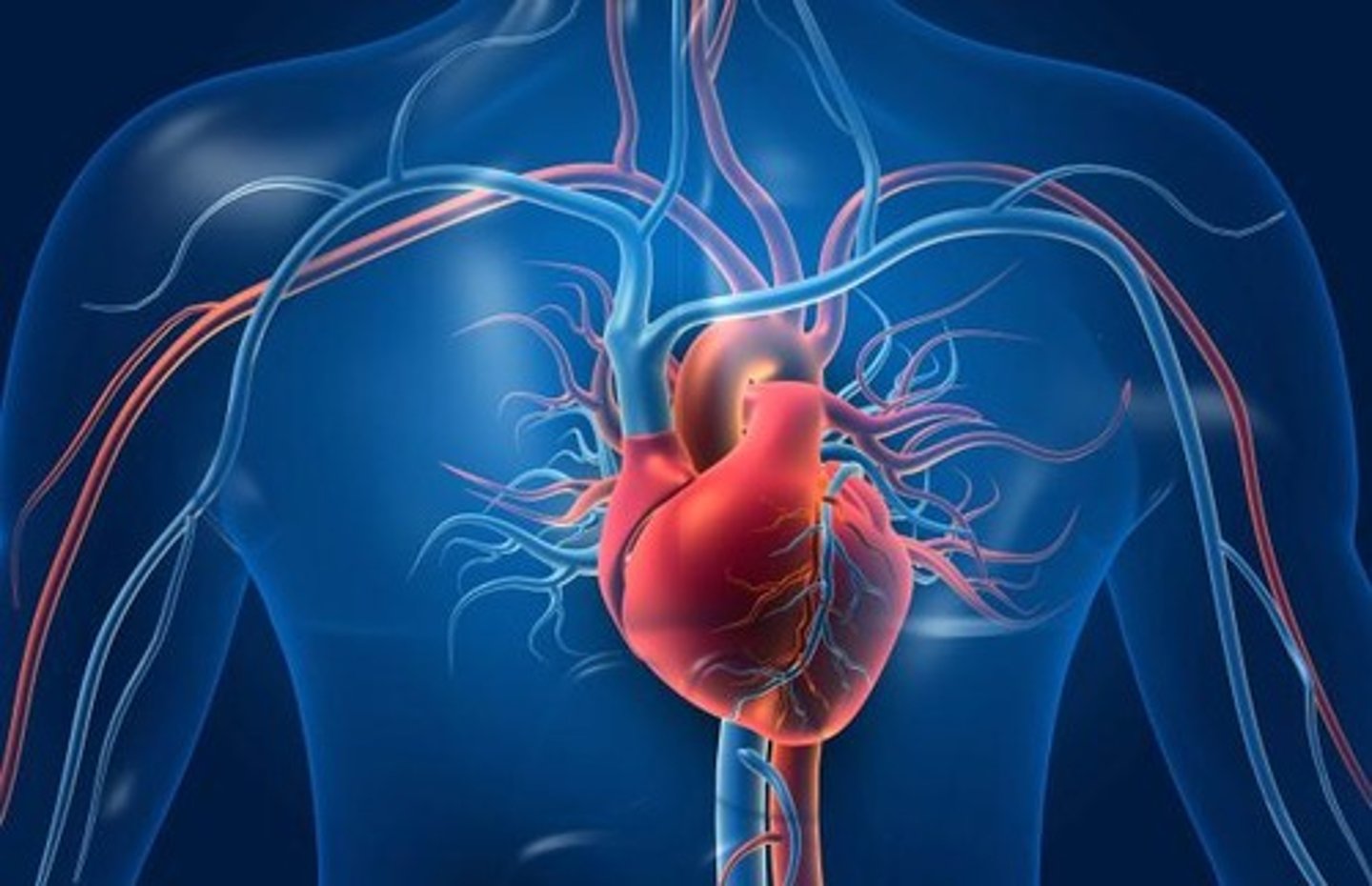
Moves blood throughout the body and transports oxygen, carbon dioxide, nutrients, and wastes in the blood.
cardi/o
heart
vascul
blood vessels
-ar
pertaining to
The heart
a muscular organ that furnishes power to maintain blood flow.
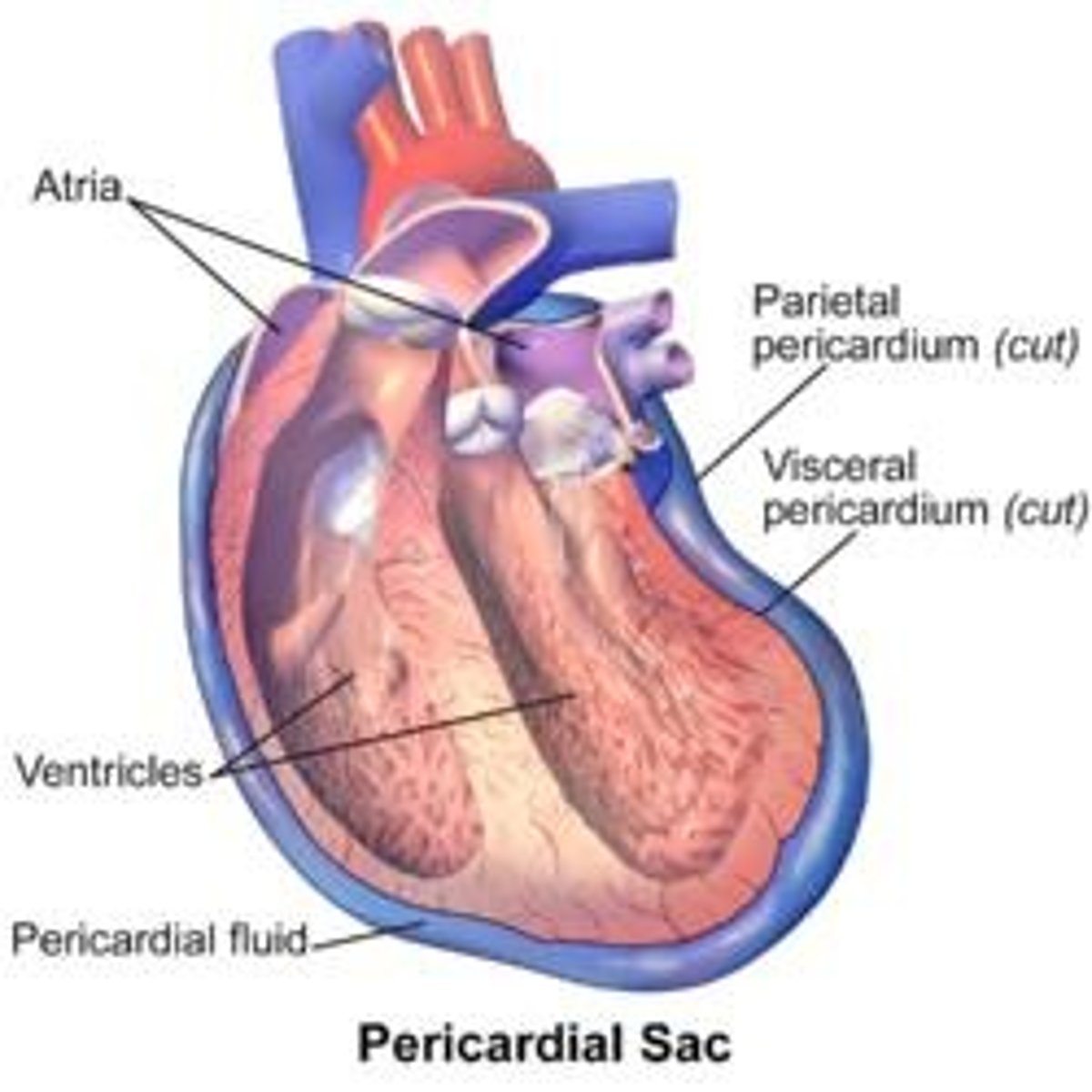
Pericardium
a membranous sac enclosing the heart.
peri-
surrounding
cardi
heart
-um
singular noun ending
Epicardium
External layer of the heart.
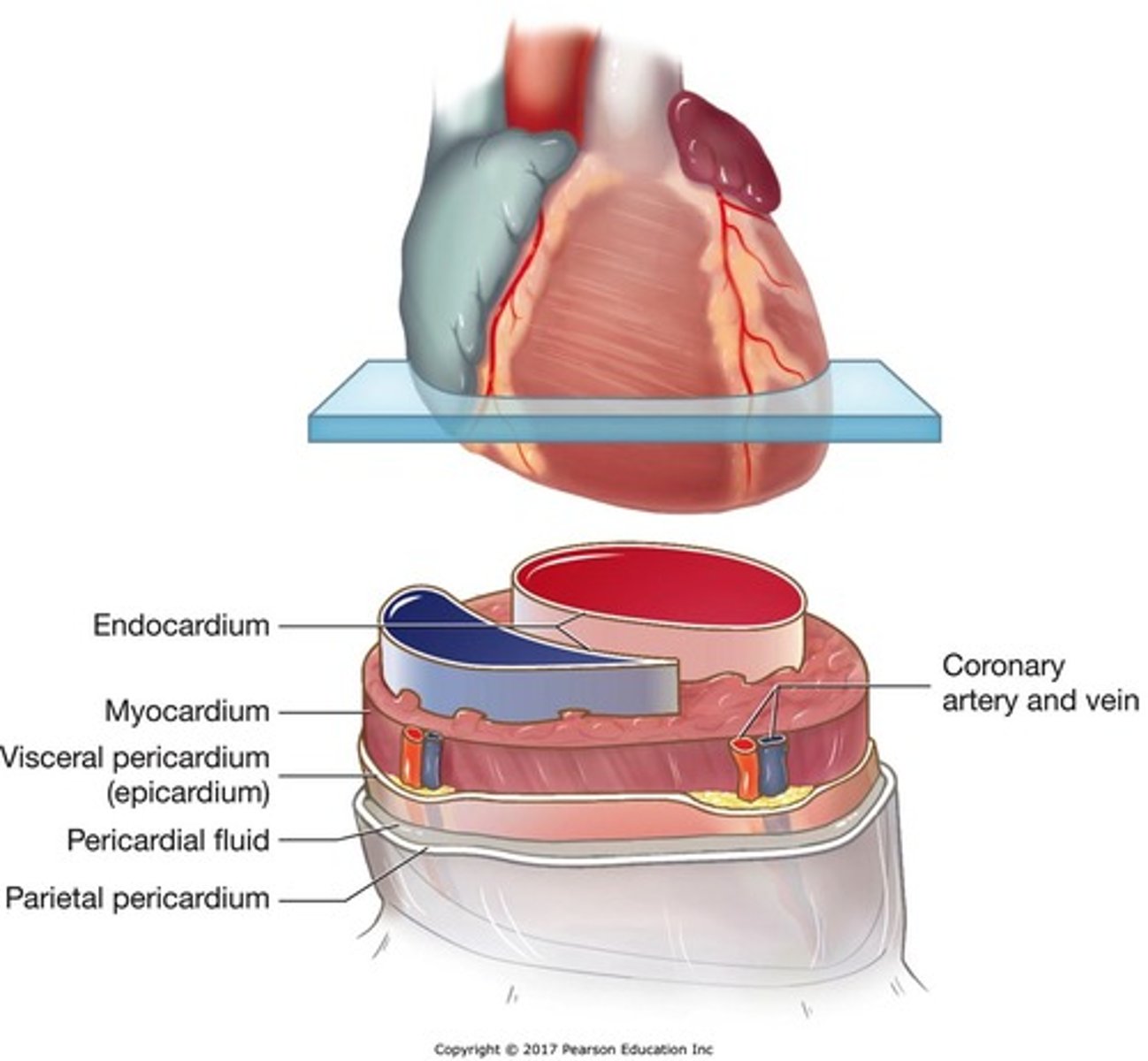
Myocardium
Muscular, thickest middle layer of the heart.
Endocardium
Inner lining of the heart.
Coronary arteries
Supply oxygen-rich blood to the myocardium.
Coronary veins
Remove waste products from the myocardium.
Atria
Two upper chambers of the heart where all blood enters.
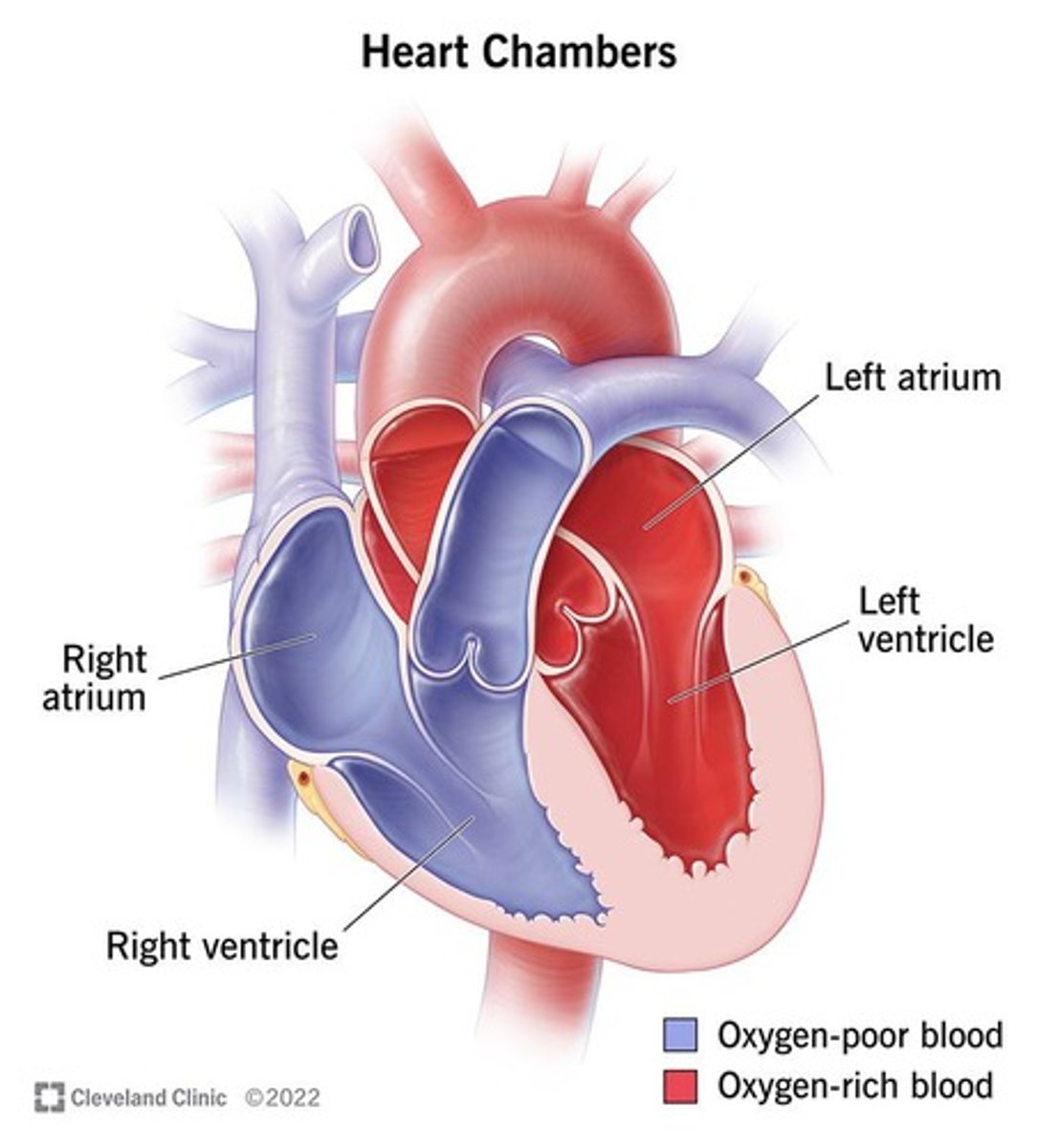
Ventricles
Two lower chambers that pump blood throughout the entire body.
Septum of the Heart
A wall that separates the chambers of the heart.
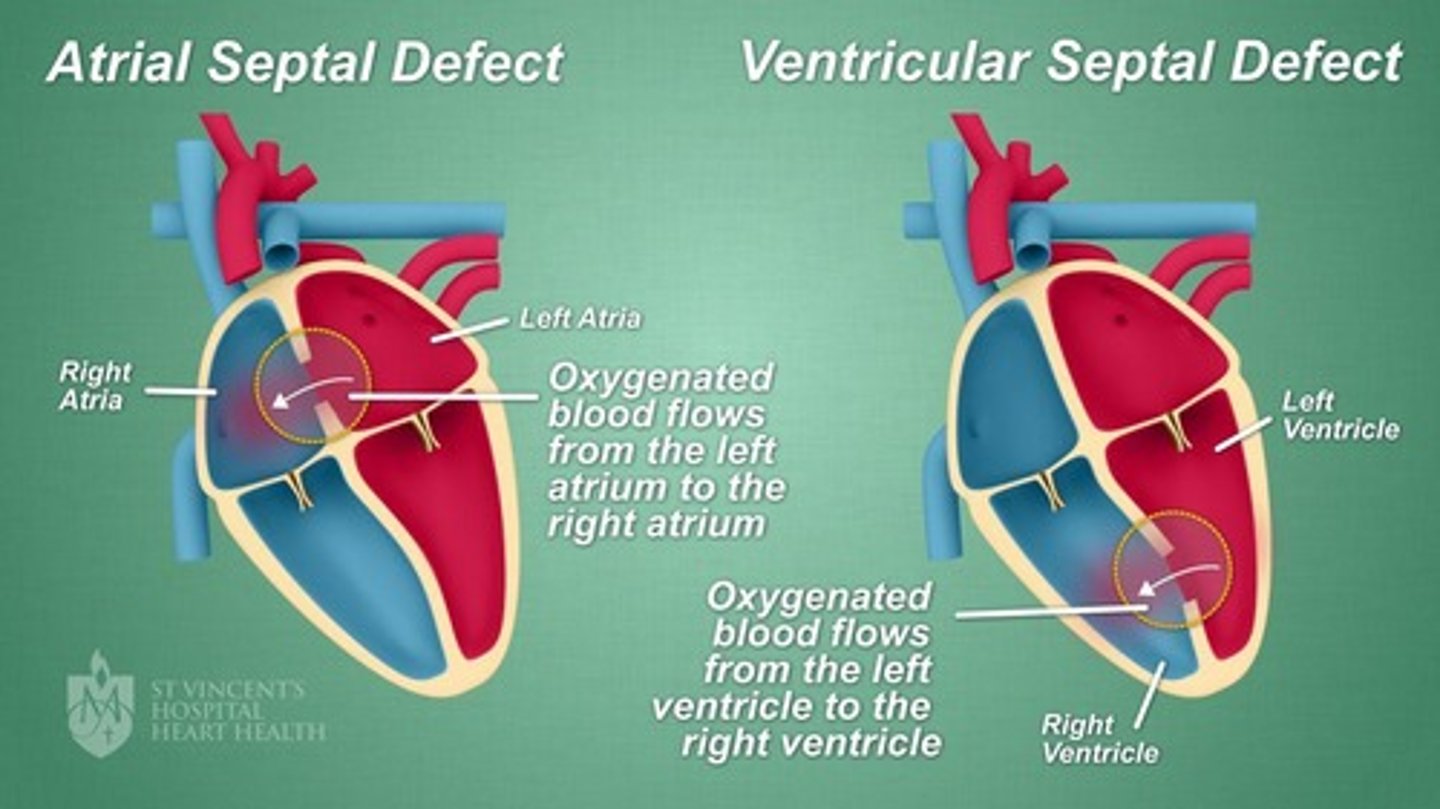
Interatrial septum
Separates the atria.
Interventricular septum
Separates the ventricles.
Tricuspid valve
Controls opening between right atrium and right ventricle.
Pulmonary (semilunar) valve
Between right ventricle and pulmonary artery.
Mitral valve
Between the left atrium and left ventricle.
Aortic (semilunar) valve
Between the left ventricle and the aorta.
Pulmonary circulation
Flow of blood between the heart and lungs.
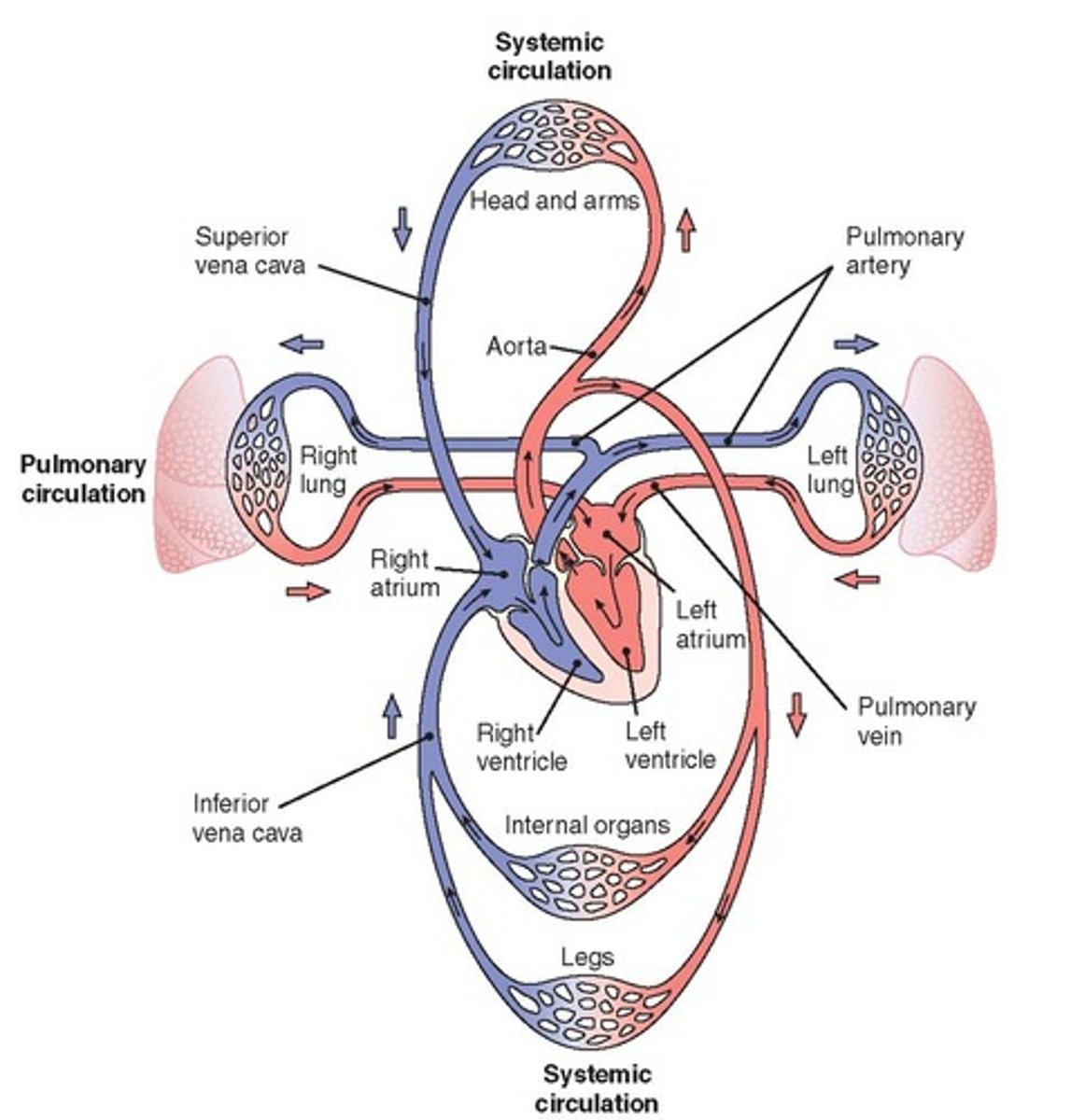
Systemic circulation
Flow of blood to all parts of the body except the lungs.
Sinoatrial (SA) node
Heart's natural pacemaker located in the posterior wall of the right atrium.
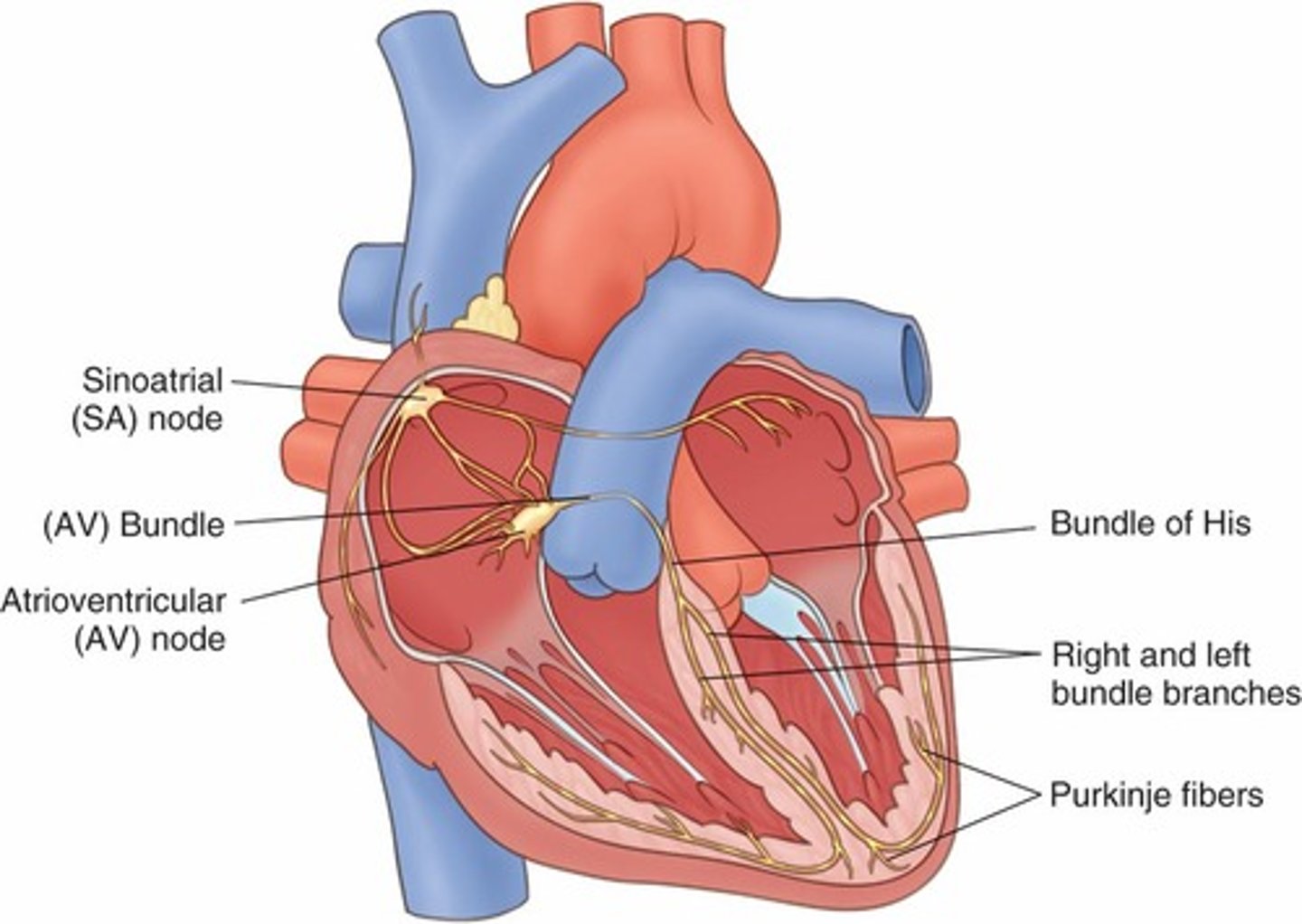
Atrioventricular (AV) node
Located on the floor of the right atrium.
Bundle of His
Located within the interventricular septum.
Purkinje fibers
Located within the walls of ventricles; stimulation causes ventricles to contract.
Arteries
Carry blood away from the heart.
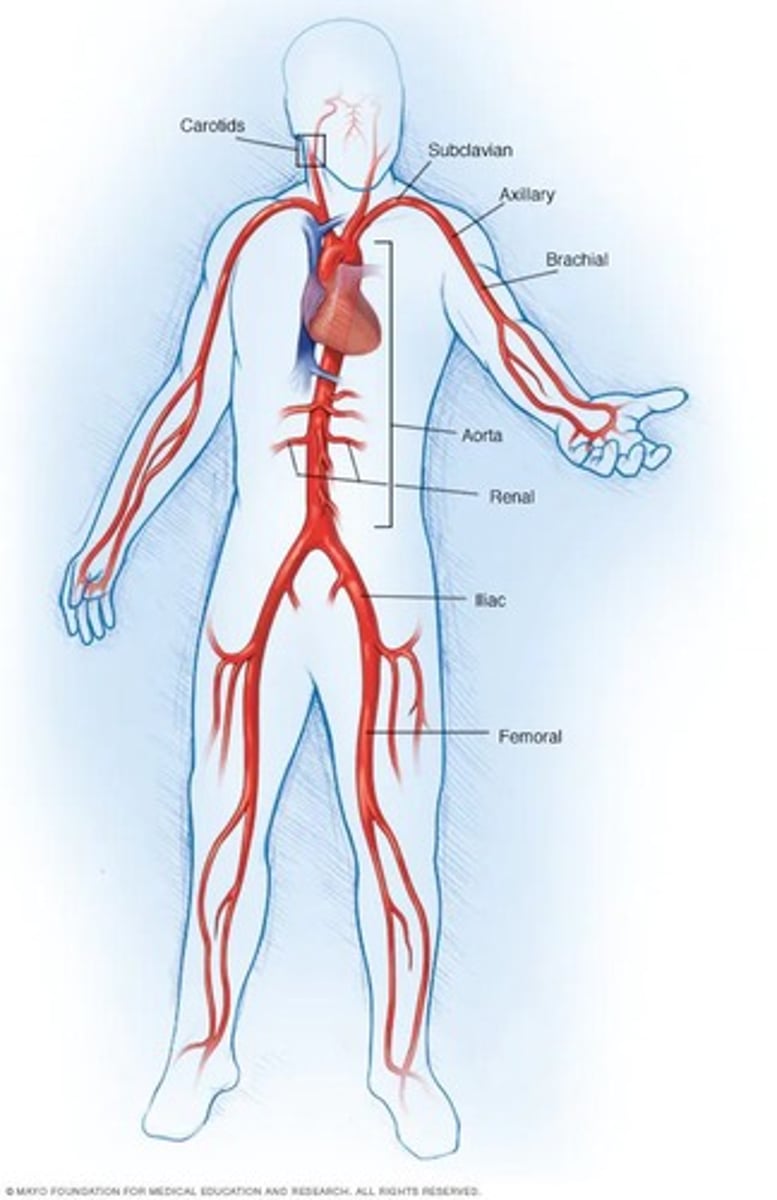
Aorta
The largest artery in the body.
Arterioles
Small arteries that carry blood to the capillaries.
Capillaries
Single endothelial layer that allows transfer of oxygen/nutrients from blood to the cells.
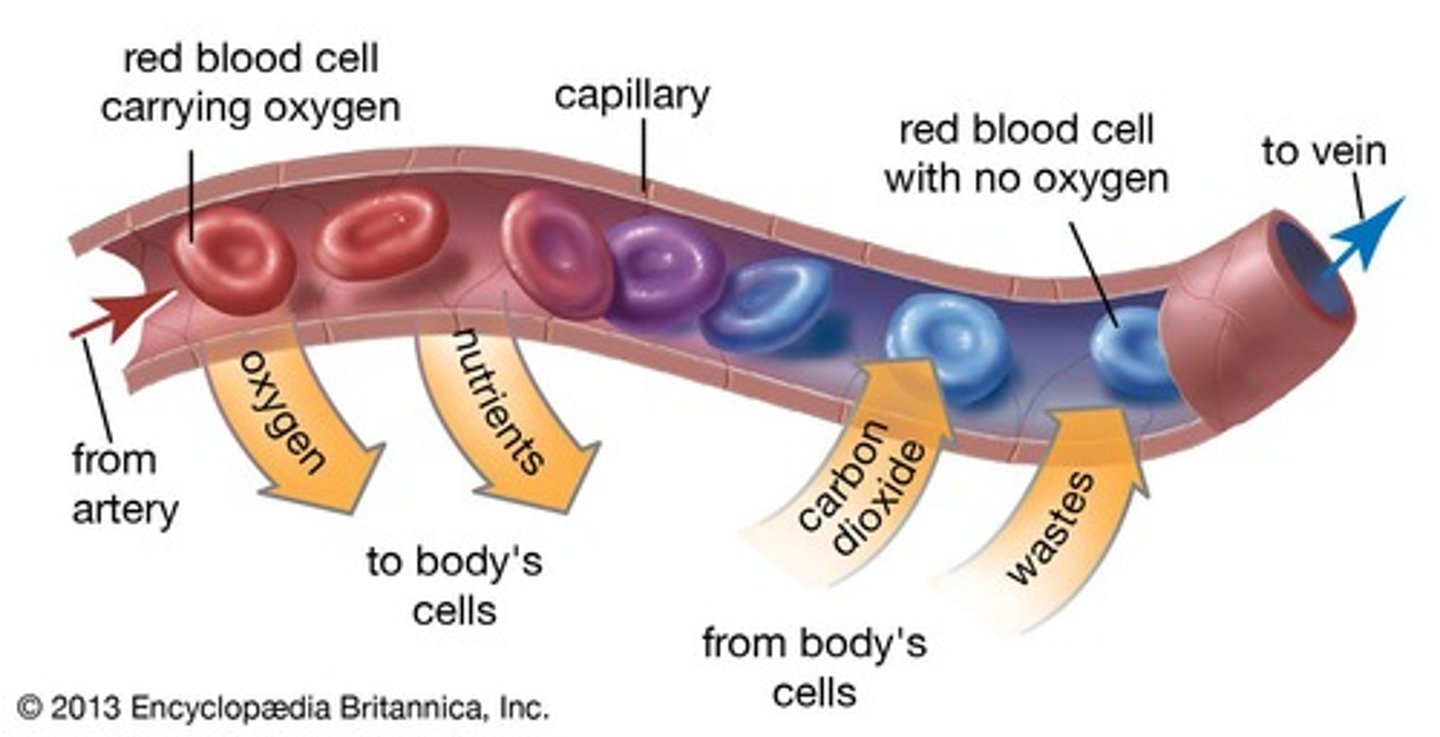
Venules
Smallest veins that join to form larger veins.
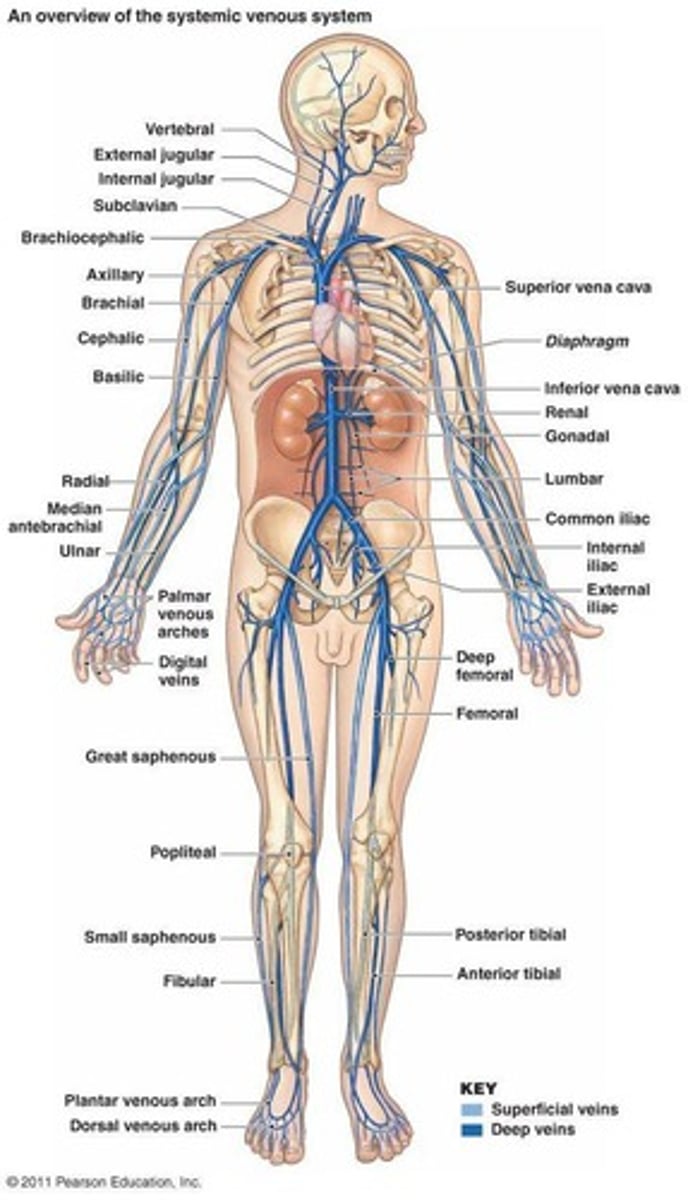
Veins
Carry blood toward the heart; valves prevent backflow of blood.
Pulse
Created by rhythmic pressure against the walls of an artery caused by contraction of the heart.
Blood Pressure
Amount of systolic and diastolic pressure exerted against the walls of arteries.
Systolic pressure
Pressure when ventricles contract.
Diastolic pressure
Pressure when ventricles relax.
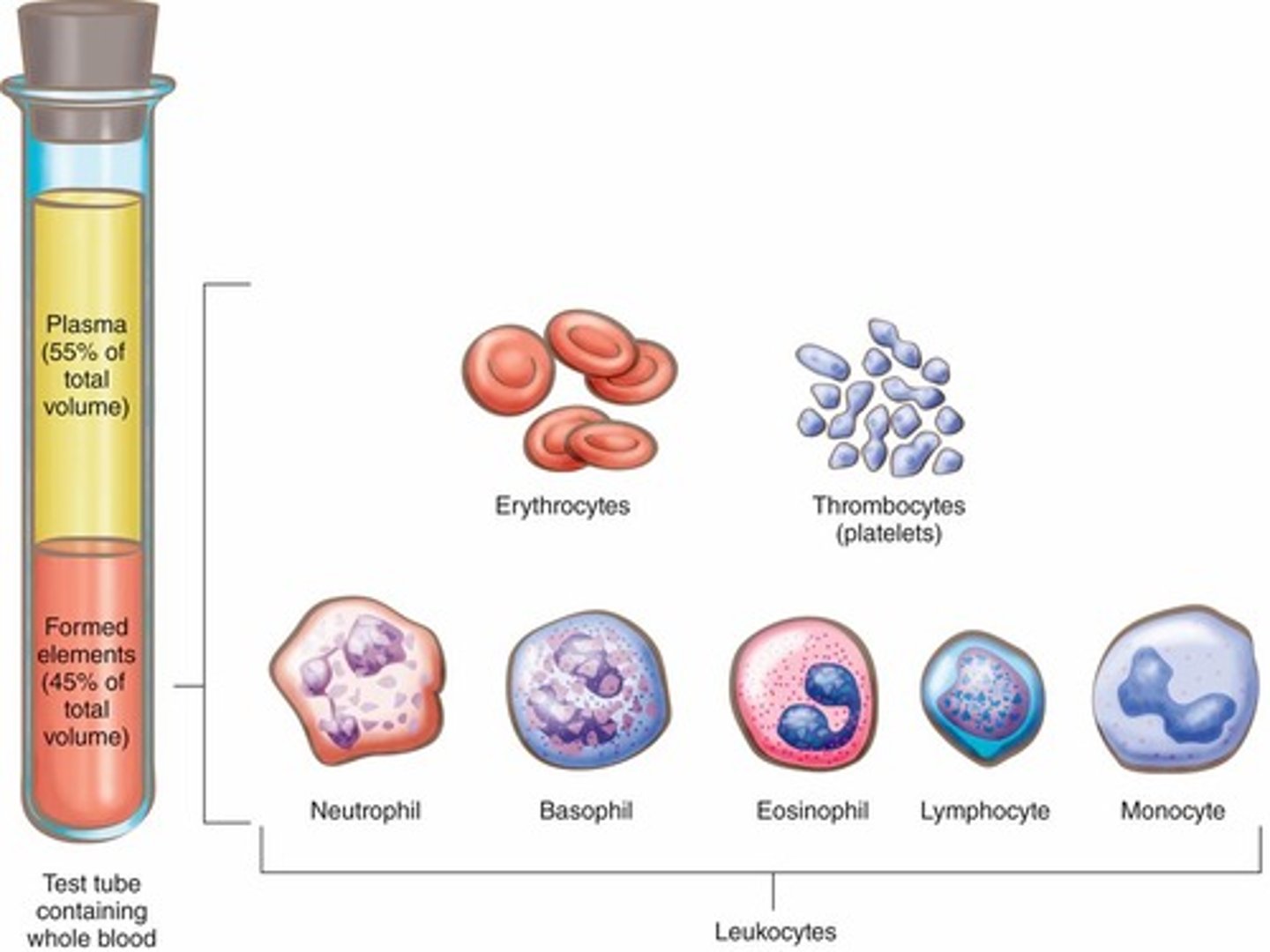
Erythrocytes
Mature red blood cells produced by red bone marrow that transport oxygen to the tissues.
Hemoglobin
Oxygen-carrying blood protein pigment.
White Blood Cells (WBC)
Leukocytes that defend the body against infective organisms and foreign substances.
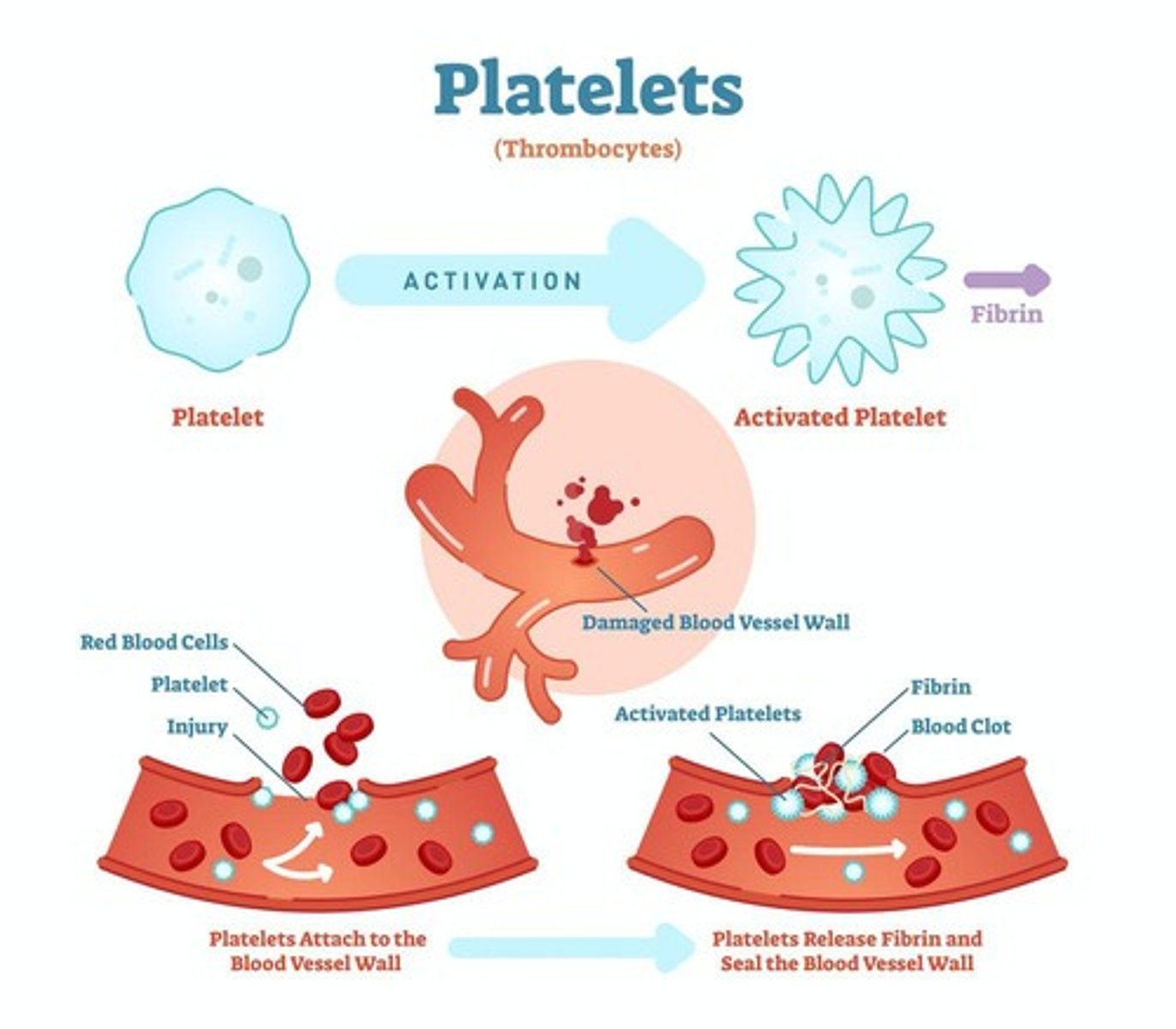
Thrombocytes
Also known as Platelets; activate by clumping together to form a clot to stop bleeding.
Rh Factor
Defines presence or absence of Rh antigen on red blood cells
Rh positive
Rh antigen present
Rh negative
Rh antigen absent
Atherosclerosis
Caused by buildup of plaque on interior walls of arteries
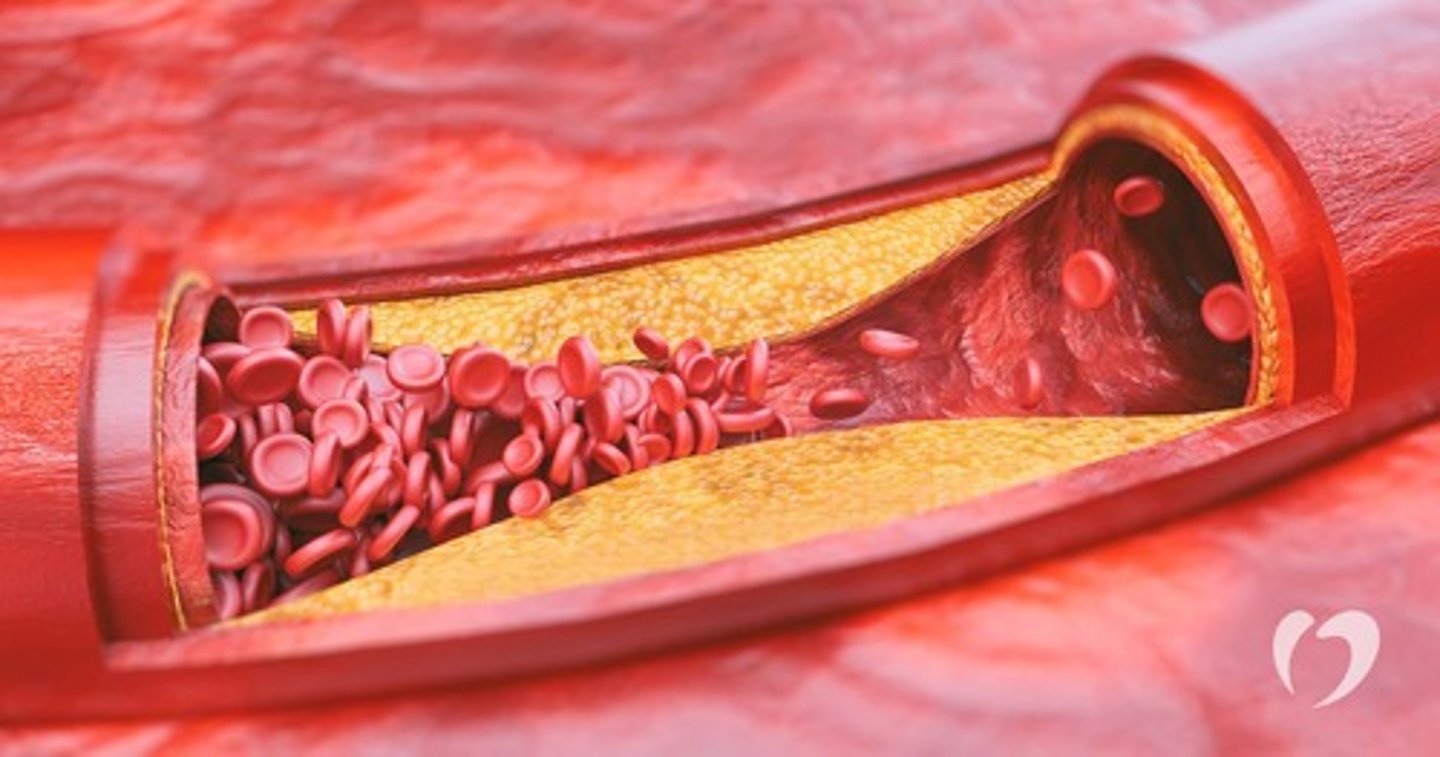
Lumen
Opening within the vessels which blood flows
Ischemia
Due to restricted blood flow causing insufficient supply of oxygen to the tissues
Coronary Artery Disease (CAD)
Most common type of heart disease
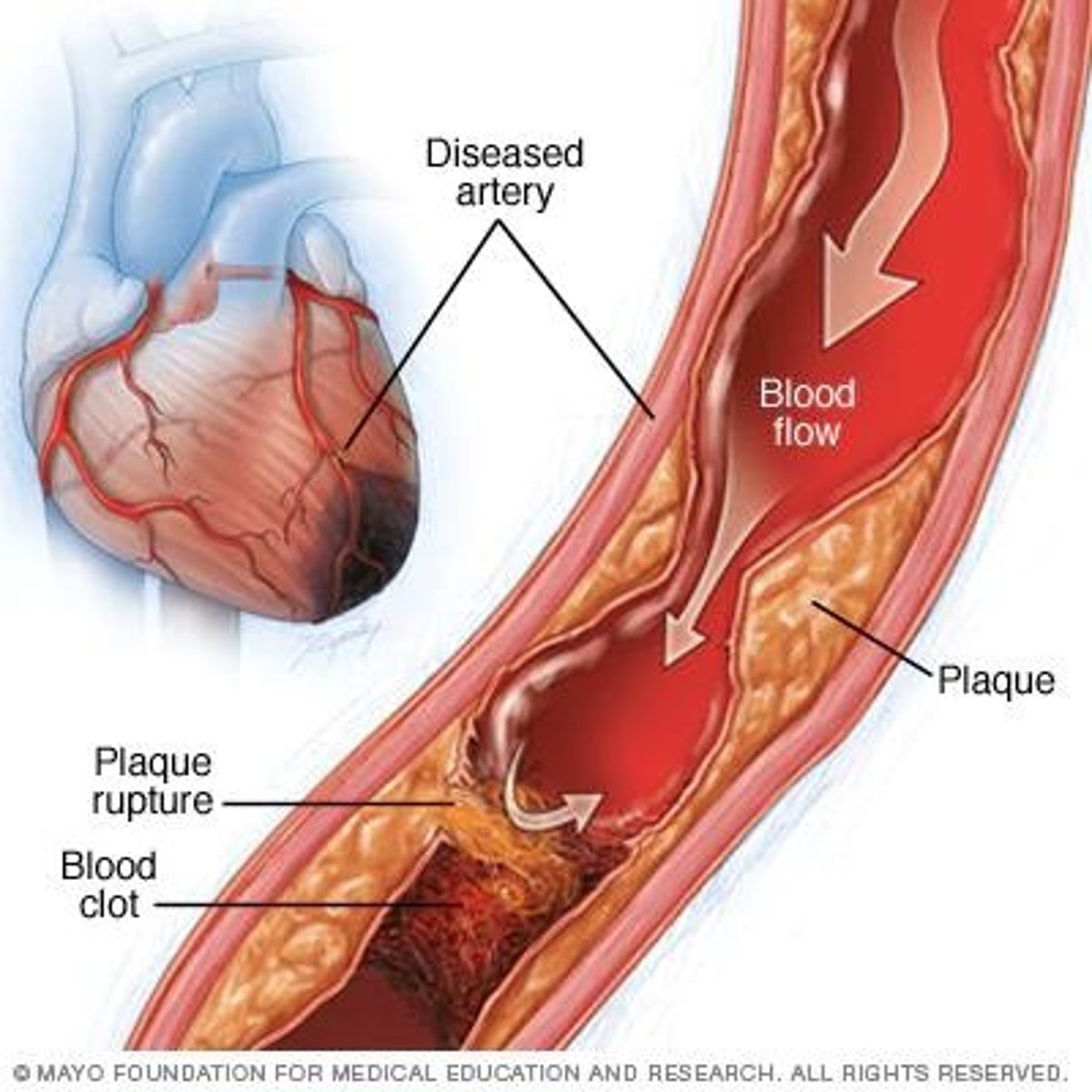
Angina
Also known as Chest Pain (CP)
Stable Angina
Resolves with rest
Unstable Angina
Chronic, may be a precursor to a heart attack
Congestive Heart Failure (CHF)
Heart is unable to discharge all the blood it receives, resulting in congestion
Carditis
Inflammation of the heart
Endocarditis
Inflammation of the inner lining of the heart
Pericarditis
Inflammation of the pericardium
Myocarditis
Inflammation of the myocardium
Cardiomyopathy
Term to describe all diseases of the heart muscle
Heart Murmur
Often caused by defective heart valves
Arrhythmia
Loss of normal rhythm of heartbeat
Aneurysm
Localized weak area or enlargement of wall of an artery
Arteriosclerosis
Any group of diseases characterized by thickening and loss of elasticity of arterial walls
Chronic Venous Insufficiency
Venous circulation is inadequate due to partial vein blockage or to the leakage of venous valves
Phlebitis
Inflammation of a vein
Embolus
Foreign object circulating in blood such as a blood clot, air/gas, or piece of tissue
Sepsis
Also known as septicemia, a potentially life-threatening infection that results from bacteria or other infectious organisms entering the bloodstream
Hemorrhage
Large amount of blood loss in a short time
Leukemia
Cancer characterized by progressive number of abnormal leukocytes in tissues, organs, and blood
Anemia
Decreased number of erythocytes (RBC's)
Hypertension
Elevation of arterial blood pressure
Hypotension
Lower-than-normal arterial blood pressure
Heart Cath
Cardiac catheterization
Angiography
Radiographic study of blood vessels after injecting of contrast medium
Coronary Angiography
Pre and Post Intervention
Venography
Image of a specific vein after contrast dye is injected
Duplex Ultrasound
Diagnostic procedure to image vessels and blood flow
Holter Monitor
Portable E K G worn by ambulatory patient
Stress Test
Monitoring with E K G while patient exercises on treadmill, or is injected with a chemical to increase the heart rate
Thallium stress test
Injecting thallium and assessing blood flow through coronary arteries during exercise
Nitroglycerin
Vasodilator that is prescribed to prevent or relieve the pain of angina by dilating the blood vessels to the heart
Carotid Endarterectomy
Removal of the portion of clogged carotid artery
Coronary Artery Bypass Graft (CABG)
Replaces blocked coronary artery with a vein from the leg or chest
Automated external defibrillator (AED)
Automatically samples rhythm and externally shocks the heart, if needed
Implantable cardioverter-defibrillator (ICD)
Regulates heartbeats and defibrillates if disruption of heart's rhythm occurs
Artificial pacemaker
Electronic device regulates the heartbeats
Cardiac ablation
Scars or destroys the heart tissue that is triggering an abnormal heart rhythm
Valvuloplasty
Surgical repair of heart valve
Heart valve replacement
Replacement of heart valve; usually aortic or mitral
Transcatheter aortic valve replacement
Collapsible replacement valve expands to resume function of defective valve
Aneurysm clipping
Placement of clip at the neck of aneurysm
Hemostasis
Stop or control bleeding
-emia
Blood, blood condition
erythr/o
Red
hem/o, hemat/o
Blood, relating to the blood
leuk/o
White
phleb/o
Vein
tachy-
Fast, rapid
thromb/o
Clot
ven/o
Vein