unit 3 - diseases and immunity
 Call Kai
 Learn
Learn Practice Test
 Spaced Repetition
 Match
Match Flashcards
 Knowt Play
1/55

There's no tags or description
Looks like no tags are added yet.
Name | Mastery | Learn | Test | Matching | Spaced | Call with Kai |
|---|
No analytics yet
Send a link to your students to track their progress
56 Terms
pathogen
disease causing microorganism
infectious diseases
are caused by invasion of pathogens in the form of viruses and bacteria can be transmitted from one host to another
disease
any harmful deviation from the normal structure or functional state of an organism, generally associated with certain signs and symptoms and differing in nature from physical injury.
infectious
communicable/transmissible
bacteria structure
bacteria is living and can live inside or outside of the body
there are good bacteria in the body in the stomach to help digestion and absorption of food.
they are unicellular
rod, spherical or spiral shaped
lack of nucleus, DNA that is free in the cytoplasm
cell wall
capsule
flagella
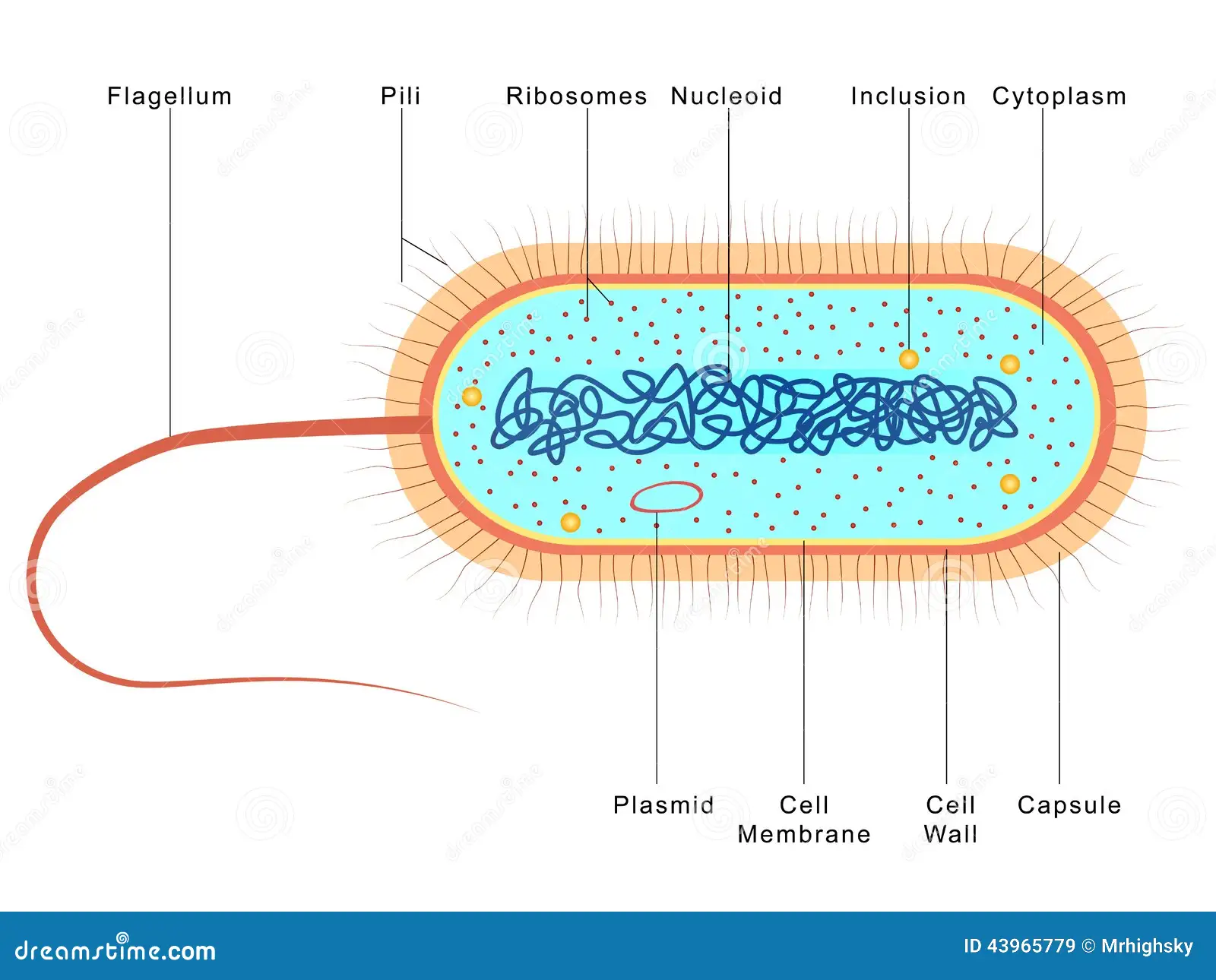
pathogenic action of bacteria
bacteria divide rapidly via most binary fusion
they can communicate with each other by chemical signalling and acts as one organism
pathogenic bacteria either releases toxins in the host, damage cells and tissues by breaking them down for food, or induce an allergic response
treatment of bacteria
bacteria can be treated with antibiotics as antibiotics aim to attack and kill living microorganisms, and bacteria is living.
viruses structure
not living and need a host to survive
spherical with spikes
some beneficial viruses present in our gut, skin and blood that can kill undesirable bacteria and more dangerous viruses
they are smaller than bacteria
consist of genetic material, protein coat and a layer of fat
can also assume different shapes such as spacecraft, spirals, cylinders and ball shapes
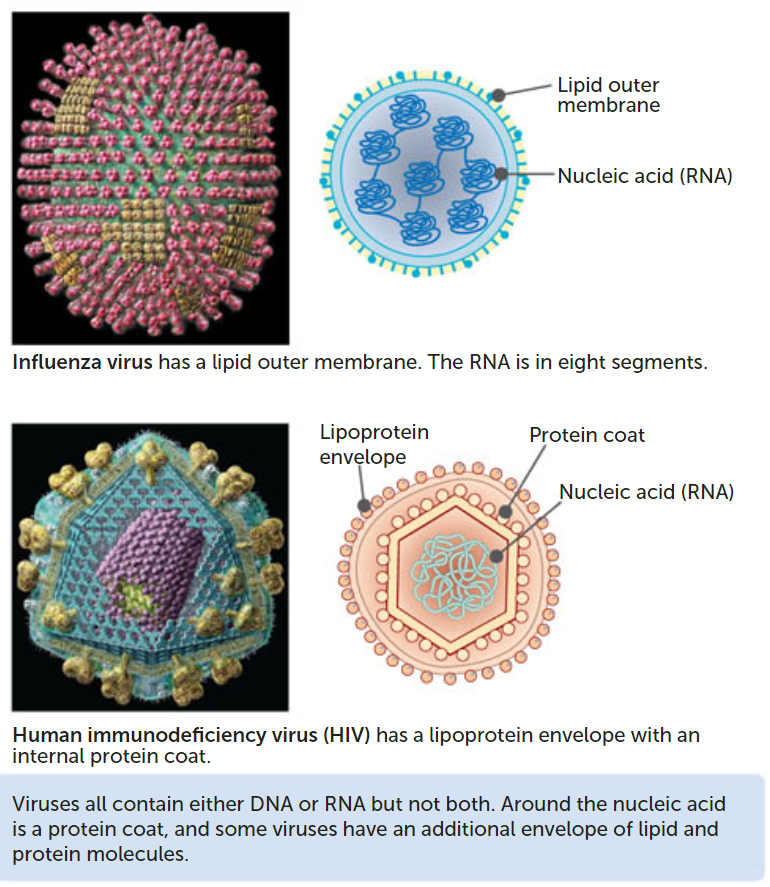
pathogenic action of viruses
entry of the virus into the host cell
can replicate the viral genome producing new viral proteins
those proteins assemble into new viruses and are then released from the host cell ready to infect new/other cells
treatment of viruses
cant be treated with antibiotics as they are not living
antiviral meds and vaccines
hand washing and cleaning surfaces to destroy lipid layer of viruses outside the body
transmission of pathogens
direct and indirect contact
transfer of bodily fluids
vectors
contaminated food and water
direct contact
actual physical contact e.g. skin infections, conjunctivitis and STDs
how to avoid: covering skin, avoiding physical contact, physical contraceptives
indirect contact
touching an object that has been touched by an infected individual or airborne and droplets of pathogen
how to avoid: covering nose and mouth, washing hands regularly and sanitising
transfer of bodily fluids
transfer of pathogens via blood or other bodily fluids from an infected person to mucous membranes or bloodstream of an uninfected person
fluids = semen, blood, saliva
mucous membranes in the = nose, mouth, throat and genitals
vectors
the transfer of pathogens via another animal (mites, ticks, mosquitos)
can be direct (a bite), or indirect (fruit flies contaminating food and then eating the fruit)
contaminated food and water
the ingestion of contaminated food and drinks due to the lack of hygiene
e.g. salmonella food poisoning
mechanisms of protection
skin, digestive tract, urogenital tract, respiratory system, ears and eyes
skin
the skin is an impervious layer that does not allow things to enter the body, acting as a physical barrier.
oils on the skin prevent pathogenic organisms from entering the body also
digestive tract
acidic juices that kill many microorganisms
urogenital tract
acidic secretions of the vagina to inhibit the growth of pathogens, urine flow also prevents bacteria growth due to its acidic nature inhibiting pathogen growth also
respiratory system
mucous layer traps microorganisms, hair and mucous prevent them from entering acting as filters, sneezing/coughing, mouth cavity has mucous membrane to trap microorganisms and is cleansed constantly by saliva
ear
cerumen/ear wax inhibits bacteria growth
eyes
tears cleanse the eye and have chemical that inhibit bacteria growth
non-specific immunity
phagocytes and inflammation
carries out the same way every time and defends the body from pathogens the same every time no matter the pathogen.
phagocytes
type of white blood cell that performs phagocytosis - where phagocytes engulf and destroy pathogens in blood and in tissues
2 types of phagocytes
neutrophils - immediate response, get to the site first to engulf pathogens
macrophages - also engulf pathogens and do a lot of the heavy lifting as they are actually capable of displaying antigens, help with the body’s immunity to these responses.
stages of phagocytosis
the pathogen releases chemical that act as signals attracting phagocytes to the area of infection (this relies on a chemical or physical change in the body to occur)
the phagocyte will then arrive and recognise the foreign body, binding to it and triggering phagocyte to engulf the pathogen
this forms a phagosome (vesicle containing the pathogen in the phagocyte)
lysosomes, then fuse with phagosomes creating phagolysosomes
the pathogen is then broken down and cleaned up by enzymes
inflammation
a response to any damage to tissues in the body - it is localised to an area and is non-specific
why inflammation occurs
slows down the speed of pathogens and prevent entry of additional pathogens
removes damaged tissue and cell debris and repair damage - speeds up healing
process of inflammation
Stimulus (physical or chemical change) = specialised mast cells are activated
Mast cells release histamine and heparin
Histamine causes blood vessels to dilate to increase blood flow and the permeability of the capillaries to allow for immune response cells to get to affected area/tissue
More fluid enters the area = heat, redness and swelling
Heparin prevents clotting in the immediate area to allow for blood flow, and a clot forms around the area to slow the spread of the pathogen
Chemicals from this attract phagocytes = engulfing of pathogens and debris (phagocytosis)
Pain receptors are stimulated due to fluid, redness and swelling = person feels pain in the area
Phagocytes then die and form pus to get rid of the engulfed material
Mitosis occurs to repair damaged tissue and mast cells cease to release signal for infection
4 signs of inflammation
pain, swelling, redness, and heat
fever
when core temp raises above 38 degrees Celsius
stages of fever
macrophages that respond to and ingest pathogens produce a chemical called interleukin-1, and bacteria/pathogen itself releases pyrogens/toxins into the blood
these in the blood causes the body to think that it is cooler than it really is
thermoreceptors in the hypothalamus detect this ‘low’ core temp, and it responds through homeostatic processes to raise the internal body temp beyond 38 degrees
fever benefit in immunity
increased metabolic rate = speed up of tissue repair
increase HR and blood flow = gets more lymphocytes and phagocytes to reach the site of infection
high temp can inhibit the growth of some pathogens/ kill some pathogens
the heat increases the effect of killer t cells and speed up the immune response
increase the effect of interferon protein which inhibits viral replication
specific defence
defences directed towards a particular pathogen, can be naturally or artificially
the immune response
a homeostatic mechanism
when microorganisms invade the body, the immune response helps restore the internal environment back to normal
2 types of responses: antibody mediated/humoral immunity, cell mediated
lymphocytes
white blood cells
b and t
b- mature in the bone marrow and involved in antibody mediated response
t- mature in the thymus and end up in lymphoid tissue, involved in cell mediated response
antigens
substances capable of causing an immune response, triggering both antibody and cell mediated responses
include:
carbs, protein, lipids
whole part of pathogen
tissues from transplants
allergens
self antigens- produced by the own body and do not cause an immune response
non-self-antigens - foreign and cause an immune response
they markers on the outside of the pathogen that allow antibodies t identify and attach to, in order to destroy the pathogen
antibodies
produced in response to a non-self antigen
produced by plasma cells - clones of b cells
specific to type of antigens
active sites of antibody and antigen attach to cause an antigen-antibody complex
Antigen presenting cells
macrophages, dendritic cells, an undifferentiated b cells
detect non-self antigens on the tissue, engulf the pathogen, produce small fragments on the surface of the cell, and present the antigen to t and b cells which are able to respond and further initiate responses.
antibody mediated immunity
involves the production and release of antibodies into the blood and lymph, will provide resistance to viruses, bacteria, and bacterial toxins before these microorganisms enter the body’s cells.
actions of antibodies once a antigen-antibody complex is made
precipitation (soluble antigens become insoluble)
agglutination (causes the clumping of antigens)
neutralisation (masks the dangerous parts of the antigen)
inflammation (release histamine, increasing immune cell mobility)
complement (complement proteins perforates the cell membrane)
= phagocytosis
steps to antibody mediated immunity
non-self antigen enters the blood or lymph, a macrophage engulfs it, and a specific b cell will encounter the antigen on the macrophages surface (antigen presenting cell)
antigen presenting cells also present to a helper t cell, releasing cytokines
antigens then bind to a receptor on the membrane of a specific b cell and cytokines travel to the b cell. this activates the b cell (sensitising it and enlarges)
b cells then swell, divide and form groups of cells called clones. most of them become plasma cells which secrete specific antibodies around the body (through the blood and extracellular) in order to reach the site of the invading pathogen
the antibodies then combine with antigens to form antigen-antibody complex
depending on the antibody and antigen, a response of either:
agglutination
precipitation
neutralisation
inflammation
or
complement.. will occur
levels then decline as body’s internal conditions are restored
the remaining clones of b cells become memory b cells which remain in the lymphoid tissue. these will then spread around the body so that if the antigen is presented to the body again a more immediate and effective immune response can then occur - secondary response
plasma cells will then form more rapidly and immunity will be achieved as the person will not feel symptoms.
helper t cells
killer t cells
memory t cells
suppressor t cell