resin bonded FDP
 Call Kai
 Learn
Learn Practice Test
 Spaced Repetition
 Match
Match Flashcards
 Knowt Play
1/78

There's no tags or description
Looks like no tags are added yet.
Name | Mastery | Learn | Test | Matching | Spaced | Call with Kai |
|---|
No analytics yet
Send a link to your students to track their progress
79 Terms
the practices of survey in northern germany revealed a relatively _____ rate of dentists used evidence-based dental techniques for bonding oxide ceramics
low (7-14%)
choosing a cement depends on…
the material being used for the restoration
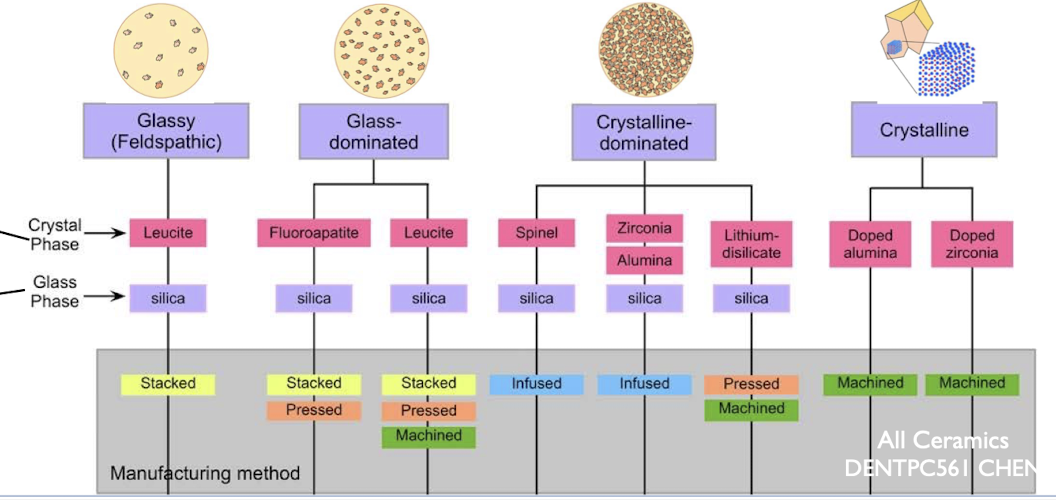
how does mechanical strength change on this diagram
from left to right it will increase
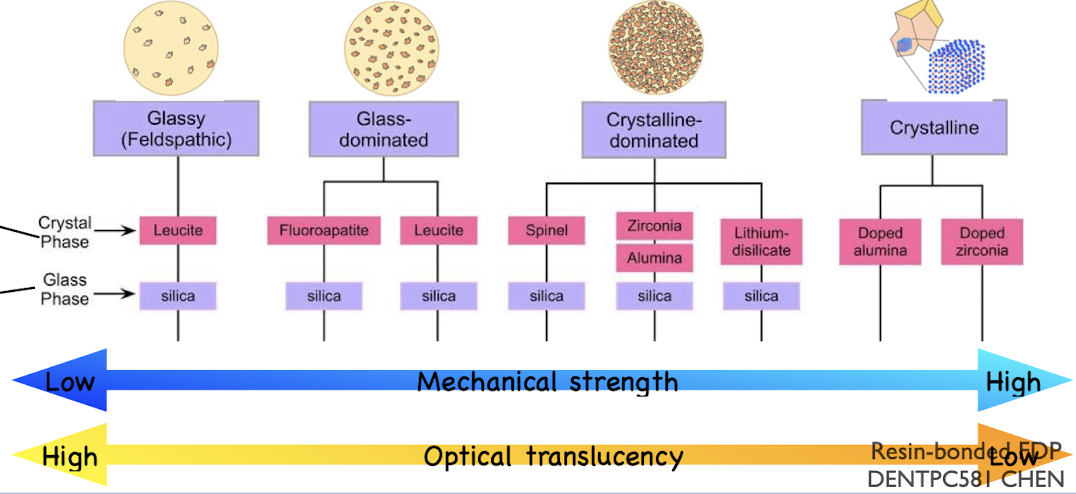
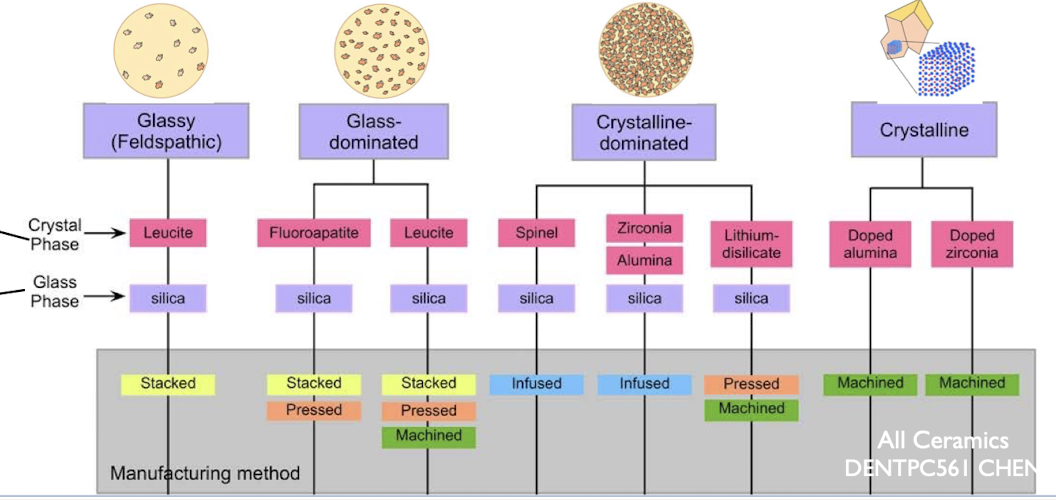
how does optical translucency change on this diagram
from left to right will decrease
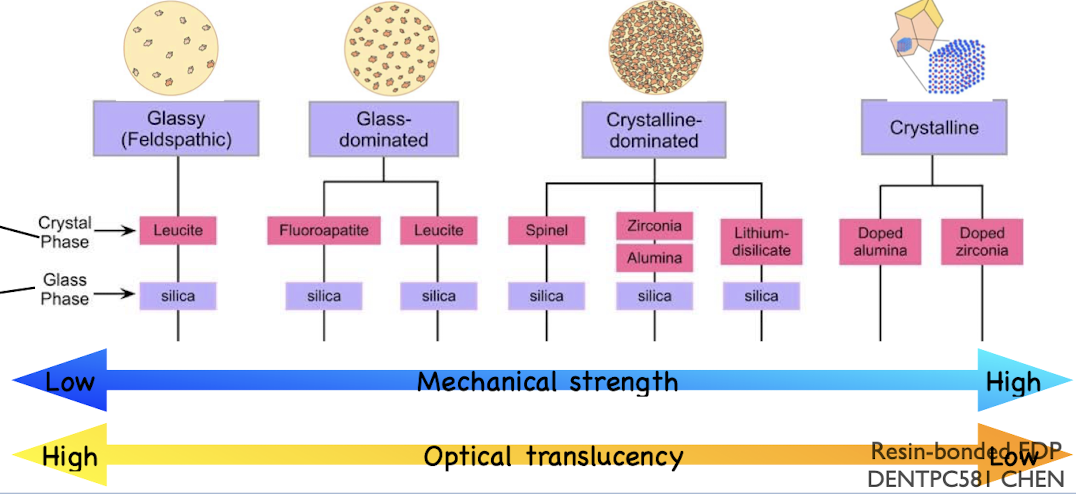
recall: lithium disilicate properties vs zirconia
lithium disilicate: more translucent, pressable and CAD/CAM, laminated/monolithic, lower flexural strength 215-400 MPa
zirconia: more reflective, only CAD/CAM, laminated/monolithic, higher flexural strength 900-1200 MPa
between ltihium disilicate and zirconia, which MUST be bonded and which does NOT require bonding
lithium disilicate: MUST be bonded
zirconia: does NOT require bonding
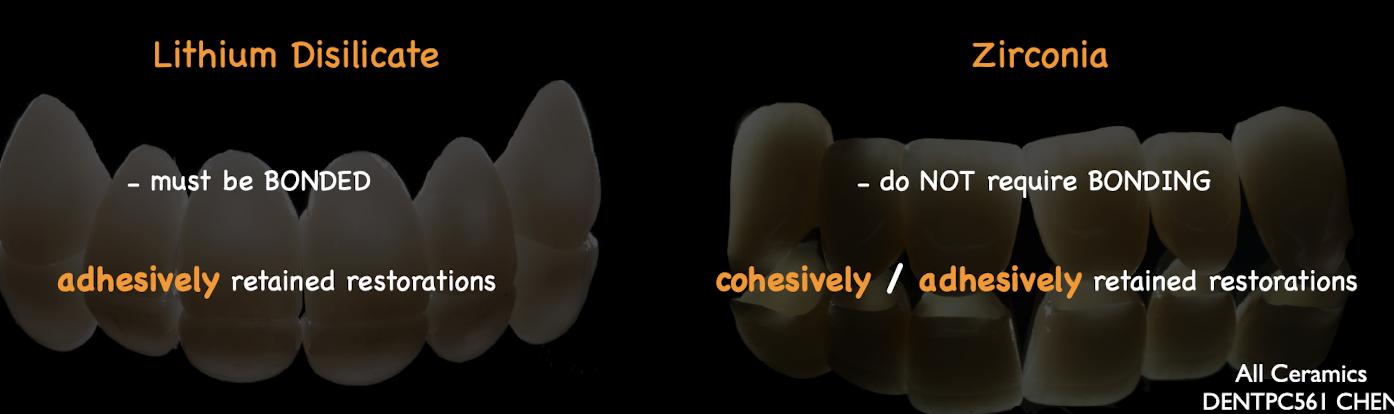
2 kinds of definitive cementation
adhesively
cohesively
types of cohesive luting cement
zinc phosphate
polycarboxylate
resin-reinforced GI
resin
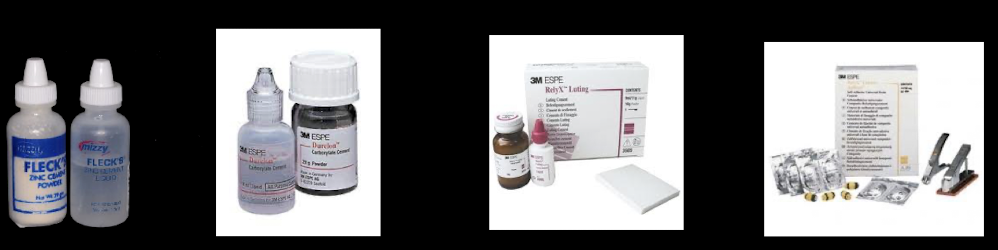
definition of cohesive cement
no adhesive interaction between the surfaces
rely on the retentive form
definition of adhesive bonding cement
the true adhesion between the two joining materials
type of adhesive bonding cement
resin
why does lithium disilicate HAVE to be bonded but zirconia and be either cohesively or adhesively bonded
lithium disilicate: mechanical strength is NOT enough
zirconia: mechanical strength is usually strong enough to where you don’t need to bond→ but i fthis is compromised, then you should bond
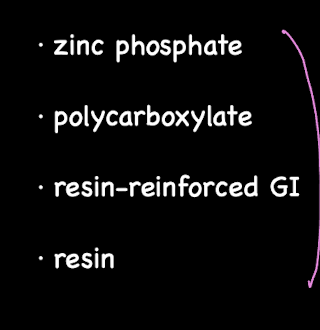
rank the types of cohesive cements from greatest to least compressive strength
resin > RRGI > ZPC > PCC
why is temporary cement easy to break
bc it has a low compressive strength
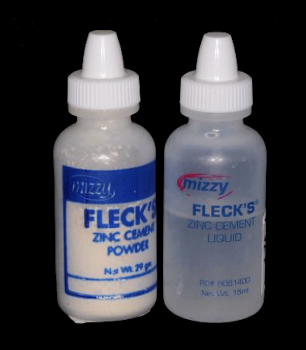
advantages of zinc phosphate cement
history of use
adequate strength
minimal film thickness
easily remove excessive materail
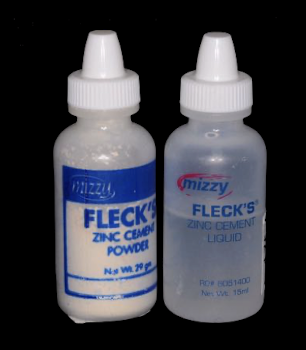
disadvantages of zinc phosphate cement
not translucent
solubility
mixing technique sensitive (will set if you mix too fast/slow)
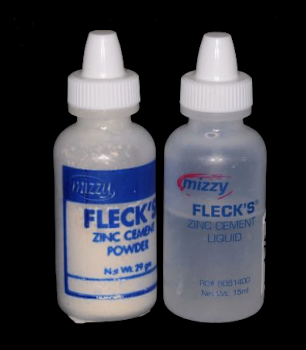
indications for zinc phosphate cement
full coverage cast restorations (e.g. gold, pfm)
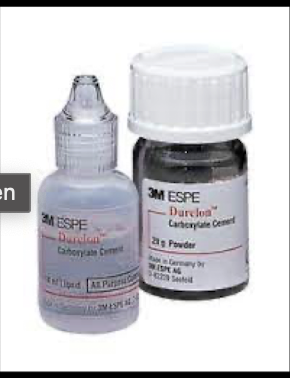
advantages of polycarboxylate cement
relative biocompatible
adhesion to dentin
less technique sensitive
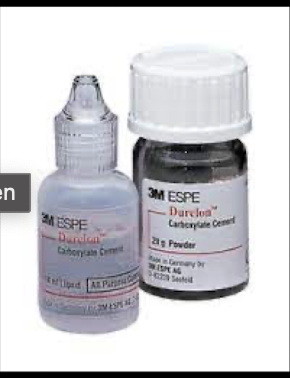
disadvantages of polycarboxylate cement
not translucent
solubility
low strength (but more than temp cem.)
high viscosity
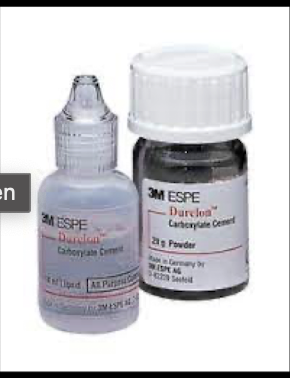
indications for polycarboxylate cement
long term provisional restorations
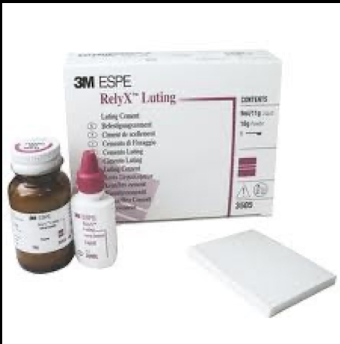
examples of resin-reinforced GI cement
relyX luting 3M
fuji plus GC
protec CEM (vivadent)
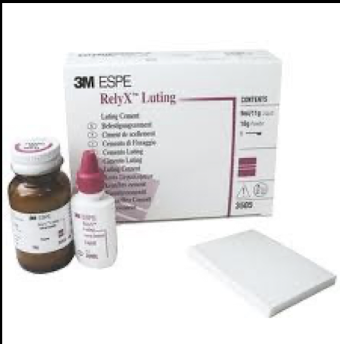
advantages of resin-reinforced GI cement
higher strength (almost similar to resin)
clean-up easy (water soluble)
less early moisture susceptible
translucency
disadvantages of resin-reinforced GI cement
expand during setting (so if crown material isn’t strong enough and this happens → fx)
contraindications for resin-reinforced GI cement
glass all ceramic restorations: feldspathic porcelain, lithium disilicate
post and core (unicem)
indications for resin-reinforced GI cement
casting metal restorations
metal ceramic restorations
zirconia-based all ceramic restorations
classifications of resin cement
self-adhesive resin
dual-cure resini
light-cure resin
what type of resin cement does not require the provider to follow bonding protocol
self-adhesive
what type of resin cement requires teh provider to follow bonding protocol
dual-cured resin
light-cured resin
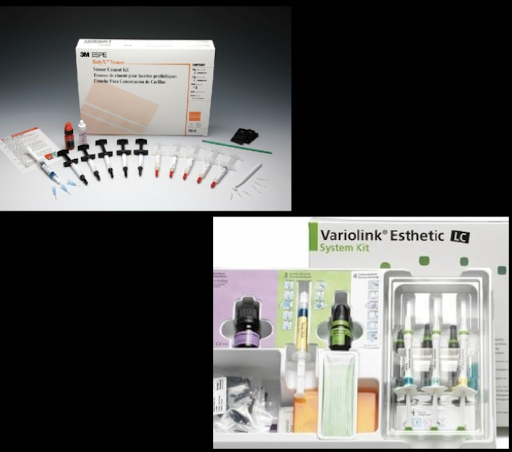
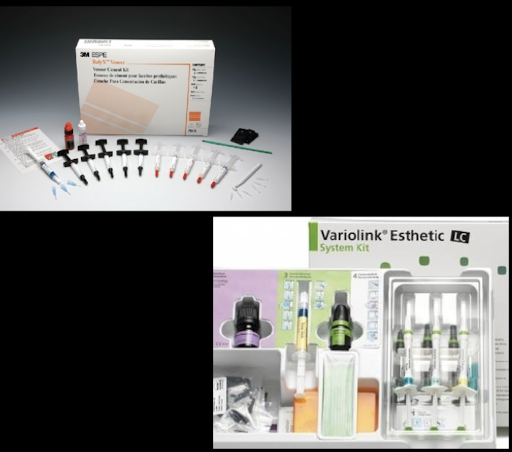
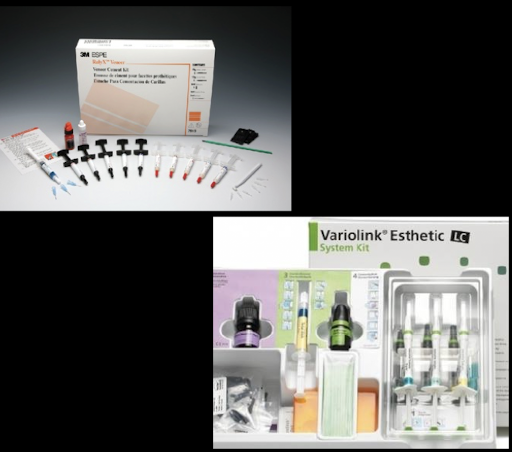
types of light-cured resin
relyx veneer (3M ESPE)
variolink esthetics LC (ivoclar vivadent)
advantages of light cured resin
superior bonding strength
working time
color stability
disadvantages of light cured resin
strict bonding protocol
clean up after setting
critical need for light to ensure proper cure
indications for light cured resin
all ceramic veneers
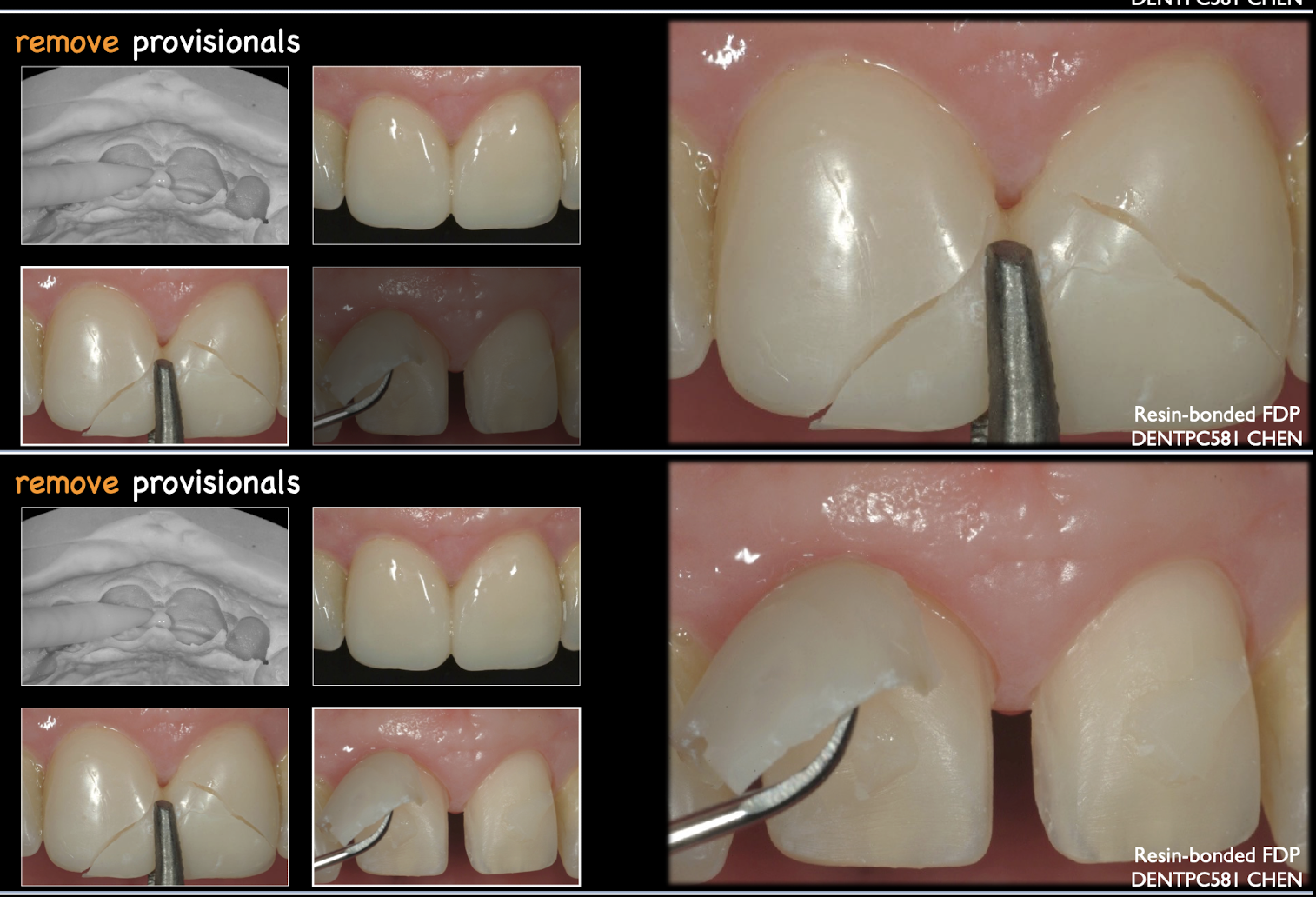
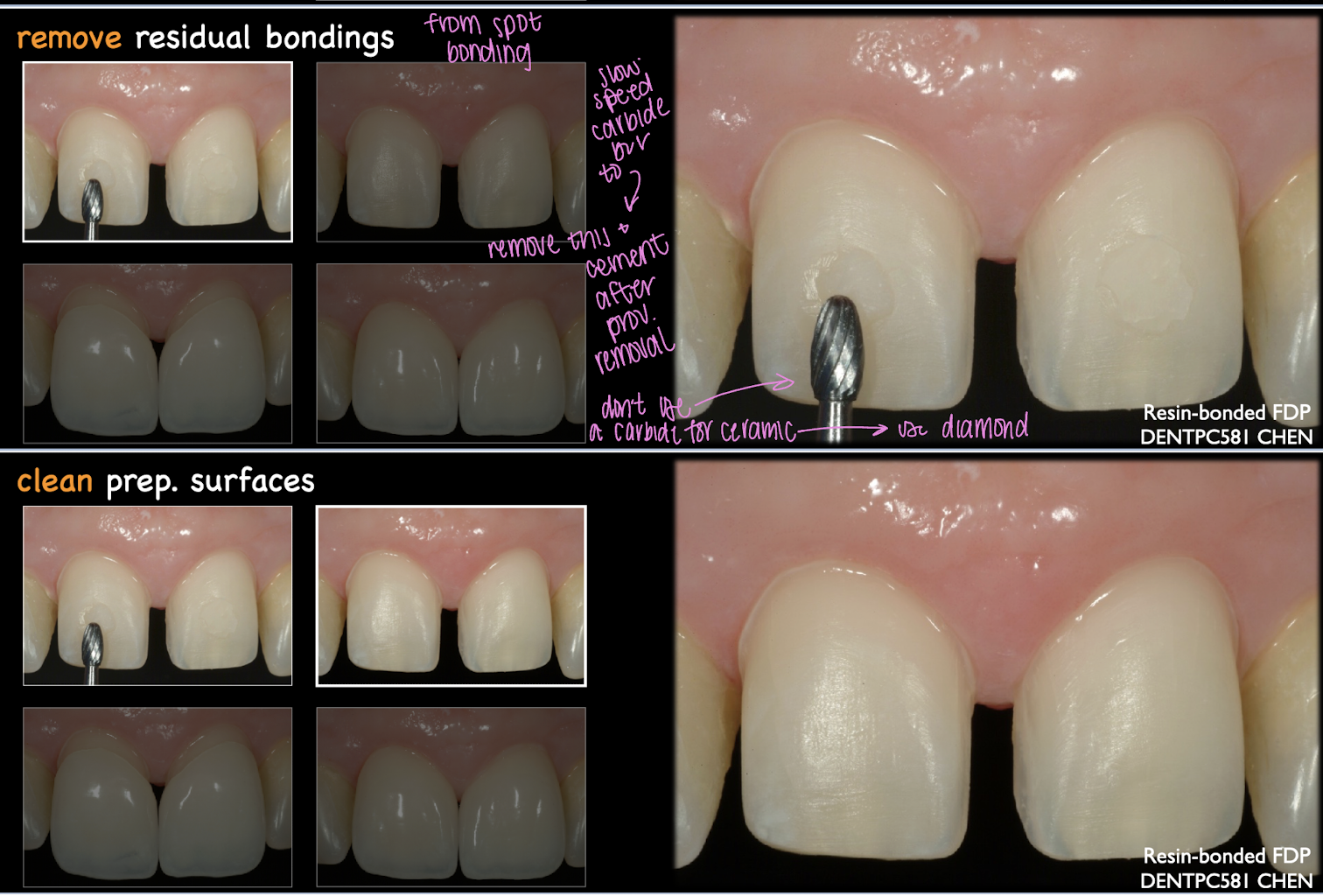
after you remove the provisional on delivery day, what should you use to remove the residual bondings on the tooth
carbide bur w slow speed and clean prepped surfaces
after you try on veneers and your pt approves, what is the ceramic tx if the material is feldspathic porcelain
10% hydrofluoric acid etch
put in 95% alcohol ultrasonic bath for 4 min
silanization
what does etching and alcohol ultrasonic bathing your porcelain do for you
makes the surface rough/inc surface tension and removes crystal to improve bonding
why must you put the etched veneer in put in 95% alcohol ultrasonic bath for 4 min
removes crystals → if you don’t do this → will dec bond strength by 40%
after you try on veneers and your pt approves, what is the tooth tx you must do to prepare for cementation
retraction cords → 1 is enough
pumic powder to clean tooth surface
37% phosphoric acid etch → rinse and dry
enamel: 30 sec → most likely this since veneer prep is mostly enamel
dentin: 15/20 sec
apply bond → air thin → DONT light cure
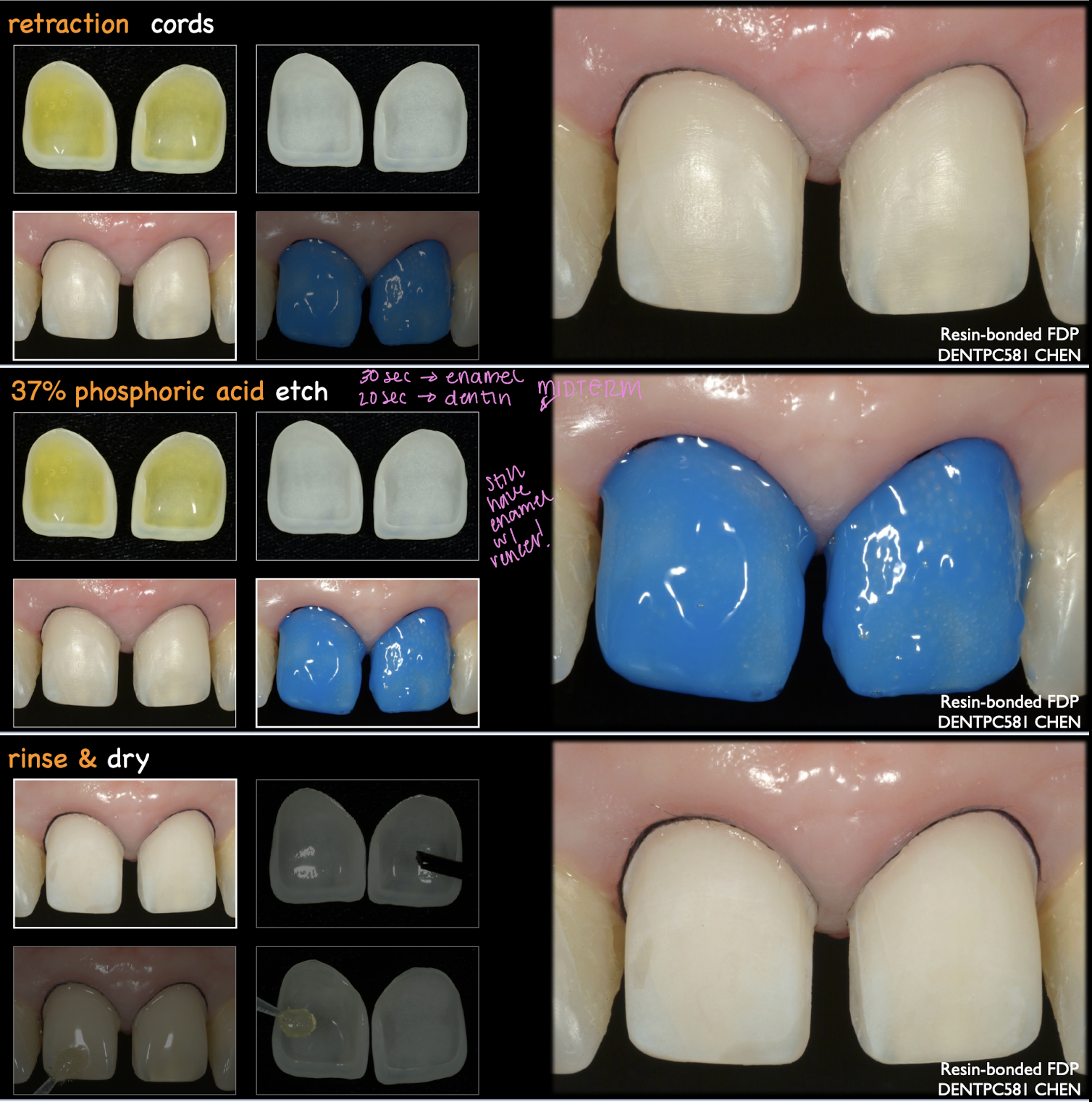
purpose of retraction cord prior to veneer cementation
micro moisture control → from gingival fluid
cleaning of cementation
silanization primers goes onto…
the ceramic side
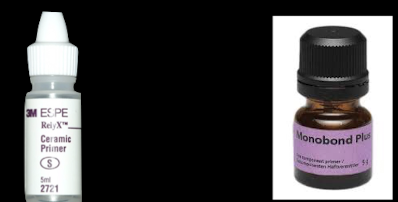
purpose of adding silanization primer on ceramic
improve wettability
improve bond strength
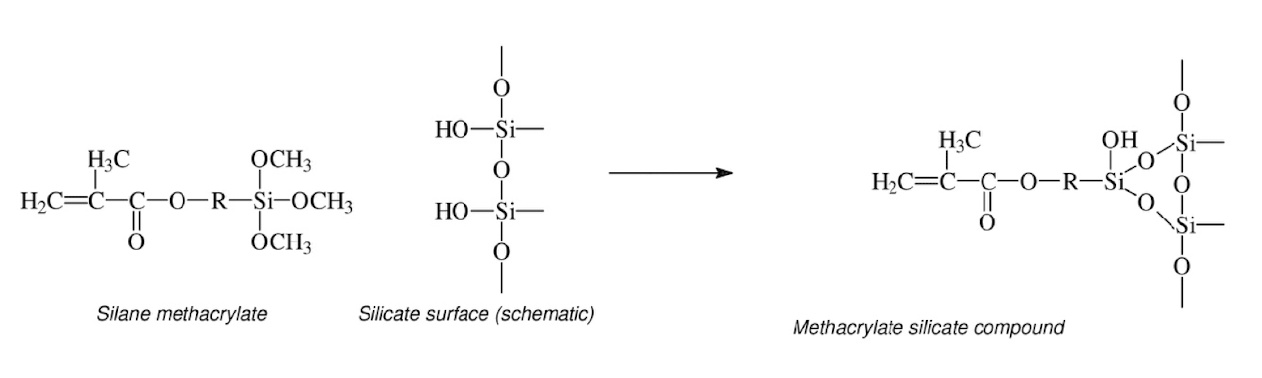
silanization primer contributes to ________ bond
covalent
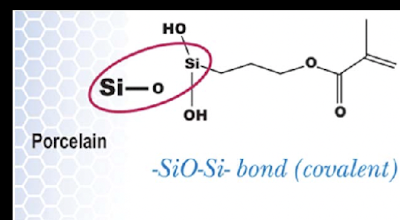
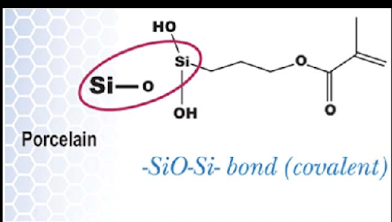
silanization primer helps w the formation of _________ bond w OH group on porcelain
siloxane
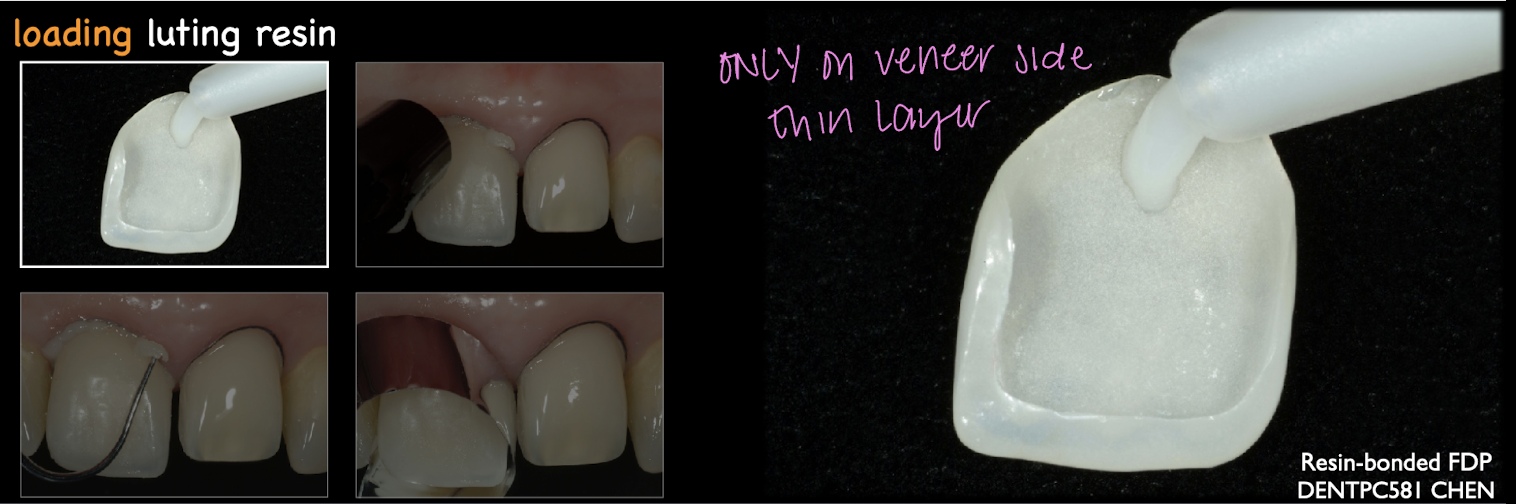
when you are ready to cement your veneer, how and where do you dispense the cement
thin layer on the veneer side
what to do after you seat the cemented veneer
tack cure
remove excess
do adjacent
complete curing
remove retraction cords
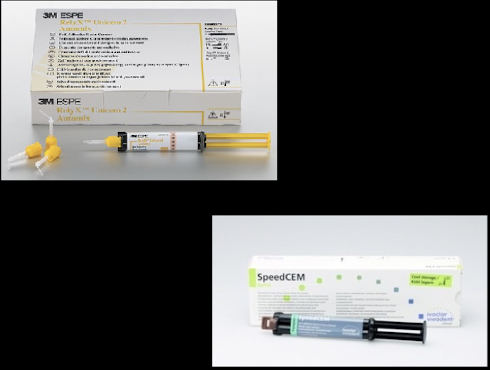
types of self-adhesive resin
relyx unicem (3M ESPE)
speedcem (ivoclar vivadent)
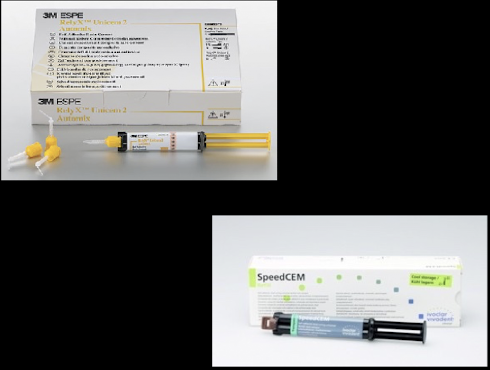
advantages of self-adhesive cement
superior mechanical properties
simplicity
versatility
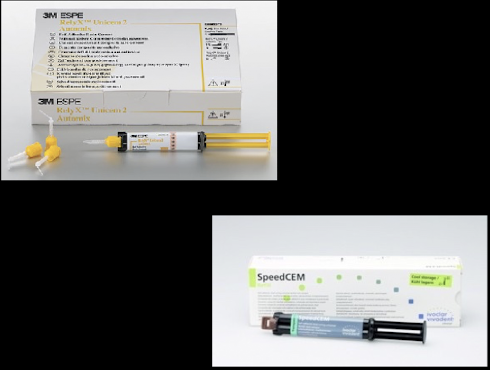
disadvantages of self-adhesive cement
relative less bonding strength
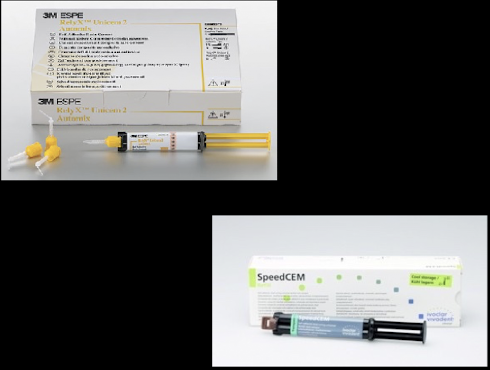
indications for self-adhesive cement
all ceramic crowns a proper retention form
unicem → post and core
what allows self-adhesive cement to not require other bonding protocols
has a functional monomer MDP → this has a hydrophilic group that:
is a low acid → self-etch → acidity for decalcifications
form chemical bond w Ca (bc it is a neg and ca is pos)
form chemical bond w zirconia and metal
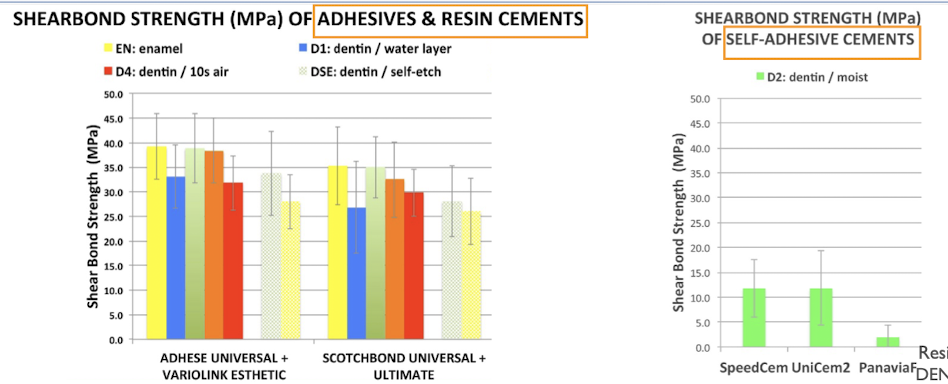
why can’t you use a self-adhesive cement for a partial coverage restoration
you don’t have enough retentive features so you cannot rely on bonding; charts show adhesive and resin cements have higher shear bond strength than self-adhesive resin cements when on dentin
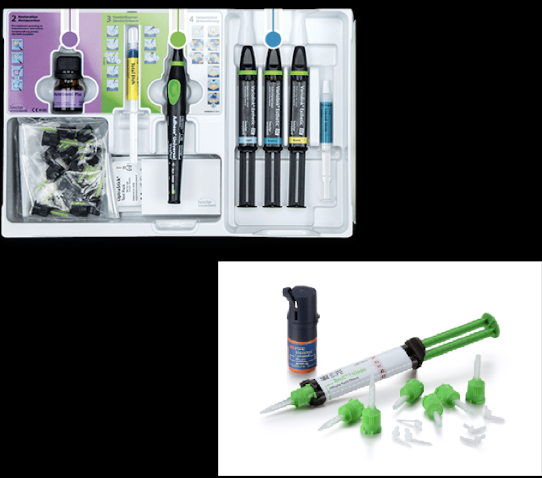
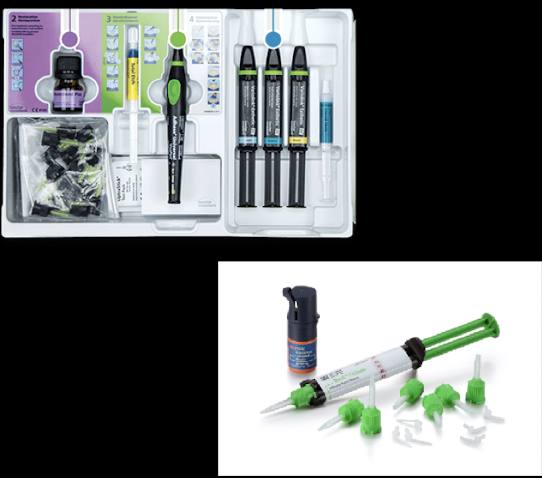
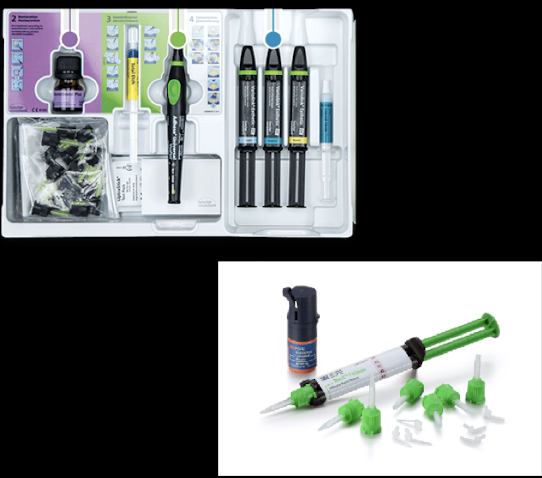
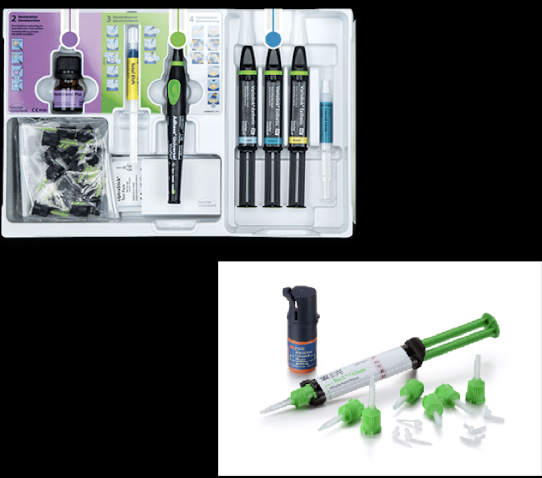
examples of dual cured resin cement
variolink esthetics DC (ivoclar vivadent)
relyx ultimate (3M ESPE)
advantages of dual-cured resin cement
superior mechanical strength
superior bond strength
less critical need for light to insure proper cure
disadvantages of dual-cured resin cement
strict bonding protocol
working time- v limited
clean up after setting
indications for dual-cured resin cement
all ceramic crowns
ceramic onlays/inlays
resin-bonded FPDs
after rubber dam isolations, what is the tooth surface tx for seating when using DC resin cement
clean tooth surface
27 micro abraded, 40 psi
pumice powder
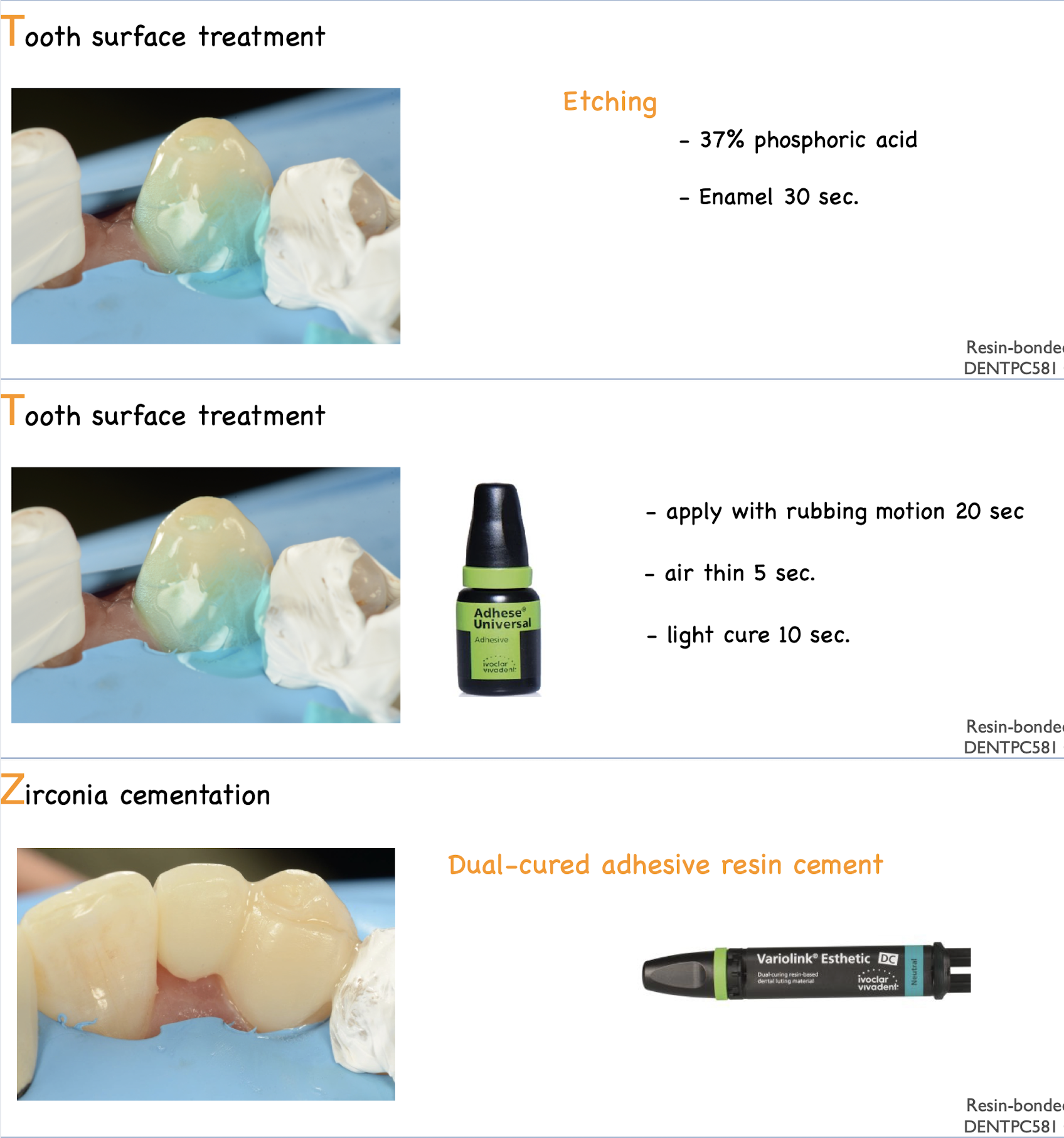
after cleaning the tooth surface, how do you etch the tooth if you are doing a total etch technique
37% phosphoric acid
enamel: 30 sec
dentin: 15 sec
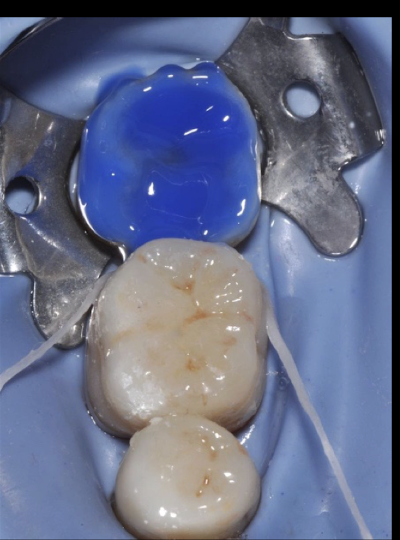
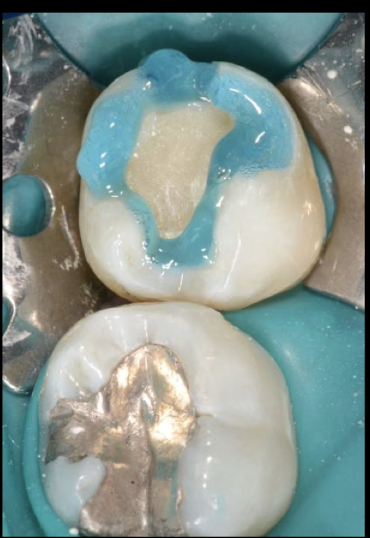
after cleaning the tooth surface, how do you etch the tooth if you are doing a selective etch technique
37% phosphoric acid: enamel 30 sec
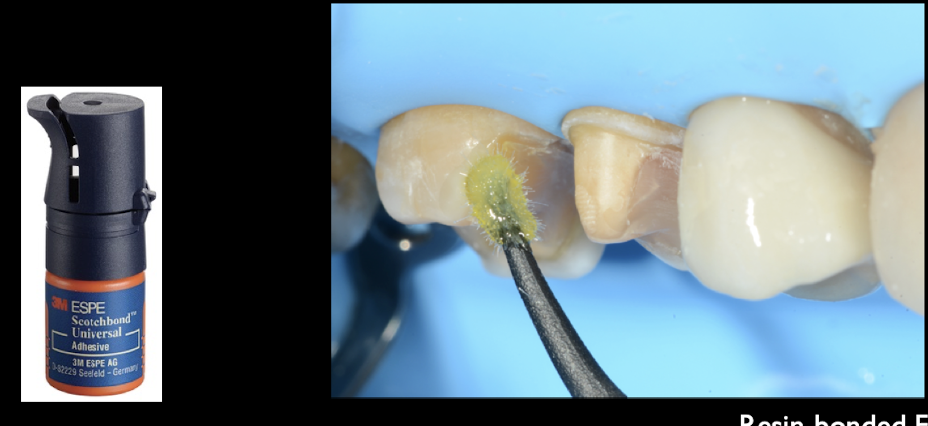
bonding application protocol for scotchbond after etching
apply w rubbing motion for 20 sec
air thin for 5 sec
optional light cure
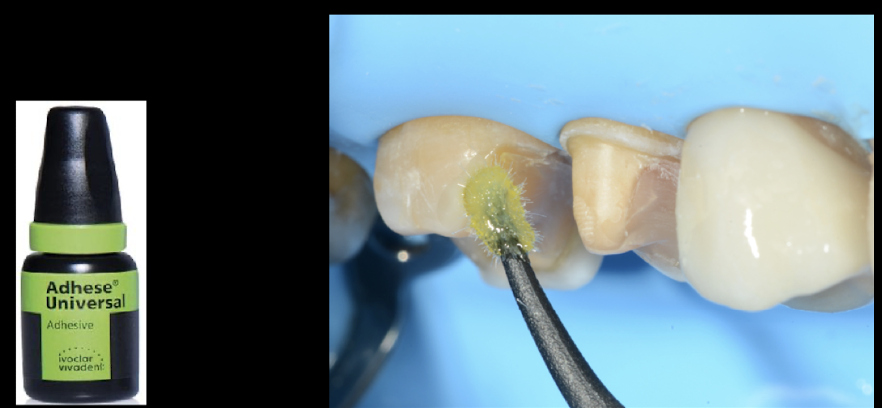
bonding application protocol for adhese universal
apply for 20 sec
air thin
light cure for 10 sec (required)
ceramic surface treatment for etching feldspathic porcelain
9.6% HF for 2-3 min
ceramic surface treatment for etching leucite-reinforced glass (Empress)
5% HF for 1 min
ceramic surface treatment for etching lithium disilicate (emax)
5% HF, 20 sec
mechanical ceramic surface tx for lithium disilicate
etch w HF acid
chemical ceramic surface tx for lithium disilicate
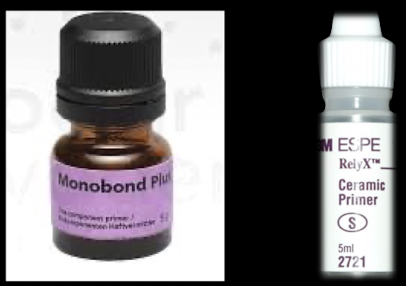
silane primer
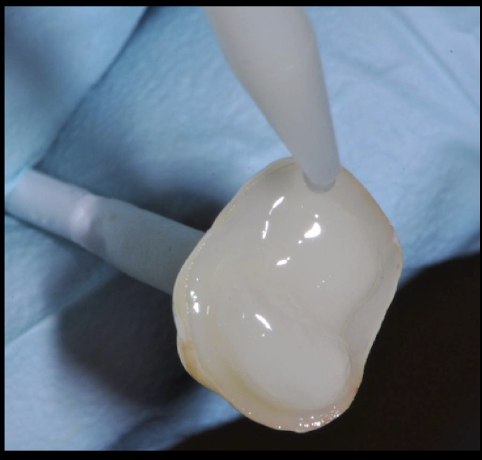
protocol for ceramic primer application
apply and react for 60 sec → air dry
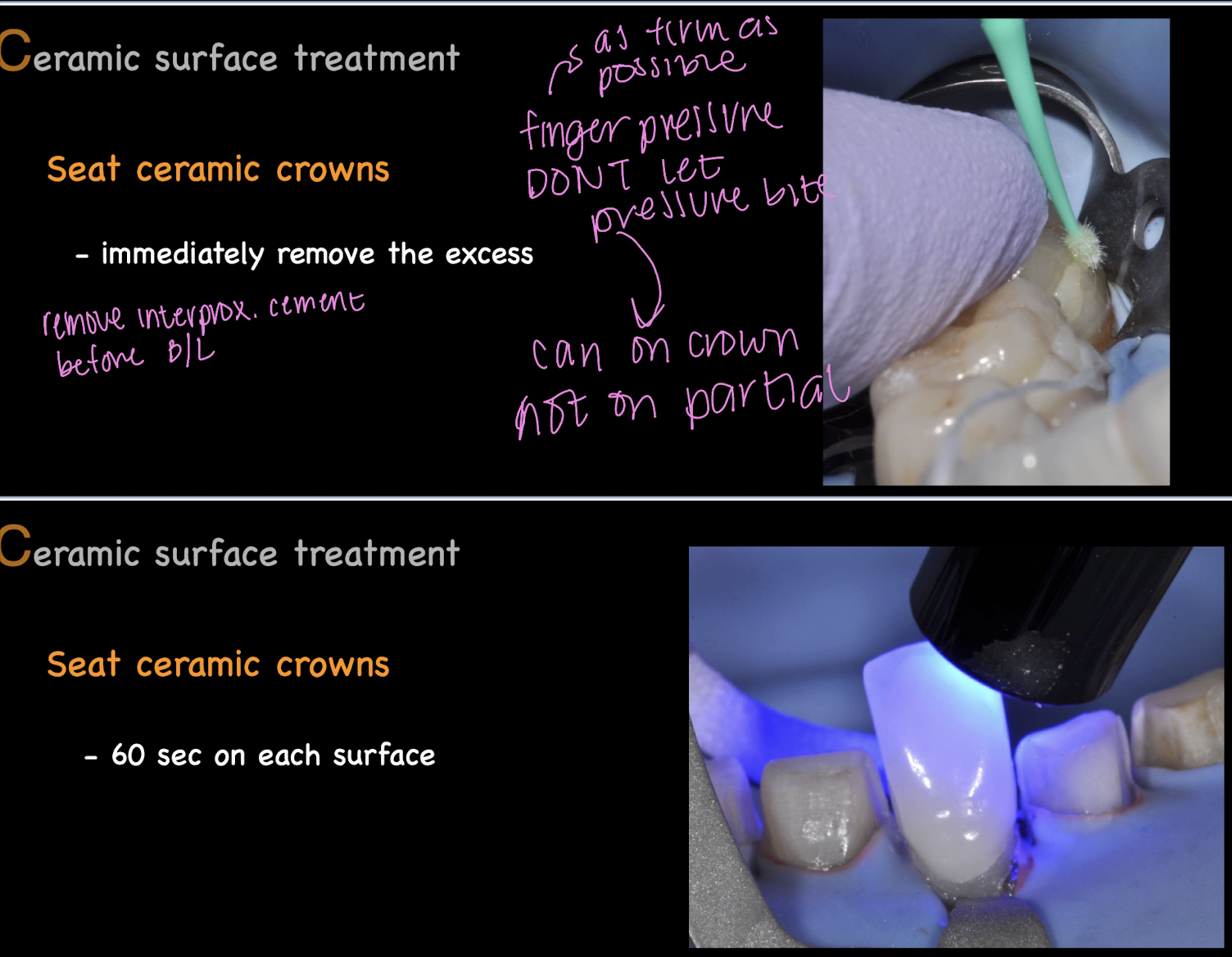
after loading resin cement in restoration, what do you do upon seating
immediately remove the excess
60 sec light cure from each surface
3 main steps for zirconia surface tx
clean
roughening
activation
why do we need to clean zirconia prior to roughening
ivoclean…
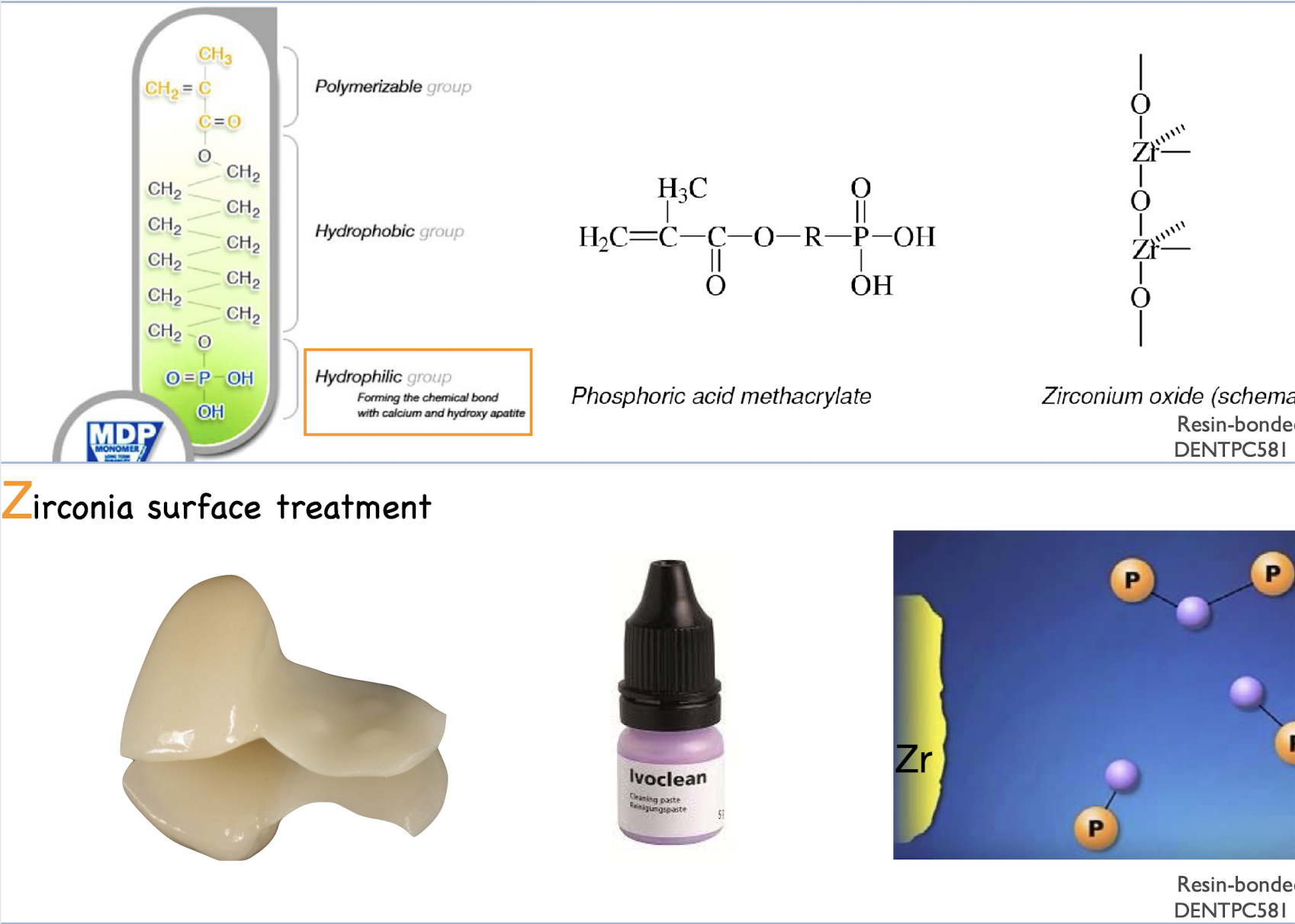
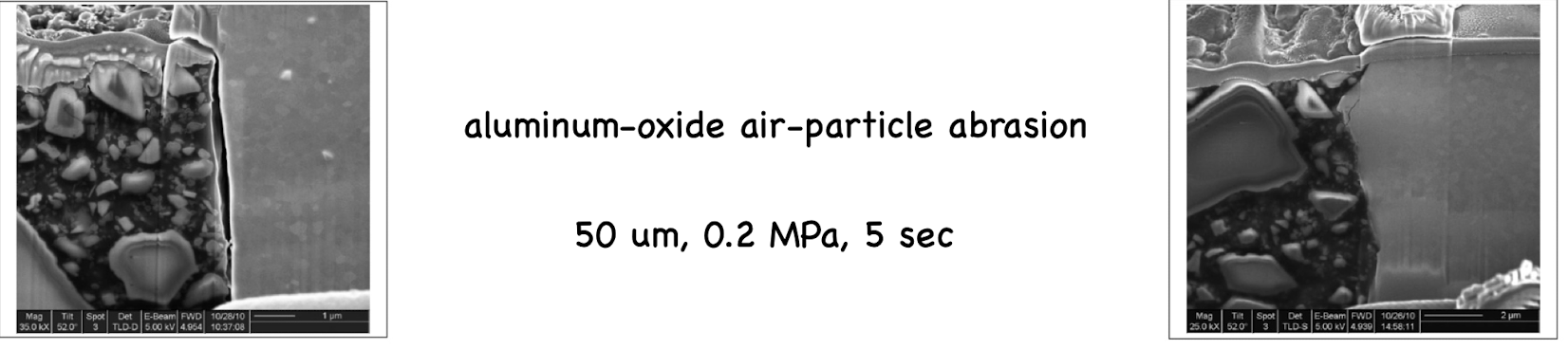
protocol for zirconia roughening
aluminum-oxide air abraded, 50 microns, .2 MPa, for 5 sec
how to “activate” step of zirconia
MDP ceramic primer adhesion to zirconia
should you still etch and bond on the tooth when doing zirconia
YES
5 yr success rate of resin-bonded bridges w metal framework vs non-metal framework
metal framework > non-metal framework
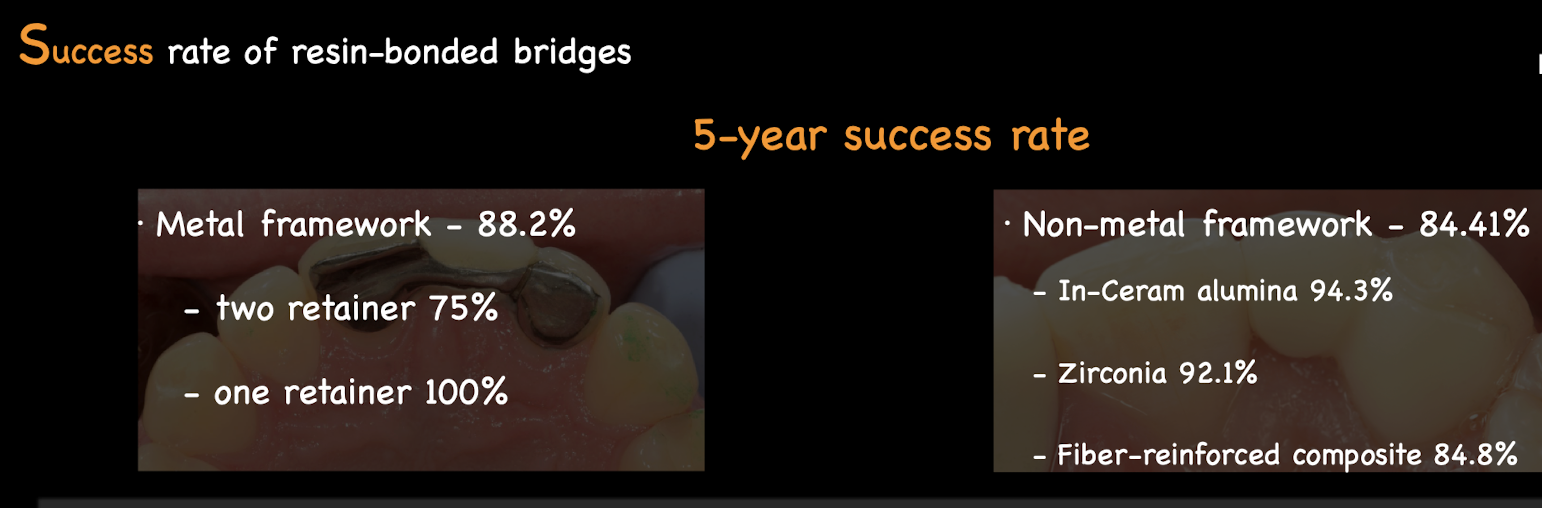
w the 5 yr success rate of resin-bonded bridges done w metal framework, what was the success of 1 vs 2 retainers
1 > 2
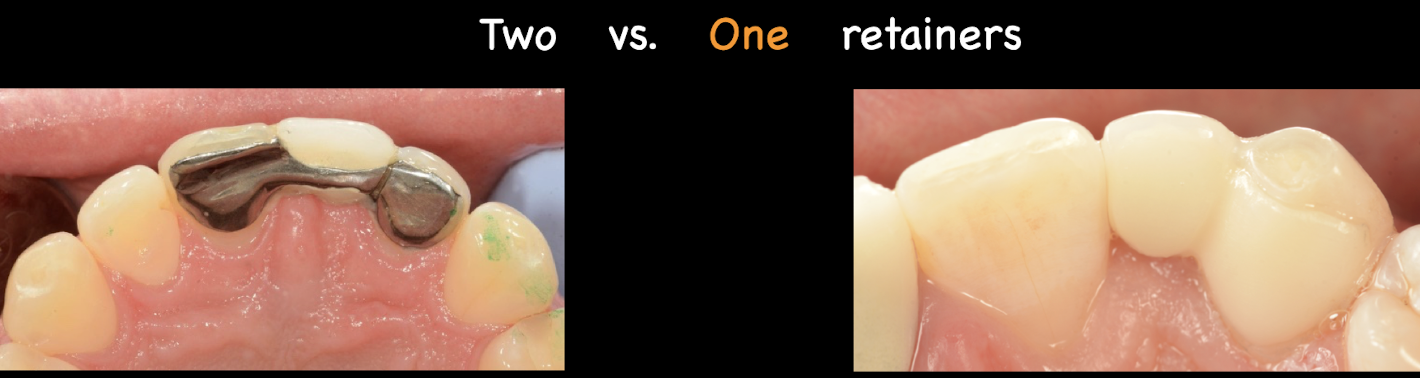
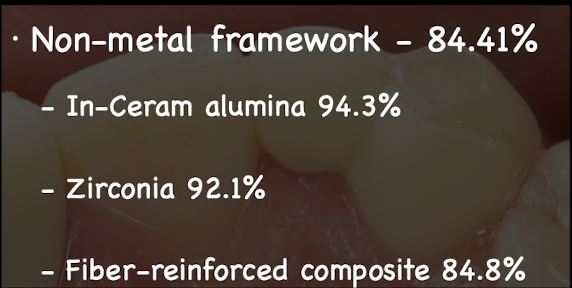
w the 5 yr success rate of resin-bonded bridges done w/o metal framework, what was the success between in-ceram alumina vs zirconia vs fiber-reinforced composite
in-ceram alumina > zirconia > fiber-reinforced composite
technical complications found w resin-bonded bridges
debonding of frameworj 82%
fracture of framework 15%
biological complications found w resin-bonded bridges
caries 1.7%
periodontal disease .6%
5 yr clinical performance of resin-bonded bridges is ______ to the performance of conventional PFM bridges (94.4%) and implant-support crowns (93.8%)
similar
resin-bonded bridges is an esthetic and conservative ____________ (interim/permanent) tx option that can be successfully done utilized in favorable clinical situations
interim
why is it important to ensure full growth on a pt is done prior to implant placement
pts w vertical growth patterns might have had a prolonged period of facial growth in the vertical plane
single tooth implant in a subject w this patter could be placed layer than in a person w a horizontal growth pattern
