ARTS Section 2
 Call Kai
 Learn
Learn Practice Test
 Spaced Repetition
 Match
Match Flashcards
 Knowt Play
1/103

There's no tags or description
Looks like no tags are added yet.
Name | Mastery | Learn | Test | Matching | Spaced | Call with Kai |
|---|
No analytics yet
Send a link to your students to track their progress
104 Terms
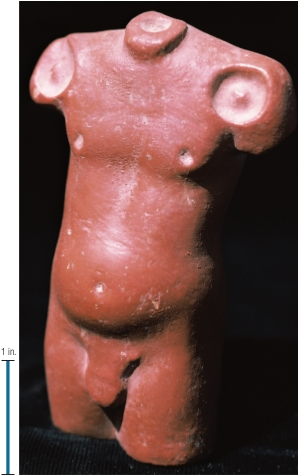
Era — Name
South Asia
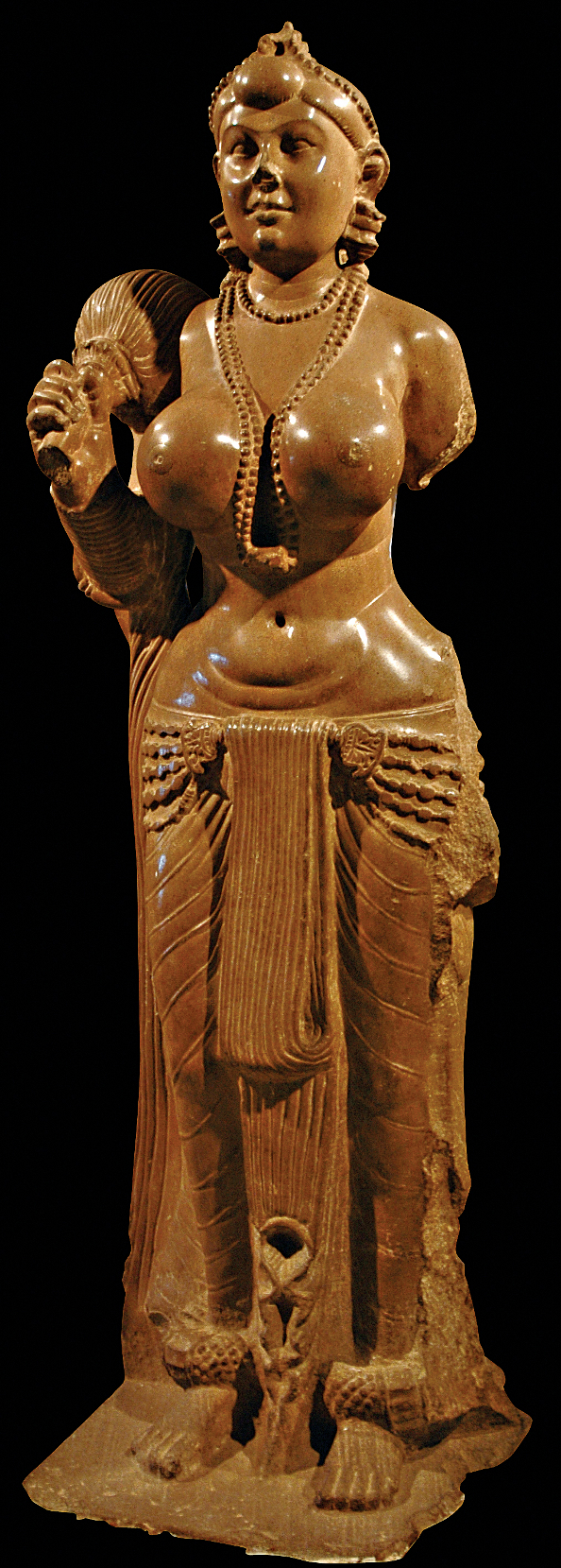
Era — Name
South Asia — Yakshi with a Fly Wisk
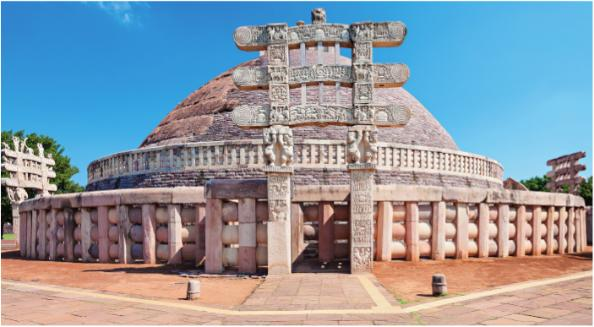
Era — Name
South Asia — Great Stupa
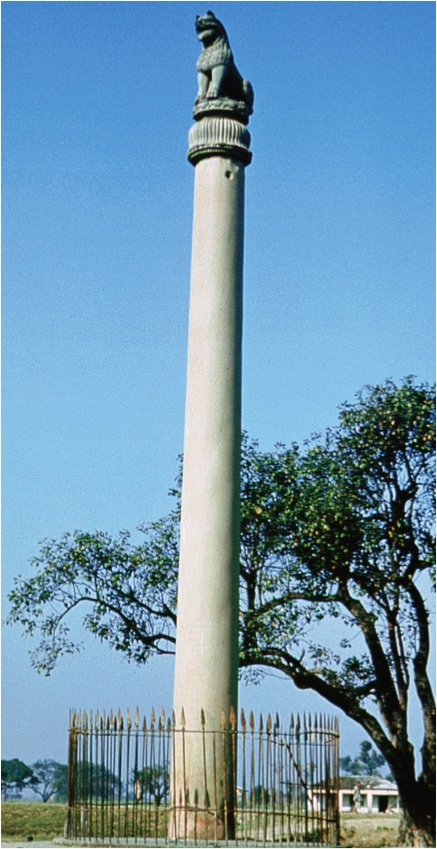
South Asia — Lion Pillar
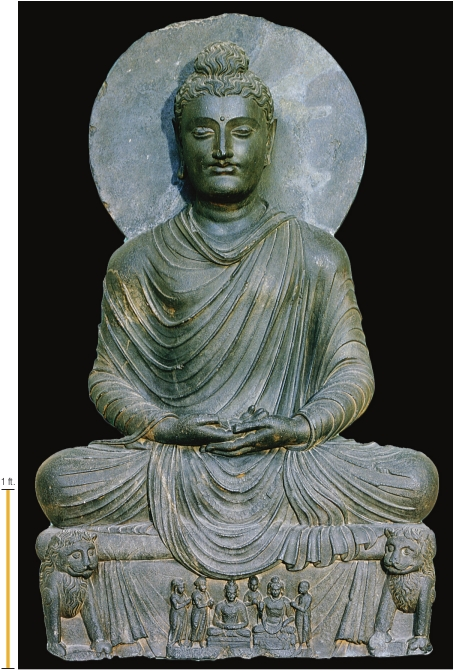
South Asia — Meditating Buddha
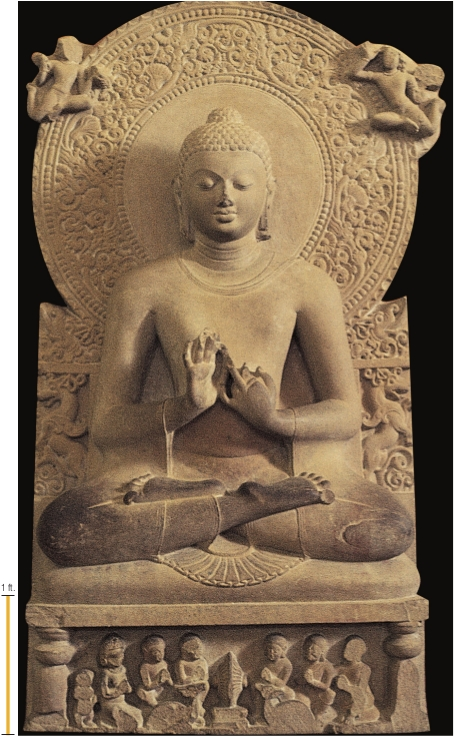
South Asia — Seated Buddha
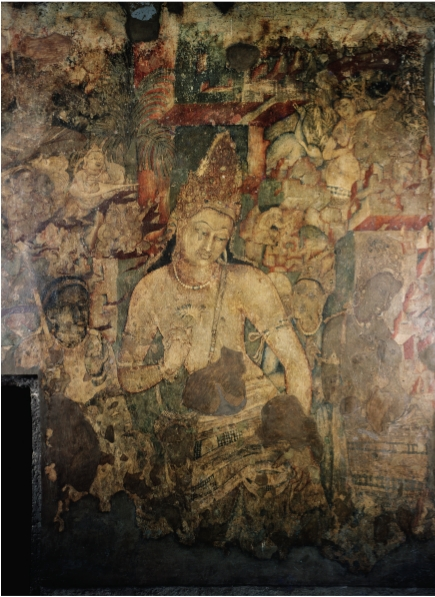
South Asia — Bodhisattva Padmapani
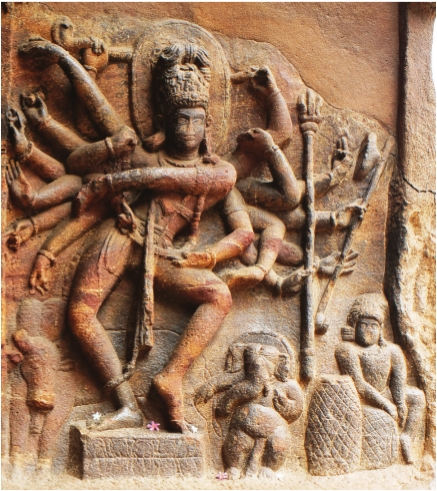
South Asia — Dancing Shiva
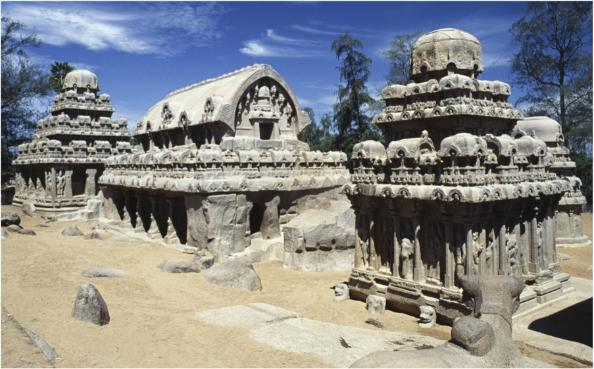
South Asia — Rock-cut rathas
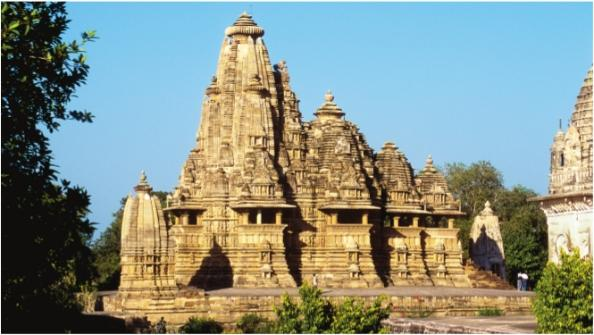
South Asia — Vishvanatha Temple
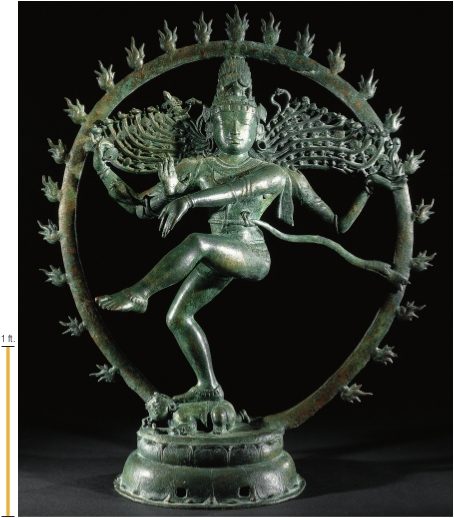
South Asia — Shiva as Nataraja
Stupa
A large, mound-shaped Buddhist shrine.
Hinduism
a range of Indian religious and spiritual traditions (sampradayas) that are unified by adherence to the concept of dharma, a cosmic order maintained by its followers through rituals and righteous living
Ratha
A small, freestanding Hindu temple carved from a huge boulder.
Ashoka
An Indian emperor of the Maurya Dynasty remembered for his conversion to Buddhism after a devastating war and his efforts to spread peace and dharma across Asia
Upanishads
scriptures of Hinduism, that deal with meditation, philosophy, consciousness, and ontological knowledge.
Buddhism
a major world religion and a practical philosophy founded in ancient India, it centers on spiritual development, the pursuit of inner peace, and gaining insight into the true nature of reality to escape the cycle of rebirth
Nirvana
the complete cessation of suffering (dukkha) and the cycle of rebirth
Bodhisattva
In Buddhist thought, a potential Buddha who chooses not to achieve enlightenment in order to help save humanity.
Axis Mundi
Latin, “axis of the world.” In South Asia, a tall pillar planted deep in the ground, connecting earth and sky.
Shiva
the supreme Hindu deity of destruction and transformation

Era — Name
China — Guang
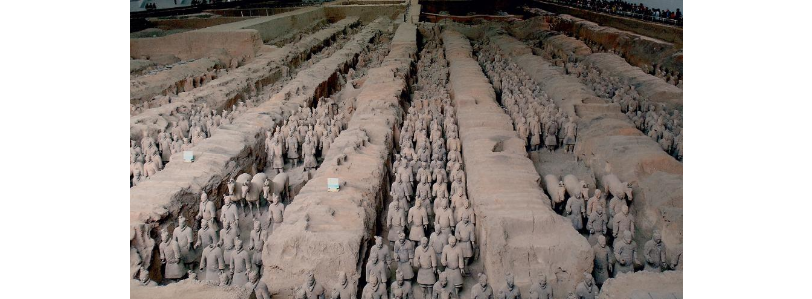
China — Army of the First Emperor of Qin

China — Funerary Banner
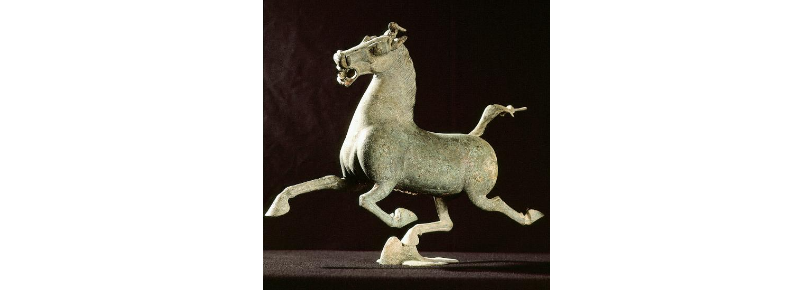
China — Flying Horse

China — Incense Burner
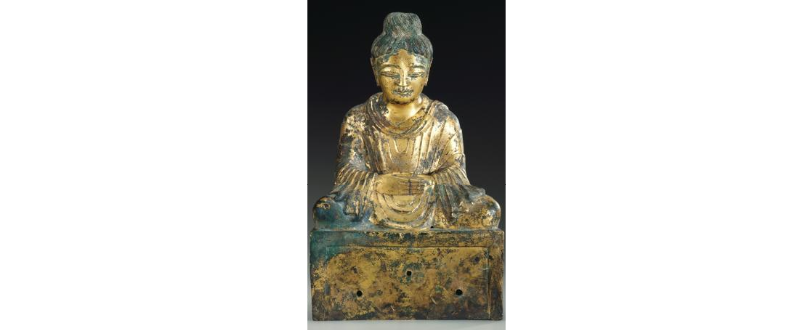
China — Shakyamuni Buddha
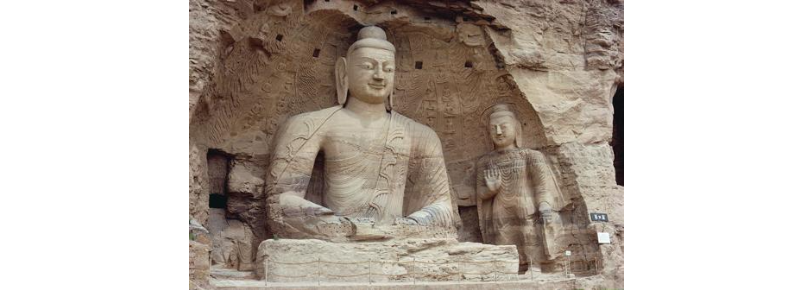
China — Seated Buddha

China — Altarpiece with Amitabha Buddha and Attendants,
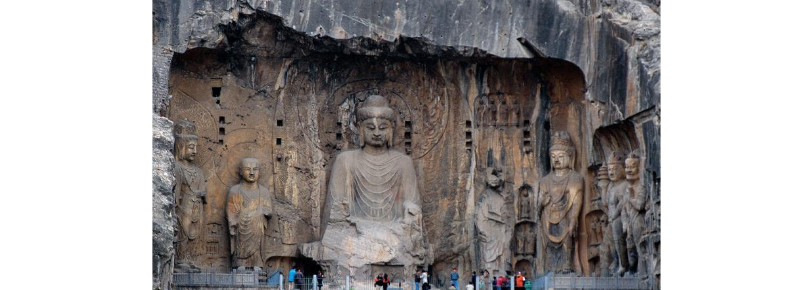
China — Vairocana Buddha
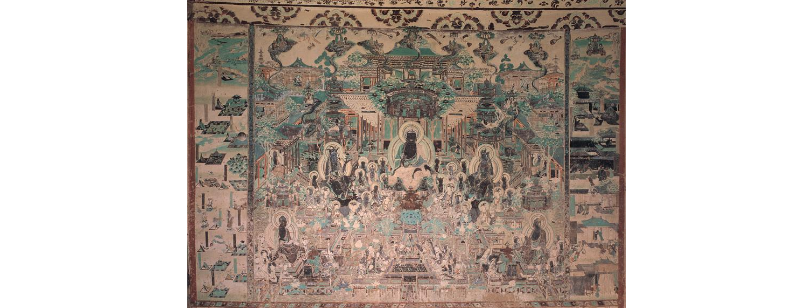
China — Paradise of Amitabha
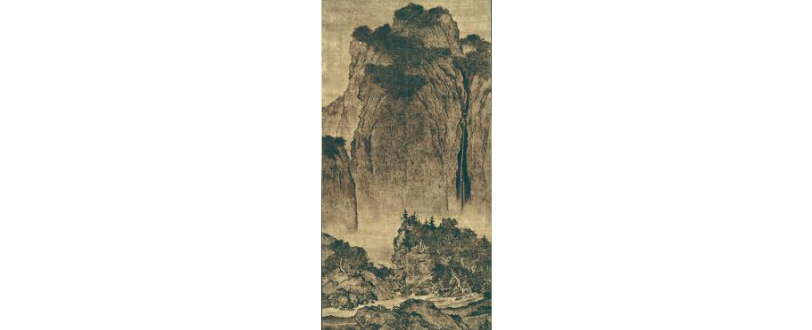
China — Travelers Among Mountains and Streams
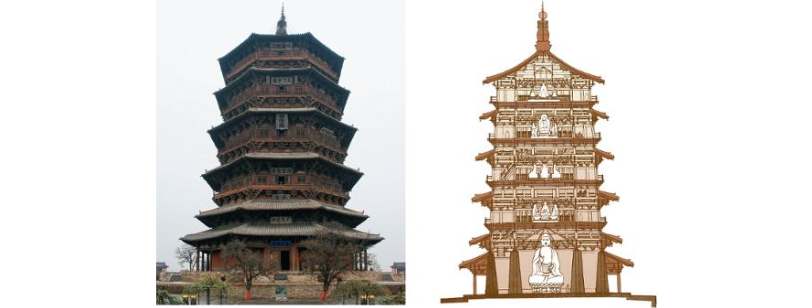
China — Fogong si Pagoda

China — Sixth Chan Patriarch Chopping Bamboo
Daoism
an ancient Chinese philosophy and religion centered on living in harmony with the Dao—the fundamental, ineffable source and natural order of the universe
Confucianism
harmony between humans, justice, respect for one's elders, and loyalty to one's family and friends
Silk Road
an ancient network of Eurasian trade routes active from the second century BCE to the fifteenth century. Spanning over 6,400 kilometers (4,000 miles), it connected East Asia, the Middle East, and Europe.
Period of Disunity
a chaotic 350-year era of political fragmentation and civil war that followed the collapse of the Han Dynasty. Despite constant warfare, it was a time of immense cultural blending and the flourishing of Buddhism
Pagoda
a tiered tower with multiple projecting eaves, widely found across Asia. Originating from ancient Indian stupas.
Pure Land Buddhism
Buddhism where reaching enlightenment has one reaching a ‘heaven-like’ place called the Pure Land.
Chan Buddhism
a major school of Mahayana Buddhism that originated in China around the 6th century CE, emphasizing meditation, direct insight into the nature of reality, and the realization of inherent Buddha-nature
Mongols
an East Asian ethnic group native to the Central Asian steppes, predominantly inhabiting Mongolia, China's Inner Mongolia, and parts of Russia. They are best known for establishing the Mongol Empire under Genghis Khan
Song Dynasty
(960–1279 CE) was an imperial Chinese era of immense technological, cultural, and economic prosperity
Tang Dynasty
(618–907 AD) It is primarily known for its unprecedented territorial expansion, a flourishing cosmopolitan culture via the Silk Road
Han Dynasty
The Han Dynasty (206 BCE–220 CE) is often celebrated as China's "Golden Age". It is primarily known for establishing the foundation of Chinese cultural identity, opening the transcontinental Silk Road, inventing paper, and instituting Confucianism as the state ideology
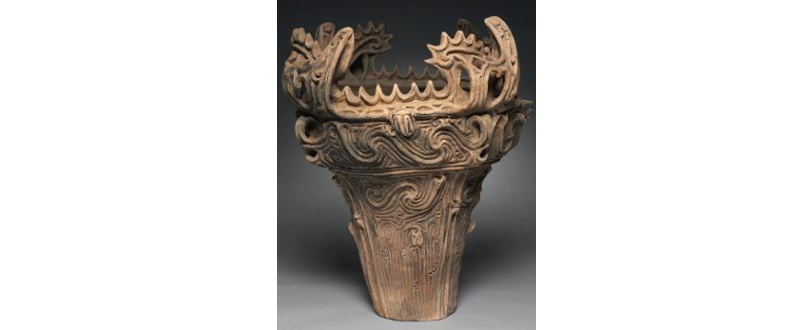
Japan — Flame Style Vessel

Japan — Haniwa Warrior
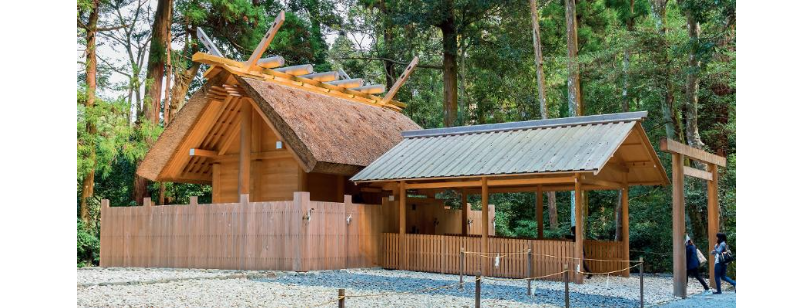
Japan — Honden of the Ise Jingu or Shinto Shrine
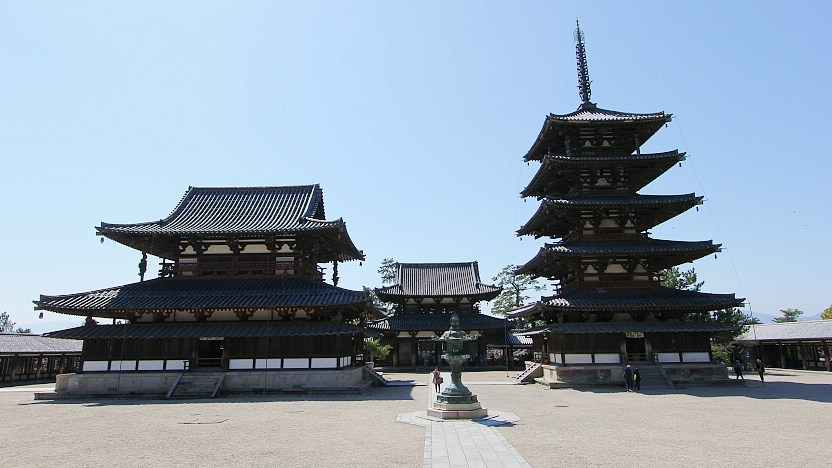
Japan — Horyuji Temple Complex

Japan — Tori, Shaka Triad

Japan — Taizokai (womb world) mandara
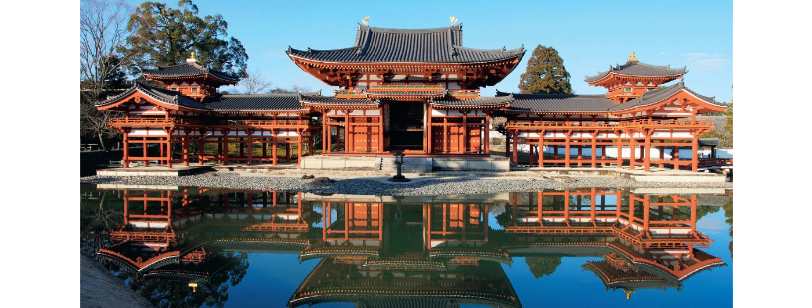
Japan — Phoenix Hall
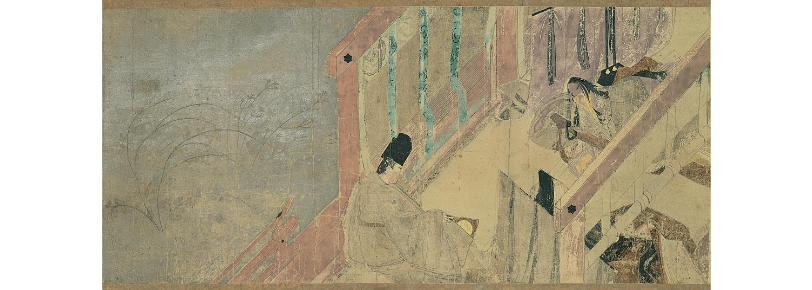
Japan — Genji Visits Murasaki

Japan — Portrait of the Priest Kuya Preaching
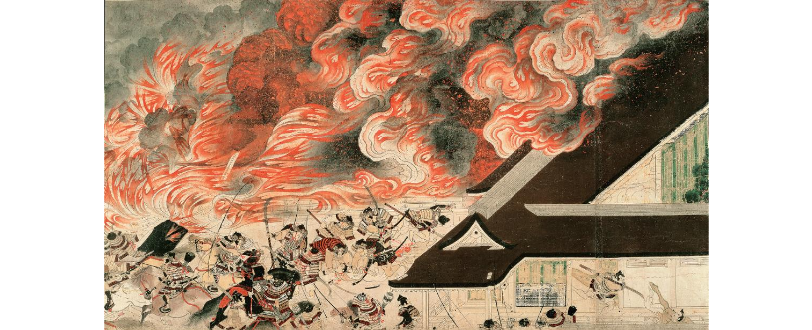
Japan — Night Attack on the Sanjo Palace
Shinto
the indigenous spirituality and traditional religion of Japan. Literally translating to "the way of the gods," it focuses on the veneration of kami—sacred spirits, deities, or vital life forces that inhabit natural elements like mountains, trees, rivers, and animals
Kondo
the main sanctuary and primary building within a traditional Japanese Buddhist temple complex. Typically housing the temple's principal object of veneration, such as a major Buddha statue
Shogun
a hereditary military dictator in feudal Japan. Although the Emperor was technically the supreme ruler, shoguns held the actual political and military power, acting as the de facto leaders of the country
Haniwa
large, unglazed terracotta clay figures that were placed on and around ancient Japanese burial mounds (called kofun)
Heian Period
(794–1185) is celebrated as Japan’s "Golden Age" of classical culture. Centered in modern-day Kyoto (Heian-kyō), it is most famous for the maturation of native Japanese arts, the creation of unique kana writing systems, and the development of the world's first novel, The Tale of Genji
Jomon Period
The Jōmon period (c. 14,000–300 BCE) was a remarkable prehistoric era in Japan known for its highly advanced, entirely sedentary hunter-gatherer-fisher society. It is most famous for producing some of the oldest pottery in the world—characterized by intricate "cord-marked" designs—and creating enigmatic dogū clay figurine
Tale of Genji
a classic work of Japanese literature said to have been written by the noblewoman, poet, and lady-in-waiting Murasaki Shikibu around the peak of the Heian period, in the early 11th century.
Kofun Period
Kofun period (c. 250–538 CE) is the earliest era of recorded Japanese history, bridging the gap between the prehistoric tribal societies and the centralized Japanese state. It is named after the massive megalithic burial mounds (kofun) built for the ruling elite
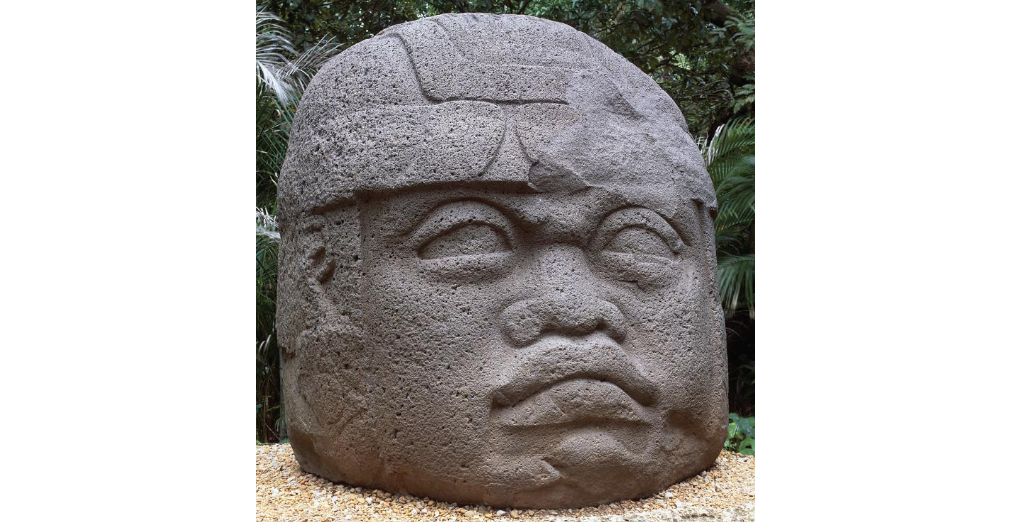
Era — Name
Native Mesoamerican — Colossal Head
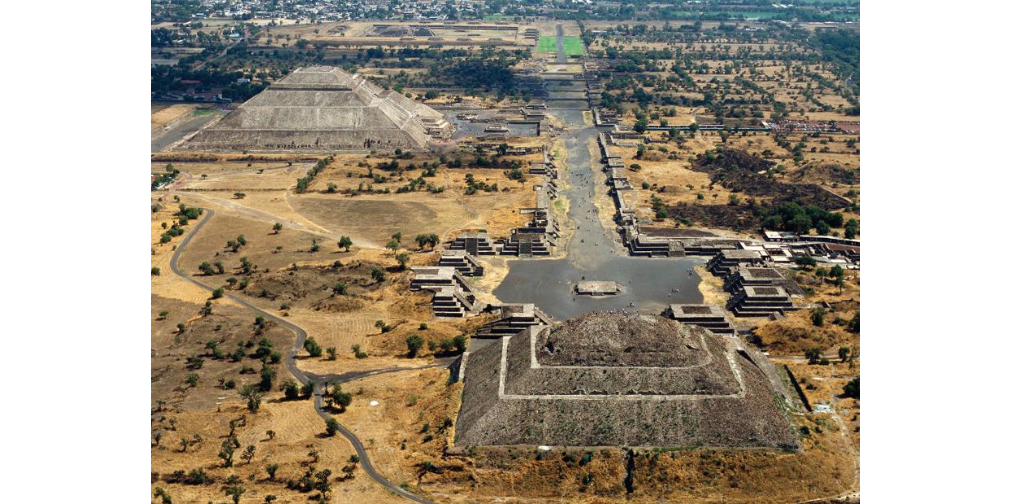
Native Mesoamerican — Aerial view of Teotihuacan
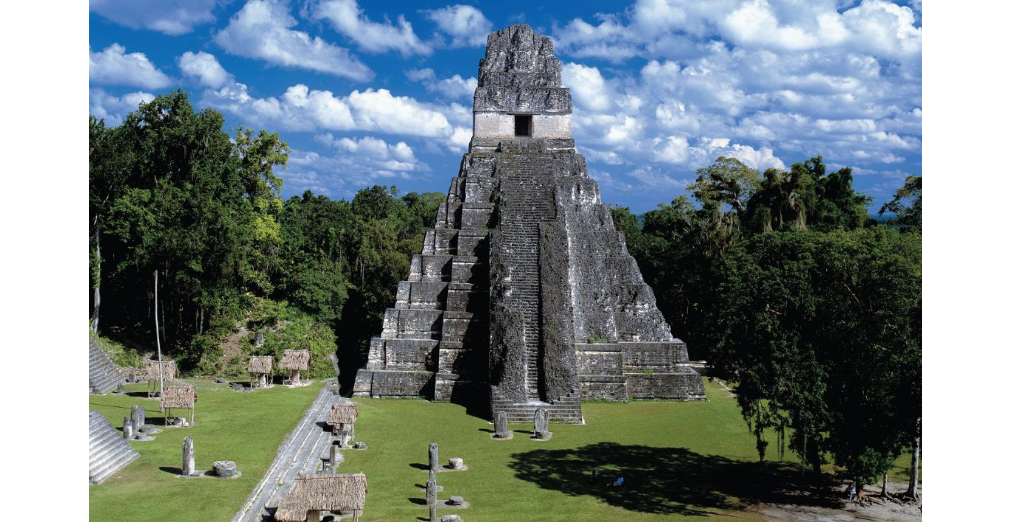
Native Mesoamerican — Temple I Temple of the Giant Jaguar
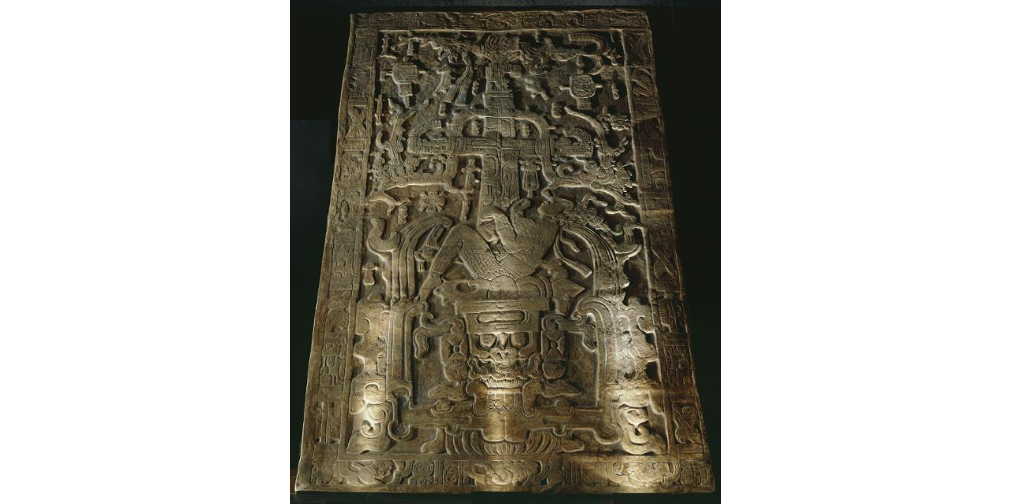
Native Mesoamerican — Lid of the Sarcophagus of Lord Pakal
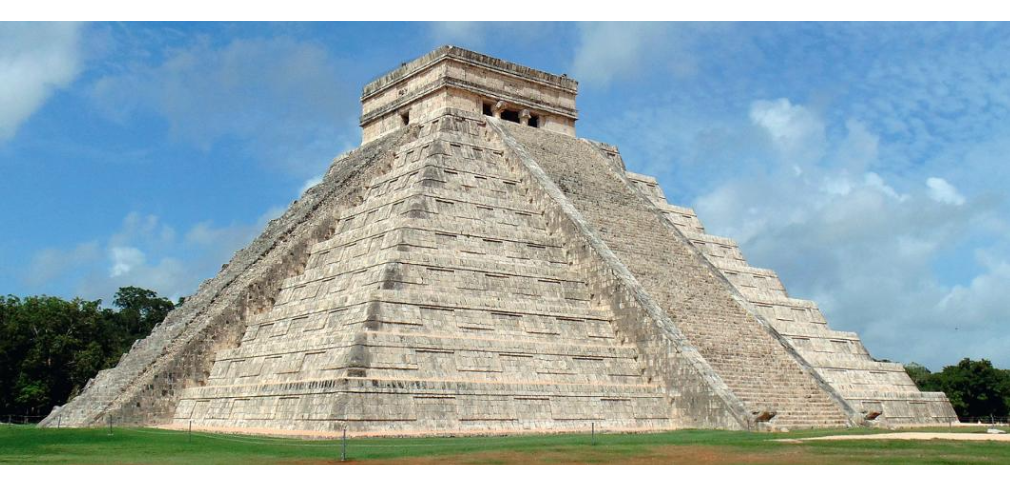
Native Mesoamerican — Castillio
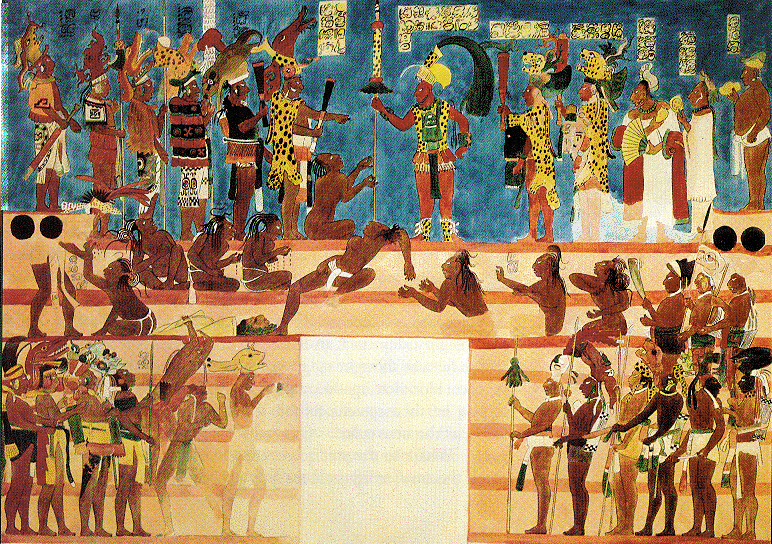
Native Mesoamerican — Presentation of Captives to Lord Chan Muwan
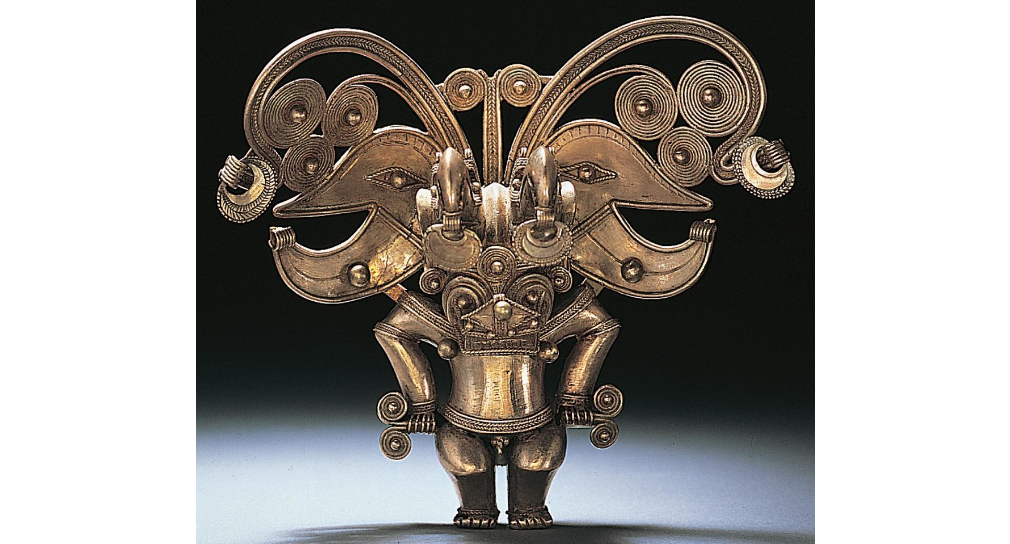
Native South American — Pendant in the form of a bat-faced man
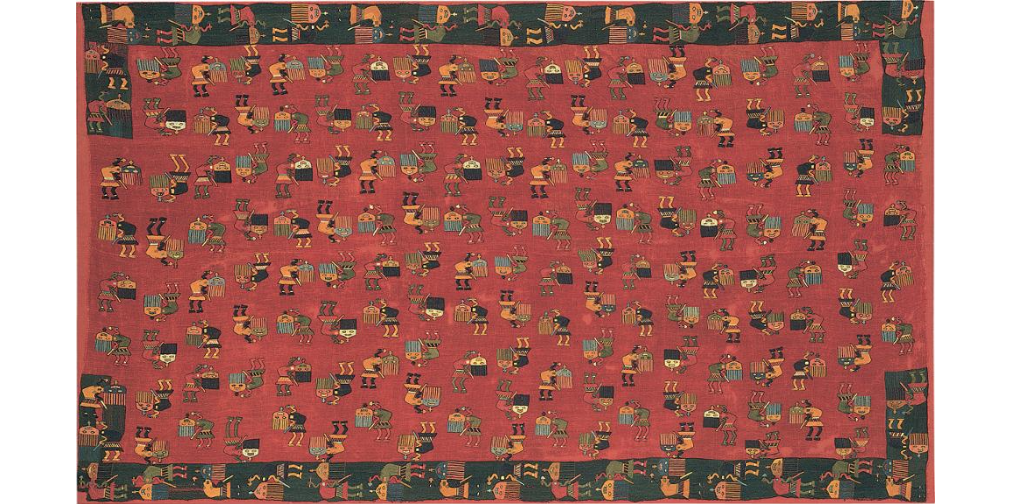
Native South American — Funerary Mantle
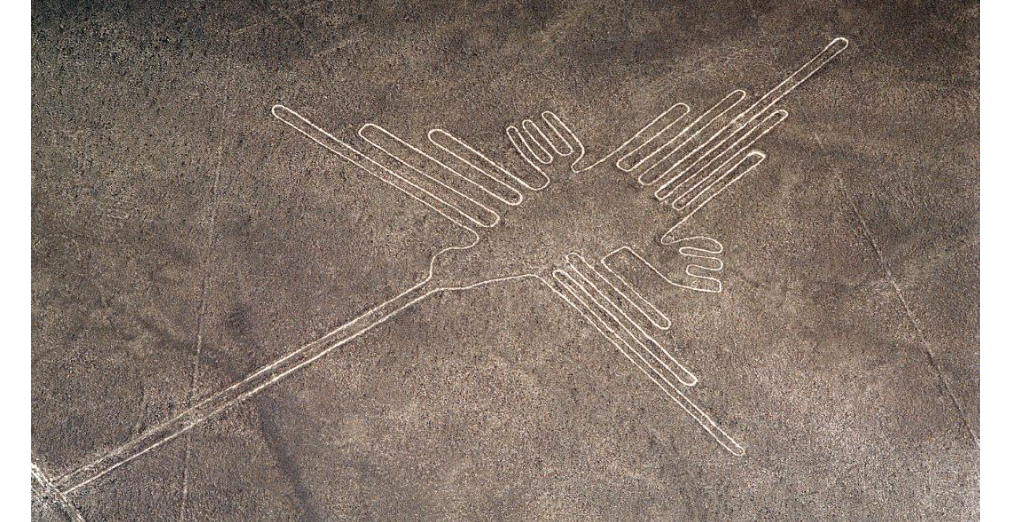
Native South American — Hummingbird, Nasca Plain
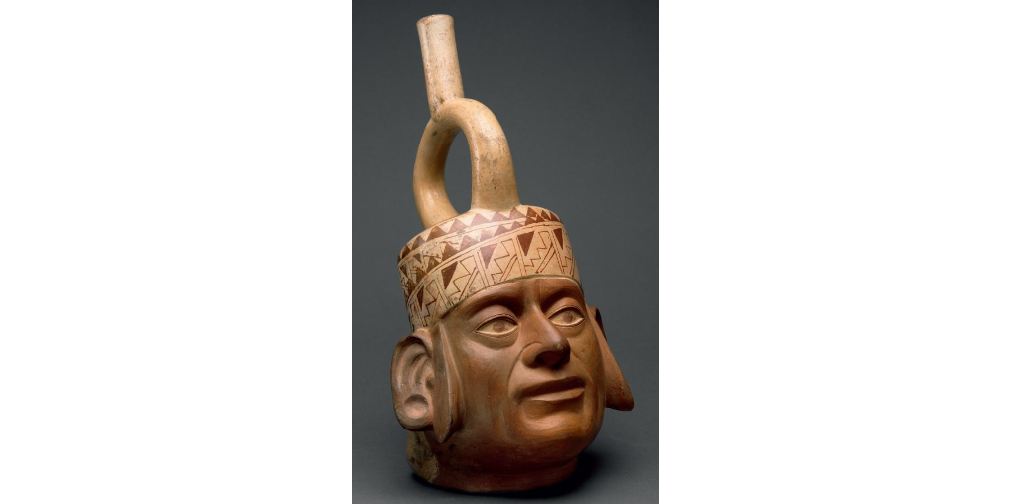
Native South American — Vessel in the shape of a portrait head
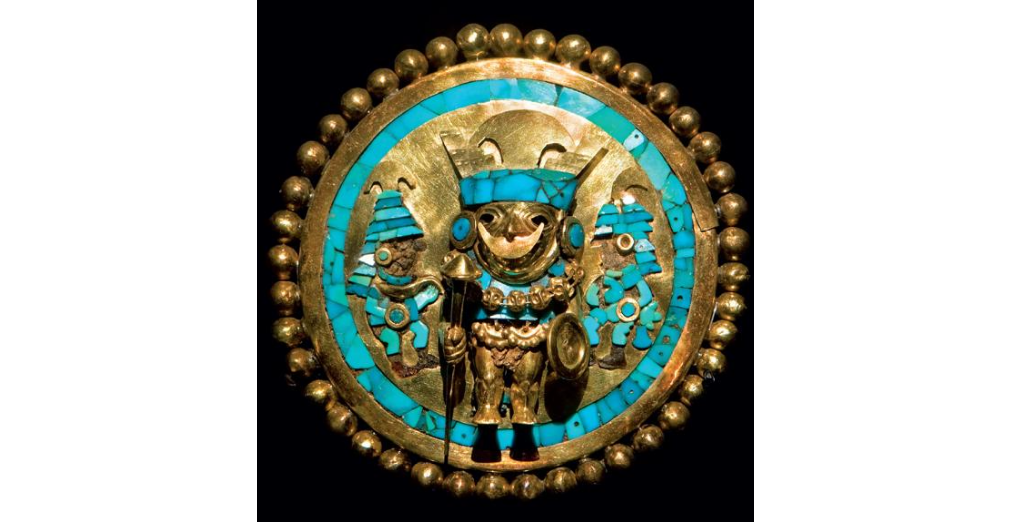
Native South American — Ear Ornament
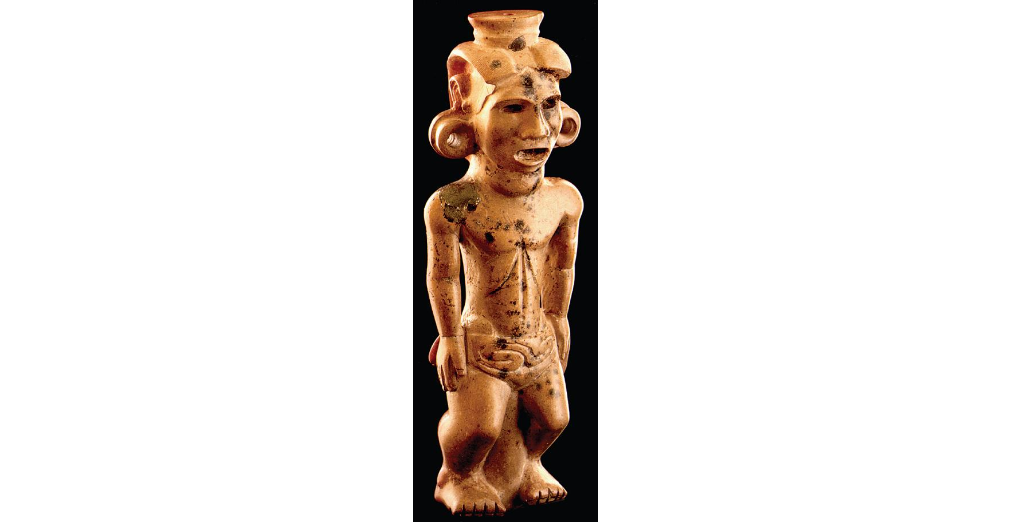
Native North American — Pipe
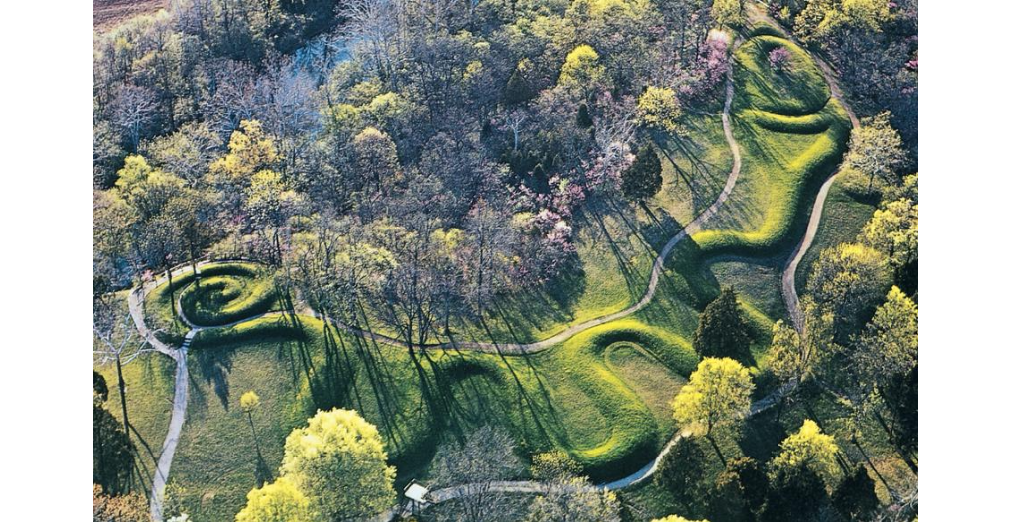
Native North American — Serpent Mound
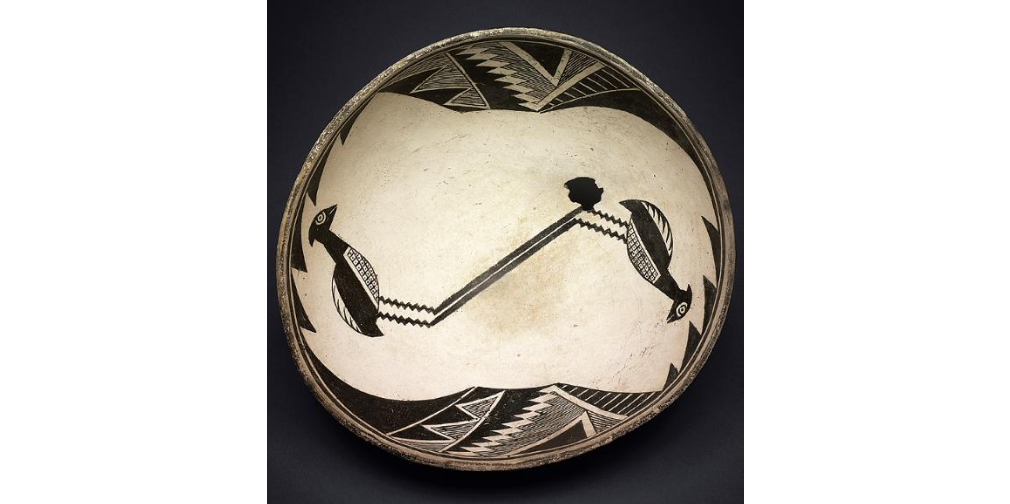
Native North American — Bowl with two cranes and geometric forms
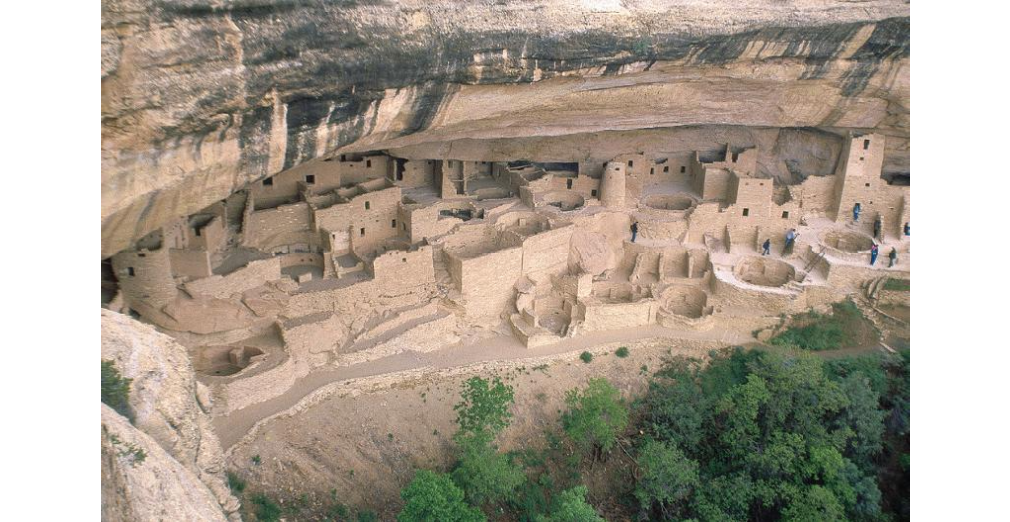
Native North American — Cliff Palace
Olmec
the first major, highly advanced civilization in Mesoamerica, flourishing in the tropical lowlands of modern-day Veracruz and Tabasco, Mexico, from roughly 1200 to 400 BCE.
Teotihuacan
The culture of Teotihuacan was a highly influential, multi-ethnic Mesoamerican civilization (c. 100 BC–750 AD) known for building a massive, gridded metropolis near modern-day Mexico City
Maya
an Indigenous people and a towering ancient civilization of Mesoamerica, known for their monumental architecture (such as the pyramids at Chichén Itzá and Tikal), advanced mathematics, astronomy, and the only fully developed writing system in the pre-Columbian Americas
Moche
a highly influential pre-Incan civilization that flourished on the arid northern coast of Peru from about the 1st to the 8th century CE (c. 100–800 AD)
Ancestral Puebloans
an ancient Native American civilization that thrived in the American Southwest (the "Four Corners" region) from approximately 700 to 1300 CE. Famous for their cliff dwellings and intricate masonry
Chichen Itza
a complex of Mayan ruins on Mexico's Yucatán Peninsula. A massive step pyramid, known as El Castillo or Temple of Kukulcan, dominates the ancient city, which thrived from around 600 A.D. to the 1200s.
Tairona
a highly advanced, pre-Columbian civilization that flourished between 200 and 1600 CE in the Sierra Nevada de Santa Marta mountains of northern Colombia
Pueblo
A communal multistoried dwelling made of stone or adobe brick by the Native Americans of the Southwest. Uppercase Pueblo refers to various groups that occupied such dwellings.
Backstrap Loom
A simple Andean loom featuring a belt or backstrap encircling the waist of the seated weaver.
Nasca Lines
in southern Peru are a group of pre-Columbian geoglyphs etched into desert sands. Covering an area of nearly 1,000 sq. kilometers, there are about 300 different figures, including animals and plants
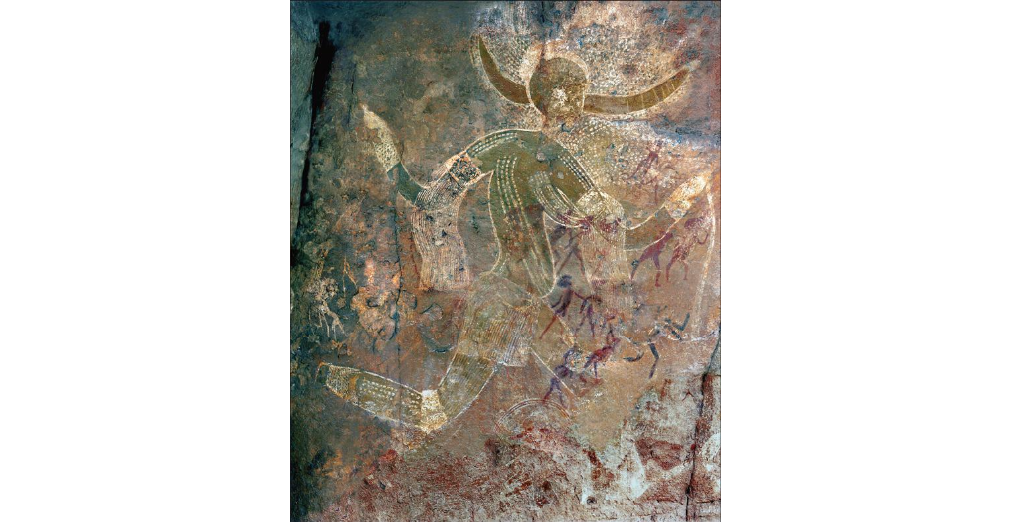
Era — Name
Africa — Running Woman
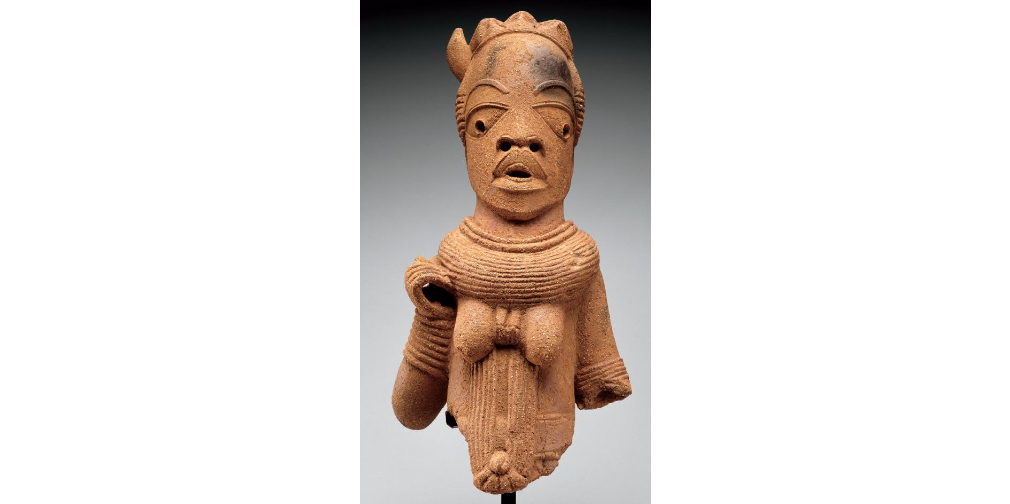
Africa — Fragmentary Figure of a Woman
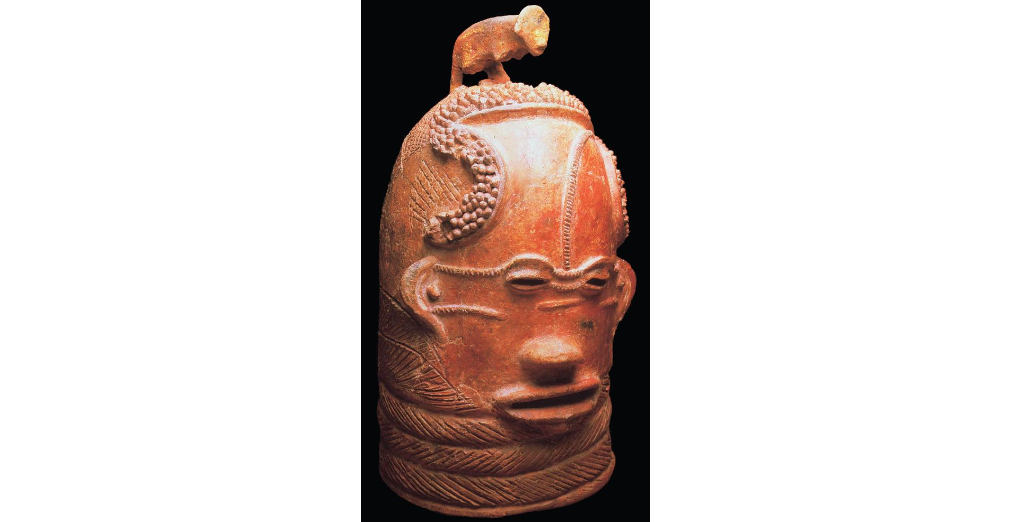
Africa — Head from Lydenburg,
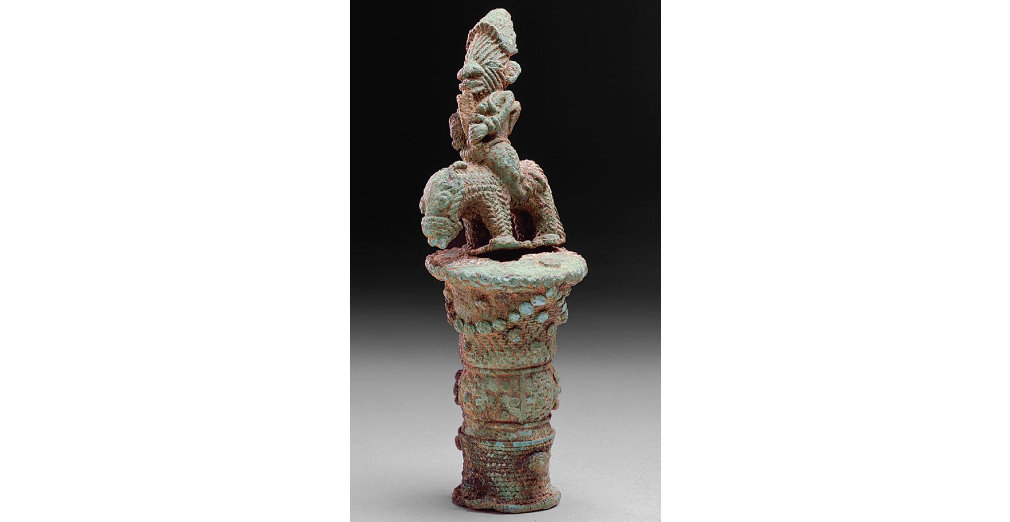
Africa — Equestrian Figure on a Fly Wisk Hilt
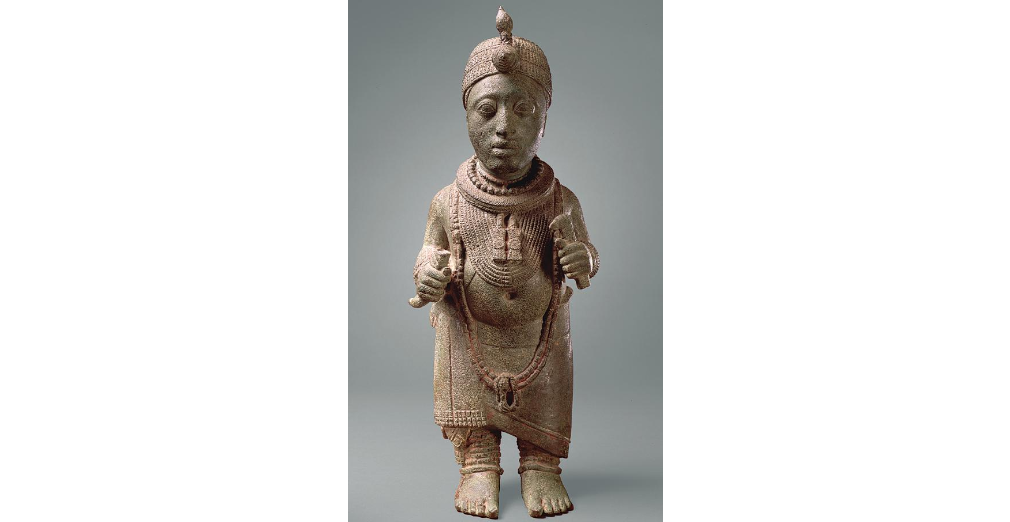
Africa — King from Ita Yemoo
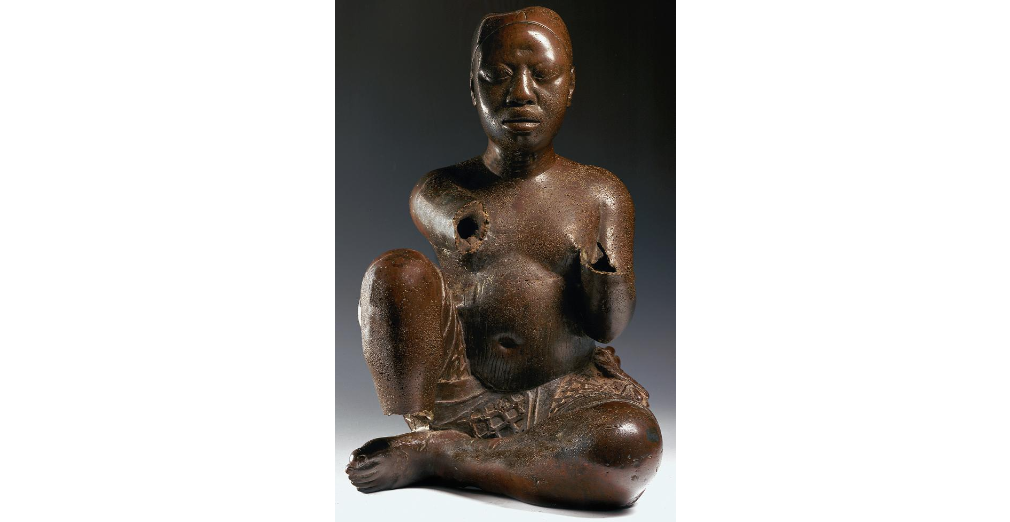
Africa — Seated Man
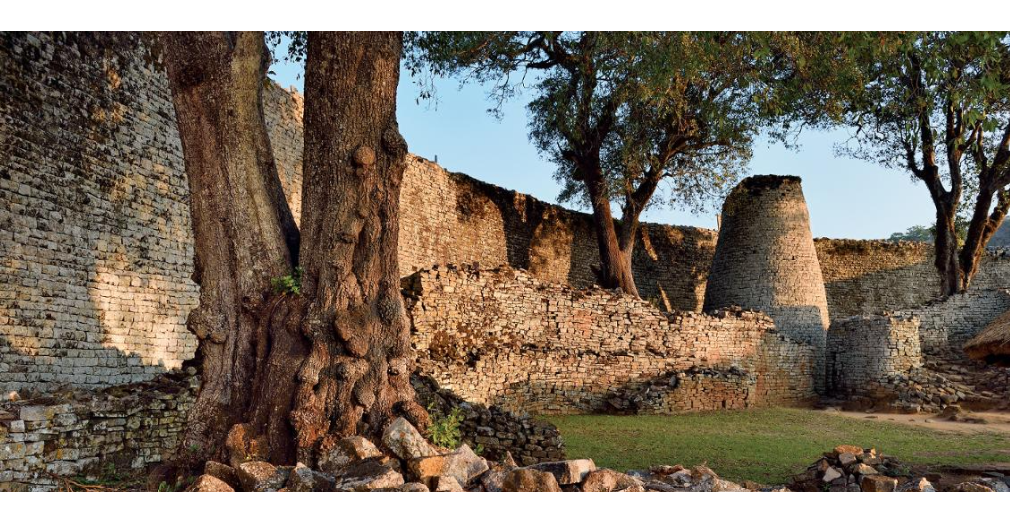
Africa — Walls and tower, Great Enclosure
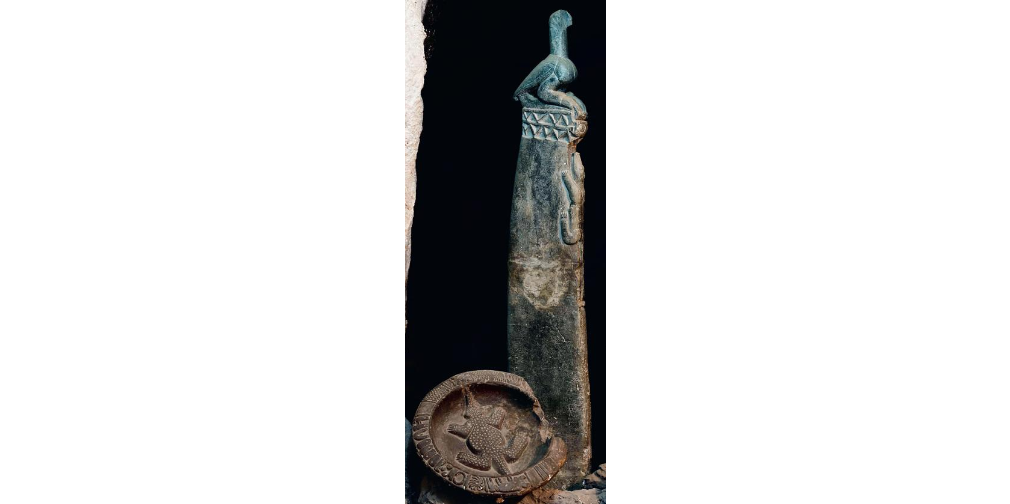
Africa — Monolith with bird and crocodile
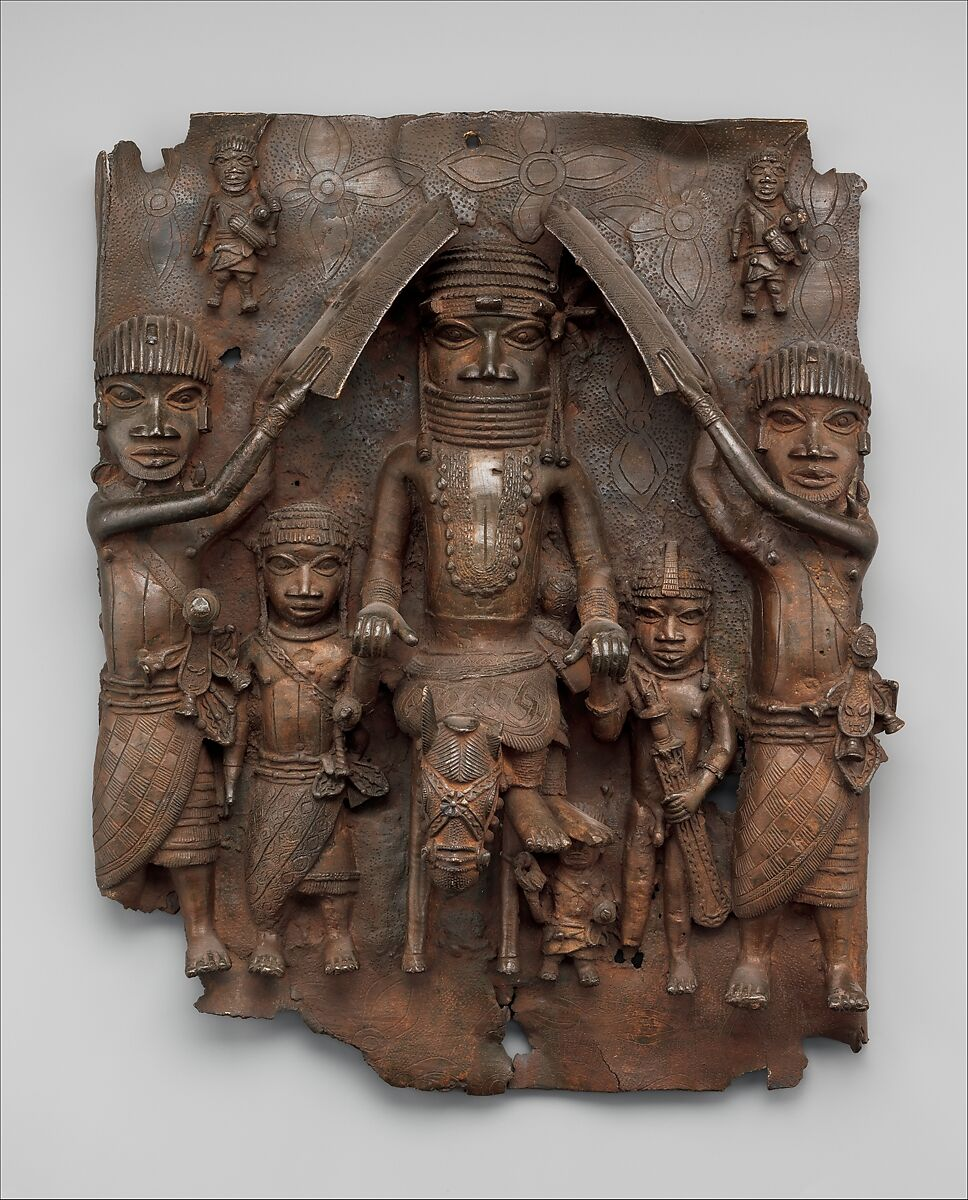
Africa — King on Horseback with Attendants
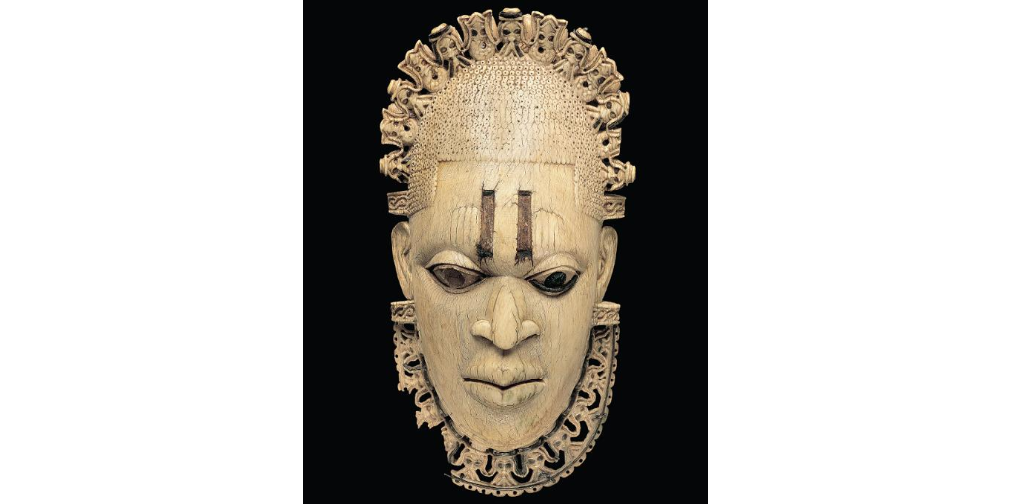
Africa — Waist pendant of Queen Mother Idia
Nok Culture
an ancient, highly advanced civilization that flourished in central and northern Nigeria (the "Middle Belt") from roughly 1500 BCE to 500 CE. Renowned for their intricate terracotta sculptures and early mastery of iron smelting, they represent one of West Africa's earliest complex societies
Ife
an ancient and culturally significant city in Osun State, Southwestern Nigeria. Known as the spiritual and cultural homeland of the Yoruba people