VSUAL ARTS MIDTERM KEYWORKS
 Call Kai
 Learn
Learn Practice Test
 Spaced Repetition
 Match
Match Flashcards
 Knowt Play
1/49

Earn XP
Description and Tags
Name | Mastery | Learn | Test | Matching | Spaced | Call with Kai |
|---|
No analytics yet
Send a link to your students to track their progress
50 Terms
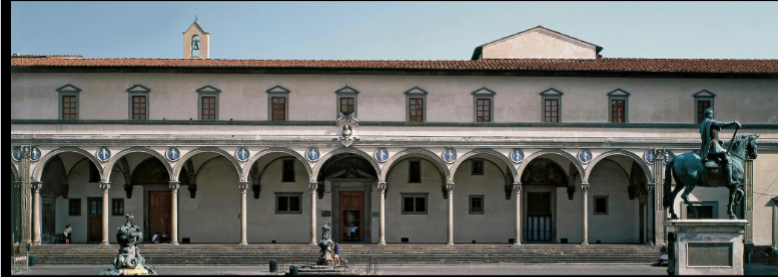
Founding Hospital
Exhibits arcade style of infrastructure like other infrastructure in the 15th century.
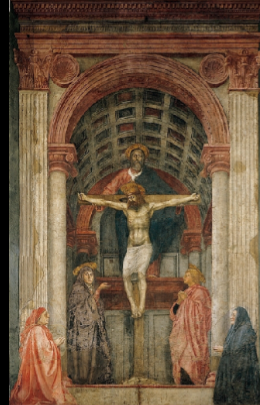
Trinity with the Virgin
Exhibits fresco style of art-wet paint is applied to a dry plaster that will lead to flaking.
Visual representation of an intercessor- a figure like a saint is one who meets a viewer’s gaze and redirects their prayers.
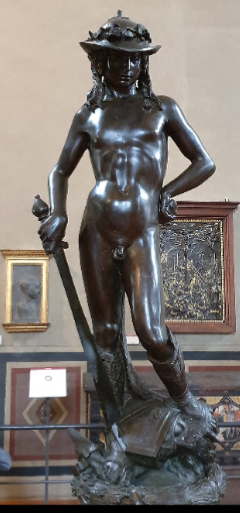
Donatello, David
Exhibits Contrapposto: the Classical convention of representing
human figures with opposing alternations of tension
and relaxation on either side of a central axis to give
figures a sense of the potential for movement
Roman copy of the Doryphoros by
Polykleitos. Marble, height 2.12 m.
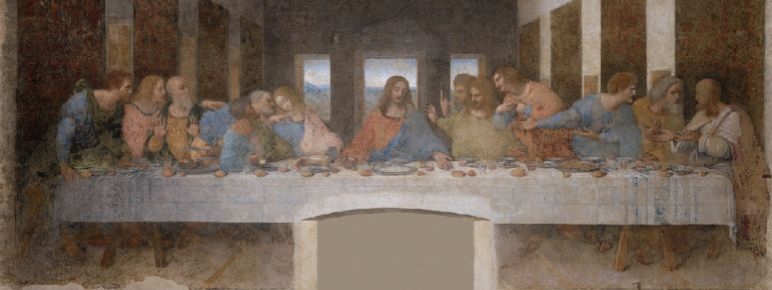
The Last Supper
center of attention/ main subject is implied by the leading lines of heads or bodies in the photo
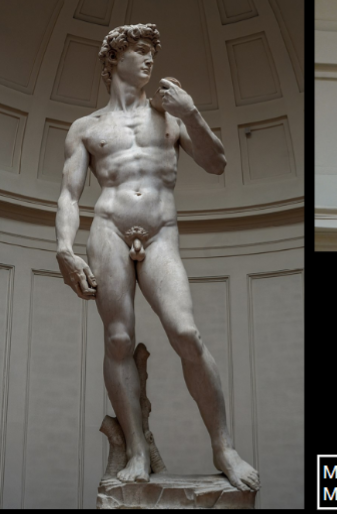
Michealangelo, David
Exhibits a stronger, more mature David-especially in regards of his strength and his stance that is more confident
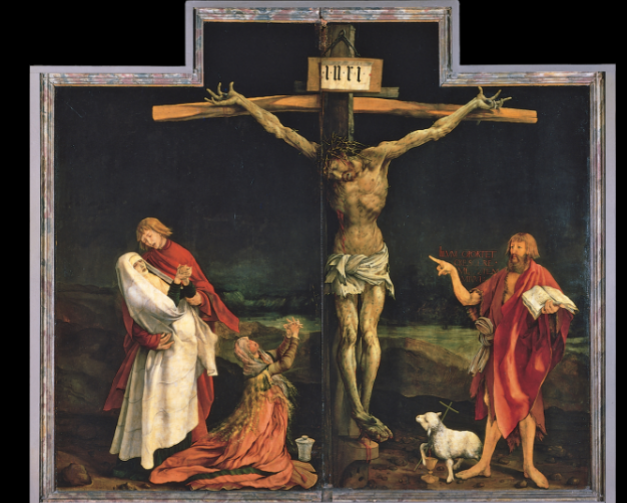
Matthias Grünewald, Isenheim Altarpiece—Crucifixion
This is/was a key to the icnoclast movement- Iconoclasm: the banning and/or destruction of images, especially icons,
idols, and other forms of religious art - hold the idea that the divine can only be expressed through words and not art form
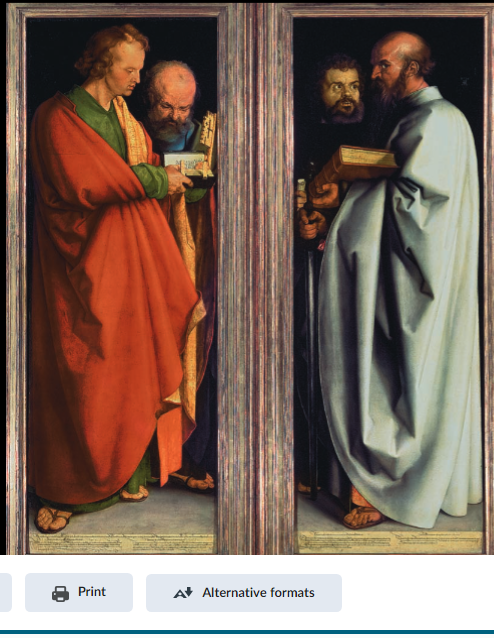
Albrecht Dürer, Four Apostles
Protestant Art that • Emphasized humble depictions of biblical scenes and
moralistic depictions of contemporary everyday life
• Served the pursuit of personal piety rather than public
spectacle
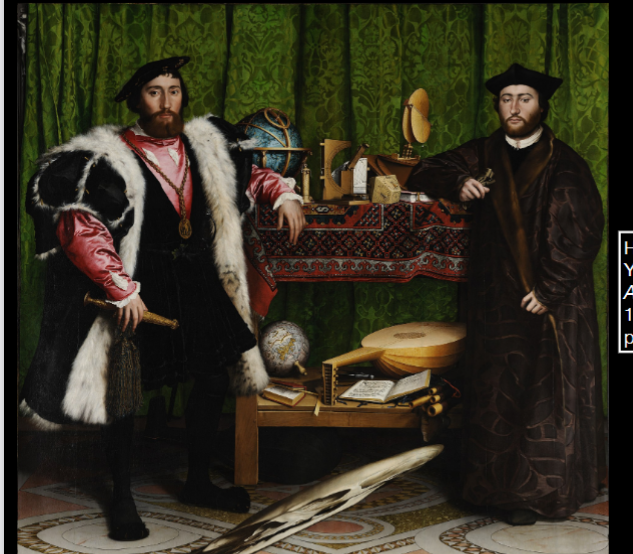
Hans Holbein the Younger
Exhibits Anamorphosis: a stretched, distorted
image that requires the viewer to occupy
an oblique vantage point in order for it to appear accurate
Exhibits an artistic trope in which an object, such as a skull or extinguished candle, serves as a reminder of the transience of life and the inevitability of death (from the Latin for “remember that you die”)
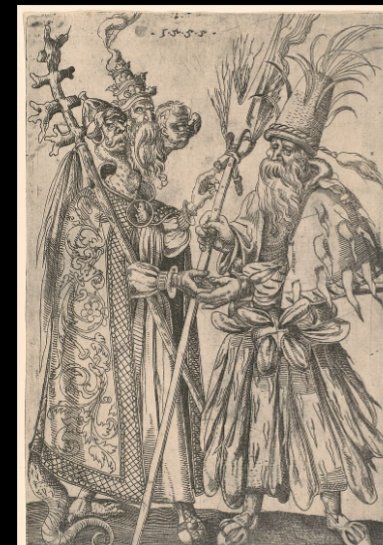
Melchior Lorck, Satire on the Papacy 1555
A work done at the time of the introduction of printing press and other printing technologies
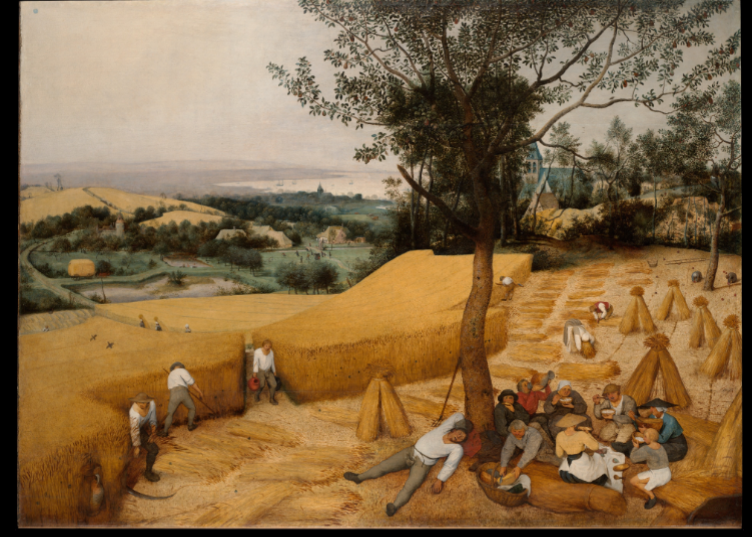
Pieter Bruegel the Elder, The Harvesters
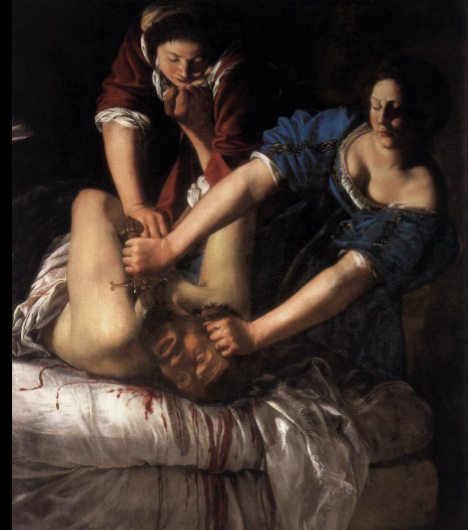
Artemisia Gentileschi, Judith Slaying Holofernes, c. 1619–1620
Exhibits Chiaroscuro: strong contrast of light and dark that heightens the sense of
drama and the three-dimensionality of the figures (tenebrism is an extreme
form of chiaroscuro in which forms emerge from a dark background into a
strong, raking light, creating the effect of theatrical spotlighting)
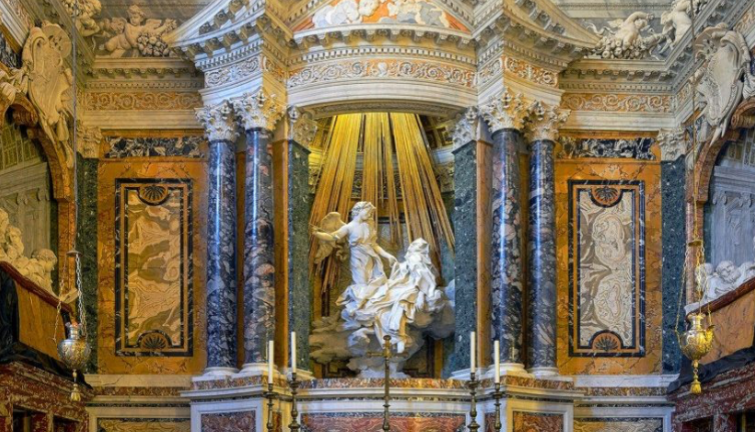
Gianlorenzo Bernini, St. Teresa of Avila in Ecstasy, 1645–1652.
Exhibits Gesamtkunstwerk: a total work of art that
brings together multiple media to create an
immersive visual experience
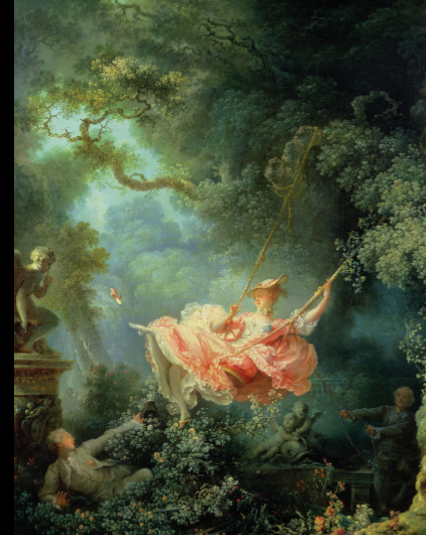
Jean-Honore Fragonard, The Swing, 1767
Exhibits themes often in Salons a French term for a drawing room, spaces for social gathering within the homes of the very wealthy
2. an intimate intellectual gathering, often
featuring splendid entertainments that
mimicked the rituals of the royal court
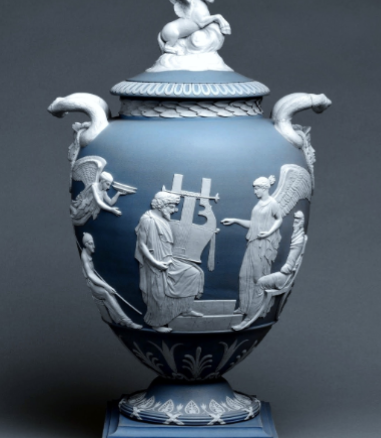
Josiah Wedgwood, The Apotheosis of Homer, 1790–1795
Serves as a homage to artists
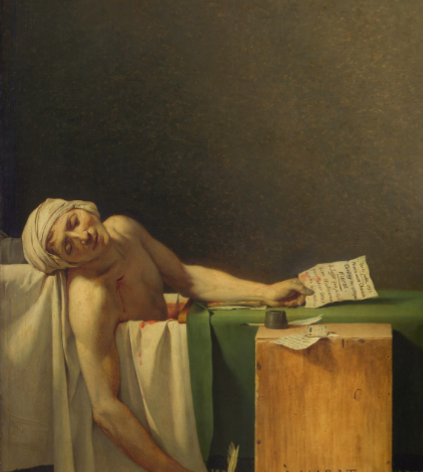
Jacques-Louis David, Death of Marat, 1793
Exhibits Neoclassical themes: the revival of a classical style or treatment in art, literature, architecture, or music rooting from ancient Greece and Rome
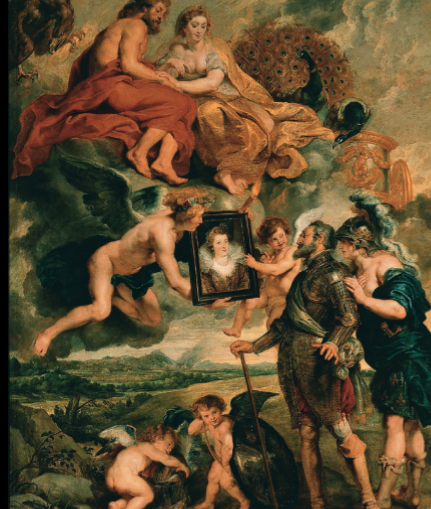
Peter Paul Rubens, Henry IV Receiving the Portrait of Marie De’ Medici, 1621–1625
Shows the power of representation- a match that is about both love and politics with personifications of monarchy
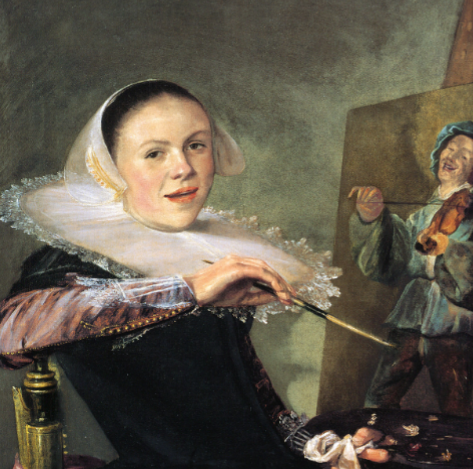
Judith Leyster, Self-Portrait, 1635.
Exhibits Brushwork: the manner in
which a painter applies
paint with a brush
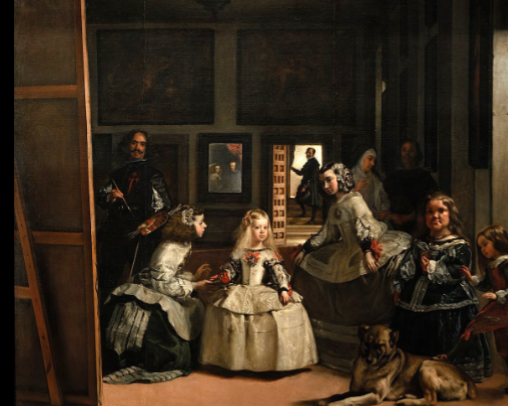
Diego Velázquez, Las Meninas, 1656.
Represents the representation of Western art of a window of the perceived world and a surface onto which an image of the world casts itself
Exhibits Composition: the arrangement of the
individual elements within a work of art so as to form a unified whole
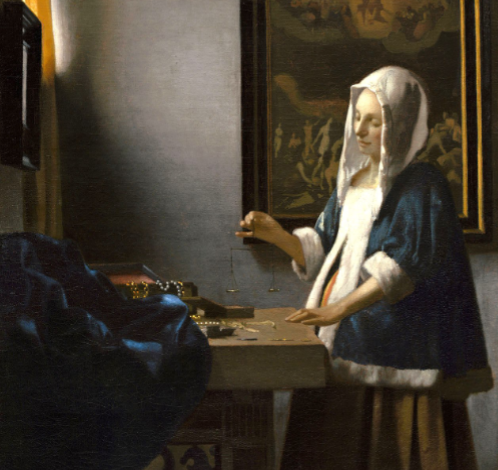
Johannes Vermeer, Woman Holding a Balance, c. 1664
contrasts baroque art style and represents the weighing of valuables in a calm and thoughtful way
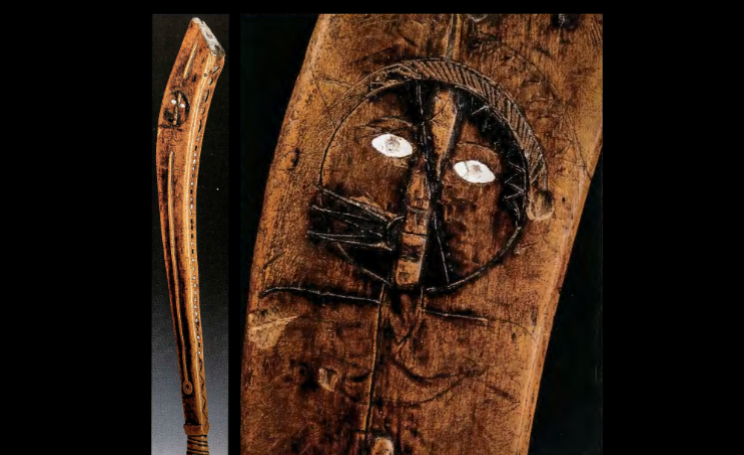
Eastern Woodlands (Iroquois?), War club, c. 1675.
Exhibits differing traditions of representation
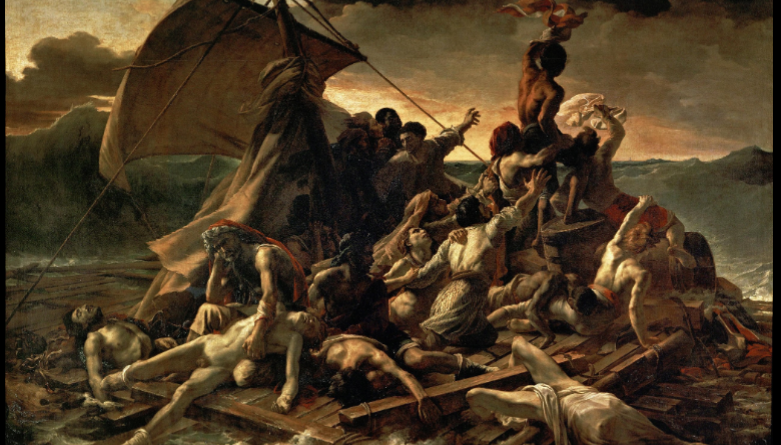
Theodore Gericault, The Raft of the ‘Medusa’, 1818–19.
Exhibits the challenging of academic conventions and idealism-the pursuit of ideals that are often unrealistic
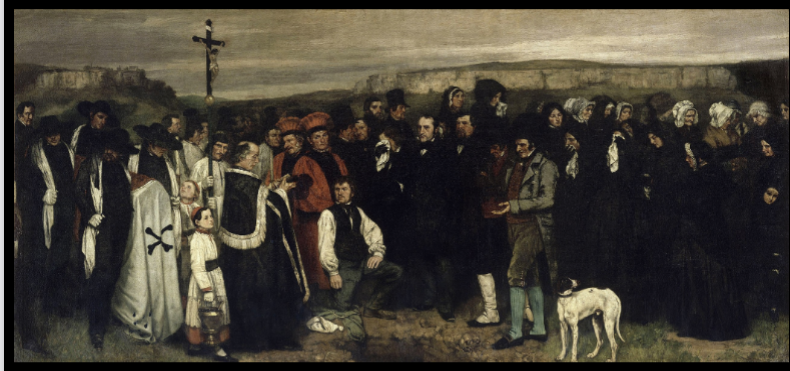
Gustave Courbet, A Burial at Ornans, 1849–50.
Exhibits Realism: a commitment to paint the modern world honestly, including sordid or mundane subject matter and especially the lives of the lower classes
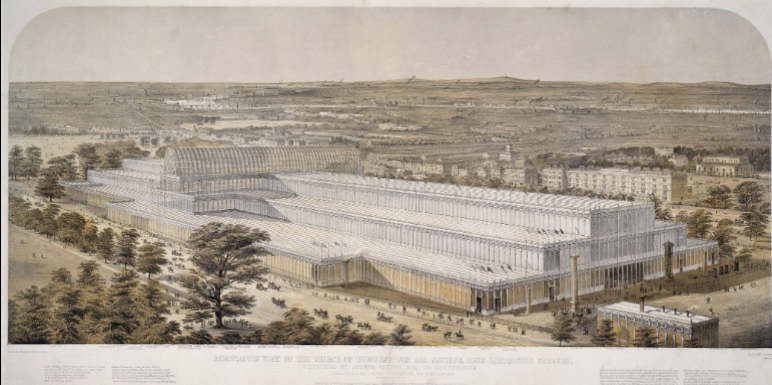
Jospeh Paxton, The Crystal Palace, 1851.
The Great Exhibition
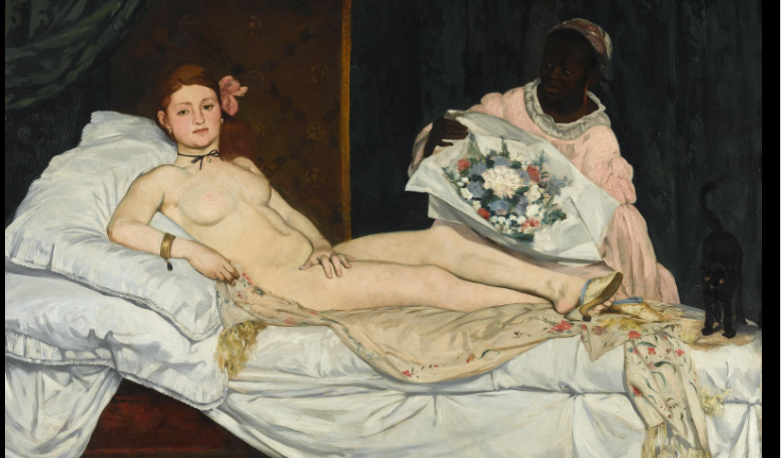
Édouard Manet, Olympia, 1863.
Exhibits Salon Des Refuses: an exhibition of works rejected from a juried art show
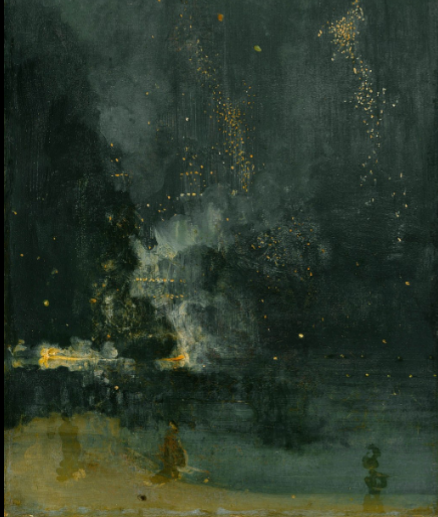
James McNeill Whistler, Nocturne in Black and Gold, c. 1875.
Originates from a musical composition inspired by, or evocative of, night; taken up by Whistler for the titles of a series of nocturnal paintings
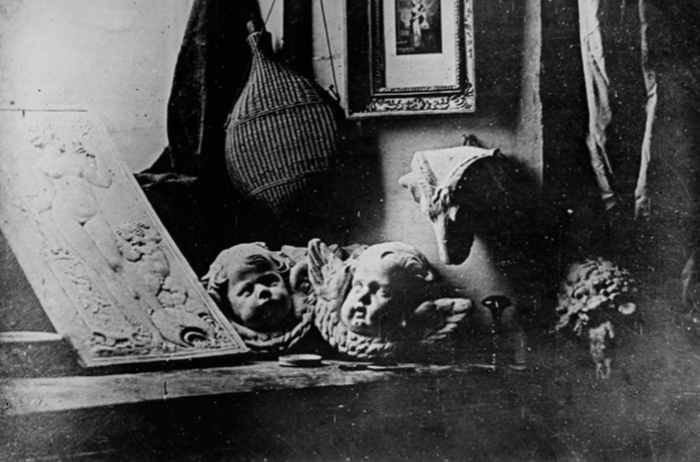
Louis-Jacques-Mande Daguerre, The Artist’s Studio, 1837
This is an image made directly by exposure to light and by development without the use of a negative in early photography
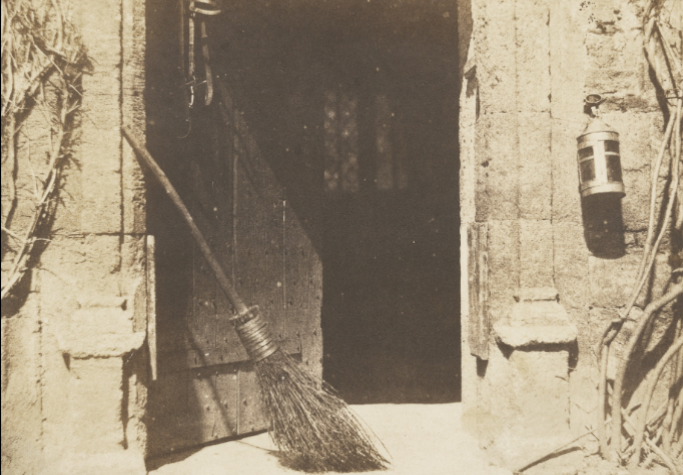
William Henry Fox Talbot, The Open Door, before May 1844
This is an image made directly by exposure to light and by development without the use of a negative in early photography
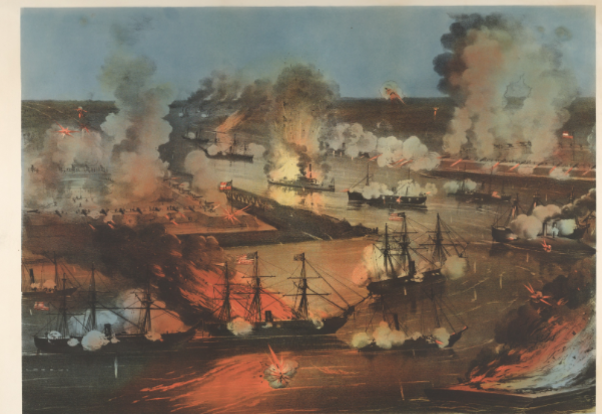
Currier & Ives, The Splendid Naval Triumph on the Mississippi, 1862.
An example of Lithography: a planographic process of making a print from a design drawn on a flat stone block with greasy material; ink applied to the wet stone adheres only to the greasy areas
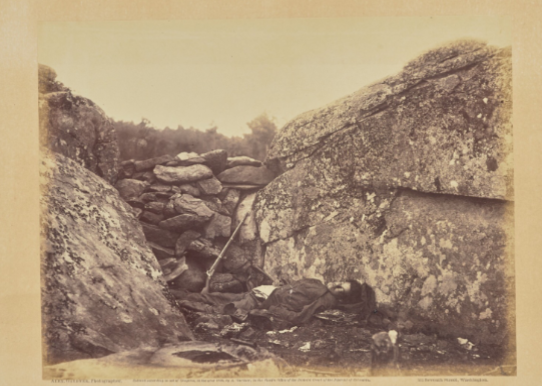
Alexander Gardner, Home of a Rebel Sharpshooter, Gettysburg, 1863
Example of Albumen print: the first commercially viable method to make a photographic print using albumen found in egg whites to bind photographic
chemicals to paper- From start of Mechanical Reproduction
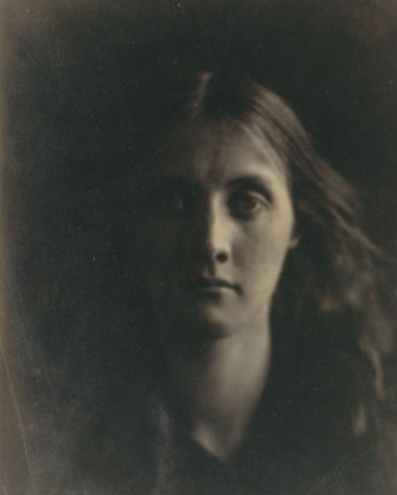
Julia Margaret Cameron, Julia Jackson, 1867
Aura shown through the fleeting expression of the human face
Exhibits Pictorialism: an international style of photography from the late 19th and early 20th centuries characterized by the manipulation of photographs in order to create, rather than simply
record, an image; Pictorialists sought to promote photography as an art form on a par with painting
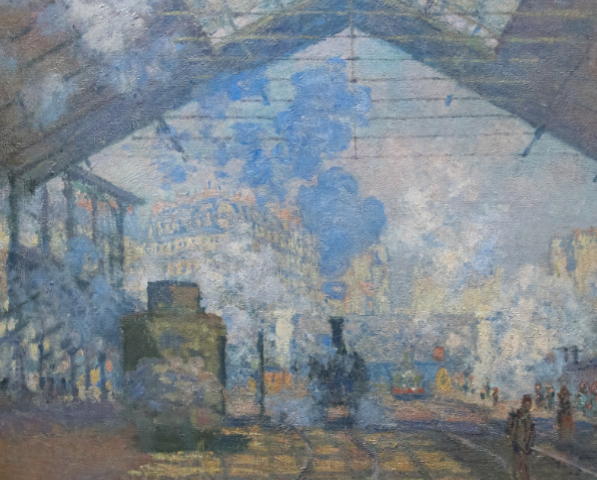
Claude Monet, La Gare Saint-Lazare, 1877
Shows impressionism / concern with modernity and the rituals of modern life, with work and leisure, machine and nature, city and countryside
Exhibits impasto: an Italian word for “mixture,”
used to describe a technique wherein paint is thickly laid on a surface with a brush or palette knife so that the marks are clearly visible
Gustave Caillebotte, On the Pont de l’Europe, 1876–77.
Shows impressionism / concern with modernity and the rituals of modern life, with work and leisure, machine and nature, city and countryside
Exhibits impasto: an Italian word for “mixture,”
used to describe a technique wherein paint is thickly laid on a surface with a brush or palette knife so that the marks are clearly visible
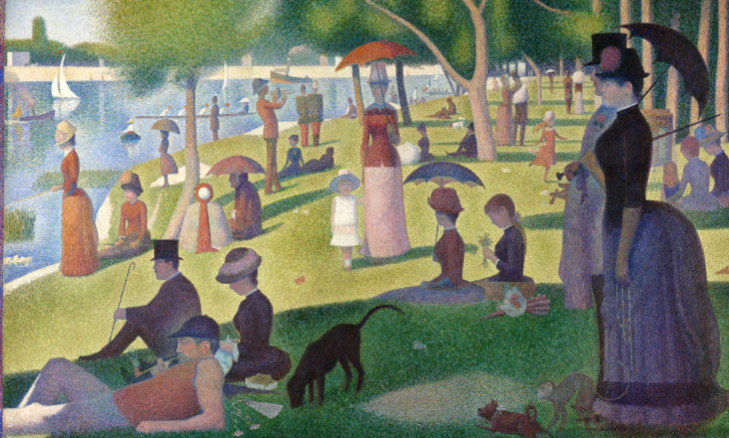
Georges Seurat, A Sunday Afternoon on the Island of La Grande Jatte, 1884–6
Shows post-impressionism or ideas that go against the concern of modernity
Exhibits Pointillism: a painting technique developed by the French artists Georges-Pierre Seurat and Paul Signac in which small, distinct points of unmixed color are applied in patterns to form an image
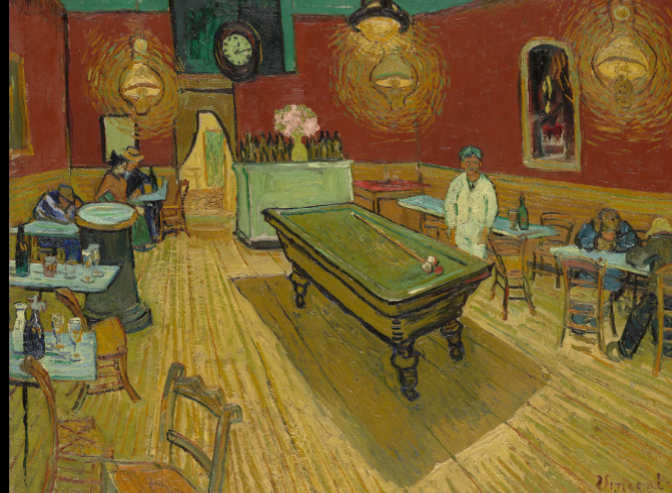
Vincent van Gogh, The Night Café, 1888.
Shows that the Cafe is a place for all forms of self expressions/ emotions that one is feeling in a moment with the power of darkness shown in dark hues
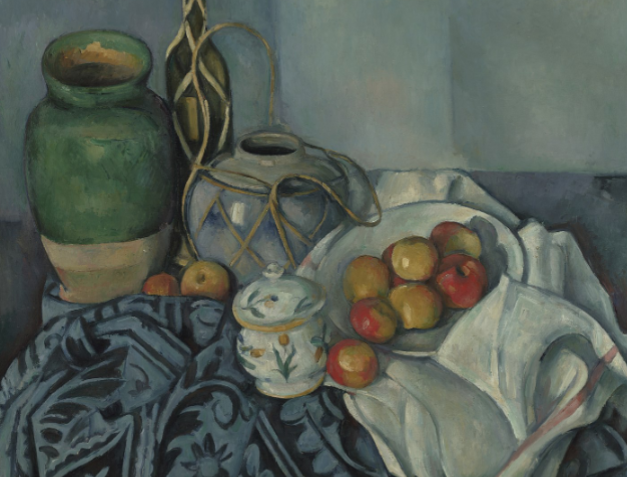
Paul Cézanne, Still Life with Apples, 1893–4.
Exhibits Abstraction: art concerned not with depicting the visible world as it is,
but rather with distilling or reshaping objects from the natural world for expressive purposes
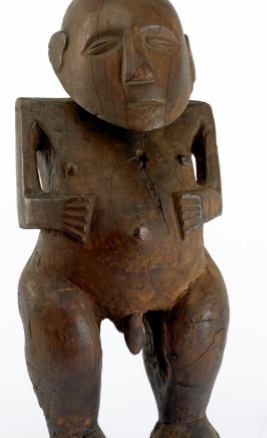
Tahitian, Male figure, c. late 18th / early 19th century
Primitivism: the borrowing of subjects or forms, usually from non-European or prehistoric sources, by Western artists in an attempt to infuse work with expressive qualities attributed to other cultures,
especially colonized cultures
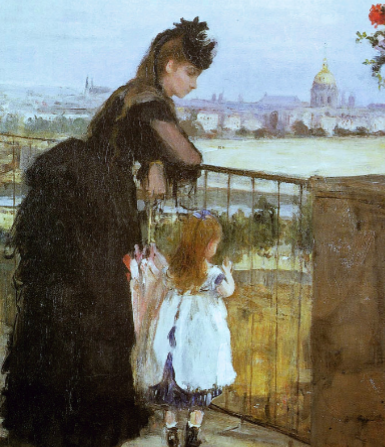
Berthe Morisot, On the Balcony, 1872
Exhibits Vantage point: the perspective
or position from which one views something
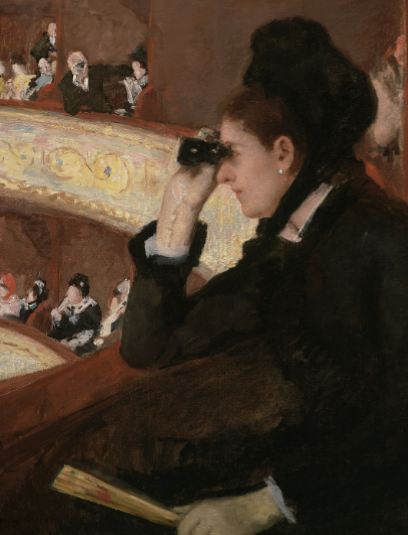
Mary Cassatt, At the Opera, 1879
Shows a woman in a space that is more domestic or private to show the ideals of women at the time
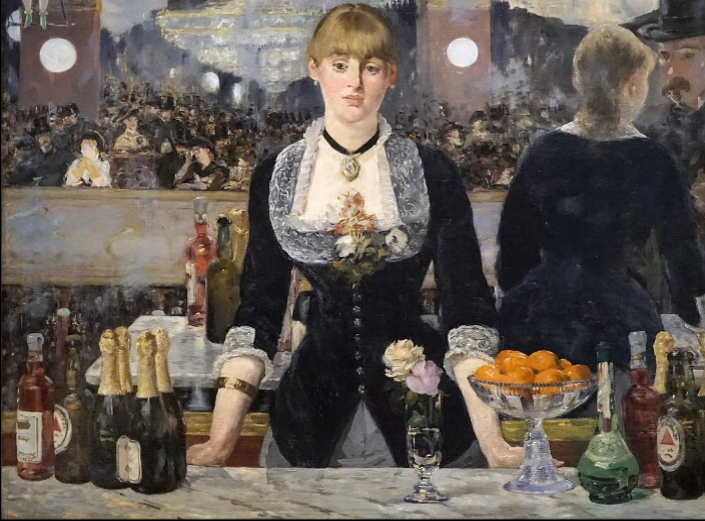
Édouard Manet, A Bar at the Folies-Bergère, 1882
Shows modernity based on the cafe-concert halls as well as impressionism based on the brushwork in the art piece
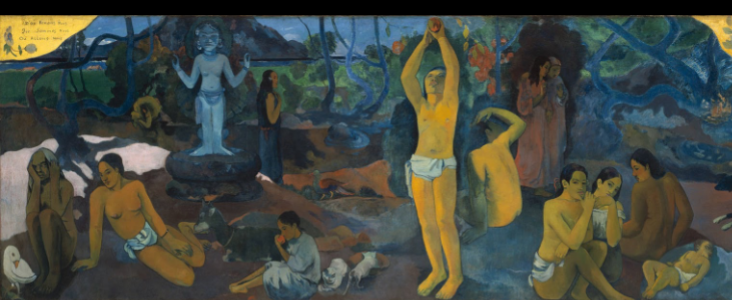
Paul Gauguin, Where Do Come From? What Are We? Where Are We Going?, 1897
Exhibits Primitivism: the borrowing of subjects or forms, usually from non-European or prehistoric sources, by Western artists in an attempt to infuse work with expressive qualities attributed to other cultures, especially colonized cultures
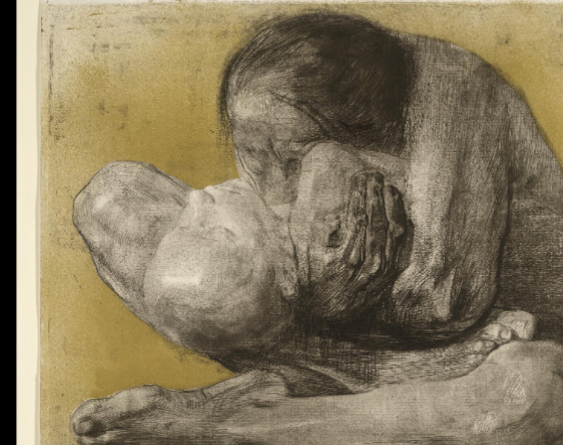
Käthe Kollwitz, Woman with Dead Child, 1903
Exhibits expressionism or The exaggeration of forms, colors, or other aspects of a work of art to evoke subjective emotions rather than to portray objective reality or elicit a rational response
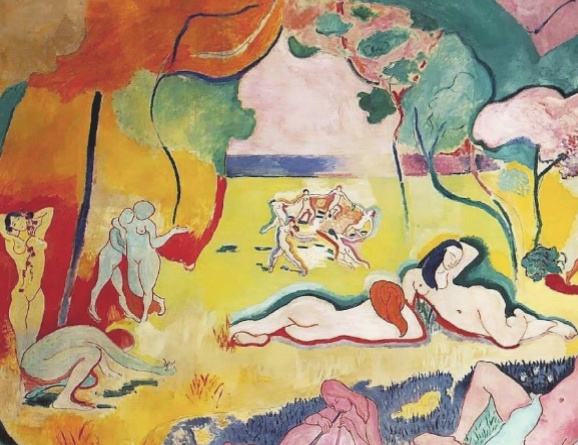
Henri Matisse, The Joy of Life (Le bonheur de vivre), 1905–06
Exhibits expressionism or The exaggeration of forms, colors, or other aspects of a work of art to evoke subjective emotions rather than to portray objective reality or elicit a rational response
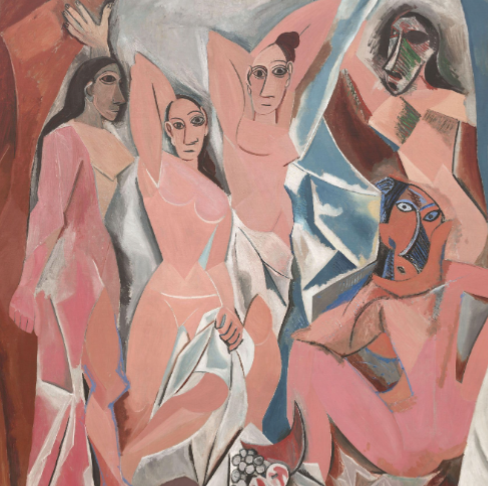
Pablo Picasso, Les Demoiselles d’Avignon, 1907
Exhibits a visual language marked by geometric planes and compressed spaces that challenged conventions of representation, such as the relation between solid and void, figure and ground
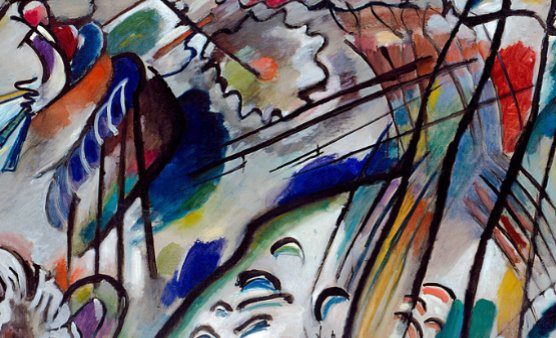
Vassily Kandinsky, Improvisation 28 (Second Version), 1912
Exhibits Non-objective: a form of abstraction devoid of any representational qualities or references to reality, and often marked by the use of pure colors, simple geometric forms, and raw gestures
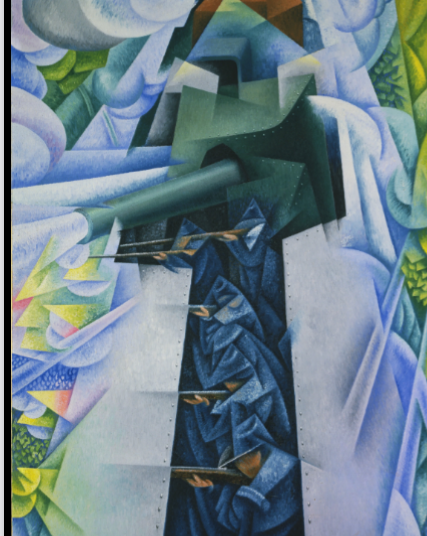
Gino Severini, Armored Train in Action, 1915
Exhibits futurism and cubism or a visual language marked by geometric planes and compressed spaces that challenged conventions of representation, such as the relation between solid and void, figure and ground
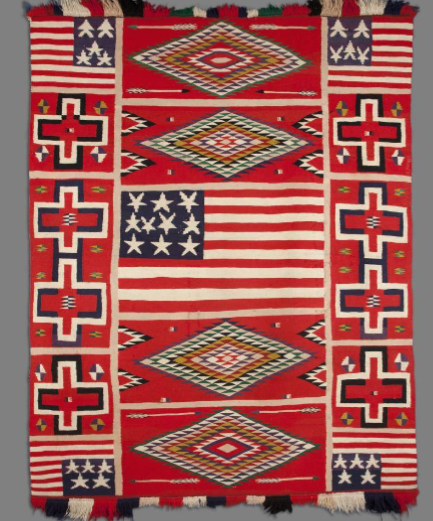
Navajo, “Eye-dazzler” blanket, c. 1885.
Example of Handicraft: a form of production that privileges the creativity and handiwork of the
individual craftsperson; exemplifies loom weaving
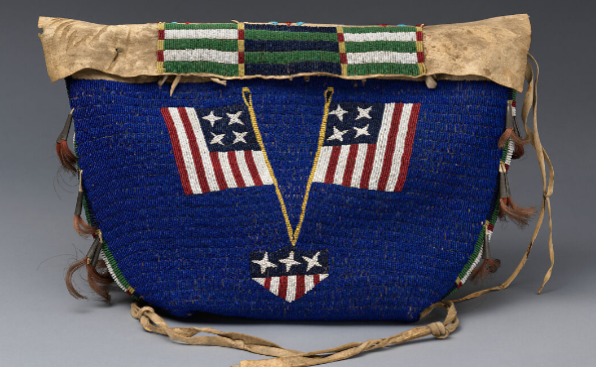
Lakota/Teton Sioux, Tipi bag, c. 1890
Example of Handicraft: a form of production that privileges the creativity and handiwork of the
individual craftsperson; exemplifies loom weaving -Euro-Americans thought of this as primitive
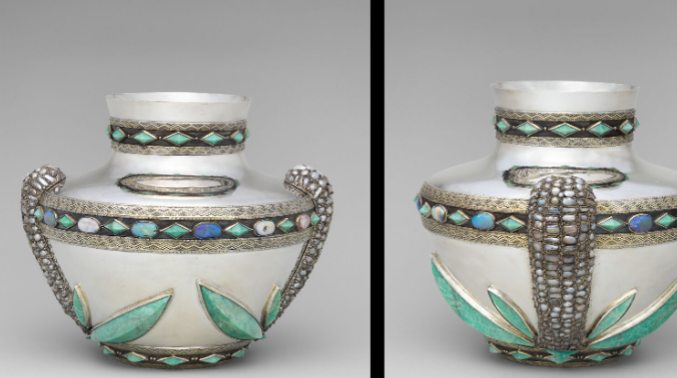
Tiffany & Co., Vase, c. 1900.
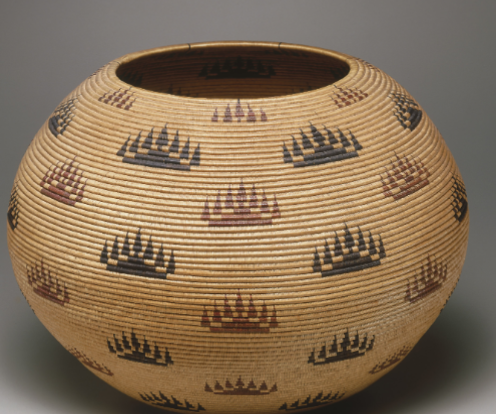
Louisa Keyser (Washoe), Basket bowl, 1907.
Handiwork example and Required specialized
knowledge held primarily by women:
where to find materials; when to harvest them;
how to prepare a variety of fibers-Euro-Americans thought of this as primitive
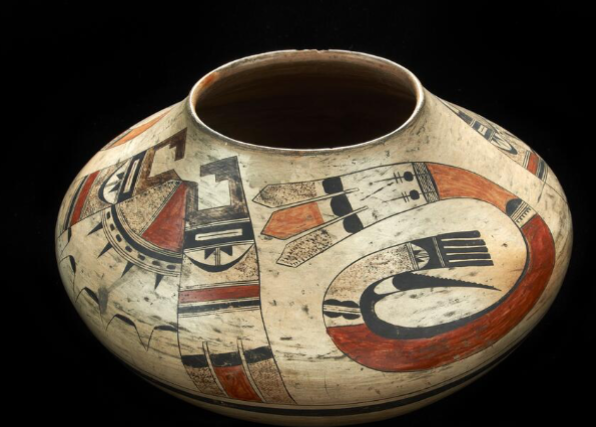
Nampeyo (Hopi-Tewa), Olla, c. 1910.
Exhibits Polychrome: painted, printed, or
otherwise decorated in several colors influenced by Zuni tradition of painting designs on clay vessels