AP World History Unit 7: Global Conflict
 Call Kai
 Learn
Learn Practice Test
 Spaced Repetition
 Match
Match Flashcards
 Knowt Play
1/120

There's no tags or description
Looks like no tags are added yet.
Name | Mastery | Learn | Test | Matching | Spaced | Call with Kai |
|---|
No analytics yet
Send a link to your students to track their progress
121 Terms
Bolshevik
Communist organization in revolutionary Russia under the leadership of Vladimir Lenin
Young Turks
A group of reformers that advocated for a constitution and to make all citizens of multiethnic empire identify with Turkish culture
Mexican Revolution
(1910-1920 CE) Fought over a period of almost 10 years from 1910; resulted in ouster of Porfirio Diaz from power; opposition forces led by Pancho Villa and Emiliano Zapata.
Institutional Revolutionary Party
(PRI) the political party introduced in 1929 in Mexico that dominated politics for much of the 20th century

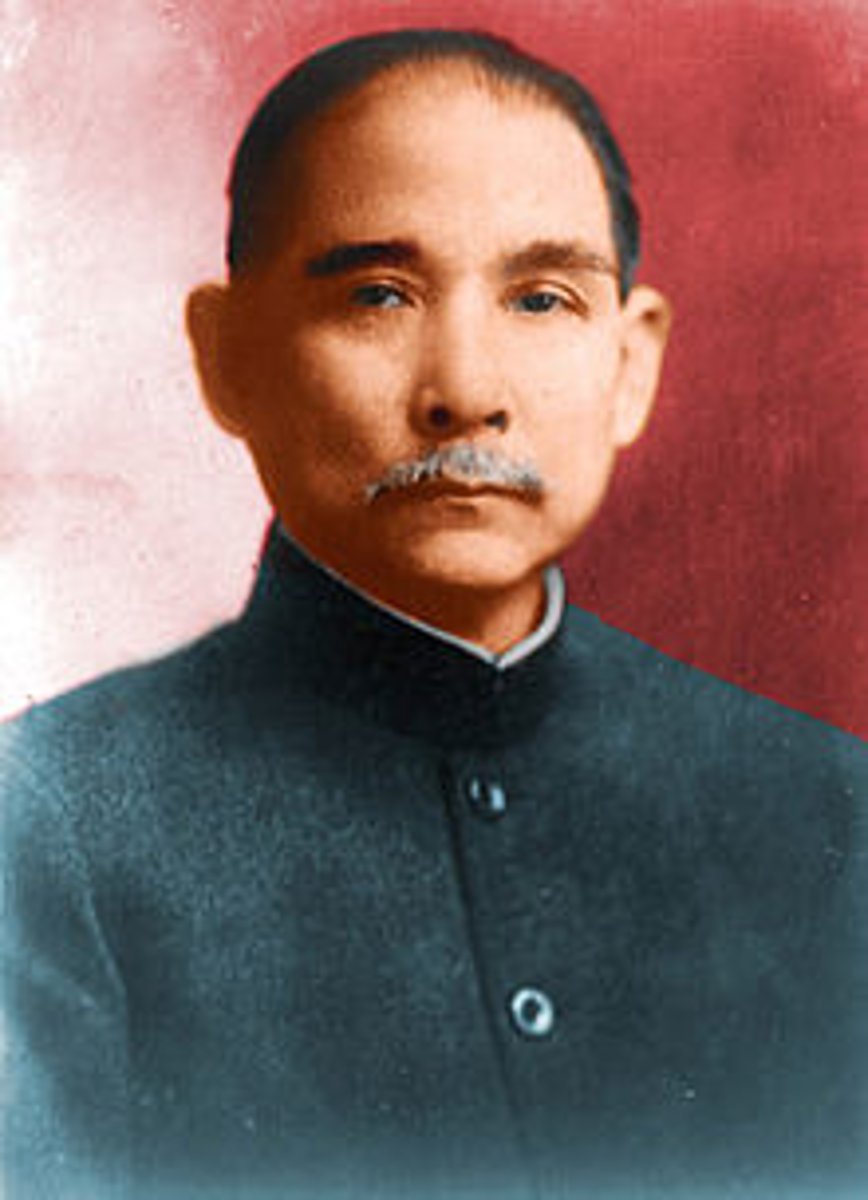
Sun Yat-sen
Chinese nationalist revolutionary, founder and leader of the Guomindang until his death. He attempted to create a liberal democratic political movement in China but was thwarted by military leaders.
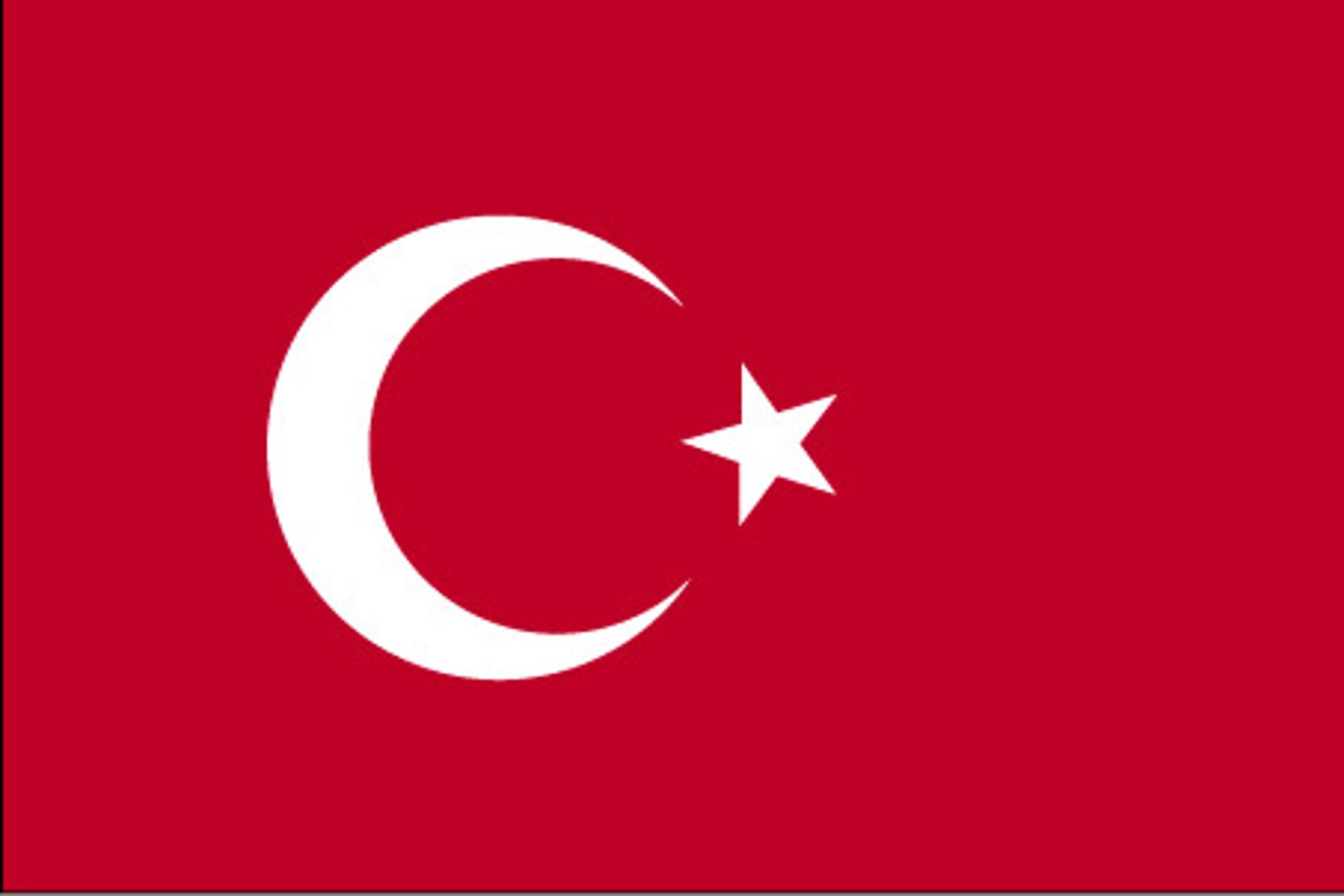
Kemel Ataturk
Leader of the Turkish National Movement. Was the first president of the Republic of Turkey.
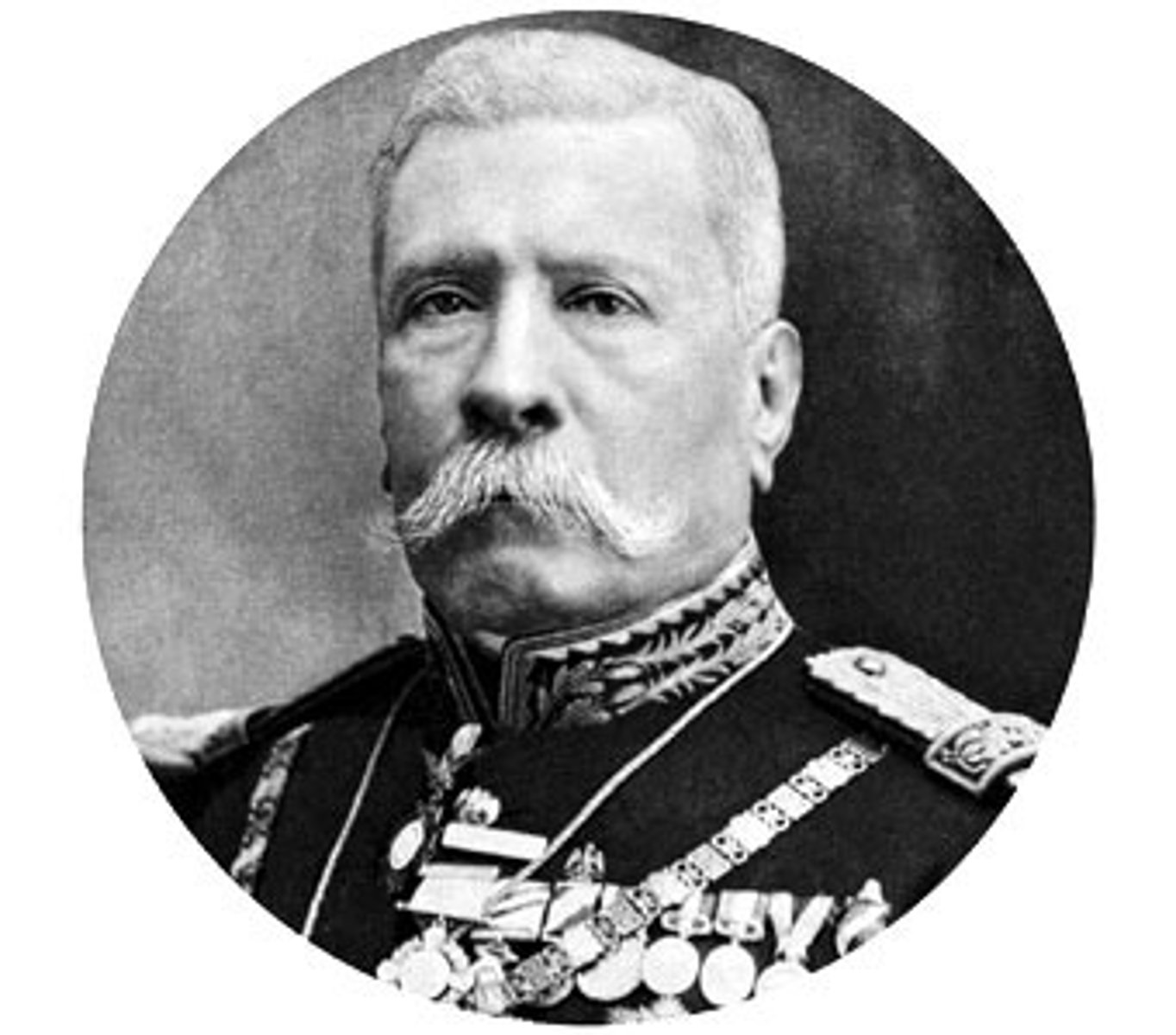
Porfirio Diaz
Dictator in Mexico from 1876 to 1911. Overthrown by the Mexican Revolution of 1910.
Francisco Madero
Ran against Porfirio Diaz for president. Early leader in the Mexican Revolution; in 1911 became president of Mexico
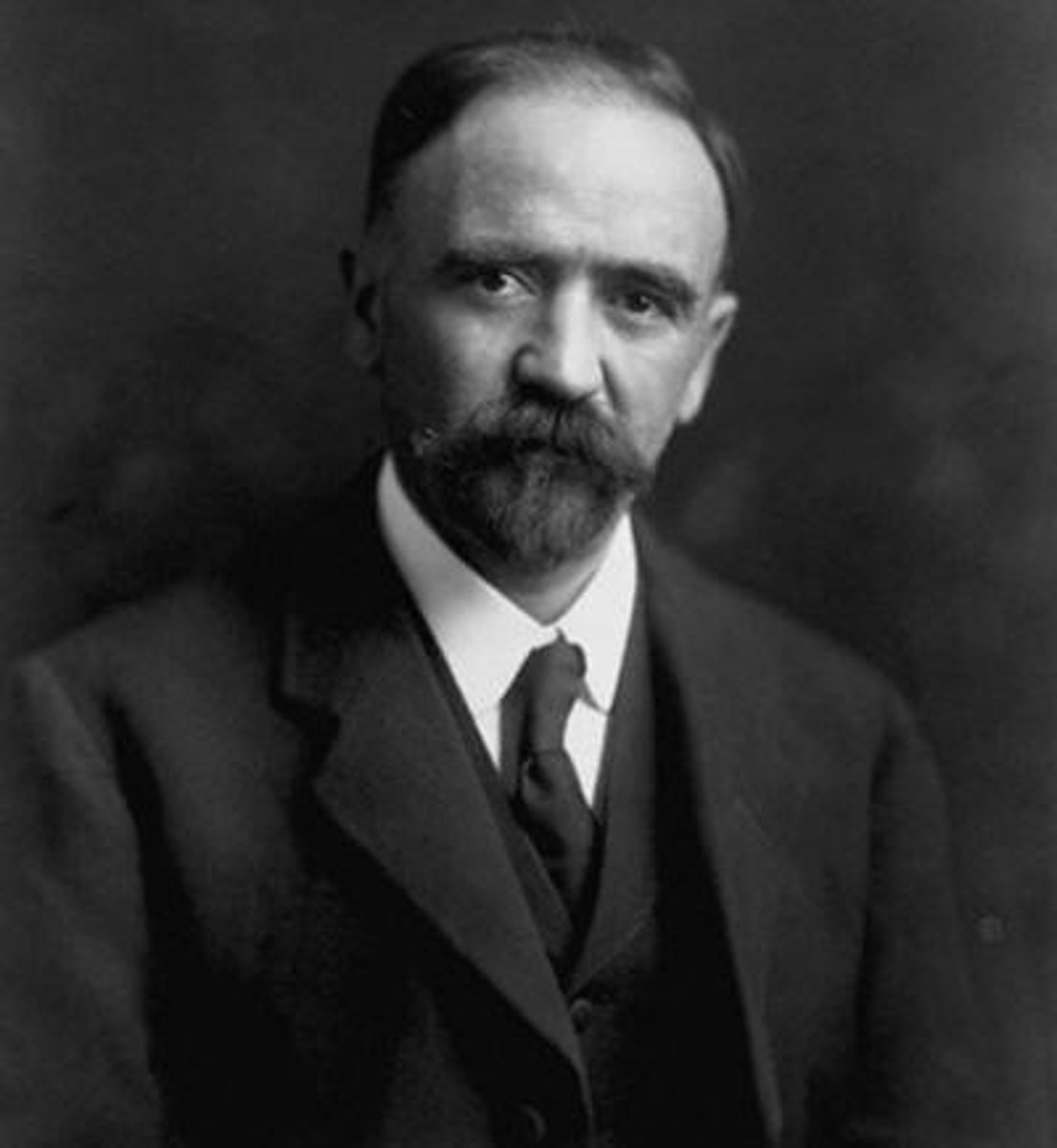
Francisco "Pancho" Villa
A popular leader during the Mexican Revolution. Fought for the rights of the landless in collaboration with Emiliano Zapata.
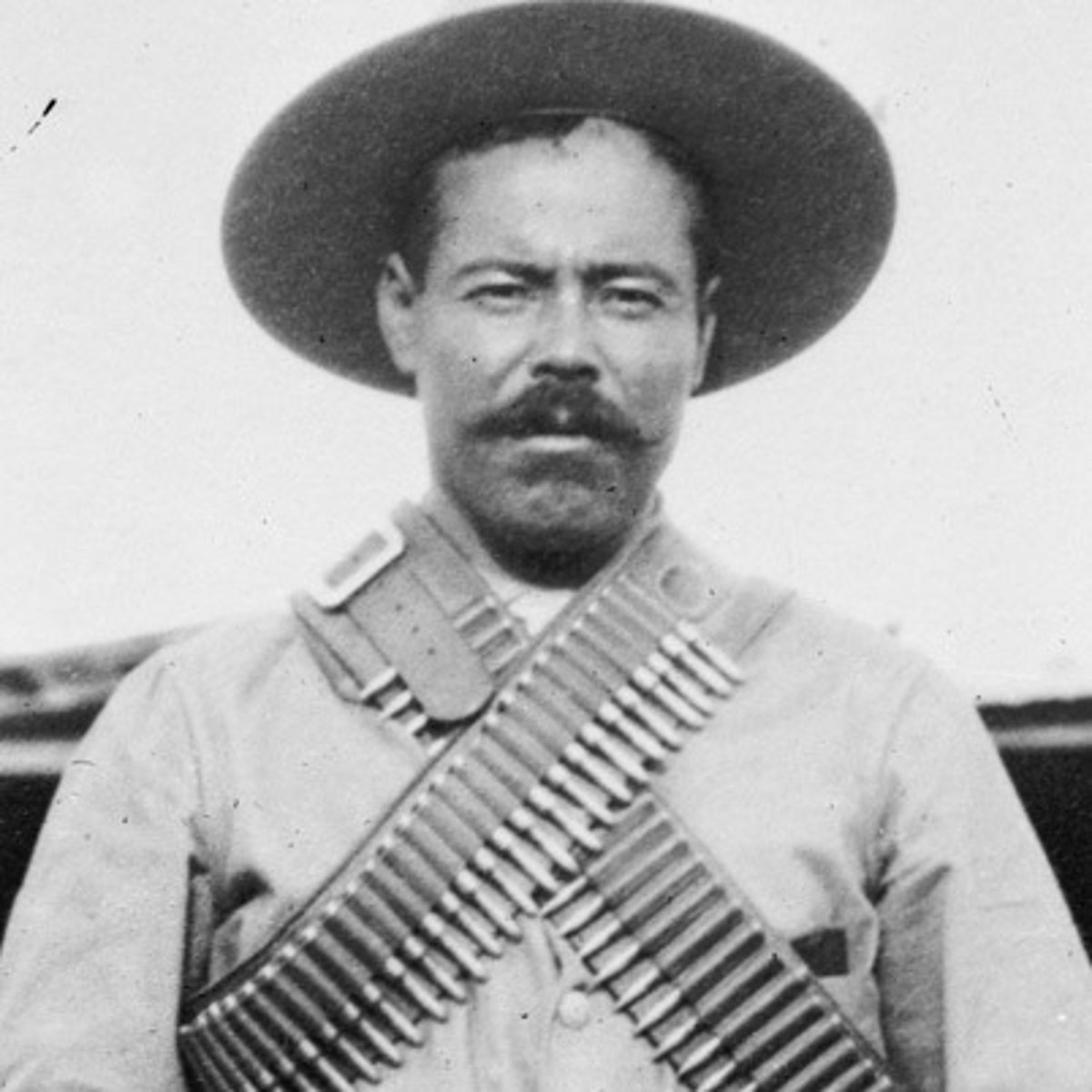
Emiliano Zapata
Revolutionary and leader of peasants in the Mexican Revolution. He mobilized landless peasants in south-central Mexico to seize and divide the lands of the wealthy landowners. He was ultimately defeated and assassinated.
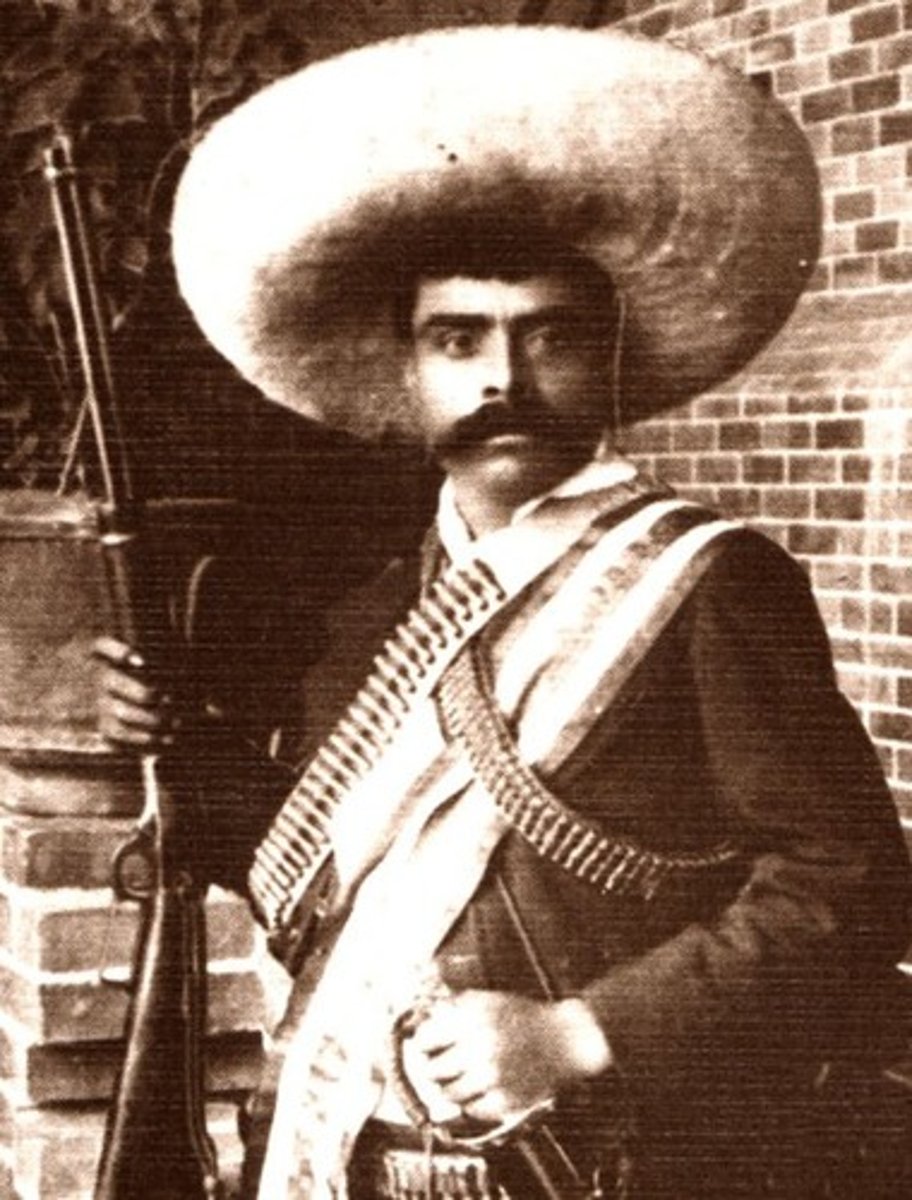
Archduke Franz Ferdinand
Archduke of Austria Hungary assassinated by a Serbian in 1914. His murder was one of the causes of WW I.
Triple Entente
An alliance between Great Britain, France and Russia in the years before WWI.
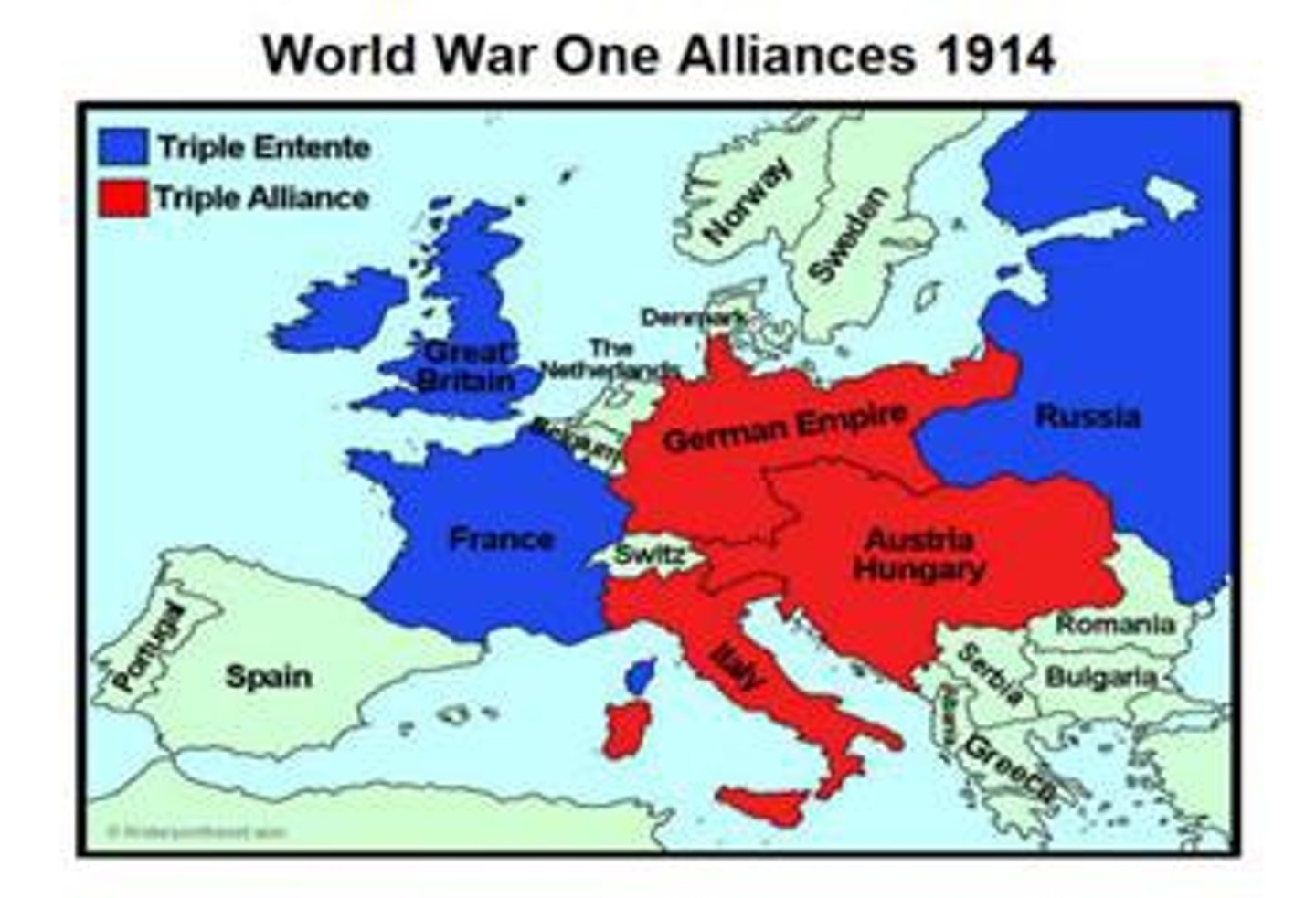
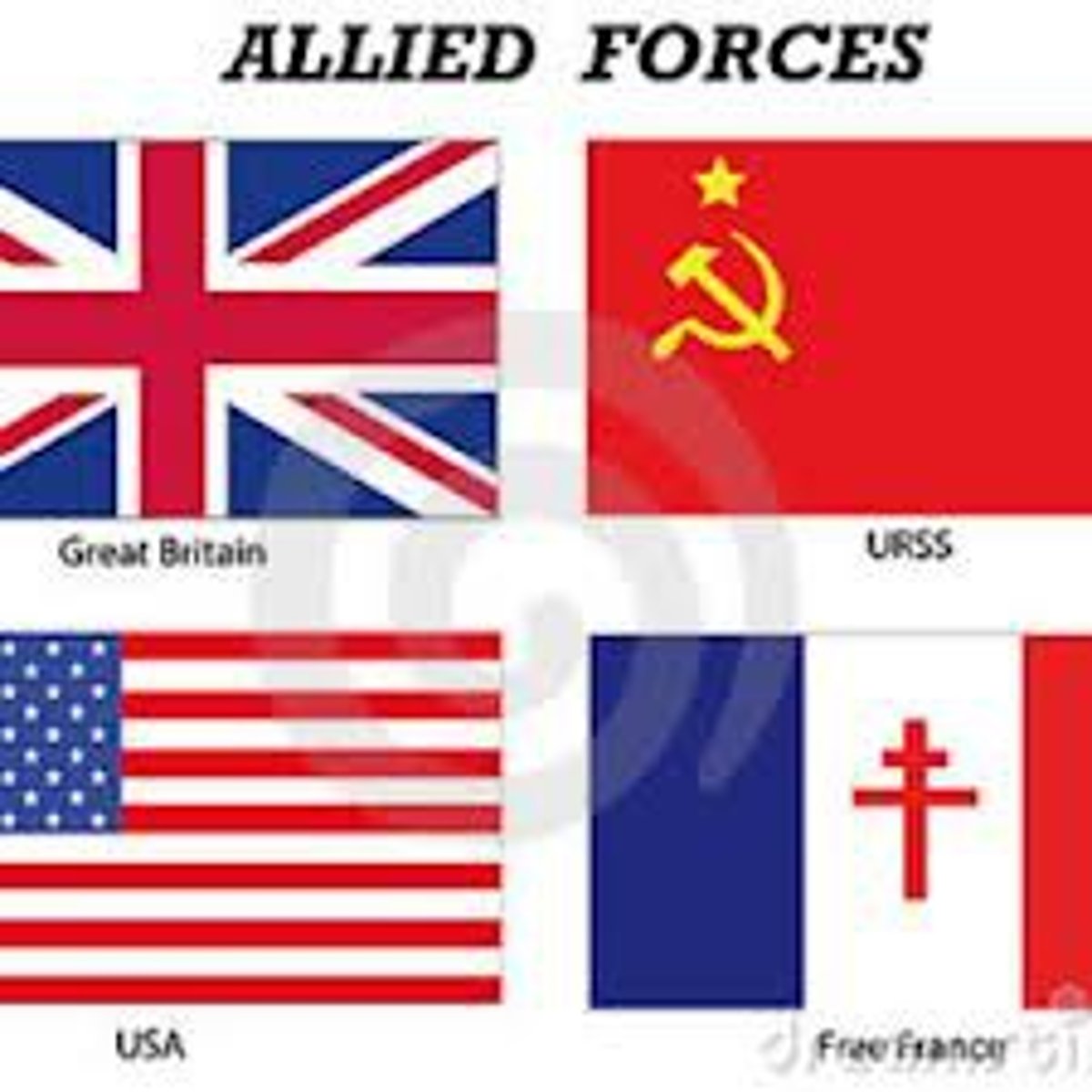
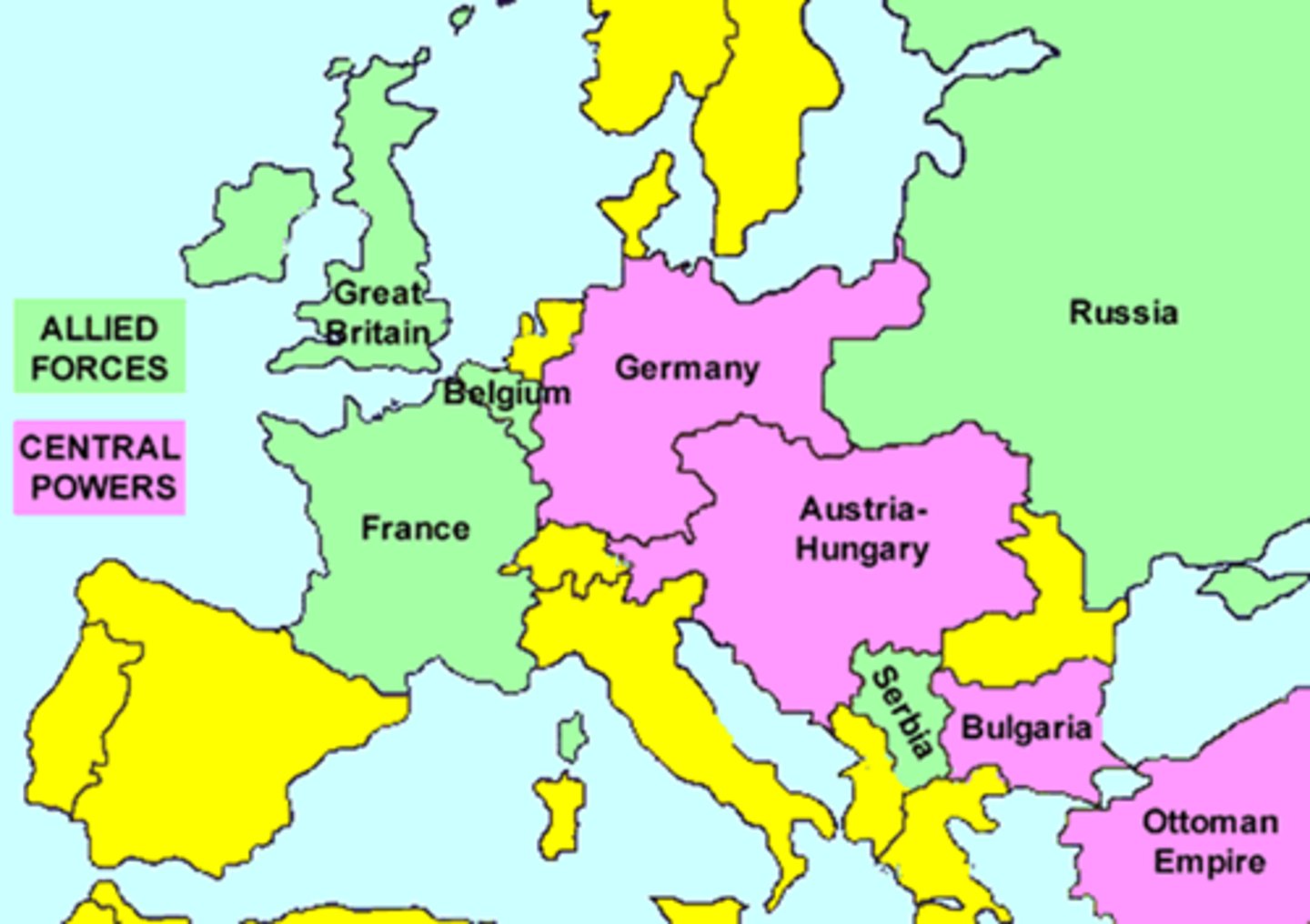
Allies (WWI)
Great Britain, France, Russia, US, Italy, Japan
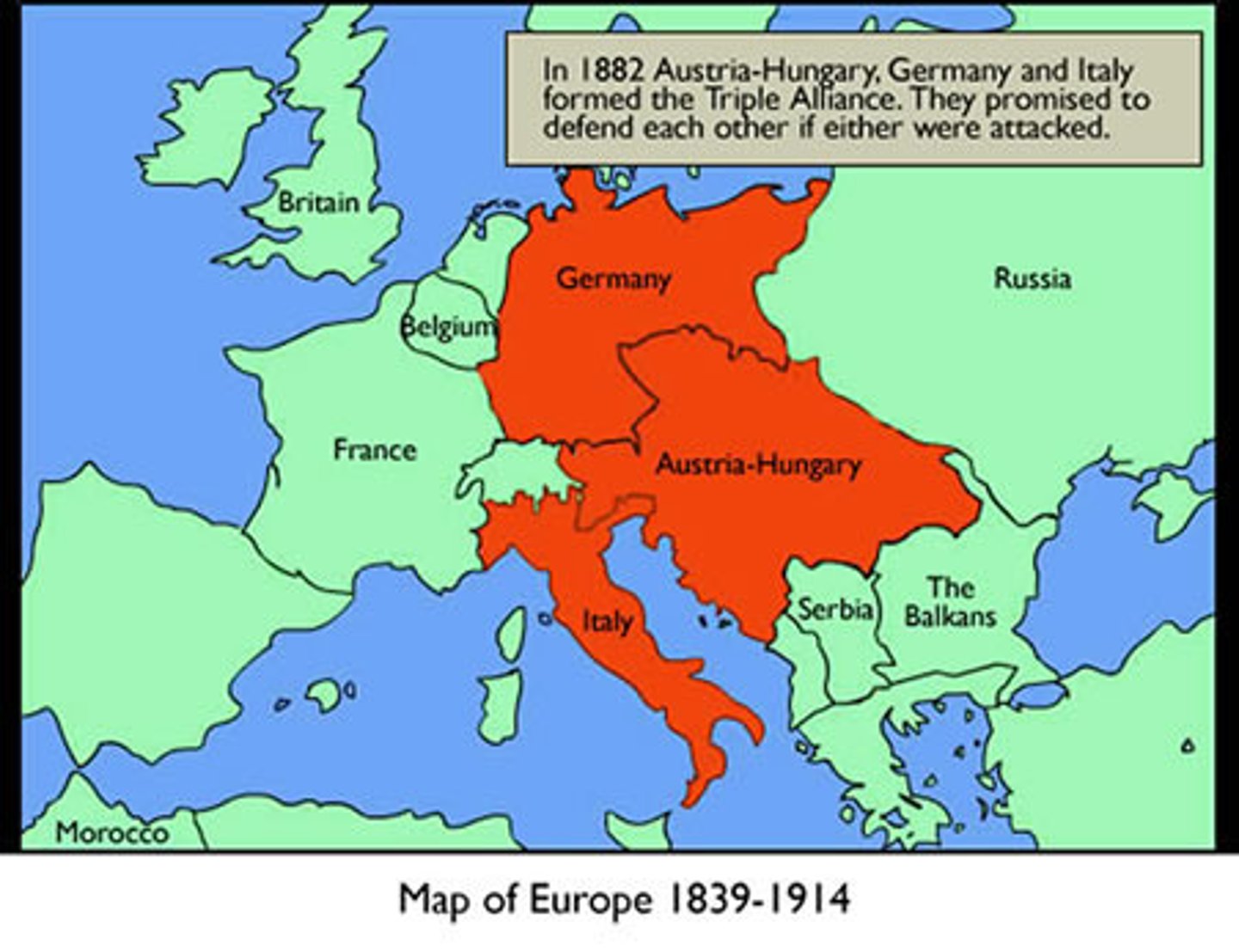
Triple Alliance
Germany, Austria-Hungary, Italy
Central Powers
Germany, Austria-Hungary, Ottoman Empire, Bulgaria
Black Hand
A nationalist organization devoted to ending Austro-Hungarian presence in the Balkans, organized the assassination of Archduke Franz Ferdinand
Militarism
aggressive military preparedness; celebrates war and the armed forces
Self-Determination
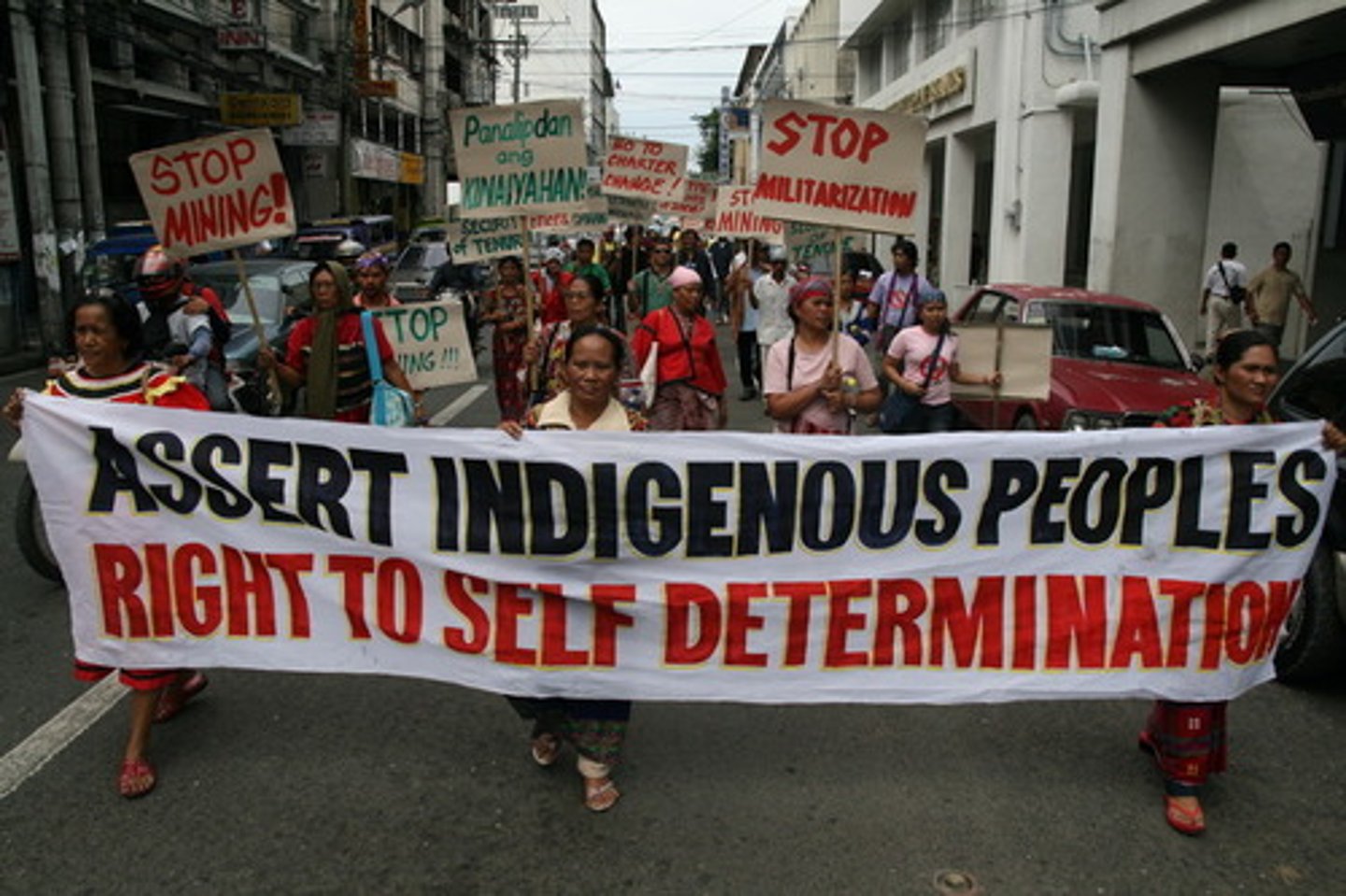
the idea that peoples of the same ethnicity, language, culture, and political ideals should be united and should have the right to form an independent nation-state
Stalemate
A deadlock in which neither side is able to defeat the other
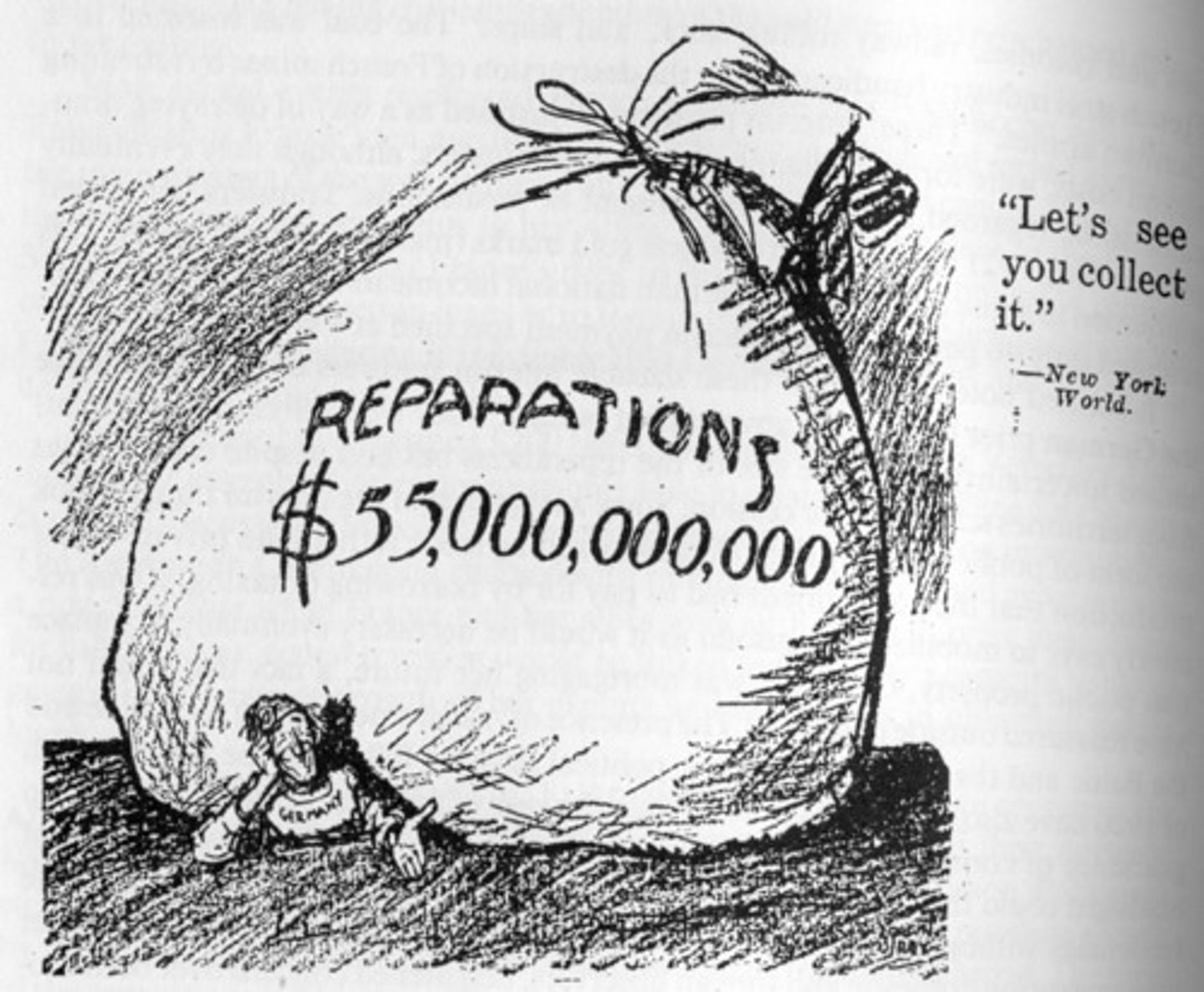
Reparations
As part of the Treaty of Versailles, Germany was ordered to pay the Allies to repay the costs of the war. Opposed by the U.S., it quickly lead to a severe depression in Germany.
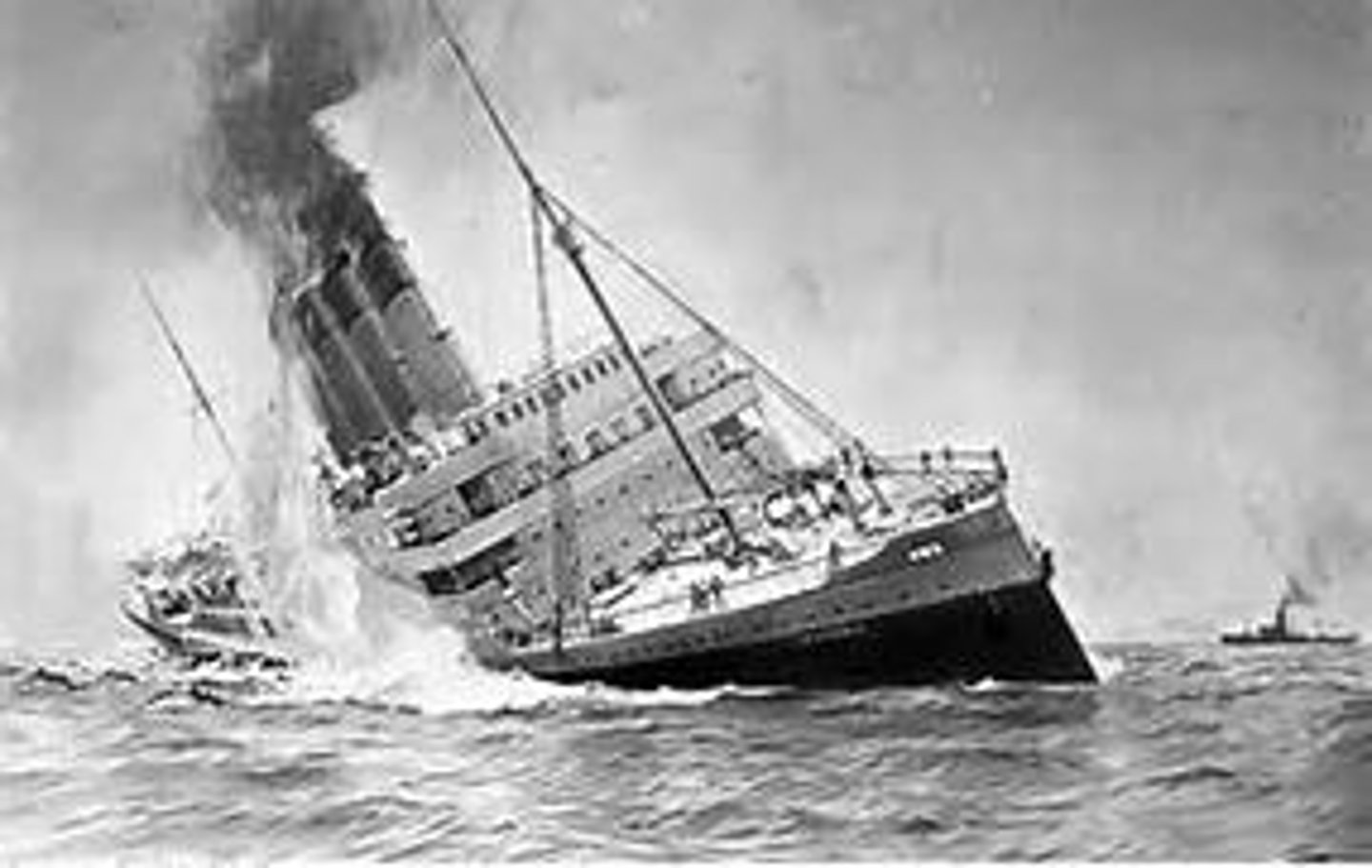
Lusitania
A British passenger ship that was sunk by a German U-Boat on May 7, 1915. 128 Americans died. The sinking greatly turned American opinion against the Germans, helping the move towards entering the war.
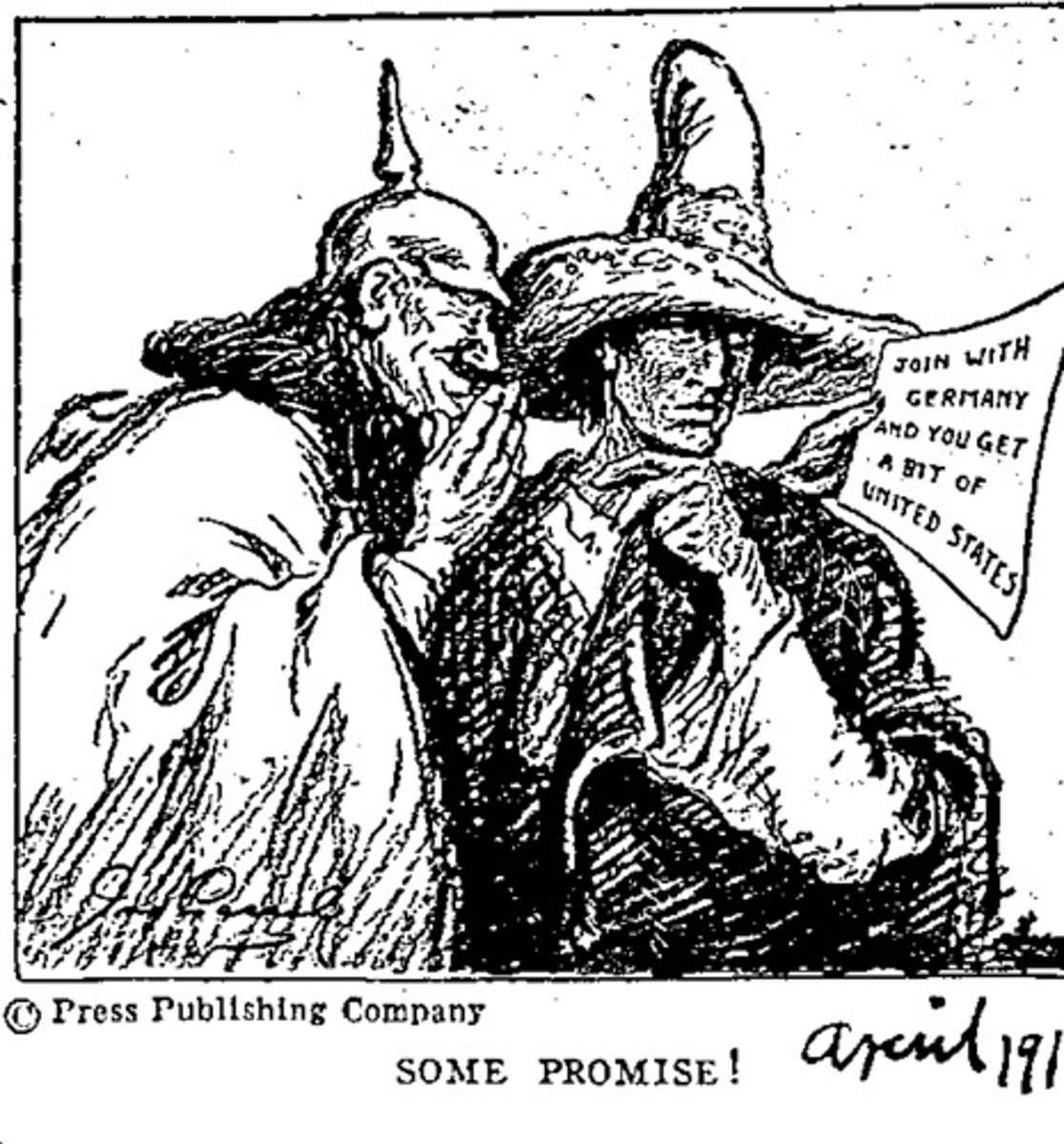
Zimmerman Telegram
March 1917. Secret message from Germany asking Mexico to declare war on the US. In return, Germany would give back Tex, NM, Arizona etc to Mexico.
Total War
a nation's domestic population, in addition to its military, was committed to winning the war
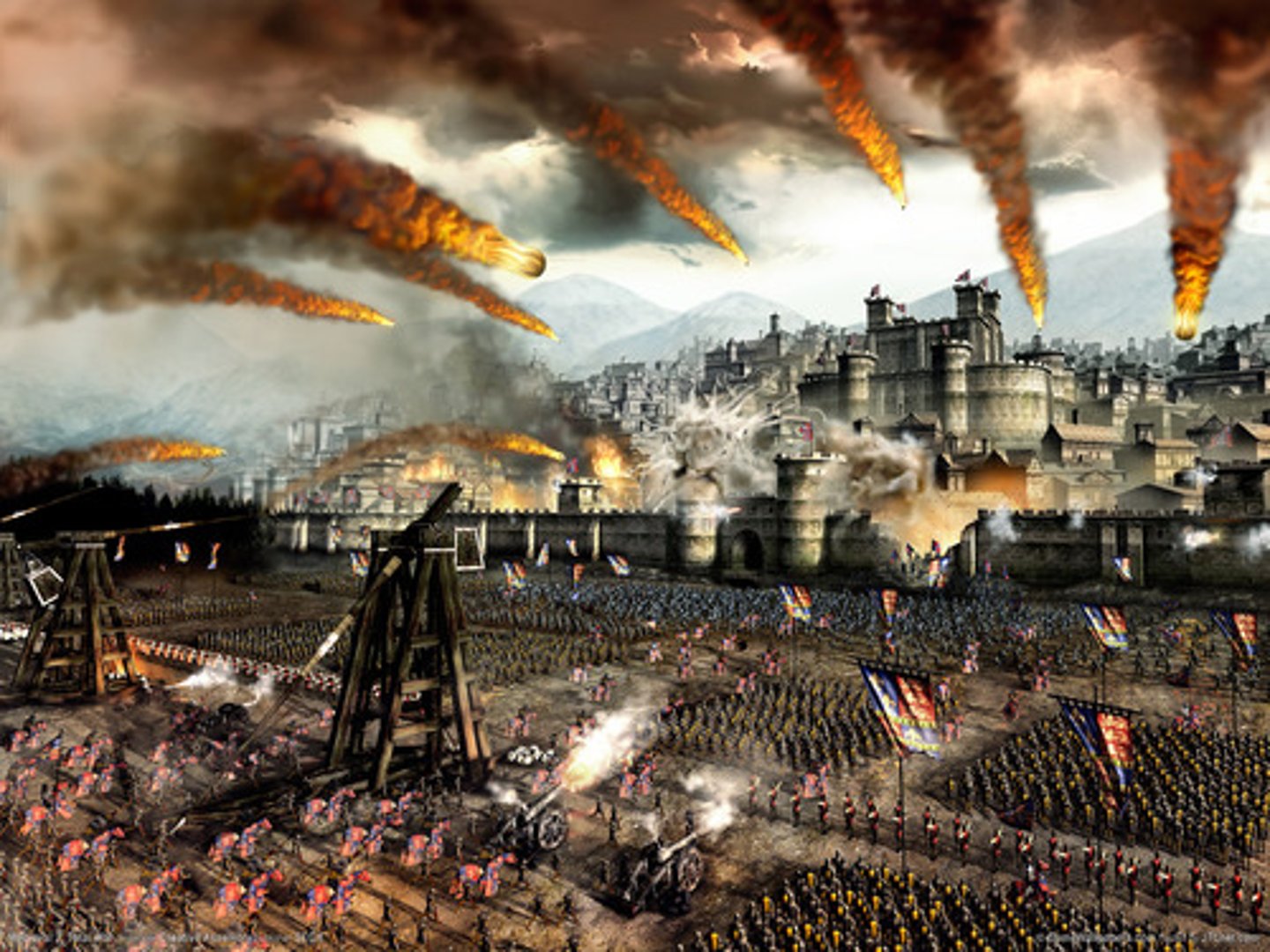
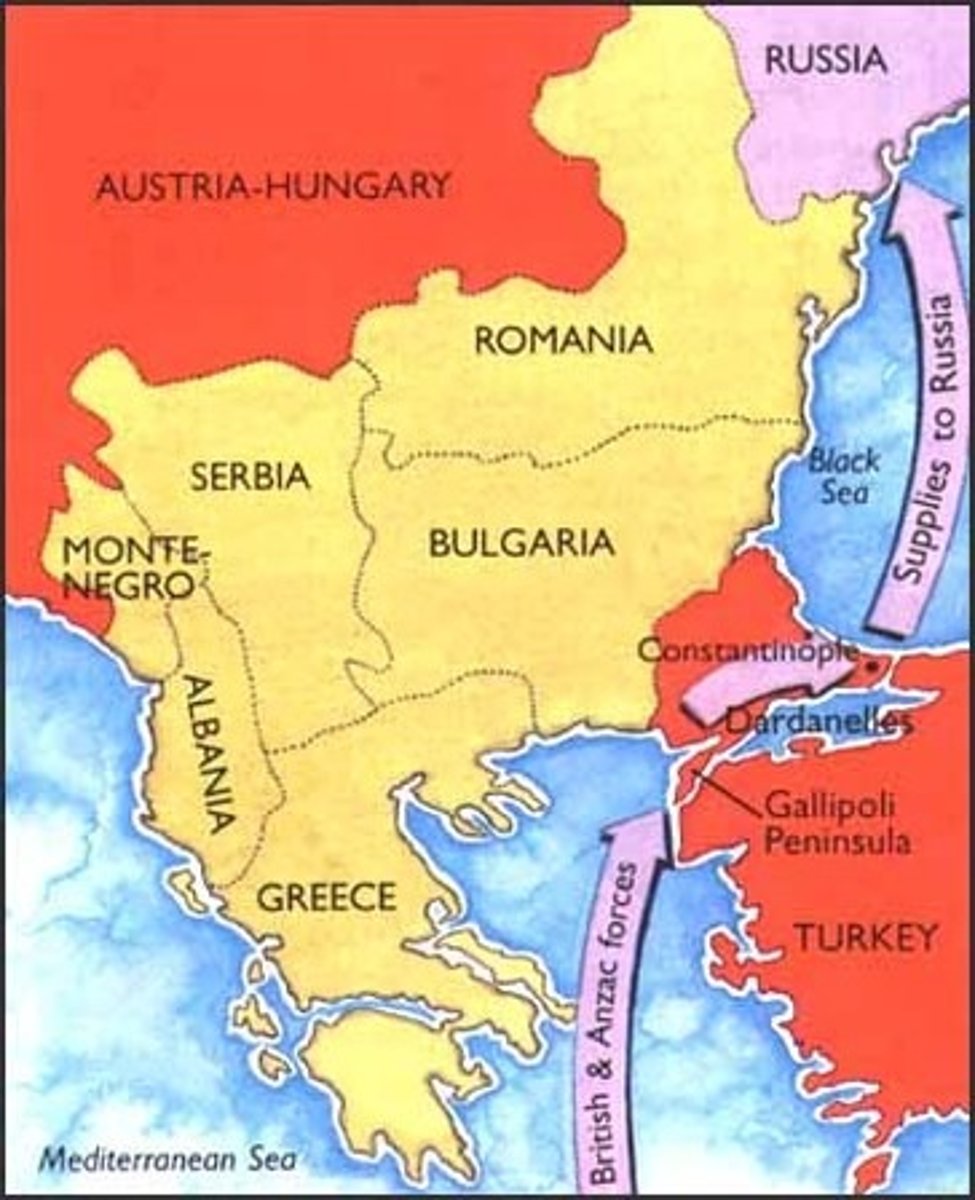
Gallipoli
A poorly planned and badly executed Allied campaign to capture the Turkish peninsula of Gallipoli during World War I. Caused resentment towards the British Empire within Australia and New Zealand.
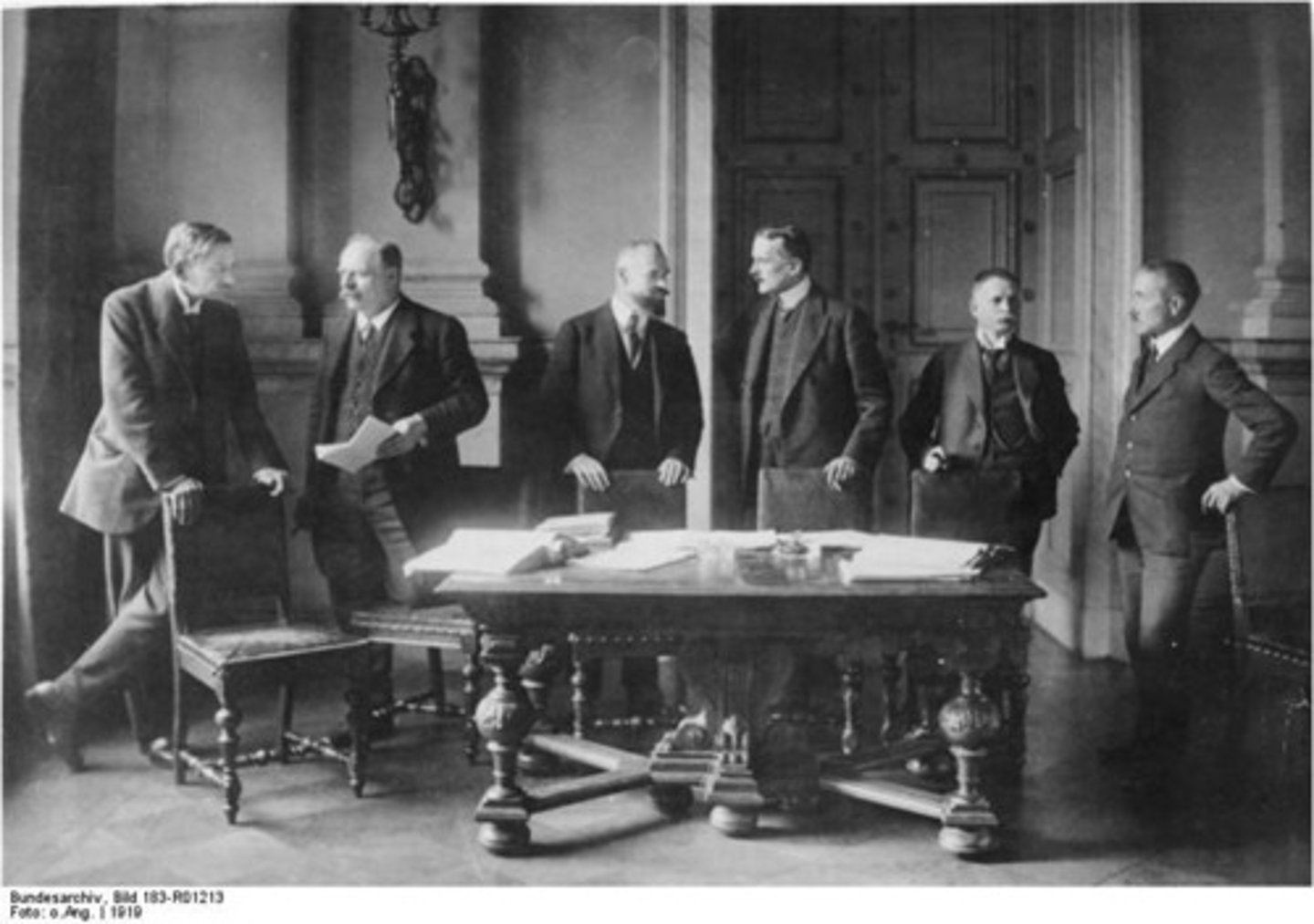
Paris Peace Conference
The great rulers and countries excluding Germany and Russia met in Versailles to negotiate the repercussions of the war. The Treaty of Versailles was made but not agreed to be signed and the conference proved unsuccessful.
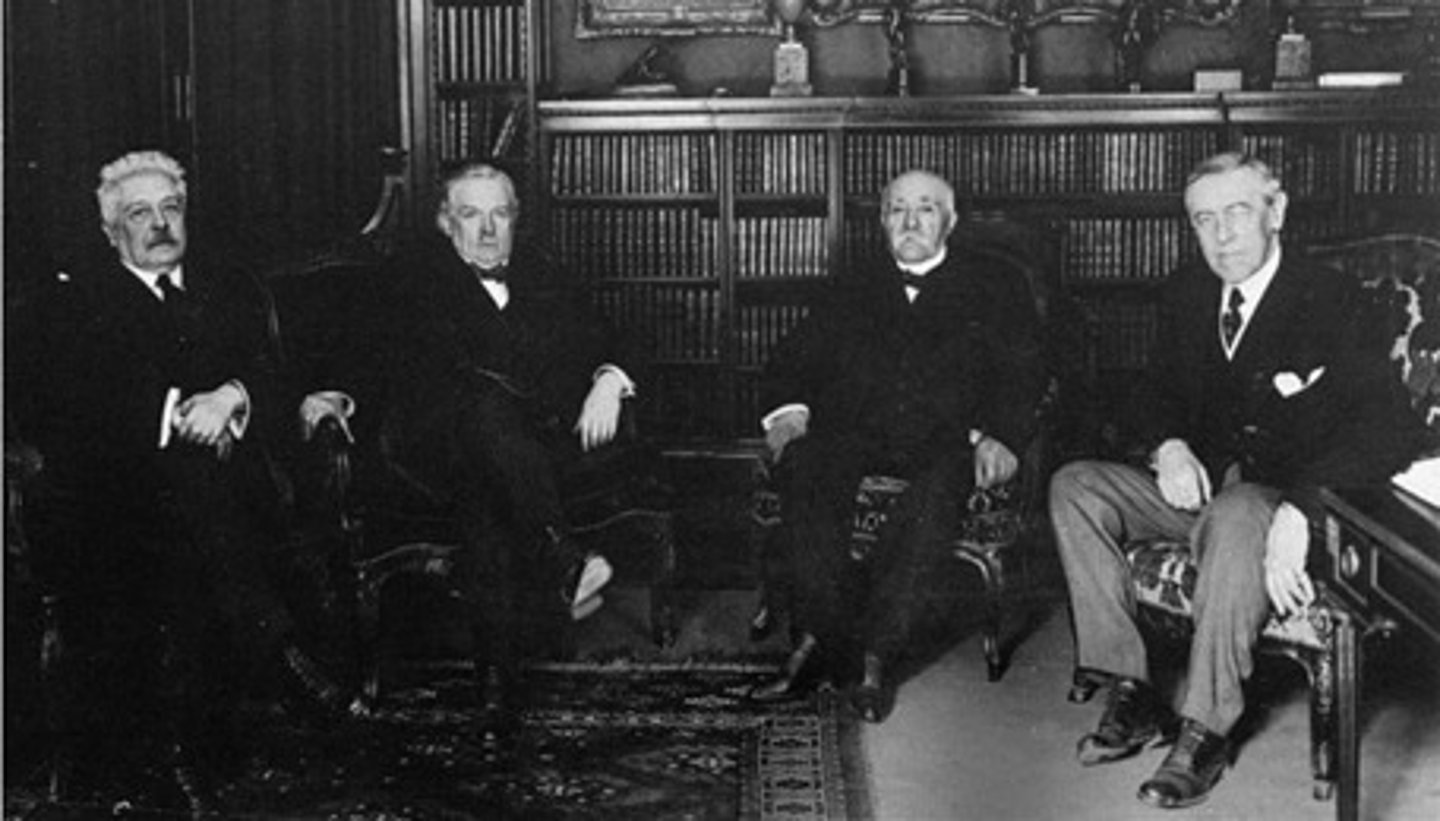
Big Four
Woodrow Wilson (US president), Georges Clemenceau (French premier), David Lloyd George (British prime minister), Vittorio Orlando (Italian prime minister) that negotiated the Treaty of Versailles
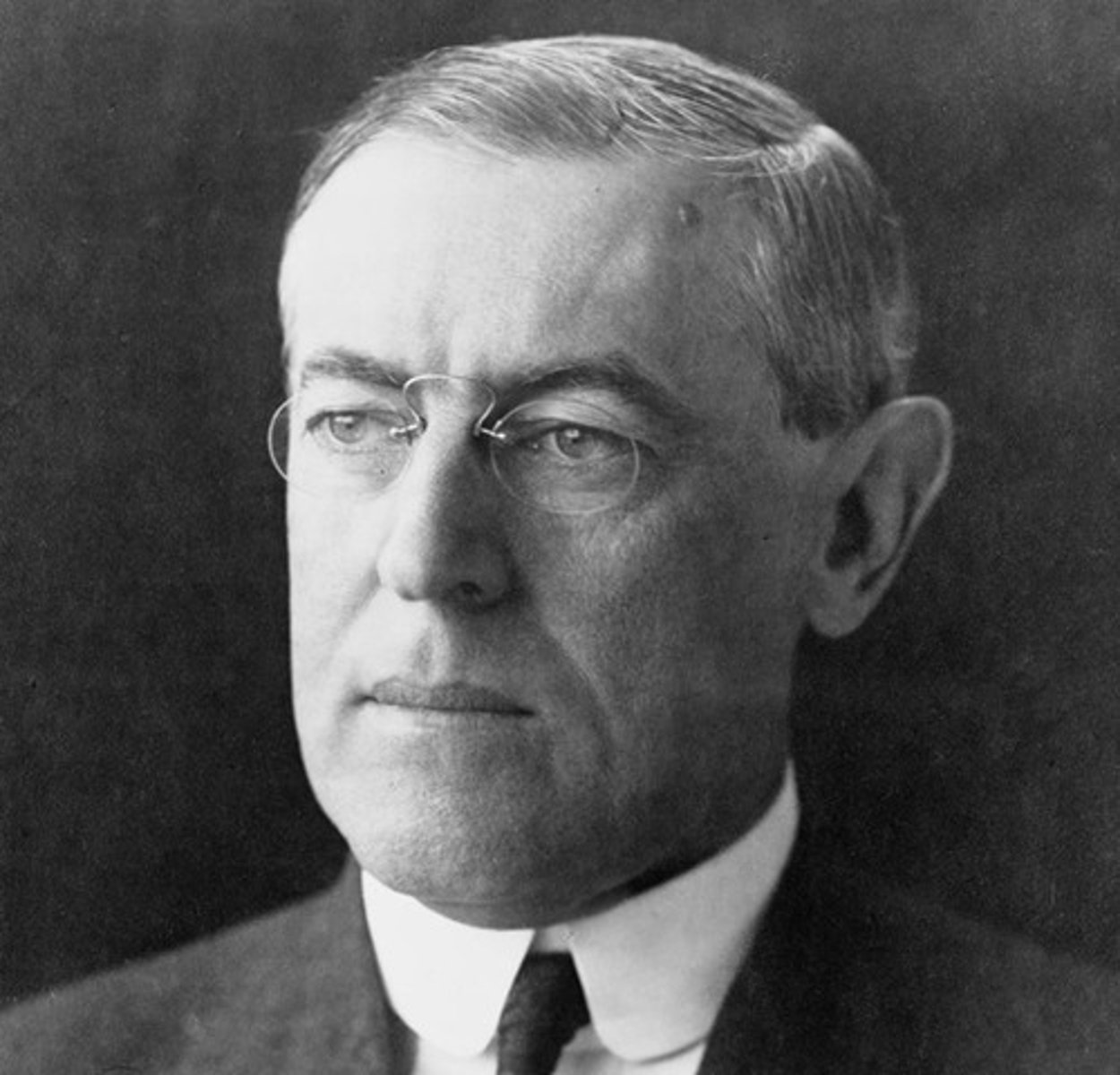
Woodrow Wilson
28th president of the United States, known for World War I leadership, Treaty of Versailles, sought 14 points post-war plan, League of Nations (but failed to win U.S. ratification), won Nobel Peace Prize
Fourteen Points
A series of proposals in which U.S. president Woodrow Wilson outlined a plan for achieving a lasting peace after World War I.
League of Nations
an international organization formed in 1920 to promote cooperation and peace among nations
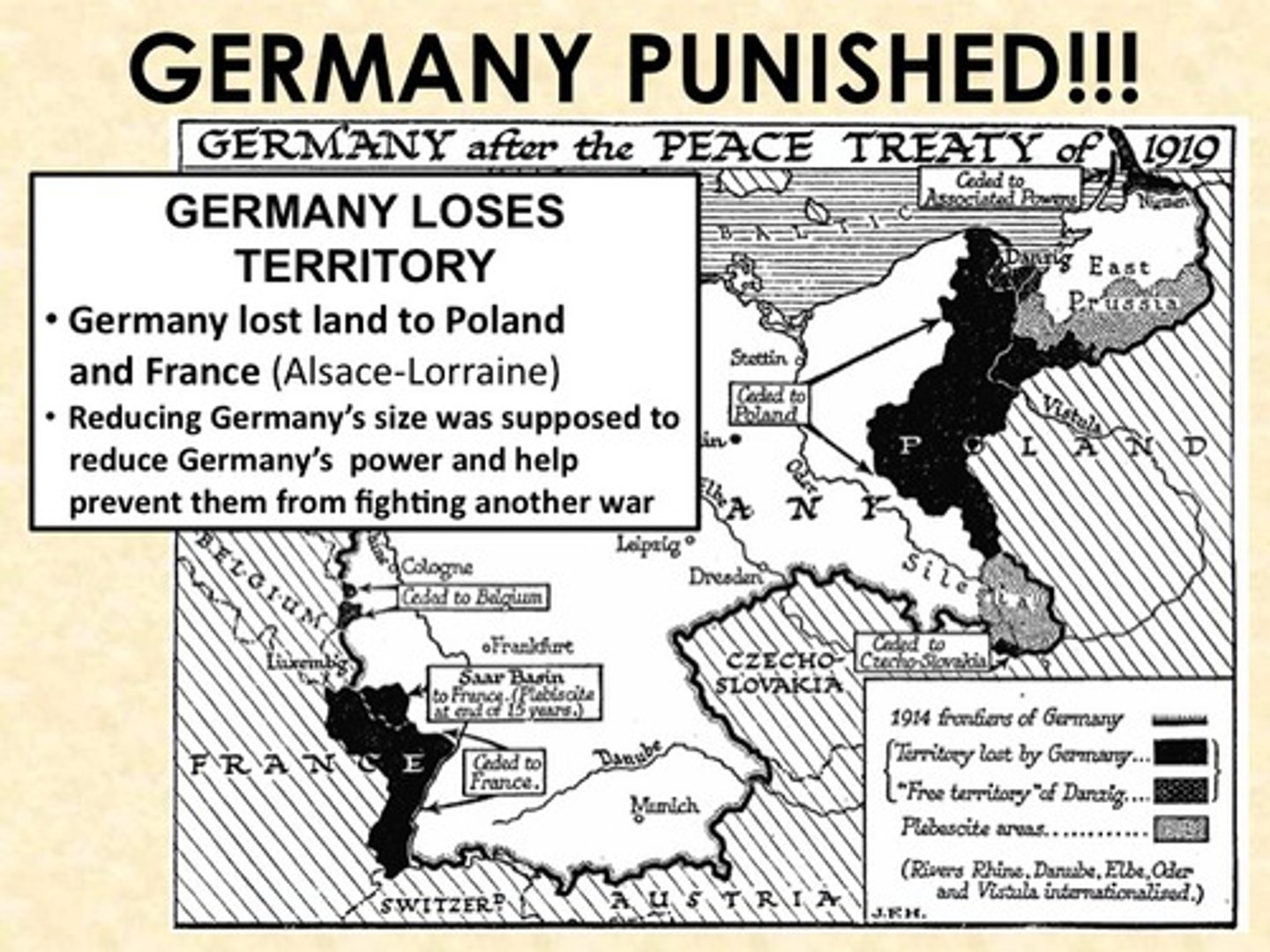
Treaty of Versailles
the treaty imposed on Germany by the Allied powers in 1920 after the end of World War I which demanded exorbitant reparations from the Germans
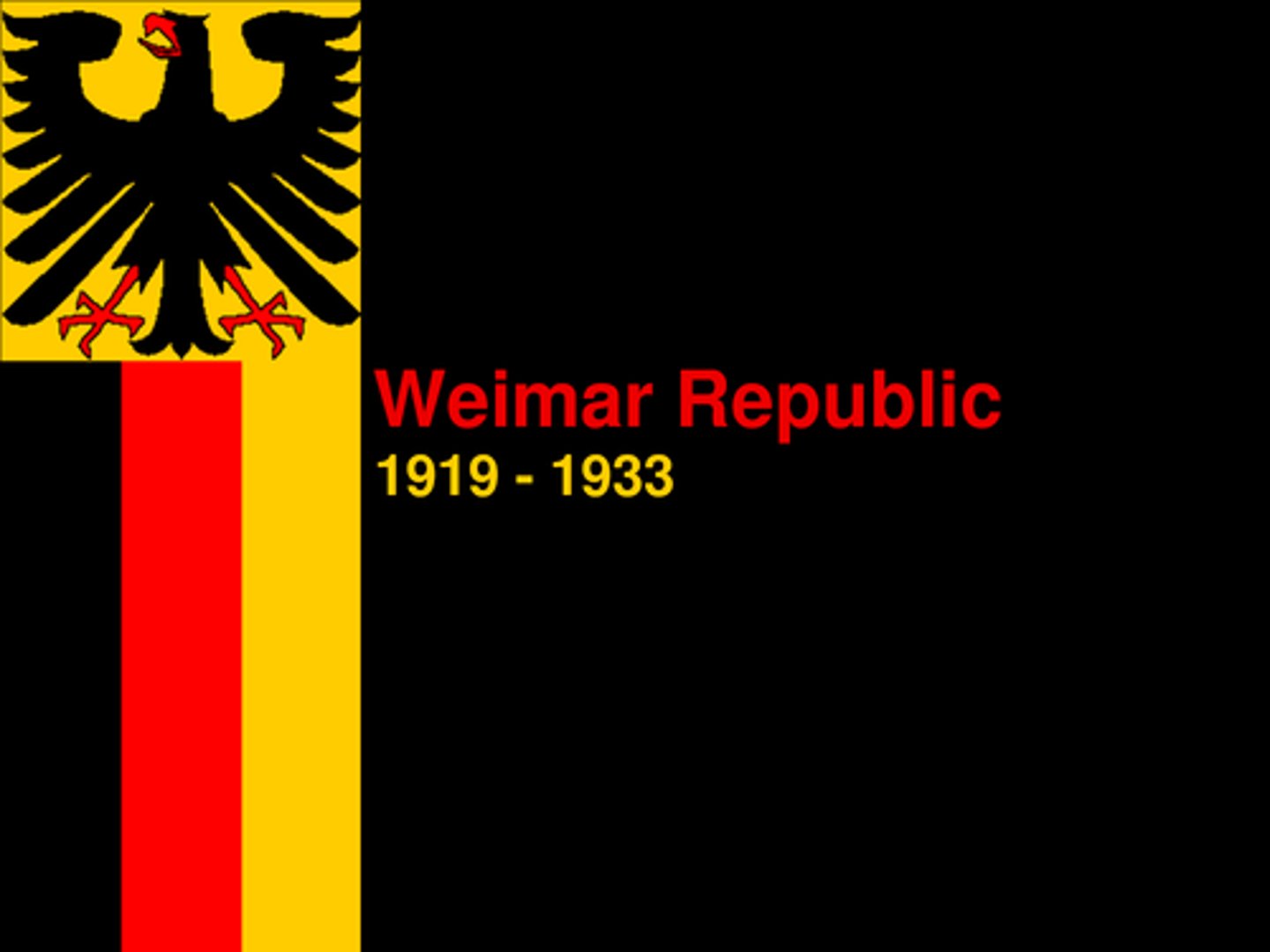
Weimar Republic
German republic founded after the WWI and the downfall of the German Empire's monarchy.
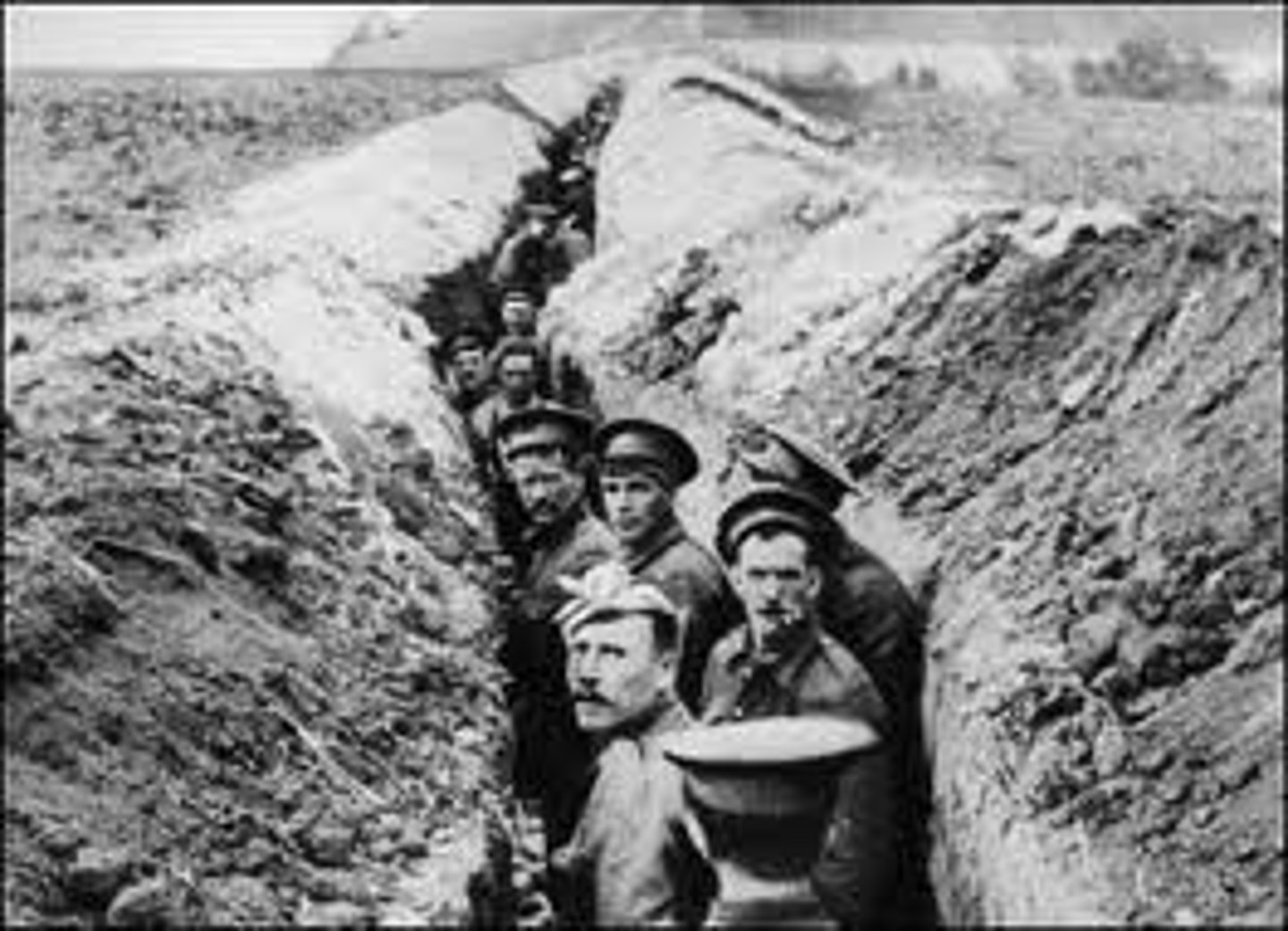
Trench Warfare
A form of warfare in which opposing armies fight each other from trenches dug in the battlefield.
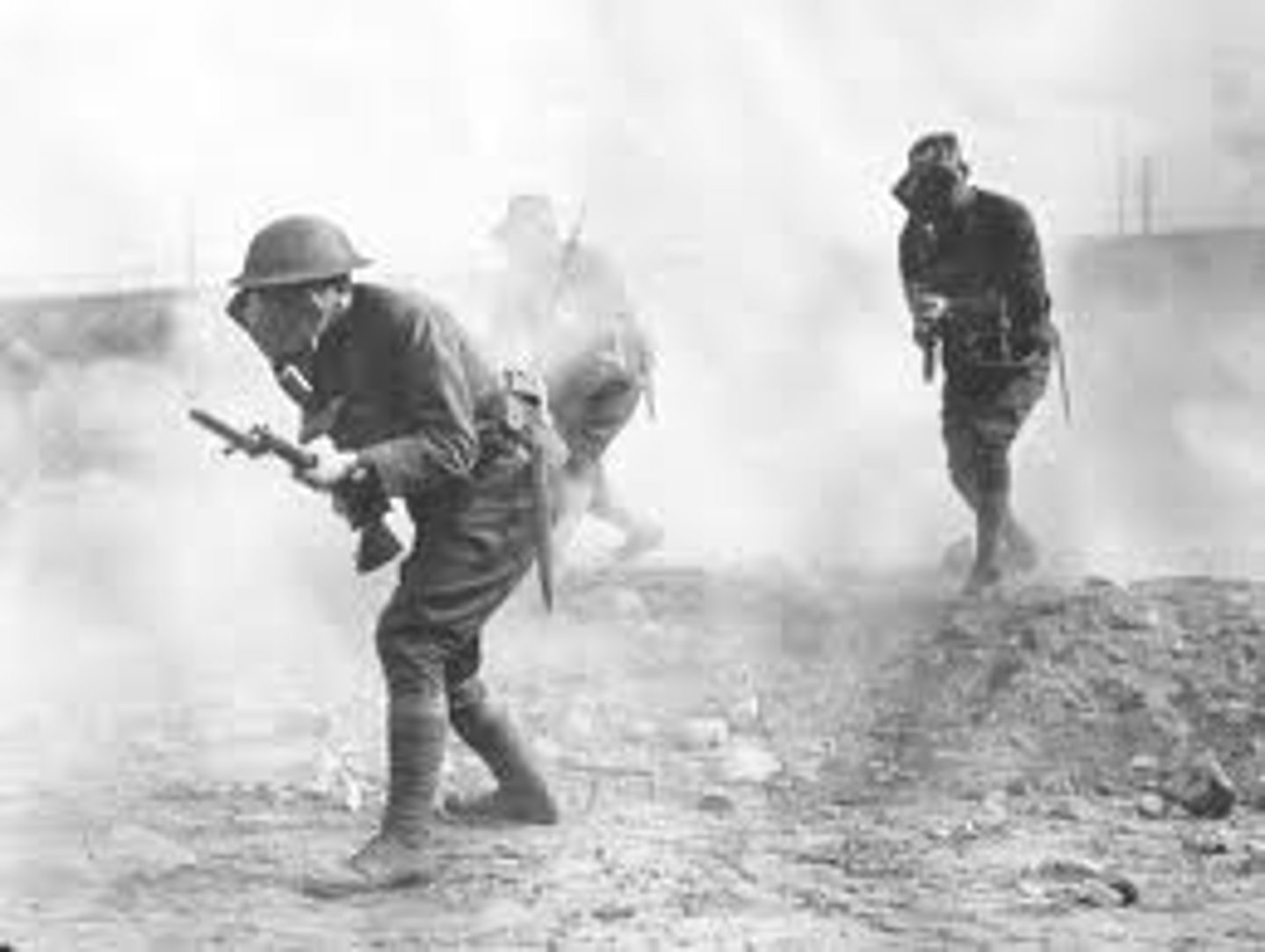
Poison Gas
Introduced by the Germans and was used by both sides during the war; caused vomiting, blindness, and suffocation
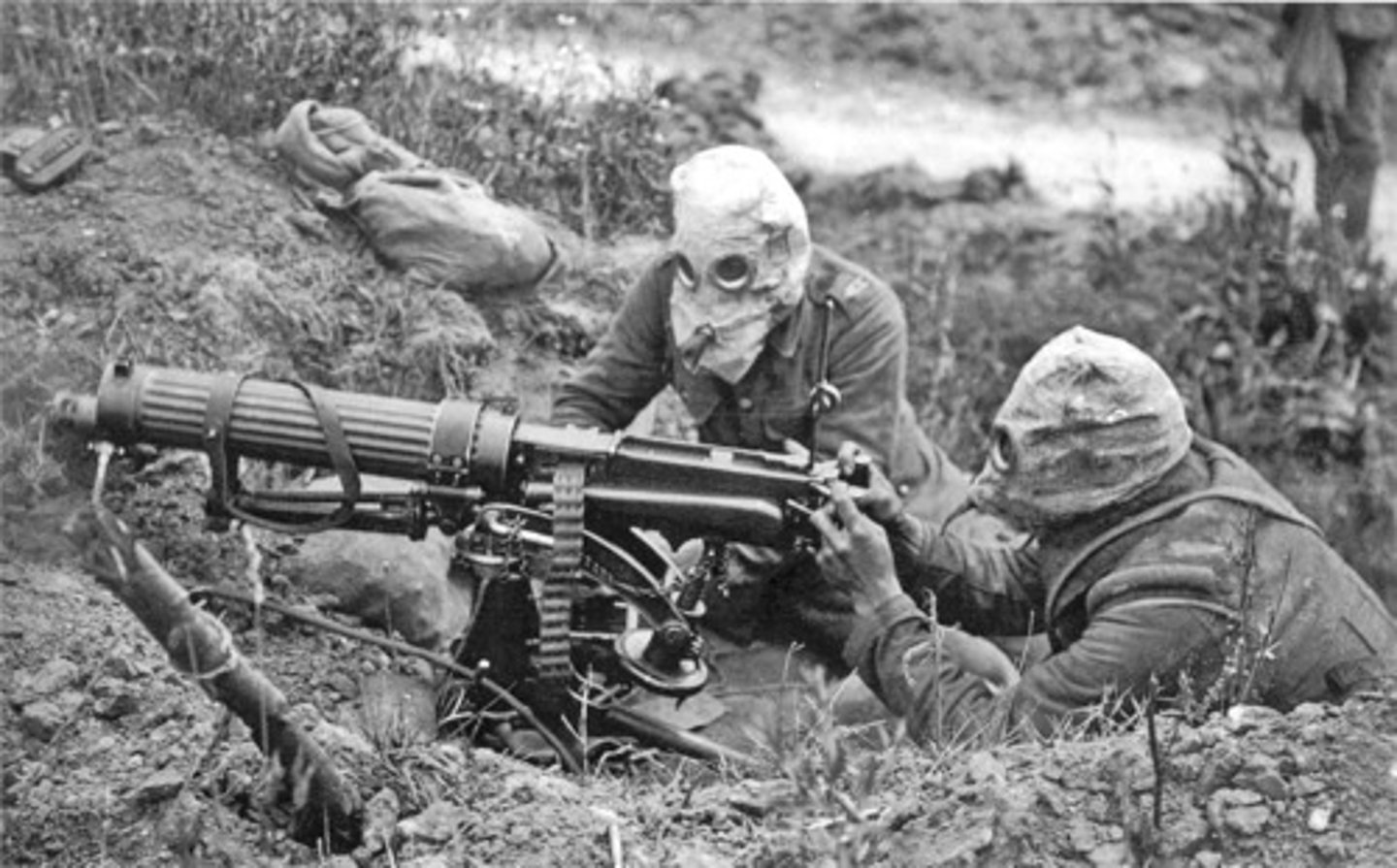
Machine Guns
These new mechanized weapons used during WWI increased loss of life from previous wars.
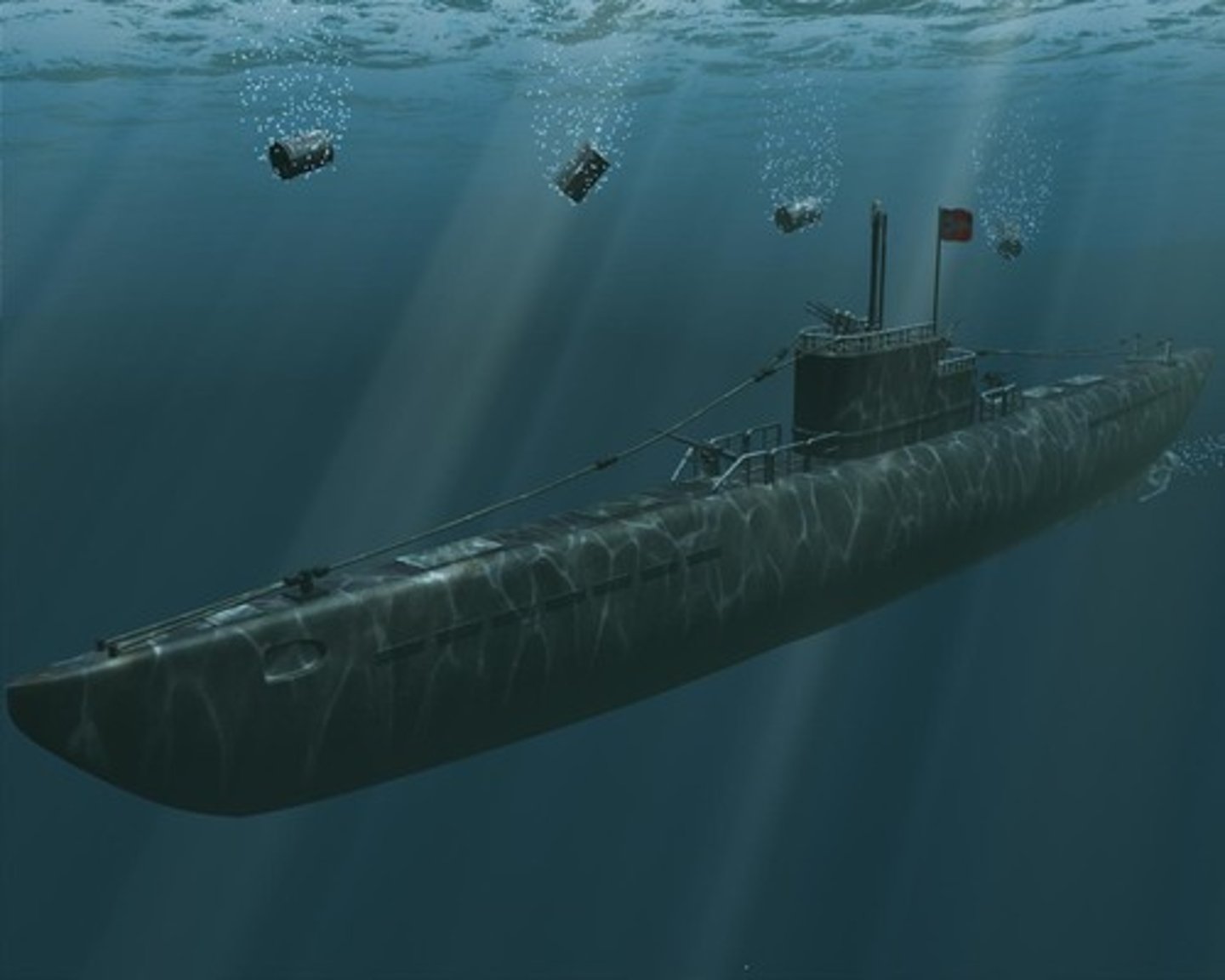
U-boat
German submarine
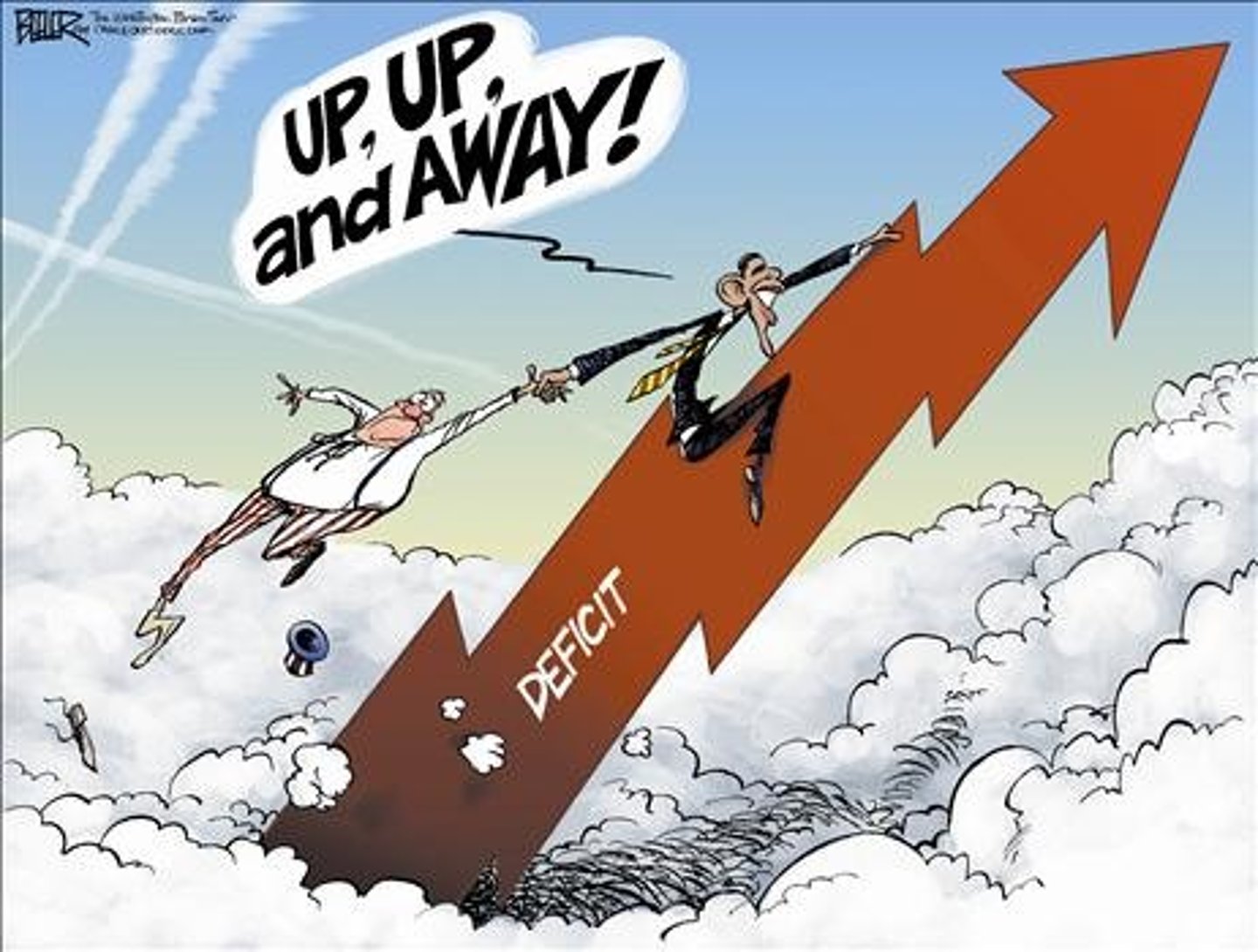
Deficit Spending
Government practice of spending more than it takes in
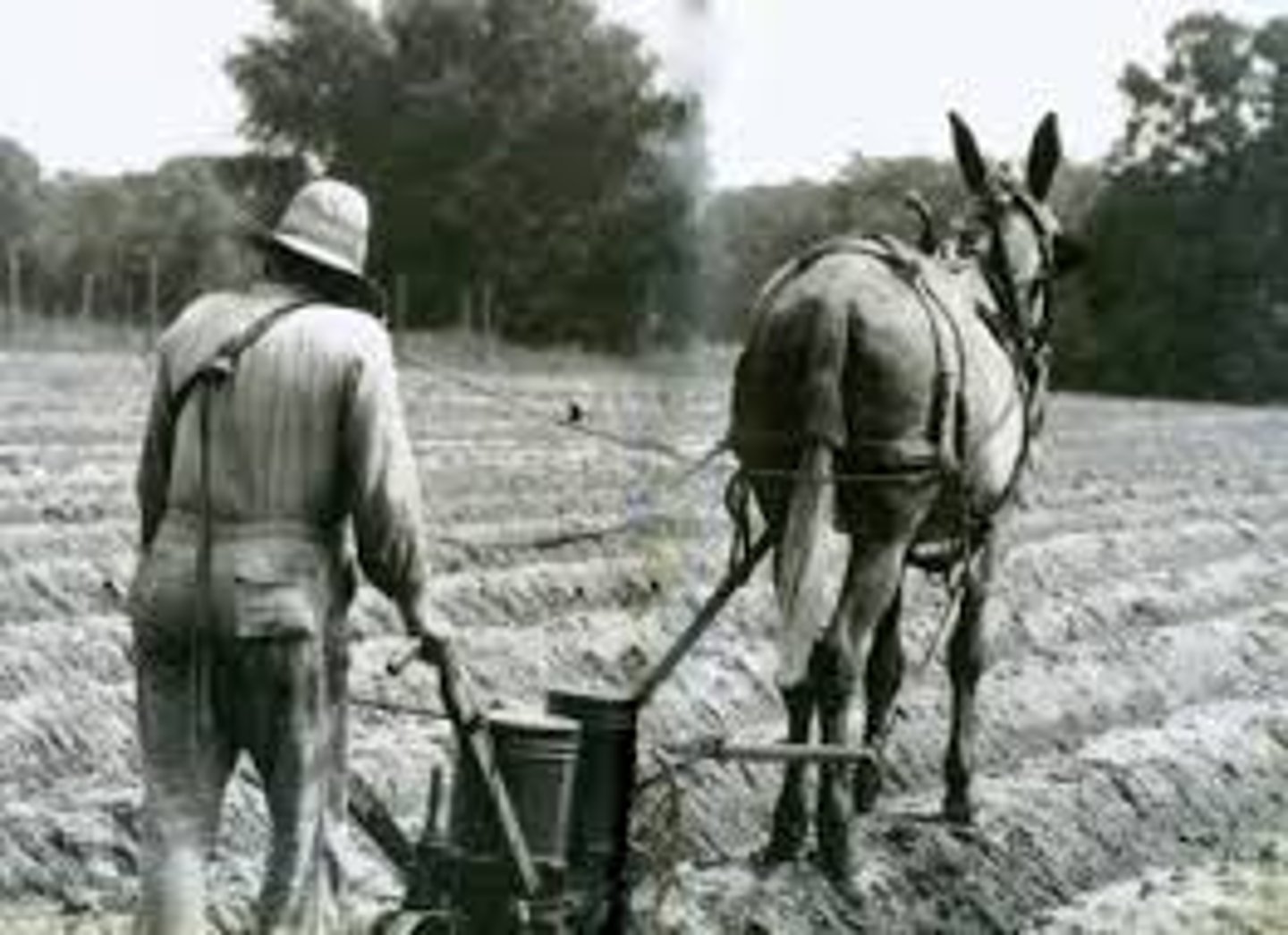
Collectivize
bring under central government control
Kolkhoz
a group of peasants who freely joined together to farm a certain portion of land
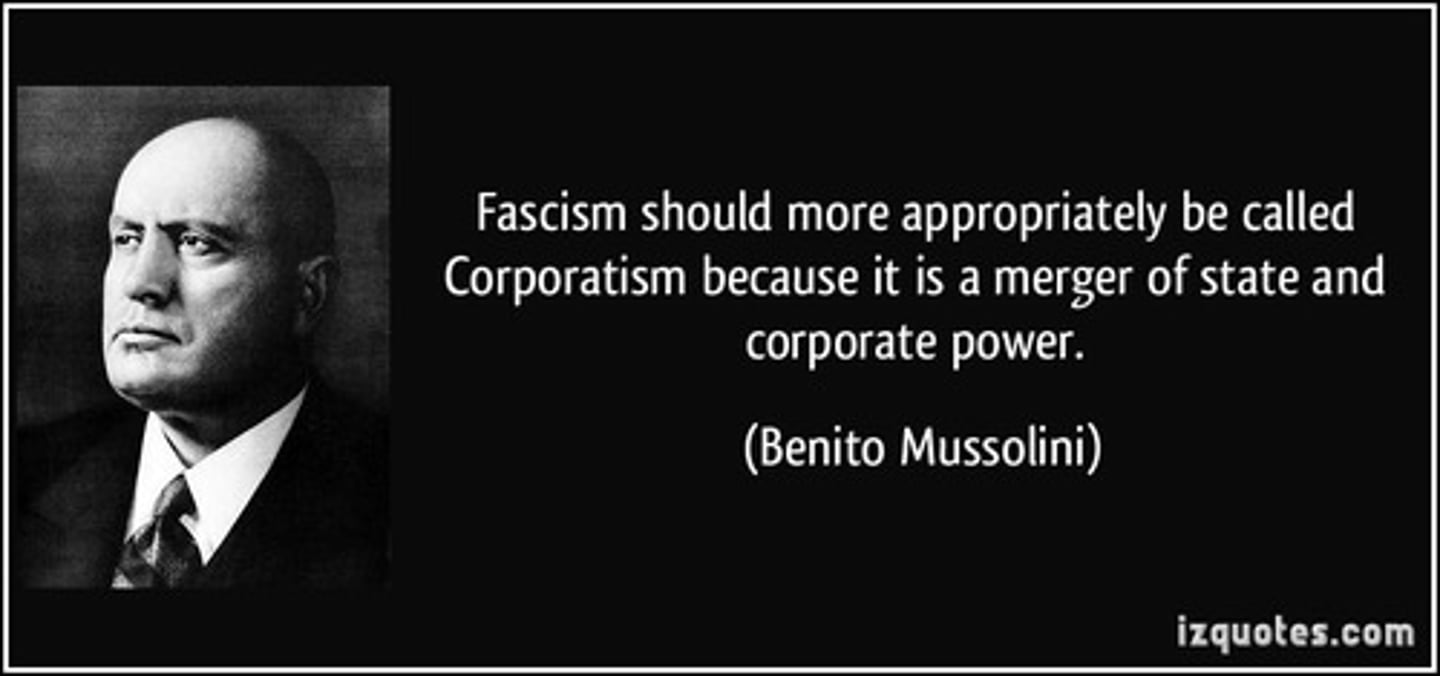
Corporatism
a theory based on the notion that the sectors of the economy (employers, trade unions, and state officials) are seen as separate organs of the same body, led to control of the state by powerful interest groups
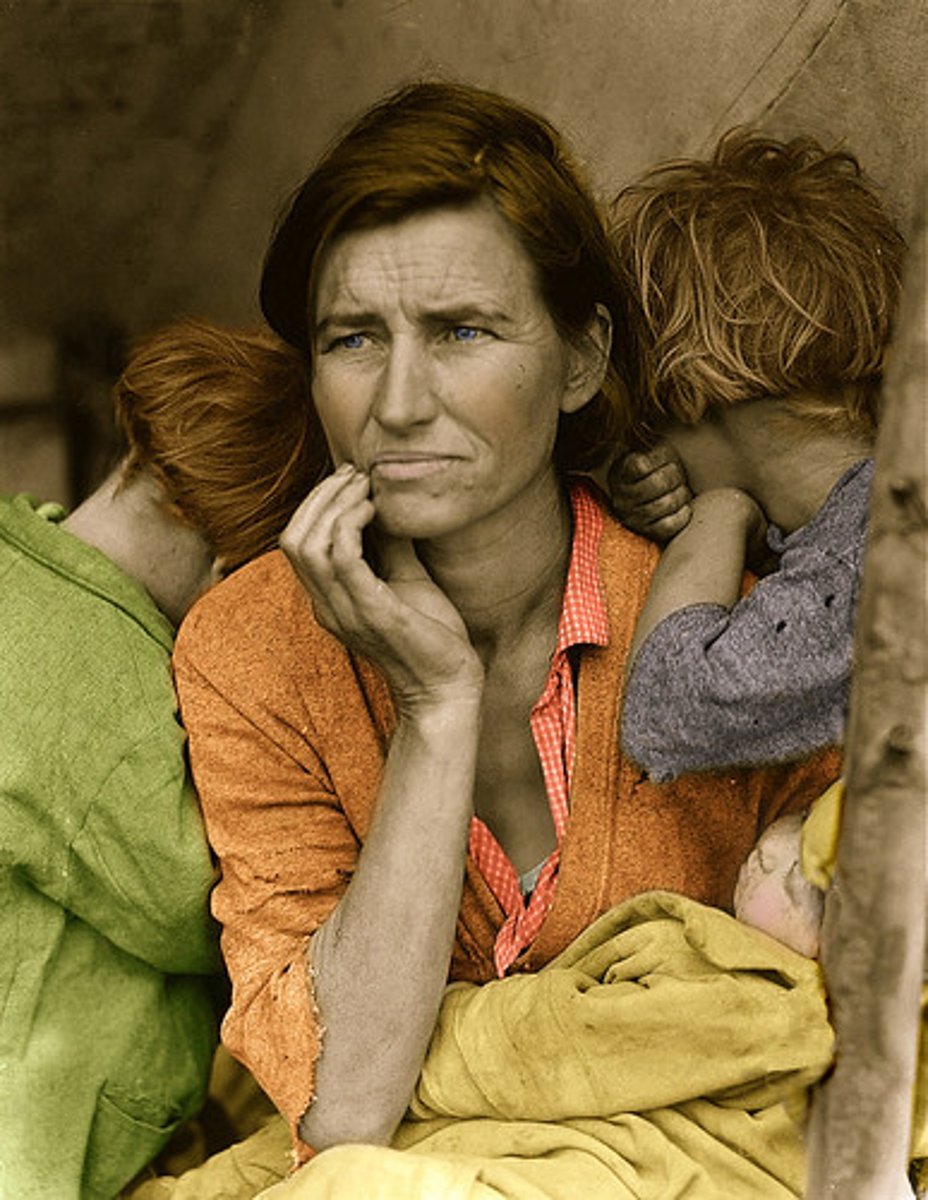
Great Depression
period of worldwide economic stagnation. Sharp declines in income and production as buying and selling slowed down. Widespread unemployment
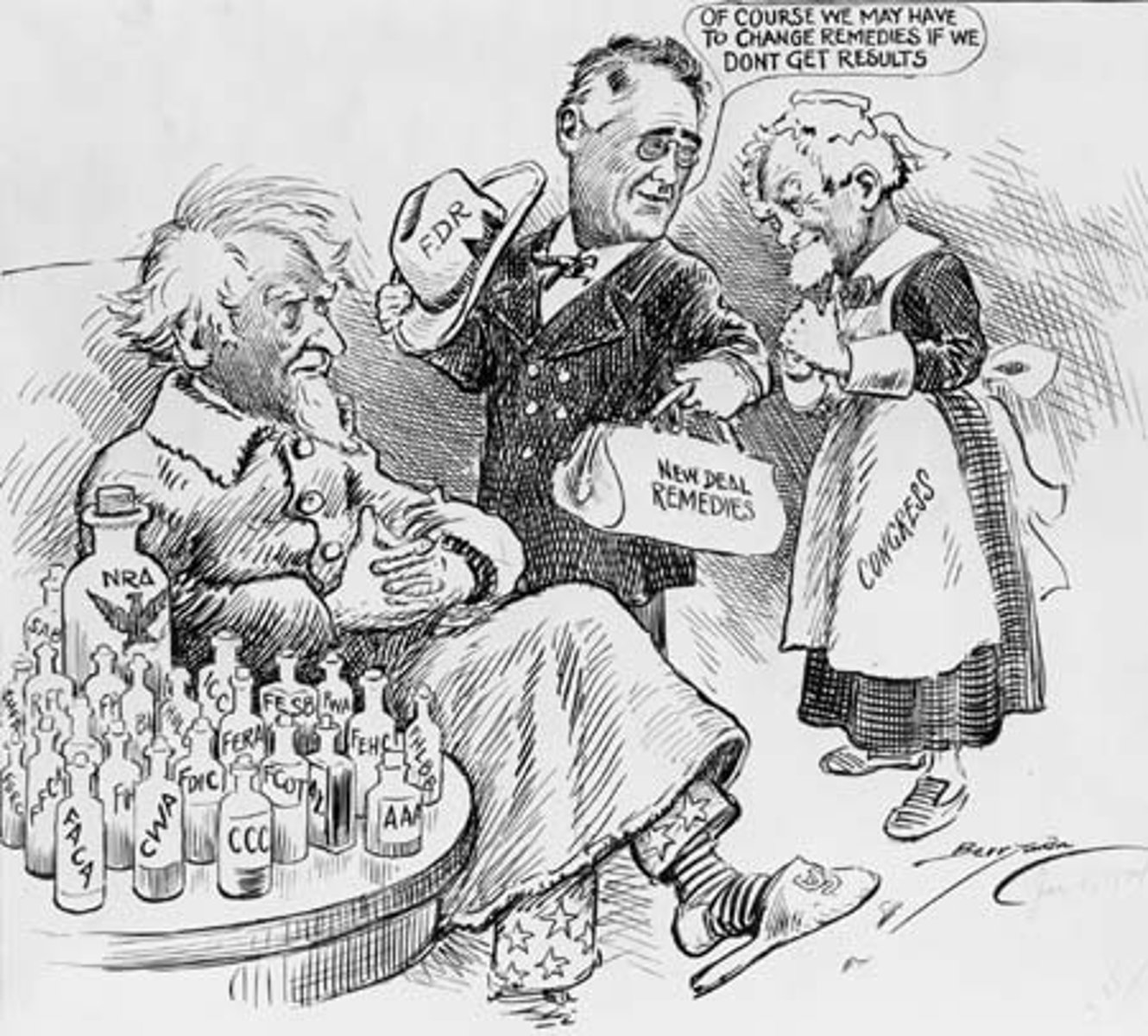
New Deal
A series of reforms enacted by the Franklin Roosevelt administration between 1933 and 1942 with the goal of ending the Great Depression.
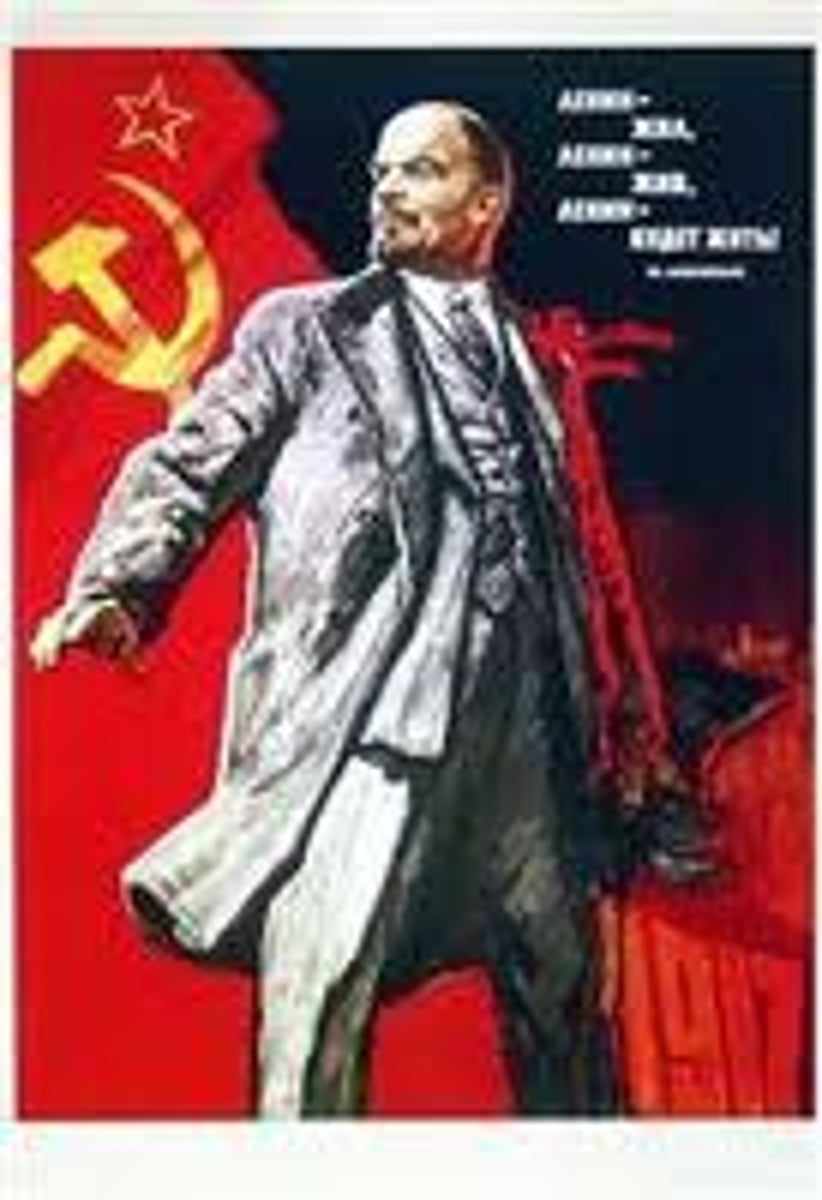
New Economic Plan
A plan instituted by Lenin. Allowed rural peasants and small business operators to manage their own land and businesses and to sell their products on the open market.
Five-Year Plan
Stalin's economic policy to rebuild the Soviet economy after WWI. Tried to improve heavy industry and improve farm output, but resulted in famine.
John Maynard Keynes
English economist who advocated the use of government monetary and fiscal policy to maintain full employment without inflation (1883-1946)
Spanish Civil War
In 1936 a rebellion erupted in Spain after a coalition of Republicans, Socialists, and Communists was elected. General Francisco Franco led the rebellion. The Soviet Union provided arms and advisers to the government forces while Germany and Italy sent tanks, airplanes, and soldiers to help Franco.
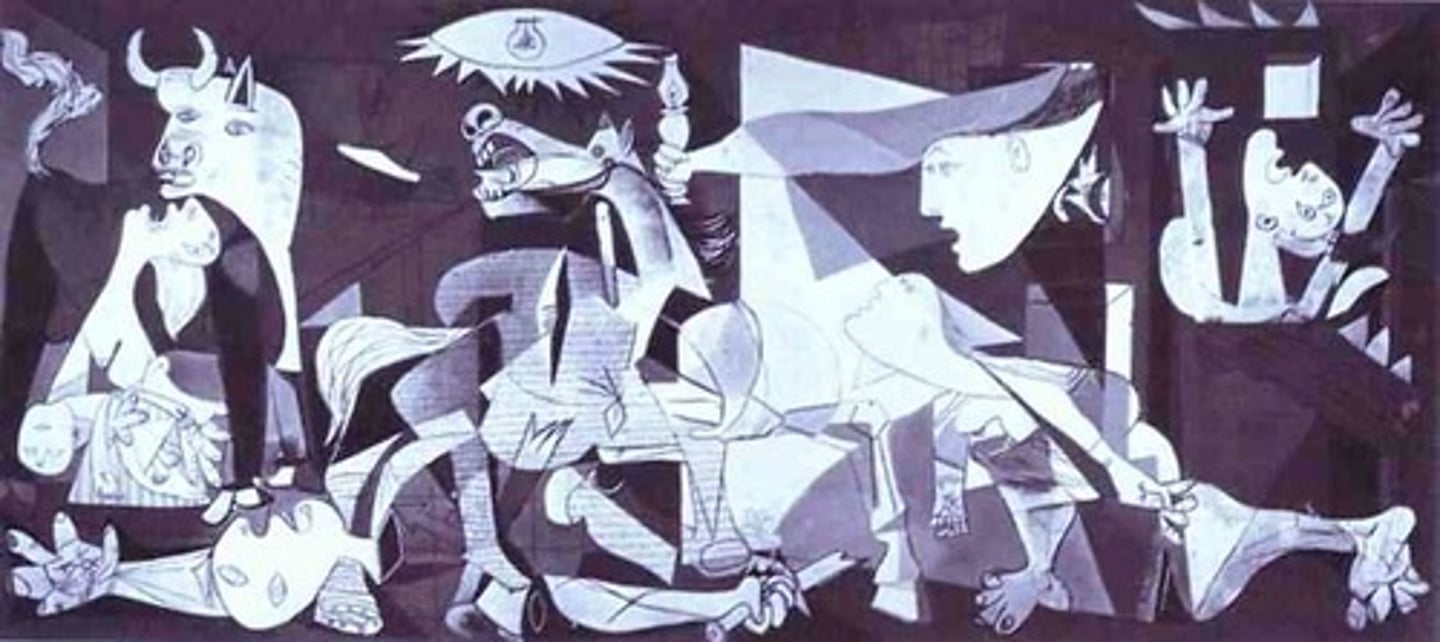
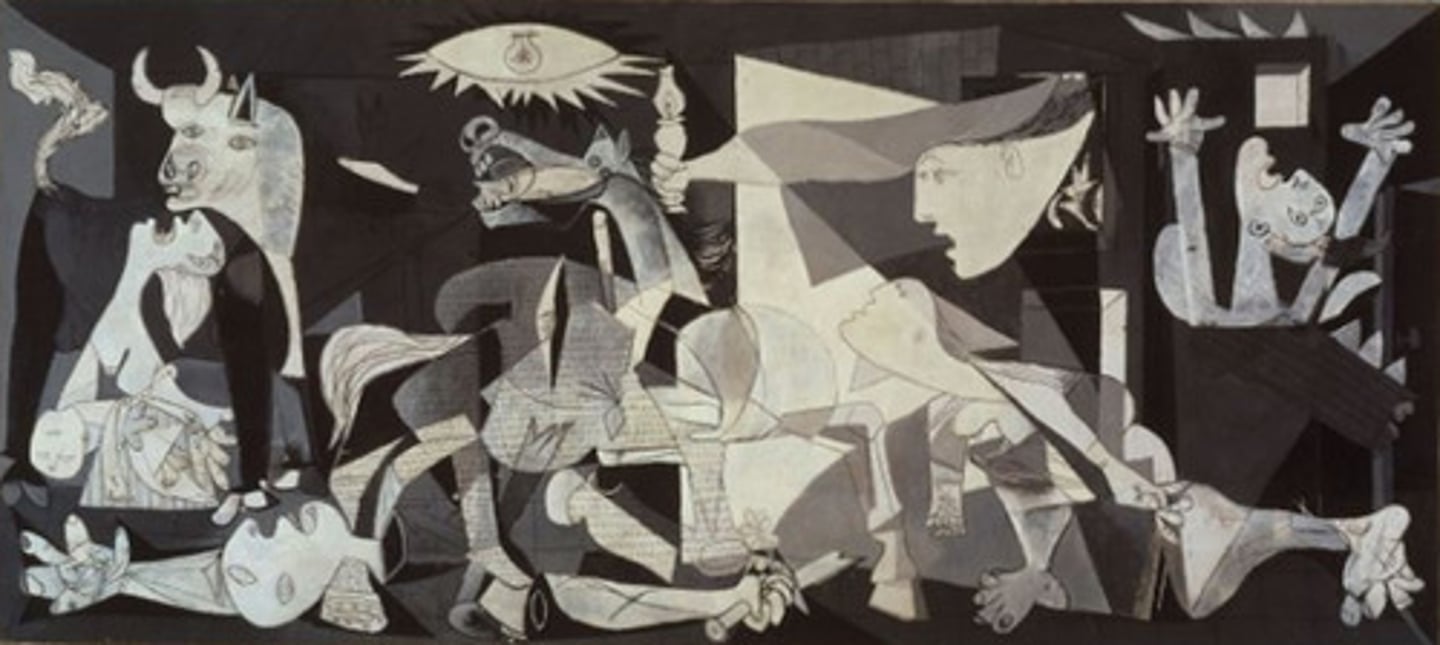
Guernica
a Spanish town that was brutally bombed and was full of innocent civilians it was supposed to encourage fear, Picasso painted a famous painting capturing this event
Politburo
The Communist Party's central organization
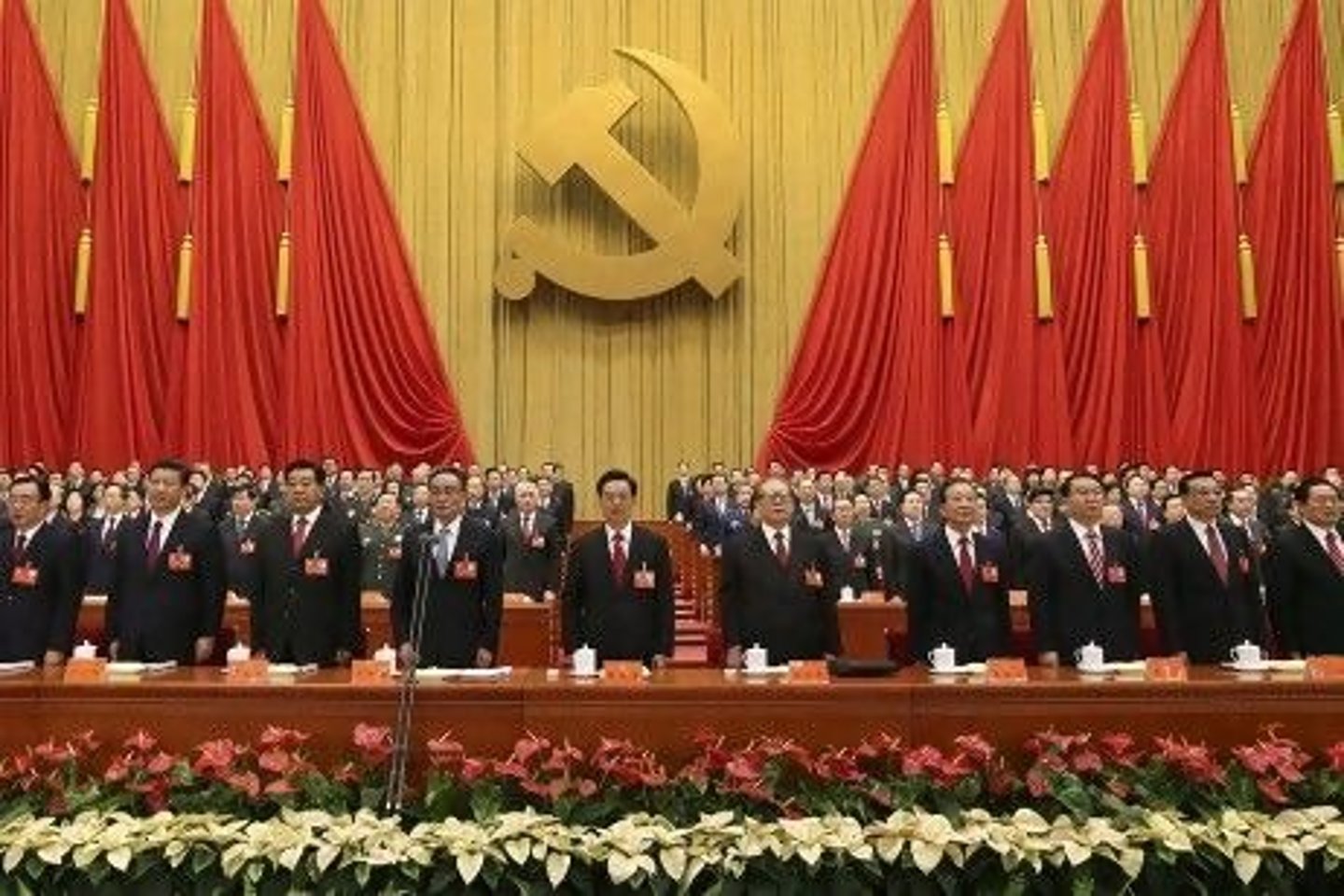
Fascism
A political system headed by a dictator that appealed to extreme nationalism, glorified the military and armed struggle, and blamed problems on ethnic minorities.
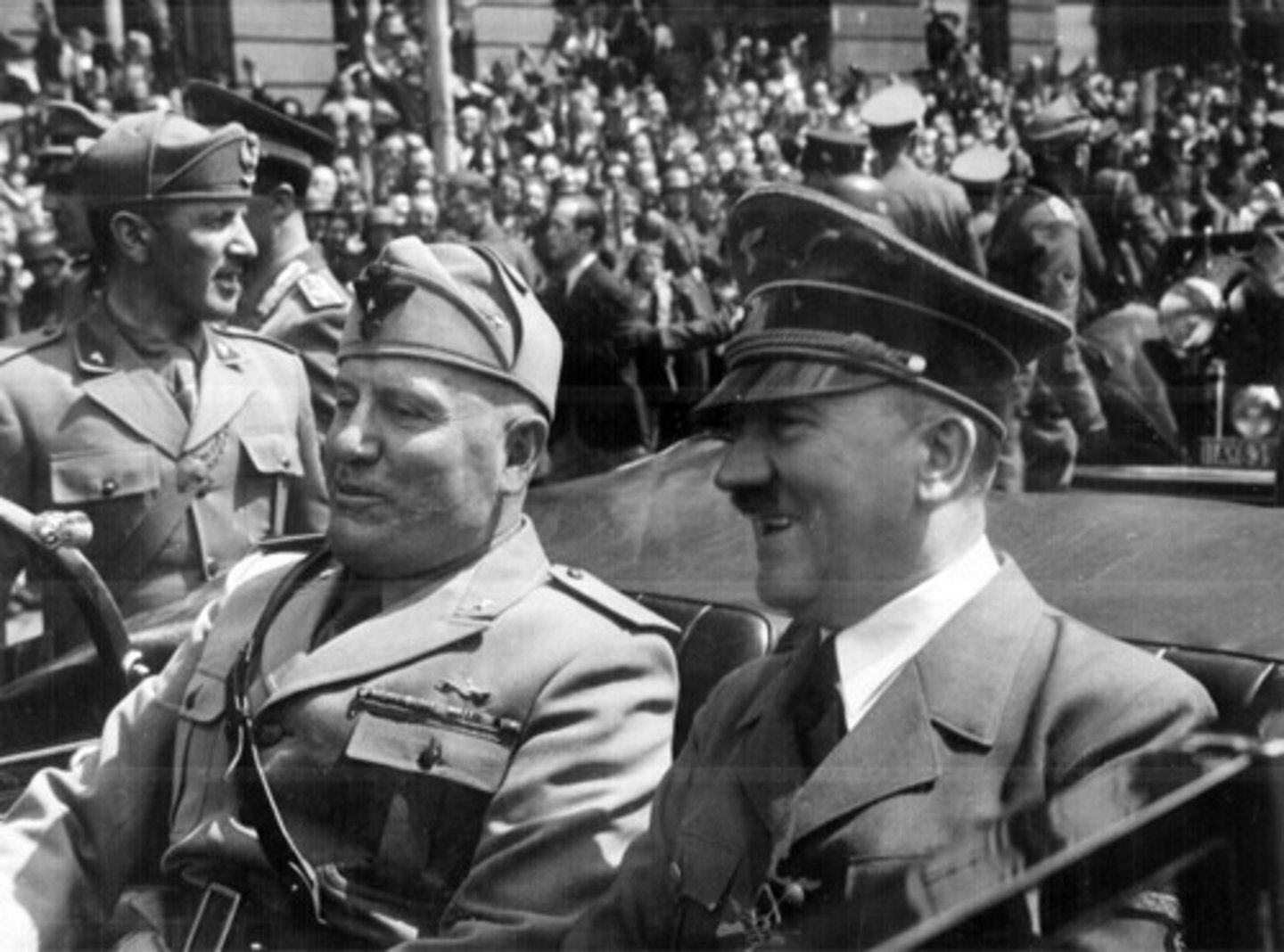
Popular Front
a coalition of left-wing parties; was elected by Spanish citizens in 1936 to lead the government
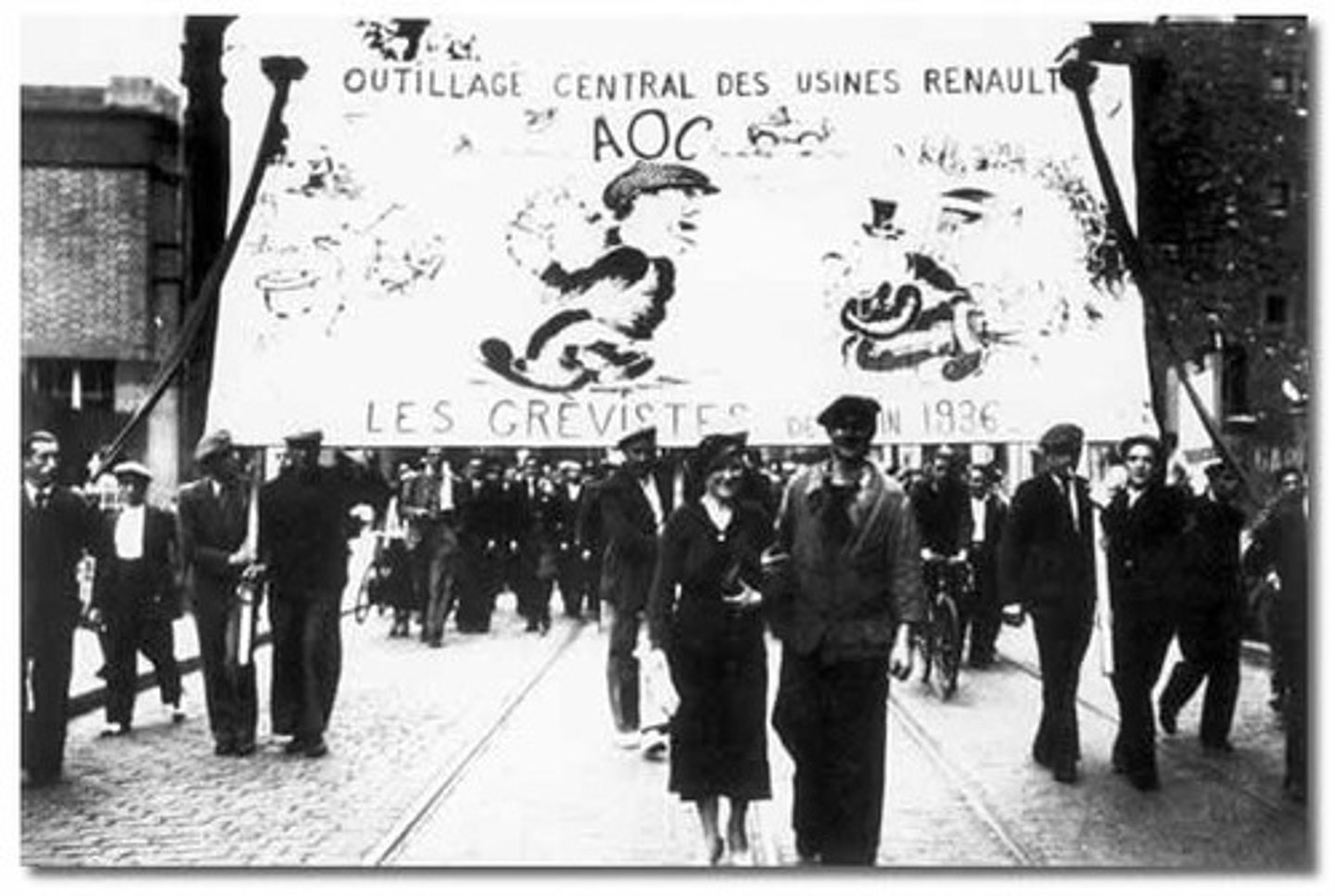
Luftwaffe
Germany's Air Force
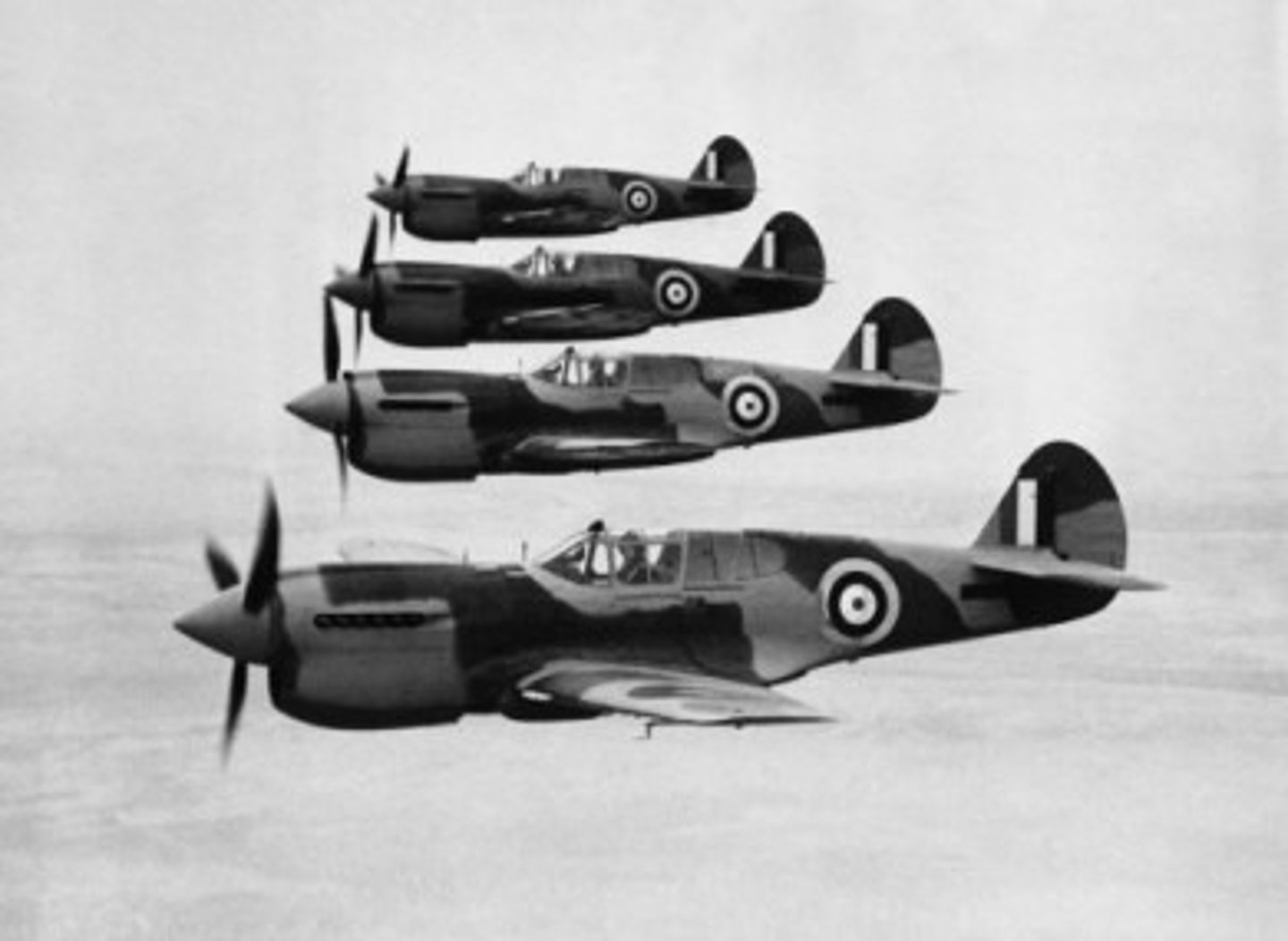
Hypernationalism
the belief in the superiority of one's nation and of the paramount importance of advancing it.
Franklin Delano Roosevelt
Democratic president who created the New Deal to counter the effects of the Great Depression
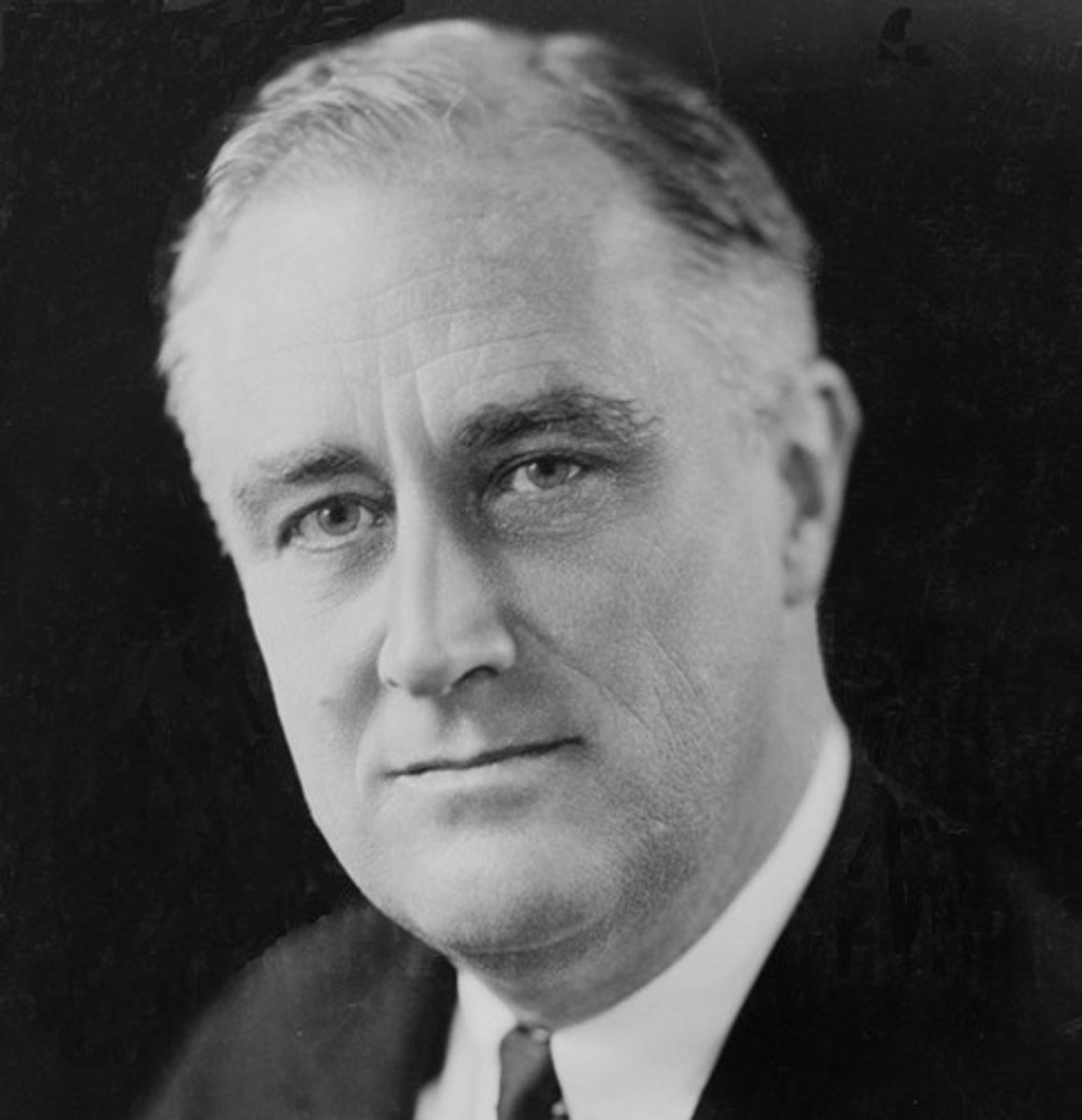
Lazaro Cardenas
President of Mexico (1934-1940). He brought major changes to Mexican life by distributing millions of acres of land to the peasants, bringing representatives of workers and farmers into the inner circles of politics, and nationalizing the oil industry
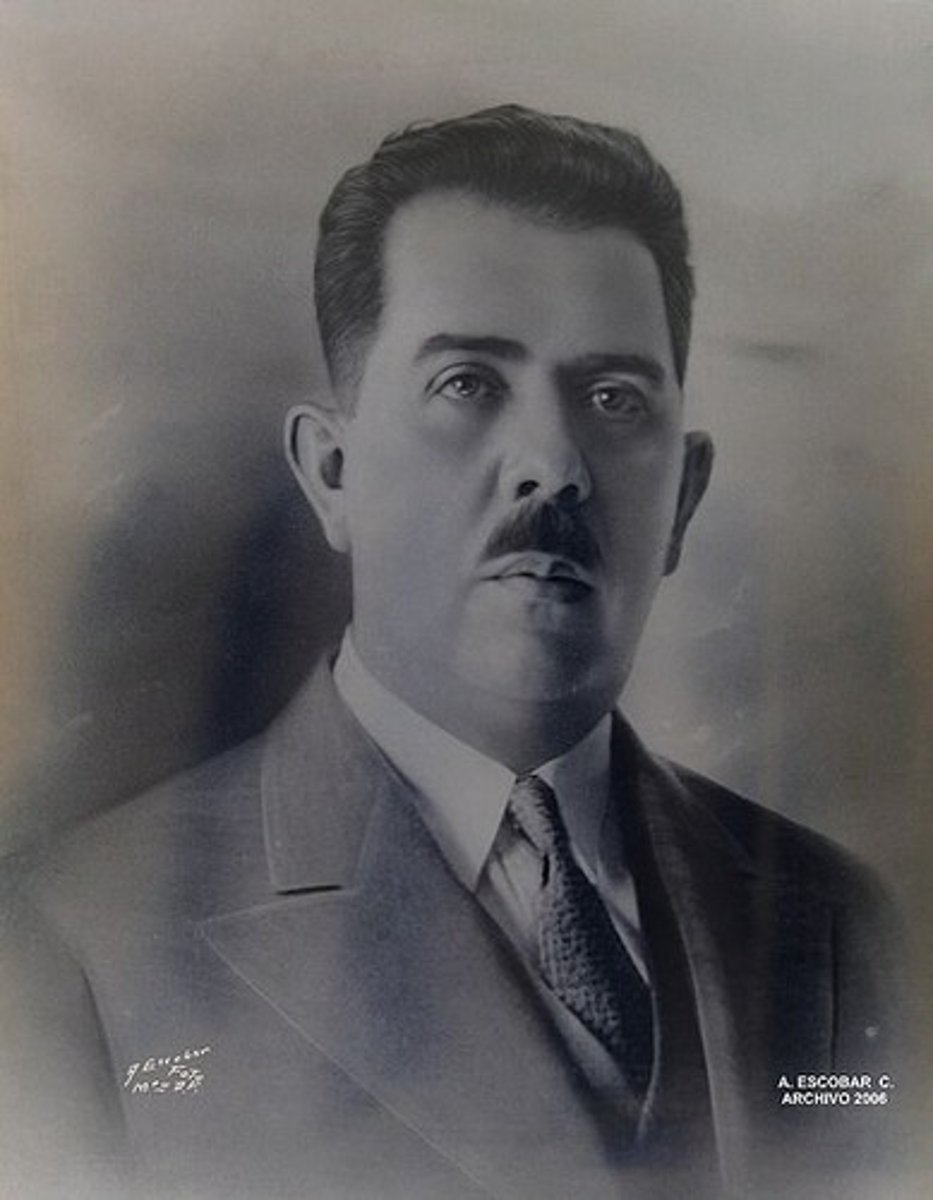
Francisco Franco
Fascist leader of the Spanish revolution, helped by Hitler and Mussolini
Decolonization
the action of changing from colonial to independent status
Mandate System
Allocation of former German colonies and Ottoman possessions to the victorious powers after World War I; to be administered under League of Nations supervision.
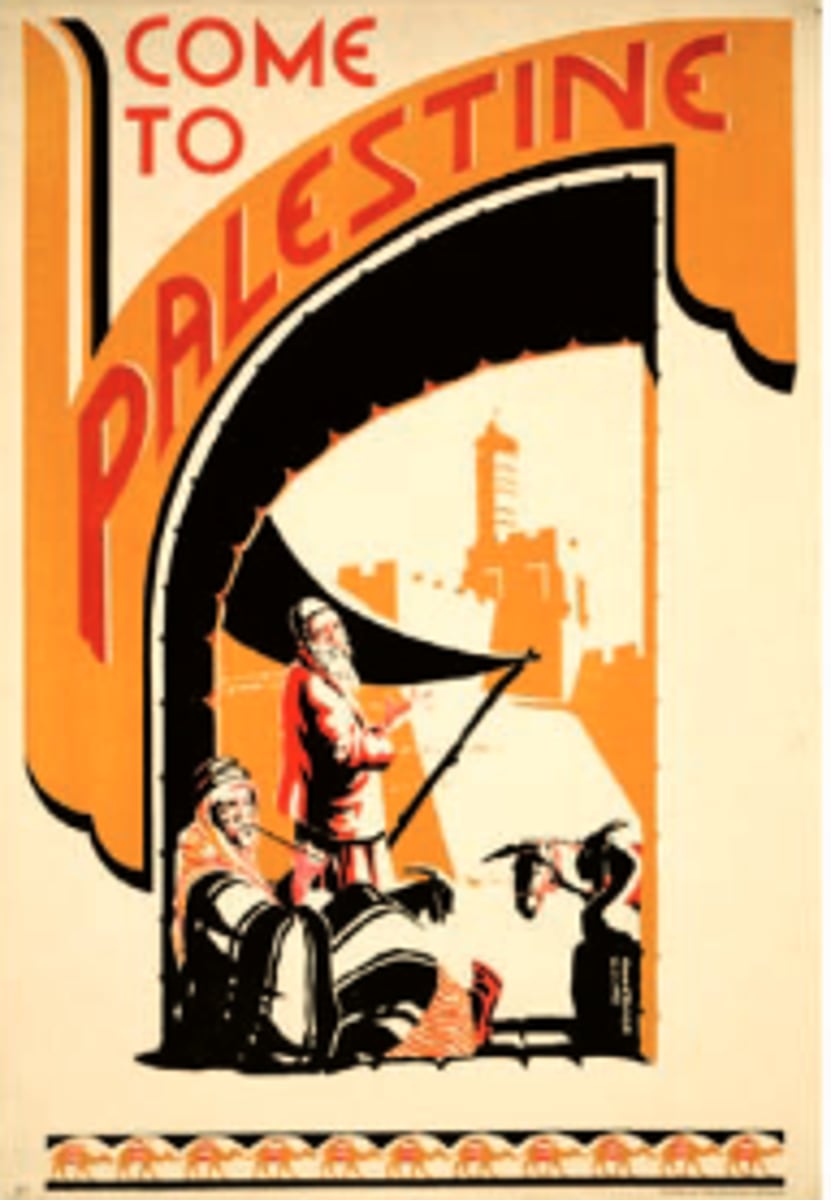
Balfour Declaration
British document which stated that Palestine should become a permanent home for the Jews of Europe
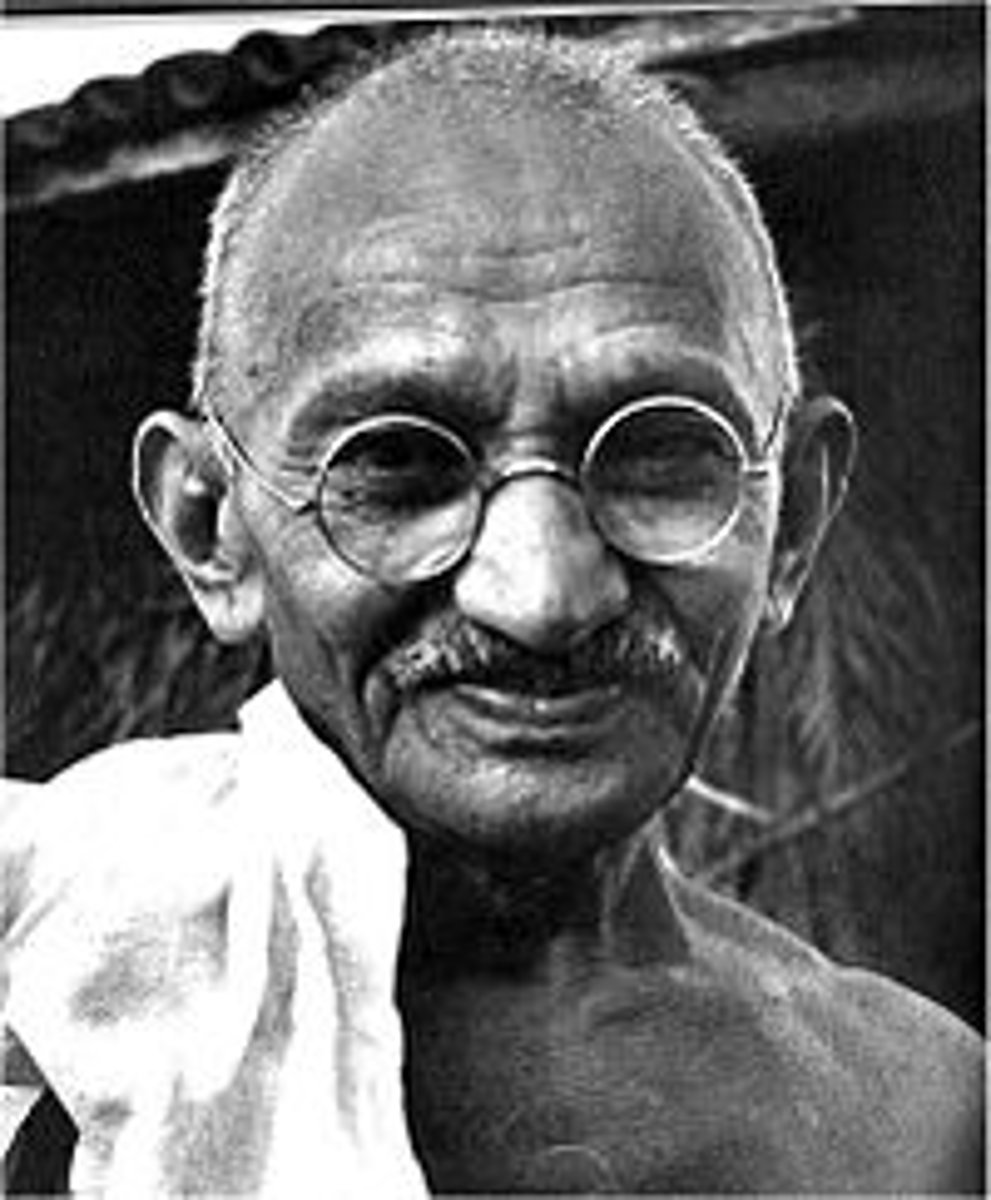
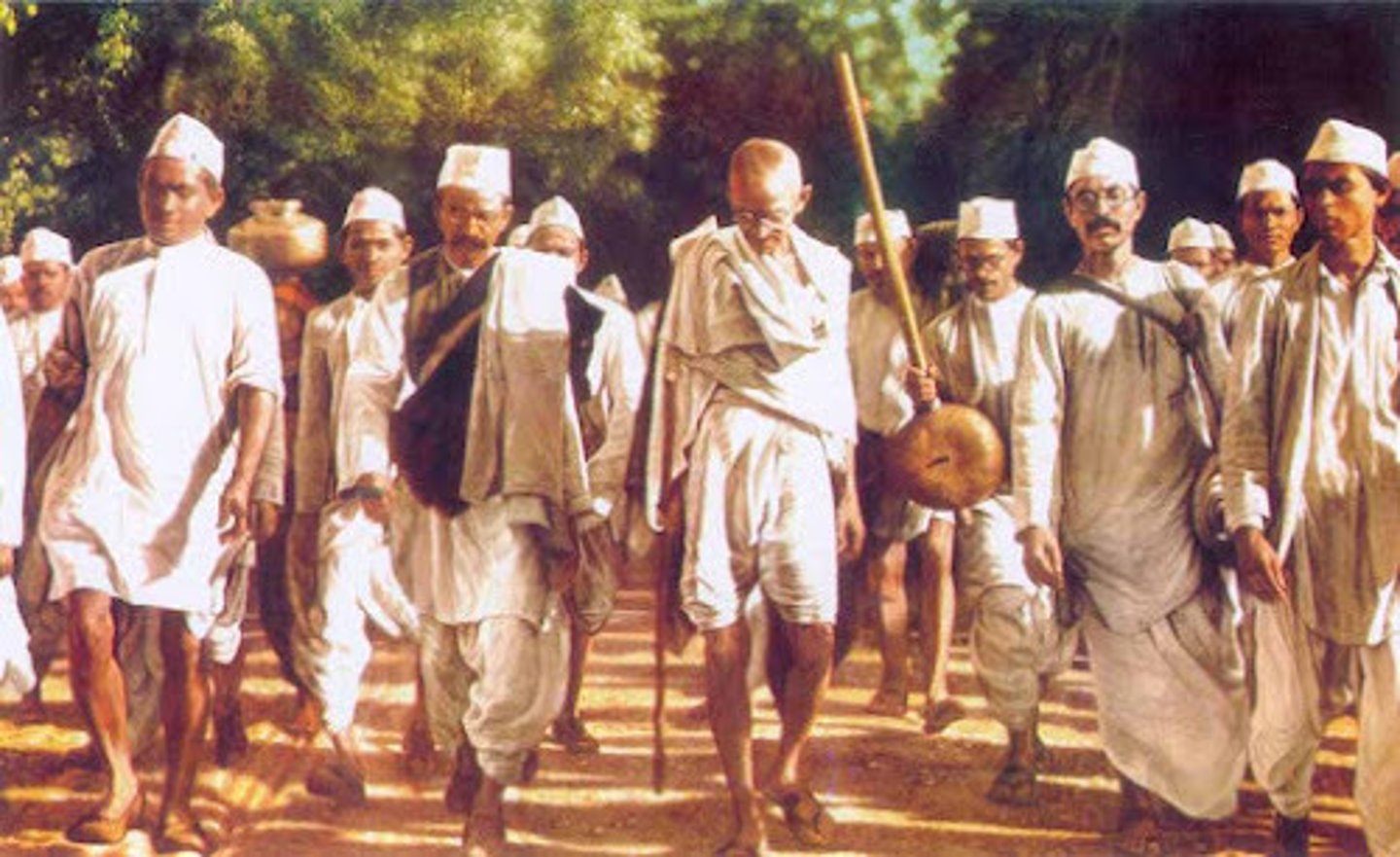
Mohandas Gandhi
A philosopher from India, this man was a spiritual and moral leader favoring India's independence from Great Britain. He practiced passive resistance, civil disobedience and boycotts to generate social and political change.
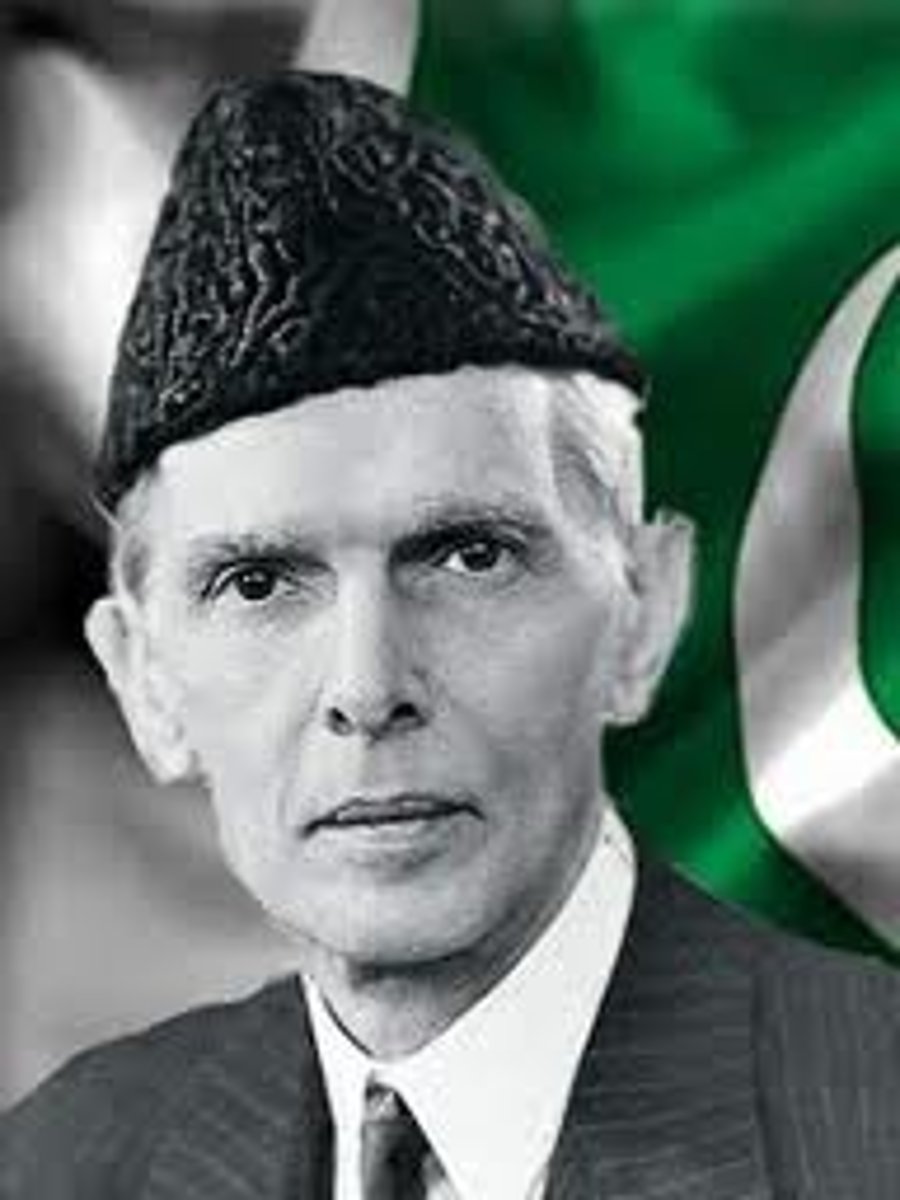
Muhammad Ali Jinnah
Indian Muslim politician who founded the state of Pakistan. A lawyer by training, he joined the All-India Muslim League in 1913. As leader of the League from the 1920s on, he negotiated with the British/INC for Muslim Political Rights
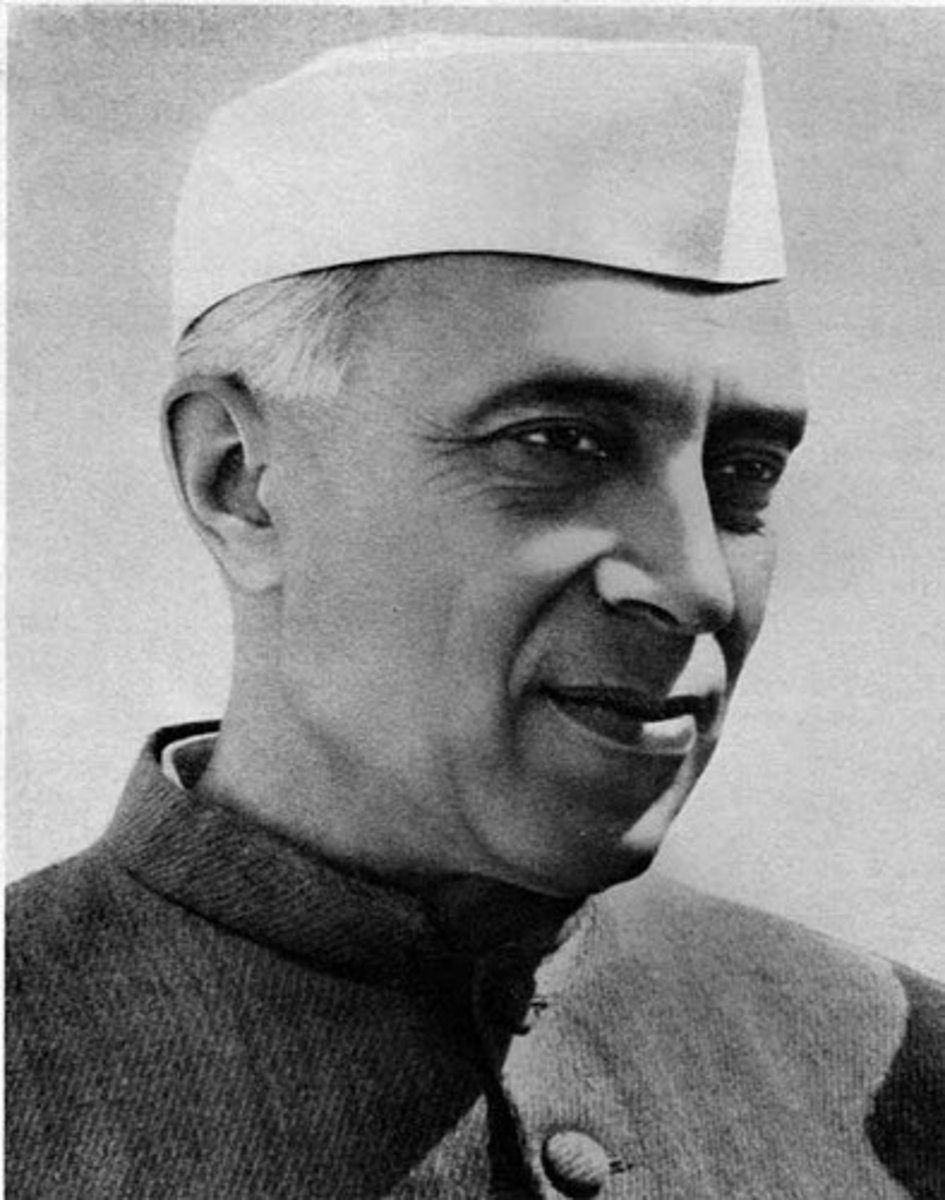
Jawaharlal Nehru
Indian statesman. He succeeded Mohandas K. Gandhi as leader of the Indian National Congress. He negotiated the end of British colonial rule in India and became India's first prime minister (1947-1964).
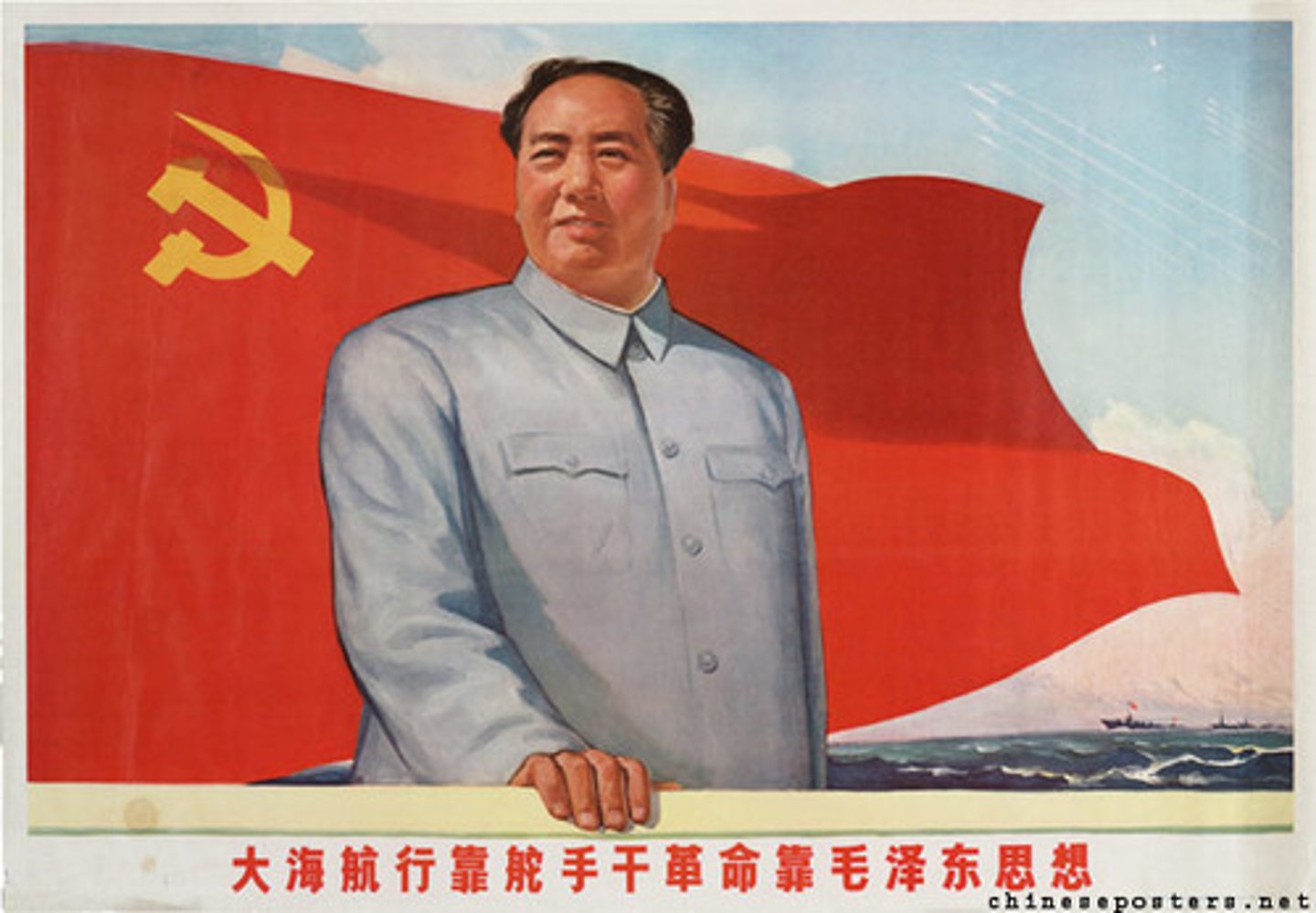
Mao Zedong
(1893-1976) Leader of the Communist Party in China that overthrew Jiang Jieshi and the Nationalists. Established China as the People's Republic of China and ruled from 1949 until 1976.
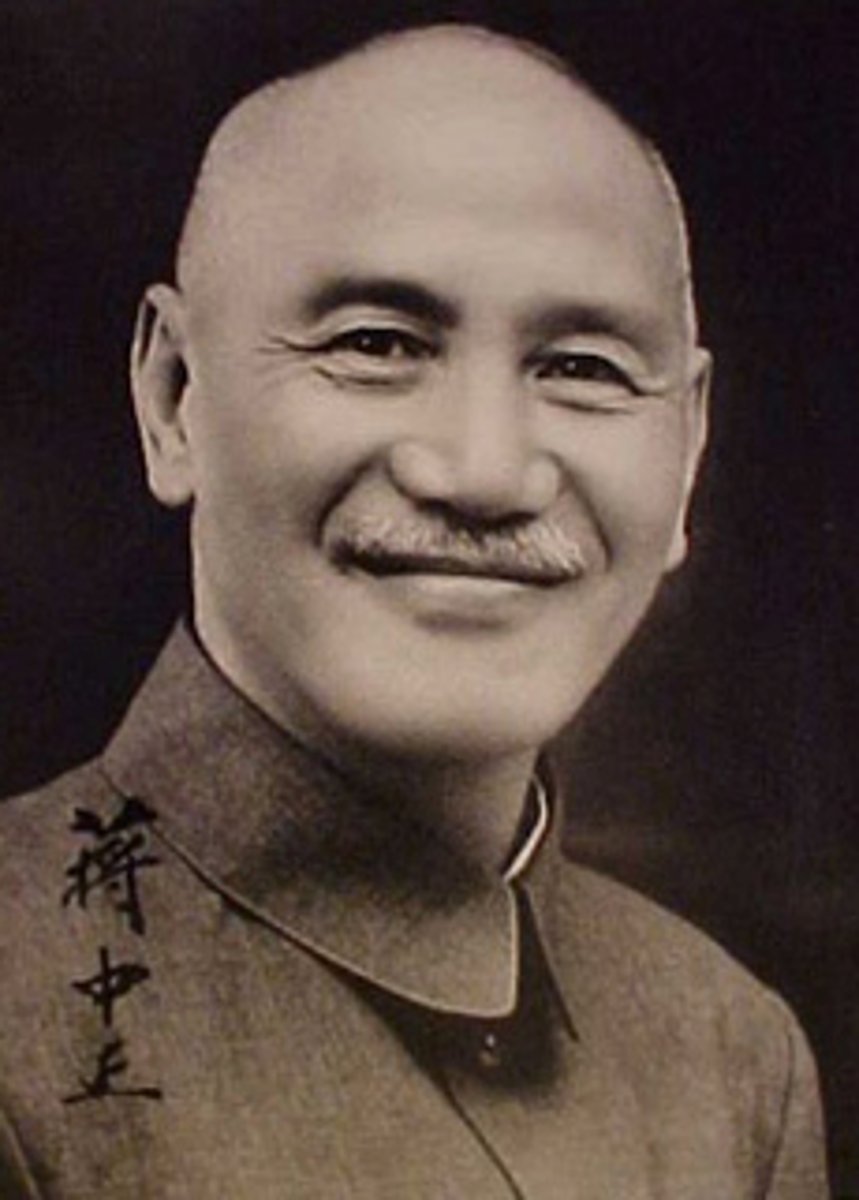
Chiang Kai-shek
General and leader of Nationalist China after 1925. Although he succeeded Sun Yat-sen as head of the Guomindang, he became a military dictator whose major goal was to crush the communist movement led by Mao Zedong.
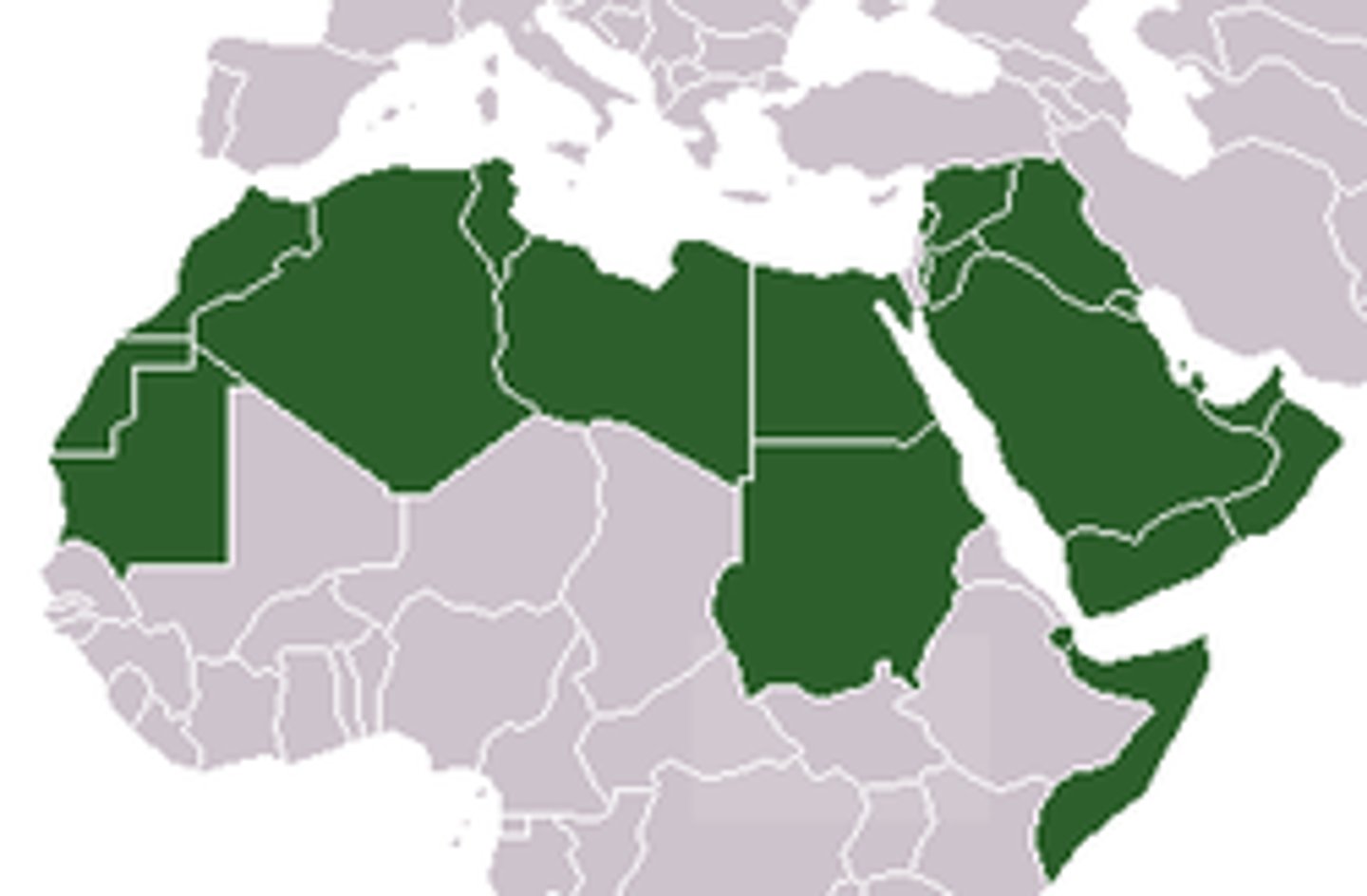
Pan Arabianism
an ideology that called for the unification of all land in North Africa and the Middle East
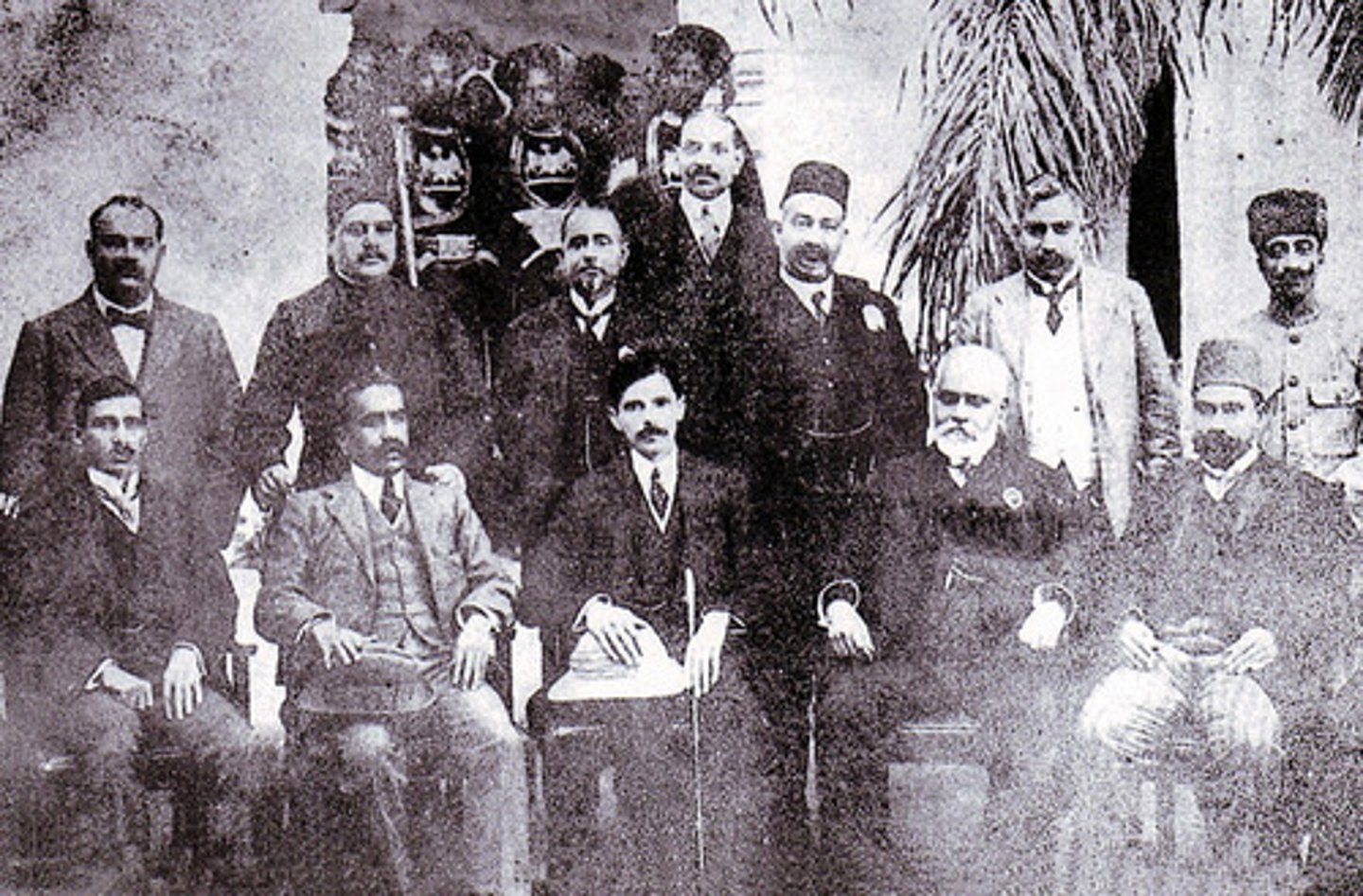
Indian National Congress
formed in the late 19th century to air grievances against the colonial government in South Asia
Satyagraha Movement
A particular form of civil disobedience started by Mohandas Gandhi
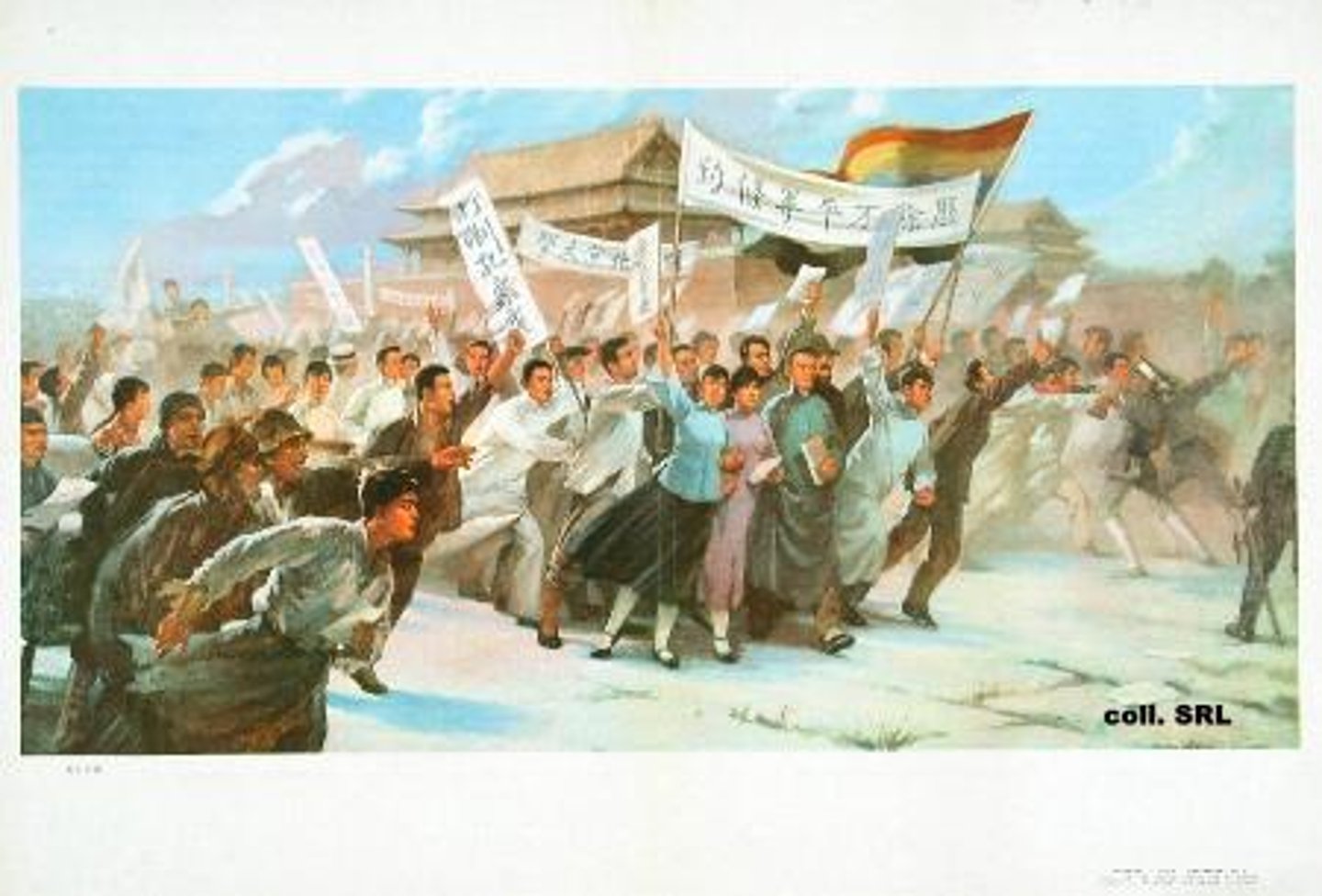
May Fourth Movement
A national protest in China in 1919, in which people demonstrated against the Treaty of Versailles and foreign interference.
Chinese Communist Party
The ruling party in China after 1949, organized and led by Mao Zedong
Kuomintang
The Chinese Nationalist Party
Long March
The 6,000-mile (9,600-kilometer) flight of Chinese Communists from southeastern to northwestern China. The Communists, led by Mao Zedong
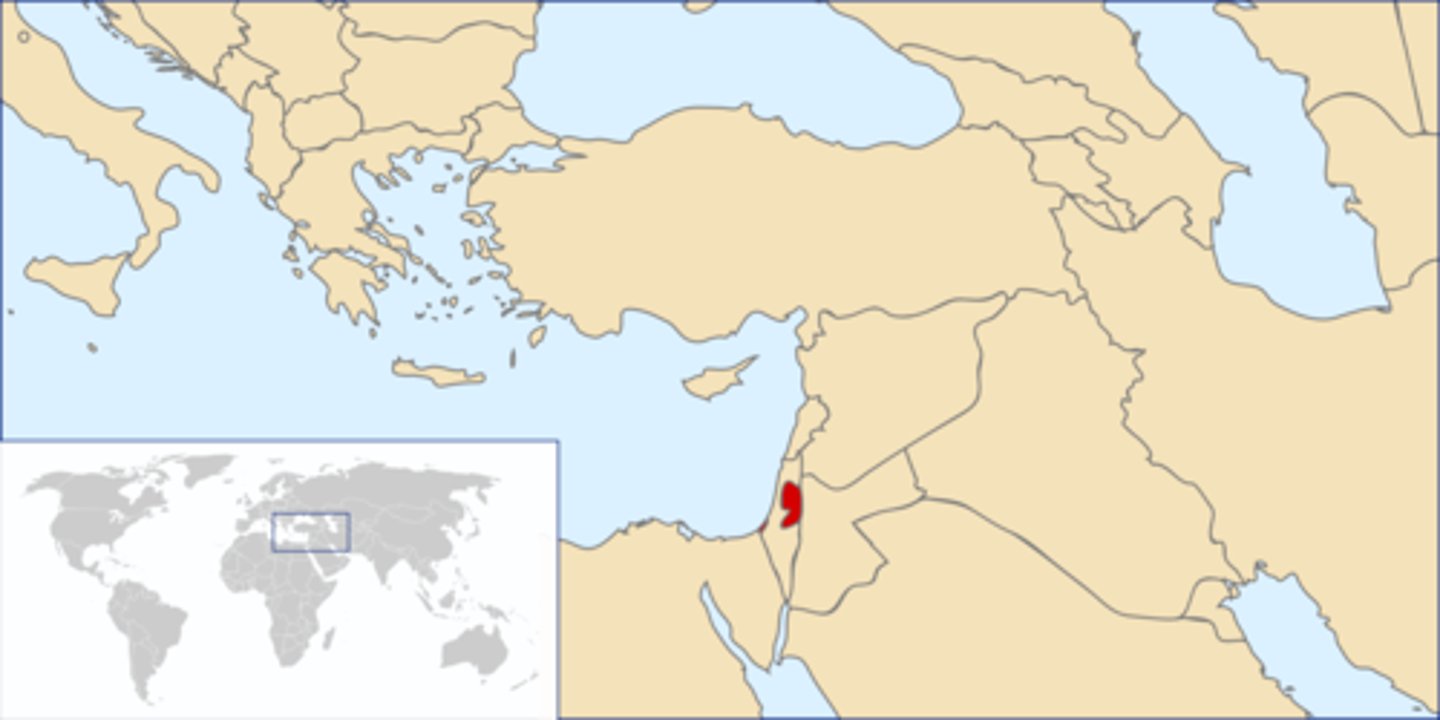
Palestine
A territory in the Middle East on the eastern coast of the Mediterranean Sea. Disputed with Israel.
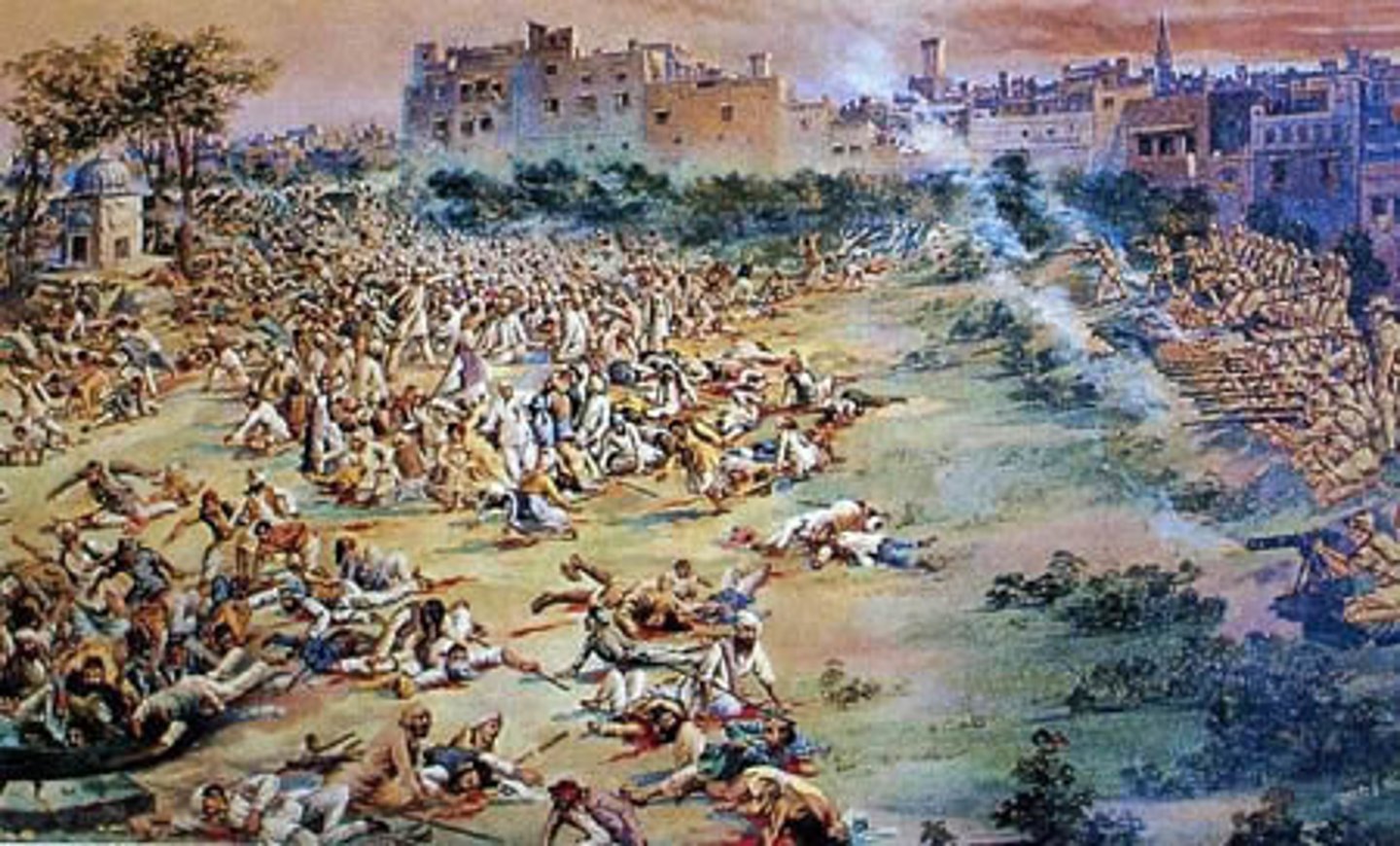
Amritsar
where in 1919, British colonial government troops fired on a crowd of unarmed Indian protesters, killing 379 of them and wounding many more.
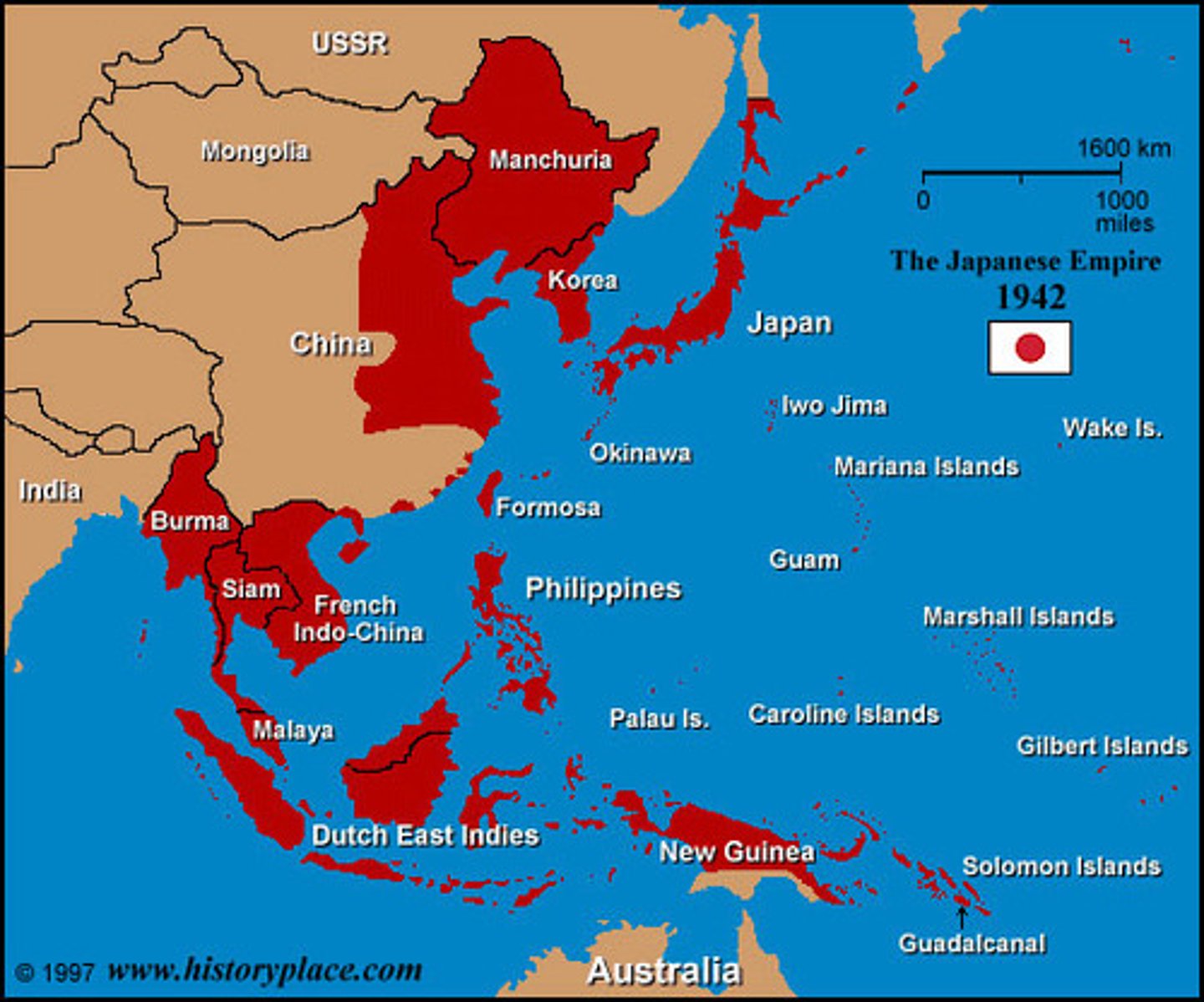
Greater East Asia Co-Prosperity Sphere
The territories seized by Japan (Philippines, Dutch East Indies, British Malaysia, Burma, and numerous Pacific islands). Japan wanted to rid foreign influence in Asia.
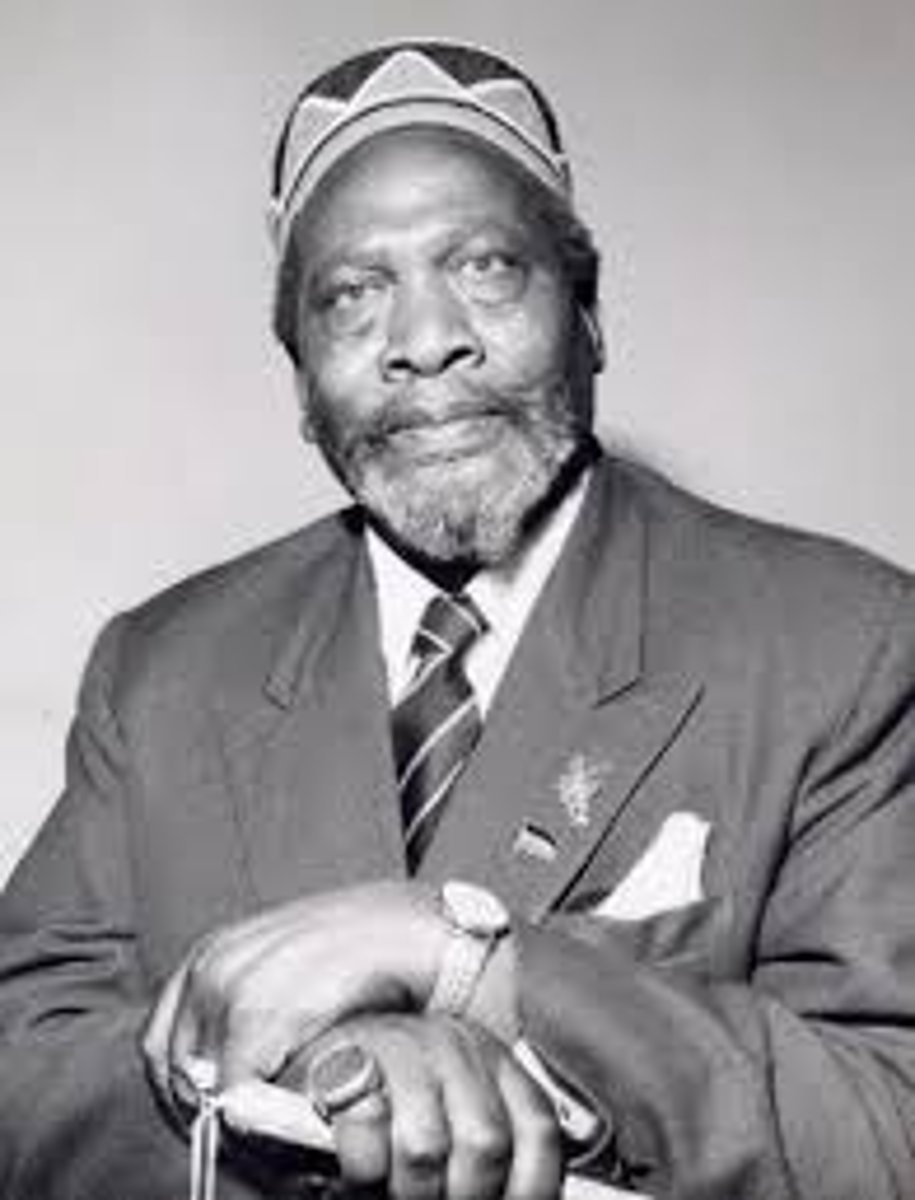
Jomo Kenyatta
First president of Kenya, sign of decolonization in Africa
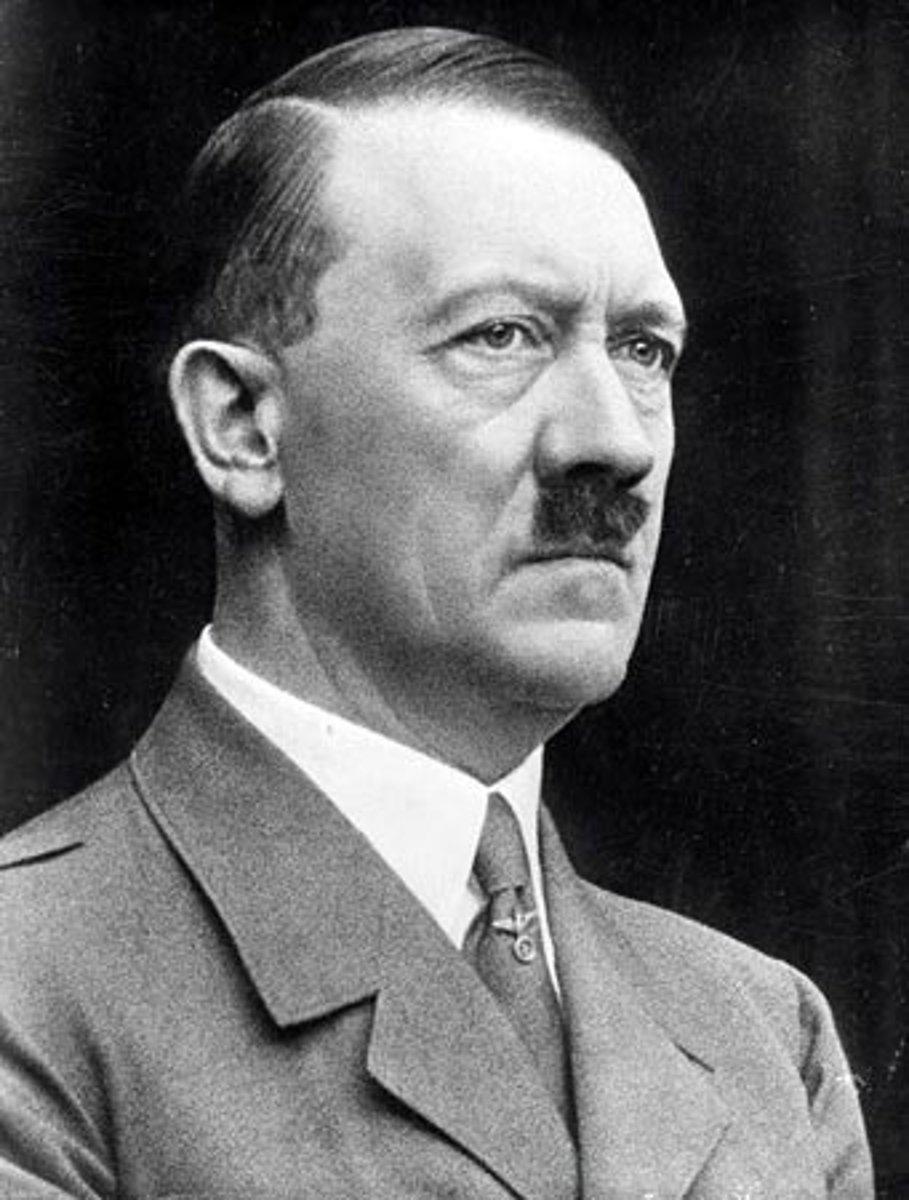
Adolf Hitler
Austrian born Dictator of Germany, implemented Fascism and caused WWII and Holocaust.
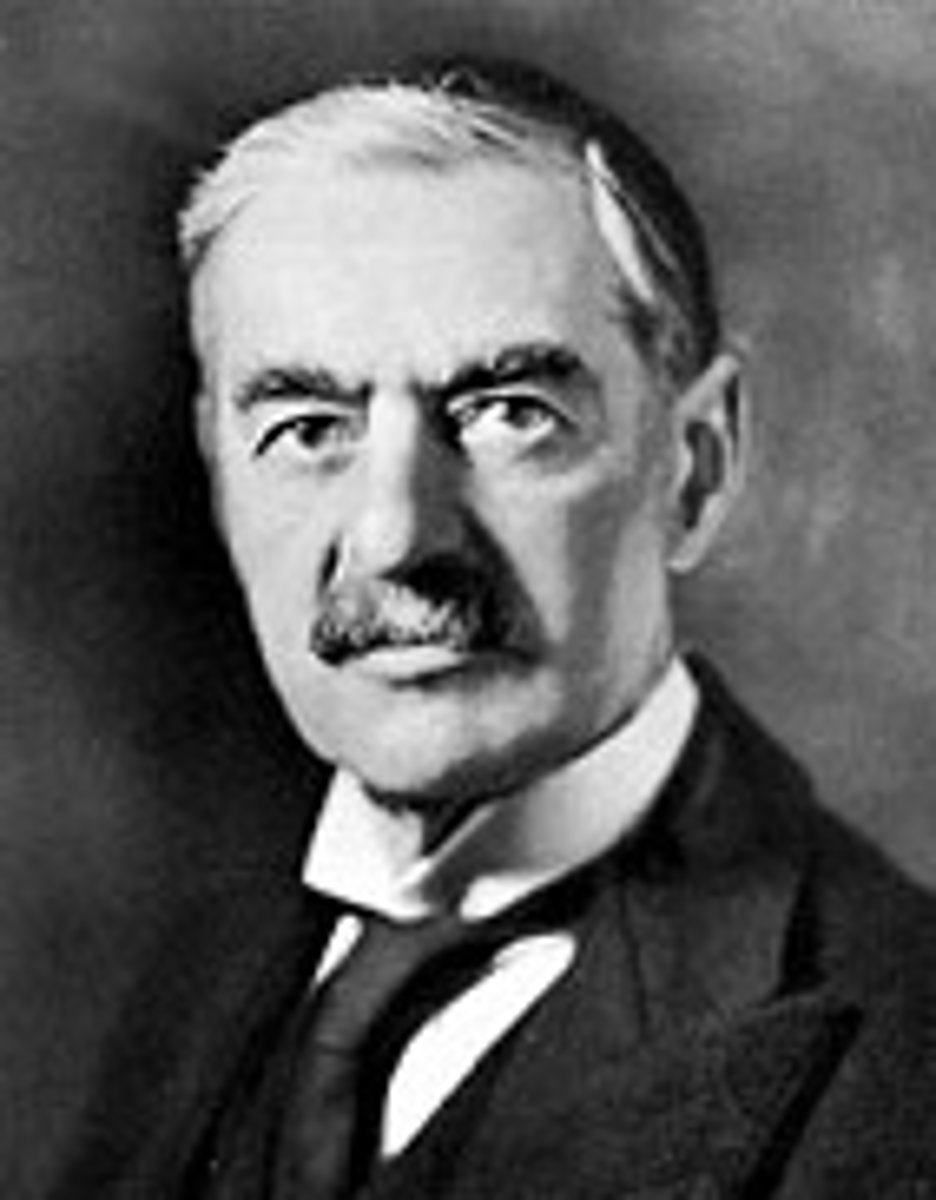
Neville Chamberlain
Great British prime minister who advocated peace and a policy of appeasement
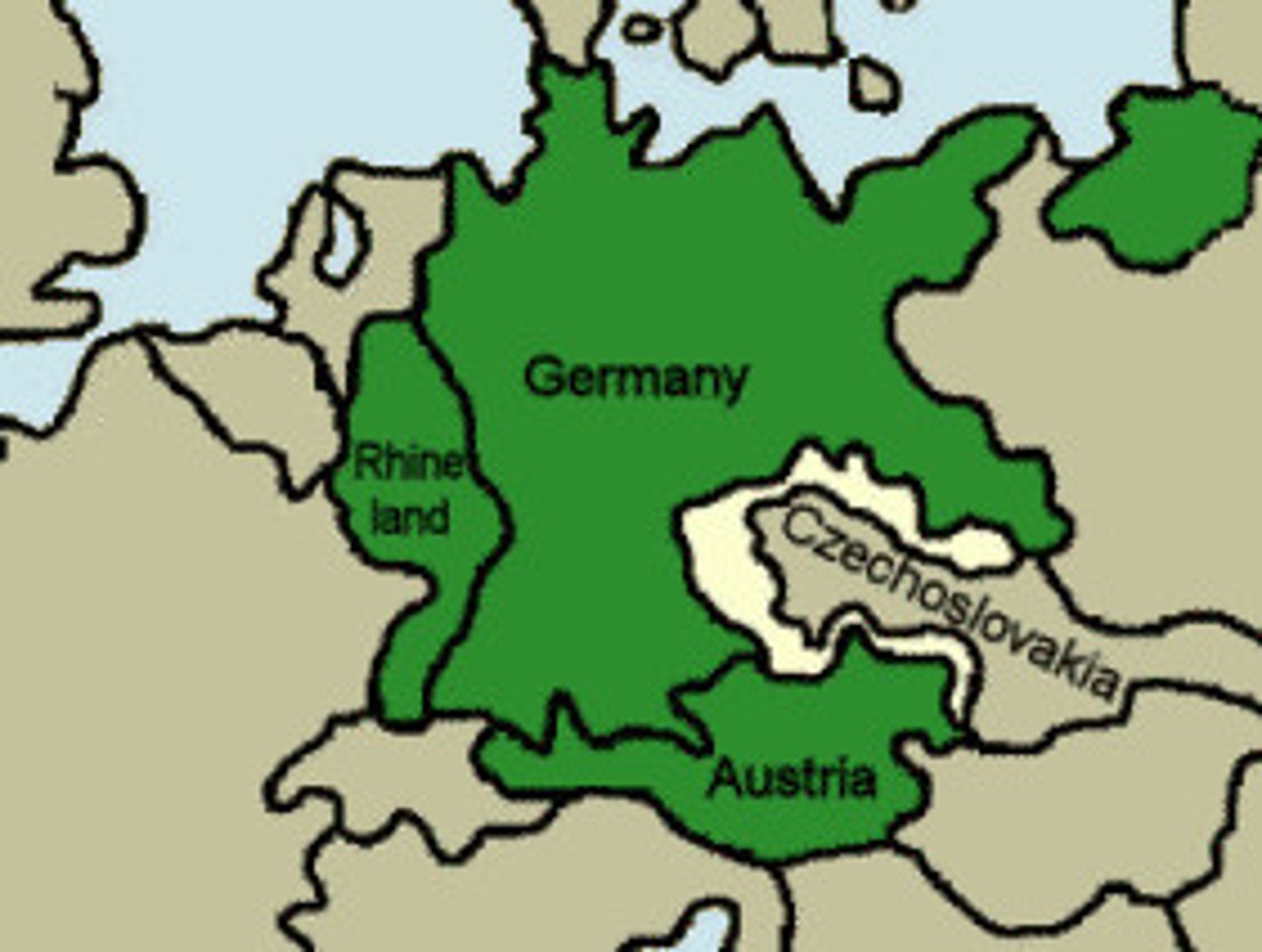
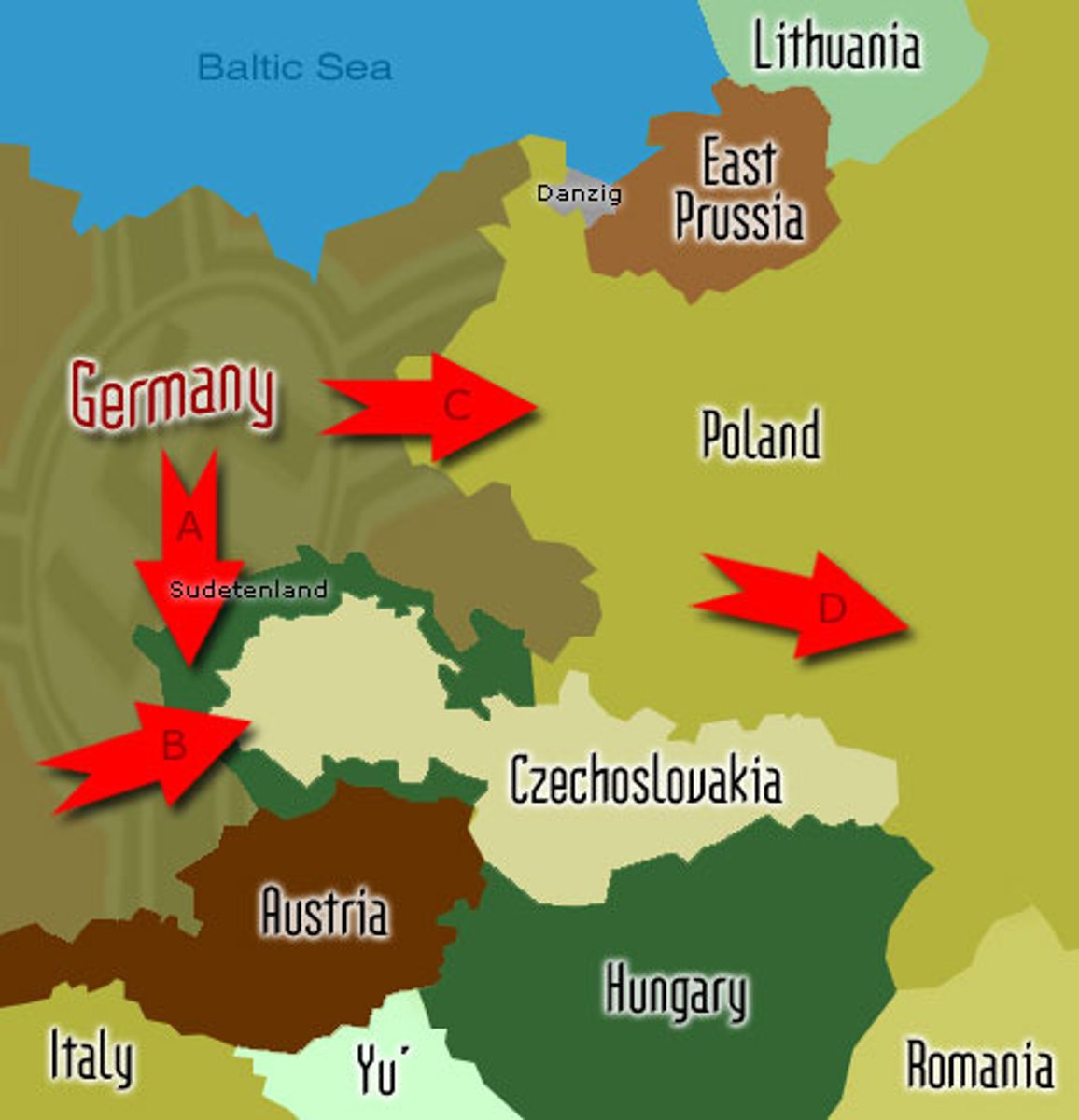
Sudetenland
an region in western Czechoslovakia that was coveted by Hitler
Lebensraum
Hitler's expansionist theory based on a drive to acquire "living space" for the German people
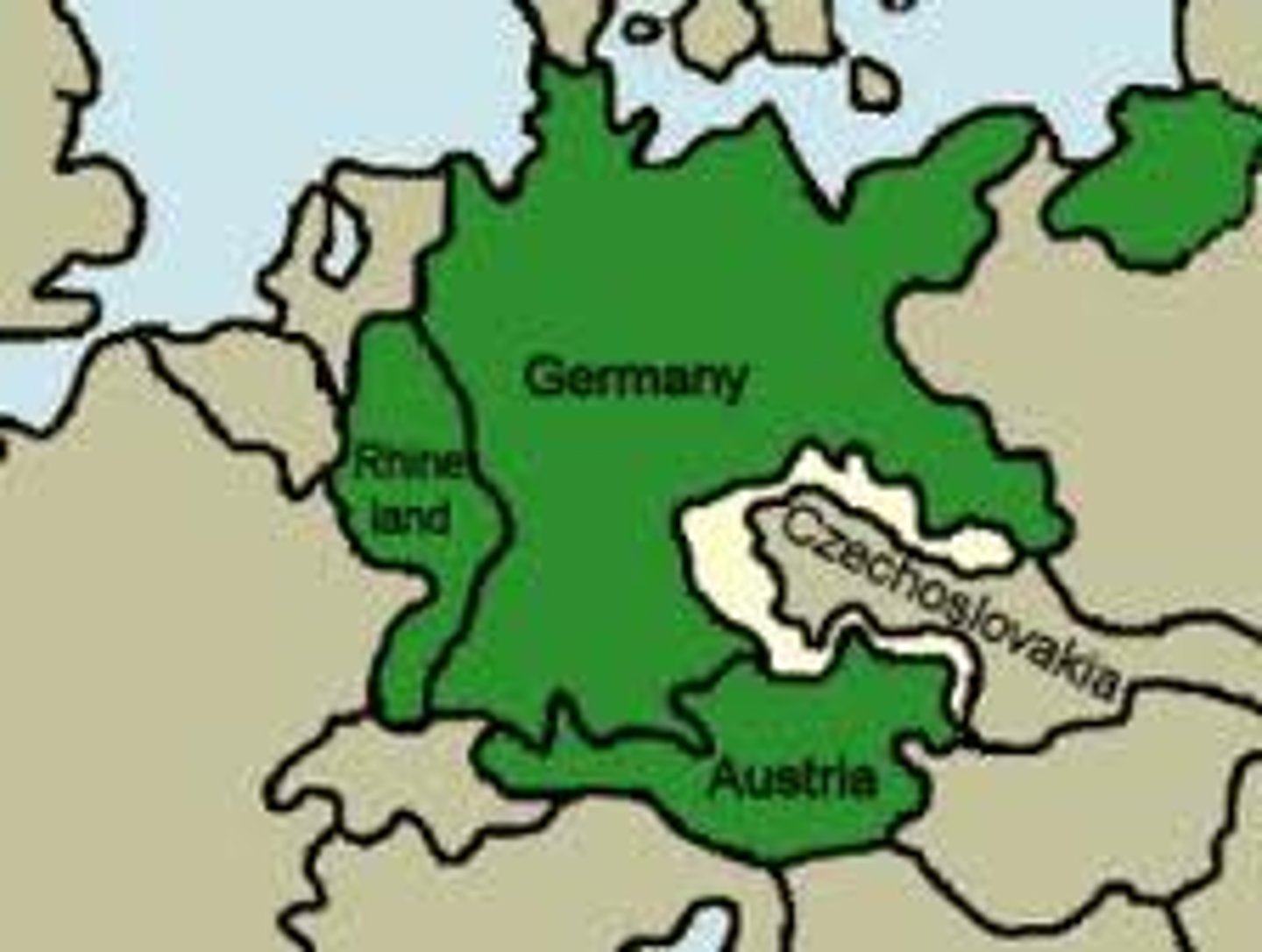
Anschluss
The union of Austria with Germany, resulting from the occupation of Austria by the German army in 1938.
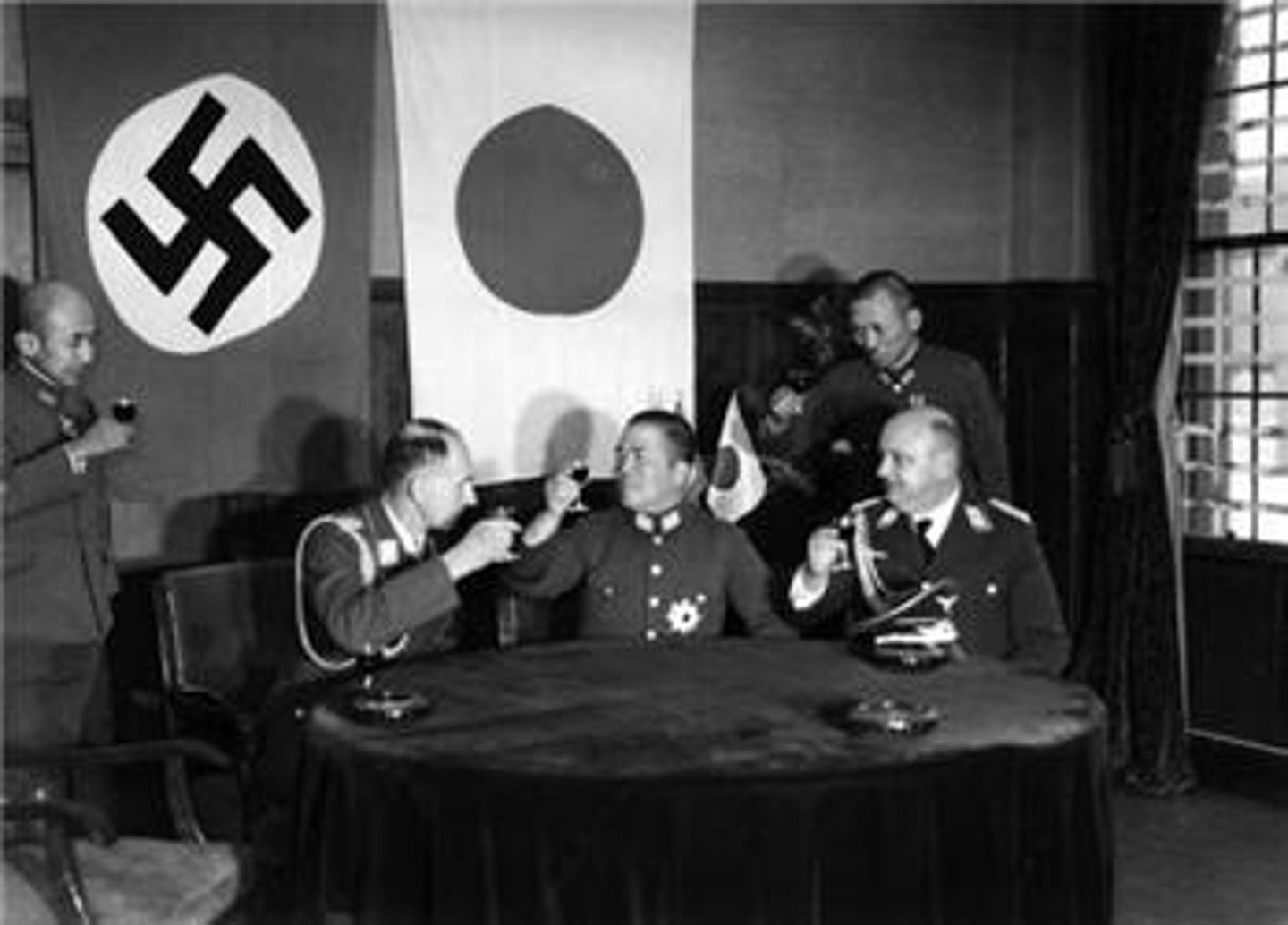
Anti-Comintern Pact
Military alliance of Germany with Japan based on a mutual distrust of communism/Russia
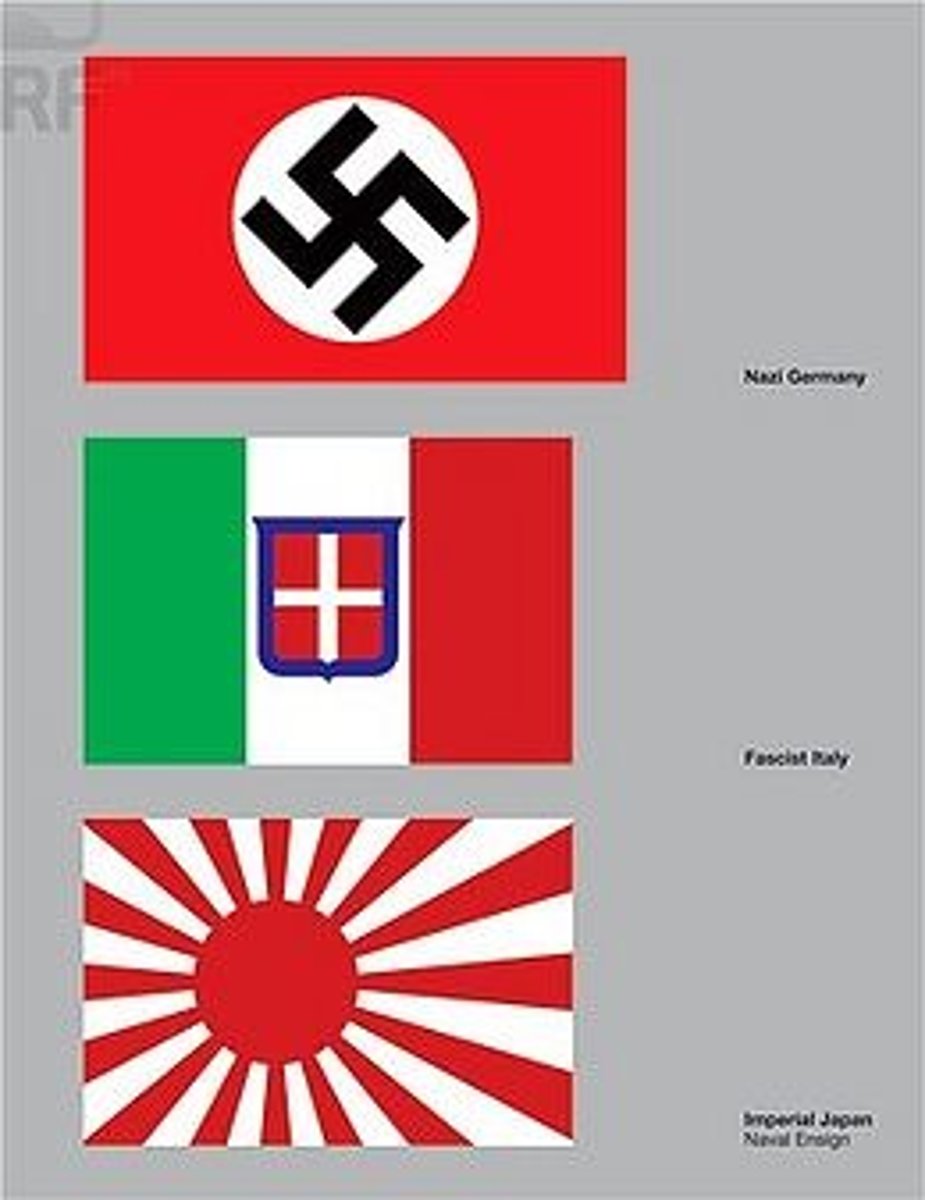
Axis Powers
Alliance of Germany, Italy, and Japan during World War II.
German-Soviet Nonaggression Pact
An agreement between the Soviet Union (Russia) and Germany to not attack each other.
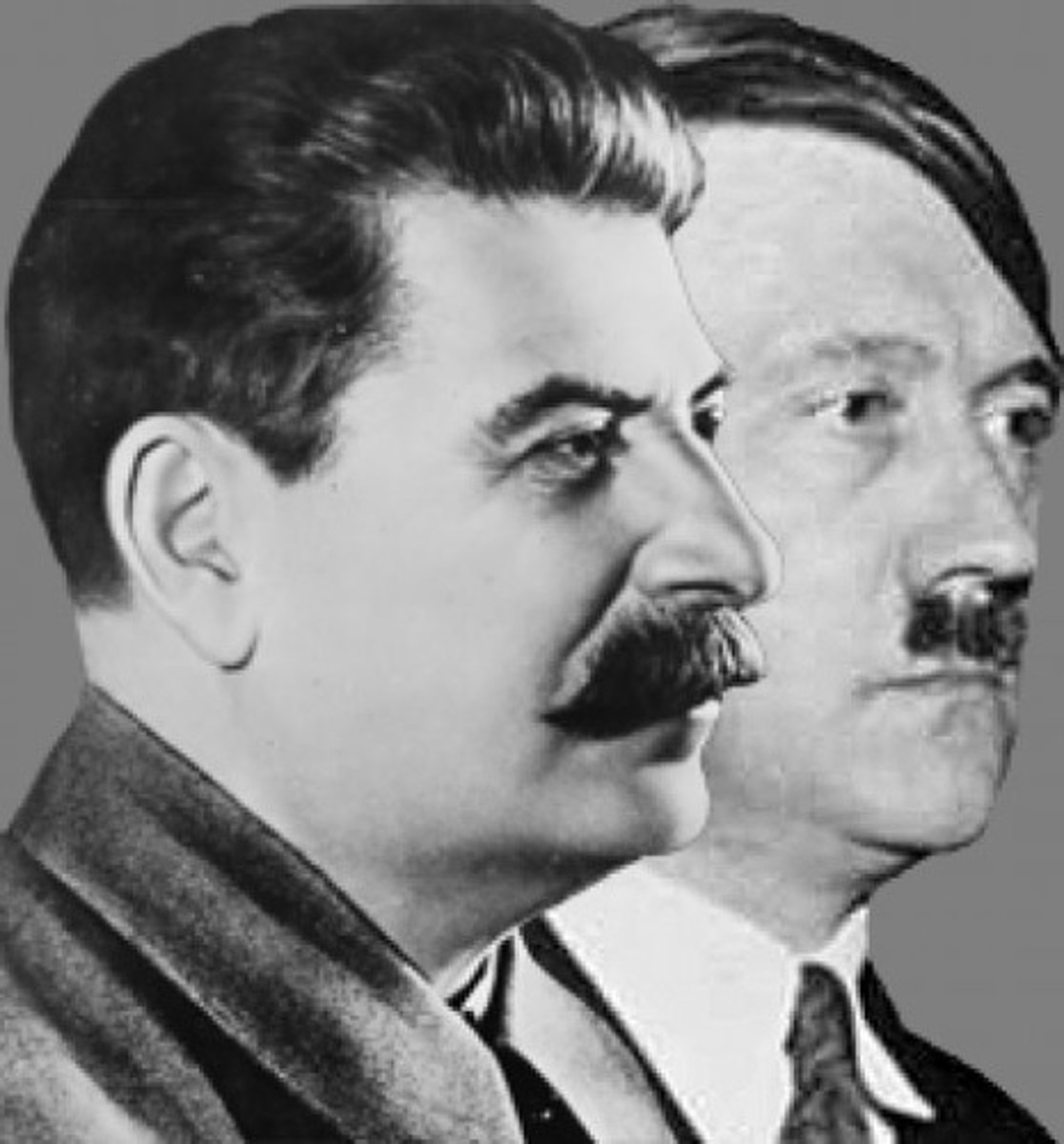
Mein Kampf
'My Struggle' by Hitler, later became the basic book of nazi goals and ideology
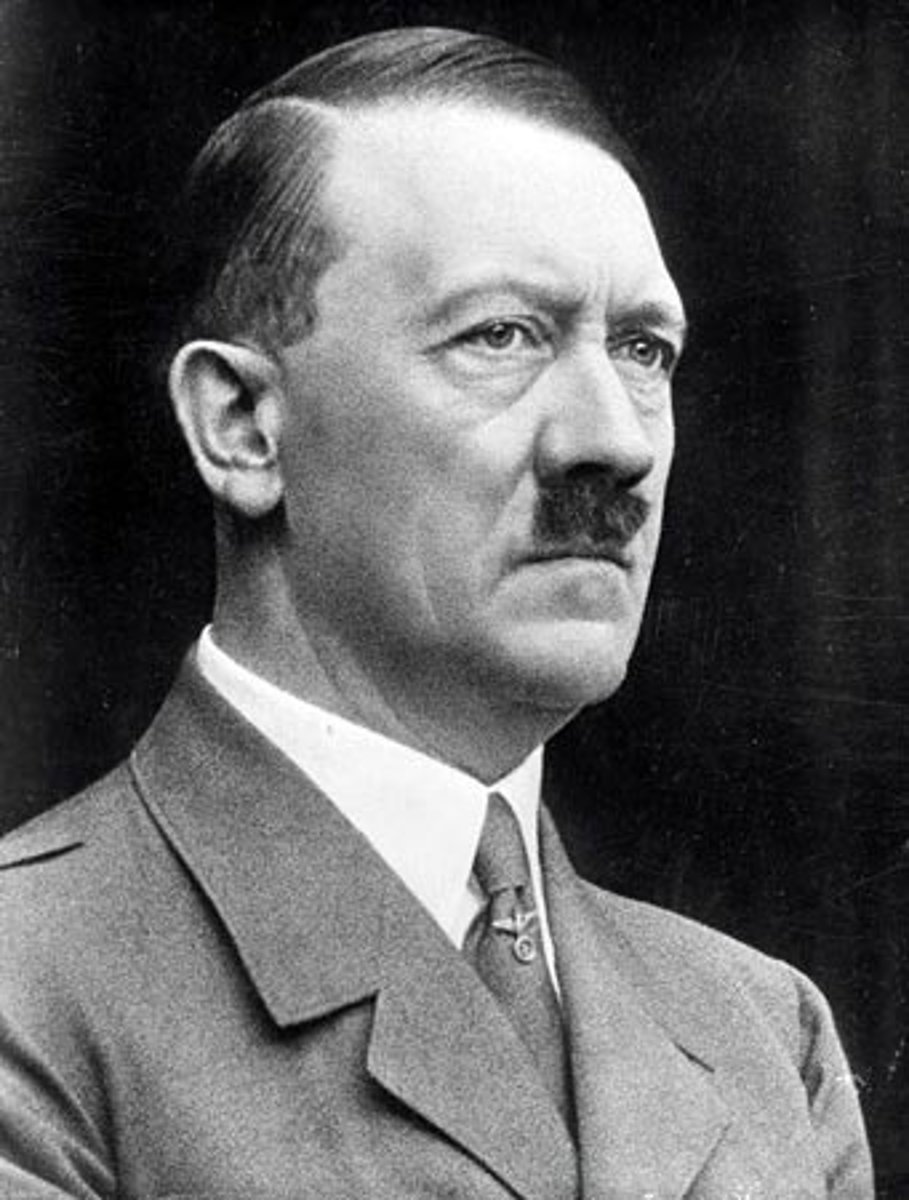
Anti- Semitism
hostility to or prejudice against Jews.
Aryans
Germanic people seen as the master race
Appeasement
A policy of making concessions to an aggressor in the hopes of avoiding war. Associated with Neville Chamberlain's policy of making concessions to Adolf Hitler.
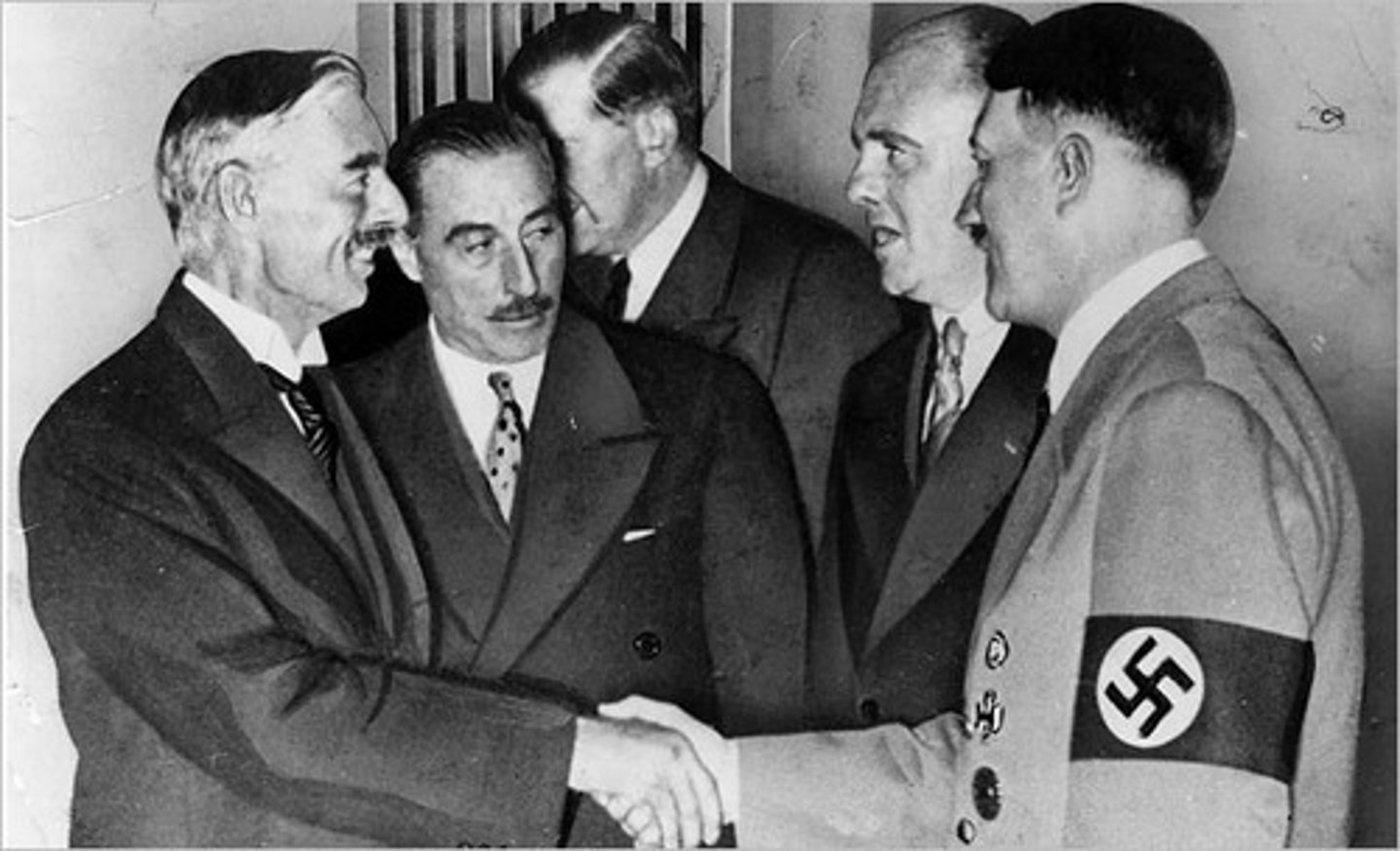
Kristallnacht
(Night of the Broken Glass) November 9, 1938, when mobs throughout Germany destroyed Jewish property and terrorized Jews.
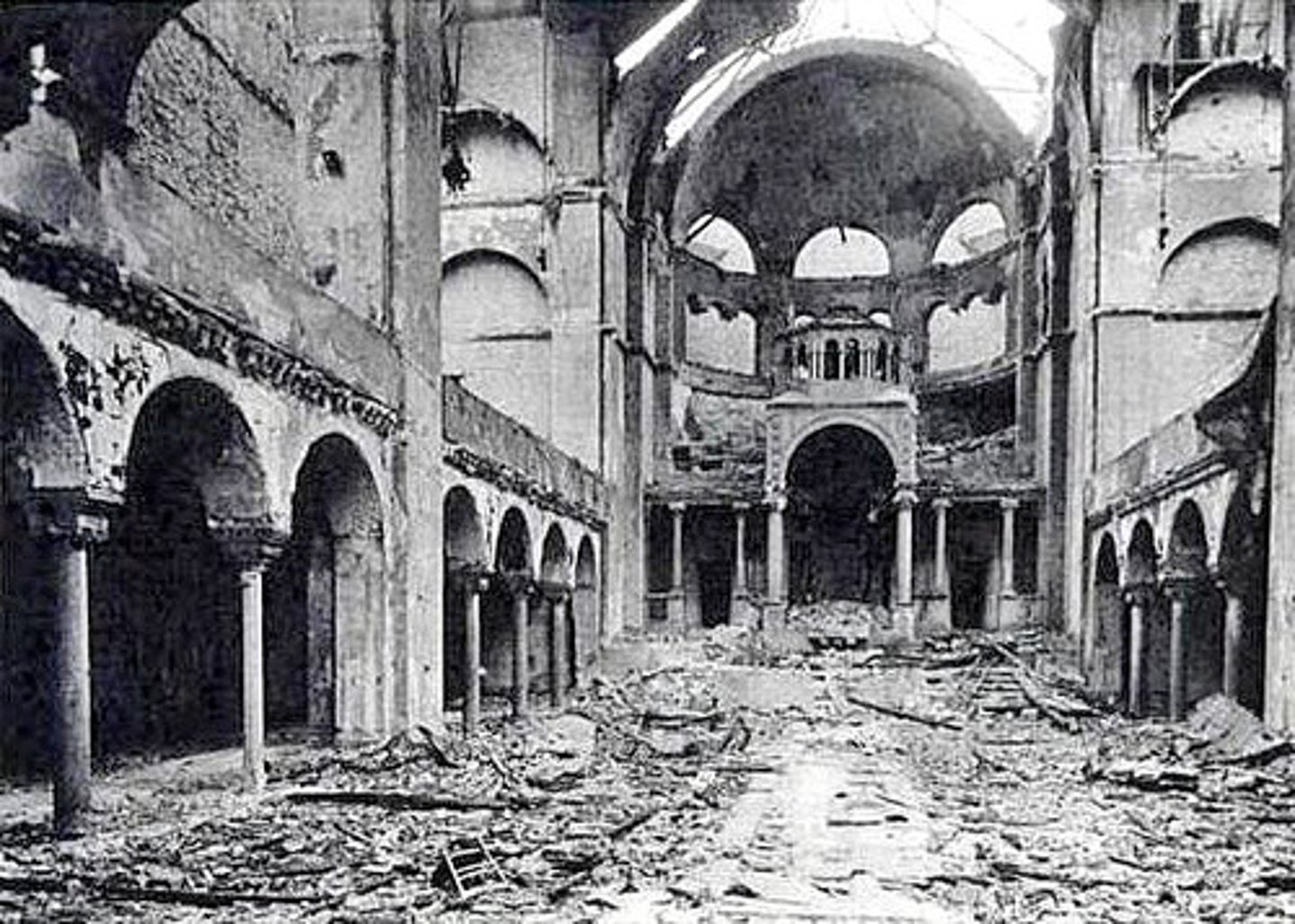
Vichy
The French set up a new pro-Nazi regime here under Marshal Henri-Philippe Petain
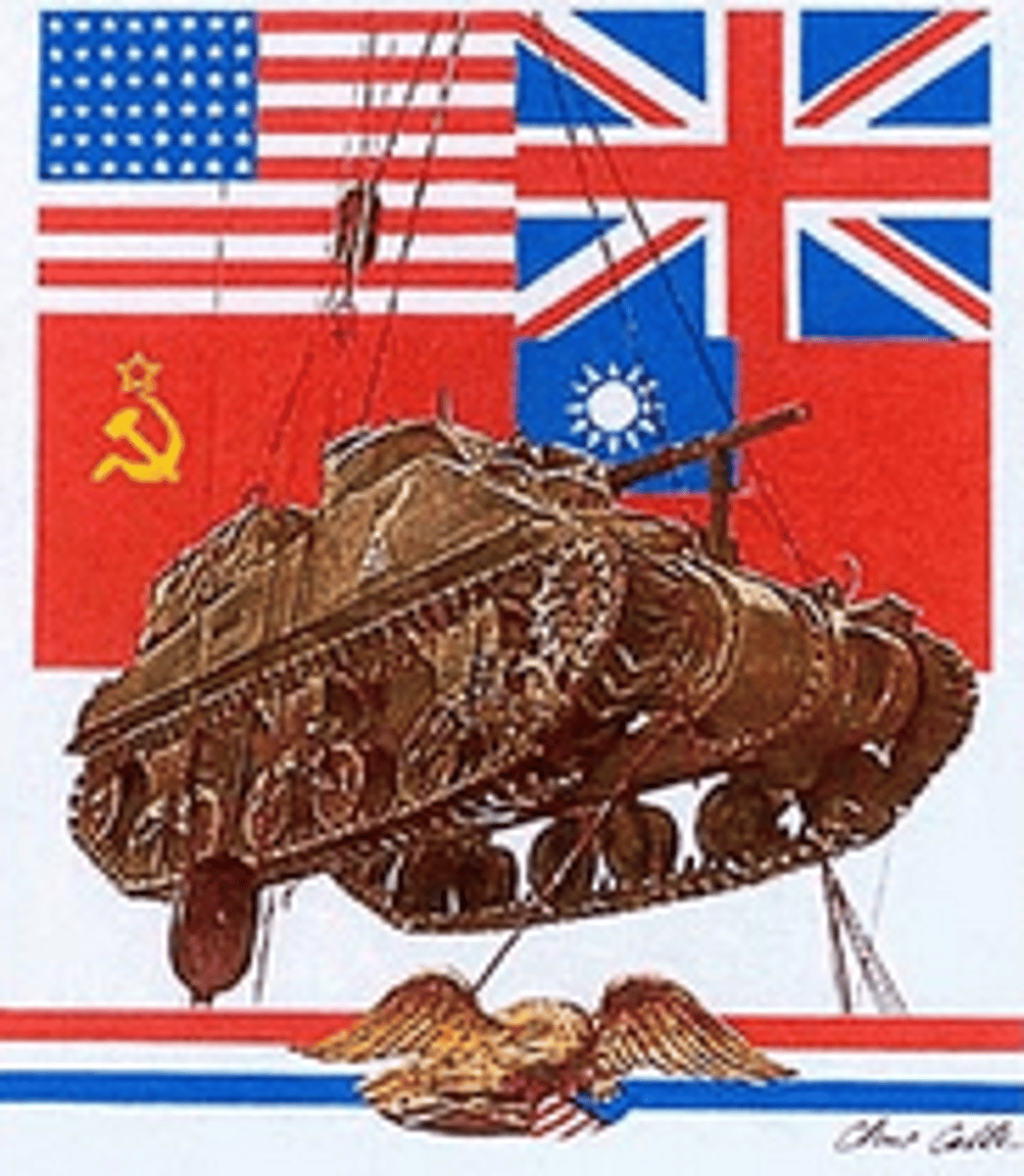
Lend-Lease Act
The US gave up all pretensions of neutrality by lending war materials to Britian
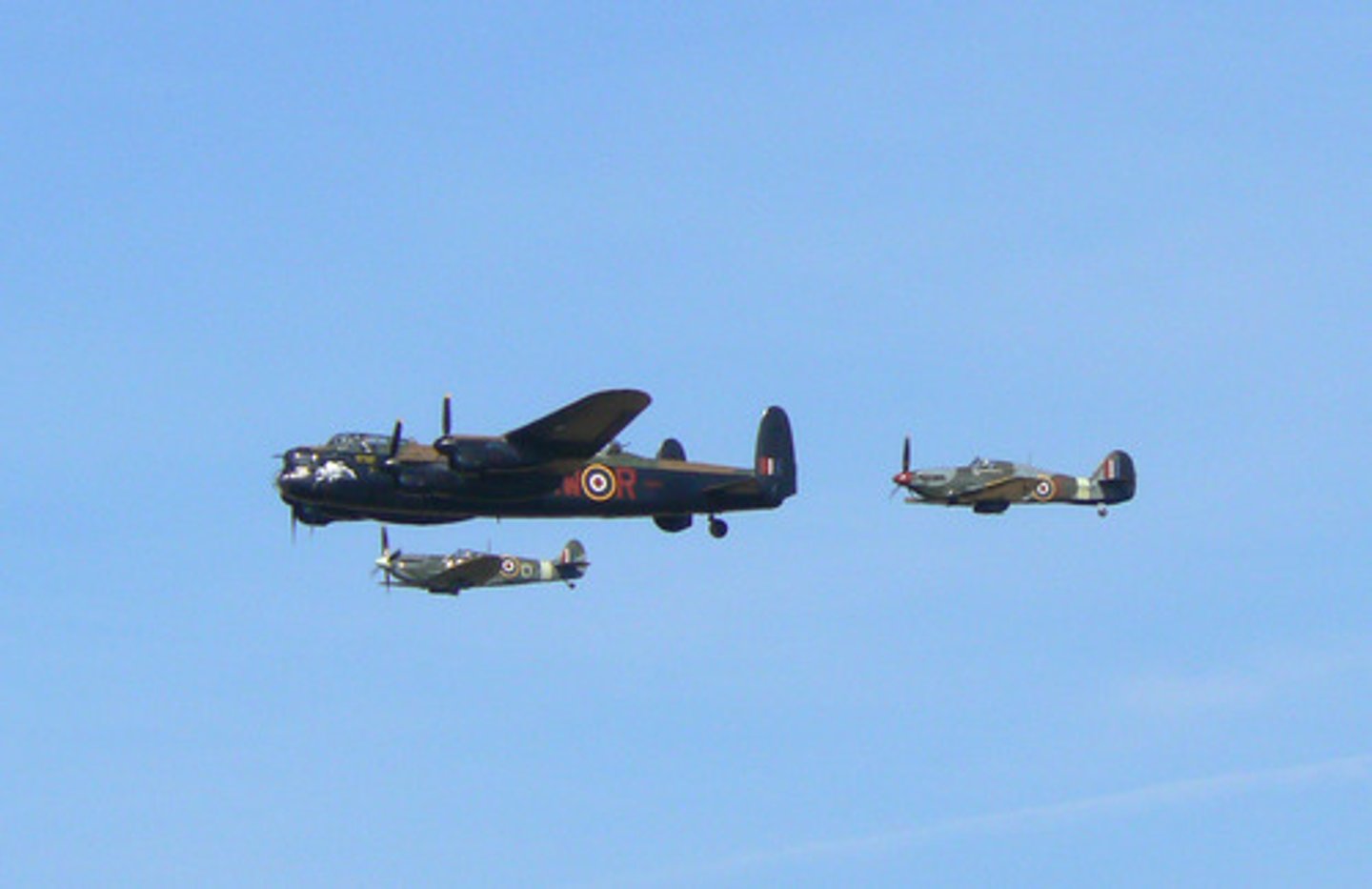
Battle of Britain
An aerial battle fought in World War II in 1940 between the German Luftwaffe (air force), which carried out extensive bombing
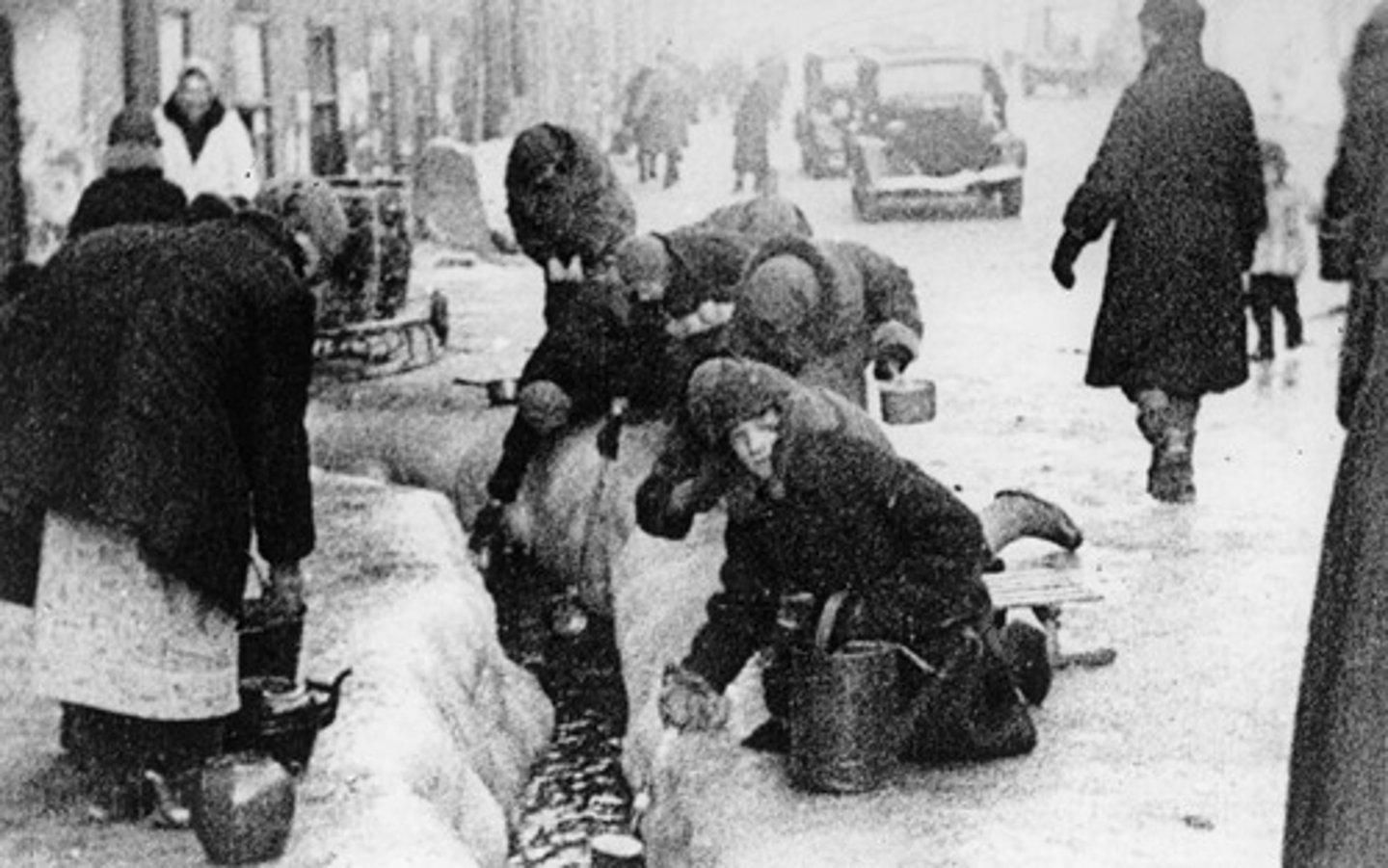
Siege of Leningrad
Soviets defended a major city from the Germans in this battle, which lasted 3 years
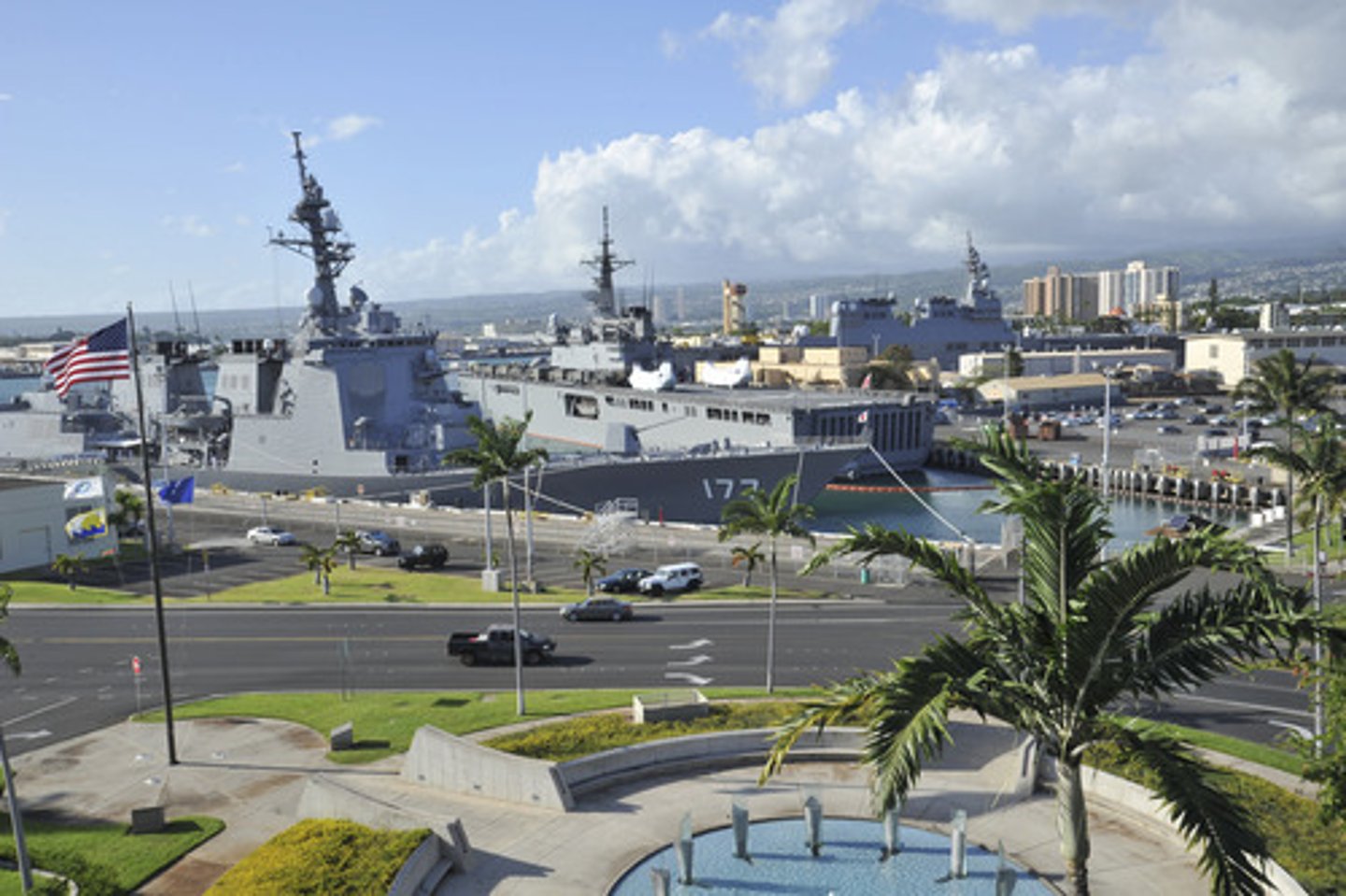
Pearl Harbor
Base in Hawaii that was bombed by Japan on December 7, 1941, which eagered America to enter the war.
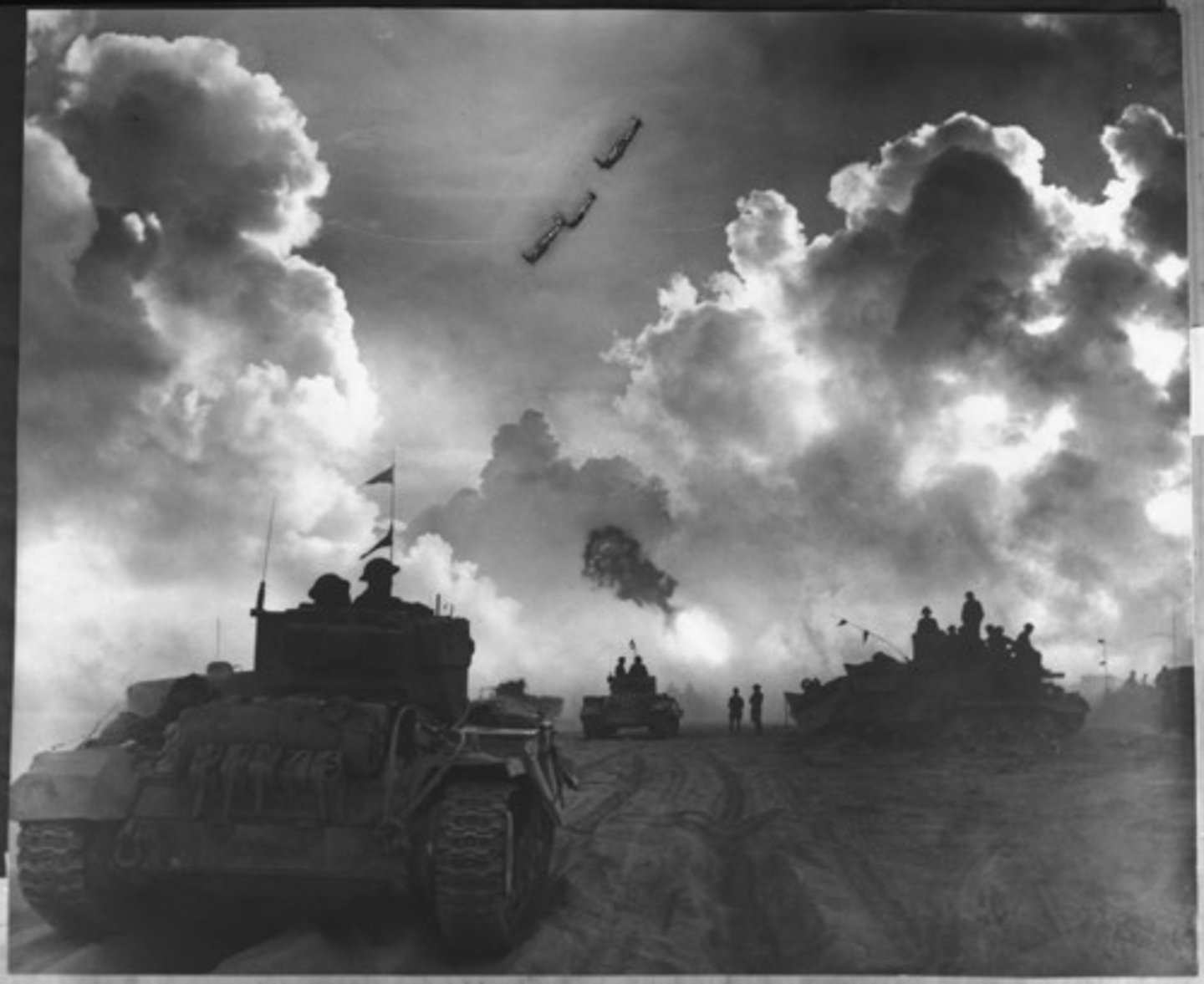
Battle of El Alamein
1942-British victory in WWII that stopped the Axis forces from advancing into Northern Africa
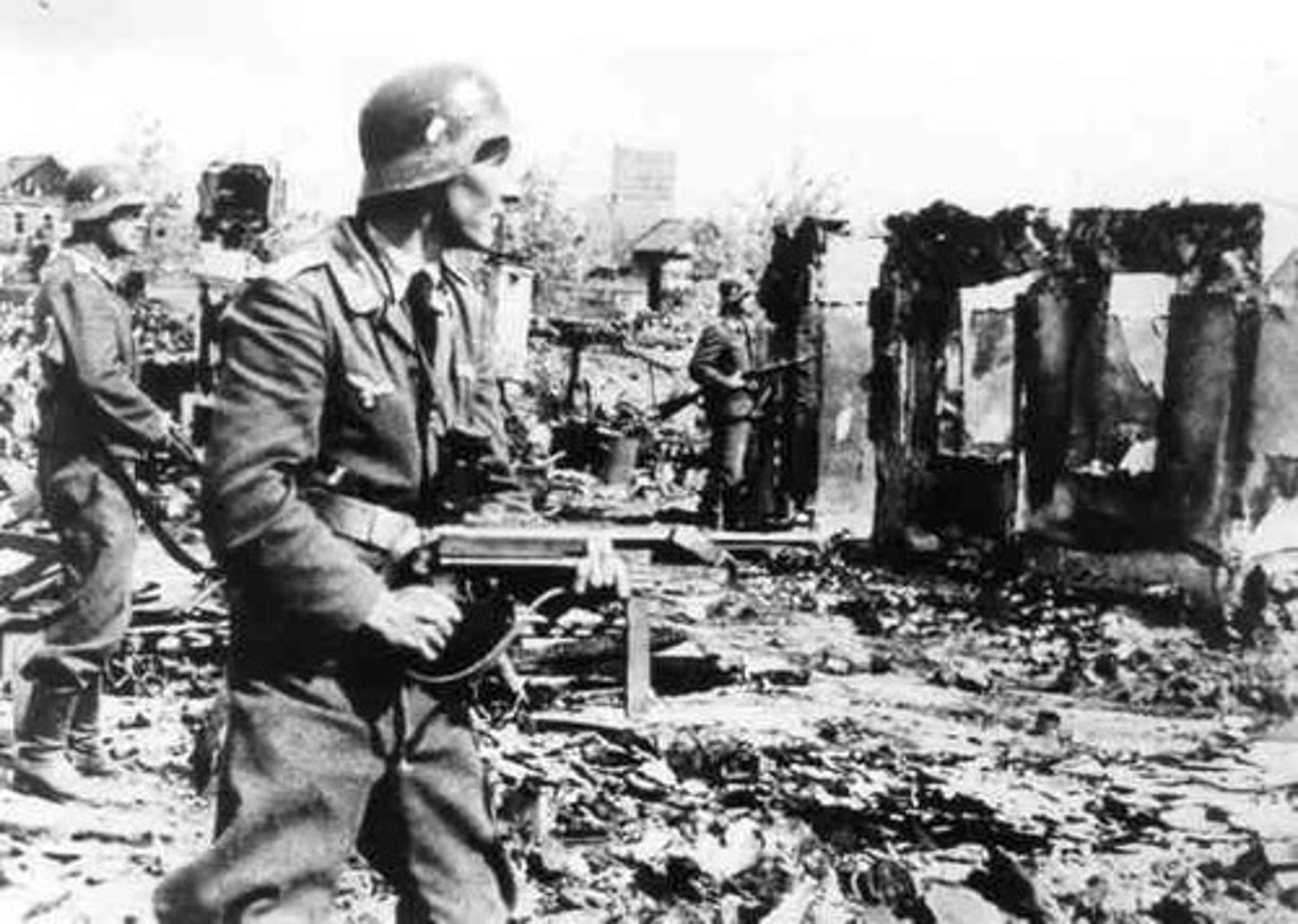
Battle of Stalingrad
Unsuccessful German attack on a major city in the Soviet Union during World War II from 1942 to 1943, turned the momentum of the war against the Nazis
Battle of the Coral Sea
A battle between Japanese and American naval forces that stopped the Japanese advance on Australia.
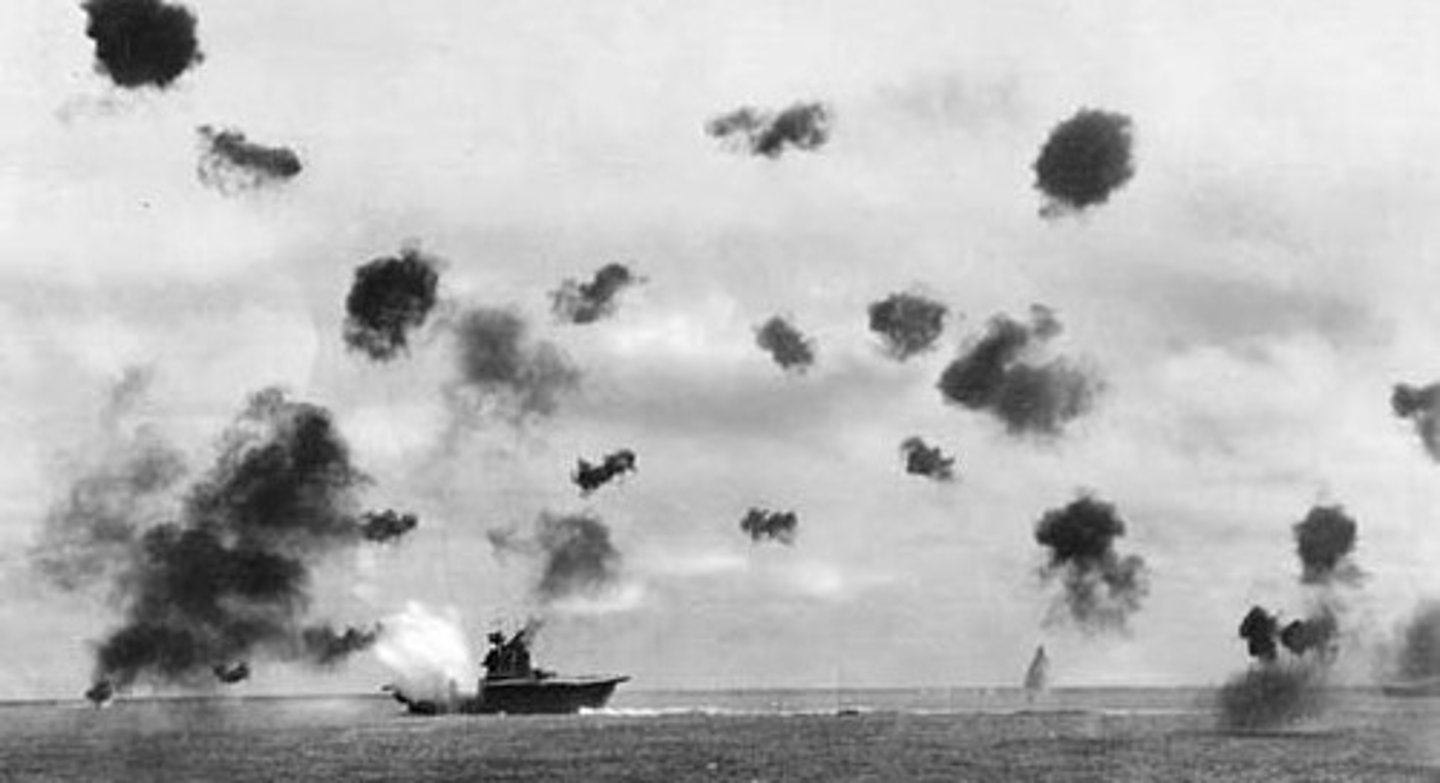
Battle of Midway Island
Lead to the destruction of 4 Japanese aircraft carriers and a victory for the Allies. A major turning point in the war
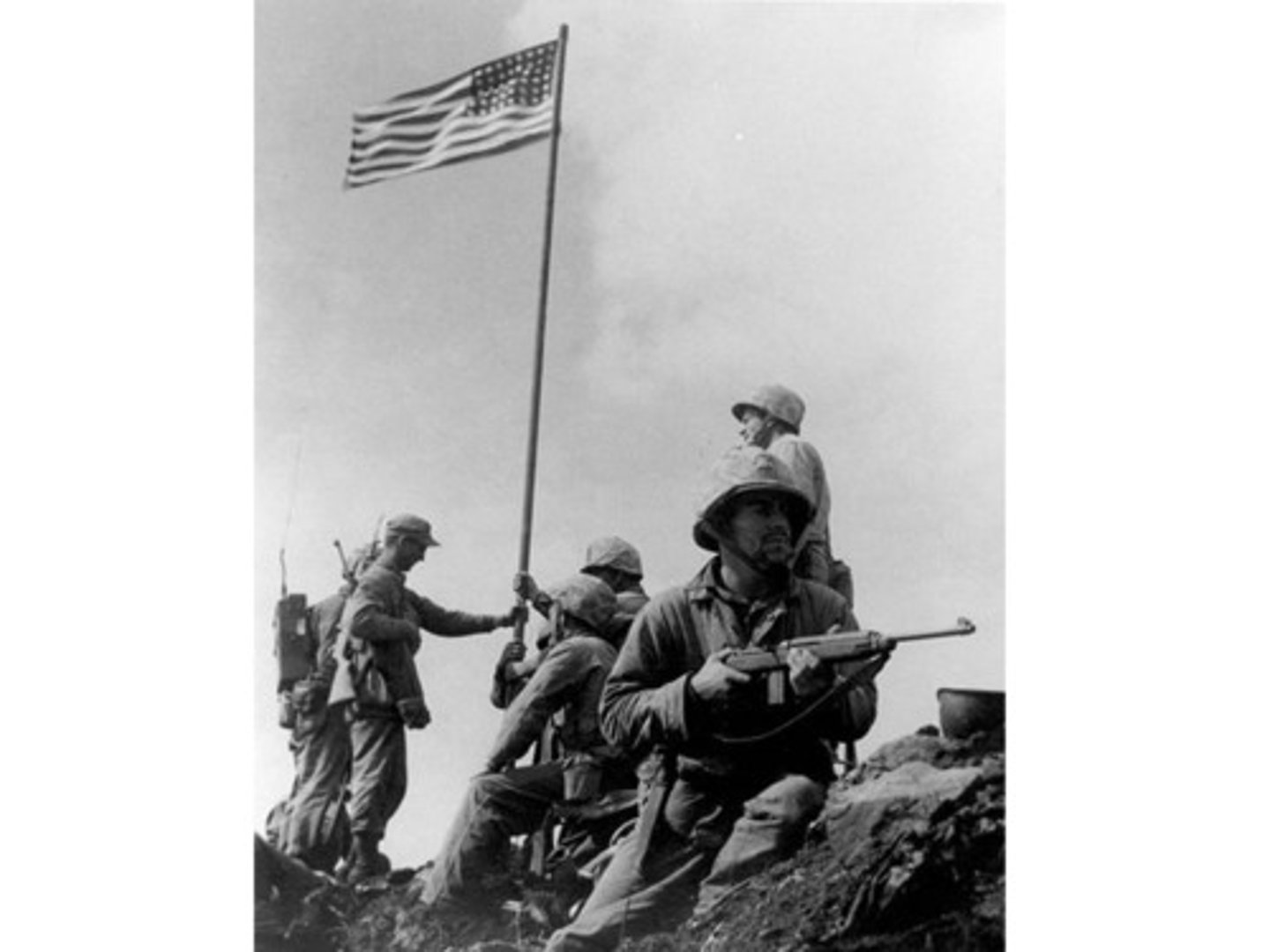
Guadalcanal
first U.S. land victory over the Japanese
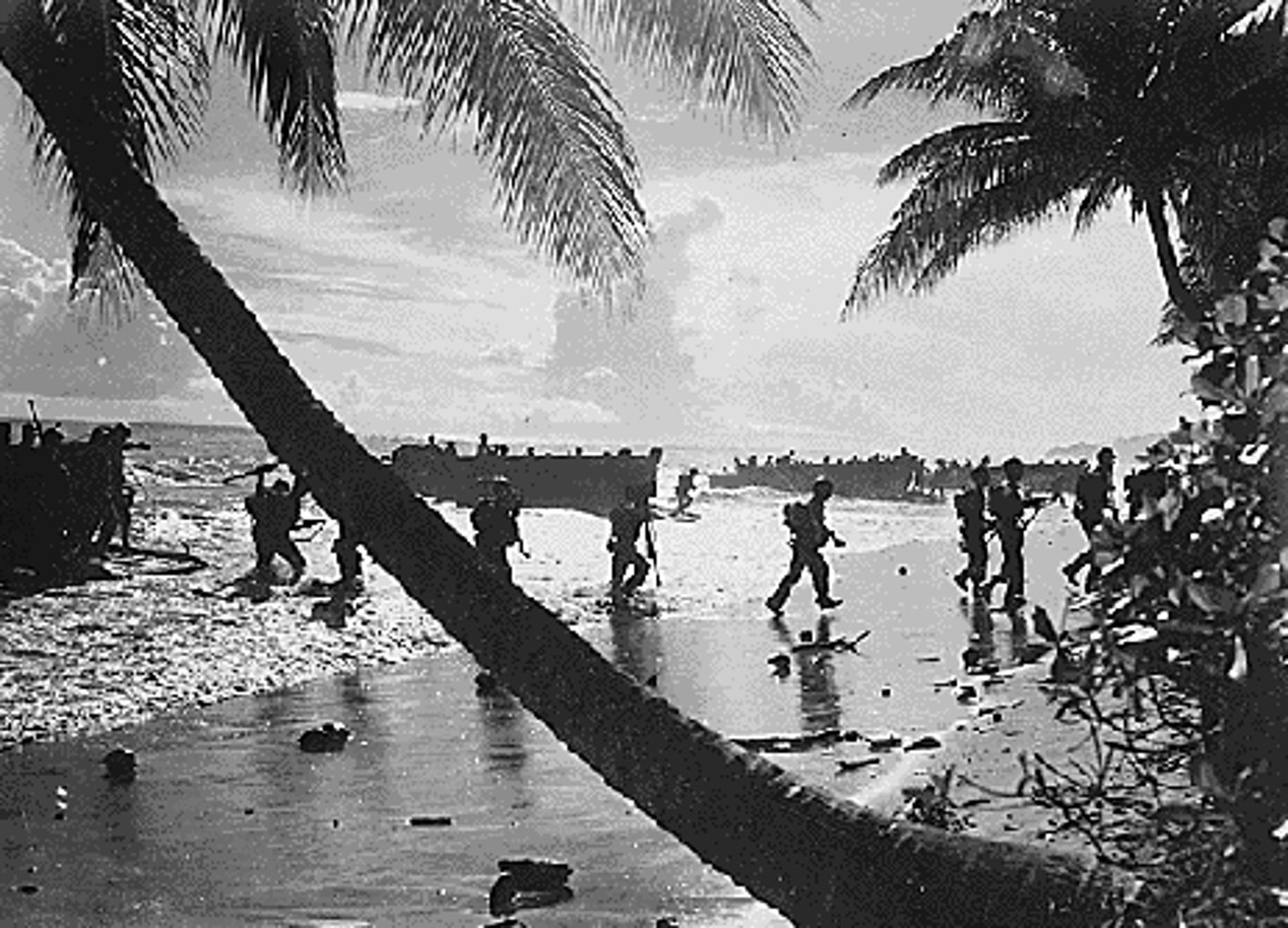
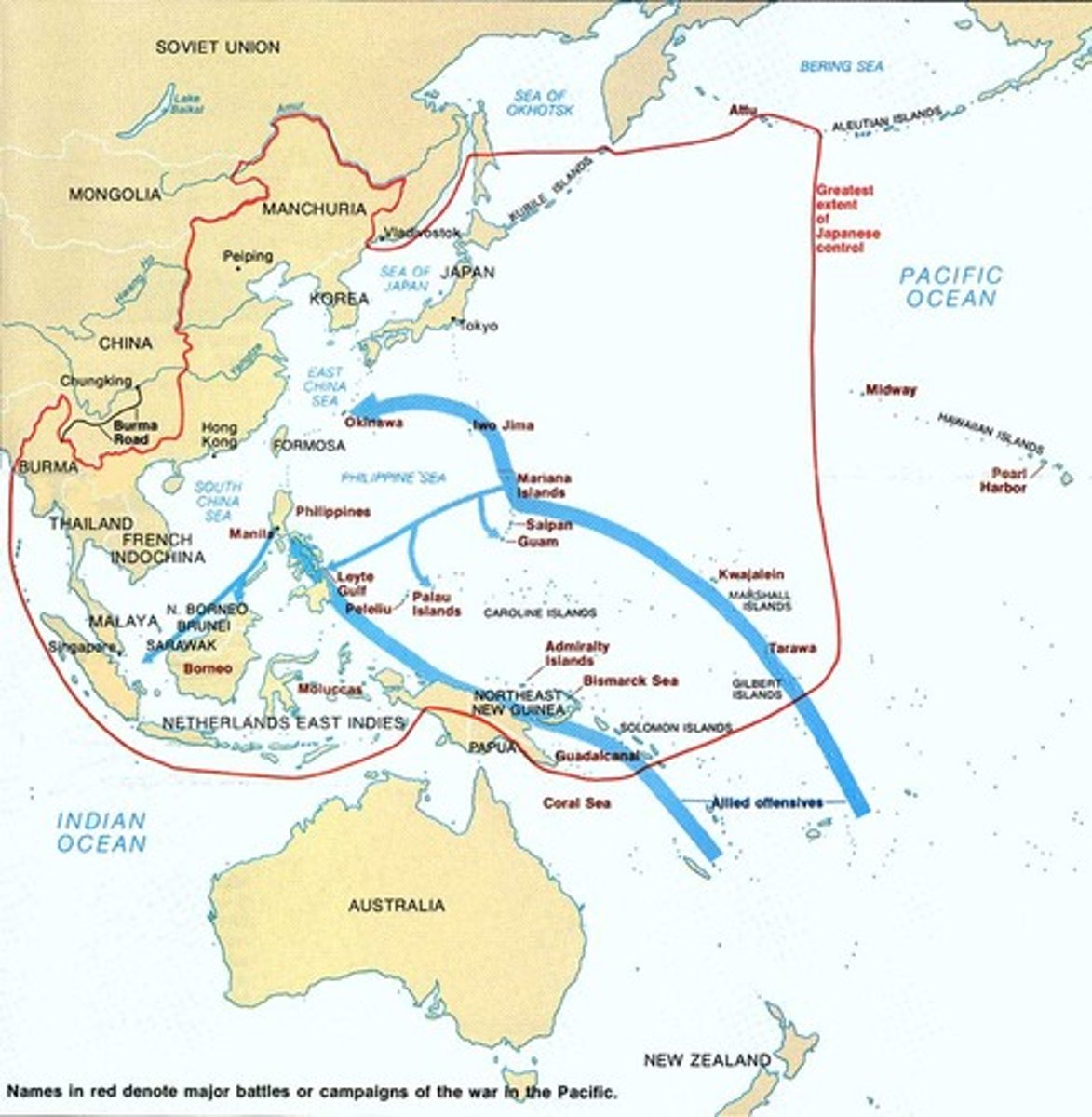
Island-hopping
A military strategy used during World War II that involved selectively attacking specific weak enemy-held islands and bypassing strong others
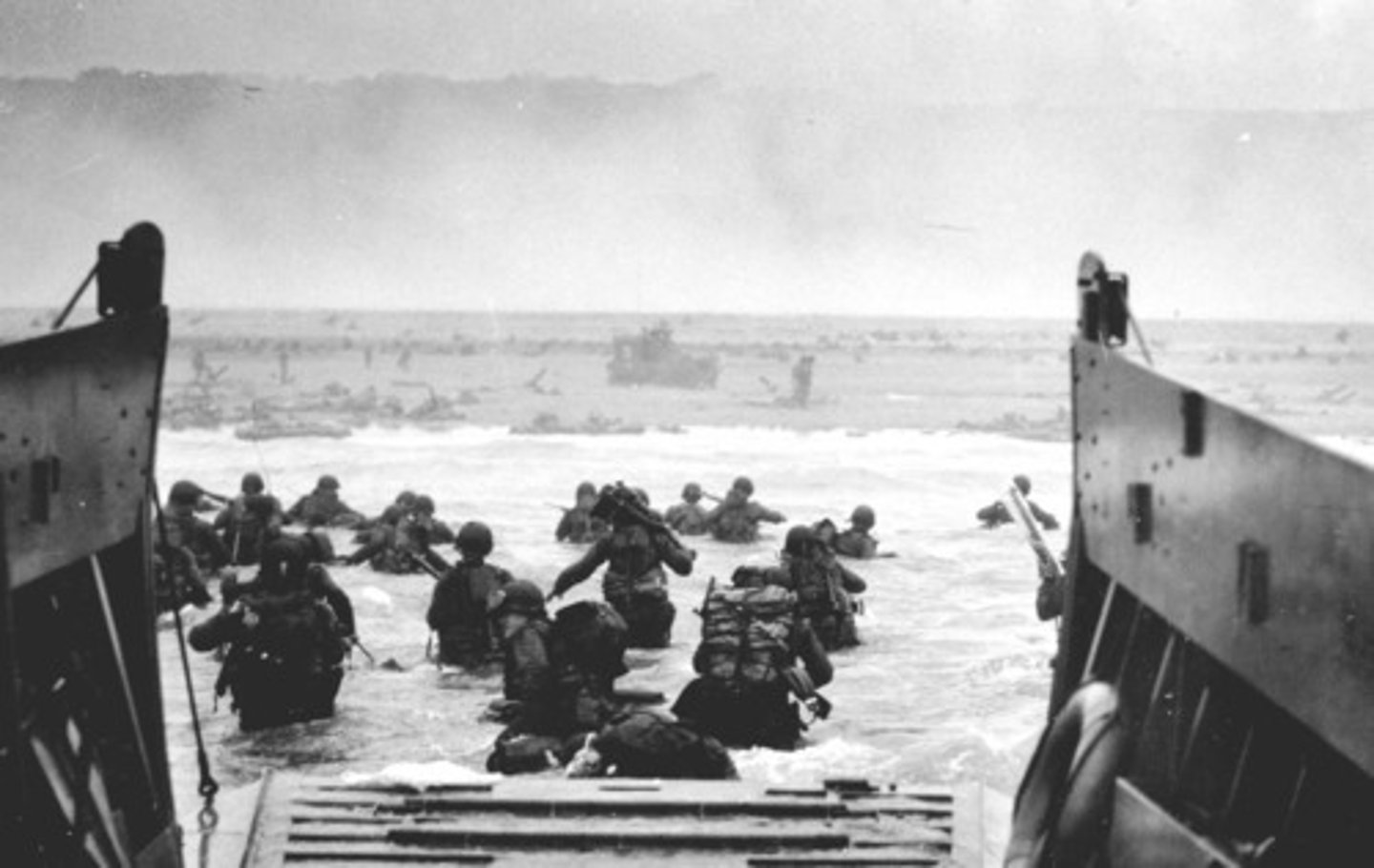
D-Day
Allied troops landed along a 50-mile stretch of heavily-fortified French coastline to fight Nazi Germany on the beaches of Normandy, France. The Allies gained a foot-hold in Normandy.
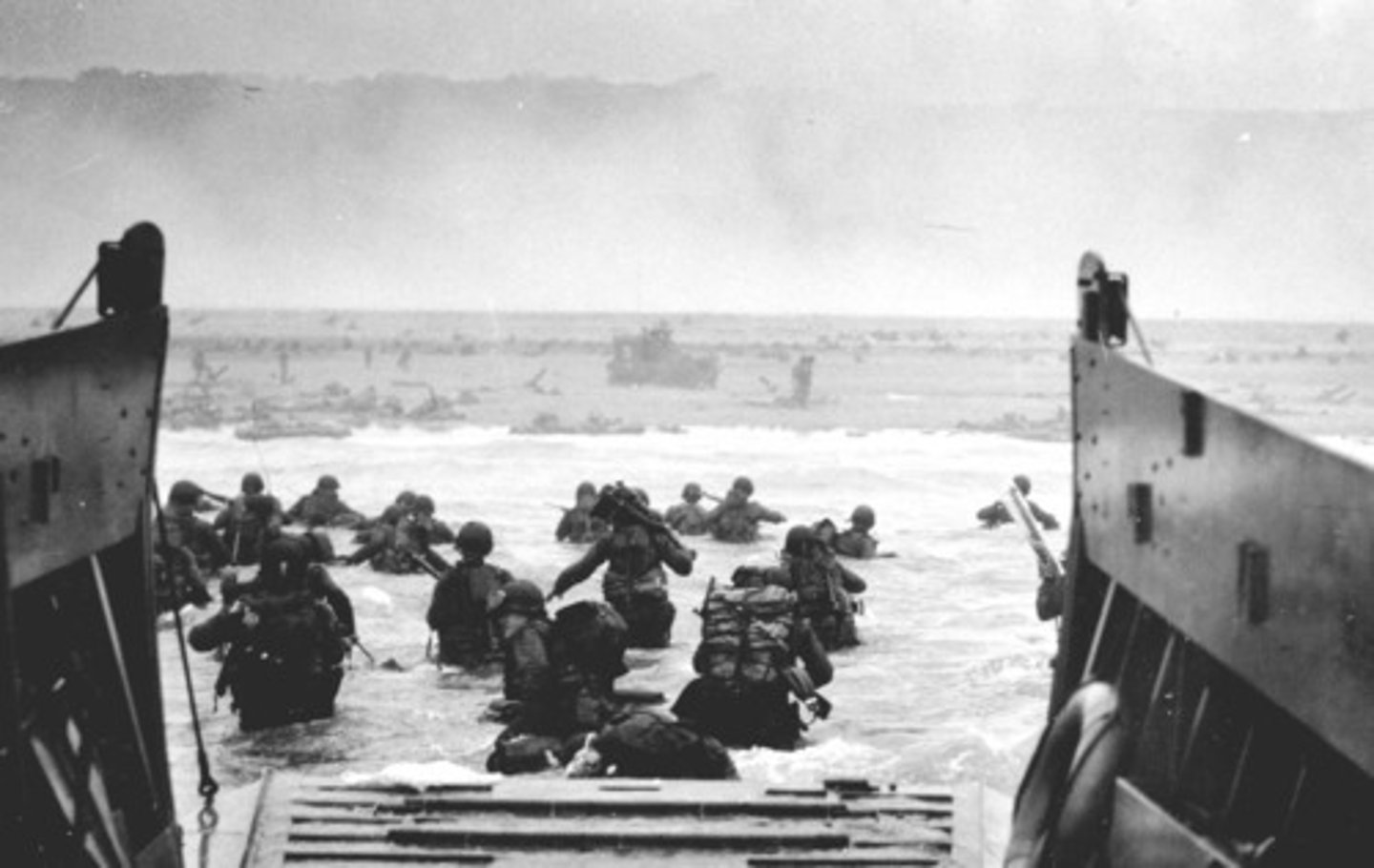
Battle of the Bulge
In the winter of 1944, Germany staged a massive counterattack in Belgium and Luxembourg. The Allies stopped the German advance. Left Germany with no realistic expectation of winning the war.

V-E Day
May 8, 1945; when the Germans surrendered