Chapter 13: Nervous System (Part 2) - Disease/disorders & Diagnostic terms
 Call Kai
 Learn
Learn Practice Test
 Spaced Repetition
 Match
Match Flashcards
 Knowt Play
1/86

There's no tags or description
Looks like no tags are added yet.
Name | Mastery | Learn | Test | Matching | Spaced | Call with Kai |
|---|
No analytics yet
Send a link to your students to track their progress
87 Terms
electroencephalography (EEG)
The recording and analysis of the electrical activity of the brain; The diagnosis of brain death may require electroencephalography of the brain is absent; The record obtained is an electroencephalogram.
Electromyography
The preparation, study, and interpretation of an electromyogram; A graphic record of the contractions of a muscle as a result of electrical stimulation.
Myelography
The radiographic inspection of the spinal cord by injection of a radiopaque medium.
Subdural
Accumulation of blood beneath the dura mater.
Epidural
Blood accumulates in the epidural space, the space outside the dura mater.
Intracerebral hematoma
Bleeding occurs within the brain.
Cerebrovascular Accident (CVA)
Normal blood supply to the brain as been disrupted; CVA results in insufficient oxygen to brain tissue, caused by hemorrhage, occlusion (closing), or constriction of the blood vessels that normally supply oxygen to the brain; Paralysis, weakness, speech defect, and pother complications, as well as death, may occur.
Transient Ischemic Attack (TIA)
Caused by a brief interruption in cerebral blood flow; The term ischemic pertains to deficient blood circulation; TIA symptoms often include disturbance of normal vision, dizziness, weakness, and numbness.
Hydrocephalus
Fluid accumulation in the skull; Disorders such as brain tumors that interfere with the flow of cerebrospinal fluid causes hydrocephalus; The fluid accumulation is usually accompanied by increased intracranial pressure.
Cerebral Aneurysm
A ,localized dilation of the wall for a cerebral artery; Can lead to rupture and hemorrhagic stroke; May require cerebral angiography for diagnosis.
Akinesia
Complete or partial loss of muscle movement.
Bradykinesia
Abnormal slowness of movement or sluggishness of mental and physical processes.
Hyperkinesia
Abnormally increased activity or motor function.
Anesthesia
Partial or complete loss of sensation with or without loss of consciousness and resulting from disease, injury, or administration of an anesthetic.
Aphagia
Inability or refusal to swallow. It is characterized by abstention from eating because swallowing is painful.
Aphasia
Absence or impairment of the ability to communicate through speech, writing, or signs; it results from a brain dysfunction.
Dysphasia
Speech impairment caused by a lesson int he brain; characterized by lack of coordination and failure to arrange word properly.
Cephalalgia
Headache, or pain in the head.
Neuralgia
Pain along the course of a nerve.
Cerebral Concussion
Loss of consciousness, either temporary or prolonged, as a result of a blow to the head.
cerebral contusion
Bruising of brain tissue as a result of head injury.
cerebral hemorrhage
The result of the rupture of a sclerosed or diseased blood vessel in the brain.
Coma
A state of unconsciousness from which the patients cannot be aroused, even by powerful stimulation.
diplegia
Paralysis affecting parts on both sides of the body.
hemiplegia
Paralysis of one side of the body.
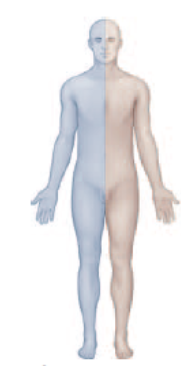
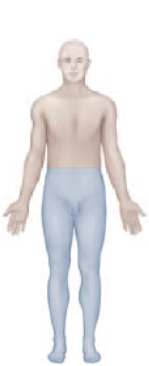
Paraplegia
Paralysis of the legs and lower part of the body.
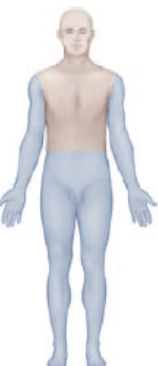
quadriplegia
Paralysis of all four extremities. This is also called tetraplegia.
Cerebral Palsy
A brain disorder characterized by paralysis and lack of muscle coordination; It results from development defects in the brain or trauma at birth.
Myasthenia Gravis
A disease characterized by muscle weakness and abnormal fatigue.
Epilepsy
A group of neurologic disorder characterized by recurrent episodes of convulsive seizures, sensory disturbance, loss of consciousness, or all of these.
Multiple Sclerosis
A chronic disease of the central nervous system I which there is progressive destruction of the myelin sheaths of the neurons.
Parkinson Disease
A chronic nervous disease characterized by a fine, slowly spreading tremor, muscular weakness, rigidity, and often a peculiar gate.
Meningocele
Herniation of the meninges through a defect in the skull or vertebral column.
craniocele
Protrusion of the brain through a defect in the skull.
Encephalocele
Hernial protrusion of brain substance through a congenital or traumatic opening of the skull; craniocele.
Meningitis
Inflammation of the meninges.
Encephalitis
Inflammation of the brain.
Encephalomeningitis
Inflammat
Neuritis
Inflammation of a nerve.
Myelitis
Inflammation of the bone marrow or inflammation of the spinal cord.
Encephalomalacia
Softening of the brain.
Encephalopathy
Any disease of the brain.
Neuropathy
Any disease of the nerves.
narcolepsy
A chronic ailment involving sudden attacks of sleep that occur at intervals.
Shingles
An acute, infectious eruption of vesicles, usually on the trunk of the body along a peripheral nerve.
Psychosomatic
Pertaining to the mind-body relationship or having body symptoms of emotional origin.
Psychosis
Gross impairment in reality testing, such as schizophrenia.
Mental disorders in which the symptoms are distressing to the person, reality testing is intact, behavior does not violate gross social norms.
Autism
Characterized by withdrawal and impaired social interaction and communication.
Attention Deficient Disorder (ADD)
Demonstrate short attention span and poor concentration.
Attention Deficit Hyperactivity Disorder (ADHD)
Hyperkinesia, Hyperactivity, Hyperkinesis; Above normal movement.
Mental retardation
Disorder characterized by a sub average general intelligence with deficits or impairments in the ability to learn and adapt socially.
Dementia
Progressive mental disorders characterized by chronic personality disintergration, confusion, disorientation and deterioration of intellectual capacity and function.
Alzheimer Disease
Progressive mental deterioration, often with confusion disorientation, restlessness, speech disturbances, and inability to carry out purposeful movements.
Anxiety
Is anticipation of impending danger and dread; A permanent state of nervousness, worry, and apprehension can lead to depression.
Post traumatic Stress Disorder (PTSD)
Ana cute emotional response after a traumatic event or situation involving severe environmental stress.
Panic attack
An episode of acute anxiety that occurs unpredictably.
Obsessive-Compulsive Disorder (OCD)
Recurrent and persistent thoughts, ideas, and feeling sufficient to cause distress or interfere with activities of daily living.
Dissociation
Emotions are so repressed there may be confusion in identity and a spit or separation of personality.
Antisocial behavior
Acts against the rights of others or contrary to societal standards.
Paranoia
There are persistent delusions of persecution accompanied by distrust and combativeness.
Somatoform Disorders
Characterized by symptoms suggestions physical illness or disease, which cannot be demonstrated.
Hypochondriasis
Unrealistic interpretation of physical symptoms despite evidence to the contrary.
Pseudoplegia
Loss of muscle power without actual neurological paralysis.
Neurasthenia
A nervous disorder characterized by weakness and sometimes nervous exhaustion. It is believed by some to be psychosomatic, although it is often associated with a depressed state.
Phobias
A persistent, irrational, intense fear of something specific.
Acrophobia
Fear of heights
Claustrophobia
Fear of enclosed spaces
Pyrophobia
Fear of life
Agoraphobia
Fear of open/public places.
Zoophobia
Fear of animals
Phobophobia
Fear of acquiring a phobia
Arachnophobia
Fear of spiders.
Anorexia Nervosa
Characterized by a prolonged refusal to eat, resulting is wasting, emotional disturbance concerning body image, and fear of becoming obese.
Bulimia
An uncontrolled desire for food that results in continuous eating; Followed by purging and depression.
Clinical depression
An emotional state with exaggerated feelings of sadness, despair, discouragement, emptiness and hopelessness.
Mania
An unstable emotional state that includes excessive excitement, elation, ideas, and psychomotor activities.
bipolar disorder
Occurrence of manic episodes, major depressive episodes or mixed moods.
craniotomy
Any surgery opening intro the skull.
craniectomy
Surgical removal of a portion of the skull to perform surgery on the brain.
cranioplasty
surgical repair of the skull after surgery or injury to the skull.
neuroplasty
Plastic Surgery to repair a nerve or nerves.
neurorrhaphy
Surgical suturing of a cut nerve.
Analgesics
Relieve pain without causing loss of consciousness.
Nerve Block
Temporarily blockk transmission of nerve impulses.
Hypnotics
Drugs often used as sedatives to produce a calming effect.
Anticonvulsants
Relieve our prevent convulsions.