Exam 2
 Note
Note Call Kai
 Learn
Learn Practice Test
 Spaced Repetition
 Match
Match Flashcards
 Knowt Play
1/134

Earn XP
Description and Tags
Respiratory System Lymphatic System
135 Terms
Basic functions of the respiratory system:
gas exchange (O2, CO2)
pH regulation
olfaction (sense of smell)
filter inspired air
phonation (sound production)
Why do cells need oxygen?
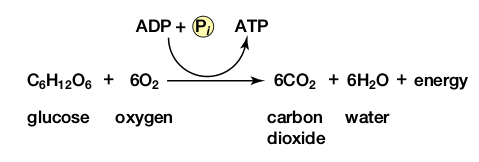
for cellular respiration → to make ATP
What is Cellular respiration?
process in which nutrients are converted to useful energy for the cell
generates ATP
C6H12O6 + 6 O2 → 6 CO2 + 6 H2O
The respiratory system anatomy is classified by _____ or _____
Structure or function
2 zones in respiratory system anatomy [functionally]
Conducting zone
Respiratory zone
what is the conducting zone?
site that moves air in/out of lungs
nose, pharynx, larynx, trachea, bronchi, bronchioles and terminal bronchioles [only moving air]
what is the respiratory zone?
site of gas exchange
respiratory bronchioles, alveolar ducts, alveolar sacs, and alveoli
How is the respiratory system anatomy separated structurally?
upper / lower respiratory system
what are the organs in the upper respiratory tract?
nasal cavity
pharynx
what are the organs in the lower respiratory tract?
larynx
trachea
primary bronchi
lungs
all of the respiratory tract is lined with?
Cilia / Ciliated mucous membranes
constantly swallowing bits of mucus that are coming from below and up above
all move in unison
Cilia in upper respiratory tract move mucous and trapped particles where?
down toward pharynx
Cilia in lower respiratory tract move mucous and trapped particles where?
up toward pharynx
Why does cilia in upper/lower respiratory tract move mucous and trapped particles down/up toward pharynx?
because it continually almost wash with mucus with these surfaces
if sick — you’re gonna end up coughing out or spitting out
always moving the stuff trapped in your mucus towards the pharynx
Other name for pharynx
Throat
structure of Larynx (voice box)
contains vocal chords
2 inch tube
Larynx (voice box) function
deglutition
airway closes when you swallow
respiration/ventilation
phonation
Trachea function
move air in and out of the lungs
lined with cilia
push stuff up because the pharynx is now superior to trachea
Trachea structure
tube that doesn’t change in size because it needs to be the same size
pretty big so we don’t reduce the airflow into the lungs/of the lungs
Lungs receive blood from…?
pulmonary arteries
bronchial arteries
what are pulmonary arteries?
low O2 blood / deoxygenated blood from right ventricle
what are bronchial arteries?
high O2 blood / oxygenated blood from left ventricle
what are pleural membranes
serous membranes → that line body cavities that are not exposed to the outside
each lung enclosed by double-layered pleural membrane. what are these pleura? [2]
parietal pleura
visceral pleura
what is parietal pleura
outer layer
what is visceral pleura
inner layer
close to organs
what is pleural cavity
the space between layers
what does pleural fluid do?
reduces friction
produces surface tension (stick together)
what is the branching of bronchial tree
trachea → primary bronchi → secondary bronchi → tertiary bronchi → bronchioles → terminal bronchioles (last airway where you just have a conducting zone; not exchanging air yet)
how many orders of branching
~ 25
what is Carina
above split of primary bronchi
cough reflex
most robust / forceful
which branch are non-ciliated
smaller bronchioles
what rings disappear
cartilage rings
as cartilage decreases…
smooth muscle increases
what happens in the airway in the Sympathetic ANS
epinephrine coming from the adrenal glands → smooth muscle relaxes → dilation of airway
what happens in the airway in the Parasympathetic ANS
smooth muscle contraction → constriction of airway
what happens in the airway when used Histamine (mediator of allergic reactions)
close/constrict of airways
what are Lobules of Lungs
wrapped in elastic connective tissue and contains:
lymphatic vessel
arteriole
venule & branch from terminal bronchiole
what is compliance
ability to stretch/recoil
helps getting the air back out
what is alveolus
cup-shaped outpouching
~ 300 million in lung = surface area of racquetball court
2 types of alveolar epithelial cells
Type 1 alveolar cells (pneumocyte type 1)
Type 2 alveolar cells (pneumocyte type 2)
what is Type 1 alveolar cells (pneumocyte type 1)
site of gas exchange
simple squamous cells
form nearly continuous lining
~95% of cells
what is Type 2 alveolar cells (pneumocyte type 2)
secrete alveolar fluid
(surfactant reduces tendency to collapse)
what is Surfactant
mix of phospholipids and lipoproteins that reduce surface tension
if surface tension too high = alveoli collapses
what do alveolar macrophages do
remove fine dust, etc.
phagocytes
3 steps for air and gas exchange
Pulmonary ventilation/breathing
External (pulmonary) respiration
Internal (tissue) respiration
what is pulmonary ventilation/breathing
inhalation & exhalation
exchange of air between atmosphere and alveoli
what is external (pulmonary) respiration
exchange of gases between the alveoli and blood
what is internal (tissue) respiration
exchange of gases between systemic capillaries and tissues
what is boyle’s law
pressure of a gas in a closed container is inversely proportional to the volume of the container
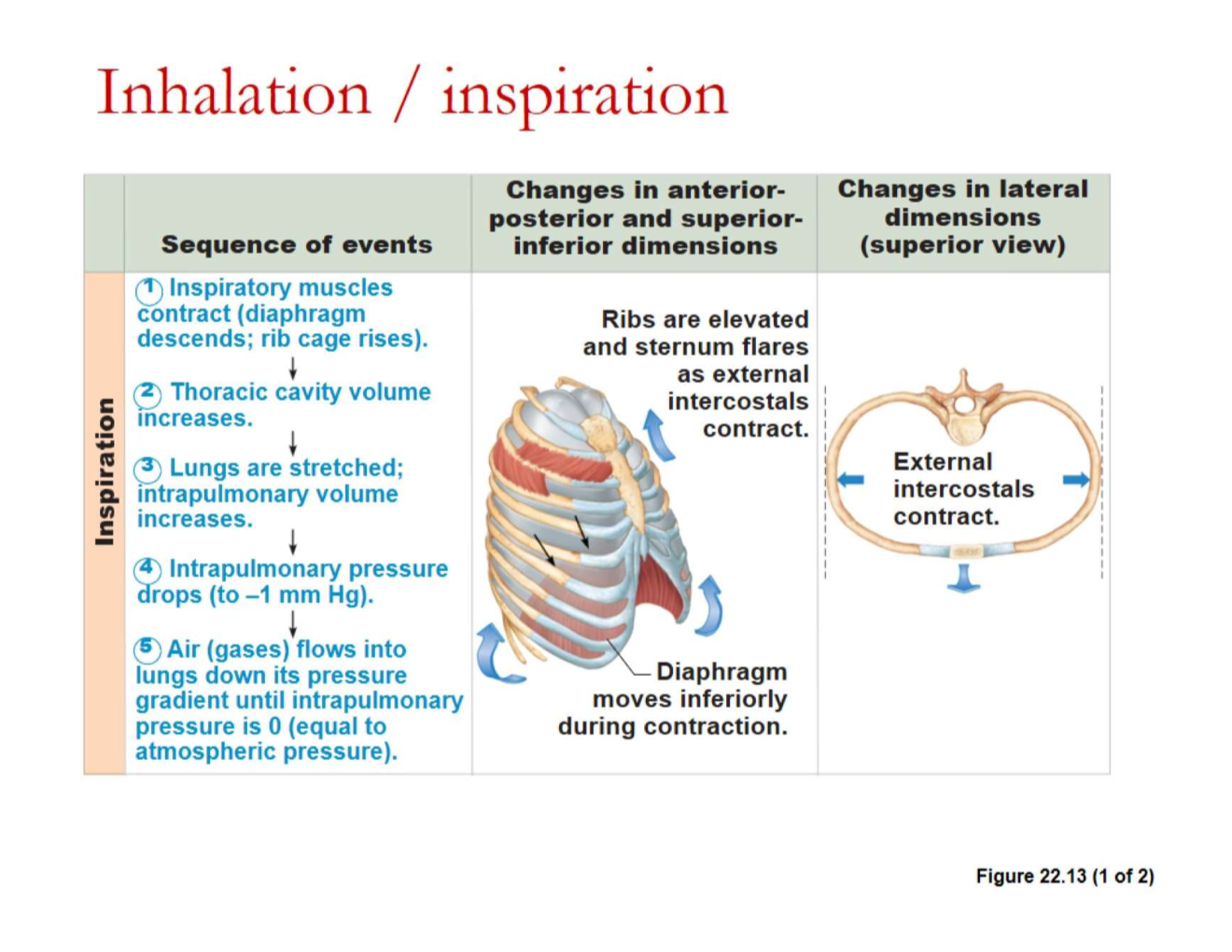
inhalation/inspiration
achieved by increasing size of lungs
lungs must expand → increasing lung volume = decreases pressure below atmospheric pressure
is active = contraction of muscles required
can increase # of muscles if forced inhalation
diaphragm & external intercostal muscles
(all about pressure differences)
exhalation/expiration
lung pressure is GREATER > than atmoshpheric pressure then air rushes out
intrapulmonary volume ⬇ + diaphragm (⬆) and external intercostals relax
normally passive — muscles relax
based on elastic recoil of chest wall and lungs due to:
elastic fibers
surface tension of Alveolar fluid (important for lung recoiling)
Air pressure differences drive _____ in lungs
airflow
3 factors that affect rate of airflow and ease of pulmonary ventilation
Alveolar fluid surface tension
causes alveoli to assume smallest possible diameter
accounts for 2/3 of lung elastic recoil
Lung compliance
high compliance means lungs and chest wall expand easily
related to elasticity and surface tension
Airway resistance
larger diameter airway has low resistance
regulated by diameter of bronchioles via ANS (Autonomic nervous system)
Alveolar surface tension
surface tension
attracts liquid molecules to one another at a gas-liquid interface
surfactant
made by Type 2 Alveolar
detergent-like complex
reduces surface tension of alveolar fluid discouraging alveolar collapse
what is a Surfactant
prevents the alveoli to collapse
made by Type 2 alveolar
detergent-like complex
reduces surface tension of alveolar fluid
we need _______ _______ but not too much
surface tension
Lung Compliance
a measure of the change in lung volume that occurs with a given change in transpulmonary pressure
normally HIGH compliance due to…
distensibility of the lung tissue (a lot of elastic tissue)
alveolar surface tension
what is lung compliance diminished by?
nonelastic scar tissue (fibrosis)
reduced production of surfactant
decreased flexibility of the thoracic cage [happen with age]
pulmonary edema
all decrease lung compliance
Airway Resistance
resistance is usually insignificant due to…
large airway diameters in the first part of the conducting zone
progressive branching of airways as they get smaller, increasing the total cross-sectional area
what happens in increased airway resistance?
breathing become more difficult/strenous
severely constricting or obstruction of bronchioles
can prevent life-sustaining ventilation
acute asthma attacks can stop/inhibit ventilation
Epinephrine will lead to smooth muscle relaxation & dilation of the airways (lined w/ smooth muscle)
ex: Epiphen inhalers
what is Ventilation
amount of air reaching the alveoli
what is Perfusion
blood flow reaching the alveoli
Ventilation and perfusion must be ______ for efficient gas exchange
matched (coupled)
what affects perfusion/blood flow?
vasoconstriction/vasodilation
affect diameter of airways
main idea of Ventilation-Perfusion coupling
to make sure airflow & blood flow are matched/equal
Ventilation-Perfusion coupling in the arterioles
changes in partial pressure OXYGEN (P O2) in the alveoli cause changes in the diameters of the arterioles
HIGH alveolar O2 → arterioles DILATE
LOW alveolar O2 → arterioles CONSTRICT
Ventilation-Perfusion coupling in the bronchioles
changes in partial pressure CARBON DIOXIDE (P CO2) in the alveoli cause changes in the diameters of the bronchioles
HIGH alveolar CO2 → bronchioles DILATE
LOW alveolar CO2 → bronchioles CONSTRICT
gas exhange involves _______ _______ gradients
partial pressure
what is Air
mixture of gases
nitrogen, oxygen, water vapor, and carbon dioxide
what is partial pressure
the pressure for a specific gas
determined by multiplying the atmospheric pressure by the percentage of the specific gas in the atmospheric air
atmospheric pressure = 760 mmHg
partial pressure of a gas in solution depends on 2 elements
concentration
solubility
relationship of concentration + partial pressure
the greater > the concentration of a gas = the greater > its partial pressure
what is solubility
how easily does it dissolve in the solution
solubility of Oxygen (O2)
low solubility; doesn’t like to hang out with water, hence the hemoglobin!
solubility of Carbon Dioxide (CO2)
better solubility; easy to get into water
how does gas partial pressure in liquids work
explains how solubility of gas is related to diffusion
it bends
HIGHER pressure = N2 comes in you MORE
gas stays in solution when?
higher partial pressure
has high solubility in water
AKA: Carbon dioxide
the alveoli are lined with very small _____ ______
blood vessels
what does the alveoli do?
GAS EXCHANGE:
blood gets rid of Carbon Dioxide and picks up Oxygen from the air we breathe in
what is external respiration in lungs?
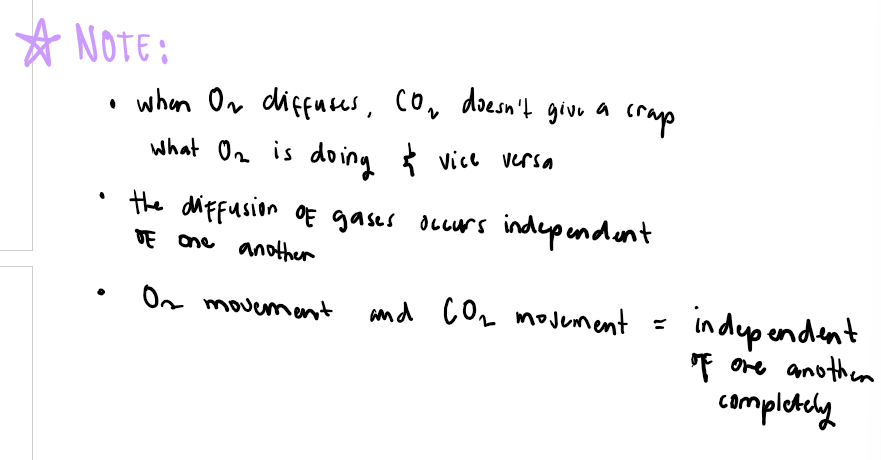
pulmonary gas exchange → Oxygen in; Carbon Dioxide out
O2 and CO2 diffuse independently
external respiration of Oxygen
diffuses from alveolar air into → blood of pulmonary capillaries
diffusion continues until Partial pressure O2 of pulmonary capillary blood matches = Partial pressure O2 of alveolar air
external respiration of Carbon Dioxide
diffuses from deoxygenated blood in pulmonary capillaries into → alveolar air
continues until partial pressure CO2 blood reaches 40 mmHg
what is internal respiration ?
gas exchange between blood and body tissues
at rest, only about 25% of the available oxygen is used
oxygen:
moves from systemic capillaries → tissues
carbon dioxide
moves from tissues → systemic capillaries
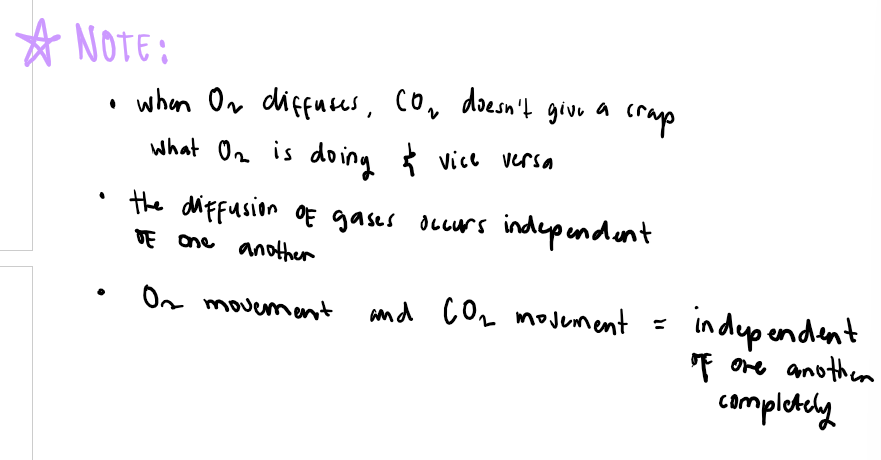
rate of these gases diffuse is dependent on their partial pressures
gases move from an area of HIGH partial pressure to LOW partial pressure
internal respiration of Oxygen
oxygen diffuses from systemic capillary blood into → tissue cells
internal respiration of carbon dioxide
diffuses from tissue cells into → systemic capillaries
partial pressure CO2 blood reaches 45 mmHg
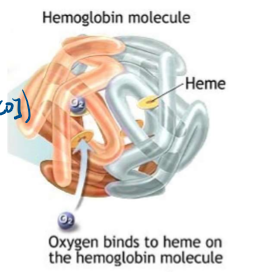
what is oxygen transport?
1.5% dissolved in plasma
98.5% bound to hemoglobin (Hb) in RBCs
Heme has 4 iron molecules
each can bind one oxygen or carbon monoxide
O2 + Hb = Hb-O2 (Oxyhemoglobin)
why does oxygen transport requires hemoglobin?
oxygen has low solubility in water + plasma membrane is an aqueous solution… so we need hemoglobin to bind with oxygen to be able to transport properly
what is Affinity
the ability of Hemoglobin (Hb) to hold Oxygen
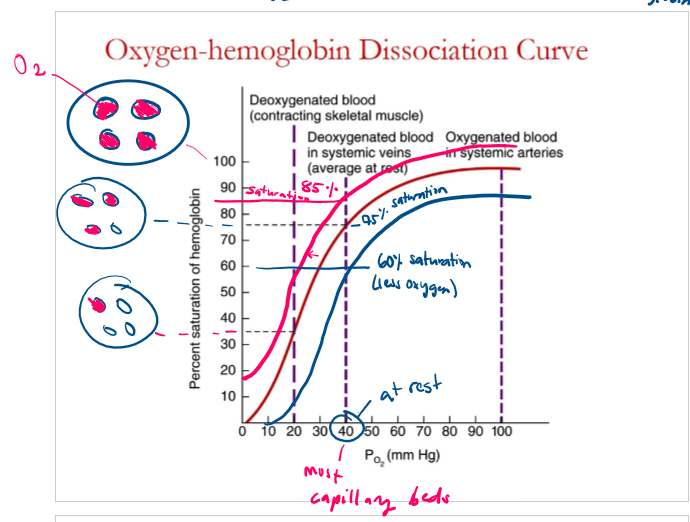
What happens when the curve shifts to RIGHT → ?
Affinity of hemoglobin to Oxygen ⬇
⬆ Oxygen release
= low pH (acidic), high temp, high partial pressure CO2

what happens when the curve shifts to LEFT ← ?
affinity of oxygen to hemoglobin ⬆
⬇ oxygen release
= high pH (basic), low temp, low partial pressure CO2

the affinity for oxygen to hemoglobin and how much saturation there is, is directly related to?
the pressure of oxygen
the more oxygen, the higher _______
saturation
3 other factors that affect affinity of Hemoglobin for O2
Acidity
Pco2
Temperature
characteristics of metabolically active tissues
need O2
to do more cellular respiration to make more ATP to fuel more reactions
produce acids
has CO2
heat as wastes
Factors that affect affinity of Hb for O2: the Bohr Effect (Acidity factor)
⬆ acidity (decreased pH) = ⬇ affinity of hemoglobin for Oxygen
increasing acidity enhances unloading/release of O2
shifts curve to right →
ex: metabolically active tissue
-OR-
⬇ acidity (increase pH) = ⬆ affinity of hemoglobin for Oxygen
decreasing acidity = decrease release of O2
shifts curve to left ←
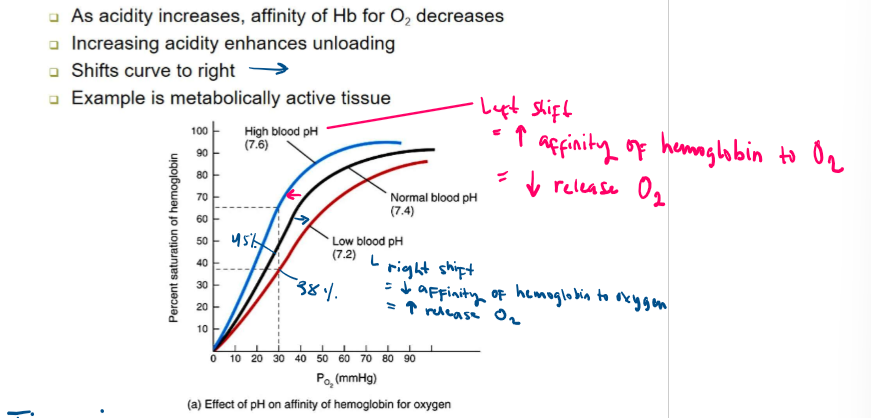
what if a tissue is acidotic?
it is more active, therefore need more oxygen
so, decrease how hard hemoglobin is holding oxygen (decrease affinity) = increases how much oxygen gets to that tissue (increases oxygen release)
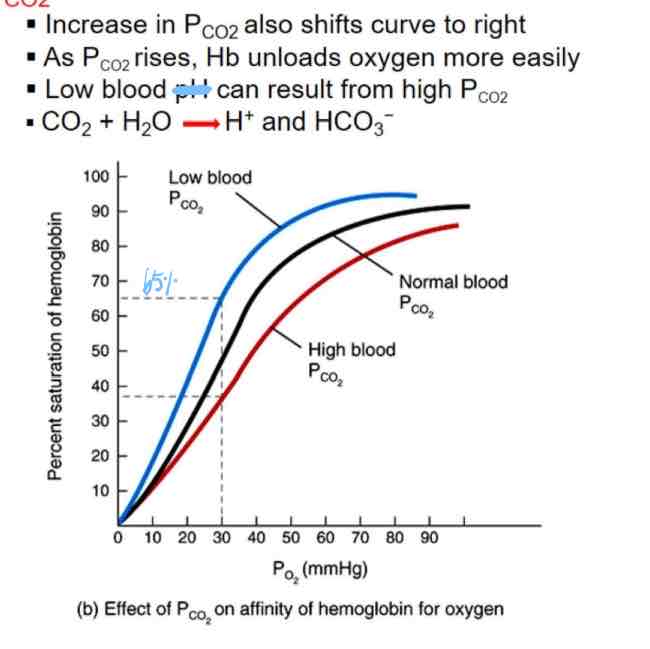
Factors that affect affinity of Hb for O2: Partial pressure of CO2
⬆ Pco2 = ⬆ Oxygen release = ⬇ affinity
shifts curve to right →
Unloads O2 more easily
Low blood
CO2 + H2O → H+ + HCO3- (bicarbonate)
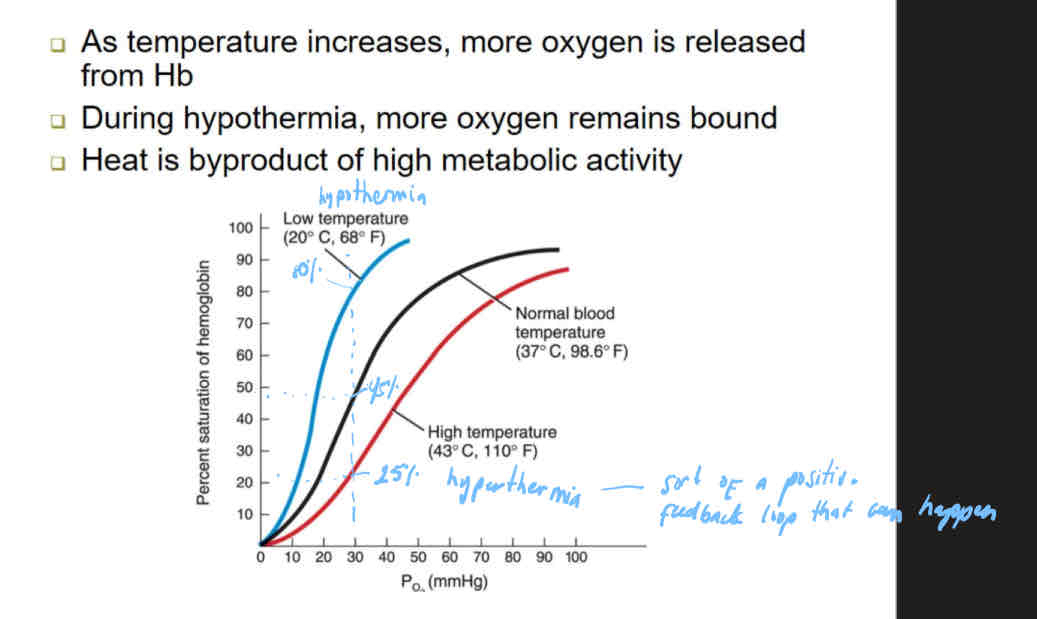
Factors that affect affinity of Hb for O2: Temperature changes
⬆ temperature = ⬆ oxygen release = ⬇ affinity of hemoglobin for O2
During hypothermia, more oxygen remains inbound
Heat is byproduct of high metabolic activity
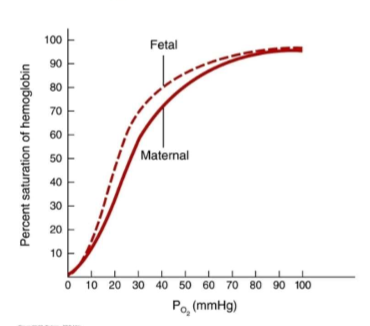
what is the difference between fetal and maternal hemoglobin?
fetal hemoglobin has a HIGHER > affinity for oxygen than adult hemoglobin
Hb-F can carry up to 30% more oxygen
maternal blood’s oxygen readily transferred to fetal blood