properties of composites
 Call Kai
 Learn
Learn Practice Test
 Spaced Repetition
 Match
Match Flashcards
 Knowt Play
1/8

Earn XP
Description and Tags
Name | Mastery | Learn | Test | Matching | Spaced | Call with Kai | Chat |
|---|
No analytics yet
Send a link to your students to track their progress
9 Terms
composites
FAT CREC G
ability to be moulded into a variety of forms (easy manufacture)
enhanced physical & mechanical properties, improving product performance
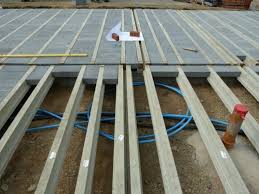
fibre cement
Used for roofing, cladding, facades, suspended floors - cement powder, sand and aggregate particles and polymer / steel fibres
Advantages
Durable and resistant to weathering
Non-combustible and provides fire resistance
Low maintenance and long-lasting
Lighter in weight than reinforced concrete, hard, tough
Disadvantages
Can be heavy and difficult to handle
Requires special tools for cutting and installation
Can be brittle under certain conditions

aluminium composite board
Used for signage, cladding, interior panels, furniture, and shop fittings - aluminium sheet with polyethylene core
Advantages
Lightweight yet strong due to its composite structure.
Weather-resistant and durable, making it suitable for outdoor use.
Easy to cut, shape, and install.
Corrosion-resistant and low maintenance.
Available in various finishes and colours for aesthetic applications.
Rigid, tough, malleable
Disadvantages
Not as strong as solid aluminium or steel.
Can be expensive compared to other panel materials.
Not suitable for high-impact applications.
May dent under strong force.
Composite layers can delaminate over time if poorly manufactured.
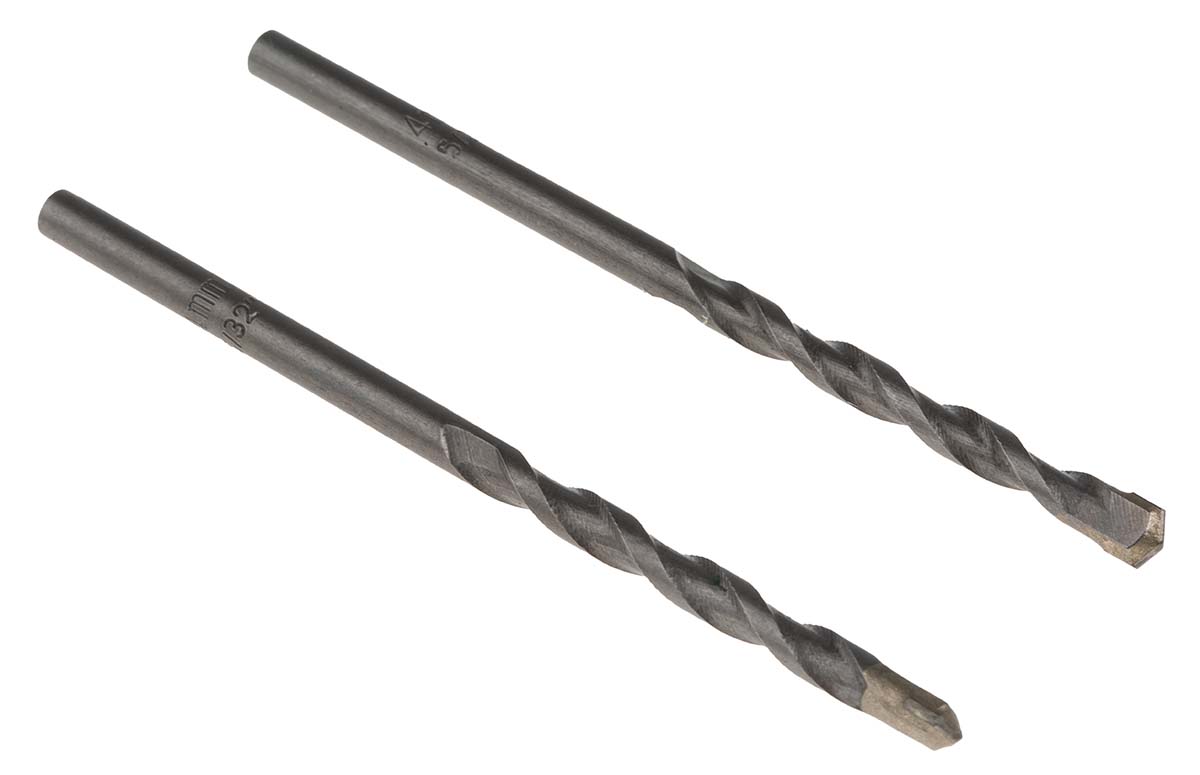
tungsten carbide
Used for cutting tools, wear-resistant coatings, and jewellery - mixture of ceramic and metal particles
Advantages
Extremely hard and wear-resistant.
High melting point, suitable for high-temperature applications.
Excellent strength and durability.
Resistant to corrosion and chemical damage.
Disadvantages
Brittle under extreme impact, leading to fractures.
Expensive to manufacture.
Heavy compared to alternative materials.

concrete
Used for construction, reinforced concrete structures, pavements - cement powder, sand and aggregate particles with water
Advantages
Can be moulded into a variety of 3D forms
Enhances physical and mechanical properties when reinforced
Ease of manufacture for certain uses compared to traditional materials
Improved product performance, especially in construction
Disadvantages
Can be brittle if not reinforced properly
Heavy and difficult to transport
Requires significant curing time
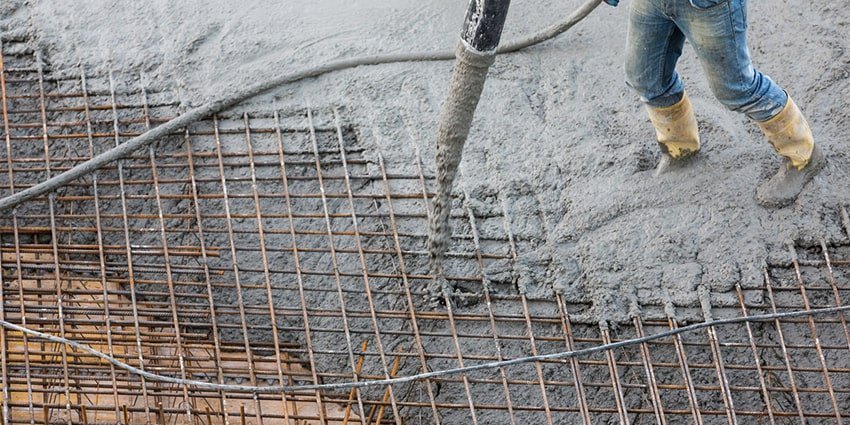
reinforced concrete
Used for building foundations, bridges, tunnels, structural frames - cement with low carbon steel rods
Advantages
Combines the compressive strength of concrete with the tensile strength of steel
Improved durability and resistance to cracking
Can be moulded into various shapes for different applications
Disadvantages
More expensive due to the cost of steel reinforcement
Heavy and difficult to transport
Requires skilled labour for installation
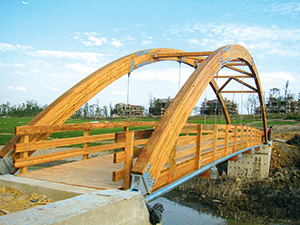
engineered wood (e.g. Glulam)
Used for structural beams, bridges, roof trusses, architectural features - natural alternative to reinforced concretes
Advantages
Strong and lightweight with high strength-to-weight ratio
Can be customised to various shapes and sizes
Environmentally friendly, using renewable wood resources
More lightweight than concrete alternative
Fire resistant, good structural stability, corrosion proof
Disadvantages
May require chemical treatment to improve durability
Vulnerable to moisture and pests if not treated properly
Can be more expensive than traditional timber
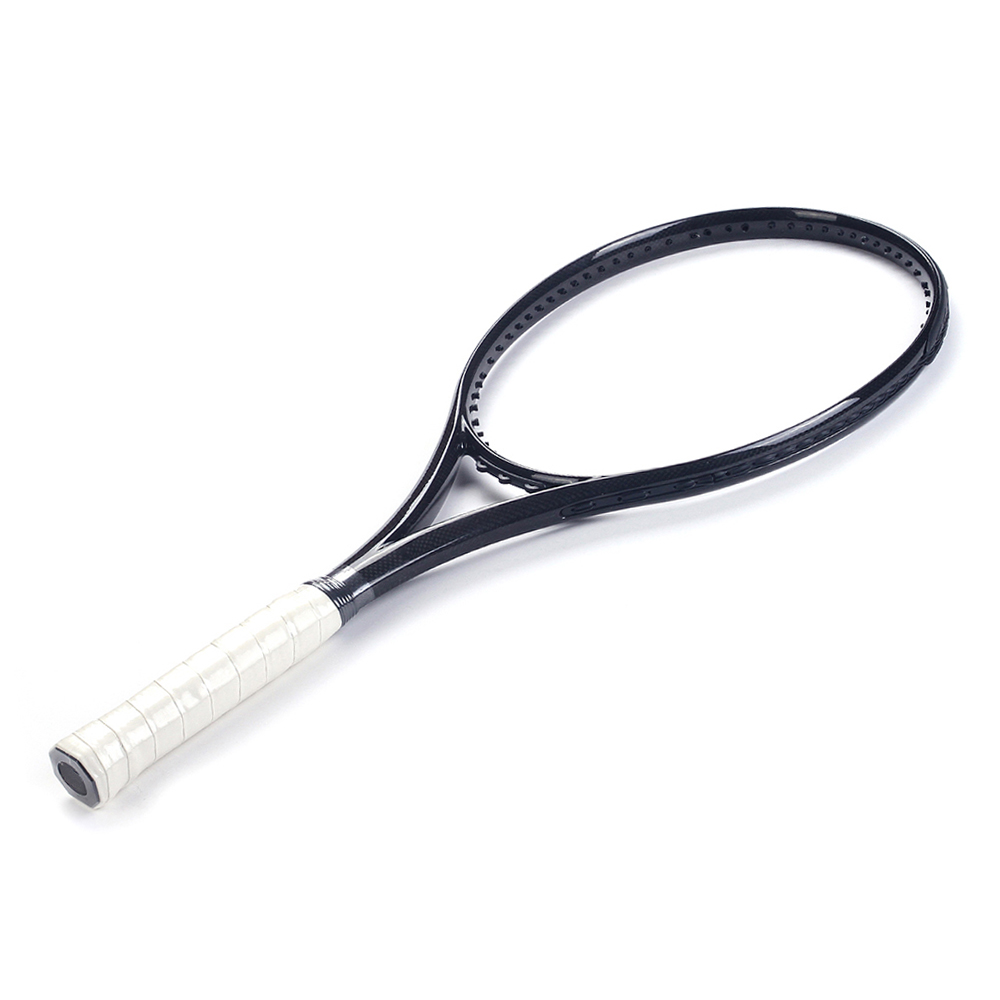
Carbon fibre reinforced plastic (CFRP)
Used for F1 cars, bicycles, tennis rackets - carbon fibres mixed with polyester resin or epoxy resin
Advantages
Lightweight
High tensile strength
Durable
Corrosion resistant
Good electrical conductor
Complex forms can be achieved
Low thermal expansion
Disadvantages
Can break/shatter
Brittle
Relatively expensive
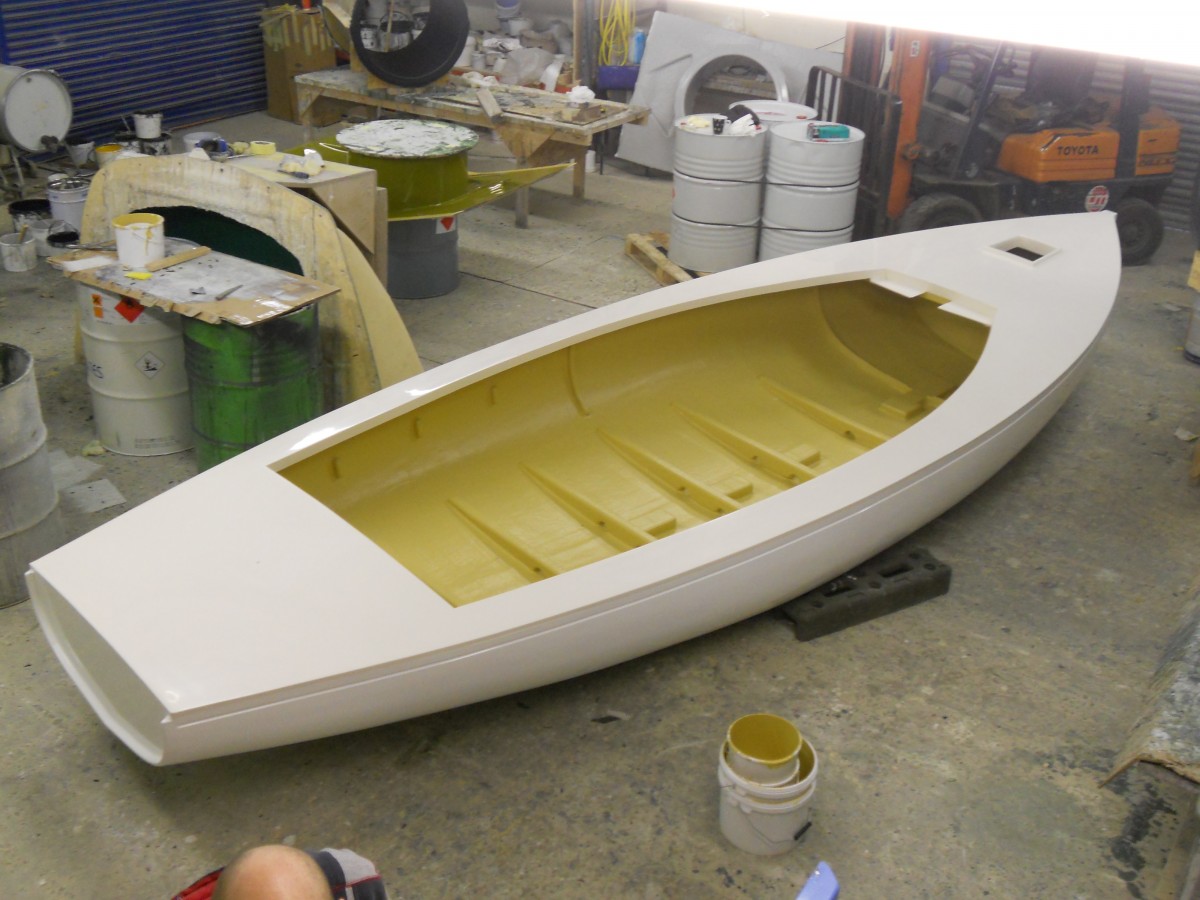
Glass reinforced plastic (GRP)
Used for boat hulls, pond liners, kayak shells, sports car bodies and parts - glass fibres mixed with polyester resin
Advantages
Good strength to weight ratio
Good tensile strength
Can be repaired easily (patch kits etc)
Complex forms can be achieved
Corrosion resistant
Durable w good compressive strength
Disadvantages
Brittle/can shatter easily
Not very heat resistant