Reading and Comprehension: Reading for Meaning: Paper 2: AQA: GCSE
 Call Kai
 Learn
Learn Practice Test
 Spaced Repetition
 Match
Match Flashcards
 Knowt Play
1/111

Earn XP
Description and Tags
112 Terms
Adverb
Adds information to a verb
Determiner
a word that introduces a noun. It always comes before a noun, not after, and it also comes before any other adjectives used to describe the noun.
Stative verb
Describes a state rather than an action.
Noun
A person, place or thing
Pronoun
Replaces a name (he, she, it, them, their, your etc)
Abstract Noun
A thing that does not physically exist like 'love'
Adjective
Describes a noun
Preposition
Shows relation of one thing to another - on, at, in, by
Conjunction
Joins word and clauses: 'and' 'so' 'where' etc.
Present Participle
Verb ending in 'ing' - Walking, talking and jumping and so on
Quantifier
Indicates the amount of the object in the sentence -
"all", "none", "only", or "some"
Modal Verb
A verb that expresses a need or possibility - "must", "should" "will".
Dynamic Verb
Describes an action rather than a state. e.g run, jump, hide.
First Person
A character tells the story and lots of personal pronouns are used.
Second Person
Told from the reader's point of view using "you". Not commonly used by writers.
Third Person
The story is being told by the narrator - she, he and they are used.
Third Peson Limited
The description of events is focused on one character.
Third Person Omniscient
The narrator knows all of the thoughts and feelings of all of the characters.
Unreliable Narrator
The description of events can't be trusted - they may not know the full picture or only choose to portray a certain side to the character.
Observer Narrator
Describes the actions of the characters without displaying knowledge of their interior thoughts and emotions.
Epistorlary
Uses a series of letters and other documents to convey the plot of the story
Stream-of-Consciousness
Narration that attempts to replicate the flow (or jumble) of thoughts and sensory impressions that pass through the mind of a character.
Descriptive Narrative
Narration conveys time and place, mood and tone.
Viewpoint Narrative
Narration is given through the eyes of character.
Historical Narrative
Narration shows the sequence of past events, cause and effect.
Linear Narrative
Narration given in chronological order - the order in which they happened.
Non-Linear Narrative
Narration shows events out of sequence - can jump forwards and backwards in time.
Declarative Sentence
Statements that give information. "This is a piece of paper"
Imperative Sentence
Statements that give orders. "You will stop what you are doing and listen".
Interrogative Sentence
Statements that ask questions. "What time is lunch?"
Exclamative Sentence
Statements that exclaim something with an exclamation mark. "Look at the clock! It's lunch time!"
Short Sentence Length
Create a dramatic effect such as tension in a sentence.
Long Sentence
Used to add lots of descriptive detail in a sentence.
Embedded Clause
Adds detail and description to a sentence using brackets, commas or hyphens.
Simple Sentence
Sentence with one subject and one verb. "The cat purred"
Complex Sentence
Main clause and a subordinate clause is joined with a connective - the subordinate clause doesn't make sense without the main clause. "The big dog barked when I knocked on the door"
Compound Sentence
Two main clauses that are joined with a connective. Both clauses make sense by themselves. "I like bananas and I like grapes"
Topic Sentence
Summarises the information in the paragraph.
Minor Sentence
A single word, phrase or clause that functions as its own sentence.
Subject, Verb, Object Order
The basic word order of main clauses and subordinate clauses in present-day English
Advertisements
Specific messages designed to persuade an influence an audience

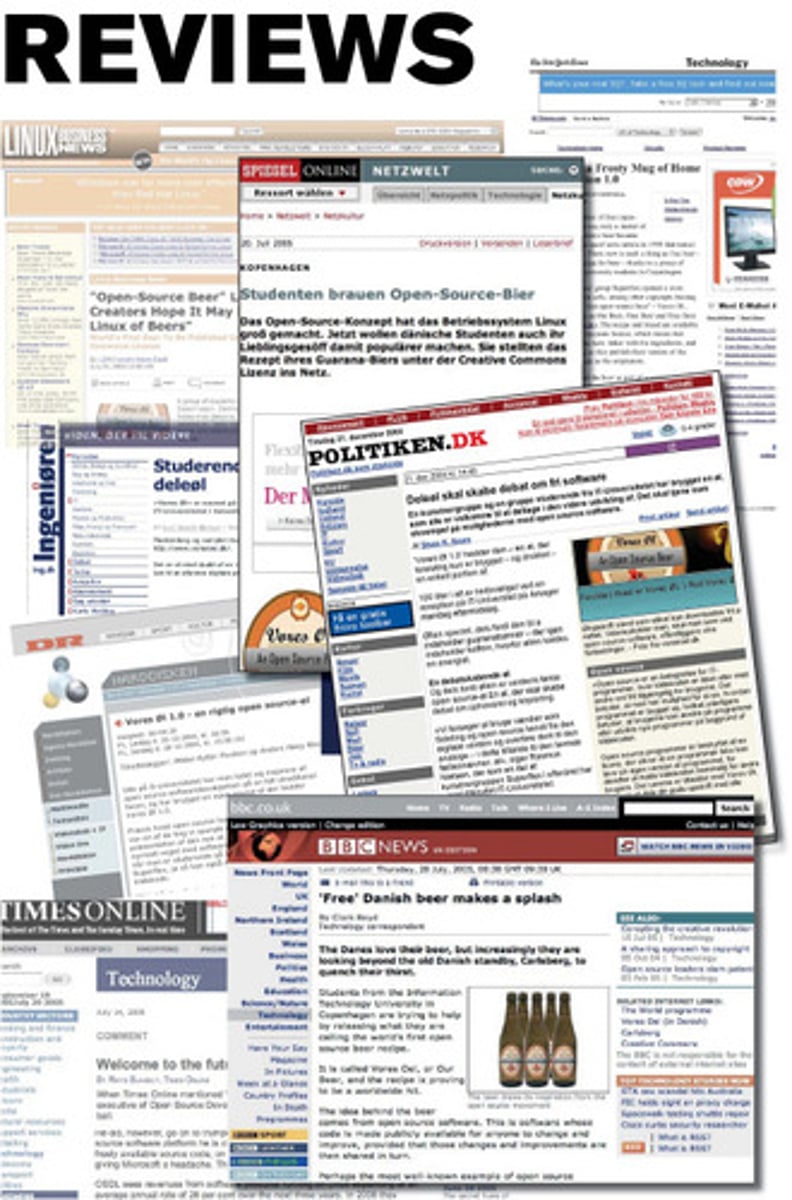
Reviews
A critical appraisal of a book, play, film, etc. published in a newspaper or magazine.
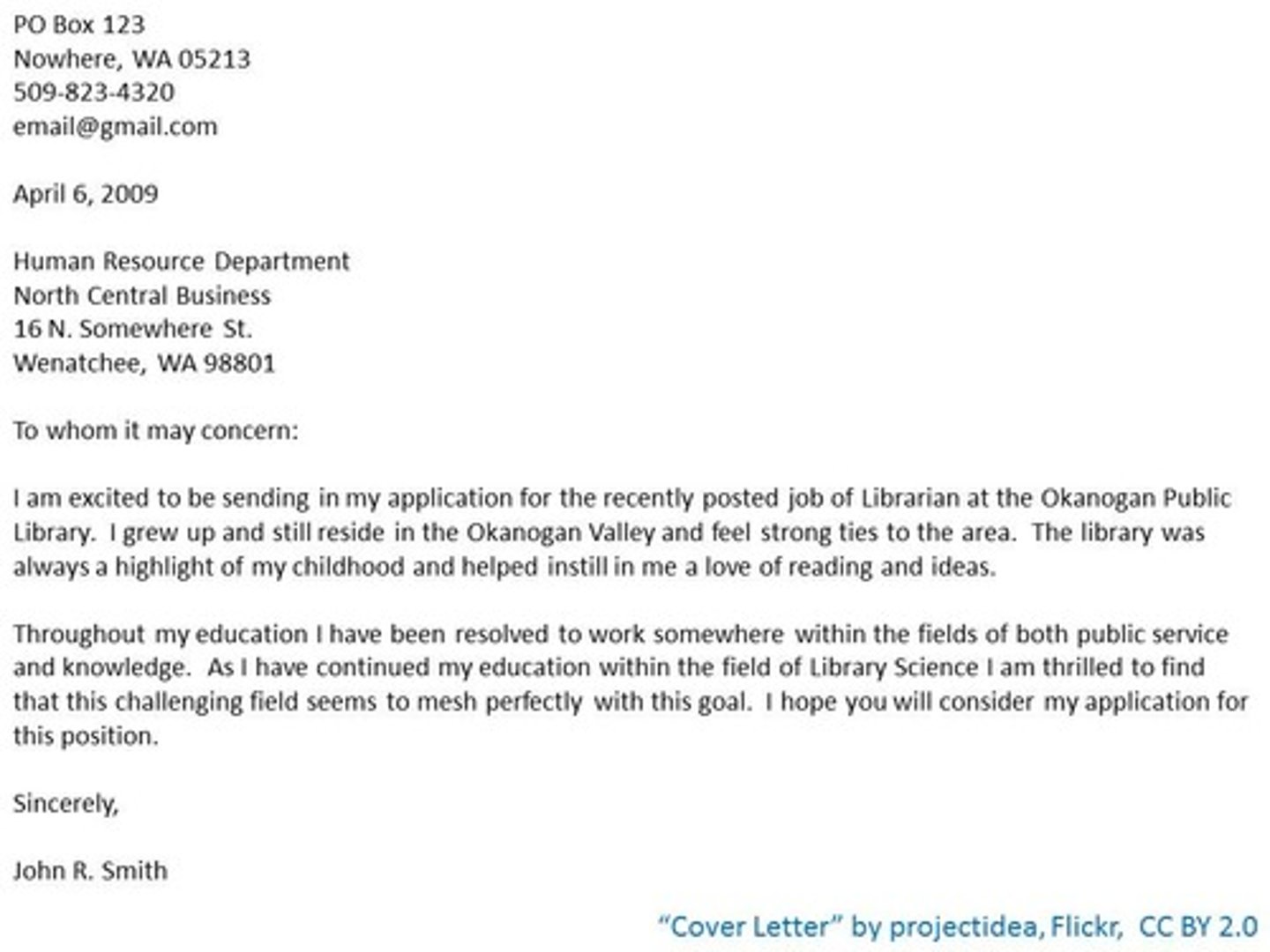
Letters
Written communication from one person to another
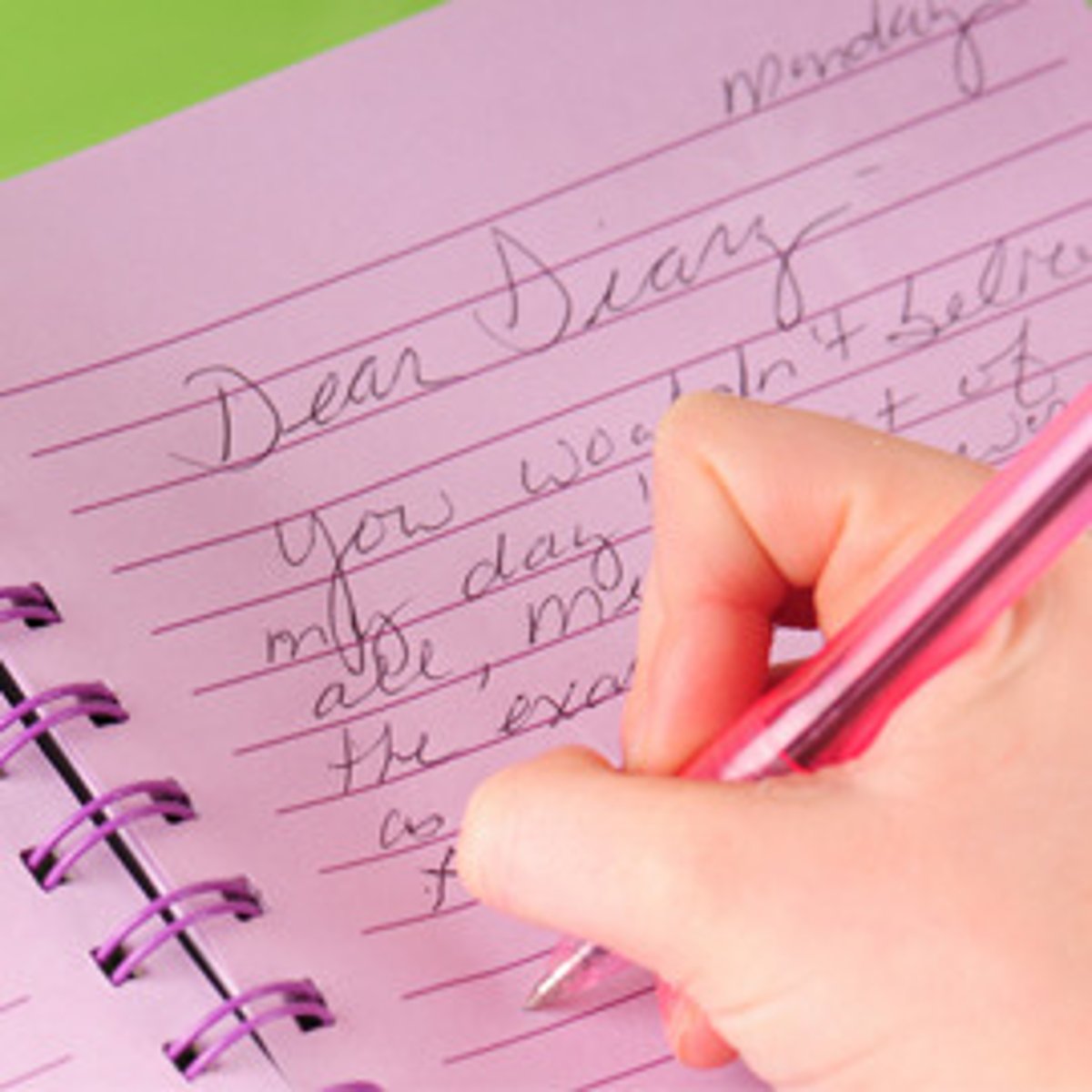
Diary
A personal, daily account of an individual's experiences and feelings
Blog Post
An individual article entered in a blog with a time and date stamp.

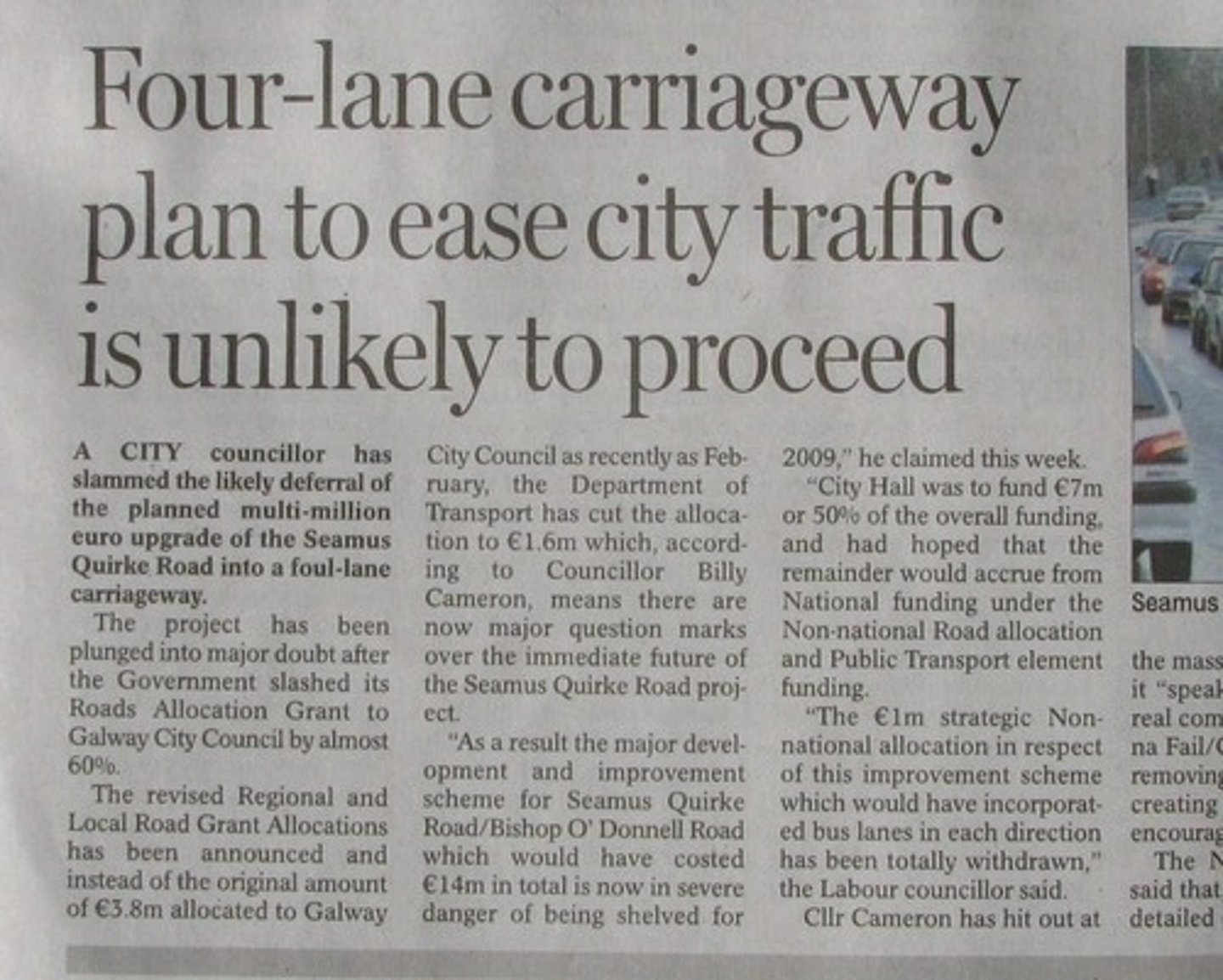
Newspaper Articles
Focuses on one topic or main idea. This might recount and inform of an event, or persuade an audience of the writer's opinions. Usually formal.
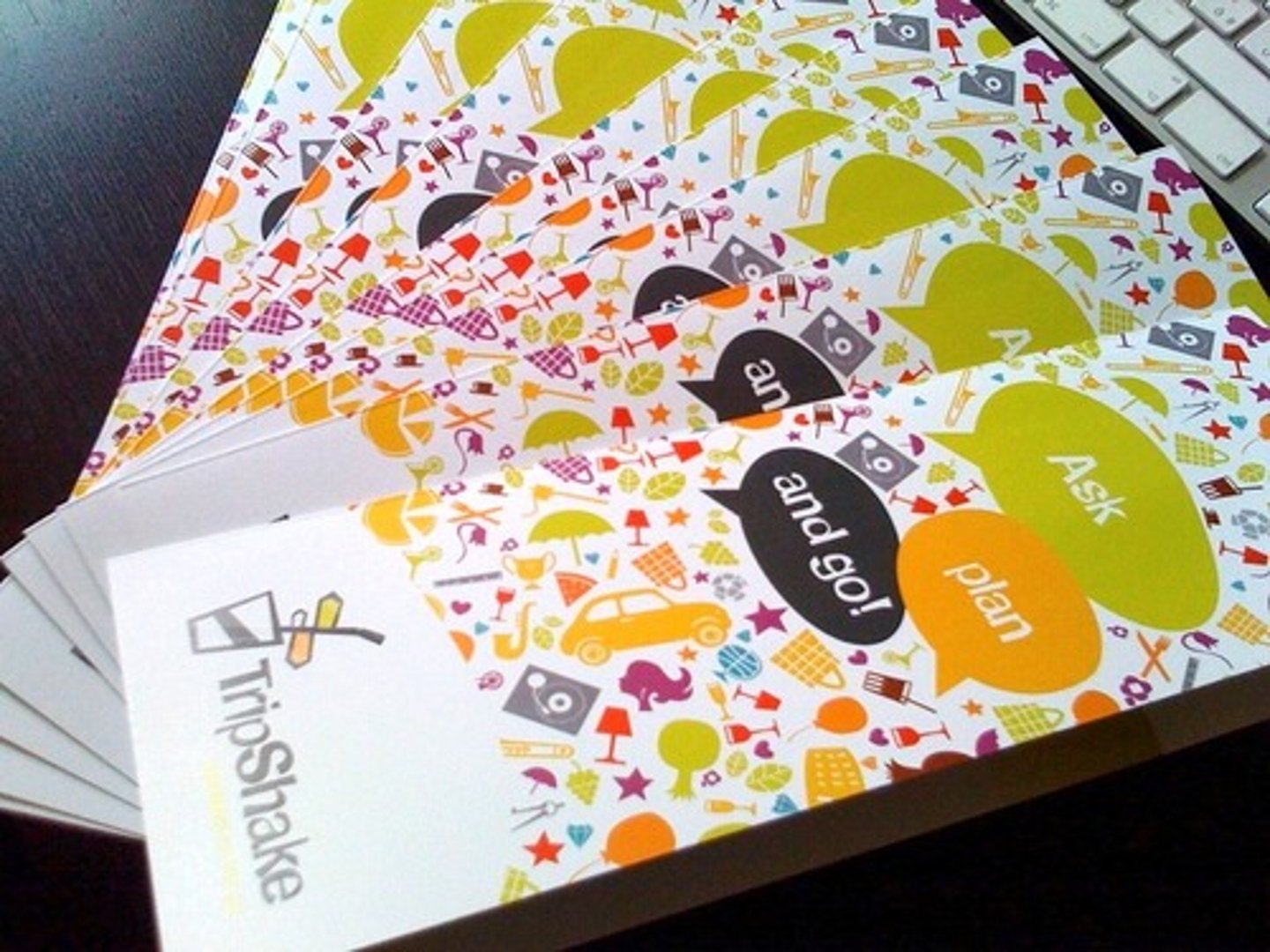
Information Leaflet
A printed sheet of paper containing information or advertising and usually distributed free.
Magazine Article
Focuses on one topic or main idea. It's usual purpose is to persuade an audience of the writer's opinions. Usually informal.

Speech
The formal communication or expression of thoughts in spoken words.
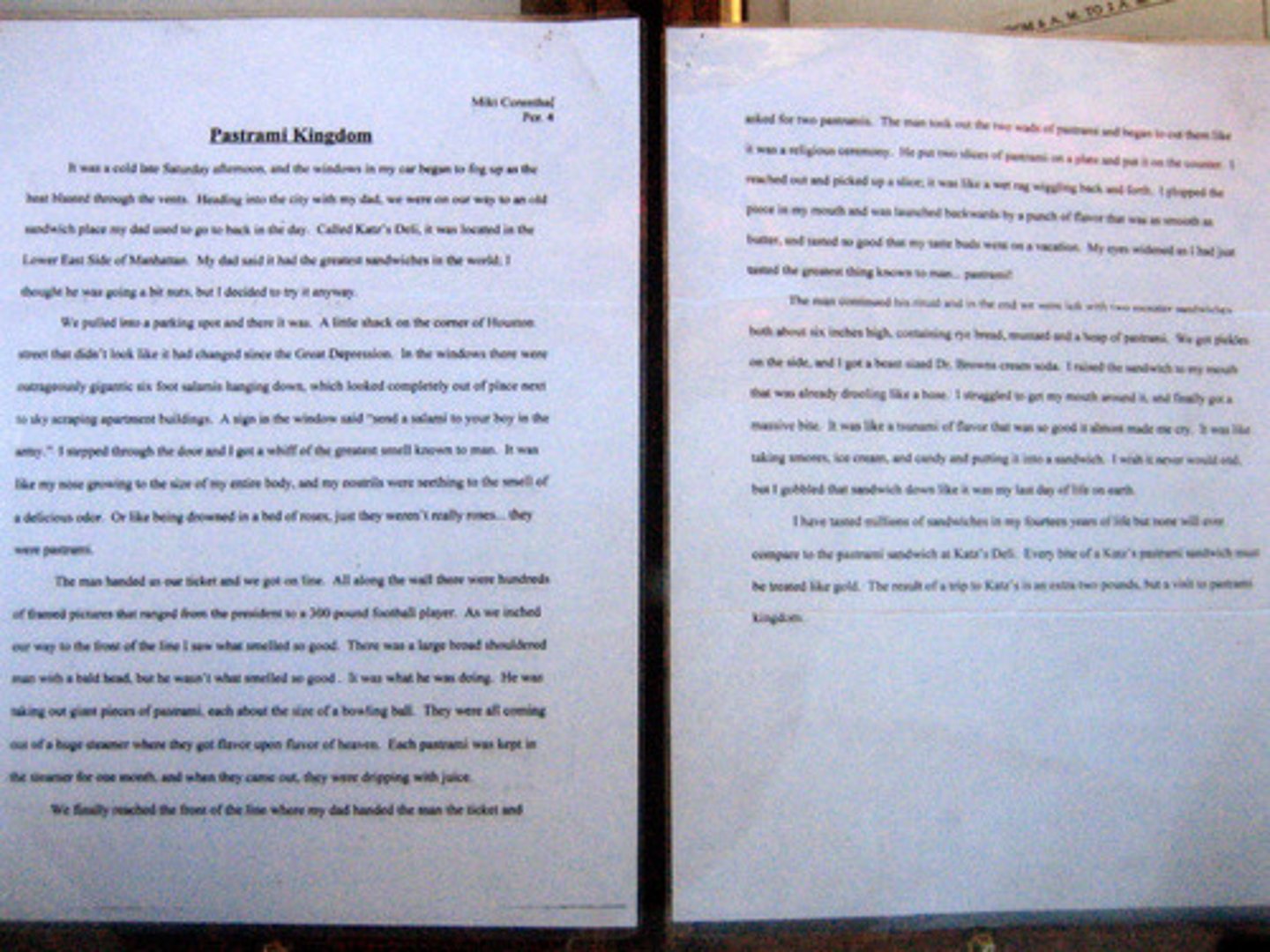
Essay
A short piece of writing on a particular subject.
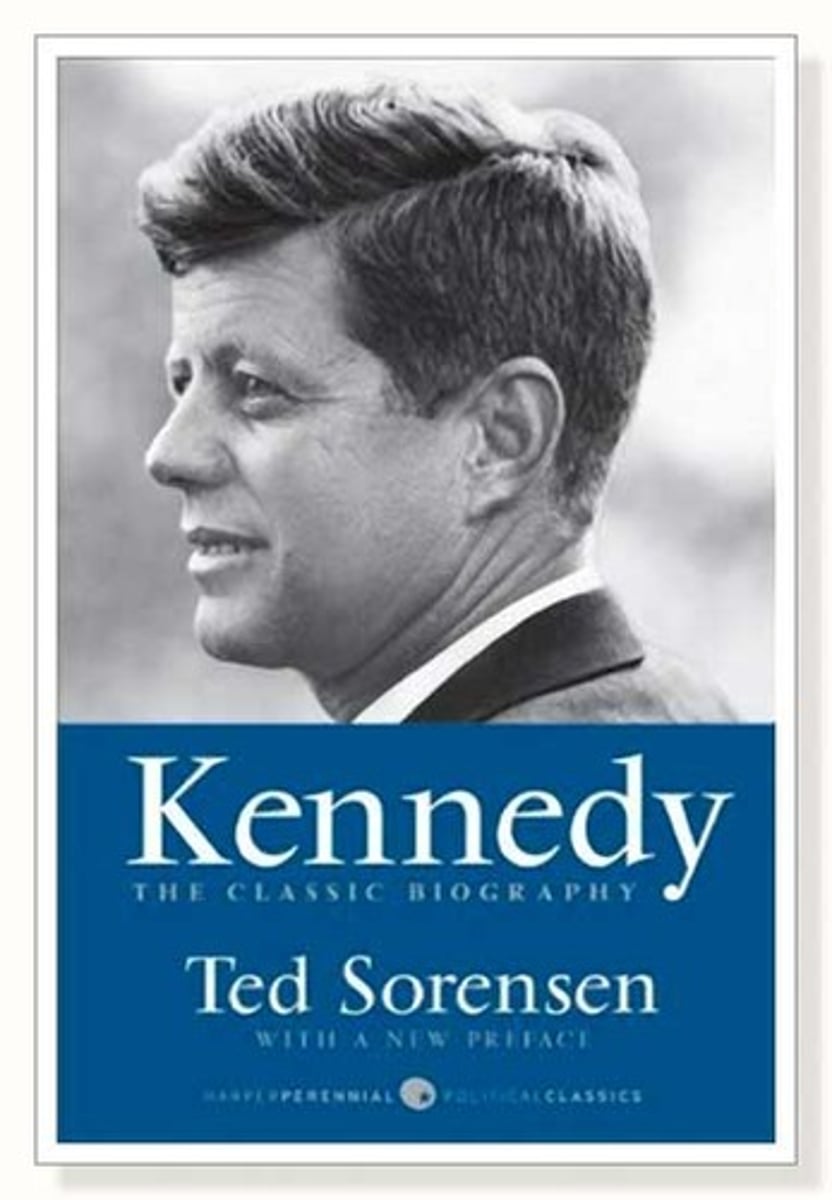
Biography
Story of a person's life written by another person
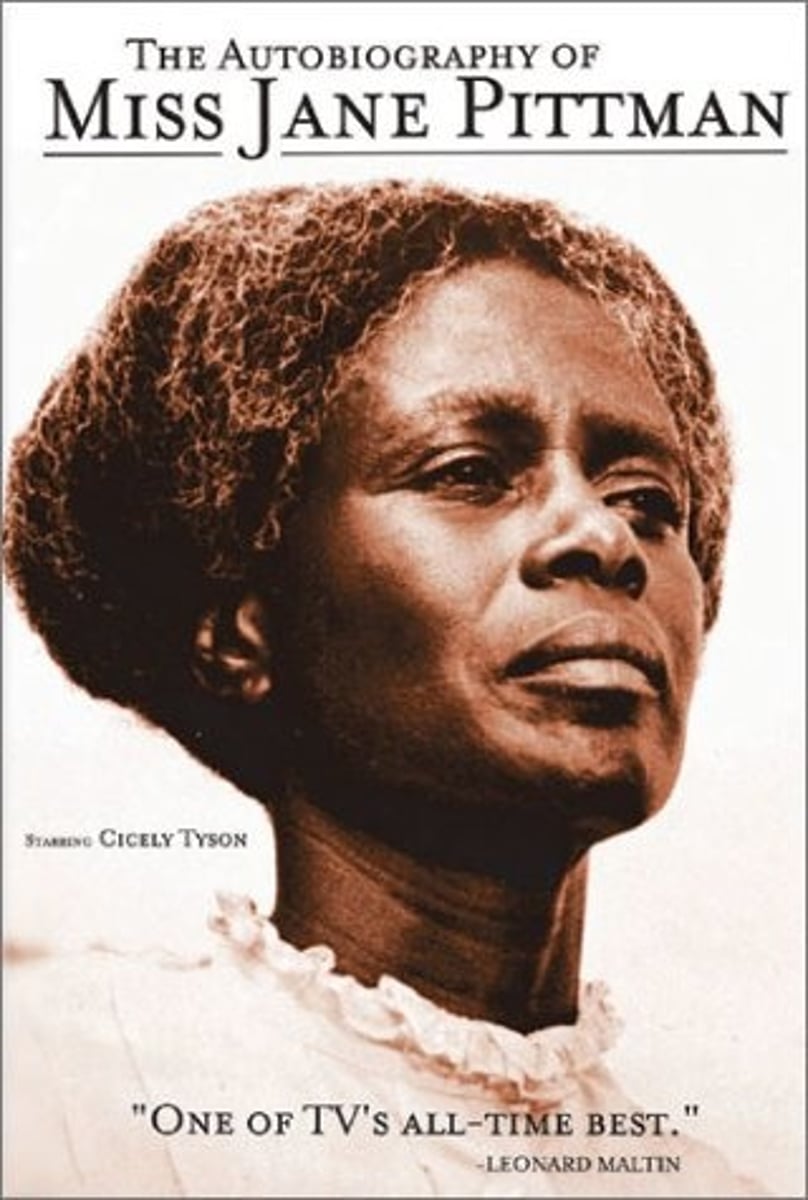
Autobiography
An account of a person's life written by that person
Travel Writing
A narrative recollection of the insights and valuable experiences of the author during a journey.

Minimum features of a letter
- An Indication that someone is sending the letter to someone -Paragraphs
More detailed features of a letter
- Use of addresses - Date -Dear Sir/Madam - Yours Sincerely/Fathfully
Minimum features of an article
- Use of a title - Paragraphs
More detailed features of an article
- A strapline (seperate to title) - Subheadings for paragraphs - Topic sentences - Counter-argument
Minimum features of a leaflet
- Use of a simple title - Sections or paragraphs
More detailed features of a leaflet
- Bullet points - Inventive subheadings - Sequenced paragraphs
Minimum features of a speech
- Simple introductory address to an audience - Final address to an audience
More detailed features of a speech
- Linked paragraphs - Direct address to the audience - Clear sign of e.g. "thank you for listening"
Minimum features of an essay
- Simple introduction and conclusion - Paragraphs
More detailed features of an essay
- Effective introduction - Convincing conclusion - Sequenced ideas in paragraphs
Minimum features of a review
- Give personal opinion with confidence - Use evidence to support ideas - Paragraphs
More detailed features of a review
- Focuses on strengths and weaknesses - Draws a conclusion saying whether it will be useful/interesting for the audience
Argue
Challenge or debate an issue or idea with the purpose of persuading or committing someone else to a particular stance or action.
Inform
Communicate ideas and information to the audience
Entertain
Use language in a humorous way. Usually combined with explaining, informing or arguing.
Explain
Gather facts and combine with experience to clarify who or what something is.
Persuade
Use appeals of logic, emotion and character to prove a point and influence the audience to think or do something.
Evaluate
Specific kind of argument that argues for the merits of a subject and judges it fairly.
Examples of writing to Inform
newspaper articles, encyclopedia articles, manuals
Examples of writing to explain
Essays, newspaper and magazine articles, information leaflets.
Examples of writing to persuade
Advertisements, debates, speech, letter
Examples of writing to argue
Letter, article, speech
Purpose
The reason why the text is written
Audience
Who the text is intended for
Format
The type of text that has been written
Alliteration
Words that start with the same letter or sound is repeated. Emphasises the point in the sentence.
Anecdote
A personal story or experience as proof.
Anaphora
Repeated start to a sentence "I have a dream... I have a dream"
Facts
A statement that can be proven to be true. "The earth is round"
Opinions
A statement that cannot be proved but is believed by the writer - "English is the best subject"
Rhetorical Question
A question that isn't intended to be answered.
Emotive language
Words that are used deliberately to make you feel a certain way
Statistic
Numbers used as facts and proof to support a point. "there are 191 students in year 7"
Three
The use of using 3 words, or repeating something 3 times to build an image/idea. "We will be brave, we will be strong, we will be faithful"
Declarative
A statement that is declared - "I am a student"
Imperative
A statement that commands you to do something - "You will be quiet!"
Noun
A person, place, thing or emotion
Pronoun
The use of 'I' or 'We' to make a speech personal
Superlatives
Exaggerating something - "the best" or "the worst"
Modal Verbs
A verb that expresses a need or possibility - Must, shall, will, should, could, can, may and might.
Expert Opinions
An opinion or statement that if given by a professional in that field that makes the statement more persuasive. "Dr. Smith says we should eat 5 vegetables a day"
Adjective
Words that describe a noun or pronoun. "The blue door"
Pun
A funny play on words
Oxymoron
Putting two opposite words together
Openings
The start of a text must interest the reader
Focus
This is what the writer focuses on as the text develops
Shifts
Changes in ideas and perspectives, eg outside to inside