nematode, annelid, arthropoda chordata (invertebrate )Bio Lab Exam
 Call Kai
 Learn
Learn Practice Test
 Spaced Repetition
 Match
Match Flashcards
 Knowt Play
1/98

There's no tags or description
Looks like no tags are added yet.
Name | Mastery | Learn | Test | Matching | Spaced | Call with Kai |
|---|
No analytics yet
Send a link to your students to track their progress
99 Terms
Nematodes classes
classes Enoplea and Chromadorea
Nematode traits
Lack segmentation (difference from annelids)
Complete digestive system
No specialized circulatory or respiratory system Dioecious
Parasitic, only 1 host or multiple
Ecdysis (sheds its cuticle)
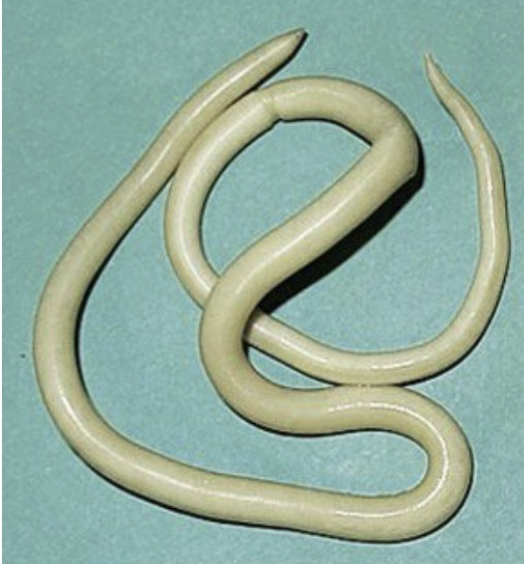
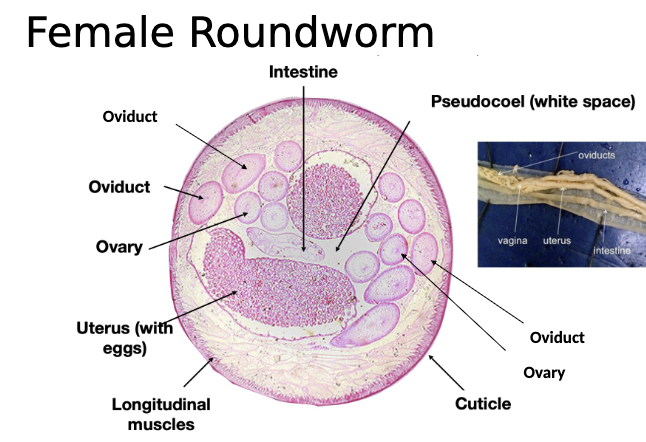
Female Ascaris (roundworm)
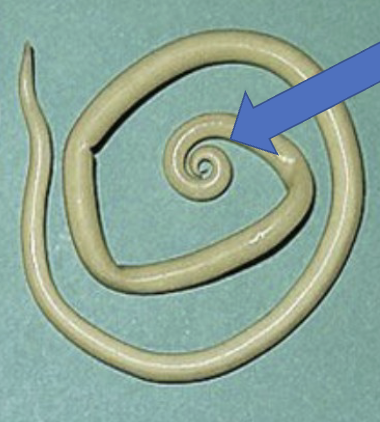
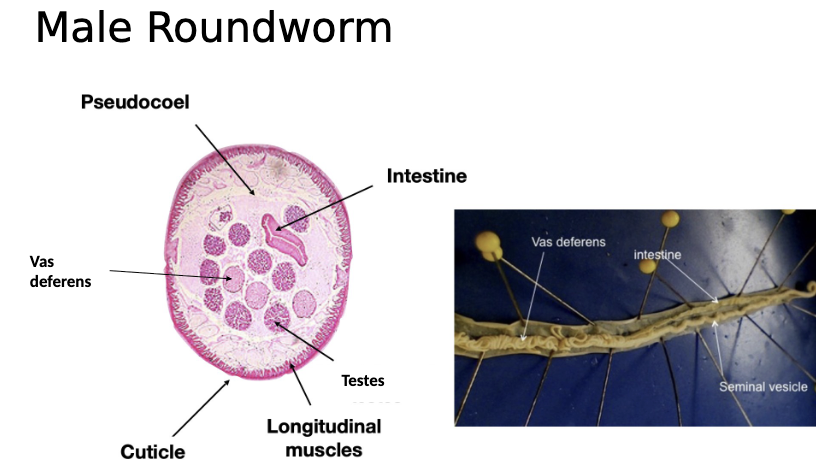
Male Ascaris (roundworm) curled tail / spicule at the end
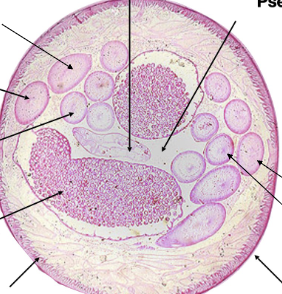
Phylum annelida classes
Polychaeta, Oligochaeta, Hirudinida
Annelid Characteristics
Means segmented
complete digestive system
closed circulatory system
Nervous system: ventral nerve cord
parapodia
Annelid (segmented)
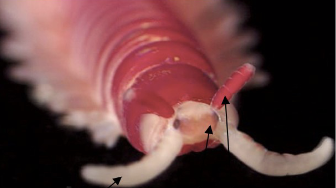
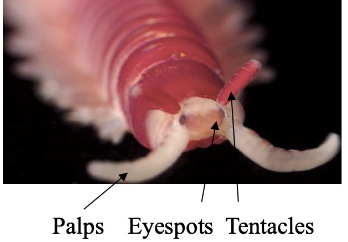

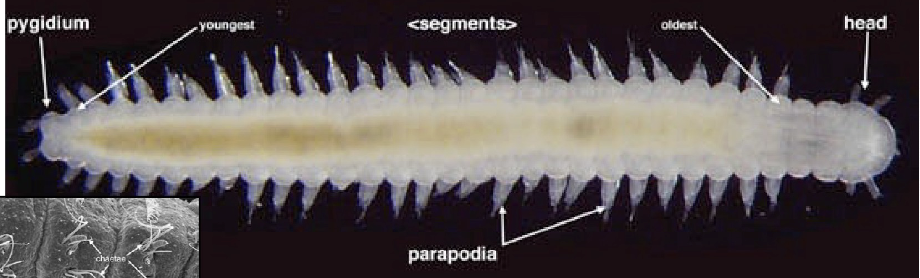
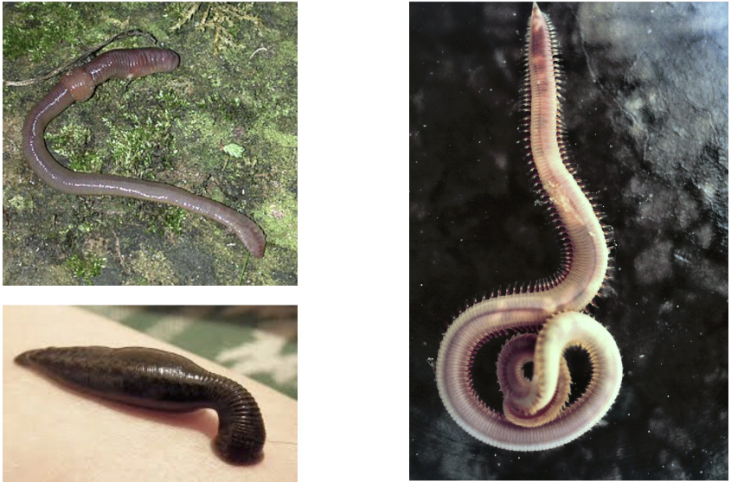
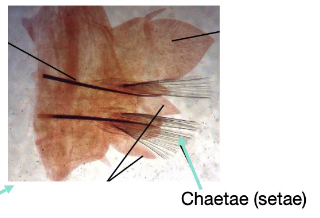
Polychaetes
(marine bristle worms) well differentiated head, parapodia, many setae
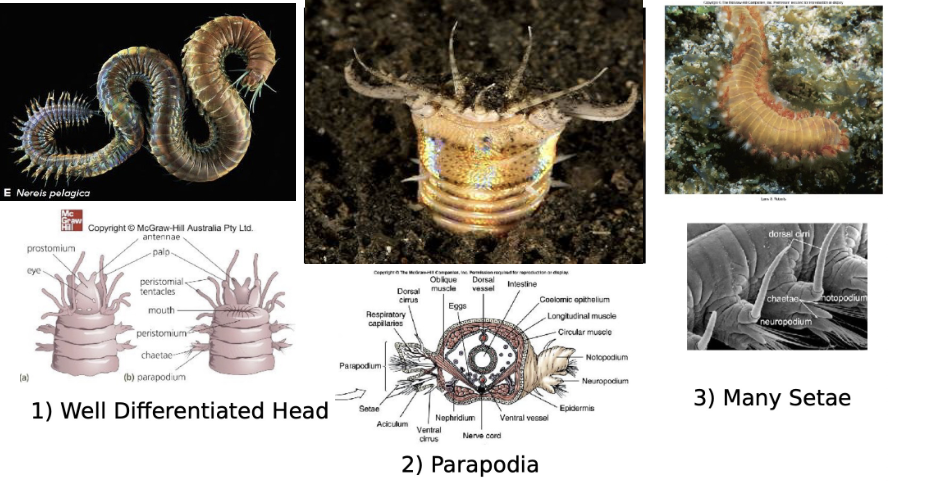
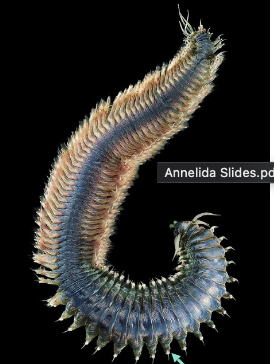
Sandworm
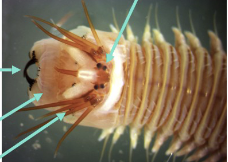
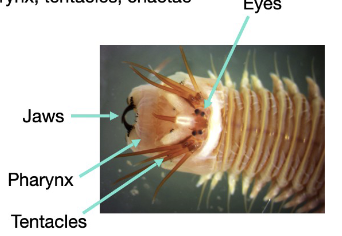
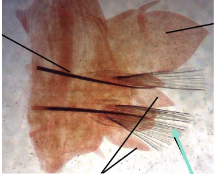
Earthworms reproduction
monoecious (hermaphroditic)
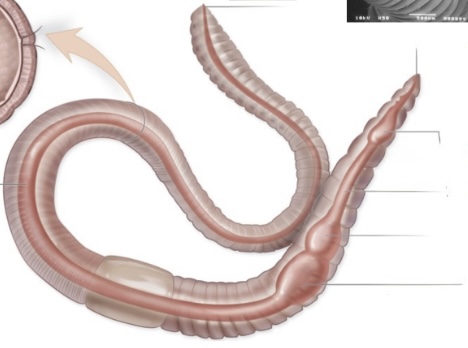
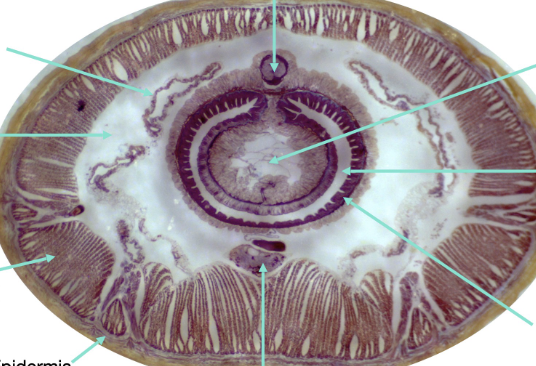
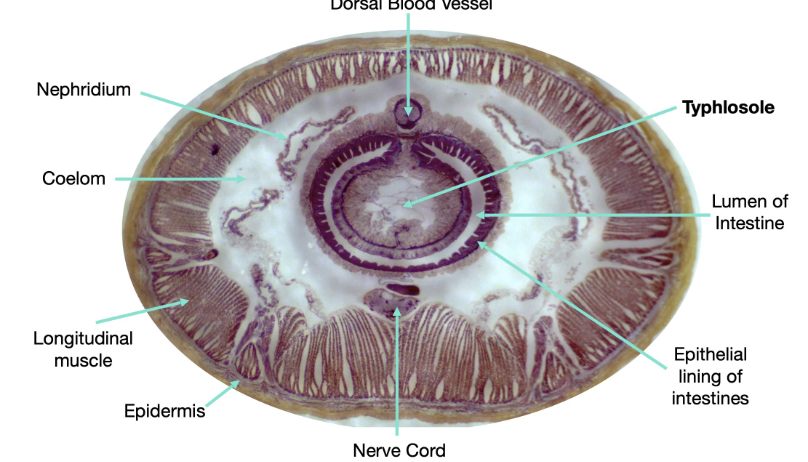
Earthworm (oligochaetes)
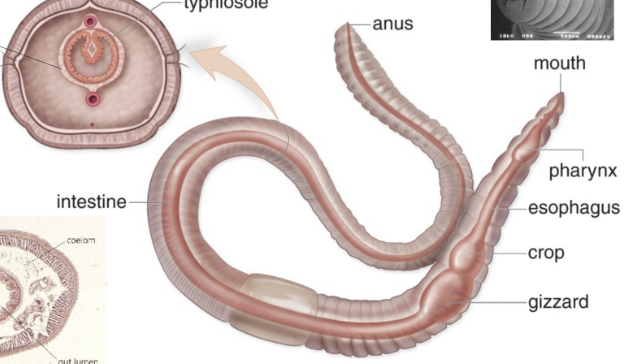
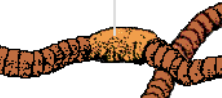
clitellum
Class Hirudinida
(leeches)
most are fluid feeders
(blood suckers , terrestrial feed on insect larvae with oral sucker and pharynx, or active predators scavengers with extendable proboscis)
Arthropoda classes
classes Insecta and Malacostraca
arthropods Subphylum
Myriapoda, Chelicerata, Crustacea, Hexapoda
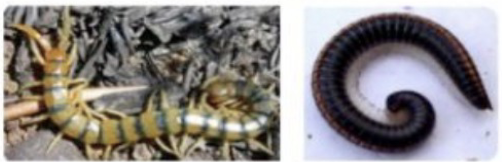
Myriapoda
centipedes and millipedes
Chelicerata
spiders, scorpions, mites, ticks

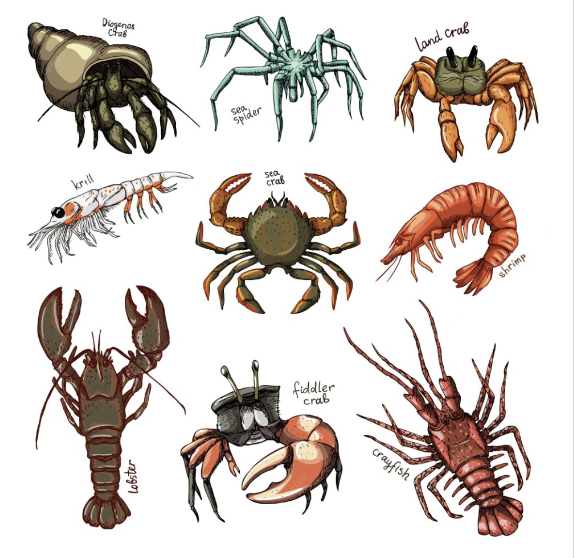
Crustacea
crayfish, crabs, barnacles, shrimp, lobsters
Hexapoda
insects

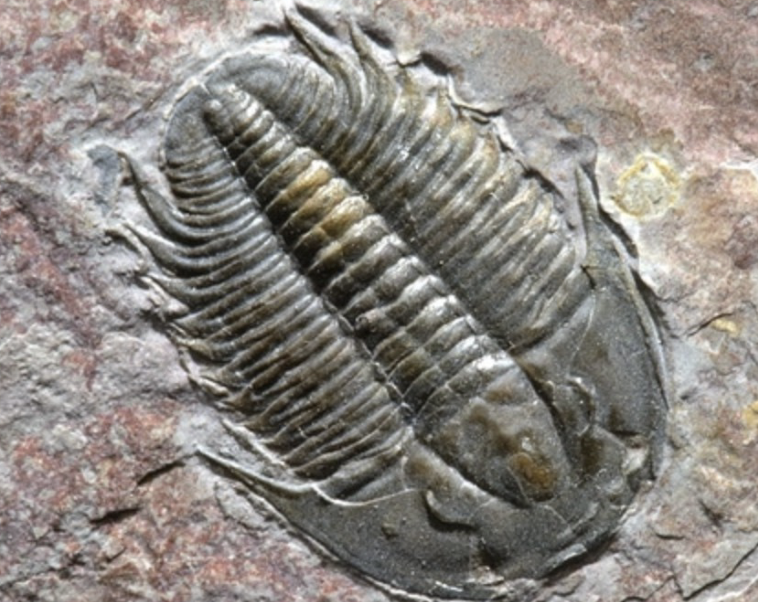
trilobite
Arthropoda Characteristics
Tagmosis and specialization of
appendages (serial homologs)
• Ecdysis
• Exoskeleton: cuticle made of
chitin (not to be confused with
chiton)
• Open circulatory system
• Closed digestive system
• Pair(s) of antennae
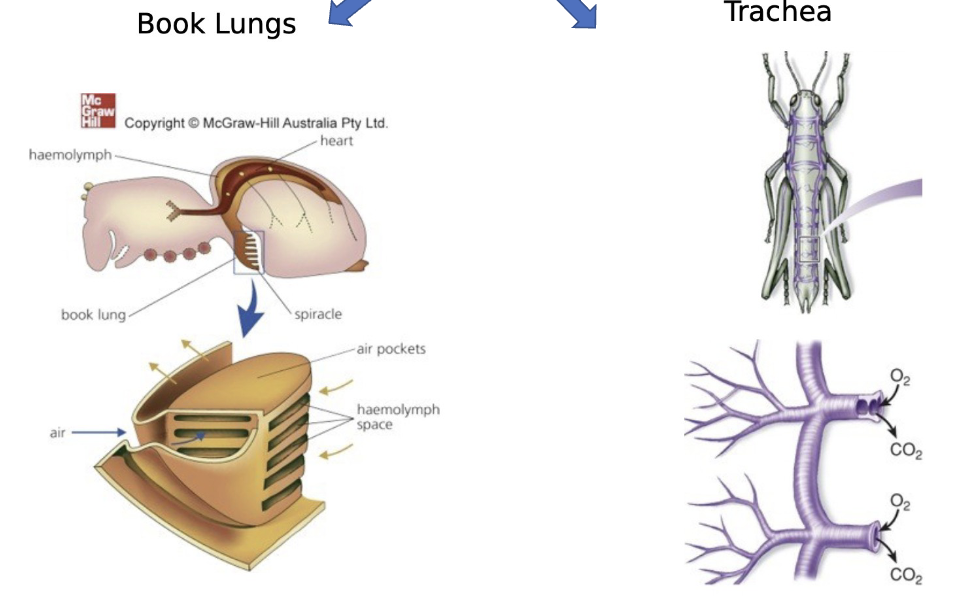
• Respiratory system: via “book”
gills/lungs or trachea
Gas exchange
terrestrial and aquatic
Terrestrial
book lungs and trachea
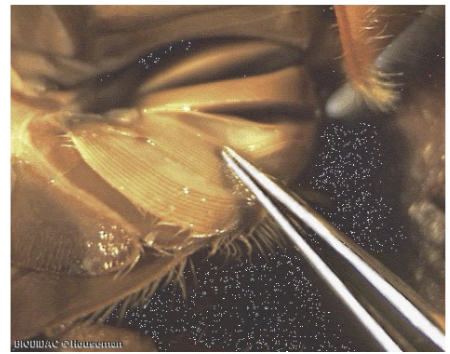
Aquatic
gills
aquatic arthropods excretory systems
saccate nephridia or maxillary glands/ filtration kidneys with end sac and tubule
terrestrial arthropods excretory systems
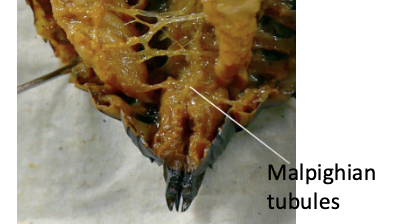
malpighian tubules excrete ur acid waste and also retain water
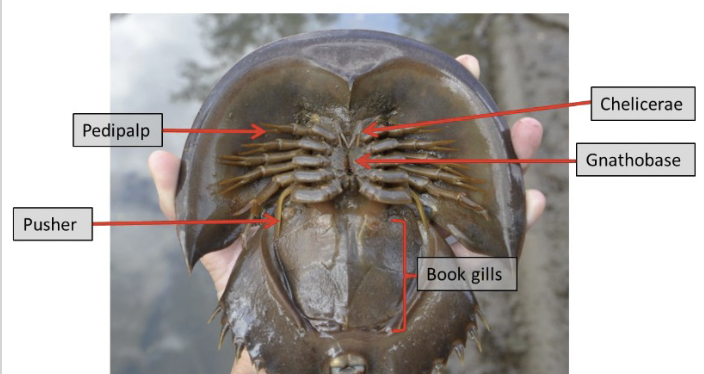
Subphylum Chelicerata mouth
mouth parts called chelicerae
subphylum hexapoda characteristics
6 legs, unbranched appendages, one pair antennae, includes class insecta
Class insecta Head
1 pair antennae
various mouthparts
eyes
thorax
3 segments each with pair of legs
typically 2 pairs of wings
abdomen
9-11 segments
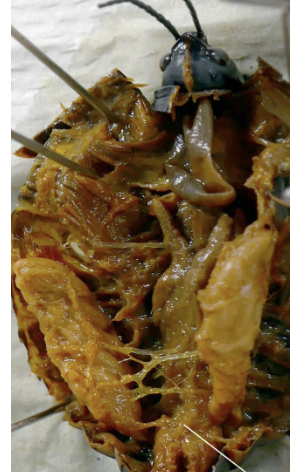
what do
excrete waste/ retain water
Insect Mouthparts
siphoning, lapping, biting and chewing, sponging, piercing and sucking,
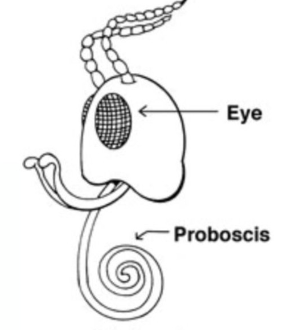
Siphoning (butterfly)
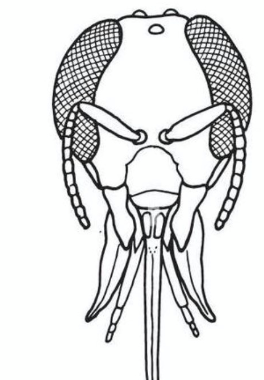
lapping (bee)
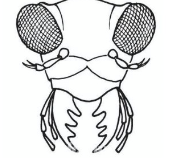
chewing (cockroaches, grasshoppers, locusts, termites, wasps, book and bird lice, earwigs, dragonflies)
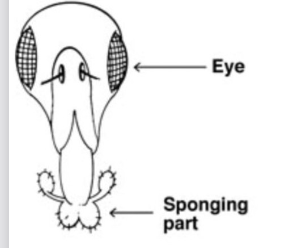
sponging (houseflies feeding on liquid foods)
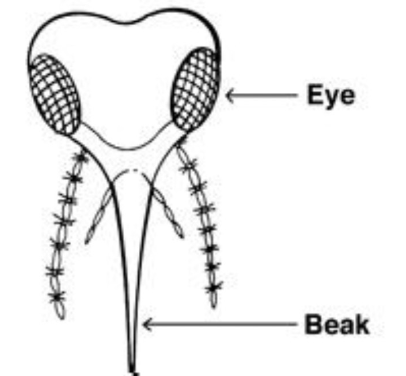
piercing and sucking (blood or fluid/ mosquitoes, sand flies, biting midges, lice)
Subphylum crustacea
class Malacostraca (crayfish, crabs, lobsters, and shrimp)
Subphylum crustacea traits
biramous (branched appendages
two pair antennae
Subphylum myriapoda classes
classes chilopoda (centipedes) diplopoda (millipede)
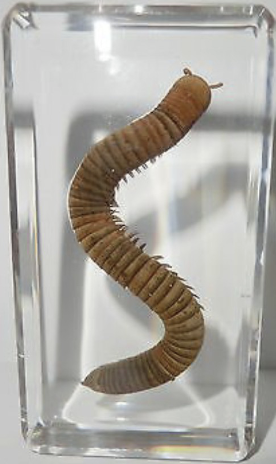
phylum: arthropods
subphylum: myriapoda
class: diplopoda
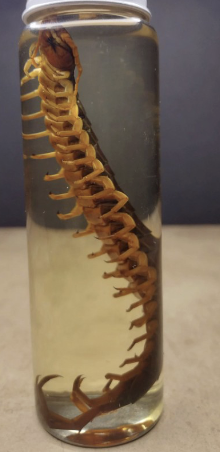
phylum: arthropoda
subphylum: myriapoda
class: chilopoda

grasshopper
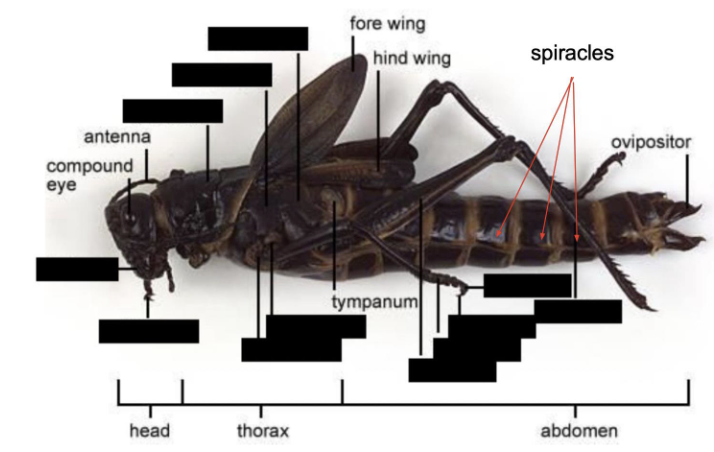
Grasshopper identification
phylum: arthropoda
subphylum: hexapoda
class: insecta
how can u tell female grasshopper
V shaped ovipositor (burrows into soil to deposit eggs)
Crayfish
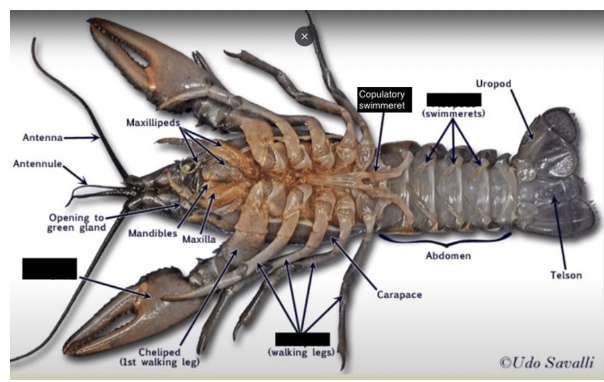
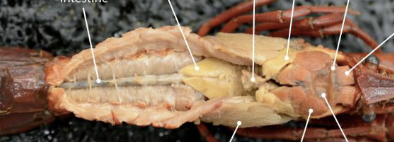
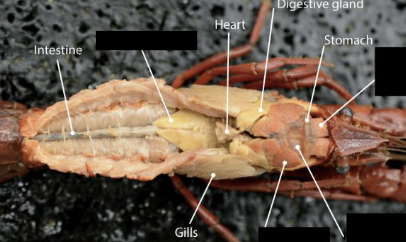
Crayfish identification
phylum: arthropoda
subphylum: crustacea
class: malacostraca
male crayfish vs female
male: large swimmerets (middle part above tail)
female: none / smaller overall size
Phylum echinodermata and chordata
deuterosomes
anus first mouth second
protosomes
mouth first anus second
Echinodermata traits
“Spiny Skin”
• No distinct brain (circumoral ring and radial nerves)
• Complete digestive system
• No circulatory system, uses coelom
• Gas exchange via dermal branchiae or other specialized systems
• Endoskeleton made of calcium carbonate ossicles
• Bilateral symmetry in larvae but pentaradial in adulthood
• Exclusively marine
echinoderm larvae
free swimming/ bilateral symmetry
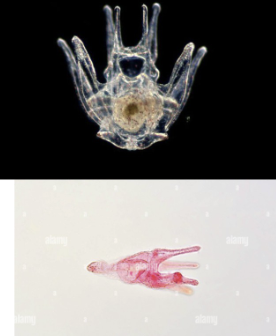
phylum echinodermata
class echinoidea
(sea urchin larvae)
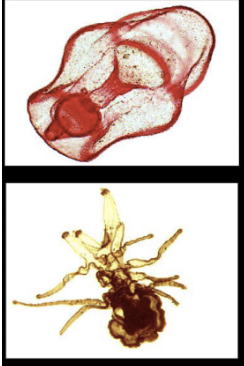
phylum: echinodermata
class: asteroidea
(sea star larvae)
phylum echinodermata traits
pentaradial symmetry (5 pieces)/ regeneration
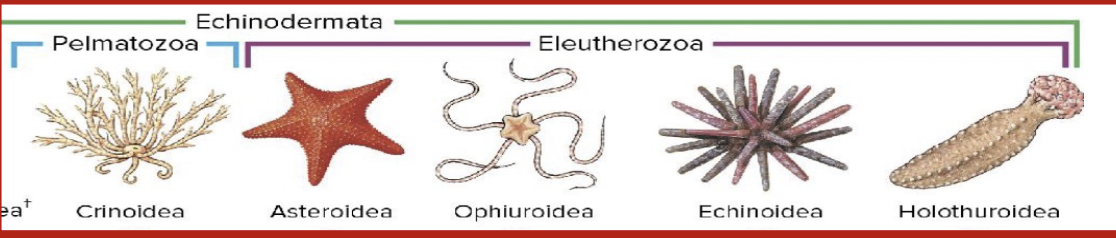
echinodermata classes
Crinoidea, asteroidea, ophiuroidea, echinoidea, holothuroidea
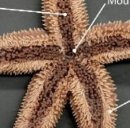
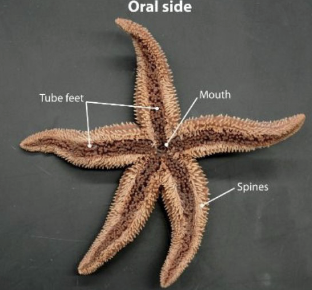
which side
oral
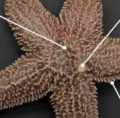
which side
aboral
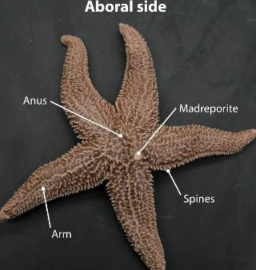
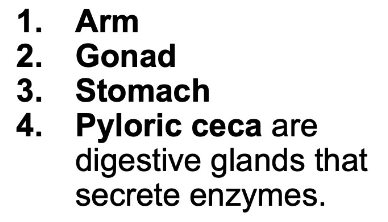
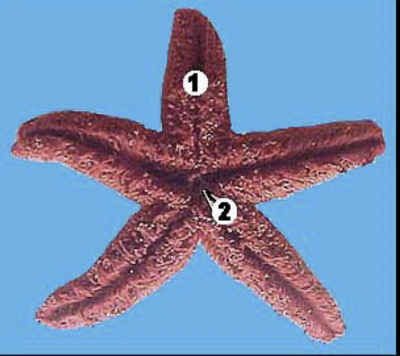
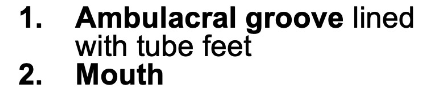
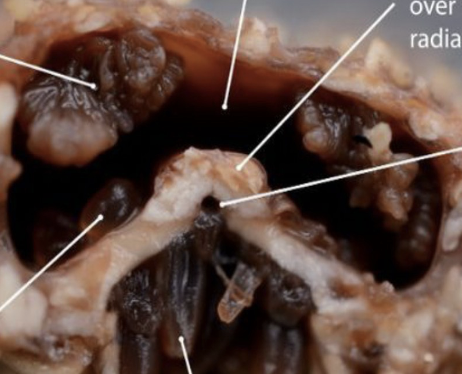
Class asteroidea
sea star
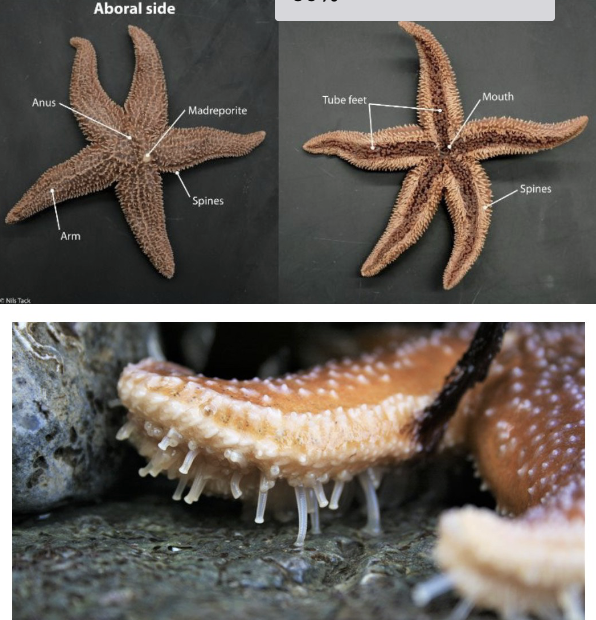
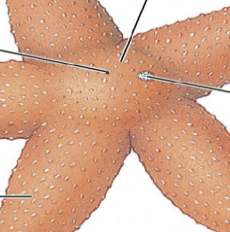
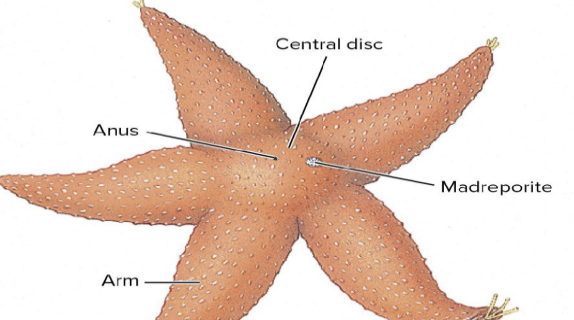
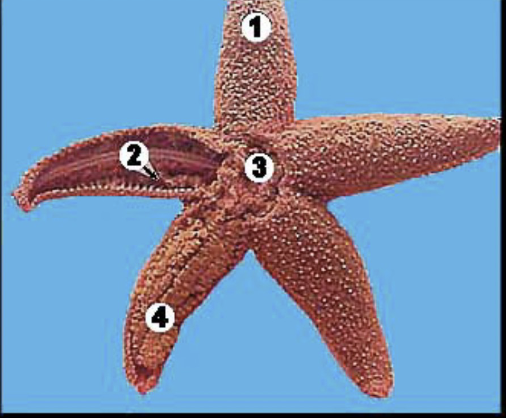
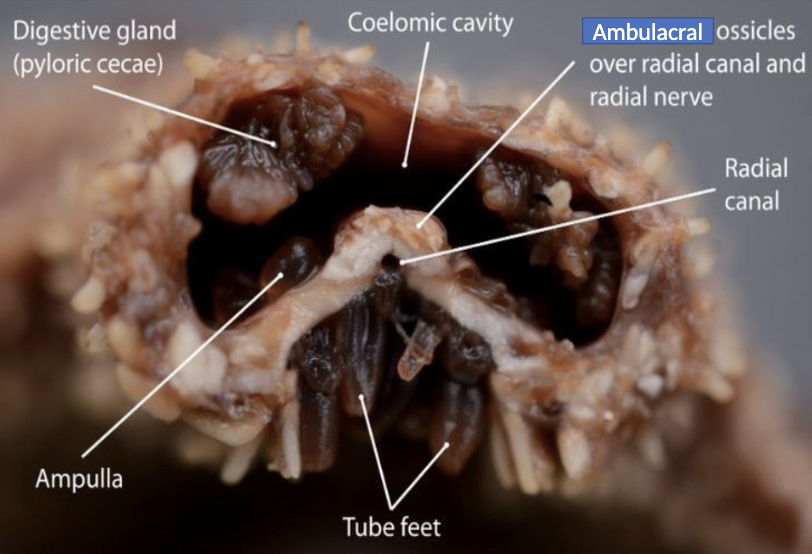
Special characteristics of asteroidea
water vascular system hydraulic pressure, tube feet, locomotion for capturing prey
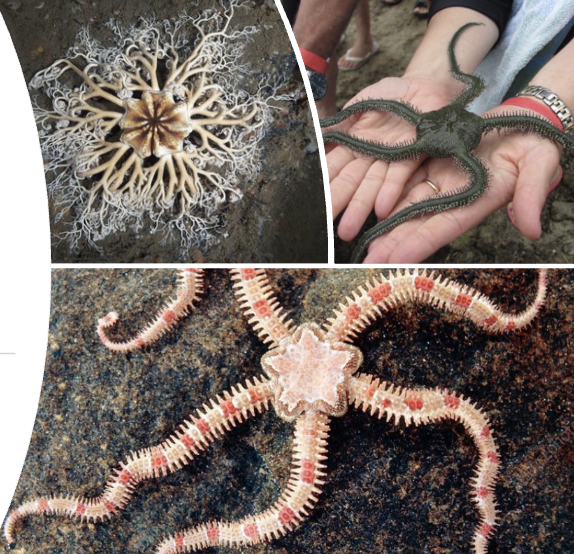
Class ophiuroidea (brittle stars)
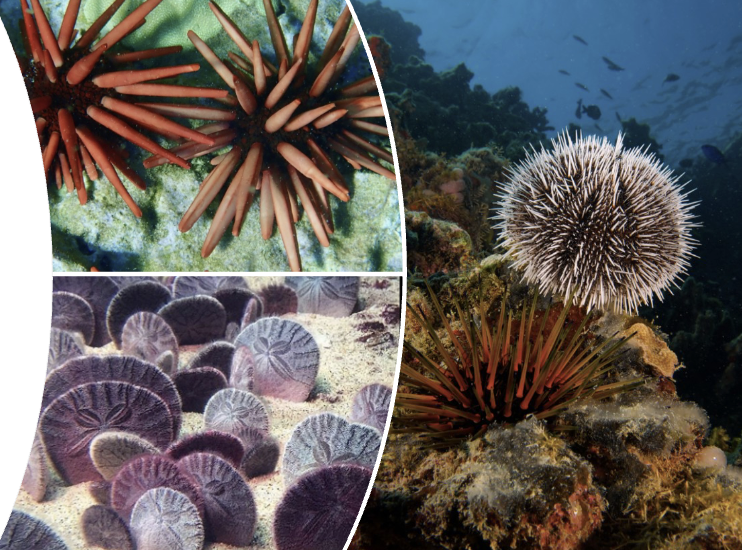
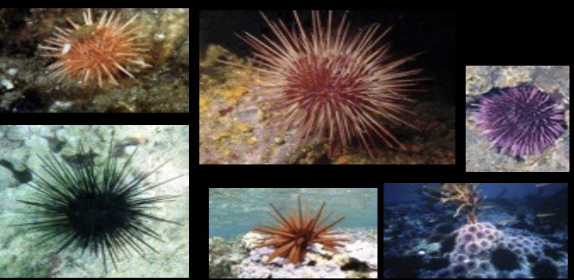
Class Echinoidea (sea urchins, sand dollars)
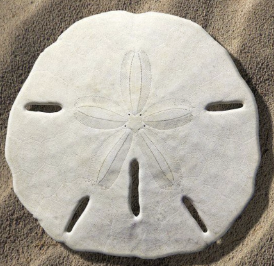
shell called
test

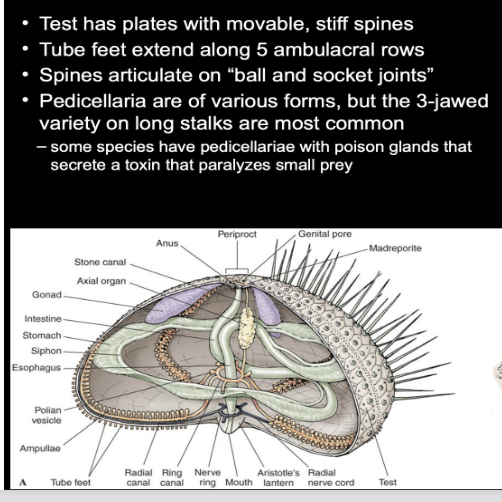
Regular echinoids
radial symmetry, hemispheral shape, medium to long spines, tube feet, sea urchins
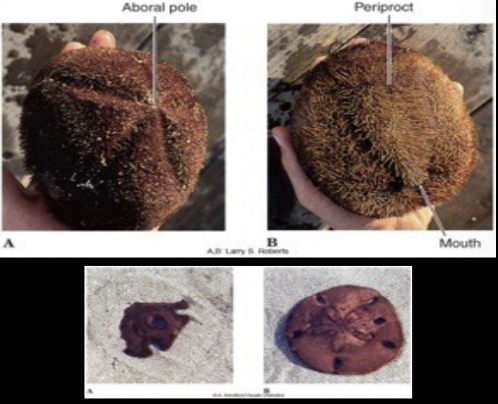
irregular echinoids
secondary bilateral symmetry, short spines, move with spines, sand dollars, heart urchins
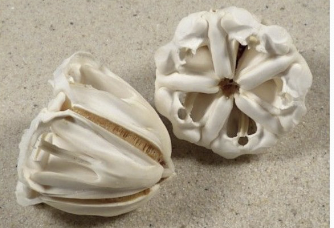
what is this, purpose
Aristotle’s lantern, grazer
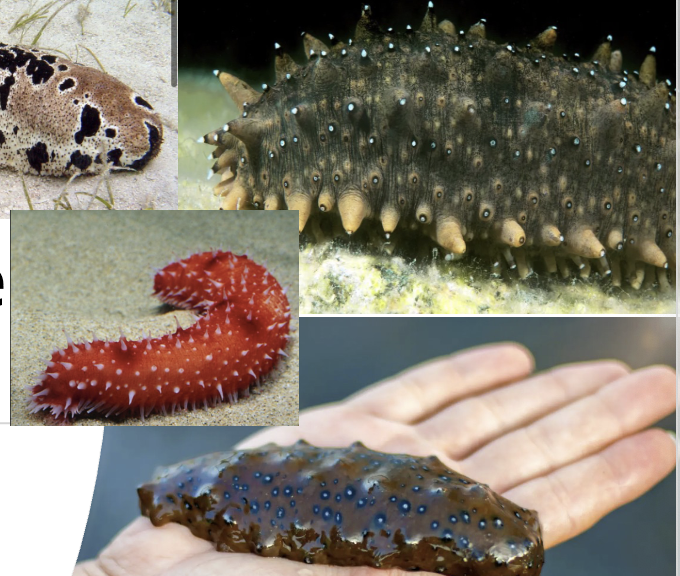
Class holothuroidea (sea cucumbers)
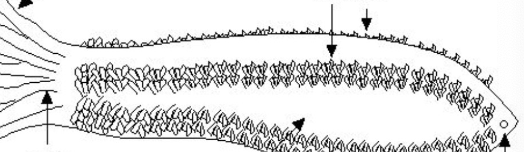
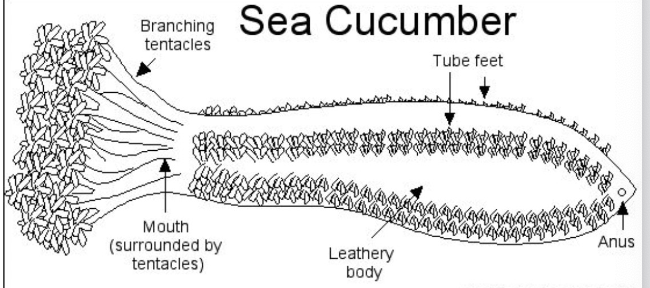
sea cucumber feeding
tentacles around mouth for deposit feeding
sea cucumber gas exchange
respiratory trees/ cloaca pump water in and out of
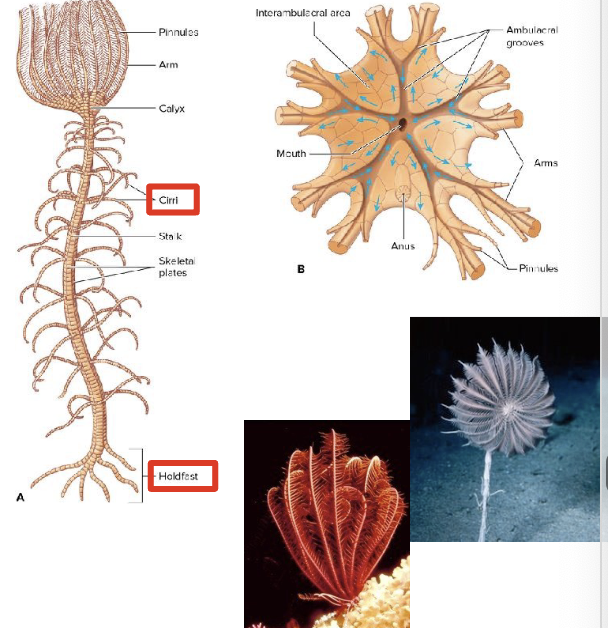
Class Crinoidea (sea lilies, feather stars)
Phylum Chordata
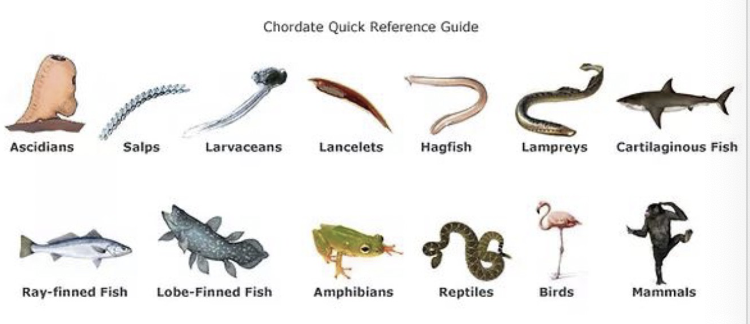
subphylum’s in Phylum Chordata
subphylum’s Urochordata and Cephalochordata
Chordata Characteristics
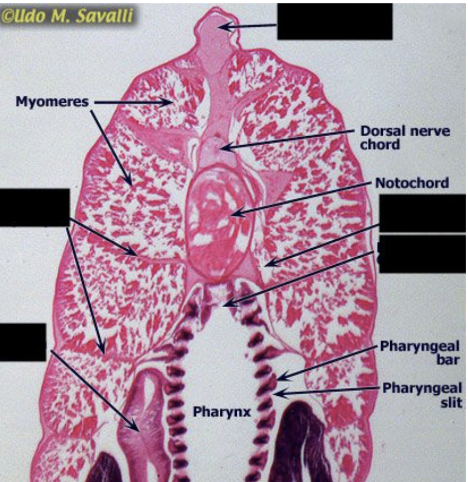
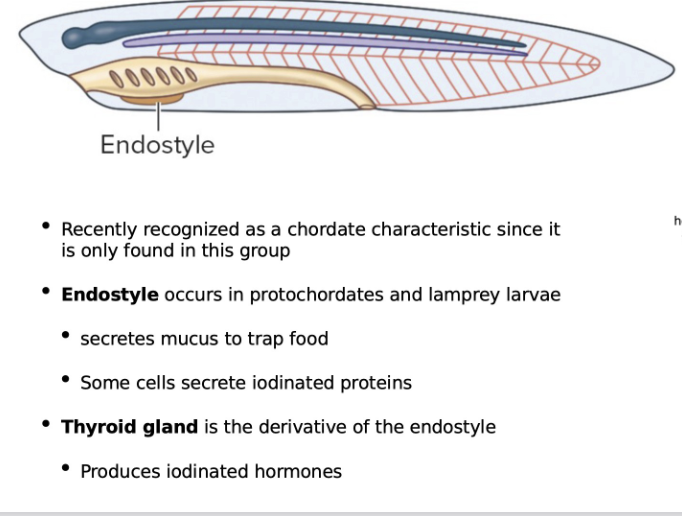
dorsal nerve cord, notochord, pharyngeal slits, endostyle, post-anal tail
Notochord
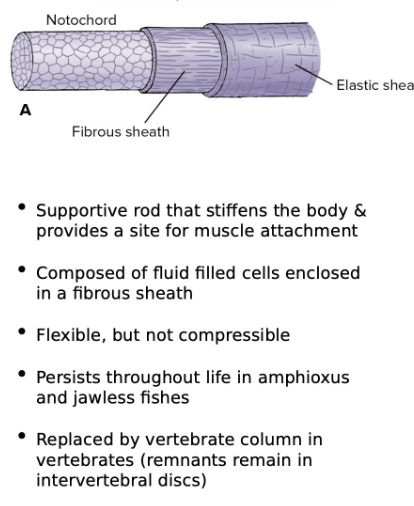

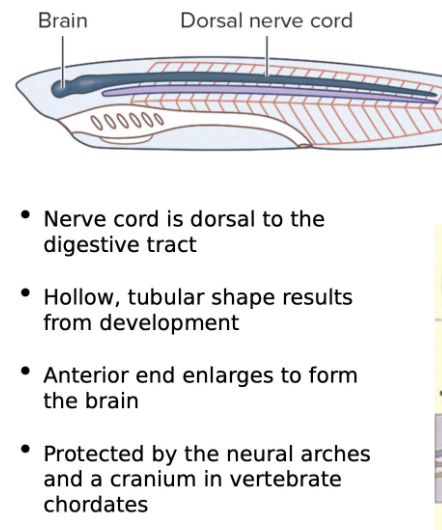
top and bottom
top: dorsal nerve chord
bottom: notochord
Dorsal tubular nerve cord
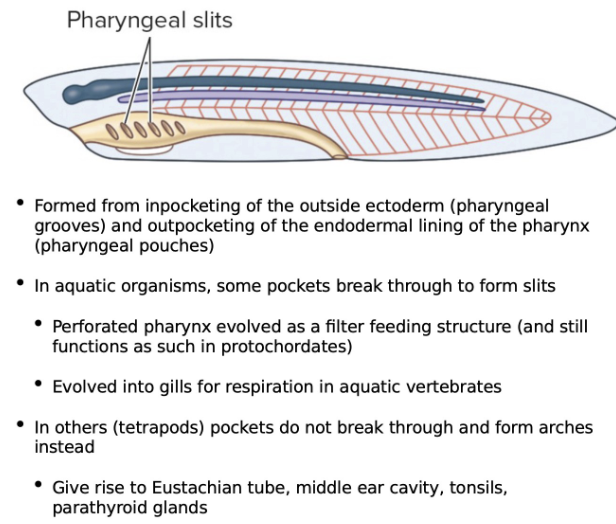
Pharyngeal pouches and slits
postanal tail
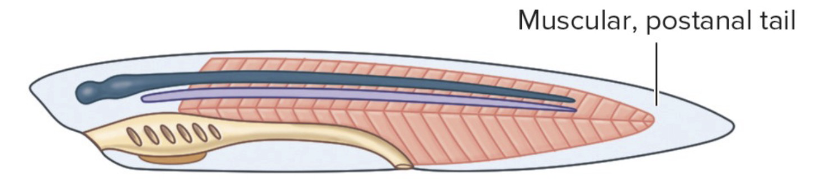
Endostyle or thyroid gland
Subphylum Urochrodata (or Tunicata)
filter feeders/ sessile adults free swimming larvae/ siphons for gas exchange/ hermaphroditic
subphylum cephalochordata
lancelet larvae(amphioxus) free swimming , adults spend most time burrowed in sand/ oral cirri (buccal cirri) for filter feeding/ complete digestive/ closed circulatory/ excrete waste through nephridia

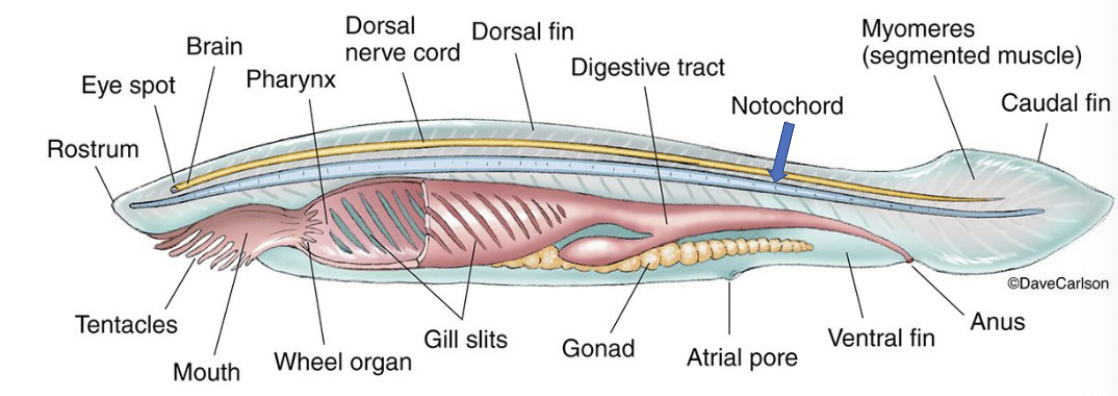
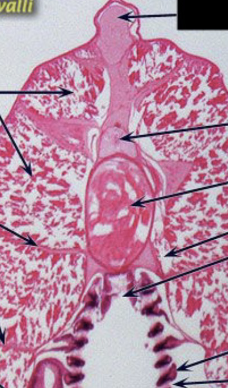
lancelet cross section