Chap 25C - Polymers
 Call Kai
 Learn
Learn Practice Test
 Spaced Repetition
 Match
Match Flashcards
 Knowt Play
1/9

There's no tags or description
Looks like no tags are added yet.
Name | Mastery | Learn | Test | Matching | Spaced | Call with Kai |
|---|
No analytics yet
Send a link to your students to track their progress
10 Terms
Describe biodegradability of Terylene
Degradable in specialised industrial conditions
Generally non-biodegradable in natural environments
Accumulates in landfills and is a major pollutant in oceans -> microplastic pollution
Can break down via hydrolysis as a polyester BUT non-polar parts makes it resistant to degradation
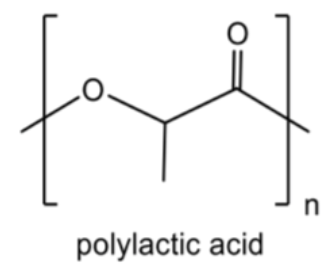
Describe PLA + DRAW IT
Biodegradable polyester derived from renewable raw materials like corn starch or sugarcane
Describe uses of PLA
Used in:
threads in surgical stitches
3D printing
Food packaging due to its biocompatibility, low toxicity and ease of handling
Are PCL and PGA biodegradable
Polycaprolactone (PCL) and polyglycolic acid (PGA) also degradable (used in the controlled delivery of medicine)
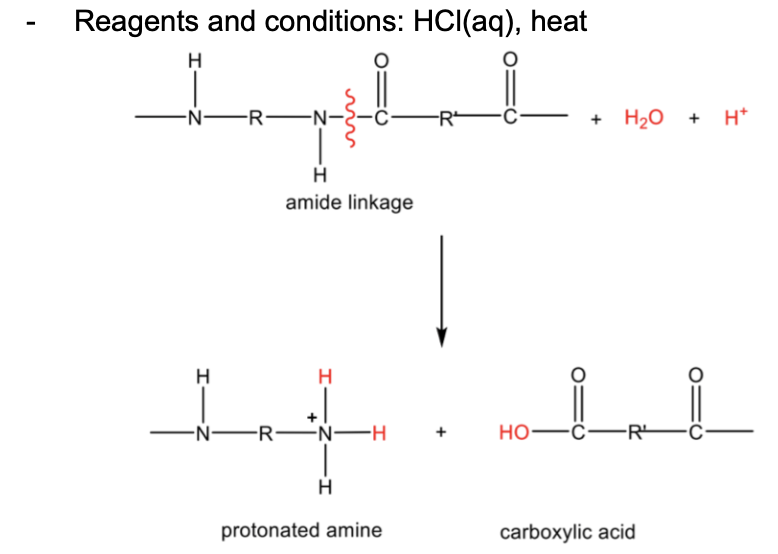
Draw ACID hydrolysis of polyamides
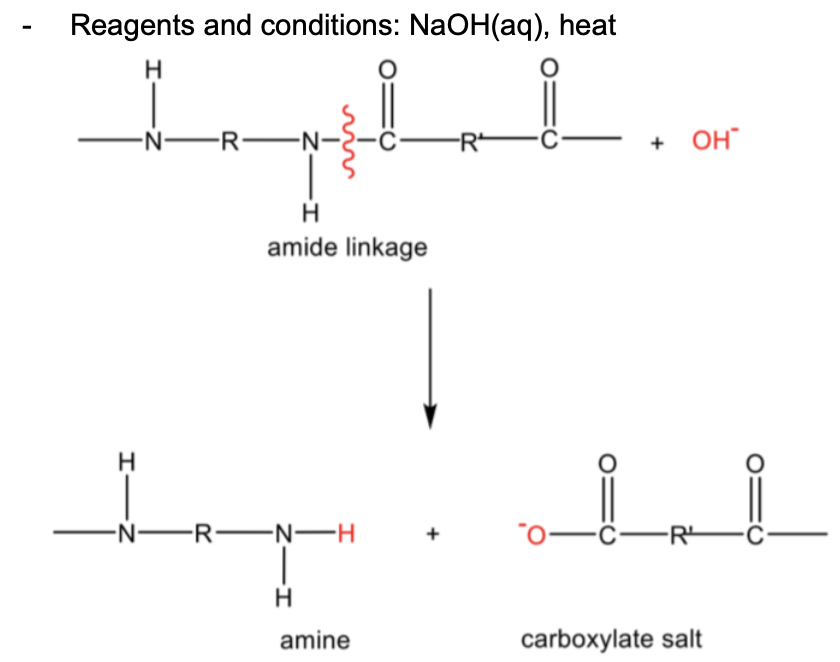
Draw BASE hydrolysis of polyamides
What is RIC
Resin Identification Code (RIC) is a symbol embedded on plastic products to sort plastic waste for recycling
Describe environmental advantages of recycling
Transforming plastic waste into valuable materials -> reduces the amount of plastic that ends up in landfills, where it can take many years to decompose and release harmful greenhouse gases
Less plastic waste going into the environment -> less pollution of natural landscapes and oceans where it may pose a threat to wildlife
Recycling plastic limits the need for new raw materials, conserving finite natural resources and protecting ecosystems
Using recycled plastic to make new products consumes less energy and reduces greenhouse gas emissions (lower carbon footprint)
Describe economic advantages of recycling
The recycling industry is labour intensive and creates more jobs than landfill disposal in sectors such as collection, sorting and processing
Using recycled plastic often reduces production costs compared to using new raw materials -> increasing profitability for these businesses
Cost saving in waste management for cities by reducing the volume of waste requiring expensive landfilling or incineration
The demand for recycled materials drives innovation in recycling technologies and better product design for recyclability -> leads to a growing green economy
Describe social advantages of recycling
Recycling minimises the risk of microplastics entering food and water sources -> healthier natural environments and cities and improved public health in the long term.
Active participation in recycling programmes fosters a sense of responsibility and encourages communities to adopt sustainable lifestyles