Muscle system part 2 - muscle mechanics
 Call Kai
 Learn
Learn Practice Test
 Spaced Repetition
 Match
Match Flashcards
 Knowt Play
1/34

There's no tags or description
Looks like no tags are added yet.
Name | Mastery | Learn | Test | Matching | Spaced | Call with Kai |
|---|
No analytics yet
Send a link to your students to track their progress
35 Terms
What are fasciles
Bundles of musle fibers
What do fascicle arrangement affect
Muscle’s power and range of motion
The longer the fiber, the greater the
range of motion
The greater of cross sectional area, the greater the
power
thickness
What are the five patterns of fascicle arrangement
parallel, fusiform, circular, triangular, pennate
Circular arrangement - fascicle pattern
Concentric rings around openings (eyes and mouth)
circular
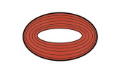
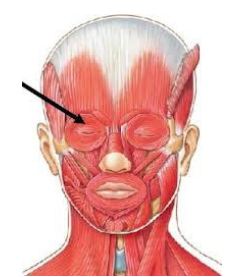
What pattern are orbicularis oris, orbicularis oculi
circular
orbicularis oris (mouth)
orbicularis oculi (eye)
Convergent arrangement - fascicle pattern
Wide origin, narrow insertion like a fan / triangle
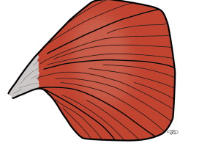
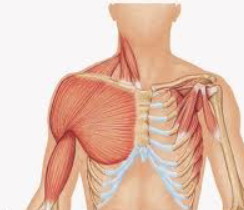
What fascicle arrangement is the pectoralis major
Convergent
Parallel arrangement - fascicle pattern
Fibers are parallel to long axis like a strap
Good range of motion, less force
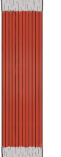
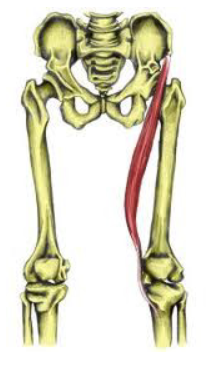
What fascicle pattern is the sartorius
Parallel
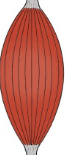
Fusiform arrangement - fascicle pattern
Spindle shaped with parallel fibers (opposite of a hourglass) - fat in the middle narrow at the ends
Good range of motion, moderate force
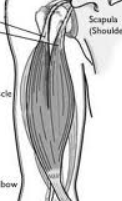
What fascicle arrangement is bicep brachii
Fusiform
Pennate arrangement - fascicle patterns
Short fascicles attach obliquely (angularly) to tendon
Unipennate, bipennate, multipennate
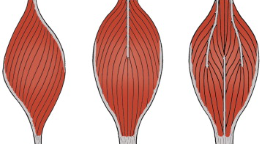
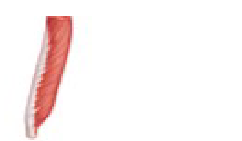
Extensor digitorum longus - what pattern
Unipennate
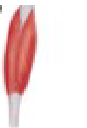
Rectus femoris - what pattern
Bipennate
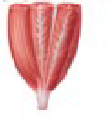
Deltoid - what pattern
Multipennate
Which fascicle arrangement generate the most force
Pennate
What do levers do
move heavier, farther, or faster
What are the 4 components of the lever system
Lever, Fulcrum, effort, load
Lever component of lever system
bone that moves
Fulcrum component of lever system
joint → pivot point that the bone moves on
Effort component of lever system
Force from muscle contraction applied to lever to move resistance
Load component of lever system
Resistance (bone, tissue, added weight) moved by effort
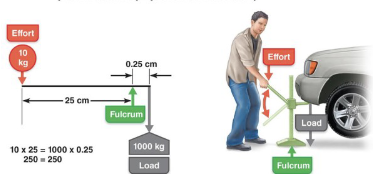
Which lever provides mechanical advantage
Power lever → load is closer to fulcrum than effort
Less effort can move large load (less effort, more strength, less speed)
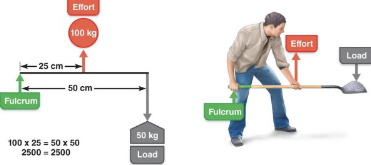
Which lever provides mechanical disadvantage
Speed lever - load is farther from fulcrum than effort
Faster movement over large range of motion, less power
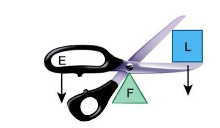
First class levers
E - F - L
Fulcrum in the middle
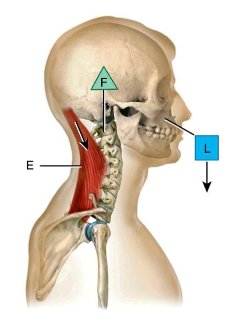
Which class lever
Head balancing on neck
First class
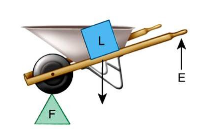
Second class lever
F - L - E
Load in middle
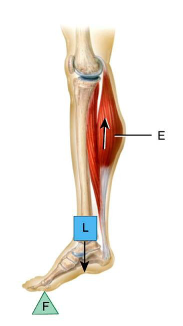
what class lever
Calves flexing to tip toe
Second class lever
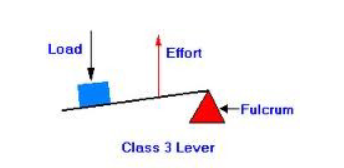
Third class lever
L - E - F
Effort in the middle
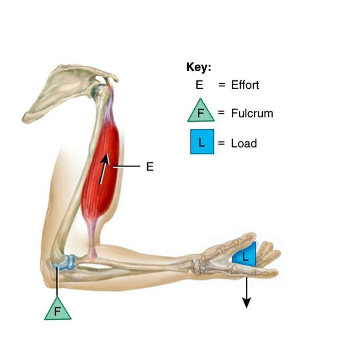
What class lever
Bicep curl
Third class lever
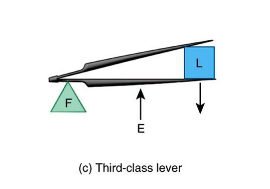
Forceps, seesaw, wheel barrow - which goes into which class lever
Seesaw is first class (fulcrum in the middle)
Wheelbarrow is second class (load in the middle)
Forceps is third class (Effort in the middle)
Which class lever produces the most force with least effort
Second class with load in middle
What class muscle are most muscles in the body
third class levers