Histology (A&P 1)
 Call Kai
 Learn
Learn Practice Test
 Spaced Repetition
 Match
Match Flashcards
 Knowt Play
1/24

There's no tags or description
Looks like no tags are added yet.
Name | Mastery | Learn | Test | Matching | Spaced | Call with Kai |
|---|
No analytics yet
Send a link to your students to track their progress
25 Terms
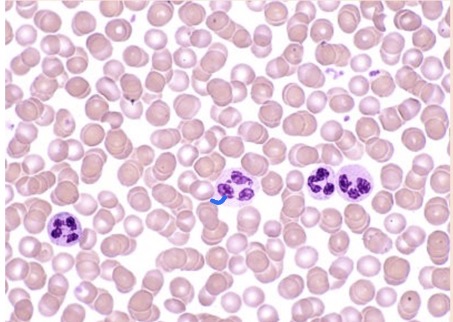
What is this?
Fluid Connective Tissue: Blood
Location: Inside blood vessels and heart
Function: Transports gases, nutrients, wastes, and hormones; protects against infection; helps clot blood; regulates body temperature
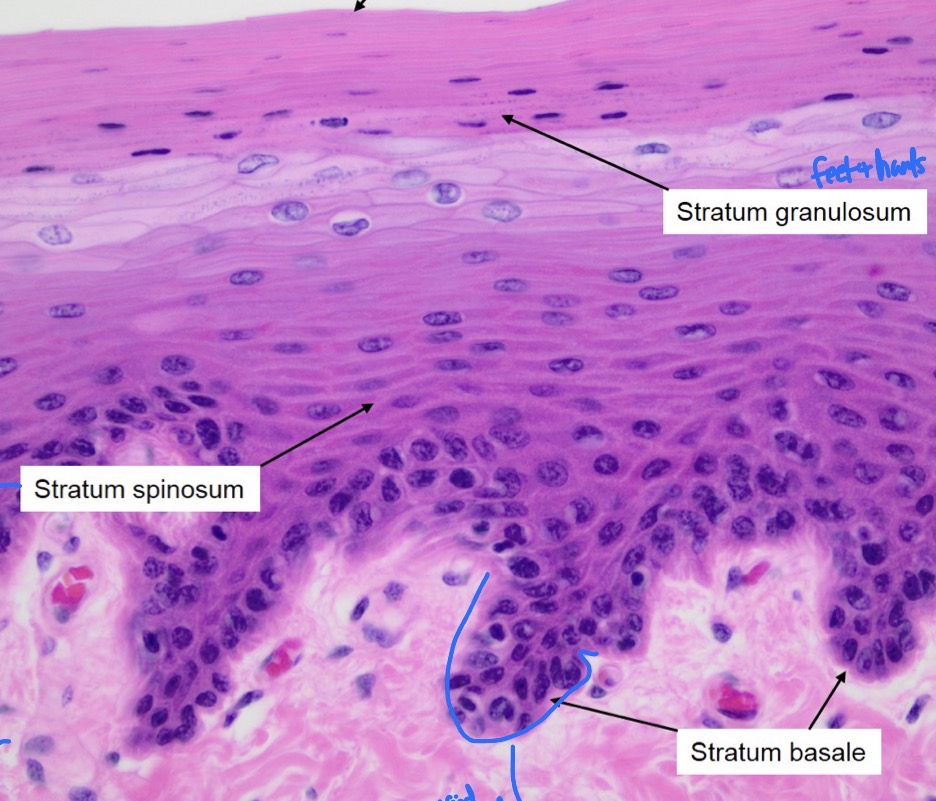
What is this?
Epidermis (Keratinized stratified squamous epithelium tissue)
Location: Outer layer of skin
Function: Protection from injury, germs, and water loss
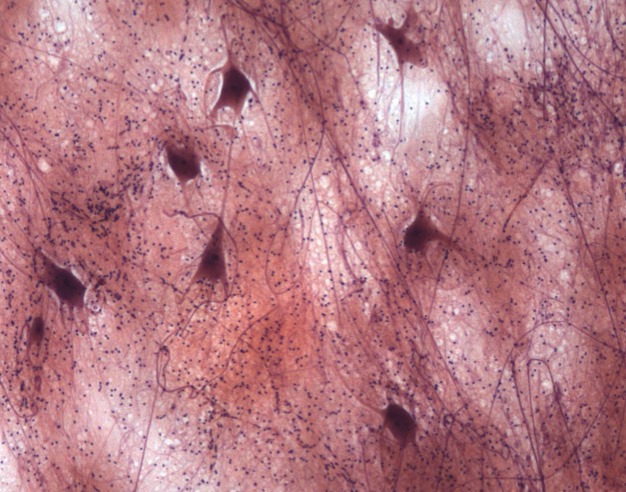
What is this?
Nervous Tissue
Location: Brain, spinal cord, nerves
Function: Sends and receives nerve impulses (electrical signals)
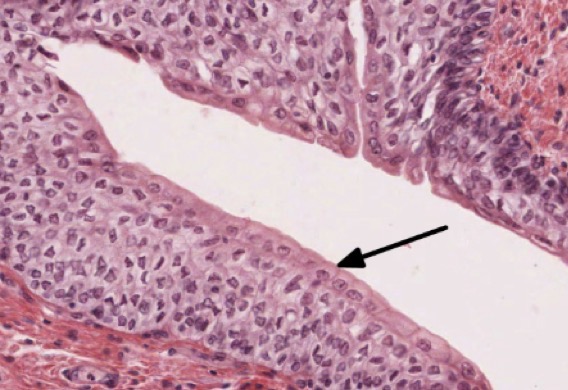
What is this?
Simple Squamous Endothelium
Location: Lines the inside of blood vessels and the heart
Function: Allows rapid diffusion and filtration; provides a smooth surface for blood flow
What is this?
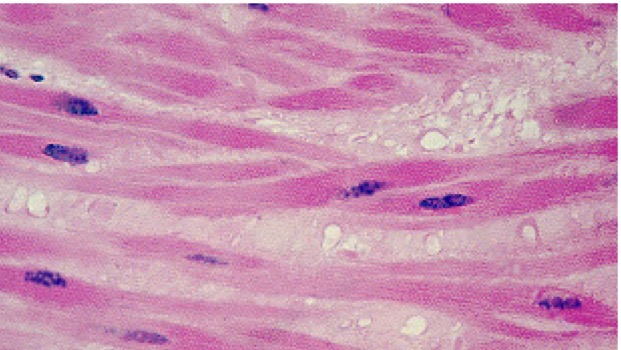
Smooth Muscle Tissue
Location: Walls of hollow organs (stomach, intestines, bladder, uterus) and blood vessels
Function: Moves substances through organs by involuntary contractions
What is this?
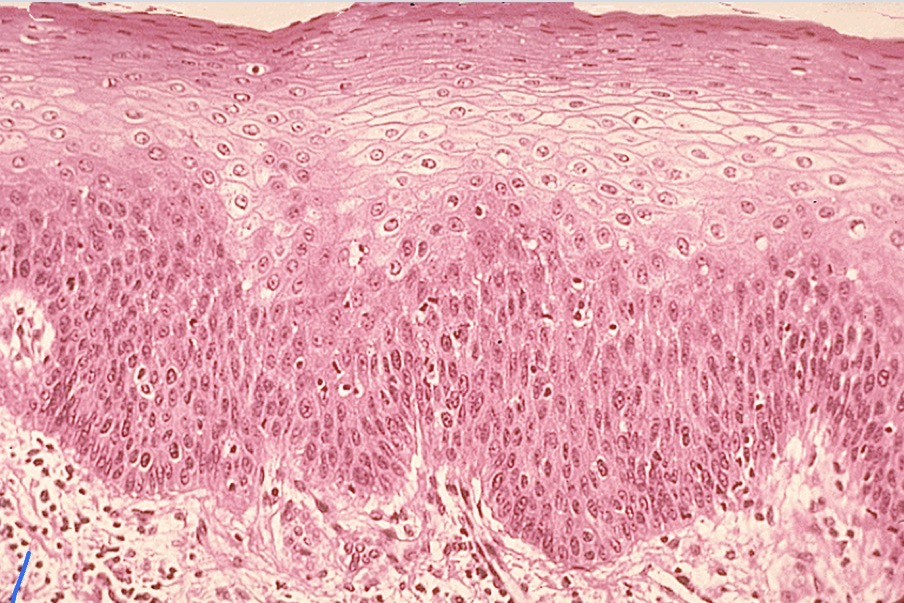
Stratified Squamous Epithelium (Nonkeratinized)
Location: Lining of the mouth, esophagus, vagina, and anal canal
Function: Protects against abrasion and friction while keeping the surface moist
What is this?
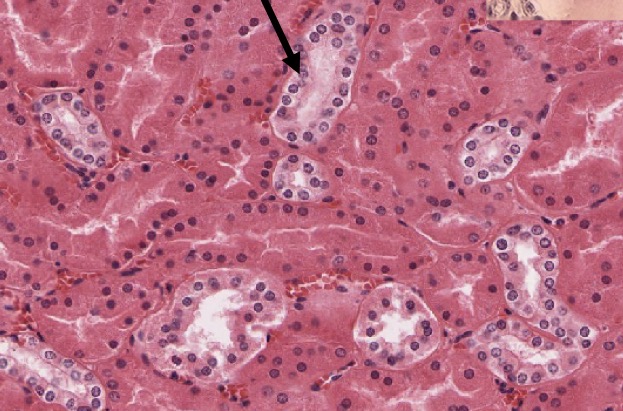
Simple Cuboidal
Location: In the walls of kidney tubules
Function: They are best suited for absorption, secretion, and excretion of small molecules
What is this?
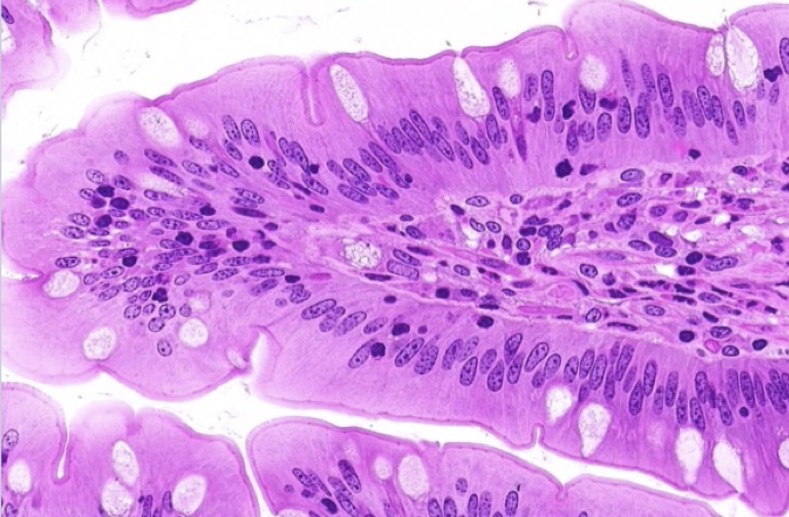
Simple Columnar Epithelium
Location: Lining of the digestive tract (stomach, small intestine, most of the large intestine)
Function: Absorption of nutrients, Secretion of mucus and digestive enzymes, Protection of underlying tissues
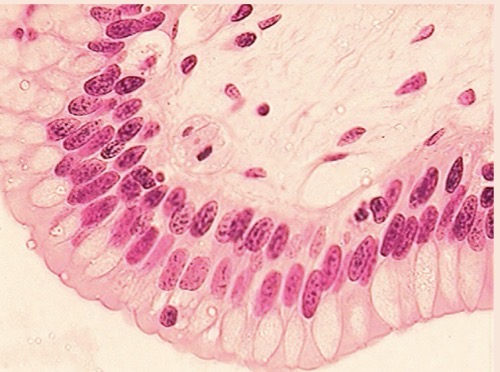
What is this?
Stratified Columnar Epithelium
Location: Parts of the male urethra (the tube that carries urine out of the body)
Some areas of the pharynx (throat)
Some large salivary glands, especially:
Parotid gland (in front of the ears)
Submandibular gland (under the jaw)
Sublingual gland (under the tongue)
Function: Protects underlying tissues, Produces and releases secretions (such as saliva)
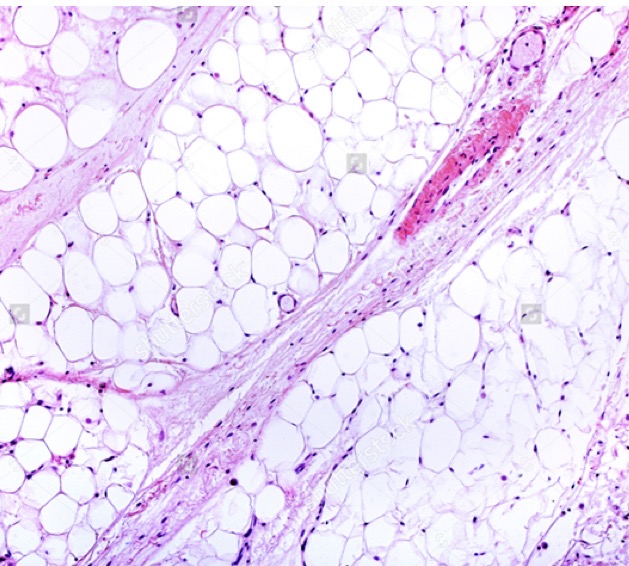
What is this?
Adipose Tissue
Location: Under skin; around kidneys, heart, eyes, and abdominal organs
Function: Energy storage, insulation, and protection/cushioning of organs
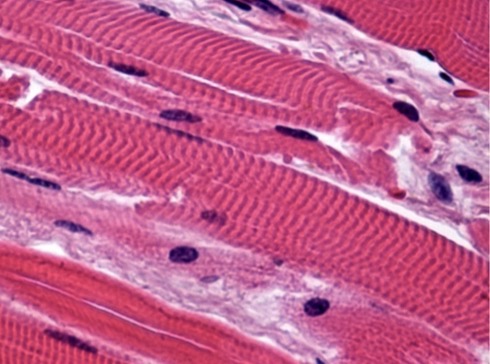
What is this?
Skeletal Muscle Tissue
Location: Attached to bones throughout the body, Attached to facial bones for facial expressions, Attached to the diaphragm (muscle used for breathing)
Function:
Maintains posture
Stabilizes joints
Produces heat
Produces voluntary body movements
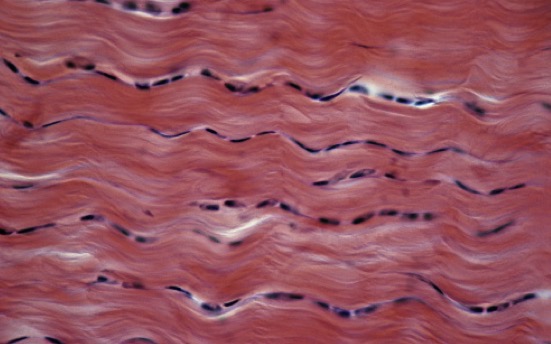
What is this?
Dense Regular Collagenous Connective Tissue
Location: Tendons, ligaments, and aponeuroses
Function:
Resists tension in one direction
Stabilizes joints
Strong attachment
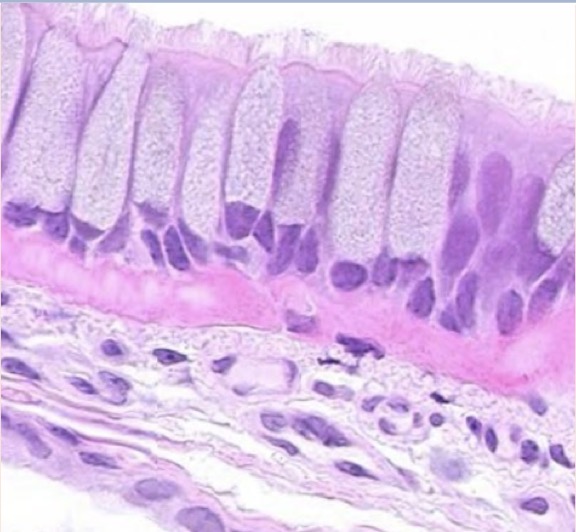
What is this?
Pseudostratified Ciliated Columnar Epithelium
Location: Nasal cavity, trachea, and larger airways
Function:
Traps particles
Moves mucus out of the respiratory tract with cilia
Produces mucus
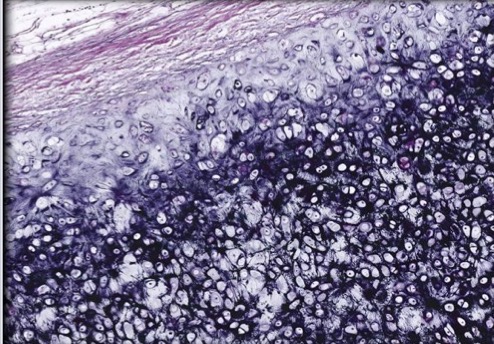
What is this?
Elastic Cartilage
Location: External ear, epiglottis, auditory tube
Function:
Provides flexible support
Allows bending and returning to the original shape
Maintains the shape of a structure
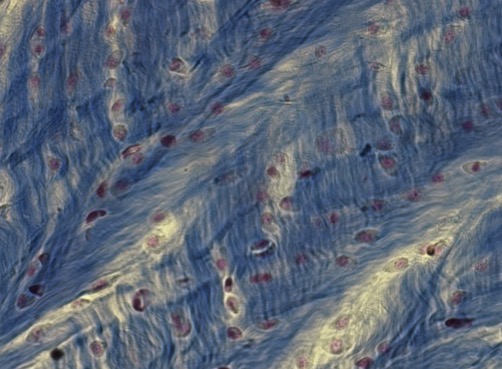
What is this?
Fibrocartilage
Location: Intervertebral discs, menisci of the knee, pubic symphysis
Function:
Absorbs shock
Resists compression
Provides strong support
Prevents bones from grinding together
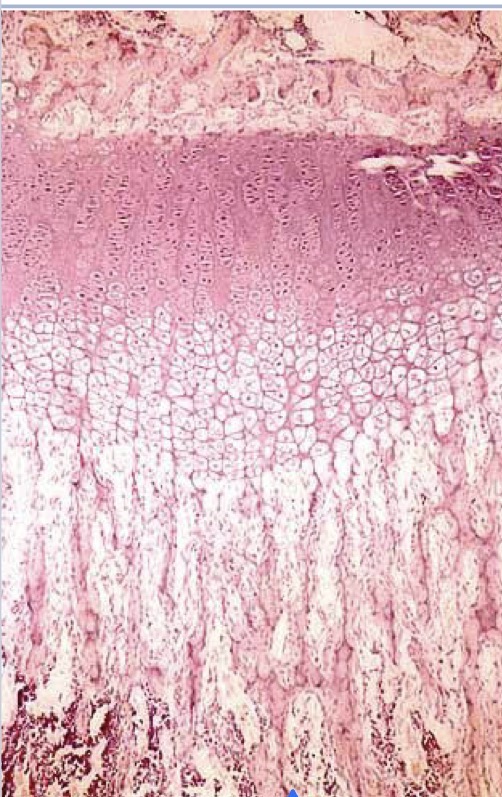
What is this?
Hyaline Cartilage (Both photos are
Location: Trachea, nose, and ends of bones
Function:
Provides a smooth surface for joint movement
Resists compression
Maintains shape while remaining flexible
Supports and reinforces structures
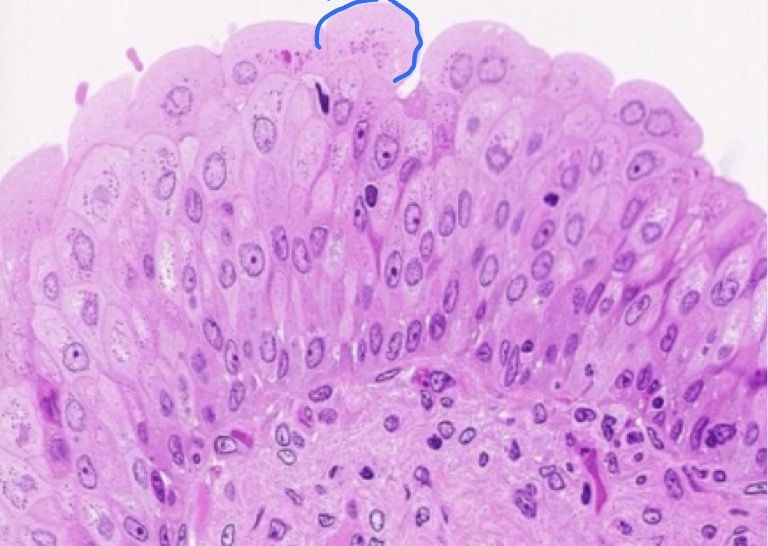
What is this?
Transitional Epithelium
Location: Urinary bladder, ureters, part of urethra
Function:
Allows organs to stretch and expand as they fill with urine
Protects underlying tissues from urine
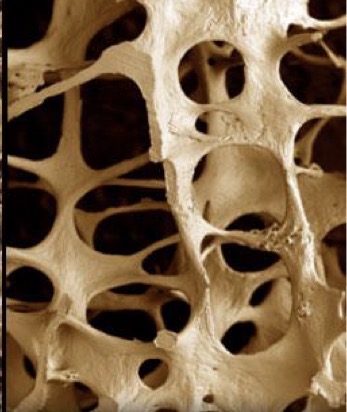
What is this?
Spongy Bone (Osteoporosis)
Location:
Found inside bones, especially:
Ends of long bones (such as the femur)
Vertebrae of the spine
Pelvis
Ribs
Sternum
Function:
Reduces the weight of bones while maintaining strength
Contains red bone marrow for blood cell production
Helps absorb forces placed on bones
What Osteoporosis Does:
The trabeculae (thin bony struts) become thinner and fewer
Large empty spaces develop
Bone becomes weak and fractures more easily
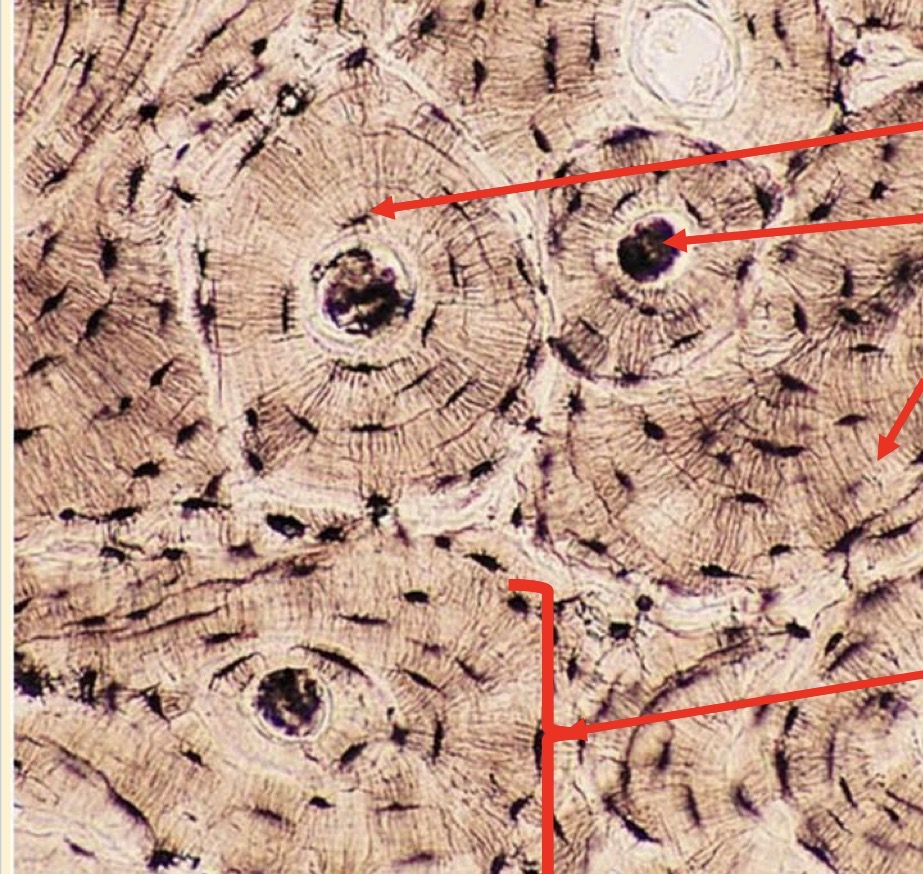
What is this?
Compact Bone (Osseous Tissue)
Location:
Outer layer of all bones
Shaft of long bones (such as the femur, humerus, and tibia)
Function:
Provides support and protection
Gives bones strength
Stores minerals (especially calcium and phosphorus)
Provides attachment sites for muscles
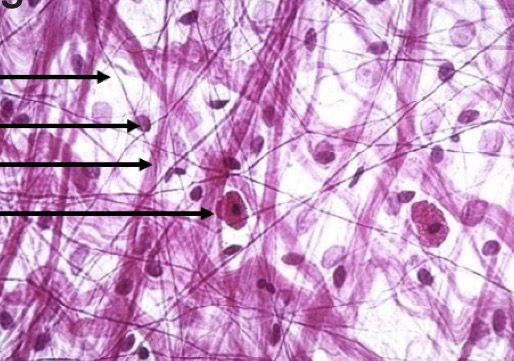
What is this?
Areolar Connective Tissue (Loose Connective Tissue)
Location:
Under epithelial tissues (under the skin and lining organs)
Around blood vessels and nerves
Between organs
Function:
Wraps and cushions organs
Holds tissues together
Allows movement of nutrients and fluids between tissues
Provides support and protection
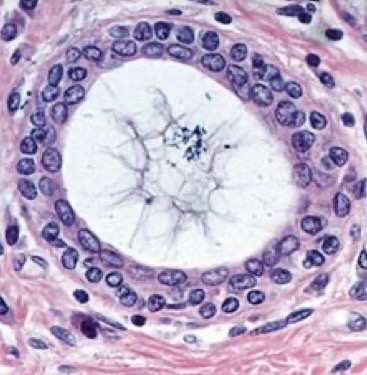
What is this?
Stratified Cuboidal Epithelium
Location:
Sweat glands
Mammary glands (milk-producing glands of the breast)
Salivary glands (parotid, submandibular, and sublingual glands)
Function:
Protection
Secretion (producing and releasing substances)
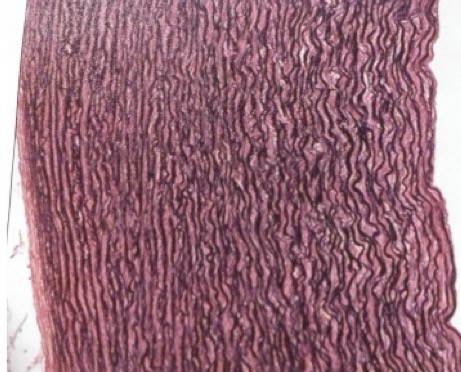
What is this?
Elastic Connective Tissue (Dense Elastic Connective Tissue)
Location:
Walls of large arteries (especially the aorta)
Certain ligaments of the vertebral column (spine)
Walls of some respiratory passages
Function:
Allows tissues to stretch and recoil (return to original shape)
Maintains pulsatile blood flow in arteries
Provides flexibility
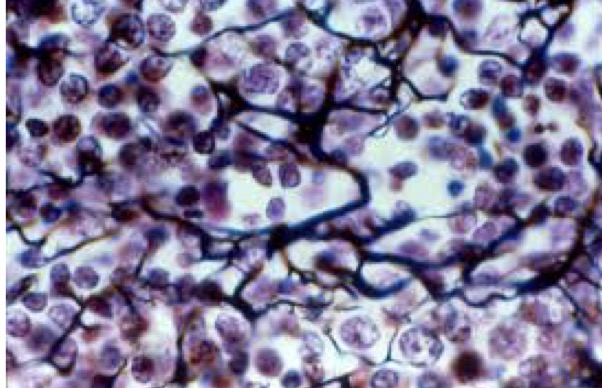
What is this?
Reticular Connective Tissue
Location:
Lymph nodes
Spleen
Bone marrow
Function:
Forms a supportive framework (stroma) for immune cells and blood cells
Supports white blood cells, macrophages, and developing blood cells
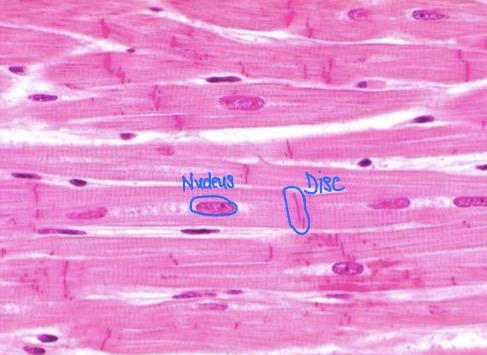
What is this?
Cardiac Muscle Tissue
Location: Wall of the heart (myocardium)
Function:
Contracts to pump blood throughout the body
Maintains circulation
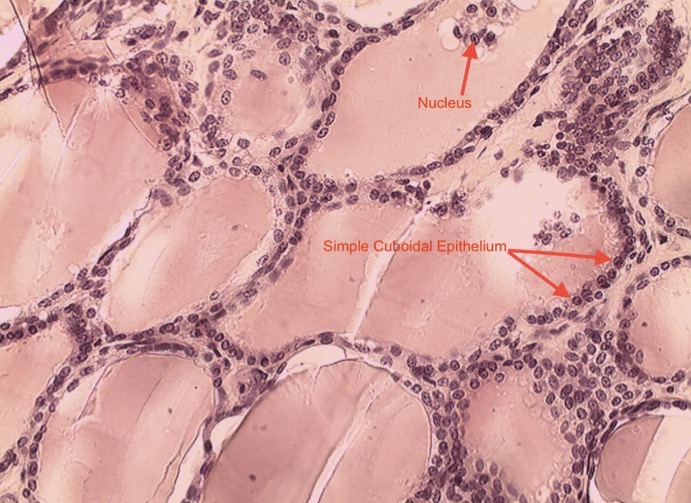
What is this?
Simple Cuboidal Epithelium
Location: In the walls of follicles within the thyroid gland
Function: Produces, stores, and releases thyroid hormones