Essay 11- Basic surgical manipulations- puncture of abscess and hematoma. Tubes- types, indications and techniques.
 Call Kai
 Learn
Learn Practice Test
 Spaced Repetition
 Match
Match Flashcards
 Knowt Play
1/17

There's no tags or description
Looks like no tags are added yet.
Name | Mastery | Learn | Test | Matching | Spaced | Call with Kai |
|---|
No analytics yet
Send a link to your students to track their progress
18 Terms
what to cover for this essay
puncture of abscess
what is it
aspiration methods
puncture of a haematoma
treatment
aspiration methods
tubes
types
examples
complications
What is an abscess
This is a collection of pus confined within a cavity.
It is due to infection
requires antibiotics and pus removal
Methods of Abscess Puncture
Aspiration
For soft/fluid abscesses
Use large-bore needle
under local anaesthesia
Pus is aspirated (act of withdrawing the fluid)
Incision and Drainage (I&D)
For superficial abscesses
Local anesthesia infiltrated away from tender spot
Small skin bleb raised → needle advanced
→ incision made
Pus collected for culture
Cavity explored using:
Sinus forceps (small)
Gloved finger (large)
Puncture of Haematoma
what to cover?
what is it?
treatment
What is a haematoma?
Localised blood collection outside vessels
due to trauma/surgery
May be liquid (spreads) → later coagulates
Symptoms: swelling, discomfort, discoloration
Treatment of Haematoma
Puncture aspiration:
Area is sterilized
Sterile needle inserted to drain accumulated blood
Multiple punctures may be needed
Apply pressure bandage post-procedure
Tubes in Surgery
points to cover
purpose
indications
types
examples
Purpose of Tubes
Prophylactic: prevent fluid accumulation (e.g., bile/urine leaks)
Therapeutic: remove existing fluid (pus, blood, exudate)
Indications
Evacuate fluid, pus, blood, exudate
Eliminate dead space
Prevent or decrease infection risk
Types of Tubes
Open Drainage
Fluid collects in gauze/stoma bag
Higher risk of infection
Closed Drainage
Fluid drains into bottle or bag
Reduced infection risk
Suction Drains (Active)
Uses negative pressure
Can be high or low pressure
Non-Suction Drains (Passive)
Drain via gravity, overflow, pressure differences
examples of tubes
chest tube
t-tube
stomach tubes
special tube
urinary catheter
Chest Tube
Closed drain
Drains pneumothorax, hemothorax, pleural effusions
Inserted in 4th ICS
above 5th rib
in pleural space
T-Tube
Inserted into the bile duct
Drains bile postoperatively (CBD surgeries)
common bile duct stones (CBDS)
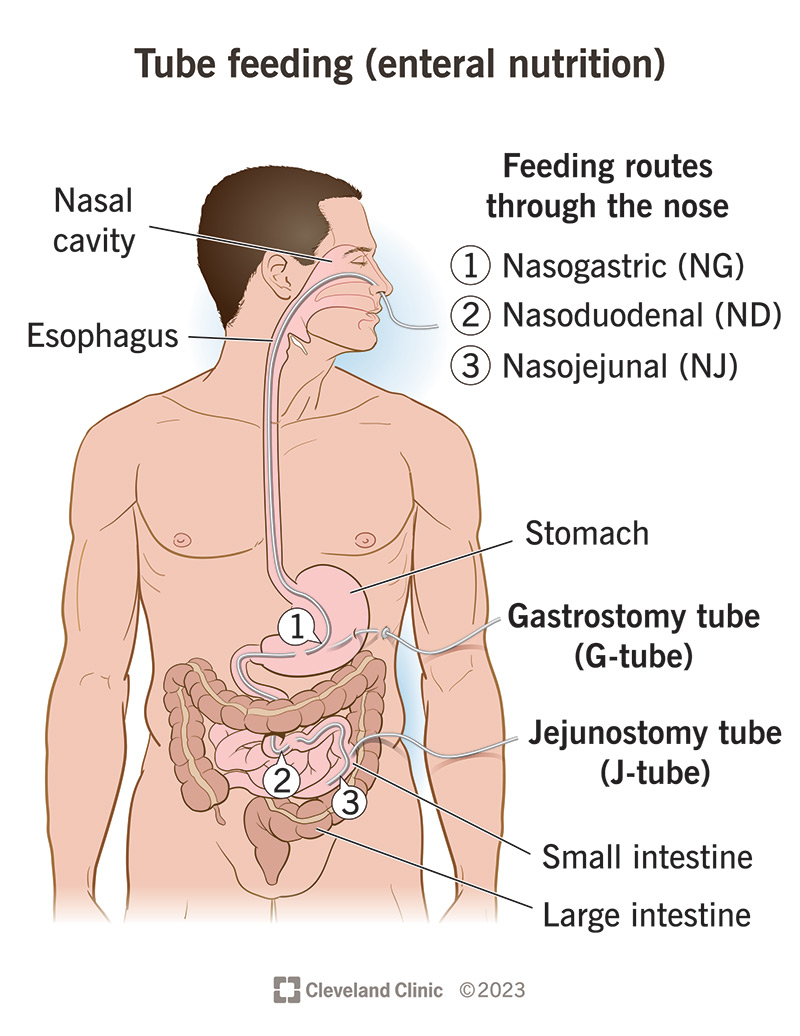
Stomach Tubes
Indications
For feeding when eating is impaired
Short- or long-term nutrition
Types
Short-term:
Nasogastric (NG) tube
Inserted via nose → pharynx → esophagus → stomach
Confirm placement by injecting 5 ml air and auscultating
Orogastric tube
Inserted through mouth into stomach
Long-term:
Gastrostomy tube (G-tube)
Direct to stomach via surgical incision (gastrostomy)
Jejunostomy tube (J-tube)
Inserted lower in abdomen → ends in jejunum
Used for thin liquids/powdered meds only
Special Tubes
Dobhoff: for liquids, food, meds
Salem tube: for GI bleeding, obstruction, ileus
Sengstaken–Blakemore tube:
Has 2 balloons (gastric & esophageal)
Used in GI bleeding/lavage
Do not reinsert wire after removing!
Complications of Stomach Tubes
Acute: aspiration, bleeding, perforation, misplacement
Chronic: sinusitis, ulceration, perforation
Urinary Catheter
Hollow, flexible tube
into bladder
to collect urine
Made of latex, rubber, or silicone
Indications:
urinary retention,
obstruction,
nerve damage
Complications of Tubes
Sepsis (esp. with open drains)
Failure to drain (fat/omentum blocks suction holes)
Pressure/suction necrosis → intestinal leakage/peritonitis
Erosion into vessels → rare hemorrhage