Respiratory System Lab
 Call Kai
 Learn
Learn Practice Test
 Spaced Repetition
 Match
Match Flashcards
 Knowt Play
1/83

There's no tags or description
Looks like no tags are added yet.
Name | Mastery | Learn | Test | Matching | Spaced | Call with Kai |
|---|
No analytics yet
Send a link to your students to track their progress
84 Terms
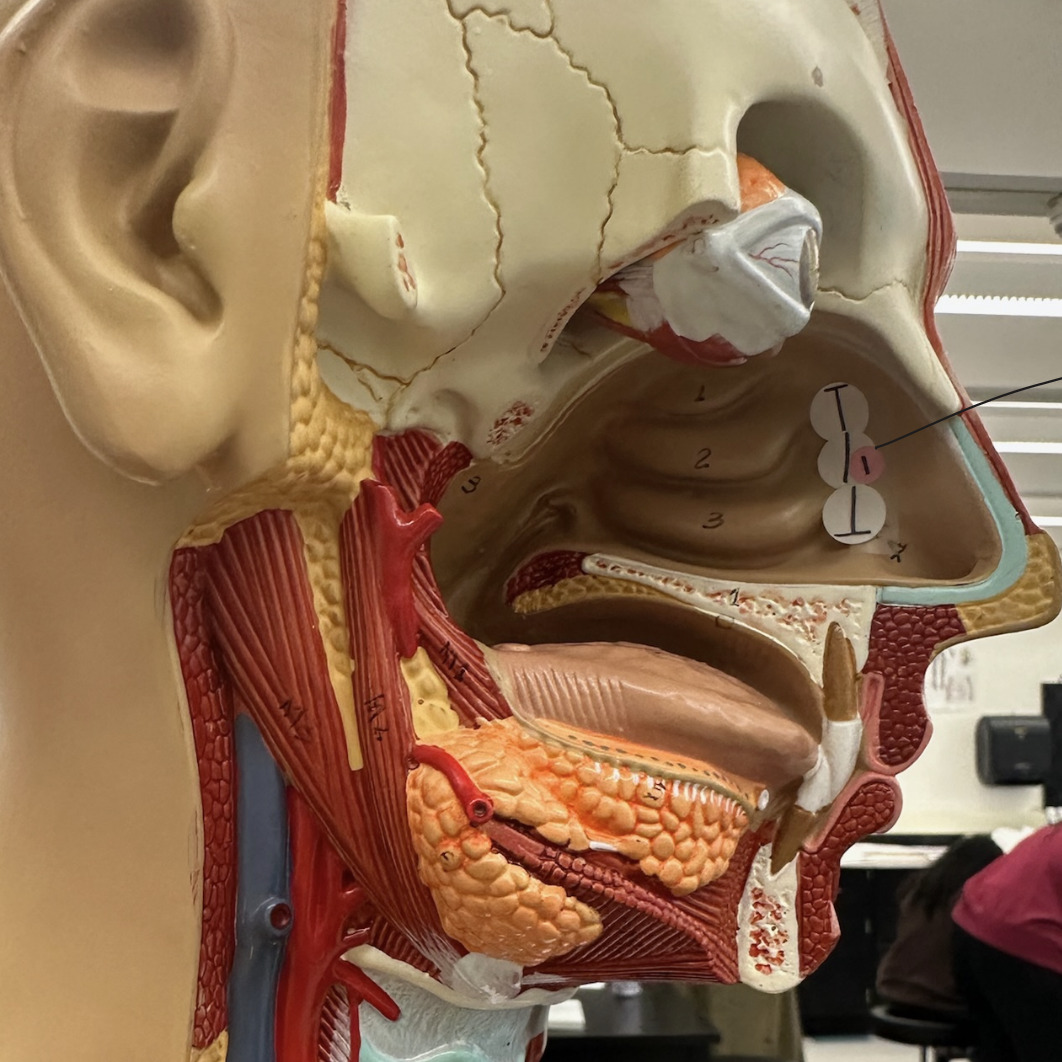
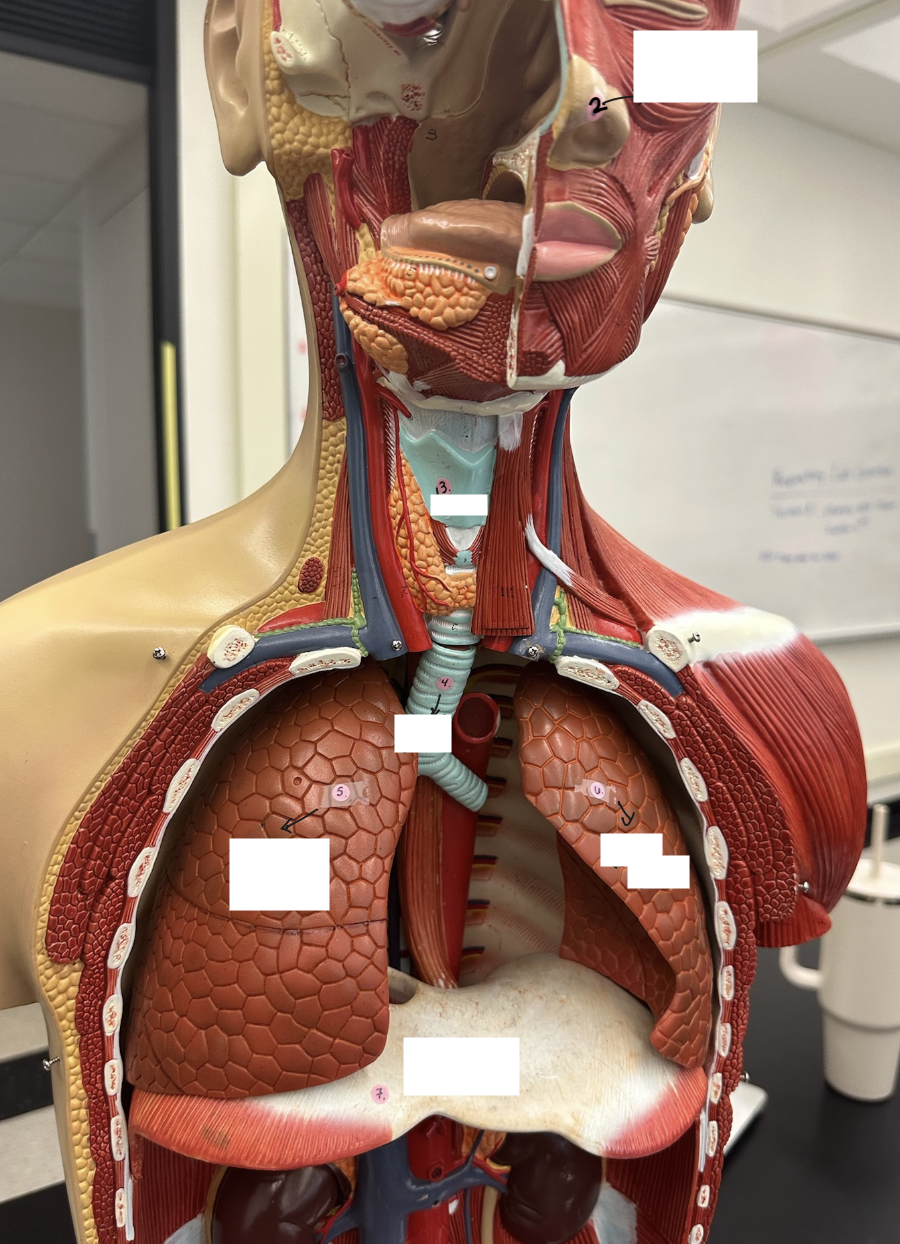
1
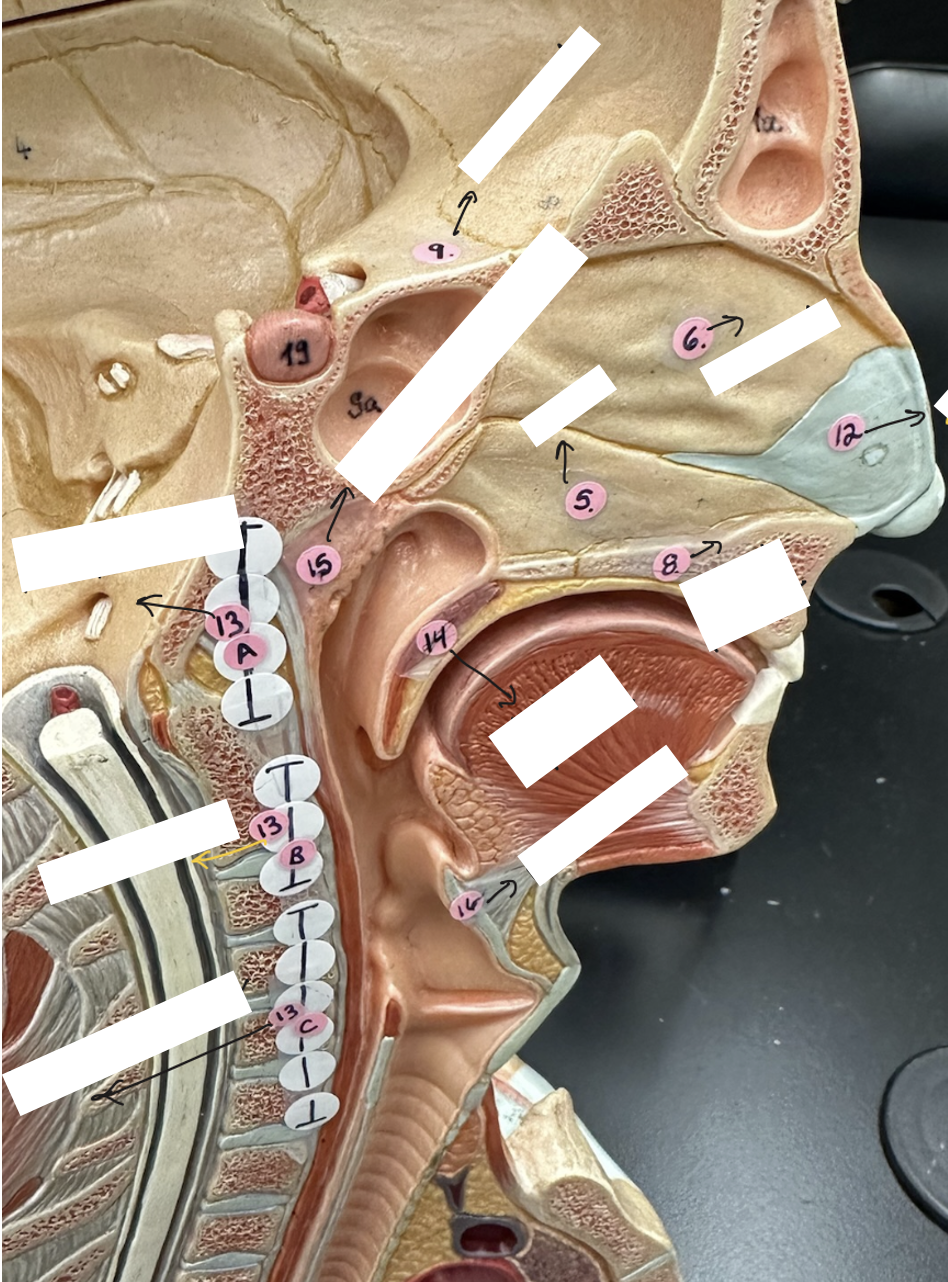
Nasal cavity
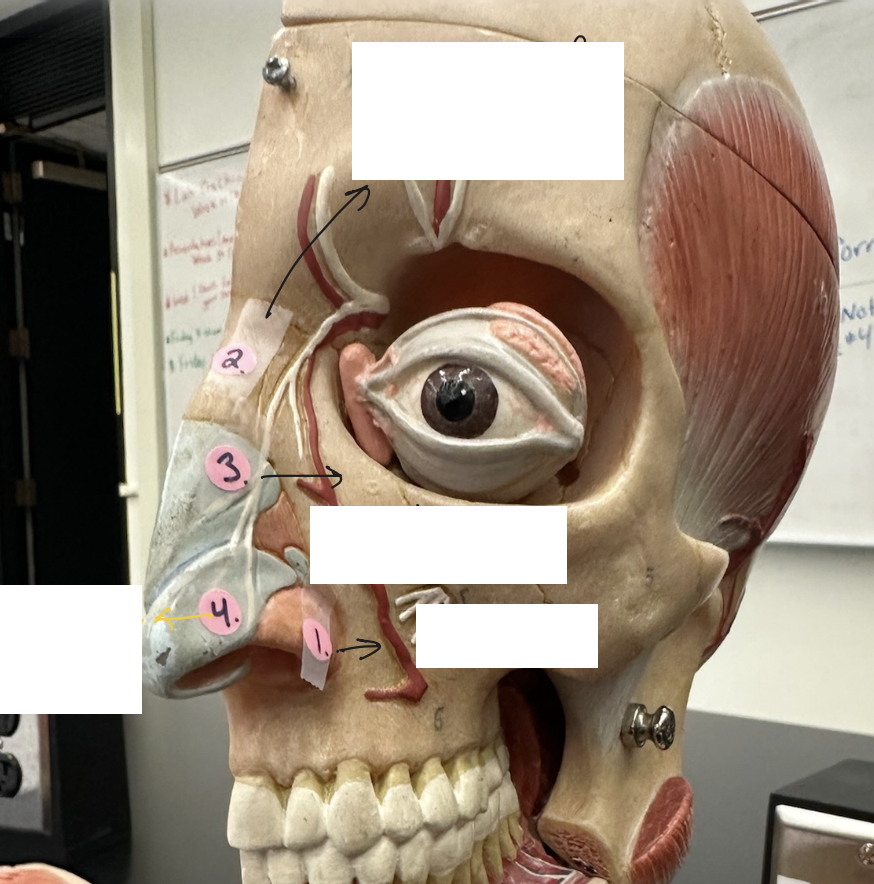
1
Nostril (nares)
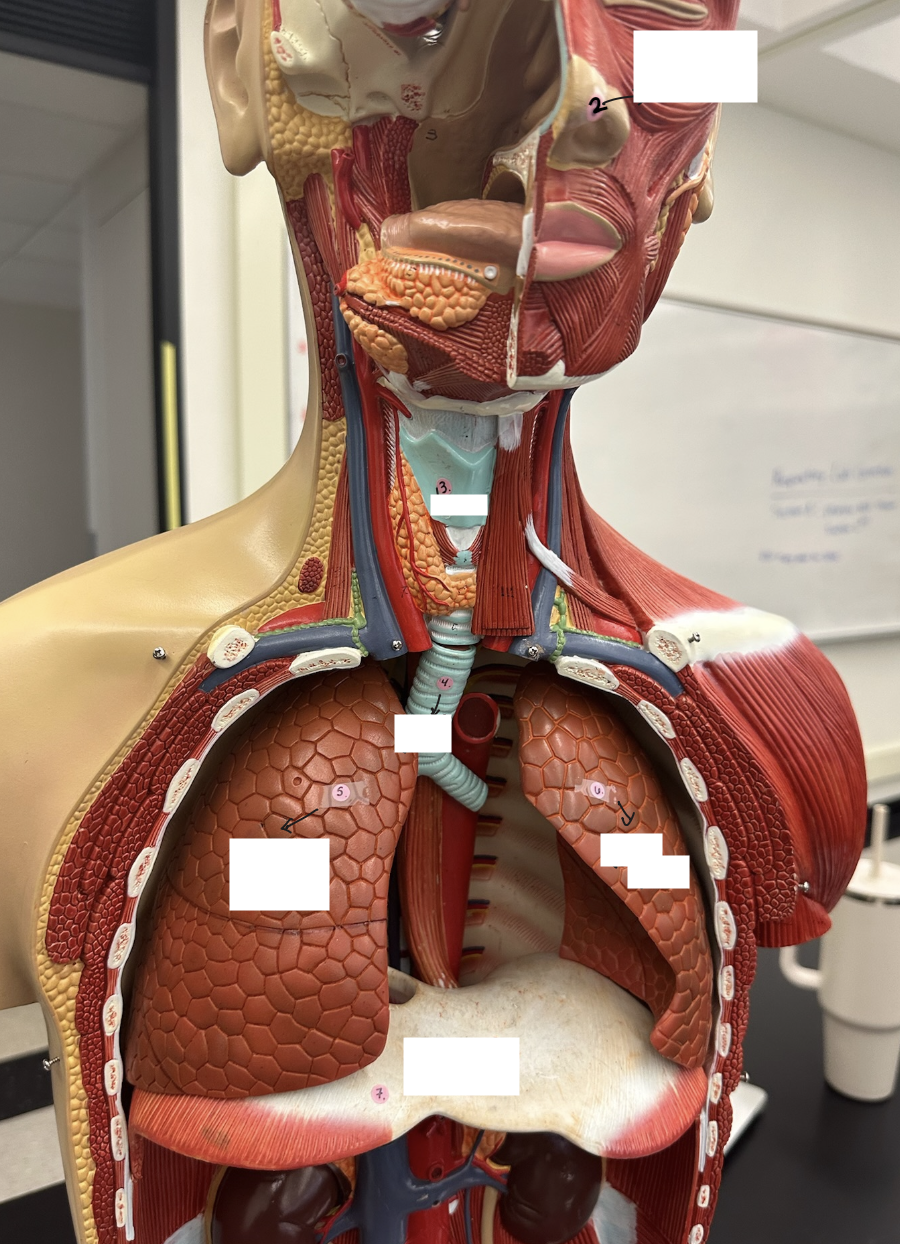
3
Larynx
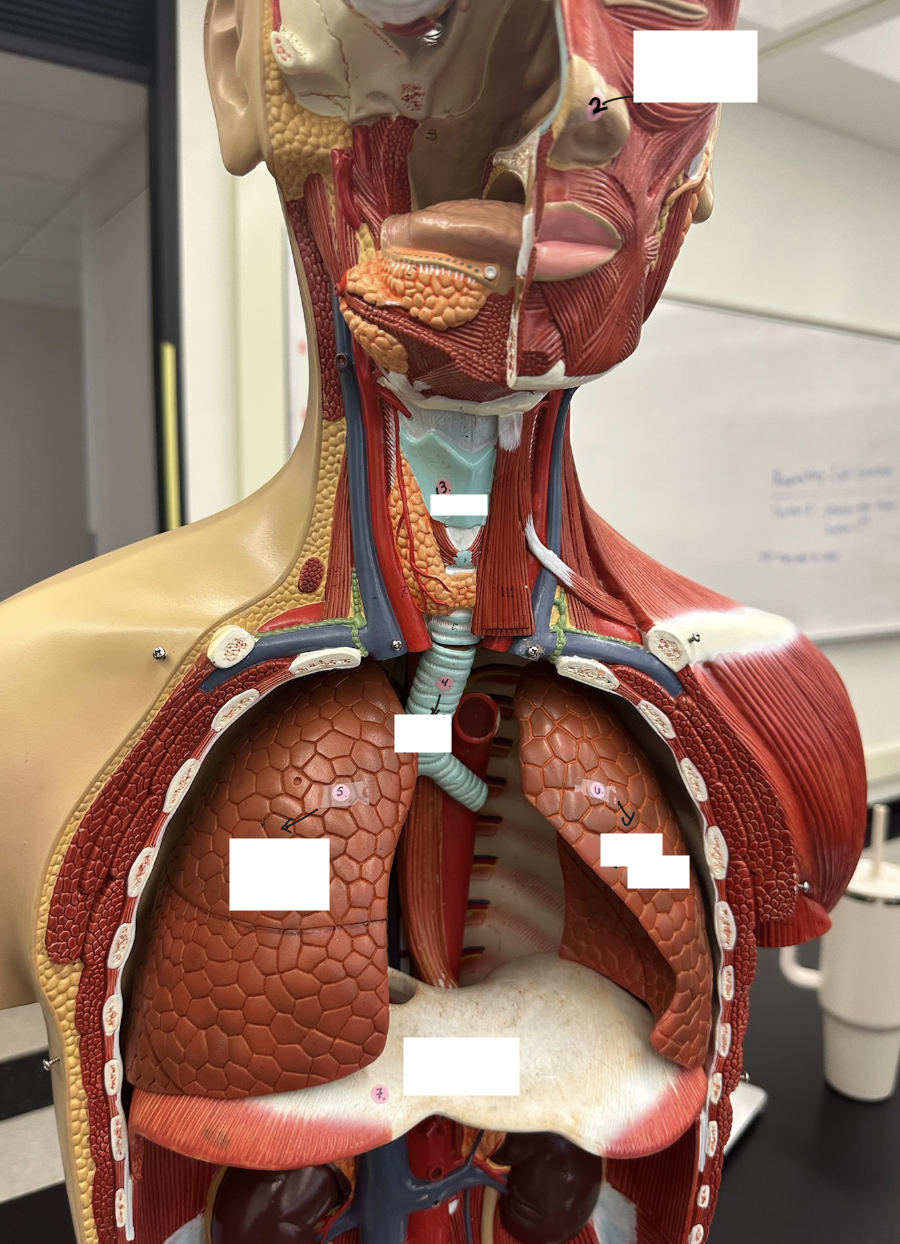
4
Trachea
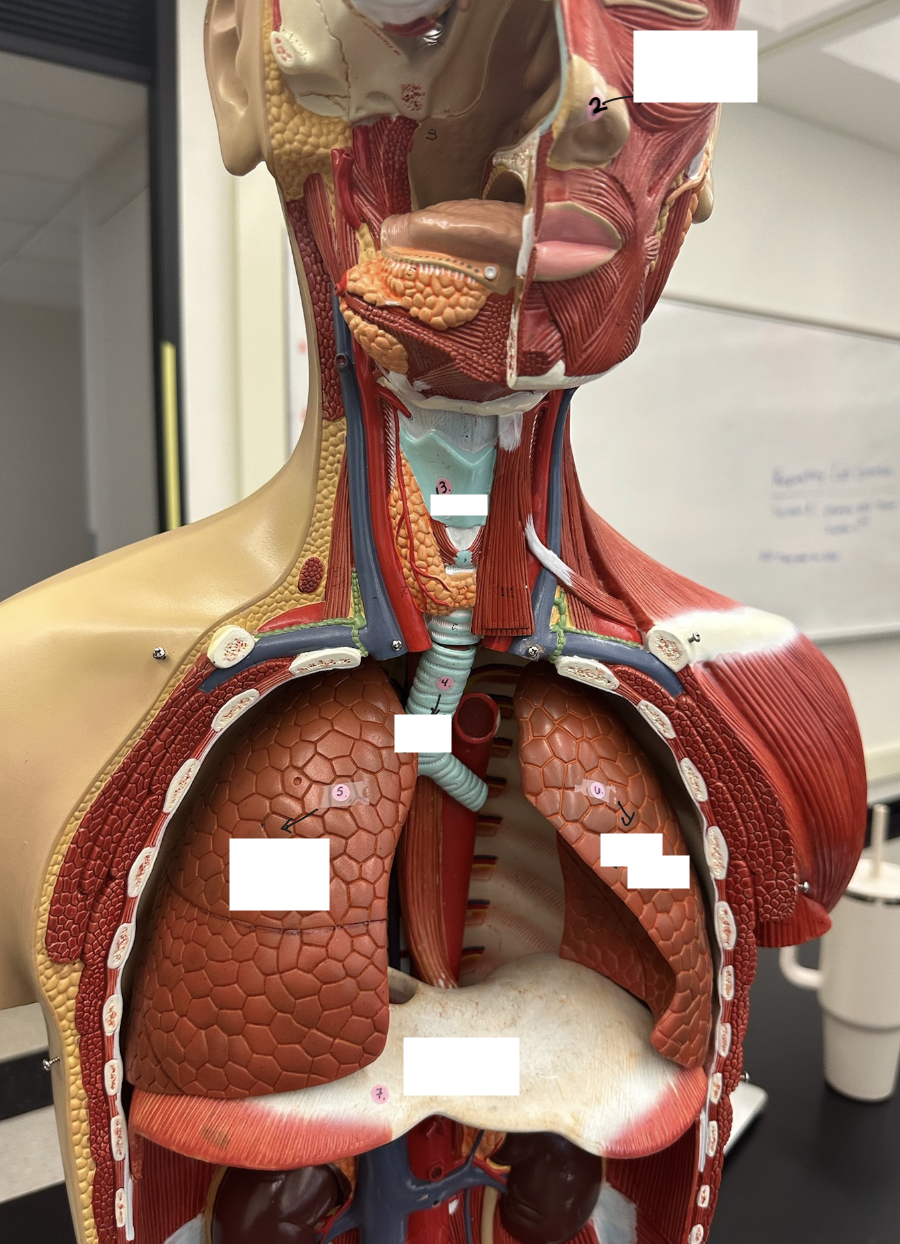
7
Diaphragm
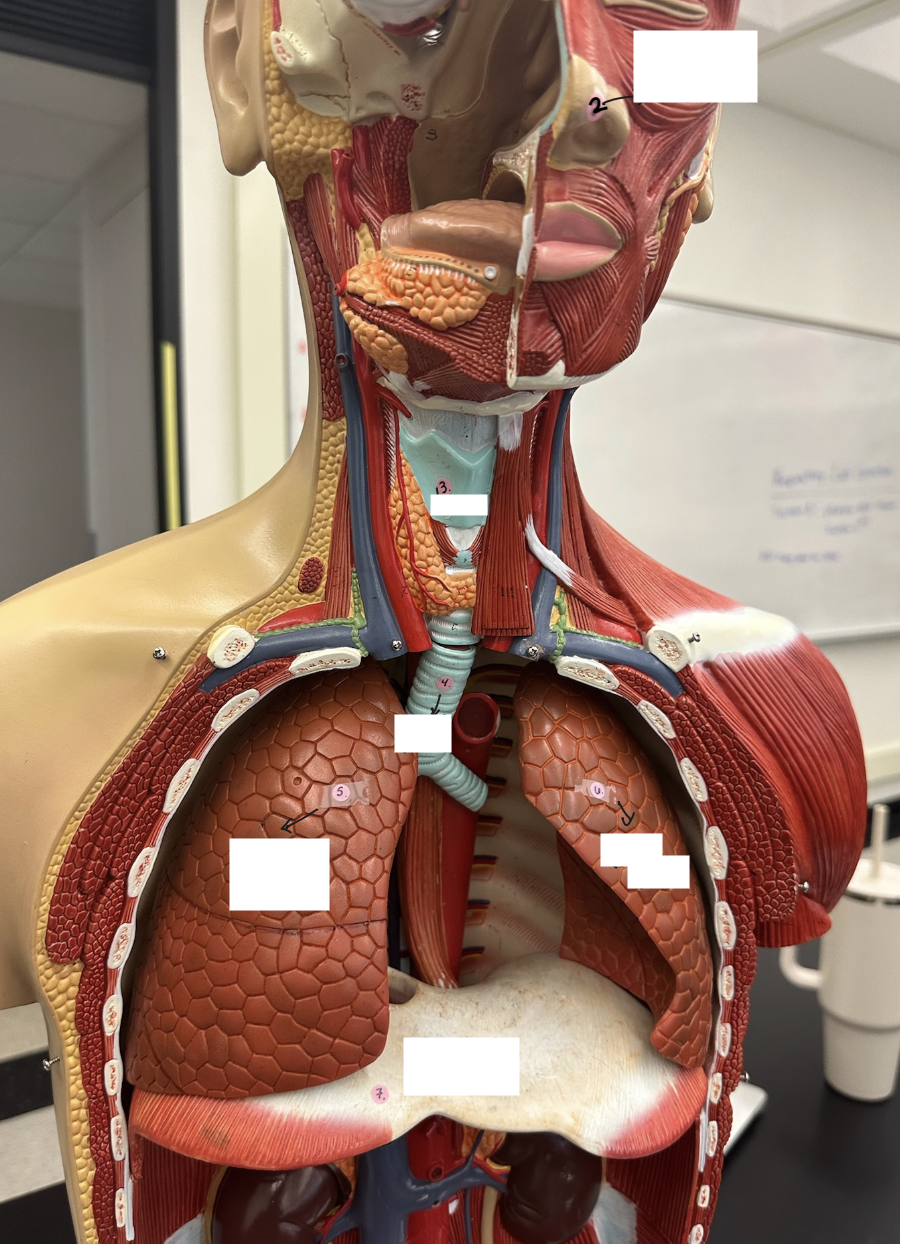
5
Right lung
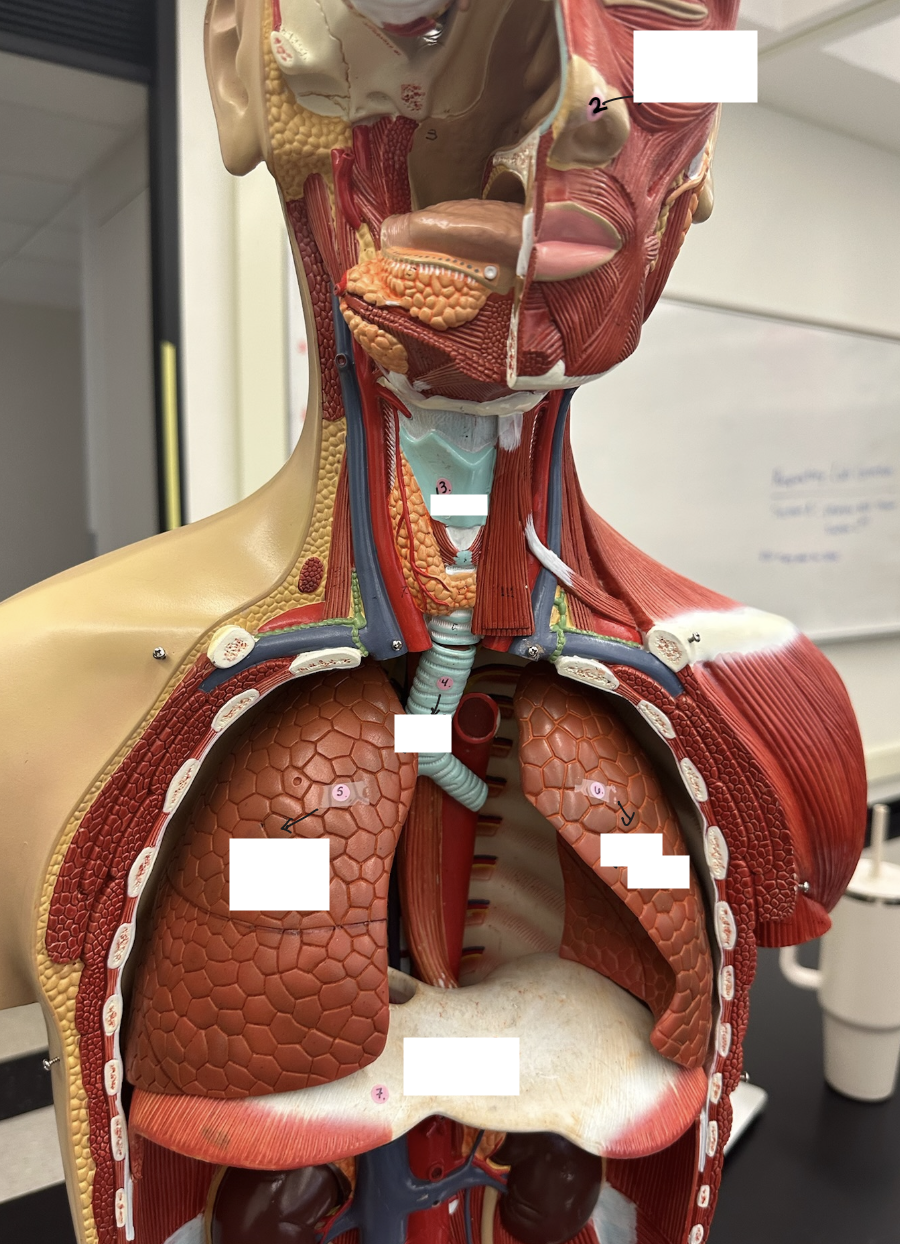
6
Left lung
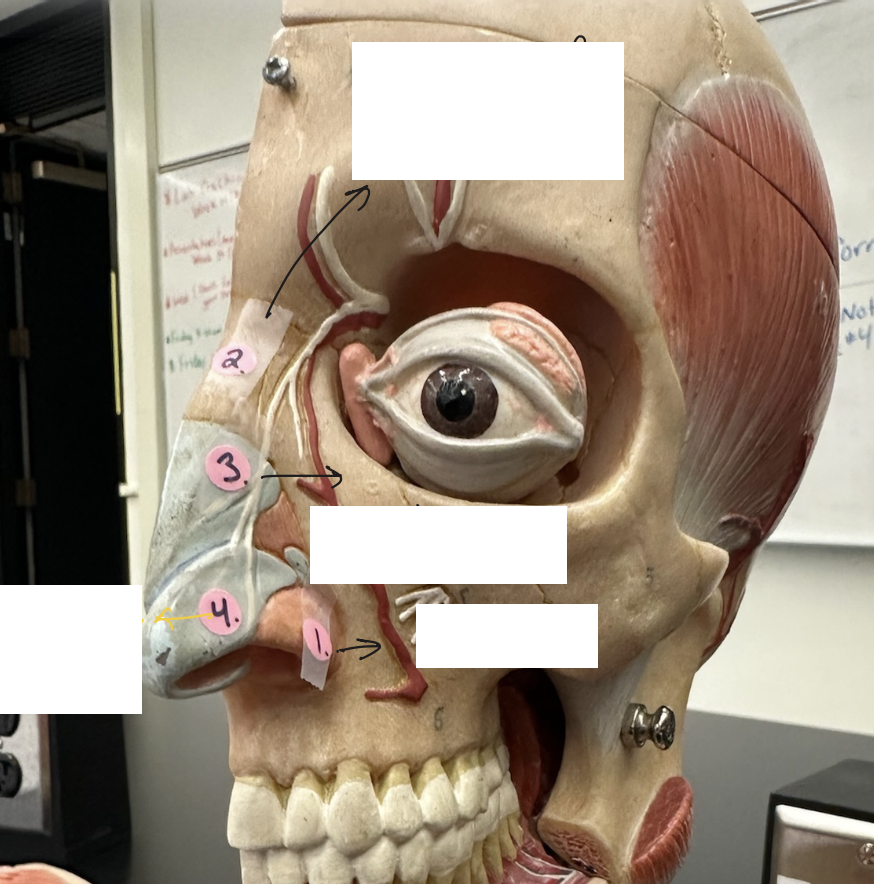
2
Nasal bone
2
Nostril (nares)
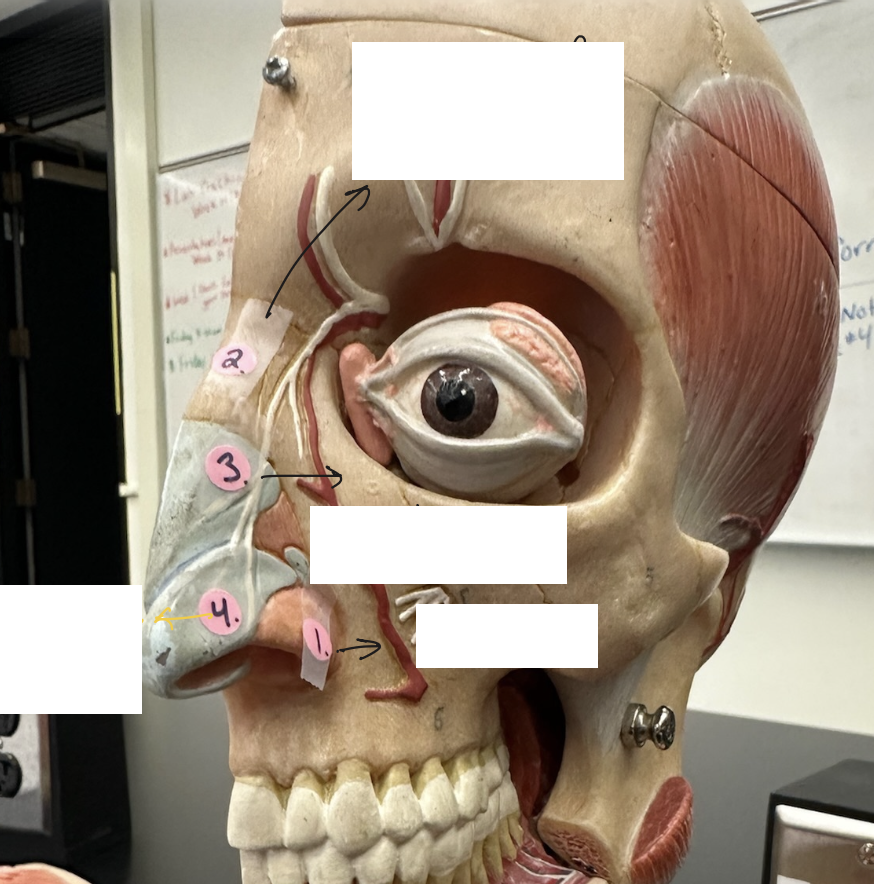
3
Lateral cartilage
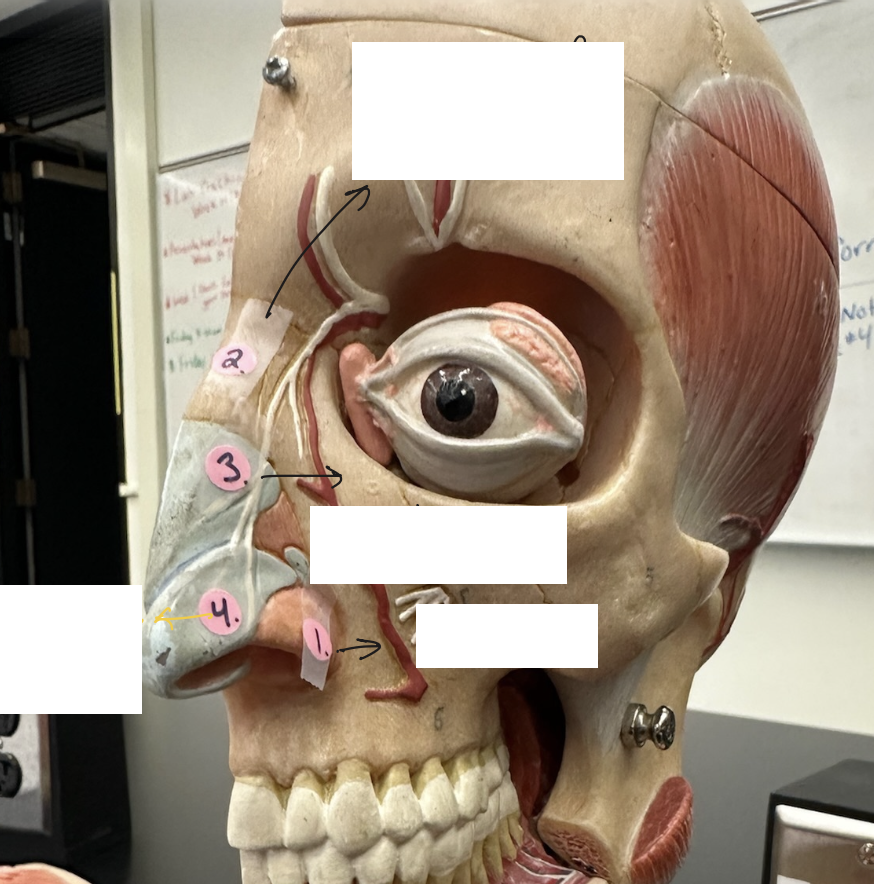
4
Alar cartilage
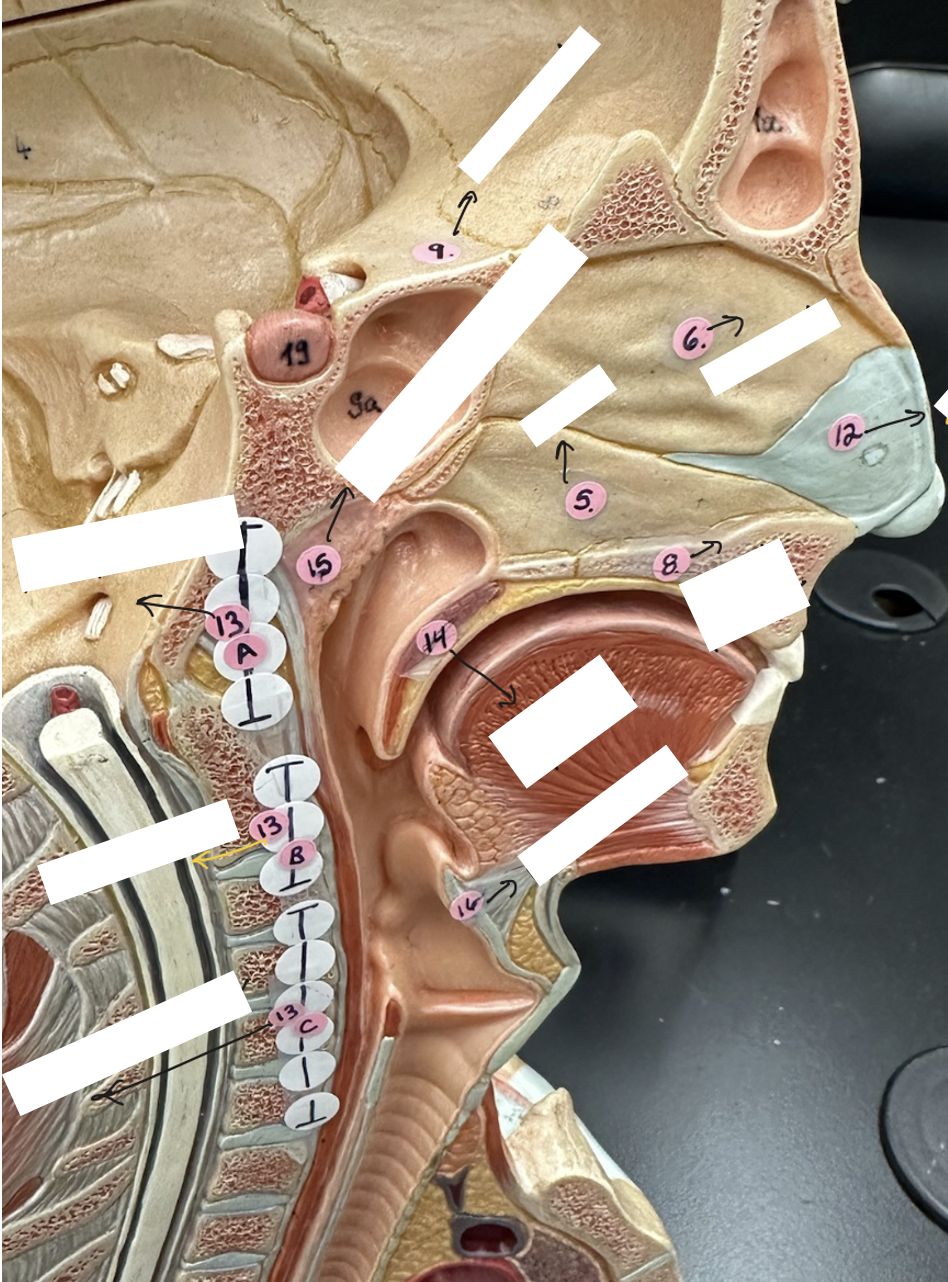
9
Sphenoid
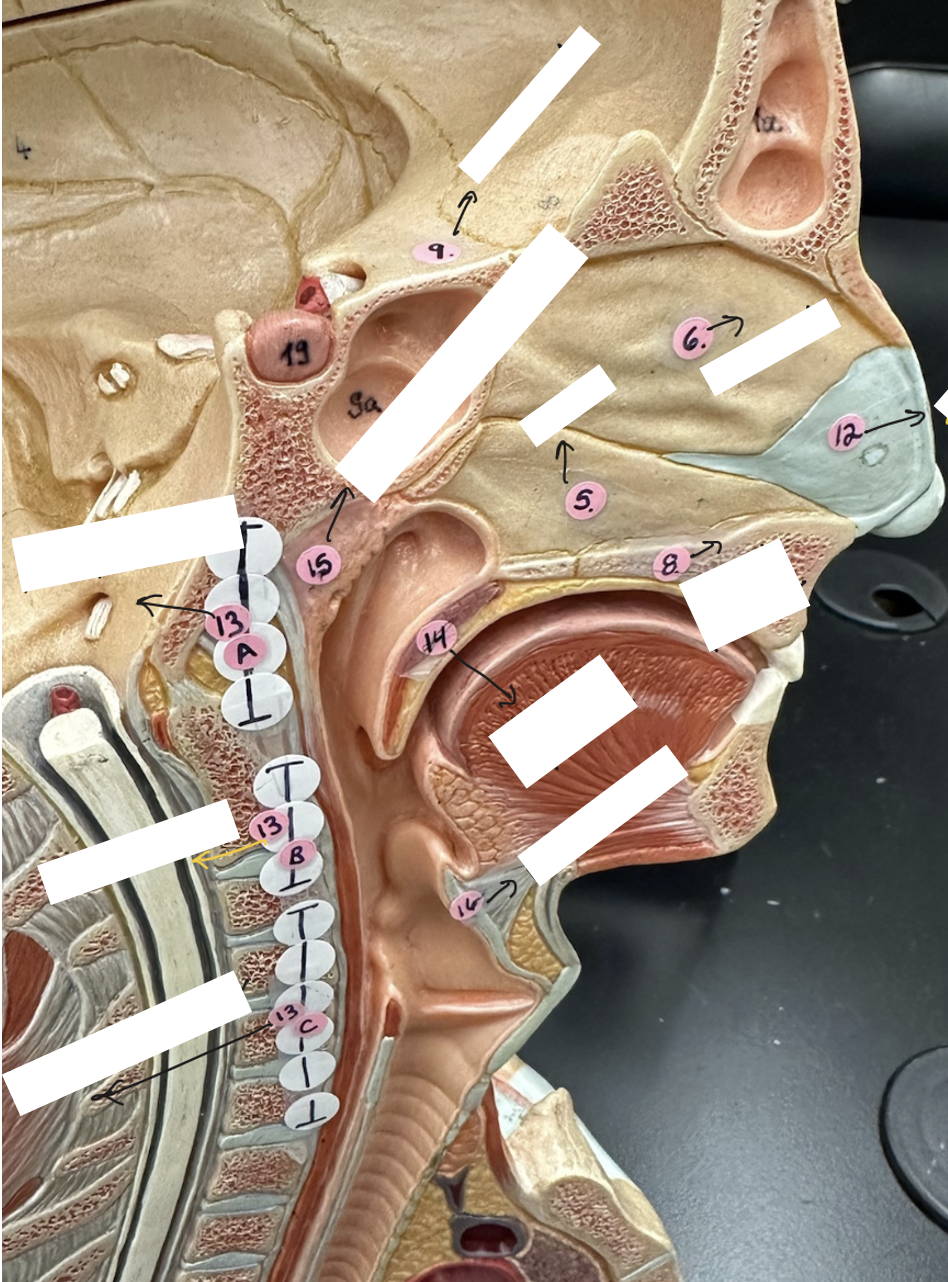
12
Septal cartilage
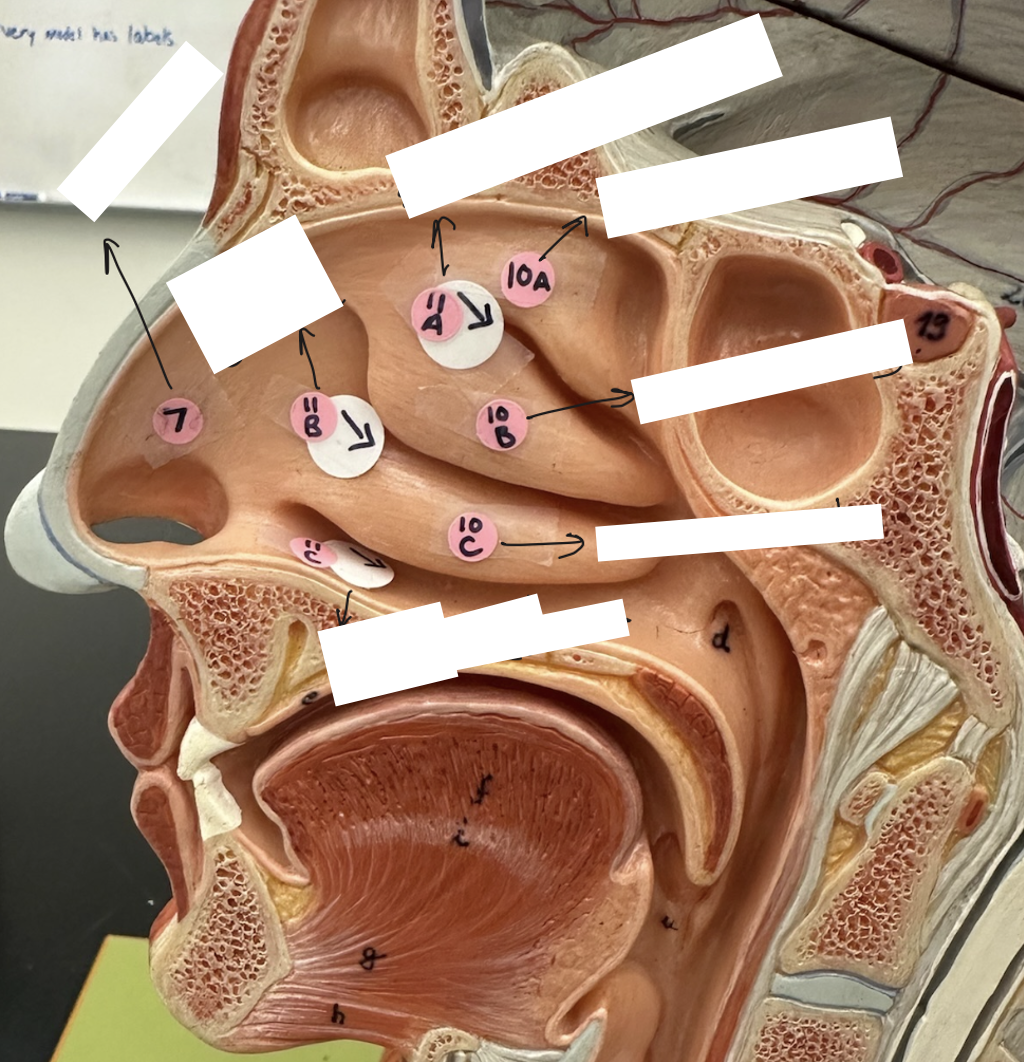
10A
Superior nasal conchae
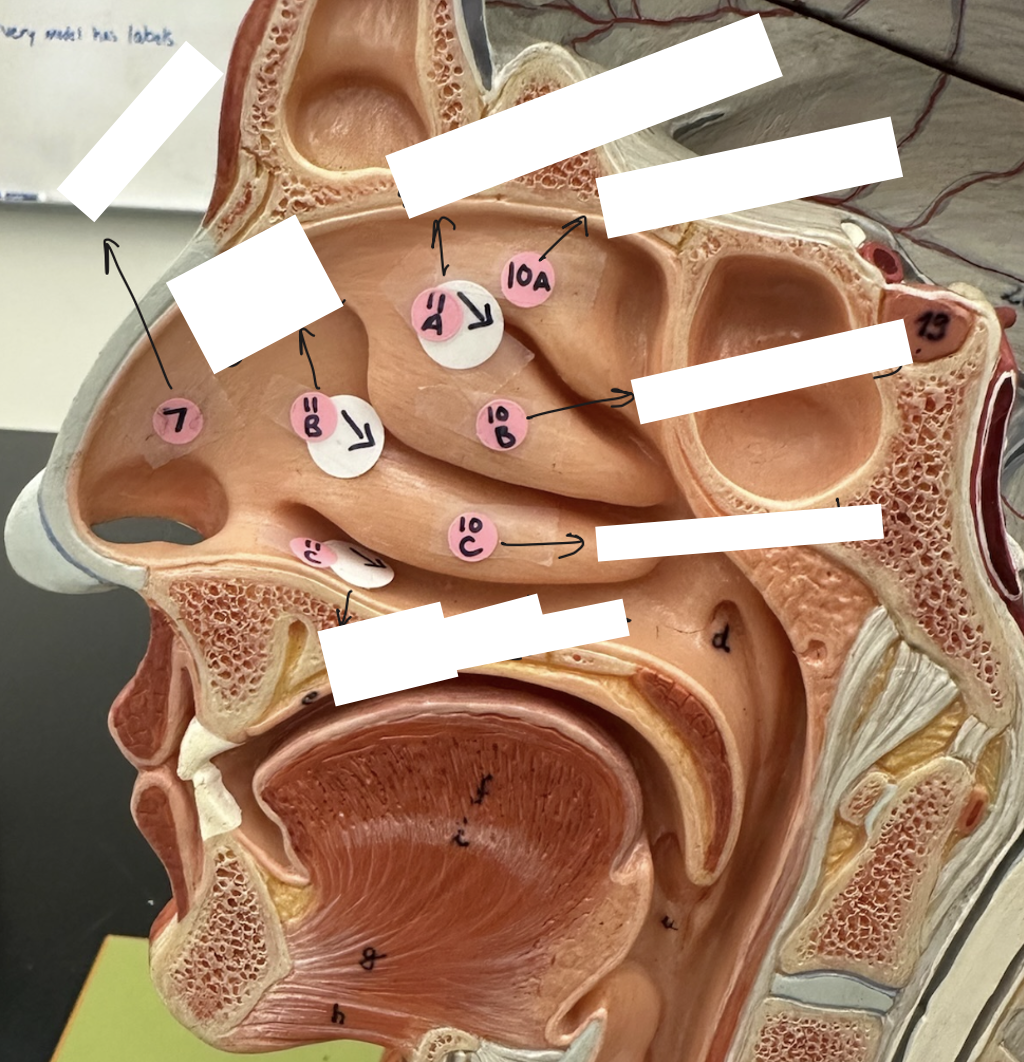
10B
Middle nasal conchae
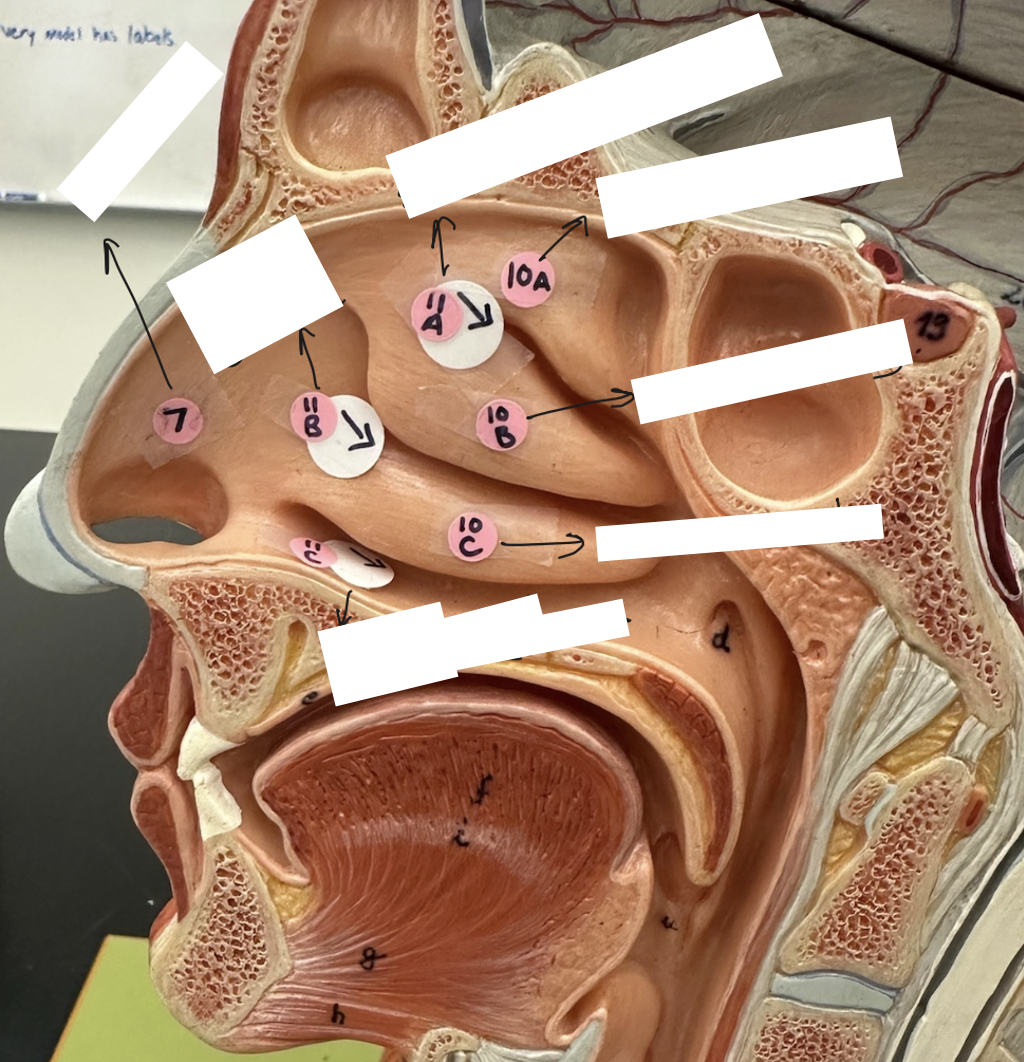
10C
Inferior nasal conchae
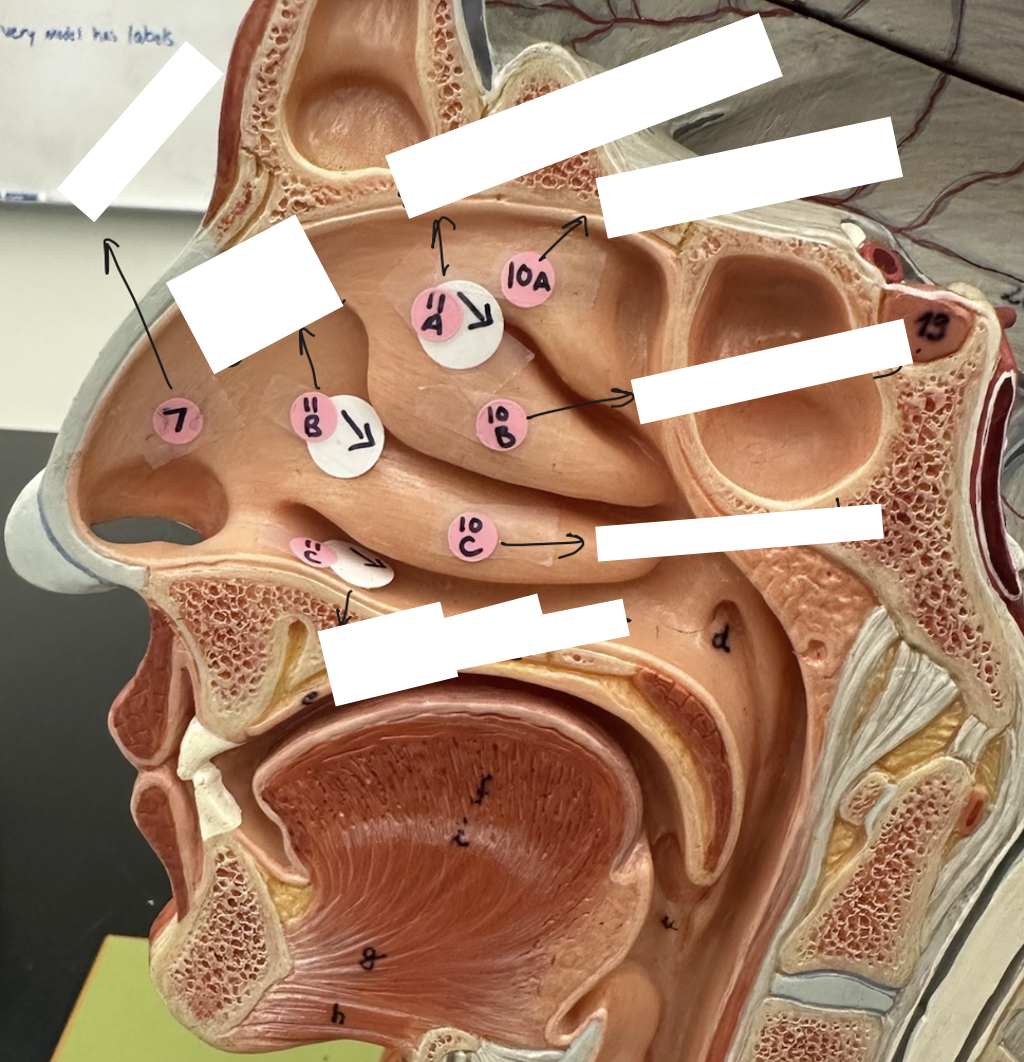
11A
Superior meatus
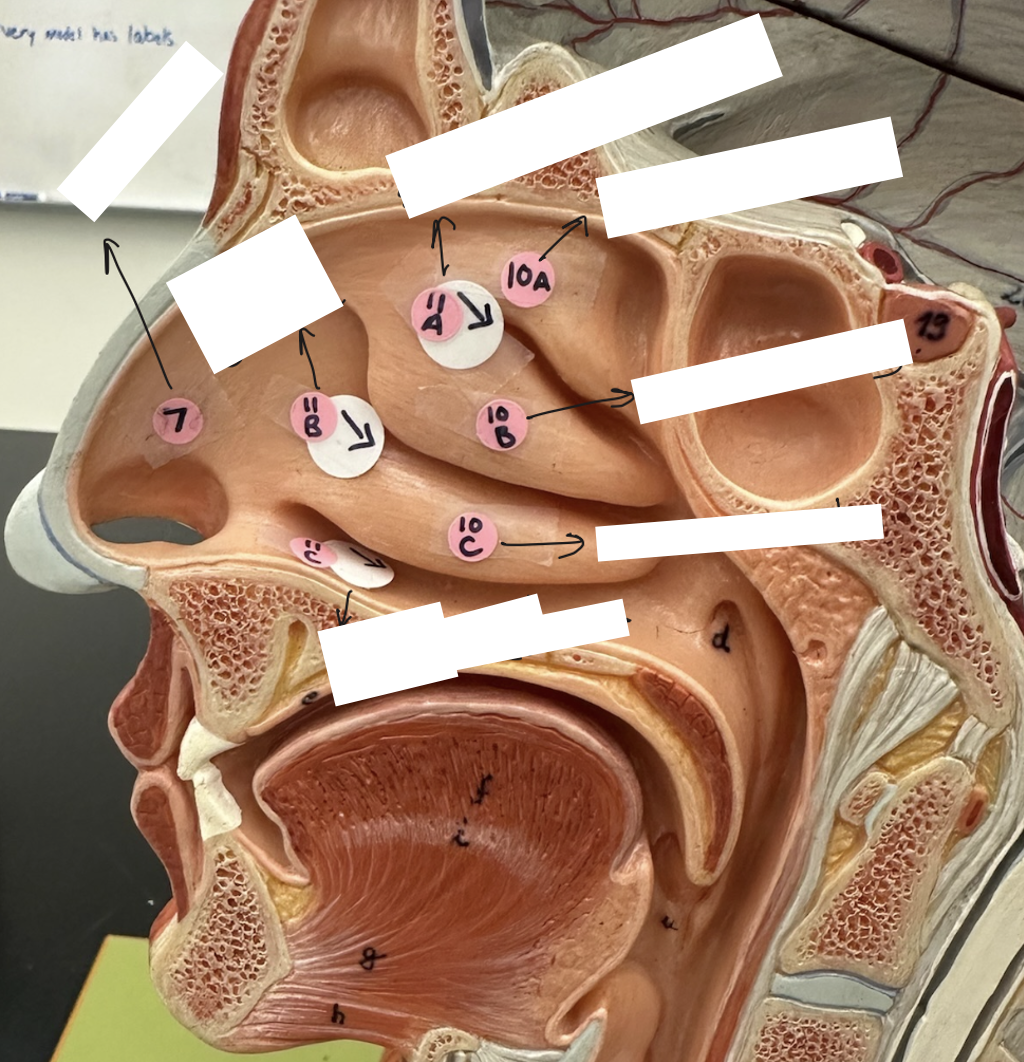
11B
Middle meatus
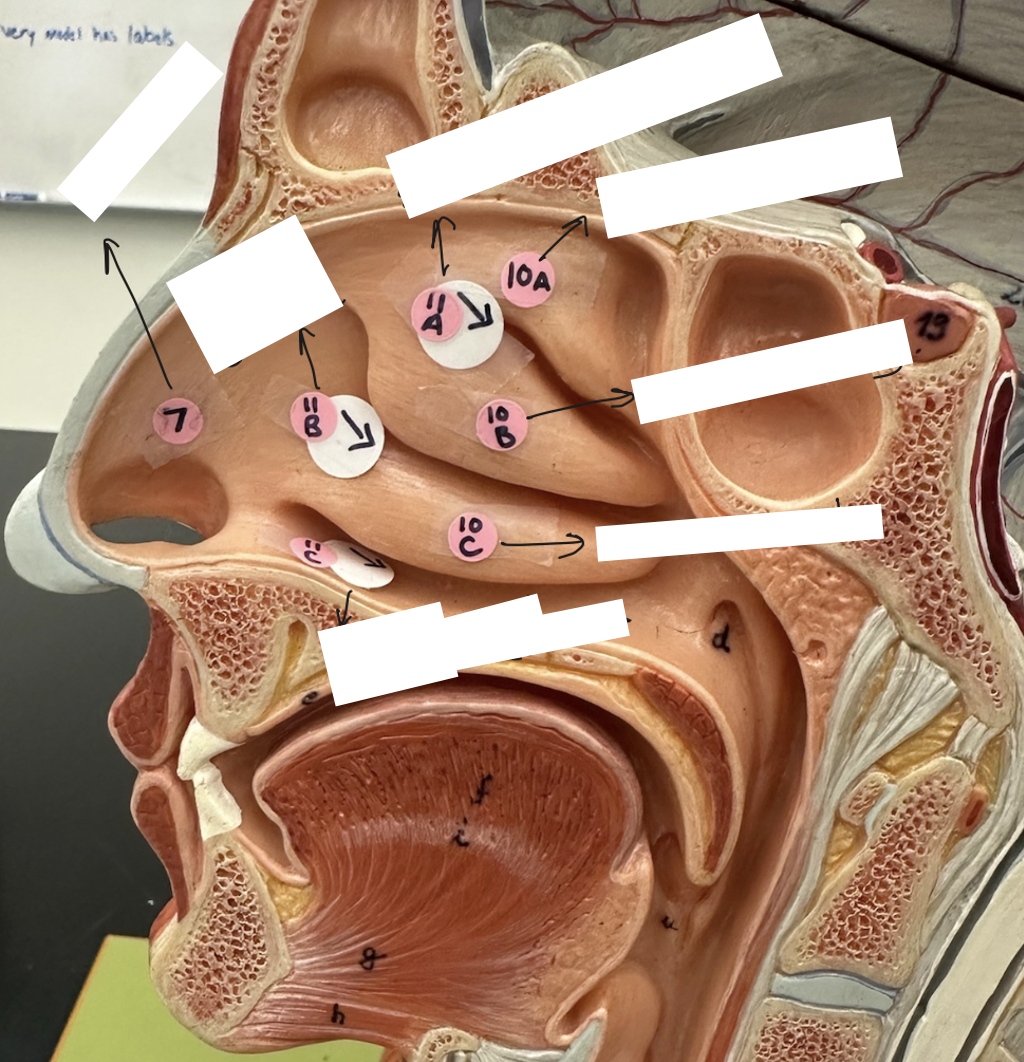
11C
Inferior meatus
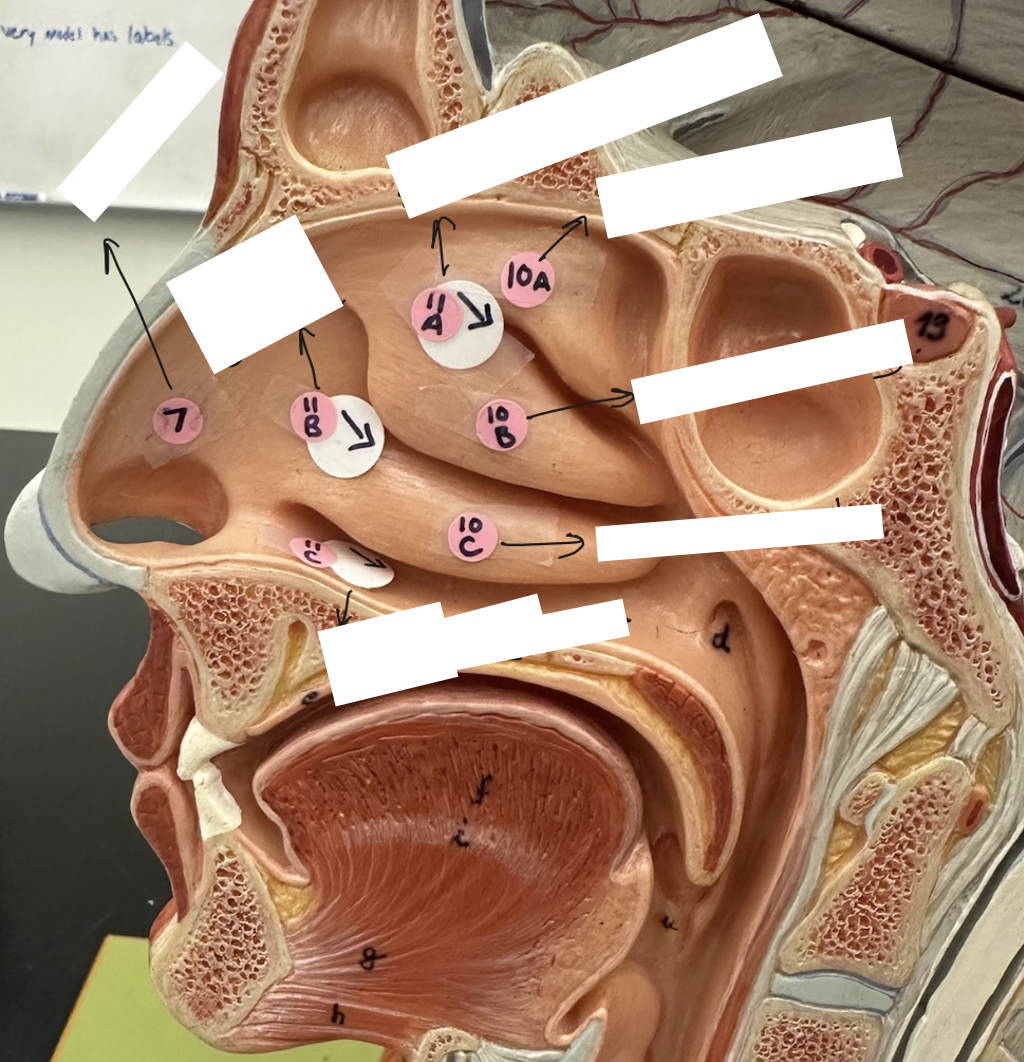
7
Vestibule
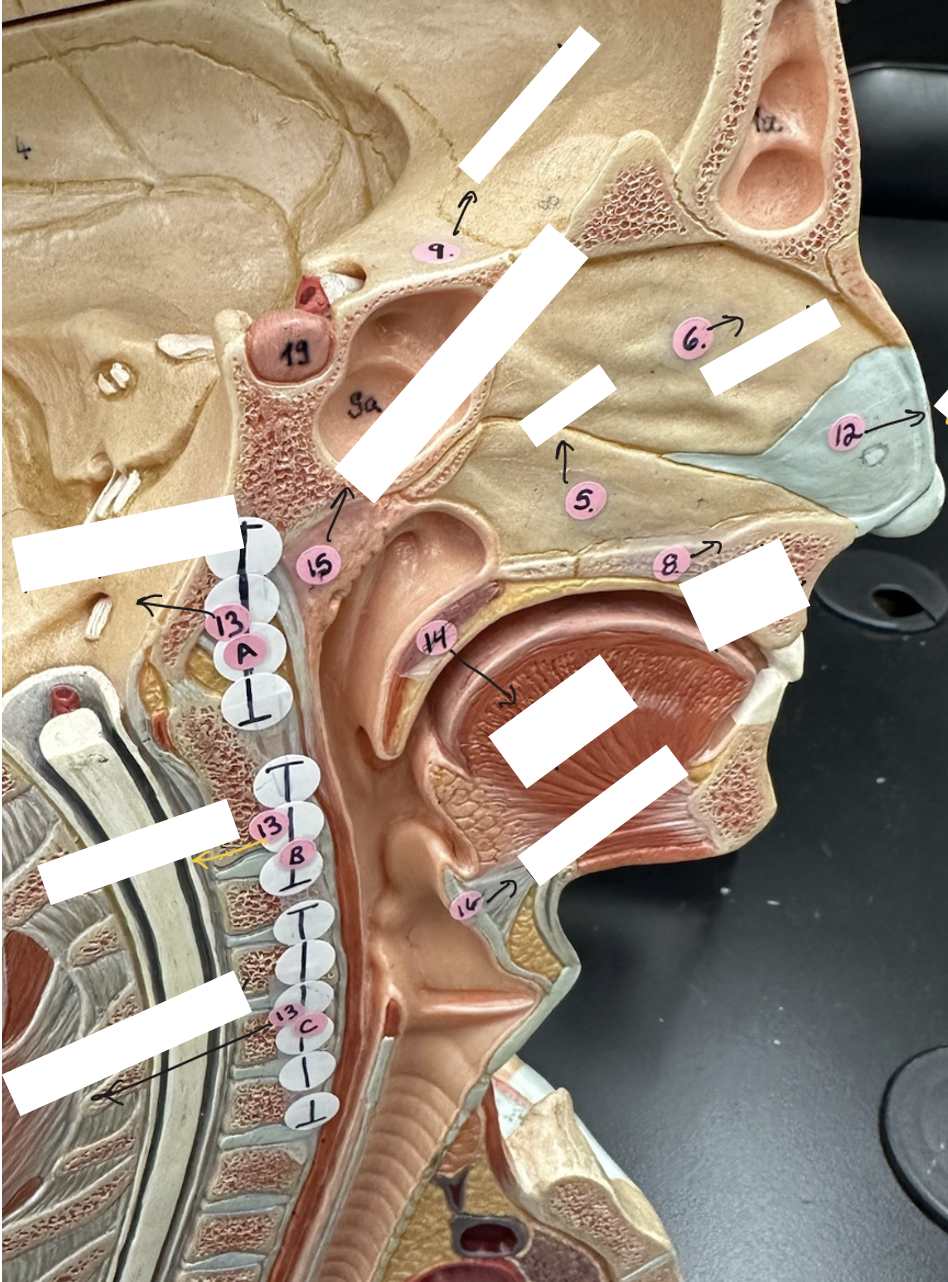
8
Hard palate
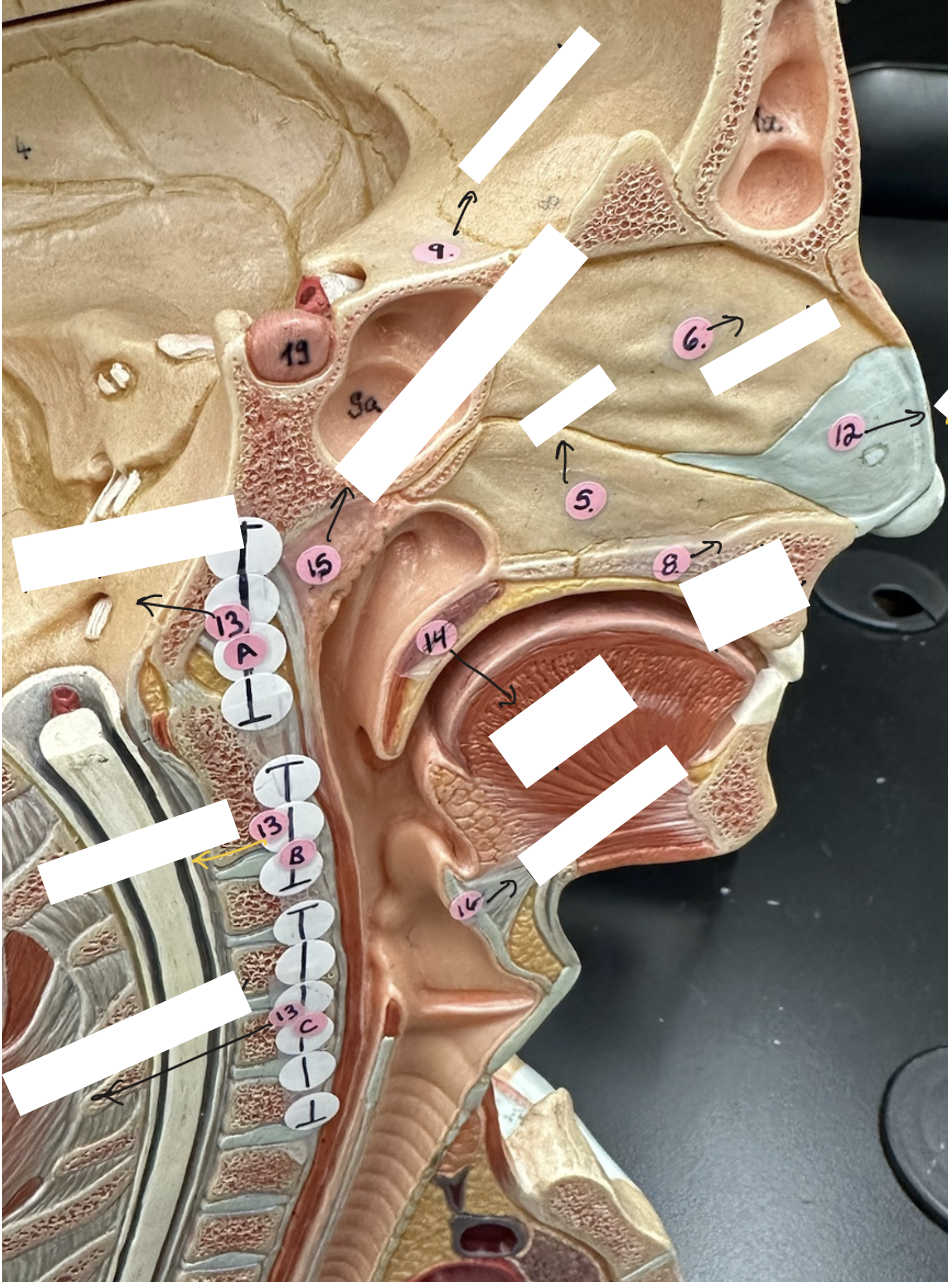
14
Soft palate
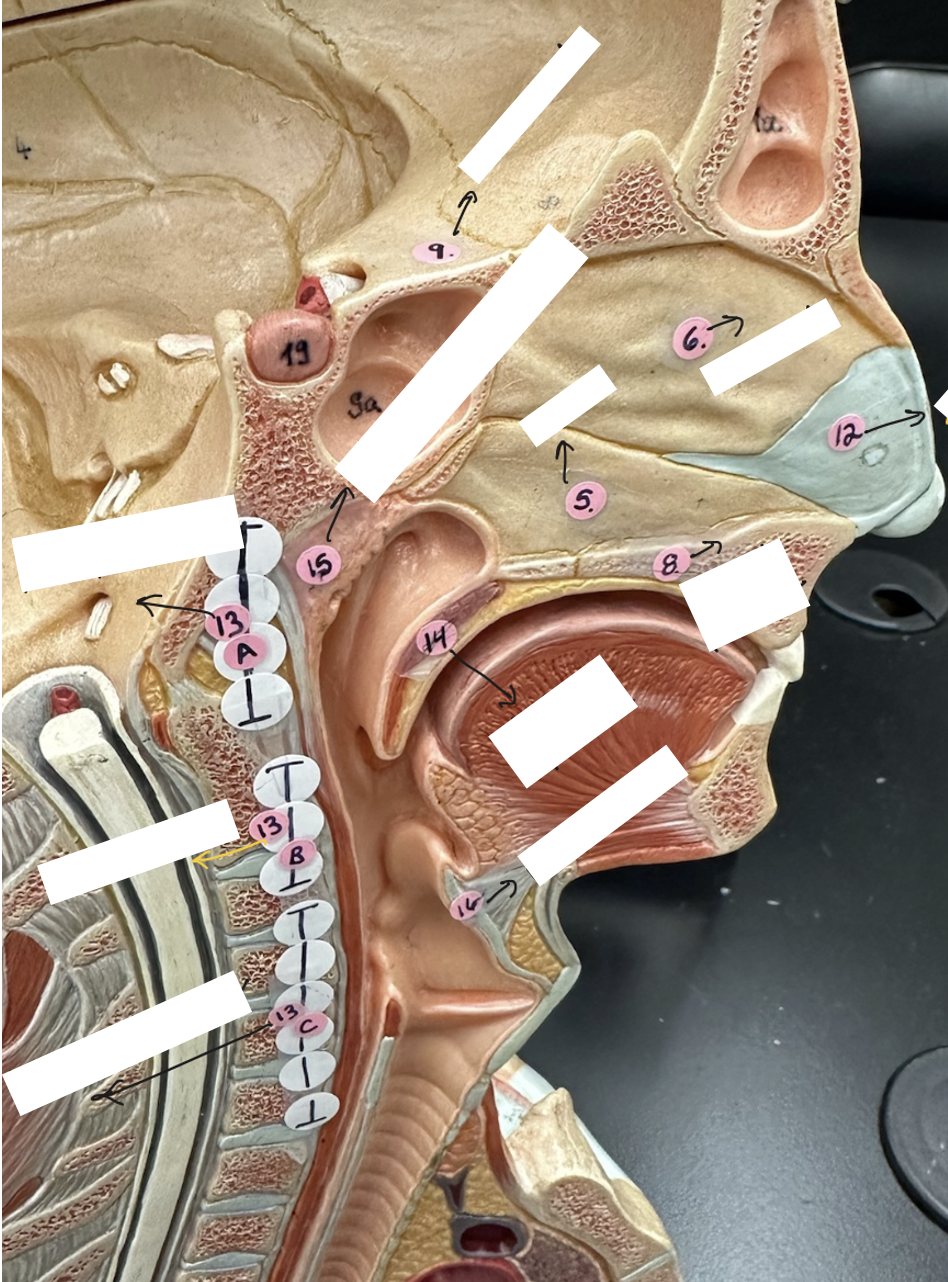
15
Pharyngeal tonsil
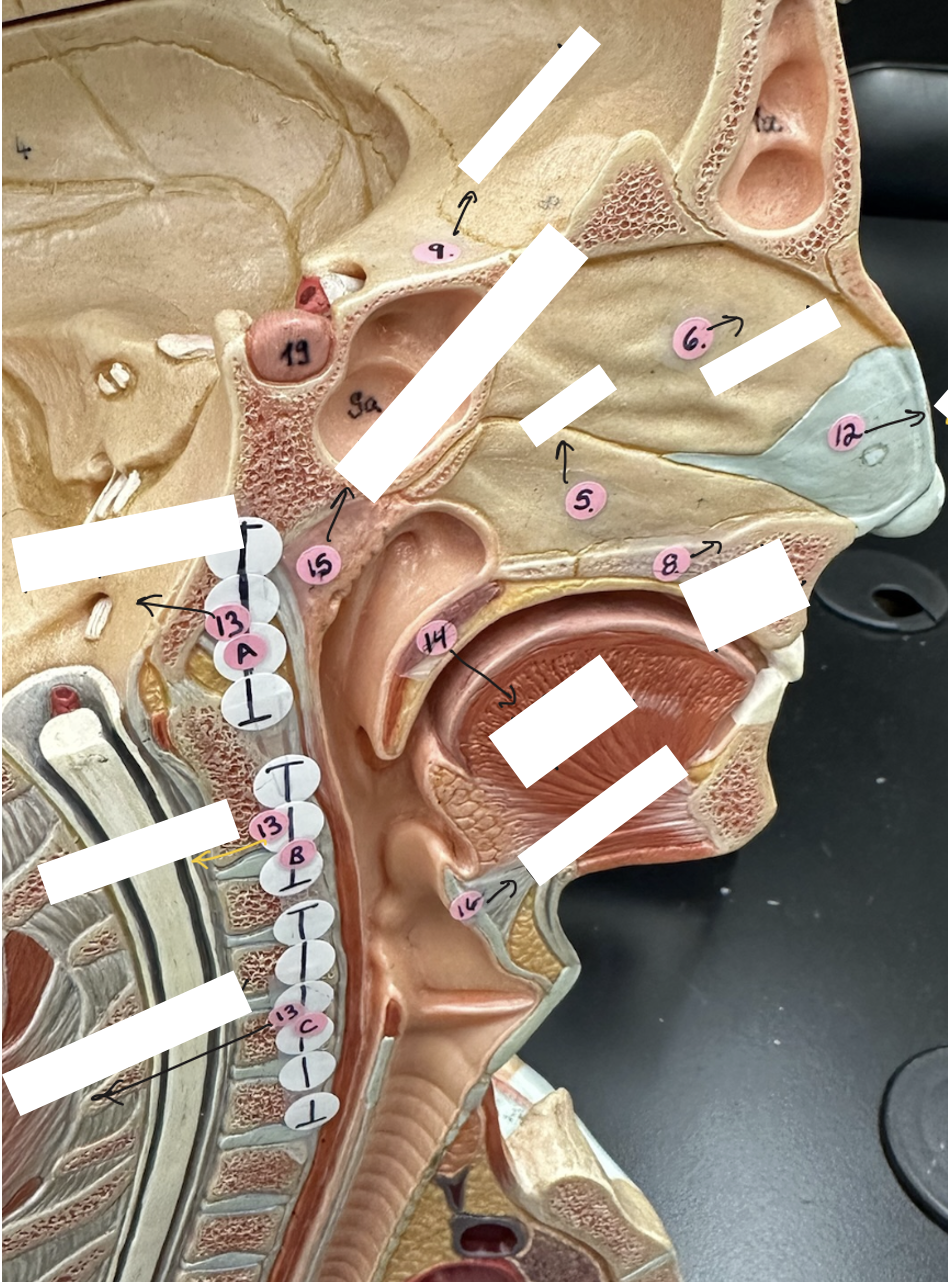
16
Epiglottis
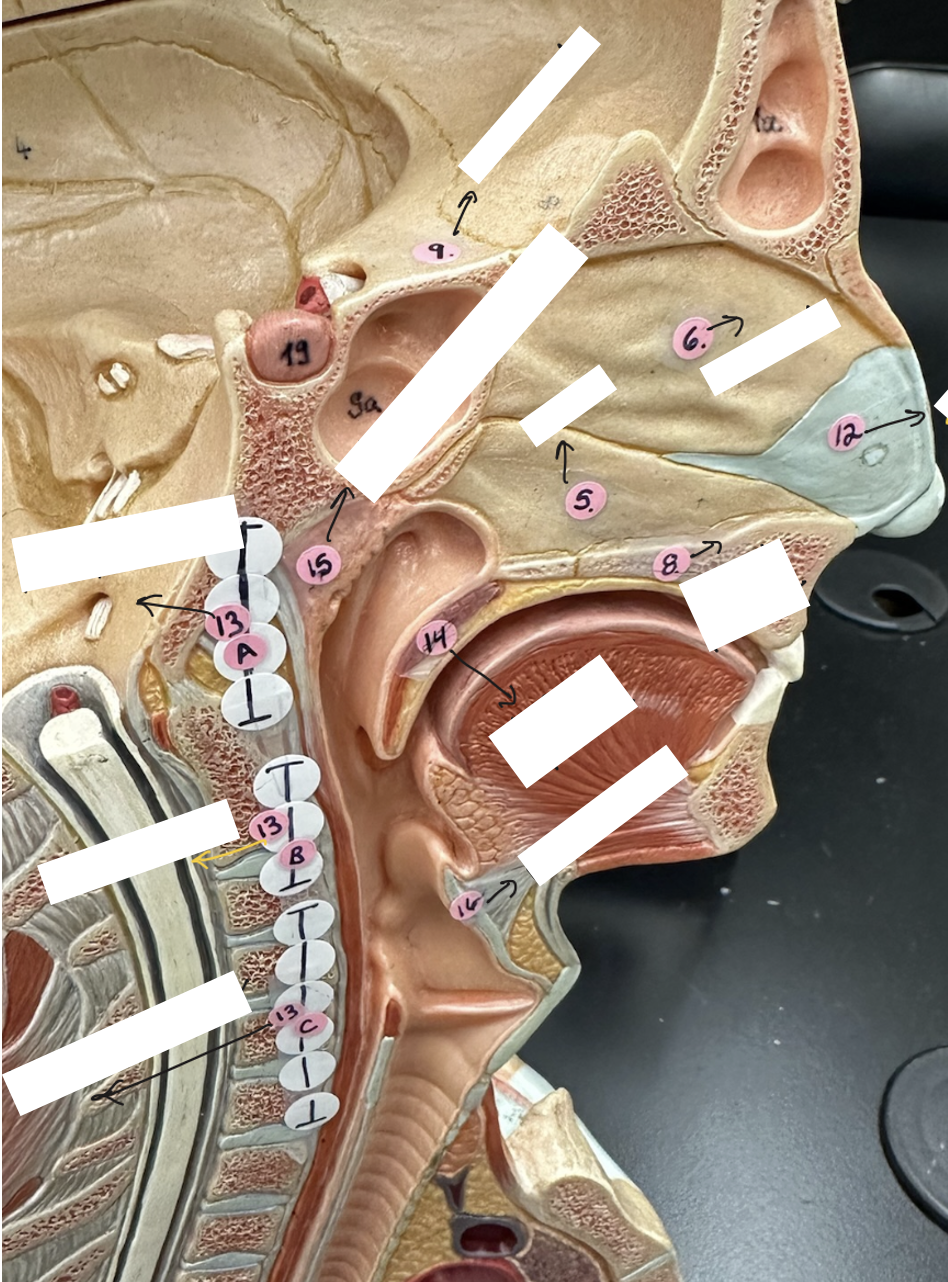
6
Ethmoid
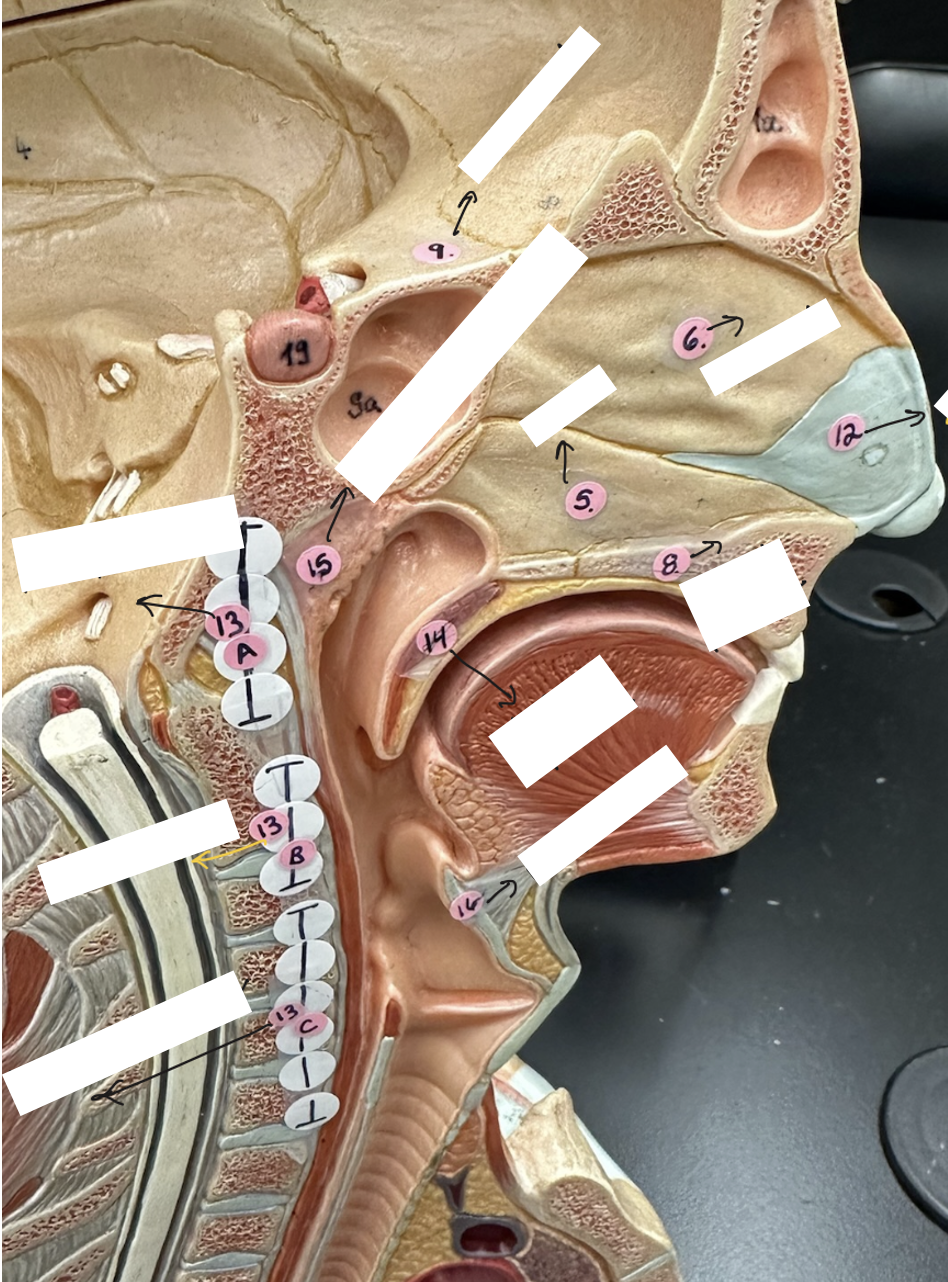
5
Vomer
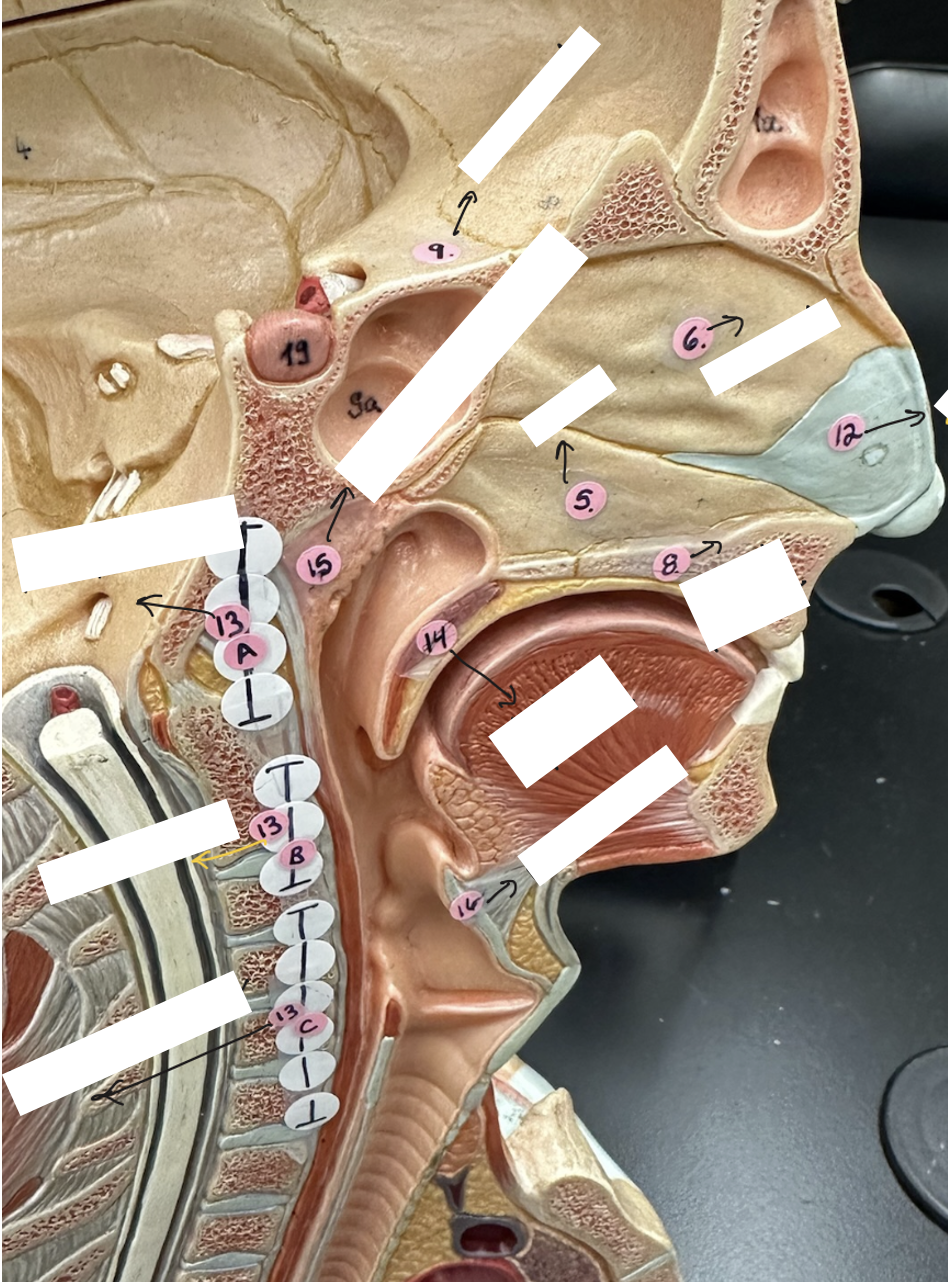
13A
Nasopharynx
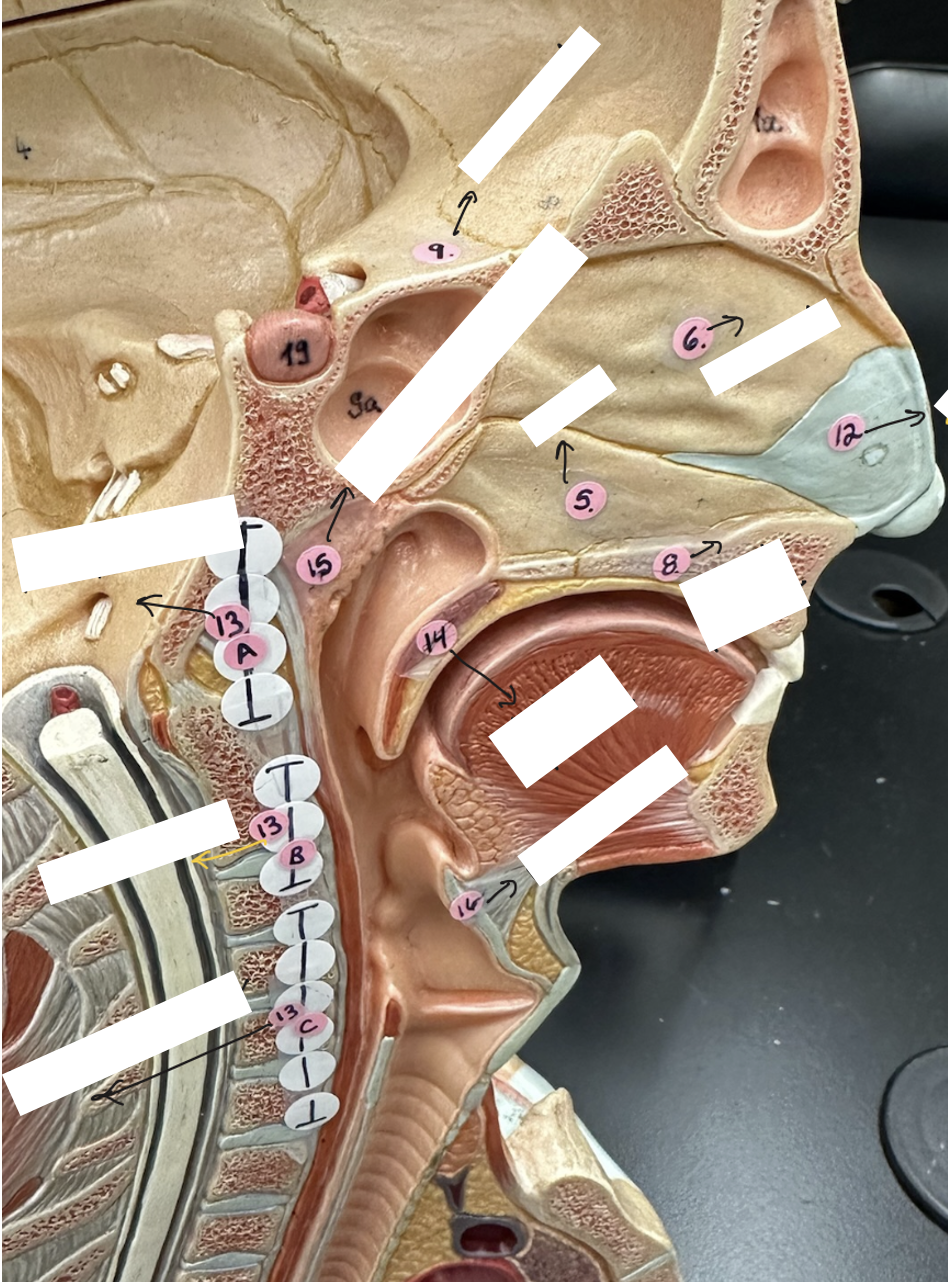
13B
Oropharynx
13C
Laryngopharynx
17
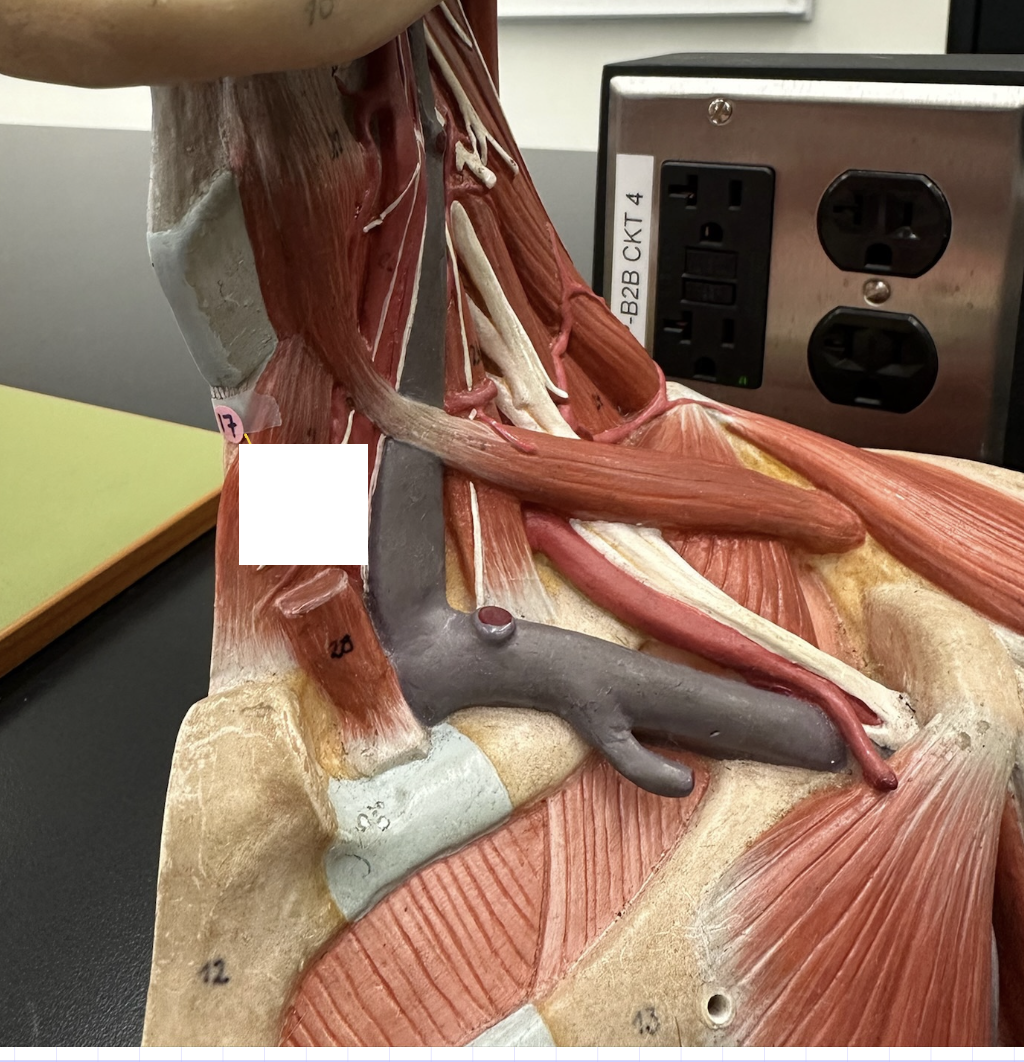
Cricoid cartilage
4
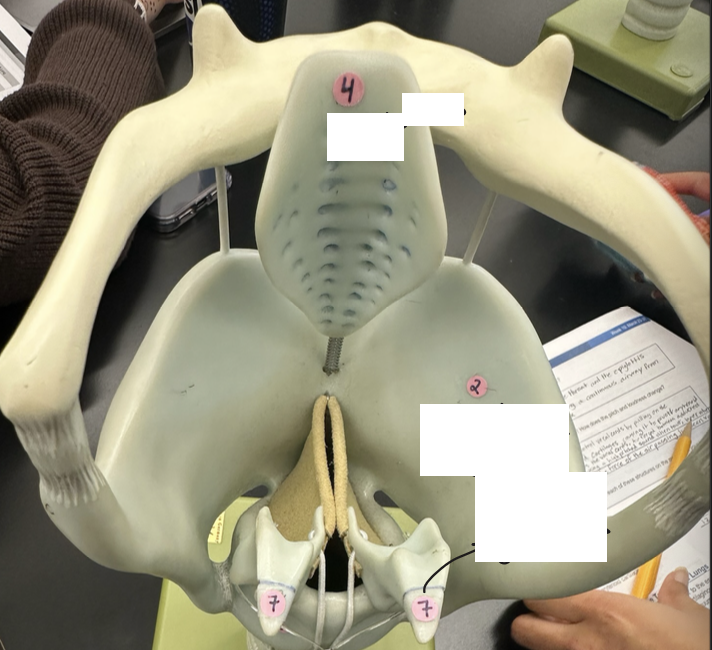
Epiglottis
4
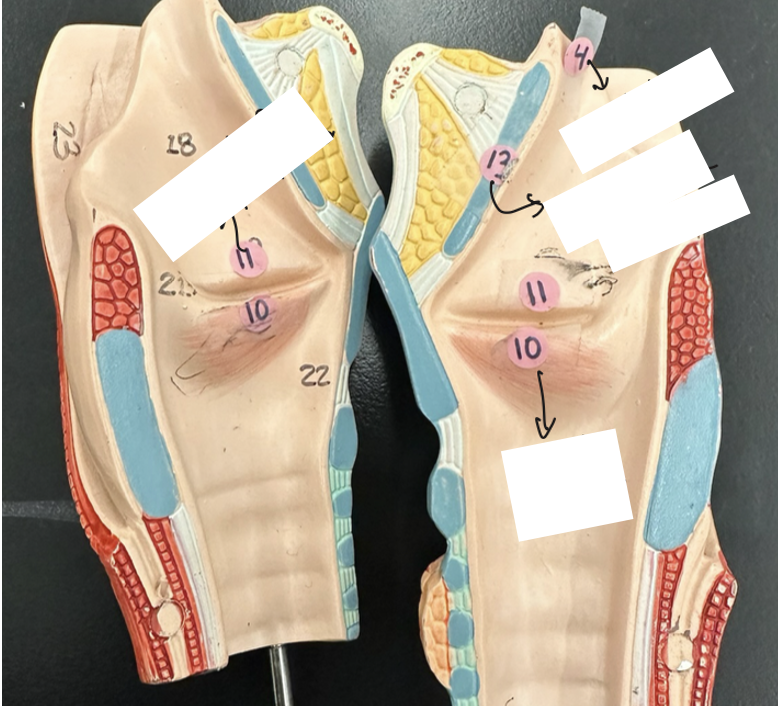
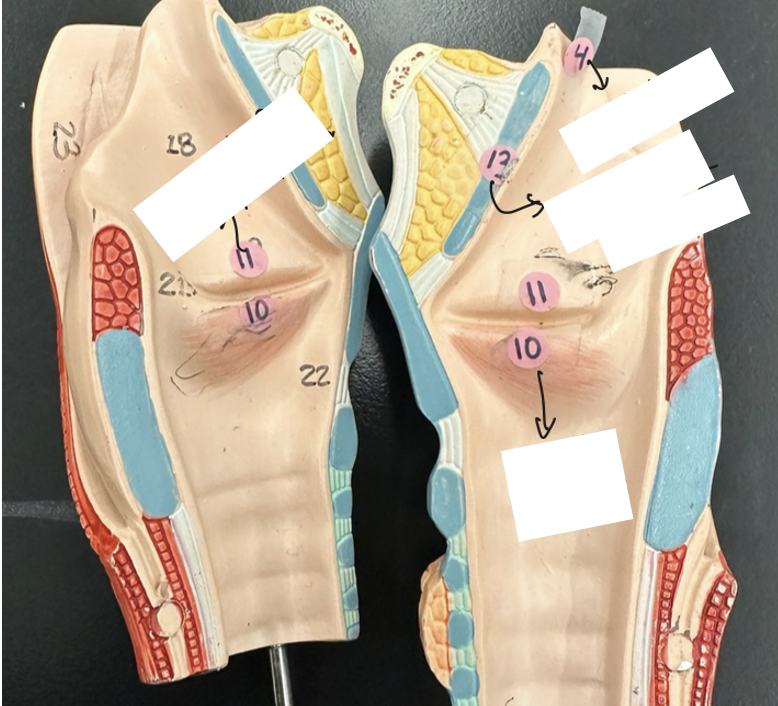
Epiglottis
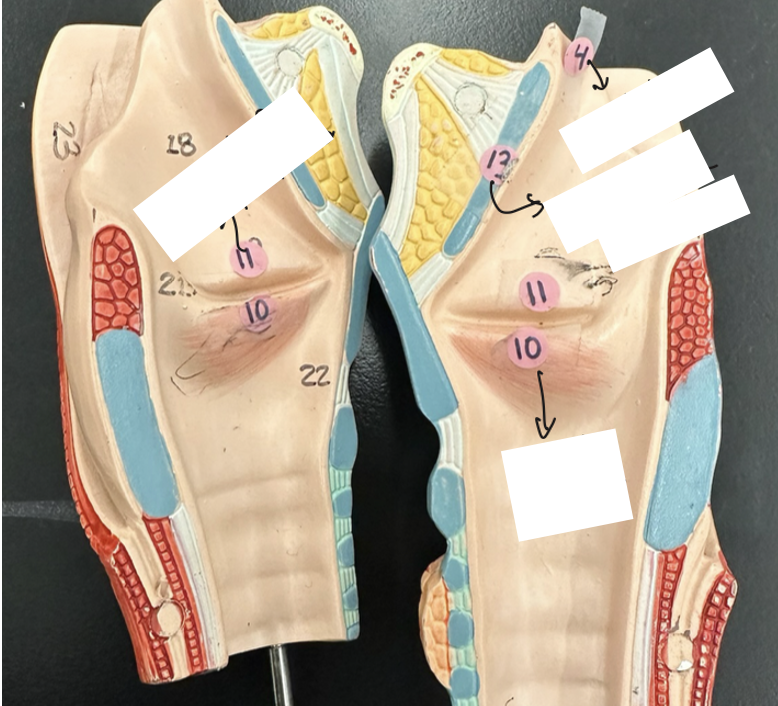
4
Epiglottis
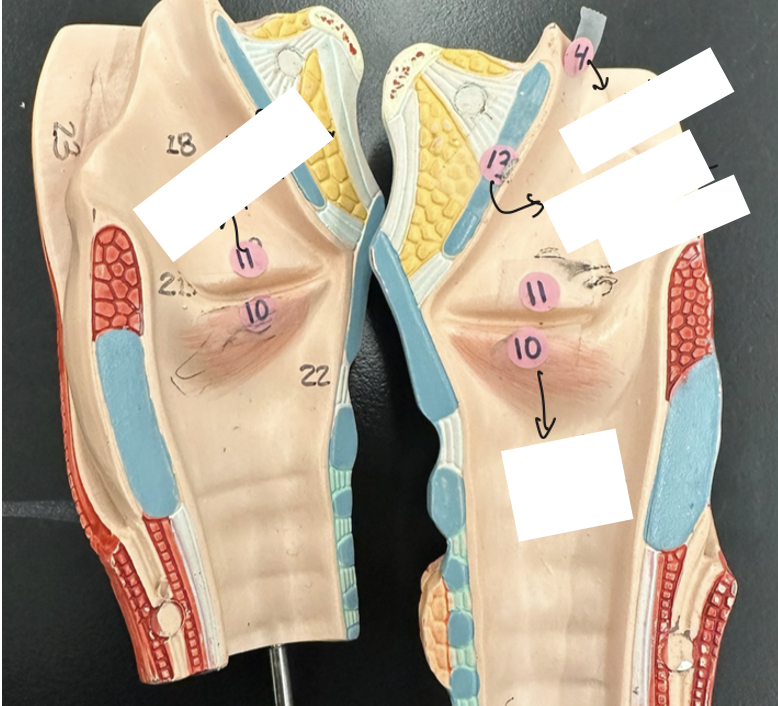
13
Epiglottic cartilage
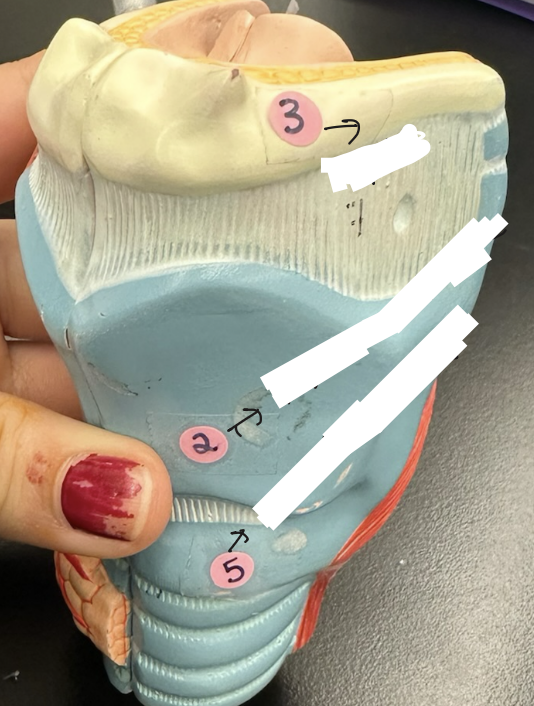
3
Hyoid
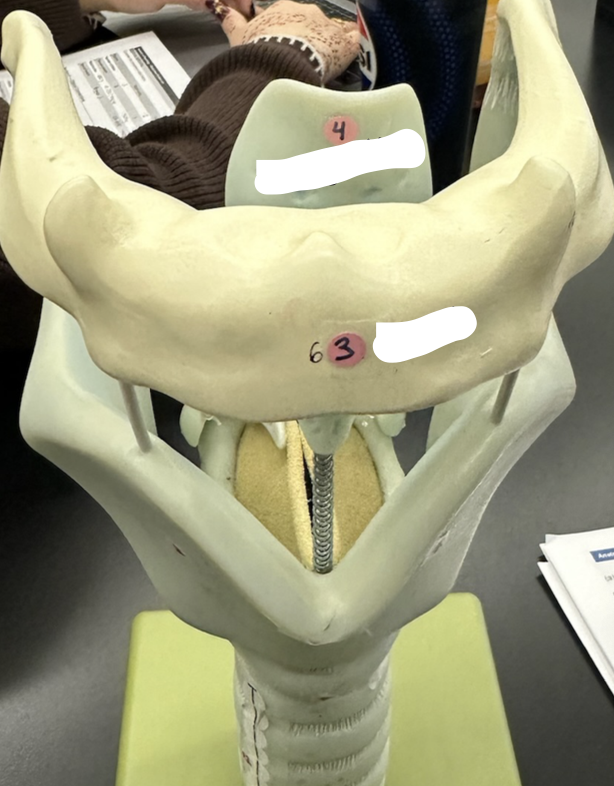
3
Hyoid
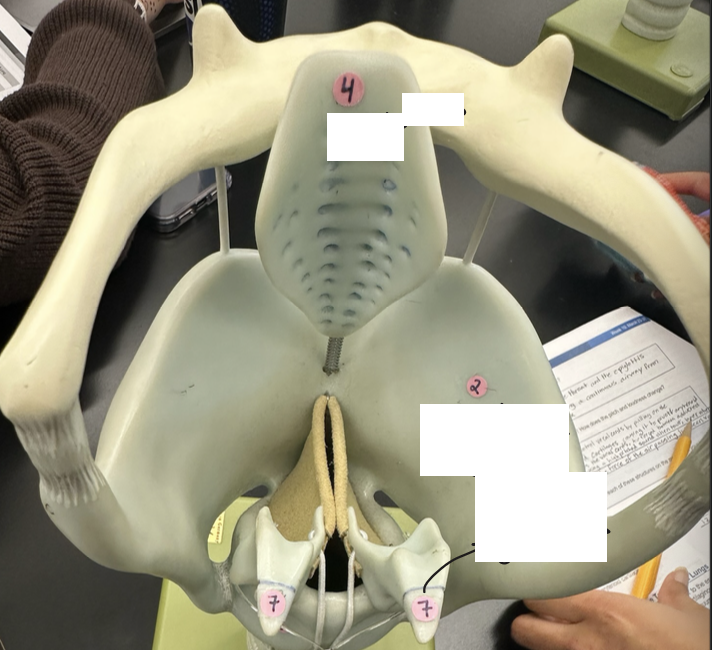
2
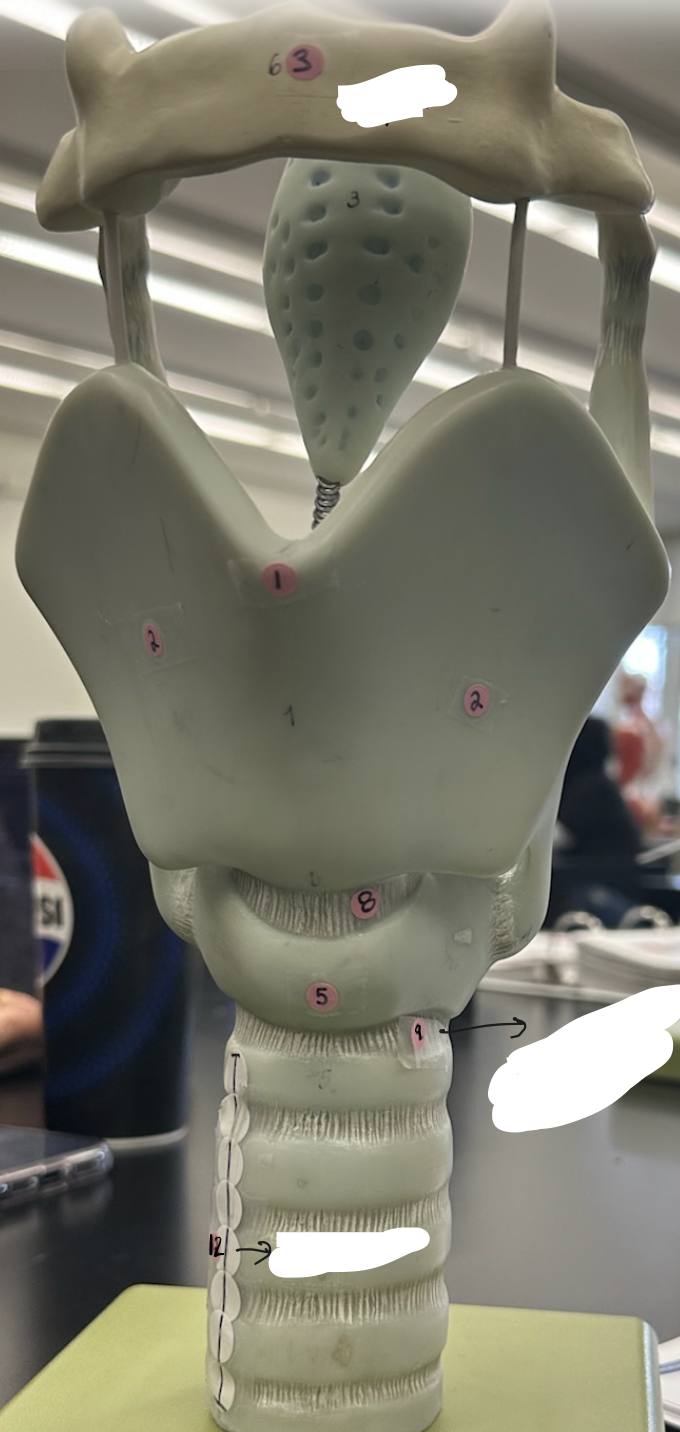
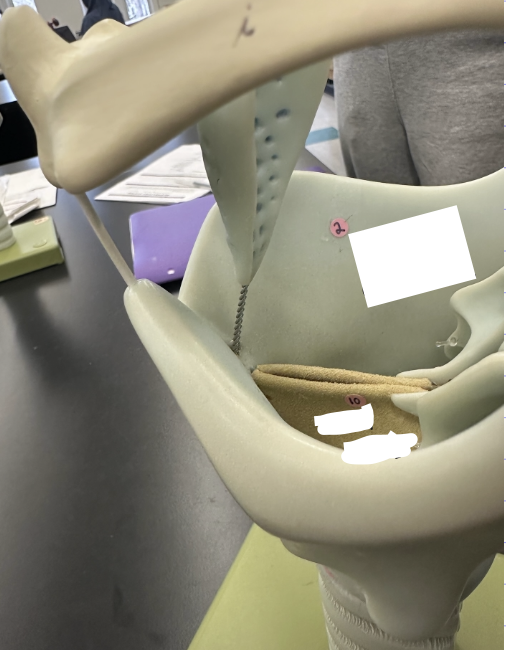
Thyroid cartilage
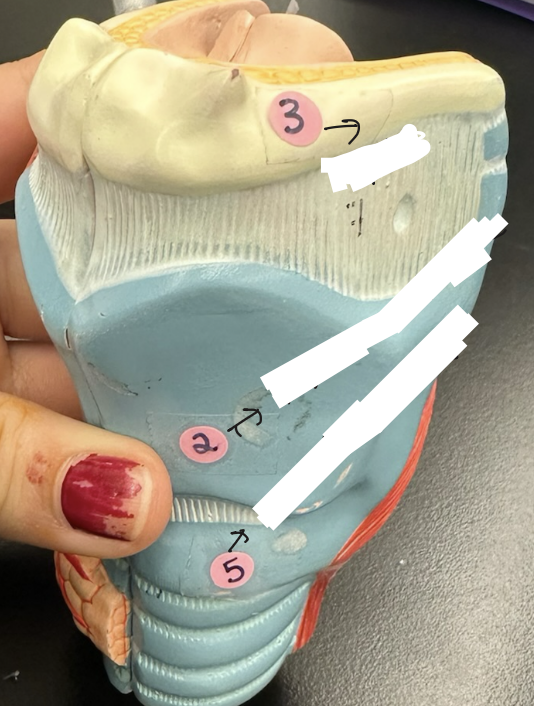
2
Thyroid cartilage
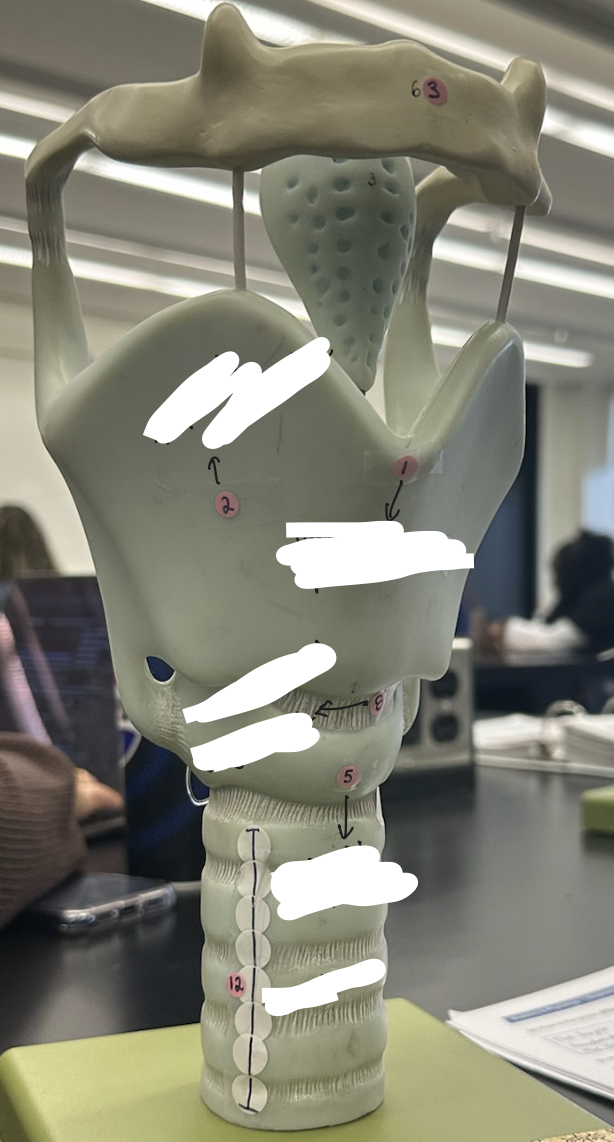
1
Laryngeal prominence
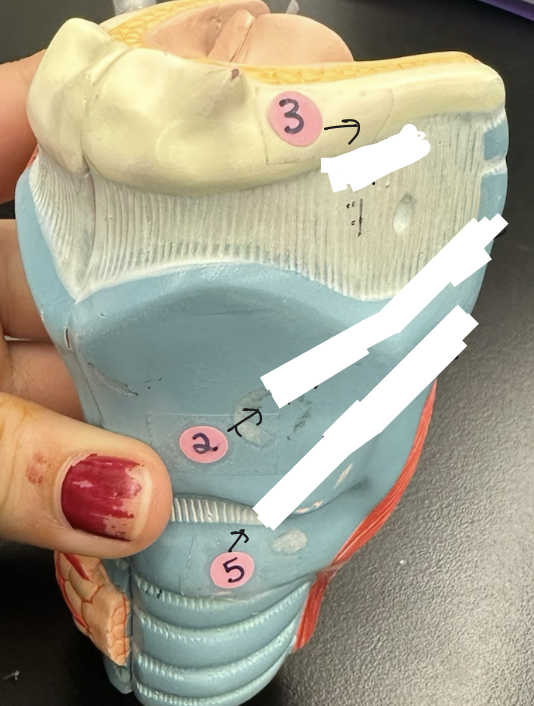
5
Cricoid cartilage
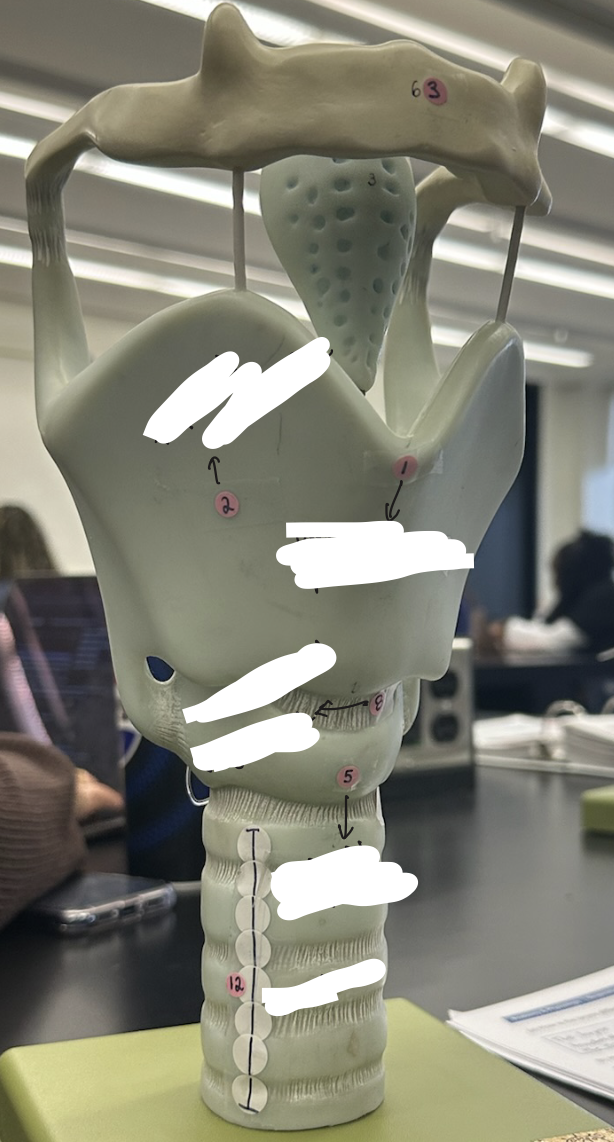
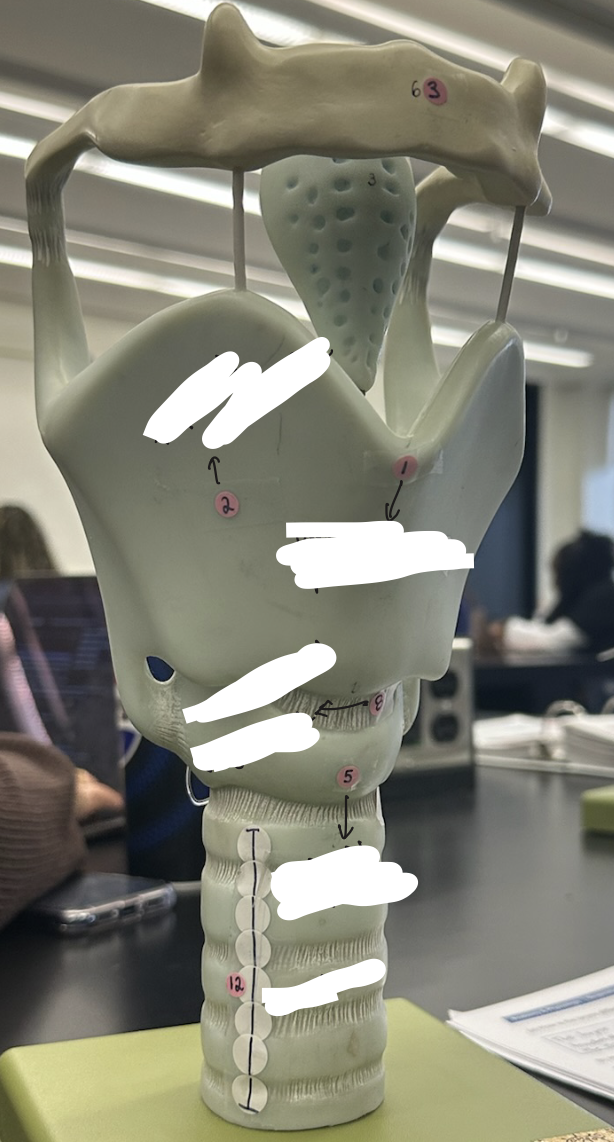
5
Cricoid cartilage
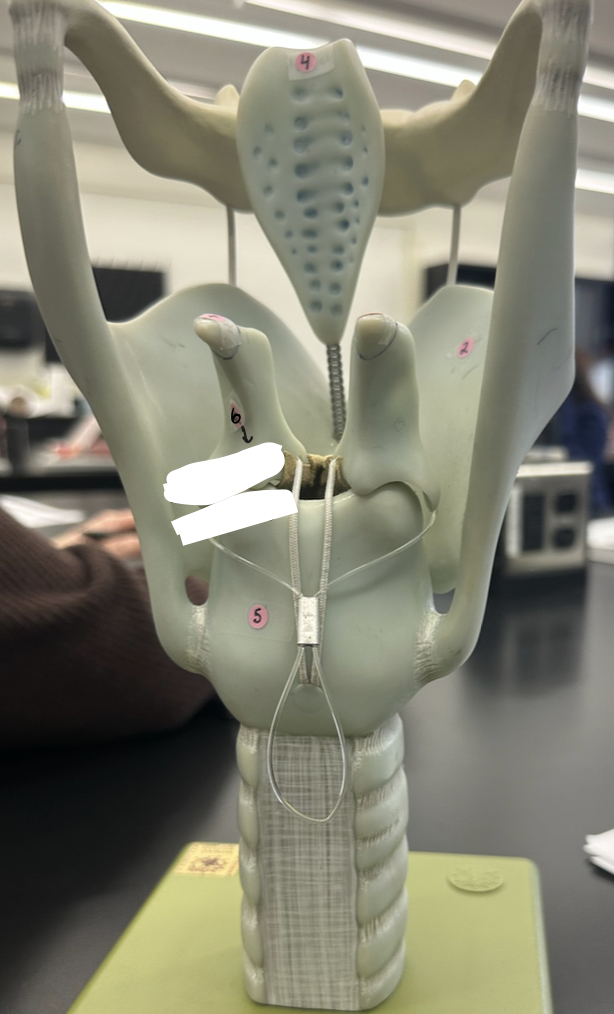
6
Arytenoid cartilages
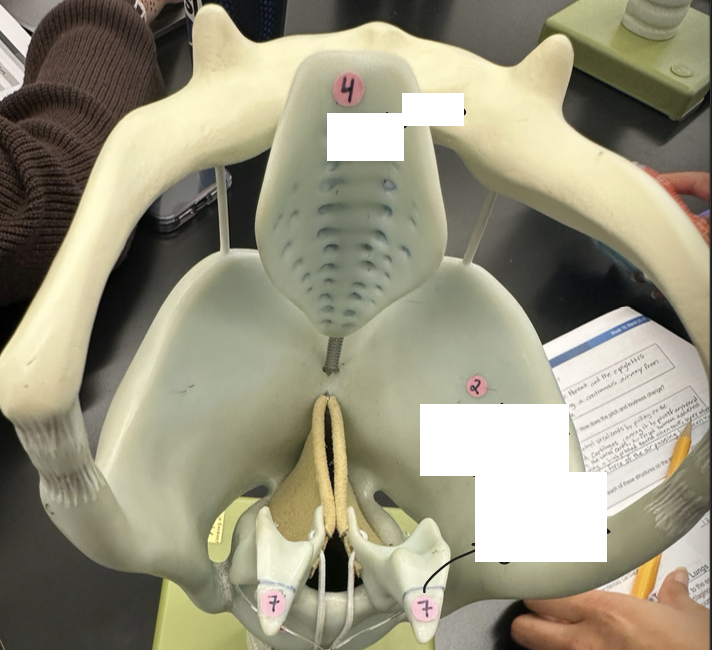
7
Corniculate cartilages
8
Cricothyroid ligament
9
Cricotracheal ligament
11
Vestibular fold
10
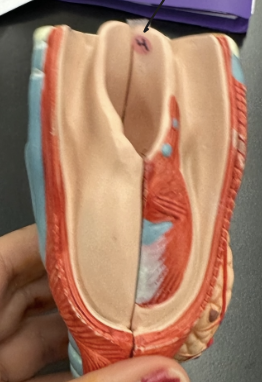
Vocal cords
10
Vocal cords
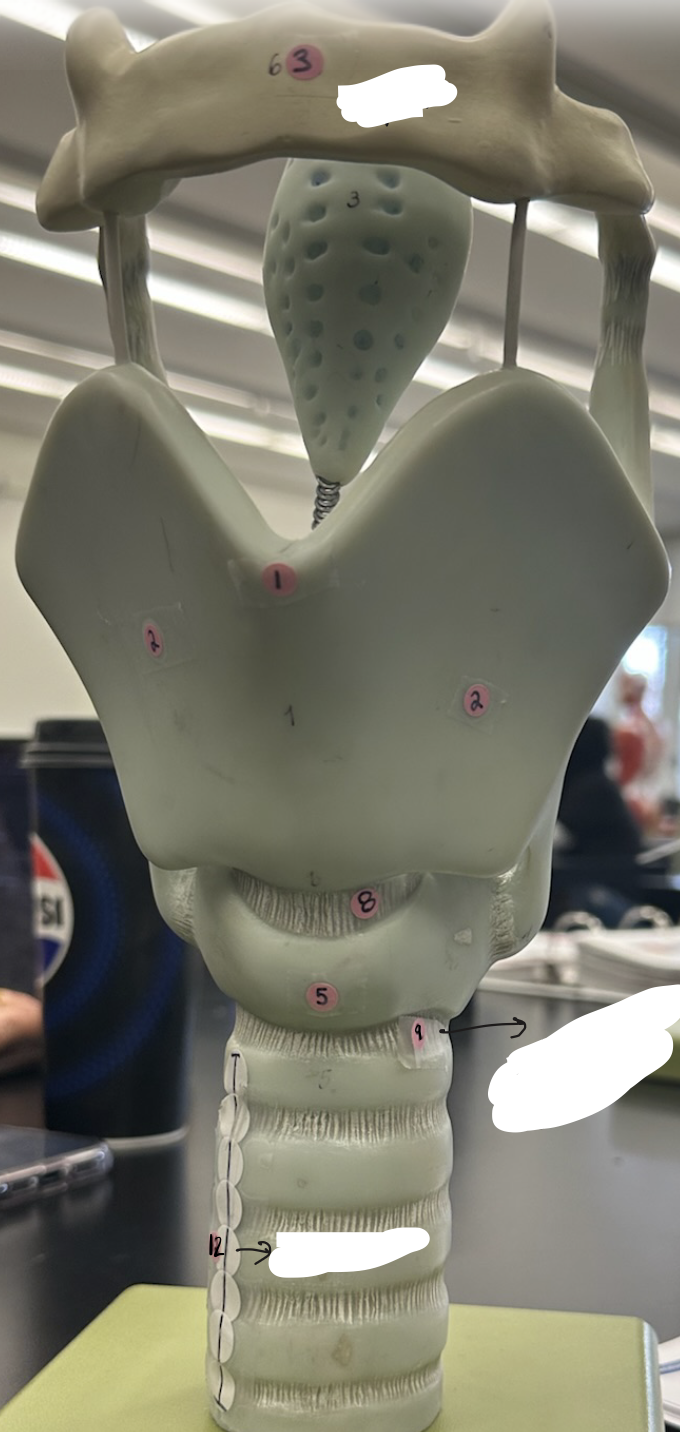
12
Trachea
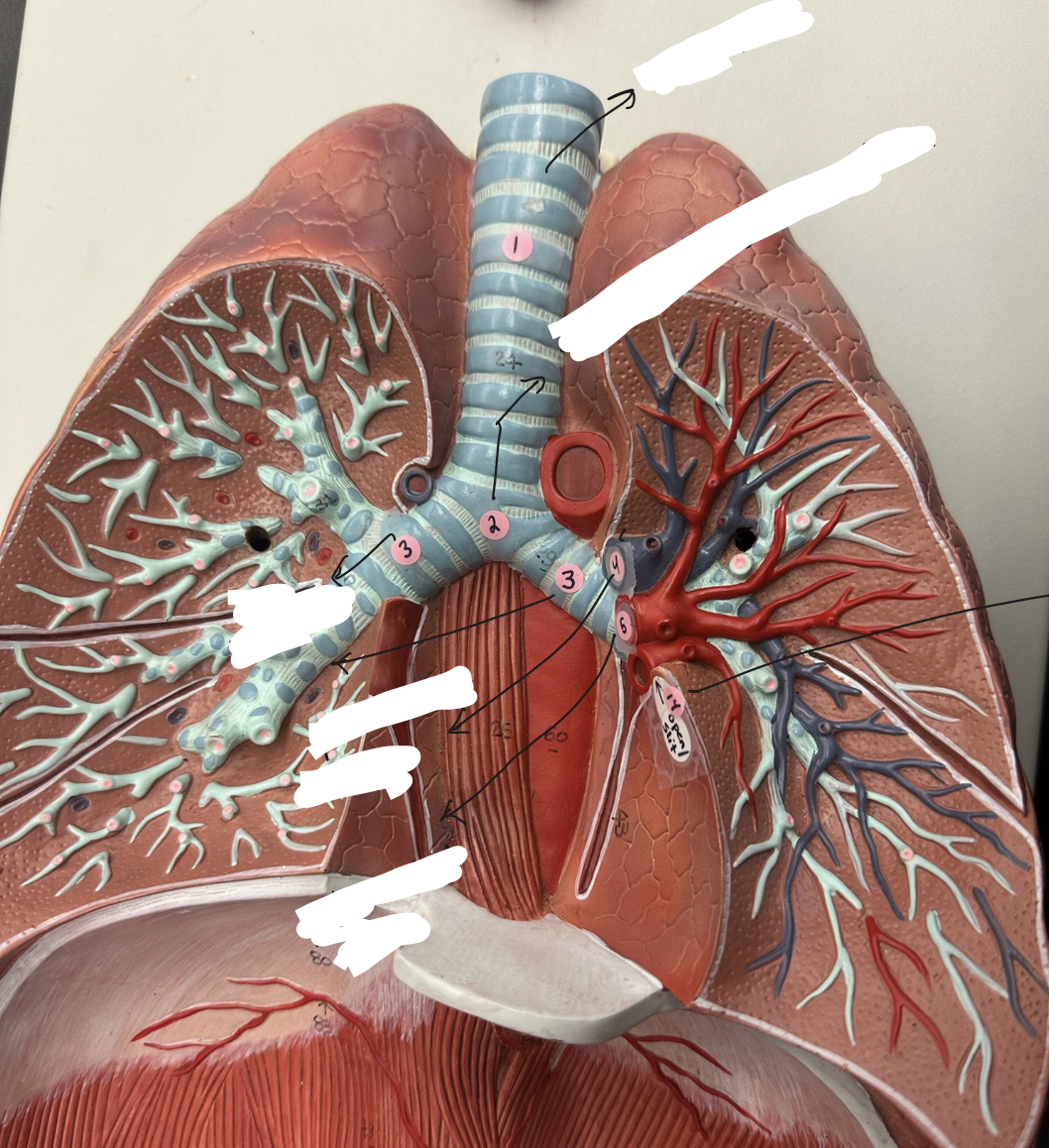
1
Trachea
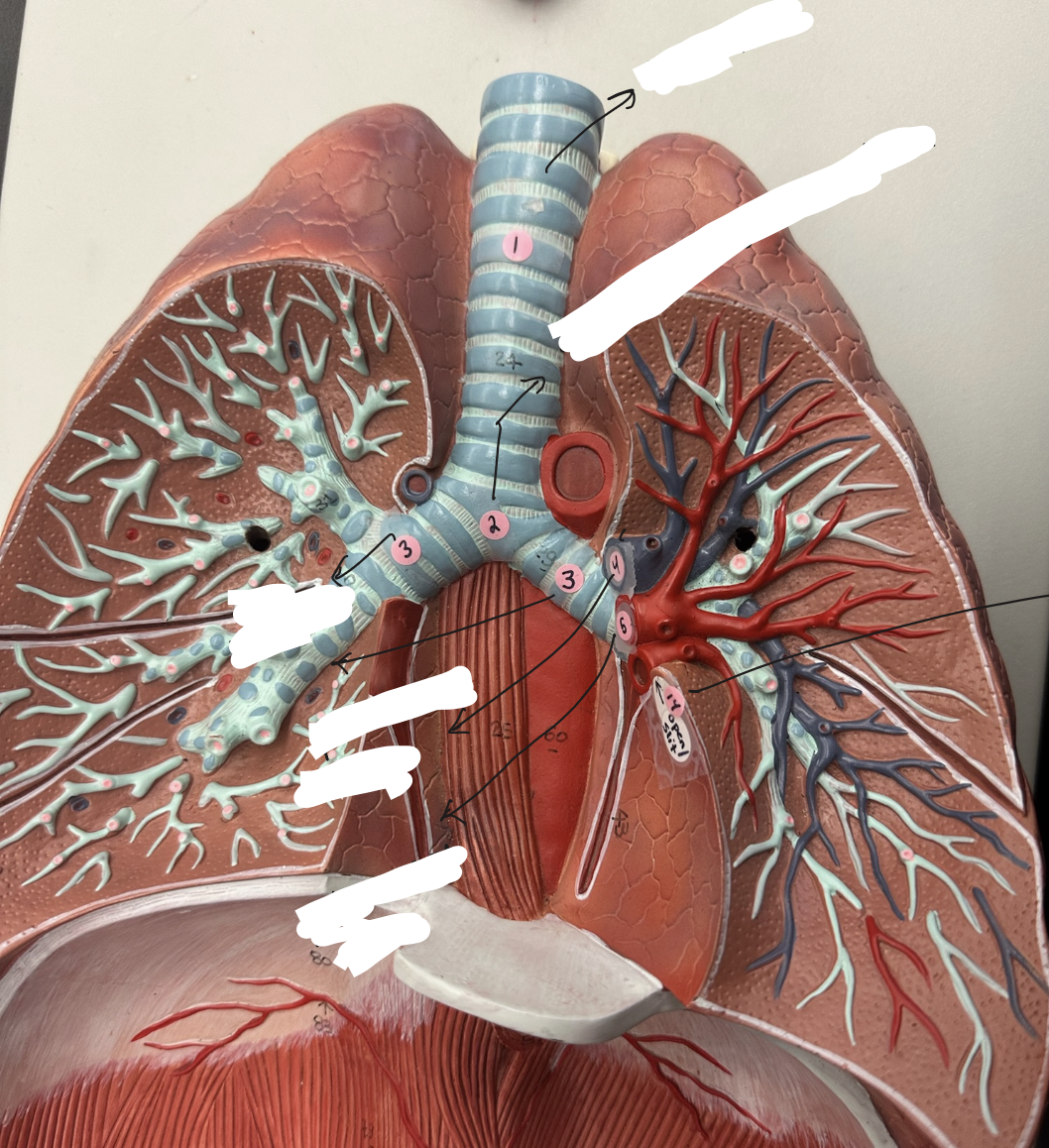
2
Tracheal bifurcation
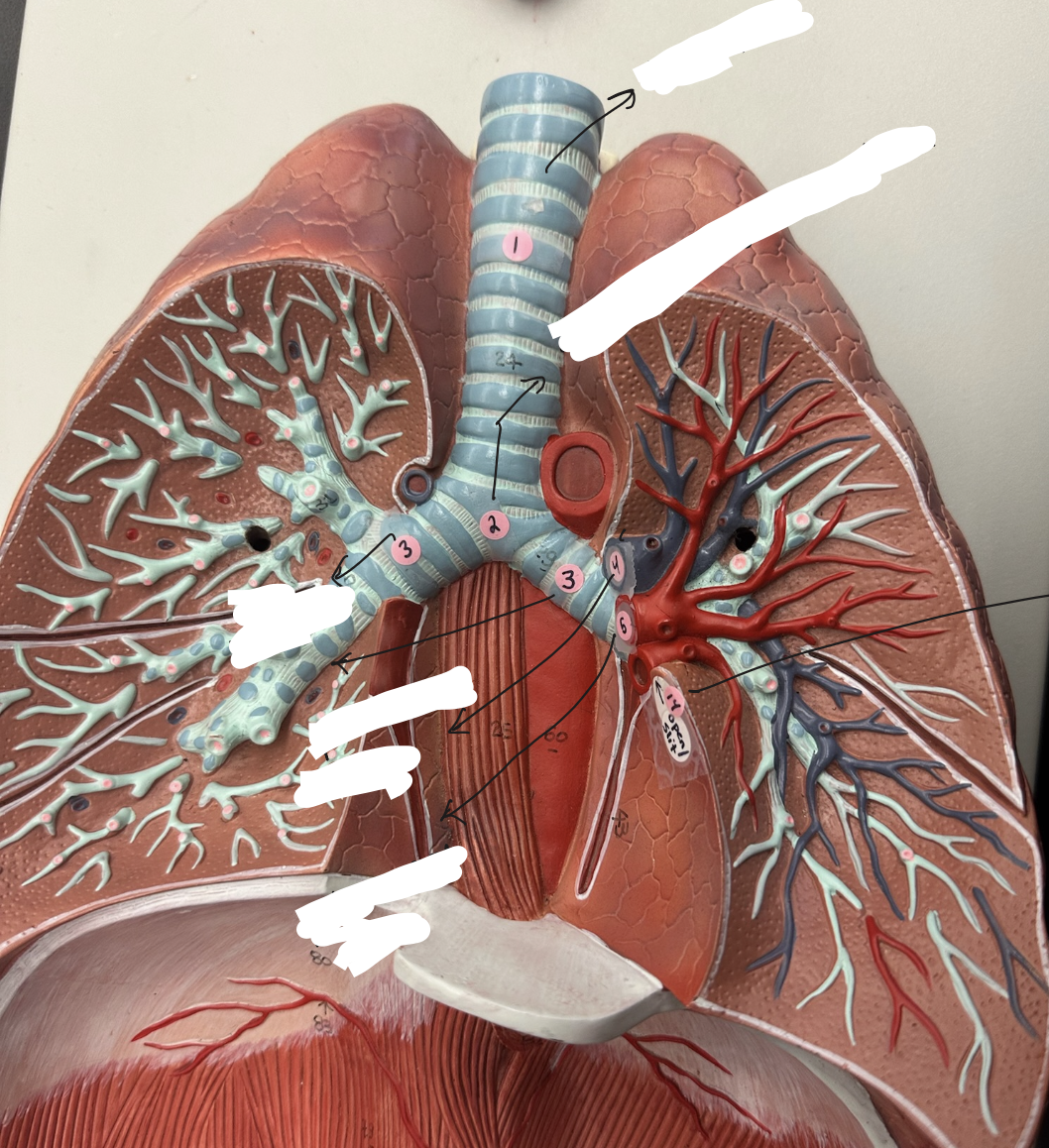
3
Main bronchi
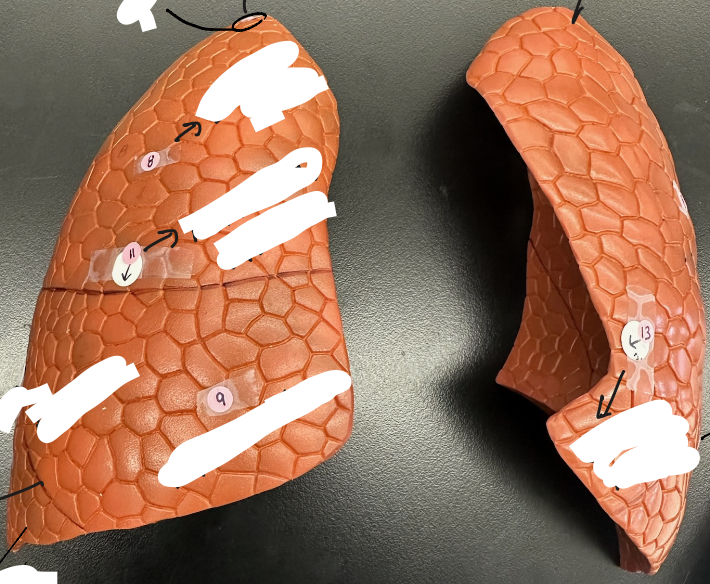
6 (circled portion)
Apex
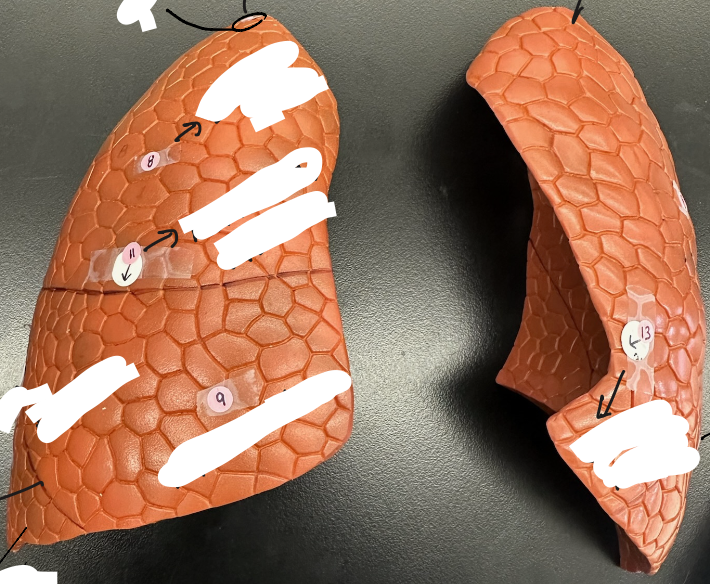
8
Superior lobe
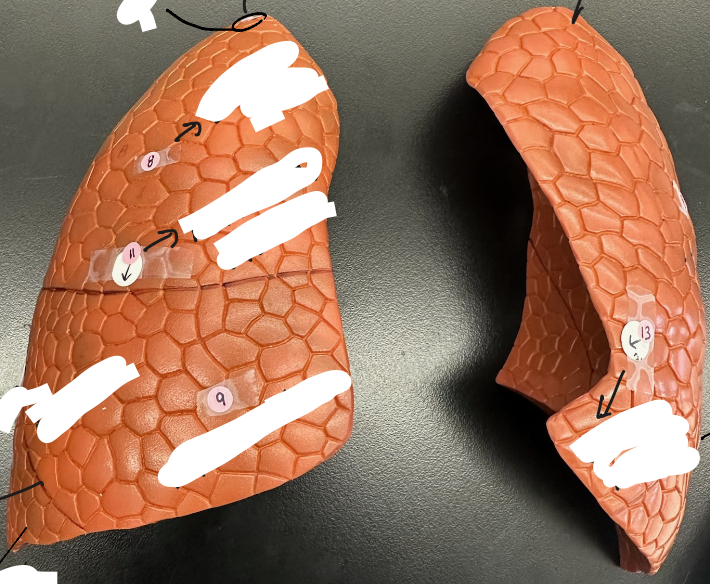
9
Middle lobe
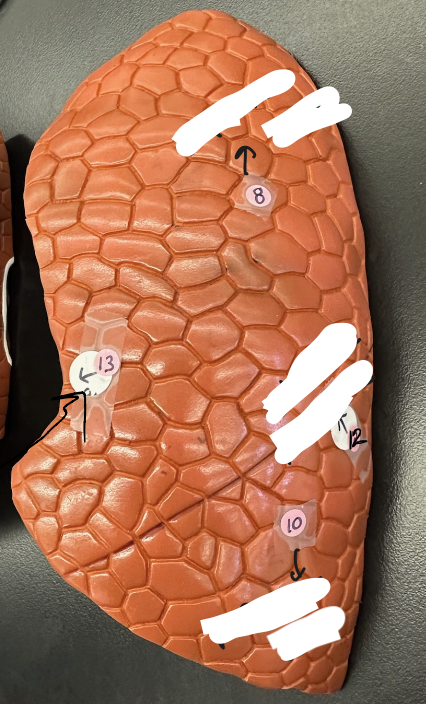
10
Inferior lobe
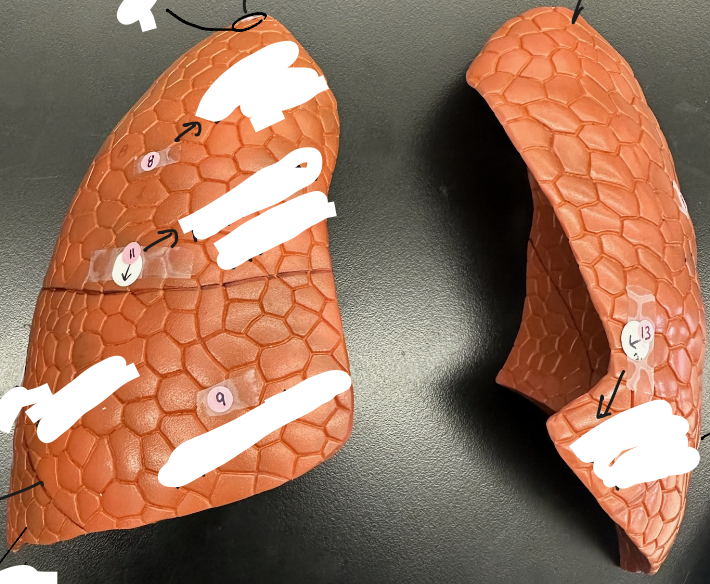
13
Cardiac notch
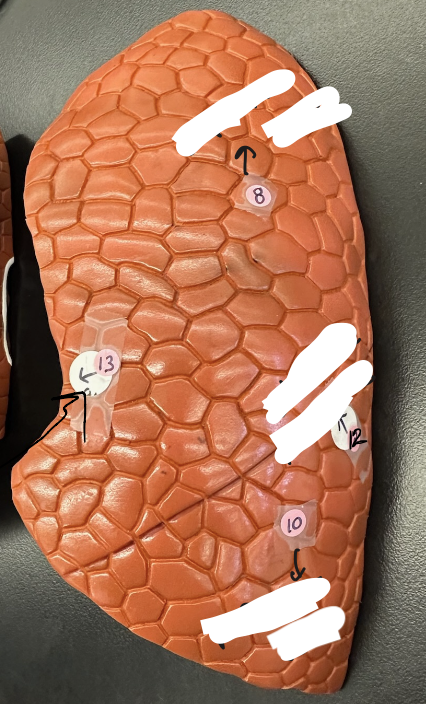
12
Oblique fissure
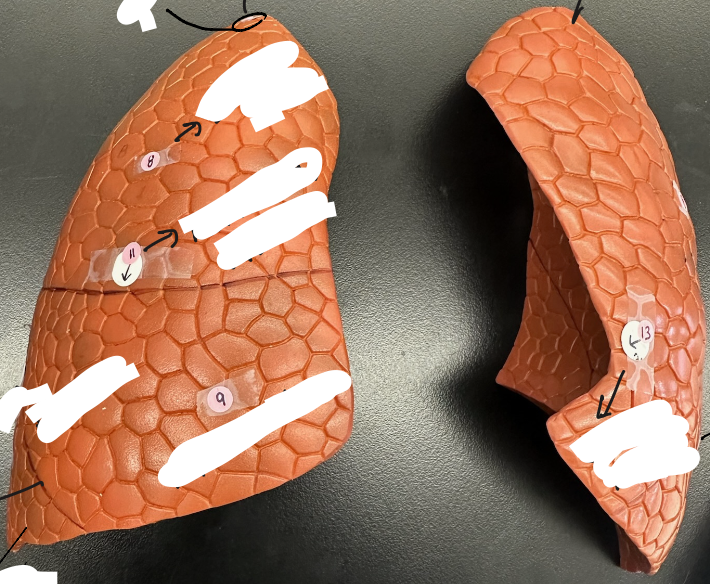
11
Horizontal fissure
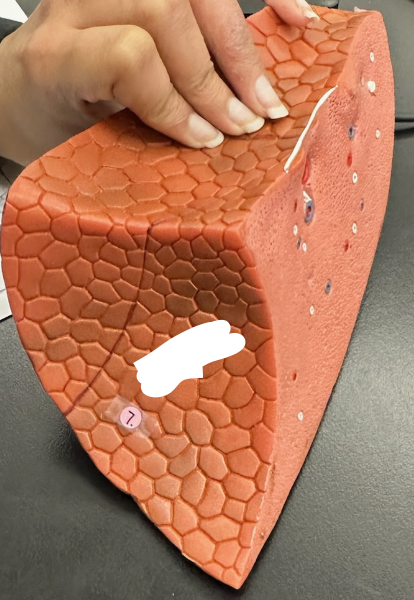
7
Base
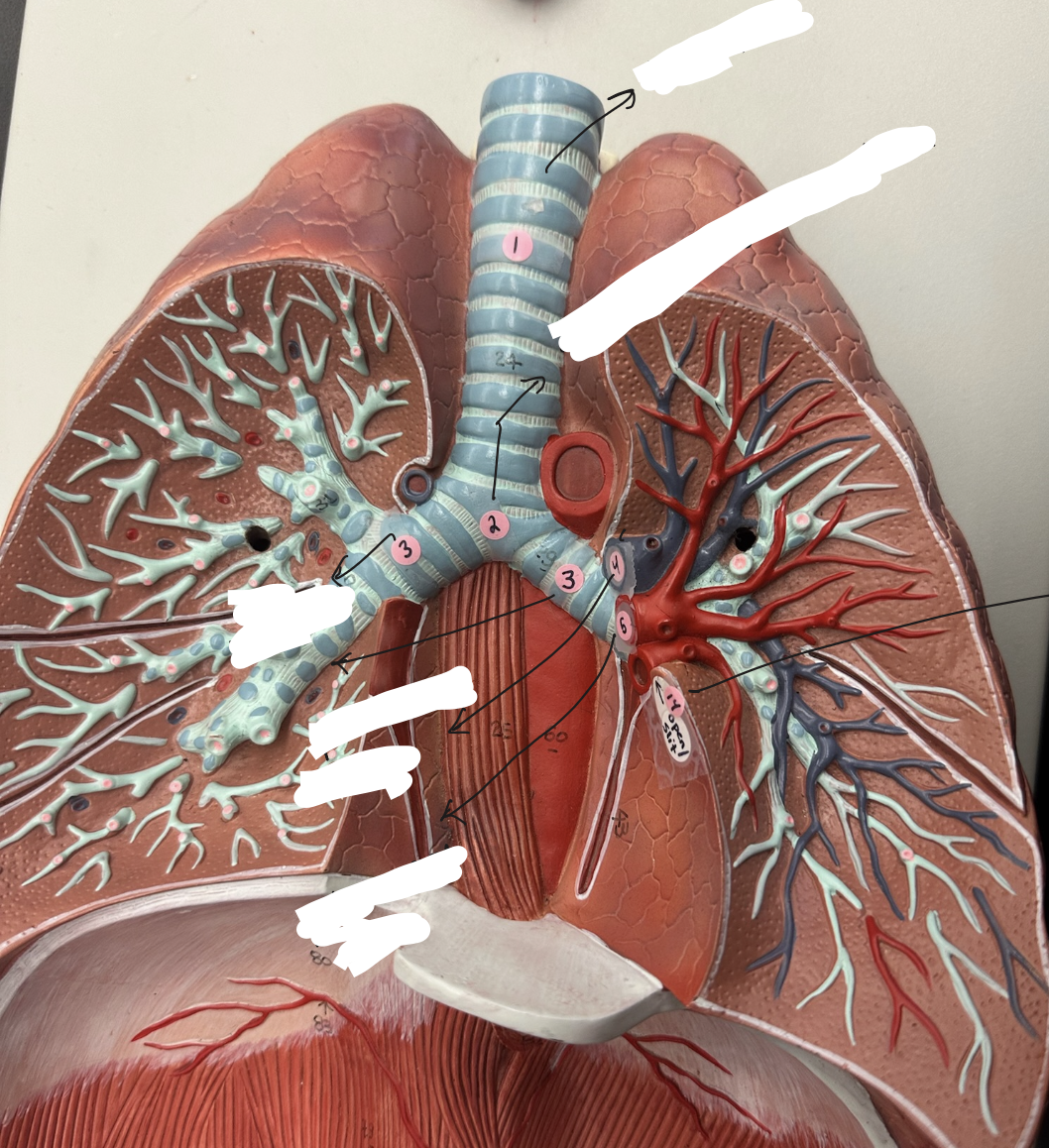
4
Pulmonary arteries
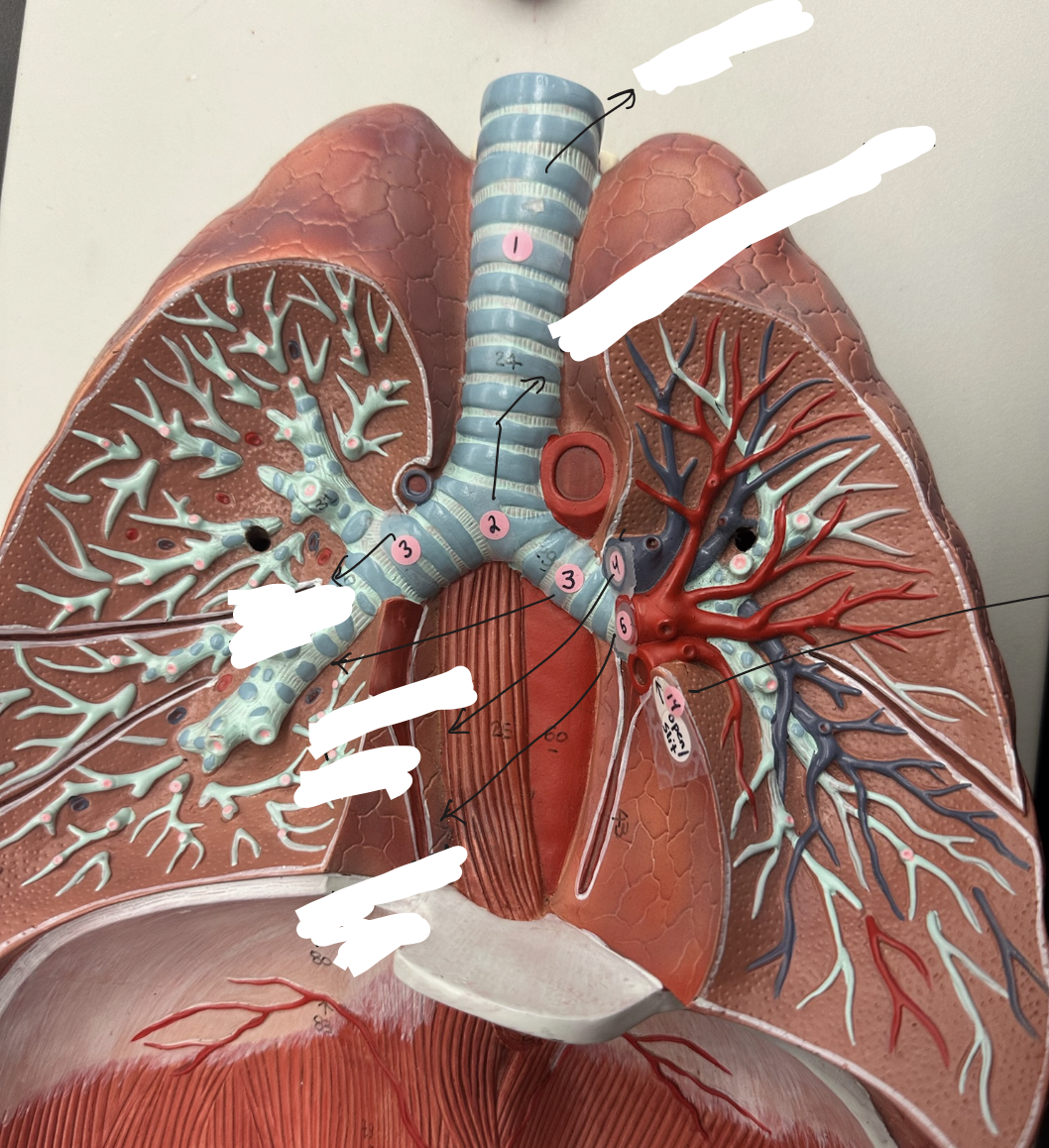
5
Pulmonary veins
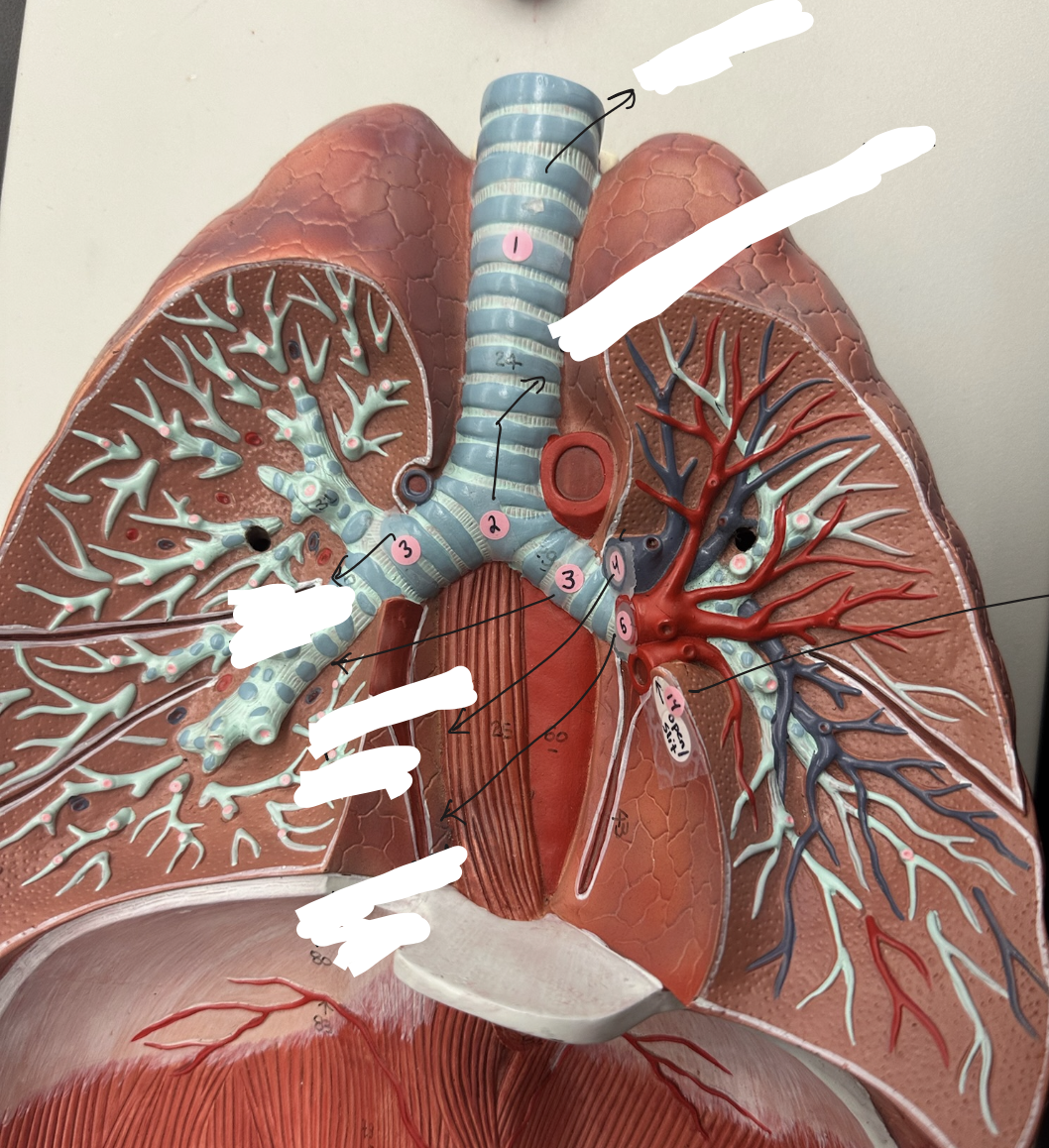
14
Hilum
Functions of the system
Gas exchange
Communication
Olfaction
Acid-base balance
Blood pressure regulation
Platelet production
Blood and lymph flow
Blood filtration
Expulsion of abdominal contents
Principal organs in order that air encounters them from inhalation to lung
Nose→pharynx→larynx→trachea→bronchi→lungs
Ondine’s Curse (Congenital Central Hypoventilation Syndrome)
Automatic respiratory functions disabled
Due to TBI, brainstem damage from stroke, infections, tumors, accidents in neurosurgery, or mutation of gene of chemoreceptors in medulla oblongata
Must remember to take each breath and can’t sleep without aid of ventilator
Some cases can reverse, many don’t survive
Chronic bronchitis
Severe persistent inflammation of lower respiratory tract
Secretion of excess mucus by goblet cells causing cilia to be immobilized
Mucus builds in lungs and acts as a growth medium for bacteria
Emphysema
Alveolar walls break down and alveoli converge into fewer and larger spaces
Less membrane available for gas exchange
Gaps/Spaces = cavities in lung
Two ways nasal cavity prepares incoming air
Nose hairs and mucus filters dust
Moisturizes and heats up air
Nasopharynx passes only
Air
Oropharynx passes
Air, food, and drink
Laryngopharynx passes
Air, food, and drink
Larynx differs in infant vs adults because in infants the larynx is
relatively high in the throat, and the epiglottis touches the soft palate, creating a continuous airway from the nasal cavity to the larynx
How do vocal cords produce sound?
Deeper intrinsic muscles control vocal cords by pulling on the corniculate and arytenoid cartilages causing it to pivot and arytenoid cartilages abduct or adduct the vocal cords
How does the pitch and loudness change?
Air forced between adducted cords vibrate them resulting in a high pitched sound when taut, lower when slack
Loudness determined by the force of air passing between the vocal cords
Right lung has _ lobes
3
Right lung has (blank) fissure and (blank) fissure
horizontal, oblique
Right lung’s relative size
shorter
Right lung’s special feature
shorter to accomodate liver
Left lung has _ lobes
2
Left lung has a _ fissure
Oblique
Left lung’s relative size
Taller, but narrower
Left lung’s special feature is the
cardiac notch to accomodate the heart
Patient with severe emphysema
PO2 levels are decreased due to less surface area
PCO2 levels are increased due to larger alveoli make less efficient space to get rid of CO2
Breathing rate increased due to low O2 and high CO2 to maximize gas exchange
Activity tolerance decreased due to body not having enough O2 to meet needs